
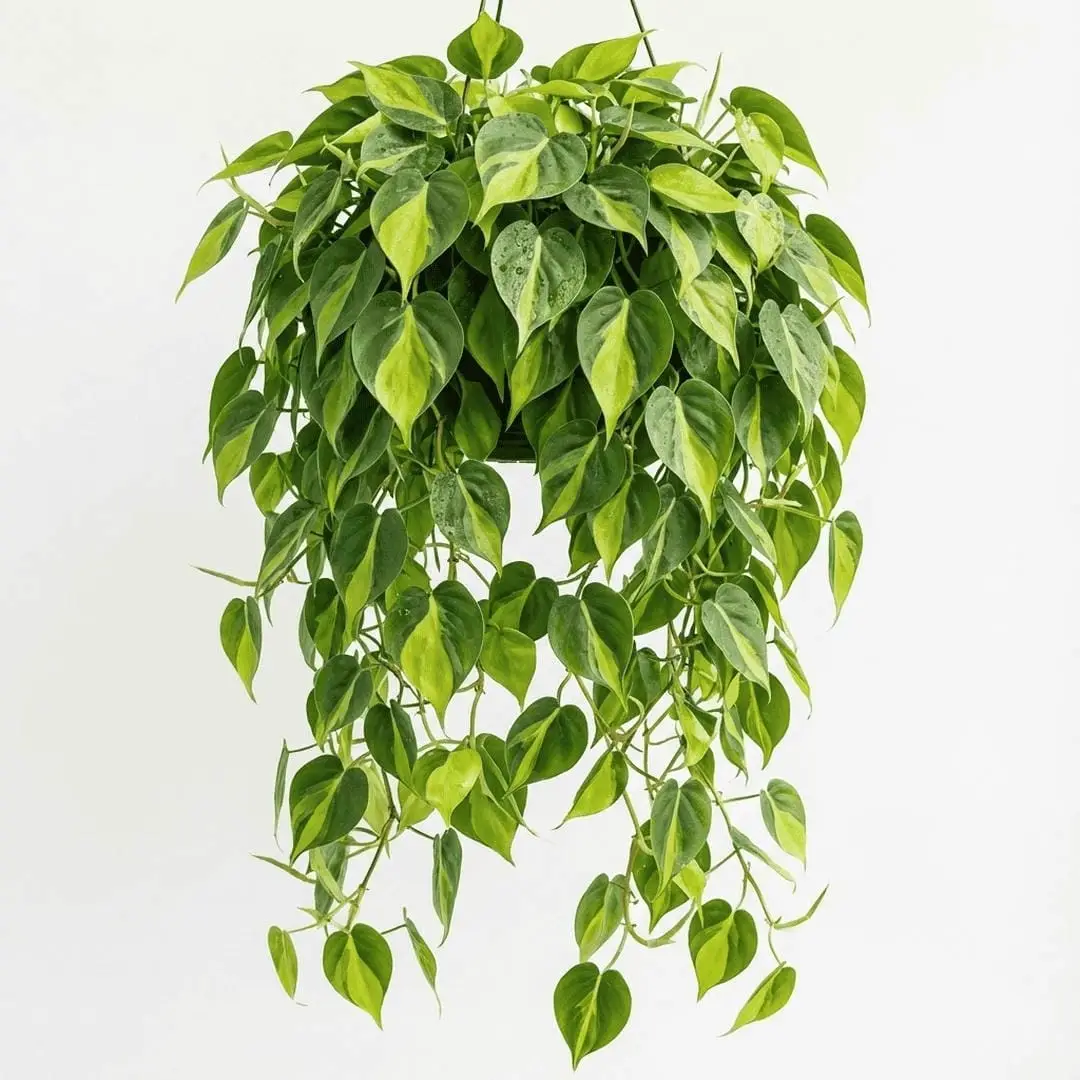
Philodendron Brasil
Philodendron hederaceum 'Brasil'
Variegated Heartleaf Philodendron, Brazilian Philodendron, Philodendron Hederaceum Brasil


The Philodendron Brasil is the perfect upgrade from a standard green heartleaf. Learn how to maintain its stunning lime-green variegation, prevent reversion, and grow 10-foot long vines with our complete care guide.
📝 Philodendron Brasil Care Notes
🌿 Care Instructions
⚠️ Common Pests
📊 Growth Information
🪴 In This Guide 🪴

📺 Philodendron Brasil Video Guide

☀️ Philodendron Brasil Light Requirements

The Key to Variegation: Bright Indirect Light
Light is the single most important factor for keeping your Philodendron Brasil looking like a "Brasil." Because this plant is variegated, it has less chlorophyll (the green stuff that makes food) than a solid green plant. The lime and yellow parts of the leaf are essentially "freeloaders" energy-wise - they look pretty but don't pull their weight.
To compensate, the plant needs Bright Indirect Light.
- The Sweet Spot: Place it within 3-5 feet of an East or West-facing window.
- Lux Levels: Aim for 10,000 to 20,000 Lux for optimal color. You can measure this with a free light meter app on your phone.
- Foot-Candles: Around 1,000 to 2,000 FC.
If you provide enough light, the new leaves will emerge with bold, contrasting stripes. In lower light, the plant will survive, but the new growth will be smaller and muddy in color.
Preventing Reversion
This is the most common issue with Brasils. Since the variegation is a mutation, the plant is constantly trying to "fix" itself by returning to its natural, solid green state (which is more efficient for photosynthesis).
If your plant starts pushing out solid dark green leaves, it is screaming: "I need more light!"
- Move it: Immediately find a brighter spot.
- Prune it: You must cut off the solid green vine back to the last variegated leaf. If you don't, the vigorous green growth will take over and outcompete the beautiful variegated parts.

Can It Handle Direct Sun?
In its native environment, the Philodendron hederaceum grows as an understory plant in tropical rainforests, climbing up trees towards the canopy. It is used to dappled sunlight, not harsh direct rays.
- Morning Sun: An hour or two of gentle morning sun (East window) is wonderful and will make the yellow colors pop.
- Afternoon Sun: Avoid hot, direct afternoon sun (South or West windows without curtains). The yellow parts of the leaves lack the protective pigments to handle UV radiation and will scorch quickly, turning papery and white/brown.

💧 Philodendron Brasil Watering Guide
The 'Soak and Dry' Method
Like most Aroids, the Philodendron Brasil is susceptible to root rot if kept in constantly wet soil. However, it is not a succulent; it hates being bone dry for long periods.
- The Rule: Water ONLY when the top 50-75% of the soil is dry. Use your finger to check. If it's damp, wait.
- The Technique: When you water, do not sip. Soak it. Pour water until it flows freely from the drainage holes. This mimics a tropical downpour and ensures every root gets moisture.
- Flushing: Deep watering also flushes out built-up salts from fertilizers and tap water, which prevents root burn.
Visual Sign: The Philodendron 'Curl'
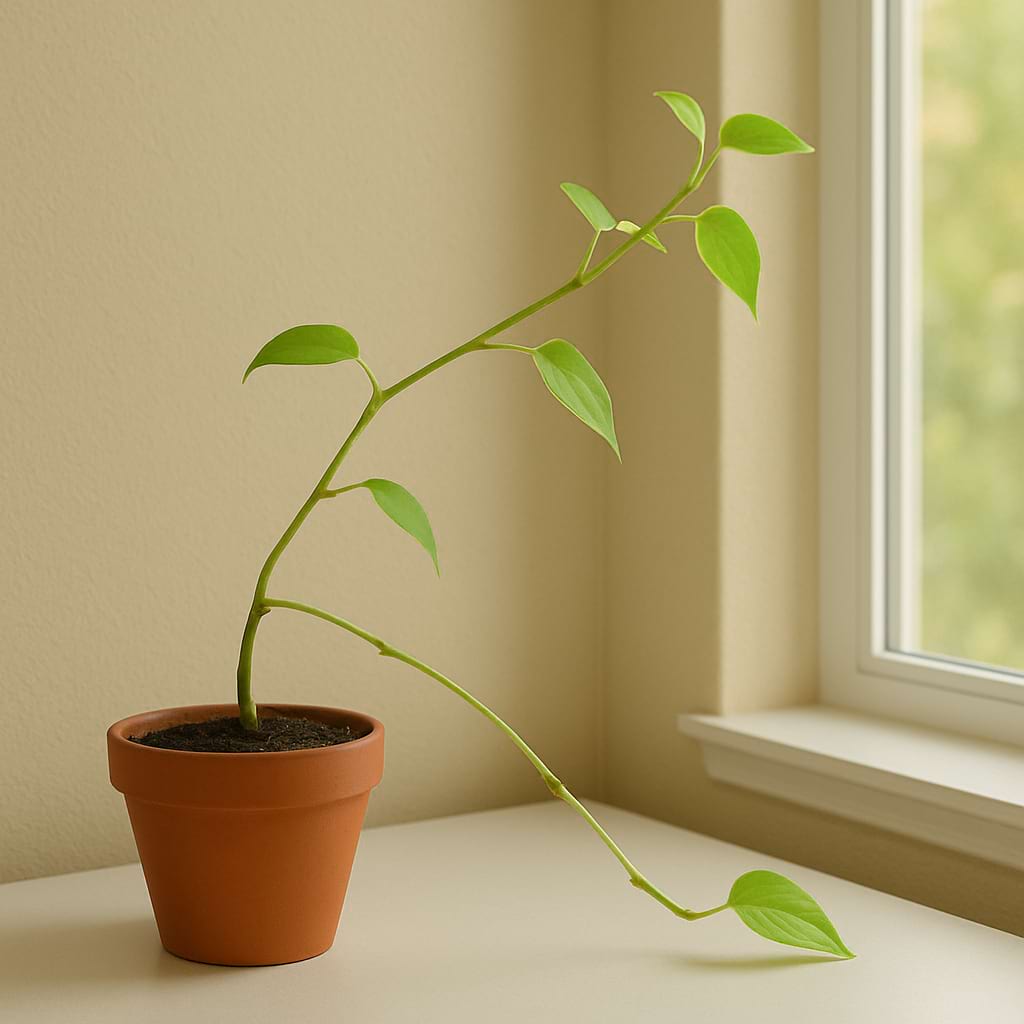
The Brasil is an excellent communicator. You can often tell if it needs water just by looking at it.
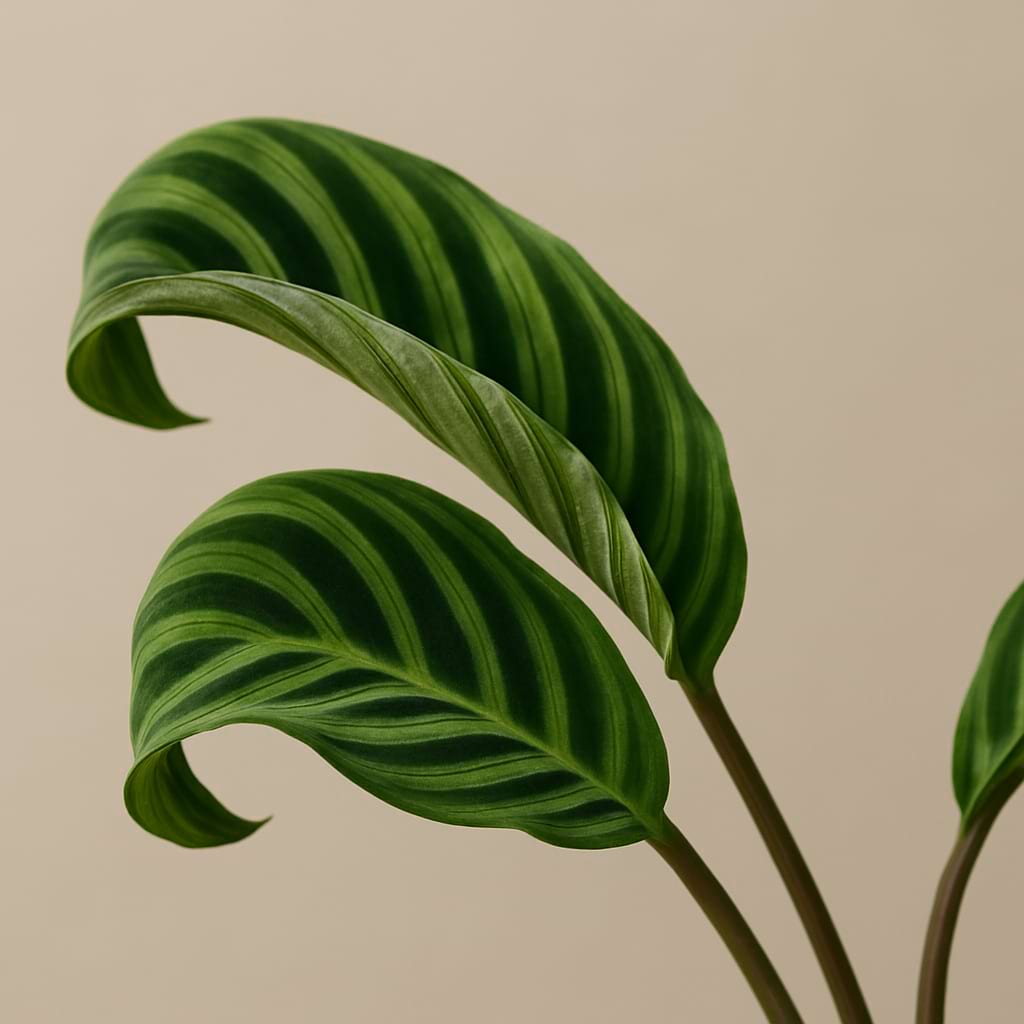
- Thirsty: The leaves will droop and the edges will curl inward, creating a concave shape. This is a sign of turgor pressure loss. Water it, and it will perk up within hours.
- Overwatered: Leaves will turn yellow (usually starting from the bottom) or develop brown, mushy spots. The soil will smell sour or swampy.
Water Quality and Fluoride Sensitivity
While not as sensitive as a Calathea or Spider Plant, the Philodendron Brasil can react to excess chemicals in tap water.
- Sensitivity: High levels of Fluoride and Chlorine can accumulate in the leaf tips, causing them to turn brown and crispy.
- Solution: If you have hard water (High TDS), leave your watering can out overnight to let chlorine evaporate, or use filtered water.
- Ideal pH: Slightly acidic water (pH 5.5 - 6.5) helps the plant absorb nutrients efficiently.
🪴 Best Soil for Philodendron Brasil
The 'Chunky' Aroid Mix
In the wild, this plant is a hemiepiphyte. It often grows on trees or in loose leaf litter on the forest floor. Its roots need oxygen just as much as they need water. Dense, muddy potting soil will suffocate them, leading to root rot.
You need a mix that is chunky, airy, and fast-draining.
DIY Aroid Soil Recipe
For the absolute best results, mix your own substrate.
- 40% Quality Potting Soil (Base moisture retention)
- 30% Orchid Bark (Creates large air pockets)
- 20% Perlite or Pumice (Drainage and aeration)
- 10% Worm Castings (Natural, gentle fertilizer)
- Optional: A handful of Horticultural Charcoal to filter impurities and keep the soil sweet.
Can't make this mix? Buy a bag of orchid bark and mix it 50/50 with standard houseplant soil.
🍼 Fertilizing Philodendron Brasil
Feeding the Fast Grower
Because the Brasil is a vigorous grower, often putting out a new leaf every week during the season, it needs fuel.
- Spring & Summer (Active Growth): Fertilize every 4 weeks. Use a balanced liquid fertilizer (NPK 10-10-10 or 20-20-20) diluted to half strength.
- The "Weakly Weekly" Method: Alternatively, you can use a very dilute fertilizer (1/4 strength) every time you water. This provides a steady stream of nutrients without the risk of burn.
- Fall & Winter (Rest): Stop fertilizing. The plant slows down, and excess salts will sit in the soil and burn the roots.
Nutrient Deficiencies
- Pale New Growth: Often a sign of Magnesium or Iron deficiency. A dose of Cal-Mag supplement usually fixes this.
- Small Leaves: While often light-related, a lack of Nitrogen can also cause stunted growth.
🌡️ Philodendron Brasil Temperature Range
Tropical Warmth
This plant is native to the warm tropics of South America and the Caribbean. It thrives in standard household temperatures.
- Ideal Range: 65°F to 85°F (18°C - 29°C).
- Growth Stalls: Below 60°F (15°C).
- Cold Damage: Below 50°F (10°C). Leaves will turn black/mushy and drop.
Draft Protection
The Brasil hates cold drafts. Do not place it directly in front of an AC vent in summer or a drafty window in winter. The sudden temperature fluctuation can cause "thermal shock," leading to leaf drop.
💦 Philodendron Brasil Humidity Needs
Adaptable but Moisture-Loving
One of the reasons the Philodendron Brasil is so popular is its adaptability. While it prefers high humidity (60%+), it tolerates average home humidity (40%) surprisingly well.
- Ideal Humidity: 50% - 70%.
- Minimum: 40%.
Signs of Low Humidity
If the air is too dry (typically in winter with heaters on), you might see:
- Brown, crispy tips.
- Leaves getting stuck while unfurling (mechanical damage).
- Slow growth.
To increase humidity, group your plants together (transpiration creates a microclimate) or use a humidifier. Avoid misting - it doesn't effectively raise humidity and can encourage fungal diseases like Bacterial Leaf Spot.
📈 Growth Habits: Climber vs Trailer

The Natural Climber
In the wild, Philodendron hederaceum is a climber. It starts on the dark forest floor and scrambles up tree trunks towards the light.
- Juvenile Form: What we have in our homes. Small, heart-shaped leaves (~3-4 inches).
- Mature Form: If allowed to climb a vertical support (like a tree or moss pole), the leaves undergo a metamorphosis. They can become massive - up to 12 inches wide - and the stems become thick and woody.
The Trailing Aesthetic
Most indoor gardeners prefer the "curtain" look.
- Growth Rate: In bright indirect light, vines can grow 2-3 feet per year.
- Maximum Length: Vines can easily reach 10-15 feet if you don't prune them.
- Trade-off: Trailing plants will generally stay in their juvenile form (small leaves) forever because they don't feel the "support" required to trigger maturity.
🌸 Do Philodendron Brasil plants bloom?
The Rare Spathe
It is extremely rare for a Philodendron Brasil to bloom indoors. In fact, most longtime owners have never seen one.
- The Flower: It isn't a true flower, but an inflorescence consisting of a spathe (a hooded modified leaf) and a spadix (the spike inside). They look similar to a Peace Lily flower but remain green/white and tough.
- Why No Blooms?: Blooming requires mature form (climbing) and high energy. Since most houseplants are kept in juvenile trailing forms, they focus on leaf growth instead of reproduction.
🏷️ Philodendron Brasil Varieties & Lookalikes
The Identity Crisis: Brasil vs Rio vs Cream Splash
The "Brasil" has several cousins, all mutations of the same Philodendron hederaceum. They are often mislabeled in nurseries.
Philodendron Brasil:
- Colors: Dark Green, Lime Green, minimal Yellow/Cream.
- Pattern: Central lime stripe is "painted" and irregular. The colors blend into each other.
- Stem: Green/Pinkish.
Philodendron Rio (Silver Stripe Sport):
- Colors: Dark Green, Silver/Cream, Silver-Gray, Central Silver line.
- Pattern: Distinct, sharp lines. No lime green blending. Leaves are longer and more pointy (lanceolate).
- Cost: Significantly more expensive.
Philodendron Cream Splash:
- Colors: Dark Green, Lime Green, Cream/White.
- Pattern: Like a Brasil but with distinct blocks of heavy cream/white variegation.
Philodendron Gabby:
- Colors: Mostly Cream/White with small flecks of green.
- Growth: Very slow due to low chlorophyll.
🪴 Repotting Philodendron Brasil
When to Repot
Philodendrons enjoy being slightly rootbound - it encourages them to push out foliage. Repot only when:
- Roots Escape: You see roots growing out of the bottom drainage holes.
- Thirsty: You have to water everyday because the ratio of roots to soil is too high.
- Stalled Growth: The plant hasn't produced a new leaf in months (during spring/sumer).
Frequency: Young plants need repotting every 1 year. Mature plants can go 2-3 years.
Sizing Up
The Golden Rule: Only increase the pot size by 1-2 inches.
- Example: Move from a 4-inch pot to a 6-inch pot.
- Why?: A pot that is too large holds too much water. The excess soil that roots can't reach will stay wet and turn anaerobic (rotting), leading to root rot.
✂️ Pruning Guide: Bushy vs Long
The Pinch and Cut Method
If left alone, the Brasil tends to grow one or two very long "runner" vines, leaving the top of the pot bald.
- To Make it Bushy: Don't be afraid to cut! Snip the vines just above a node. This forces the plant to activate "sleeping buds" further back on the stem, creating branching and a fuller pot.
- The Reversion Cut: As mentioned in the Light section, you MUST prune off any vines that have reverted to solid green. Cut them all the way back to the main stem or the last variegated leaf.
🌱 How to Propagate Philodendron Brasil
Since this plant grows nodes every few inches, it is one of the easiest plants to clone. You can turn one plant into ten in a single season.

Method 1: Water Propagation (Beginner)
- Select: Find a healthy vine. Look for the small brown bumps on the stem opposite the leaves - those are aerial roots (nodes).
- Cut: Snip the vine so you have a segment with at least 1 or 2 leaves and 1 node.
- Trim: Remove the bottom leaf so the node is exposed. Do NOT bury a leaf in water - it will rot.
- Submerge: Place the cutting in a glass of water. Ensure the node is underwater but the leaf is in the air.
- Wait: Change the water weekly. Roots will appear in roughly 10-14 days.
- Plant: When roots are 2-3 inches long, plant them back into the top of the mother pot to make it fuller!
Method 2: The 'Bobby Pin' Method (Layering)
You don't even have to cut the vine!
- Take a long vine and loop it back up towards the soil surface.
- Ensure a node is touching the soil.
- Use a bobby pin or paperclip to pin the node firmly against the soil.
- Keep the soil moist. The node will root directly into the pot while still attached to the mother plant.
- Once rooted (tug gently to check), you can cut the vine if you want, or just leave it for a denser look.
🐛 Philodendron Pests and Treatment
The Usual Suspects
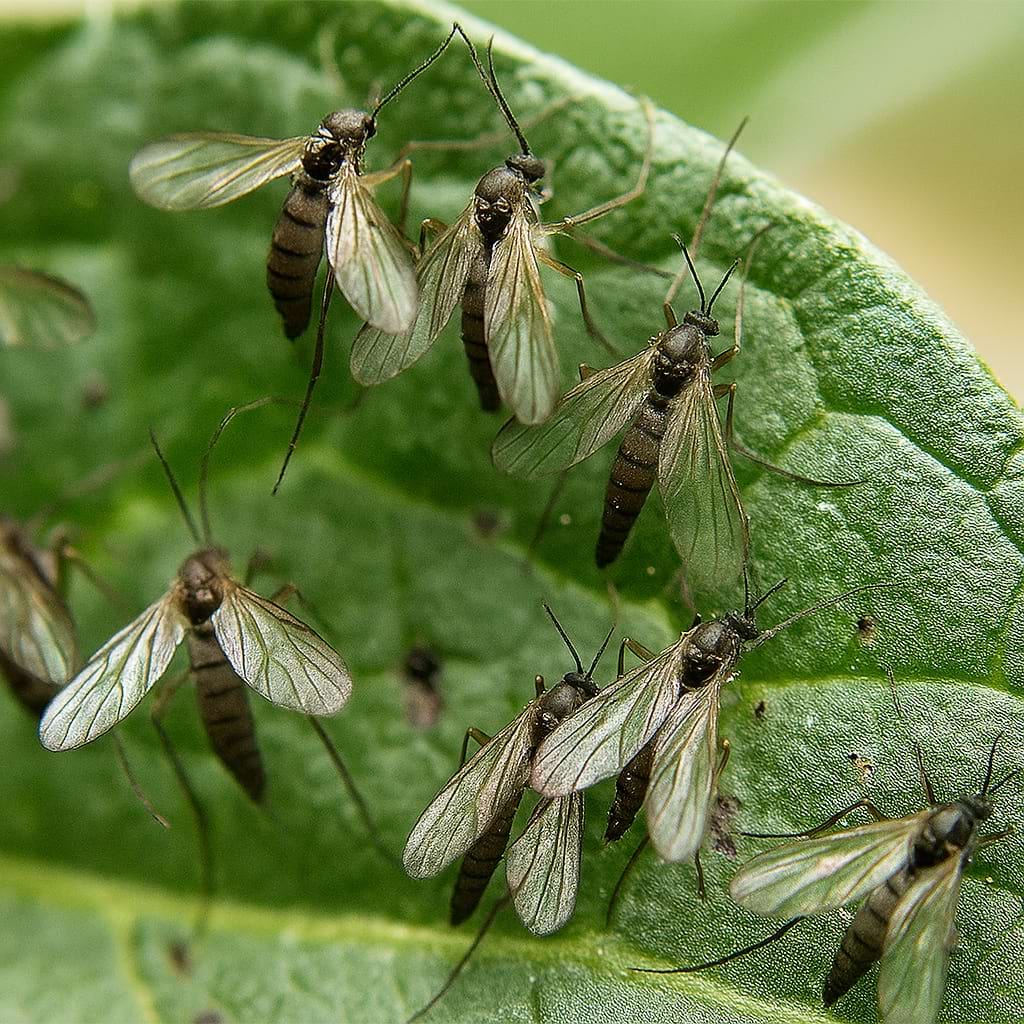
- Fungus Gnats: If you keep the soil too wet, these tiny black flies will set up shop.
- Fix: Let the soil dry out more. Use yellow sticky traps. Treat with Mosquito Bits (BTI).
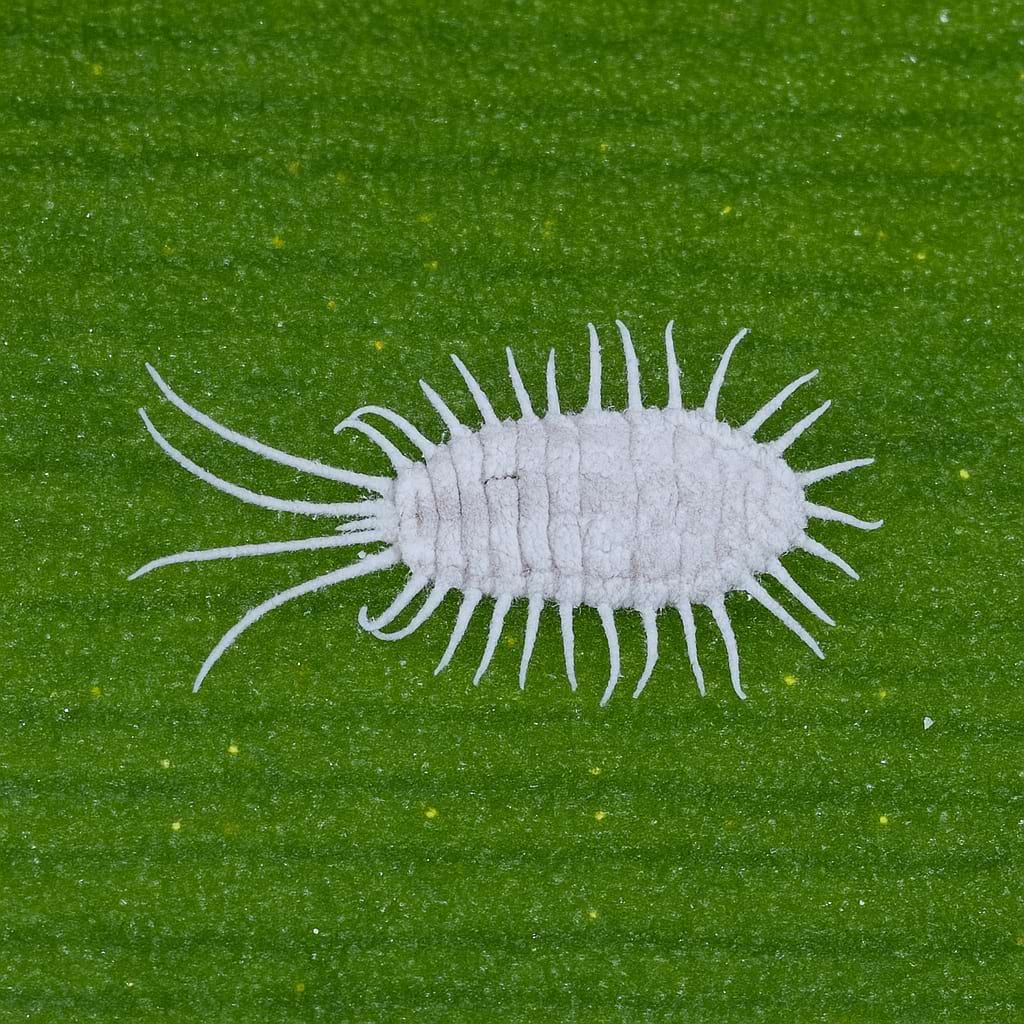
- Mealybugs: Look for white, cottony fluff in the crevices where the leaf meets the stem.
- Fix: Dip a Q-tip in Isopropyl Alcohol (70%) and dab them off immediately. Spray with Neem Oil.
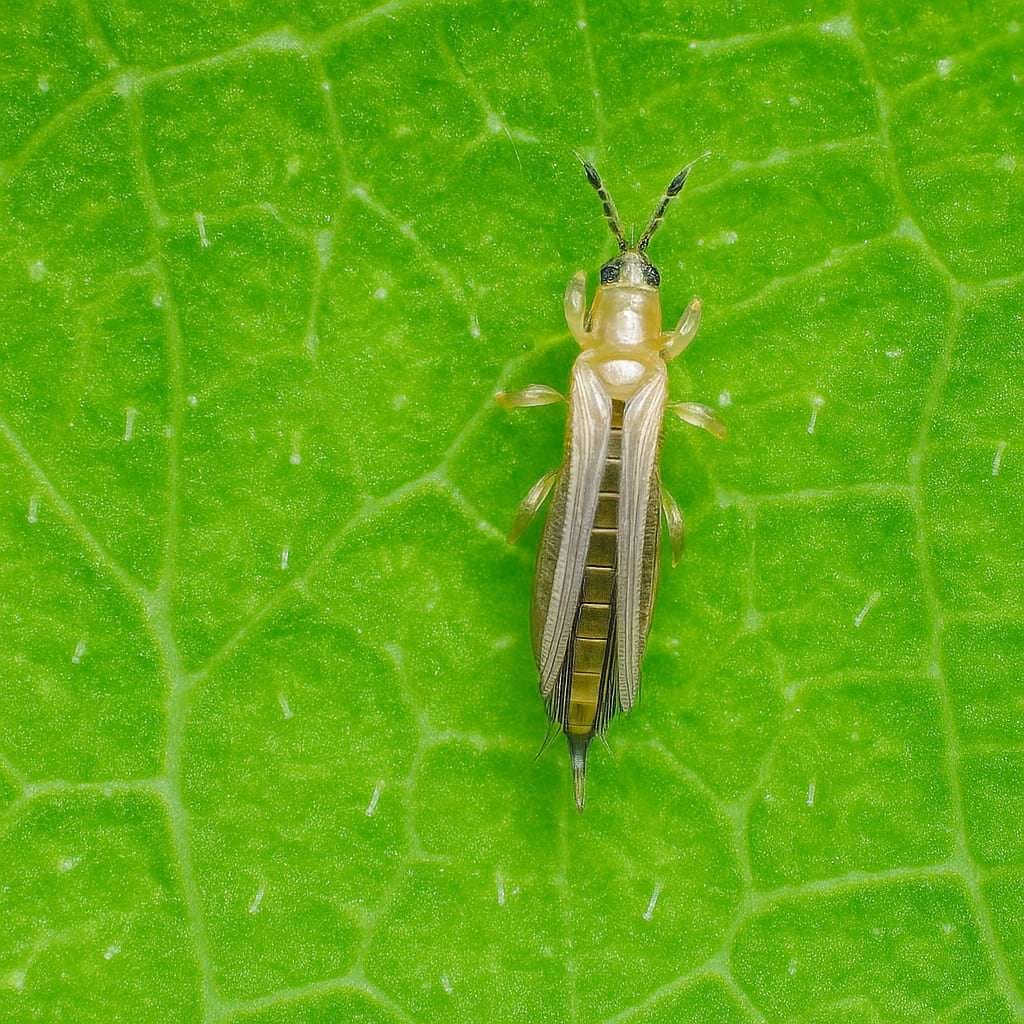
- Thrips: The worst enemy. Look for tiny yellow/black slivers moving on the leaves and silver/bronze damage patches.
- Fix: Spinosad spray (Captain Jack's Dead Bug Brew) is highly effective. Quarantine immediately.
🩺 Philodendron Brasil Troubleshooting
Why are my leaves yellowing?
- One or two old leaves: Normal aging. Just pluck them off.
- Mass yellowing: Overwatering. Stick your finger in the soil. If it's wet and you haven't watered in a week, you have root rot. Repot immediately into fresh, dry soil and trim the mushy roots.
- Yellow spots: Bacterial Leaf Spot (Erwinia). Usually caused by misting or wet leaves. Cut off the infected leaf carefully (sterilize scissors!) and stop getting water on the foliage.
Why are the leaves so small?
- Low Light: The plant is conserving energy.
- No Support: Vines that dangle will naturally produce smaller leaves over time (gravity actually signals "we are falling" to the plant). Give it a moss pole if you want giant leaves.

🖼️ Styling Your Philodendron Brasil
Creative Placement
- The Waterfall: Place on a high bookshelf or hanging macrame planter. Let the vines drape 5-6 feet down for a dramatic "green curtain" effect.
- The Totem: Use a coir or moss pole. Pin the vines upwards. This creates a floor-standing statement piece and encourages mature leaf growth.
- The Frame: Use clear Command hooks to guide the vines around a window frame or mirror.
🌟 Anastasia's Expert Tips
Rules of Thumb
- Rotate It: The Brazil leans heavily towards the light. Rotate the pot 90 degrees every time you water to ensure even growth on all sides.
- The Chopstick Check: Don't want to get your finger dirty? Stick a raw wooden chopstick into the soil. Leave it for 10 minutes. If it comes out damp and dark, don't water. If it's dry and light, water.
- Group for Color: This plant looks incredible next to a Neon Pothos. The neon yellow of the Pothos highlights the lime stripe in the Brasil.
❓ Frequently Asked Questions
Why is my Philodendron Brasil turning solid green?
This is called reversion. New leaves lose their variegation because the plant isn't getting enough light. To survive, it produces more chlorophyll (green pigment) to photosynthesis more efficiently. Move the plant to a brighter spot and prune off the solid green vines.
Is Philodendron Brasil the same as Pothos?
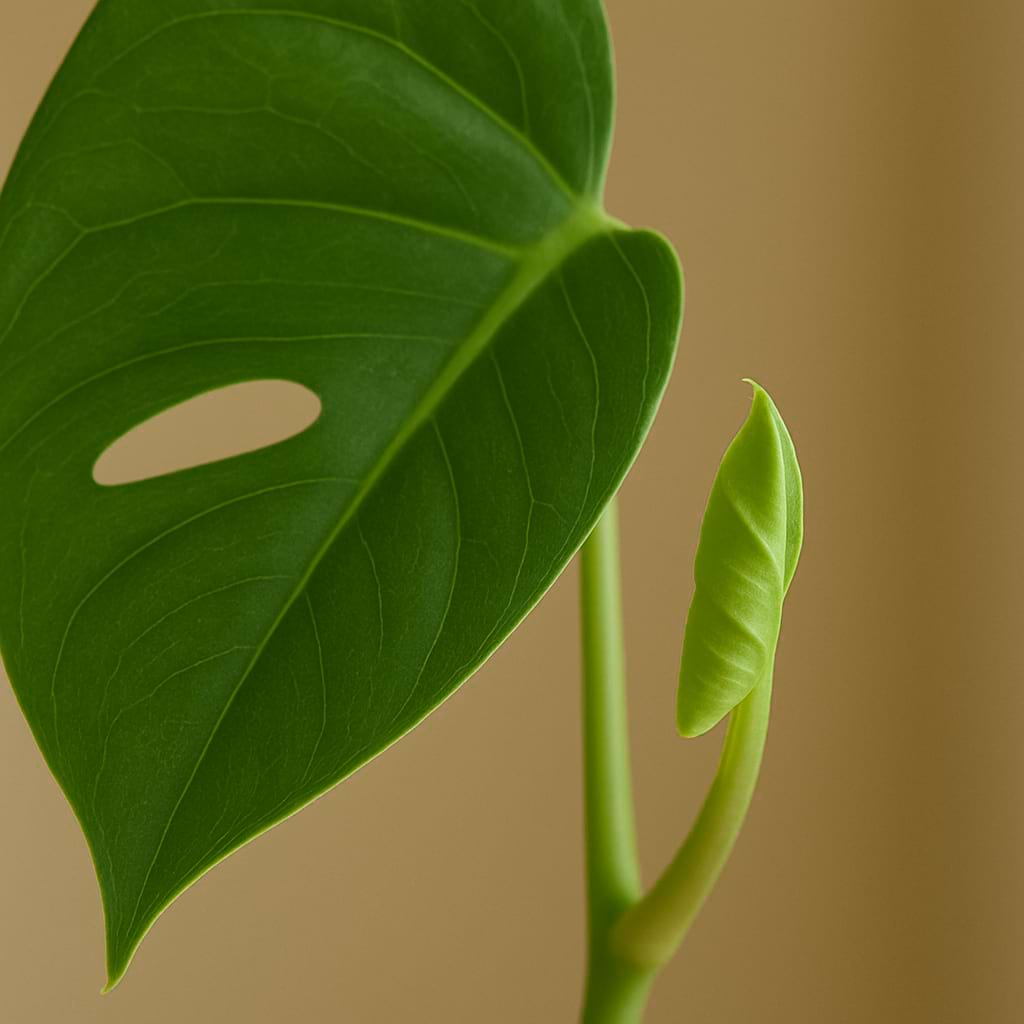
No, though they look similar. Philodendron Brasil (Philodendron hederaceum) has heart-shaped leaves with a matte finish and new leaves emerge from a sheath (cataphyll). Pothos (Epipremnum aureum) leaves are waxy, often asymmetrical, and unfurl directly from the vine.
What is a Cataphyll?
It is the protective sheath that surrounds a new leaf. As the leaf grows, the sheath dries up and falls off. This is a key identifier for Philodendrons.
Why are the leaves curling?
Curling leaves are the classic sign of thirst in Philodendrons. If the soil is dry, give it a thorough soak. If the soil is wet and leaves are curling, it could be root rot preventing water uptake.
Can I grow Philodendron Brasil in low light?
It will survive but likely won't thrive. In low light, the beautiful lime-green variegation will fade, leaves will become smaller, and growth will slow down significantly. Medium to bright indirect light is best.
What are the sticky drops on the leaves?
These are likely extrafloral nectaries. The plant naturally produces sugary sap to attract beneficial insects (like ants) in the wild. It's harmless but can be wiped off with a warm, damp cloth.
How fast does Philodendron Brasil grow?
It is a rapid grower. In optimal conditions, vines can grow 2-3 feet per year. Regular pruning encourages bushier growth.
ℹ️ Philodendron Brasil Info
Care and Maintenance
🪴 Soil Type and pH: Well-draining Aroid Mix
💧 Humidity and Misting: Adaptable, but prefers 50-60% for faster growth.
✂️ Pruning: Prune solid green leaves immediately to prevent reversion.
🧼 Cleaning: Wipe leaves weekly to remove dust and pests.
🌱 Repotting: Every 1-2 years when rootbound.
🔄 Repotting Frequency: Every 1-2 years
❄️ Seasonal Changes in Care: Reduce water in winter; keep away from cold drafts.
Growing Characteristics
💥 Growth Speed: Fast (2-3 feet per year)
🔄 Life Cycle: Perennial Vine
💥 Bloom Time: Rare indoors (White Spathe)
🌡️ Hardiness Zones: 10-12 (USDA)
🗺️ Native Area: Cultivar (Original species: South America/Caribbean)
🚘 Hibernation: No true dormancy, but growth slows in winter.
Propagation and Health
📍 Suitable Locations: Hanging baskets, high shelves, moss poles.
🪴 Propagation Methods: Stem cuttings root easily in water or soil.
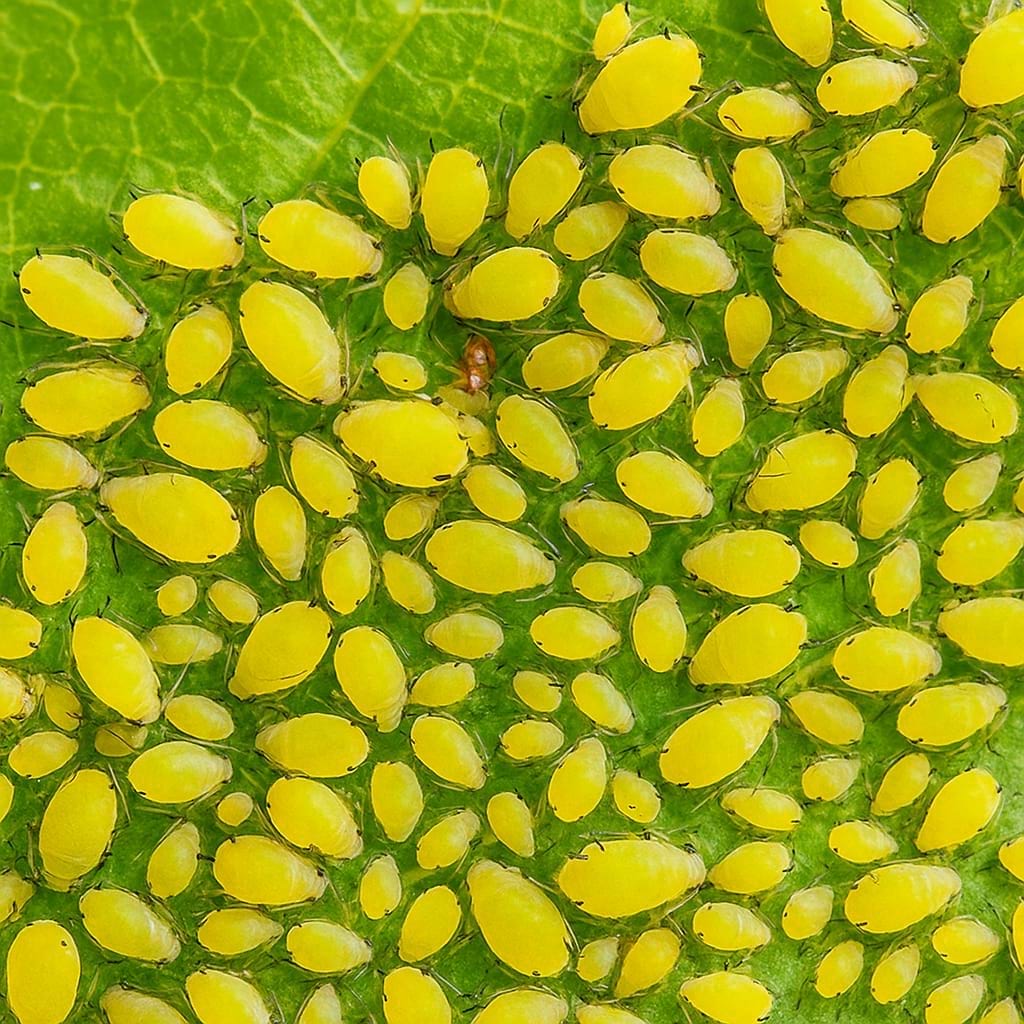
🐛 Common Pests: Fungus Gnats, Mealybugs, Aphids, Thrips
🦠 Possible Diseases: Bacterial Leaf Spot (Erwinia), Root Rot.
Plant Details
🌿 Plant Type: Vine / Climber / Hemi-epiphyte
🍃 Foliage Type: Evergreen Variegated
🎨 Color of Leaves: Dark Green with Lime/Yellow center stripe
🌸 Flower Color: White (Insignificant)
🌼 Blooming: Rarely blooms indoors.
🍽️ Edibility: Toxic (Calcium Oxalate Crystals).
📏 Mature Size: Trails 10+ feet; Climbs 6+ feet
Additional Info
🌻 General Benefits: Air purifying, visual stress relief.
💊 Medical Properties: None.
🧿 Feng Shui: Southwest (Relationships); Wood Element (Growth).
⭐ Zodiac Sign Compatibility: Gemini (Adaptable, communicative, dual-colored).
🌈 Symbolism or Folklore: Growth, Abundance, and Forgiveness.
📝 Interesting Facts: Discovered as a sport in Holambra, Brazil in 1991.
Buying and Usage
🛒 What to Look for When Buying: Choose a plant with highly variegated leaves; avoid mostly green ones.
🪴 Other Uses: Privacy screen, living curtain.
Decoration and Styling
🖼️ Display Ideas: Trailing from a macrame hanger or climbing a moss pole.
🧵 Styling Tips: Pair with Neon Pothos for a high-contrast lime green display.
🪴 See also 🪴
Complete Guide to Anthurium Magnificum Hybrid Care (Velvet Cardboard Anthurium)
Complete Guide to Neon Pothos Care (Electric Vine)

Houseplant101 Forum
Questions & Comments
Ask a question, share your plant experience, or help other plant owners.
Comments are temporarily unavailable.
Open the Houseplant101 ForumNo comments yet
Be the first to ask a question or share your experience about this page.
Log in or create an account
Comments use your Houseplant101 Forum account, but you can stay on this page.
Create a new account