
Neon Pothos
Epipremnum aureum 'Neon'
Neon Devil's Ivy, Golden Pothos 'Neon', Electric Pothos


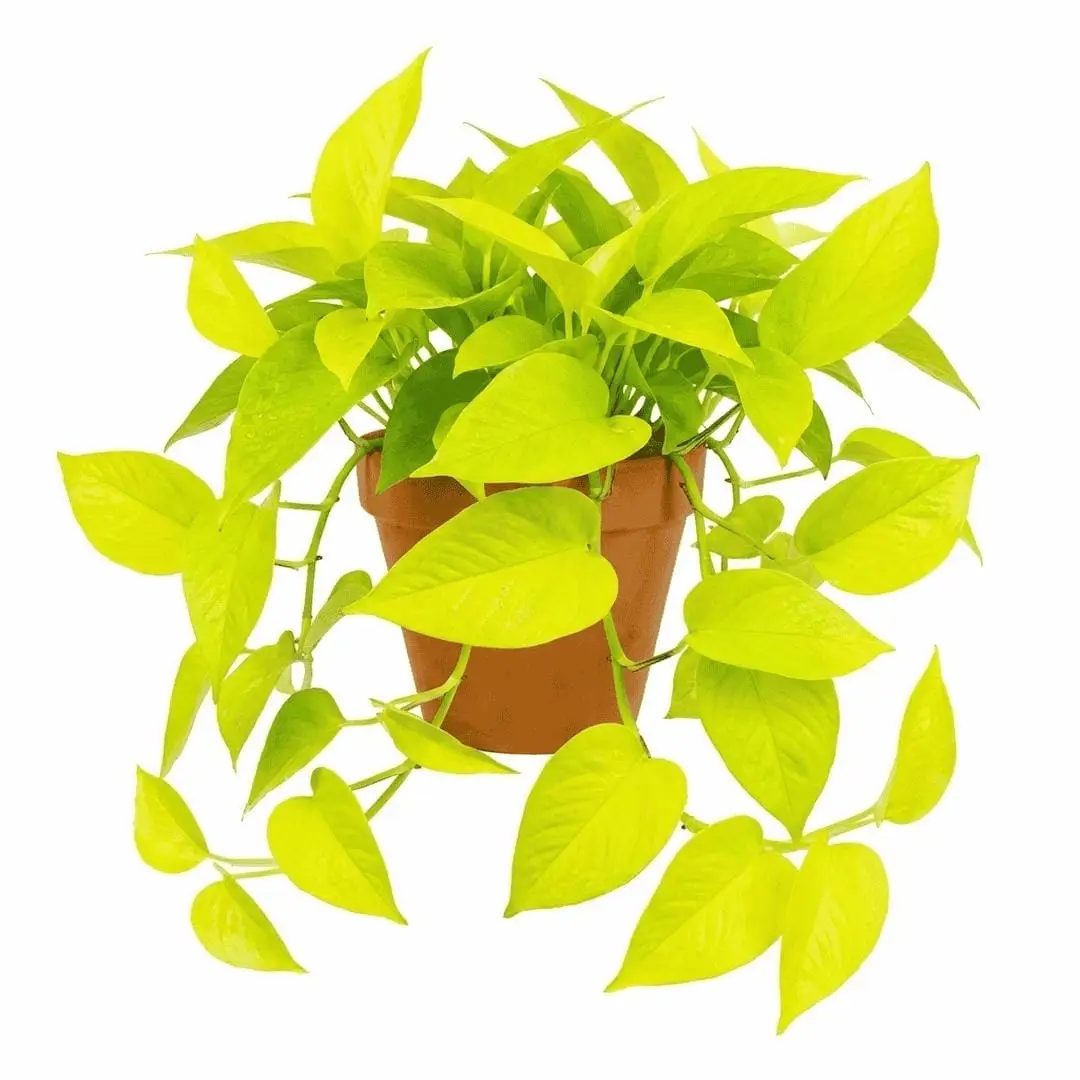
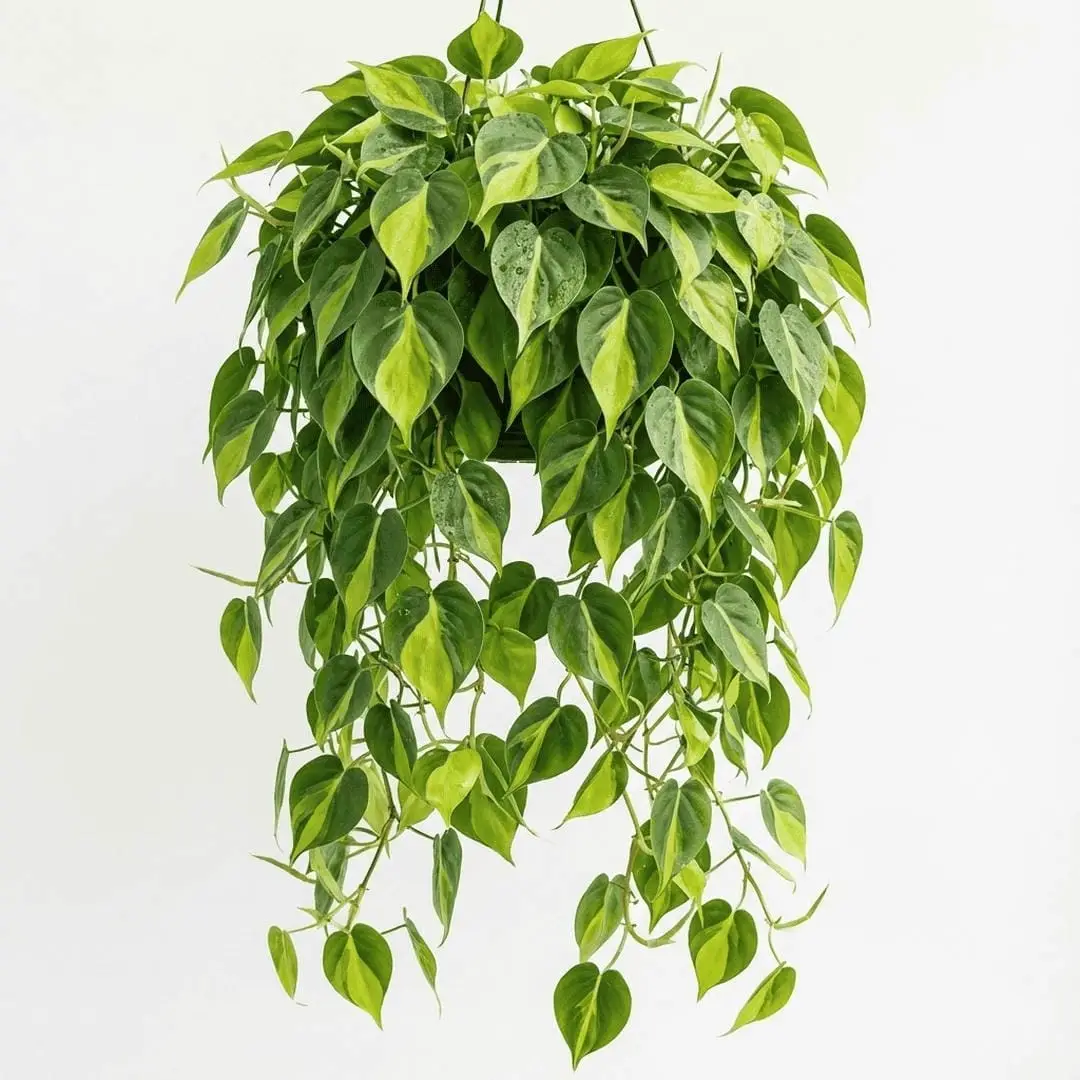
The Neon Pothos is the electric cousin of the common pothos. Its shocking chartreuse-yellow leaves act like a biological highlighter for any room, bringing an instant burst of brightness and energy to drab corners.
📝 Neon Pothos Care Notes
🌿 Care Instructions
⚠️ Common Pests
📊 Growth Information
🪴 In This Guide 🪴

📺 Neon Pothos Video Guide

☀️ Neon Pothos Light Requirements (Keeping it Neon)

The Science of the Glow
The biggest challenge with Epipremnum aureum 'Neon' is color retention, and understanding the science behind it will make you a better grower. The distinctive "Neon" color is technically an unstable chlorophyll mutation. Standard plants are green because they are packed with chlorophyll to absorb light. The Neon Pothos lacks this density of dark pigment, which gives it that translucent, glowing yellow appearance.
- High Light: When light is abundant, the plant can "afford" to be inefficient. It doesn't need to pack its cells with green chlorophyll to make sugar, so the leaves turn a blinding, brilliant chartreuse or even creamy yellow.
- Low Light Reversion: If you place this plant in a dim corner, it switches into survival mode. It realizes it isn't getting enough energy, so it begins producing "sunblock" in the form of dark green chlorophyll to capture every scarce photon. Your neon plant will slowly "revert" into a standard Jade Pothos, losing its unique appeal.
Best Light for Neon Pothos
To maintain that electric shock of color, you need to find the "Goldilocks" zone.
- Ideal: Bright, indirect light. Think of a spot near a north or east-facing window where the sky is visible but the sun doesn't hit the leaves directly.
- Acceptable: A south-facing window, provided you have a sheer curtain to diffuse the intensity.
- Artificial Light: These plants thrive under LED grow lights. If you have a dark apartment, a simple clamp light with a grow bulb will keep it shocking yellow year-round.
Signs of Solar Stress
Can it take direct sun? A little gentle morning sun is fine, but harsh afternoon sun will bleach the leaves white (scald). The leaves are thinner than other Pothos varieties and burn easily.
- Sunburn: Look for bleached, paper-white patches or crispy gray spots on the leaves facing the window.
- Darkening: As mentioned, if it turns deep forest green, it's begging for more lumens.

💧 Neon Pothos Watering Guide (How to Water)
The Dramatic Droop Strategy
Pothos are dramatic communicators, which makes them excellent plants for beginners. They are the "canaries in the coal mine" of the plant world. When they are thirsty, the entire vine will go limp, and the leaves will curl inward and look matte rather than glossy.
- Do not panic: This is their signal. It is not dying; it is just asking for a drink.
- The Rule: It is always better to let a Pothos "tell you" it needs water (by drooping slightly) than to water it on a rigid schedule. Overwatering kills them by rotting the roots; underwatering just makes them sad for a few hours.
The Squeeze Test
If you aren't sure if it's time to water, use the tactile test.
- Hydrated Leaf: Firm, cool, and rigid. If you try to bend it, it resists. Do not water.
- Thirsty Leaf: Soft, pliable, and warm. You can easily fold it like a taco shell. Time to water.
How to Water Properly
When you do water, do not just give it a sip.
- Drench It: Pour water until it flows freely out of the drainage holes. You want to saturate the entire root ball.
- Drain It: Never let the pot sit in a saucer of standing water. This causes "wet feet" and leads rapidly to root rot.
- Temperature: Try to use lukewarm water. Ice-cold tap water can shock tropical roots, causing the plant to develop yellow leaves or drop foliage suddenly. If you can, let your watering can sit out overnight to reach room temperature and let chlorine dissipate.
🪴 Best Soil for Neon Pothos (Potting Mix & Drainage)
The Ideal Texture
You do not need fancy, expensive mixes here, but drainage is non-negotiable. Neon Pothos roots need oxygen just as much as they need water. If the soil is too dense, the roots will suffocate and rot.
- Texture Goal: You want a "chunky" mix that falls apart when you squeeze a handful of it, not a mix that clumps into a mud ball.
DIY Pothos Soil Recipe
For a thriving plant, mix your own substrate:
- 60% High-Quality Potting Soil: Provides the base nutrients and structure.
- 30% Perlite or Pumice: This is critical for aeration. It creates air pockets around the roots.
- 10% Orchid Bark: Adds extra chunkiness and simulates the forest floor where these plants naturally grow.
Note: Do not use "Garden Soil" or "Top Soil" labeled bags. These are designed for outdoor beds and are far too heavy for indoor containers.
🍼 Fertilizing Neon Pothos
Fueling the Foilage
Neon Pothos are foliage plants, meaning they don't waste energy on flowers indoors. They put all their resources into producing those stunning yellow leaves.
- Nutrient Focus: Nitrogen (N). Look for a fertilizer where the first number is equal to or higher than the others (e.g., 10-5-5 or 20-20-20). Nitrogen is the key building block for chlorophyll and leaf tissue.
- Schedule: Fertilize once a month during the active growing season (Spring and Summer).
- Product: A standard balanced liquid houseplant fertilizer or a fish emulsion fertilizer (diluted to half strength) works wonders.
The Winter Rest
When the days get shorter in late autumn and winter, the plant's growth will slow down. Stop fertilizing during this time. The plant is resting, and adding nutrients when the plant isn't using them can lead to "fertilizer burn," where salts build up in the soil and damage the roots, leading to crispy brown leaf tips.
🌡️ Neon Pothos Temperature Range
Tropical Origins
This plant originates from the sultry Society Islands in French Polynesia. It is genetically wired to crave warmth.
- Ideal Range: 70°F - 90°F (21°C - 32°C). It loves the same temperatures humans do.
- Minimum: 55°F (13°C). Below this, the plant will stop growing and may drop leaves.
The Cold Draft Killer
The most common way people kill Neon Pothos in the winter is by placing them near a drafty window or right next to a front door. One blast of freezing air can cause "cold damage," which manifests as black, soaked-looking spots on the leaves. Once this damage happens, it is irreversible. Keep your plant insulated and away from AC vents or drafty corridors.
💦 Neon Pothos Humidity Needs
A Flexible Jungle Dweller
One of the reasons Pothos are the world's most popular houseplant is their indifference to humidity. While they come from humid jungles, they have adapted remarkably well to dry modern homes.
- Ideal: 50-70% humidity. In this environment, the aerial roots will grow longer, "grabbing" moisture from the air, and the leaves will grow larger and more lush.
- Tolerated: 30-40% humidity (Standard dry office air). The plant will survive just fine, though growth might be slightly slower.
Signs of Dry Air
While it tolerates dryness, it has limits. If the air is desert-dry (below 30%), you might see brown, crispy tips on the leaves. This is the plant's way of saying it's losing water faster than it can drink it. If you see this:
- Group it with other plants (they create a microclimate).
- Place it on a pebble tray with water.
- Use a small room humidifier.
🌸 How to Make Neon Pothos Bloom
The Hidden FLower
You will likely never see a Neon Pothos bloom indoors. In fact, most botanists haven't seen them bloom in the wild either without hormonal induction.
- Juvenile Phase: The pothos we keep as houseplants are permanently "stuck" in their juvenile phase. They are small creeping vines.
- Mature Phase: To bloom, a Pothos must climb a tall tree, reaching heights of 30-40 feet. The leaves transform, becoming massive (2-3 feet wide) and developing fenestrations (splits) like a Monstera. Only then does it produce a flower, which resembles a large white sterile spathe (like a Peace Lily).
So, if you are waiting for flowers, you will be waiting forever. Enjoy the foliage - that is the main event!
🏷️ Neon Pothos Types and Lookalikes
Identity Crisis: Neon Pothos vs. Philodendron Lemon Lime
There is a plant called Philodendron hederaceum 'Lemon Lime' that looks exactly like a Neon Pothos. They are often sold mislabeled in nurseries. It is a common source of confusion, but once you know the signs, they are easy to tell apart.
- Texture: Pothos leaves are waxy, glossy, and have a slightly bumpy texture. Philodendron leaves are matte, velvety, and smooth.
- Shape: Philodendron leaves are distinct broad hearts with a dramatic curve near the stem. Pothos leaves are more asymmetrical or spade-shaped.
- Sheaths: Philodendrons have little sheaths (cataphylls) on new leaves that dry up and fall off. Pothos do not have these; the leaf simply unfurls from the previous stem.

Neon vs. Moonlight Scindapsus
Another lookalike is the Scindapsus 'Moonlight'.
- Scindapsus: Leaves are thicker, almost succulent-like, and have a beautiful silver sheen (satin finish). They are often darker green.
- Neon Pothos: Leaves are thin, purely yellow/green, and have no silver sheen.
🪴 Potting and Repotting Neon Pothos
When to Upgrade
Pothos don't mind being a little crowded (rootbound), but eventually, they will run out of fuel. You should typically repot every 1-2 years. Look for these signs:
- Roots Escape: You see white roots growing out of the bottom drainage holes.
- Constant Thirst: You have to water it every 2-3 days because there isn't enough soil left to hold water; the pot is just a ball of roots.
- Stalled Growth: It's summer, but the plant hasn't put out a new leaf in weeks.
Step-by-Step Repotting
- Select the Pot: Choose a pot only 2 inches wider than the old one. If you go too big, the extra soil stays wet too long, leading to "over-potting" and root rot.
- Material: Plastic or glazed ceramic is best. Terracotta dries out too fast for Pothos unless you are a chronic overwaterer.
- Transfer: Gently wiggle the plant out. Tease the roots slightly if they are circling in a tight ball.
- Fill: Add fresh soil mix to the bottom. Place the plant in the center and fill in the sides. Do not bury the stems deeper than they were before, as this can cause stem rot.
- Water: Water thoroughly to settle the soil around the roots.
✂️ Pruning Neon Pothos
The Baldness Problem
Pothos are vines. Their natural instinct is to grow long and skinny to find a tree to climb. In a pot, this often leads to a single 10-foot long "string" with no leaves at the base. This "leggy" look is the enemy of a lush plant.
- The Fix: You must prune it to force it to branch.
- Where to Cut: Cut the vine just above a leaf node (the bump where a leaf meets the stem).
- Result: The plant will send out a new vine from that node, or often two. This creates a fuller, bushier plant.
The Bobby Pin Trick
Another pro trick for a fuller pot is to take a long, bare vine, loop it back onto the soil surface inside the pot, and pin a node down into the soil with a bobby pin or floral pin. The node will root into the soil while still attached to the mother plant, growing a new separate vine from the center! This mimics how the plant spreads across the forest floor.
🌱 How to Propagate Neon Pothos
The Infinite Plant
The Pothos is arguably the easiest houseplant to clone. You can turn one plant into ten in a single month. It is the perfect plant to learn propagation on.
Water Propagation Steps
- Cut: Snip a vine. You need at least one node (the brown nub/bump on the stem). The node is where the magic happens; roots grow from here.
- Trim: Remove the leaf closest to the cut so the node is bare. You don't want leaves rotting in the water.
- Root: Place the cutting in a jar of water or a propagation station. Ensure the node is submerged, but try to keep the remaining leaf out of the water.
- Wait: Roots will appear in 7-10 days. It is incredibly fast.
- Plant: Once roots are 2-3 inches long (usually 3-4 weeks), plant several cuttings together in a small pot with soil.

Soil Propagation
You can also skip the water step and stick the fresh cuttings directly into moist soil.
- Dip the cut end in rooting hormone powder (optional but helpful).
- Bury the node in the soil.
- Keep the soil consistently moist for the first 2 weeks.
- Create a humidity dome (place a clear plastic bag over the pot) to keep moisture high while the roots form.
🐛 Neon Pothos Pests and Treatment
The Usual Suspects
Neon Pothos are tough, but they have weak spots. Their bright leaves unfortunately attract sap-sucking insects.
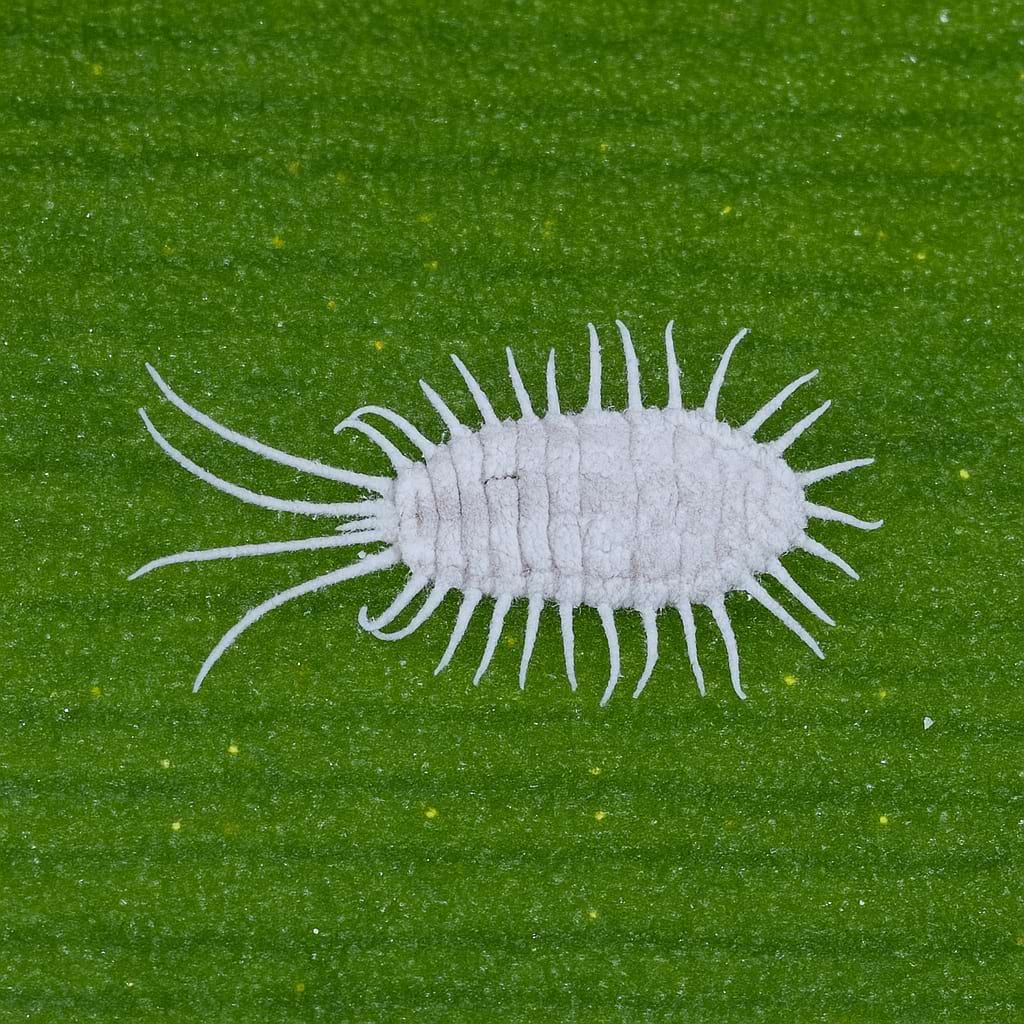
- Mealybugs: Look for white fluffy cotton-like spots in the leaf axils. They love the new tender growth. They suck the sap and leave behind sticky honeydew.
- Scale: Hard brown bumps on the stems that look like part of the plant but scrape off with a fingernail.
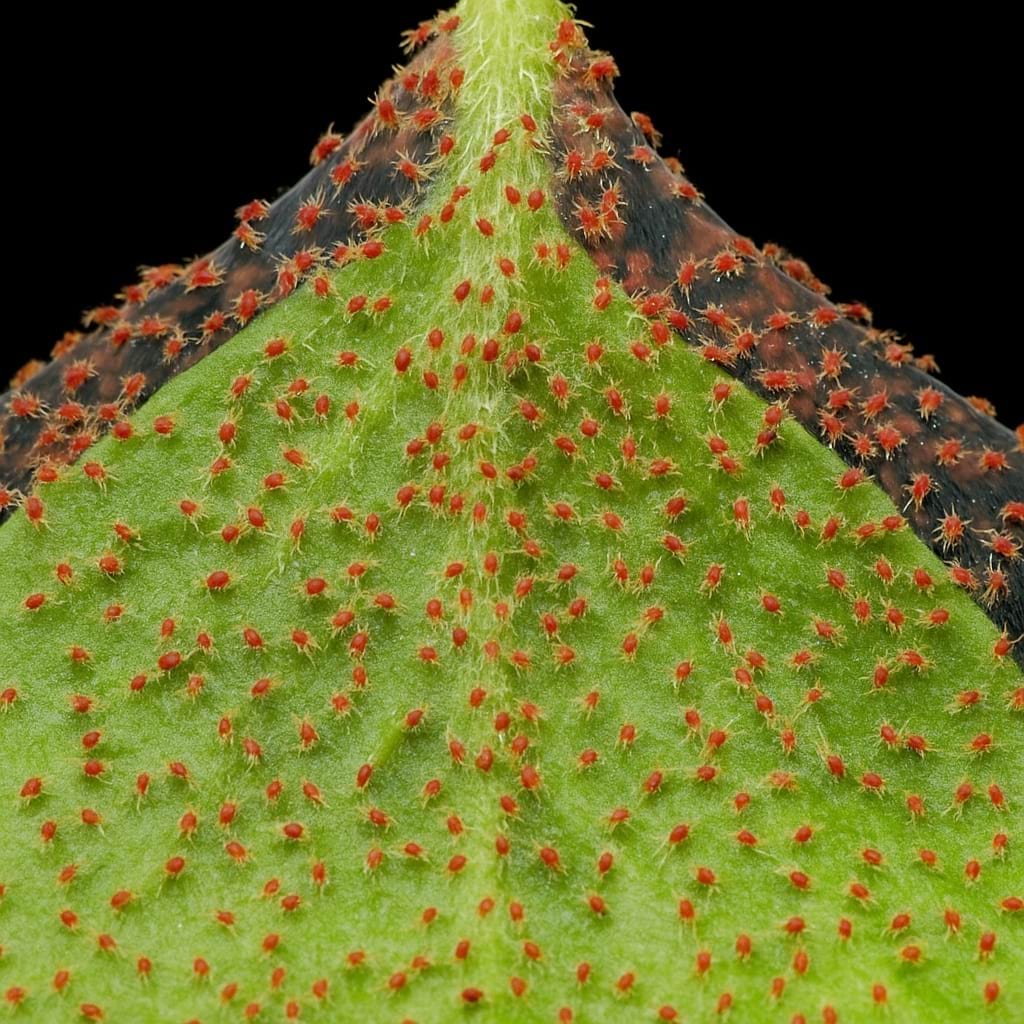
- Spider Mites: Tiny specks on the undersides of leaves. If you see fine webbing between the stems, you have a bad infestation. They thrive in dry air.
Treatment Plan
- Shower: Blast the plant with water in the shower to physically knock off the bugs.
- Soap: Spray thoroughly with Insecticidal Soap or a mixture of water and gentle dish soap.
- Neem Oil: For persistent pests, apply Neem Oil every 5-7 days.
- Systemics: For scale or mealybugs, granular systemic insecticides added to the soil are the most effective long-term solution.
🩺 Neon Pothos Problems and Diseases
Diagnosing Brown Spots
- Bacterial Leaf Spot: Pothos are prone to this if water sits on the leaves. It looks like dark brown/black spots with a yellow halo.
- Fix: Water the soil, not the leaves. Cut off the spotted leaves to stop the spread.
- Crispy Edges/Tips: This is usually erratic watering. Letting the plant get bone dry and then drowning it causes cellular stress. It can also be a sign of very dry air.
- Fix: Aim for consistent moisture and increase humidity.
Yellowing Leaves
- Old Age: If only the oldest leaf (near the soil) turns yellow and falls off, that is natural aging. Don't worry.
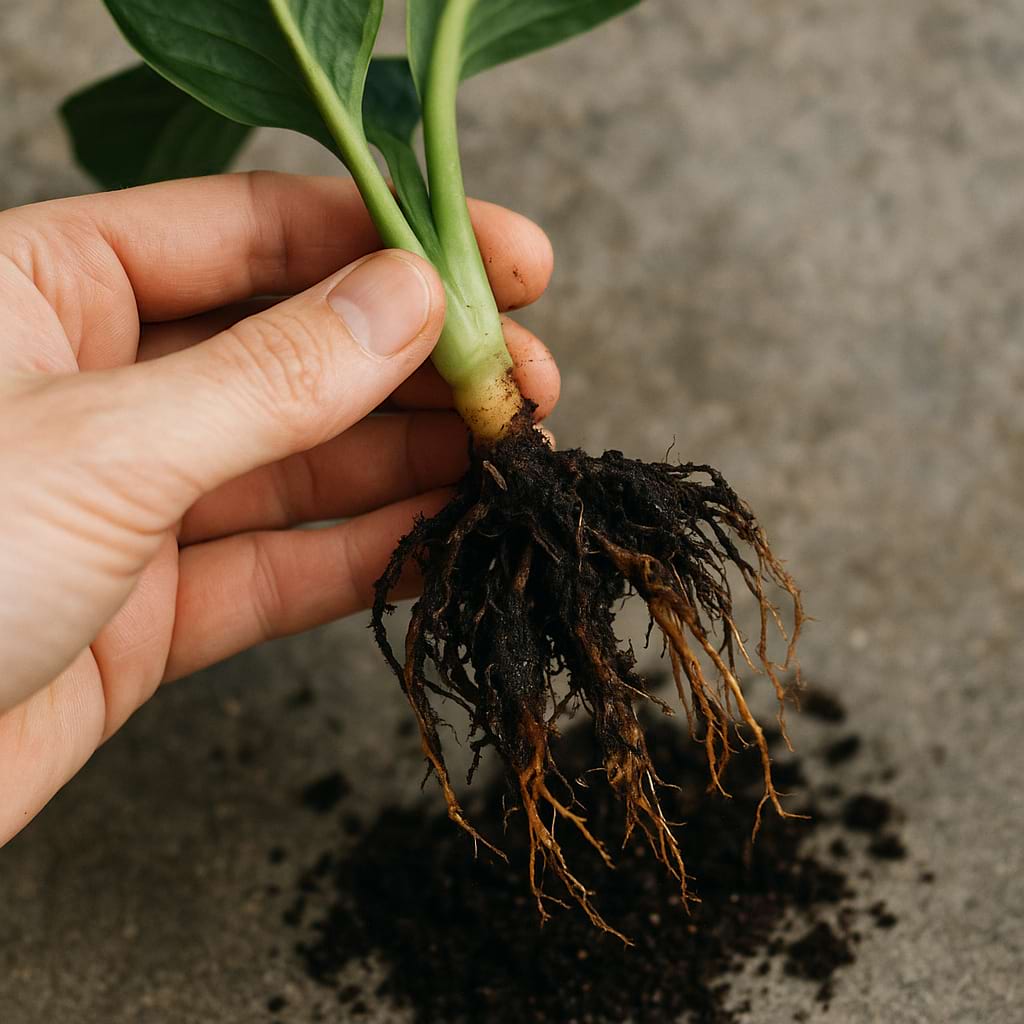
- Overwatering: If young leaves or many leaves turn yellow at once, and the stems feel mushy, you are overwatering. Stop immediately and check for root rot.

🖼️ Neon Pothos Display Ideas
Contrast is King
Because the color is so dangerously bright, the Neon Pothos needs thoughtful styling. It looks bad against beige or white walls - the yellow just gets lost or looks sickly.
- Dark Walls: It pops incredibly against dark blue, charcoal, or forest green walls. The contrast makes it look like a light source.
- Dark Pots: Use black, dark grey, or navy blue pots. Avoid terracotta or white pots if you want the foliage to stand out.
Sister Cultivars to Pair It With
If you want to build a Pothos shelf with real visual range, the Neon is a strong anchor for cooler, paler cousins. Pair it with a Marble Queen Pothos so the bright chartreuse plays off the cream and white marbling, or set it next to a Golden Pothos to highlight the difference between the two E. aureum color forms. Grouped on the same shelf, they read as a coordinated trio rather than three random green plants.
Hanging vs. Climbing
You have two choices for growth habit:
- Trailing: Let it spill out of a hanging basket or down a bookshelf. The leaves will stay small (3-4 inches) and cute. This is the classic look.
- Climbing: Give it a moss pole to climb. When the aerial roots attach to a support, the plant triggers hormones to grow bigger leaves. If you want a "Monstera-sized" pothos, making it climb is the secret.
🌟 Neon Pothos Care Tips (Pro Advice)
Mastering the Neon
- Dirty Water: If you have a freshwater aquarium, use the tank water to water your Pothos during water changes. It is packed with Nitrogen and biological goodness that the plants go crazy for.
- Rotation: Neon Pothos will grow aggressively toward the light (phototropism). Rotate the pot a quarter turn every week. If you don't, you will end up with a lopsided plant that is bald on the back side.
- Dusting: The bright yellow leaves show dust more than dark plants. Dust blocks light, and this plant needs every photon it can get. Wipe leaves down monthly with a damp cloth or take it into the shower for a rinse.
❓ Frequently Asked Questions
Why is my Neon Pothos turning dark green?
It needs more light! The 'Neon' color is a mutation. In low light, the plant reverts to producing more chlorophyll (green pigment) to maximize photosynthesis. Move it to a brighter spot, and new leaves will come out bright yellow again.
Is Neon Pothos harder to care for than Golden Pothos?
Slightly. While just as hardy, it is more communicative about light. A Golden Pothos tolerates dark corners better; a Neon Pothos will survive there but will look dull and green. It needs that extra lumen boost to shine.
What are the brown spots on my leaves?
If they are crispy and on the edges, it's usually sporadic watering (letting it get too dry, then drowning it). If they are mushy and dark, it's overwatering. Neon Pothos leaves are thinner than Jade Pothos and show damage faster.
Is it a Philodendron?
No, though there is a 'Philodendron Lemon Lime' that looks identical. Pothos leaves are waxy and thicker; Philodendron leaves are matte, heart-shaped, and smooth. Pothos stems are also thicker.
Can I grow it in water permanently?
Yes! Pothos are one of the few plants that can live in a vase of water for years. Just add a drop of liquid fertilizer every month and change the water when it gets murky.
ℹ️ Neon Pothos Info
Care and Maintenance
🪴 Soil Type and pH: Aroid mix or standard potting soil with perlite
💧 Humidity and Misting: Flexible. Thrives in household humidity.
✂️ Pruning: Trim vines to keep it bushy, otherwise it gets leggy.
🧼 Cleaning: Wipe leaves with damp cloth to keep color bright.
🌱 Repotting: Every 1-2 years when rootbound.
🔄 Repotting Frequency: Every 1-2 years
❄️ Seasonal Changes in Care: Keep away from cold drafts in winter.
Growing Characteristics
💥 Growth Speed: Fast (Vigorous grower)
🔄 Life Cycle: Perennial
💥 Bloom Time: Almost never blooms indoors.
🌡️ Hardiness Zones: 10-12
🗺️ Native Area: Society Islands (French Polynesia) - Cultivar origin
🚘 Hibernation: Slows down in winter
Propagation and Health
📍 Suitable Locations: Offices, bedrooms, top of bookshelves.
🪴 Propagation Methods: Stem cuttings in water are nearly foolproof.
🐛 Common Pests: Mealybugs, Scale, Spider Mites
🦠 Possible Diseases: Root rot (if overwatered).
Plant Details
🌿 Plant Type: Vine / Climber
🍃 Foliage Type: Evergreen
🎨 Color of Leaves: Neon Yellow / Chartreuse Green
🌸 Flower Color: White (Rare spather)
🌼 Blooming: No
🍽️ Edibility: Toxic (calcium oxalate crystals).
📏 Mature Size: Vines 10+ feet
Additional Info
🌻 General Benefits: Top-tier air purifier (NASA study).
💊 Medical Properties: None.
🧿 Feng Shui: South (Fame/Recognition); Fire element (due to color).
⭐ Zodiac Sign Compatibility: Leo (Bold, attention-grabbing, sunny personality).
🌈 Symbolism or Folklore: Energy, Electricity, and Determination.
📝 Interesting Facts: New leaves emerge bright yellow and darken slightly as they age. Older leaves may turn deep green in low light.
Buying and Usage
🛒 What to Look for When Buying: Choose the brightest plant. Avoid ones with brown spots on leaf edges.
🪴 Other Uses: Brightening dark corners.
Decoration and Styling
🖼️ Display Ideas: Contrast it with dark leaf plants like Rubber Trees or Raven ZZ.
🧵 Styling Tips: Use a black or dark blue pot to make the yellow pop.
🪴 See also 🪴

Houseplant101 Forum
Questions & Comments
Ask a question, share your plant experience, or help other plant owners.
Comments are temporarily unavailable.
Open the Houseplant101 ForumNo comments yet
Be the first to ask a question or share your experience about this page.
Log in or create an account
Comments use your Houseplant101 Forum account, but you can stay on this page.
Create a new account