
Imperial Red
Philodendron erubescens 'Imperial Red'
Imperial Red Philodendron, Philodendron Imperial Red, Red Imperial


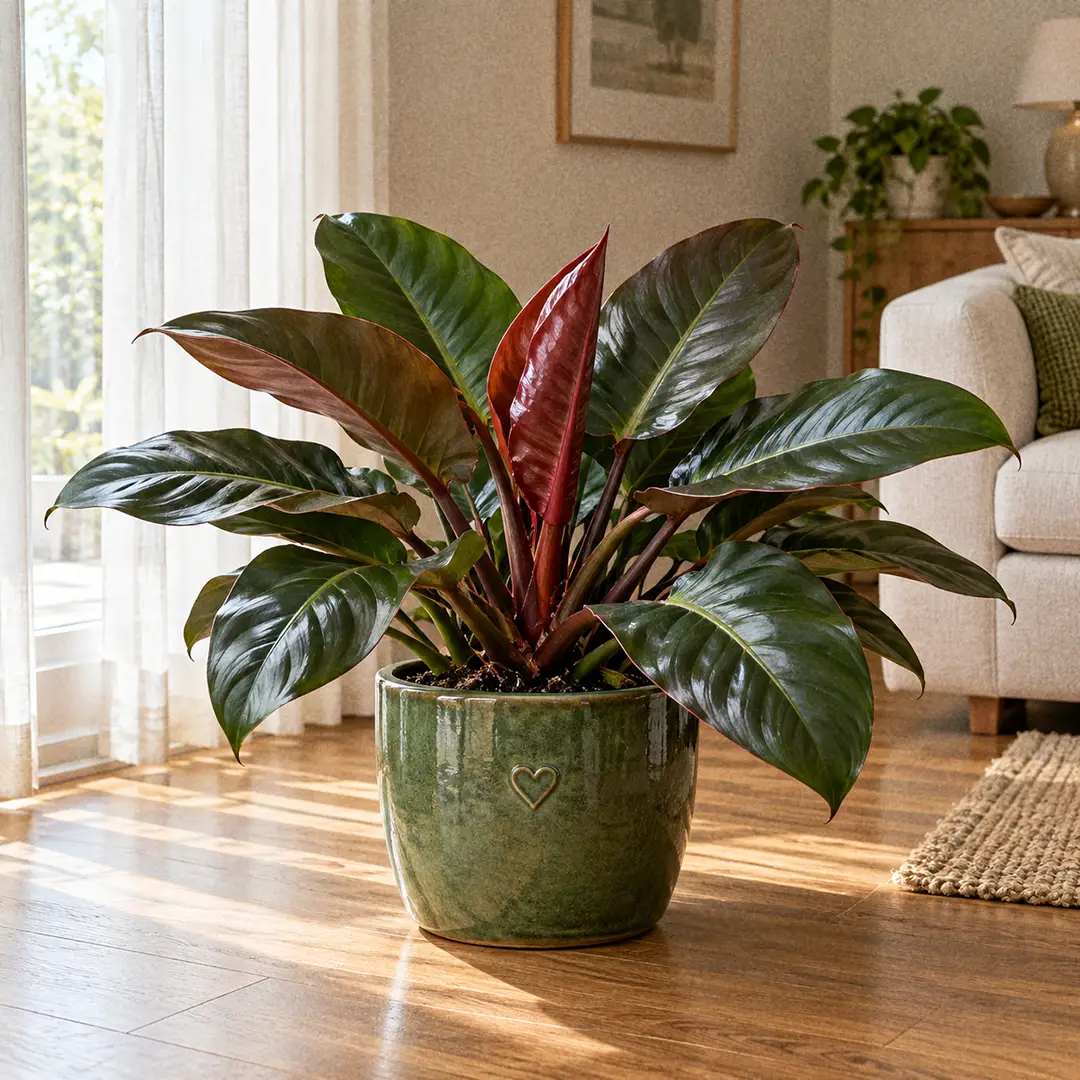
Imperial Red Philodendron care comes down to one thing people get wrong: the glossy burgundy new leaves are supposed to mature to dark green. This is a self-heading hybrid that builds a tidy rosette without a moss pole, shrugs off average household humidity, and gives beginners a genuinely dramatic plant.
📝 Imperial Red Care Notes
🌿 Care Instructions
⚠️ Common Pests
📊 Growth Information
🪴 In This Guide 🪴
We may earn a commission when you buy through these links. How we choose products →

☀️ Imperial Red Light Requirements
Light does two jobs on this plant. It decides how big the leaves get, and it decides how long the red holds before a new leaf turns green.
The Sweet Spot
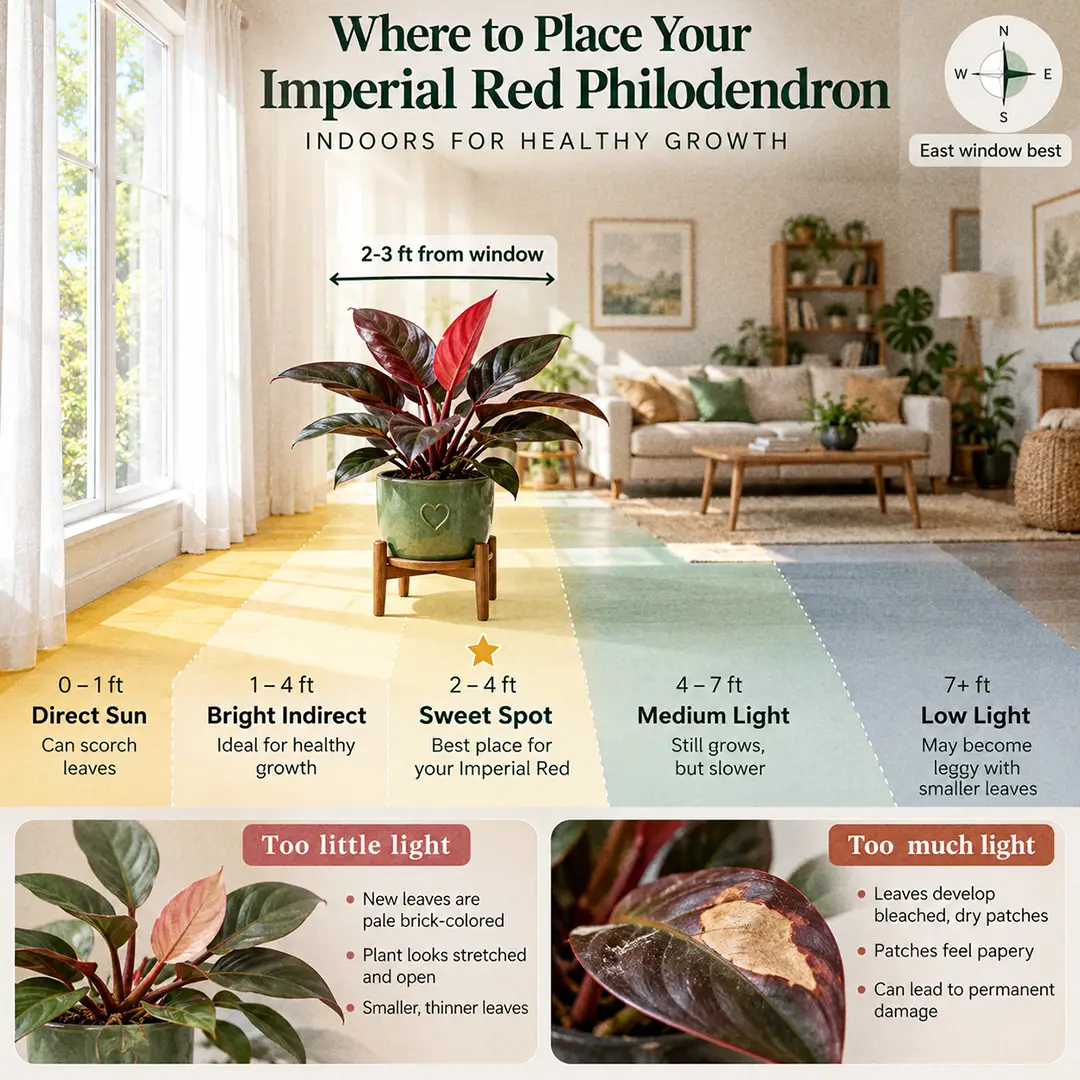
Bright indirect light, six to eight hours a day. In practice that means two to four feet back from an east window, a north window with a clear view of the sky, or a south or west window with a sheer curtain across it. In that band you get wide leaves, a tight rosette, and red new growth that stays red for weeks instead of days.
Why the Red Fades, and What Light Has To Do With It
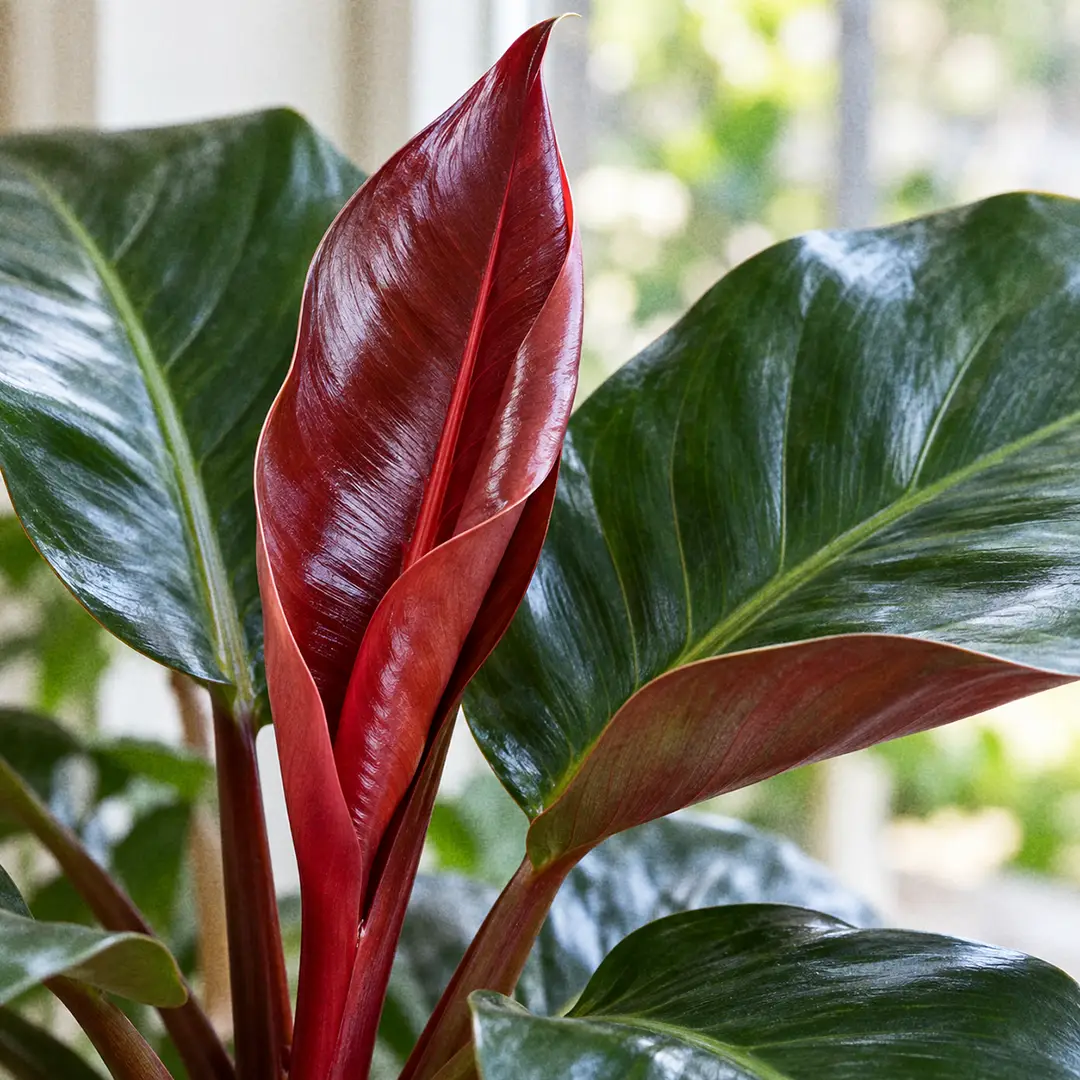
Nobody at the garden centre explains this bit. The red pigment sits in the new leaf while it is still soft. As the leaf thickens and builds chlorophyll, green takes over and the red retreats to the underside and the petiole. Every leaf does this. A leaf that went green four months after you bought the plant is a mature leaf, not a sick one.
What light changes is the pace and the depth. In a bright spot the new leaf opens a darker, more saturated red and holds it longer. In a dim corner it opens a washed-out brick colour and greens up within two weeks. So if your plant looks less red than it did at the shop, the answer is usually more light rather than a fertiliser or a fix.
Too Much Light
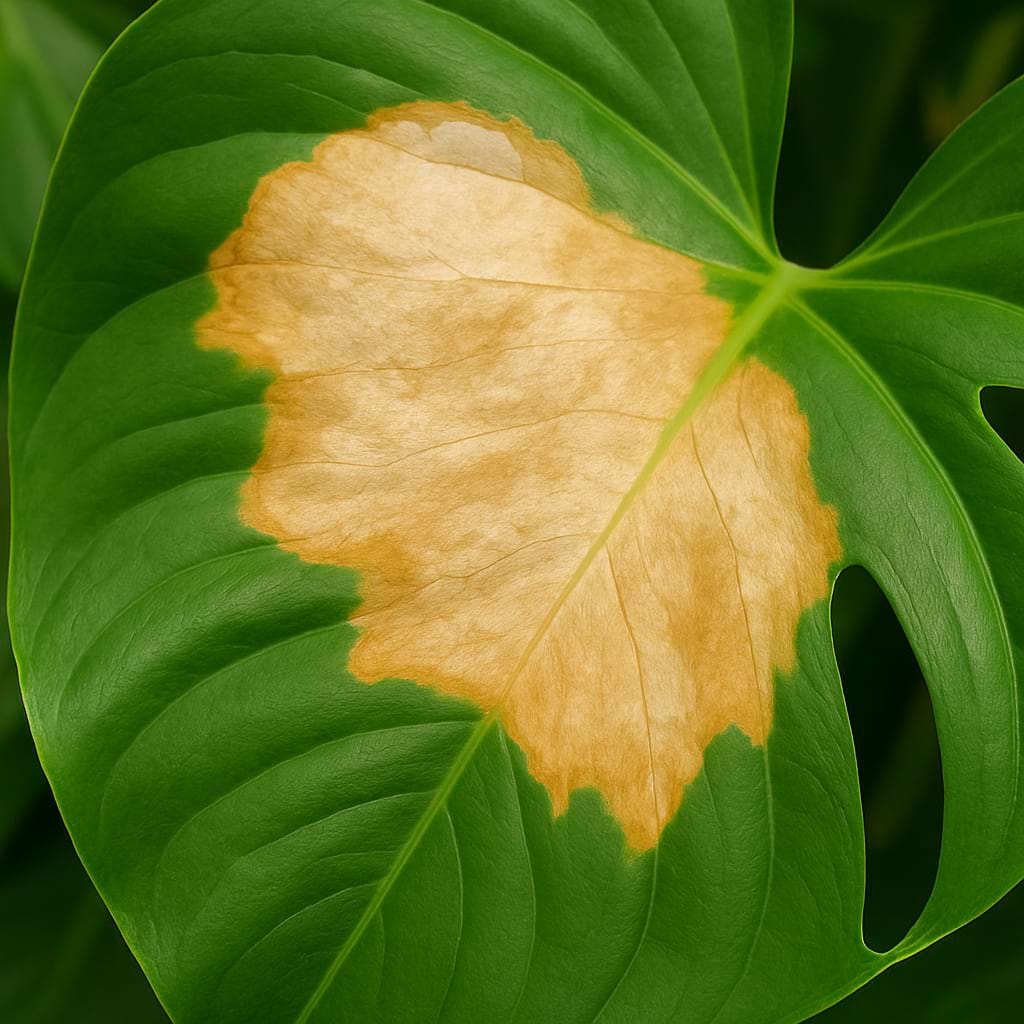
Direct midday sun is the line. A few hours of unfiltered afternoon sun through glass can bleach a leaf in a day, leaving dry papery patches that never recover. Pull the plant back from the window or hang a sheer panel. A quick test at noon: a soft, slightly fuzzy shadow means the light is right, a hard-edged black shadow means it is too direct.
💧 Imperial Red Watering Guide
This plant wants a proper drink and then a proper dry-down. Soil that never dries is what kills Imperial Reds, not a missed watering.
Watering Frequency
Push a finger in to the first knuckle. Water when the top inch is dry and the layer below is barely damp. That usually lands somewhere between every seven and twelve days in spring and summer, and every two to three weeks in winter. Pot size, light and how warm you keep the room move that number around, which is why the finger beats the calendar. Our watering houseplants primer covers the general rhythm if you want it.
How to Water
Pour slowly at the soil line, all the way around the pot, until water runs freely from the drainage hole. Let it finish draining, then empty the saucer. Never leave the pot sitting in water.
Tap water is fine here. If yours is heavily chlorinated or very hard, leave it out overnight or use filtered water, and flush the pot with plain water every couple of months to move salts out of the mix.
Signs You Got It Wrong
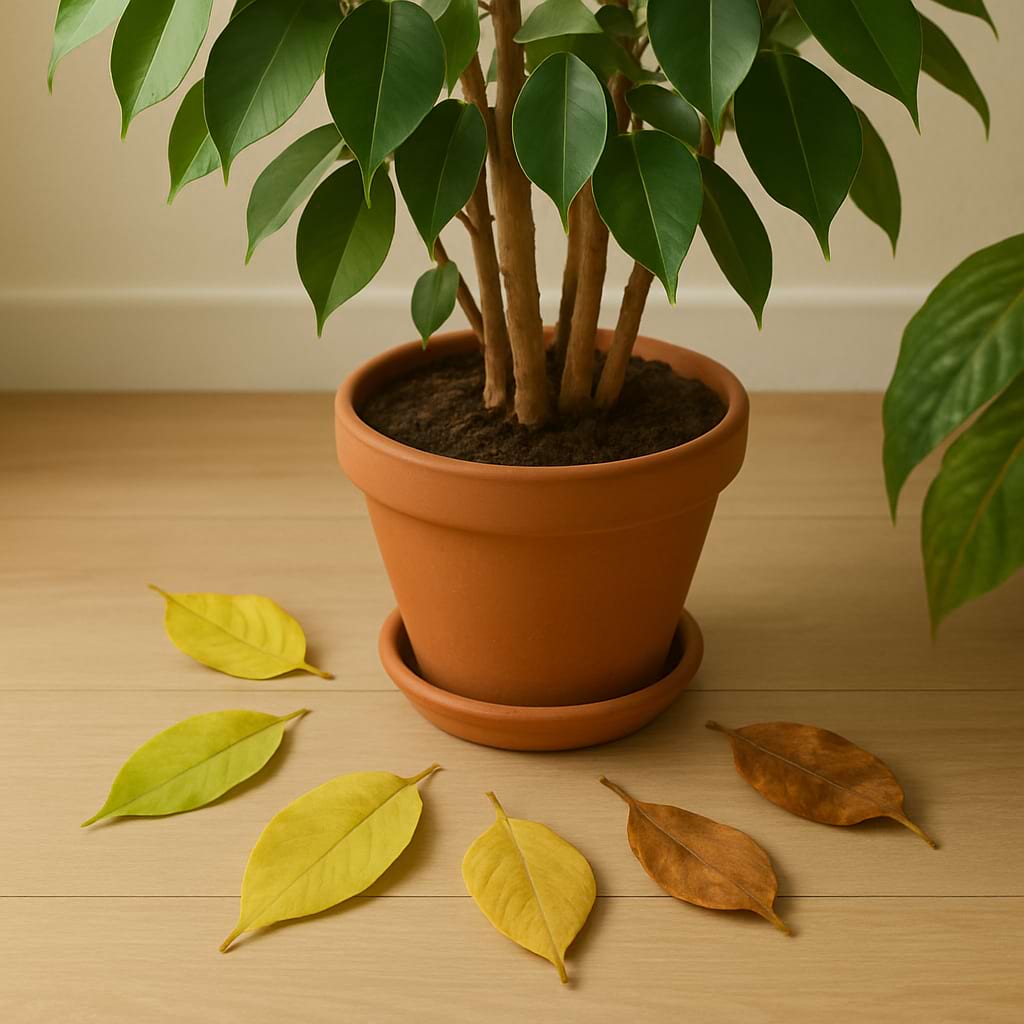
Overwatering shows as lower leaves yellowing one after another from the bottom up, a sour smell from the soil, soft petioles where they meet the crown, and soil still wet ten days after a drink.
Underwatering shows as drooping leaves, crispy brown edges on otherwise healthy foliage, and soil pulling away from the pot wall. If the mix has gone bone dry and water runs straight through, bottom watering resets it: twenty to thirty minutes in a basin, drain fully, back to normal after that.
🪴 Best Soil for Imperial Red
Bagged houseplant soil on its own is too dense. Roots on an aroid want air pockets as much as they want moisture, and a heavy mix takes both away.
What the Mix Needs to Do
Hold enough water to stay lightly damp for a few days, then dry out in the top inch within a week. Chunky ingredients do that. A slightly acidic mix around pH 5.5 to 6.5 suits it, which most peat or coir based blends already are.
A Simple DIY Aroid Mix
- 2 parts indoor potting soil
- 1 part medium orchid bark
- 1 part perlite or pumice
- Half a part horticultural charcoal
- A handful of worm castings
Squeeze a fistful. It should hold together loosely and fall apart when you poke it. If it stays in a tight ball, add bark and perlite.
Buying a Premix
Look for bags labelled aroid mix, monstera and philodendron mix, or chunky tropical mix, with bark and perlite high in the ingredient list. Skip anything sold as moisture control, African violet mix, or seed starter. All three hold water longer than this plant wants.
🍼 Fertilizing Imperial Red
Growth here is steady rather than fast, so the feeding schedule is light. Overfeeding causes more trouble on this plant than underfeeding.
When and How Often
Feed every four weeks from roughly March through September, then stop completely for the winter. A balanced liquid houseplant fertiliser at half the label strength is right. There is more on why dilution matters in the fertilizing guide. If you prefer granules, scratch a small scoop of slow-release aroid food into the top inch of soil in early spring and leave it alone.
Does Feeding Make It Redder?
No, and this is worth saying plainly because plenty of forum advice claims otherwise. The red is genetic and it sits in the new leaf regardless. Feeding gets you more leaves and bigger ones, so there is more red on the plant at any given moment, but it will not make one leaf redder or slow the greening. Light does that.
Signs of Overfeeding
Brown leaf tips, a white or yellow crust on the soil surface, and new leaves that look scorched at the edges while the rest of the plant is fine. Flush the pot with plain water until it runs clear, then skip the next two feeds.
🌡️ Imperial Red Temperature Range
Warm and steady, between 65 and 80°F (18 to 27°C). Most homes sit in that band already without anyone doing anything about it.
What to Avoid
Cold draughts from leaky windows and front doors, hot air from a heating vent, air conditioning blowing straight at the leaves, anything below 55°F (13°C), and swings of more than 15°F in a single day. Sudden cold is what triggers the dramatic leaf drop people panic about in November.
Seasonal Adjustments
Move the plant a step further from the glass in winter, where the night-time chill pools. If you summer it outside, bring it back in well before nights fall below 60°F (15°C), and check both leaf surfaces and the crown for hitchhiking pests before it rejoins your other plants.
💦 Imperial Red Humidity Requirements
Ideal Humidity
Ideal is 50 to 60 percent. It is comfortable down to 40 percent, which is where most homes sit. Below 30 percent you start seeing crispy edges and stalled new leaves.
Easy Boosters
This is one of the more forgiving aroids on humidity, so you rarely need to do much. If your winter air runs very dry, a small humidifier on a timer is the only method that reliably moves the number. Grouping plants together and pebble trays help a little. Misting does not, and leaves left wet overnight invite the leaf spot covered further down. The humidity overview has the detail.
🌸 Imperial Red Flowers
Why You Will Probably Never See One
This is a foliage plant. Mature erubescens hybrids can throw the standard aroid inflorescence, a spathe wrapped around a cream spadix, but indoors it is uncommon and usually takes years of near-ideal conditions. Nobody buys this plant for flowers and nobody should be disappointed when it skips them.
If It Does Bloom
Enjoy it as a curiosity or cut it off at the base to send that energy back into leaves. The spathe carries the same calcium oxalate crystals as the foliage, so handle it with gloves and keep the cuttings away from pets.
Where the Colour Actually Comes From
On this plant the colour interest arrives with new leaves rather than flowers. So anything that gets you more new leaves, which mostly means good light and a sensible feed, also gets you more red.
🏷️ Imperial Red Types and Varieties
Imperial Red is a named cultivar, so there is nothing below it to collect. What matters at the shop is telling it apart from the other self-heading erubescens hybrids, which look similar under nursery lighting.
Imperial Red vs Imperial Green
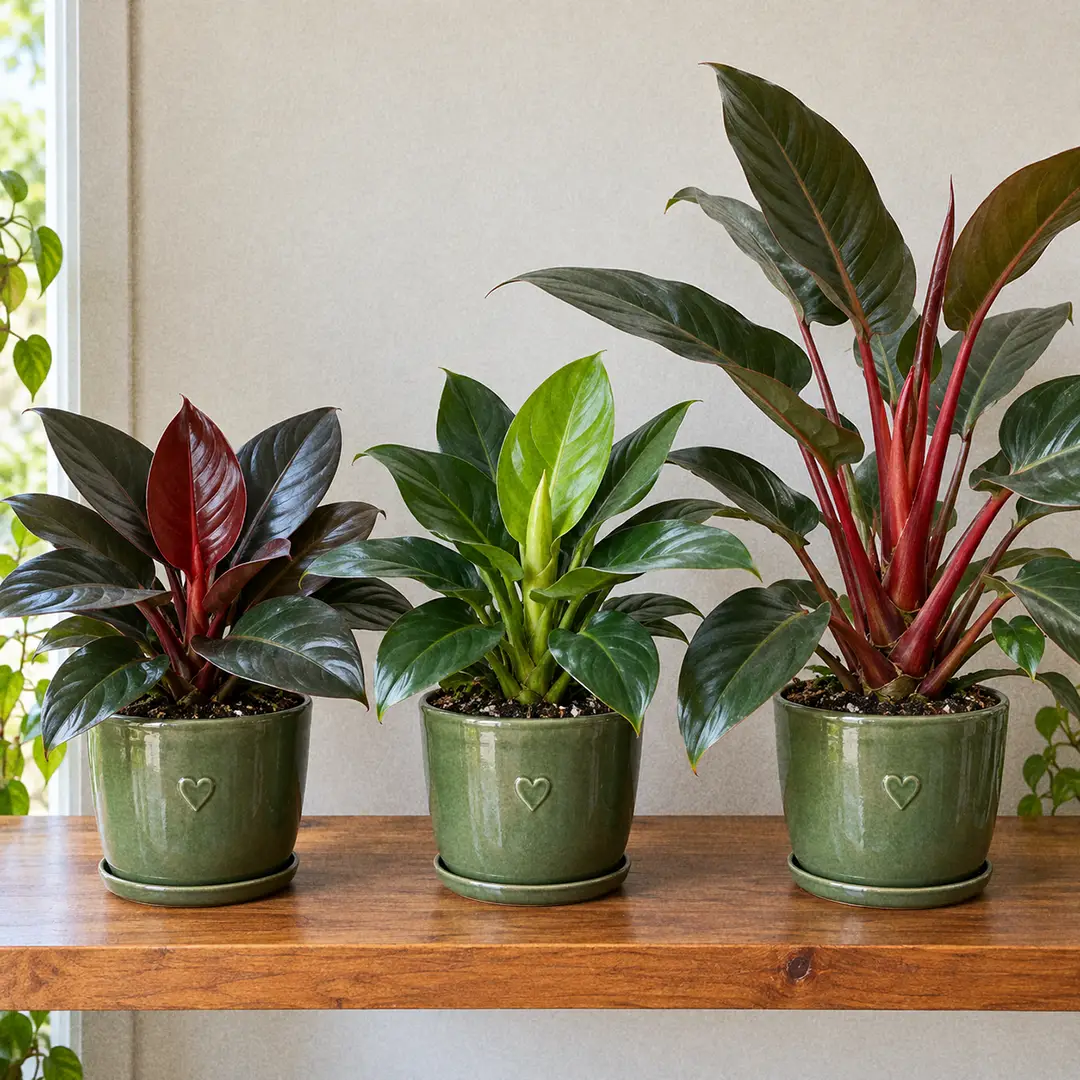
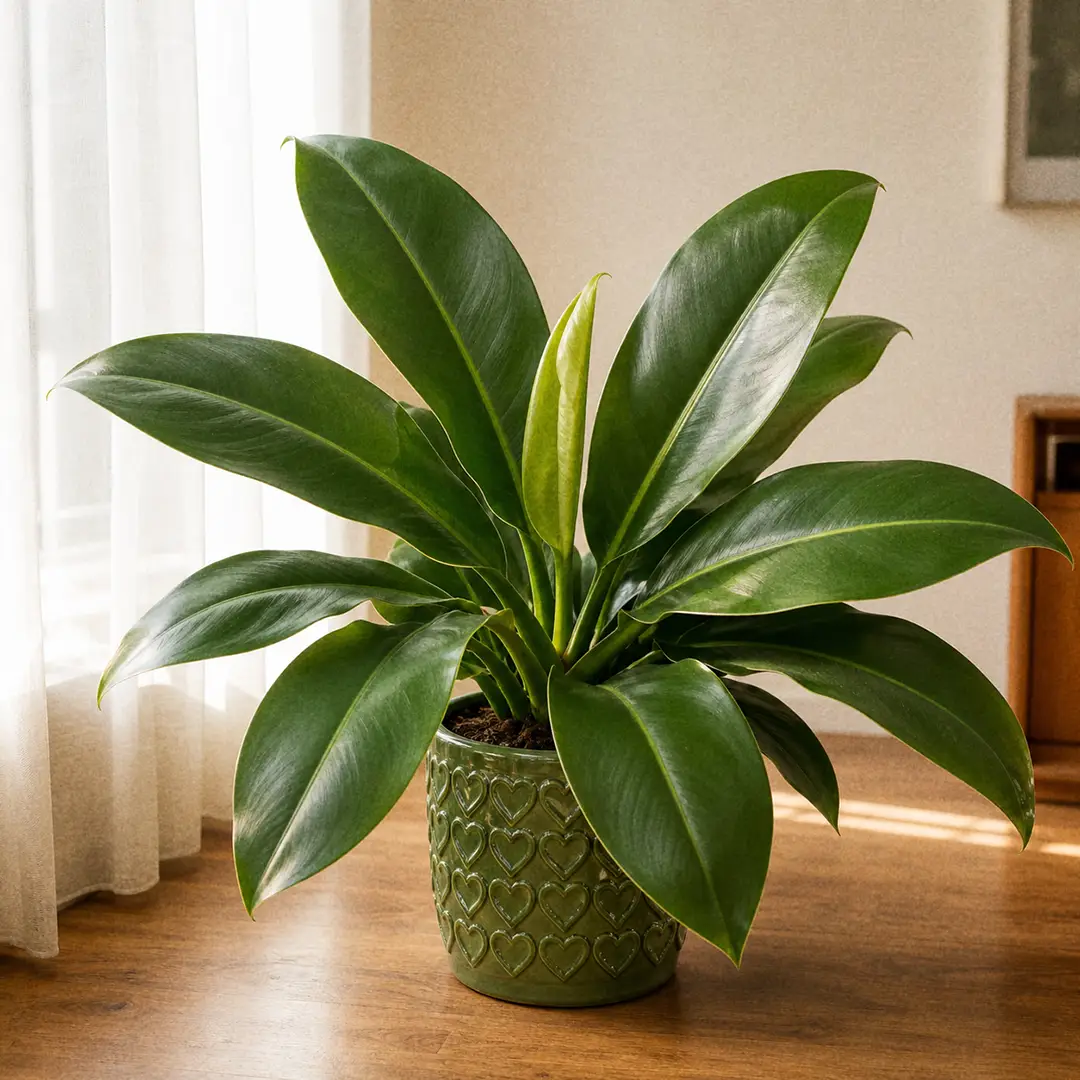
Same rosette, same size, same care. The Imperial Green pushes pale green new leaves that deepen to emerald and never show red at any stage. Imperial Red pushes burgundy leaves that green up over a few weeks, keeping a reddish cast on the underside and petiole. If a plant labelled Imperial Green unfurls a red leaf, the tag is wrong. The two sit well together on a floor grouping.
Imperial Red vs Rojo Congo
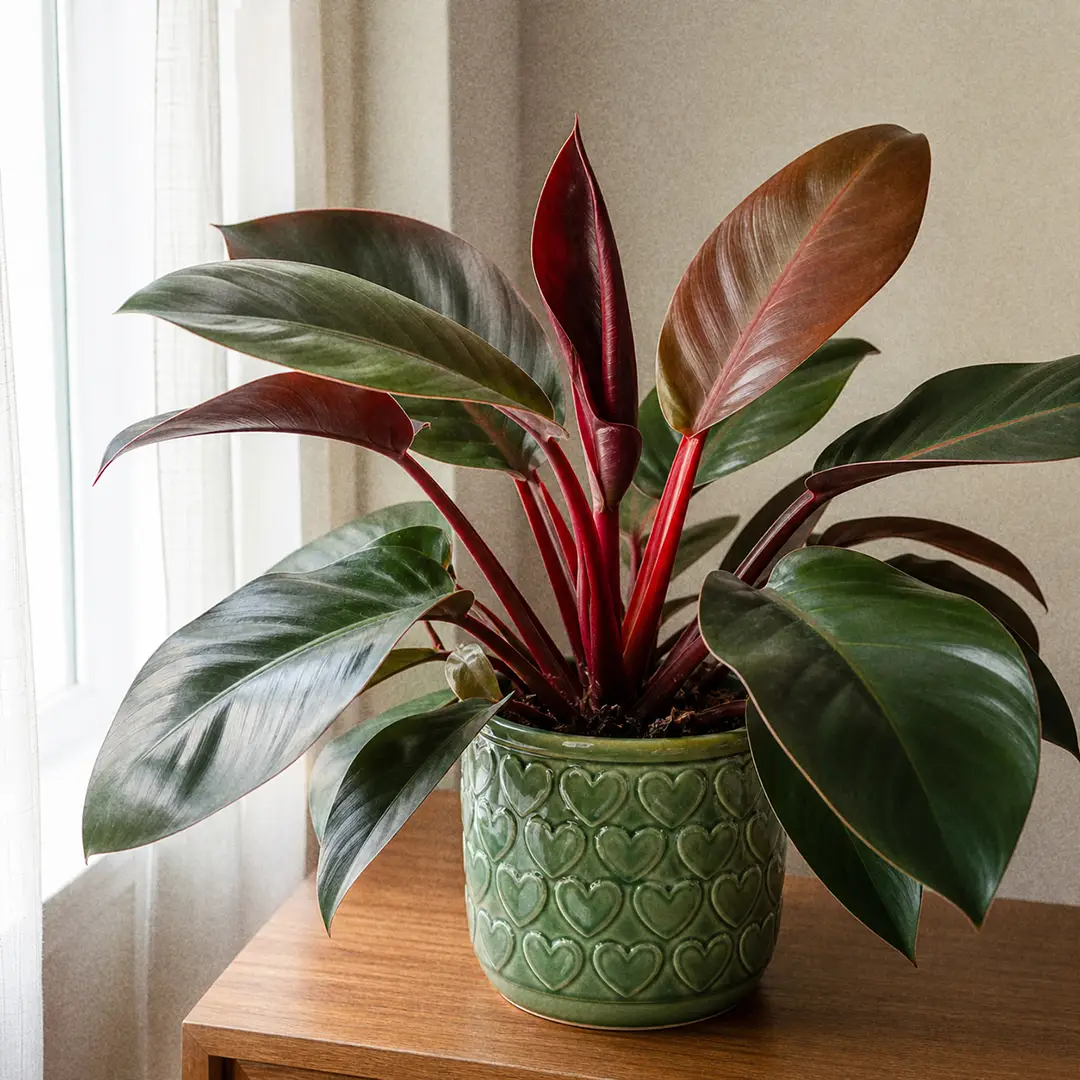
Rojo Congo is the one people mix up most. It grows larger, three to four feet against Imperial Red's two to three, its leaves are longer and narrower, and its petioles stay bright red permanently rather than fading with the leaf. Rojo Congo also grows faster. If the red on the stems is loud and stays loud, you are holding a Rojo Congo.
Imperial Red vs Prince of Orange
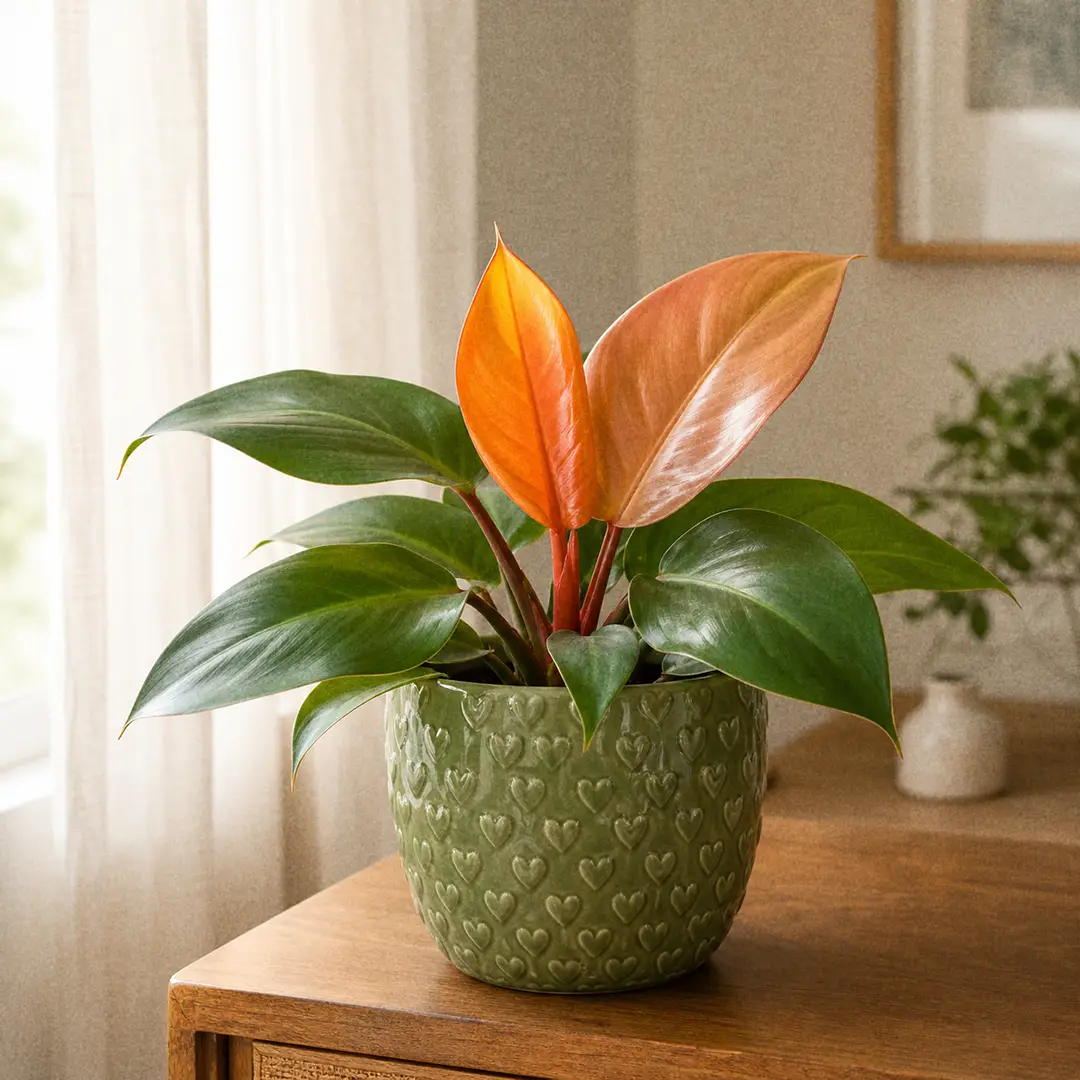
Prince of Orange runs the same colour-shift trick in a different key. New leaves open copper orange, pass through salmon, and settle at green. Side by side the difference is obvious. Imperial Red's new growth is wine dark, not bright. The two together give you a warm gradient across one shelf.
🪴 Potting and Repotting Imperial Red
A snug root ball suits this plant. Repotting every spring out of habit does more harm than leaving it alone.
When to Repot
Every two to three years, or sooner if roots circle the root ball tightly, push out of the drainage hole, or water runs straight through in seconds. A plant that tips over because the crown has outgrown the pot also qualifies.
Choosing a Pot
Go up one to two inches in diameter and no more. A pot that is too large leaves a ring of wet unused soil around the roots, and that is the classic route to root rot. Terracotta dries faster and suits anyone with a heavy hand. Glazed ceramic and plastic hold moisture longer and suit dry warm homes. Drainage holes are not optional. A fully grown plant sits happily in an eight to ten inch pot.
Step-by-Step Repotting
- Water lightly the day before so the root ball holds together.
- Lay out fresh chunky aroid mix and put an inch in the bottom of the new pot.
- Slide the plant out, supporting the crown rather than pulling on petioles.
- Loosen the outer roots gently and trim anything mushy, hollow, or black back to firm white tissue.
- Set the plant at the same depth it sat before. Burying the crown rots it.
- Backfill, tap the pot to settle the mix, and resist packing it down.
- Water thoroughly and return it to its usual spot. No fertiliser for four weeks.
The repotting guide covers timing and pot choice in more depth.
✂️ Pruning Imperial Red
Pruning on a self-header is tidying, not shaping. New leaves come from a single central growth point, so there is nothing to train and nothing to cut back for bushiness.
What to Cut
Spent lower leaves that have gone fully yellow, damaged or torn leaves, and browned tips on otherwise healthy foliage. For a whole leaf, cut the petiole cleanly at the base. For tips, trim just inside the brown, following the leaf's natural outline. Sterilise your blade with rubbing alcohol between cuts.
What Never to Cut
The central crown. Topping it does not produce branching the way it would on a vining Heart-Leaf Philodendron. It just removes the only place new leaves come from and leaves you with a stump.
Cleaning Counts as Care
Dust builds fast on leaves this glossy and it quietly cuts the light reaching the leaf. Wipe both surfaces with a soft damp cloth every two weeks. Skip leaf shine products, which block the pores the leaf breathes through and leave a residue that attracts more dust.
🌱 How to Propagate Imperial Red
Worth being blunt here, because plenty of advice online was written for vining philodendrons and then pasted onto this one. Imperial Red is harder to propagate than a Brasil or a Heart-Leaf, and there is no method that gets you a shelf full of free plants.
Why Stem Cuttings Do Not Work
A vining philodendron has a long stem with nodes spaced along it, and every node carries a dormant growth point plus an aerial root. Cut anywhere between two nodes and you have a viable cutting. A self-header has no such stem. Leaves radiate from a compressed crown at soil level, so there are no trailing nodes to cut and a severed leaf with a length of petiole has no growth point at all. It will sit in water looking fine for a month and then rot without ever rooting.
Division of Basal Offsets
This is the method that actually works. Mature plants occasionally push a small offset, or pup, from the base of the crown, with its own leaves and eventually its own roots.
- Wait until the pup has two or three leaves of its own. Rushing this is the main reason divisions fail.
- Do the separation at a normal repot, so the plant only gets disturbed once.
- Slide the whole plant out and brush soil away from the base until you can see where the pup joins the parent.
- Look for a natural point of separation. Sometimes the pup pulls away by hand.
- If not, cut through the connecting tissue with a clean sharp knife. Cut, do not tear.
- Pot the division into its own small pot of fresh aroid mix at the original depth.
- Water lightly, keep it in bright indirect light, and do not feed for a month.
Expect the division to sulk for two or three weeks before it does anything. The first leaf or two it pushes will be smaller than normal, and the first one may come in less red than usual while the plant is still rebuilding roots. Both sort themselves out.
Setting Expectations
Most Imperial Reds never offset at all, or do it once every few years. If you want a second one, buying it is faster and cheaper than waiting. Seed is not a realistic route indoors, and cultivars do not come true from seed anyway.
🐛 Imperial Red Pests and Treatment
Not a magnet for pests, but dry indoor air and a crown full of tightly furled new leaves give insects somewhere to hide. Check the undersides and the centre of the crown every couple of weeks.
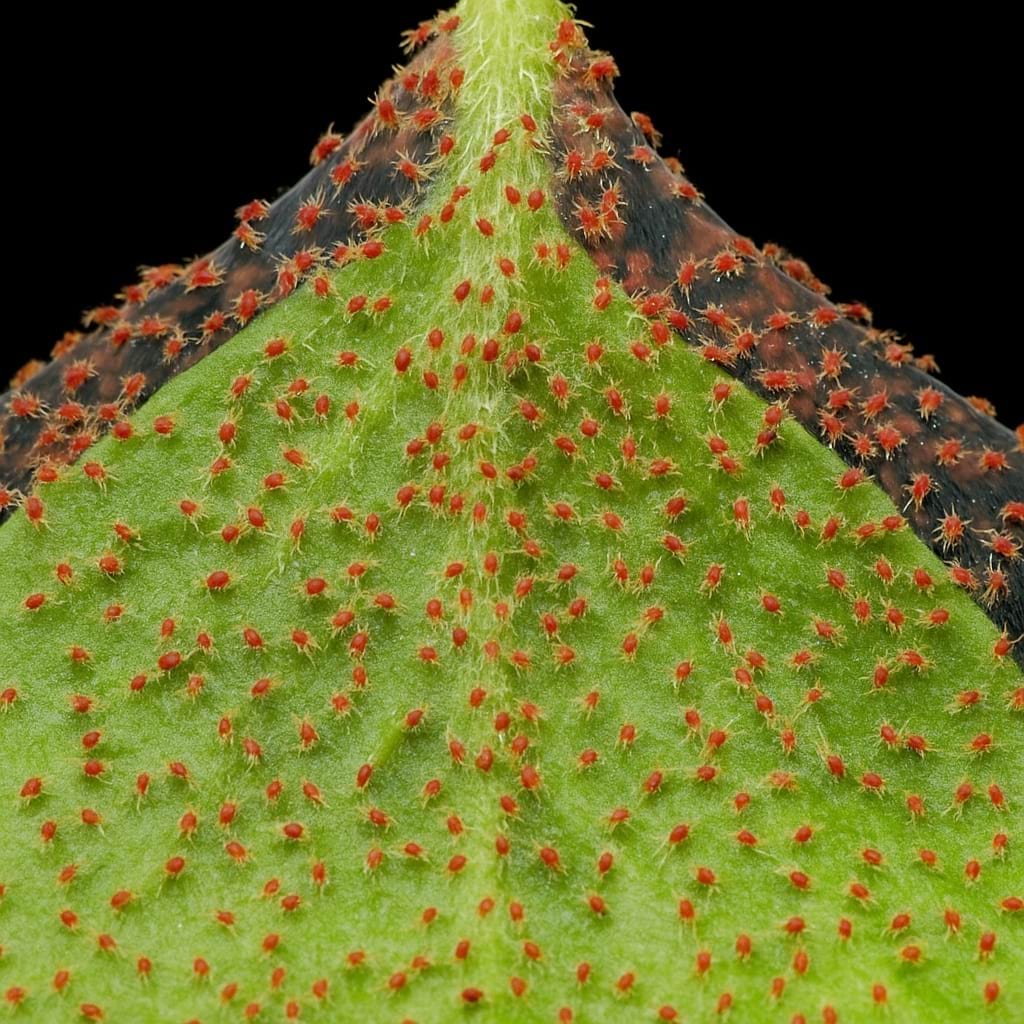
Spider mites leave fine webbing in the leaf joints and a stippled dullness across the surface. Wipe the leaves down, raise humidity, and treat weekly with insecticidal soap or neem oil until two inspections come back clean.
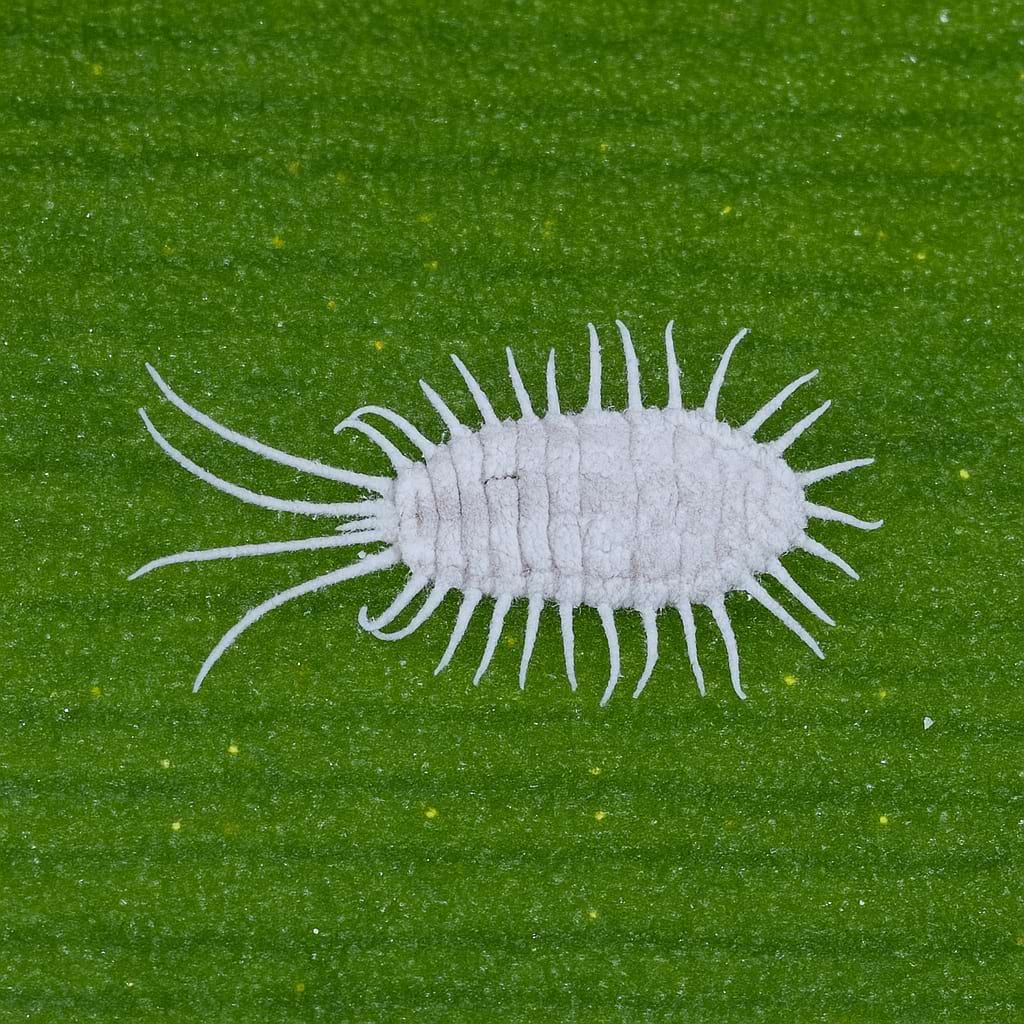
Mealybugs look like small cotton tufts wedged into the crown right where new leaves are unfurling. Dab each one with a cotton swab dipped in 70 percent isopropyl alcohol, then check again in five days.
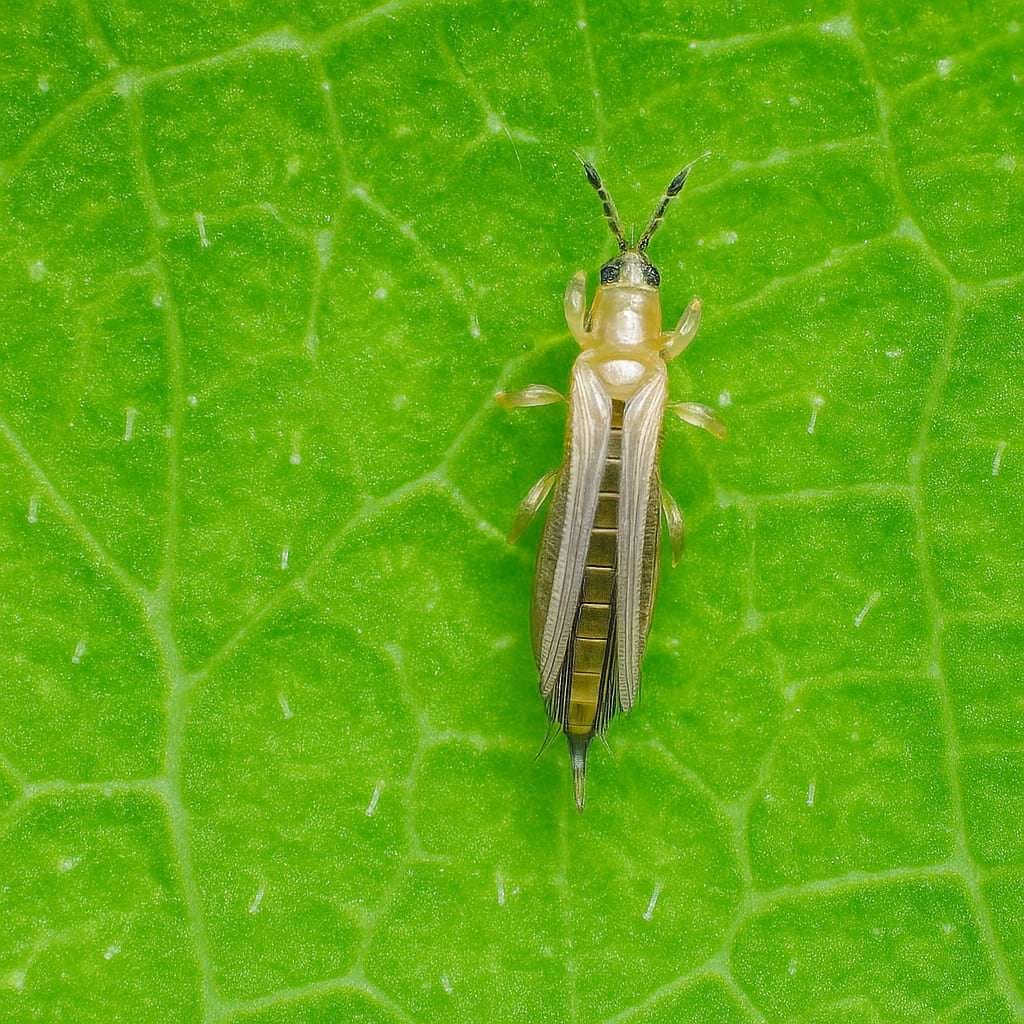
Thrips scar new leaves with silvery streaks and leave them deformed as they open. Isolate the plant and run weekly soap or neem treatments for three clean weeks. They spread fast between plants.
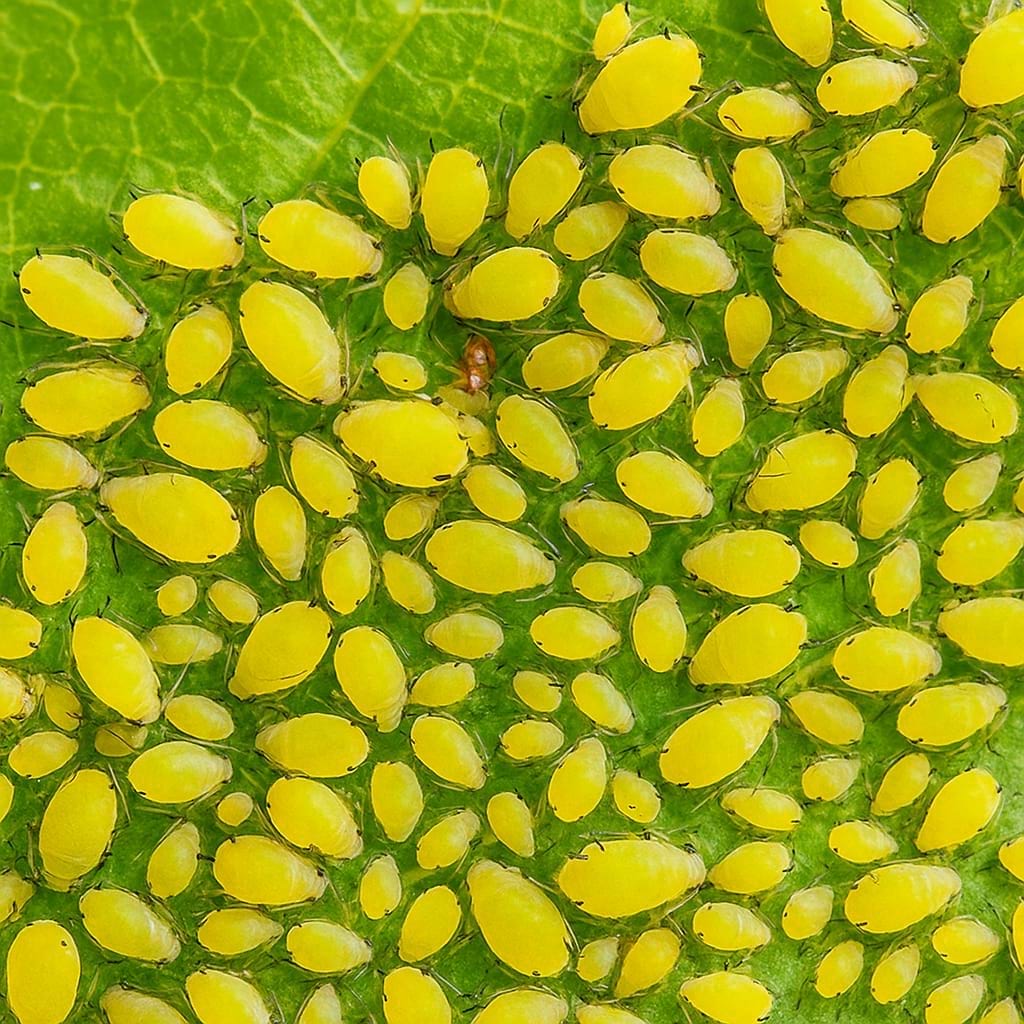
Aphids cluster on the newest growth. Rinse them off in the sink and follow with insecticidal soap.
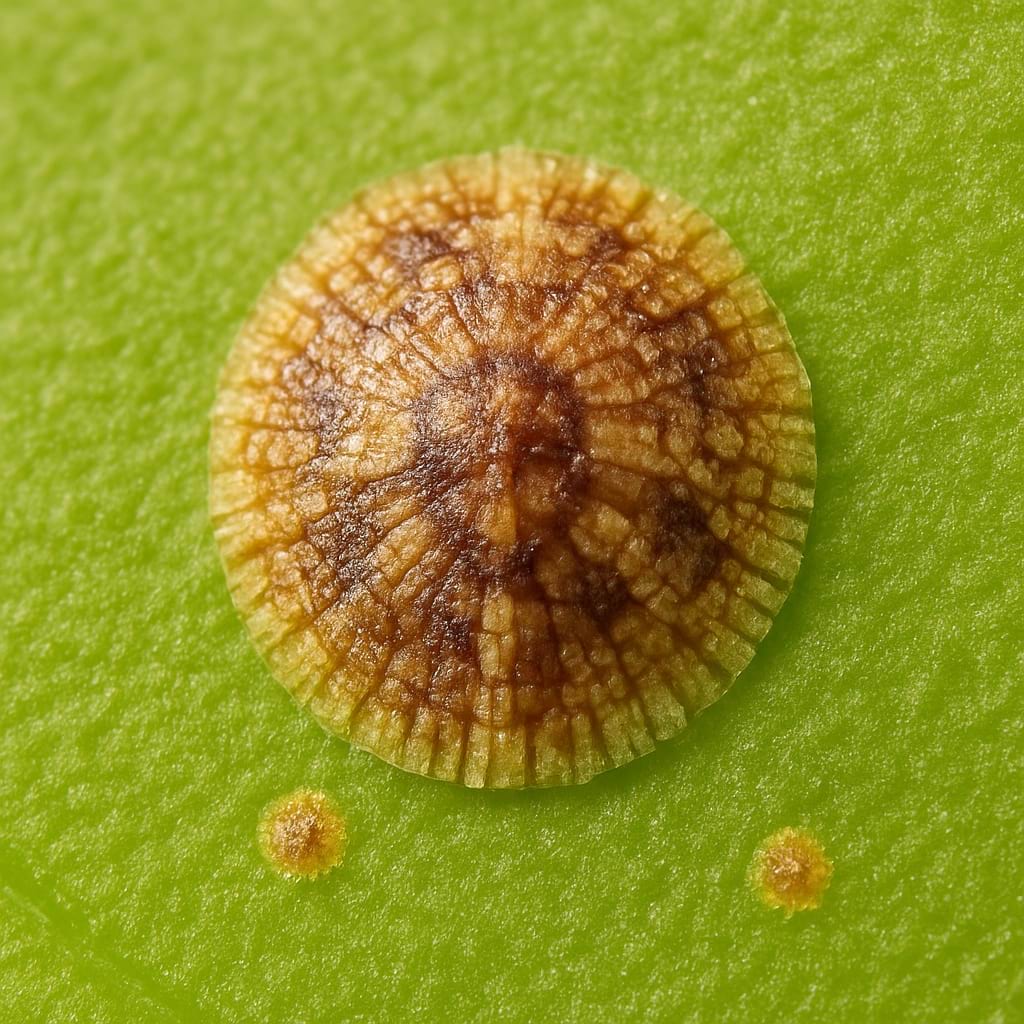
Scale insects show up as hard brown bumps on petioles. Scrape them off with a fingernail, then treat with neem oil weekly.
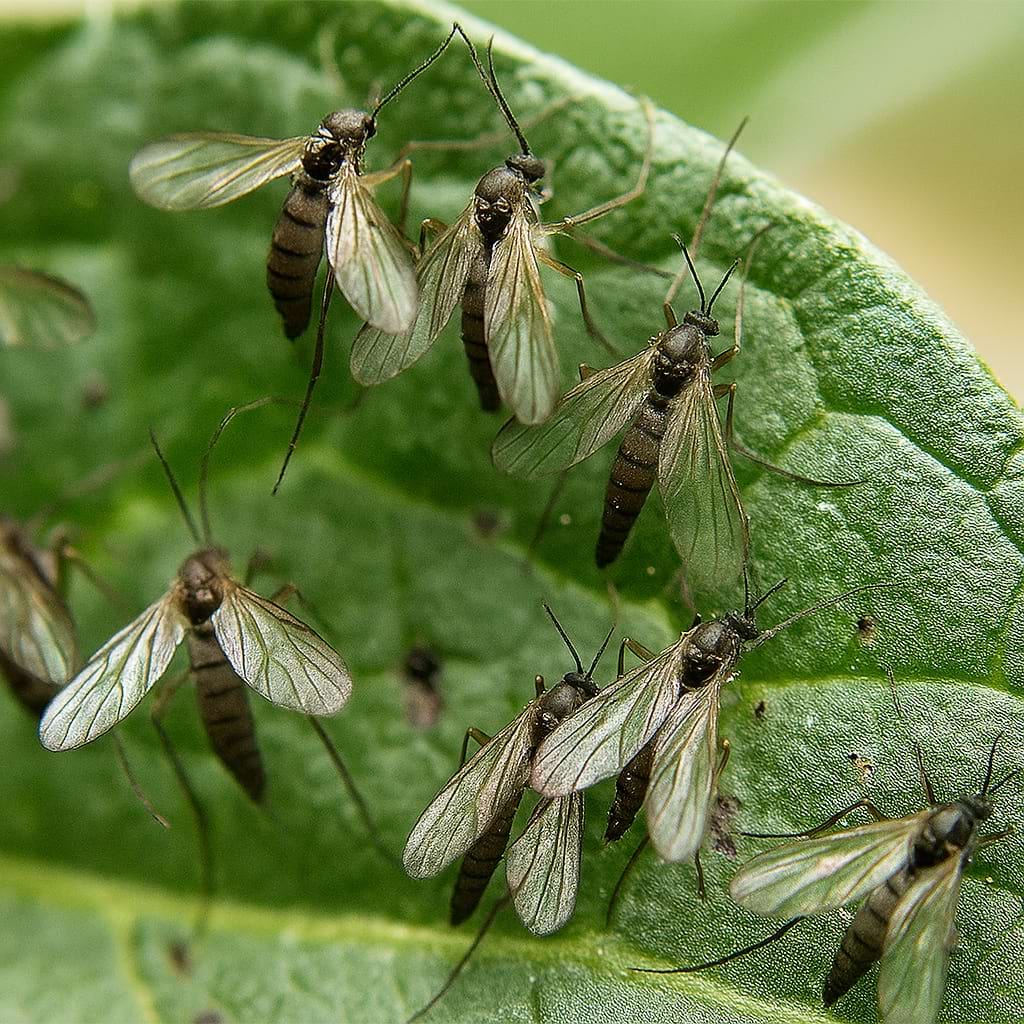
Fungus gnats are a watering symptom rather than a pest problem. Let the top inch dry properly, top-dress with coarse sand or fine bark, and put out yellow sticky traps.
Quarantine anything new for two weeks before it goes near this plant.
🩺 Common Imperial Red Problems
Nearly everything that goes wrong here traces back to water, light, or air. The thing people report most often, though, turns out to be normal behaviour.
Red leaves turning green is normal maturation. Every new leaf does it as it hardens off. If it bothers you, brighter light slows the change and deepens the colour while it lasts, but there is no way to stop it.
Yellowing leaves on the bottom tier usually mean overwatering. One yellow outer leaf on a mature plant is ordinary ageing. Three at once is a message.
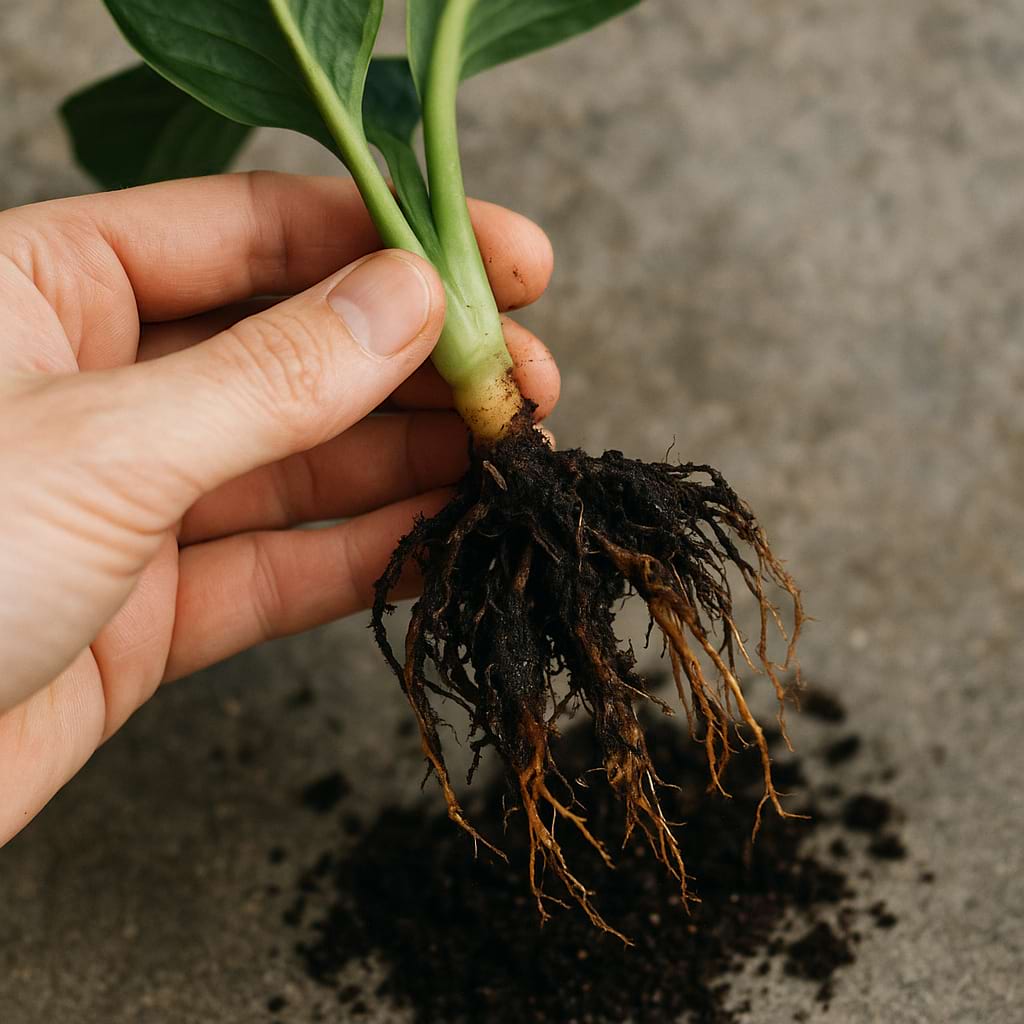
Root rot follows yellowing when the soil has stayed wet: mushy petioles at the crown and a sour smell from the pot. Unpot, cut every soft brown root back to firm white tissue, repot in fresh chunky mix, and hold off watering for a few days.
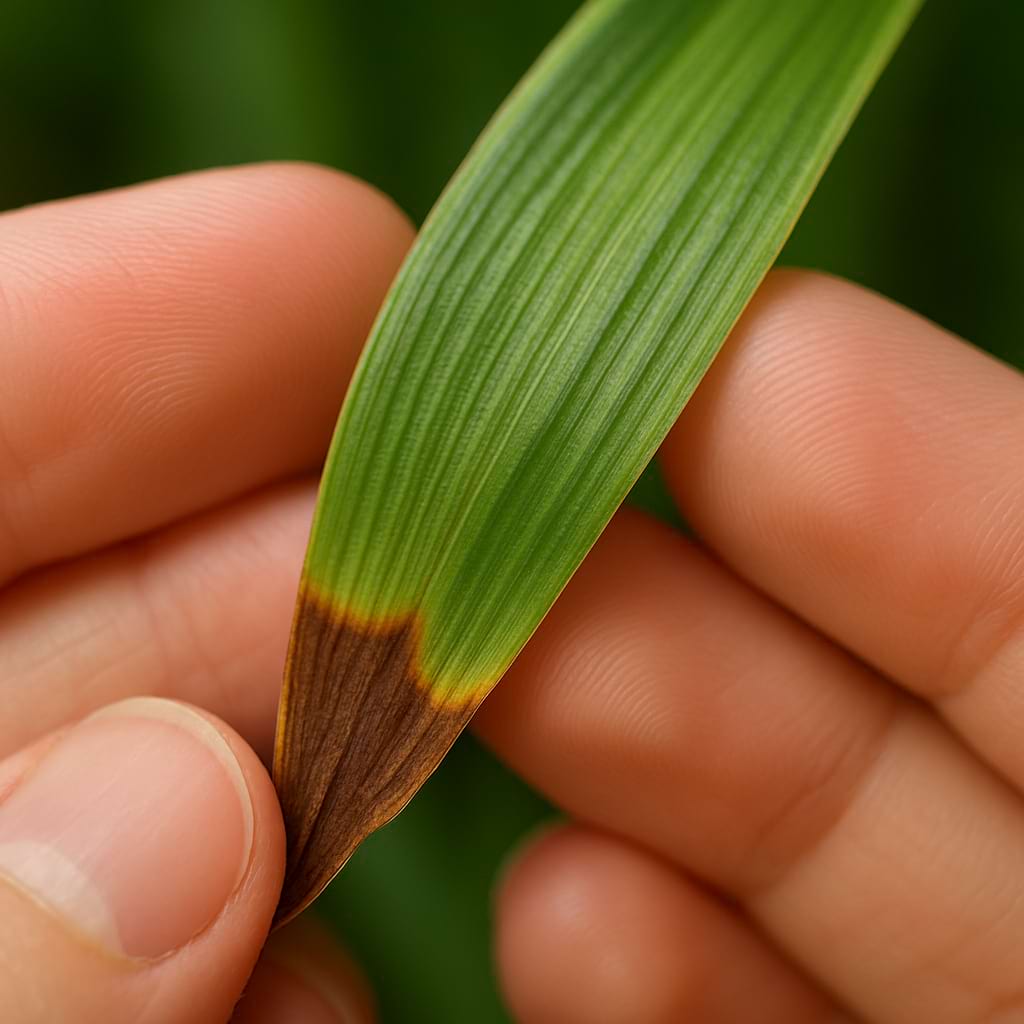
Brown crispy edges come from dry air, erratic watering, or salt buildup. Steady the routine and flush the pot every couple of months.
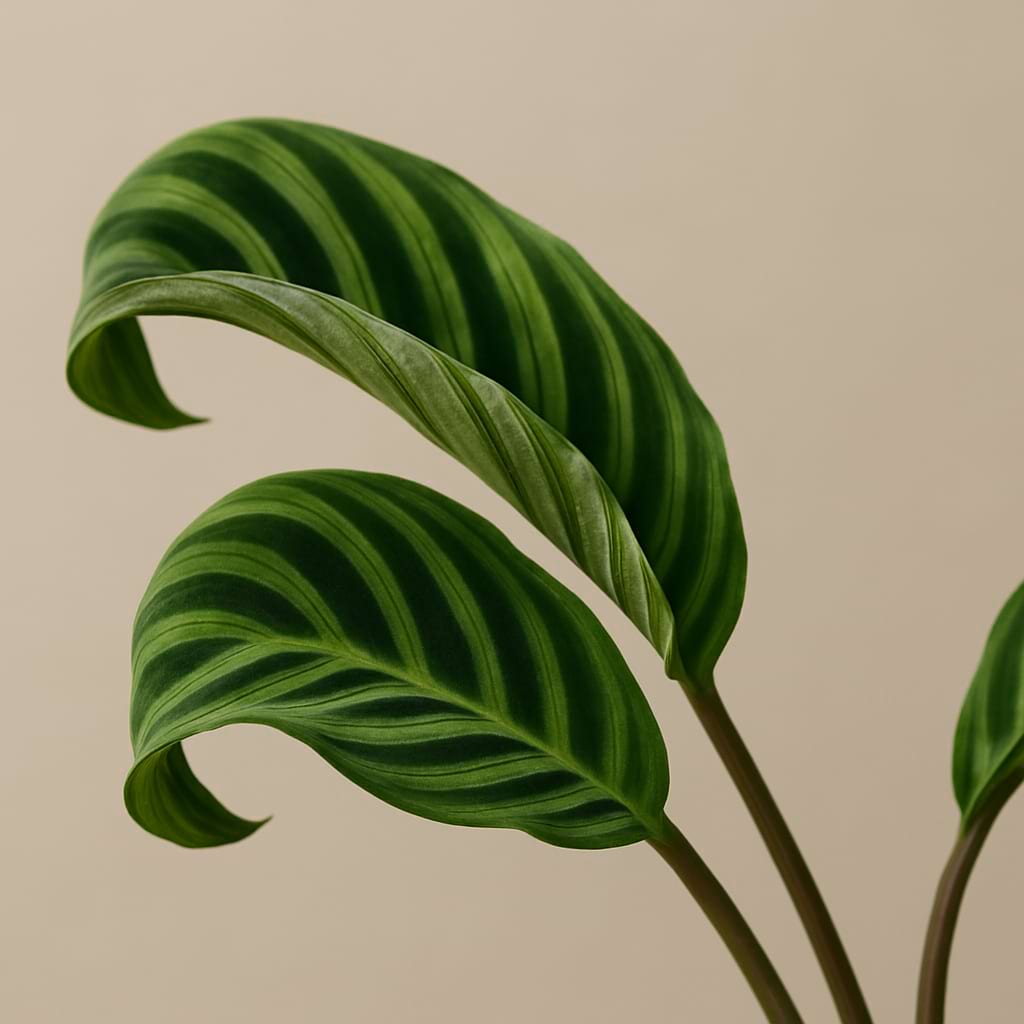
Curling leaves usually mean thirst. Check the soil first, then the undersides for mites.
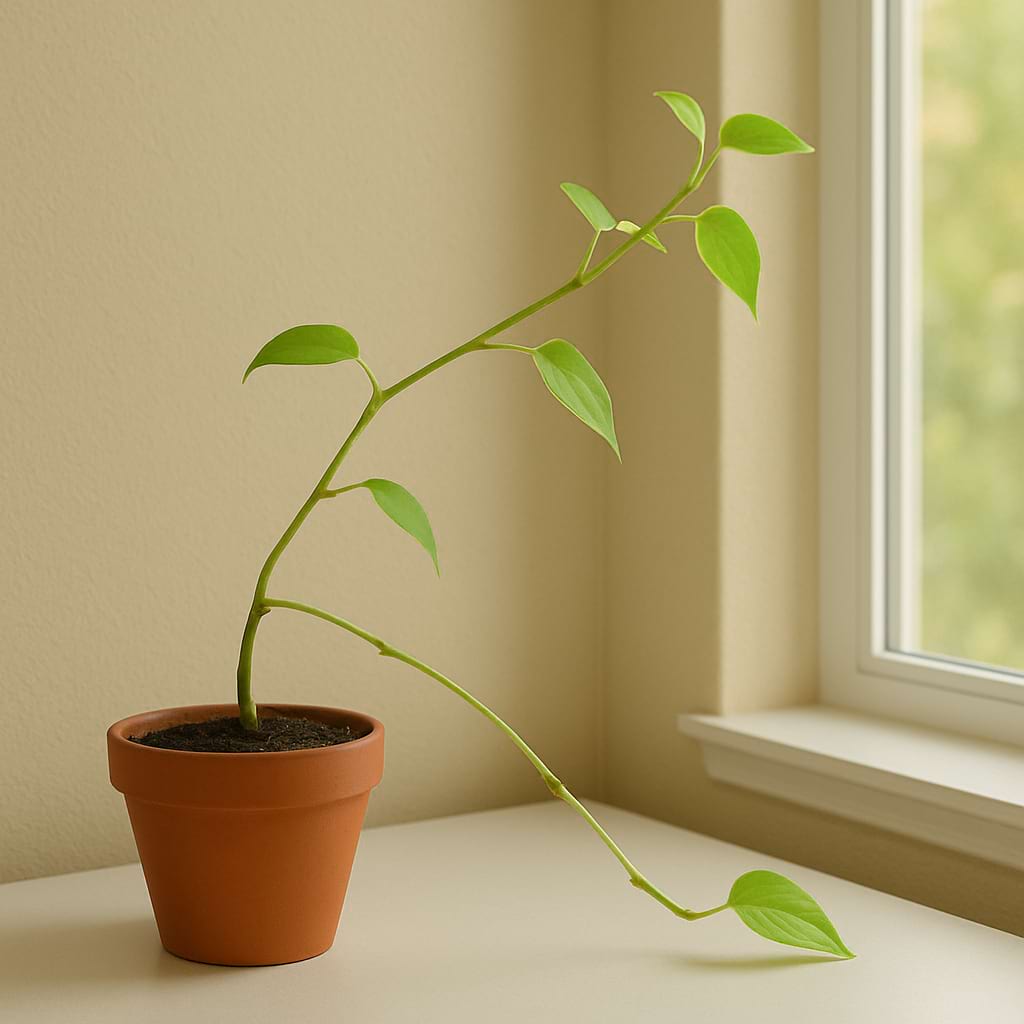
Leggy growth, meaning long bare petioles and a loose open rosette, means the plant is reaching. Move it closer to the window or add a grow light.
Sunburn leaves bleached papery patches after direct afternoon sun. Those patches do not heal, so move the plant and wait for new leaves.
Nutrient deficiency shows as small pale new leaves with yellowing between the veins. Start a half-strength feed every four weeks.
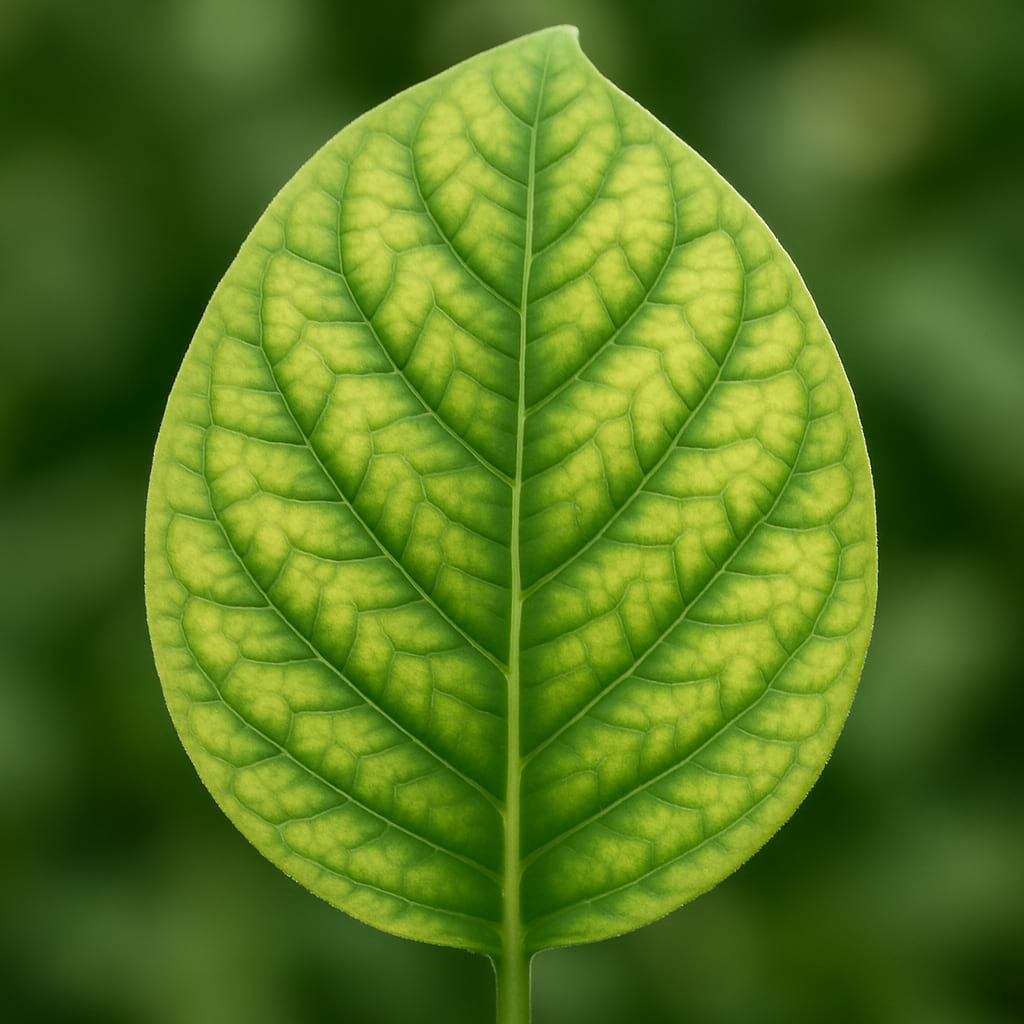
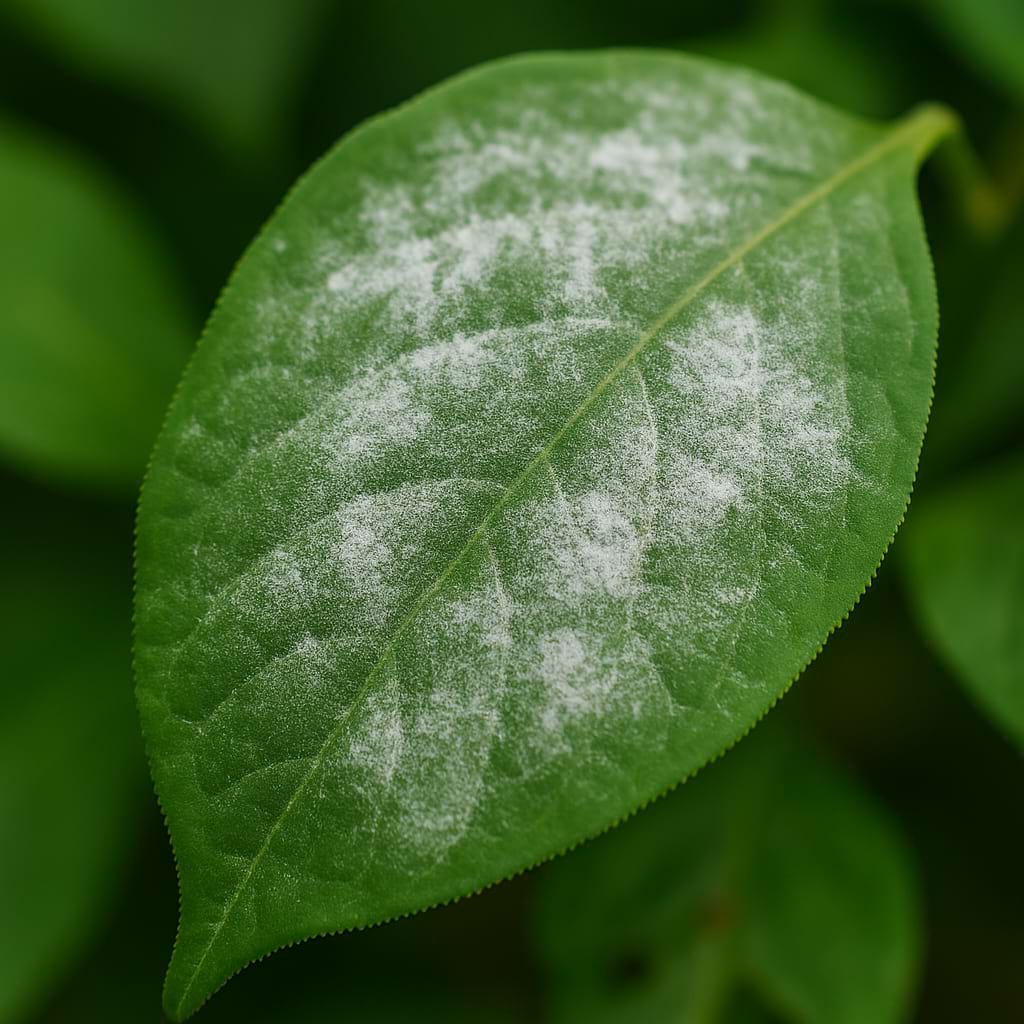
Fungal or bacterial leaf spot appears as dark spots ringed in yellow, usually after leaves sat wet overnight. Remove affected leaves, water the soil only, and improve airflow.
Edema makes small blisters or corky scars on leaf undersides when the plant takes up water faster than it can use it. Even out your watering.
Leaf drop is a shock response to a move, a draught, or a sudden change in watering. Put it somewhere stable and change nothing else for a few weeks.


🖼️ Imperial Red Display and Styling Ideas
The whole appeal is that the centre of the plant is a different colour from the outside of it. Anything that puts the crown at eye level makes the most of that.
Solo Setups
A floor specimen two to four feet from a window is the standard placement and it works. On a low plant stand, the crown sits at roughly seated eye height in a living room, which is where the red new leaf actually gets noticed. A side table next to a reading chair does the same job.
Pot Pairings
Matte cream and stone tones make the burgundy read as rich rather than muddy. Charcoal and near-black pots give a gallery look. Terracotta works in warm earthy rooms. Avoid red or patterned pots, which compete with the new growth instead of framing it.
Grouped Arrangements
The obvious pairing is with an Imperial Green, same shape and size, opposite colour. Add a Prince of Orange for a warm third note, or a Rojo Congo behind both for height. A trailing Philodendron Brasil on a shelf above softens the group without crowding the floor.
Where Not to Put It
Directly in a south or west window, in a draughty entryway, above a radiator, or anywhere a cat can reach a leaf.
🌟 Imperial Red Pro Care Tips
- Stop worrying about the greening. Every red leaf becomes a green leaf. A plant with no green leaves would be a plant with no mature leaves.
- Bright light is the only real colour lever. More light means darker red that lasts longer, and more leaves overall.
- Underwater before you overwater. A thirsty plant perks up in hours. A rotted one often does not come back.
- Keep the pot snug. One to two inches up at repotting, no more.
- Wipe the leaves fortnightly. Gloss this deep shows dust immediately and it costs the plant light.
- Quarter-turn the pot every week so the rosette stays symmetrical instead of leaning toward the window.
- Keep it away from pets and small children. The sap contains calcium oxalate crystals.
- Watch new leaf size as your dashboard. Smaller new leaves mean less light, less food, or a root problem.
❓ Frequently Asked Questions
Why are my Imperial Red leaves turning green?
Because that is what they do. Leaves emerge glossy red or burgundy and build chlorophyll as they thicken and harden off, so the red gives way to dark green over a few weeks. The colour stays longest on the petiole and the leaf underside. Brighter light deepens the red and slows the change, but nothing stops it, and a plant showing only red leaves would be a plant with no mature foliage at all.
Is Imperial Red a climbing philodendron?
No. It is self-heading, which means leaves radiate from a short central crown rather than running along a vine. It builds a low rosette and, over several years, a short thick trunk beneath it. No moss pole, no trellis, no training. Treat it as a floor or table plant.
Is Imperial Red toxic to cats and dogs?
Yes. The ASPCA lists Philodendron species as toxic to cats and dogs because of insoluble calcium oxalate crystals, which cause mouth irritation, drooling and vomiting if chewed. The same applies to people, and the sap can irritate skin. Keep it out of reach and call your vet if a pet chews a leaf.
How big does Imperial Red get indoors?
Roughly two to three feet tall and a similar spread, taking four to six years to get there. Individual leaves reach eight to twelve inches long on a mature plant. It is noticeably smaller and slower than a Rojo Congo, which is worth knowing if floor space is tight.
Can I propagate Imperial Red from a cutting?
Not from a stem cutting, no. Self-heading philodendrons have no trailing nodes to cut from, and a leaf with a length of petiole has no growth point, so it rots instead of rooting. The only reliable route is dividing a basal offset at repotting time, once the offset has two or three leaves of its own.
How often should I water it?
Roughly every seven to twelve days in spring and summer, every two to three weeks in winter, but check the soil rather than the calendar. Water when the top inch is dry, then drench until water runs from the drainage hole and empty the saucer.
Is Imperial Red a good beginner plant?
Yes, one of the better ones if you want something with visual drama. It tolerates average household humidity, forgives a missed watering, needs no support, and does not sulk the way a Calathea does. The only real way to lose it is by keeping the soil constantly wet.
Why are the new leaves smaller than the old ones?
Usually light. Move it closer to a bright window or add a grow light and watch the next two leaves. If the plant was recently divided, repotted, or shipped, give it a full month before judging, because small first leaves after root disturbance are normal.
What is the difference between Imperial Red and Rojo Congo?
Both are erubescens hybrids with red new growth, but Rojo Congo is larger at three to four feet, grows faster, has longer narrower leaves, and keeps bright red petioles permanently. Imperial Red is more compact and its red fades along with the leaf. Care is essentially identical for both.
Does more fertiliser make the leaves redder?
No. The red is genetic and appears in every new leaf regardless of feeding. Feeding gets you more leaves and larger ones, so there is more red on the plant overall, but it does not change the colour of an individual leaf or slow the greening. Light is the lever that does.
ℹ️ Imperial Red Info
Care and Maintenance
🪴 Soil Type and pH: Loose, chunky, fast-draining aroid blend, slightly acidic around 5.5-6.5.
💧 Humidity and Misting: Content at 50-60 percent and fine in ordinary household air.
✂️ Pruning: Cut spent lower leaves at the base; the crown needs no shaping.
🧼 Cleaning: Wipe the glossy leaves with a soft damp cloth every two weeks.
🌱 Repotting: Every 2-3 years, or when roots circle the root ball tightly.
🔄 Repotting Frequency: Every 2-3 years
❄️ Seasonal Changes in Care: Water less and stop feeding from late fall through early spring.
Growing Characteristics
💥 Growth Speed: Slow to Moderate
🔄 Life Cycle: Perennial evergreen
💥 Bloom Time: Very rare indoors
🌡️ Hardiness Zones: 9b-11 outdoors
🗺️ Native Area: Hybrid cultivar; parent species native to tropical South America
🚘 Hibernation: No, though growth slows noticeably in winter
Propagation and Health
📍 Suitable Locations: Living rooms, offices, lobbies, bright bedrooms, plant corners near filtered windows
🪴 Propagation Methods: Division of basal offsets at repotting time; stem cuttings do not work.
🐛 Common Pests: Spider Mites, Mealybugs, Thrips, Aphids, Scale Insects, Fungus Gnats
🦠 Possible Diseases: Root rot, leaf spot, occasional bacterial blight
Plant Details
🌿 Plant Type: Self-heading evergreen aroid
🍃 Foliage Type: Evergreen, glossy, broad oval to oblong leaves
🎨 Color of Leaves: Deep red to burgundy on emergence, maturing to dark glossy green
🌸 Flower Color: Reddish to pale green spathe with a cream spadix (rarely seen indoors)
🌼 Blooming: Almost never indoors
🍽️ Edibility: Not edible, contains calcium oxalate crystals
📏 Mature Size: 2-3 feet indoors
Additional Info
🌻 General Benefits: Strong colour contrast between new and old leaves; easy temperament; typical aroid air-cleaning effect
💊 Medical Properties: None; the sap irritates skin and mouth
🧿 Feng Shui: Associated with warmth, vitality, and steady household energy
⭐ Zodiac Sign Compatibility: Scorpio
🌈 Symbolism or Folklore: Renewal, warmth, quiet drama
📝 Interesting Facts: Imperial Red is the burgundy sister cultivar to Imperial Green. Both share the same compact self-heading habit, but Imperial Red pushes red new leaves that darken to green as they harden off, so a healthy plant always shows two colours at once.
Buying and Usage
🛒 What to Look for When Buying: Pick a plant with at least one red leaf unfurling at the centre and no soft or yellow lower leaves.
🪴 Other Uses: Container plant for shaded patios and atriums in frost-free climates
Decoration and Styling
🖼️ Display Ideas: Floor specimen in a tall planter; classic pairing with Imperial Green for a red-and-green duo
🧵 Styling Tips: Cream, stone, or charcoal pots keep the focus on the red new growth.
🪴 See also 🪴
Complete Guide to Philodendron Melanochrysum Care and Growth
How to Propagate Philodendron Brasil (and Keep the Variegation)
How to Grow Philodendron: Care Guide and 22 Types Worth Owning
Complete Guide to Philodendron Verrucosum Care and Growth
Complete Guide to Philodendron Ring of Fire Care and Growth
Complete Guide to Philodendron Gloriosum Care and Growth
Complete Guide to Philodendron Birkin Care and Growth
Complete Guide to Xanadu Care and Growth
Complete Guide to Hope Selloum Care and Growth
Complete Guide to Silver Sword Philodendron Care and Growth
Complete Guide to Moonlight Philodendron Care and Growth
Complete Guide to Imperial Green Care and Growth
Complete Guide to Rojo Congo Care and Growth
Complete Guide to Prince of Orange Care and Growth
Complete Guide To Velvet Leaf Philodendron Care and Growth
Complete Guide To Heart-leaf Philodendron Care and Growth
Complete Guide to Philodendron Florida Beauty x Tortum Care and Growth
Complete Guide to Philodendron Mayoi Care and Growth
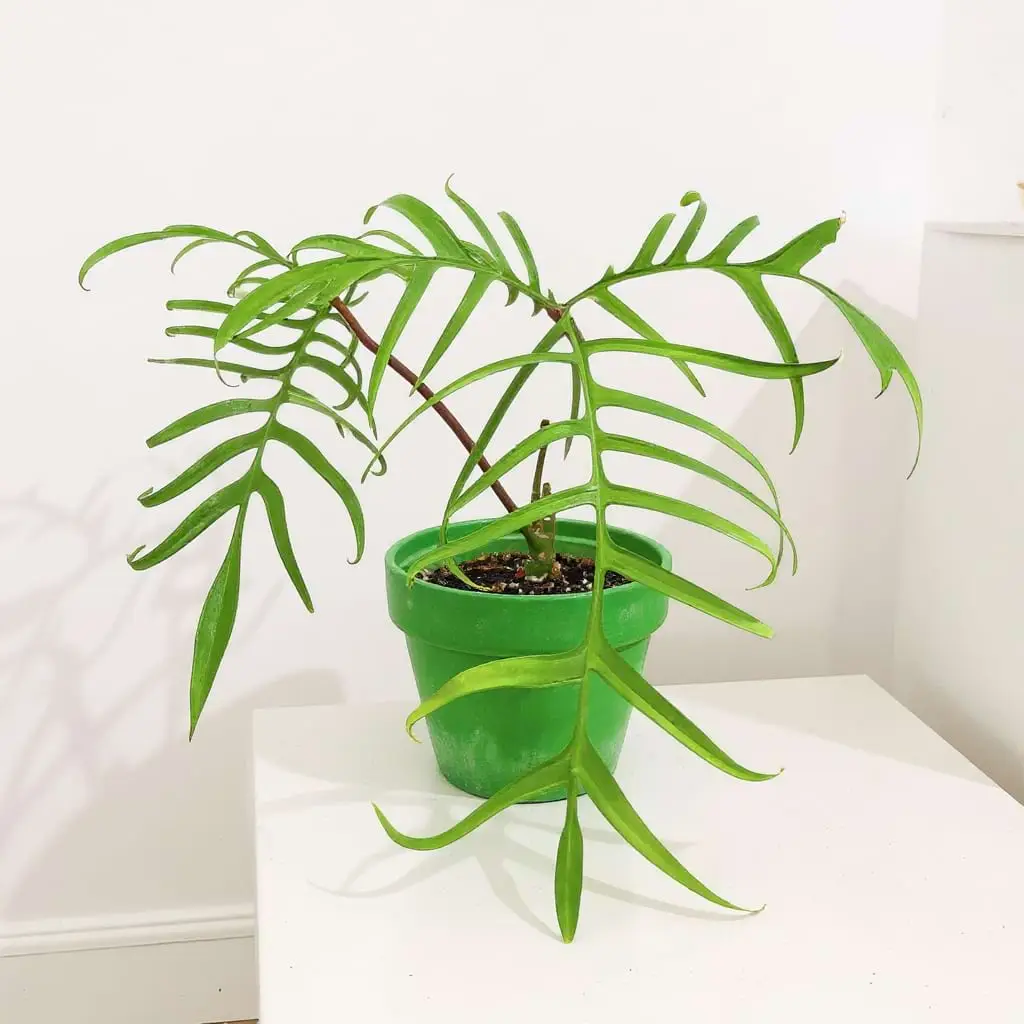
Complete Guide to Philodendron Polypodioides Care and Growth
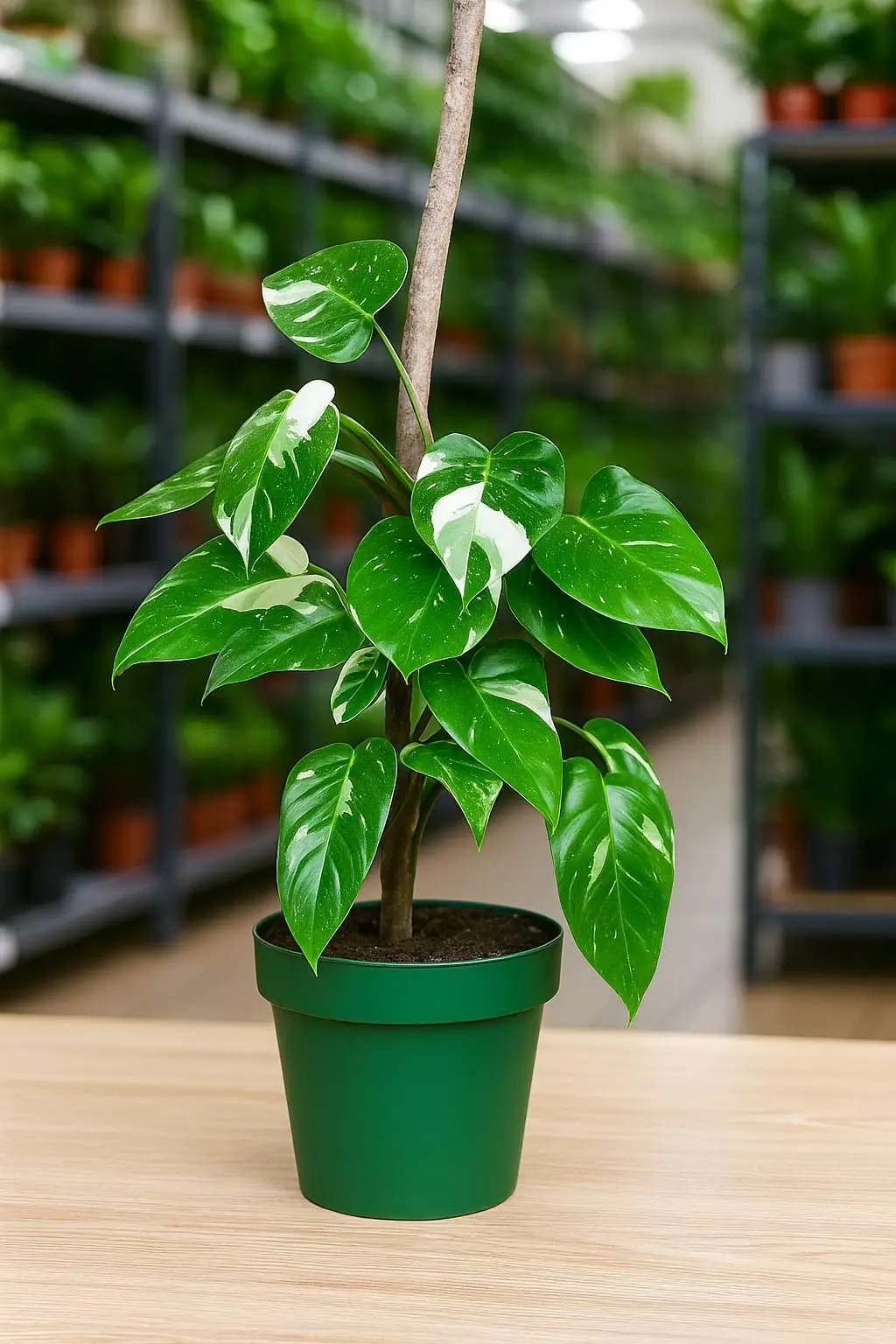
Complete Guide to Philodendron White Princess Care and Growth
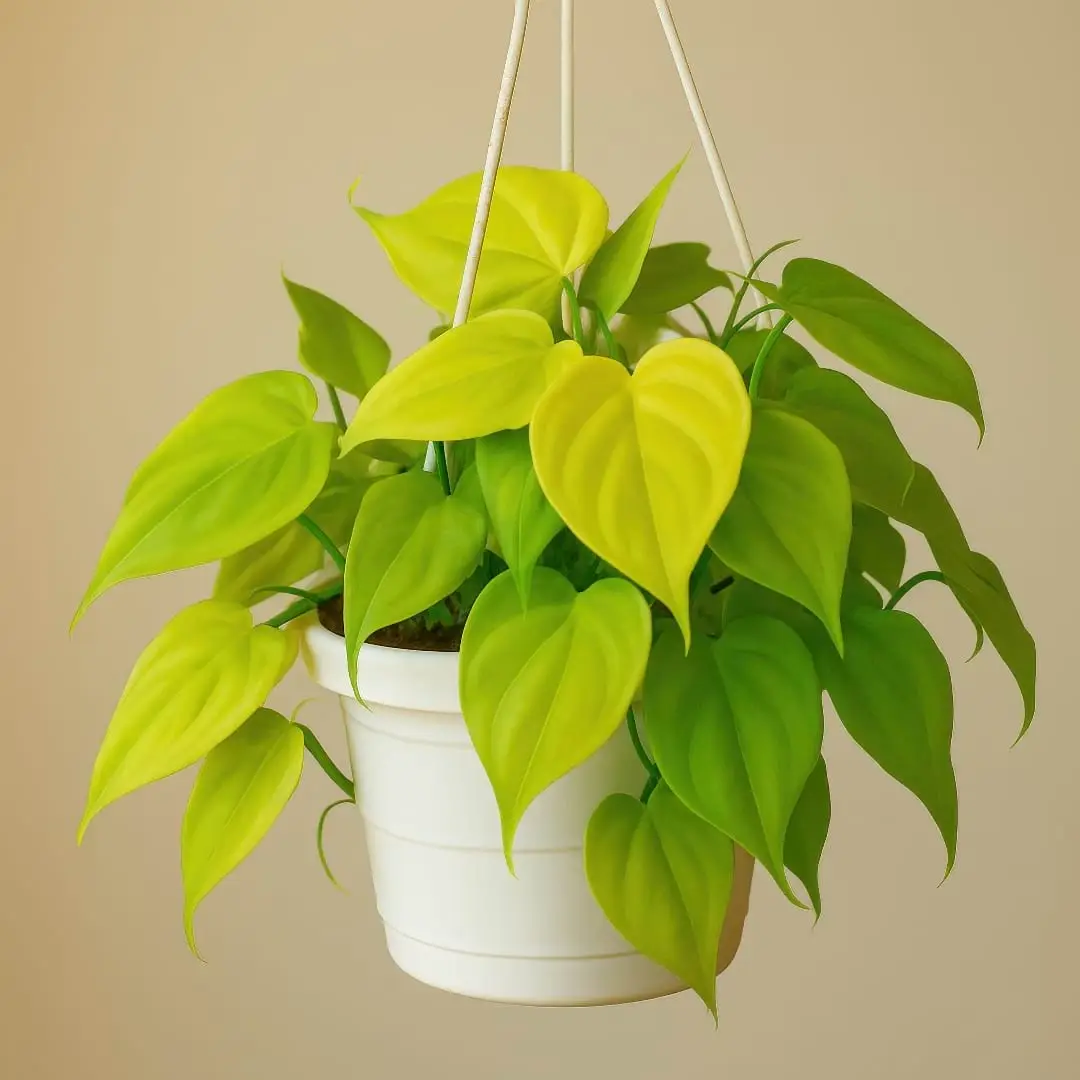
Complete Guide To Lemon Lime Philodendron Care and Growth

Houseplant101 Forum
Questions & Comments
Ask a question, share your plant experience, or help other plant owners.
Comments are temporarily unavailable.
Open the Houseplant101 ForumNo comments yet
Be the first to ask a question or share your experience about this page.
Log in or create an account
Comments use your Houseplant101 Forum account, but you can stay on this page.
Create a new account