
Gold Dust Dracaena
Dracaena surculosa
Spotted Dracaena, Gold Dust Plant, Dracaena godseffiana, Florida Beauty


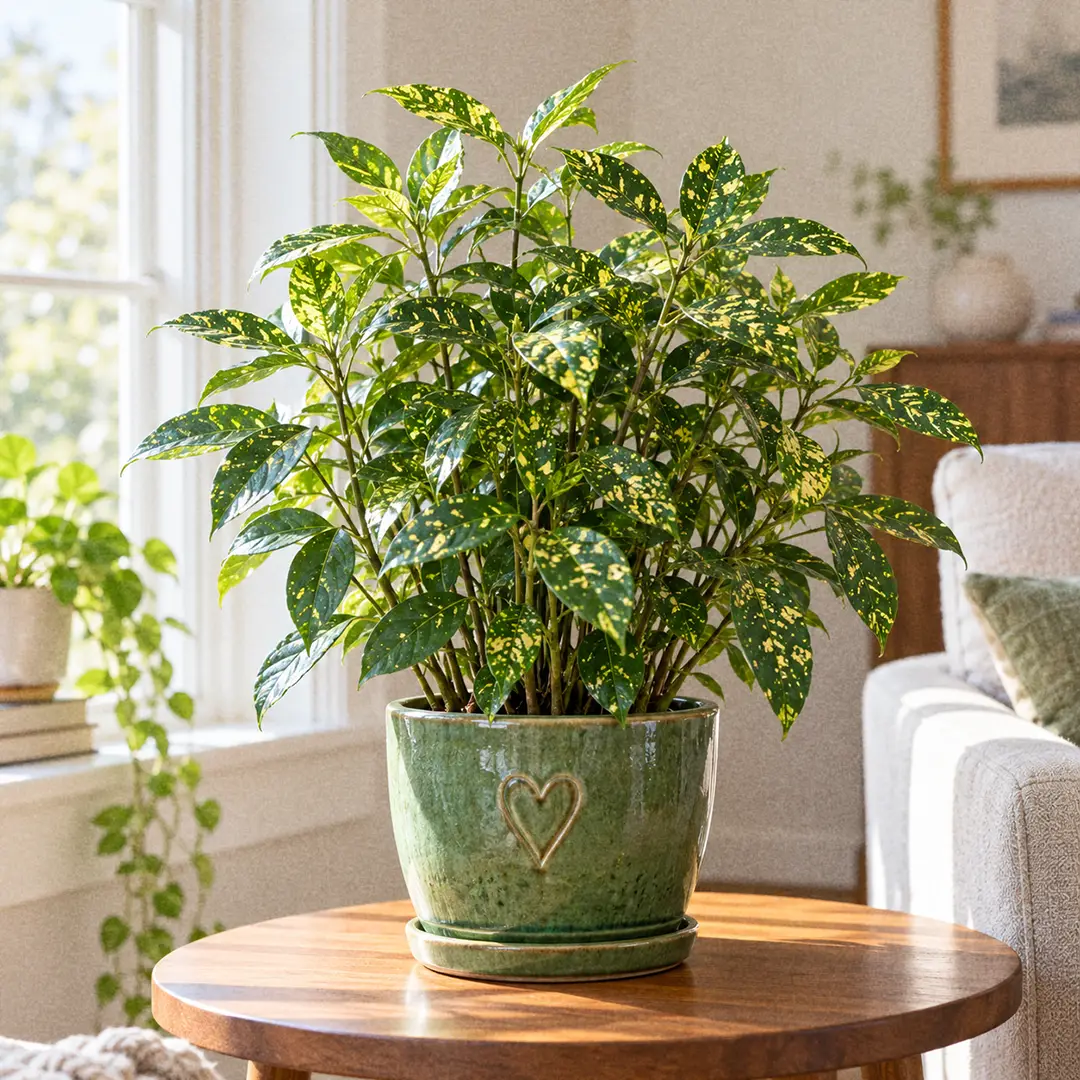
Gold Dust Dracaena is a small, shrubby dracaena with thin wiry stems and glossy oval leaves splashed with gold and cream spots. Learn how to grow Dracaena surculosa indoors, keep the spotting bright, and avoid the brown tips that tap water and fertilizer salts cause.
📝 Gold Dust Dracaena Care Notes
🌿 Care Instructions
⚠️ Common Pests
📊 Growth Information
🪴 In This Guide 🪴

☀️ Gold Dust Dracaena Light Requirements (Bright Indirect)
The Sweet Spot for Gold Spots
Bright, indirect light is what keeps the speckling sharp. An east-facing window is close to perfect, since the plant handles an hour or two of soft morning sun. With a south or west window, set it 3-5 feet back from the glass or behind a sheer curtain. A bright north window works too, though the newest leaves may carry fewer spots.
The rule to remember is that the spotting is made fresh on each new leaf, and the amount of light during that leaf's growth decides how golden it comes out. Older leaves keep their pattern. If you are unsure how bright a spot really is, our indoor light guide explains how to judge it by eye.
Winter changes the math. A spot 5 feet from a south window in July can be dim by December, so move the plant a little closer to the glass for the darker months, then back again in spring before the sun gets strong.
Too Little Light
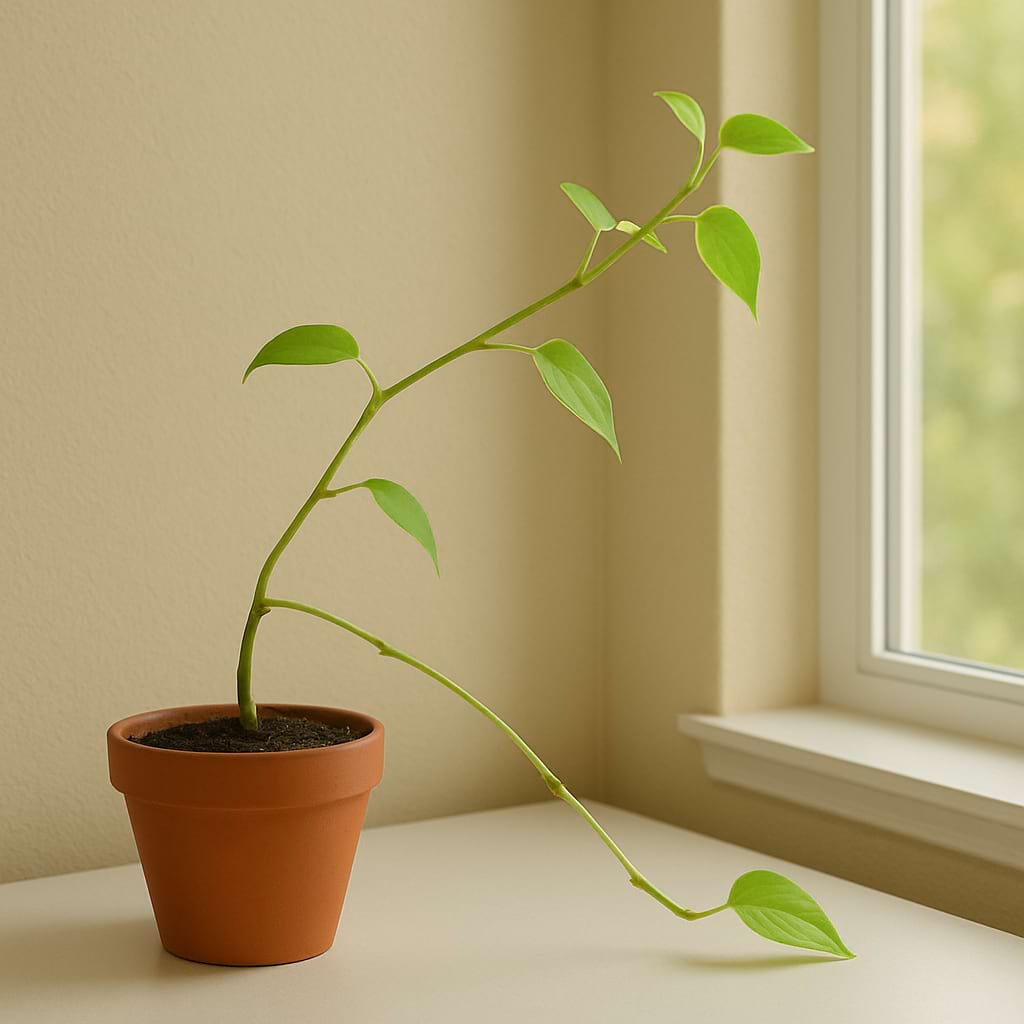
Gold Dust survives in medium and even fairly low light, which is why it ends up in offices. It just stops looking like itself there. New leaves arrive smaller, darker, and with fewer, duller spots, and the stems stretch out with wide gaps between leaf pairs. That is pale, faded color and leggy growth at once. A small grow light over a desk plant fixes both.
Too Much Light
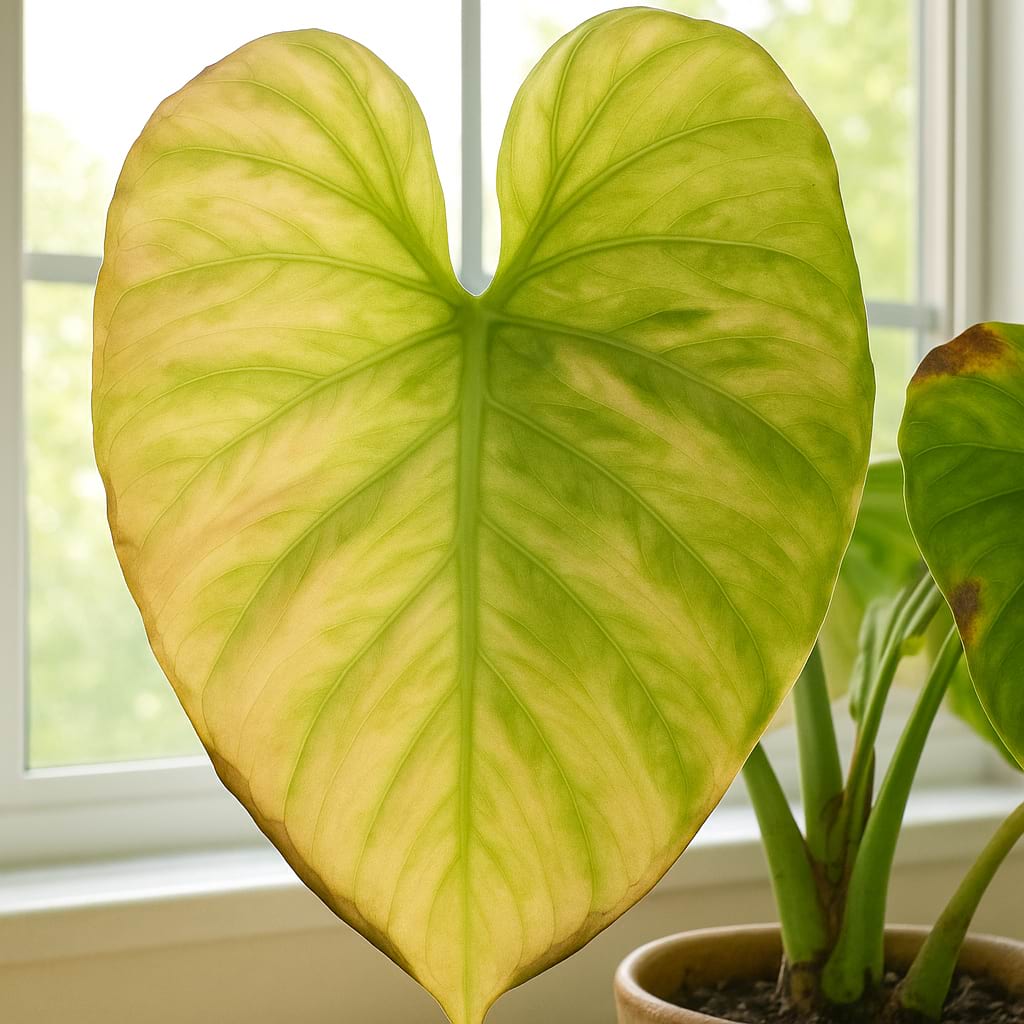
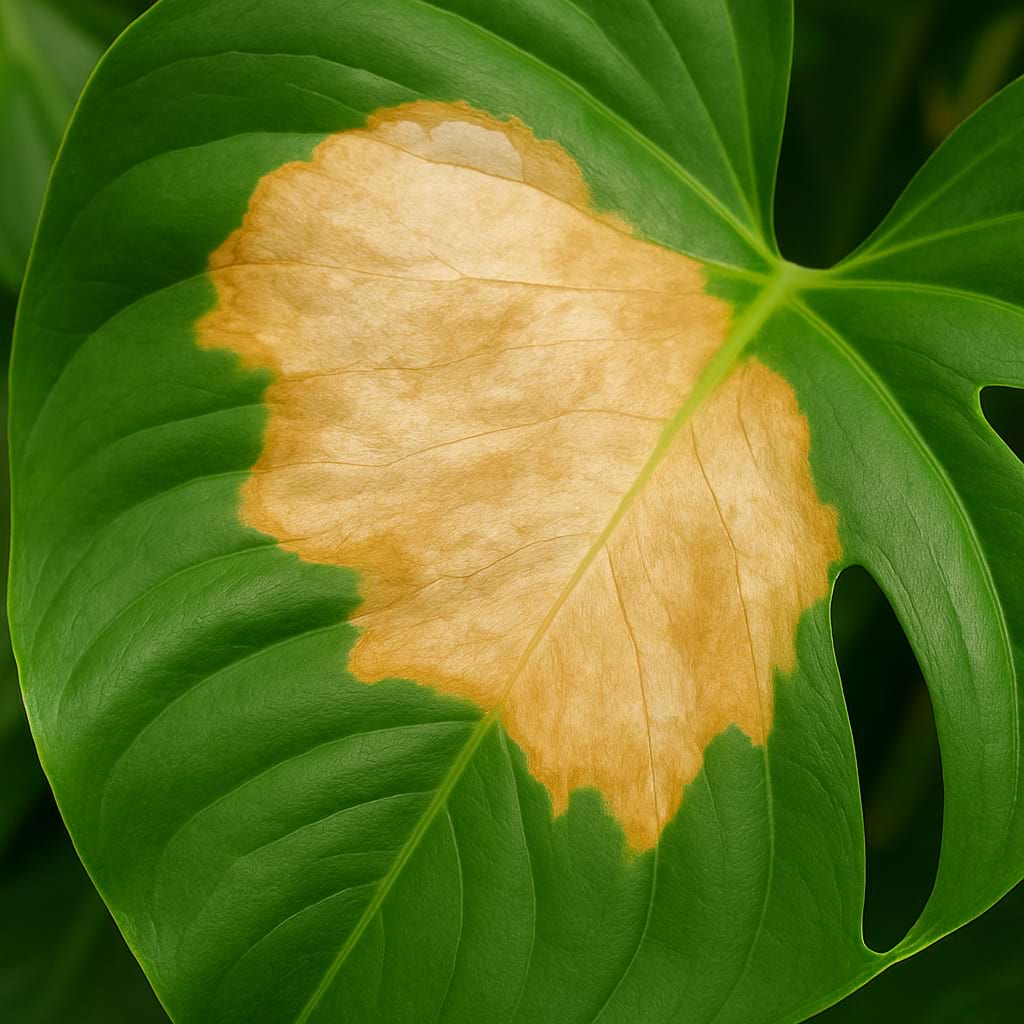
Hot afternoon sun through glass bleaches the leaves to a washed-out yellow and can burn dry brown patches into them, which is leaf scorch. The damage stays on those leaves for good, so if it happens, move the plant back and let new growth replace the marked foliage.

💧 Gold Dust Dracaena Watering Guide (Top Inch Dry)
Watering Frequency
Water when the top inch of soil is dry, which in a bright room in summer usually means about once a week in a small pot. In winter it often stretches to every two or three weeks. Push a finger into the soil or use a moisture meter rather than following a calendar.
This plant wants a little more water than its thick-caned relatives. A Dracaena Marginata or Corn Plant stores water in a fat trunk and shrugs off a dry month. Gold Dust grows on thin, wiry stems that hold very little reserve, so letting the pot dry out completely for weeks leads to curled, dropping leaves. Aim for lightly moist in the growing season, never soggy.
Water Quality and Brown Tips
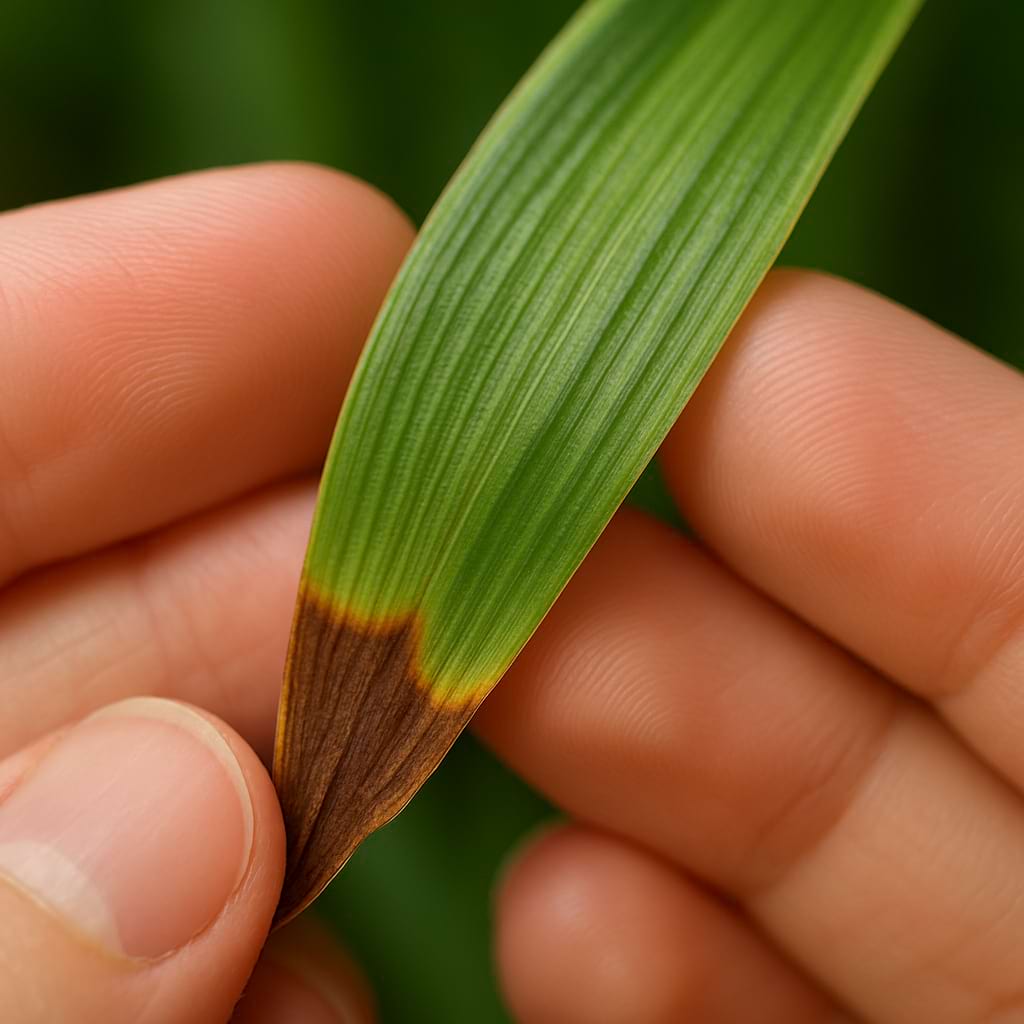
Dracaenas as a group are sensitive to fluoride and to built-up salts, and Gold Dust shares that habit. The plant moves those minerals to the leaf tips, where the tissue dies back as brown, crispy points. If most of your leaves have brown tips and the rest of the care is fine, switch to rainwater, distilled water, or filtered water. Our post on tap water vs filtered water covers which filters actually help.
How to Water
Water slowly until it runs out of the drainage holes, then empty the saucer after ten minutes. Thorough watering flushes old salts out of the pot. Every few months, run plain water through the pot for a full minute to rinse out leftover fertilizer. Never leave the pot standing in water, because thin roots in wet, airless soil rot quickly.
Signs of Watering Trouble
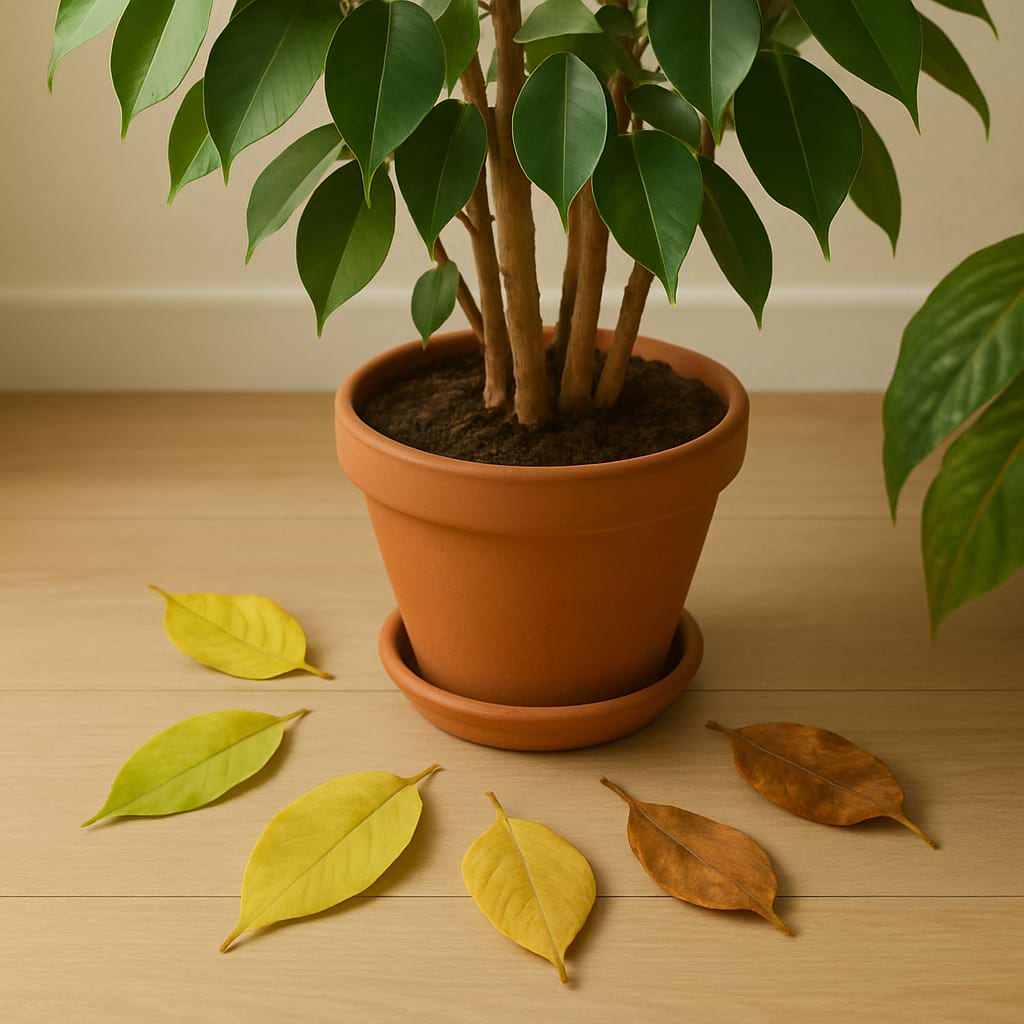
Too much water shows up as yellowing lower leaves, soil that smells sour, and stems that feel soft at the base. Too little shows up as leaves that curl inward, droop, and drop while still green, with soil that has pulled away from the edge of the pot. When in doubt, check the soil two inches down before you reach for the watering can. Our guide on how often to water houseplants helps if you are still finding your rhythm.
🪴 Best Soil for Gold Dust Dracaena (Loose and Free-Draining)
What the Soil Needs
The roots want air as much as water. A dense, peaty mix that stays wet for days invites root rot, while a loose mix holds a little moisture and drains the rest. Slightly acidic soil, roughly pH 6.0 to 6.5, suits dracaenas best.
DIY Soil Mix
A simple recipe that works:
- 2 parts quality indoor potting mix
- 1 part fine orchid bark
- 1 part pumice or coarse grit
Notice the light hand with perlite. Clemson's extension service advises against mixes heavy in perlite for dracaenas, because some perlite carries fluoride. A little is fine. Pumice and bark do the same job without the worry.
Pre-Made Options
A bagged aroid mix or a general houseplant mix with added bark works well straight from the bag. Avoid moisture-control mixes with water-holding crystals, which keep the root zone too wet for this plant. Our potting soil guide explains what to look for on the label.
🍼 Fertilizing Gold Dust Dracaena (Light Feeding Only)
When and How Often
This is a slow grower, so it needs less food than most houseplants. Feed once a month from spring to late summer with a balanced liquid fertilizer at half strength, and stop entirely in autumn and winter. A plant in lower light needs even less, perhaps every other month.
What to Use
Any balanced houseplant fertilizer works. Clemson recommends avoiding fertilizers that contain superphosphate for dracaenas, since it can carry fluoride. Check the label, and if in doubt, pick a standard liquid houseplant feed. See our fertilizing guide for the basics of diluting.
Over-Fertilizing Signs
Too much fertilizer shows up the same way fluoride does: brown leaf tips and edges, sometimes with a white crust on the soil surface. If you see that, stop feeding and flush the pot with plenty of plain water.
🌡️ Gold Dust Dracaena Temperature Range
Ideal Range
Normal room temperatures between 65°F and 80°F (18-27°C) keep it growing steadily. It handles a cooler night down to about 60°F without trouble. Below 50°F (10°C) it starts to suffer, and frost kills it, so it lives outdoors only in warm zones like 10-11.
Drafts and Heat Sources
Cold drafts from an opening door or an icy winter window can cause sudden leaf drop. Hot, dry air blowing straight from a heater or vent dries the leaf tips. Keep it a foot or two away from both, and pull it back from a window on freezing nights. Summers outdoors are fine in shade, but bring it in before nights fall below 55°F.
💦 Gold Dust Dracaena Humidity Requirements
Ideal Humidity
Average home humidity, around 40-50%, is enough. Gold Dust is more comfortable in a slightly humid room than desert-tough dracaenas are, and very dry winter air from central heating adds to the brown tip problem.
Easy Humidity Boosters
Group it with other plants, set it on a pebble tray, or run a small humidifier nearby in winter. Misting does very little and keeps the leaves wet, so skip it. If brown tips only appear in winter and your water is already clean, dry air is the likely cause. A bright bathroom with a window is a happy spot. Our humidity guide has more simple options.
🌸 Gold Dust Dracaena Flowers (Rare Indoors)
What the Flowers Look Like
When it does bloom, Gold Dust Dracaena produces a small rounded cluster of greenish white, tubular flowers on a drooping stalk at the tip of a stem. They are fragrant at night. Pollinated flowers can turn into round orange-red berries.
Will It Bloom Indoors?
Rarely. Flowering on houseplants is uncommon, and most owners never see it. Mature plants with several years of bright light and steady care have the best odds. There is no reliable trick to trigger blooms, so treat any flowers as a bonus rather than a goal.
After Flowering
If your plant does bloom, you can leave the cluster until it fades, then snip the stalk off. Some people dislike the sticky nectar and cut the stalk earlier, which does no harm. Keep the berries away from pets and children, since every part of the plant is toxic to cats and dogs.
🏷️ Gold Dust Dracaena Types and Varieties
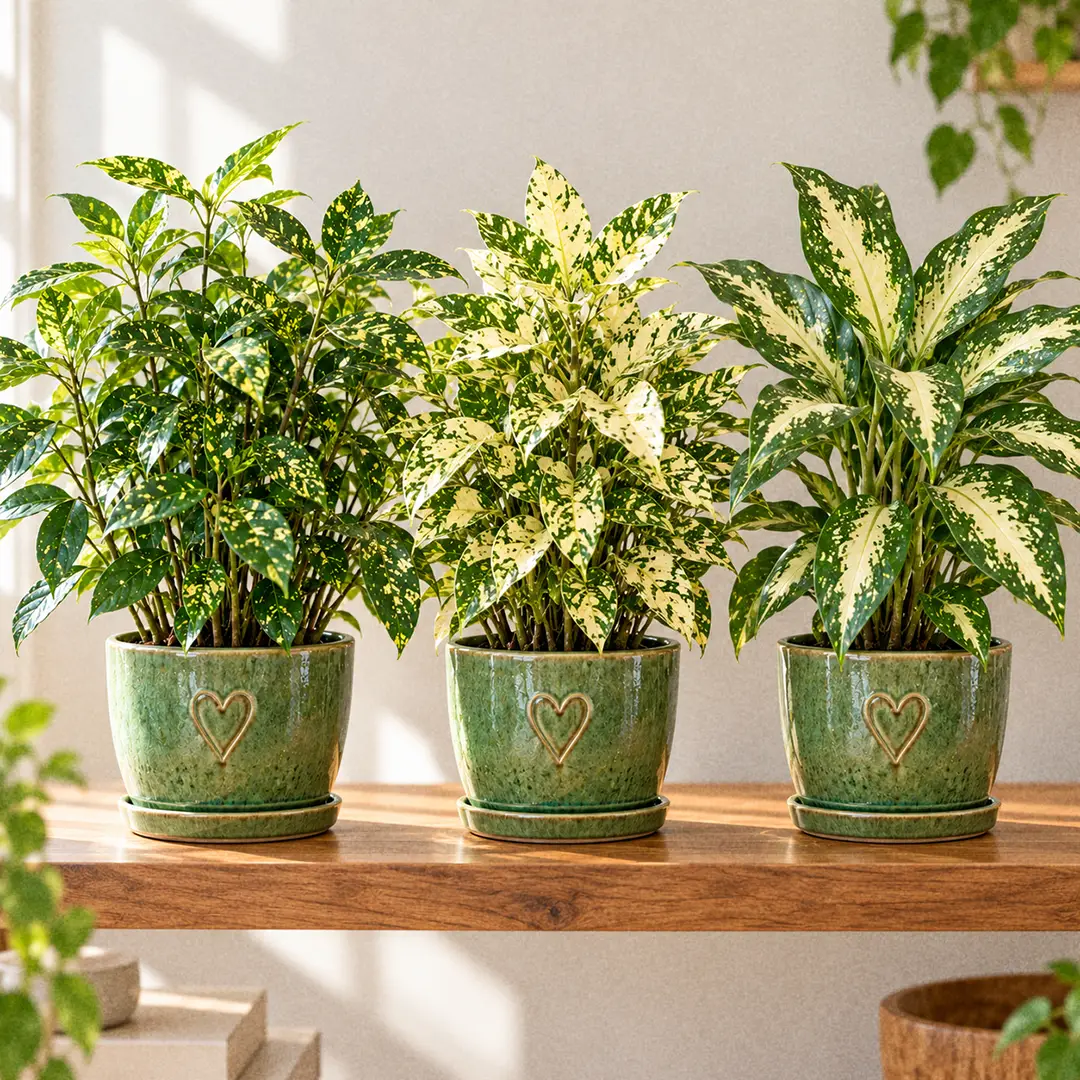
Standard Gold Dust (Dracaena surculosa)
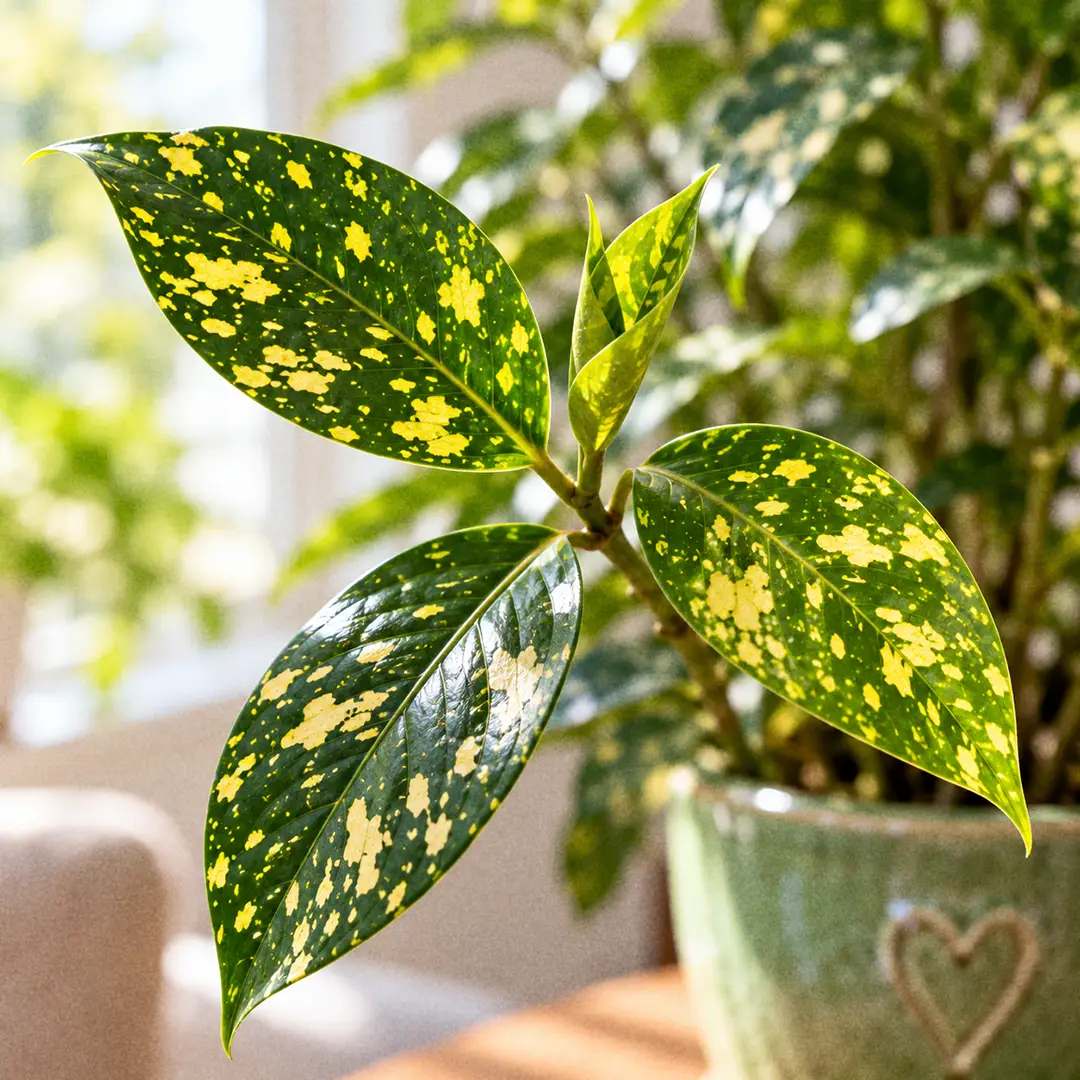
The species has deep green leaves scattered with gold to cream spots, carried in pairs or whorls of three along thin stems. On young leaves the spots look yellow, then fade toward cream as the leaf ages. You will still see it labeled Dracaena godseffiana, an older name for the same plant.
'Florida Beauty'
The best-known cultivar, and the one sold most often under a cultivar name. Its leaves are so heavily blotched with cream and gold that some look more cream than green. It holds the RHS Award of Garden Merit and stays compact, with the RHS listing an ultimate size of 0.5-1 meter. Because there is less green on each leaf, it needs bright light even more than the species does.
'Milky Way'
'Milky Way' has broader green leaves with a pale band running down the center, plus the usual speckling. It is less common in shops but turns up with specialist growers.
Gold Dust vs Other Spotted Plants
Two lookalikes cause mix-ups. The 'Gold Dust' Croton has yellow-speckled leaves too, but it is a different plant with thicker stems and different needs. Gold Dust Dracaena is also nothing like the striped Lemon Lime Dracaena or Warneckii, which grow as upright canes with long strap leaves. For the full family, see our Dracaena varieties list.
🪴 Potting and Repotting Gold Dust Dracaena
When to Repot
It grows slowly and likes a snug pot, so repot only every two to three years, in spring. Signs it is time: roots coming out of the drainage holes, water running straight through, or a pot so full of stems that it tips over.
Choosing a Pot
Go up just one size, about an inch or two wider. A pot with drainage holes is non-negotiable. Terracotta dries faster and suits heavy waterers, while plastic or glazed ceramic holds moisture longer for people who forget. An oversized pot holds wet soil around the roots and is a common route to rot. A wide, shallow pot often looks better than a deep one, since the plant spreads into a low clump of stems rather than rising on a single trunk.
Step-by-Step Repotting
Water the day before, ease the root ball out, and loosen any circling roots. Set it at the same depth in fresh mix, firm gently, and water through. Keep it out of direct sun for a week. Our repotting guide walks through each step with photos.
✂️ Pruning Gold Dust Dracaena
When to Prune
Spring and early summer are best, when the plant can push new growth quickly. Prune when stems get long and bare at the bottom, or when one stem outgrows the rest and spoils the shape.
How to Prune
Use clean, sharp scissors and cut a stem just above a leaf pair or whorl. New shoots usually appear just below the cut, so a trimmed stem becomes two or three, and the plant fills out. The RHS notes that a weak, straggly plant can be cut back hard, to within about 6 inches of the base, in spring. Keep the healthy cut tips, because they are your propagation material.
Brown Tips and Old Leaves
Snip brown leaf tips at an angle that follows the leaf's natural shape, leaving a thin line of brown so you do not cut into live tissue. Lower leaves that yellow and drop off with age are normal; pull them off once they come away easily.
🌱 How to Propagate Gold Dust Dracaena
Best Method: Tip Cuttings
Tip cuttings are the easiest way to make more plants. Cut a healthy stem tip 4-6 inches long with a few leaf pairs, just below a node (the slightly swollen ring where leaves grow from the stem). Leafless sections of older stem can also root, but they are slower.
Step-by-Step
- Strip the lowest leaves so you have 1-2 inches of bare stem.
- Stand the cutting in a glass of water, or push it into moist, airy mix.
- Keep it warm, ideally 70-80°F, in bright indirect light.
- In water, change the water weekly and pot it up once roots are an inch or two long.
- In mix, keep the soil lightly moist and tug gently after 4-6 weeks to feel for roots.
Roots usually take several weeks, and longer in a cool room. A warm spot, like a shelf above a radiator or a heat mat, speeds things up. Our guides to water propagation and soil propagation cover both routes in detail.
Division
Older plants form clumps of stems from the base. When you repot, you can tease the root ball into two or three sections, each with its own stems and roots, and pot them separately. This gives you a full-sized plant immediately instead of a slow-growing cutting.
Tips for Success
Put three to five cuttings in one pot. A single rooted stem of Gold Dust looks sparse for a long time, while a group reads as a bushy little plant from the start.
Once the cuttings are potted, keep them out of direct sun and avoid fertilizer for the first month or two. New leaves at the tips are the sign that the roots have taken hold.
🐛 Gold Dust Dracaena Pests and Treatment
Common Pests
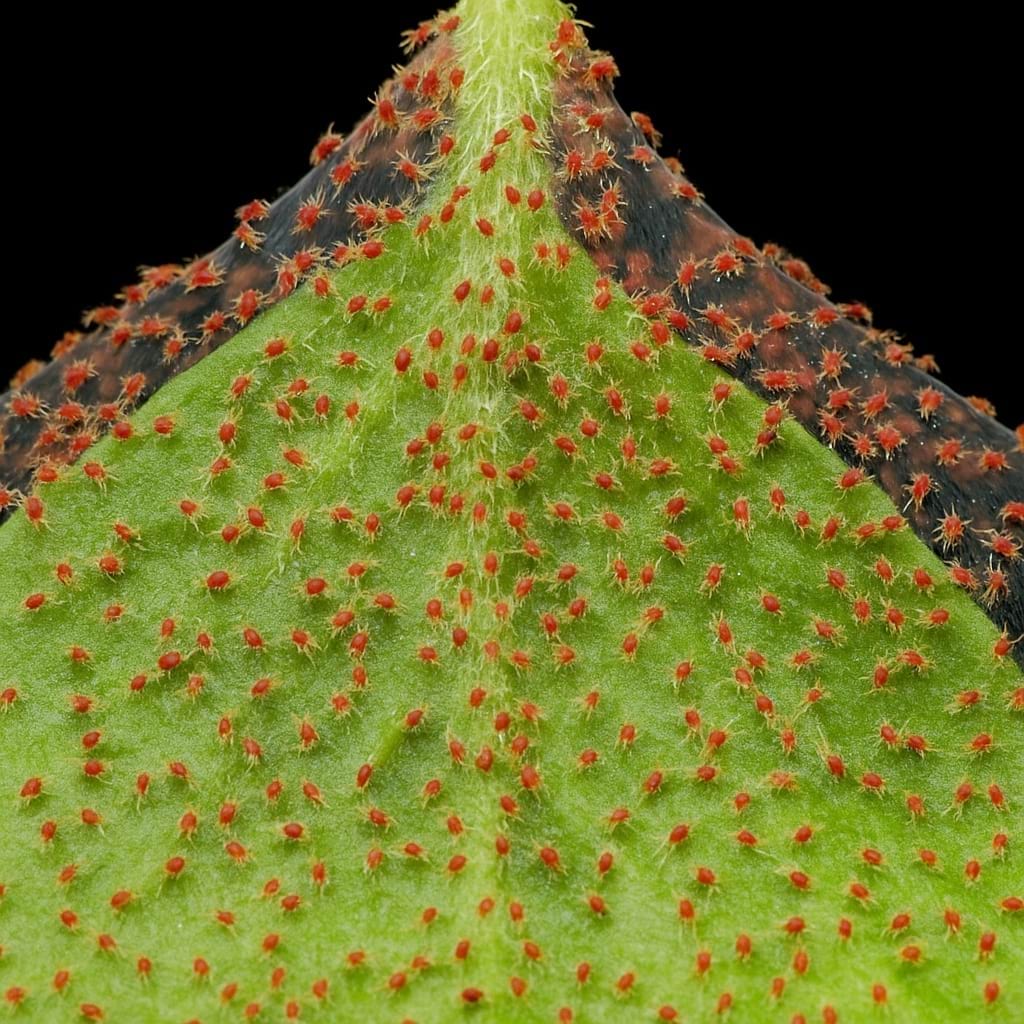
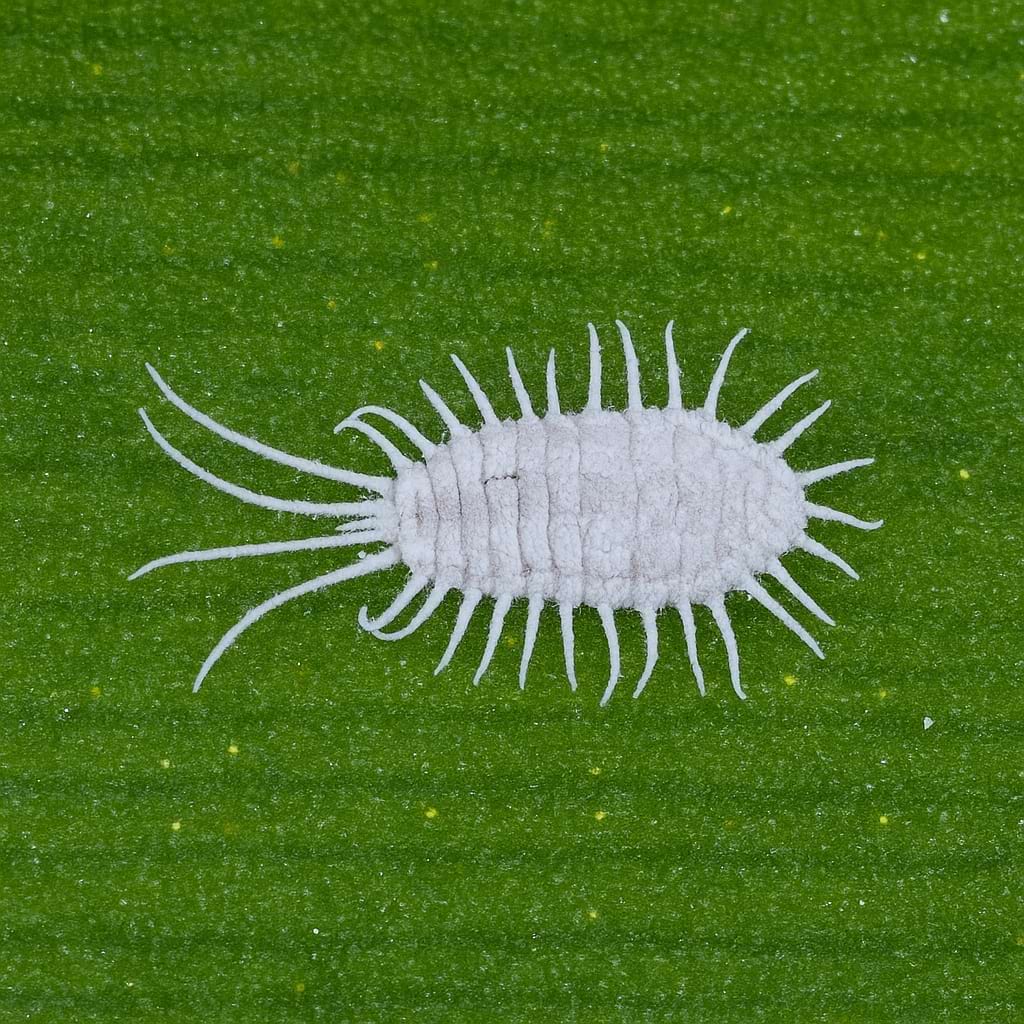
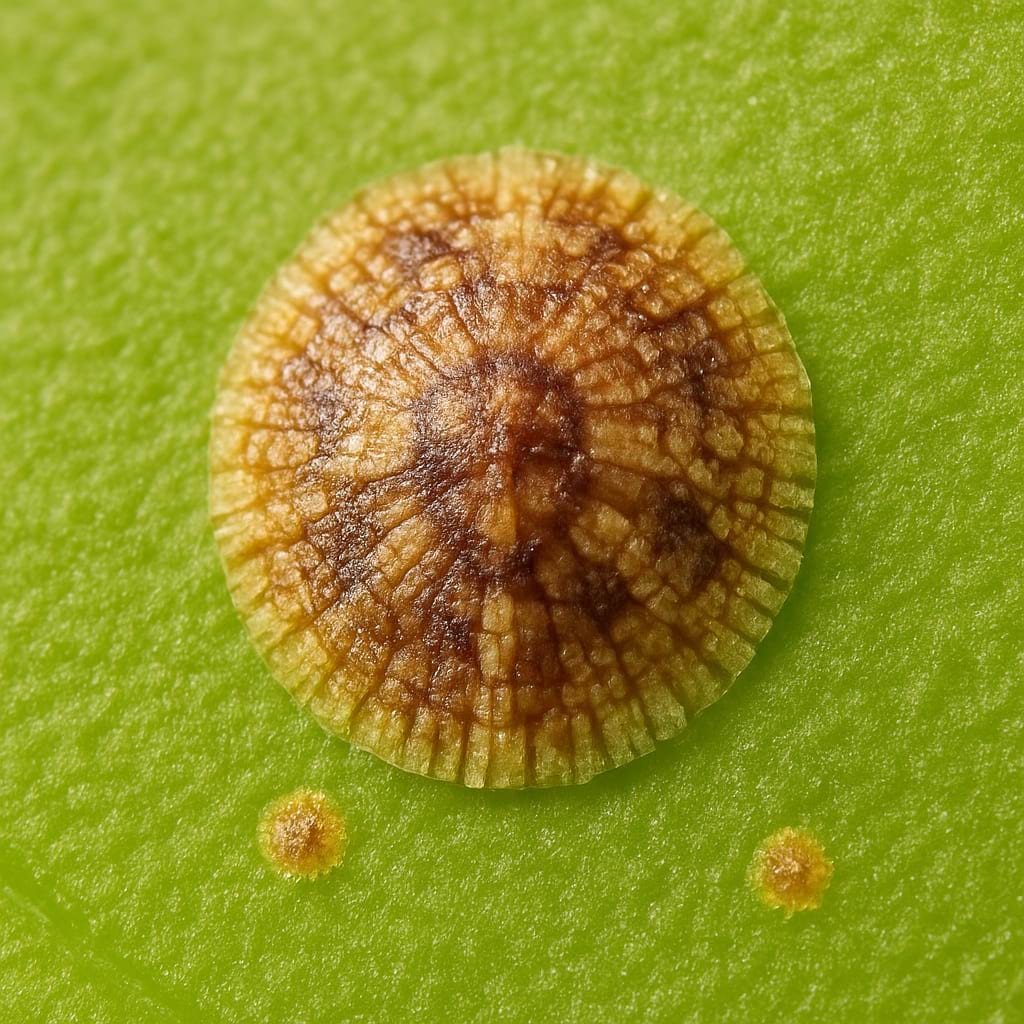
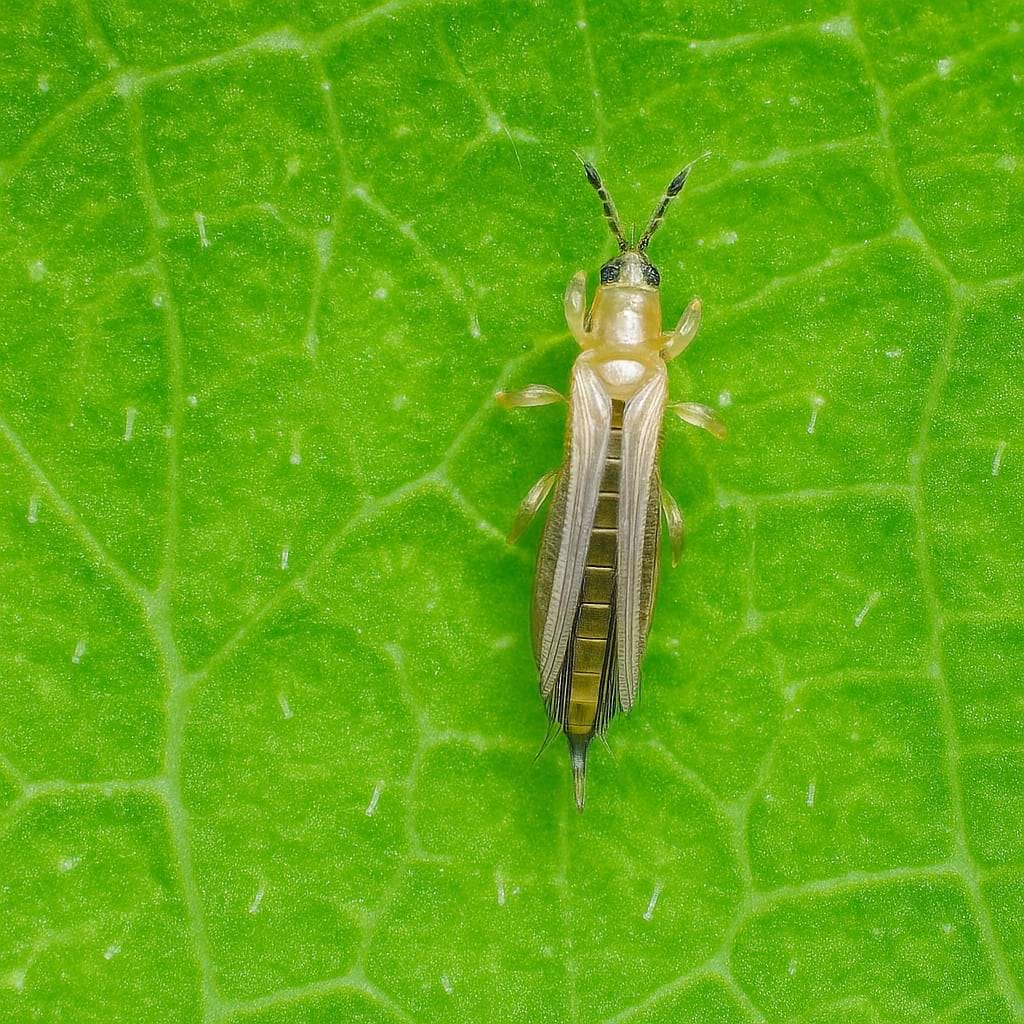
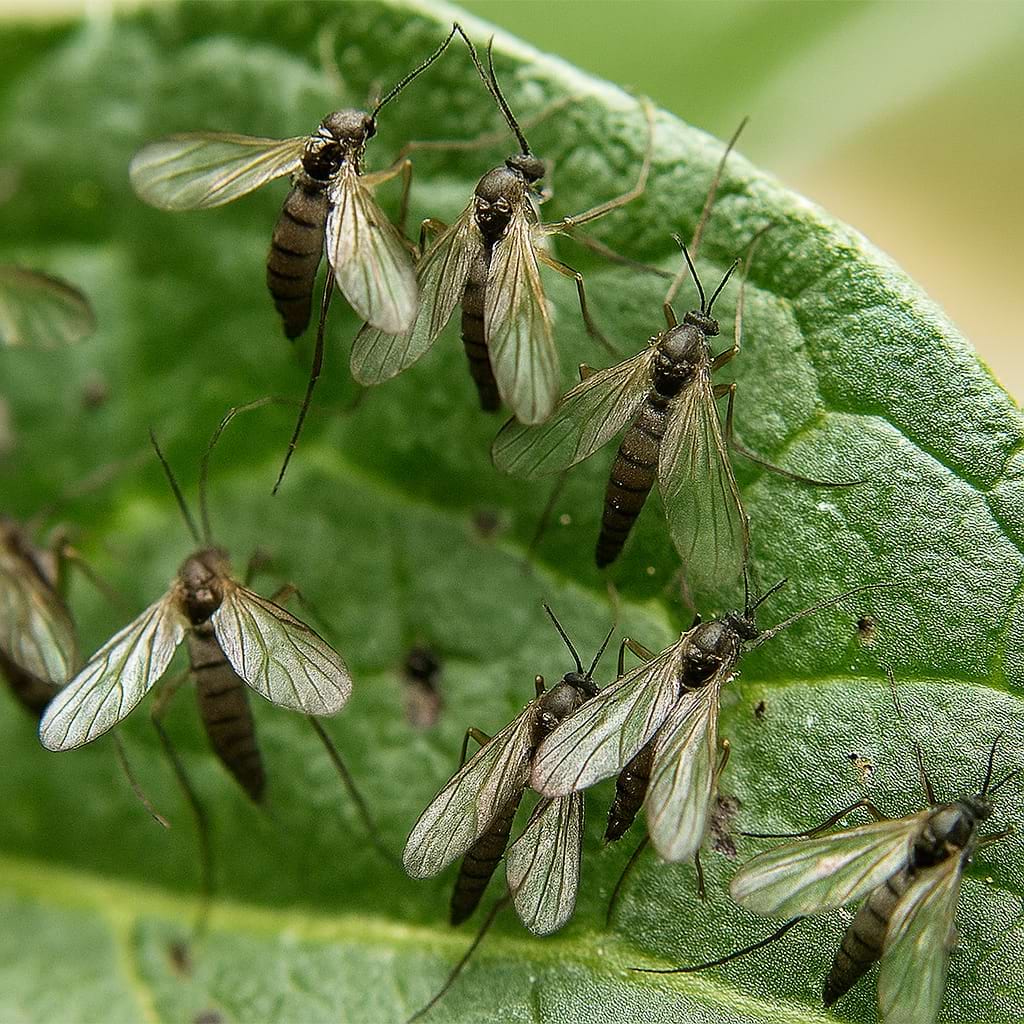
Spider mites are the most frequent problem, especially in warm, dry rooms. Look for fine webbing between leaves and a dull, stippled look on the glossy surface. Mealybugs hide as white cottony tufts where the leaves meet the stem. Scale insects look like small brown bumps stuck along the thin stems, and thrips leave silvery streaks. Fungus gnats only show up when the soil stays wet too long.
How to Treat Them
Rinse the whole plant in the shower first, which knocks off most mites. Dab mealybugs and scale with a cotton swab dipped in rubbing alcohol. Follow up with insecticidal soap or neem oil every 7-10 days for a few rounds, coating the undersides of the leaves. For fungus gnats, let the top of the soil dry out more between waterings.
Prevention
Check under leaves and along stems every time you water, since the dense whorls of leaves give pests plenty of hiding spots. Wiping the leaves monthly removes dust and early pests together. Quarantine new plants for a couple of weeks before they join the rest.
🩺 Common Gold Dust Dracaena Problems
Brown Leaf Tips
Brown, crispy tips are the classic dracaena complaint and the most common one here. The usual causes are fluoride or salts in tap water, too much fertilizer, or very dry air. Switch to cleaner water, flush the pot, and feed less. Existing brown tips will not turn green again, but new leaves should come in clean.
Losing the Gold Spots
New leaves that come in plain green, or with only a few faint spots, almost always point to low light. Older leaves also fade naturally from yellow to cream as they age, which is normal. Move the plant closer to a bright window and the next flush of leaves should show stronger spotting.
Yellowing Leaves and Root Rot
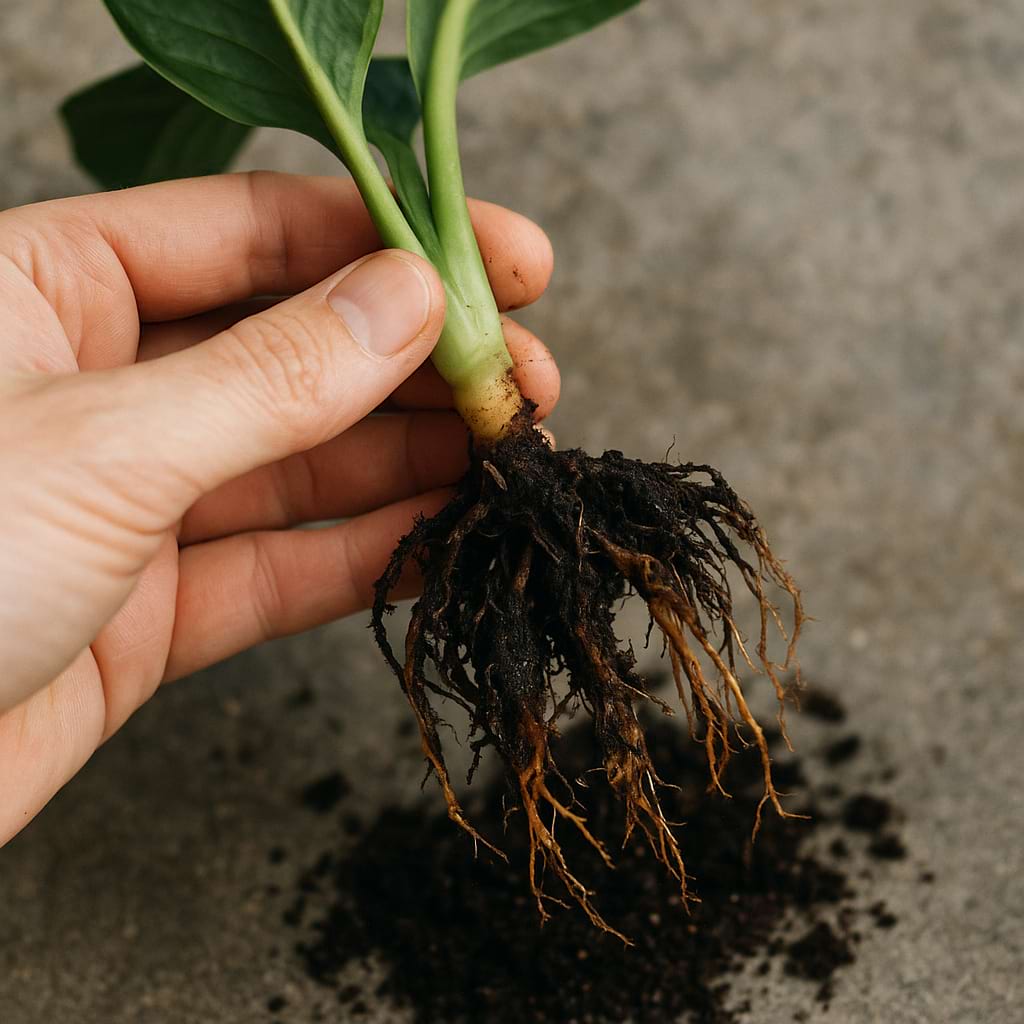
A few old lower leaves yellowing and dropping is normal ageing. Many yellowing leaves at once, with damp soil and soft stems at the base, point to root rot. Unpot it, cut away dark mushy roots, and repot into fresh, dry mix in a clean pot. If the base is gone, take tip cuttings from healthy stems and start again.
Leaf Drop and Curling
Sudden leaf drop after a move, a cold draft, or a very dry spell is the plant reacting to shock. Curling leaves on a plant with bone-dry soil mean it needs water sooner. Fix the cause and keep the care steady; it recovers, though slowly.

🖼️ Gold Dust Dracaena Display and Styling Ideas
Solo Setups
At 2-3 feet, this is a tabletop and desk plant rather than a floor plant. A low, wide pot in a deep green or charcoal shade makes the gold spots stand out. Keep it at eye level, because the speckling is the whole show and it gets lost on the floor.
It also suits an office desk near a window, where its slow growth means it will not outgrow the space for years. Under strong office lighting it holds its color better than you might expect.
Grouped Arrangements
The spotted leaves look best next to plain foliage. Pair it with a dark green ZZ Plant or a Cast Iron Plant for contrast. In a dracaena group, it fills the low front spot in front of a taller Marginata or Warneckii cane, adding a rounded shape among all the upright ones.
Where Not to Put It
Skip hot sunny windowsills facing south or west, spots right beside heaters or air vents, and dark hallways. Also keep it off low tables if you have cats or dogs that chew plants, since it is toxic to both. If you need something safer for pets, see our list of pet-safe houseplants.
🌟 Gold Dust Dracaena Pro Care Tips
Light and Water Habits
- Turn the pot a quarter turn every couple of weeks so all sides keep their spots and the shape stays even.
- Keep a jug of rainwater or filtered water ready for this plant if your tap water causes brown tips.
- Water a little more often than you would a thick-caned dracaena. Thin stems mean less stored water.
Shape and Health Habits
- Pinch the tip of any stem that gets too tall in spring. It branches and fills in below the cut.
- Wipe the glossy leaves with a damp cloth monthly. Clean leaves catch more light and show pests early.
- Leave it alone after you bring it home. It grows slowly, so a few quiet weeks without new leaves is normal, not a sign of trouble.
❓ Frequently Asked Questions
Is Gold Dust Dracaena toxic to cats and dogs?
Yes. The ASPCA lists Gold Dust Dracaena as toxic to both cats and dogs. It contains saponins, and eating it can cause vomiting, drooling, loss of appetite, and depression, with dilated pupils in cats. Keep it out of reach and call your vet if a pet chews it.
Why is my Gold Dust Dracaena losing its spots?
New growth made in low light comes in greener with fewer spots. Spots on older leaves also fade from gold to cream as the leaves age, which is normal. Bright indirect light keeps the newest leaves well speckled.
Why does my Gold Dust Dracaena have brown tips?
The most common causes are fluoride or salts from tap water, too much fertilizer, and very dry air. Switch to rainwater or filtered water, flush the pot every few months, and feed lightly. Trim existing brown tips with clean scissors.
How big does Gold Dust Dracaena get indoors?
Most indoor plants stay around 2-3 feet tall and grow slowly, often taking years to reach that size. In the wild it can grow much taller. Regular pinching keeps it compact.
Can Gold Dust Dracaena grow in low light?
It survives in medium to low light, which is why it is a common office plant. Growth slows, stems stretch, and the new leaves lose most of their gold. For good spotting, give it bright indirect light or a grow light.
Is Gold Dust Dracaena the same as Dracaena godseffiana?
Yes. Dracaena godseffiana is an older name for Dracaena surculosa, and many shops still use it. Both refer to the same spotted shrub.
How often should I water Gold Dust Dracaena?
Water when the top inch of soil is dry, often about once a week in summer and every two to three weeks in winter. It does not want to dry out as fully as thick-caned dracaenas. Always let excess water drain away.
Can I grow Gold Dust Dracaena in water?
Cuttings root well in water, and they can live there for a while. For long-term growth, move rooted cuttings into soil, where the plant grows fuller. If you keep it in water, change the water weekly and use filtered or rainwater.
Does Gold Dust Dracaena grow fast?
No, it is a slow grower. Expect a few new leaf pairs per stem each growing season in good light, and very little in winter. That slow pace is part of why it works so well on desks and shelves.
Can Gold Dust Dracaena live outside?
Only in frost-free climates, roughly zones 10-11, and only in shade or dappled light. Elsewhere, it can spend summer outdoors in a sheltered, shady spot. Bring it back in before nights drop below about 55°F, and check it for pests before it rejoins your other plants.
How is Gold Dust different from other dracaenas?
Most dracaenas grow long strap-shaped leaves from a thick cane. Gold Dust is a bushy shrub with thin, wiry stems and short oval leaves set in pairs or small whorls. It also wants slightly more regular watering than the thick-caned types.
Why are the leaves on my Gold Dust Dracaena curling?
Curling usually means the soil got too dry, or the plant is sitting in hot, dry air near a heater. Check the soil and water if the top couple of inches are dry. Move it away from vents and keep watering steady.
ℹ️ Gold Dust Dracaena Info
Care and Maintenance
🪴 Soil Type and pH: Loose, well-draining, slightly acidic potting mix
💧 Humidity and Misting: Average to moderately humid rooms are fine; very dry heated air adds to tip browning.
✂️ Pruning: Trim leggy stems in spring to keep the shrub bushy; cut stems will branch below the cut.
🧼 Cleaning: Wipe the glossy leaves with a damp cloth every few weeks. Skip leaf shine products.
🌱 Repotting: Repot in spring when roots circle the pot or water runs straight through. It likes a snug pot.
🔄 Repotting Frequency: Every 2-3 years
❄️ Seasonal Changes in Care: Water and feed in spring and summer, then water less and stop feeding in autumn and winter while keeping it warm.
Growing Characteristics
💥 Growth Speed: Slow
🔄 Life Cycle: Evergreen perennial shrub
💥 Bloom Time: Rare indoors
🌡️ Hardiness Zones: 10-11
🗺️ Native Area: Tropical West Africa
🚘 Hibernation: Growth slows in winter; no true dormancy
Propagation and Health
📍 Suitable Locations: East windows, bright desks, bathroom shelves with a window, offices with good light
🪴 Propagation Methods: Root tip cuttings with a few leaves in water or moist mix, or divide a crowded clump when repotting.
🐛 Common Pests: Spider Mites, Mealybugs, Scale Insects, Thrips, Fungus Gnats
🦠 Possible Diseases: Root rot, fluoride and salt tip burn, leaf scorch
Plant Details
🌿 Plant Type: Small evergreen shrub
🍃 Foliage Type: Glossy oval leaves in pairs or whorls along thin wiry stems
🎨 Color of Leaves: Deep green spotted with gold, cream, or white
🌸 Flower Color: Greenish white
🌼 Blooming: Rarely indoors; night-scented greenish white flowers followed by red berries
🍽️ Edibility: Not edible. Toxic to cats and dogs.
📏 Mature Size: 2-3 feet indoors
Additional Info
🌻 General Benefits: Stays small, grows slowly, tolerates average rooms, and brings spotted color to a desk or shelf
💊 Medical Properties: No documented medicinal uses.
🧿 Feng Shui: A small, bushy wood-element plant with golden flecks, often placed on desks and shelves for a sense of steady growth.
⭐ Zodiac Sign Compatibility: Virgo
🌈 Symbolism or Folklore: Patience, steady growth, small good fortune
📝 Interesting Facts: Gold Dust Dracaena looks nothing like the strap-leaved dracaenas most people know. It was long sold as Dracaena godseffiana, a name still common on plant labels, and the spots on young leaves start yellow and fade toward cream as the leaves age.
Buying and Usage
🛒 What to Look for When Buying: Pick a plant with several stems, crisp leaf tips, and clear spotting on the newest leaves. Avoid plants with brown tips on most leaves or soggy soil.
🪴 Other Uses: Desk plant, shelf plant, small mixed planters, tropical gardens in warm climates
Decoration and Styling
🖼️ Display Ideas: A low wide pot on a bright desk, grouped with plain green plants, or as a spotted contrast to taller strap-leaved dracaenas
🧵 Styling Tips: Dark or deep green pots make the gold spots stand out; keep it at eye level where the speckling is visible.
🪴 See also 🪴
Complete Guide to Bird's Nest Snake Plant Care and Growth
Complete Guide To Dracaena Marginata Care and Growth
Complete Guide To Corn Plant (Dracaena) Care and Growth
Complete Guide to Sansevieria Cylindrica Care and Growth
Complete Guide to Moonshine Snake Plant Care and Growth
Complete Guide To Lucky Bamboo Care and Growth (Dracaena sanderiana)

Complete Guide To Song of India (Dracaena) Care and Growth

Complete Guide To Warneckii Dracaena Care and Growth
The Ultimate Guide to Dracaena Varieties: 28 Types for Your Indoor Jungle
Complete Guide To Janet Craig Compacta Care and Growth

Complete Guide To Janet Craig Dracaena Care and Growth
Complete Guide To Lemon Lime Dracaena Care and Growth
Complete Guide To African Spear (Cylindrical Snake Plant) Care and Growth

Houseplant101 Forum
Questions & Comments
Ask a question, share your plant experience, or help other plant owners.
Comments are temporarily unavailable.
Open the Houseplant101 ForumNo comments yet
Be the first to ask a question or share your experience about this page.
Log in or create an account
Comments use your Houseplant101 Forum account, but you can stay on this page.
Create a new account