
Bird's Nest Snake Plant
Dracaena trifasciata 'Hahnii'
Sansevieria 'Hahnii', Hahnii Snake Plant, Bird's Nest Sansevieria, Dwarf Snake Plant, Good Luck Plant


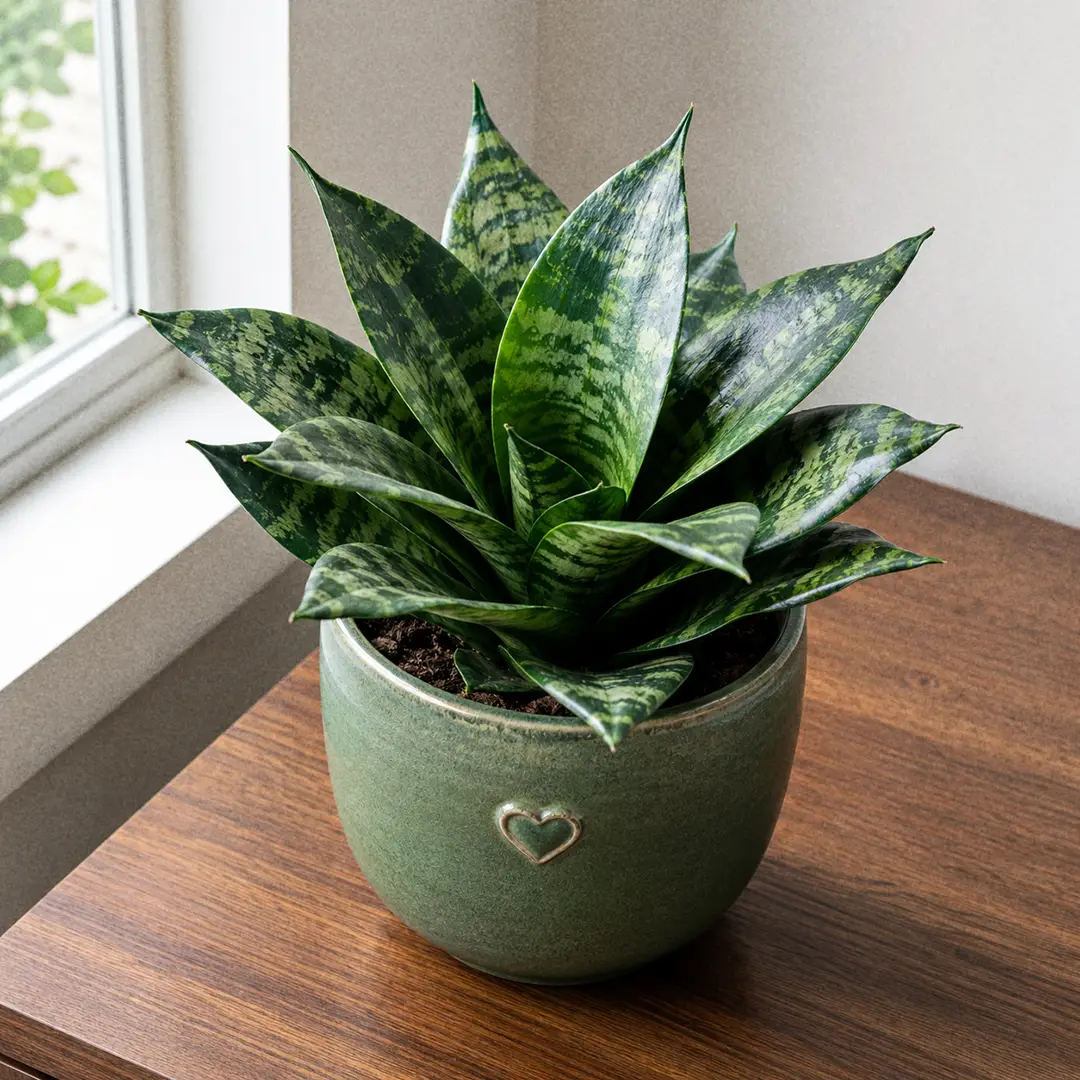
The Bird's Nest Snake Plant is the dwarf rosette form of the classic Dracaena trifasciata, topping out around 6 to 8 inches tall and forming a tight, swirling cluster perfect for desks, shelves, and small spaces. Learn how to keep its compact shape, pick between the Hahnii, Golden Hahnii, and Silver Hahnii cultivars, and avoid the one watering habit that kills it.
📝 Bird's Nest Snake Plant Care Notes
🌿 Care Instructions
⚠️ Common Pests
📊 Growth Information
🪴 In This Guide 🪴

A Note From Our Plant Expert
Anastasia here. The Bird's Nest is the snake plant for people who do not have a corner of the floor to spare. It tops out around 6 to 8 inches and forms a tight, swirling rosette that looks like a small green bowl, which makes it the rare houseplant that genuinely earns its place on a desk or a crowded shelf. Care is identical to a full-size Snake Plant, with one extra thing to watch: water collects in the cupped center of the rosette and rots the crown, so always water at the soil, never down the middle.
📺 Bird's Nest Snake Plant Video Guide


☀️ Bird's Nest Snake Plant Light Requirements (Low to Bright Indirect)
The Sweet Spot
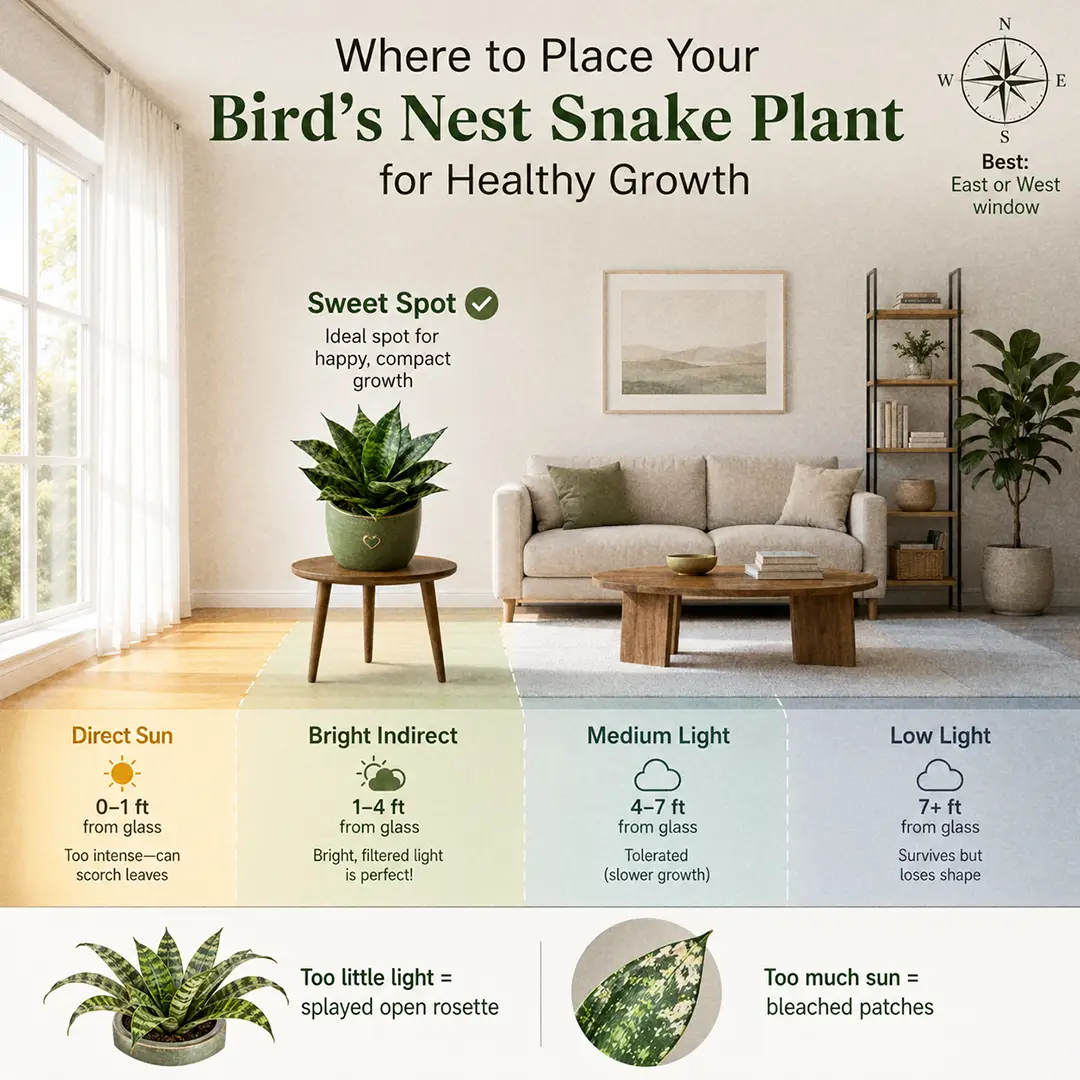
The Bird's Nest is one of the most light-flexible houseplants you can buy. It does best in bright indirect light, a few feet back from an east or west window, where the rosette stays tight and any variegation on cultivars like Golden Hahnii or Silver Hahnii develops its full color. Around 4 to 6 hours of bright filtered light a day is the comfortable spot.
It also handles medium and low light without dying, which is why it ends up on so many office desks under fluorescent lighting. Just expect slower growth and slightly less crisp color in those conditions.
Too Little Light
In a genuinely dark spot, like the far side of a windowless office or a hallway corner, the plant will hang on for months without complaint. What you lose is the compact shape and the variegation. Leaves stretch outward looking for light, the tight rosette opens up and flops, and any yellow or silver markings on cultivars fade toward plain green.
If your plant is splaying open instead of standing up in a neat swirl, that is a light problem first and a watering problem second. Move it closer to a window and the next round of growth comes in tighter.
Too Much Light
Hot direct afternoon sun through a south or west window is the one situation the Bird's Nest does not handle well. The short broad leaves catch a lot of energy on their flat upper surface and scorch quickly, leaving bleached patches that never recover. A few hours of gentle morning sun is fine and actually deepens the color, but unfiltered midday sun on bare glass needs a sheer curtain or a step back from the window.
💧 Bird's Nest Snake Plant Watering Guide (Soak and Dry)
Watering Frequency
The Bird's Nest stores water in its thick leaves, so it would rather you forgot about it for a month than watered it weekly. Only water when the soil is completely dry, all the way to the bottom of the pot.
In spring and summer that usually means every 2 to 4 weeks, depending on pot size, light, and how warm your home runs. From late fall through winter, drop to every 6 to 8 weeks, sometimes longer. If you are unsure, wait. A thirsty Bird's Nest plumps back up in a day; an overwatered one is far harder to save. A moisture meter takes the guesswork out.
How to Water (Never Down the Middle)
This is the one thing that separates Bird's Nest watering from a regular Snake Plant. The cupped rosette traps water like a small bowl, and water sitting in that center is a direct route to crown rot. Always pour at the soil around the edge of the pot, never down into the cluster of leaves.
Take the plant to the sink, soak the soil thoroughly until water runs from the drainage holes, and let it drain fully before putting it back. Bottom watering also works beautifully here and removes the splash risk entirely: sit the nursery pot in an inch of water for 15 to 20 minutes, then drain. Our bottom watering guide walks through the technique.
Signs of Trouble
Overwatering is the only common way to lose this plant. The signals show up in roughly this order:
- Yellowing leaves that go soft at the base
- A soft, blackened center where the leaves meet the soil (the start of crown rot)
- Sweet or sour smell from the soil, an early sign of root rot
- Wrinkled, slightly inward-curled leaves mean the opposite: thirst, and one deep watering fixes it
🪴 Best Soil for Bird's Nest Snake Plant (Gritty Mix)
What the Soil Needs
The Bird's Nest wants fast-draining, airy soil that does not hold moisture for long. Anything peaty or moisture-retentive is a near-guaranteed path to rot, because the small root ball plus a cupped rosette plus damp soil adds up to trouble. Aim for gritty, loose, and slightly lean on organic matter.
The texture is the same one you would use for a Jade Plant or any drought-tolerant succulent: water hits the surface, runs through the pot in seconds, and the mix dries top to bottom within a couple of weeks.
DIY Soil Mix
You can throw together a perfect mix from three common ingredients:
- 2 parts coarse sand, pumice, or perlite
- 1 part all-purpose potting soil
- 1 part coco coir or peat moss
The heavy share of grit is what keeps the mix open. If you find it still holds water too long, push the perlite or pumice ratio higher next time. There is no such thing as too much drainage for this plant.
Pre-Made Options
If DIY is not your thing, grab any bag labeled cactus and succulent mix. Most brands work fine, but they usually benefit from an extra handful of perlite stirred in, because commercial mixes lean a little wetter than ideal. Skip generic indoor potting soil with moisture-retentive crystals; it compacts around the rhizomes and traps water exactly where you do not want it.
🍼 Fertilizing Bird's Nest Snake Plant
When and How Often
The Bird's Nest thrives on a poor diet. Its parent species grows wild in rocky, nutrient-thin soil. Feed once or twice during the growing season (spring through early summer) and skip fertilizer entirely from fall through winter.
If you only remember to feed it once a year, it will not punish you. The plant grows so slowly that excess nutrients just build up as salt deposits in the soil.
What to Use
A balanced liquid houseplant fertilizer diluted to half the recommended strength is the safe choice. Cactus and succulent fertilizers work equally well. Our fertilizing guide covers the basics if this is new territory.
Over-Fertilizing Signs
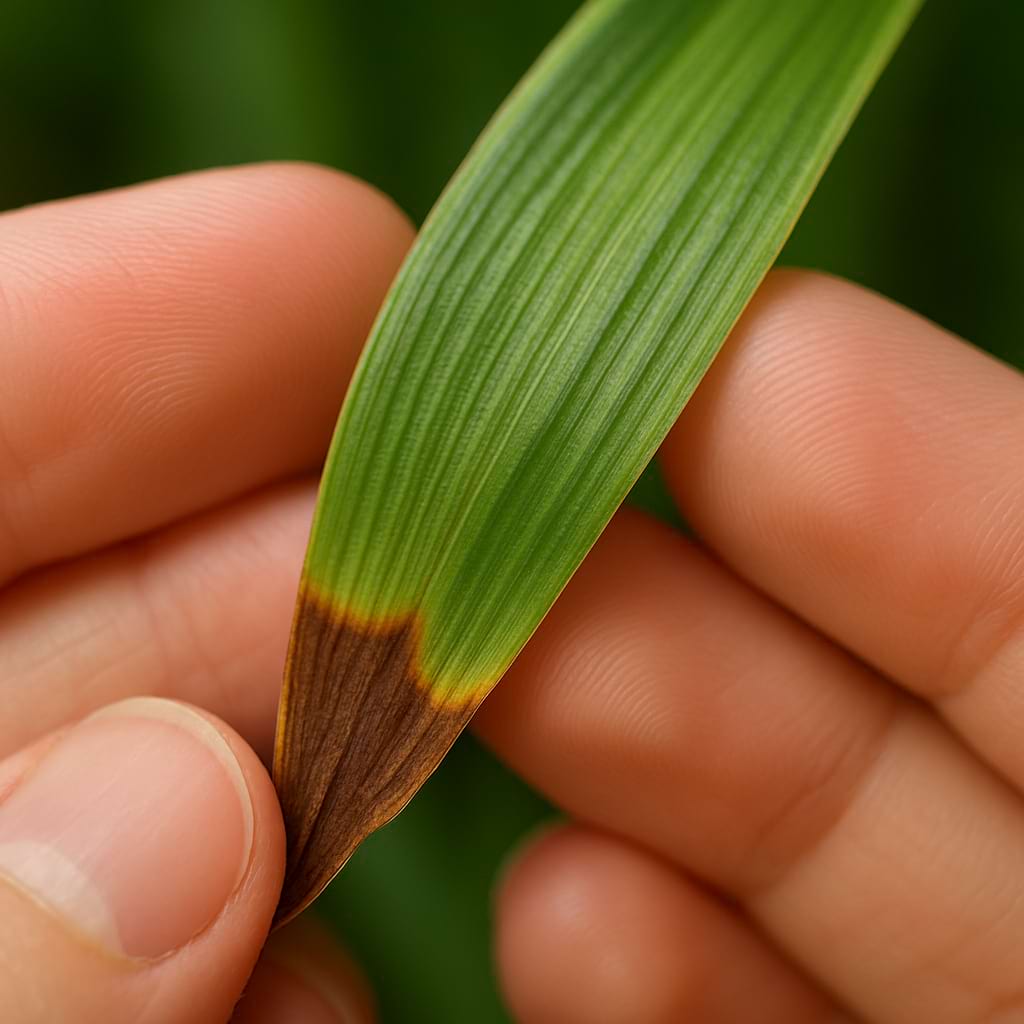
Brown, crispy leaf tips are the classic salt-burn signal. White crust on the soil surface or around the rim of the pot is another giveaway. If you see either, flush the pot with plain water (run it through several times) and skip the next feeding cycle. Better still, plan to repot in fresh mix at the next spring window.
🌡️ Bird's Nest Snake Plant Temperature Range
Ideal Range
Standard room temperatures suit the Bird's Nest perfectly: 65 to 85°F (18 to 29°C) is the comfort zone. It tolerates mild dips down to about 55°F (13°C), but it does not enjoy anything colder. Cold soil paired with damp roots is the classic recipe for sudden collapse.
Drafts and Heat Sources
Because this plant is small, it tends to end up on windowsills, where temperature swings are the worst. Keep it off cold winter glass, away from drafty doors, and out of the direct path of vents or radiators. A spot a few feet inside the room, well lit but stable, is exactly what it wants.
💦 Bird's Nest Snake Plant Humidity Requirements
Ideal Humidity
Average household humidity is more than enough. Anywhere from 30 to 50 percent suits the Bird's Nest, which is the default range in most heated or air-conditioned homes. You can ignore humidity entirely with this plant.
When Humidity Backfires
High humidity is the bigger risk here. The cupped rosette already traps a small amount of moisture in the center, and steamy bathroom air adds to the problem. You can grow a Bird's Nest in a bright bathroom if air moves well and leaves dry quickly after a shower. Skip misting entirely; no benefit, several real risks for a plant shaped like a small bowl.
🌸 Bird's Nest Snake Plant Flowers (Rare but Real)
What the Flowers Look Like
Yes, a Bird's Nest can bloom indoors, though you should not buy one expecting it. When it does happen, the plant pushes up a short, slender stalk from the center of the rosette, covered in small tubular greenish-white flowers. They are surprisingly fragrant at night, with a sweet jasmine-like scent and beads of clear nectar at the base of each bloom.
How to Trigger Bloom
Blooming is a stress response, not a sign of perfect care. It tends to happen on mature plants that are very root-bound, have been in stable conditions for years, and receive consistent bright light. You cannot force it on a young plant, and you should not try. Give it what it wants year after year and treat any flower spike as a bonus.
If It Won't Bloom
Almost no Bird's Nest grown as a casual houseplant ever flowers, and that is completely fine. This plant earns its keep with the compact rosette shape; the flowers are pure novelty.
🏷️ Bird's Nest Snake Plant Types and Varieties
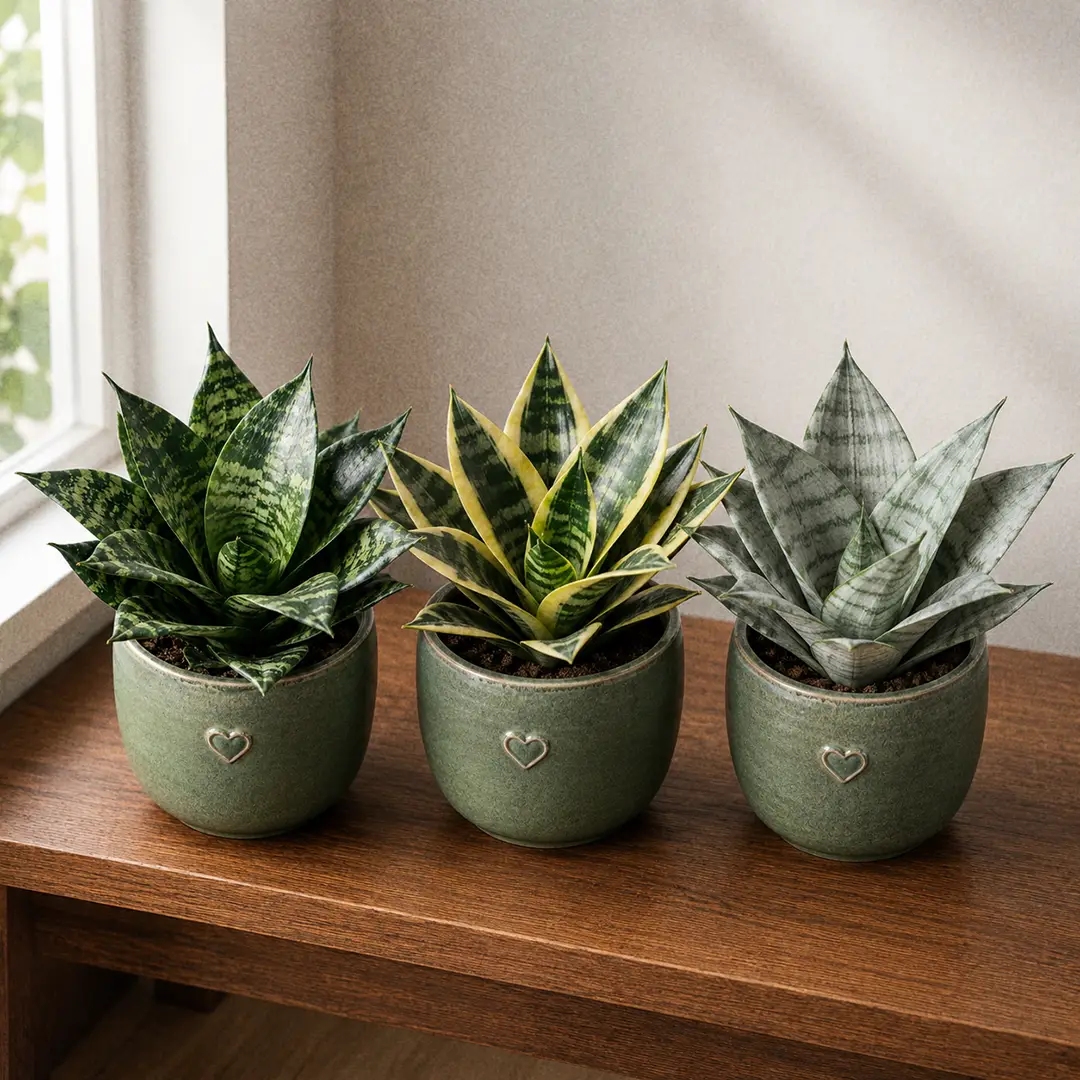
The original 'Hahnii' is a single cultivar of Dracaena trifasciata (formerly Sansevieria trifasciata), but it has spawned a small family of sports and selections that all share the dwarf rosette habit. Care is identical across the group.
Hahnii (The Original Bird's Nest)
The classic, with short dark green leaves marked by lighter horizontal banding. This is the form that gives the cultivar its name; from above, the swirling rosette looks like a small bird's nest. Reaches about 6 inches tall and roughly the same in spread.
Golden Hahnii
The same compact rosette form but with broad creamy-yellow margins along each leaf, like a miniature classic Snake Plant 'Laurentii'. Slightly slower-growing than the green form because the variegated tissue produces less chlorophyll. Needs bright indirect light to hold the yellow color; in dim spots the variegation fades and the leaves revert toward green.
Silver Hahnii
A paler, ghostlier version with silvery-grey leaves and faint darker banding. It reads almost the same way a Moonshine Snake Plant does, but in a dwarf rosette instead of an upright spear. Like Moonshine, the silver color is light-dependent and fades in low-light spots.
Black Hahnii and Jade Hahnii
Two less common selections worth knowing about. Black Hahnii has very dark, almost blackish-green leaves with faint banding. Jade Hahnii is the deepest pure green of the family, with no banding at all. Both are even tougher in low light than the variegated forms.
🪴 Potting and Repotting Bird's Nest Snake Plant
When to Repot
The Bird's Nest grows slowly and actively prefers a snug pot. It can sit happily in the same container for 3 to 5 years. Repot only when pups have crowded the rim so completely that water just runs through without wetting the soil, or when the rhizome has pushed itself upward out of the mix. Spring is the best time, when active growth is starting and the plant recovers quickly.
Choosing a Pot
Wide and shallow is the rule. The rhizomes spread sideways, not down, so a low bowl-shaped pot suits the plant and flatters the rosette shape. Tall narrow pots look wrong on a 6-inch plant and hold extra moisture below the root zone. Terracotta is almost always the right material; the porous clay wicks moisture out of the soil between waterings and adds a safety margin against rot. Drainage holes are non-negotiable. Size up by only an inch or two; a too-large pot is the most common cause of root rot in this plant.
Step-by-Step Repotting
- Water the plant lightly 2 to 3 days before repotting. Slightly damp soil holds together better than bone-dry soil during the move.
- Tip the plant out of its current pot. Squeeze a plastic pot to loosen, or run a knife around the inside edge of a clay pot.
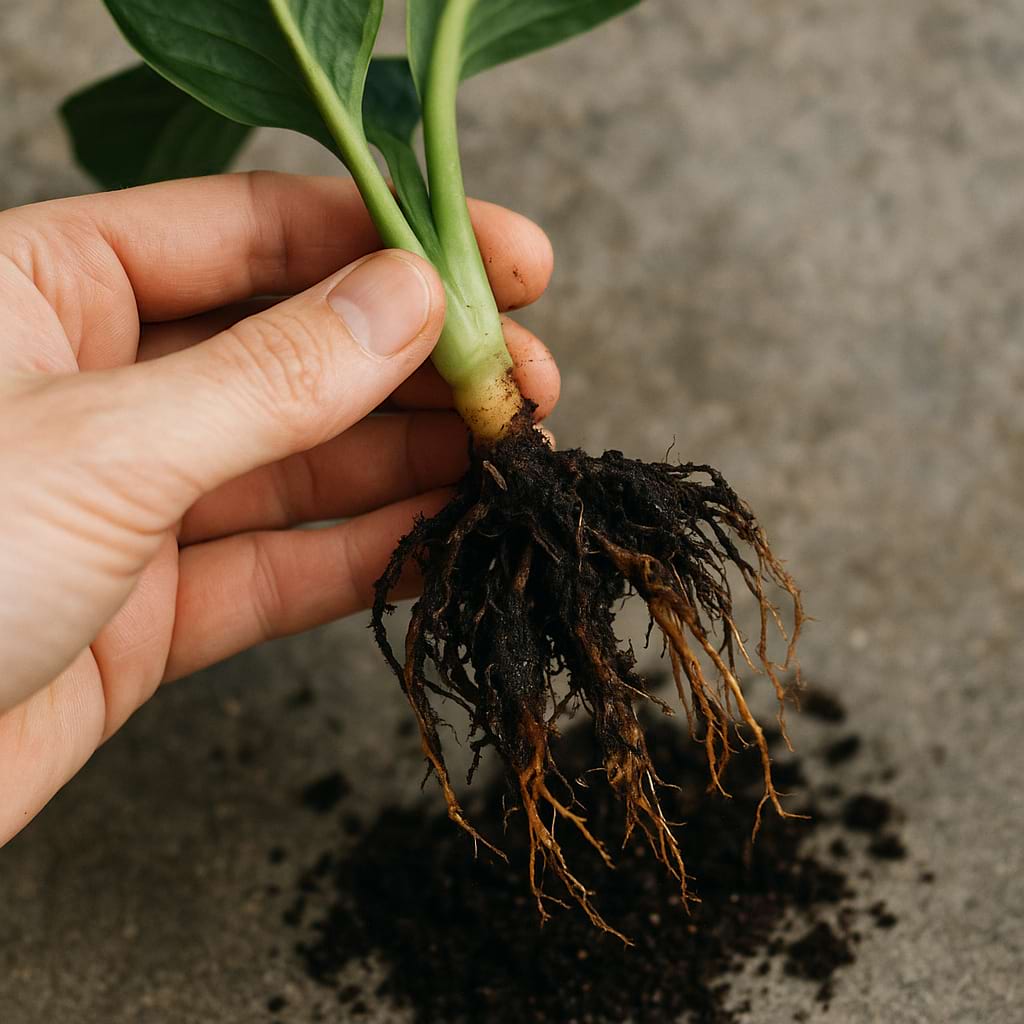
- Inspect the roots and rhizomes. Trim any soft, dark, or smelly roots with clean scissors. Healthy ones are firm and orange-tan.
- Position the plant in the new pot. Add a thin layer of gritty mix at the bottom, set the rhizome at the same depth as before, and backfill around the sides.
- Wait a week before watering. This lets any disturbed roots callus over and dramatically reduces the chance of rot.
For more on getting repotting right, see our full repotting guide.
✂️ Pruning Bird's Nest Snake Plant
When to Prune
The Bird's Nest basically does not need pruning. The only reasons to pick up scissors are to remove a leaf that has been physically damaged, gone yellow from age or overwatering, or scorched by direct sun. You can do this any time of year.
How to Prune
Use a clean, sharp blade or shears (wipe them with rubbing alcohol first) and cut the unwanted leaf all the way down at the soil line. Do not trim just the top half; you will be left with a stub that scars and looks wrong. If only the tip is brown, you can snip the brown portion off following the natural curve of the leaf for cosmetic improvement, but the cut edge will always be visible.
Shaping Is Pointless
Because this plant grows so slowly, do not prune for shape. Each leaf takes months to replace, and removing healthy ones sets the plant back. The rosette shapes itself; let it.
🌱 How to Propagate Bird's Nest Snake Plant
Best Method: Division
Division is the only method that reliably preserves the cultivar, especially the variegated Golden and Silver Hahnii. Leaf cuttings will root, but plain green Hahnii cuttings often grow back in a more upright habit instead of the tight rosette, and Golden or Silver Hahnii cuttings almost always lose their variegation. Stick with division.
Step-by-Step Division
- Choose a mature plant with visible pups. Plants with at least one or two offshoots emerging from the base divide best.
- Unpot the plant. Tip it out gently and brush away enough soil to see where the rhizomes connect.
- Identify the natural divisions. Each pup is connected to the mother plant by a thick orange rhizome. Use a clean, sharp knife to cut the rhizome between sections, making sure each new division has at least one rosette of leaves and its own roots.
- Let the cuts callus. Set the divisions aside in a dry shady spot for 24 to 48 hours so the wounds dry over. This prevents rot when you pot them up.
- Pot each division. Use gritty cactus mix in a small pot just slightly larger than the root mass.
- Hold off watering for a week. Then water normally.
For more on dividing rhizomatous houseplants, see our step-by-step plant division guide.
Tips for Success
Spring or early summer gives the fastest recovery and new growth. The new divisions look a bit sparse at first; resist the urge to baby them with extra water. They establish far better when treated like normal adult plants from day one. Avoid divisions with only roots and no top growth, since they take much longer to push out a new rosette.
🐛 Bird's Nest Snake Plant Pests and Treatment
The Bird's Nest is famously pest-resistant. The tough, slightly waxy leaves are not an appealing meal for most common houseplant insects. When trouble does appear, it usually shows up on a plant that has been stressed by overwatering or sits too close to an already-infested neighbor.
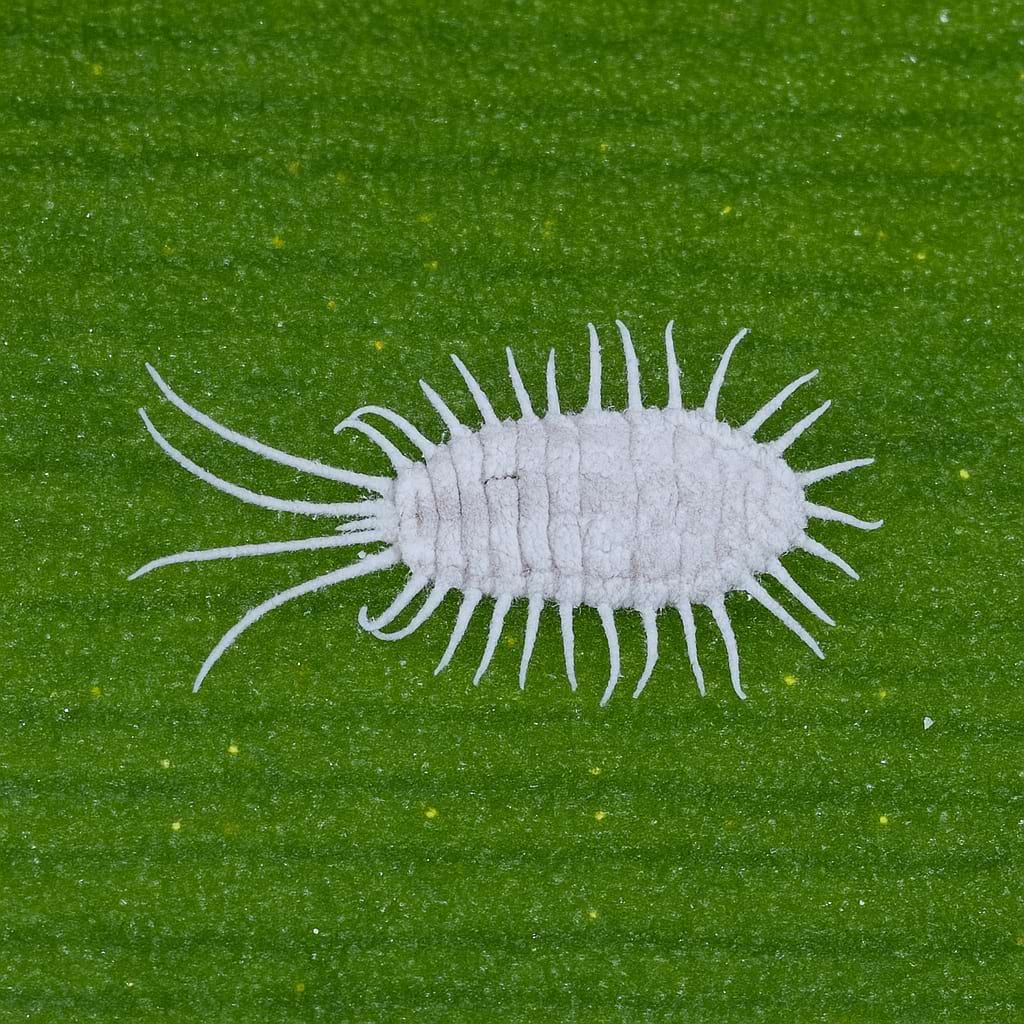
- Mealybugs: the most common pest. Small white cotton tufts hiding deep in the rosette where leaves meet the base, which is exactly the hardest spot to inspect on this plant. Dab them with a cotton swab soaked in rubbing alcohol, then follow up with insecticidal soap every few days until they are gone.
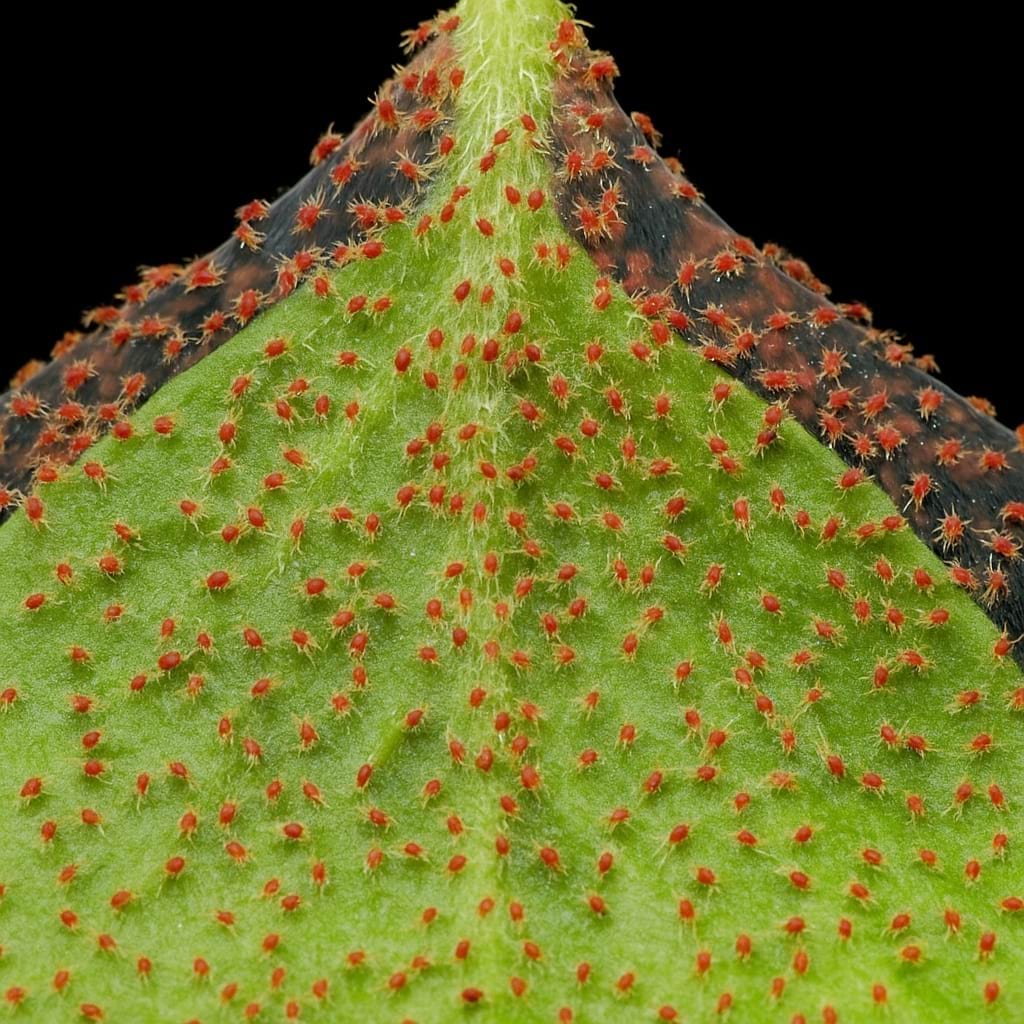
- Spider mites: rare, but possible in very dry, dusty conditions. Look for fine webbing between leaves and a stippled, dull appearance on the leaf surface. Wipe the leaves down with a damp cloth and treat with neem oil if mites persist.
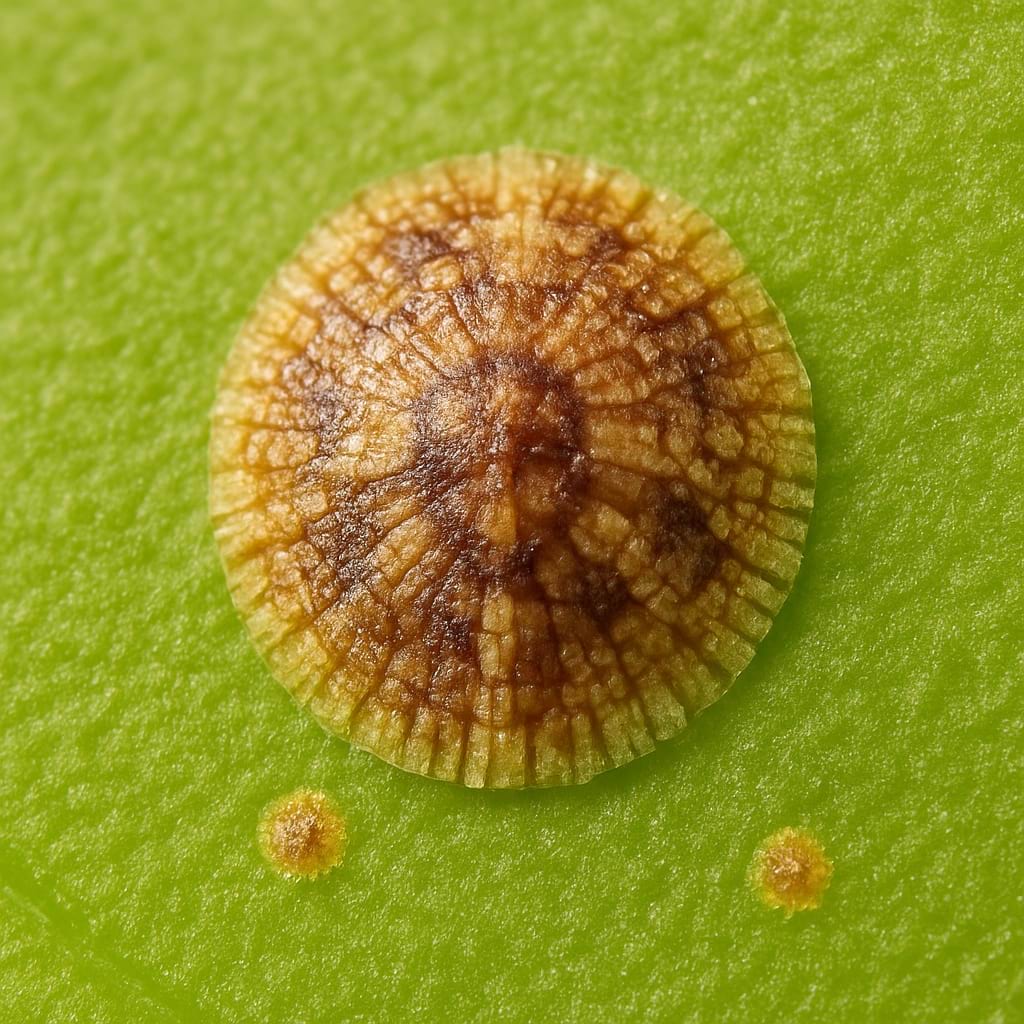
- Scale insects: appear as small, hard brown bumps on the leaves. Scrape them off with a fingernail or soft brush, then treat with rubbing alcohol or insecticidal soap.
Quarantine any new plant for a couple of weeks before placing it near your Bird's Nest, and you will rarely see pest problems at all.
🩺 Common Bird's Nest Snake Plant Problems
Almost every problem this plant develops traces back to one thing: water management. Either too much, or water sitting in the wrong place.
- Root rot: the number one killer. Soggy soil suffocates and rots the roots. Catch it early by checking for soft, blackened roots when you water. Treatment: unpot, cut away every rotted root, let the plant dry overnight, and repot in fresh gritty mix.
- Yellowing leaves: usually the first visible signal of root rot. If the base of the leaf is soft, you have a watering problem; act fast.
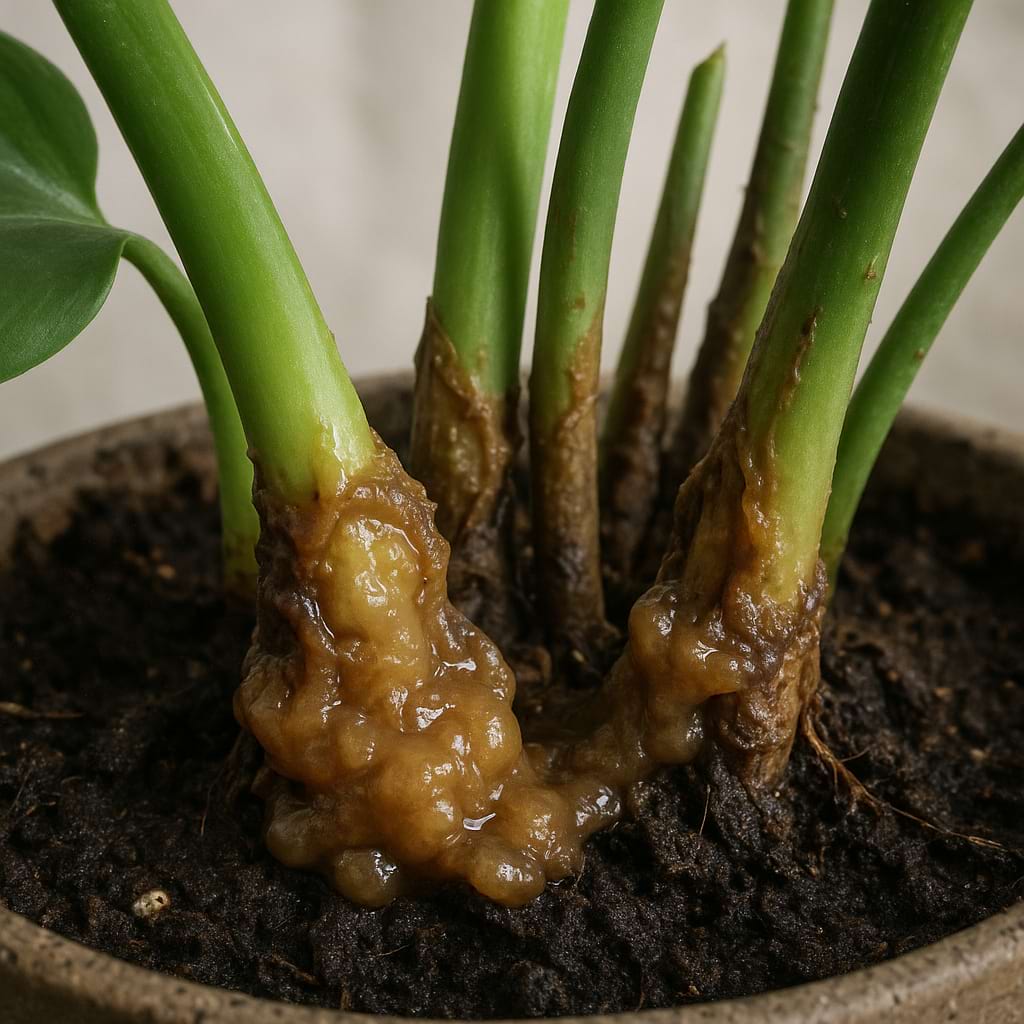
- Mushy stems: late-stage rot, often starting in the cupped center where water collected. The rosette falls open and the base liquefies. Save what you can by cutting back to firm, healthy tissue and propagating those pieces.
- Brown, crispy edges: usually inconsistent watering (long dry stretches followed by heavy watering), occasionally fluoride from tap water. Switch to a steady schedule and try using filtered or rainwater.
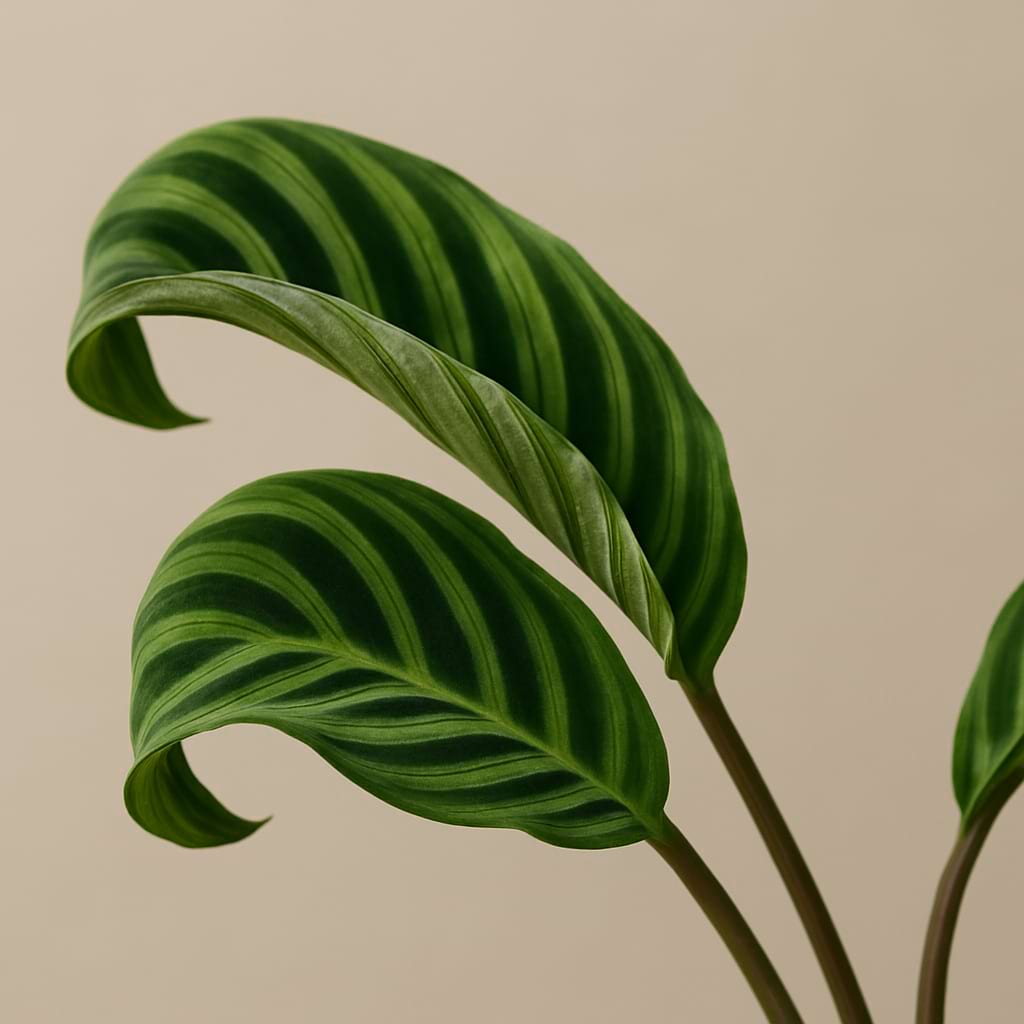
- Curling leaves: the opposite signal: severe underwatering. The plant has used up the moisture stored in its leaves. Soak it thoroughly and it will plump up within a day or two.

🖼️ Bird's Nest Snake Plant Display and Styling Ideas
Solo Setups
The Bird's Nest is built for small surfaces. A single mature plant in a wide, shallow ceramic bowl on a desk, nightstand, or kitchen counter looks intentional without taking up real estate. Match the pot to the rosette: rounded, low, and with clean lines. A matte-black or pale grey bowl plays up the swirl; terracotta adds a warm earthy contrast that flatters the dark green or yellow-edged cultivars.
Grouped Arrangements
The dwarf size makes the Bird's Nest a natural front-row plant in a tiered display. It pairs especially well with other dwarf succulents like a Jade Plant, a Burro's Tail, or a small Echeveria Elegans. All four want the same gritty soil and the same soak-and-dry routine.
For a snake plant family display, pair a green Hahnii, a Golden Hahnii, and a Silver Hahnii in matching pots; the size match plus the color contrast makes a striking trio.
Where Not to Put It
Skip the windowless cubicle if you bought a variegated cultivar; the yellow or silver markings fade fast. Skip the steamy bathroom unless air circulates well, because water collects in the rosette and can rot the crown. And do not bury this plant behind taller ones; the swirling top-down shape disappears the second you put anything in front of it.
🌟 Bird's Nest Snake Plant Pro Care Tips
✅ Water at the soil, never the center. The cupped rosette traps water and rots the crown. Always pour at the soil around the edge of the pot.
🪴 Wide and shallow beats tall and narrow. The rhizomes spread sideways. A low bowl-shaped pot suits the plant and flatters the rosette.
🔄 Resist the urge to repot. The Bird's Nest thrives when root-bound. A snug pot dries faster, holds the plant in place, and encourages pups.
💧 Underwater is the safer mistake. A thirsty plant plumps back up in a day. An overwatered one rarely recovers.
🔪 Divide, never leaf-cut variegated cultivars. Golden and Silver Hahnii leaf cuttings revert. Division is the only reliable method.
🧼 Dust regularly. The broad short leaves catch dust fast, which blocks light and dulls the color. A damp microfiber cloth every couple of months is enough.
🌬️ Bedroom-friendly oxygen. Like other snake plants, the Bird's Nest releases oxygen at night, which makes it a great low-maintenance bedside companion.
❓ Frequently Asked Questions
How big does a Bird's Nest Snake Plant get?
About 6 to 8 inches tall and 6 to 12 inches wide as new pups fill in around the original rosette. It stays compact for life; this is a true dwarf cultivar, not a young version of a larger plant.
Is the Bird's Nest Snake Plant toxic to cats and dogs?
Yes, it is mildly toxic to cats and dogs if chewed or swallowed. The plant contains saponins that cause drooling, vomiting, and mild gastrointestinal upset. Place it where curious pets cannot reach it, especially kittens and puppies that nibble on leaves.
Why is my Bird's Nest splaying open instead of growing in a tight rosette?
Almost always not enough light. The compact swirling shape only holds in bright indirect light; in dim spots the leaves stretch outward and the rosette flops. Move it closer to a bright window and the next round of growth comes in tighter.
How often should I water my Bird's Nest Snake Plant?
In spring and summer, every 2 to 4 weeks once the soil is completely dry. In fall and winter, every 6 to 8 weeks or longer. Always check the soil first; never water on a fixed schedule.
Can I propagate a Bird's Nest from a leaf cutting?
You can root one from the plain green Hahnii, but the resulting plant often grows more upright rather than in the dwarf rosette form. For Golden or Silver Hahnii, the variegation almost always reverts. Divide a mature clump instead.
Why are my Golden Hahnii's yellow edges fading?
Not enough light. The yellow margins are a chimeral trait that depends on bright indirect light to hold. Move the plant closer to a bright window (filtered, not direct) and new growth should come in with the proper variegation. Old leaves that have already greened up will not change back.
Is the Bird's Nest a good plant for a desk?
One of the best. The dwarf size, low maintenance, tolerance for office lighting, and architectural shape make it almost purpose-built for a desk. Just keep it out of the direct path of a heating or cooling vent.
Why are the tips of my Bird's Nest leaves turning brown?
Usually inconsistent watering, fluoride sensitivity from tap water, or fertilizer salt buildup. Switch to a regular soak-and-dry schedule, try filtered or rainwater, and flush the soil periodically with plain water.
Can I keep a Bird's Nest Snake Plant in a bathroom?
Yes, as long as the bathroom has decent light and the air moves between showers. The cupped rosette traps water vapor and can rot in a permanently steamy room with no airflow. A bathroom with a window and a working vent is fine.
ℹ️ Bird's Nest Snake Plant Info
Care and Maintenance
🪴 Soil Type and pH: Gritty cactus and succulent mix
💧 Humidity and Misting: Average household humidity is fine; tolerates dry indoor air without complaint.
✂️ Pruning: Minimal; only to remove damaged or yellowing leaves at the soil line.
🧼 Cleaning: Wipe each leaf with a damp cloth every couple of months; dust collects fast on the broad short blades.
🌱 Repotting: Only when the rosette has filled the pot or pups have crowded the rim.
🔄 Repotting Frequency: Every 3-5 years
❄️ Seasonal Changes in Care: Cut watering sharply from late fall through winter; expect almost no growth.
Growing Characteristics
💥 Growth Speed: Slow
🔄 Life Cycle: Perennial
💥 Bloom Time: Rare indoors; sporadic late spring or early summer if at all.
🌡️ Hardiness Zones: 9-11
🗺️ Native Area: West Africa (parent species)
🚘 Hibernation: Semi-dormant in winter; reduce water and stop fertilizing.
Propagation and Health
📍 Suitable Locations: Desks, bookshelves, bedside tables, bathrooms, offices, small apartments
🪴 Propagation Methods: Division of the rhizome preserves the cultivar; leaf cuttings revert to the green parent form.
🐛 Common Pests: Mealybugs, Spider Mites, Scale Insects
🦠 Possible Diseases: Root rot, crown rot, fungal leaf spots from water trapped in the rosette
Plant Details
🌿 Plant Type: Dwarf Succulent Perennial
🍃 Foliage Type: Evergreen, short broad sword-shaped leaves in a tight rosette
🎨 Color of Leaves: Dark green with lighter horizontal banding; cultivars add yellow or silver
🌸 Flower Color: Greenish-white
🌼 Blooming: Rare indoors
🍽️ Edibility: Not edible; mildly toxic if chewed
📏 Mature Size: 6-8 inches indoors
Additional Info
🌻 General Benefits: Air-purifying; releases oxygen at night, making it bedroom-friendly.
💊 Medical Properties: None proven for home use
🧿 Feng Shui: Considered a protective plant; the compact upward growth is said to deflect negative energy.
⭐ Zodiac Sign Compatibility: Virgo
🌈 Symbolism or Folklore: Resilience, protection, good fortune
📝 Interesting Facts: The 'Hahnii' cultivar was discovered in a Louisiana nursery in 1939 by William W. Smith Jr. and patented under that name. Every Bird's Nest Snake Plant in cultivation today traces back to that original sport.
Buying and Usage
🛒 What to Look for When Buying: Look for a tight, full rosette with firm upright leaves and no soft spots at the base. Avoid plants with browning crowns or leaves splaying outward.
🪴 Other Uses: Desk companion, bedside oxygen plant, low-maintenance office accent.
Decoration and Styling
🖼️ Display Ideas: Solo on a desk in a small ceramic pot, clustered with other dwarf succulents, or as a low front-row plant in a tiered shelf arrangement.
🧵 Styling Tips: The compact swirling shape suits small modern pots and rounded planters. Avoid tall narrow pots that visually dwarf the plant; wide and shallow flatters the rosette.
🪴 See also 🪴
Complete Guide To Janet Craig Compacta Care and Growth

Complete Guide To Janet Craig Dracaena Care and Growth
Complete Guide To Lemon Lime Dracaena Care and Growth
Complete Guide to Moonshine Snake Plant Care and Growth
Complete Guide To Song of India (Dracaena) Care and Growth

Complete Guide To Warneckii Dracaena Care and Growth
Complete Guide to Gold Dust Dracaena Care and Growth
Complete Guide To Dracaena Marginata Care and Growth
Complete Guide To Corn Plant (Dracaena) Care and Growth
Complete Guide to Sansevieria Cylindrica Care and Growth
Complete Guide To Lucky Bamboo Care and Growth (Dracaena sanderiana)
The Ultimate Guide to Dracaena Varieties: 28 Types for Your Indoor Jungle

Complete Guide To Whale Fin Sansevieria Care and Growth
Complete Guide To African Spear (Cylindrical Snake Plant) Care and Growth
Complete Guide to Sago Palm Care and Growth

Houseplant101 Forum
Questions & Comments
Ask a question, share your plant experience, or help other plant owners.
Comments are temporarily unavailable.
Open the Houseplant101 ForumNo comments yet
Be the first to ask a question or share your experience about this page.
Log in or create an account
Comments use your Houseplant101 Forum account, but you can stay on this page.
Create a new account