
Sansevieria Cylindrica
Dracaena angolensis
Sansevieria cylindrica, African Spear Plant, Cylindrical Snake Plant, Spear Sansevieria, Skyline Spear, Dragon Fingers


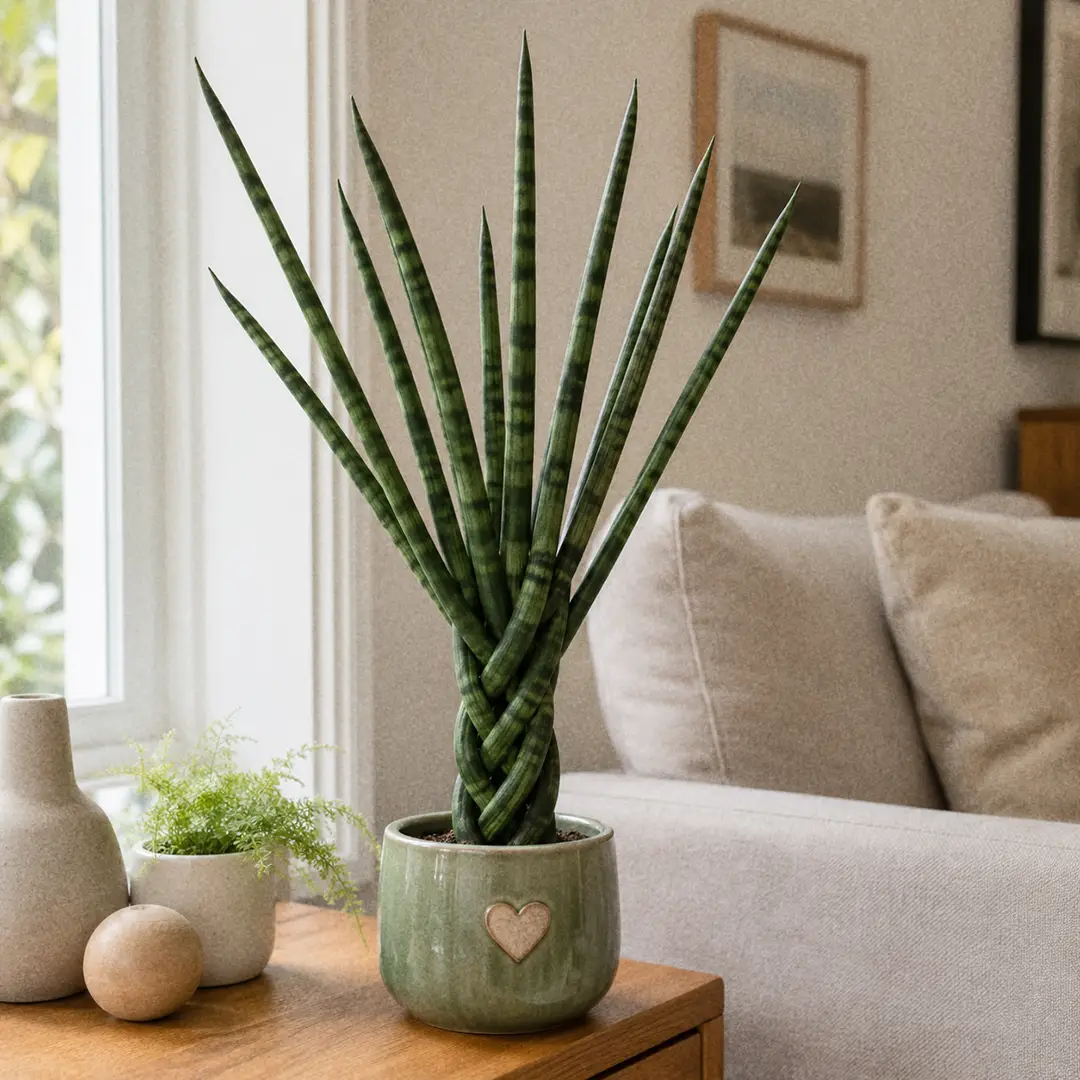
Sansevieria Cylindrica is the snake plant with round, spear-shaped leaves, often sold braided into a living rope. This guide shows you how to keep those cylindrical leaves firm, hold the braid in shape, and avoid the one mistake that rots them.
📝 Sansevieria Cylindrica Care Notes
🌿 Care Instructions
⚠️ Common Pests
📊 Growth Information
🪴 In This Guide 🪴

☀️ Sansevieria Cylindrica Light Requirements (Indoor Lighting Guide)
The Sweet Spot
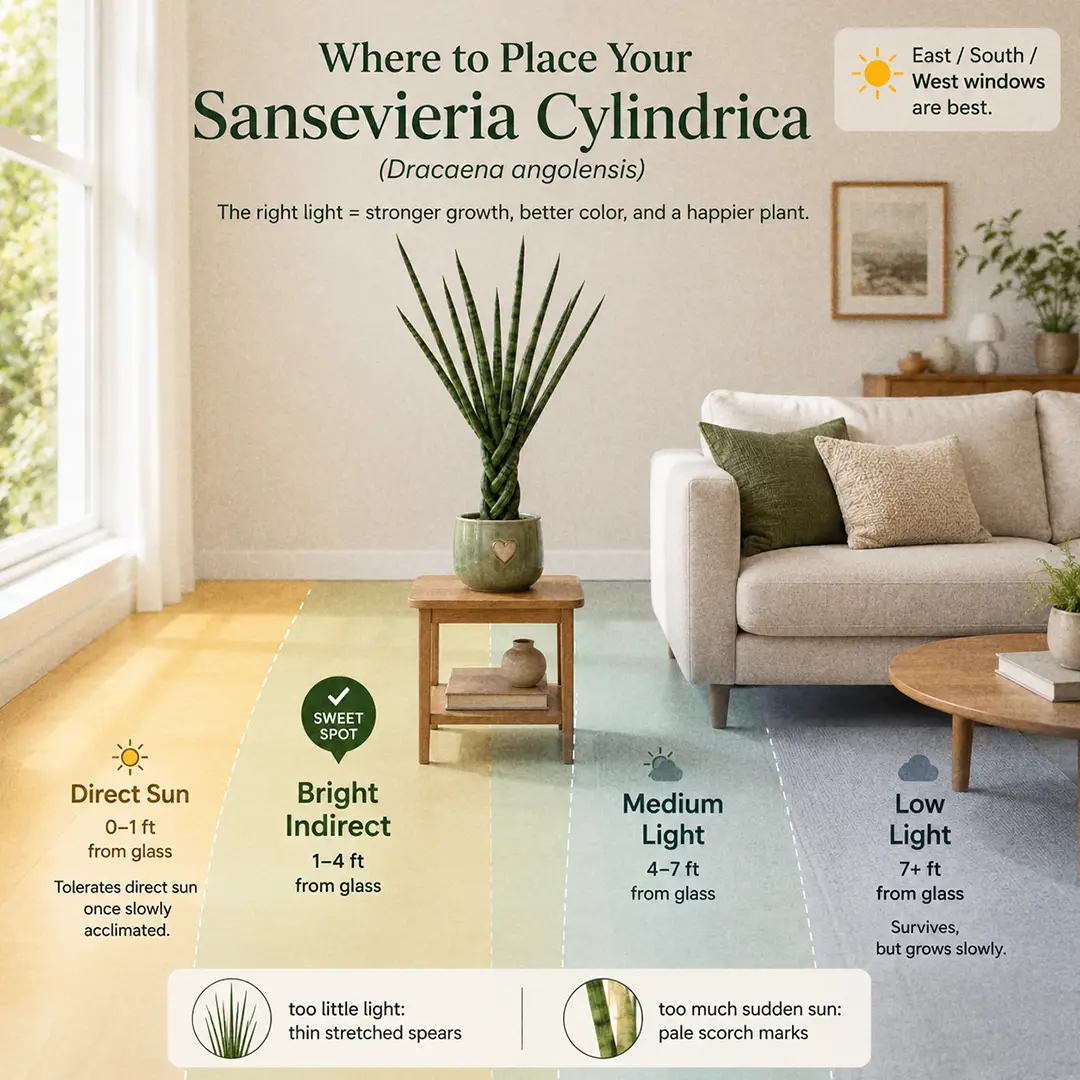
Sansevieria Cylindrica is famously flexible about light, but flexible is not the same as fussy-free. It looks its best in bright indirect light, the kind that fills a room without a hard beam landing on the leaves. A spot a few feet back from an east, west, or south window is ideal. The spears stay a deep green, grow upright, and firm up nicely.
This plant will also tolerate a fair bit of direct sun once it is acclimated, more than most houseplants. If you want to move it into a brighter window, do it gradually over a couple of weeks so the leaves can adjust without scorching. For help reading the light in your own rooms, our indoor lighting guide covers window direction and distance in plain terms.
Too Little Light
Like its cousin the Snake Plant, Cylindrica survives in low light, which is why it ends up in dim offices and shadowy corners so often. Survives is the key word. In low light it barely grows, the new spears come in thin and stretched, and the whole plant uses water so slowly that the soil stays wet for weeks, which invites rot.
If a dim spot is your only option, accept the slow pace and water even less than usual. A small grow light running 10-12 hours a day keeps it healthier and more upright through dark winters.
Too Much Light
Sudden, intense, unfiltered sun is the one light problem to watch. If a plant that has lived in medium light gets moved straight into a blazing south window, the spears can develop pale, bleached patches or dry tan scorch marks. These do not heal, so the damaged spear stays marked until it is eventually replaced. Acclimate slowly and this never happens.
💧 Sansevieria Cylindrica Watering Guide (How to Avoid Root Rot)
Watering Frequency
Overwatering kills more of these plants than anything else, by a wide margin. The spears are water-storage organs, plump with moisture, so the plant is built to ride out long dry spells. The rule is simple: let the soil dry out completely, top to bottom, then water. There is no benefit to watering on a fixed schedule.
In a bright spot during spring and summer, that usually works out to roughly every 2-4 weeks. In winter, or in lower light, it can stretch to once a month or even less. When you are unsure, wait. A Cylindrica that is a little thirsty recovers in a day. One that is overwatered may not recover at all. A moisture meter takes the guesswork out if you are nervous.
How to Water
When the soil is fully dry, water thoroughly. Take the pot to the sink, soak the mix until water runs freely from the drainage holes, and let it drain completely before the pot goes back on its saucer. Never leave it standing in a tray of water, and tip out anything that collects underneath.
Try to water the soil, not the crown of the plant. Water that pools where the spears meet the soil, or down inside a tight cluster of leaves, can cause the base to rot. Our general watering guide walks through the soak-and-drain method if it is new to you.
Signs of Trouble
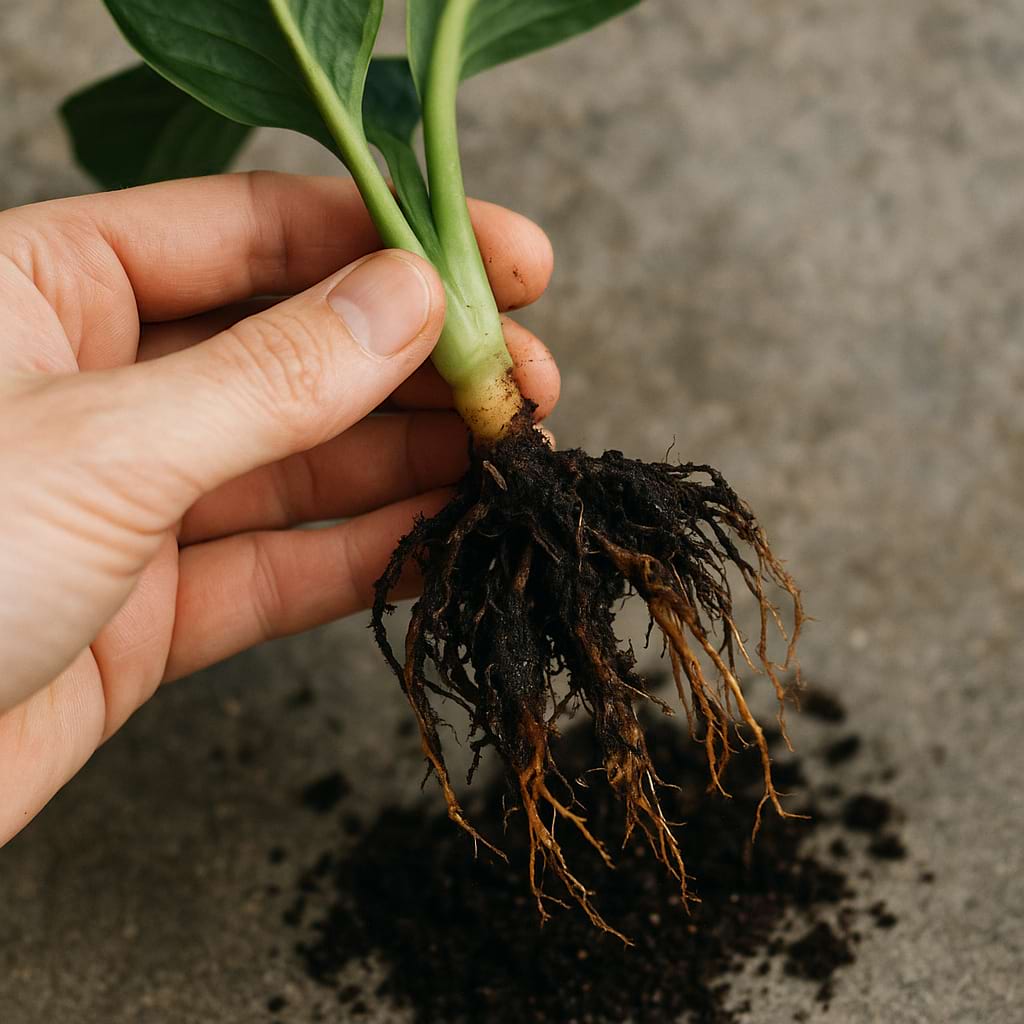
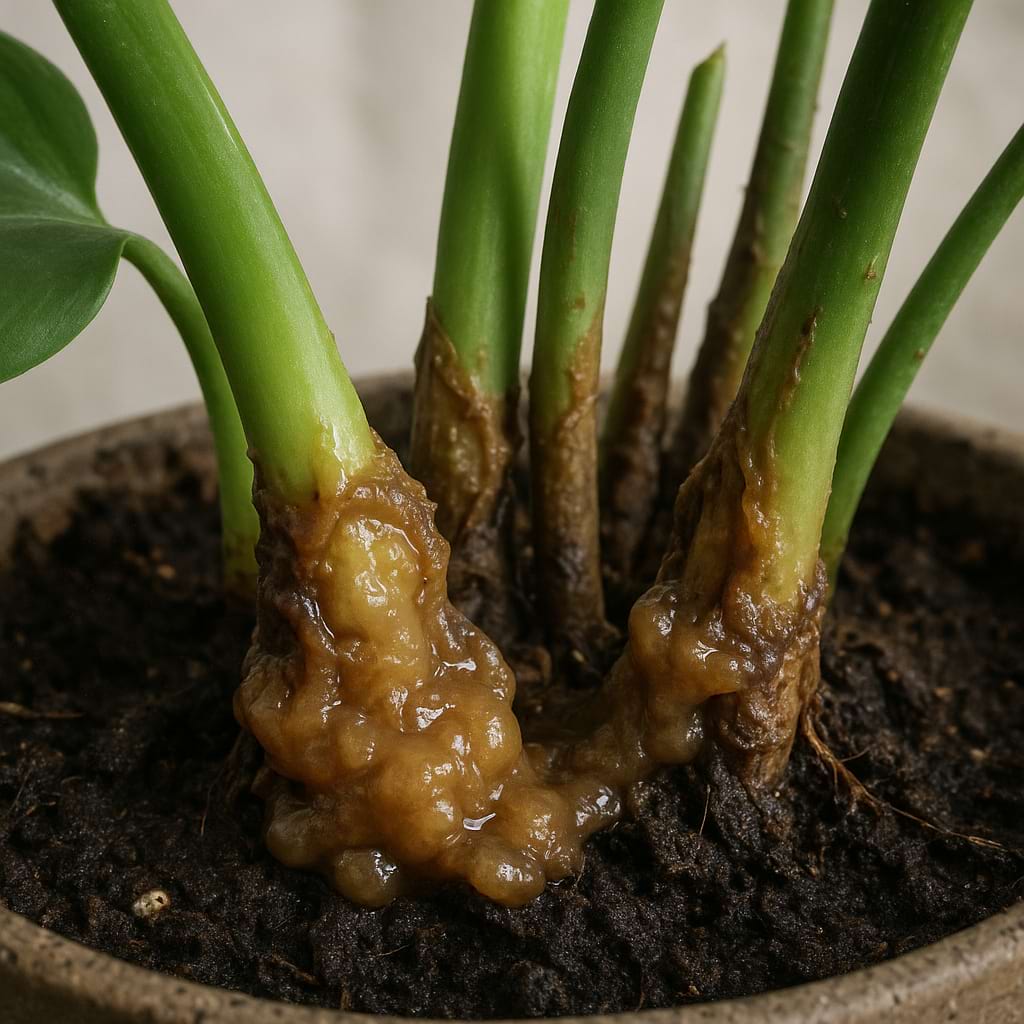
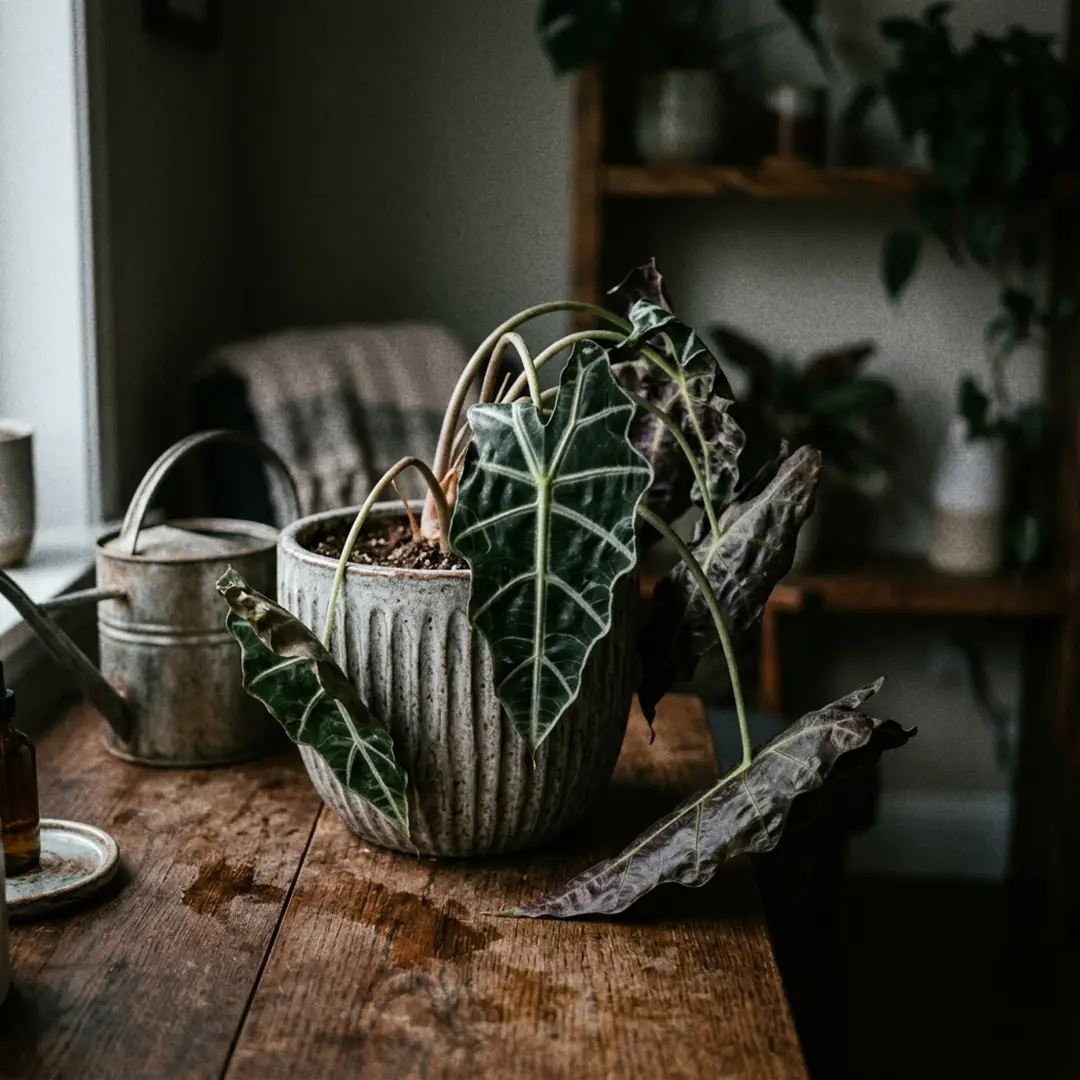
Overwatering shows up as spears that turn soft, yellow, or mushy near the base, and they often topple over because the foundation has rotted. By the time you see this, the roots are usually already damaged, so the fix is to stop watering and check the roots fast.
Underwatering is gentler and far easier to reverse. The spears wrinkle, soften slightly, and may develop a shallow furrow down their length as the plant draws on its stored water. A good soak plumps them back up within a day or two.
🪴 Best Soil for Sansevieria Cylindrica (Drainage First)
What the Soil Needs
Drainage is everything for this plant. A heavy, moisture-holding mix keeps the roots wet long after you water, and wet roots on a succulent mean rot. The soil should feel gritty and loose, drain fast, and dry out within a reasonable window rather than staying damp for weeks.
Avoid plain peat-heavy potting soil on its own. It holds far too much water and compacts around the roots, choking off the air they need.
DIY Soil Mix
You can make an ideal blend at home with three parts:
- 2 parts coarse sand, pumice, or perlite for fast drainage
- 1 part regular potting soil for a little structure
- 1 part coco coir for light moisture retention without sogginess
This gives you the open, gritty texture Cylindrica likes, draining quickly while still holding the roots steady.
Pre-Made Options
If mixing your own is too much fuss, a bagged cactus and succulent mix is the right starting point and works well straight from the bag. To make a standard mix even sharper, stir in a generous handful of extra perlite or pumice. The same potting soil principles that suit other snake plants apply here, since the whole group shares the same drainage-first needs.
🍼 Fertilizing Sansevieria Cylindrica (Less Is More)
When and How Often
This is a light feeder that grows slowly and stores its own reserves, so it needs very little fertilizer. Feeding only matters during the active growing season, spring through summer. Once or twice across those warmer months is genuinely all it needs. Skip feeding entirely in fall and winter, when the plant is resting and cannot use the nutrients.
What to Use
A balanced all-purpose houseplant fertilizer or a cactus and succulent formula both work. Dilute it to half the strength on the label. Cylindrica responds better to a weak feed than a strong one, and the diluted dose protects the roots. Our fertilizing guide explains the numbers on the bottle if you want to choose with confidence.
Over-Fertilizing Signs
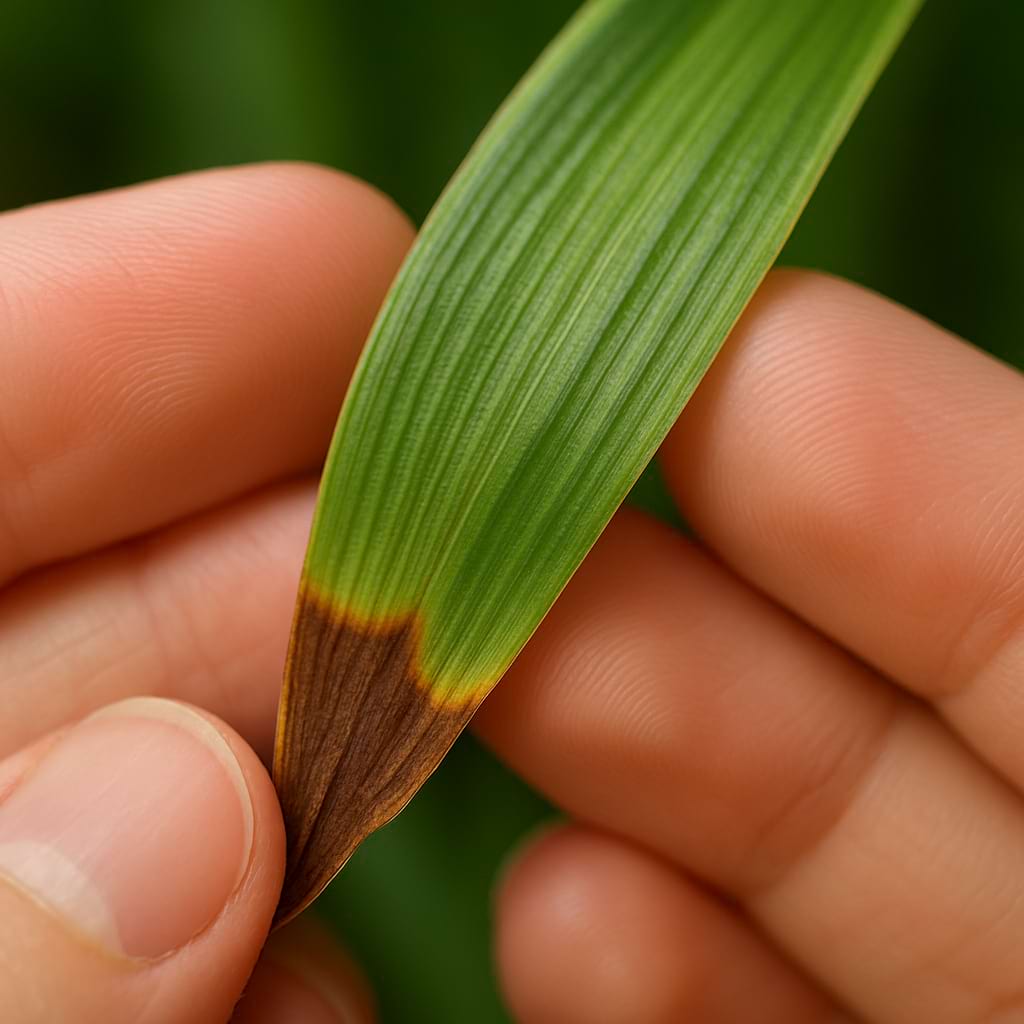
Too much fertilizer burns the roots and shows up as brown, crispy leaf tips or a white crust building on the soil surface. If you see either, flush the pot with plenty of plain water to rinse the excess salts out, then ease off feeding for the rest of the season. When in doubt, feed less. This plant truly thrives on a little neglect.
🌡️ Sansevieria Cylindrica Temperature Range
Ideal Range
Sansevieria Cylindrica is happy in the same temperatures most of us keep our homes, roughly 60-85°F (15-29°C). It comes from the warm, dry regions of Angola, so it has no interest in the cold. It can briefly handle dips toward 50°F (10°C), but it is not frost hardy and cold will damage it.
Drafts and Heat Sources
Keep the plant away from cold winter drafts near doors and single-pane windows, since a sudden chill can mark or soften the spears. On the other end, avoid setting it directly over a radiator or in the path of a heating vent, where the constant blast of hot, dry air stresses the leaves. A steady, room-temperature spot away from both extremes is exactly what it wants.
💦 Sansevieria Cylindrica Humidity Requirements
Ideal Humidity
Good news for anyone with dry indoor air: Cylindrica does not care about humidity. It evolved in arid conditions and is perfectly content in the dry air of a normal home, including rooms with central heating in winter. Average household humidity is all it asks for.
Skip the Misting
There is no need to mist this plant, set it on a pebble tray, or run a humidifier nearby. In fact, too much moisture sitting on the leaves can encourage fungal spots, so the dry treatment is the safe one. If you grow humidity-loving plants elsewhere in your home, keep the Cylindrica out of that microclimate and let it stay on the dry side.
🌸 Sansevieria Cylindrica Flowers (A Rare Treat)
What the Flowers Look Like
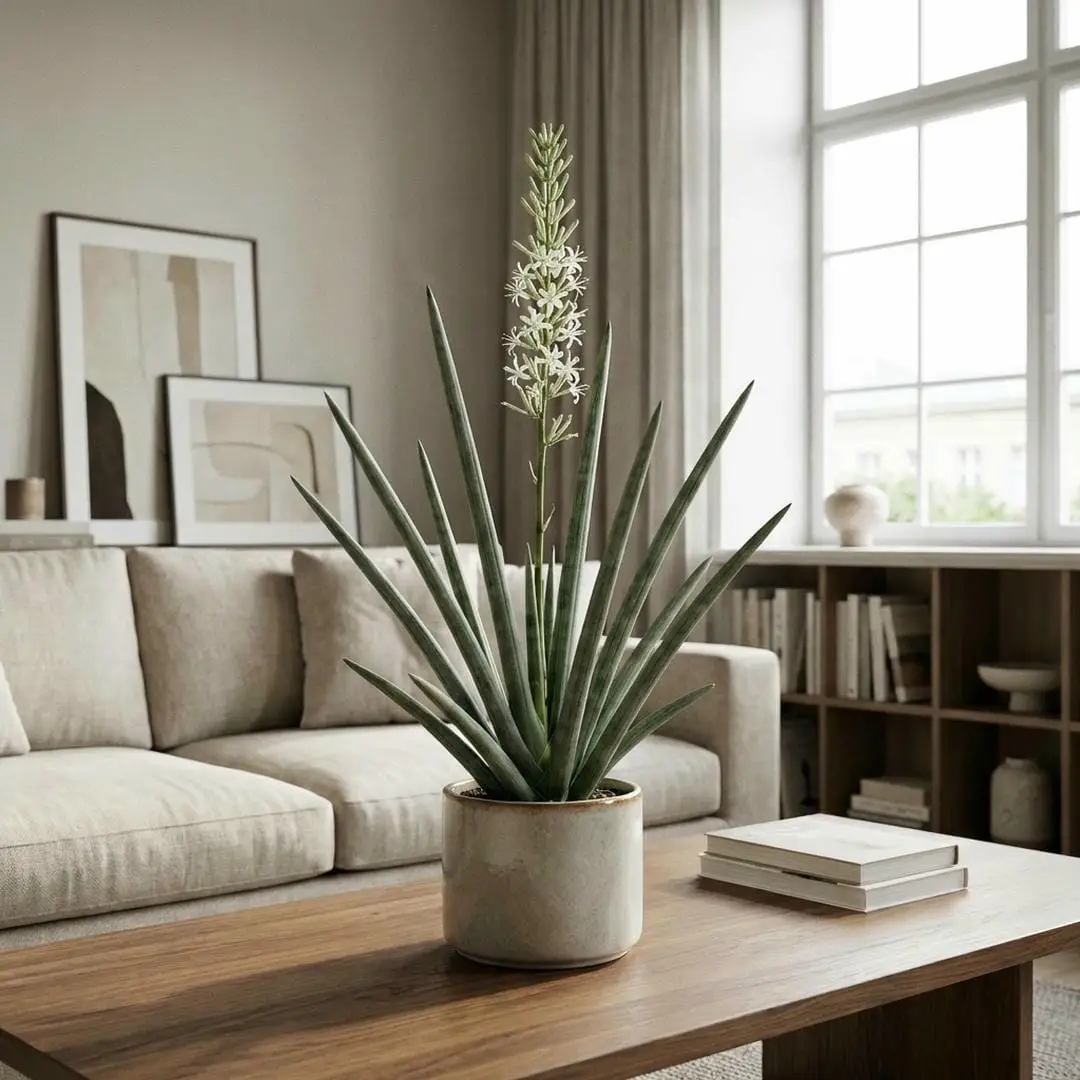
Cylindrica is grown for its spears, not its blooms, and flowering indoors is uncommon. When a mature, content plant does bloom, it sends up a tall, slender spike from the base, sometimes reaching two or three feet. The spike is lined with dozens of small tubular flowers in pinkish-white to greenish-cream, and they often carry a sweet fragrance that is strongest in the evening.
How to Trigger Bloom
There is no reliable trick, but blooming tends to follow a plant that has been well cared for and left tightly root-bound for a long stretch. Bright light, a snug pot, and the natural stress of a slightly crowded root system seem to nudge it along. Even then, it is a pleasant surprise rather than something you can schedule.
If It Won't Bloom
Most Cylindrica owners never see a flower, and that is completely normal. The plant is not unhappy or failing. It is simply putting its energy into those sculptural leaves, which is the reason most people grow it anyway. Treat any bloom as a bonus, not a goal.
🏷️ Sansevieria Cylindrica Types and Forms
The Braided Form
By far the most common way Cylindrica is sold is braided. While the leaves are young and flexible, growers weave several spears together, and as the leaves thicken and firm up, the braid sets and holds its shape. The result is a striking living rope of leaves. You can keep the look going by gently braiding new growth in while it is still pliable, or simply let fresh spears fan out naturally above the set braid.
The Upright "Skyline" Form
Sold unbraided, Cylindrica grows as a fan of separate round spears rising straight up from the base. This natural form is sometimes labeled "Skyline" or "Straight," and it has a clean, architectural look that suits modern interiors. It is the same plant as the braided version, just trained differently, so the care is identical.
How It Compares to Other Snake Plants
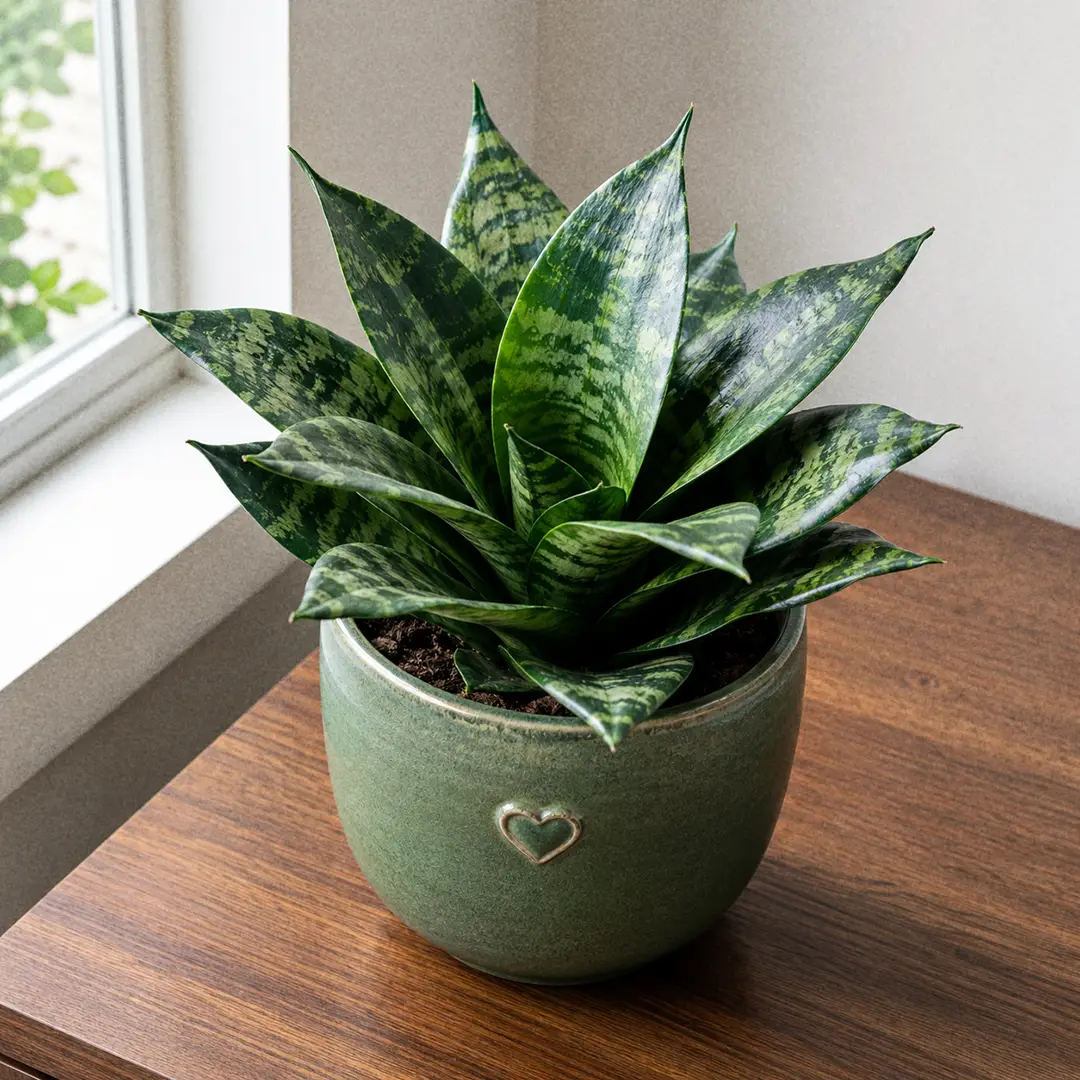
If you already grow snake plants, Cylindrica fits right into the family with the same easygoing care. The flat-leaved Snake Plant is the classic, the silvery Moonshine Snake Plant brings a pale modern color, and the compact Bird's Nest Snake Plant is the tidy desk-sized option. For sheer drama, the broad paddle leaves of the Whale Fin Sansevieria are hard to beat. Cylindrica's contribution is its round, spear-like profile, unlike anything else in the group.
🪴 Potting and Repotting Sansevieria Cylindrica
When to Repot
Cylindrica grows slowly and genuinely likes being snug, so repotting is a rare event. Plan on it only every 3-5 years, and only when the plant truly needs it. The signs are clear: the roots and rhizomes are bulging or cracking the pot, the plant has become top-heavy and tips over, or it has filled the container so completely there is no soil left to see. Spring is the best time to do it.
Choosing a Pot
Go up just one pot size, one to two inches wider than the current one. A pot that is too large holds a big reservoir of damp soil the roots cannot use, and that is a direct path to rot. Terracotta is a great choice because the porous clay wicks moisture out of the soil, giving the roots extra insurance against staying wet. Whatever pot you pick, it must have a drainage hole. Browse our plant pots guide for the trade-offs between materials.
Step-by-Step Repotting
- Water lightly a day ahead so the rootball slides out cleanly, then ease the plant from its pot.
- Brush off the old soil and check the roots, trimming away any that are soft, brown, or rotten.
- Set the plant in the new pot at the same depth it grew before, never deeper, since a buried base rots easily.
- Fill around it with fresh, gritty cactus mix and firm it gently.
- Wait about a week before watering. The pause lets any nicked roots callus over and dramatically lowers the risk of rot. Our repotting guide has more detail if you want it.
✂️ Pruning Sansevieria Cylindrica
When to Prune
This plant needs almost no pruning. The only routine reason to reach for the shears is to remove a spear that has been physically damaged, has rotted at the base, or has died back with age. There is no shaping or thinning to do, and the plant will not grow bushier from being cut. Grooming here is purely about removing what is no longer healthy.
How to Prune
Use a clean, sharp knife or shears, and cut the unwanted spear right down at the soil line. Wiping the blade with rubbing alcohol first keeps you from spreading any disease between leaves. One thing worth knowing: if you cut the pointed tip off a healthy spear, that leaf stops growing taller, because the growth point sits at the tip. So trim a damaged tip only if you are willing to live with a blunt, capped-off spear that will not lengthen again.
🌱 How to Propagate Sansevieria Cylindrica
Best Method: Division
Division is the fastest, most reliable way to make new plants, and it is the only method that preserves a braid. The best moment is when you are already repotting. Slide the plant out, find the thick underground rhizomes connecting the leafy sections, and use a clean knife to cut the clump into pieces. Make sure each division has at least one spear and a portion of healthy roots. Pot each piece in gritty mix, wait a week, then resume normal watering. Each division grows on as a complete plant.
Leaf Cuttings (Slow but Possible)
You can also root a single spear, though it takes real patience. Cut a healthy leaf near the base, then let the cut end dry and callus in open air for two or three days. This callusing step is essential, because a fresh wet cut planted straight into soil almost always rots. Once it has calloused, stand the cut end in an inch of water or push it an inch into barely-damp succulent mix. Roots form over many weeks, and a new pup follows even later.
Tips for Success
Whichever method you choose, restraint with water is the key to avoiding rot in young propagations. Keep cuttings in bright indirect light and resist the urge to water often. Remember too that a leaf cutting will only ever grow a single straight spear, never a braid, so if you love the woven look, division is the route to take.
🐛 Sansevieria Cylindrica Pests and Treatment
Cylindrica's tough, waxy spears are not an appealing meal for most pests, so it stays clean far more often than thinner-leaved houseplants. When trouble does appear, it is usually because the plant is stressed or a new arrival brought hitchhikers home with it.
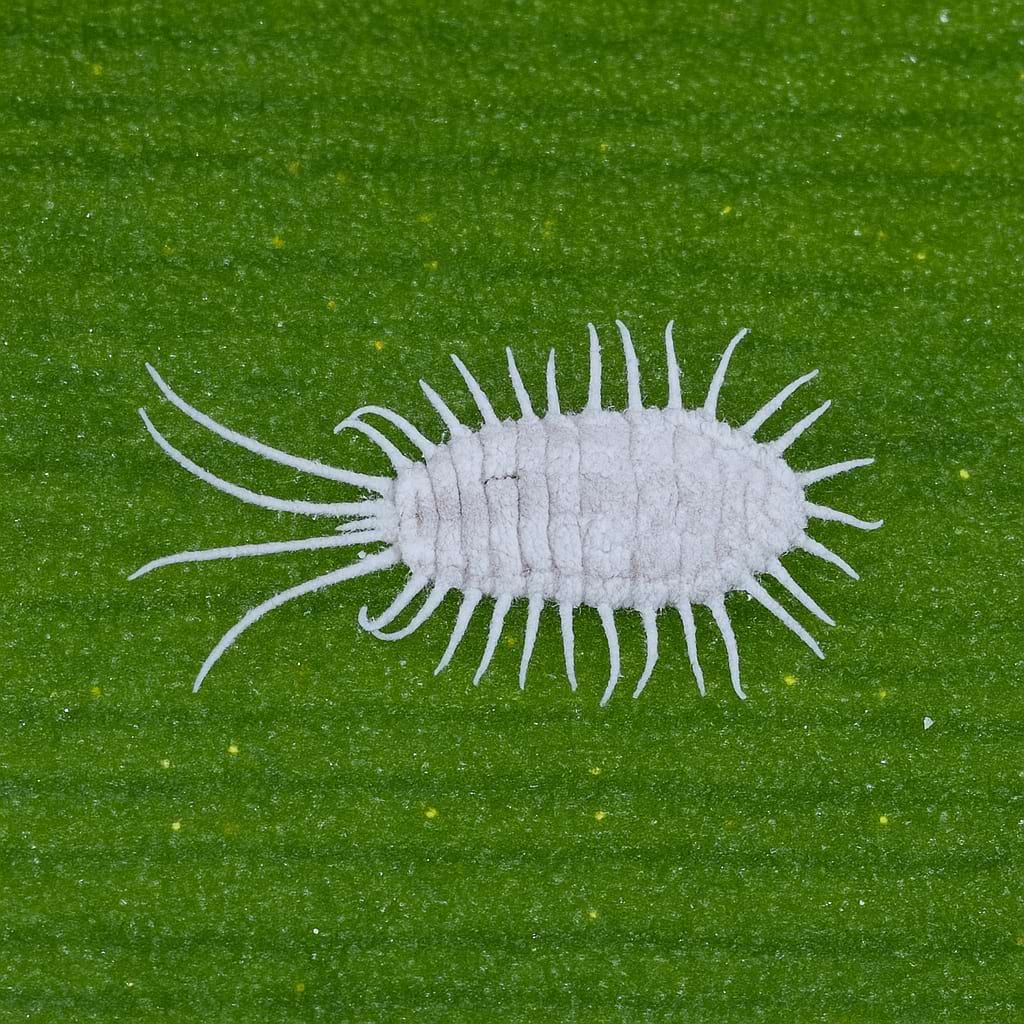
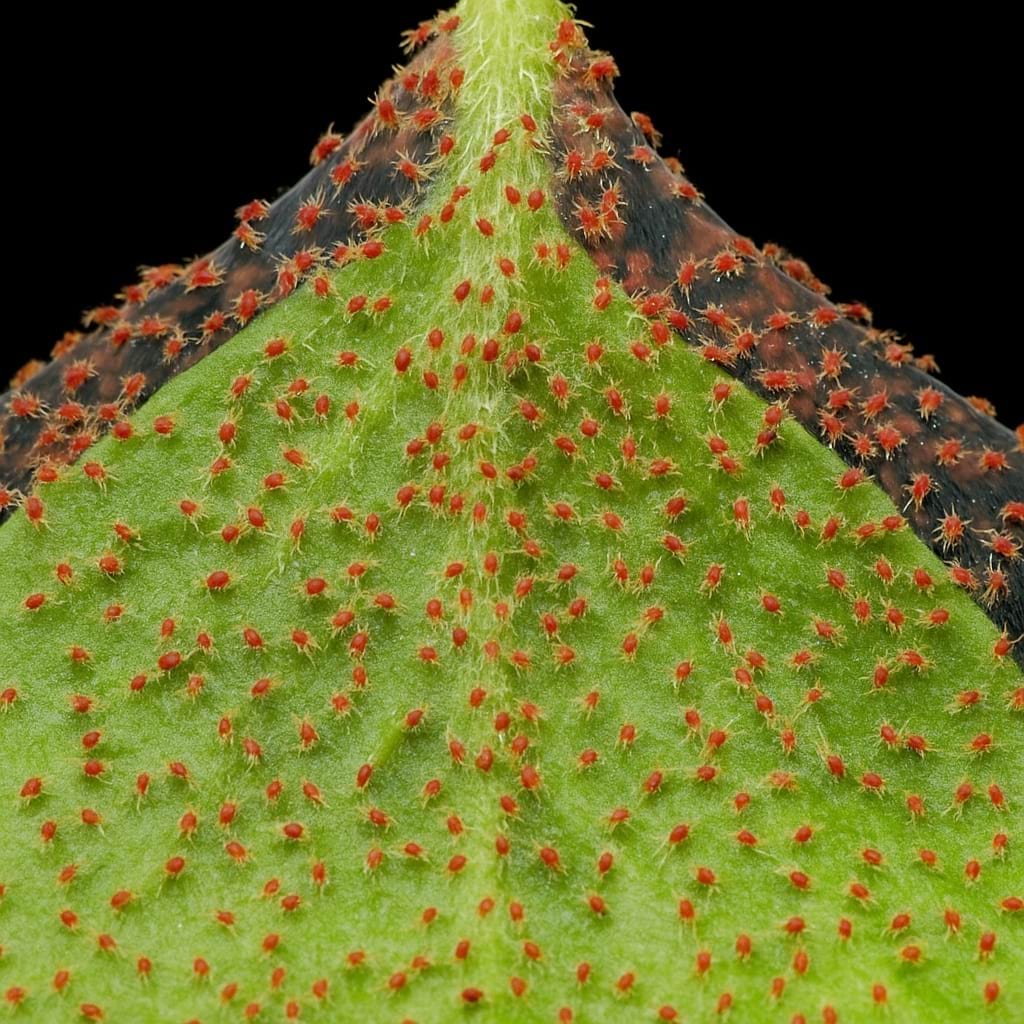
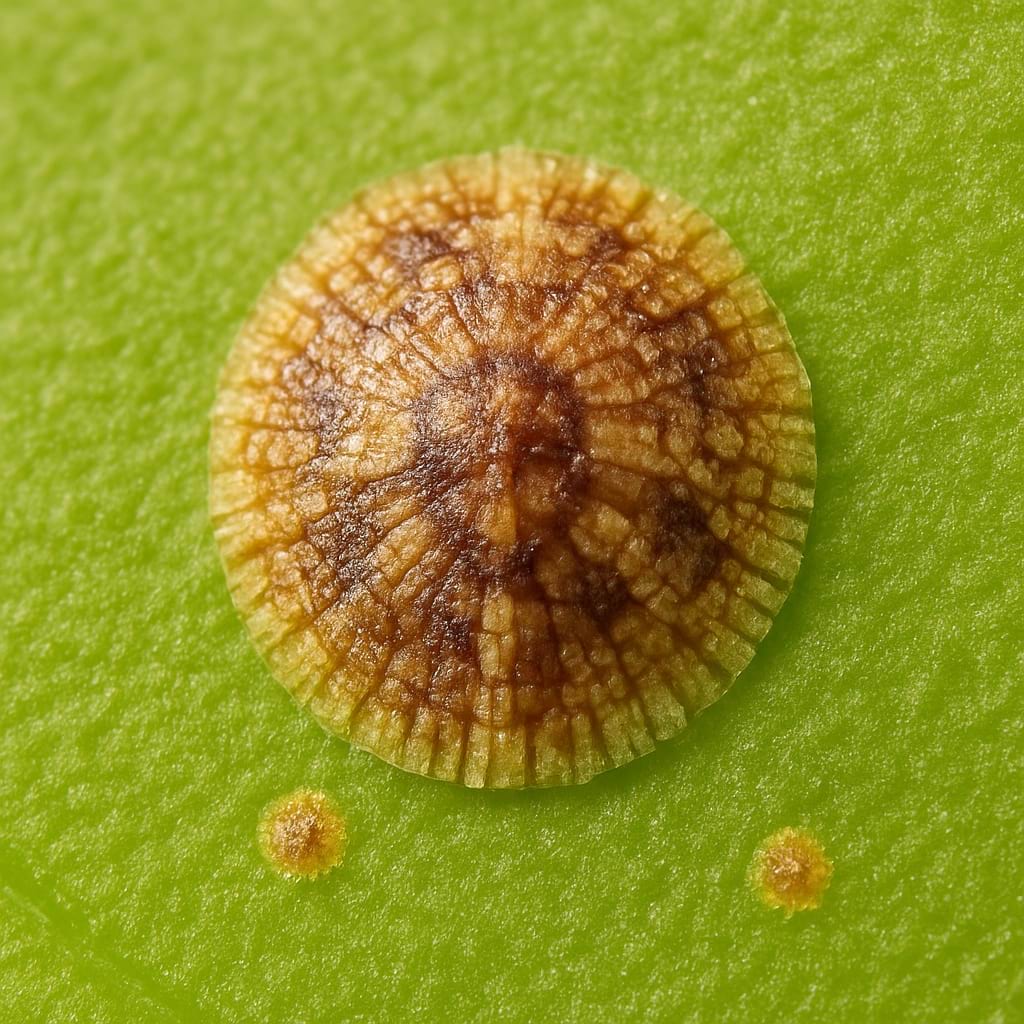
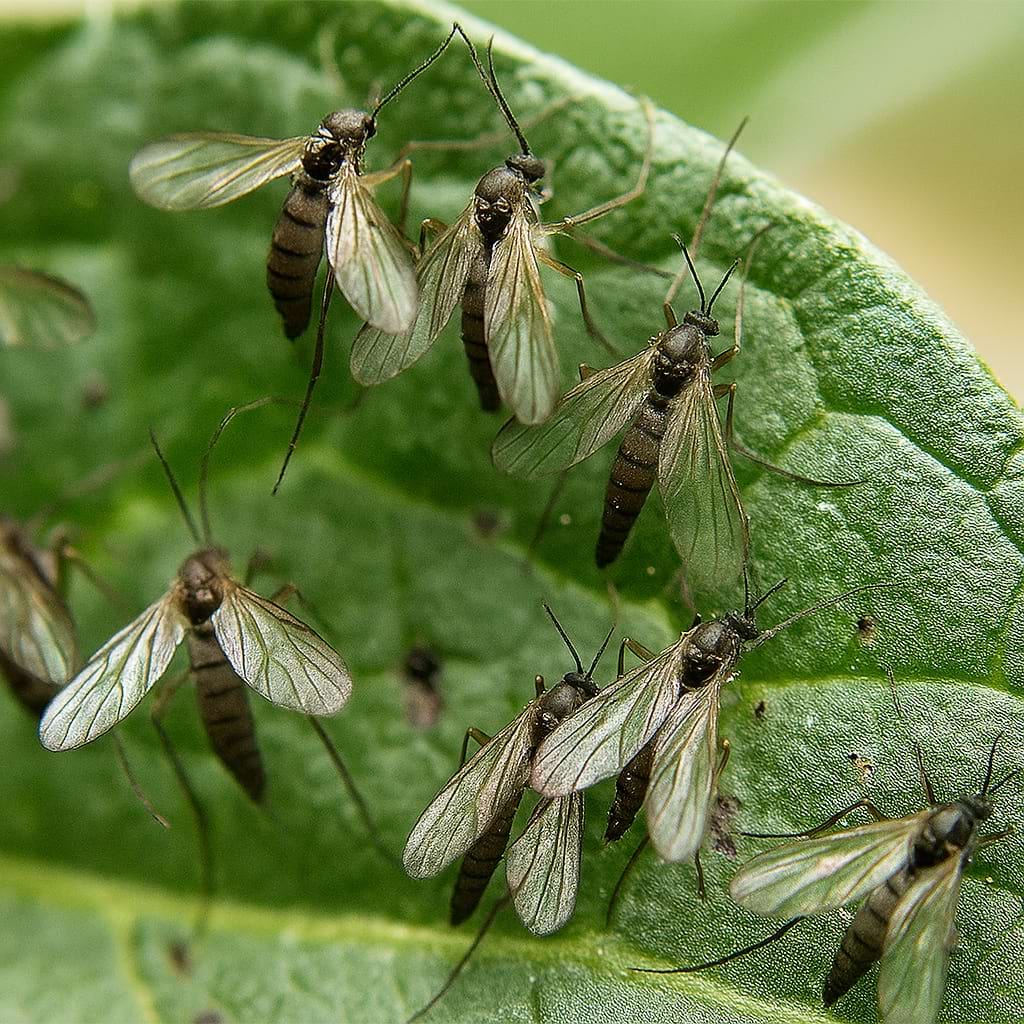
Mealybugs are the most common visitor, showing up as small white cottony tufts tucked where the spears meet, and they are easily dabbed away with a cotton swab dipped in rubbing alcohol. Spider mites are rare but possible in hot, dry, dusty conditions, betrayed by fine webbing between the leaves. Scale insects look like small hard brown bumps stuck to the spears and can be scraped off by hand. Fungus gnats are not a leaf pest at all but a sign you are watering too often, since their larvae live in constantly damp soil. For any of these, isolate the plant, treat with insecticidal soap or neem oil for a stubborn case, and check again in a week.
🩺 Common Sansevieria Cylindrica Problems
Nearly every problem this plant runs into traces back to one cause: too much water. Get the watering right and Cylindrica is close to bulletproof.
Root rot is the big one, caused by soil that stays wet, and it is often fatal once it takes hold. Yellowing leaves are usually the first visible warning that the roots are sitting too wet. Mushy stems at the base mean the rot has reached the crown, and a plant this far gone is hard to save, though you may rescue a firm upper section as a cutting. Curling leaves and a wrinkled, furrowed surface point the other way, toward a plant that is badly underwatered and drawing down its reserves. Brown crispy edges can come from inconsistent watering, fertilizer salt buildup, or harsh direct sun. Slow, soft growth often shows up as wilting and drooping spears that have lost their structure to rot below the soil.

🖼️ Sansevieria Cylindrica Display and Styling Ideas
Solo Statement Piece
The round, spear-like leaves give Cylindrica a sculptural quality that stands on its own. A braided specimen on a low stand or pedestal reads almost like a piece of art, and the woven leaves become a real conversation starter. Its strong vertical lines make it a natural fit for minimalist, modern, and mid-century rooms where clean shapes matter.
Grouped Arrangements
Cylindrica plays beautifully off its flat-leaved relatives. Set it beside a classic Snake Plant or a silvery Moonshine Snake Plant and the contrast between round spears and broad blades makes both plants look more interesting. For a low-light corner, pairing it with the bushy foliage of a Silver Bay Aglaonema softens the spiky silhouette. A trio of snake plants in matching pots makes a tidy, cohesive grouping.
Where Not to Put It
Skip the deep, dark corners far from any window. Cylindrica will survive there, but it sulks, stretches, and grows slowly while the soil stays dangerously wet. Also keep it off the floor in homes with cats or dogs that chew, since the spears are mildly toxic and those upright leaves are tempting to a curious pet.
🌟 Sansevieria Cylindrica Pro Care Tips
✅ Underwater on purpose. This plant's biggest enemy is a kind owner with a watering can. When you are unsure whether to water, wait another week. Bone-dry soil is the safe default.
🪴 Reach for terracotta. An unglazed clay pot pulls excess moisture out of the soil, giving the roots a built-in safety margin against rot. It is the single easiest upgrade for nervous waterers.
🤏 Protect the growing tip. The spear grows from its pointed tip, so cutting it caps that leaf permanently. Leave healthy tips alone unless you are happy with a blunt spear.
🔁 Divide, don't cut, to keep the braid. Leaf cuttings only ever produce a single straight spear. If you want more braided plants, propagate by dividing the rhizome.
🧼 Dust the spears. Dust dulls the leaves and blocks light. A quick wipe with a damp cloth a couple of times a year keeps them glossy and breathing.
❓ Frequently Asked Questions
Is Sansevieria Cylindrica toxic to cats and dogs?
Yes, it is mildly toxic to cats and dogs if chewed or eaten. The saponins in the leaves can cause drooling, nausea, vomiting, and diarrhea. It is rarely serious, but it is best to keep the plant out of reach of pets that like to nibble.
Why is my Sansevieria Cylindrica turning yellow or soft?
Almost always overwatering. Yellow, soft, or mushy spears mean the soil has stayed wet too long and the roots are rotting. Stop watering, check the roots, cut away anything mushy, and let the plant dry out. Going forward, water only when the soil is completely dry.
How often should I water Sansevieria Cylindrica?
Only when the soil is bone dry all the way through. In bright light during summer that is often every 2-4 weeks, and in winter or low light it can be monthly or less. There is no fixed schedule, so check the soil rather than the calendar.
Why are my spears wrinkled or developing a groove down the side?
That is thirst, not rot. When the plant draws on its stored water, the round spears shrink slightly and a shallow furrow appears along their length. A thorough soak plumps them back up within a day or two.
Can I keep the braid going as the plant grows?
Yes. While new spears are young and flexible, you can gently weave them into the existing braid, and they will set in place as they firm up. If you would rather not bother, just let fresh spears fan out above the braid. Both look great.
Why did my spear stop growing after I trimmed the tip?
Because the growth point is at the very tip of each spear. Once you cut the pointed end, that leaf can no longer grow taller and stays capped. New growth still comes from the base of the plant, but the trimmed spear itself is done lengthening.
Does Sansevieria Cylindrica really clean the air?
It belongs to the same group of snake plants studied for air purification, and like its relatives it does some filtering and continues releasing oxygen at night. The real-world effect in an average room is modest, so enjoy it as a tough, handsome plant first and a small air-quality bonus second.
Can it live in a low-light room?
It will survive low light, which is part of its reputation, but it will not thrive there. Growth slows to almost nothing, new spears come in thin and stretched, and the soil stays wet far longer, raising the risk of rot. Bright indirect light keeps it firm, upright, and healthy.
ℹ️ Sansevieria Cylindrica Info
Care and Maintenance
🪴 Soil Type and pH: Gritty, sandy, very well-draining
💧 Humidity and Misting: Average home humidity is fine. No misting needed.
✂️ Pruning: Minimal. Remove damaged spears at the base and avoid cutting growing tips.
🧼 Cleaning: Wipe the cylindrical leaves with a damp cloth to remove dust.
🌱 Repotting: When tightly pot-bound or bulging the container.
🔄 Repotting Frequency: Every 3-5 years
❄️ Seasonal Changes in Care: Cut watering back sharply in fall and winter.
Growing Characteristics
💥 Growth Speed: Slow
🔄 Life Cycle: Perennial
💥 Bloom Time: Rare indoors; a tall spike of tubular flowers
🌡️ Hardiness Zones: 9-11 outdoors, grown indoors elsewhere
🗺️ Native Area: Angola
🚘 Hibernation: Semi-dormant in winter
Propagation and Health
📍 Suitable Locations: Bright living rooms, bedrooms, offices, sunny windowsills
🪴 Propagation Methods: Division of the rhizome, or slow leaf cuttings.
🐛 Common Pests: Mealybugs, Spider Mites, Scale Insects, Fungus Gnats
🦠 Possible Diseases: Root rot is the main threat
Plant Details
🌿 Plant Type: Succulent perennial
🍃 Foliage Type: Evergreen, round cylindrical leaves
🎨 Color of Leaves: Dark green with faint grayish-green bands
🌸 Flower Color: Pinkish-white to greenish-cream
🌼 Blooming: Rare indoors
🍽️ Edibility: Not edible; toxic
📏 Mature Size: 2-6 feet depending on form
Additional Info
🌻 General Benefits: Air purifying, extremely low maintenance, drought tolerant
💊 Medical Properties: None proven for home use
🧿 Feng Shui: Protective upward energy from the spear-like leaves
⭐ Zodiac Sign Compatibility: Capricorn
🌈 Symbolism or Folklore: Resilience, protection, persistence
📝 Interesting Facts: Young leaves are flexible enough that growers braid them, and the braid sets permanently as the leaves thicken and firm up.
Buying and Usage
🛒 What to Look for When Buying: Choose plants with firm, plump spears and no soft or wrinkled bases.
🪴 Other Uses: Architectural accent and statement floor plant
Decoration and Styling
🖼️ Display Ideas: Solo on a stand, braided centerpiece, grouped with other snake plants
🧵 Styling Tips: The round vertical spears suit minimalist, modern, and mid-century decor.
🪴 See also 🪴
Complete Guide to Bird's Nest Snake Plant Care and Growth
Complete Guide To Janet Craig Compacta Care and Growth

Complete Guide To Janet Craig Dracaena Care and Growth
Complete Guide To Lemon Lime Dracaena Care and Growth
Complete Guide to Moonshine Snake Plant Care and Growth
Complete Guide To Song of India (Dracaena) Care and Growth

Complete Guide To Warneckii Dracaena Care and Growth
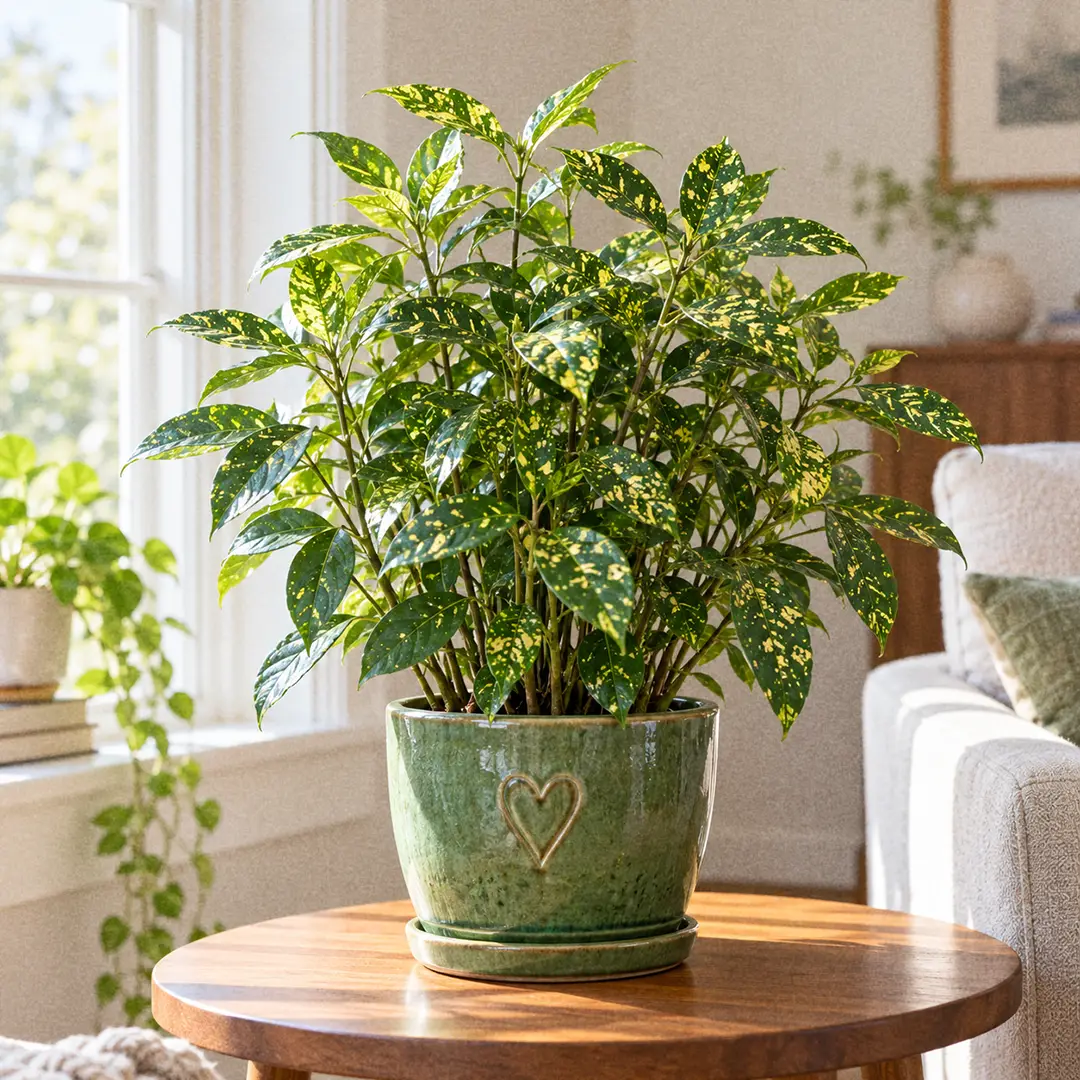
Complete Guide to Gold Dust Dracaena Care and Growth
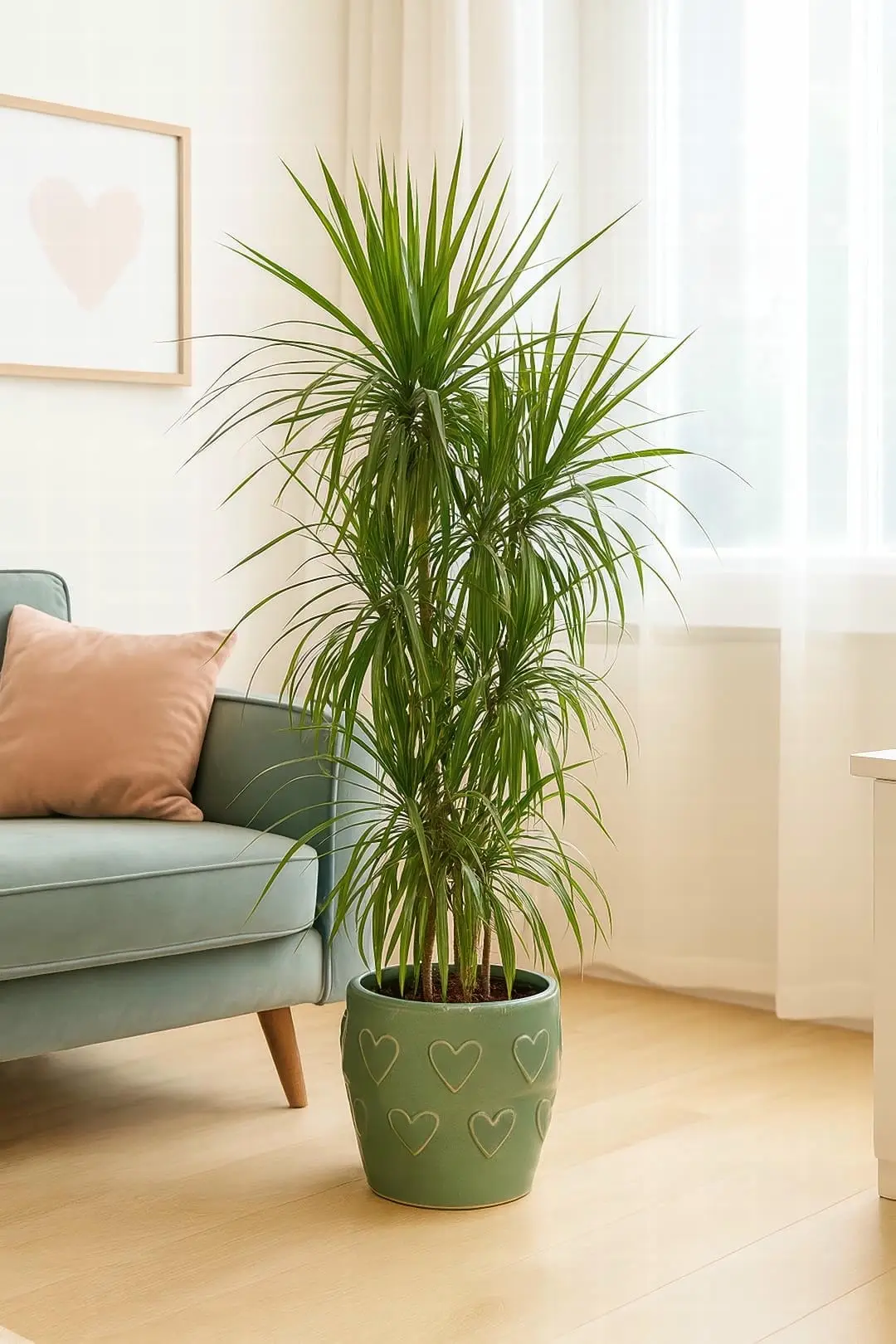
Complete Guide To Dracaena Marginata Care and Growth
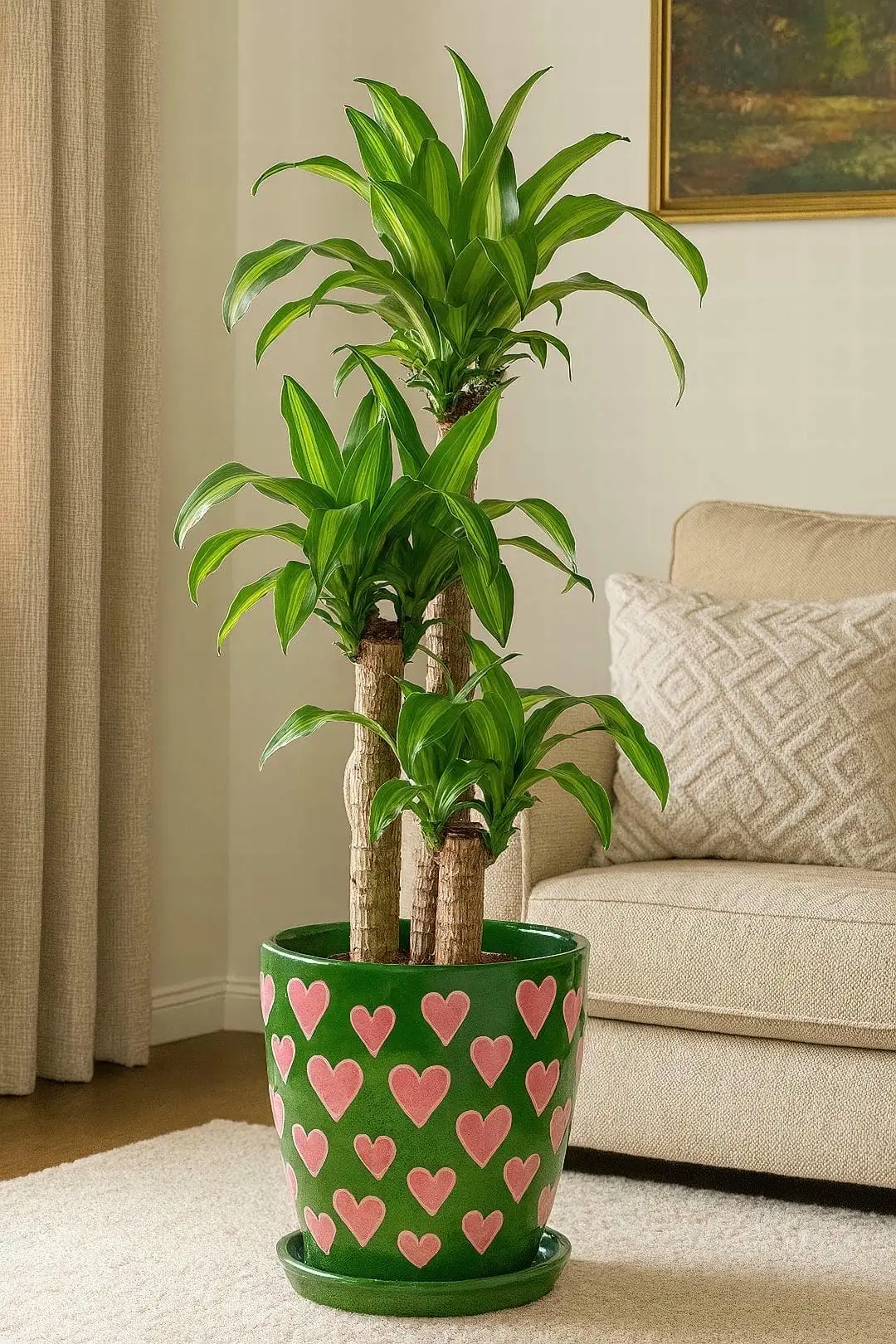
Complete Guide To Corn Plant (Dracaena) Care and Growth
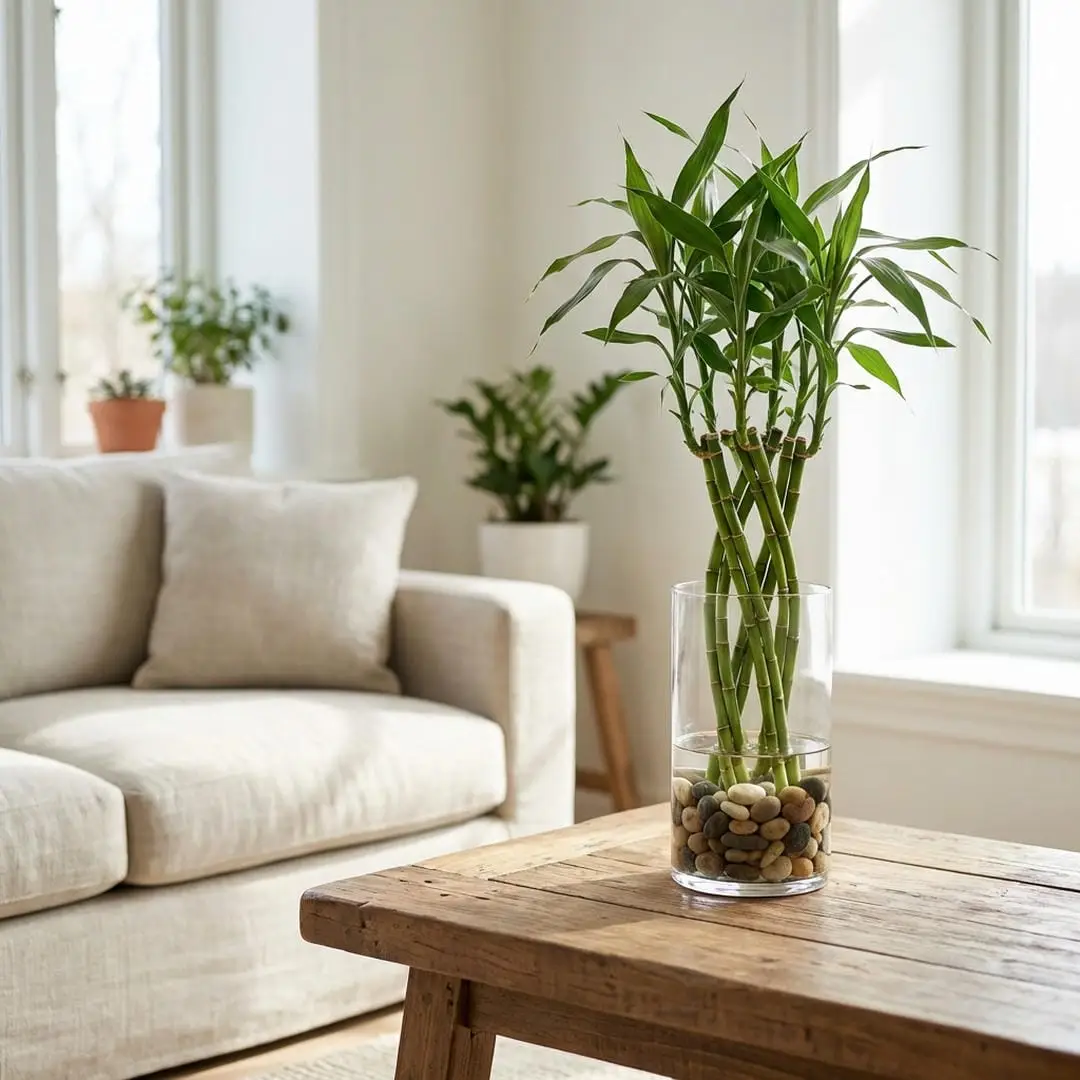
Complete Guide To Lucky Bamboo Care and Growth (Dracaena sanderiana)
The Ultimate Guide to Dracaena Varieties: 28 Types for Your Indoor Jungle
Complete Guide To Whale Fin Sansevieria Care and Growth
Complete Guide To African Spear (Cylindrical Snake Plant) Care and Growth
Complete Guide to Sago Palm Care and Growth

Houseplant101 Forum
Questions & Comments
Ask a question, share your plant experience, or help other plant owners.
Comments are temporarily unavailable.
Open the Houseplant101 ForumNo comments yet
Be the first to ask a question or share your experience about this page.
Log in or create an account
Comments use your Houseplant101 Forum account, but you can stay on this page.
Create a new account