
🪴 In This Guide 🪴

🍃 Can You Propagate a Fiddle Leaf Fig From a Leaf?
Why a Single Leaf Roots but Never Grows
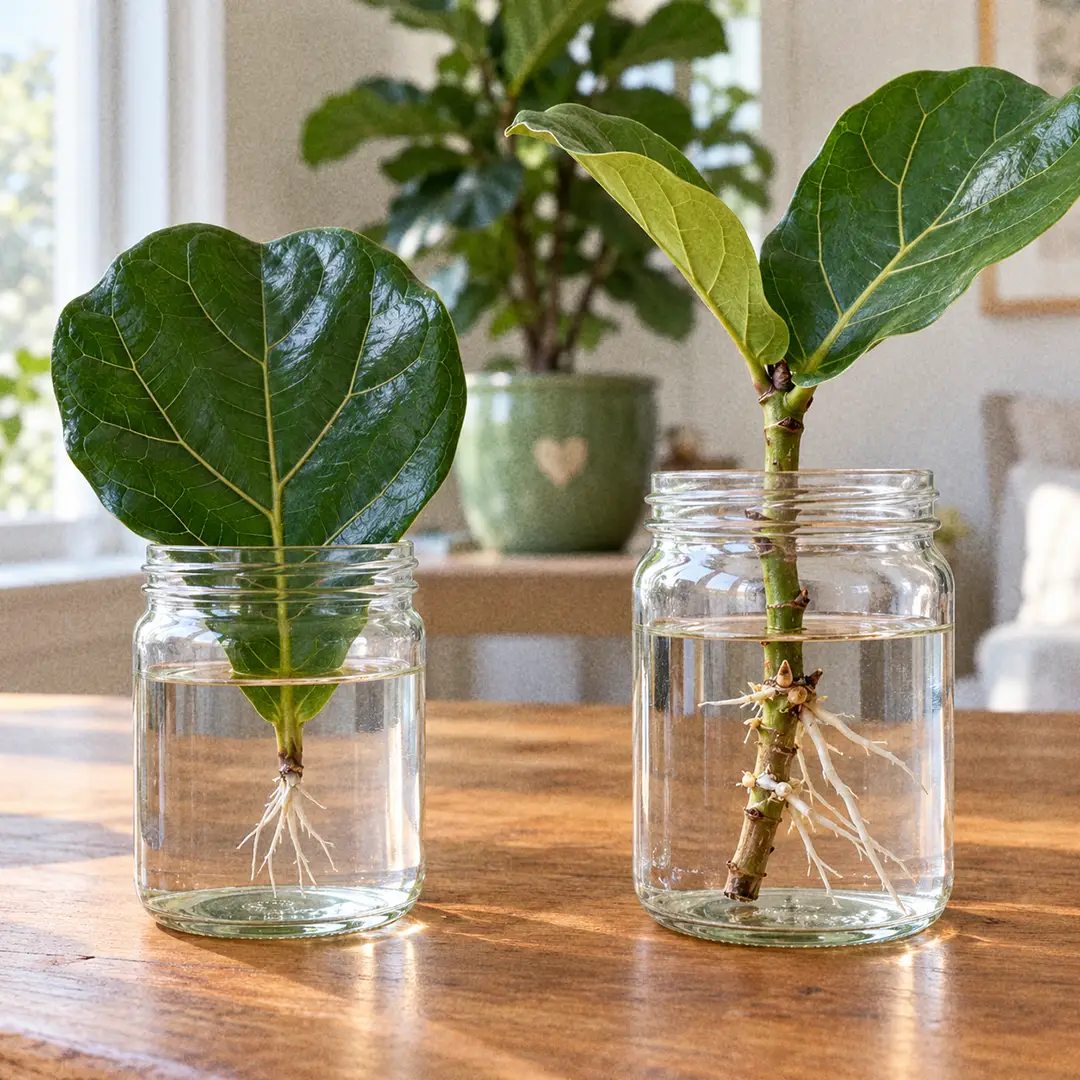
This is the most searched question about fiddle leaf fig propagation, and the answer surprises people. Pop a single leaf, snapped off at its stalk, into water and it will very likely grow roots. It can sit there looking healthy for months. It will never grow a stem or a second leaf.
New growth on a fiddle leaf fig comes from a bud tucked into the angle where the leaf stalk meets the stem (the axillary bud). When you pull a leaf off, that bud stays on the stem. The leaf has enough stored energy to push out roots, but it has nothing that can build a shoot. Growers call these "zombie leaves": alive, rooted, and going nowhere.
The Exception: Keep a Piece of Stem
The fix is simple. Take the leaf with a short section of stem attached, including the node where the leaf joins it. Even an inch of stem below the leaf stalk is enough, because the bud comes along with it. That little piece is technically a single-node stem cutting, and it can grow into a whole new plant, just slowly. Expect months before the first new leaf.
What to Do With a Rooted Leaf
If you already have a rooted zombie leaf, there is no trick that will make it sprout. Keep it as a pretty jar decoration for as long as it lasts, or pot it up for the look, but stop waiting for growth. Then take a proper stem cutting from the plant, as described below.
✂️ Taking Fiddle Leaf Fig Stem Cuttings
Where to Cut
Choose a stem 6 to 12 inches long with two or three healthy leaves. Cut with clean, sharp pruners about a quarter inch below a node, which on a fiddle leaf fig is the slightly raised ring or scar where a leaf is (or was) attached. Roots grow most readily from nodes, and the lowest one goes under the water or soil. Snip off any leaf that would end up submerged.
A top cutting, with the growing tip, is the easiest to root and will put out new leaves soonest. It is also the piece you remove when you top the plant to make it branch, which is a nice two-for-one.
Green Stem or Woody Stem?
The sweet spot is semi-woody stem: firm, starting to turn from green to tan, and about pencil thick. Very soft new growth tends to wilt and rot before it roots. Thick brown trunk wood can root, but it is noticeably slower. If you are working from a pruned branch, pick the section that bends slightly and does not squash under your thumbnail.
Handling the Milky Latex
Every cut bleeds white latex. Let the cutting sit for a few minutes, then rinse the cut end under lukewarm water or blot it with a paper towel until the flow stops. Some growers let it dry for about an hour so the end seals, as the main fiddle leaf fig guide suggests. Dab the wound on the mother plant too, since the latex drips and stains floors. Wear gloves, because the sap irritates skin.
Rooting Hormone and Timing
Fiddle leaf fig cuttings root without hormone. It is still worth using, because this plant is slow and hormone tends to give faster, more even rooting. A liquid concentrate is easier to measure than powder and coats a wet stem well.
Timing matters more than any product. Take cuttings in late spring or summer, from a plant that is actively pushing new leaves. A cutting taken in winter from a plant that has stopped growing can sit for months and rot.
💧 Fiddle Leaf Fig Cuttings in Water, Soil or Moss
Rooting Fiddle Leaf Fig Cuttings in Water
Water is the most popular method, mostly because you can watch what happens. Stand the cutting in a jar with the lowest node an inch or two below the surface and the leaves well above it. Put it somewhere warm with bright, indirect light, out of direct sun. Change the water weekly, or sooner if it clouds up.
The first sign of life is usually a scattering of small white bumps on the stem below the waterline. Roots follow from those. Our water propagation guide covers the general routine for jar rooting.
Rooting Straight Into Soil
Soil rooting skips the transplant step, which is where many fiddle leaf fig cuttings stall. Fill a 4 to 6 inch pot with a fast-draining mix (the Houseplant Chunky Potting Mix works, or regular potting soil with extra perlite). Push the node an inch or two deep, firm the mix around it, and keep it lightly moist. A clear bag over the top holds humidity while it roots. See our soil propagation guide for the setup.
Sphagnum Moss for Slow or Fussy Cuttings
Damp sphagnum moss in a clear cup is a middle ground. It holds air and moisture around the stem better than soil, and the roots it grows handle potting up better than water roots do. Squeeze the moss until it feels like a wrung-out sponge, wrap it around the node, and check it every few days.
How Long Fiddle Leaf Fig Cuttings Take
This is not a pothos. In a warm, bright room, roots usually show in four to eight weeks, and new leaves can take another month or two after that. A cool winter room stretches all of it. Wait until water roots are 2 to 3 inches long before potting up.
🌳 Fiddle Leaf Fig Air Layering
Why Air Layering Suits a Leggy Tree
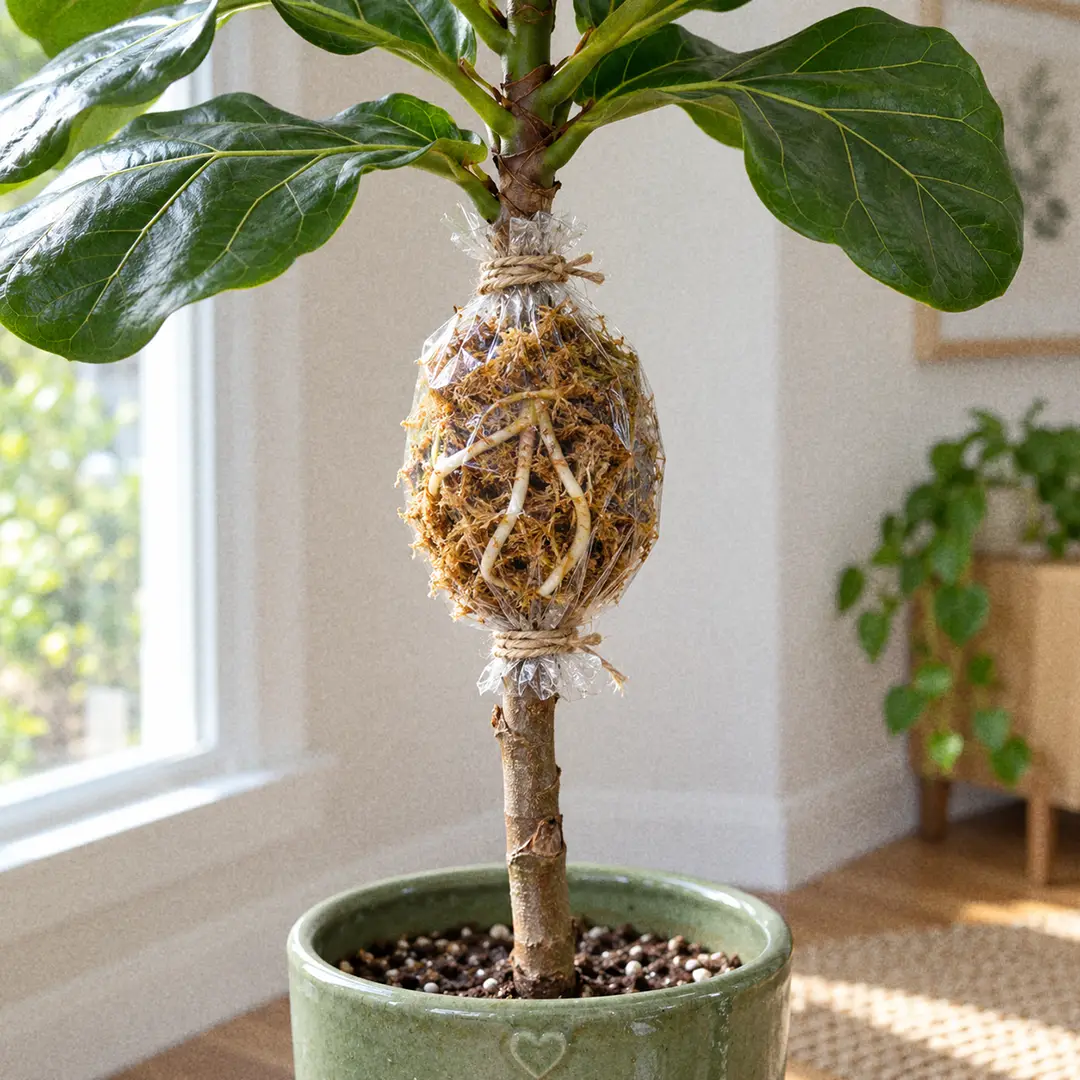
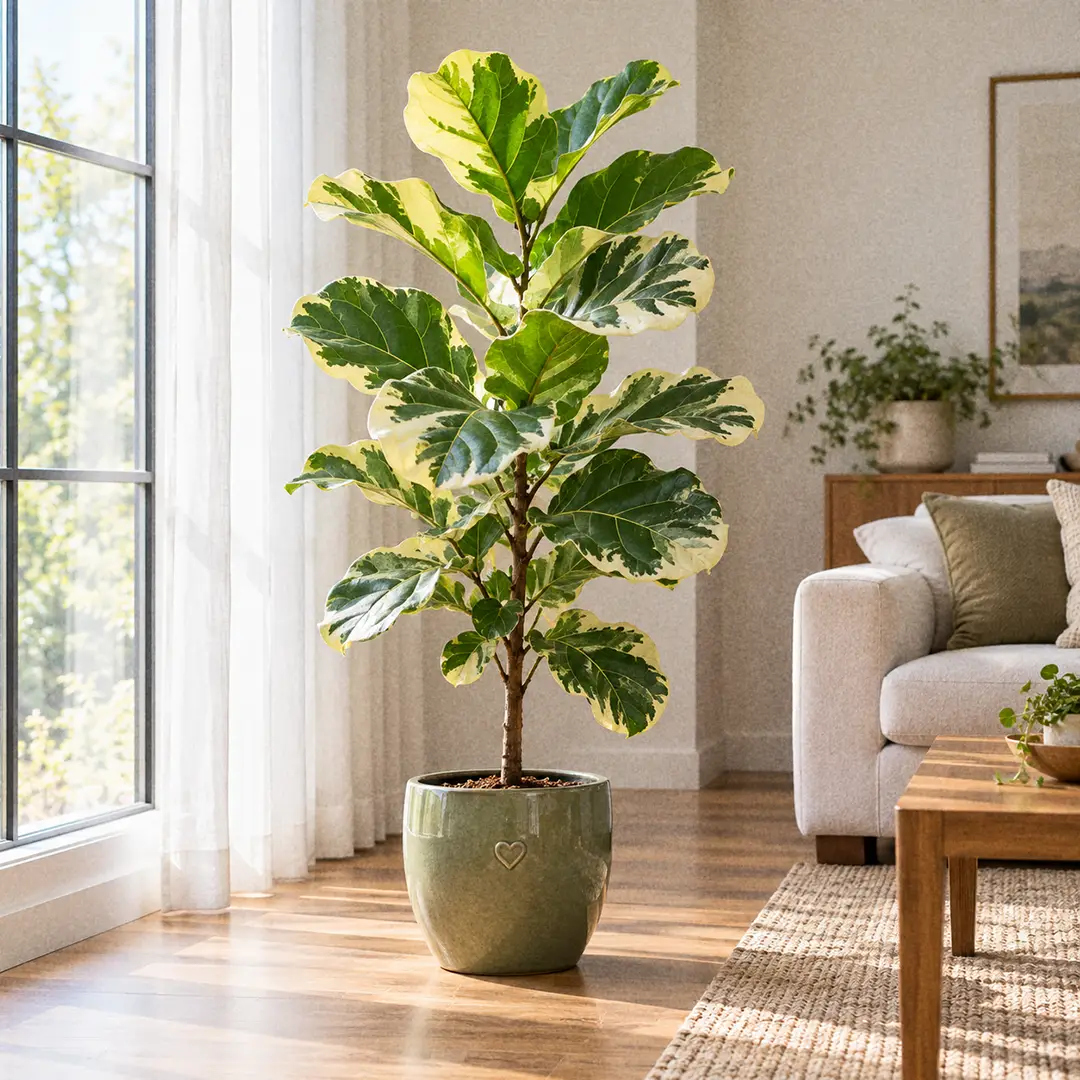
Air layering means rooting a branch or the top of the trunk while it is still attached to the plant. The mother plant keeps feeding it the whole time, so the layer rarely fails, and you only cut once it already has a full ball of roots. For a tall, bare fiddle leaf fig with leaves only at the top, it is the method I pick every time. The variegated fiddle leaf fig is propagated almost entirely this way for the same reason.
Chopping the top off and hoping it roots in a jar risks a very expensive failure. With a layer, nothing is lost if it takes a while.
Step-by-Step Air Layering
- Pick the spot, usually 6 to 12 inches below the top leaves, on a stem at least pencil thick. Do this in late spring or early summer.
- Cut a ring of bark about an inch wide all the way around the stem and peel it off. Or make an upward slanting cut about a third of the way into the stem and wedge a toothpick in to hold it open.
- Blot the latex until it stops, then brush rooting hormone onto the exposed wood.
- Wrap a fist-sized handful of damp (not dripping) sphagnum moss around the wound.
- Cover the moss with clear plastic film and tie or tape both ends so it holds moisture and you can see inside.
- Check every week. If the moss looks pale and dry, open the top and add a little water with a syringe.
Our air layering guide has diagrams for the general technique, and it works just as well on a rubber plant or any other tree-form ficus.
When to Cut the Layer Free
Roots usually show through the plastic in four to eight weeks on a healthy green plant, sometimes longer. Wait until several roots are at least 2 inches long and circling the moss. Then cut the stem just below the moss ball, remove the plastic, and pot it, moss and all, into a small pot of chunky mix. Keep it out of direct sun and a little more humid than usual for the first couple of weeks.
🌿 Bonus: A Bushier Fiddle Leaf Fig
What Happens Below the Cut
Taking the top as a cutting or layer is also the standard way to make a fiddle leaf fig branch. The growing tip releases hormones that keep the buds lower down asleep. Remove it, and one to three of the nodes just below the cut usually wake up and grow into new branches over the following weeks. So propagating the top gives you a second plant and a fuller first one.
Notching for Branches Lower Down
If you want branches at a specific height without cutting the top off, try notching. Make a small, shallow cut into the trunk just above a dormant node. That interrupts the signal from the tip and can push that one bud to grow. It works maybe half the time, so notch two or three nodes. The pruning section of the main guide covers topping and notching for shape.
🛠️ Troubleshooting Fiddle Leaf Fig Propagation
The Cutting Is Dropping Its Leaves
Big leaves lose a lot of water, and a cutting with no roots cannot replace it. Dropping one leaf is the cutting protecting itself. If it drops all of them, it is usually too hot, too sunny or too dry. Move it into bright shade, cover soil or moss cuttings with a clear bag, and leave it alone. A bare stem that stays firm and green can still root and push new leaves from its nodes. The leaf drop guide covers the same reaction on adult plants.
The Stem Is Turning Black or Mushy
That is rot. It usually starts at the cut end in stale water or soggy soil. Cut back to firm, pale green tissue above the damage, let the latex stop, and restart it in fresh water or barely damp moss. If the rot has passed the last node, the cutting will not recover.
It Has Roots but No New Growth
This is normal for weeks, sometimes two months. A fiddle leaf fig puts its energy into roots first and wakes the top bud later. Give it warmth and bright light, and pot water-rooted cuttings up once the roots are 2 to 3 inches long, since many stall in the jar and only grow once they have soil. If it is a single leaf with no stem, see the leaf myth section above. It will not grow.
Transplant Shock From Water to Soil
Water roots are thin and brittle, and they have to adjust to soil. Drooping and one yellow leaf in the first week or two are common. Pot into a small container, just big enough for the roots, and keep the mix evenly moist (not wet) for two to three weeks. After that, go back to watering when the top inch or two dries out.
🧤 Safety When Propagating Fiddle Leaf Fig
Latex and Skin
The milky latex that bleeds from every cut irritates skin and is unpleasant in eyes. Wear gloves, keep your hands away from your face, and wash up afterward. It also stains fabric and carpet, so work over newspaper. If you have a latex allergy, take extra care, because ficus latex contains related proteins.
Keep Cuttings Away From Pets
The ASPCA lists ficus as toxic to cats and dogs, naming the enzyme ficin and psoralens as the problem compounds. Chewing causes mouth irritation, drooling and vomiting. Root cuttings out of reach and bin trimmings straight away. The ficus varieties guide has more on the sap.
For the rest of the method, see our general propagation guide and the complete fiddle leaf fig care guide.
❓ Frequently Asked Questions
Can you propagate a fiddle leaf fig from a leaf?
Not from a leaf on its own. A single leaf will grow roots in water and can stay green for months, but it has no bud to make a new stem, so it never becomes a plant. Include a piece of stem with at least one node and it can.
How long do fiddle leaf fig cuttings take to root in water?
Usually four to eight weeks in a warm, bright room, and longer in winter. The first sign is often small white bumps on the stem below the waterline. New leaves at the top can take another month or two after that.
Is air layering better than taking a cutting?
For a tall, leggy fiddle leaf fig, yes. The branch keeps getting water and food from the mother plant while it roots, so it rarely fails, and you only cut once the roots are already there. Cuttings are fine for pruning scraps and small tops.
Do I need rooting hormone for fiddle leaf fig cuttings?
No, fiddle leaf fig cuttings root without it. Hormone tends to make rooting a little faster and more even, which helps with a slow plant like this one. It is most useful on woody stems and air layers.
Will cutting the top off make my fiddle leaf fig branch?
Usually, yes. Removing the top growing point wakes up buds lower on the trunk, and one to three new branches often appear just below the cut. Do it in late spring or summer on a healthy plant and root the top as a bonus.
Why did my fiddle leaf fig cutting drop its leaves?
A cutting with no roots cannot keep up with the water its big leaves lose, so it sheds some to survive. Losing one leaf is normal. As long as the stem stays firm and green, it can still root and regrow.
🪴 See also 🪴
Complete Guide to Ficus Altissima Care and Growth
Complete Guide to Variegated Fiddle Leaf Fig Care and Growth

Ficus Care Indoors: Full Guide and 12 Types We Grow
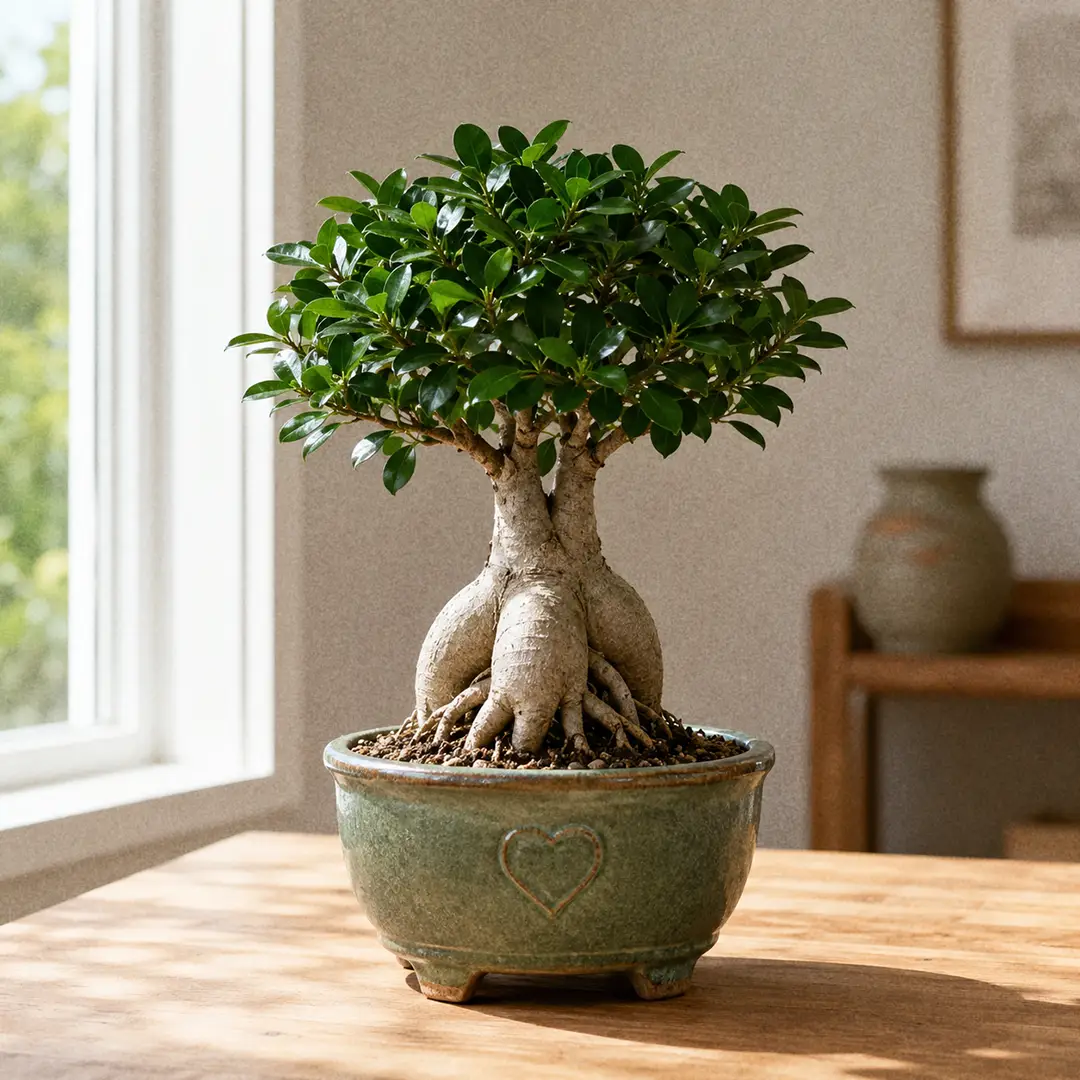
Complete Guide to Ginseng Ficus Care and Growth

Complete Guide to Rubber Plant Care and Growth
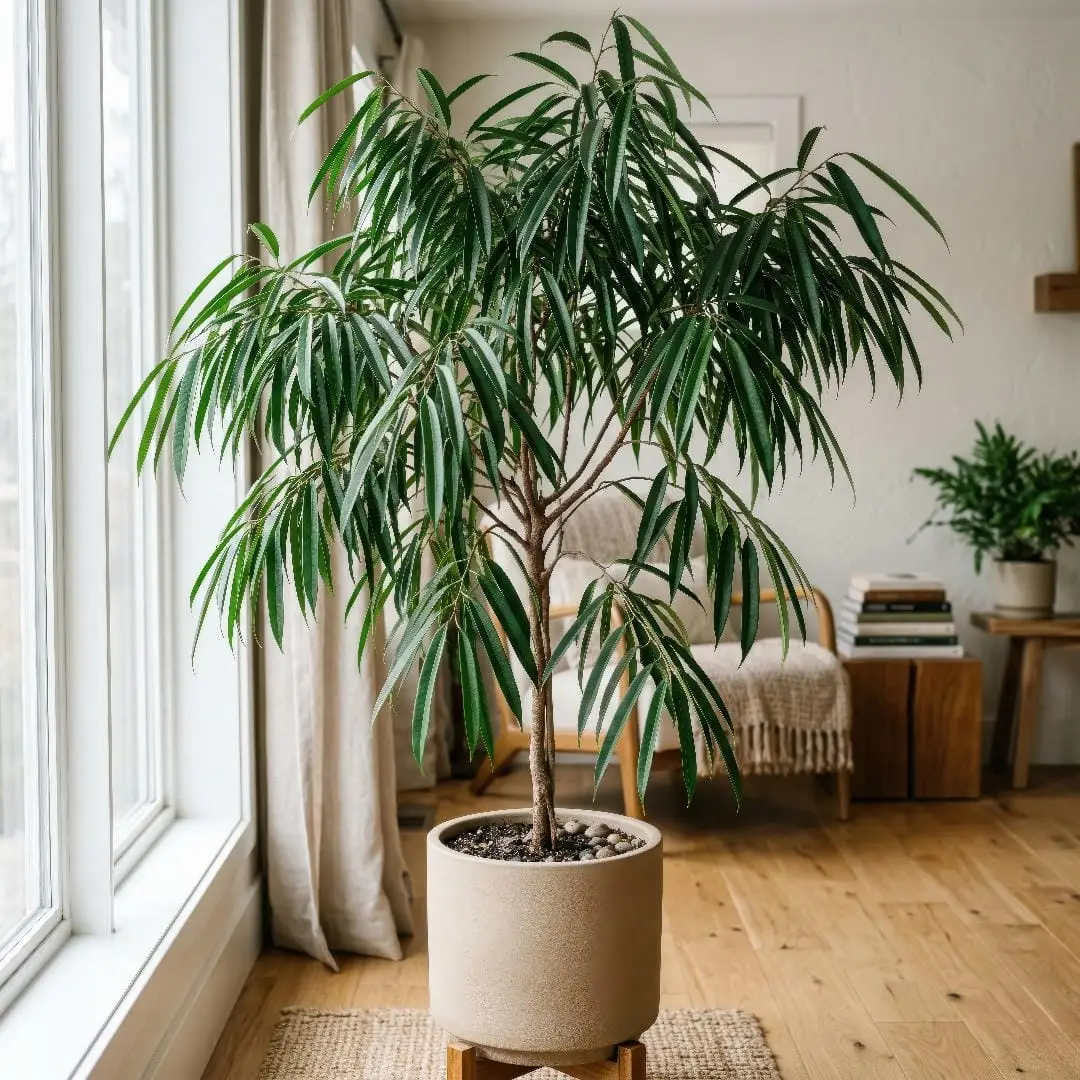
Complete Guide to Ficus Alii Care and Growth
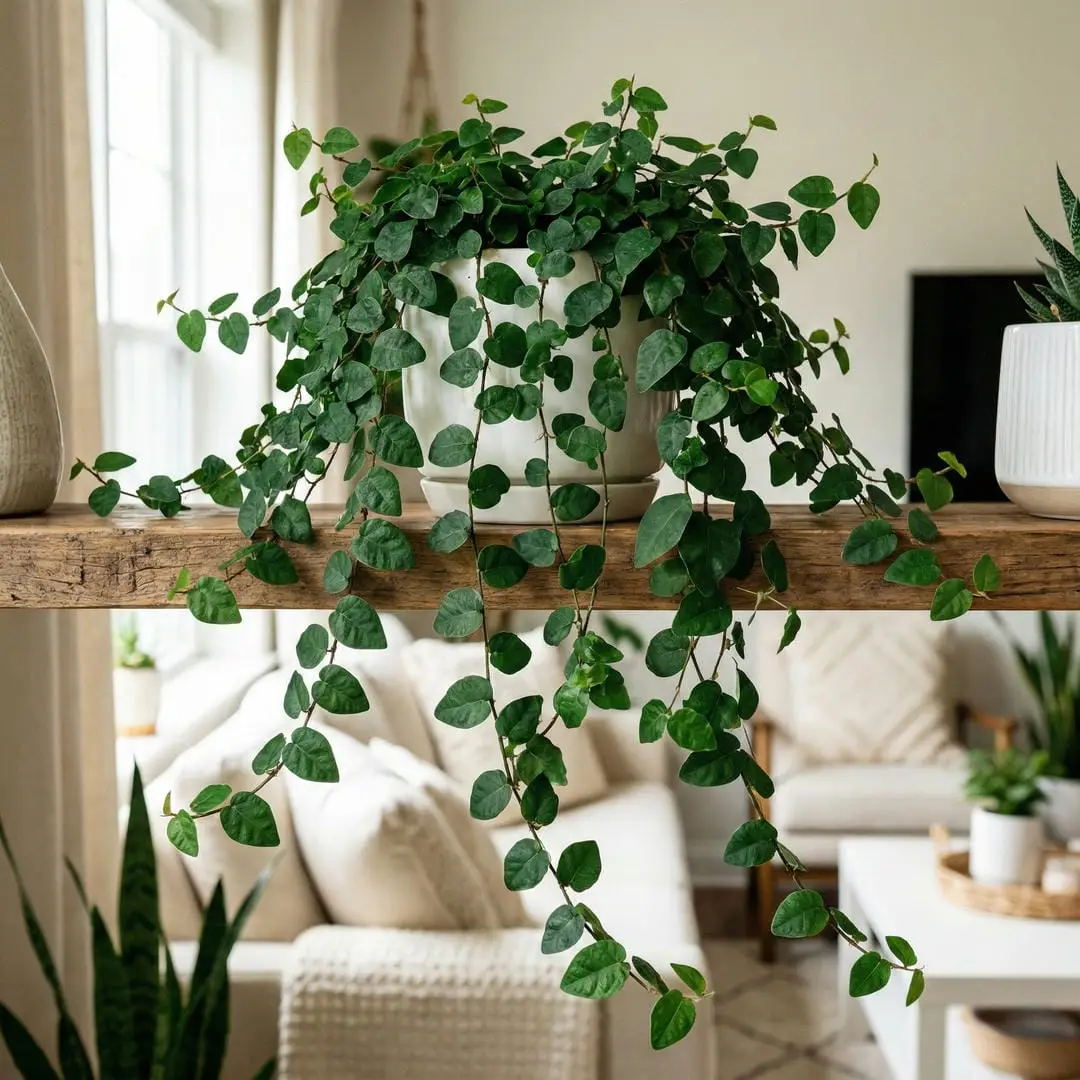
Complete Guide To Creeping Fig Care and Growth

Complete Guide to Ficus Burgundy Care (Rubber Plant)
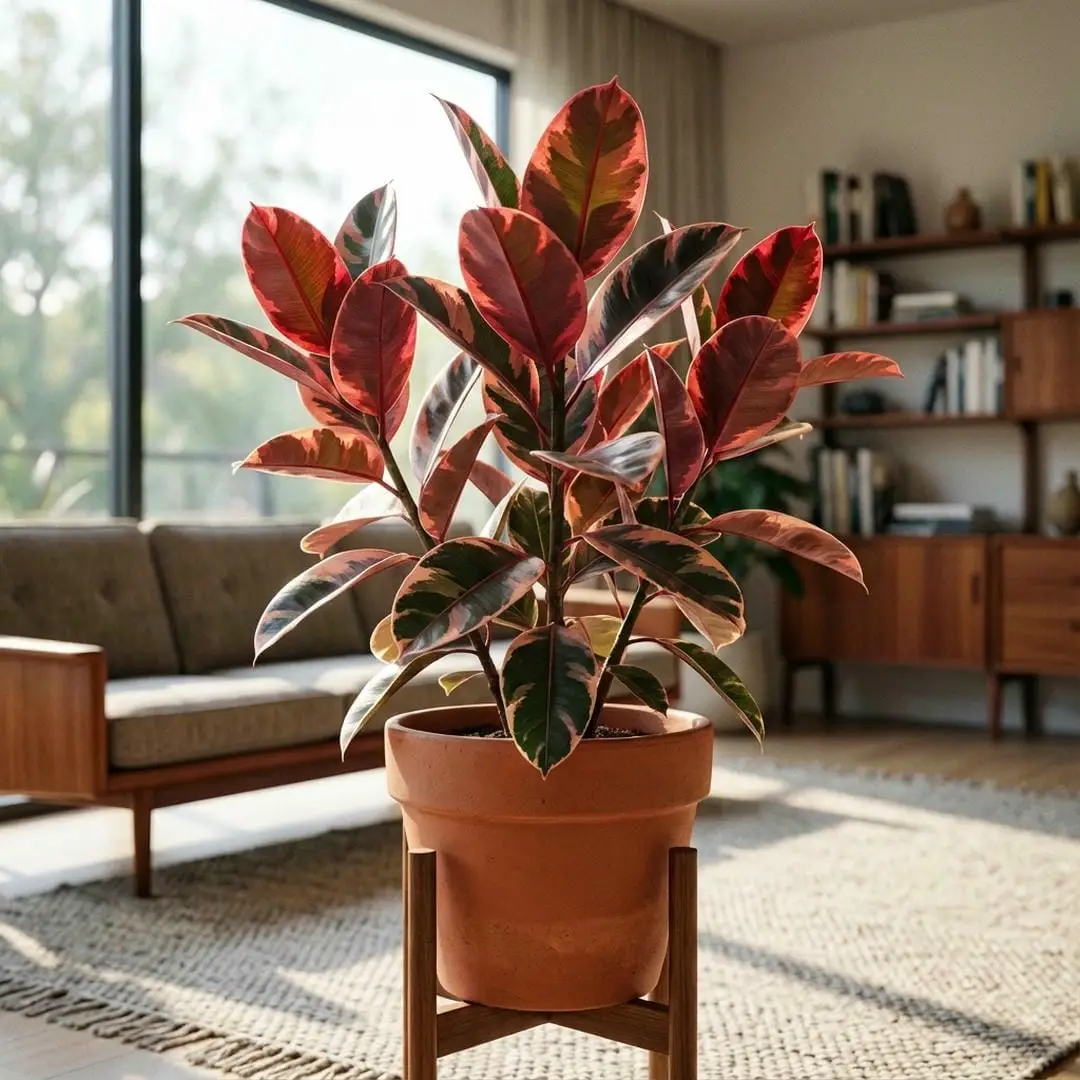
Complete Guide to Ficus Ruby Care (Ficus elastica 'Ruby')
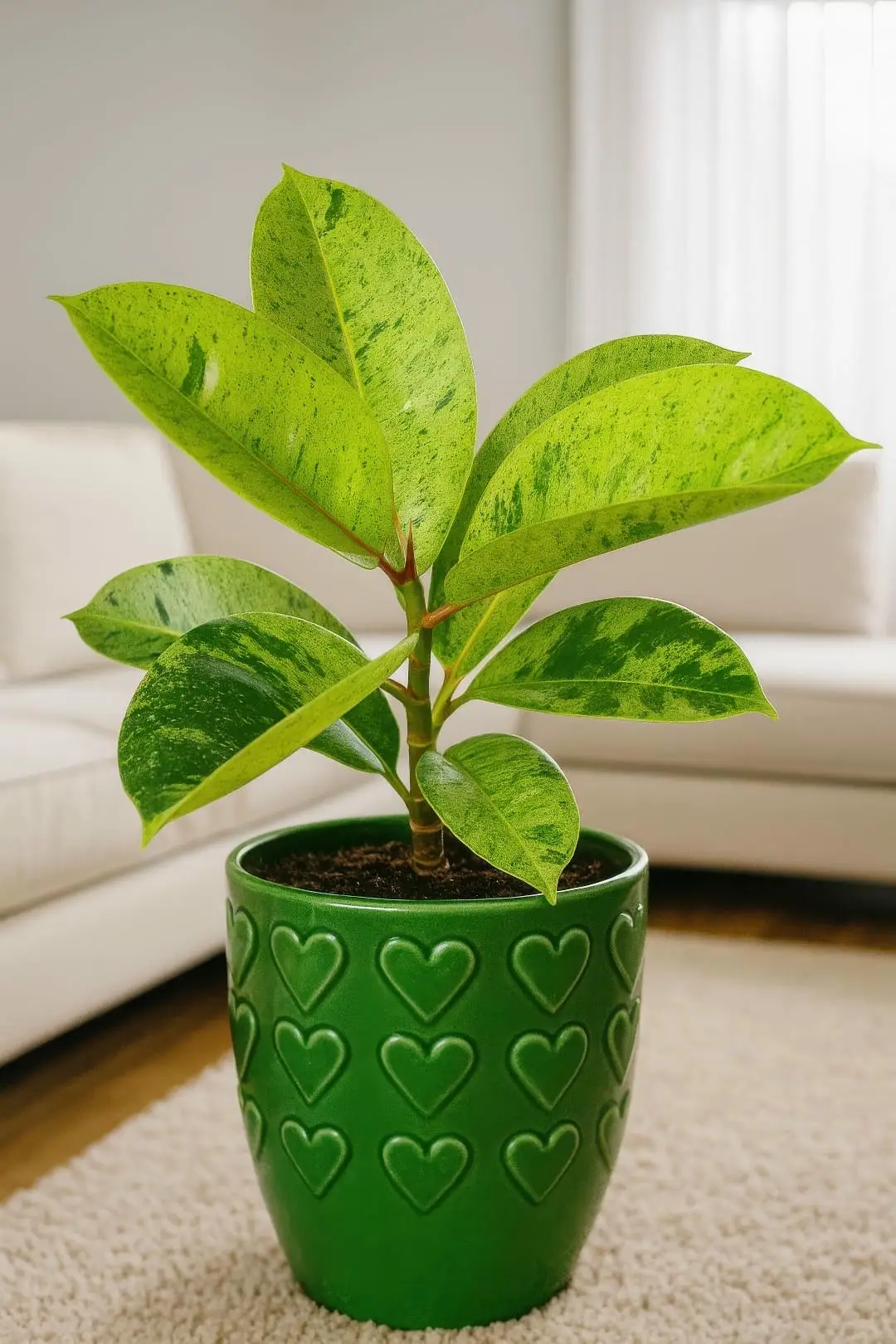
Complete Guide To Ficus Shivereana Care and Growth
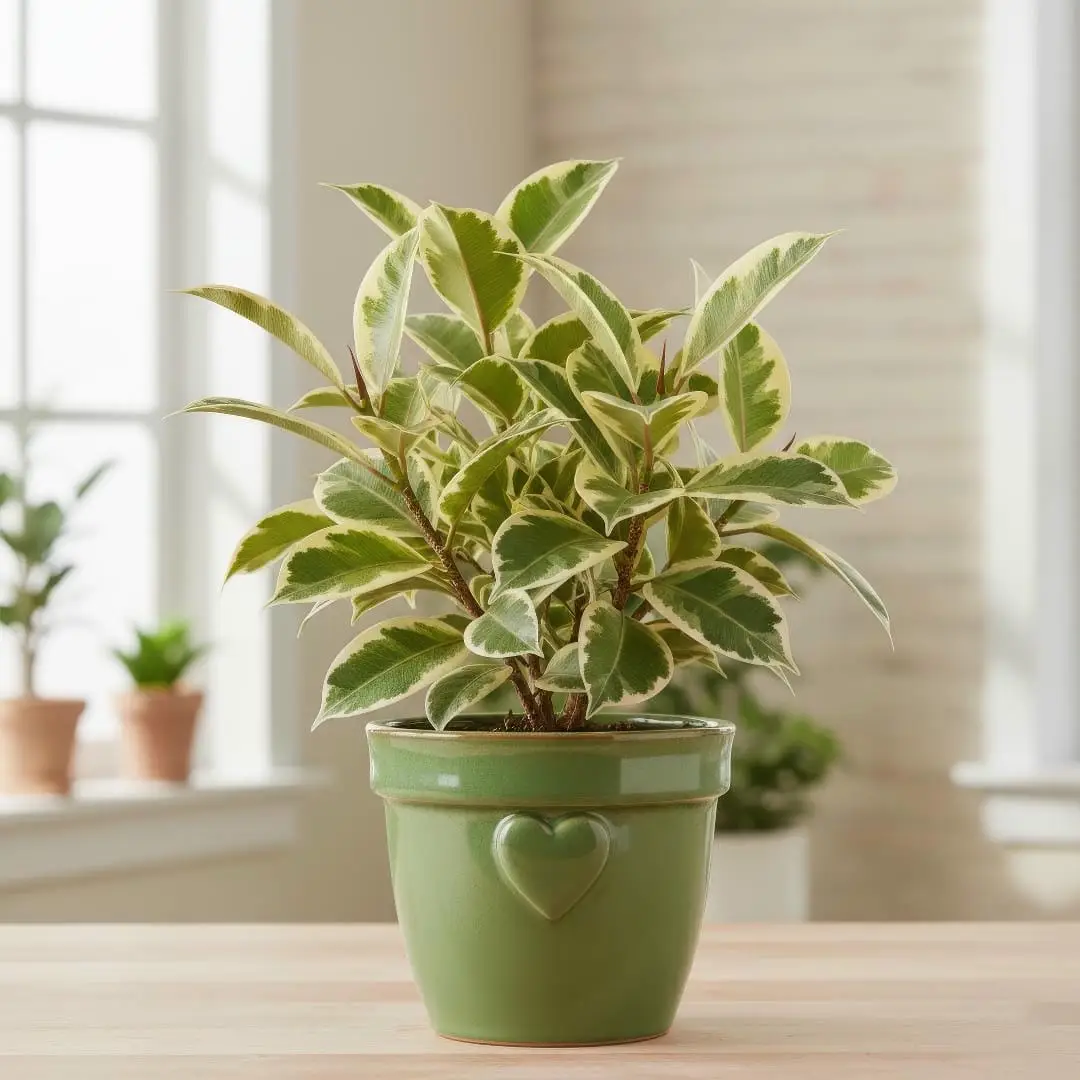
Complete Guide To Ficus Tineke Care and Growth

Complete Guide To Weeping Fig Care and Growth

Complete Guide to Ficus Audrey Care and Growth


Houseplant101 Forum
Questions & Comments
Ask a question, share your plant experience, or help other plant owners.
Comments are temporarily unavailable.
Open the Houseplant101 ForumNo comments yet
Be the first to ask a question or share your experience about this page.
Log in or create an account
Comments use your Houseplant101 Forum account, but you can stay on this page.
Create a new account