
Ficus Tineke
Ficus elastica 'Tineke'
Variegated Rubber Plant, Variegated Rubber Tree, Tineke Rubber Plant


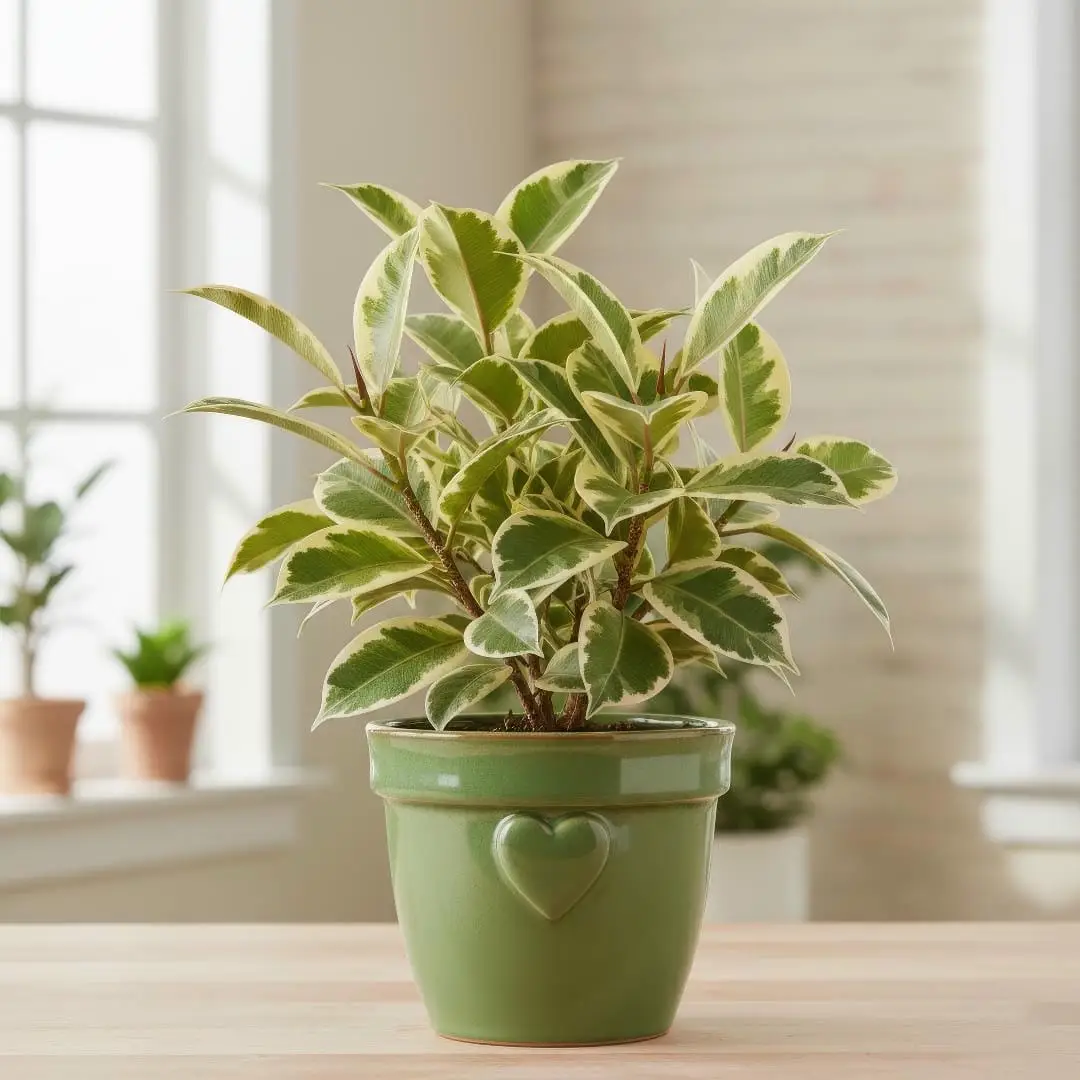
Ficus Tineke (Ficus elastica 'Tineke') is a stunning variegated rubber plant, admired for its beautiful, painterly leaves. Each large, glossy leaf is a unique piece of art, featuring shades of cream, green, and sometimes even pink. This striking houseplant adds a bright, modern, and artistic touch to any room, making it a popular choice for both beginners and seasoned plant collectors.
📝 Ficus Tineke Care Notes
🌿 Care Instructions
⚠️ Common Pests
📊 Growth Information
🪴 In This Guide 🪴

☀️ Ficus Tineke Light Requirements (Keeping Variegation Bright)
Best Light for a Thriving Ficus Tineke
Getting the lighting right is the most important part of caring for a Ficus Tineke. Its variegation depends on it.
Ideal Lighting: Your Tineke needs lots of bright, indirect light to thrive and maintain its stunning colors. An east-facing window that gets gentle morning sun is perfect. A spot a few feet back from a south or west-facing window also works well. The goal is to give it as much light as possible without letting the sun's harsh rays hit the leaves directly.
Light's Role in Variegation: Without enough light, your Tineke's beautiful creamy patches will shrink, and the leaves may turn more solid green. This is the plant's survival mechanism to produce more chlorophyll for photosynthesis. More light = better color.
Signs of Too Much or Too Little Light
Too Little Light:
- Loss of variegation (reverting to green)
- Slow or leggy growth
- Duller colors
Too Much Light (Direct Sun):
- Scorched, brown patches on the leaves
- Crispy leaf edges
- Faded, washed-out color
If you want to place it in a very bright spot, using a sheer curtain to filter the sunlight is a great way to prevent sunburn.

💧 Ficus Tineke Watering Guide (How Often to Water)
Watering Frequency for Ficus Tineke
Consistent watering is key for a healthy Ficus Tineke. They are prone to root rot if overwatered, so it's always better to err on the side of slightly too dry than too wet.
When to Water – The best rule is to check the soil. Water thoroughly when the top 2 inches of the soil feel dry to the touch. This typically means watering about once every 7-14 days during the growing season (spring and summer). In the fall and winter, growth slows down, and you should reduce watering frequency.
How to Water Your Ficus Tineke
Watering Method – When it's time to water, give the plant a good soak until water flows freely from the drainage holes. This ensures all the roots have access to moisture. Let it drain completely, and then discard any excess water from the saucer. Never, ever let your Ficus sit in a puddle of water, as this is the quickest way to cause root rot.
Overwatering vs. Underwatering Signs
- Signs of Overwatering: Yellowing leaves, especially lower ones. Dropping leaves. Brown, mushy spots on the leaves. A musty smell from the soil.
- Signs of Underwatering: Drooping, wilting leaves. Crispy brown edges. Curling leaves.
🪴 Best Soil for Ficus Tineke (Potting Mix Recipe)
Choosing the Right Potting Mix
The right soil mix is crucial for preventing root rot in your Ficus Tineke. The key is excellent drainage and aeration.
Soil Composition – This plant needs a soil that can retain some moisture but drains away excess water quickly. A standard houseplant potting mix is a good start, but it's not ideal on its own.
DIY Ficus Mix Recipe – To create the perfect environment for your Tineke's roots, try this simple, chunky mix:
- 2 parts high-quality potting soil
- 1 part perlite (for aeration)
- 1 part orchid bark (for chunkiness and drainage)
This blend ensures that the roots have plenty of air pockets and that water doesn't bog down the soil.
The Importance of Drainage
Good Drainage is a Must – No matter what soil you use, your pot must have drainage holes. This is not negotiable for a Ficus. Without an escape route for excess water, the soil will become saturated, starving the roots of oxygen and leading to inevitable decay.
🍼 Fertilizing Ficus Tineke (Feeding for Growth)
Best Fertilizer for Ficus Tineke
During the growing season, your Ficus Tineke will appreciate a little boost of nutrients to support its beautiful foliage.
Fertilizer Type: A balanced, all-purpose liquid houseplant fertilizer is the perfect choice. Look for a formula with an equal N-P-K ratio (e.g., 10-10-10 or 20-20-20).
How Often to Fertilize
Frequency: Fertilize your Tineke once a month during the spring and summer. As growth slows in the fall and winter, you should stop feeding it altogether to allow the plant to rest.
Application: To avoid burning the roots, always dilute the fertilizer to half the strength recommended on the packaging. Apply the fertilizer to moist soil after you've already watered the plant, never to dry soil.
🌡️ Ficus Tineke Temperature Needs (Ideal Indoor Climate)
Ficus Tineke is a tropical plant that enjoys stable, warm conditions. It's not a fan of drafts or sudden temperature swings.
Ideal Temperature Range: This plant is most comfortable in temperatures between 60-75°F (15-24°C). It can handle slightly warmer temps, but it's important to protect it from cold.
Avoid Cold Drafts: Keep your Tineke away from drafty windows, doors, and air conditioning vents. A sudden blast of cold air can shock the plant and cause it to drop leaves. Temperatures below 55°F (13°C) will harm the plant.
💦 Ficus Tineke Humidity Guide (Keep Leaves Flawless)
Ideal Humidity Levels
While Ficus Tineke isn't as demanding as some other tropicals, it does appreciate a bit of humidity.
Ideal Humidity Range – This plant is happy with average household humidity, but it will thrive with levels around 40-60%. Keeping the humidity up is a great way to prevent brown, crispy edges on the delicate white parts of its leaves.
Easy Ways to Increase Humidity
If your home is very dry, especially in the winter, consider these options:
- Pebble Tray: A simple and effective method. Place the pot on a tray filled with pebbles and water. The evaporation will create a more humid microclimate.
- Humidifier: A small room humidifier is the best way to maintain consistent humidity for your plants.
- Grouping Plants: Cluster your Tineke with other humidity-loving plants. They will naturally raise the humidity level around each other through transpiration.
- Location: Placing it in a naturally more humid room like a bathroom or kitchen (with enough light) can also work well.

🏷️ Ficus Elastica Types (Variegated Rubber Plants)
'Tineke' is one of the most popular variegated cultivars of Ficus elastica, but it has some equally stunning relatives.
- Ficus elastica 'Ruby': Very similar to 'Tineke', but the key difference is the intensity of its pink and red hues. New leaves emerge a brilliant ruby-red, and the creamy parts of the leaves are often flushed with a beautiful deep pink. Requires very bright light to maintain this coloring.
- Ficus elastica 'Belize': Another pink-variegated variety. 'Belize' often has more mottled or splotchy variegation compared to the more clearly defined patches on 'Tineke', with a pinkish-bronze overlay.
- Ficus elastica 'Burgundy' / 'Black Prince': These varieties have deep, dark leaves that range from a rich burgundy to almost black. They offer a dramatic, moody contrast to the bright variegation of 'Tineke'.
- Ficus elastica 'Shivereana': A highly sought-after variety with pale, minty-green or lime-green leaves speckled with darker green and cream flecks. Its variegation pattern is more speckled than blotchy.
- Ficus Audrey (Ficus benghalensis): While a different species, it's often grouped with rubber plants. It has soft, velvety matte green leaves with pale green veins and a more tree-like, branching growth habit.
- Variegated Fiddle Leaf Fig (Ficus lyrata 'Variegata'): The cream-variegated fiddle leaf fig, and the step up in difficulty from Tineke. Same idea, violin-shaped leaves three times the size, a much narrower light window, and a habit of pushing all-green shoots that have to be cut out.
🪴 Potting and Repotting Ficus Tineke
When to Repot Your Ficus Tineke
Ficus Tineke is a fairly fast grower and will likely need repotting every 1-2 years.
Signs it's time to repot:
- Roots are growing out of the drainage holes.
- The plant is top-heavy and unstable.
- Water runs straight through the pot, meaning there's more root than soil.
- Growth has slowed down significantly during the growing season.
The best time to repot is in the spring, at the start of the active growing period.
How to Repot Ficus Tineke (Step-by-Step)
- Choose a New Pot: Select a pot that is only 1-2 inches larger in diameter than the current one. A pot that's too big holds excess soil and moisture, which can lead to root rot.
- Prepare: Water your plant a day or two before repotting to minimize stress.
- Remove the Plant: Gently turn the pot on its side and carefully slide the plant out. If it's stuck, you can tap the sides of the pot to loosen it.
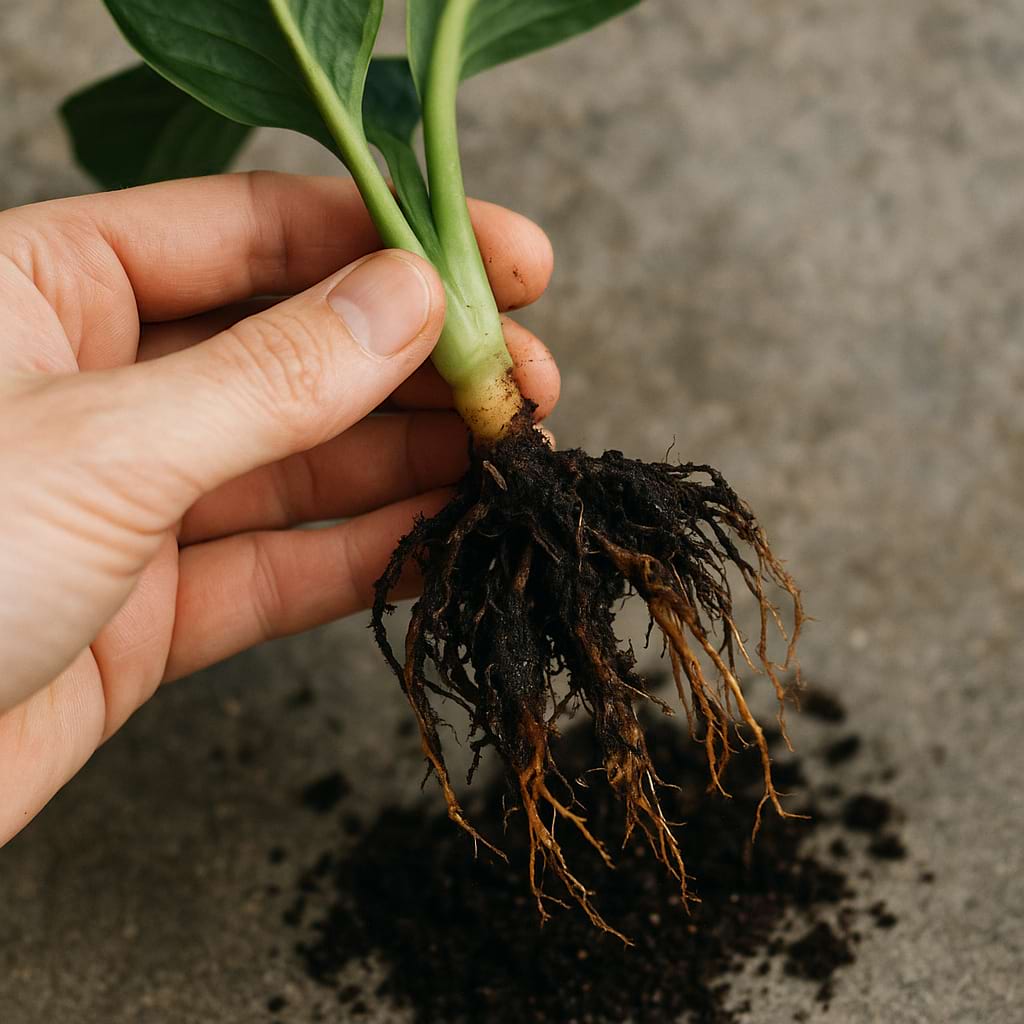
- Inspect the Roots: Gently loosen the root ball with your fingers. Prune away any roots that are black, mushy, or circling the pot. Healthy roots are firm and white or tan.
- Pot Up: Add a layer of fresh, well-draining soil to the new pot. Place the plant in the center and fill in the sides with more soil, pressing down gently. Ensure the plant is at the same depth it was in its original pot.
- Water In: Give the plant a thorough watering until it drains from the bottom. Let it settle into its new home.

🌱 How to Propagate Ficus Tineke (2 Easy Methods)
Propagating your Ficus Tineke is a great way to create new plants from your existing one. It's best done in spring or summer. The two most common methods are stem cuttings and air layering. Remember that the sap is an irritant, so it's a good idea to wear gloves!
Method 1: Stem Cuttings in Water or Soil
This is the most popular method for Ficus.
- Take a Cutting: Using clean, sharp shears, cut a piece of the main stem that is 4-6 inches long. Your cutting should have at least 2-3 leaves at the top.
- Prepare the Cutting: Remove the lowest leaf to expose the node (where the leaf was attached). This is where new roots will grow. You can let the cut end callus over for a few hours.
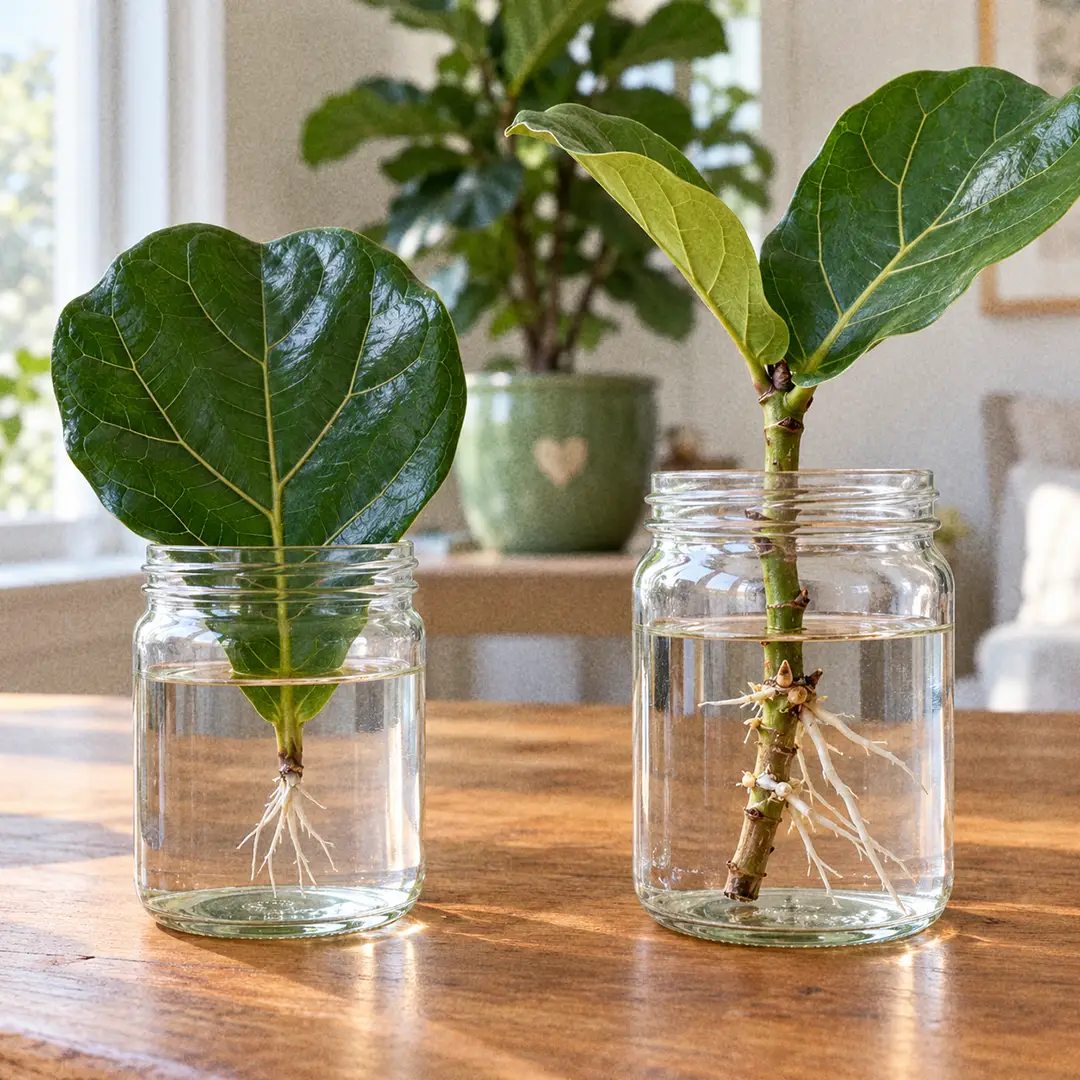
- Root in Water: Place the cutting in a jar of water, ensuring the node is submerged but the leaves are not. Place it in bright, indirect light and change the water weekly. Roots should appear in 4-8 weeks. Once the roots are a few inches long, you can transfer it to soil. This method is explained in detail in our water propagation guide.
- Root in Soil: Dip the cut end in rooting hormone powder. Plant the cutting directly into a small pot with a moist, well-draining soil mix. You can cover the pot with a plastic bag to increase humidity. Learn more about this technique in our soil propagation guide.
Method 2: Air Layering (For Larger Plants)
Air layering is a more advanced technique that's great for propagating a larger, more mature branch from your Ficus.
- Select a Spot: Choose a healthy stem on the main plant that you want to turn into a new tree.
- Wound the Stem: About a foot from the tip of the stem, carefully make an upward-slanting cut about one-third of the way through the stem.
- Apply Rooting Hormone: Use a small brush or cotton swab to apply rooting hormone to the cut surface.
- Wrap in Moss: Pack a handful of moist sphagnum moss around the wounded area.
- Cover with Plastic: Wrap the moss ball with plastic wrap and secure both ends with tape or twist ties. This keeps the moisture in.
- Wait for Roots: Roots will begin to grow into the moss. You should be able to see them through the plastic. This can take a few months.
- Cut and Pot: Once a healthy root system has formed inside the moss, you can cut the stem off just below the new roots and pot it up as a new plant.
🐛 Common Ficus Tineke Pests and How to Treat Them
Pests to Watch For on Your Ficus Tineke
Ficus Tineke is pretty resilient, but like most houseplants, it can fall victim to common pests. Regularly inspect the tops and undersides of the leaves.
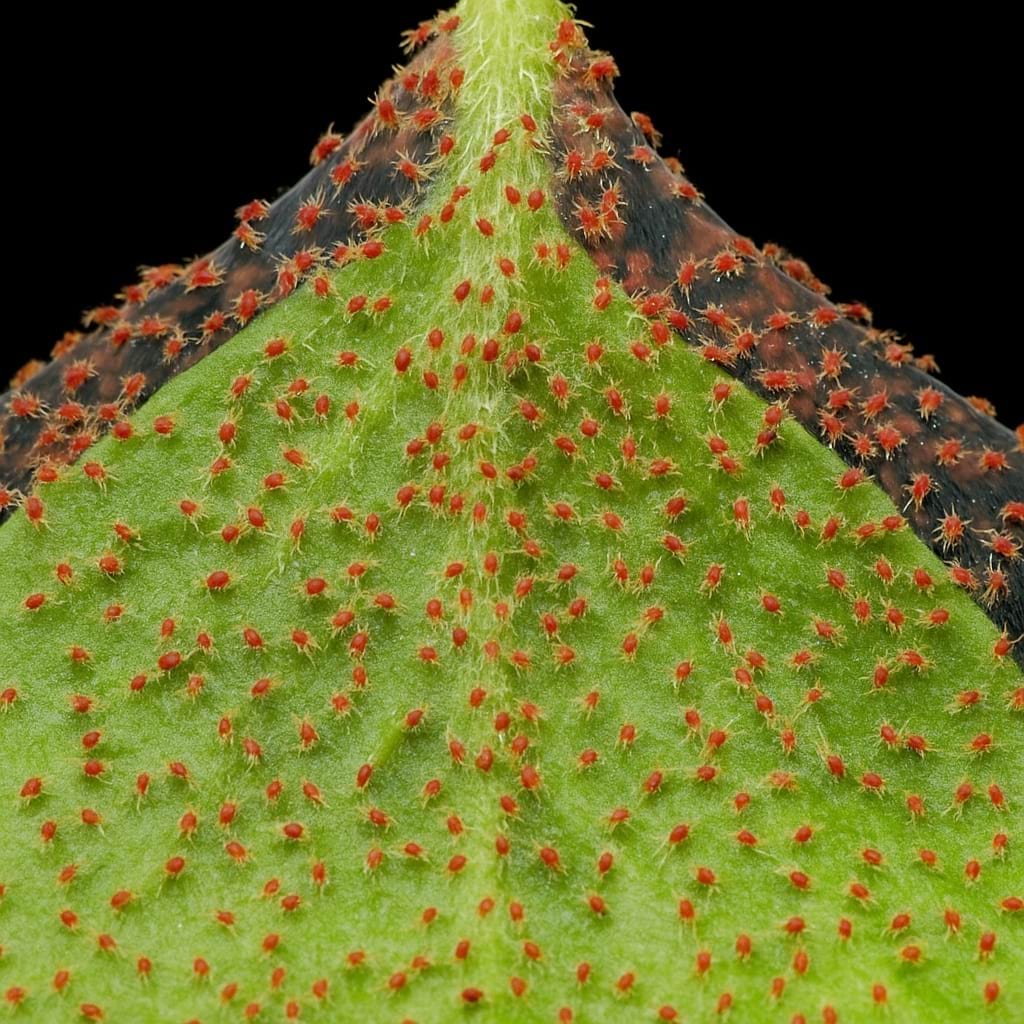
- Spider Mites: These are one of the most common pests. They thrive in dry conditions and are hard to see. Look for fine webbing between leaves and tiny white or yellow stippling on the leaf surface.
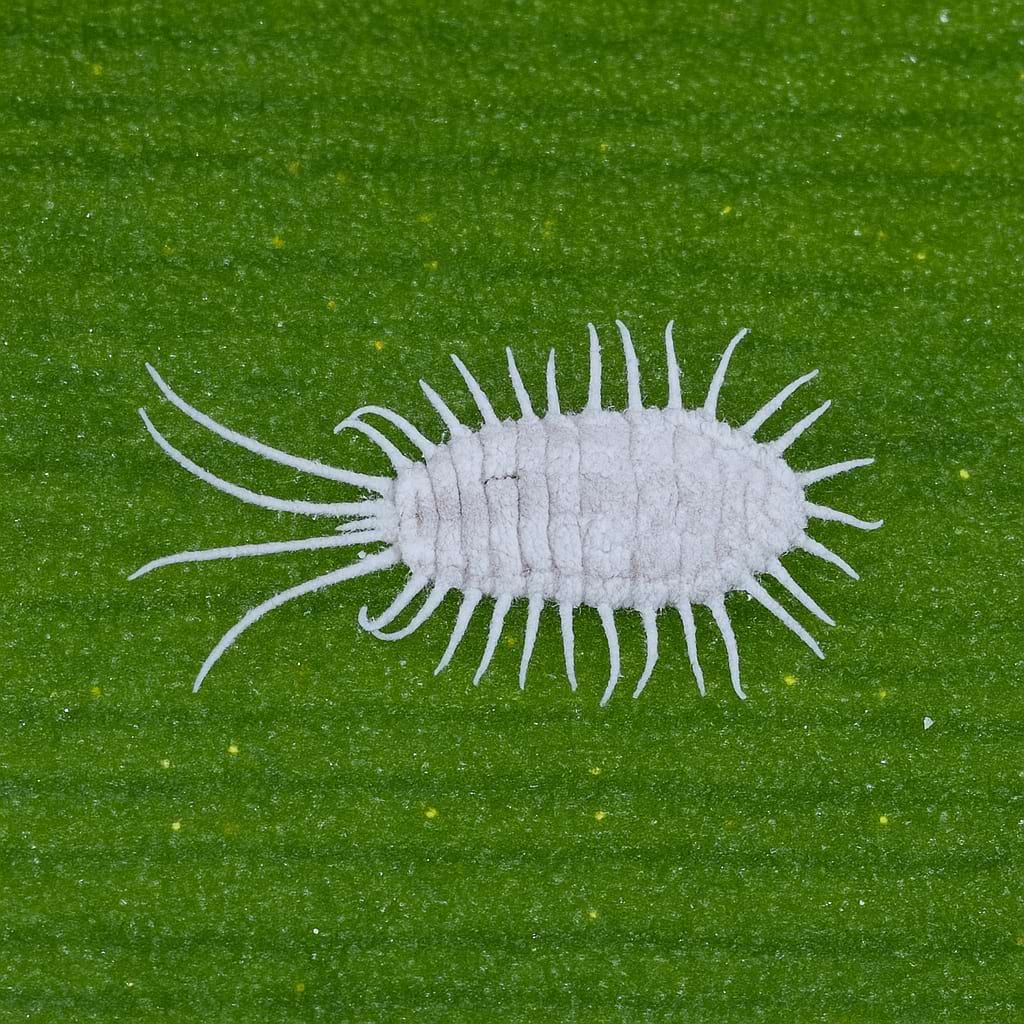
- Mealybugs: These pests look like tiny bits of white cotton, often hiding in the crevices where leaves meet the stem. They suck sap and can cause leaf yellowing and drop.
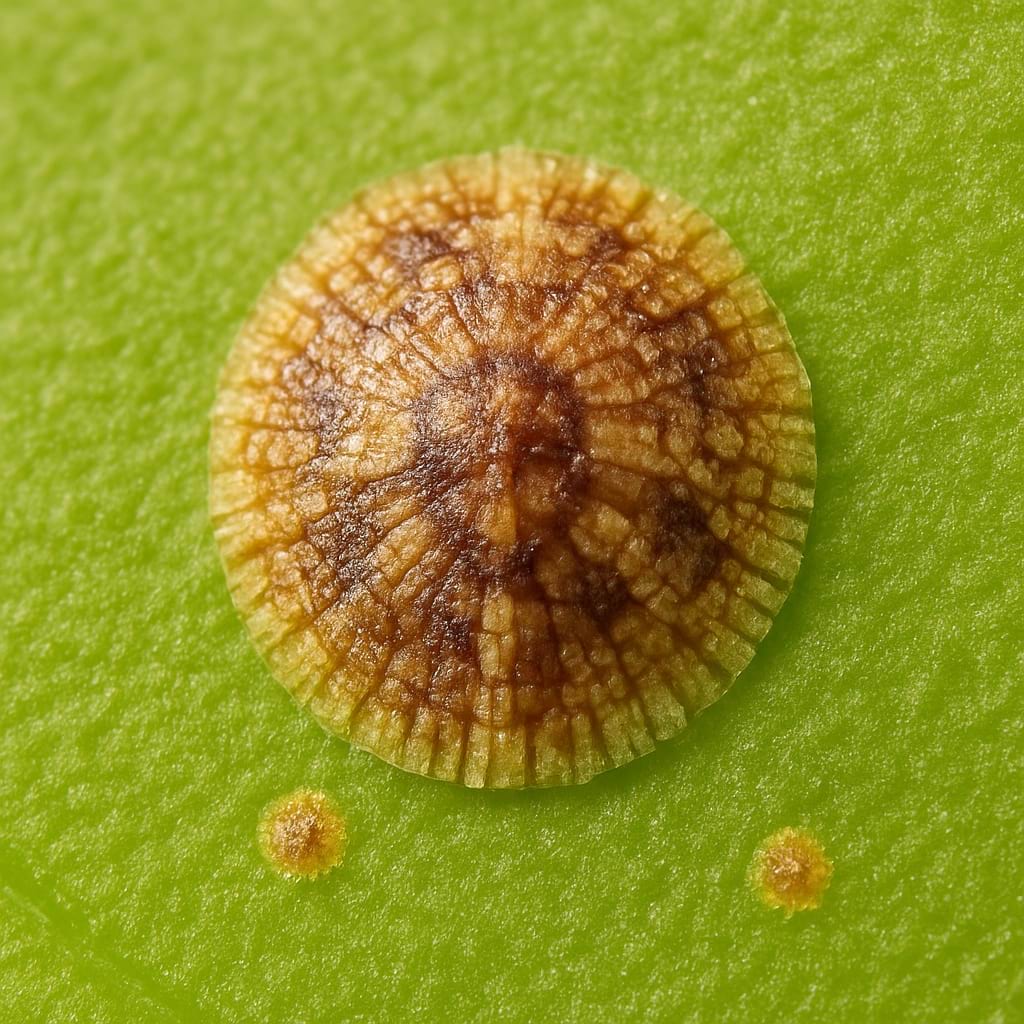
- Scale Insects: These appear as small, brown, hard bumps attached to stems and the undersides of leaves. They are immobile as adults and can be tricky to remove.
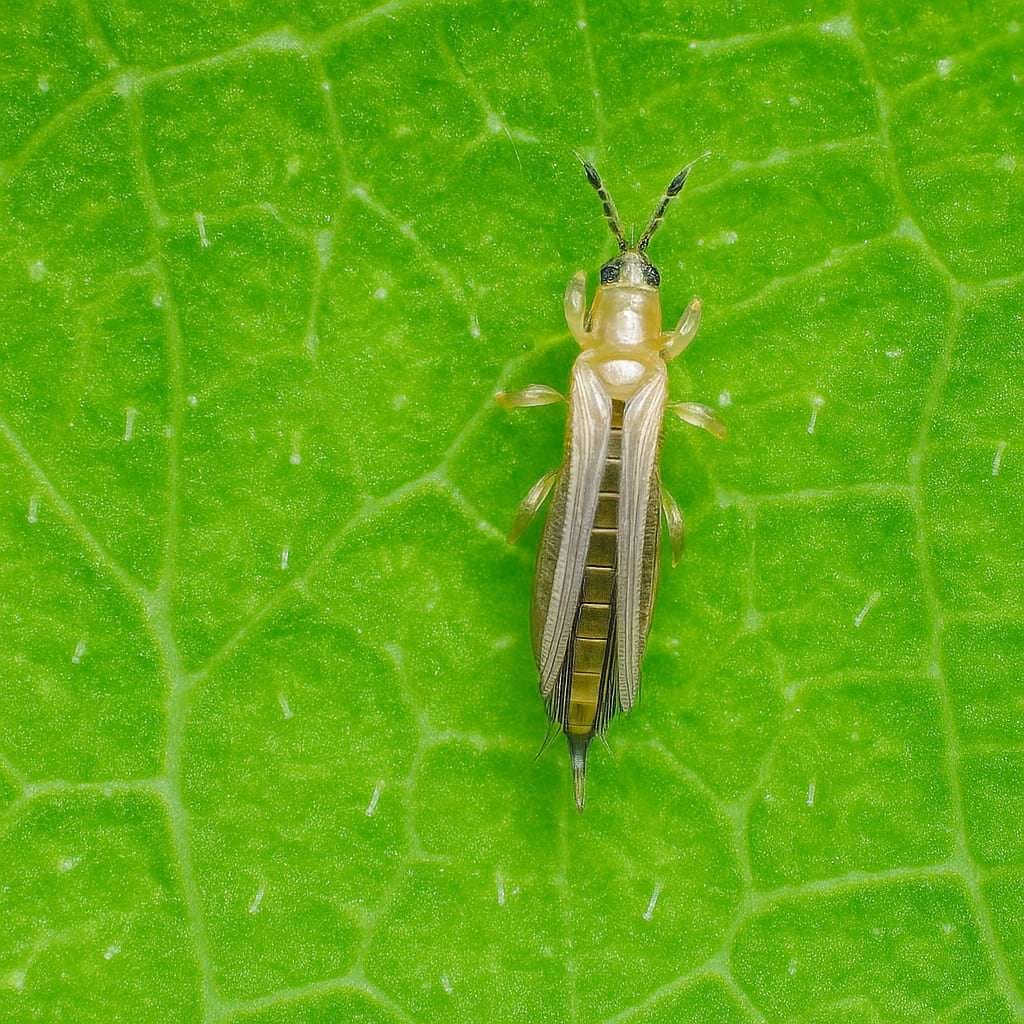
- Thrips: These are tiny, slender insects that cause silvery or stippled damage to leaves. You may see tiny black specks (their waste) on the leaves as well.
Simple Pest Treatment Solutions
Isolate First: The moment you spot pests, move your Ficus away from other plants to prevent the infestation from spreading.
Manual Removal: For pests like mealybugs and scale, you can dip a cotton swab in rubbing alcohol and dab it directly on the pests to remove them.
Wash the Plant: Give your plant a good shower, using a steady stream of water to blast off as many pests as possible.
Neem Oil or Insecticidal Soap: For persistent infestations, thoroughly spray the entire plant top to bottom with neem oil or an insecticidal soap solution. You may need to repeat the treatment every week for a few weeks to break the pest life cycle.

🩺 Ficus Tineke Problems and Diseases (Troubleshooting Guide)
Your Ficus Tineke will usually tell you what's wrong through its leaves. Here's how to decode the signals.
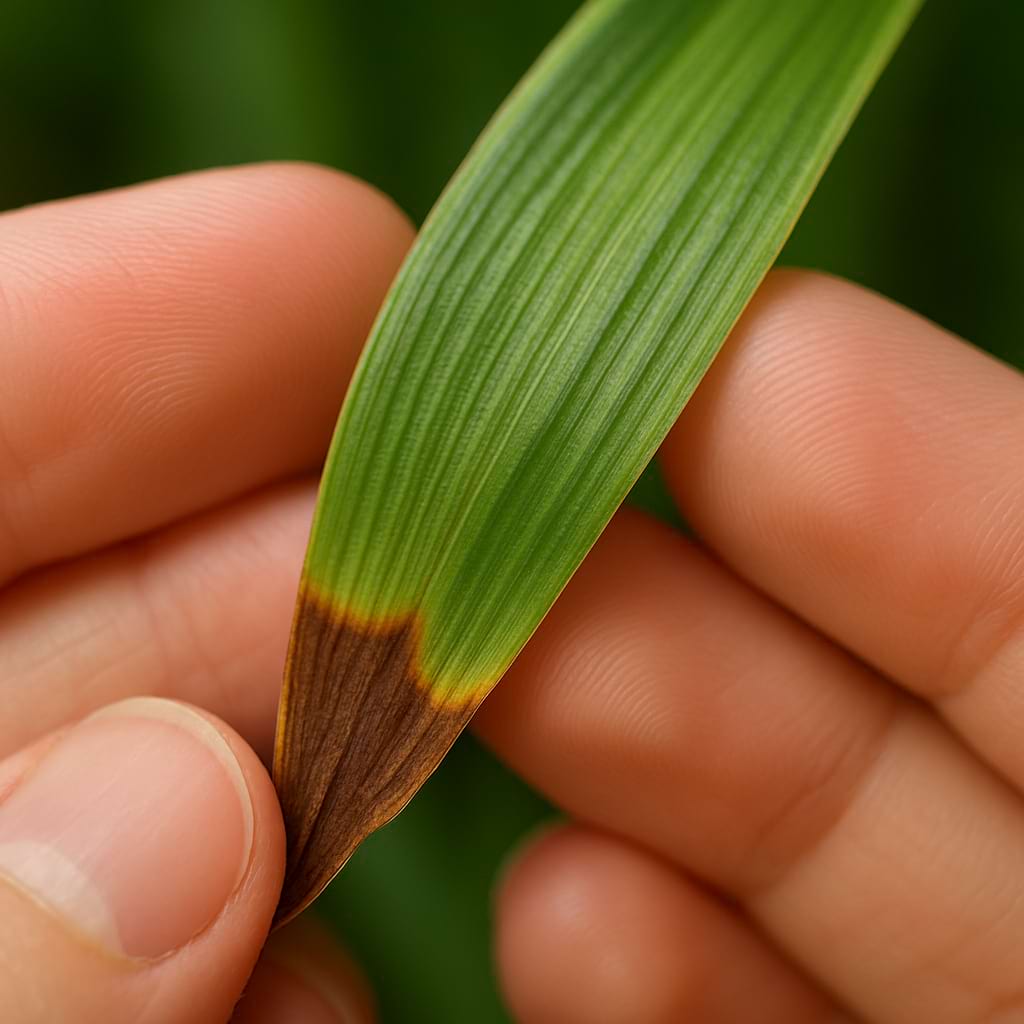
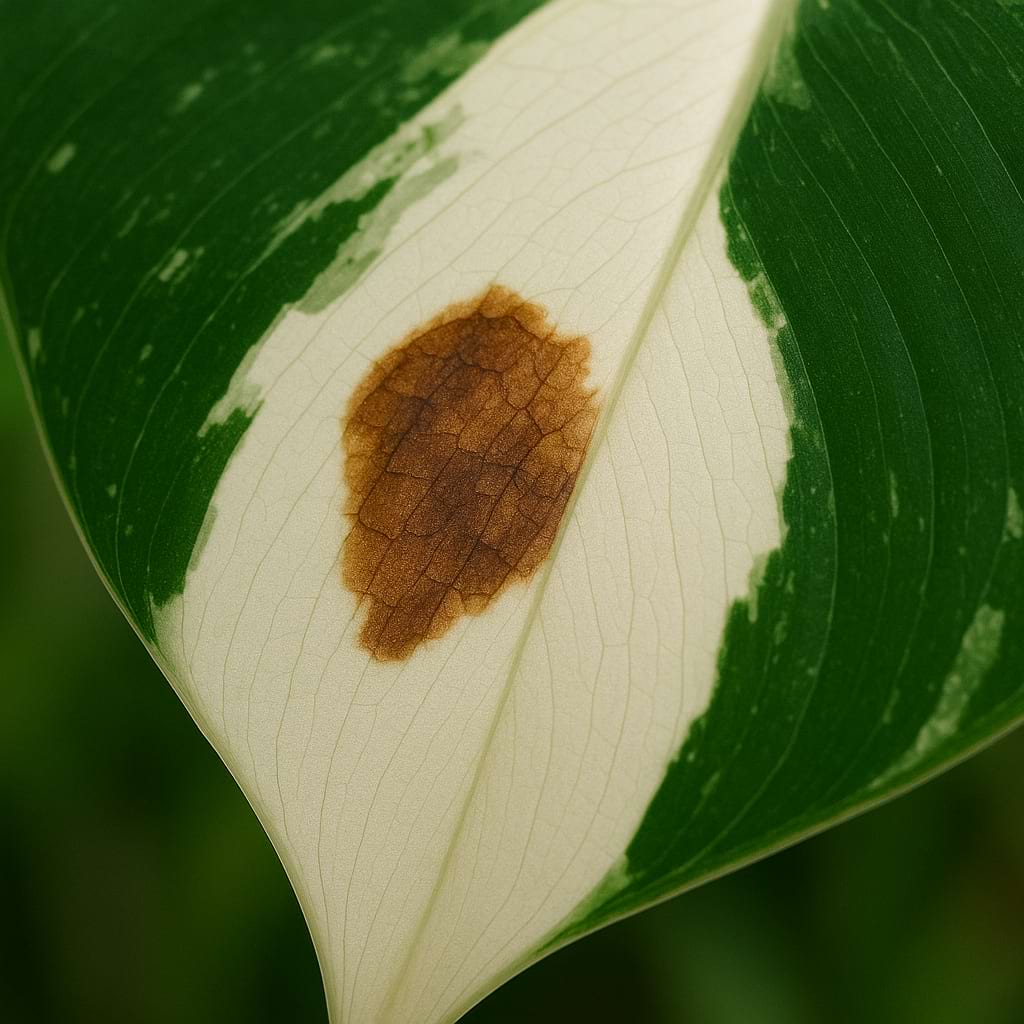
- Browning on Variegated Areas: This is the most frequent complaint. The delicate cream and white parts of the leaves often turn brown and crispy. This is typically a sign of inconsistent watering (too wet or too dry) or low humidity.
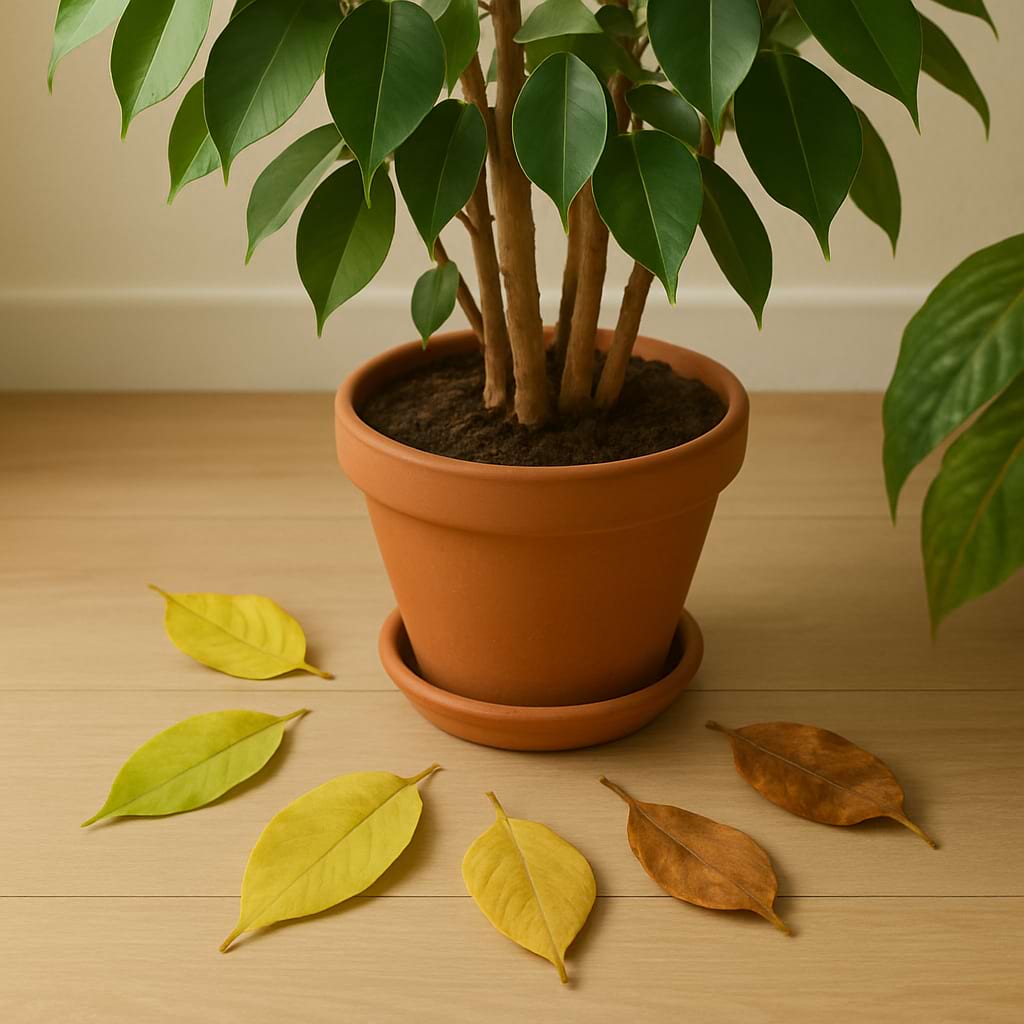
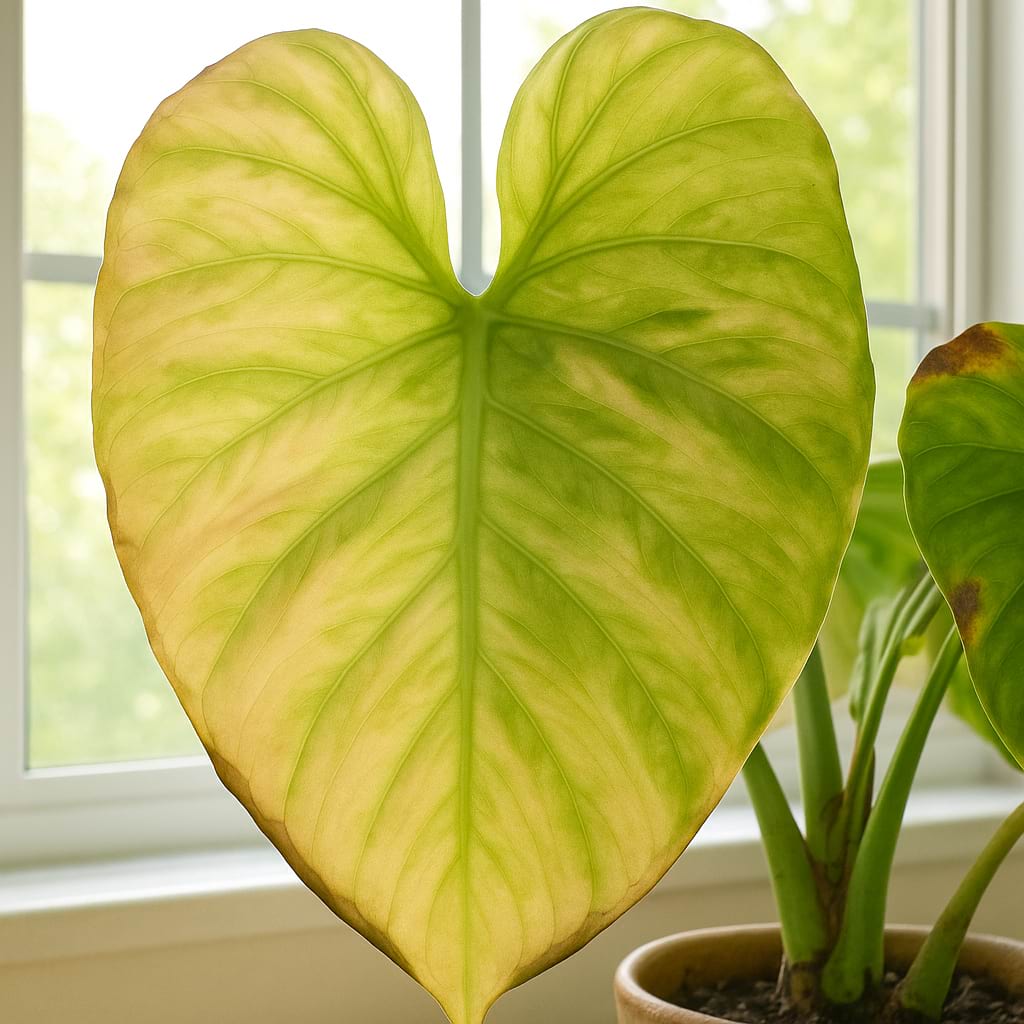
- Yellowing Leaves: The number one cause of yellow leaves on a Ficus is overwatering. Before you water, always check if the top layer of soil is dry. Yellow leaves can also indicate a nutrient deficiency.
- Leaf Drop: Ficus are famous for being dramatic. They often drop leaves when they are stressed. This could be due to a sudden change in light, temperature, a cold draft, or improper watering. Try to find a good spot for your Tineke and keep it there.
- Curling Leaves: Leaves that curl inward are often a sign of underwatering or low humidity. The plant is trying to conserve moisture.
- Reversion to Green: If your plant's new leaves are coming in mostly green with very little variegation, it's a cry for more light. Move it to a brighter spot.
- Root Rot: This is a serious disease caused by overwatering and poor drainage. If the base of the stem is mushy and the plant is wilting despite wet soil, you may have root rot. You'll need to repot the plant, trimming away all dead roots.



🖼️ Styling Your Ficus Tineke (Decor Ideas)
The Ficus Tineke's artistic foliage makes it a stunning decorative piece. It’s more than just a plant; it's living art.
- Statement Floor Plant: A mature Tineke in a beautiful ceramic or minimalist pot makes an incredible focal point in a living room, bedroom, or entryway.
- Brighten a Corner: Use its bright, creamy leaves to lighten up a well-lit corner that needs a touch of life.
- Office Companion: It's a fantastic plant for a bright office or studio, adding a touch of nature and creativity to your workspace.
- Height and Structure: Its upright, tree-like form provides vertical interest, contrasting nicely with trailing plants like a Golden Pothos or bushy plants like ferns.
🌟 Ficus Tineke Care Tips (Pro Advice)
💡 Light is everything: For the best color and variegation, give it the brightest indirect light you can. An east-facing window is the sweet spot.
💧 Don't guess, check: Before you water, stick your finger 2 inches into the soil. If it's dry, water. If it's damp, wait. This simple step prevents overwatering.
🧼 Clean the leaves: Large leaves collect dust. Wipe them down with a damp cloth every few weeks. This not only looks great but also helps the plant absorb more light.
🔄 Rotate for even growth: Give your Ficus a quarter turn every week or so. This encourages it to grow straight and full on all sides instead of leaning towards the light.
✂️ Prune for fullness: Don't be afraid to snip the top off your Ficus in the spring. This will encourage it to branch out, creating a fuller, more tree-like shape instead of a single skinny stem.
🧤 Wear gloves: When pruning or propagating, be mindful of the milky white sap. It's an irritant, so it's best to wear gloves and wash your hands afterward.
❓ Frequently Asked Questions
Why are the white parts of my Ficus Tineke turning brown?
Browning on the variegated (white or cream) parts of the leaves is one of the most common issues. It's usually caused by inconsistent watering either letting the soil get too dry or keeping it too wet. It can also be a sign of low humidity or sunburn from harsh direct light.
How can I make my Ficus Tineke more pink?
The pink and ruby tones on a Ficus Tineke are most prominent on new growth. To encourage these beautiful colors, give your plant plenty of bright, indirect light. More light equals more vibrant colors. A plant in lower light will produce paler, less colorful new leaves.
Is Ficus Tineke toxic to cats and dogs?
Yes, Ficus Tineke is toxic to pets and humans. The milky sap contains compounds that can cause oral irritation, drooling, and vomiting if ingested. It's best to place this plant where curious pets can't reach it.
Why is my Ficus Tineke dropping leaves?
Leaf drop is a classic Ficus reaction to stress. It could be from a sudden change in its environment (like being moved), a cold draft, or, most commonly, watering issues. Check your watering schedule and make sure the plant isn't near a drafty window or AC vent.
Can I use tap water for my Ficus Tineke?
Generally, yes. However, Ficus plants can sometimes be sensitive to the chemicals in tap water. If you notice persistent brown tips or edges on the leaves, try using filtered or distilled water, or let your tap water sit out overnight to allow some of the chlorine to evaporate.
My Ficus Tineke is losing its variegation and turning green. What's wrong?
This is a sign that your plant isn't getting enough light. The plant will produce more chlorophyll (the green stuff) to try and absorb more light energy. To maintain its bright, creamy variegation, move your Tineke to a spot with more bright, indirect sunlight.
What is the sticky stuff on the leaves of my Ficus?
How do I make my Ficus Tineke branch out and become fuller?
To encourage a fuller, more tree-like shape, you need to prune your Ficus. Simply snipping off the top of the main stem will encourage the plant to send out new branches from the nodes below the cut. The best time to do this is in the spring or summer.
ℹ️ Ficus Tineke Info
Care and Maintenance
🪴 Soil Type and pH: Well-draining potting mix, add perlite and orchid bark for aeration.
💧 Humidity and Misting: Average household humidity is fine, 40-60%
✂️ Pruning: Prune to maintain shape and encourage branching.
🧼 Cleaning: Wipe leaves with a damp cloth to keep them dust-free and glossy.
🌱 Repotting: Every 1-2 years or when root-bound.
🔄 Repotting Frequency: Every 1-2 years
❄️ Seasonal Changes in Care: Reduce watering in fall and winter; stop fertilizing.
Growing Characteristics
💥 Growth Speed: Moderate to Fast
🔄 Life Cycle: Perennial
💥 Bloom Time: Rarely flowers indoors
🌡️ Hardiness Zones: 10-12 (outdoors)
🗺️ Native Area: Cultivar; species native to Southeast Asia
🚘 Hibernation: No (growth slows in winter)
Propagation and Health
📍 Suitable Locations: Living rooms, bright offices, bedrooms with good light
🪴 Propagation Methods: Easy via stem cuttings or air layering.
🐛 Common Pests: Spider Mites, Mealybugs, Scale Insects, Thrips
🦠 Possible Diseases: Root rot, powdery mildew
Plant Details
🌿 Plant Type: Tree
🍃 Foliage Type: Evergreen
🎨 Color of Leaves: Variegated green, cream, white, and pink
🌸 Flower Color: Insignificant (rare indoors)
🌼 Blooming: Rarely blooms indoors
🍽️ Edibility: Not edible; toxic sap can be a skin irritant.
📏 Mature Size: Can reach 6-10 feet indoors
Additional Info
🌻 General Benefits: Excellent air purification, bold aesthetic statement.
💊 Medical Properties: None; the sap is a known irritant.
🧿 Feng Shui: Promotes wealth, prosperity, and positive energy.
⭐ Zodiac Sign Compatibility: Sagittarius
🌈 Symbolism or Folklore: Abundance, happiness, and resilience.
📝 Interesting Facts: The 'Tineke' is a cultivated variety of the classic Rubber Plant. Its stunning variegation is the result of a natural mutation. The milky white sap it produces was historically used to make rubber, but it is toxic and can irritate the skin.
Buying and Usage
🛒 What to Look for When Buying: Look for a plant with vibrant, creamy variegation and no brown spots. Check under the leaves for pests like spider mites. A healthy plant will have firm, upright leaves.
🪴 Other Uses: Makes a fantastic statement plant in a bright corner of a room.
Decoration and Styling
🖼️ Display Ideas: As a floor plant in a stylish pot, next to a bright window, or as a centerpiece in a large, open-plan space.
🧵 Styling Tips: Pairs well with minimalist decor, allowing its painterly leaves to stand out. It also looks great alongside other Ficus varieties like the Fiddle Leaf Fig or the darker Rubber Plant.
🪴 See also 🪴

Complete Guide to Ficus Altissima Care and Growth
How to Propagate Fiddle Leaf Fig (Cuttings, Air Layering and the Leaf Myth)

Complete Guide to Variegated Fiddle Leaf Fig Care and Growth

Ficus Care Indoors: Full Guide and 12 Types We Grow
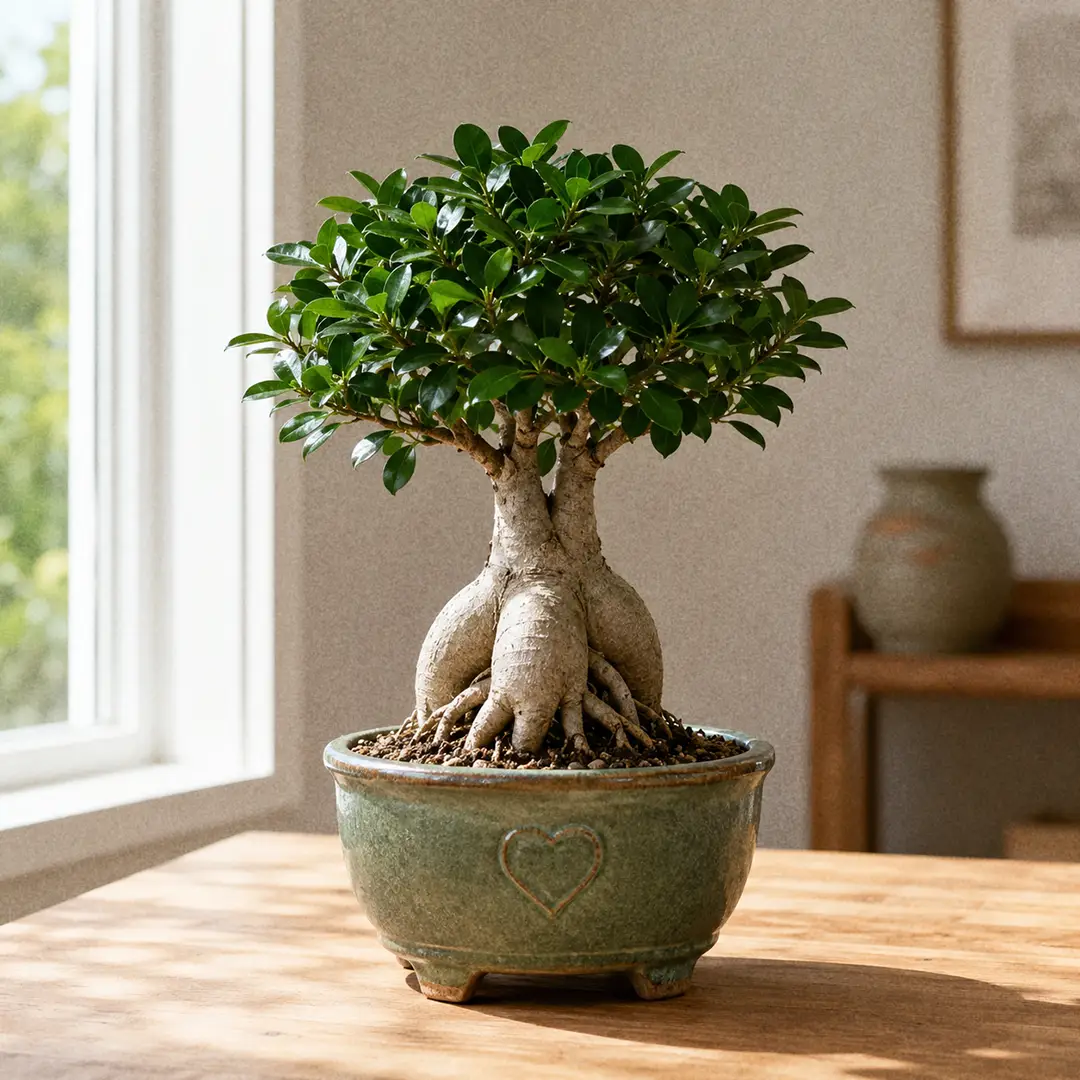
Complete Guide to Ginseng Ficus Care and Growth

Complete Guide to Rubber Plant Care and Growth

Complete Guide to Ficus Alii Care and Growth
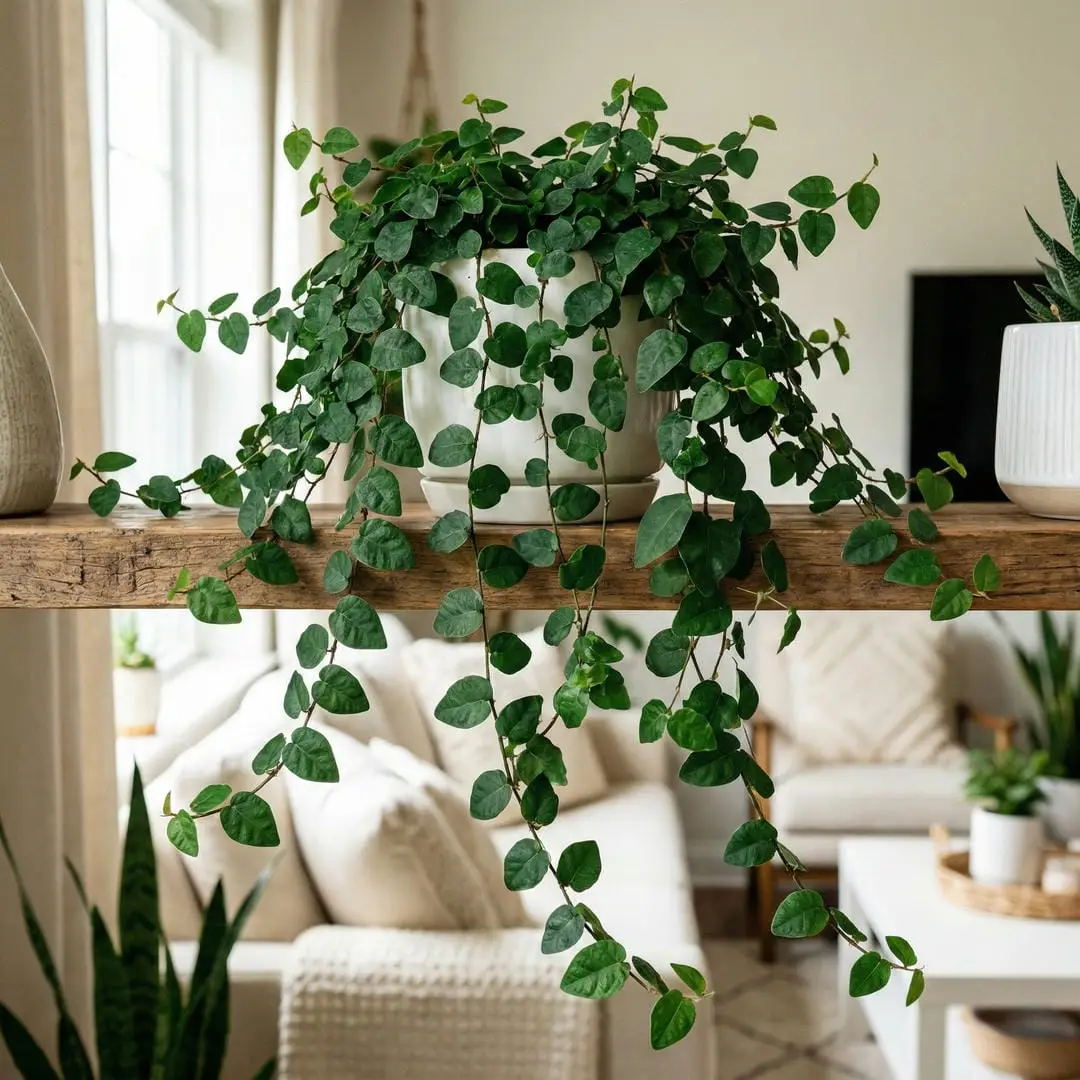
Complete Guide To Creeping Fig Care and Growth

Complete Guide to Ficus Burgundy Care (Rubber Plant)
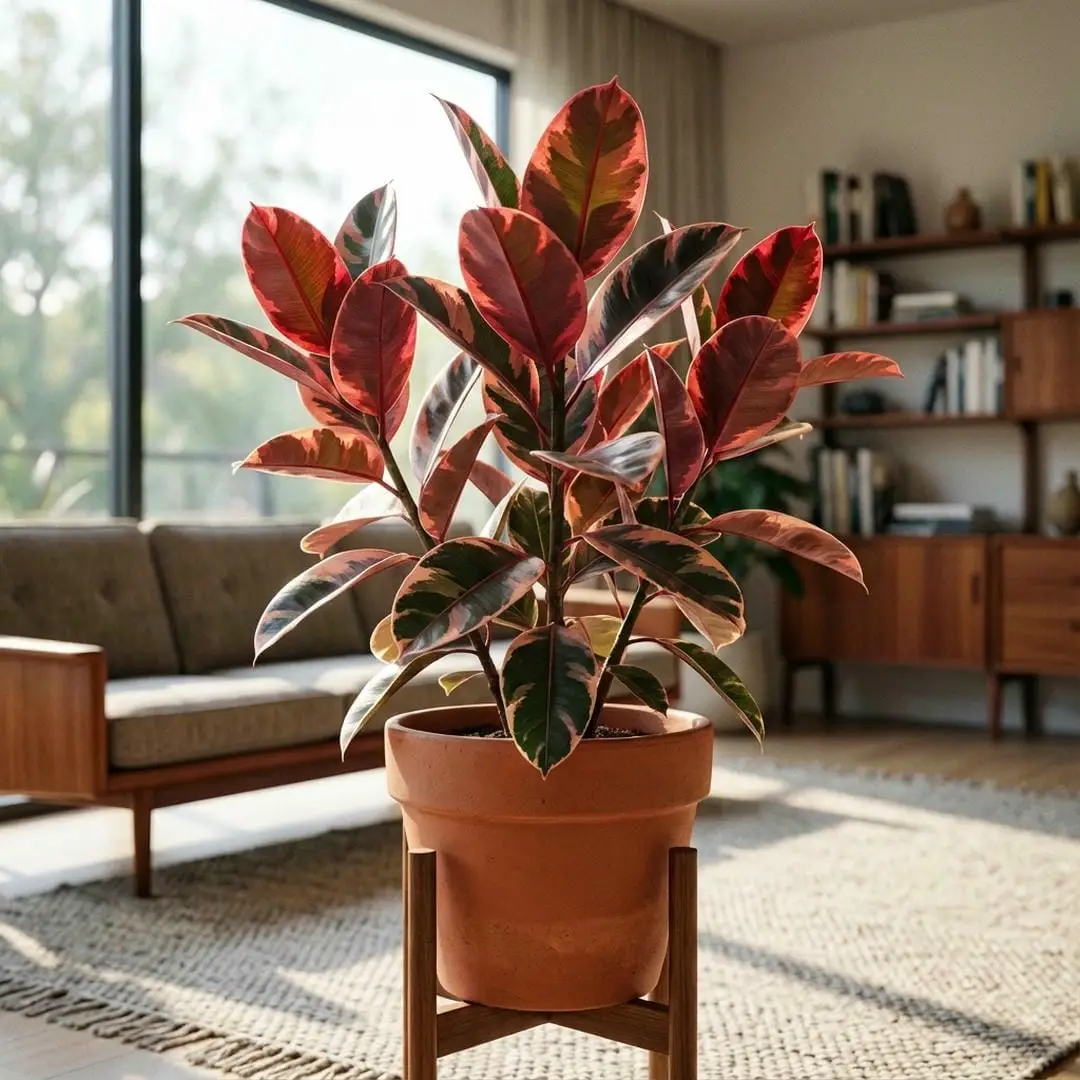
Complete Guide to Ficus Ruby Care (Ficus elastica 'Ruby')
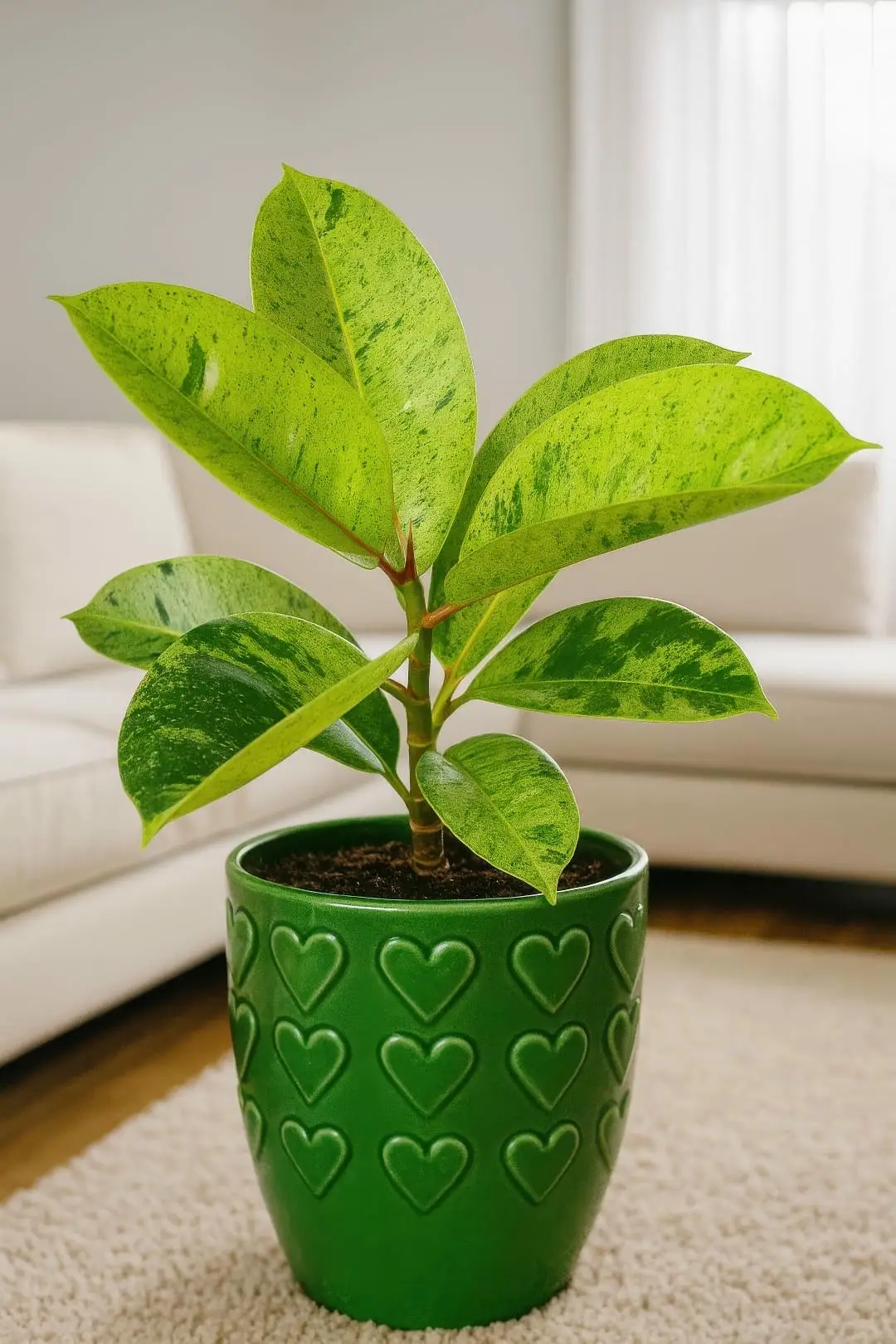
Complete Guide To Ficus Shivereana Care and Growth

Complete Guide To Weeping Fig Care and Growth

Complete Guide to Ficus Audrey Care and Growth


Houseplant101 Forum
Questions & Comments
Ask a question, share your plant experience, or help other plant owners.
Comments are temporarily unavailable.
Open the Houseplant101 ForumNo comments yet
Be the first to ask a question or share your experience about this page.
Log in or create an account
Comments use your Houseplant101 Forum account, but you can stay on this page.
Create a new account