
Ficus Ruby
Ficus elastica 'Ruby'
Ruby Rubber Plant, Variegated Rubber Tree, Ficus elastica variegata


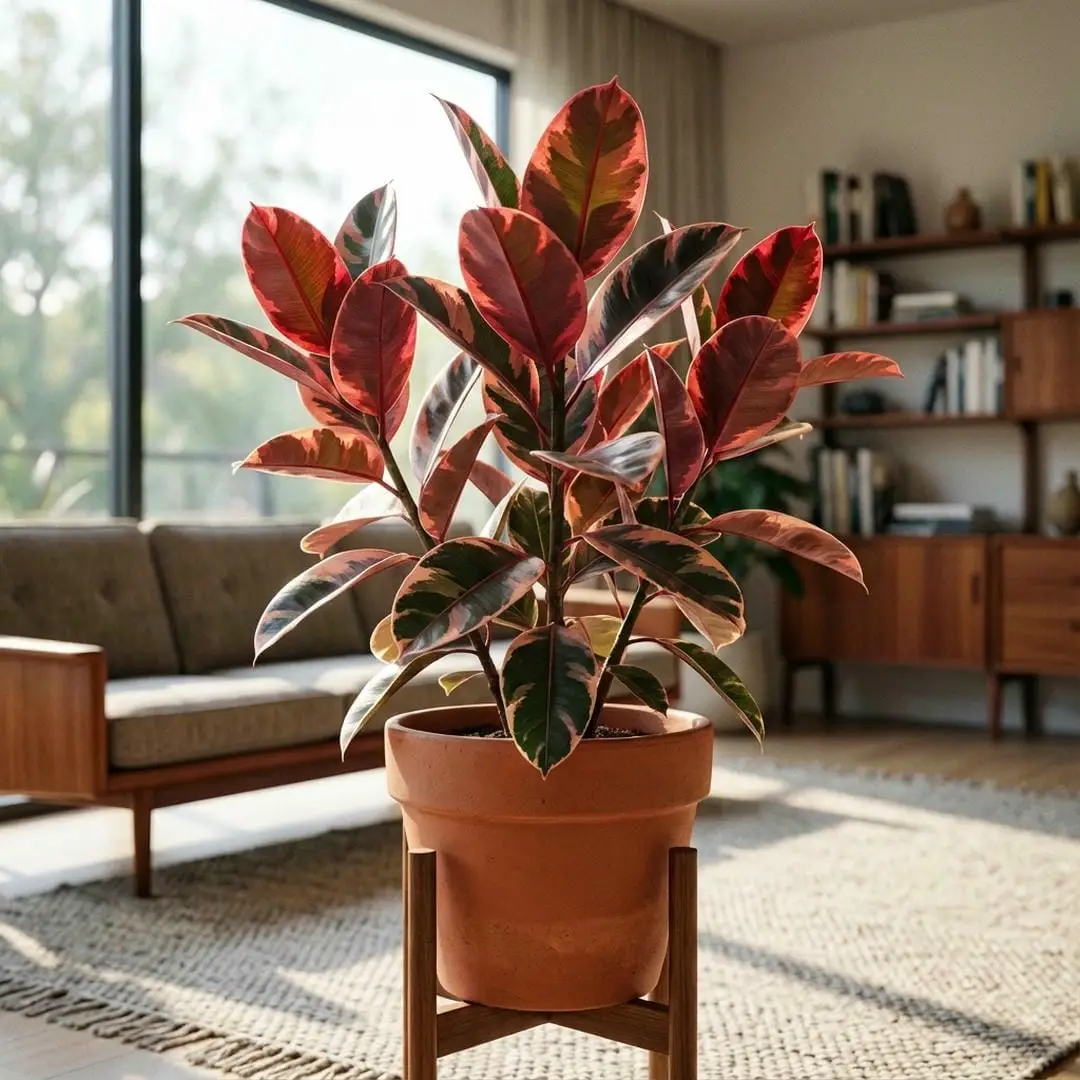
The Ficus Ruby is the jewel of the rubber tree family, boasting stunning strawberry-red variegation that transforms any room. Learn exactly how to keep those pink hues vibrant and your plant thriving.
📝 Ficus Ruby Care Notes
🌿 Care Instructions
⚠️ Common Pests
📊 Growth Information
🪴 In This Guide 🪴

☀️ Ficus Ruby Light Requirements (Indoor Lighting Guide)

If there is one section of this guide you memorize, make it this one. Light is the single most critical factor for the Ficus Ruby. It is the fuel for its color.
The Science of Color: Why is it Red?
The red/pink hues in the leaves are caused by anthocyanins, water-soluble pigments found in the vacuole of leaf cells. In nature, these pigments serve multiple functions, but primarily they act as a biological "sunscreen" or antioxidant. They protect the delicate photosynthetic machinery from damage caused by intense high-energy blue and UV light.
Unlike chlorophyll (green), which absorbs light to make energy, anthocyanins reflect red light. In the Ficus Ruby, these red pigments overlay the white/cream parts of the variegation.
- More Light = More Protection Needed: When you expose the plant to higher light levels, it produces more anthocyanins to protect itself, resulting in a deeper, more vibrant ruby color.
- Less Light = Less Protection Needed: In lower light, the plant stops wasting energy producing these pigments. The red fades, revealing the cream or green underneath. This is why a Ficus Ruby placed in a dark corner will eventually look like a washed-out Ficus Tineke.
Best Light for Ficus Ruby
Your Ficus Ruby needs bright, indirect light to maintain its variegation. In fact, it can tolerate (and often enjoys) a few hours of direct morning sunlight.
- The Sweet Spot: Unobstructed Eastern or Western exposure. An East window provides gentle morning sun that boosts color without scorching.
- Southern Exposure: This is excellent, but keep it a few feet back from the window or use a sheer curtain. The midday sun in a South window can be too intense, specifically for the white/cream sections which lack chlorophyll and are more prone to burning.
- Northern Exposure: Generally insufficient. If you only have north-facing windows, the Ficus Ruby will likely survive, but it will lose its pink vibrancy. You will almost certainly need a grow light to maintain the "Ruby" status.
How do you know it's getting enough light? The new leaves should emerge with a deep, ruby-red sheath and open into a vibrant pink leaf. If new leaves are emerging pale cream or green, increase the light intensity immediately.
Signs of Incorrect Lighting
Lighting issues usually manifest in two ways: fading color (too little) or burnt leaves (too much).
1. Etiolation and Fading (Low Light)
If placed in a dim corner, the Ficus Ruby is smart; it knows it needs chlorophyll to survive. Since the pink and cream parts lack chlorophyll, the plant will stop producing them. New leaves will be smaller, greener, and the space between leaves (internodes) will stretch as the plant "reaches" for a light source. The plant essentially reverts to a survival mode, abandoning its aesthetic features.
2. Sunburn (High Light)
While they love light, the white/cream parts of the variegation are delicate tissues. Sudden exposure to harsh, direct afternoon sun (especially in summer) can cause scorching.

As seen in the diagnostic image above, sunburn appears as large, bleached, or crispy brown patches, typically on the most exposed leaves. Unlike fungal infections, these spots won't have a yellow "halo" and won't spread if the plant is moved. Once a leaf is burnt, it will not heal, so prevention is key.

💧 Ficus Ruby Watering Guide (How to Water)
The Ficus Ruby has semi-succulent properties. Its thick, waxy leaves store a decent amount of moisture, meaning it is far more tolerant of underwatering than overwatering. This is a plant that prefers a "feast or famine" watering cycle rather than constant moisture.
The 'Chopstick Method'
Do not water on a schedule. Instead, check the soil moisture. I highly recommend using a wooden chopstick or a moisture meter.
- Insert the chopstick to the bottom of the pot.
- Twist it around and pull it out.
- If it comes out damp with soil clinging to it: Wait. The roots are still drinking.
- If it comes out dry and clean (or with just dust): It's time to water.
Generally, you should let the top 50-75% of the soil dry out completely. In the winter, you can let it dry out almost entirely. Ficus roots need to breathe, and constant moisture suffocates them.
Watering Technique
When you do water, do it thoroughly. This mimics the tropical downpours of its native habitat.
- Take the plant to a sink, shower, or bathtub.
- Use room temperature water. Cold water can shock the roots.
- Drench the soil until water flows freely from the drainage holes.
- Wait a few minutes and do it again to ensure the peat/bark is fully saturated.
- Crucial Step: Let it drain completely. Tilt the pot to a 45-degree angle to help excess water escape. Never let the pot sit in a saucer of standing water. "Wet feet" is a death sentence for Ficus roots.
Signs of Overwatering vs Underwatering
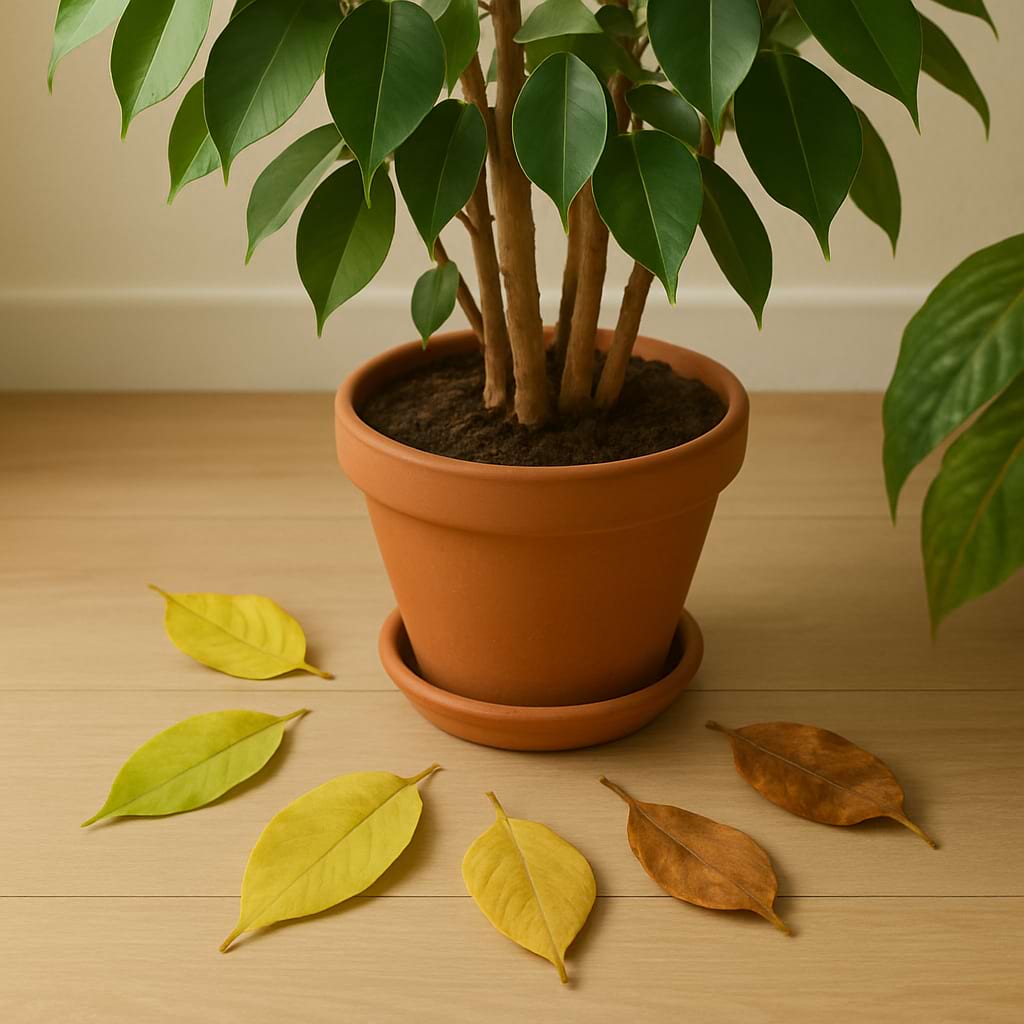
- Overwatering: The lower leaves will turn yellow and drop off. You might spot brown, mushy spots on the leaves. The stem might feel soft near the soil line. Edema (small corky blisters) may appear on leaf undersides.
- Underwatering: The leaves will droop noticeably. They may look dull and feel thinner or more pliable than usual. A good soak usually perks them right back up within 2-3 hours.
🪴 Best Soil for Ficus Ruby (Potting Mix & Drainage)
Standard potting soil is often too dense for Ficus Ruby. These plants grow as epiphytes or hemiepiphytes in the wild, starting life in the nooks of other trees. Their roots need oxygen to function. Dense soil compresses the roots and leads to rot.
The Ideal Mix:
- 40% Quality Potting Soil (Base): Provides structure and moderate moisture retention.
- 30% Orchid Bark (Aeration): Creates large air pockets and prevents compaction.
- 20% Perlite or Pumice (Drainage): Ensures water flows through quickly.
- 10% Worm Castings (Nutrients): A gentle, organic fertilizer that won't burn roots.
If you are buying a pre-made mix, look for an "Aroid Mix" or a "Chunky Cactus Mix". The key is that when you water, the water should run through almost instantly, not pool on the top. If your water sits on the surface for more than 10 seconds, your soil is too dense.
🍼 Fertilizing Ficus Ruby
Because the variegation (the white and pink parts) does not photosynthesize, the green parts of the leaf have to work overtime to support the plant. Regular feeding supports this energy demand.
- When: Fertilize only during the active growing season (Spring and Summer). Stop in Autumn and Winter when light levels drop and growth slows.
- What: Use a balanced liquid houseplant fertilizer (like a 10-10-10 or 20-20-20) diluted to half strength.
- Frequency: Once a month is sufficient.
Warning: Do not over-fertilize. Too much nitrogen can actually cause the plant to prioritize rapid green growth, potentially reducing the vibrancy of the ruby variegation. If you see white, crusty buildup on the soil surface, flush the soil with plain water to remove excess salts. For more tips, check our Fertilizing Guide.
🌡️ Ficus Ruby Temperature Range
Ficus Ruby is a tropical plant. It hates cold drafts.
- Ideal Range: 65°F to 80°F (18°C - 27°C).
- Minimum: Do not let it drop below 55°F (13°C).
Draft Protocol: Keep this plant away from AC vents, radiators, and drafty doors. Sudden temperature fluctuations are the number one cause of leaf drop in Ficus plants. If you move it from a warm spot to a cold spot, expect it to throw a "tantrum" and drop a few leaves as it adjusts. This "shock drop" usually stops after a few weeks once the plant acclimates.
💦 Ficus Ruby Humidity Needs
While they originate from the humid tropics, Ficus elastica varieties are surprisingly adaptable to average household humidity.
- Ideal: 50% - 70%.
- Acceptable: 40%.
If your air is very dry (below 40%), you might notice the leaves curling slightly inwards or brown, crispy tips developing. In this case, use a humidifier nearby.
Note: Misting is generally ineffective for raising humidity long-term and can invite fungal issues on the leaves if airflow is poor. The water droplets can also act as magnifying glasses in direct sun, leading to spot burns on the variegated sections. See our Humidity Guide for better solutions.
🌸 How to Make Ficus Ruby Bloom
It is extremely rare to see a Ficus Ruby bloom indoors. In fact, it's virtually unheard of. In the wild, they produce small, fig-like fruits (remember, it is a Fig tree!), but these are not showy flowers.
The "flower" is actually inverted inside the fruit structure (syconium) and requires a specific species of fig wasp for pollination. Since you likely don't have fig wasps in your living room (and don't want them!), pollination won't happen.
Don't grow this plant for blooms; grow it for the spectacular foliage.
🏷️ Ficus Ruby vs. Ficus Tineke vs. Ficus Belize
This is the most common confusion in the Ficus world. These three plants are often mislabeled.
| Variety | Appearance | Colors | Light Needs |
|---|---|---|---|
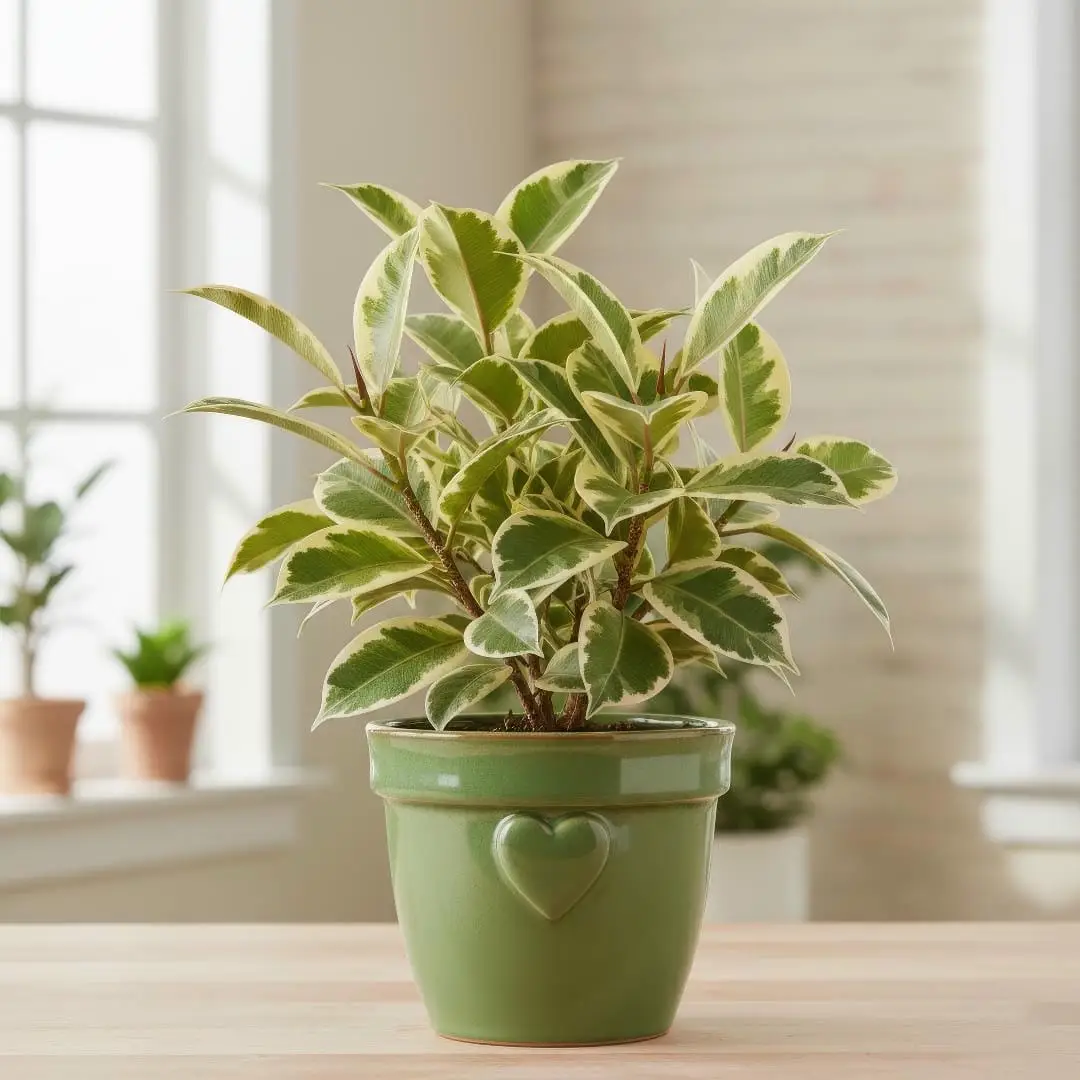
| Ficus Tineke | Green & Cream | Green, Grey-Green, Cream/White. Pink flush only on very young leaves. | High Indirect |
| Ficus Ruby | Green, Cream & Red | Dark Green, Cream, Intense Strawberry-Pink/Red. Pink is persistent. | Highest (to keep red) |
| Ficus Belize | Red-tinged Green | Green, Grey-Green, Cream, with a subtle pinkish hue over the green. | High Indirect |
Genetically, they are all Ficus elastica, possibly sports of the 'Burgundy' or 'Robusta'. The Ruby simply has the highest concentration of anthocyanins. Care is identical, though the Ruby arguably needs the most light to maintain its defining feature.
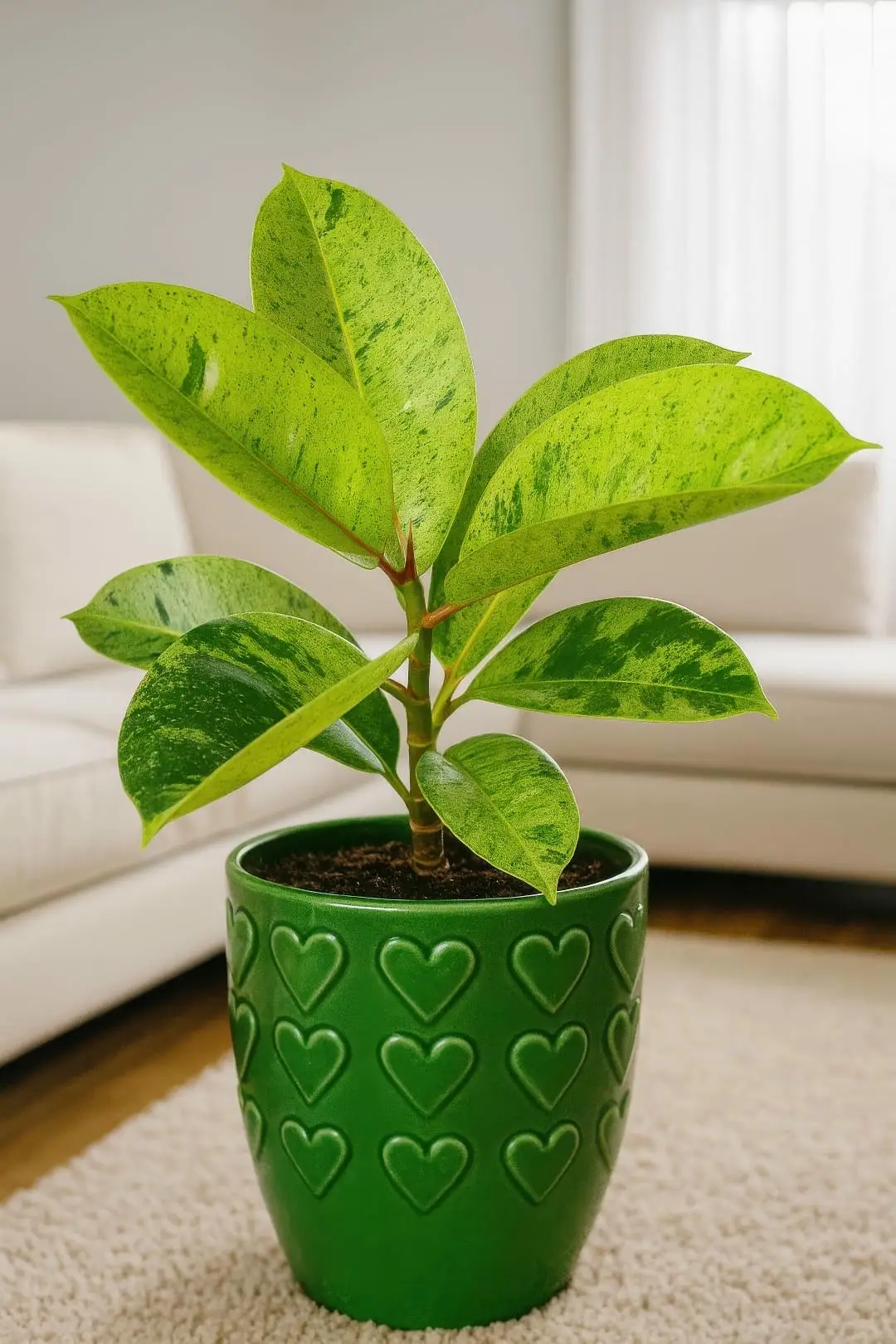
Other related Ficus include the Ficus Audrey (more matte, fuzzy leaves) and the Ficus Shivereana (speckled lime green variegation). Outside the elastica group, the Variegated Fiddle Leaf Fig runs the same narrow-light-window problem on much larger leaves, and is considerably harder to keep than any rubber plant here.

🪴 Potting and Repotting Ficus Ruby
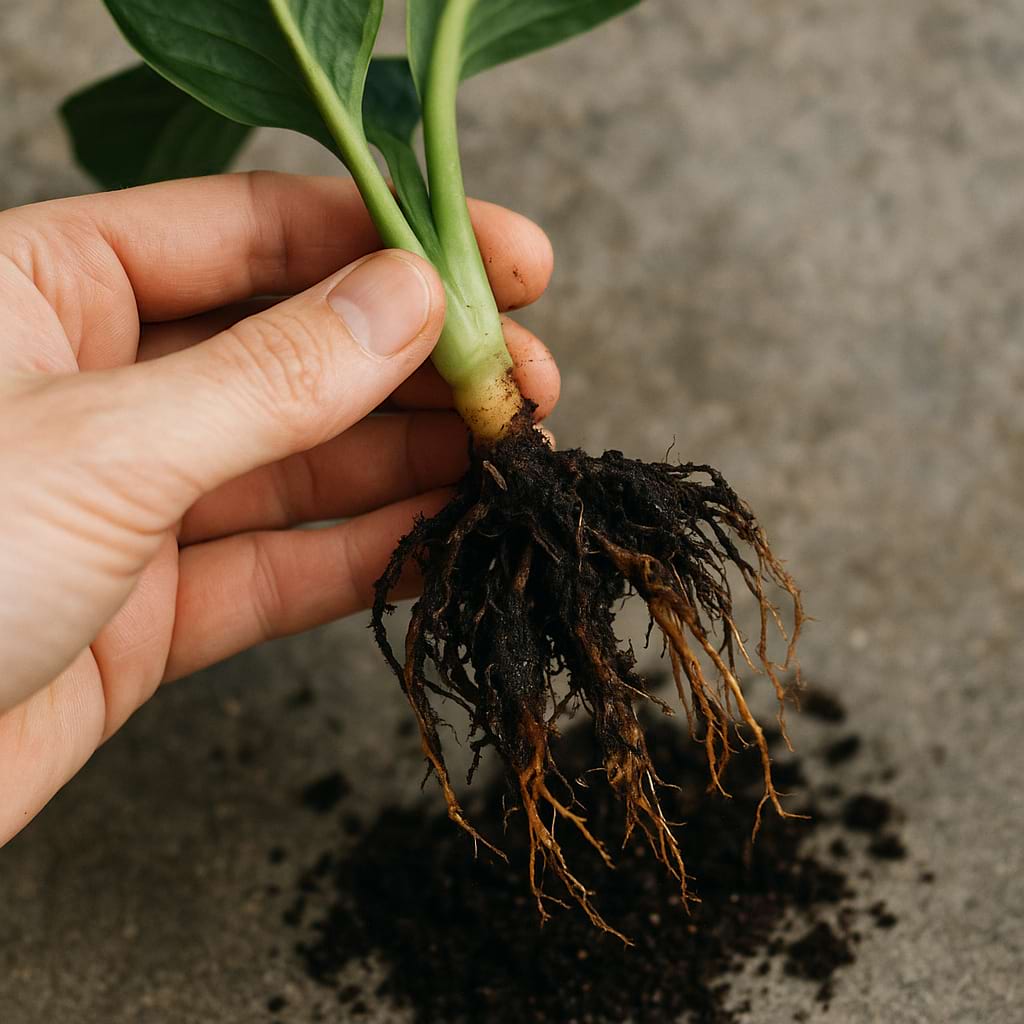
Ficus Ruby likes to be slightly rootbound. You only need to repot every 2-3 years, or when you see roots growing out of the drainage holes or circling the surface of the soil.
Step-by-Step Repotting Guide:
- Timing: Repot in Spring or early Summer. Never repot in Winter unless it's an emergency (like root rot).
- Pot Size: Go up only one pot size (e.g., from 6 inches to 8 inches). Going too big increases the volume of soil which holds too much water, leading to root rot. Read more about choosing the right pot.
- Material: Terracotta is excellent for Ficus because it breathes, helping the soil dry out faster. If using plastic or glazed ceramic, be extra careful with watering.
- Process:
- Squeeze the current pot gently to loosen the root ball.
- Turn the plant sideways and slide it out. Do not pull by the stem.
- Inspect the roots. Healthy roots are clear/white/tan and firm. Black/mushy roots should be trimmed.
- Do not try to remove all the old soil; just loosen the root ball slightly.
- Place a layer of fresh chunky mix in the new pot.
- Center the plant and fill in the sides, tapping the pot to settle the soil.
✂️ Pruning Ficus Ruby
Pruning is essential if you want a tree shape rather than a single straight stalk. Without pruning, Ficus elastica tends to grow as a single unbranched column ("monopodial").
- To Encourage Branching: Cut the main stem where you want branches to form. This breaks "apical dominance" and forces the plant to push out new growth from the nodes just below the cut. Usually, 2 or 3 new branches will emerge.
- Technique: Use sharp, sterilized shears. Make the cut about 1/4 inch above a node (where a leaf attaches).
- Notching: An alternative method where you make a small incision above a dormant bud to "wake it up" without cutting the top off.
Sap Warning: Ficus means "Fig," and elastica refers to the elastic latex sap. This white sap will bleed profusely when cut. It is an irritant and toxic.
- Wear gloves.
- Protect the floor. The sap drips and ruins carpets.
- Stop the flow: Dab the cut with a damp paper towel until the bleeding stops.
🌱 How to Propagate Ficus Ruby
Propagation is best done in spring or early summer when the plant has plenty of energy.

Method 1: Water Propagation (Easiest for Beginners)
This method allows you to see the roots developing.
- Take a Cutting: Cut a stem segment (tip cutting is best) that has at least one node and one healthy leaf.
- Clean the Sap: Let the sap bleed out for a few minutes or wipe it off with a paper towel. This prevents the water from getting cloudy.
- Place in Water: Put the cutting in a jar of room temperature water. Ensure the node is submerged but the leaf is not. If the leaf is large, you can roll it and secure it with a rubber band to reduce water loss.
- Wait: Place in bright, indirect light. Change the water weekly to keep it oxygenated.
- Roots: White nubs will appear in 2-4 weeks, followed by roots. Wait until roots are 2-3 inches long before potting into soil.
For more details, see our specific Water Propagation Guide.
Method 2: Soil Propagation (More Reliable)
Soil propagation can yield stronger roots faster, as water roots sometimes struggle to transition to soil.
- Follow steps 1-2 above.
- Dip in Hormone: Dip the cut end and the node in rooting hormone powder. This drastically increases success rates for woody plants like Ficus.
- Plant: Insert the cutting into a small pot filled with a mix of perlite and peat moss (50/50).
- Humidity: Cover the cutting with a clear plastic bag or place it in a propagation box to create a greenhouse effect. High humidity is critical here.
- Check: After 4-6 weeks, give the cutting a gentle tug. If there is resistance, it has rooted.
Method 3: Air Layering (Best for Large Plants)
For larger plants, air layering is the professional choice. You wound the stem while it's still on the mother plant, wrap it in damp sphagnum moss and plastic wrap, and wait for roots to grow before separating it. This method has a nearly 100% success rate because the cutting is supported by the mother plant during the rooting process.
🐛 Ficus Ruby Pests and Treatment
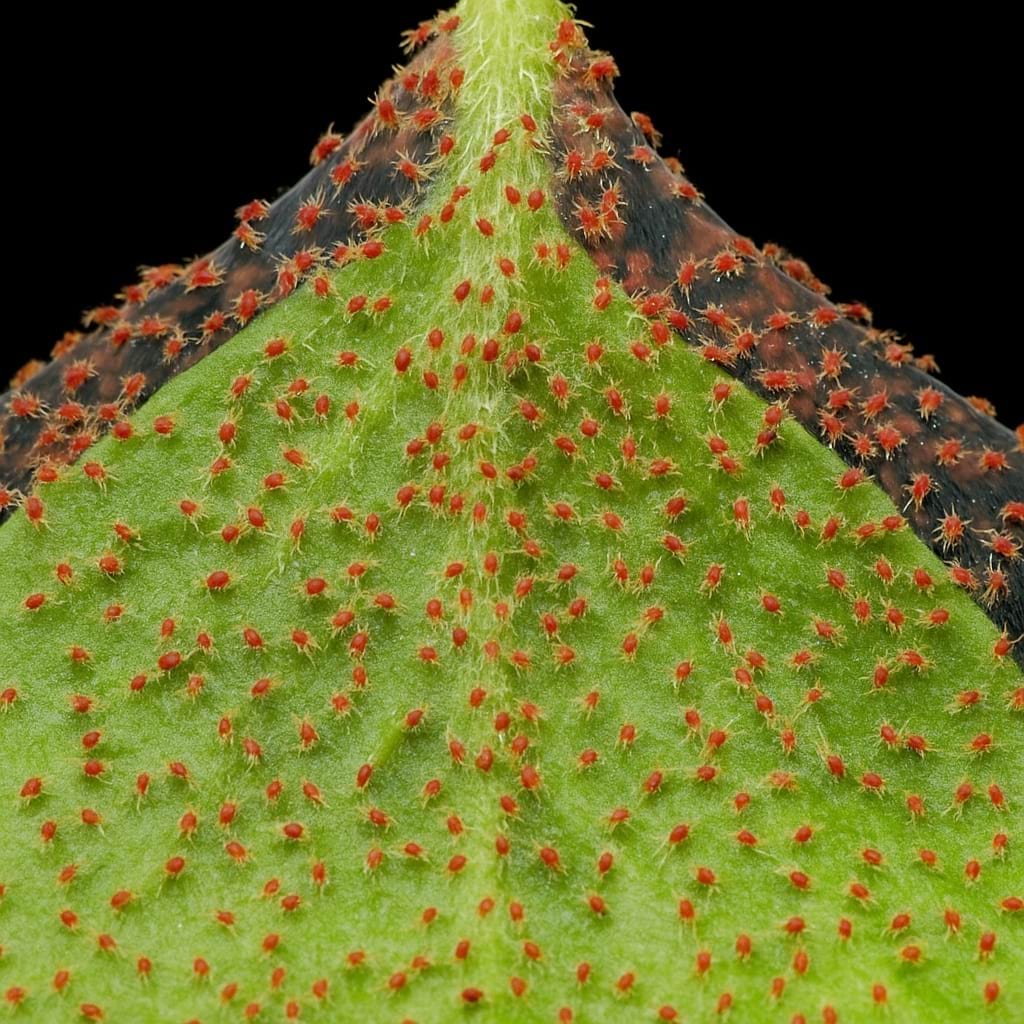
Spider Mites are the absolute nemesis of the Ficus Ruby. They love the dry, warm corners that Ficus often inhabit.
- Signs: Tiny webbing between leaves (especially where the leaf meets the stem), stippling (yellow pin-prick dots) on the leaves, or a dusty appearance on the undersides.
- Treatment:
- Shower: Take the plant to the shower and blast the leaves (undersides too!) with lukewarm water to physically knock the mites off.
- Treat: Spray thoroughly with a Neem oil solution or an insecticidal soap. Repeat this every 5-7 days for at least 3 weeks. Mites have a rapid life cycle, and one treatment is never enough.
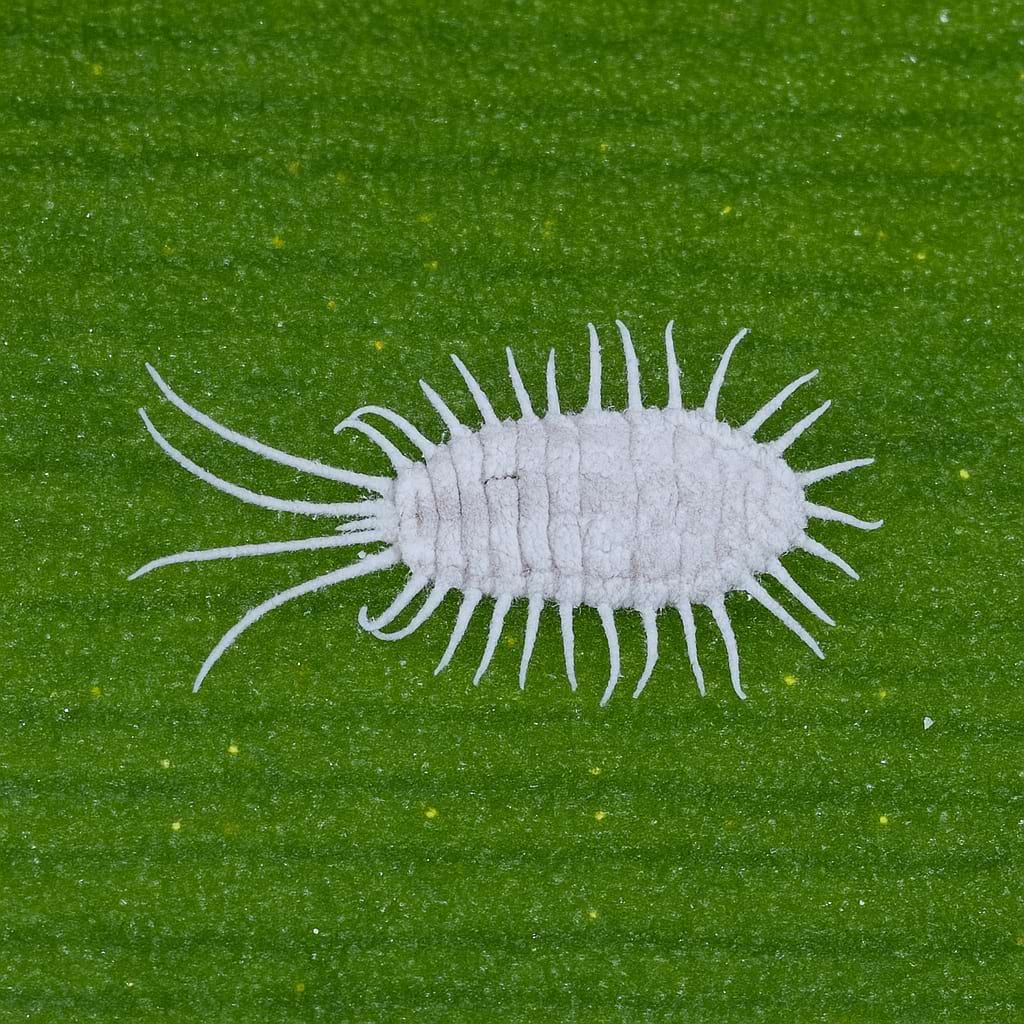
Mealybugs can also appear, looking like white cottony fluff in the crevices of the leaves.
- Treatment: Dip a Q-tip in rubbing alcohol and dab each bug individually to kill it on contact.
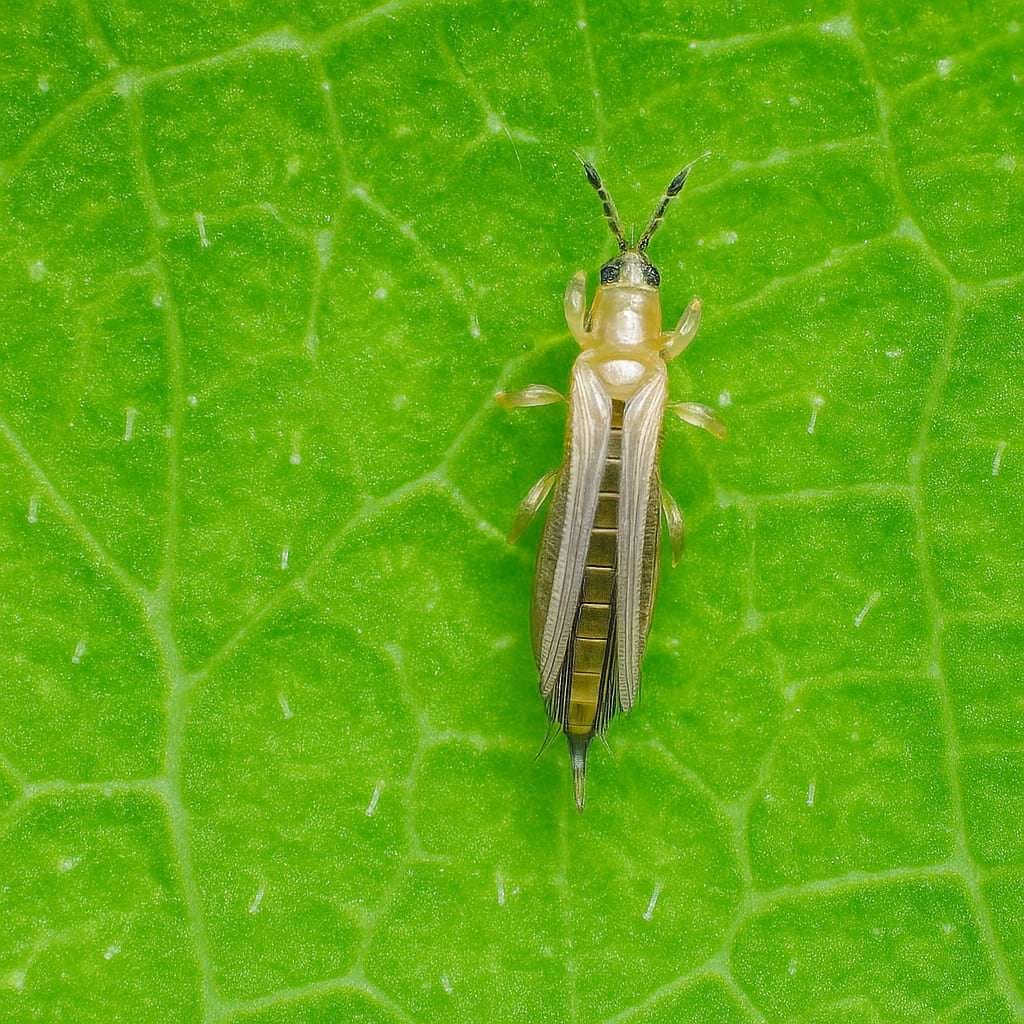
Thrips are less common but more damaging. If you see tiny black larvae or silver scraping marks on leaves, isolate the plant immediately and treat with systemic granules (Imidacloprid) if available in your area.
🩺 Ficus Ruby Problems and Diseases

Root rot is the most common killer. It is caused by overwatering or poor drainage.
- Symptoms: Black, mushy base of the stem. Yellowing lower leaves that fall off at the slightest touch. Soil smells swampy.
- Fix: Unpot immediately. Cut away black/mushy roots with sterilized scissors. Repot into fresh, dry, chunky soil. If the rot has reached the main stem, you may have to propagate the healthy top and discard the roots.
Leaf Drop (The Ficus Tantrum)
Ficus are dramatic beings. They drop leaves if:
- Moved: Even moving it across the room can cause shock.
- Drafts: Cold air from a window or AC is a major trigger.
- Water Issues: Both too much and too little water can cause drop.
If you just brought it home, a little leaf drop is normal. Give it stability and time. Do not panic and overwater it in an attempt to "help."
Curling Leaves
Curling leaves usually indicate dehydration (underwatering) or extreme low humidity. Check the soil. If it's bone dry, water it. If the soil is wet but leaves are curling, it could be root rot (roots are dead and can't drink).
Edema
If you see small, corky bumps or blisters on the underside of the leaves, this is Edema. It happens when the roots take up water faster than the leaves can transpire it, causing cells to burst.
- Cause: Inconsistent watering (letting it get too dry then flooding it).
- Fix: Stabilize your watering schedule. The damage won't go away, but new leaves will be healthy.
🖼️ Ficus Ruby Display Ideas
The Ficus Ruby is a statement plant. Its unique color palette (sage green, cream, ruby red) works beautifully with specific interior styles:
- Boho Styles: The pink warmth complements natural textures like rattan, wicker, and macrame plant hangers.
- Terracotta: The humble orange clay pot is actually the perfect color match for the red tones in the leaves, creating a cohesive, warm look.
- Minimalist White: A glossy white pot against a white wall makes the ruby leaves pop like a piece of modern art.
- Grouping: Group with solid green plants (like a standard Monstera deliciosa or Ficus lyrata) to highlight the variegation through contrast. The Ruby acts as the "flower" in a sea of green foliage.
Ficus Ruby Care Tips (Pro Advice)
- Clean the Leaves: These broad, waxy leaves are dust magnets. Dust layer blocks light, which reduces that precious ruby color. Wipe them down with a damp microfiber cloth every few weeks. You can use a drop of neem oil or diluted lemon juice for extra shine and pest prevention.
- Rotate It: The plant will lean strongly towards the light source. Rotate the pot a quarter turn every time you water (or once a week) to keep it growing straight.
- Not Too Big: Don't put a small plant in a huge pot. Ficus hate swimming in huge volumes of damp soil. Keep it snug to prevent root rot.
❓ Frequently Asked Questions
Why is my Ficus Ruby losing its pink color?
It's likely not getting enough light. The ruby variegation requires bright, indirect light to persist. In lower light, the plant reverts to green to produce more chlorophyll.
How often should I water my Ficus Ruby?
Only water when the top 50-75% of the soil is completely dry. Overwatering is the number one killer of this plant.
Is Ficus Ruby toxic to cats and dogs?
Yes, Ficus Ruby contains a milky latex sap that is toxic if ingested and can cause skin irritation.
How fast does Ficus Ruby grow?
In ideal conditions (good light, warm temps), it is a moderate grower, putting out 1-2 new leaves per month during the growing season. In lower light, growth stalls.
How do I make my Ficus Ruby bushier?
You must prune it. Cutting the top off (topping) breaks the apical dominance and forces the plant to grow new branches from the nodes below the cut.
What are the white spots on the leaves?
If they are small white dots near the edge of the leaf, they are likely lithocysts (enlarged cells containing calcium carbonate crystals). This is normal anatomy for Ficus and not a pest.
ℹ️ Ficus Ruby Info
Care and Maintenance
🪴 Soil Type and pH: Well-draining, chunky mix
💧 Humidity and Misting: Average home humidity is fine (40-60%).
✂️ Pruning: Prune to encourage branching and control height.
🧼 Cleaning: Wipe leaves for photosynthesis
🌱 Repotting: Every 2-3 years
🔄 Repotting Frequency: When rootbound
❄️ Seasonal Changes in Care: Reduce water in winter
Growing Characteristics
💥 Growth Speed: Moderate
🔄 Life Cycle: Evergreen perennial
💥 Bloom Time: Rare indoors
🌡️ Hardiness Zones: 10-11 (USDA)
🗺️ Native Area: Southeast Asia (Cultivar)
🚘 Hibernation: No true dormancy, slows in winter
Propagation and Health
📍 Suitable Locations: Bright living rooms, offices
🪴 Propagation Methods: Stem cuttings in water or soil.
🐛 Common Pests: Spider Mites, Mealybugs, Scale, Thrips
🦠 Possible Diseases: Root rot, leaf spot, edema
Plant Details
🌿 Plant Type: Tree/Shrub
🍃 Foliage Type: Broadleaf Evergreen
🎨 Color of Leaves: Green, Cream, Strawberry-Pink
🌸 Flower Color: Insignificant
🌼 Blooming: Rare
🍽️ Edibility: Toxic
📏 Mature Size: 6-10 feet indoors
Additional Info
🌻 General Benefits: Air purification (NASA study)
💊 Medical Properties: Latex sap can be irritating
🧿 Feng Shui: Wealth and abundance (corner placement)
⭐ Zodiac Sign Compatibility: Aries (Boldness)
🌈 Symbolism or Folklore: Abundance, happiness
📝 Interesting Facts: The red color comes from anthocyanins acting as sunscreen.
Buying and Usage
🛒 What to Look for When Buying: Look for strong ruby color; it fades in low light.
🪴 Other Uses: Ornamental specimen
Decoration and Styling
🖼️ Display Ideas: Floor plant, statement piece
🧵 Styling Tips: Pair with terracotta to accent the red hues.
🪴 See also 🪴

Complete Guide to Ficus Altissima Care and Growth
How to Propagate Fiddle Leaf Fig (Cuttings, Air Layering and the Leaf Myth)

Complete Guide to Variegated Fiddle Leaf Fig Care and Growth

Ficus Care Indoors: Full Guide and 12 Types We Grow
Complete Guide to Ginseng Ficus Care and Growth

Complete Guide to Rubber Plant Care and Growth
Complete Guide to Ficus Alii Care and Growth
Complete Guide To Creeping Fig Care and Growth

Complete Guide to Ficus Burgundy Care (Rubber Plant)
Complete Guide To Ficus Shivereana Care and Growth
Complete Guide To Ficus Tineke Care and Growth
Complete Guide To Weeping Fig Care and Growth

Complete Guide to Ficus Audrey Care and Growth


Houseplant101 Forum
Questions & Comments
Ask a question, share your plant experience, or help other plant owners.
Comments are temporarily unavailable.
Open the Houseplant101 ForumNo comments yet
Be the first to ask a question or share your experience about this page.
Log in or create an account
Comments use your Houseplant101 Forum account, but you can stay on this page.
Create a new account