
Begonia Amphioxus
Begonia amphioxus
Butterfly Begonia, Spotted Terrarium Begonia


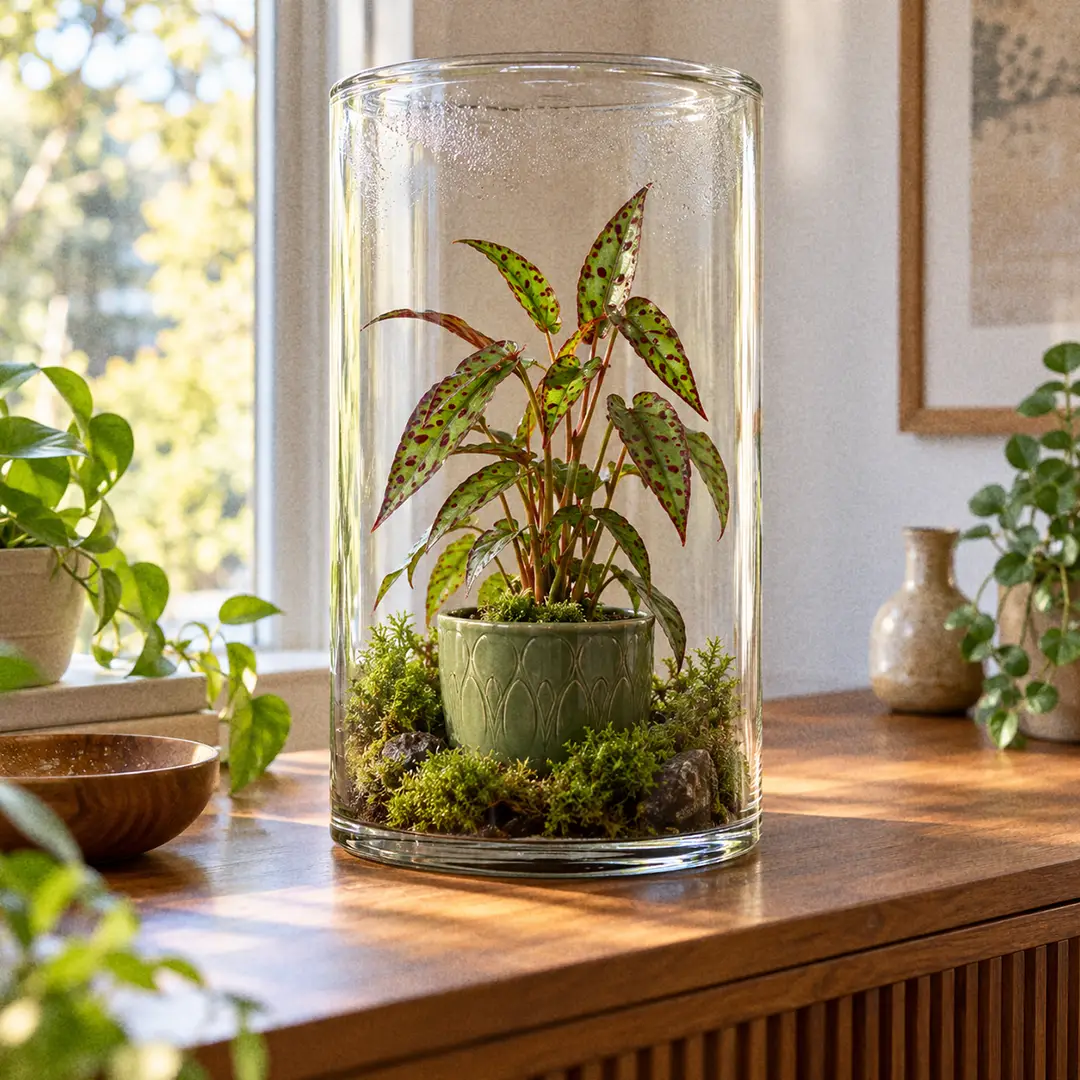
Begonia amphioxus, the butterfly begonia, is a small upright species from Borneo with narrow, pointed leaves splashed with maroon spots and rimmed in red. Learn how to grow it in a terrarium or plant cabinet, keep its roots out of the wet, and stop the leaf drop that trips up new owners.
📝 Begonia Amphioxus Care Notes
🌿 Care Instructions
⚠️ Common Pests
📊 Growth Information
🪴 In This Guide 🪴

☀️ Begonia Amphioxus Light Requirements (Bright Shade or LED)
The Sweet Spot
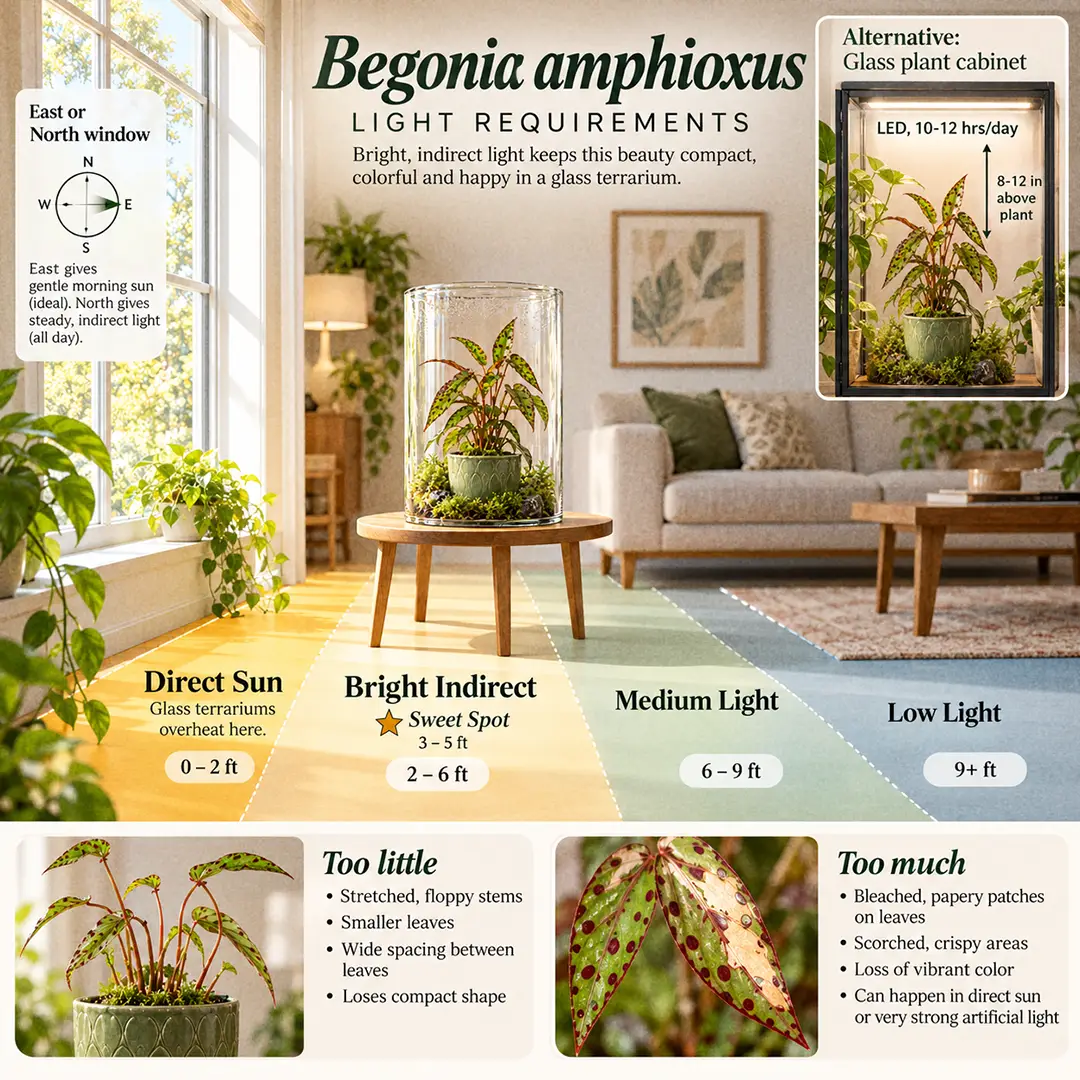
In the wild this begonia grows in light shade on limestone in Sabah, at the foot of cliffs or on top of rock outcrops. Indoors, that translates to bright, indirect light with no strong sun on the leaves. An enclosure placed a few feet from an east or north window works well, and so does a bright room where the terrarium sits out of the sun's direct path.
Grow lights are often the better option. Begonia amphioxus is one of those plants that grows happily under LED or fluorescent light, which is why so many people keep it in a lit cabinet. Run the light for 10 to 12 hours a day on a timer and keep it far enough above the plant that the top leaves never feel warm. Our guide to grow lights covers the basics of picking one.
Too Little Light
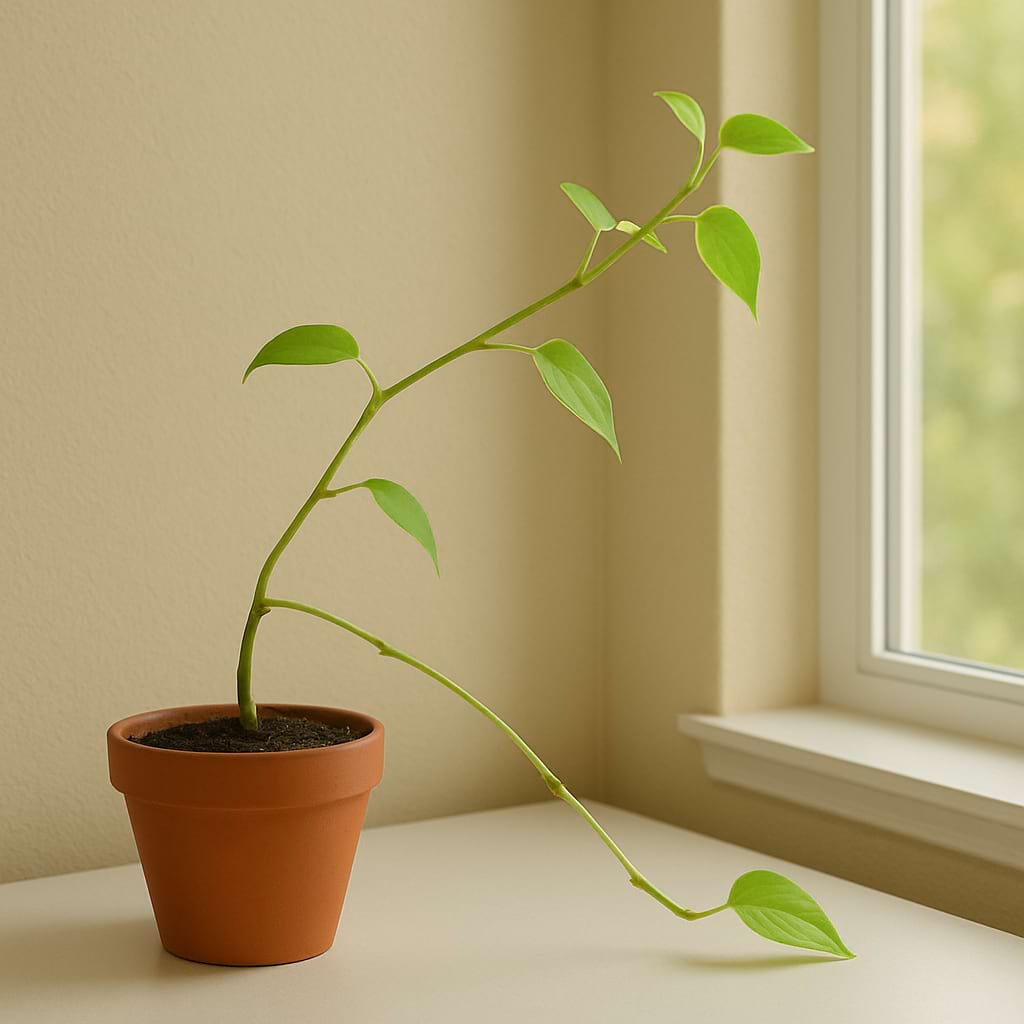
In a dim spot the stems stretch, the gaps between leaves grow longer, and new leaves come in smaller. The plant flops instead of standing upright. That is leggy growth, and the fix is more light rather than more food.
Too Much Light
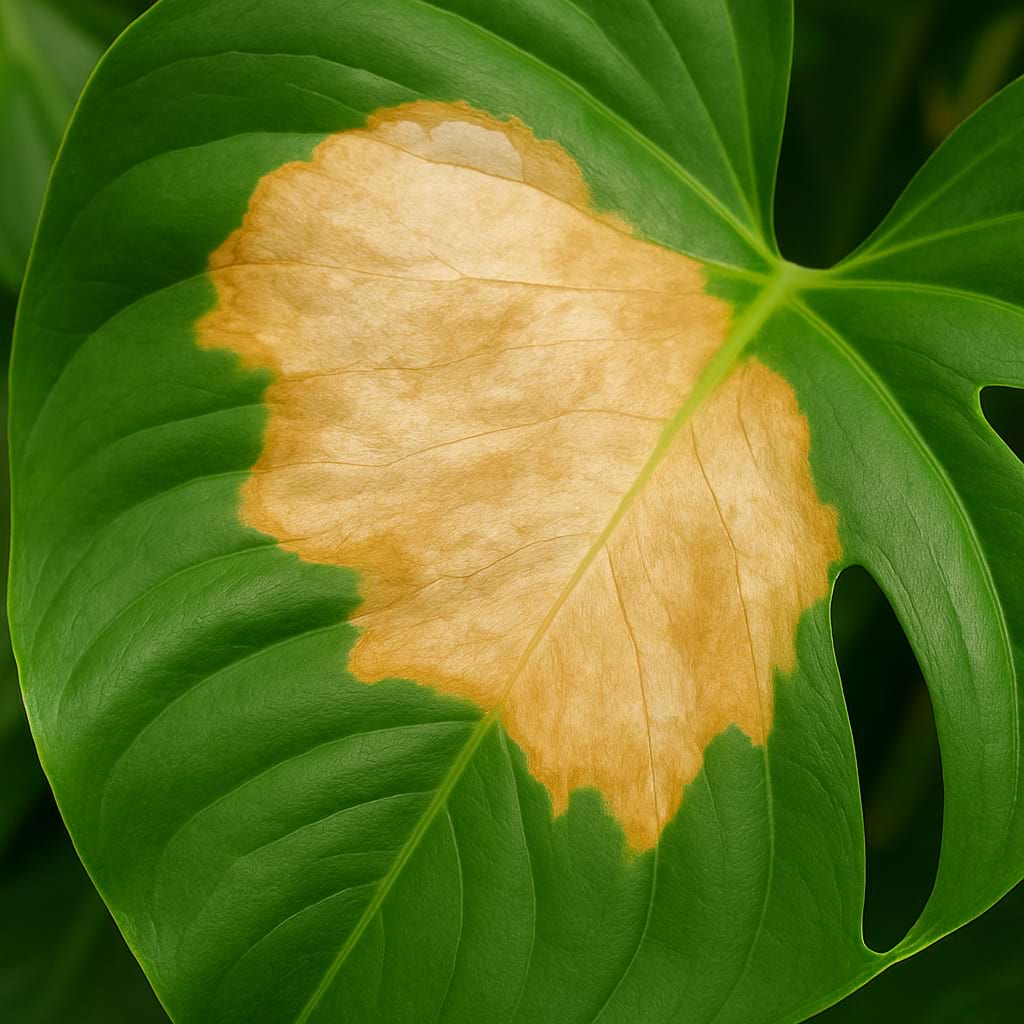
Glass magnifies heat. A terrarium in a sunny window can cook a plant in an afternoon, even when the room feels fine. Watch for bleached, papery patches or crisp brown spots on the leaves facing the light, which is sunburn. If you see heavy condensation and a warm glass wall after a few hours of sun, move the enclosure.
Lighting a Plant Cabinet
A simple white or full-spectrum LED strip mounted under the cabinet roof is enough for this plant. Keep the lights roughly 8 to 12 inches above the top leaves to start, then adjust. If the newest leaves come in small and widely spaced, move the light closer. If the leaves look pale, washed out, or scorched near the lights, raise the fixture or shorten the day. Purple "blurple" grow lights work too, but they make it hard to judge the plant's real color.
💧 Begonia Amphioxus Watering Guide (Moist but Never Soggy)
Watering Frequency
This is a plant that wants humid air around its leaves and air around its roots. Water when the top half inch of mix feels slightly dry to the touch, while the layer below is still lightly moist. Do not let the pot dry out completely, and do not keep it wet.
How often that happens depends almost entirely on the enclosure. In a closed terrarium the mix can stay moist for two weeks or longer, because the water just cycles from soil to glass and back. In a vented cabinet you may water every week. Check with a finger every few days instead of following a calendar. In winter, when the plant grows more slowly, expect the gaps between waterings to stretch even further.
How to Water in a Terrarium
Use small amounts. A spoon, a squeeze bottle, or a narrow-spout can lets you water the base of the plant without soaking the leaves. Wet leaves in still, humid air are where rot starts. If the plant sits in its own pot inside the terrarium, empty any water that collects at the bottom of the outer container.
Rainwater or distilled water is a sensible choice for a closed setup. Tap water minerals build up over time in a terrarium that rarely flushes, and they leave white marks on the glass.
Signs of Trouble
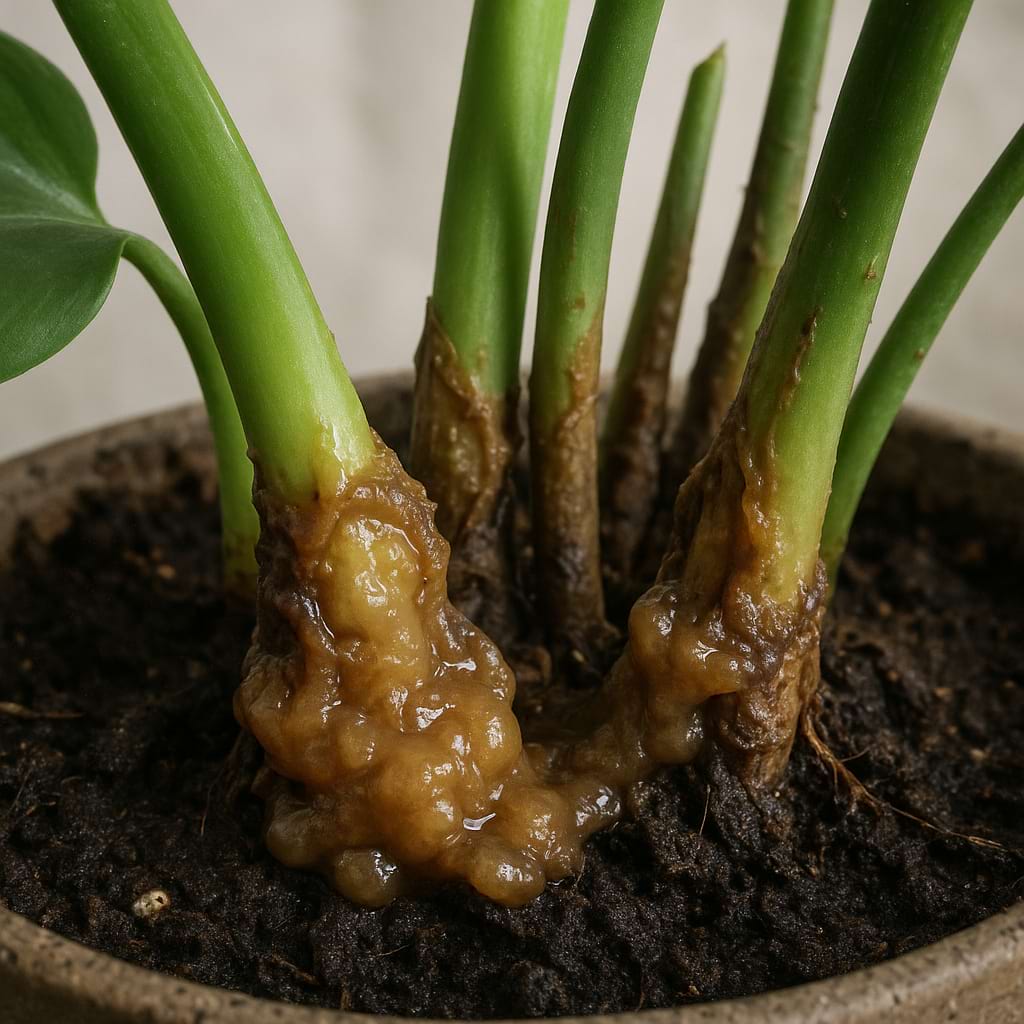
Soft, translucent stems at the soil line and leaves that drop while still green usually mean the mix has been too wet for too long. Check for root rot right away. Dry, crisp leaf edges and drooping stems point the other way, either a dry pot or a humidity crash. Our watering guide has more on reading these signs.
🪴 Best Soil for Begonia Amphioxus (Fine and Airy)
What the Soil Needs
This is a small plant with a fine, shallow root system, so it needs a mix with small particles that roots can grip, plenty of air pockets, and enough moisture-holding material that the top layer does not dry out in a day. Heavy, compost-rich soil that stays wet and dense is the main thing to avoid.
DIY Soil Mix
A simple recipe that works for most small terrarium begonias:
- 2 parts coco coir or a light indoor potting mix
- 1 part fine perlite
- 1 part fine orchid bark
- A small handful of chopped sphagnum moss
Mix it slightly damp, not wet, before you pot. The bark and perlite keep it open, and the sphagnum holds a little moisture near the roots.
Pre-Made Options
A bagged aroid or "terrarium" mix is a good starting point, though many are too chunky for a plant this small. Sift out the largest pieces or blend in extra coir. Our potting soil guide and soil basics explain what to look for on the label.
🍼 Fertilizing Begonia Amphioxus (Weak and Occasional)
When and How Often
Feed every 3 to 4 weeks in spring and summer while the plant is putting out new leaves. In winter, when growth slows, feed once every 6 to 8 weeks or skip it.
What to Use
A balanced liquid fertilizer diluted to a quarter of the label strength is plenty. This is a small, slow plant in a small pot inside a closed space, and nutrients do not wash out of a terrarium the way they do from a pot on a windowsill. Our fertilizing guide covers the different types.
Over-Fertilizing Signs
Brown, burnt leaf tips, a white crust on the mix surface, and soft, weak new growth all suggest too much food. Flush the pot with plain water over a sink, let it drain, and wait two months before feeding again. A plant that has just been repotted or is still dropping leaves after shipping does not need food at all for the first month or so.
🌡️ Begonia Amphioxus Temperature Range
Ideal Range
Aim for 68 to 80°F (20 to 27°C). Keep it above 60°F (15°C) as a rule. Some sellers list a wider tolerance of 50 to 85°F, but a plant this delicate is better kept away from both ends. Above roughly 85°F, a closed terrarium turns into a steam room and rot becomes much more likely.
Drafts, Cold Glass, and Heat
Keep the enclosure off cold windowsills in winter, away from heater vents, and out of the path of air conditioning. Cold glass in winter can chill the substrate even when the room is warm. Winter is also when a heated room's air turns driest, so check the lid seal and the inside reading more often from November through February. A lamp or grow light too close to the lid can overheat a small terrarium, so put a cheap thermometer inside for the first few weeks.
Signs of Temperature Stress
Cold shows up first as limp, darkened leaves and soft stems near the soil, often a day or two after a chilly night against the window. Heat stress looks different: leaves droop even though the mix is moist, and the glass fogs heavily. In both cases, move the enclosure to a steadier spot and hold off on water until the plant perks up.
💦 Begonia Amphioxus Humidity Requirements
Ideal Humidity
Vendors who grow it recommend humidity from about 60 to 80% and higher, and growers report it tolerating 90%. Average household air sits far below that, which is why this begonia is almost always grown in a terrarium, cabinet, or enclosed shelf. A sudden drop in humidity is the most common reason for leaf drop.
Keeping Humidity Steady
An enclosure does the work. Keep the lid mostly closed, and open it for a few minutes every day or two, or add a small fan in a cabinet, so the air does not go stale. Skip misting. It wets the leaves without raising humidity for long. A humidifier helps in a room-sized setup, and our humidity guide explains other options.
Moving It Out of the Enclosure
If you want to try growing it in a room, do it slowly. Open the lid a little more each week over three or four weeks so new leaves form in drier air, and stop at the first sign of crisp edges. A greenhouse cabinet, a bathroom with a window, or a corner with a running humidifier gives you the best chance. Many owners try this once and bring the plant back under glass.
🌸 Begonia Amphioxus Flowers (Small and Greenish White)
What the Flowers Look Like
Begonia amphioxus does flower in cultivation, but nobody grows it for the blooms. The flowers are small, greenish white, and carried in loose clusters near the stem tips. Most owners notice them only because something pale has appeared between the spotted leaves.
How to Encourage Bloom
There is no special trick. A plant that gets steady light, warmth, and humidity for a few months will often bloom on its own. Better light is the one thing most likely to help, which also keeps the plant compact.
Should You Remove the Flowers?
That is up to you. Some growers pinch them off so the plant keeps its energy for leaves. If you leave them, remove spent flowers before they drop and start to mold on the substrate, since soft debris in a humid terrarium rots quickly.
🏷️ Begonia Amphioxus Types and Varieties
One Wild Species
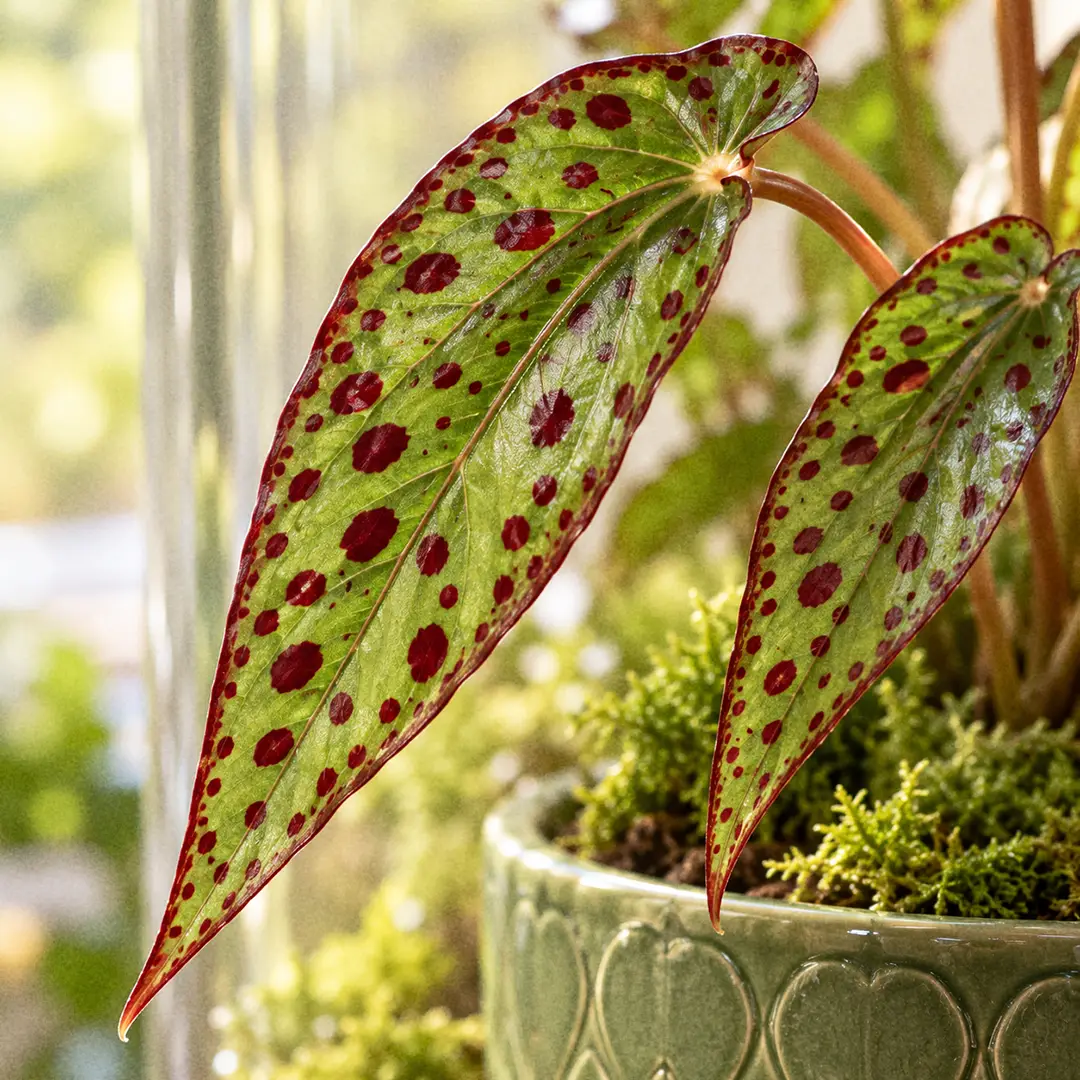
Begonia amphioxus is a wild species, sold under its botanical name, and you will not be choosing between named cultivars. Leaves are 2 to 5 inches long, narrow and pointed at both ends, olive to mid-green with dark red spots and a dark red rim. The amount of spotting varies a little from plant to plant.
Its wild range is small, limited to limestone hills in Sabah, and habitat disturbance is the main threat to the limestone begonias there. Buy plants that the seller has propagated from cuttings rather than collected from the wild. Most specialist nurseries say so on the listing, and nursery plants also handle indoor life better.
Begonia Amphioxus vs Polka Dot Begonia
The two get mixed up because both are "spotted begonias." Polka Dot Begonia (B. maculata) has silver dots on long angel-wing leaves with red undersides, and it grows into a cane plant several feet tall that copes with normal room humidity. Begonia amphioxus has red spots on short, narrow leaves, stays under about 16 inches, and needs an enclosure.
Other Begonias for Humid Setups
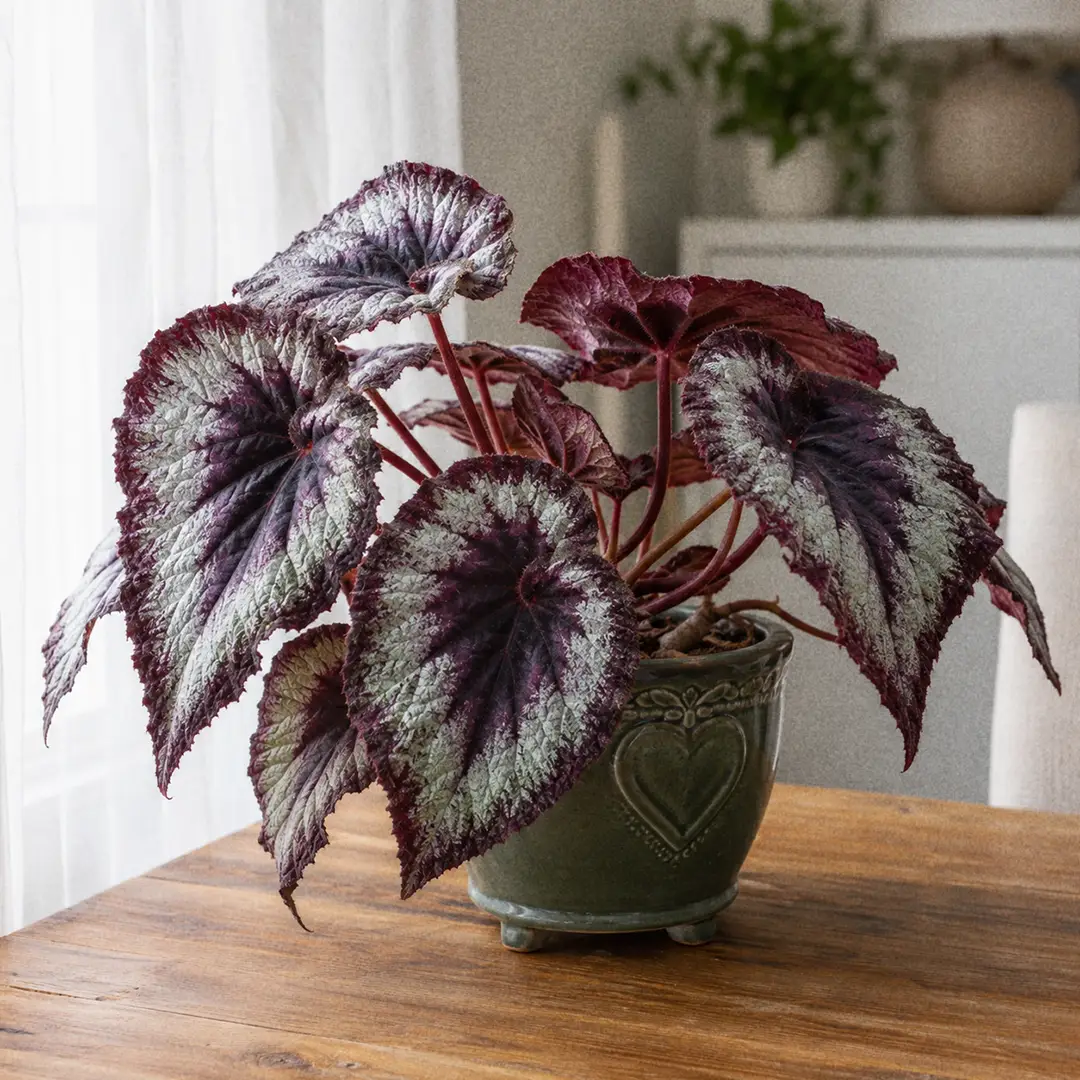
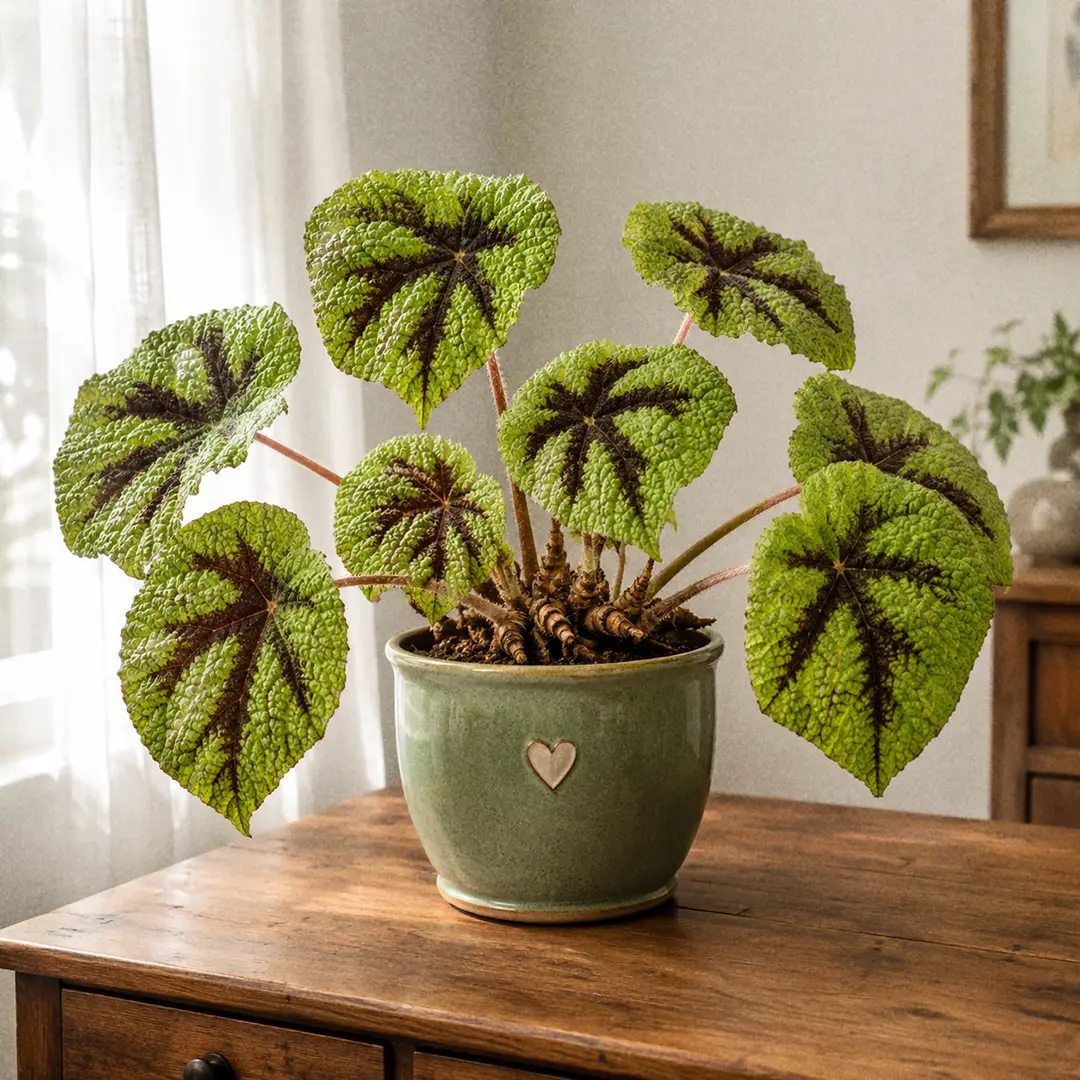
If you like begonias for terrariums and cabinets, the Iron Cross Begonia brings a bold brown cross on textured leaves and suits a larger cabinet. Smaller Rex Begonia cultivars also fit glass setups and come in far more colors. Both are more forgiving about humidity than amphioxus.
🪴 Potting and Repotting Begonia Amphioxus
When to Repot
Its root system stays small, so it can live in the same small pot for a year or two. Repot in spring when roots circle the pot, the mix breaks down and stays soggy, or the plant tips over.
Choosing a Pot
Go up only one size, usually from a 2 or 3 inch pot to a 3 or 4 inch one. A wide, shallow pot with a drainage hole suits it better than a deep one. Planting straight into terrarium substrate is fine if the build has a drainage layer underneath.
Step-by-Step Repotting
Water lightly the day before. Ease the plant out, loosen the outer roots, and set it at the same depth in fresh, slightly damp mix. Do not pack the mix down hard. Return it to the enclosure right away and keep the lid closed for a week. Our repotting guide covers the basics.
✂️ Pruning Begonia Amphioxus
Pinching for Bushiness
Young plants often grow as a single stem. Pinch out the growing tip once the stem has five or six leaves, and it will usually branch from the nodes below. The tips you remove can go straight into propagation.
Cleaning Up Leaves
Snip off any leaf that turns yellow, brown, or soft, cutting cleanly at the stem with small sterile scissors. In a humid enclosure a rotting leaf can spread mold to the stem in a few days, so this is a weekly job rather than an occasional one.
Controlling Height
When the plant reaches the lid, cut the tallest stems back by a third to a half, just above a leaf. Older plants get bare at the base over time, and rooting fresh tips is the easiest way to start over.
🌱 How to Propagate Begonia Amphioxus
Best Method: Stem Tip Cuttings
Stem cuttings are the method botanical gardens and specialist sellers list for this species. Spring and early summer, when the plant is actively growing, give the best results.
Step-by-Step
- Cut a healthy stem tip 2 to 3 inches long, just below a node, with clean scissors.
- Remove the lowest leaf or two so no foliage sits in the medium.
- Insert the cut end into damp sphagnum moss, fine perlite, or your usual mix.
- Cover the cutting with a clear deli cup, a zip bag, or simply place it inside the terrarium.
- Keep it warm, around 70 to 78°F, in bright indirect light.
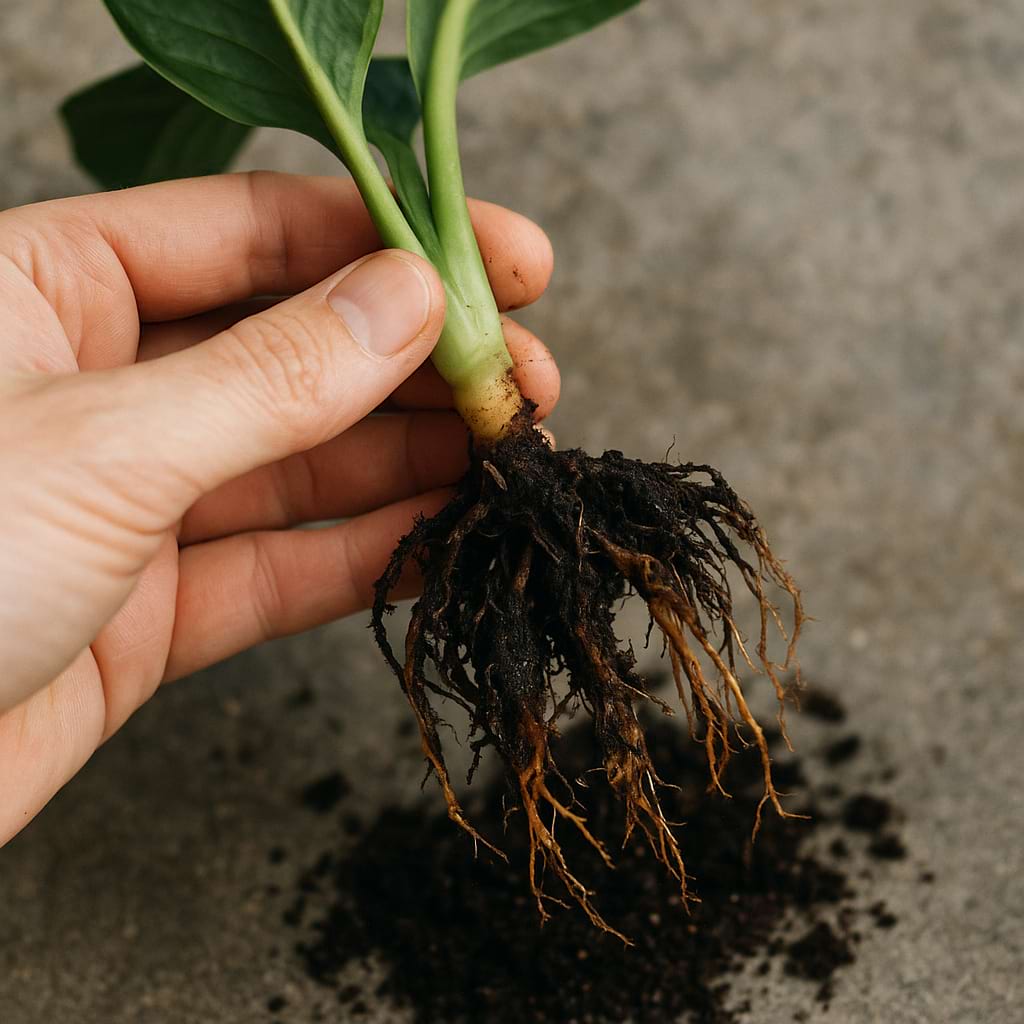
- Check for roots after 3 to 6 weeks with a gentle tug. New leaves are the best sign that it has rooted.
Tips for Success
Keep the medium moist, never wet, and air out the cover every couple of days. Take two or three cuttings at once, since some will fail. Leave rooted cuttings enclosed while they grow on, because moving a young plant into room air is the fastest way to lose it. For general technique, see our propagation guide.
🐛 Begonia Amphioxus Pests and Treatment
Common Pests
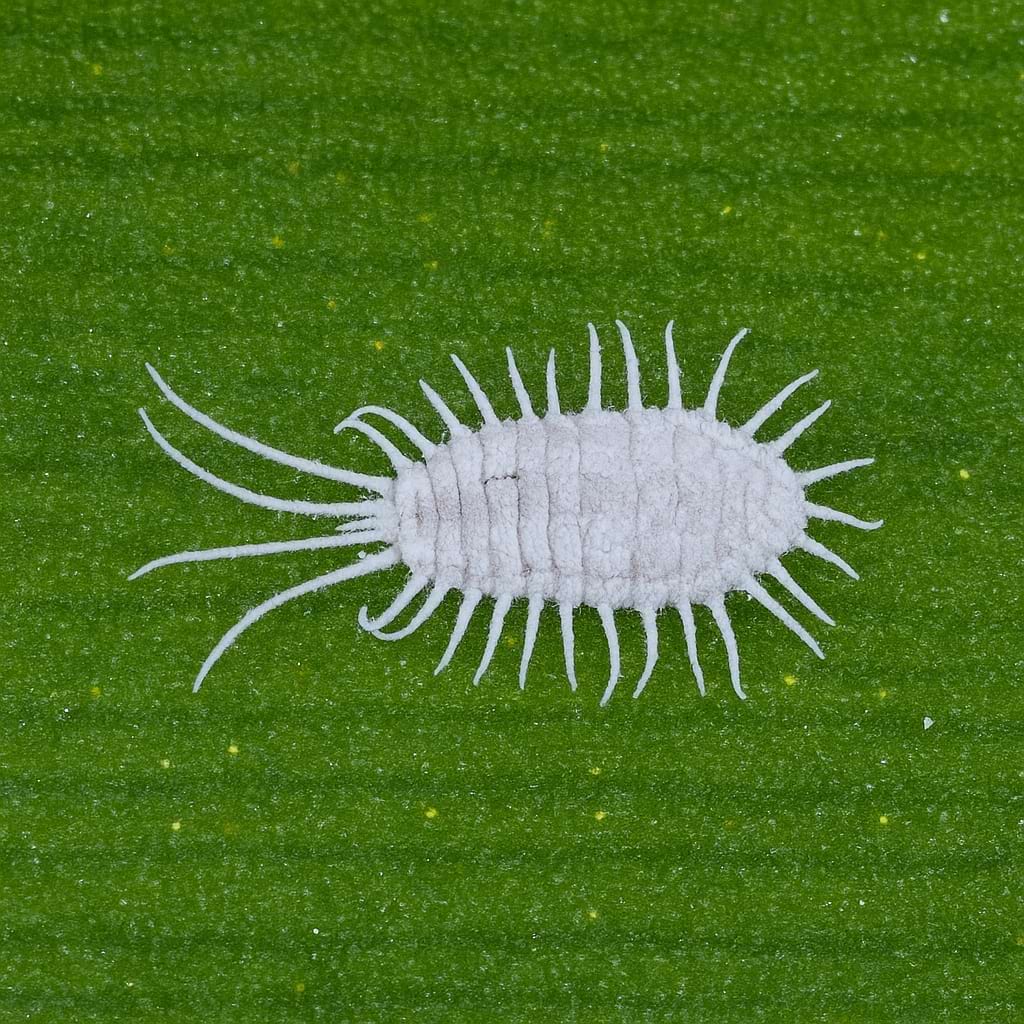
- Mealybugs hide where leaf stalks meet stems as white, cottony clumps.
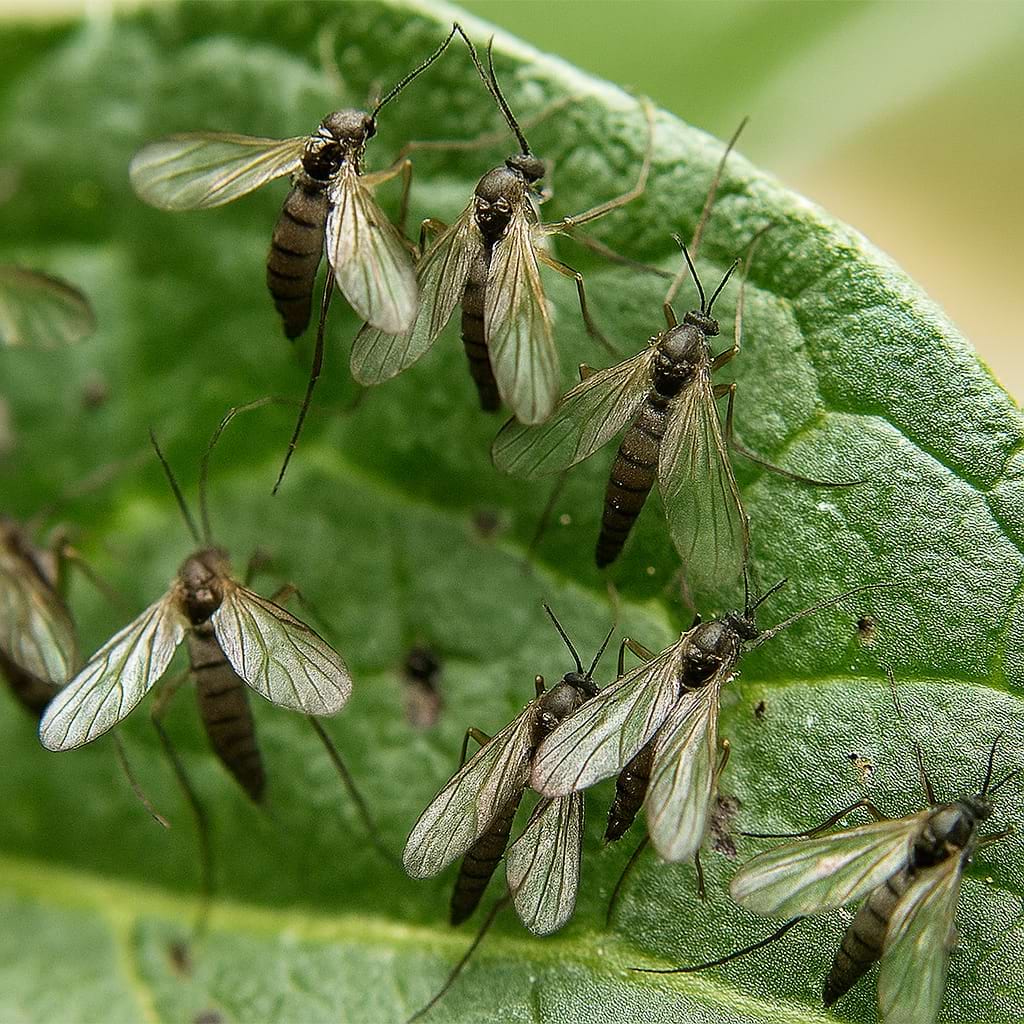
- Fungus gnats breed in damp terrarium substrate, and their larvae can nibble fine roots.
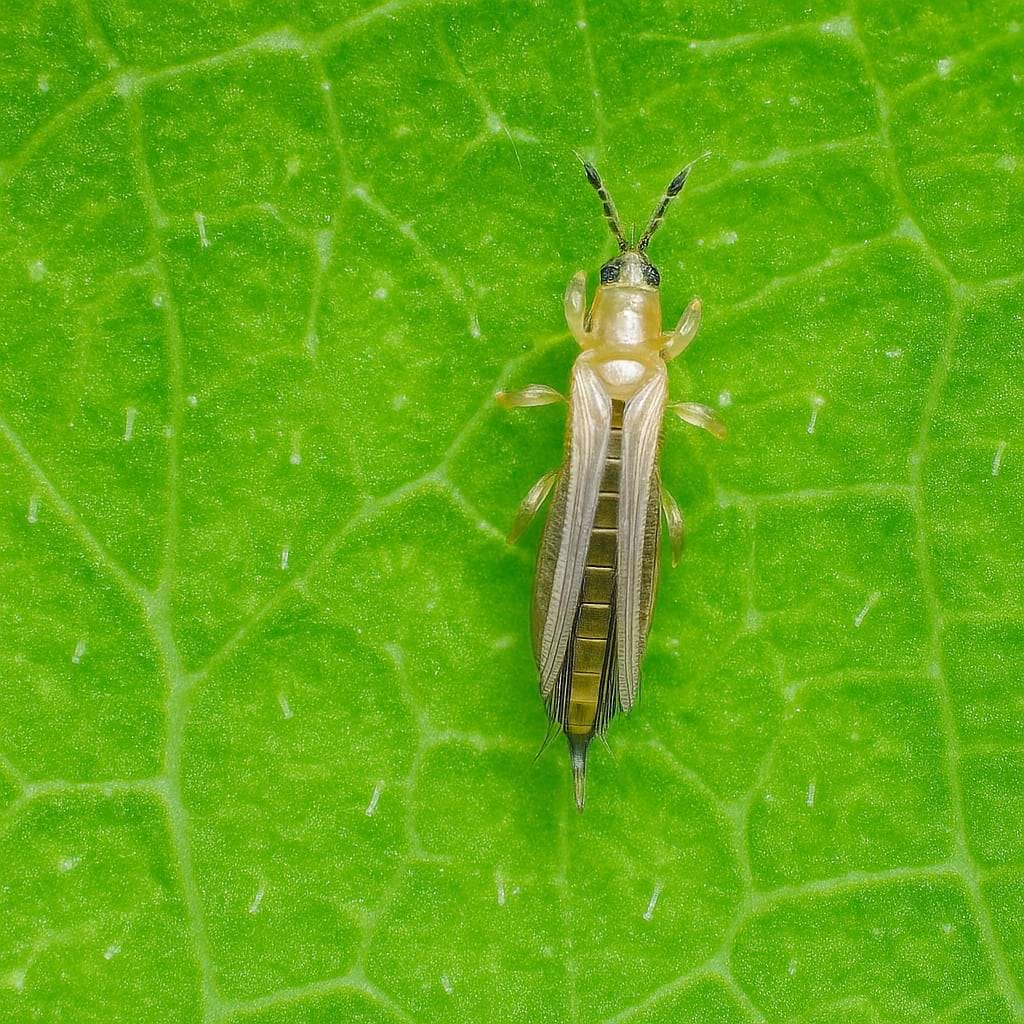
- Thrips leave silvery streaks and black specks, sometimes hard to spot against the red spotting.
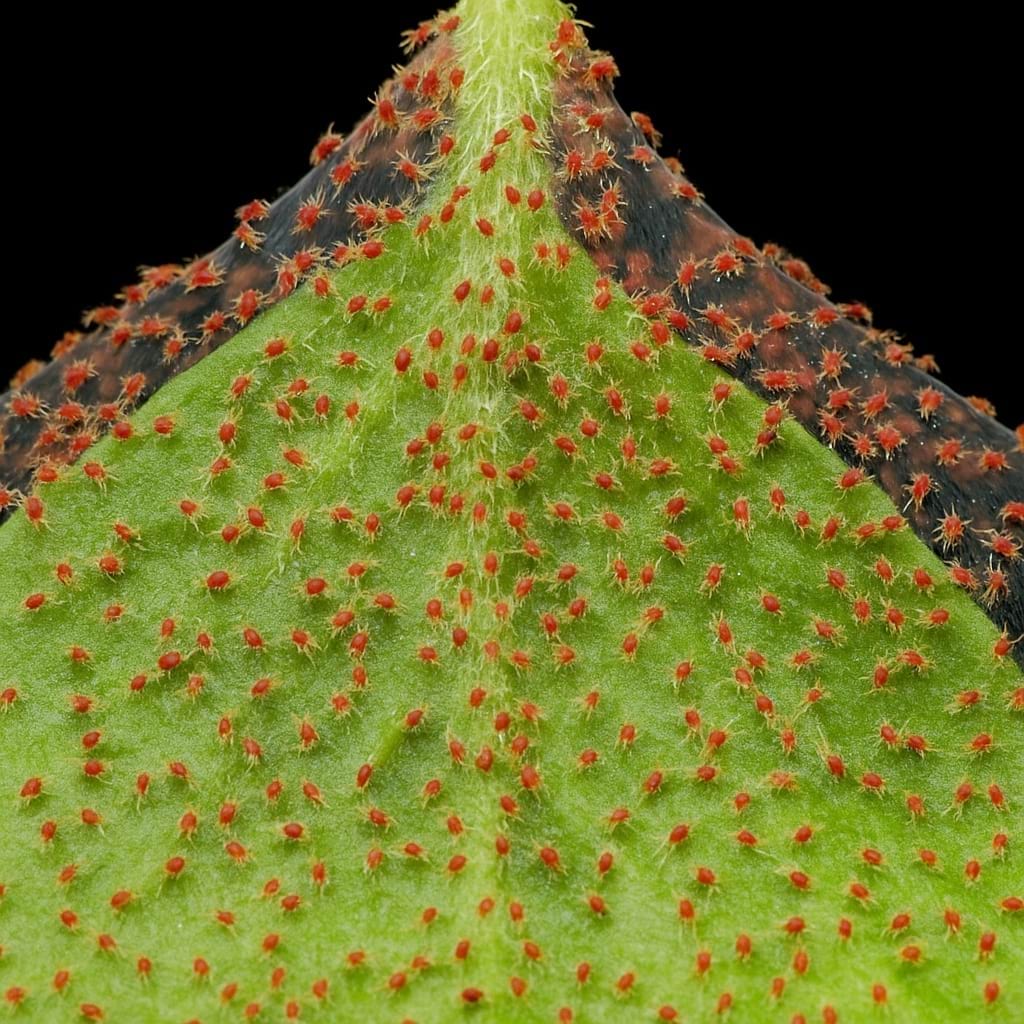
- Spider mites are rare in a humid enclosure but appear if a plant sits in dry air.
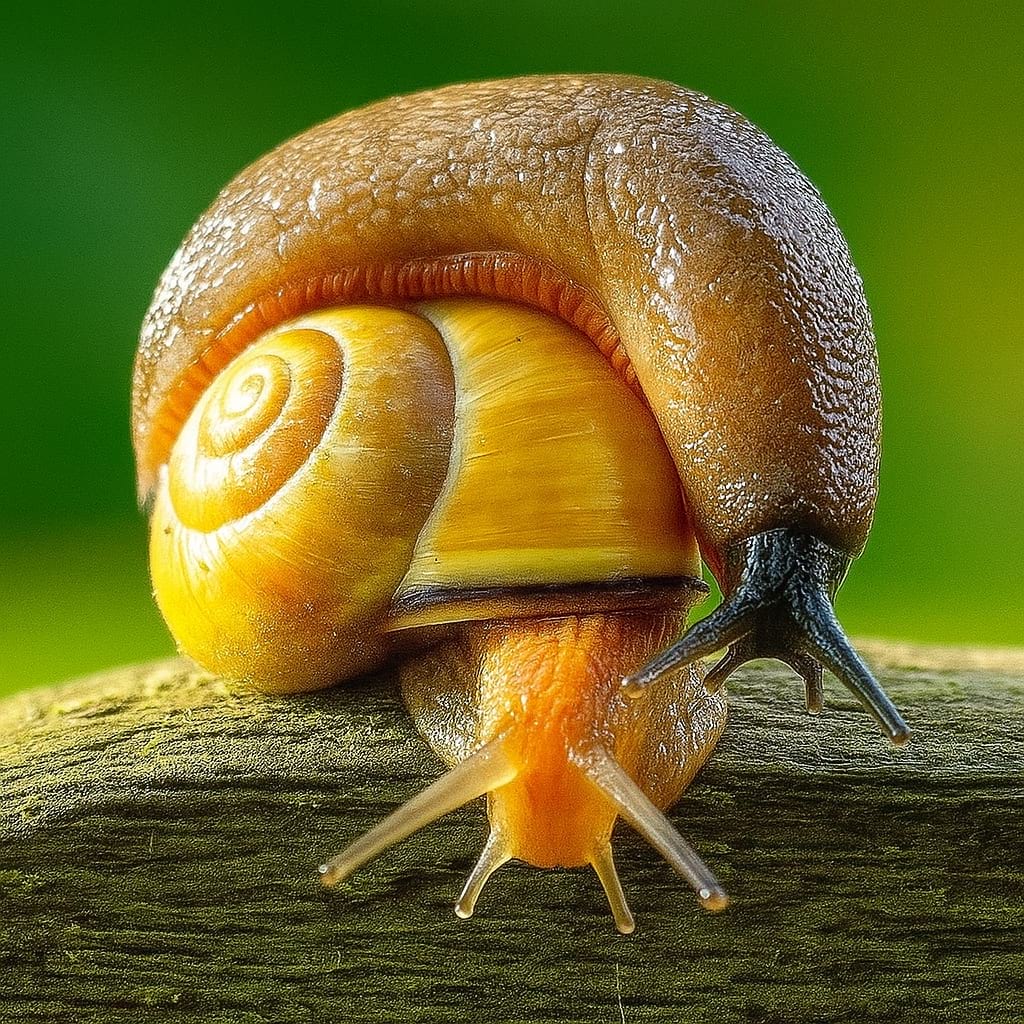
- Slugs and snails can ride in on moss or hardscape and chew holes overnight.
Springtails Are Not a Problem
Tiny white or gray hopping bugs in a damp terrarium are usually springtails. They eat mold and decaying leaves and do not harm healthy plants. Many people add them on purpose in bioactive setups, so there is no need to treat them.
Treatment and Prevention
Dab mealybugs with a cotton swab dipped in rubbing alcohol, and remove the plant from the enclosure if you need to spray. Yellow sticky traps catch adult gnats, and letting the top layer dry slightly between waterings breaks their cycle. Check new moss, wood, and plants before they go into the glass, and pick off slugs at night with a flashlight. If you keep the plant in a vivarium with animals, avoid sprays altogether and handle pests by hand.
🩺 Common Begonia Amphioxus Problems
Leaf Drop After Shipping
Sellers warn that this plant often sheds a lot of leaves in transit and for a few days after arrival. This leaf drop is expected. Pot it up if needed, put it in its enclosure, and leave it alone for a few weeks.
Rot and Mold
Too much water, poor drainage, or leaves left damp in still air lead to root rot, mushy stems, and gray fuzzy mold on fallen leaves. All of these are fungal and bacterial issues that thrive in stale terrariums. Cut out soft tissue, remove debris, water less, and open the lid more often. If the base is gone, root the healthy tips.
Crispy Edges and Stretching
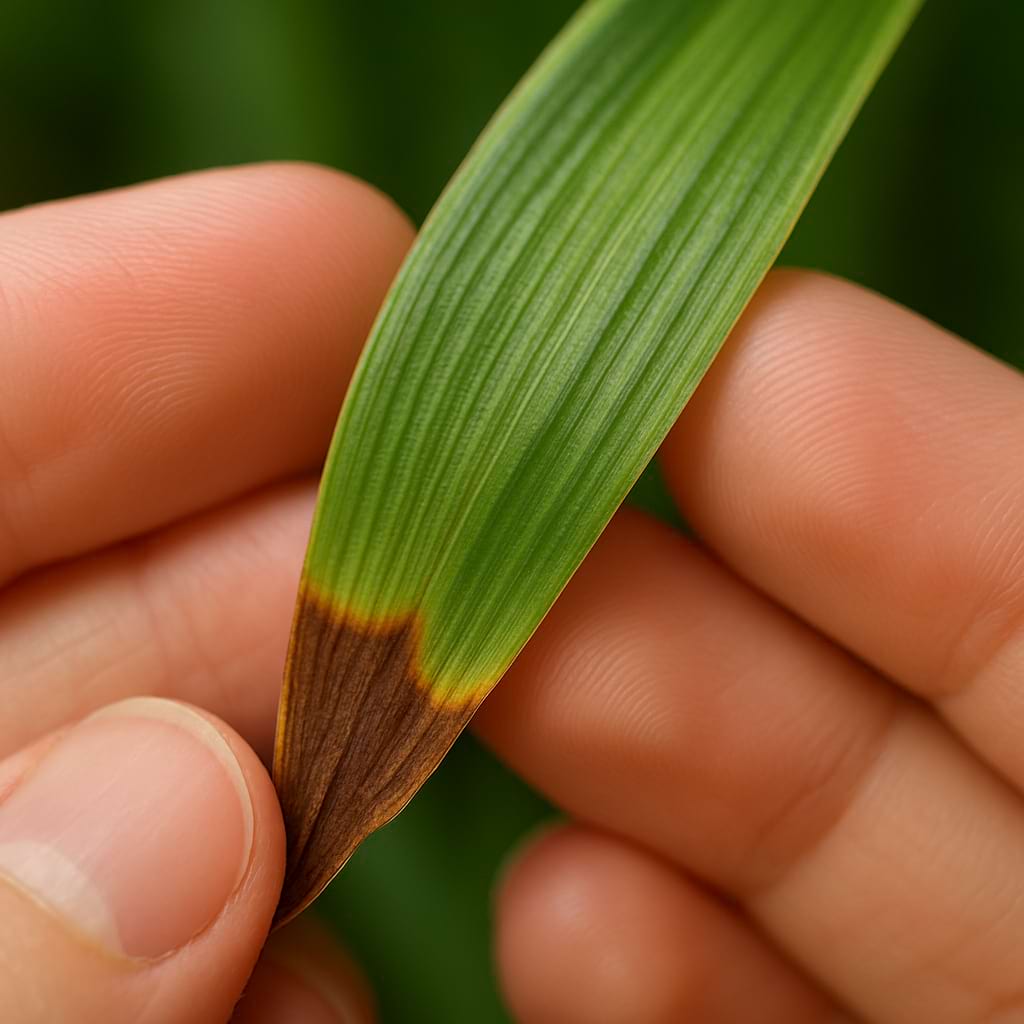
Brown, crispy edges usually follow a stretch of low humidity, often when a terrarium is left open or the plant is moved into room air. Long gaps between leaves and floppy stems mean it needs more light.
Yellow Lower Leaves
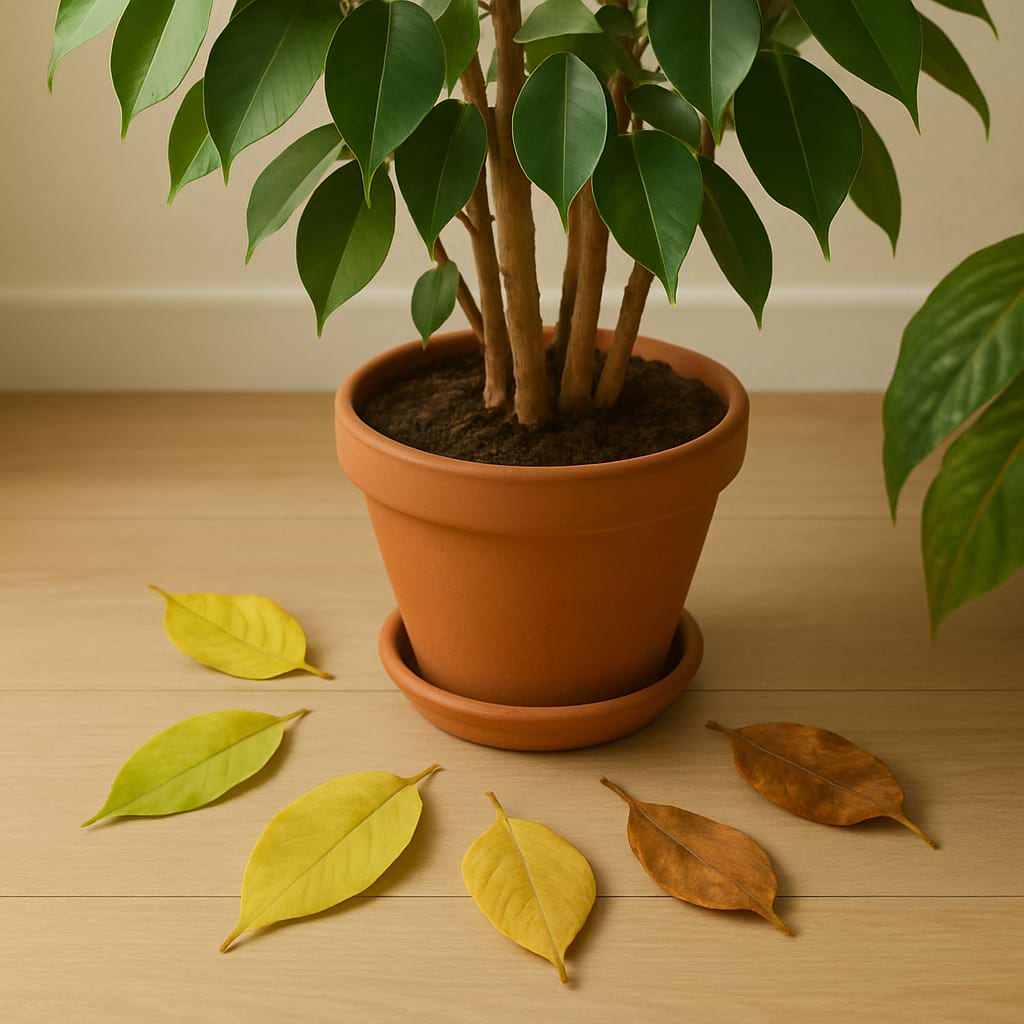
One older leaf yellowing now and then is normal aging, and you can just snip it off. Several at once, especially with damp mix, point to yellowing from overwatering or old, broken-down soil. Let the top layer dry more between waterings, and repot into fresh mix if it smells sour.
🖼️ Begonia Amphioxus Display and Styling Ideas
Choosing a Terrarium
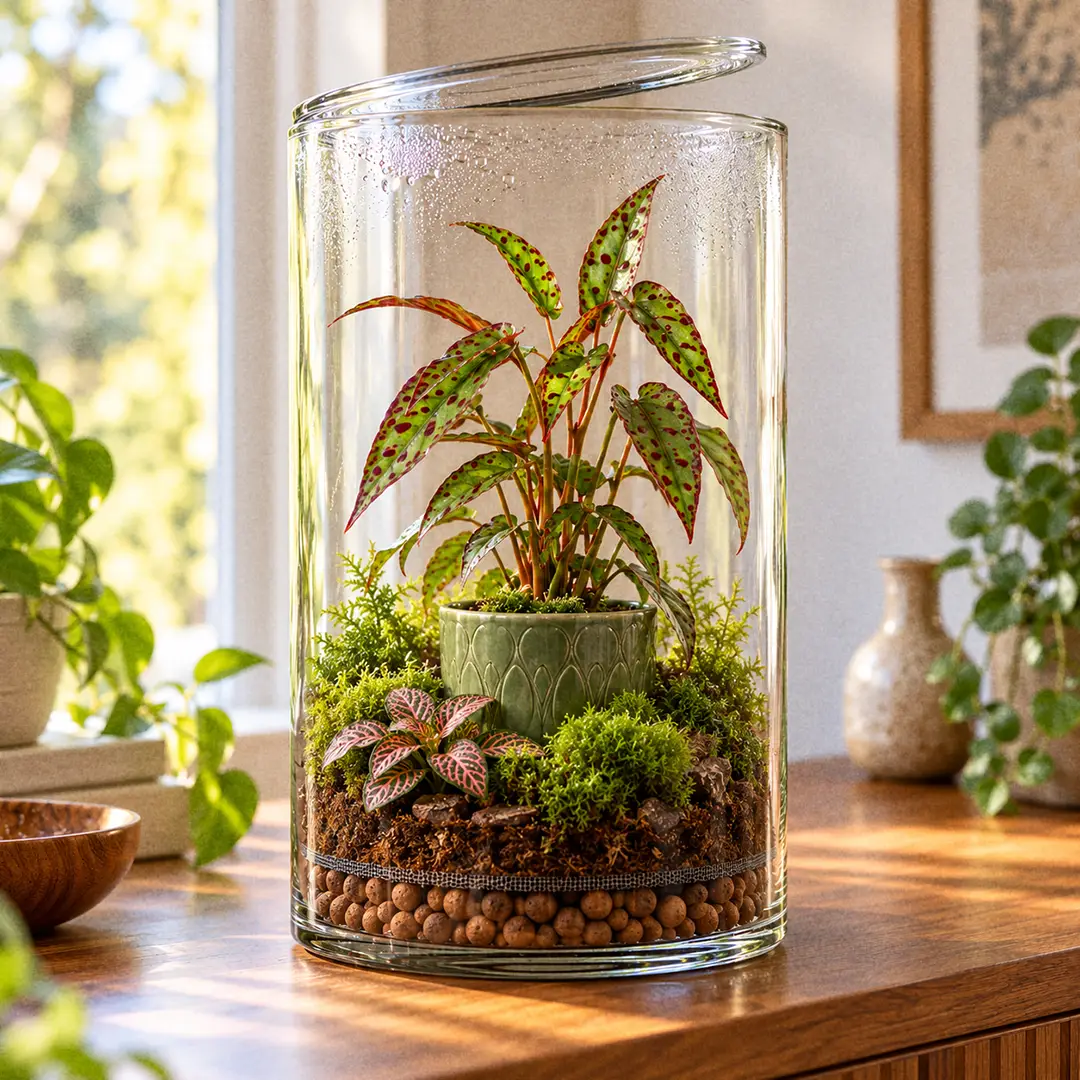
Closed terrariums hold humidity best and need the least watering, but they also hold stale air, so you have to open them now and then. Vented terrariums, cabinets, and front-opening reptile enclosures with a mesh panel are easier to balance. Pick glass you can reach into, because you will be picking up fallen leaves often.
Terrarium Setups
A terrarium at least 12 inches tall gives this begonia room to stand up, since it can reach about 16 inches. Put it toward the back or center so the upright stems add height, and plant low growers around it. A drainage layer of pebbles or expanded clay under the substrate keeps the roots out of standing water.
Cabinets and Grouped Plantings
A glass cabinet with an LED strip and a small fan lets you grow it alongside other humidity lovers in their own pots. Good companions include Nerve Plant, Jewel Orchid, and small humidity-loving ferns such as Maidenhair Fern. Our list of plants that love humidity has more ideas.
Where Not to Put It
Avoid open shelves in average room air, sunny windowsills where glass heats up, and spots next to heaters or air conditioning vents. Keep cats and dogs away from open setups, since it is toxic if chewed.
🌟 Begonia Amphioxus Pro Care Tips
Setup Tips
- Build and run the terrarium for a week before the plant arrives, so you know its humidity and temperature.
- Put a small hygrometer and thermometer inside. Guessing is how plants get lost.
- Plant it slightly raised so water drains away from the stem base.
Everyday Care Tips
- Water the mix, not the leaves, and use less water than you think.
- Pick up fallen leaves every few days.
- Air out a closed terrarium briefly every day or two.
- Rotate the enclosure every couple of weeks if light comes from one side.
Long-Term Tips
- Keep a rooted cutting going as a backup plant.
- Move it into a bigger enclosure, not a bigger pot, once it outgrows the glass.
❓ Frequently Asked Questions
Is Begonia amphioxus toxic to cats and dogs?
Yes. The ASPCA lists begonias as toxic to cats, dogs, and horses because they contain soluble calcium oxalates. Chewing can cause drooling and vomiting. A closed terrarium keeps it out of reach, and our pet-safe houseplants list has alternatives.
Why is it called the butterfly begonia?
Sellers use the name because the narrow, pointed, spotted leaves look a bit like butterfly wings. The botanical name amphioxus means pointed at both ends, which describes the same leaves.
Can Begonia amphioxus grow outside a terrarium?
Rarely for long. Average indoor air is far drier than the 60 to 80% this plant wants. A humid greenhouse or a room with a strong humidifier can work, but most people get better results with an enclosed setup.
Why is my Begonia amphioxus dropping leaves?
On a new plant, it is usually shipping stress, which sellers describe as normal. On an established plant, look at a recent humidity drop, cold air, or soggy roots. Check the stem base for softness first.
How big does Begonia amphioxus get?
Reference sources give a height of about 16 inches (40 cm), with leaves 2 to 5 inches long. Most indoor plants stay smaller, especially in a terrarium where you trim them to fit.
How often should I water it in a closed terrarium?
Far less often than a potted plant, sometimes every two weeks or more. Water only when the top layer feels slightly dry. Heavy condensation that never clears is a sign the setup is too wet.
Should I mist Begonia amphioxus?
No. Misting wets the leaves without holding humidity, and damp leaves in still air invite rot. Raise humidity with an enclosure instead.
Where does Begonia amphioxus come from?
It is native to Sabah, the Malaysian state on the island of Borneo. It grows in light shade on limestone outcrops, at the base of cliffs or on their tops, and its wild range is small.
Can Begonia amphioxus go in a vivarium with frogs?
Yes, it is sold for vivariums and suits their warm, humid conditions. Frogs do not eat plants, but rinse the plant and its roots well before planting, since nursery stock may carry pesticide or fertilizer residue.
Does Begonia amphioxus flower indoors?
It can. The flowers are small, greenish white clusters near the stem tips. They are easy to miss, and you can pinch them off.
Is Begonia amphioxus a good beginner plant?
Not really. Specialist sellers describe it as needing special care and not suited to beginners. If you already keep a healthy terrarium, though, it is very manageable once settled.
ℹ️ Begonia Amphioxus Info
Care and Maintenance
🪴 Soil Type and pH: Fine, airy, moisture-holding but fast-draining mix
💧 Humidity and Misting: Needs steady humidity of 60-80% or more, which usually means a terrarium, cabinet, or enclosed shelf.
✂️ Pruning: Pinch stem tips to keep it bushy and snip off any leaf that turns soft or brown before it rots.
🧼 Cleaning: Do not wipe or mist the leaves. Lift fallen leaves out of the terrarium promptly so they do not rot on the substrate.
🌱 Repotting: Repot in spring only when roots fill the small pot, moving up one size at most.
🔄 Repotting Frequency: Every 1-2 years
❄️ Seasonal Changes in Care: Steady warmth and humidity all year. Water and feed a little less in winter when growth slows, and keep the enclosure away from cold glass.
Growing Characteristics
💥 Growth Speed: Moderate
🔄 Life Cycle: Evergreen perennial shrub-like herb
💥 Bloom Time: Irregular; small clusters can appear at various times of year
🌡️ Hardiness Zones: 11-12
🗺️ Native Area: Limestone outcrops in Sabah, Malaysian Borneo
🚘 Hibernation: No true dormancy; growth simply slows in cooler, darker months
Propagation and Health
📍 Suitable Locations: Closed or vented terrariums, glass plant cabinets, enclosed shelves with LED lighting, vivariums
🪴 Propagation Methods: Root stem tip cuttings in moist sphagnum or perlite inside a closed container.
🐛 Common Pests: Mealybugs, Fungus Gnats, Spider Mites, Thrips, Slugs Snails
🦠 Possible Diseases: Root rot, stem rot, gray mold and leaf rot in stagnant air
Plant Details
🌿 Plant Type: Upright, soft-stemmed shrub-like begonia
🍃 Foliage Type: Evergreen, narrow lance-shaped peltate leaves
🎨 Color of Leaves: Olive to mid-green with dark red spots and a dark red margin
🌸 Flower Color: Greenish white
🌼 Blooming: Yes, but the flowers are small and not showy
🍽️ Edibility: Not edible. Contains soluble calcium oxalates.
📏 Mature Size: Up to about 16 inches (40 cm)
Additional Info
🌻 General Benefits: Stays small, grows well under LED or fluorescent light, and gives a terrarium height and pattern that low creeping plants cannot.
💊 Medical Properties: No documented medicinal uses.
🧿 Feng Shui: An upright plant with red-flecked leaves, often linked to warm, lively energy in a quiet corner.
⭐ Zodiac Sign Compatibility: Gemini
🌈 Symbolism or Folklore: Delicacy, patience, small wonders kept under glass
📝 Interesting Facts: The species was named in 1990 by Martin Sands of the Royal Botanic Gardens, Kew. The name amphioxus means pointed at both ends, which describes the leaves. The leaves are peltate, so the stalk joins the blade slightly in from the edge instead of at it.
Buying and Usage
🛒 What to Look for When Buying: It is usually sold as a small plant in a 2-3 inch pot. Expect some leaf drop after shipping, keep it enclosed on arrival, and buy from sellers who offer fast shipping and propagate their own stock.
🪴 Other Uses: Terrarium focal plant, vivarium planting, plant cabinet specimen
Decoration and Styling
🖼️ Display Ideas: Tall terrariums, glass cabinets, vivariums, grouped with mosses, small ferns, Fittonia, and jewel orchids
🧵 Styling Tips: Give it a spot near the back or center of a terrarium where its upright stems add height, with low mossy plants around its base.
🪴 See also 🪴
Complete Guide to Beefsteak Begonia Care and Growth
Complete Guide to Begonia Rex Care and Growth
Complete Guide to Wax Begonia Care and Growth

Houseplant101 Forum
Questions & Comments
Ask a question, share your plant experience, or help other plant owners.
Comments are temporarily unavailable.
Open the Houseplant101 ForumNo comments yet
Be the first to ask a question or share your experience about this page.
Log in or create an account
Comments use your Houseplant101 Forum account, but you can stay on this page.
Create a new account