Complete Guide to Wax Begonia Care and Growth

πŸ“ Wax Begonia Care Notes

🌿 Care Instructions

Watering: Water when the top inch of soil feels dry, then drench until water drains through.
Soil: Light, well-draining mix with perlite and a touch of compost, slightly acidic to neutral.
Fertilizing: Balanced liquid feed at half strength every two to three weeks while in active bloom.
Pruning: Pinch growing tips for bushiness, deadhead spent flowers, and trim leggy stems back to a node.
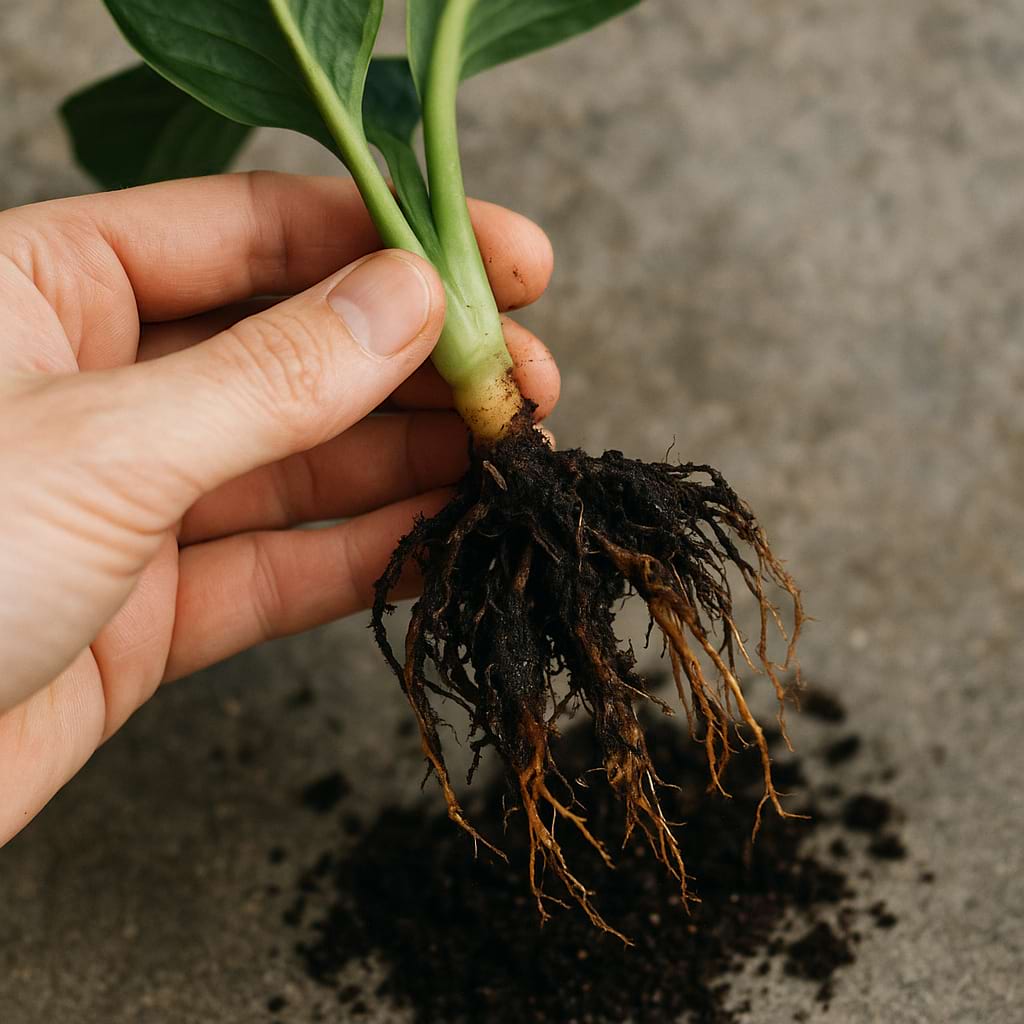
Propagation: Stem cuttings root reliably in water or damp soil; seed propagation is also possible.

⚠️ Common Pests

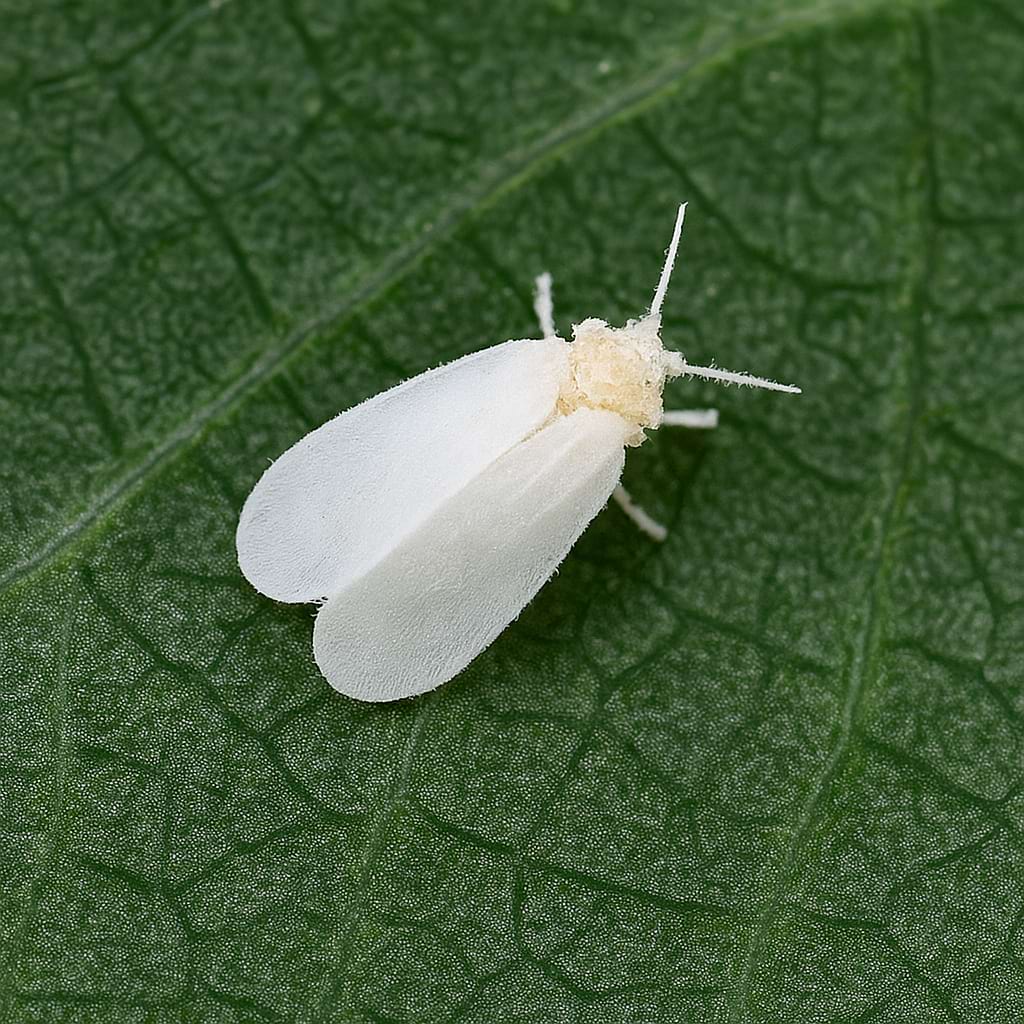
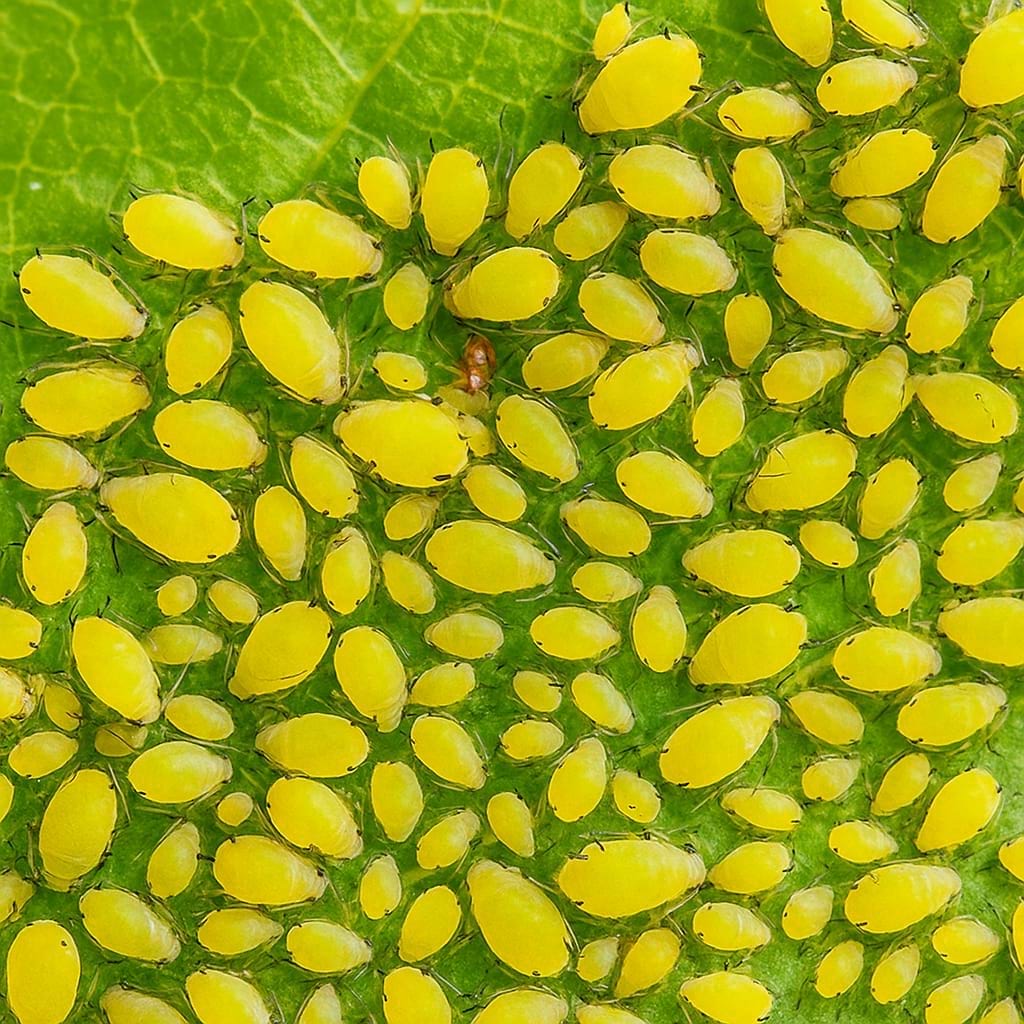
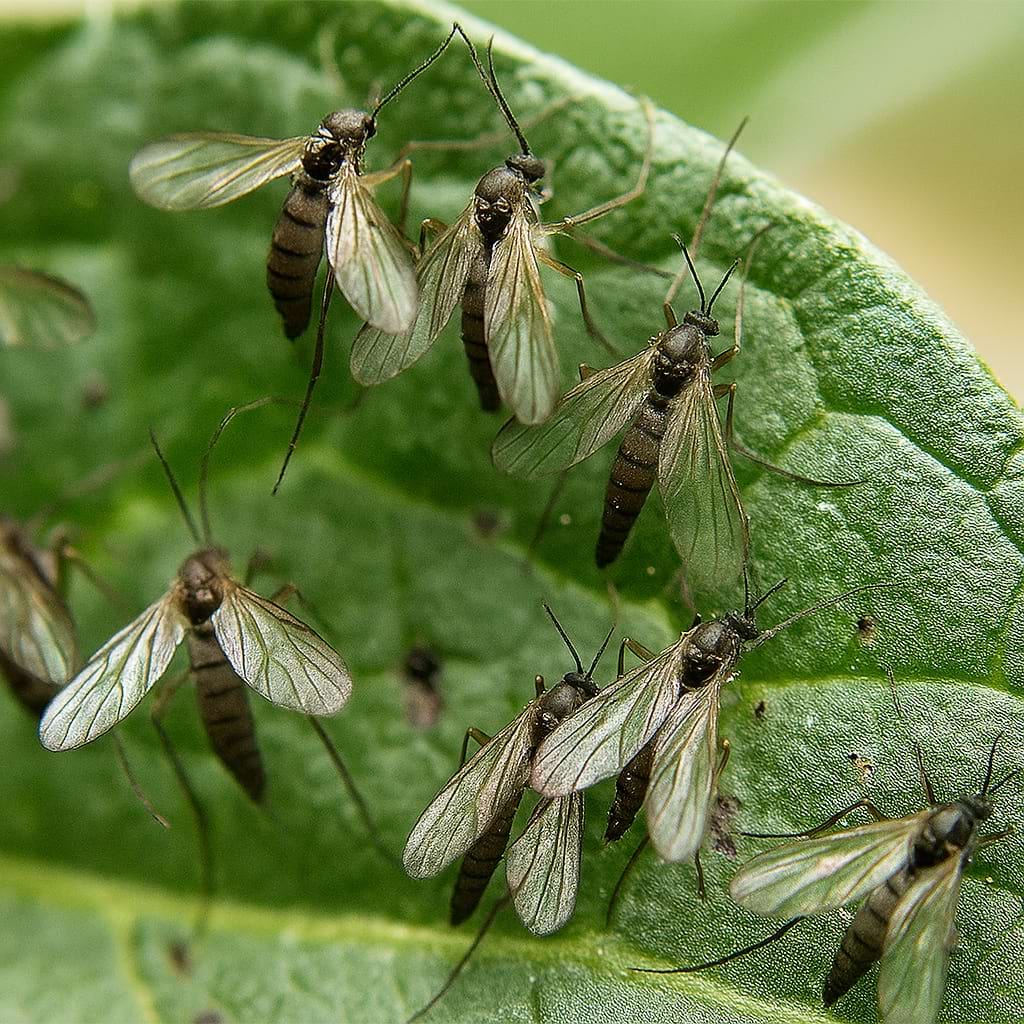
Monitor for Mealybugs, Spider Mites, Thrips, Whiteflies, Aphids, Fungus Gnats. Wipe leaves regularly.

πŸ“Š Growth Information

Height: 6-12 inches indoors
Spread: 8-12 inches
Growth Rate: Moderate to fast
Lifespan: Tender perennial, 3-5+ years indoors

A Note From Our Plant Expert

Marina here. The Wax Begonia is the plant most people walk past at the garden centre, then buy six of by accident in May because they are cheap, cheerful, and already in full bloom. What almost nobody mentions is that they are not annuals at all. A Wax Begonia is a tender perennial from Brazil, and if you bring it indoors before the first frost, give it a sunny window, and trim it back once a year, the same plant will keep blooming on your windowsill for three to five years straight. That is wild value for a plant that cost two dollars.

This is also the begonia I send people to when they want flowers, not just foliage. Where a Beefsteak Begonia blooms once a year and an Iron Cross Begonia barely blooms at all indoors, a Wax Begonia flowers almost continuously. White, pink, or scarlet clusters keep pushing out from the leaf joints as long as the plant has light and a steady drink. It is the closest thing to a year-round indoor bouquet that I have grown.

This guide covers everything I have learned moving Wax Begonias from summer balcony pots into year-round houseplant rotation. The plant is genuinely beginner friendly, but it has a few quirks worth knowing: it wants more direct light than its fancier begonia cousins, it sulks in soggy soil, and a hard trim once a year is the difference between a tidy little mound and a lanky, half-bald stick. Get those right and the rest is easy.

β˜€οΈ Wax Begonia Light Requirements (Bright Indirect to Gentle Direct)

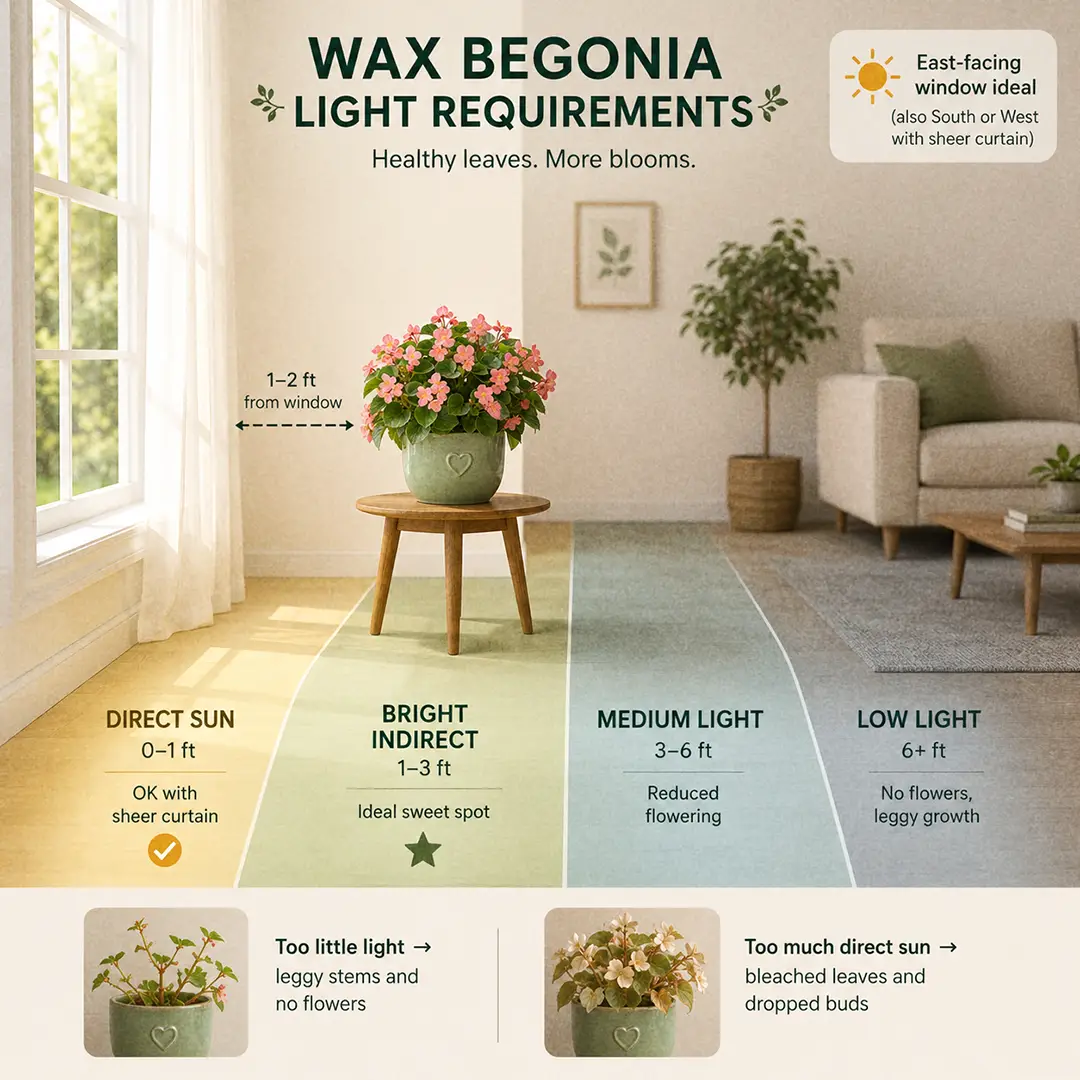
Light is the single biggest factor in whether your Wax Begonia keeps blooming or sulks into a leaf-only plant. Most begonias want filtered light only, but Wax Begonias are an exception. They handle, and actively want, more direct sun than a Polka Dot Begonia or a Rex. The thicker, waxier leaf surface protects them from the kind of light that would scorch a thinner-leaved cousin.

A compact Wax Begonia in full bloom with glossy green leaves and clusters of soft pink flowers in a green ceramic pot with a heart motif on a sunny windowsill with a sheer curtain diffusing the morning light

The Sweet Spot

Aim for bright indirect light with two to four hours of gentle direct sun a day, ideally morning. An east-facing window is close to perfect. South or west exposure works too, as long as a sheer curtain breaks the harshest afternoon rays in summer. Bronze-leaved cultivars handle stronger light better than the pure green types, since the dark pigment helps shield the leaf cells. North-facing rooms are workable but you will see fewer flowers and a leggier plant.

A labeled light-zone diagram showing a Wax Begonia placed in the sweet spot one to two feet from an east-facing window in a bright modern living room, with sweet-spot, too-dark, and too-bright zones marked in soft color washes and a small note about morning sun

What Too Little Light Looks Like

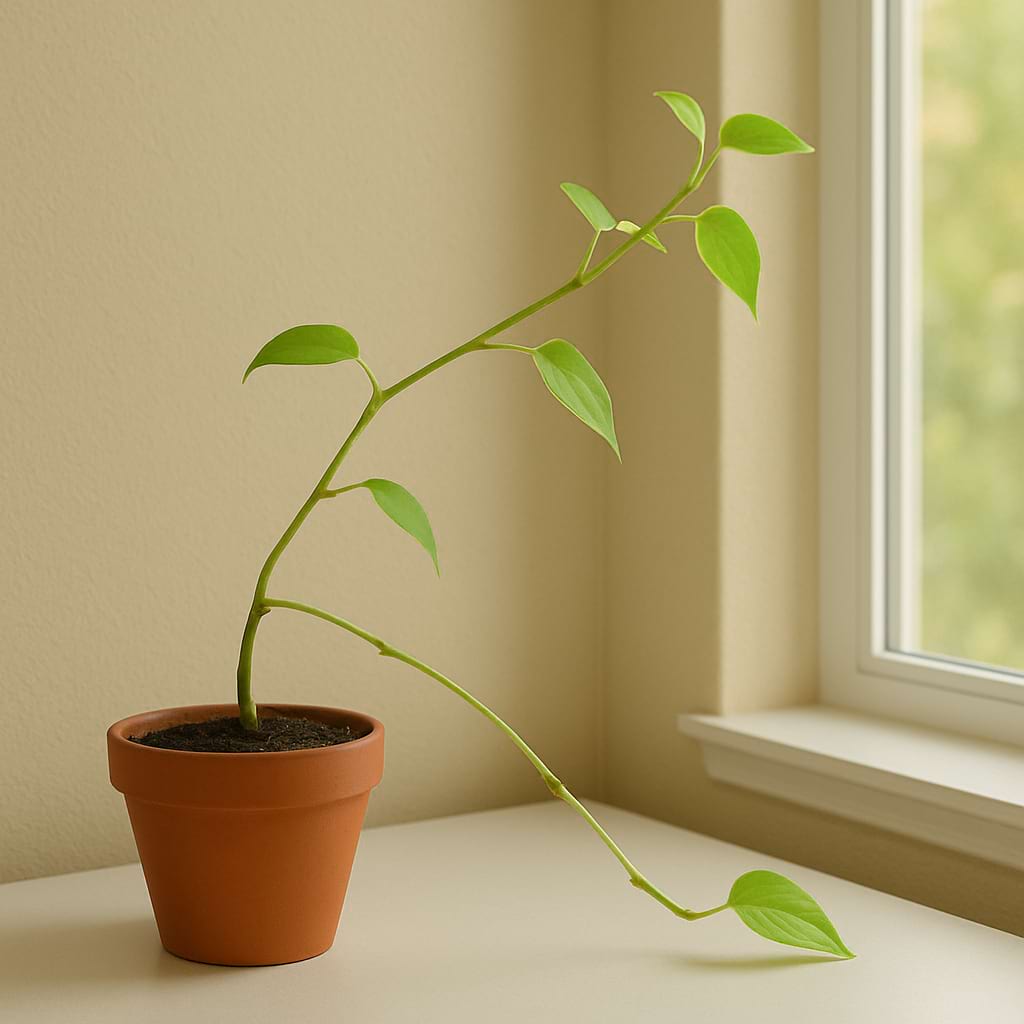
A starved Wax Begonia stretches. Stems lengthen, gaps appear between leaves, and flower production slows or stops. The remaining leaves often turn a paler, flatter green and lose the characteristic glossy sheen. If you find yourself with what looks like a small leggy houseplant on stilts, light is almost always the answer. Move the plant closer to the window or add a grow light for ten to twelve hours a day. New growth from a brighter spot fills in compact and bushy again within a few weeks.

What Too Much Light Looks Like

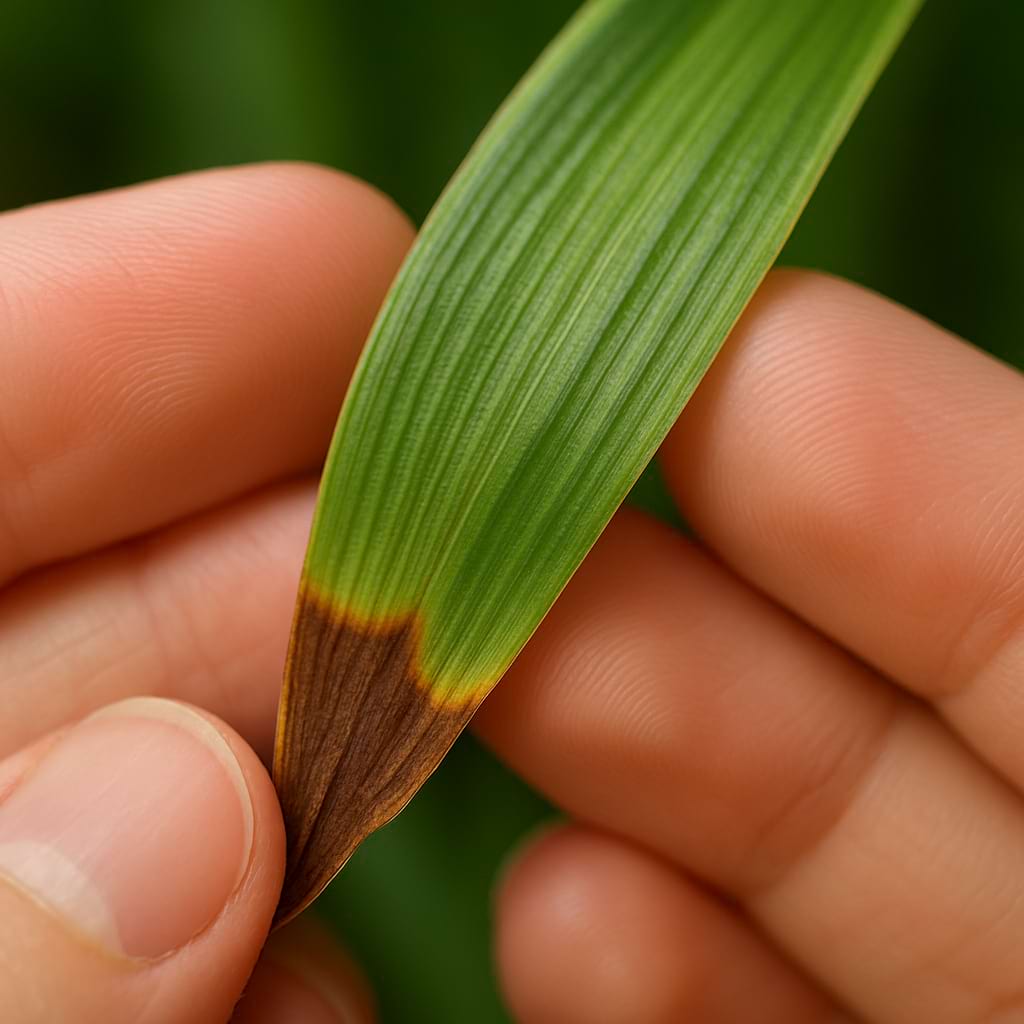
Outdoor noon sun in summer or an unfiltered south window in July can crisp the leaves. Watch for bleached patches on the upper surface, papery dry spots in the middle of leaves, and a washed-out, chalky look. Bronze-leaved cultivars often turn a dusty rust color before they actually burn, which is your early warning to pull the plant back from the glass. The fix is simple: a sheer curtain, a half-step back from the window, or moving from the windowsill to a small table a foot or two inside the room.

A useful test: Wax Begonia leaves look glossy when light is right. If the gloss flattens and the green pales, the plant is light-starved. If the surface goes dull and faintly yellow-white, you have crossed into too much direct sun. The plant tells you everything you need to know if you check it once a week.

πŸ’§ Wax Begonia Watering Guide (Top Inch Dry, Then Drench)

Wax Begonias are not as thirsty as their soft-leaved cousins, thanks to the small water-storing capacity in their thick waxy leaves. They sip rather than gulp. Overwatering kills more Wax Begonias indoors than every other problem combined, so when in doubt, wait another day.

How Often to Water

Push a finger one knuckle deep into the soil. If the top inch feels dry and the soil deeper down is still lightly damp, it is time to water. In a typical home with bright light and average humidity, that lands around every five to eight days during spring and summer, and every ten to fourteen days in winter. The general watering houseplants primer is a useful starting point if you are still calibrating your rhythm.

A Wax Begonia in active bloom drinks slightly more than a foliage-only plant of the same size, since flower production is thirsty work. Plants in bright direct light and clay pots dry out faster than plants in plastic pots in shadier spots. Adjust your check-in schedule to match.

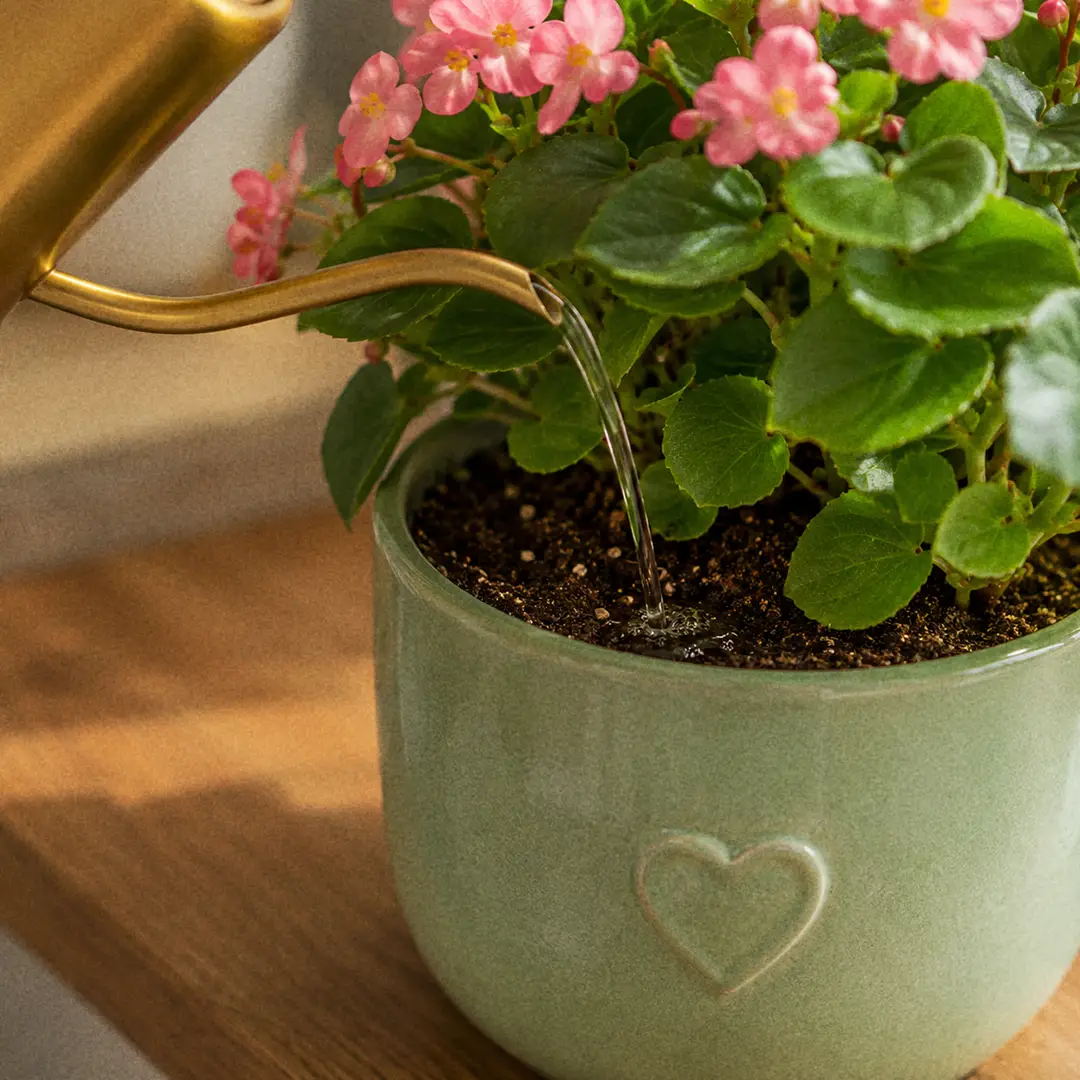
A close-up of a slender-spouted watering can pouring water onto the soil at the base of a Wax Begonia in a green ceramic pot with a heart motif, water darkening the soil surface and the glossy leaves and pink flowers held above the rim

How to Water Properly

Water at the soil line, never from above. Pour slowly and steadily until water runs from the drainage hole. Let the pot drain fully and tip out anything pooling in the saucer. Standing water at the base of the pot is the fastest route to root rot on a Wax Begonia, and the symptoms appear before you have time to react.

Try not to splash water on the leaves or flowers. Wet leaves do not bother a Wax Begonia the way they bother some begonias, but persistently damp foliage encourages powdery mildew and shortens the bloom life. Wet flowers go mushy and rot quickly. Use a narrow-spouted can and aim under the lowest leaves.

Bottom watering is a great option for Wax Begonias, especially if your plant is in a tight cluster of stems where reaching the soil line is awkward. Set the pot in a basin of room-temperature water for fifteen to twenty minutes, then drain. The roots pull water up through the drainage holes, and the leaves and flowers stay bone dry.

Signs You Are Overwatering

  • Lower leaves yellowing one after another within a week
  • Soft, blackened patches at the base of stems where they meet the soil
  • A faint sour smell from the pot
  • Soil that stays wet for more than ten days between waterings
  • Whole stems collapsing and pulling away when nudged
  • Flowers dropping unopened

Signs You Are Underwatering

  • Leaves curling slightly inward at the edges
  • The whole plant going limp and sagging
  • Crispy brown edges on otherwise healthy leaves
  • Soil pulling away from the sides of the pot
  • A pot that feels noticeably light when you lift it
  • Flower buds drying up before they open

A thirsty Wax Begonia recovers within hours of a good drink. A waterlogged one keeps declining for days even after you stop watering, because the rot is already underway in the roots. The asymmetry is why erring on the dry side is always the safer call.

A Note on Water Quality

Wax Begonias tolerate ordinary tap water better than fussier begonias. They are not as sensitive as a Calathea Orbifolia to chlorine or hard water. That said, very heavily chlorinated tap water and water with a lot of mineral content can leave a chalky white crust on the soil and brown leaf tips over time. If your tap runs hard, leave a watering can out overnight to off-gas the chlorine, or switch to filtered water for this plant.

πŸͺ΄ Best Soil for Wax Begonia (Light, Airy, Slightly Acidic)

Standard bagged potting soil is too dense and too moisture-retentive for a Wax Begonia straight from the bag. The plant wants a fluffy, fast-draining mix that holds enough water to stay lightly damp but lets air reach the roots between waterings. Get the mix right and you will solve most overwatering issues before they start.

A Simple DIY Mix for Wax Begonia

This is the recipe I use for every fibrous-rooted begonia in my collection, including bedding begonias I overwinter as houseplants.

  • 2 parts quality indoor potting soil
  • 1 part perlite or pumice
  • 1/2 part orchid bark (fine grade) or coco husk chips
  • 1/2 part coco coir or peat
  • A handful of worm castings or compost for slow nutrient release

Mix in a bucket and squeeze a fistful in your hand. The mix should hold together briefly, then crumble apart at the slightest nudge. If it stays in a hard ball, add more perlite. If it crumbles instantly with no body, add a bit more soil. The aim is something with enough structure to support the roots and enough air pockets that water drains within seconds of pouring.

What to Look For in a Premix

If a bag is your style, an "African violet mix" works well as a base for a Wax Begonia, since both plants share a love of light, slightly acidic soil. Cut it with a generous handful of perlite to open it up further. Avoid anything labeled "moisture control" or "water-retaining," which holds far too much water for this plant. A general-purpose indoor mix amended with one part perlite to two parts soil is also a fine option.

Why Drainage Matters So Much

A Wax Begonia has fibrous, fine roots that are easily damaged by waterlogged conditions. Unlike a tougher rhizomatous begonia, it does not store water in a thick stem at the soil line, so it has nothing to fall back on if the roots fail. Fast drainage means the roots get oxygen between waterings, which is the single biggest factor in keeping the plant alive long term. Spend the ten extra minutes mixing a proper begonia-friendly blend and the plant will reward you with years of flowers.

🍼 Fertilizing Wax Begonia (Light Feed, Often)

Wax Begonias are heavy bloomers, and bloom production is energy-expensive. They appreciate steady, light feeding far more than occasional heavy doses. The aim is a low-and-slow drip of nutrients all season long.

When to Fertilize

Feed every two to three weeks during the active growing and blooming season, roughly March through October in the Northern Hemisphere. In winter, when light is lower and growth slows, drop to once a month or skip feeding altogether for the coldest weeks. Resume in early spring as new growth picks up.

What to Use

A balanced liquid houseplant fertilizer with an NPK around 10-10-10 or 20-20-20 works well. Always dilute to half the dose listed on the label. The general fertilizing guide goes deeper on why half strength is the safer rhythm for most flowering houseplants.

If your plant is blooming heavily and you want to push it further, switch to a slightly higher-phosphorus formula (something like 10-30-20 or a bloom booster) for one or two feedings. A formula meant for African violets or tomatoes also works well for Wax Begonias and is easy to find. Return to balanced after a couple of doses so the plant does not skimp on leaf growth.

Reading the Plant

  • Flowers steadily produced, leaves glossy and well sized: feeding is on point.
  • Smaller pale leaves and slowing flower production: bump frequency or strength slightly.
  • Lush leaves but few flowers: too much nitrogen. Switch to a higher-phosphorus formula.
  • Brown leaf tips and a chalky white crust on the soil: salt buildup. Flush the pot with plain water until it runs clear, then skip the next feeding.
  • A sudden drop of unopened buds despite good watering: often a sign of fertilizer burn. Pause feeding for a month and start fresh at half strength.

A slow-release fertilizer pellet stirred into the spring repot is also a fine option for low-maintenance growers. Top up with liquid feed monthly through summer, and the plant essentially feeds itself.

🌑️ Wax Begonia Temperature Range

This is a tropical plant from Brazil, and it likes warmth without extremes. The sweet spot is between 65 and 75Β°F (18 to 24Β°C), which is exactly where most homes live. Wax Begonias do not enjoy cold and they should never be left out through a frost.

What to Avoid

  • Cold drafts from a leaky winter window
  • Hot dry blasts from a heating vent or radiator
  • Air-conditioning vents pointed directly at the leaves
  • Anything below 55Β°F (13Β°C), which slows growth dramatically and may cause leaf drop
  • Sustained exposure under 50Β°F (10Β°C), which causes stem rot and is often fatal
  • A single light frost outdoors, which kills the plant outright

Seasonal Care

If you summer your plants outside (Wax Begonias love a sheltered patio in warm months), bring them back in well before nights regularly fall under 55Β°F (13Β°C). Inspect each plant for hitchhiking pests as you bring it indoors and give it a bright spot away from cold glass for the first week. The transition from outdoor sun to indoor light can cause a temporary flush of leaf drop. That is normal. New growth from the trim and the brighter window evens things out within a month.

A mild winter cool-down does not hurt this plant the way it would a Polka Dot Begonia, but it does slow blooming. If you want flowers through January, keep the plant in the warmest, brightest spot you have. If you are happy to give it a mild rest, a slightly cooler corner with steady light works fine. Just keep it well above frost and out of direct heat.

πŸ’¦ Wax Begonia Humidity Requirements

Wax Begonias quietly outshine almost every other begonia on humidity. Where a Polka Dot Begonia crisps as soon as indoor air drops below 50 percent and an Iron Cross sulks, a Wax Begonia keeps blooming through dry winter air without complaint. The thick waxy leaves hold moisture in. This is one of the most apartment-friendly begonias on the humidity front.

  • Ideal range: 40 to 50 percent
  • Tolerable: 30 percent
  • Trouble starts below: 25 percent (look for crispy edges, slow new growth, and a drop in flower count)

Easy Ways to Boost Humidity

  • Run a small humidifier in the room for a few hours a day, especially in winter.
  • Group the plant with other houseplants so they share transpired moisture.
  • Set the pot on a tray of pebbles and water. The pot sits on the pebbles, not in the water.
  • Move it to a brighter bathroom if the light is good enough.
  • Skip misting. Wet flowers go mushy quickly, and standing water on the leaves invites fungal spotting. The brief humidity bump is not worth the risk.

A general overview of boosting humidity for indoor plants helps if your home runs especially dry in the cold months.

🌸 Wax Begonia Flowers (The Whole Point of This Plant)

This is where the Wax Begonia earns its keep. While most flowering houseplants put out a single annual show, a Wax Begonia in good light produces fresh flower clusters almost every week of the year. The Latin name semperflorens literally means "always flowering," and the plant lives up to it.

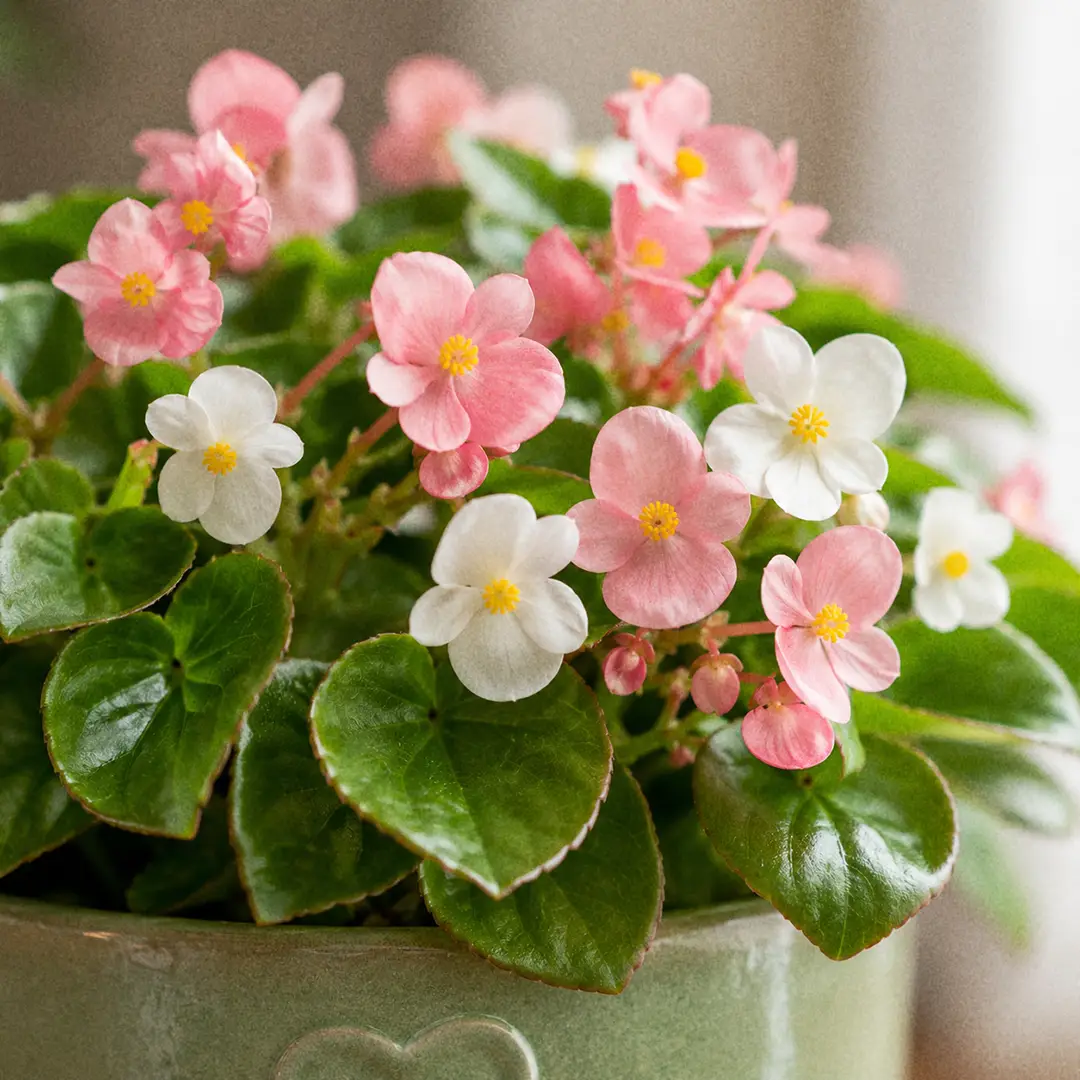
Macro close-up of a Wax Begonia inflorescence with clusters of soft pink and white waxy flowers showing yellow stamens, surrounded by glossy green leaves with a trace of bronze at the edges, in a green ceramic pot with a heart motif against a softly lit window

What the Flowers Look Like

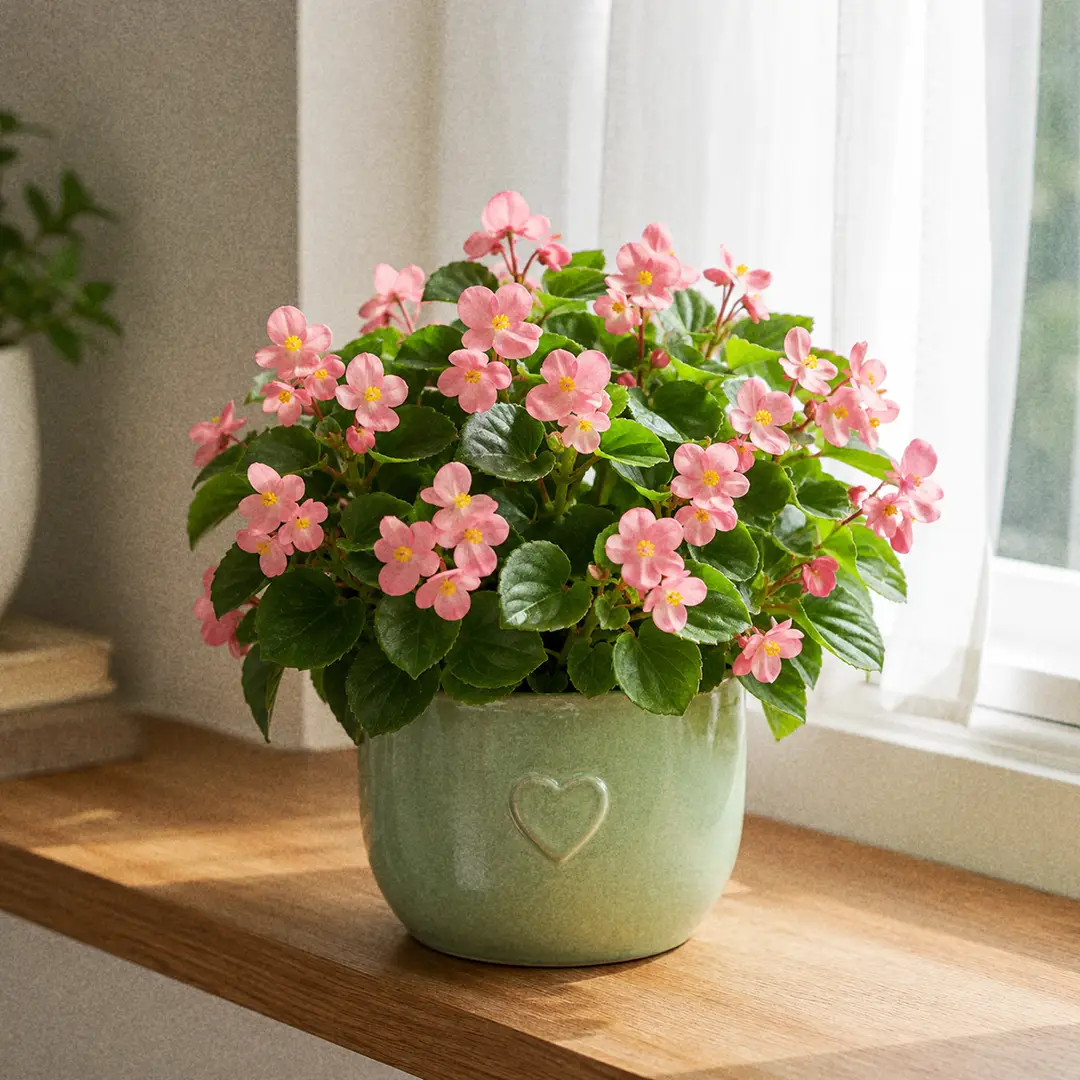
Each individual flower is small, between half an inch and an inch across, with four petals (two larger outer, two smaller inner) and a cluster of bright yellow stamens at the centre. Flowers are held in loose clusters of three to ten blooms at the leaf joints near the stem tips. Color depends on the cultivar and ranges from pure white through soft pastel pink, hot rose, salmon, coral, and deep scarlet red. Each individual flower lasts several days, and a healthy plant always has fresh ones replacing spent ones.

The flowers are technically edible in small amounts. They have a mild lemony tang and look beautiful scattered on a salad. Do not make a habit of eating them, though. Like the rest of the plant, they contain soluble calcium oxalates that are mildly irritating in larger doses.

How to Encourage Continuous Blooms

  • Bright light, including a few hours of gentle direct sun a day. Light is bloom fuel.
  • Steady half-strength feeding every two to three weeks during active growth.
  • Even watering: never bone dry, never waterlogged.
  • Deadheading. Snip spent flower clusters at the base. The plant redirects that energy into new buds.
  • A hard trim once a year (late winter is ideal) to reset the shape and trigger fresh bushy growth that flowers more freely than tired old stems.
  • Slightly cooler nights help in late summer to push autumn blooms.

If your Wax Begonia has stopped blooming, the most common reason is light. A plant in a dim corner survives but stops flowering within a few weeks. Move it to a brighter spot for a month and watch the buds reappear. The second most common reason is that the plant has gone leggy and tired and needs a hard pruning to push fresh blooming wood.

Spent Bloom Cleanup

Wax Begonias are mostly self-cleaning. Spent flowers drop on their own without making a mess. That said, snipping spent clusters at the base nudges the plant to produce more. Once a week, run your fingers through the foliage and pull off any browned petals or finished flower stalks. The plant looks tidier and pushes more buds. Do not let spent flowers sit on the foliage, since they encourage botrytis gray mould in damp conditions.

🏷️ Wax Begonia Types and Varieties

The Wax Begonia is technically a hybrid group rather than a single species. Modern cultivars are descendants of Begonia cucullata and a handful of related Brazilian species, bred over nearly two centuries into thousands of named varieties. They are usually sold by series name (a breeding line of multiple colors and leaf shades) rather than by single cultivar names.

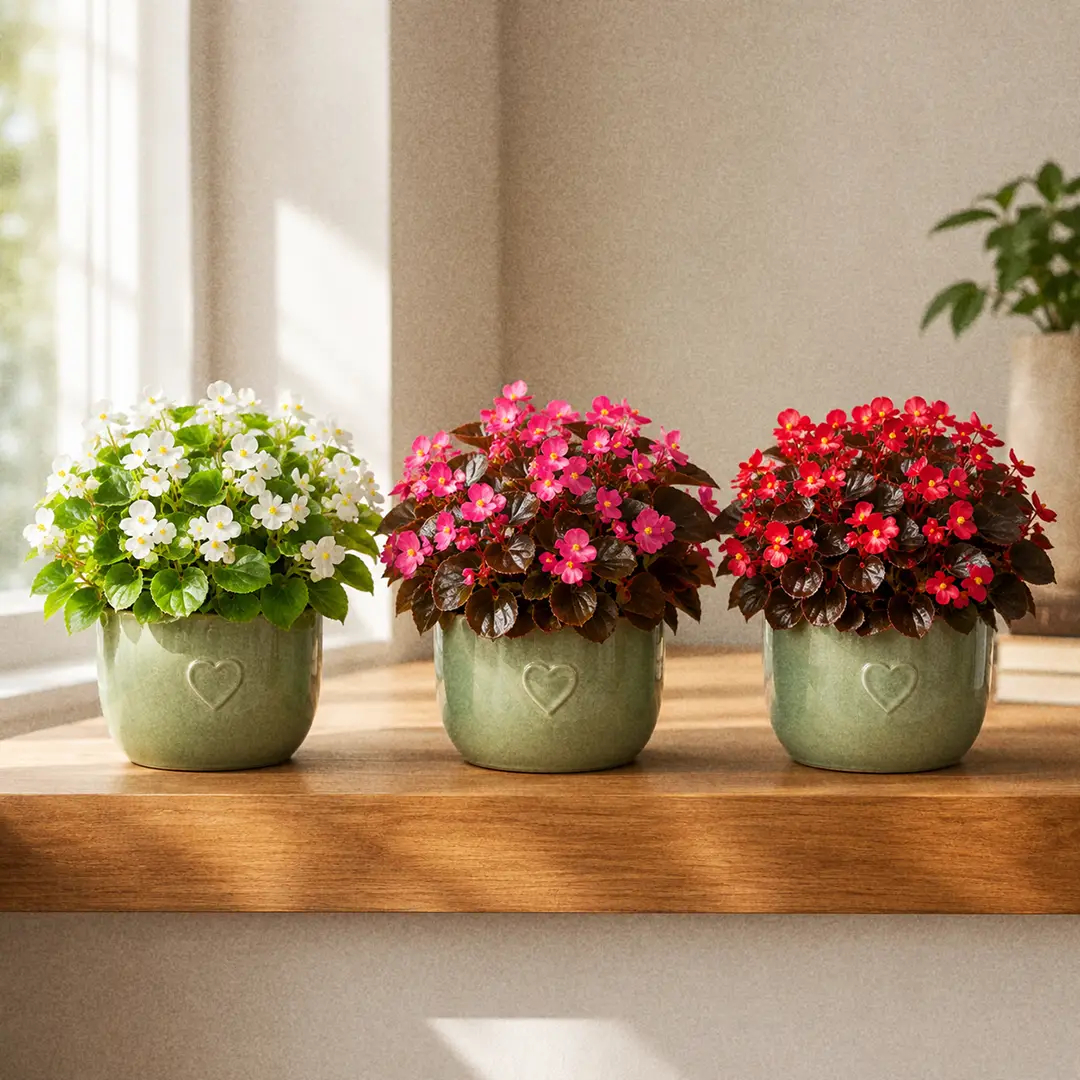
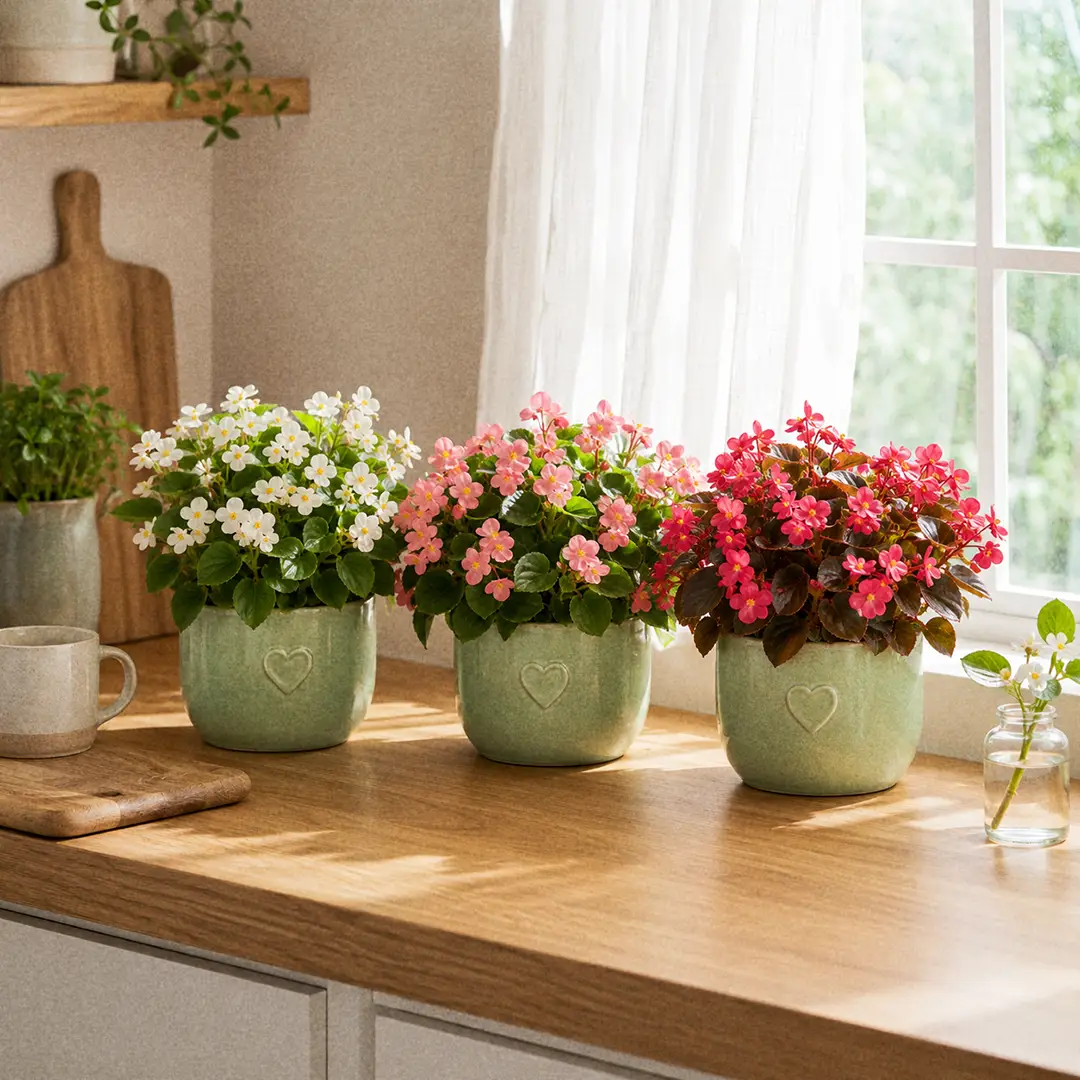
Three Wax Begonias side by side on a wooden shelf in matching green ceramic pots with heart motifs: a green-leaved white-flowered cultivar, a bronze-leaved hot-pink cultivar, and a dwarf Cocktail series plant with red flowers and dark mahogany leaves

Cocktail Series

The most common bedding series at garden centres. Compact, dwarf-habit plants with bronze-mahogany leaves and a tight mounded shape. Named cultivars include 'Brandy' (light pink flowers), 'Vodka' (deep red), 'Whiskey' (white with dark leaves), 'Gin' (rose pink), and 'Rum' (pink with white edges). These are the workhorses for sunny patios and bright windowsills.

Senator Series

Slightly larger plants than Cocktails, with bronze leaves and bigger flower clusters. Senator 'White' and 'Rose' are widely available. These tolerate a bit more sun than green-leaved cultivars and read slightly more upright in the pot.

Ambassador Series

Green-leaved equivalents of the Cocktail series. Compact, mounded, with small clean white, pink, or red flowers above bright apple-green foliage. Best in slightly less direct sun than the bronze types, since the lighter leaves scorch faster.

Doublet and Doublonia Series

Wax Begonias bred for double flowers, with multiple layers of petals giving the blooms a tiny rose-like look. These are slower to flower than the single-bloom types and produce slightly fewer total blooms, but each individual flower has more visual presence. Good for shoppers who want fewer, fancier flowers.

Big Series and Whopper Series

Large-format Wax Begonias bred for landscape mass plantings. These reach two feet tall and wide, with leaves up to five or six inches across and flowers an inch or more wide. Indoors, they need a wide pot and serious light. They are essentially Wax Begonias scaled up to landscape proportions.

Wax Begonia vs. Polka Dot Begonia

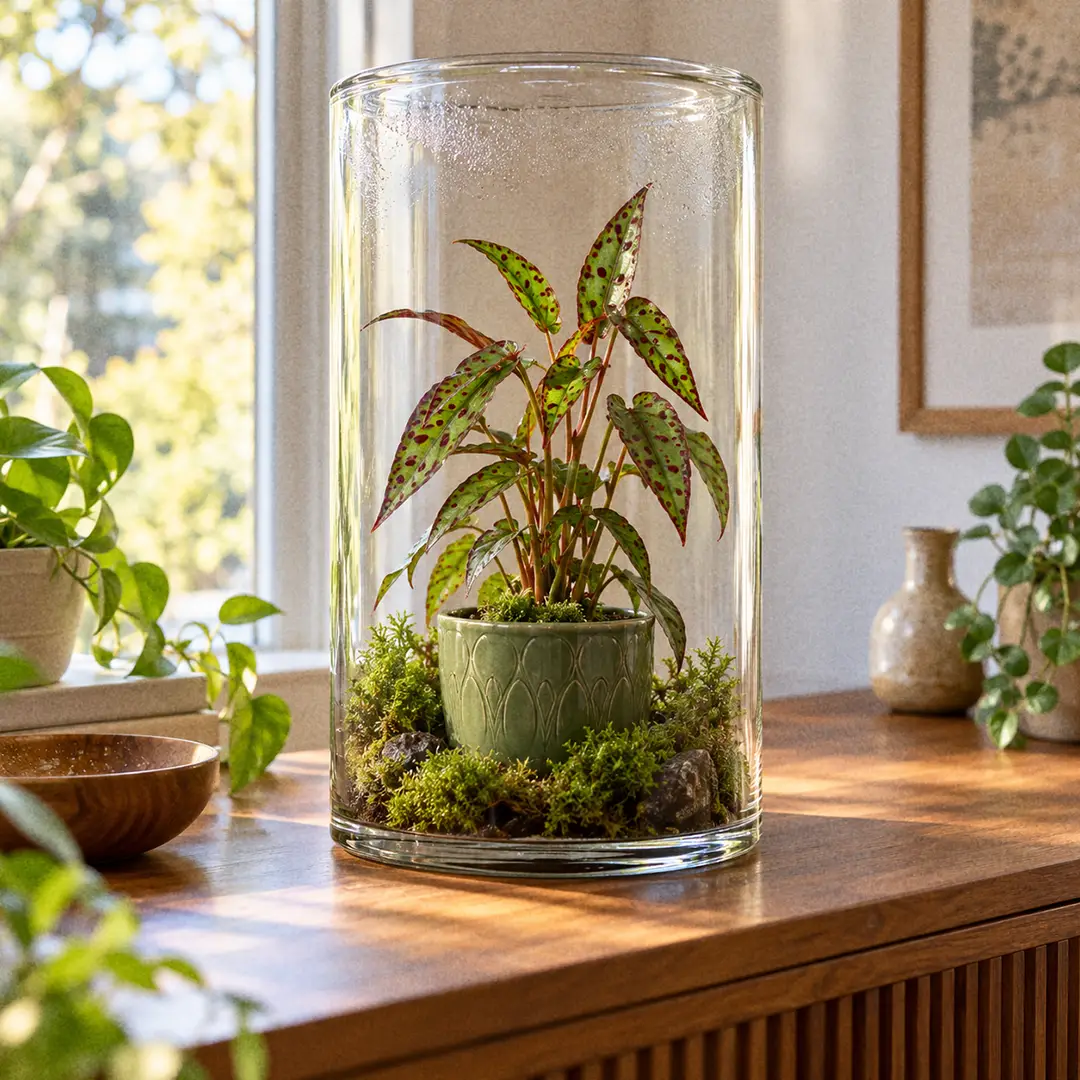
Easily the most common confusion. The Polka Dot Begonia is a cane begonia, with long bamboo-like stems and angel-wing-shaped leaves dotted with silver spots. The Wax Begonia is a fibrous-rooted bedding plant with small, glossy, slightly succulent leaves and a low compact habit. Polka Dot grows tall and demands high humidity. Wax Begonia stays small, blooms continuously, and tolerates ordinary household air. They share a genus and almost nothing else in their care needs.

Wax Begonia vs. Beefsteak Begonia

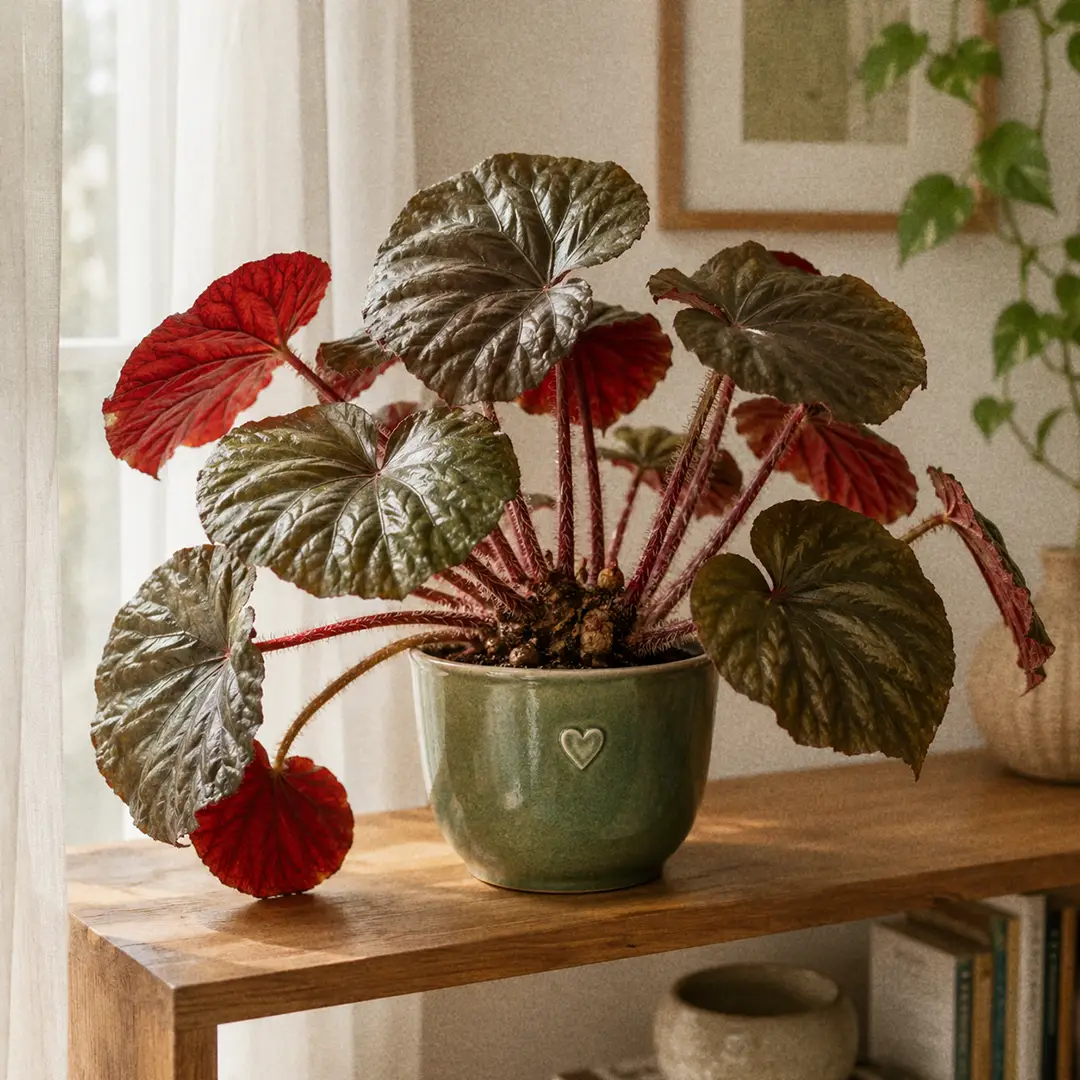
The Beefsteak Begonia is a rhizomatous begonia, with thick round leaves growing from a creeping stem at the soil surface and a once-a-year winter bloom cycle. The Wax Begonia is fibrous-rooted, smaller, and blooms almost year round. Beefsteak is grown for its dramatic foliage and red leaf undersides; Wax is grown almost entirely for its flowers. Both are easy, both are forgiving, but they look like cousins from different sides of the family.

Wax Begonia vs. Strawberry Begonia

Despite the shared common name, the Strawberry Begonia (Saxifraga stolonifera) is not a begonia at all. It is a Saxifrage that produces strawberry-like runners with baby plantlets at their tips. Leaf shape, growth habit, and bloom style are all different. The two share a love of bright light and well-draining soil, but otherwise they are unrelated plants in unrelated families.

Wax Begonia vs. Iron Cross Begonia

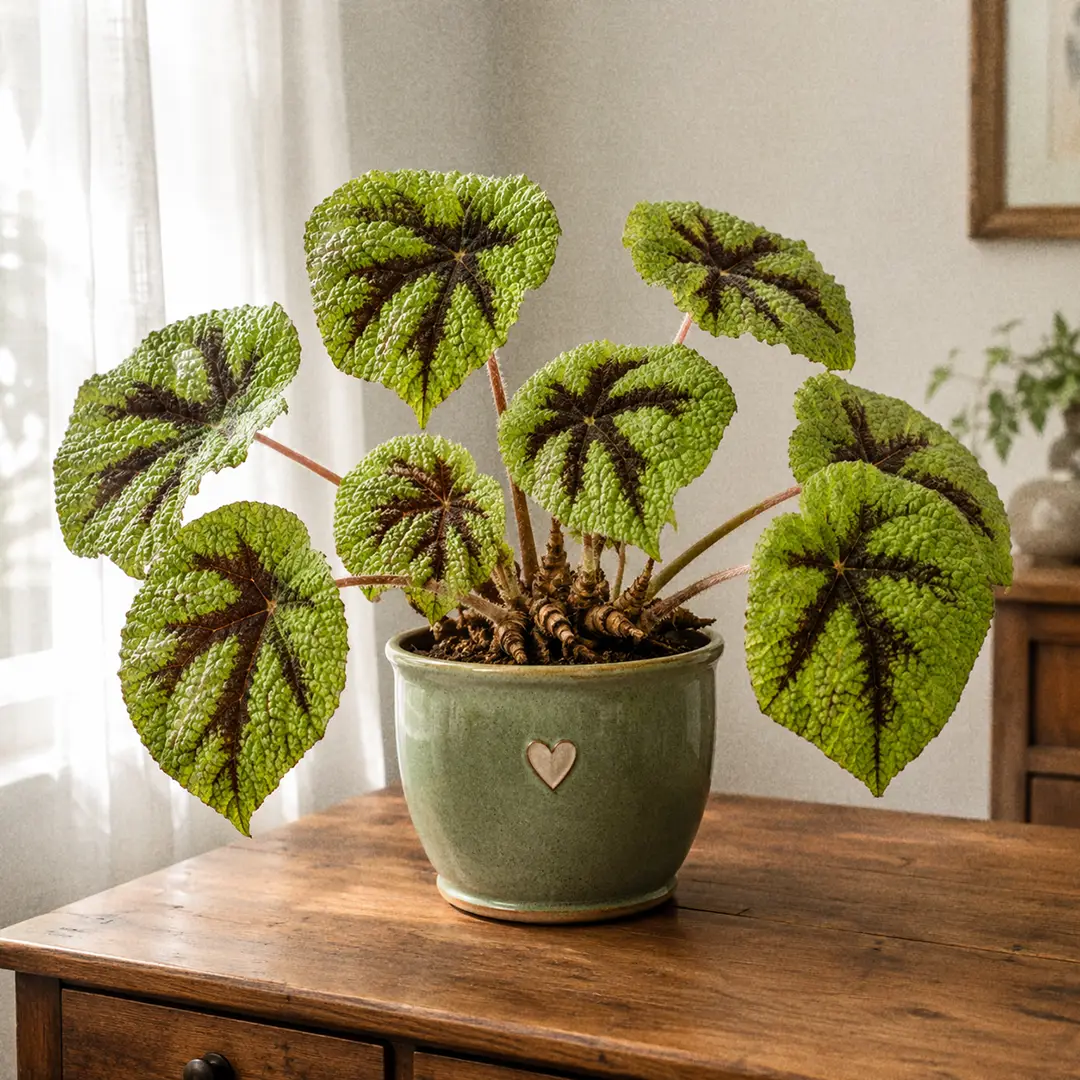
The Iron Cross Begonia is a rhizomatous begonia grown for its puckered apple-green leaves stamped with a chocolate cross. It rarely blooms indoors. The Wax Begonia is the opposite: small plain leaves, near-constant flowers, and a very different growing habit. If you want foliage drama, Iron Cross. If you want flowers, Wax.

When buying, check the rooting style. A real Wax Begonia has many fine fibrous roots and a low mounded habit with multiple stems coming up from the soil. If the plant has one thick creeping stem at the soil line with leaves growing from it, you are looking at a rhizomatous begonia. If it has tall bamboo-like stems with widely spaced leaves, you are looking at a cane begonia.

πŸͺ΄ Potting and Repotting Wax Begonia

Wax Begonias have small, fibrous root systems and prefer to be slightly snug in their pots. An oversized planter full of damp soil around modest roots is the easiest way to rot the plant. Snug and well drained beats spacious and soggy every time.

When to Repot

Plan to repot once a year in spring, after the worst of winter is over and new growth is starting to push. Other clear signs that say "time to repot":

  • Roots circling the bottom of the pot when you slide the plant out
  • Roots growing out of the drainage holes
  • Water running straight through the pot in seconds with no absorption
  • A noticeable slowdown in growth and flowering despite good light and feeding
  • Soil that has visibly broken down into a dense, sour-smelling sludge

Avoid repotting in mid-summer when the plant is in heavy bloom. The disturbance often pauses flowering for a few weeks. Spring is the cleanest window.

Choose the Right Pot

A Wax Begonia is happiest in a pot only an inch or two wider than its current root ball. Drainage holes are mandatory. Wide squat pots and standard upright pots both work, since the root system stays compact rather than spreading like a rhizome.

  • Terracotta is a great fit. The porous walls wick excess moisture out and help the soil dry evenly.
  • Glazed ceramic and plastic hold moisture longer and pair well with cooler, drier homes where soil rarely stays wet too long.
  • Self-watering pots can work if the reservoir is small. A large reservoir keeps the soil too wet for too long.

How to Repot, Step by Step

  1. Water the plant lightly the day before so the root ball holds together when you slide it out.
  2. Choose a new pot only one to two inches wider than the current one.
  3. Add an inch of fresh begonia mix to the bottom.
  4. Slide the plant out and tease apart any tightly circling roots at the bottom and sides.
  5. Trim away any roots that are mushy, brown, or hollow. Healthy fibrous roots are firm and pale.
  6. Set the plant in the new pot at the same depth it was sitting before. Do not bury the lower stems.
  7. Backfill around the roots with fresh mix, tapping the pot to settle it. Do not pack hard.
  8. Water lightly and place back in its usual bright spot.

A general overview of repotting houseplants covers the basics. For Wax Begonias specifically, the rule above all others is: do not bury the stems. Stems sitting in damp soil rot faster than almost anything else on this plant.

βœ‚οΈ Pruning Wax Begonia

Pruning a Wax Begonia is half the secret to keeping it bushy, blooming, and good-looking for years. Without it, the plant grows lanky, half its stems go bare at the bottom, and bloom count slowly drops. With it, the plant stays compact and flowers harder.

Routine Pinching

Once a week, run your fingers over the growing tips and pinch off the very tip of any stem that is racing ahead of the others. Pinching forces the plant to branch from the next leaf node down, which means more stems, more leaf joints, and more flower clusters. This is the single best habit you can build for a Wax Begonia. The plant rewards you within ten days every time.

Deadheading Spent Flowers

Snip spent flower clusters at the base of their stalk with clean snips. Wax Begonias are mostly self-cleaning, but deadheading deliberately tells the plant to stop putting energy into seed production and start pushing fresh buds. A weekly deadhead pass over the plant takes about a minute and visibly increases bloom count over a season.

The Annual Hard Trim

Once a year, usually in late winter (February or early March in the Northern Hemisphere), trim every stem back by one half to two thirds. Yes, it looks brutal. Yes, the plant looks like a sad green stump for two weeks. Yes, it then rebounds with a flush of fresh, dense, well-branched growth that flowers harder than any tired old plant could.

This hard trim is the single difference between a Wax Begonia that lasts a season as a windowsill annual and one that lives for years as a beautiful compact houseplant. Save the cuttings, since every healthy stem section is a free new plant.

Removing Damaged or Diseased Tissue

Any leaf that has gone soft, mushy, or browned should be snipped off at the petiole base immediately. Same for any stem with black or brown rot at the base. Cut back into clean, firm tissue, and clean your snips with rubbing alcohol between cuts so you do not spread fungal issues across the plant.

Cleaning the Leaves

Wax Begonia leaves are glossy and naturally shed dust, but they still benefit from an occasional wipe-down. Once a month, brush the upper surfaces gently with a soft dry paintbrush or makeup brush. Avoid wiping with a damp cloth in the evening, since wet leaves overnight encourage powdery mildew. Clean leaves photosynthesise better and keep the gloss bright.

🌱 How to Propagate Wax Begonia

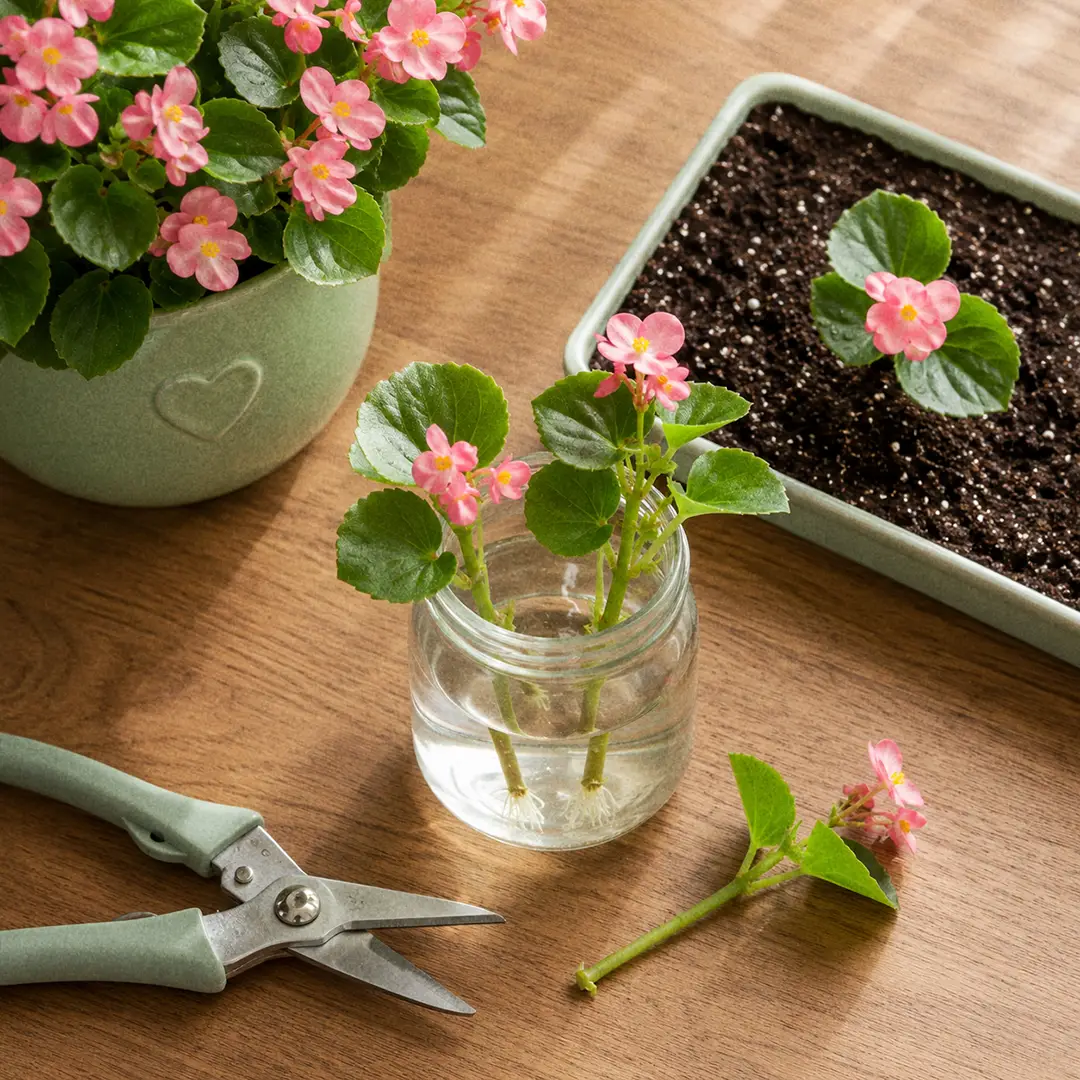
This is one of the easiest begonias to propagate, and one of the easiest houseplants in general. A snipped stem with a few leaves roots in water in two weeks. The annual hard trim usually leaves you with more cuttings than you know what to do with, so building backup plants and gifting extras becomes a happy side hustle.

Top-down view of a Wax Begonia propagation setup showing several stem cuttings rooting in a small glass jar of water on a wooden surface beside a green ceramic pot with a heart motif and a tray of fresh begonia mix with one cutting already planted

Method 1: Stem Cuttings in Water

This is the easiest and most reliable approach.

  1. Snip a healthy stem tip with at least three or four leaves and a couple of growth nodes. Cut at a 45-degree angle below the lowest node.
  2. Strip off the lowest one or two leaves so the bottom node is bare.
  3. Place the cutting in a small jar of clean room-temperature water with the bare node submerged and the leaves above the water line.
  4. Set the jar in bright indirect light, away from direct sun. A windowsill with morning light is ideal.
  5. Change the water every five to seven days to keep it fresh.
  6. New roots emerge from the submerged node within ten to fourteen days.
  7. Once the roots are an inch or longer, pot the cutting up into fresh begonia mix.

The first month after potting, keep the soil slightly damper than you would for a mature plant. The cutting is transitioning from water roots to soil roots and benefits from a gentler introduction. The water propagation guide covers the technique in more detail.

Method 2: Stem Cuttings in Soil

If you prefer to skip the water stage, Wax Begonia stems root almost as readily directly in damp soil. The soil propagation guide is a useful primer.

  1. Take the same kind of cutting as above: a stem tip with three or four leaves and a couple of nodes.
  2. Strip the lowest leaves and let the cut end air-dry for an hour to callus.
  3. Dip the cut end in rooting hormone (optional but speeds up the process).
  4. Push the bare node into damp begonia mix in a small pot.
  5. Cover loosely with a clear plastic bag or a propagation lid to hold humidity.
  6. Place in bright indirect light. Lift the cover daily for fresh air.
  7. After two to three weeks, give the cutting a gentle tug. Resistance means roots have formed. Remove the cover and treat as a young plant.

Soil-rooted cuttings tend to skip the transplant shock that water-rooted cuttings sometimes hit, but they are a bit harder to monitor, since you cannot see the roots developing.

Method 3: Seed Propagation

Wax Begonias are one of the few houseplants commonly grown from seed by home gardeners. Seeds are dust-fine, slow to germinate, and need ten to fourteen weeks from sowing to bloom-ready transplants. Most growers stick with cuttings for indoor propagation, but if you want to grow a flat of fifty matching plants for summer pots, seed is the only practical route.

What Does Not Work

  • Single leaves with no stem tissue attached: Wax Begonias do not propagate from leaf cuttings the way rhizomatous begonias do. Stems are required.
  • Cuttings left to soak in deep, dirty water: roots rot before they form.
  • Burying the entire cutting deeply in soggy soil: the stem rots before it roots.

πŸ› Wax Begonia Pests and Treatment

Wax Begonias are not pest magnets, but indoor air is dry and dusty, and pests find their way in eventually. Inspect the undersides of leaves and the soft new growth at the stem tips every two weeks. Quarantine any new plant for two weeks before placing it next to your Wax Begonia. That habit alone prevents most pest problems before they start.

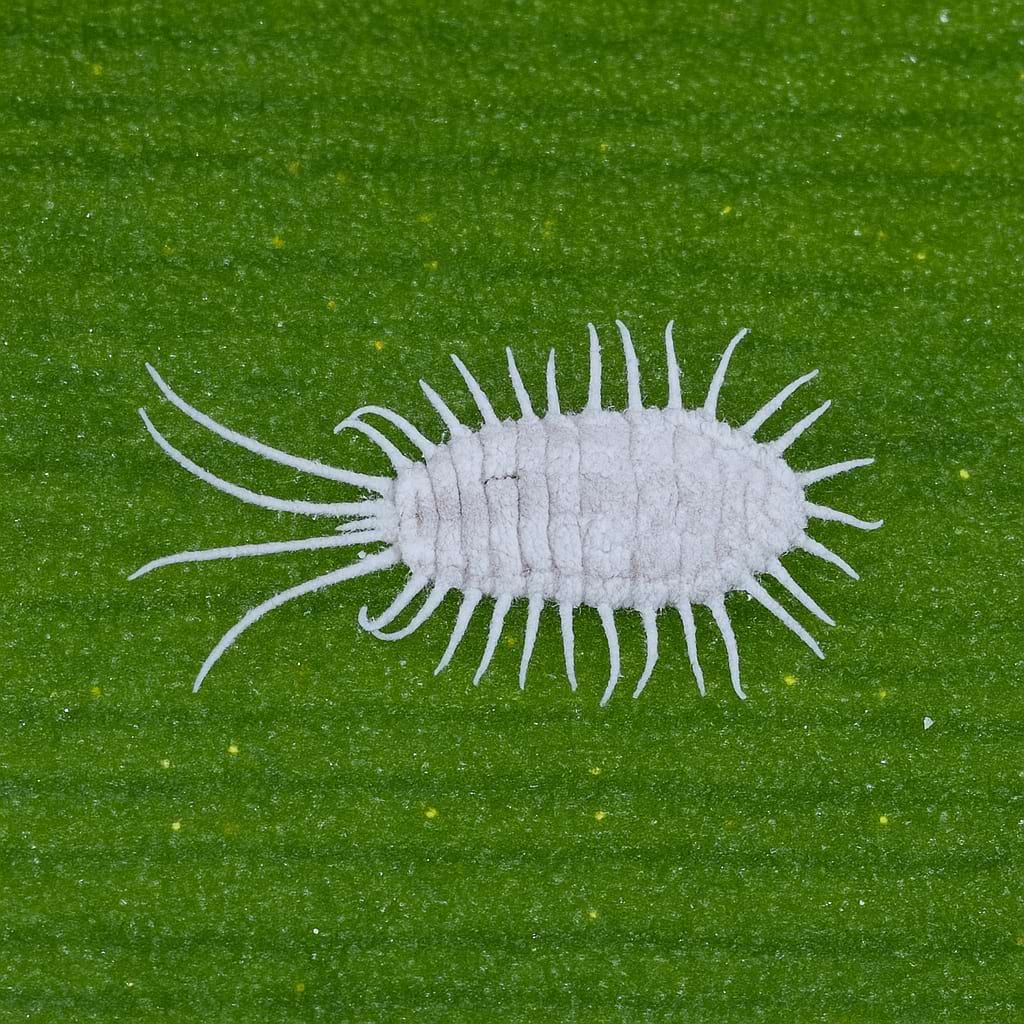
Mealybugs cluster in leaf joints and along the soft stems near the soil line, looking like tiny tufts of cotton. Dab each one with a cotton swab dipped in 70 percent isopropyl alcohol, then wipe down the surrounding leaf. Repeat every five days for three weeks to break the egg cycle. The warm, sheltered base of a bushy Wax Begonia is exactly the kind of spot mealies love, so check it carefully.

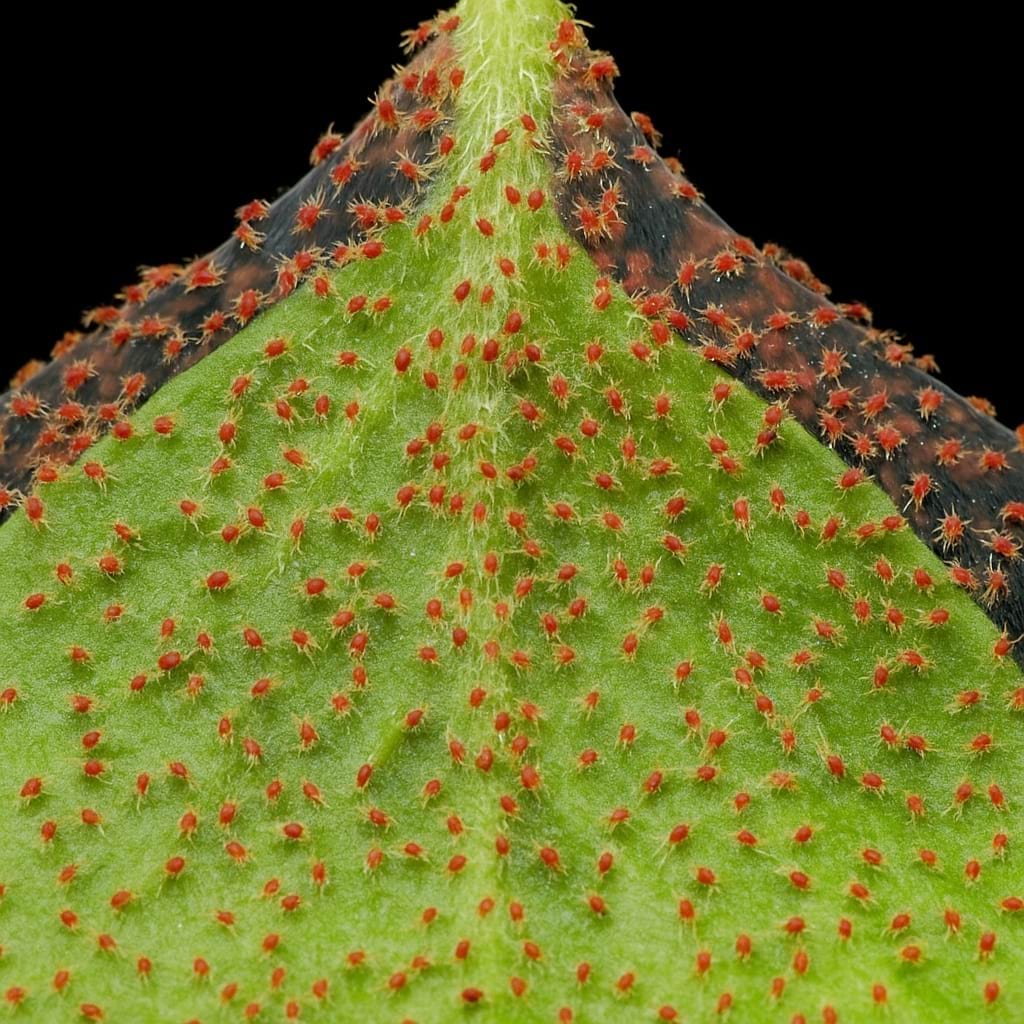
Spider mites become a problem when winter heating dries out the air. Look for fine webbing in leaf joints and tiny stippled dots that dull the leaf surface. Boost humidity, wipe leaves down, and treat with insecticidal soap or neem oil weekly until you see two clean inspections in a row.

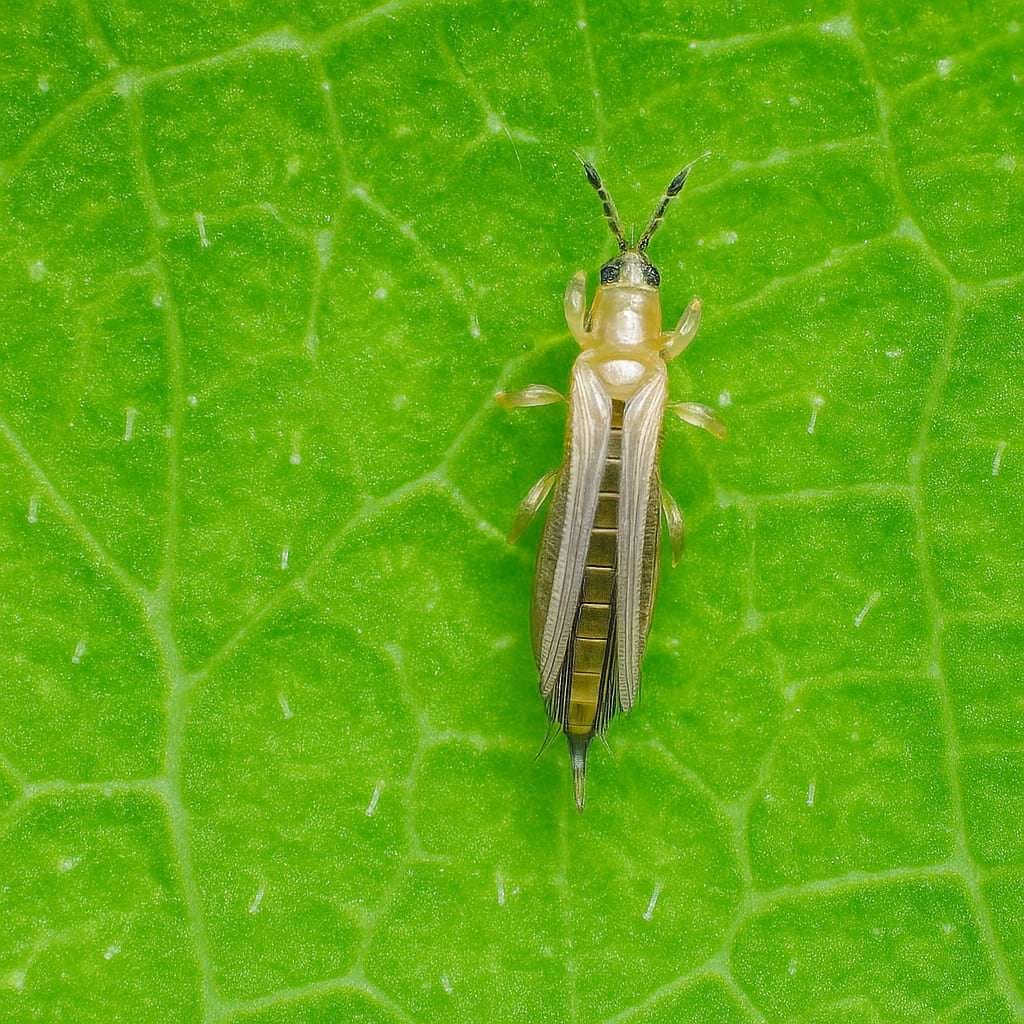
Thrips leave silvery scratch marks on leaves and can deform new flower buds before they fully open. Wax Begonias in heavy bloom are particularly attractive to thrips, since the flowers are warm sheltered nurseries for the larvae. Treat aggressively with a whole-plant insecticidal soap drench or repeated weekly rounds, and isolate the plant from the rest of your collection.

Whiteflies are common on Wax Begonias that have spent the summer outdoors. They lift off in a small cloud when you brush the foliage. Yellow sticky traps catch most of the adults, and weekly insecticidal soap sprays handle the rest. Check carefully when bringing plants in for the winter.

Aphids cluster on fresh new growth and on the soft tips of flower stems. Rinse them off in the sink first, then follow up with insecticidal soap if any return. They are most common in spring when fresh growth is unfurling fast.

Fungus gnats signal that the soil is staying too wet. Their larvae live in the top layer of damp soil and chew on tender new roots. Let the top inch dry out fully between waterings, top-dress with a half inch of dry sand or fine bark, and use yellow sticky traps to knock down adults.

A general primer on pest prevention in winter covers the seasonal patterns that catch most Wax Begonia owners off guard.

🩺 Common Wax Begonia Problems

Most issues with this plant trace back to watering, light, or air. Here is how to read what your Wax Begonia is telling you.

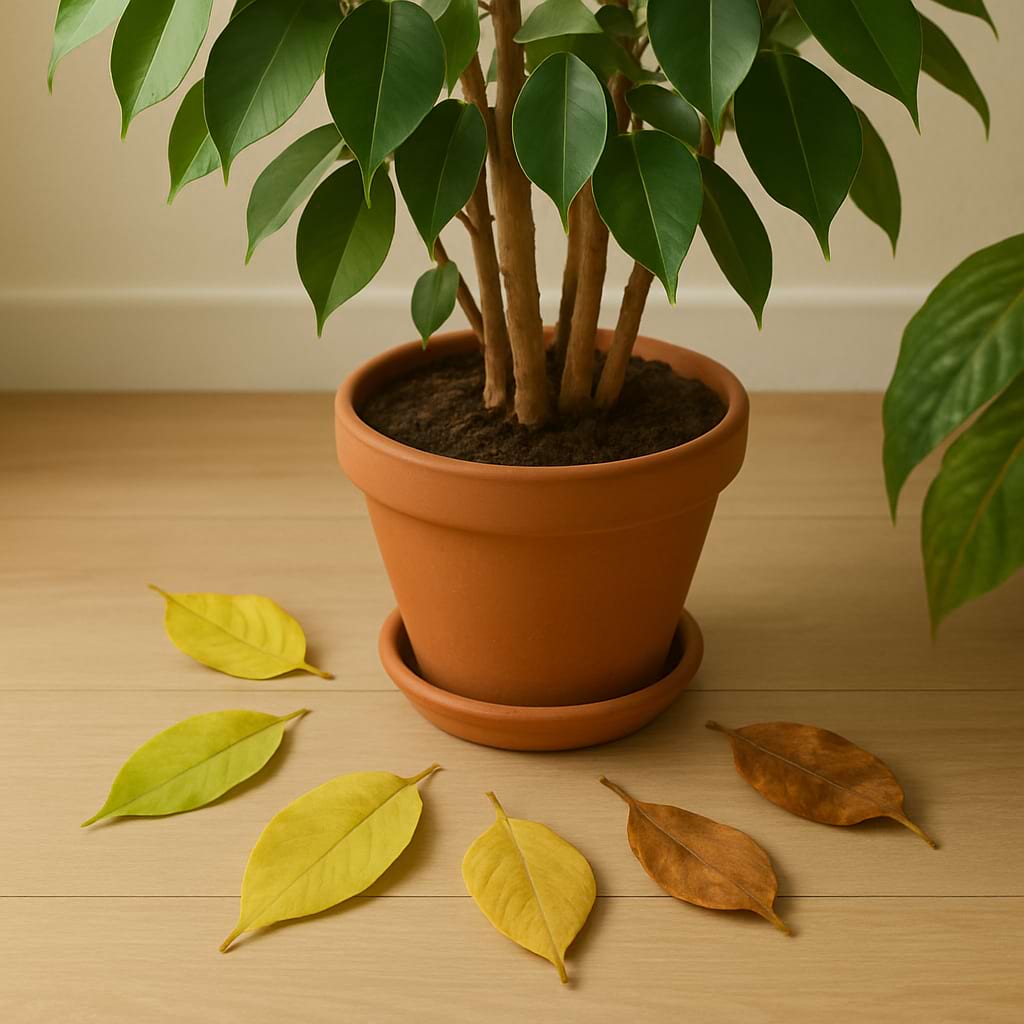
Yellowing leaves on the lower part of the plant are usually a sign of overwatering. Check the soil moisture. If it is wet a week after watering, you are watering too often, or the soil is too dense. The occasional yellow lower leaf on a mature plant is also normal as old leaves age out and the plant redirects energy into new growth.

Root rot is the worst-case version of overwatering and the leading killer of Wax Begonias indoors. If yellowing is paired with mushy stem bases and a sour smell, slide the plant out, cut back to firm clean roots and stems with a sterile blade, dust the cut with cinnamon or sulfur, and replant in fresh dry mix. Hold off on watering for a week and on fertilizer for at least a month.

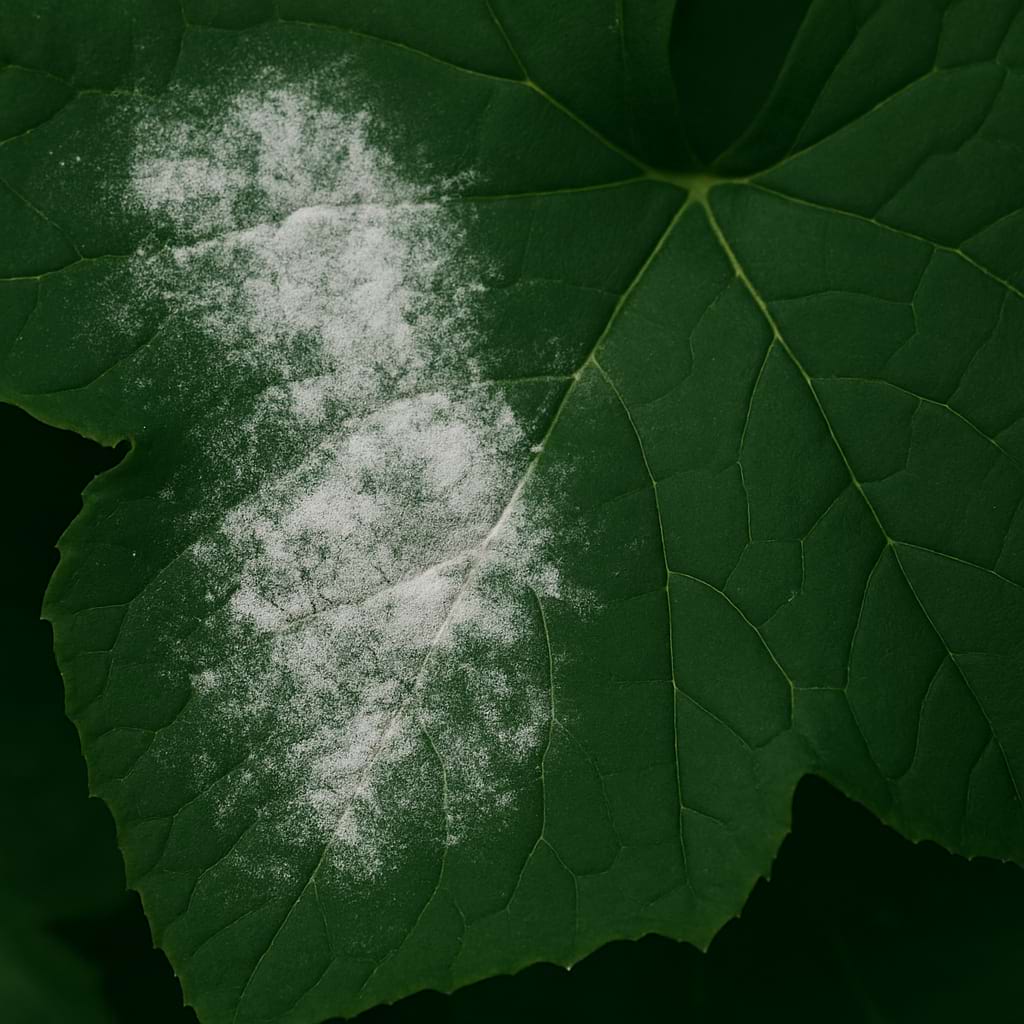
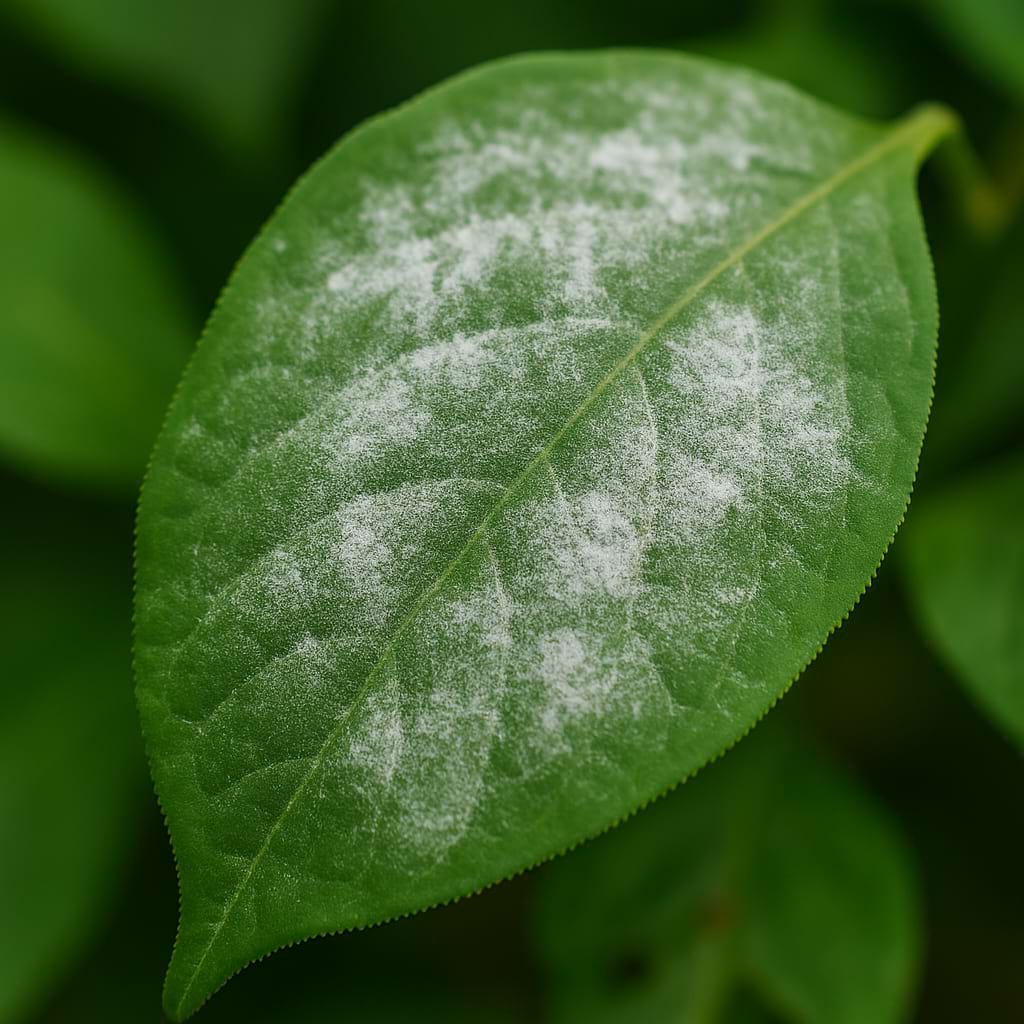
Powdery mildew is a chalky white film that appears on leaves, especially when humidity is high and air circulation is poor. Wax Begonias are moderately prone to it, less than thinner-leaved cousins but still worth watching for. Trim affected leaves, water at the soil line only, improve airflow with a small fan nearby, and treat with a mild fungicide if it spreads. Diluted neem oil works well for early cases.

Leggy growth shows up as long thin stems with sparse leaves and few flowers. The plant is reaching for more light. Move it closer to a window or add a grow light, and pinch back the stretched stems to push fresh branched growth from below. The annual hard trim resets a leggy plant in one go.

Failure to bloom on a Wax Begonia almost always means not enough light. This plant blooms continuously when the conditions are right. If yours has stopped, the first thing to fix is its position relative to the nearest window. Light is bloom fuel. Steady feeding, regular deadheading, and a hard yearly trim handle the rest.

Leaf drop of multiple leaves over a few days usually signals shock from a sudden change: a move, a draft, a big swing in light, or a heavy overwatering event. It is also normal during the first week of bringing a plant indoors after a summer outside. Stabilise conditions and wait. A healthy Wax Begonia rebuilds its canopy quickly once conditions are steady.

Brown crispy edges on otherwise healthy leaves point to dry air, inconsistent watering, or fertilizer salt buildup. Boost humidity, settle into a regular watering rhythm, and flush the pot with plain water once every couple of months to clear salts.

Fungal or bacterial leaf spot appears as dark spots ringed with yellow halos, usually when leaves stay wet overnight. Trim affected leaves, water the soil only, and improve air circulation around the plant. Skip overhead watering and overhead misting on this plant.

A slow-growing plant with small, washed-out leaves and almost no flowers, despite watering and feeding, is almost always a light problem. Wax Begonias are sun-hungry by begonia standards. Move the plant closer to the brightest window in the house and revisit in a month.

πŸ–ΌοΈ Wax Begonia Display and Styling Ideas

The Wax Begonia is a small, neat, very productive flowering plant. It does not have the architectural drama of a Beefsteak Begonia or the painted-leaf flash of a Rex, but it has something neither of those has: nine-plus months of blooms a year. That makes it one of the best flowering picks for a sunny windowsill or a kitchen counter.

A styled bright modern kitchen counter with three Wax Begonias in matching green ceramic pots with heart motifs in a row near a sunny window, one with white flowers, one with pink, and one with red, with morning light catching the glossy leaves

Pot and Color Pairings

  • Cream or ivory ceramic frames pink and white flowers cleanly without competing.
  • Soft sage and warm terracotta read garden-cottage and pair well with bronze-leaved cultivars.
  • Charcoal or matte black makes red and hot pink flowers pop dramatically.
  • Mid-blue and slate read modern with all flower colors.
  • Avoid loud floral pots with this plant, since the flowers themselves are the visual centre.

Spaces That Work Well

  • A bright kitchen windowsill, where small daily care is easy and you see the plant constantly.
  • A sunny office desk, where flowers lift the room without needing much room.
  • A covered patio in summer, where bright filtered light produces an explosion of bloom.
  • A wide low planter mass-planted with three of the same variety for a single-tone effect.
  • A row of three windowsill pots, each a different color, for a window box effect indoors.

Companion Planting

The Wax Begonia mixes well with both other begonias and unrelated houseplants. Pair it with a Polka Dot Begonia on a tall plant stand to add height behind it. Set a Strawberry Begonia in a hanging planter above to add a trailing layer. A small Coleus in coordinating colors makes a stunning summer window box partner. For a foliage-focused contrast, a Polka Dot Plant or a small Boston Fern brings texture and a softer leaf shape to flatter the round Wax Begonia mound.

Outdoor Containers

In summer, Wax Begonias are some of the best flowering plants for a partly shaded patio container. Mass three of the same color in a wide low bowl and you have an instant bedding feature that blooms from May to October. Combine with trailing companions (sweet potato vine, ivy, lobelia) for a "thriller, filler, spiller" effect with the begonias as the filler and a taller plant like coleus or angelonia as the thriller.

Scale It Up

Indoors, a single Wax Begonia is a friendly little flowering plant. Three of them grouped on a sunny shelf in matching pots become a feature. Six in a long planter mass-planted along a south-facing windowsill turn into a quietly spectacular indoor flower border. The plant scales up beautifully if you have the light to support it.

🌟 Wax Begonia Pro Care Tips

βœ… Pinch growing tips weekly. Routine pinching is the single best habit for a bushy, well-flowering Wax Begonia. The plant rewards you within days every time.

πŸ’§ Underwater rather than overwater. A thirsty Wax Begonia perks up in hours. A waterlogged one declines for days even after you stop watering.

βœ‚οΈ Hard trim once a year. Cut every stem back by half to two thirds in late winter. The plant looks shocking for two weeks, then explodes with fresh blooms harder than any tired old plant could.

β˜€οΈ Bright is bloom fuel. Wax Begonias take more direct sun than most begonias. Give them an east-facing window or a filtered south window and they bloom continuously.

πŸͺ΄ Pot snug, not roomy. A small plant in a slightly oversized pot full of damp soil rots fast. Match pot size to root ball.

🌬️ Skip misting. Wet flowers turn to mush fast. Use a humidifier, a pebble tray, or grouping instead.

🌱 Save your trimmings. Every healthy stem section is a free new plant. Build up backups so the parent's annual hard trim never feels risky.

🐾 Keep it out of reach. Wax Begonias are mildly toxic to pets if chewed, thanks to soluble oxalates in the leaves and stems. Cats love to bat at the flowers, so place the plant where they cannot reach.

πŸ”„ Quarter-turn at every watering. New growth tracks toward the brightest light. Rotating the pot keeps the plant filling in symmetrically rather than leaning toward the window.

πŸ§‚ Flush the soil seasonally. Twice a year, run plain water through the pot until it drains clear. This clears salt buildup that otherwise burns the roots and browns the leaf edges over time.

🌸 Deadhead while you sip your coffee. A weekly two-minute pass through the plant pulling spent blooms triples its visible flower count. It is the laziest, highest-payoff begonia habit there is.

❓ Frequently Asked Questions

Is Wax Begonia easy to care for?

Yes, easier than almost any other flowering houseplant. The thick waxy leaves handle dry indoor air, occasional missed waterings, and ordinary household temperatures without complaint. Give it bright light, water when the top inch of soil feels dry, deadhead spent flowers, and trim it hard once a year, and the plant pretty much takes care of itself.

Are Wax Begonias annuals or perennials?

They are tender perennials from Brazil, often grown as annuals in cool-climate gardens because they cannot survive frost. Indoors, they live as proper houseplants for three to five years, and even longer with steady care. Treating a "summer bedding" Wax Begonia as an annual is one of the great underused tricks of houseplant growing. Bring it inside before frost and you save the same plant for years.

Is Wax Begonia toxic to cats and dogs?

Yes, mildly. All begonias contain soluble calcium oxalates that irritate the mouth, throat, and digestive tract if chewed. The highest concentration is in the underground tissue. Chewing usually causes drooling, mouth pain, vomiting, and difficulty swallowing rather than anything more serious, but a determined pet can run into real trouble. Keep the plant out of reach and call a vet if your pet bites a leaf.

Why is my Wax Begonia not blooming?

Light is almost always the answer. Wax Begonias flower continuously when they have enough light, and stop almost completely when they do not. Move the plant closer to your brightest window or add a grow light and check back in three to four weeks. The second most common reason is that the plant has gone leggy and tired and needs a hard pruning to push fresh blooming wood.

Can Wax Begonias take direct sun?

Yes, more than most begonias. A few hours of gentle morning sun a day is ideal, and bronze-leaved cultivars handle stronger light than green-leaved ones. The line you do not want to cross is unfiltered south-facing afternoon sun in summer, which can bleach the leaves and burn the flowers. A sheer curtain or a small step back from the glass solves the problem.

How big does a Wax Begonia get?

Indoors, expect a mature plant to reach six to twelve inches tall and eight to twelve inches across. Larger landscape-bred series like Big and Whopper reach two feet tall and wide, but most common cultivars stay compact and rounded. The plant is much more about width and density than height, which is why annual pinching matters so much.

Can I overwinter my outdoor Wax Begonia indoors?

Yes, and it is the best-kept secret in container gardening. Before the first frost, dig the plant up (or lift the whole pot), trim it back by about half, inspect for pests, and bring it inside to a bright window. Reduce watering and skip fertilizer for the coldest weeks. The plant pauses, then resumes blooming in late winter as light returns, and you have the same plant alive for the next outdoor season. This is how to turn a two-dollar bedding plant into a multi-year houseplant.

How do I make my Wax Begonia bushier?

Pinch the growing tips every week and do a hard pruning once a year. Pinching removes the apical bud at the tip of each stem, which forces the plant to branch from the next leaf node down. Each pinch turns one stem into two, then four, then eight. Combined with bright light and steady feeding, regular pinching keeps a Wax Begonia dense, mounded, and flowering hard.

Why are the lower stems on my Wax Begonia going bare?

This is the natural ageing pattern of an unpruned Wax Begonia. As the plant grows and the stems lengthen, the oldest leaves at the bottom drop and are not replaced, leaving long bare stems supporting a tuft of foliage and flowers up top. The fix is the annual hard trim. Cut every stem back by half to two thirds in late winter, and fresh growth pushes from low on the stems and refills the plant from the bottom up.

Are Wax Begonia flowers edible?

Technically yes, in small amounts. The petals have a mild lemony tang and look striking on salads, summer drinks, and desserts. They do, however, contain soluble calcium oxalates, the same mildly irritating compound that makes the plant toxic to pets. A few flowers as a garnish are fine for most adults, but they should not be eaten in any quantity, and they are not a good idea for pregnant people, young children, or anyone with kidney issues.

Can I propagate Wax Begonia from a leaf?

Not really. Wax Begonias are fibrous-rooted and propagate from stem cuttings, not single leaves. The leaf-cutting method that works for rhizomatous begonias like the Iron Cross Begonia or Beefsteak Begonia does not work here. Take a stem with at least three or four leaves and a couple of nodes, root it in water or damp soil, and you will have a new plant within a few weeks.

How long does a Wax Begonia live?

Three to five years is common indoors with steady care, and the plant can live longer with the right rhythm of annual hard trims, fresh repotting, and good light. The original "annual" reputation comes from the plant being killed by frost outdoors, not from any actual short lifespan. Indoors, with regular cuttings taken and rooted, the same genetic line can keep going almost indefinitely from generation to generation.

ℹ️ Wax Begonia Info

Care and Maintenance

πŸͺ΄ Soil Type and pH: Light, fluffy potting mix with perlite, a slow-release pellet, and a pH around 5.8-6.5.

πŸ’§ Humidity and Misting: Comfortable around 40 to 50 percent; tolerates ordinary household air without crisping.

βœ‚οΈ Pruning: Pinch growing tips for bushiness, deadhead spent flowers, and trim leggy stems back to a node.

🧼 Cleaning: Soft dry brush along the leaf surface; rinse only when truly dusty and let leaves dry before night.

🌱 Repotting: Once a year in spring, or sooner if roots circle the bottom of the pot.

πŸ”„ Repotting Frequency: Every 1 year

❄️ Seasonal Changes in Care: Trim back hard in late winter to refresh the plant; reduce watering and skip fertilizer during the coldest weeks.

Growing Characteristics

πŸ’₯ Growth Speed: Moderate to fast

πŸ”„ Life Cycle: Tender perennial, often grown as an annual outdoors

πŸ’₯ Bloom Time: Year-round indoors with enough light; spring through fall outdoors

🌑️ Hardiness Zones: 10-11 outdoors as a perennial; grown as annual elsewhere

πŸ—ΊοΈ Native Area: Brazil and surrounding parts of South America

🚘 Hibernation: No, but growth slows in winter

Propagation and Health

πŸ“ Suitable Locations: Bright windowsills, kitchen counters, sunny office desks, covered porches, balcony pots, sheltered patio containers

πŸͺ΄ Propagation Methods: Stem cuttings root reliably in water or damp soil; seed propagation is also possible.

πŸ› Common Pests: Mealybugs, Spider Mites, Thrips, Whiteflies, Aphids, Fungus Gnats

🦠 Possible Diseases: Powdery mildew, botrytis, leaf spot, root rot, stem rot

Plant Details

🌿 Plant Type: Fibrous-rooted begonia

πŸƒ Foliage Type: Evergreen, succulent-textured, glossy waxy leaves

🎨 Color of Leaves: Bright green, deep bronze, or chocolate-mahogany depending on cultivar

🌸 Flower Color: White, soft pink, hot pink, salmon, coral, or scarlet red, often with yellow stamens

🌼 Blooming: Almost continuous indoors with steady light; one of the most reliable bloomers among houseplants

🍽️ Edibility: Flowers are technically edible in small amounts and have a mild lemony tang, but soluble oxalates make regular eating a bad idea

πŸ“ Mature Size: 6-12 inches indoors

Additional Info

🌻 General Benefits: Long flowering season, compact form, low fuss, easy propagation, brings color to a sunny windowsill in winter

πŸ’Š Medical Properties: None of note; sap can irritate sensitive skin

🧿 Feng Shui: Cheerful, abundant energy associated with steady prosperity and warm hospitality

⭐ Zodiac Sign Compatibility: Leo

🌈 Symbolism or Folklore: Lasting cheer, fortune, gratitude, gentle warning to be cautious

πŸ“ Interesting Facts: Wax Begonias are the seed-grown bedding begonias every garden centre stocks by the flat in spring. The species was first introduced to Europe in the 1820s from Brazil, and modern cultivars are the result of nearly two centuries of breeding work, with thousands of named hybrids in cultivation. The "semperflorens" half of the Latin name simply means "always flowering."

Buying and Usage

πŸ›’ What to Look for When Buying: Pick a compact bushy plant with several flower buds rather than fully open blooms, glossy waxy leaves with no chalky white film, and firm stems with no soft black spots near the soil line.

πŸͺ΄ Other Uses: Window box filler, shaded patio pot, summer bedding, cut flowers for tiny arrangements, edible flower garnish in moderation

Decoration and Styling

πŸ–ΌοΈ Display Ideas: Bright kitchen windowsill, grouped with foliage plants on a sunny shelf, mass-planted in a wide patio bowl, mixed with trailing companions in a hanging basket

🧡 Styling Tips: Plant three of the same color together for a denser blooming effect, or mix bronze-leaved and green-leaved cultivars for contrast within a single pot.

Kingdom Plantae
Family Begoniaceae
Genus Begonia
Species cucullata

πŸ’¬ Community

0 replies across this topic so far.

Browse forum

Start the first discussion.

Ask about Complete Guide to Wax Begonia Care and Growth

Ask a question or share what worked for you.