
Alocasia Dragon Scale
Alocasia baginda 'Dragon Scale'
Dragon Scale, Dragon Scale Alocasia, Jewel Alocasia, Alocasia baginda


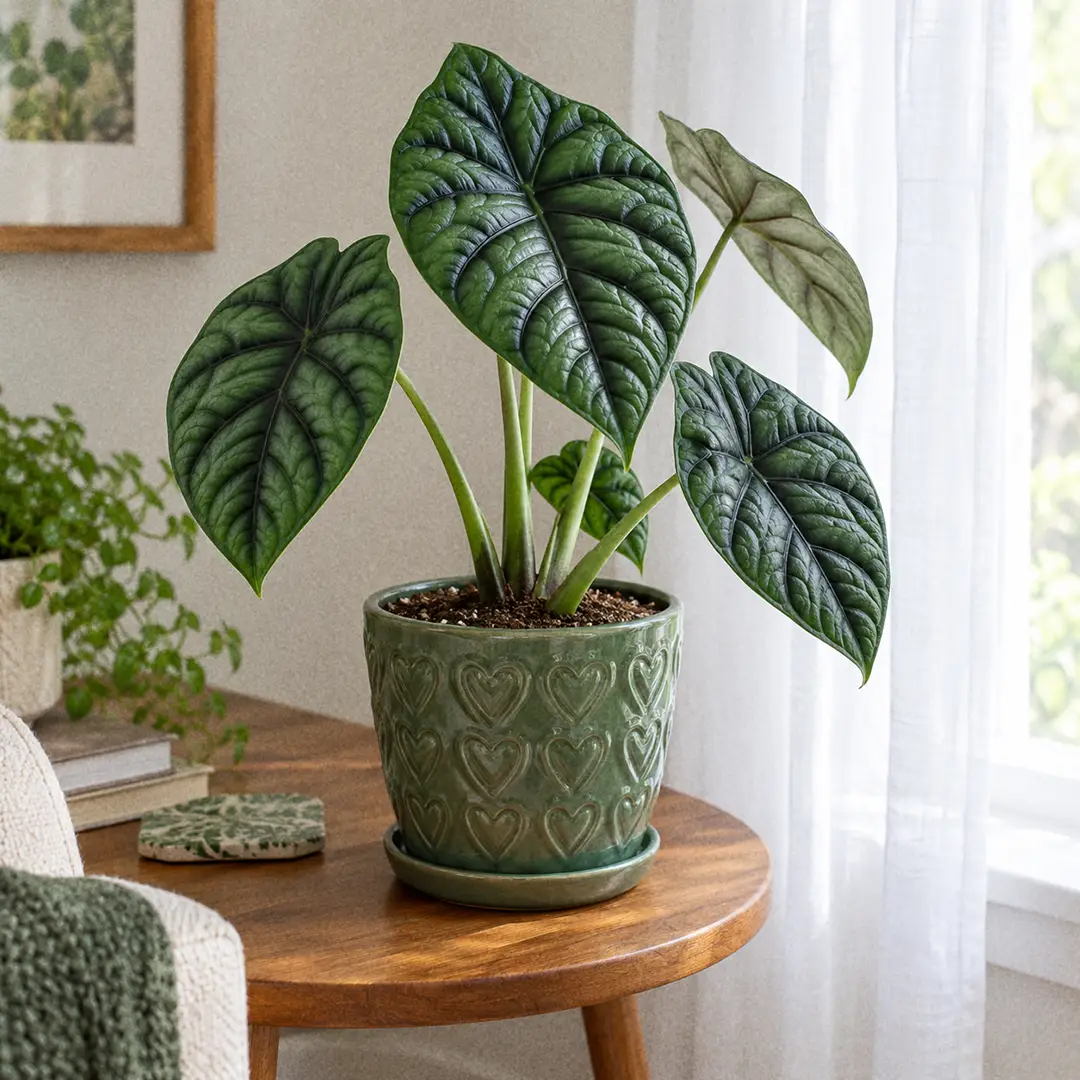
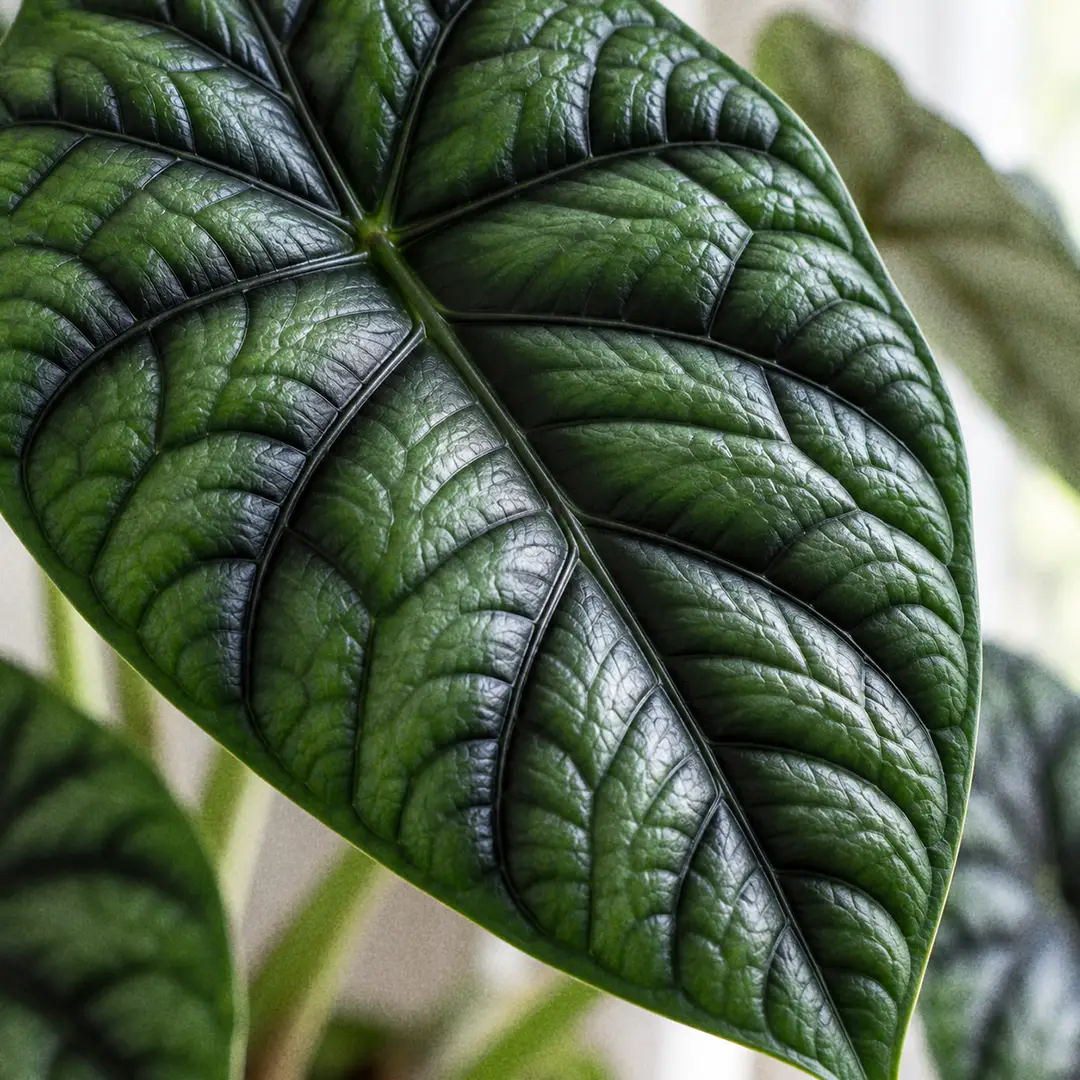
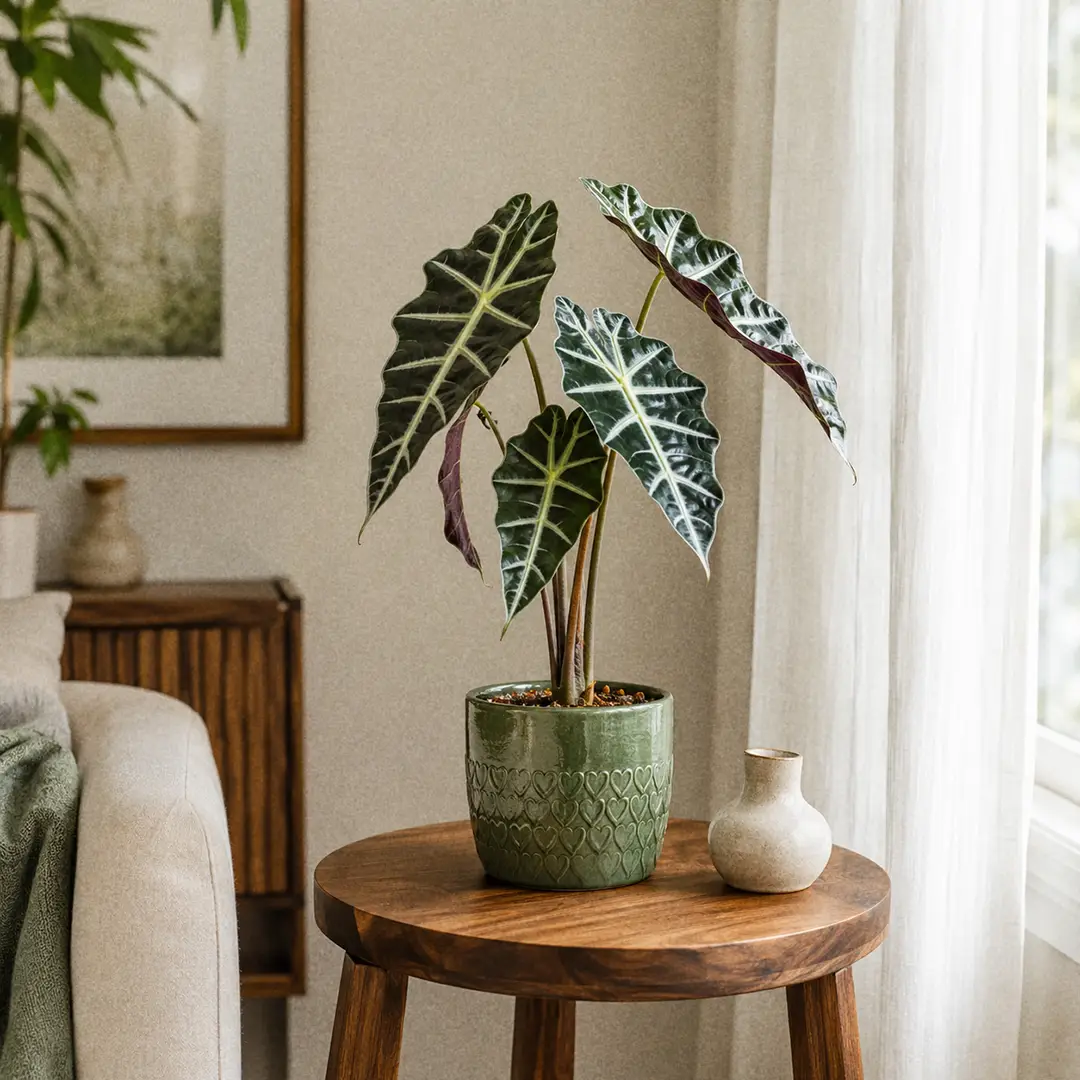
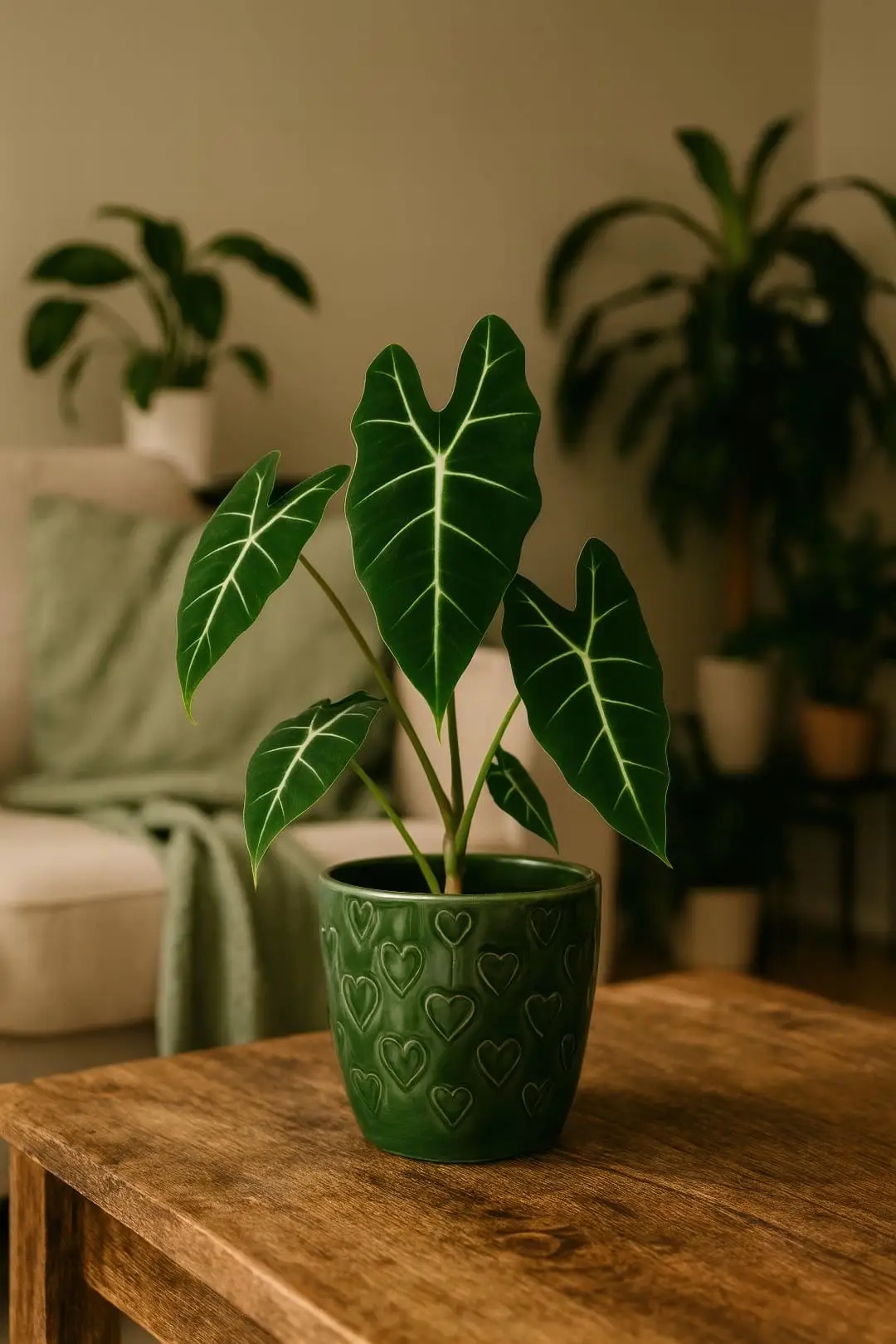
Alocasia Dragon Scale has thick emerald leaves quilted with sunken dark veins, so the foliage really does look like reptile skin stretched over a frame. Learn how to keep Alocasia baginda 'Dragon Scale' happy indoors, avoid crispy edges, and grow new plants from the corms hiding in the pot.
📝 Alocasia Dragon Scale Care Notes
🌿 Care Instructions
⚠️ Common Pests
📊 Growth Information
🪴 In This Guide 🪴

☀️ Alocasia Dragon Scale Light Requirements (Indoor Lighting Guide)
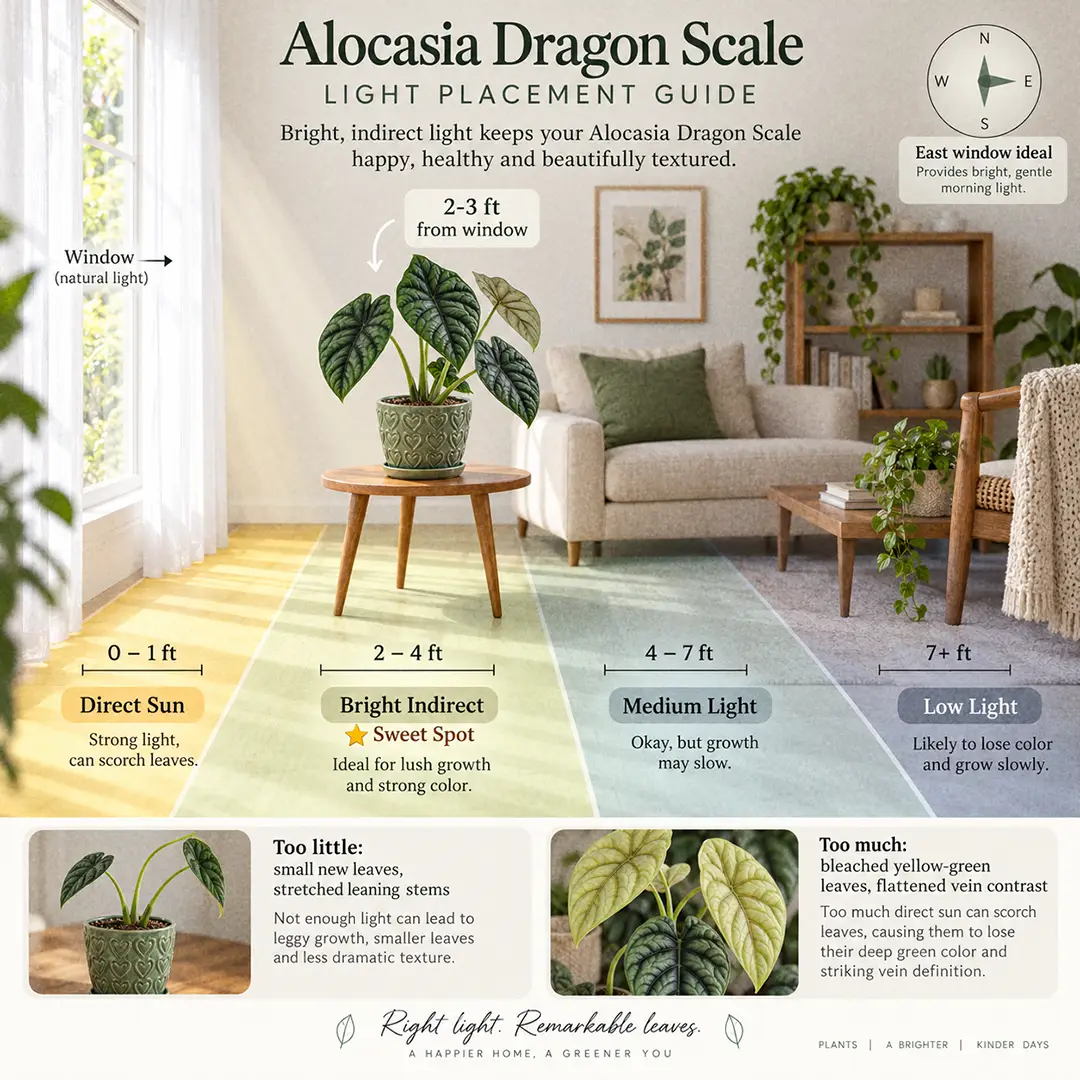
The Sweet Spot
Dragon Scale wants bright indirect light, which in practice means a spot where you can see plenty of open sky from the plant's position but the sun never lands on the leaves for long. An east window is close to perfect: an hour of soft morning sun, then bright light all day. A north window works in summer and usually goes too dim by December.
South and west windows are fine as long as you sit the plant two to four feet back, or hang a sheer curtain. Growers who measure light aim for roughly 10,000 to 20,000 lux at the leaf. If numbers are not your thing, our Indoor Lighting Guide explains how to judge a spot by eye and by shadow.
Too Little Light
In a dark corner this plant does not die dramatically, it just stalls. New leaves come out smaller than the last ones, the petioles stretch and lean toward the window, and the whole plant looks slightly deflated. That combination of small leaves and leggy growth is the classic underlit Alocasia.
Low light also makes overwatering far more dangerous, because a plant that is barely growing barely drinks. If your only free spot is dim, a modest grow light on a timer for ten hours a day fixes both problems at once.
Too Much Light
Direct midday sun bleaches the deep emerald to a washed-out yellow-green, and the pattern goes flat because the contrast between panel and vein is what makes it read as scales. Longer exposure gives you dry pale patches, which is leaf scorch, and scorched tissue never greens back up.
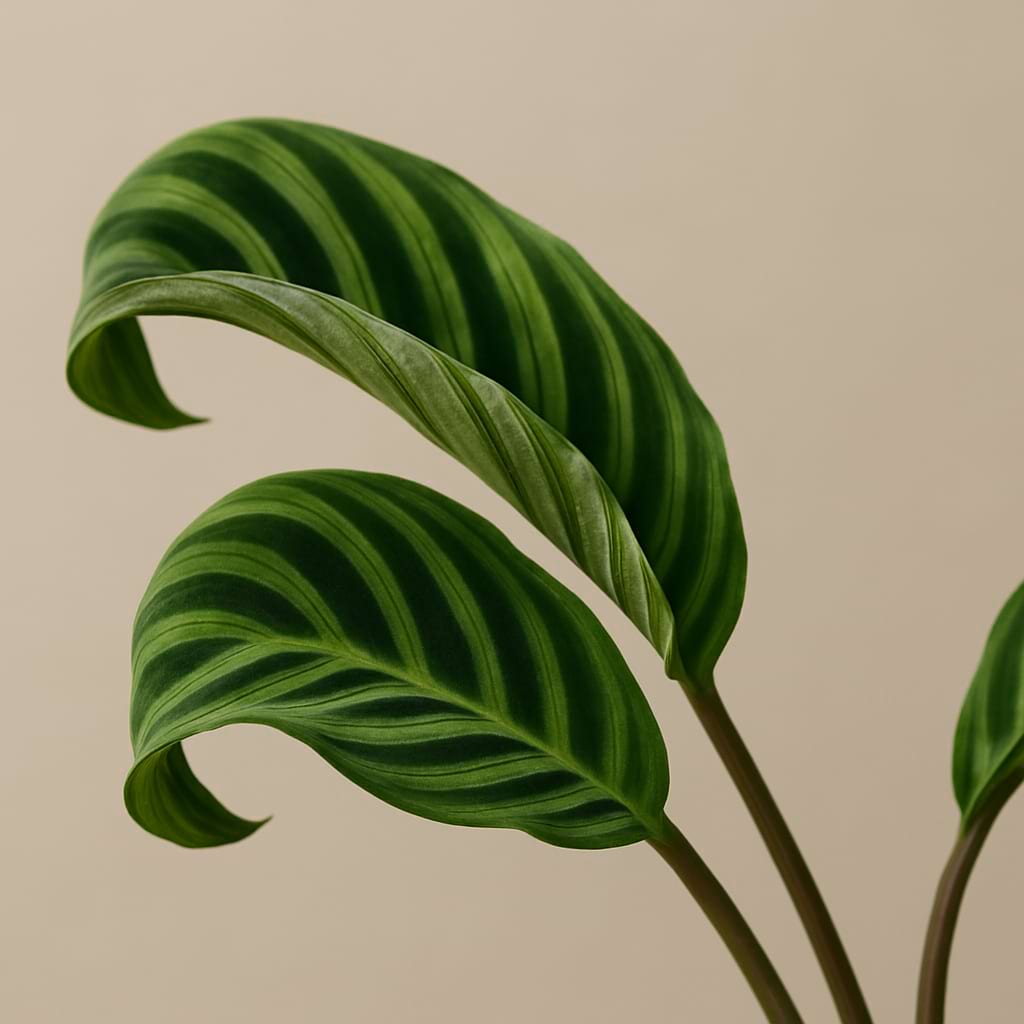
Watch for edge curling too. When light is too strong and the air is dry, the leaf rolls its margins inward to cut water loss. Move the plant back a couple of feet before you go hunting for a pest.
💧 Alocasia Dragon Scale Watering Guide (How to Water Properly)
Watering Frequency
Forget the "let it dry out completely" advice you have read for other houseplants. Dragon Scale grows in chunky debris on Borneo limestone, and its fine roots die if they dry hard. Water when the top third of the pot has dried and the rest is still faintly damp. In a warm bright room in summer that lands around every 5 to 8 days, and it stretches to every 10 to 14 days in winter.
Pot material and mix matter more than the calendar. A chunky bark mix in a small plastic pot dries far faster than the same mix in terracotta with a saucer under it. Push a finger two inches in, or use a moisture meter if you would rather not guess.
How to Water
Water thoroughly at the soil surface until it runs freely out of the drainage holes, then tip out anything sitting in the saucer. A half-hearted splash only wets the top layer and leaves the corm zone dry, which is how people end up with a plant that is somehow both overwatered and thirsty.
Room temperature water is better than cold from the tap. If your tap water is heavily softened or very high in fluoride, brown tips can build up over months, and switching to filtered or rainwater usually stops it. Bottom watering works well here and keeps water off the crown, just finish with a top water every month or two to flush salts through.
Signs of Trouble
Underwatering shows up first as crispy brown edges and drooping petioles that perk back up within hours of a soak. Overwatering looks similar at a glance, but the leaves go limp and stay limp, the base of the stem softens, and the soil smells sour. That is root rot, and it is the most common way this plant is lost.
The one habit that saves more Dragon Scales than any other: check the weight of the pot before you water, not the date.
🪴 Best Soil for Alocasia Dragon Scale (Aroid Mix Recipe)
What the Soil Needs
This plant needs air around its roots at all times, plus enough moisture retention that it never dries to dust. Straight bagged potting soil fails on the first count. It compacts within a couple of months, water sits in the middle of the pot, and the corm rots from the inside.
Aim for a mix that drains within seconds when you pour water through, but still feels slightly damp two days later. Chunky, light, and springy is the texture you want.
DIY Soil Mix
A reliable recipe:
- 2 parts orchid bark (fine or medium grade) for structure and air pockets
- 1 part perlite or pumice for drainage
- 1 part coco coir or peat for moisture retention
- 1 part worm castings for gentle nutrition
- A handful of horticultural charcoal to keep the mix sweet
Because Alocasia baginda evolved on limestone, a spoonful of crushed oyster shell or a calcium supplement mixed in tends to produce thicker, sturdier leaves. It is not required, but growers who do it notice the difference.
Pre-Made Options
Any bagged aroid or premium potting soil labelled for Monsteras and Philodendrons is a good base, though most still need a couple of extra handfuls of perlite and bark. Semi-hydro growers do very well with this plant in pure LECA or pon, since the constant even moisture suits it better than a soil cycle does.
🍼 Fertilizing Alocasia Dragon Scale (Feeding Schedule)
When and How Often
Feed only during active growth, roughly March through September. Every third or fourth watering at quarter to half the label strength is plenty. This is a slow grower, and pouring on food does not speed it up.
Stop entirely in winter. A plant that is barely pushing leaves cannot use the nutrients, so they build up in the mix as salt.
What to Use
A balanced liquid houseplant fertilizer diluted well is all you need. Something in the 3-1-2 range suits foliage plants nicely. Slow-release pellets work too, but they keep feeding regardless of season, so scatter them lightly and only in spring.
Over-Fertilizing Signs
Salt buildup shows as brown crispy leaf tips paired with a white crust on the soil surface or around the pot rim. If you see it, flush the pot with plain water three times its volume and skip feeding for a couple of months. Our guide to fertilizing houseplants covers the recovery in more detail.
🌡️ Alocasia Dragon Scale Temperature Range
Ideal Range
Keep it between 65 and 82°F (18 to 28°C), which is ordinary indoor comfort. Growth slows noticeably below 60°F, and below 55°F the plant starts shedding leaves and heading for dormancy.
Sustained cold plus wet soil is the combination that kills. A chilly root ball cannot drink, so the mix stays saturated and rot follows within a week or two.
Drafts and Heat Sources
Cold window glass in winter is a real hazard for a plant sitting on a sill. So is the blast from a radiator or a forced-air vent, which dries a leaf far faster than ambient room air does. Give it a foot of clearance from both.
If you move the plant outdoors for summer, bring it back in well before nights drop into the fifties, and check the undersides for hitchhiking pests first.
💦 Alocasia Dragon Scale Humidity Requirements
Ideal Humidity
Aim for 60 percent or higher. This is the single condition that separates a Dragon Scale with flawless leaves from one with a brown crescent on every edge. Below roughly 50 percent, new leaves start unfurling with damaged margins, and the damage is permanent.
Some growers do keep this plant at 40 to 50 percent successfully, but only by keeping soil moisture very consistent. If your air is dry, your watering has to be perfect, which is a harder game than just raising the humidity.
Easy Humidity Boosters
A small humidifier running near the plant is the only method that reliably moves the number. Grouping plants together helps a little, and a pebble tray helps a little less than people hope. Misting does almost nothing beyond the two minutes it lasts, and it can encourage leaf spot on those thick leaves.
The easy win is location. A bright bathroom, a kitchen window, or a glass cabinet holds humidity naturally. Our humidity guide has more on measuring and raising it.
🌸 Alocasia Dragon Scale Flowers (Bloom Guide)
What the Flowers Look Like
Dragon Scale does flower indoors, and more often than most people expect. The bloom is a typical aroid inflorescence: a cream to ivory spathe with a thin deep red edge, wrapped around a shorter pale spadix. It usually appears in late spring or early summer, pushed up about a foot from the soil line, sometimes singly and sometimes in pairs.
Set against the foliage, it is a modest thing. Nobody grows this plant for its flowers, and a bloom that lasts three days does not compete with a leaf that lasts three years.
How to Trigger Bloom
There is no trick, and no real reason to chase one. A mature, well-fed plant in bright indirect light with steady warmth and humidity will flower on its own schedule once it has energy to spare. Plants that have just been repotted, or are recovering from a rough winter, tend to skip it.
If It Won't Bloom
If yours never flowers, that is normal and it costs you nothing. Many growers actively cut the bloom off as soon as it appears, because producing it diverts energy from the next leaf. Snip the stalk at the base with clean scissors and the plant redirects within a week.
🏷️ Alocasia Dragon Scale Types and Varieties
Dragon Scale
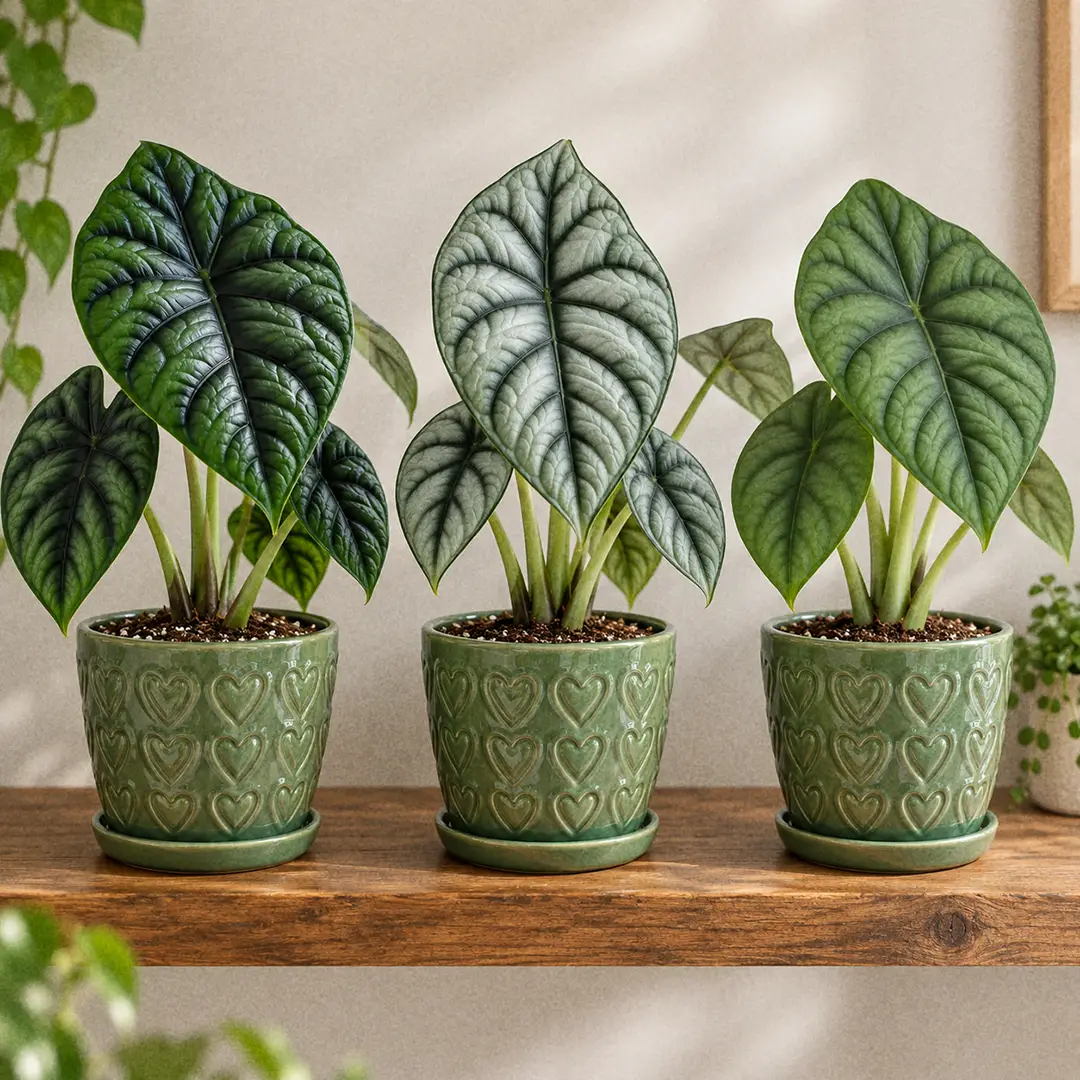
The one this guide is about. Broad, rounded, shield-shaped blades in deep emerald, divided into raised panels by sunken veins so dark they read as black. The surface is semi-glossy and stiff, almost like textured leather, with a pale silvery cast underneath. Leaves usually run 6 to 12 inches long, and well-grown mature plants push past 16 inches on petioles over two feet.
Silver Dragon
Same species, different pigment. Alocasia Silver Dragon swaps emerald for a frosted mint-silver, which makes the dark veins stand out even harder. Care is identical, though the paler leaves show water spotting and mineral marks more obviously.
Green Dragon
The third and least common colour form of A. baginda, sitting between the other two: a mid green with less contrast in the veining and a matte rather than glossy finish. Sold occasionally by specialist nurseries, and often mislabelled as a young Dragon Scale.
Not a Baginda: Pink Dragon
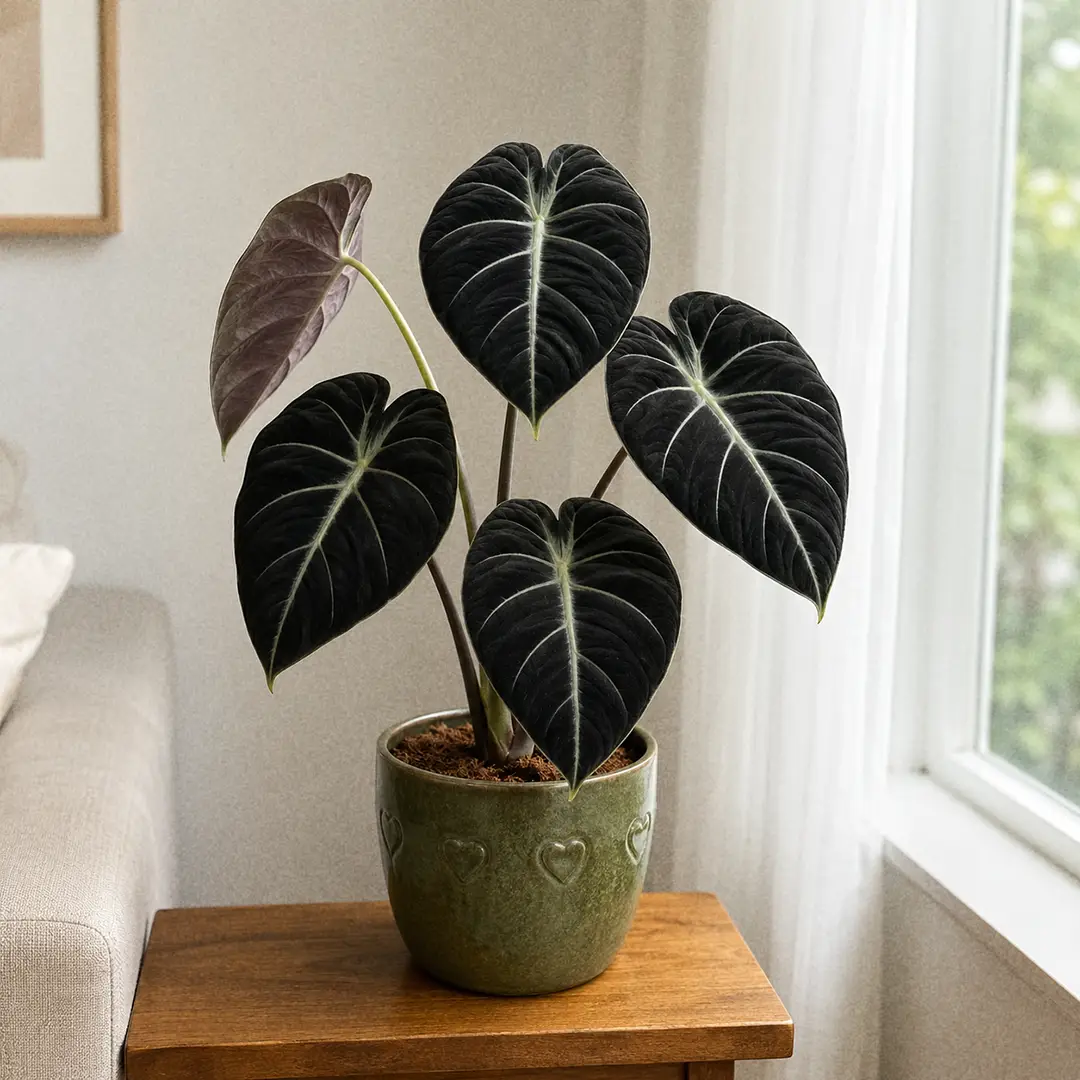
Alocasia 'Pink Dragon' gets grouped in with these three constantly, and it does not belong. It is a hybrid of other species, recognisable by its bubblegum-pink petioles and thinner arrow-shaped leaves. If you want the quilted texture, the pink one will not give it to you. For matte black velvet instead, look at Alocasia Black Velvet, a different species in the same jewel group.
🪴 Potting and Repotting Alocasia Dragon Scale
When to Repot
Every 18 to 24 months in spring is the usual rhythm, and this plant genuinely prefers being a bit snug. Signs it is ready: roots circling out of the drainage holes, water running straight through without wetting anything, or the pot feeling solid when you press the surface.
Corms are the other clue. Once the root ball is studded with little brown nodules, the plant has run out of room and started making backups.
Choosing a Pot
Go up one size only, an inch or two of extra diameter at most. A pot that is too large holds a mass of wet unused mix around the corm, which is the fastest route to rot. Drainage holes are non-negotiable, and plastic or glazed ceramic suits this plant better than raw terracotta, which pulls moisture out too aggressively for roots that hate drying.
Step-by-Step Repotting
- Water lightly a day ahead so the root ball slides out in one piece.
- Tip the plant out and tease away the old mix by hand, keeping an eye out for corms.
- Check the roots. Firm and white is good, brown and mushy comes off with clean scissors.
- Set the plant at the same depth it was before, never deeper, and fill in with fresh chunky mix.
- Water thoroughly and put it back in its usual spot. Skip fertilizer for a month.
Expect a sulk. Dropping a leaf or pausing for a few weeks after repotting is normal for Alocasias. Our repotting guide covers the recovery period.
✂️ Pruning Alocasia Dragon Scale
When to Prune
There is almost no pruning to do. This is not a vine you shape, it is a rosette that grows leaves from a central point and retires the oldest ones on its own schedule. A healthy plant typically holds four or five leaves at a time and lets the bottom one go as the top one opens.
How to Prune
Wait until a leaf has yellowed most of the way through before removing it, because the plant is pulling nutrients back out of it the whole time. Cut the petiole close to the base with clean, sharp scissors, and wipe the blades with alcohol first. Damaged leaves that are still mostly green are worth keeping, since a leaf with a brown edge photosynthesises perfectly well.
What Not to Cut
Do not trim brown edges into a neat shape. Cutting into living tissue opens a fresh wound that browns again, so you end up chasing the edge inward month after month. Leave it alone and let the next leaf come out clean.
🌱 How to Propagate Alocasia Dragon Scale
Best Method: Corms
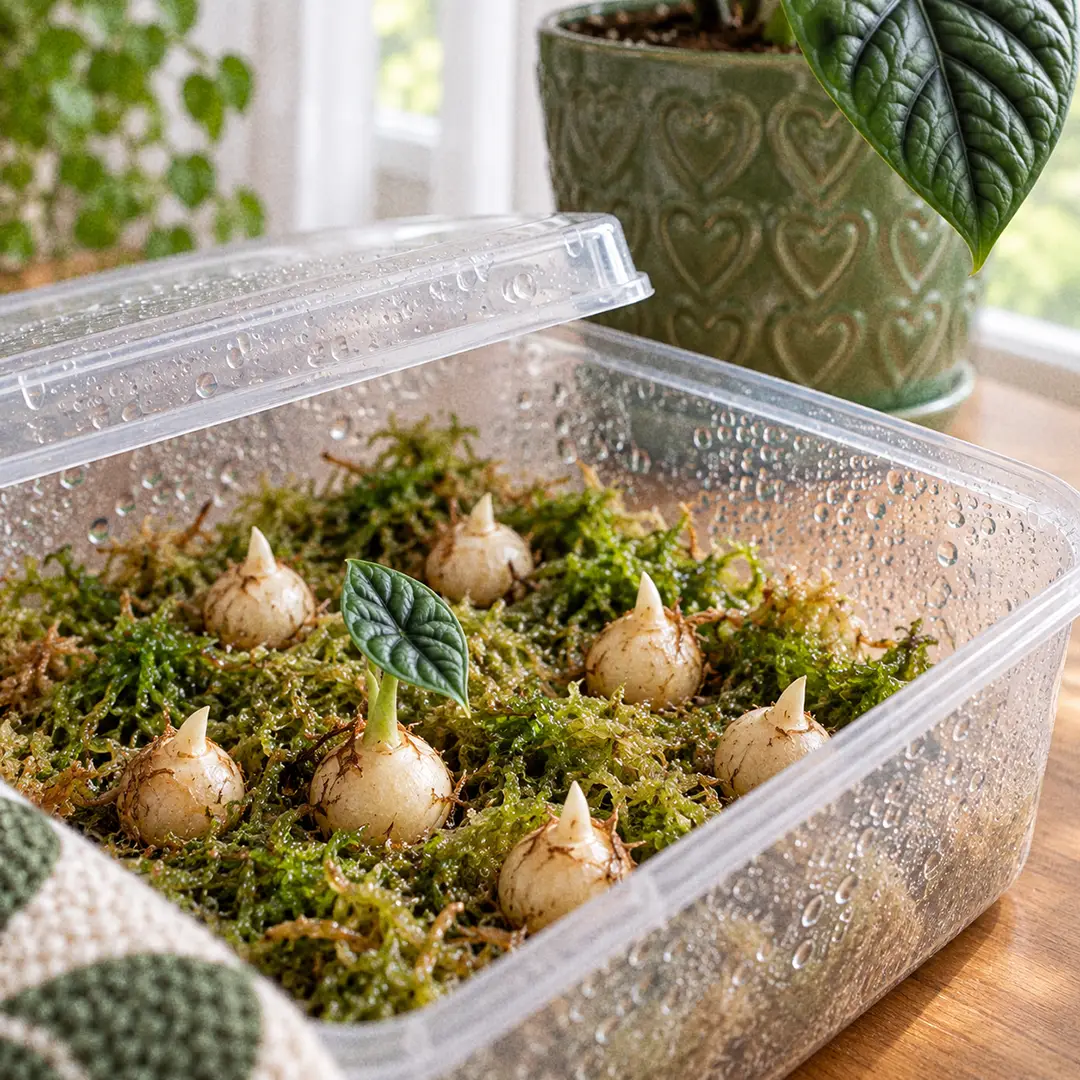
Cuttings do not work here. There is no node to cut, so the only route is the corms, which are small firm brown bulbils that form along the root system. A mature plant can carry ten or more at once, and late summer into early autumn is when they show up in the biggest numbers. Division of an established clump works too, but only when the plant has genuinely produced a second growth point, not just a bigger corm.
Step-by-Step
- At repotting, feel through the root ball for pea-sized to marble-sized brown nodules. Twist them off gently.
- Peel off the papery brown outer skin. Underneath is a pale firm bulb with a small pointed growth tip.
- Sit each corm on damp sphagnum moss with the pointed end up, so the top third stays exposed.
- Put them in a closed clear container or a zip bag to hold humidity, somewhere warm and bright but out of direct sun.
- Wait. Roots appear in two to four weeks, the first leaf in four to eight, and some corms take months.
- Once a corm has roots and one full leaf, pot it into fine aroid mix and acclimatise it slowly out of the bag.
Tips for Success
Warmth is the biggest lever. Corms sprout much faster at 75 to 80°F than at room temperature, so the top of a fridge or a seedling mat speeds things up noticeably. Keep the moss damp rather than wet, and squeeze out the excess before use, since a soggy corm turns to mush. Not every corm sprouts, so start six rather than one and treat the failures as expected. Our propagation basics article covers the humidity setup if you have not built one before.
🐛 Alocasia Dragon Scale Pests and Treatment
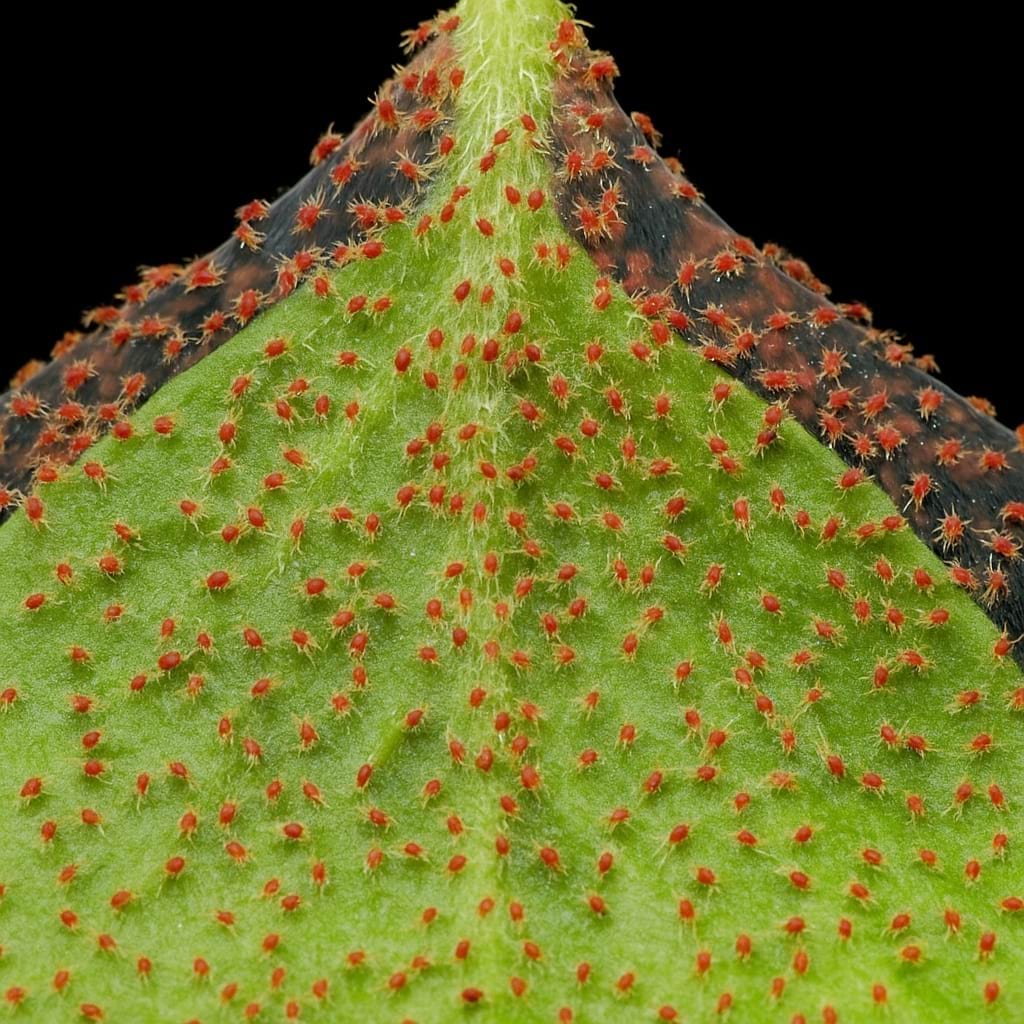
Alocasias are pest magnets, and thick leaves do not save them. Spider mites are the main threat, and they arrive precisely when the air is dry, so the same conditions that crisp the edges also invite the infestation. Look for fine webbing where the petiole meets the blade, and pale stippling across the leaf surface. Wipe both sides down weekly during dry spells and you will usually catch them early.
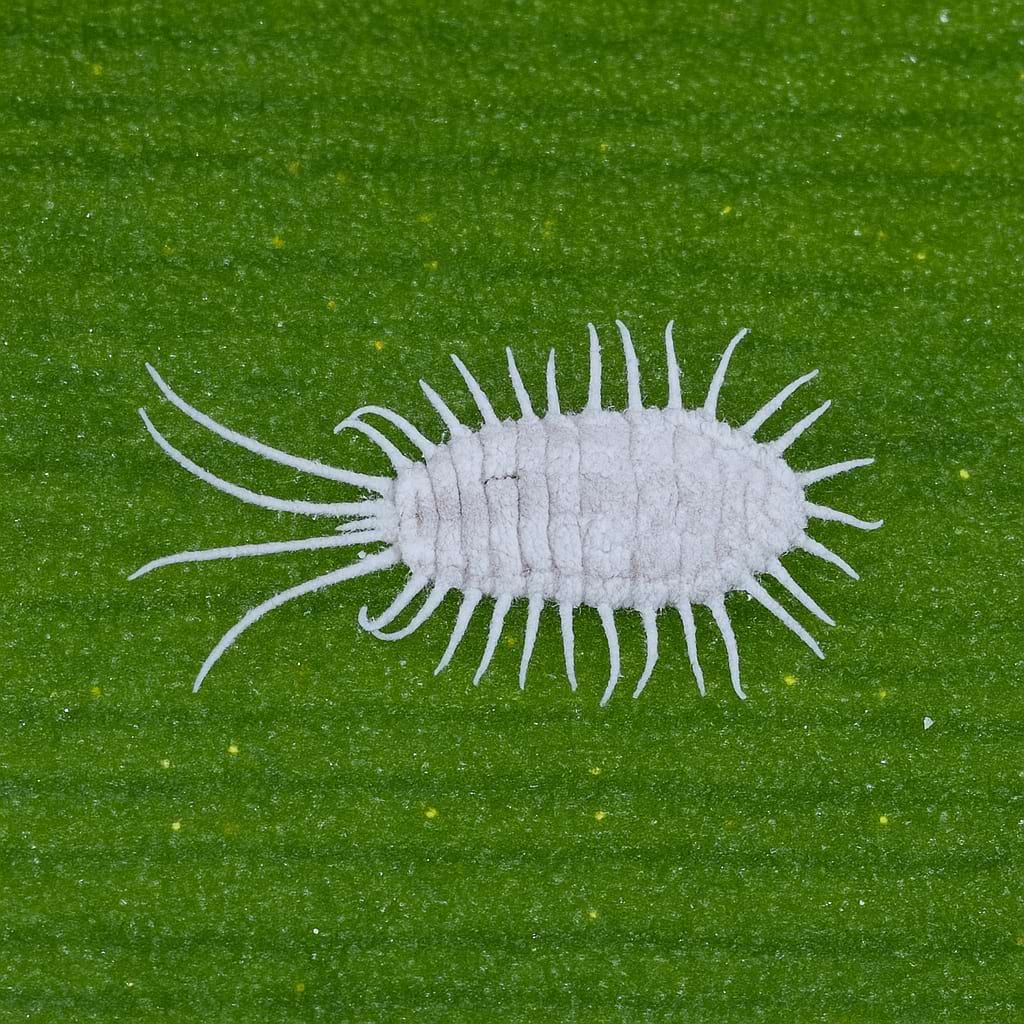
Mealybugs hide in the deep grooves between the raised panels and in the crown where the petioles cluster, which makes them easy to miss until there are dozens. They look like tiny white cotton specks. Dab each one with an alcohol-soaked cotton bud, then follow up with insecticidal soap or a neem spray a week later.
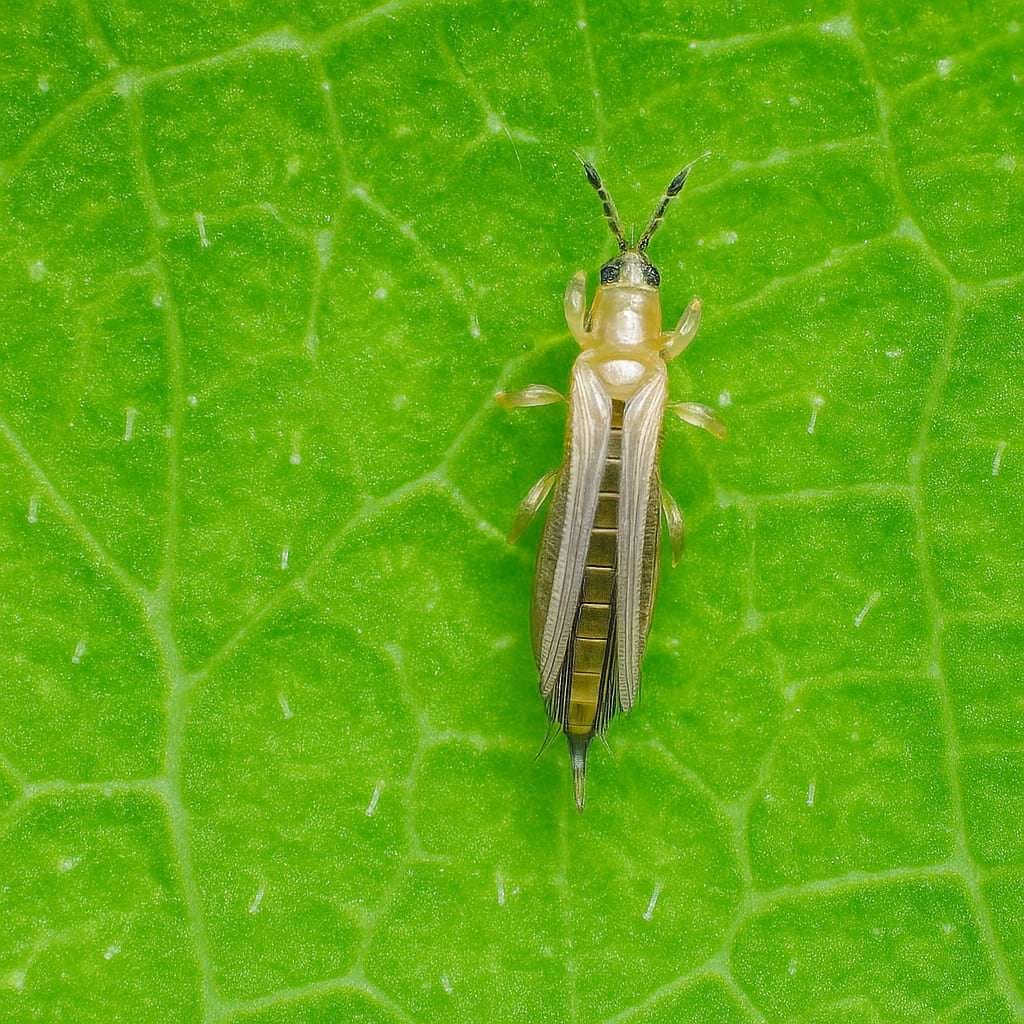
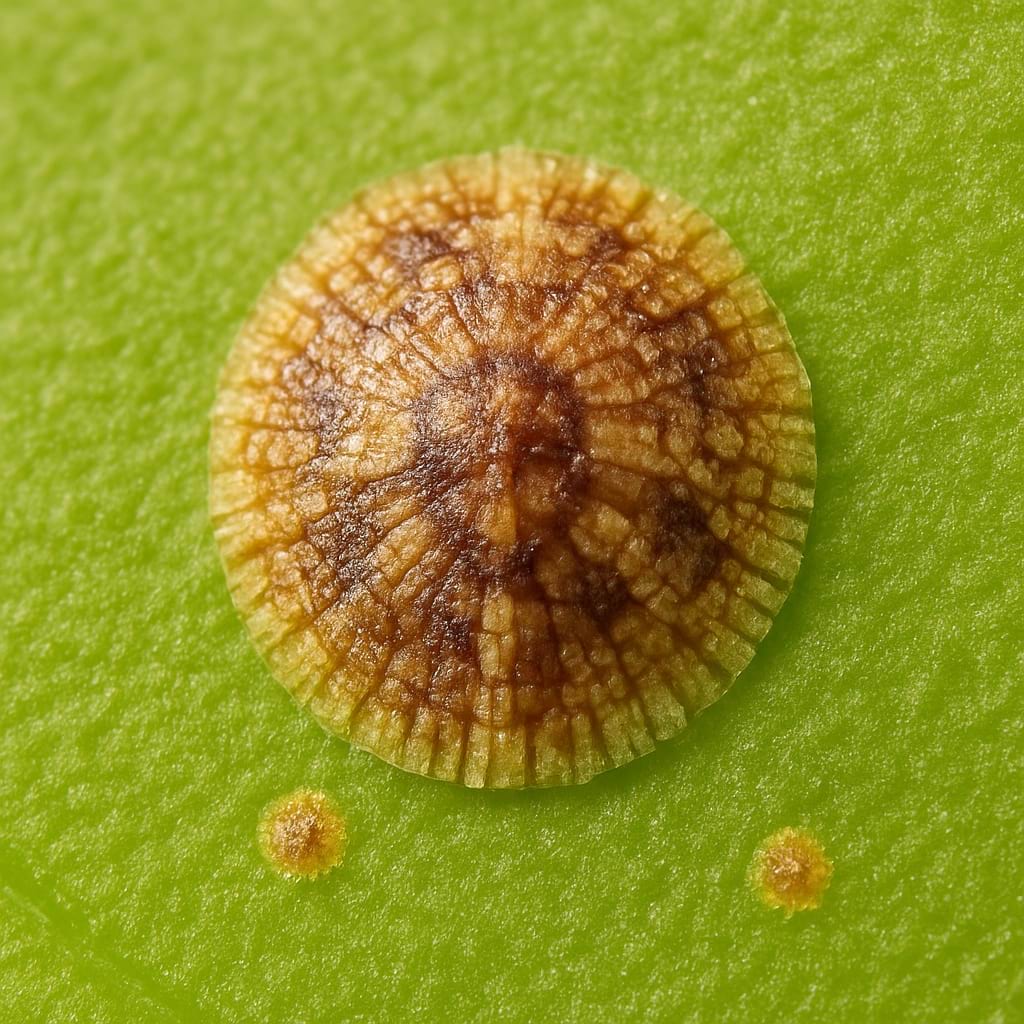
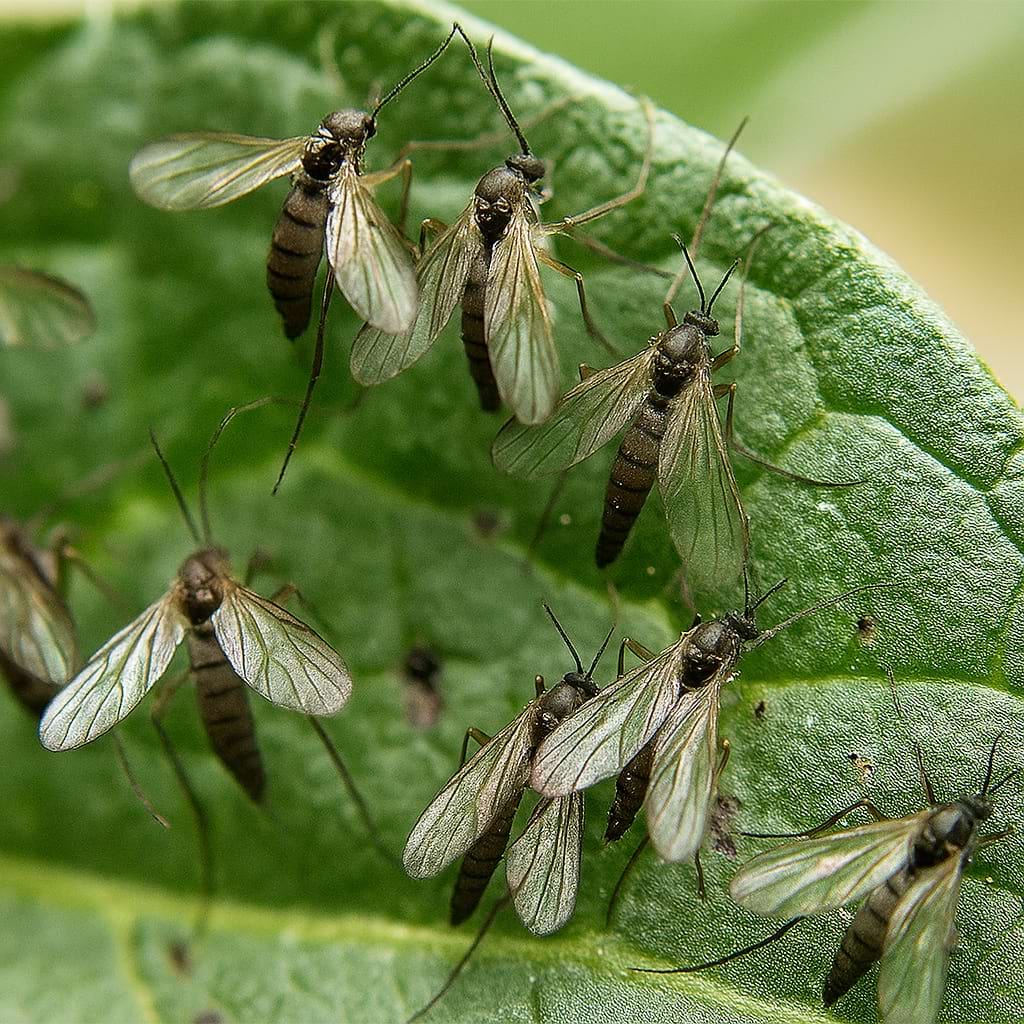
Thrips leave silvery scarring and distorted new growth, and they are the hardest to clear because they breed in the soil as well as on the leaves. Scale insects show up as small brown limpets stuck along the petioles. Fungus gnats mean the top of your mix is staying wetter than it should, which is worth fixing regardless of the gnats themselves.
Quarantine every new plant for two weeks. Dragon Scale is expensive enough that it is worth the caution.
🩺 Common Alocasia Dragon Scale Problems
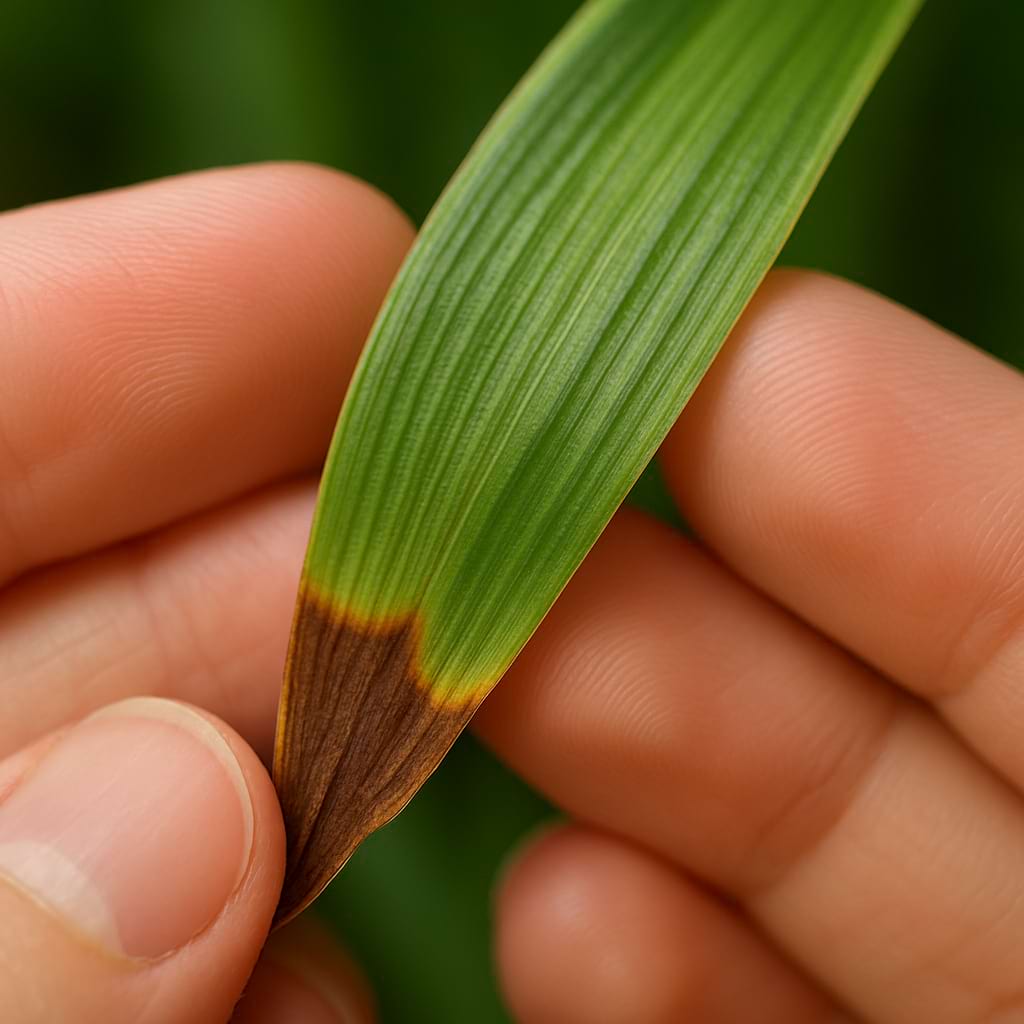
Brown crispy edges are the signature complaint, and dry air causes the overwhelming majority of them. A new leaf that unfurls already damaged tells you humidity was too low while it was forming. Raise the humidity and judge your progress by the next leaf.
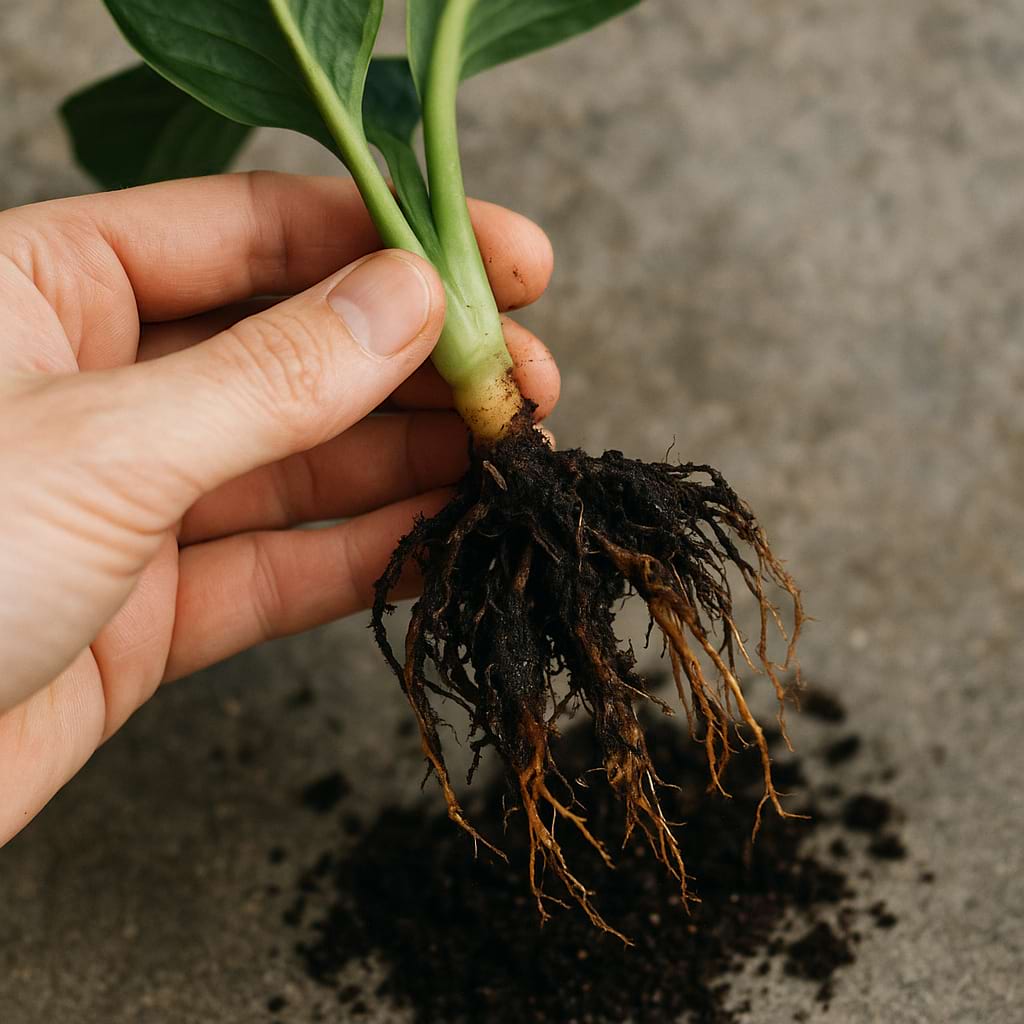
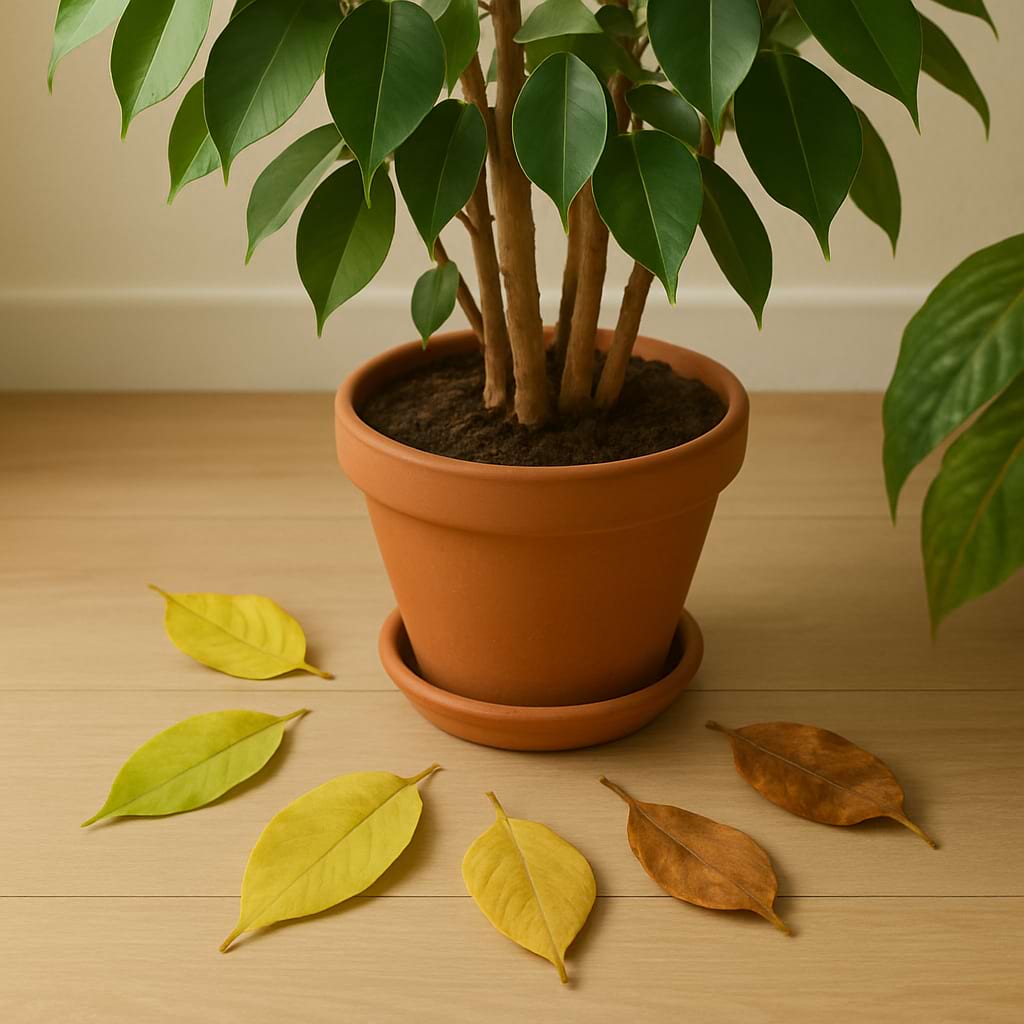
Yellowing leaves split into two stories. A single bottom leaf turning yellow while everything above it looks fine is just the plant retiring its oldest leaf, and it is completely normal. Several yellowing at once, with a limp droop and soggy mix, points to root rot. Unpot immediately, cut away every brown mushy root, and repot into fresh dry mix in a smaller container.
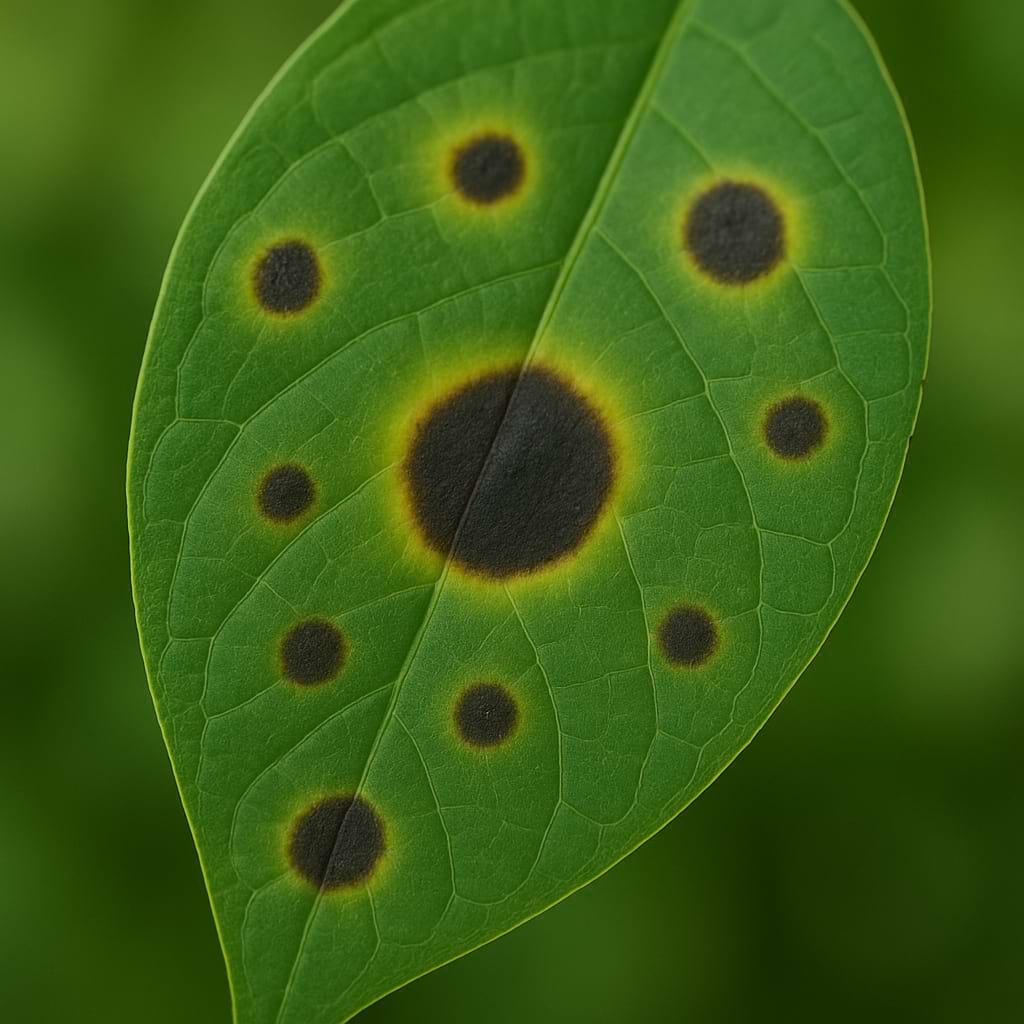
Curling leaves usually mean the plant is losing water faster than it can take it up, so check for underwatering, low humidity, and strong direct sun in that order. Brown or black spots with a yellow halo suggest a fungal or bacterial infection, which spreads through water sitting on leaves in a cool still room. Remove the affected leaf and improve airflow.
Sudden total leaf drop in autumn frightens people, but it is often just dormancy. If the corm is still firm when you dig gently, keep the mix barely damp, stop feeding, and wait for spring. Growth returns. Stunted growth and shrinking leaves through the growing season point at light, root space, or nutrition instead.

🖼️ Alocasia Dragon Scale Display and Styling Ideas
Solo Setups
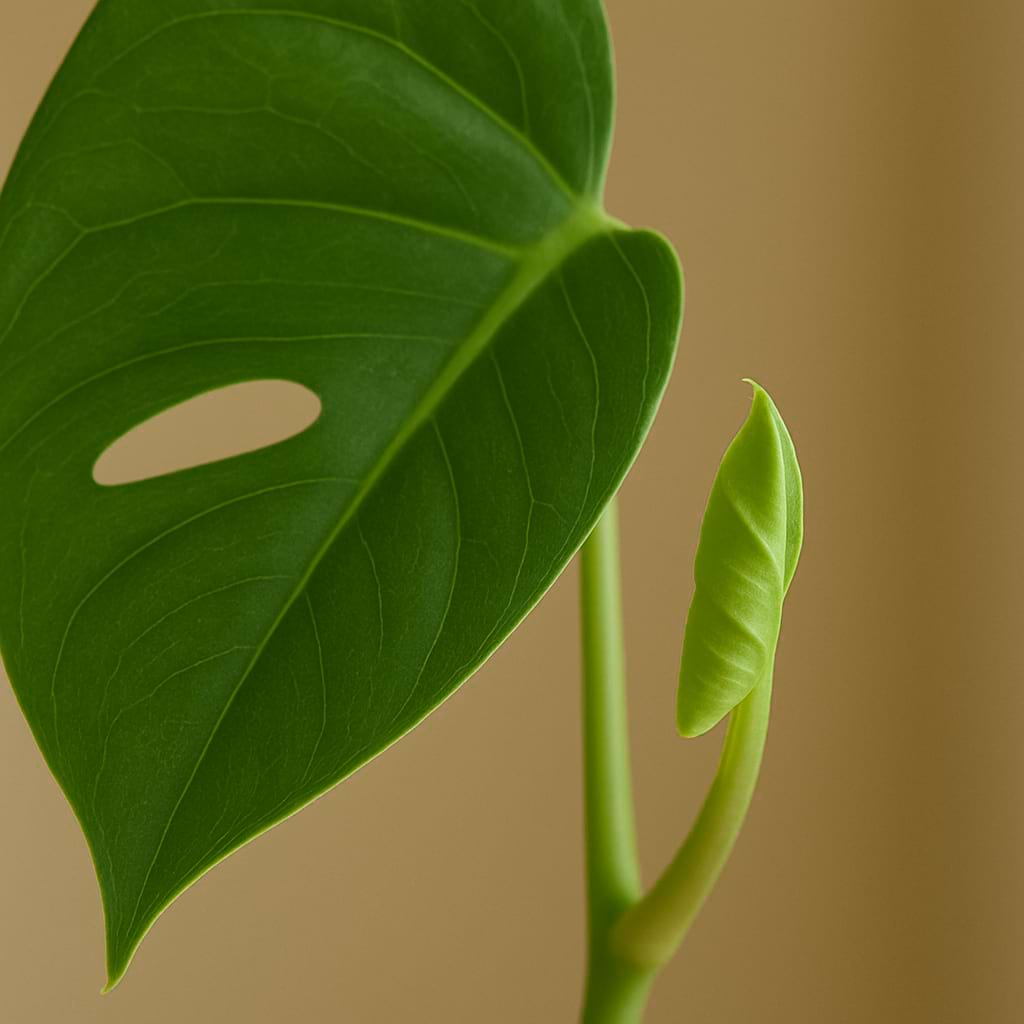
The scale pattern reads best when you are looking slightly down onto the leaves, so a low plant stand, a side table, or a windowsill beats a high shelf every time. A plain pot in a solid colour keeps the attention on the foliage. Patterned or glossy metallic pots fight it.
Backlighting is worth trying. Sit the plant so soft window light comes from behind and slightly to the side, and the sunken veins throw shadows that make the texture pop.
Grouped Arrangements
Group it with other humidity lovers so they all share the microclimate: Alocasia Black Velvet for matte contrast against this one's sheen, ferns for softness, or a Calathea Network for a different kind of patterning. Pair it with the Silver Dragon and the two colour forms make an obvious set.
A glass cabinet is the ideal home if you have one. Humidity stays high without any effort, and the plant is protected from drafts and curious pets.
Where Not to Put It
Skip high shelves where you only see the undersides, radiator alcoves, and drafty entryways. And keep it well out of reach of cats, dogs, and small children, because every part of this plant contains calcium oxalate crystals that cause immediate burning and swelling in the mouth.
🌟 Alocasia Dragon Scale Pro Care Tips
- Buy a hygrometer before you buy the plant. Guessing your humidity is how good plants get ruined, and they cost almost nothing.
- Weigh the pot instead of watching the calendar. Lift it right after watering, then lift it daily. Within a week you will know exactly when it is time.
- Add a calcium source to the mix. Crushed oyster shell or a calcium supplement matches the limestone habitat and tends to give thicker leaves.
- Do not repot a sulking plant. Alocasias answer stress by dropping leaves, and fresh disturbance makes it worse. Fix the conditions and wait.
- Rotate a quarter turn weekly. The petioles lean hard toward light, and the rosette goes lopsided fast if you never turn it.
- Save every corm you find. They cost you nothing and they are your insurance policy if the parent plant fails.
- Wear gloves when you cut it. The sap irritates skin, and it stings badly if you rub your eye afterwards.
❓ Frequently Asked Questions
Why does my Alocasia Dragon Scale have brown crispy edges?
Almost always low humidity, sometimes combined with letting the soil dry too hard between waterings. Damage on a leaf is permanent, so judge your progress by whether the next leaf opens clean rather than by the old ones. Get the room above 60 percent and keep the mix evenly damp.
Is Alocasia Dragon Scale toxic to cats and dogs?
Yes. Like all Alocasias, it contains insoluble calcium oxalate crystals, and chewing any part causes intense burning, drooling, swelling, and sometimes vomiting. Keep it somewhere pets cannot reach, and call your vet if you think an animal has eaten some.
My plant dropped all its leaves. Is it dead?
Probably not. Dragon Scale goes dormant when it gets cold or dark, retreating to its underground corm. Tip it out and press the corm gently. If it is firm, keep the mix barely damp, stop fertilizing, and wait for spring growth. If it is soft and brown, that one is gone.
How fast does Alocasia Dragon Scale grow?
Slowly, and it holds only four or five leaves at once. A new leaf every three to six weeks in summer is good going, and older leaves drop as new ones open, so the plant can look like it is not gaining ground even while it is perfectly healthy.
Can I propagate Dragon Scale from a leaf or stem cutting?
No. There is no node on the petiole to root from, and a leaf in water will simply rot. Corms are the only reliable route, plus division once a plant has produced a genuine second growth point.
Why are my new leaves smaller than the old ones?
Usually not enough light, sometimes not enough food or root space. Alocasias size each new leaf according to the energy available, so a shrinking sequence is the plant telling you conditions have dipped. Move it brighter first, since that fixes it most often.
What is the difference between Dragon Scale and Silver Dragon?
They are the same species in different colours. Dragon Scale is glossy emerald with near-black veins; Silver Dragon is frosted mint-silver with the same sunken veining. Care is identical, so pick on looks alone.
Should I mist my Alocasia Dragon Scale?
Not really. Misting raises humidity for a couple of minutes and leaves water sitting on thick leaves, which encourages leaf spot. A humidifier, a pebble tray, or a bright bathroom does far more for far less effort.
Why is my Dragon Scale drooping?
Check the soil first. Dry and light means it is thirsty and will recover within hours of a soak. Wet and heavy with a sour smell means root rot, and that needs immediate unpotting. Drooping right after a repot or a move is just transplant sulk, and it passes on its own.
ℹ️ Alocasia Dragon Scale Info
Care and Maintenance
🪴 Soil Type and pH: Chunky, airy aroid mix that holds a little moisture
💧 Humidity and Misting: Wants 60 percent or higher, and gets crispy edges below about 50 percent.
✂️ Pruning: Only remove old leaves once they yellow off on their own. There is no shaping to do.
🧼 Cleaning: Wipe each leaf with a soft damp cloth, supporting the blade from underneath. Dust settles fast in the sunken veins.
🌱 Repotting: Repot in spring every 18 to 24 months, or when corms and roots have packed the pot solid.
🔄 Repotting Frequency: Every 18-24 months
❄️ Seasonal Changes in Care: Steady warmth, food, and moisture from spring through early autumn, then less water and no fertilizer over winter while growth stalls.
Growing Characteristics
💥 Growth Speed: Slow
🔄 Life Cycle: Evergreen tropical perennial that can retreat to its corm
💥 Bloom Time: Late spring to early summer indoors, a cream spathe edged in deep red with a shorter spadix inside
🌡️ Hardiness Zones: 10-12
🗺️ Native Area: Limestone hills and rocky forest floors of eastern Borneo (Kalimantan)
🚘 Hibernation: Slows hard in winter and may drop every leaf, surviving underground as a corm until spring
Propagation and Health
📍 Suitable Locations: East windows, bright bathrooms, cabinet displays, plant shelves near a humidifier
🪴 Propagation Methods: Harvest the small brown corms from the root ball at repotting and sprout them in damp sphagnum moss.
🐛 Common Pests: Spider Mites, Mealybugs, Thrips, Scale Insects, Fungus Gnats
🦠 Possible Diseases: Root rot, corm rot, bacterial and fungal leaf spot in cold wet soil
Plant Details
🌿 Plant Type: Jewel Alocasia, rhizomatous evergreen aroid
🍃 Foliage Type: Thick, stiff, semi-glossy shield-shaped leaves
🎨 Color of Leaves: Deep emerald green panels with sunken near-black veins
🌸 Flower Color: Cream to ivory white with deep red spathe margins
🌼 Blooming: Yes, though the flower is small and easily missed next to the leaves
🍽️ Edibility: Not edible. All parts irritate the mouth and throat.
📏 Mature Size: 18-24 inches tall indoors
Additional Info
🌻 General Benefits: Stays small enough for a shelf, holds its pattern for the life of each leaf, and multiplies itself through corms with no tools required
💊 Medical Properties: No documented medicinal uses.
🧿 Feng Shui: Upward-facing shield leaves are read as protective, which suits an entry hall or a desk corner that needs a bit of steadiness.
⭐ Zodiac Sign Compatibility: Scorpio
🌈 Symbolism or Folklore: Armour, protection, patience, quiet strength
📝 Interesting Facts: Dragon Scale is one of three colour forms of Alocasia baginda sold as houseplants, alongside Silver Dragon and the less common Green Dragon. The species grows on limestone in Borneo, which is why growers who add crushed oyster shell or a calcium supplement tend to get sturdier leaves.
Buying and Usage
🛒 What to Look for When Buying: Look for stiff leaves with clean edges and no brown crescents, and check under the pot for firm white roots. Skip plants with a soft base, since a rotting corm rarely recovers.
🪴 Other Uses: Cabinet and terrarium specimen, tabletop feature plant, humidity-tray grouping anchor
Decoration and Styling
🖼️ Display Ideas: Bright bathrooms, glass cabinets, pebble-tray groupings, low plant stands where the leaf tops are visible
🧵 Styling Tips: The pattern reads from above and slightly to the side, so keep this plant below eye level rather than up on a high shelf.
🪴 See also 🪴
Complete Guide to Alocasia Red Secret Care and Growth
Complete Guide to Alocasia Zebrina Care and Growth
Complete Guide to Alocasia Black Velvet Care and Growth
Complete Guide to Alocasia Polly Care and Growth

Houseplant101 Forum
Questions & Comments
Ask a question, share your plant experience, or help other plant owners.
Comments are temporarily unavailable.
Open the Houseplant101 ForumNo comments yet
Be the first to ask a question or share your experience about this page.
Log in or create an account
Comments use your Houseplant101 Forum account, but you can stay on this page.
Create a new account