
Calathea Network
Goeppertia kegeljanii
Calathea musaica, Mosaic Plant, Network Plant, Maranta bella, Goeppertia bella


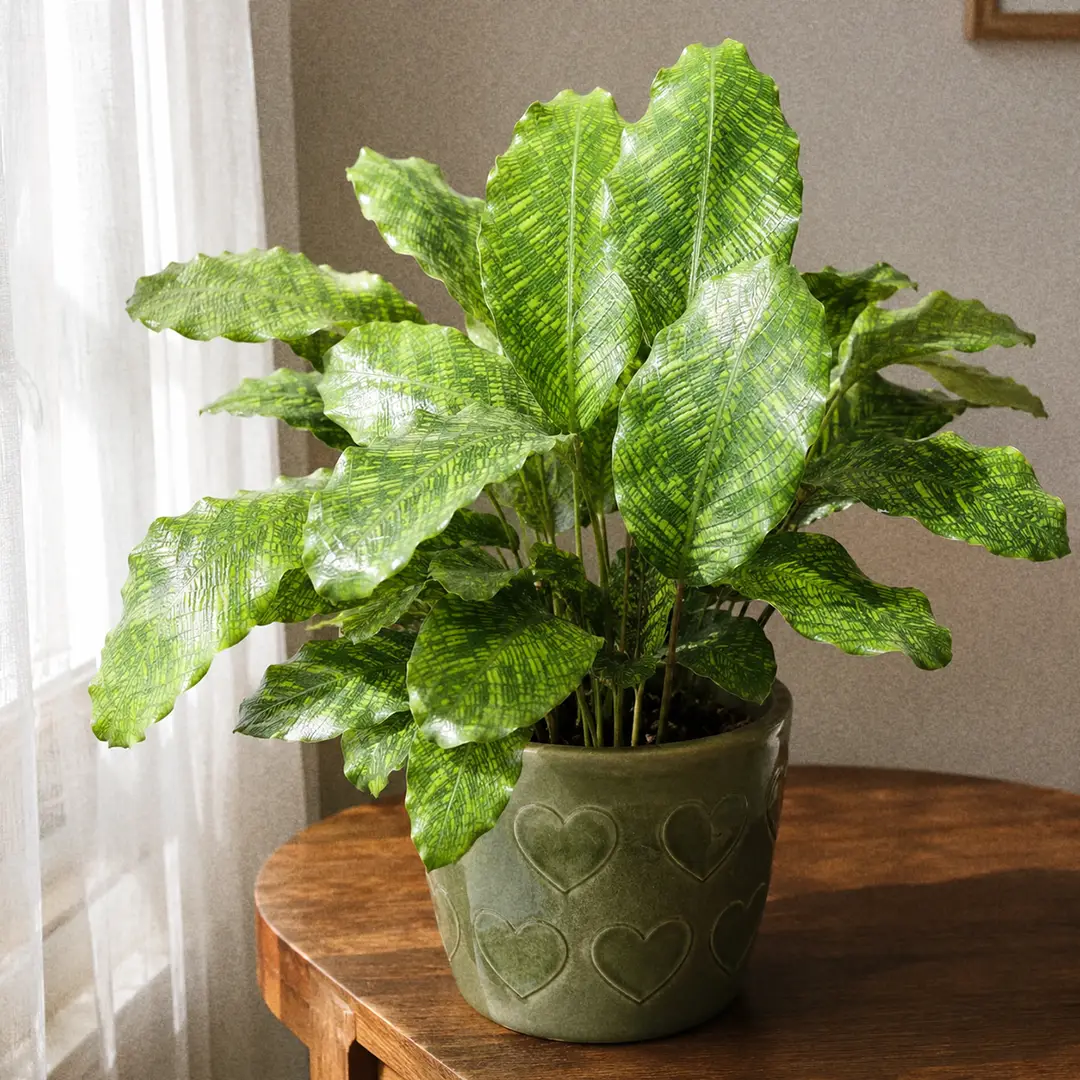
Calathea Network wears a fine green grid across every leaf, like graph paper held up to the light, and it is the most forgiving Calathea you can buy. Learn how to grow Goeppertia kegeljanii indoors without the crispy edges that sink most prayer plants.
📝 Calathea Network Care Notes
🌿 Care Instructions
⚠️ Common Pests
📊 Growth Information
🪴 In This Guide 🪴

☀️ Calathea Network Light Requirements (Indoor Lighting Guide)
The Sweet Spot
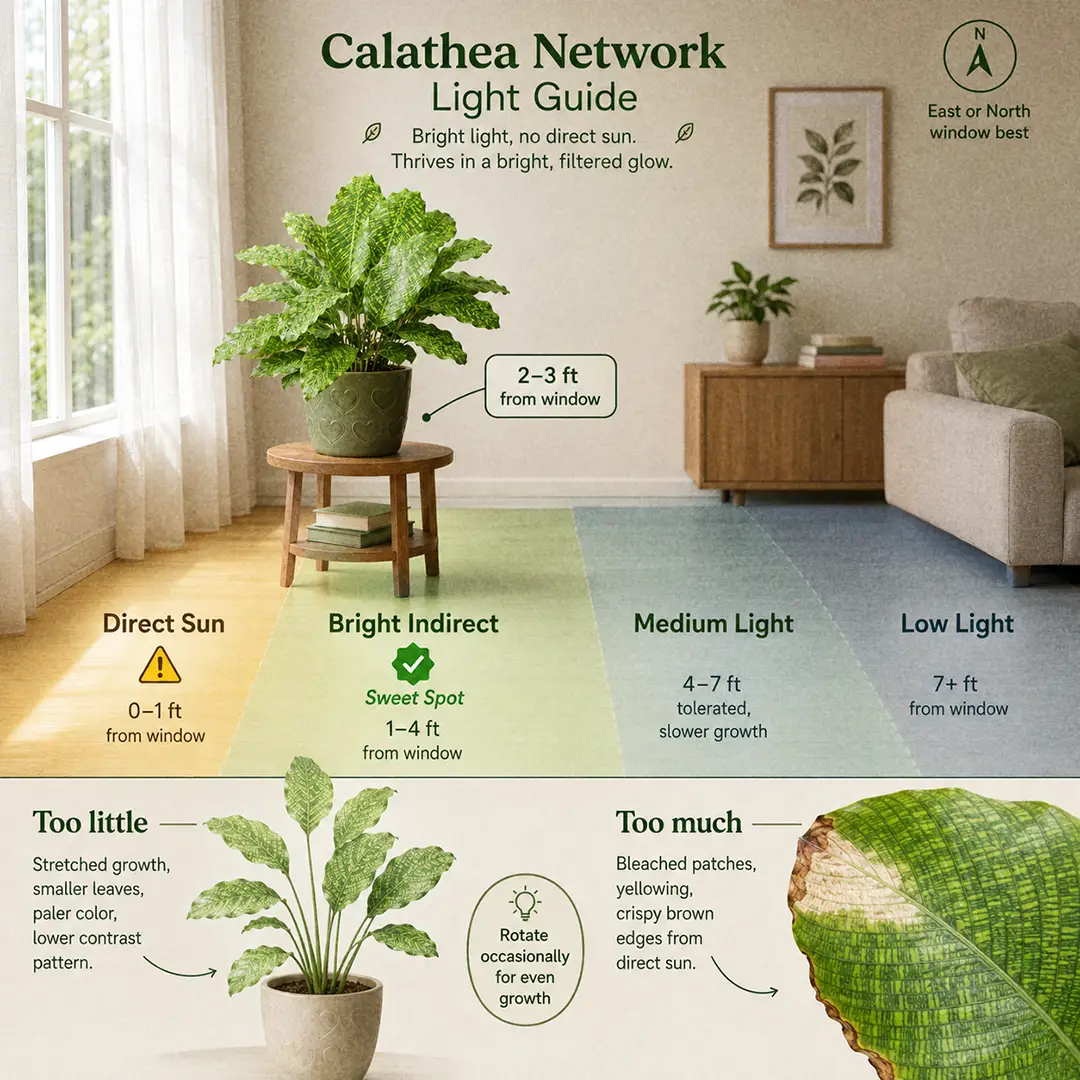
Calathea Network is an understory plant from Brazilian rainforest, which means it evolved under a canopy. Bright indirect light is the target, and the practical version of that is a spot a few feet back from an east or north window, or beside a south or west window with a sheer curtain between the plant and the glass.
A good field test: stand where the plant sits and look at the window. If you can see a decent patch of sky but the sun never lands on your hand, the light is right.
Too Little Light
This plant tolerates low light better than most Calatheas, which is exactly why it gets shoved into corners it should not be in. The signs are subtle at first. New leaves come in smaller than the old ones, the grid pattern looks washed out and less defined, and the stems stretch upward with wider gaps between leaves.
Growth also just stops. If your plant has pushed no new leaves in six months during spring and summer, light is the first thing to fix, not fertilizer. Our light guide has more on reading a room honestly.
Too Much Light
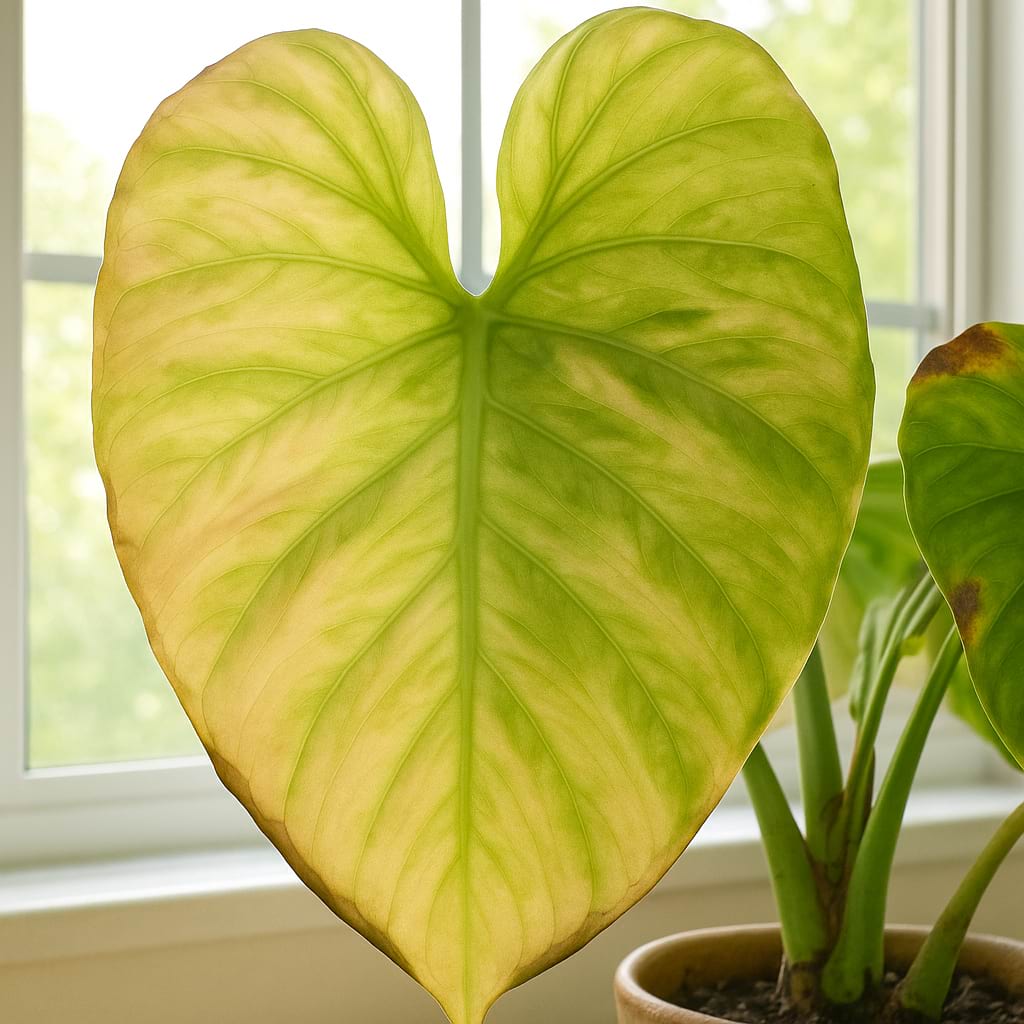
Direct sun is the fast way to ruin this plant. An hour of afternoon sun through unfiltered glass will bleach patches to a pale yellow-white and scorch dry brown blotches into the leaf surface, and those marks never recover. Move it back and the new growth comes in clean, but the damaged leaves stay damaged.
Milder over-lighting shows up as an overall bleached, flat green where the dark grid loses contrast. If the pattern is fading and the plant sits near a window, distance is the fix.
💧 Calathea Network Watering Guide (How Often and How Much)
Watering Frequency
The rule is lightly and evenly moist, never soggy and never bone dry. In practice that means checking with your finger and watering when the top inch of soil has just gone dry while the layer below still feels cool and damp.
In a warm bright room during spring and summer, that usually lands around once a week. In winter, in a cooler room, it can stretch to every ten to fourteen days. Do not water on a calendar. A pot near a radiator dries three times faster than the same pot in a north bathroom, and the plant tells you more than the schedule does. If you struggle to judge it, a cheap moisture meter takes the guesswork out for the first couple of months.
Water Quality Matters Here
This is the part people skip, and it is the single biggest cause of brown edges on Calatheas. The genus is sensitive to fluoride, chlorine, and dissolved salts in tap water. Hard water builds those salts up in the soil, the roots take them in, and the leaf margins burn from the edge inward.
Use filtered water, distilled water, or collected rainwater. If you only have tap, leave it in an open jug for 24 hours to let the chlorine gas off, though that does nothing for fluoride or hardness. Flushing the pot thoroughly every couple of months also helps wash accumulated salts out of the mix.
How to Water
Water at the soil surface, all the way around the pot, until it runs freely from the drainage holes. Let it drain completely, then tip out anything sitting in the saucer. Roots left standing in water go soft and brown within days.
Bottom watering works well here and keeps water off the crown, which reduces the risk of rot in a dense clump. Set the pot in a shallow tray of water for twenty minutes, then lift it out and let it drain.
Signs of Trouble
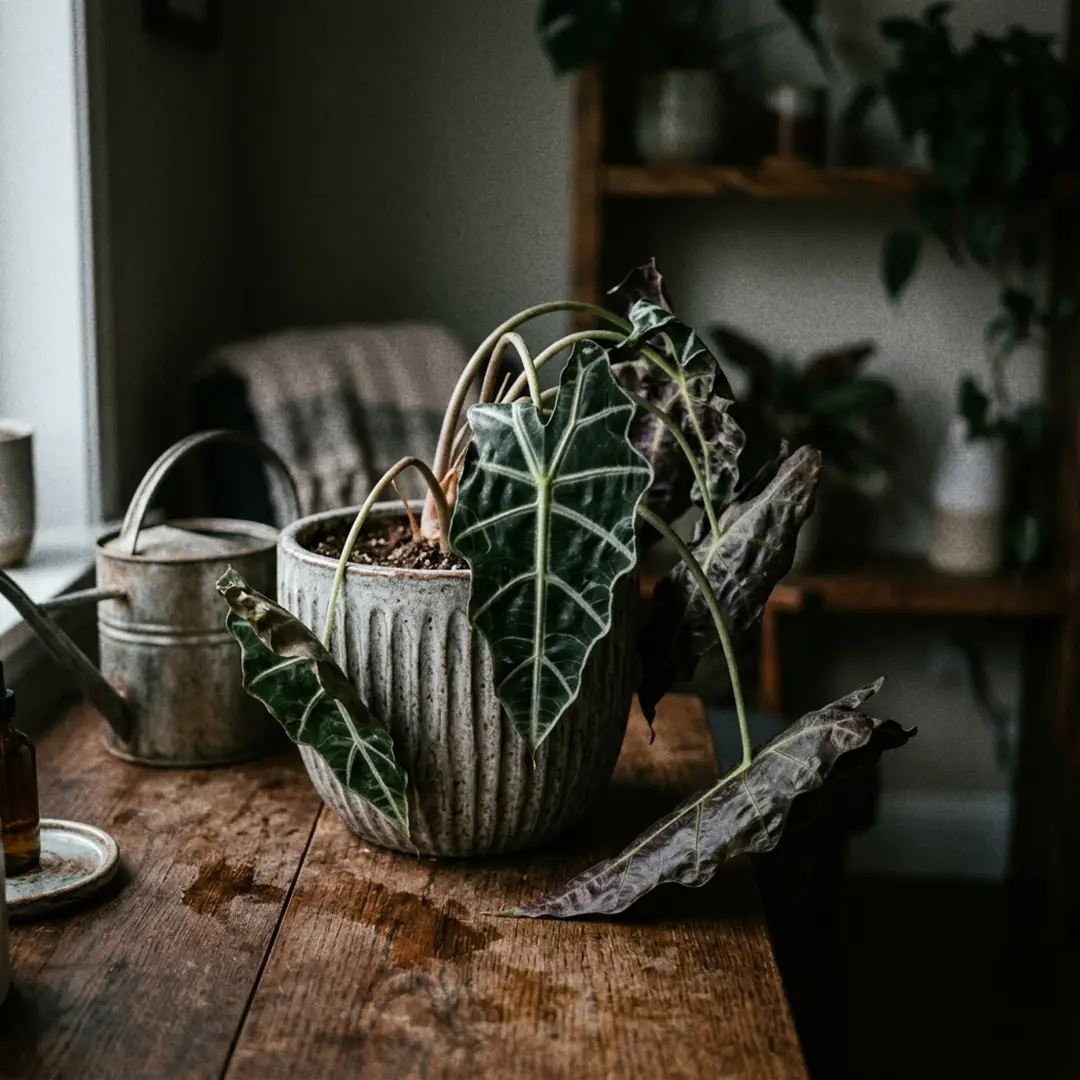
An underwatered Network droops all at once, with the whole clump going limp and the leaves curling inward along the midrib. It usually perks up within hours of a good drink. An overwatered one yellows from the oldest lower leaves first, the soil smells sour, and the plant does not perk up because the roots have started to rot. Those two look nothing alike once you have seen both.
🪴 Best Soil for Calathea Network (Mix Recipe)
What the Soil Needs
Two things at once, which sounds contradictory but is not: it has to hold moisture, and it has to let air through. Fine peat on its own holds water beautifully and then compacts into a dense airless brick that suffocates roots. Chunky material keeps channels open so oxygen reaches the rhizome even when the mix is damp. Good drainage holes are non-negotiable, because no amount of clever mixing rescues a pot with nowhere for water to go.
DIY Soil Recipe
The mix I use for every Calathea in the house:
- 2 parts coco coir or peat-based potting soil for the moisture-holding base
- 1 part perlite or pumice for aeration
- 1 part fine orchid bark for structure that lasts
- A handful of worm castings for slow, gentle nutrition
That produces something springy that stays damp for days without going swampy. A little horticultural charcoal is a nice optional addition if you have it, since it helps keep the mix sweet between repottings.
Pre-Made Options
A bagged aroid mix or general potting soil works if you cut it with perlite at roughly three parts soil to one part perlite. Do not use cactus mix, which drains far too fast, and skip anything sold as moisture-control, which stays wet long past the point the roots want. Our soil guide breaks down the components in more depth.
🍼 Fertilizing Calathea Network (What and How Often)
When and How Often
Feed every 4 to 6 weeks from early spring through early autumn, and stop completely once growth slows in late autumn. Winter feeding does nothing useful and just adds salts to soil the plant is not actively drawing from. Always water first, then feed. Fertilizer poured onto dry soil concentrates against the roots and burns them.
What to Use
A balanced liquid houseplant fertilizer at quarter to half the strength on the label. This plant is a light feeder and the label doses assume something hungrier. Half strength is plenty, quarter strength is safer, and neither will starve it. Slow-release pellets are a poor fit, because they keep releasing salts through winter when the plant has stopped taking them up.
Over-Fertilizing Signs
A white crust on the soil surface or around the pot rim is the first clue. After that come brown crispy leaf tips and edges that look exactly like humidity damage, which is why this gets misdiagnosed so often. If your humidity is fine and the edges are still burning, suspect salt. The fix is simple: flush the pot with several pot-volumes of clean water at the sink, let it drain fully, and skip the next two feeds. There is more on dosing in our fertilizing guide.
🌡️ Calathea Network Temperature Range
Ideal Range
Normal comfortable room temperature suits it exactly: 65 to 80°F (18 to 27°C). It stays happy year-round in most homes without any special effort, which is one reason it is easier than its reputation suggests.
Below 60°F (15°C) growth stalls and the leaves can develop dark, water-soaked patches. Below 55°F (13°C) you risk real cold damage. This plant has no cold tolerance at all, so it never goes outside for a summer holiday unless your nights stay reliably warm.
Drafts and Heat Sources
Sudden swings do more harm than the absolute number. The three worst spots in most homes are directly above a radiator, in the airflow of an air conditioning vent, and beside a door that opens to cold outside air in winter.
Each of these dries the leaf surface faster than the roots can replace the water, and you get crisping on the side facing the moving air. If one side of your plant is browning and the other is fine, look for a draft before you blame anything else.
💦 Calathea Network Humidity Requirements
Ideal Humidity
Target 50 to 60% or higher. Network handles average household humidity better than Calathea Orbifolia or White Fusion, but better is relative. Below about 40%, which is where most heated homes sit in winter, the leaf edges start going brown and papery.
Easy Humidity Boosters
A small humidifier near the plant is the only method that reliably works, and it is worth it if you own several Calatheas. Grouping plants together raises local humidity a useful amount for free. A pebble tray helps a little, mostly in the few inches directly above it.
Misting is the popular answer and the least effective one. The bump lasts minutes, and water sitting on leaves overnight in still air invites fungal spotting. If you like misting, do it in the morning and make sure the air moves. Our full humidity guide covers the trade-offs.
🌸 Calathea Network Flowers (What to Expect)
What the Flowers Look Like
Small, white, and forgettable. They appear on short spikes low in the clump, tucked underneath the foliage where you would have to move leaves aside to see them. Nobody grows this plant for its flowers, and nobody should feel short-changed by that.
Will It Bloom Indoors?
Almost certainly not. Calathea Network flowers in greenhouse and habitat conditions during summer, but in an ordinary home the combination of light and humidity it needs to bother is rare. Plenty of well-grown, decades-old plants have never flowered once.
If yours does flower, treat it as a curiosity rather than a verdict on your care. It does not mean much either way.
Should You Cut Them Off?
Yes, once they fade. Spent flower spikes rot where they sit in a dense damp clump, and rot at the base of a Calathea spreads faster than you would like. Snip the whole spike off at the bottom with clean scissors.
🏷️ Calathea Network Types and Lookalikes
'Network' Is the Only Form Sold
Unlike Calathea Medallion and its relatives, which have spawned dozens of named cultivars, Goeppertia kegeljanii is sold in one form. Network, Musaica, and Mosaic Plant are all trade names for the same plant, so a tag reading Calathea musaica and a tag reading Network describe identical stock. You may also see it labelled Maranta bella or Goeppertia bella, both older synonyms.
The only real variation you will find is size. Nurseries sell small 4-inch clumps and mature 10-inch specimens, and the mature ones show the grid far better because the leaves are bigger.
How It Differs From Other Calatheas
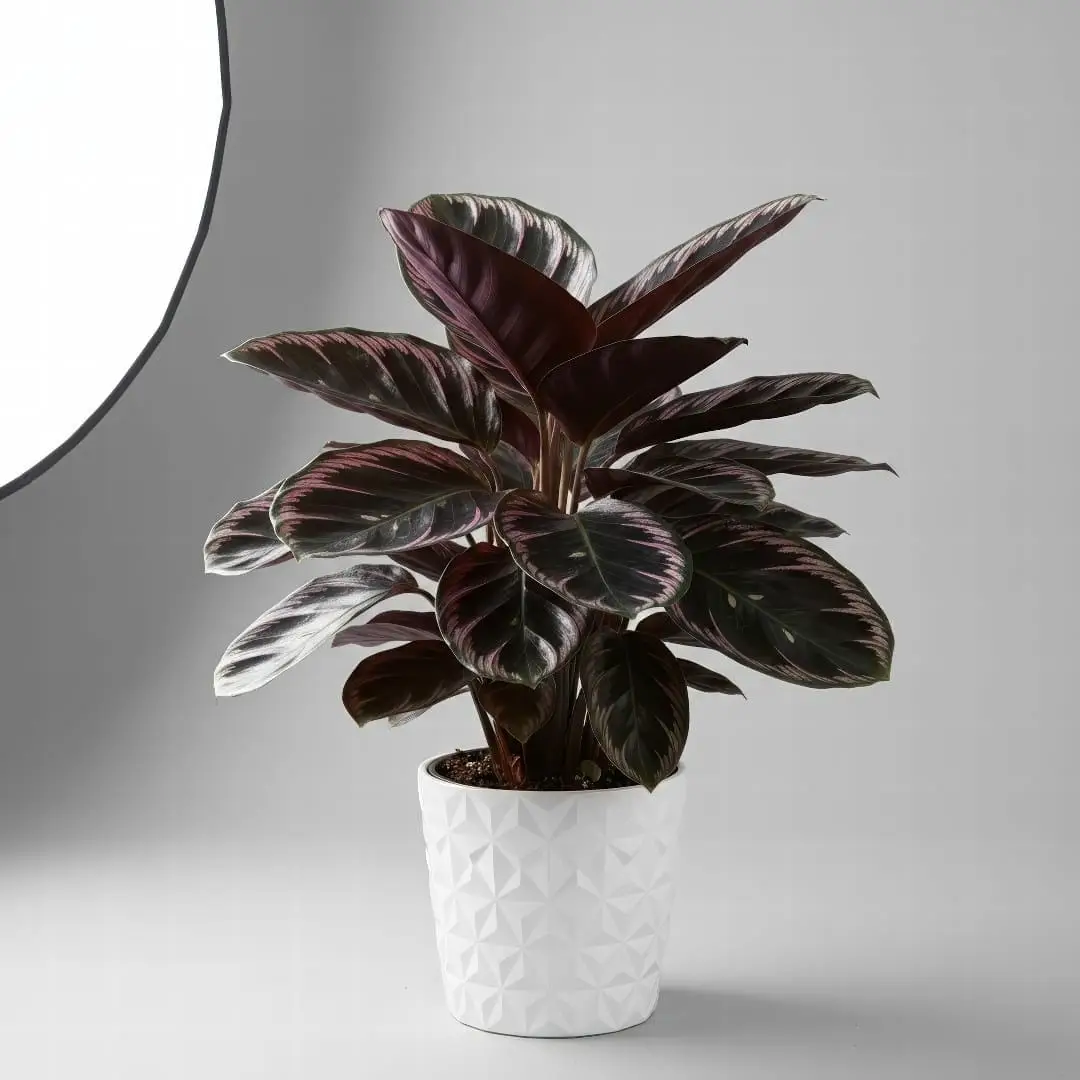
Most Calatheas sell on colour: the purple undersides of Calathea Dottie, the pink stripes of Calathea Pinstripe, the white marbling of White Fusion. Network sells on texture instead. Its leaves are plainer, thicker, and slightly glossier, and they hold up better in dry air precisely because they are not thin and delicate. That thicker leaf is the whole reason it is the easiest Calathea to keep.
Common Mix-Ups
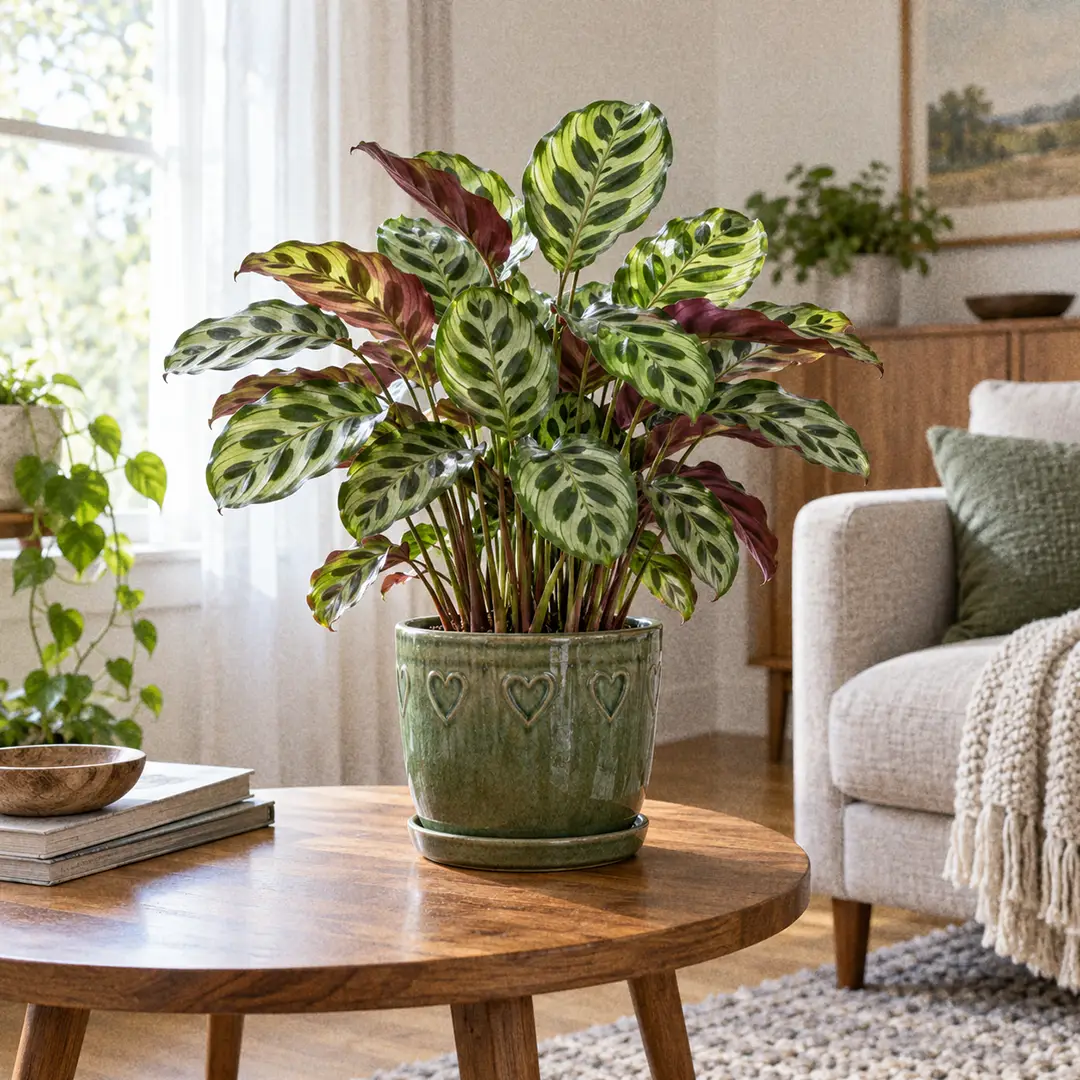
At a glance it can pass for a small Maranta leuconeura, but the Maranta trails rather than clumps and carries bold blotches instead of a fine grid. The Calathea Peacock is another pale green calathea, but its thin leaves are marked with dark feathered ovals rather than a grid. Nothing else in the houseplant trade has this pattern, so once you have seen a Network up close you will never mistake it for anything.
🪴 Potting and Repotting Calathea Network
When to Repot
Every two years in spring is the usual rhythm, or sooner if roots push out of the drainage holes and water runs straight through without soaking in. This plant grows slowly and is genuinely happy a little snug, so there is no prize for repotting early. Spring is the right season because the plant has months of active growth ahead to settle in.
Choosing a Pot
Go one size up, no more. A 4-inch plant goes into a 5- or 6-inch pot, not a 10-inch one. Excess soil around a small root system stays wet for days, and that is how you get root rot in a plant that never sat in standing water.
Plastic or glazed ceramic pots suit this plant better than raw terracotta, which wicks moisture out of the mix faster than the plant wants. Drainage holes are essential either way.
Step-by-Step Repotting
- Water the plant a day beforehand so the rootball holds together.
- Slide it out and gently loosen the outer roots with your fingers. Do not aggressively tease apart a Calathea rhizome unless you are dividing it.
- Add fresh mix to the new pot so the plant sits at the same depth as before. Burying the crown causes rot.
- Fill in around the sides, tapping the pot rather than pressing down hard.
- Water thoroughly and put it back in its usual spot, out of any direct sun.
Expect a week or two of sulking and possibly some drooping. That is normal. Full details are in our repotting guide.
✂️ Pruning Calathea Network
When to Prune
There is no pruning season, because there is barely any pruning. Calathea Network grows as a clump of individual leaves from a rhizome, so there are no stems to shape and no branches to shorten. You are only ever removing leaves that have finished.
How to Prune
Take the whole leaf, stem and all, cutting right down at the base where it emerges from the soil. Use clean sharp scissors or snips. A leaf stub left behind will rot and can pull infection into the rhizome.
Never cut across a live leaf to remove a brown tip. It leaves a raw cut edge that browns again, and you lose the leaf's shape for nothing. If the brown patch is small, live with it. If most of the leaf is gone, take the whole thing.
Keeping It Looking Full
Removing old outer leaves encourages the plant to push new growth from the centre. If your clump is looking thin and one-sided, rotate the pot a quarter turn every time you water so all sides get equal light, and take off the two or three most tired outer leaves in spring.
🌱 How to Propagate Calathea Network
Division Is the Only Method
This matters, so it is worth stating plainly: Calathea Network cannot be grown from cuttings. No leaf cutting, no stem cutting, no node in a jar of water. Every leaf grows directly from the underground rhizome, and a leaf detached from that rhizome has no ability to root. Photos online showing Calathea leaves sitting in water are showing you a leaf that will rot within a fortnight.
Division of the rhizome clump is how it is done, and it works reliably.
When to Divide
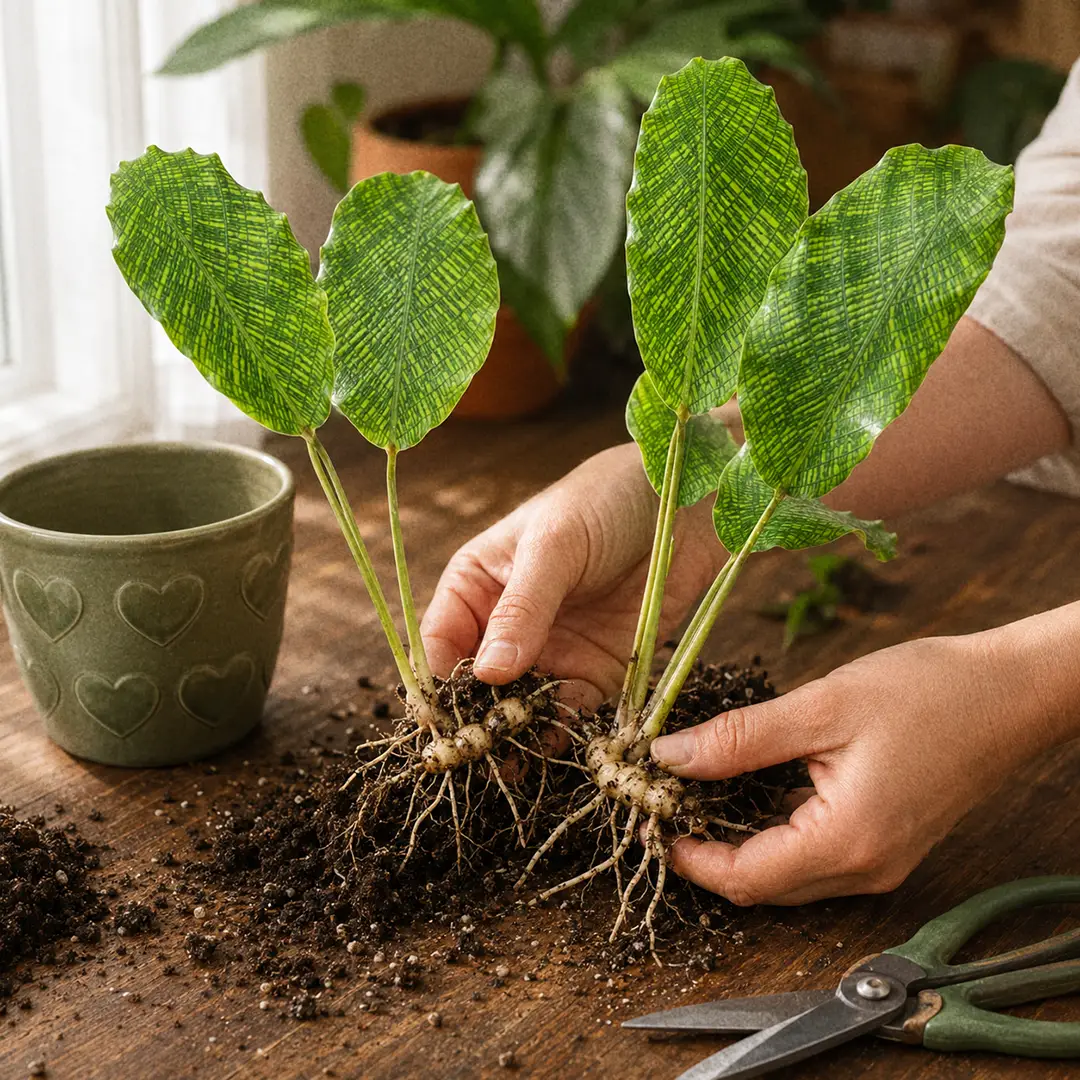
Late spring, when the plant is growing actively and has the whole summer to recover. Combine it with a scheduled repotting so you only disturb the roots once. The clump should be mature and full, with at least six to eight leaves. A small young plant does not have enough to split.
Step-by-Step Division
- Water well the day before, then slide the whole plant out of its pot.
- Wash or shake enough soil off the rootball that you can actually see where the rhizome sections separate.
- Use your fingers to ease the clump into two or three sections. Each section needs its own roots and at least two healthy leaves. A section that pulls away with roots but no leaves will not survive.
- Where roots are too tangled to separate by hand, cut cleanly through the rhizome with a sterilised knife rather than tearing.
- Pot each division into fresh mix in a snug pot, water lightly, and place it out of direct light.
Tips for Success
The first three weeks decide it. Divisions have lost root mass and cannot draw much water, so keep humidity high by tenting a clear plastic bag loosely over each pot, opening it daily for air. Keep the mix lightly damp rather than wet, since damaged roots rot easily. Do not fertilize for a month.
Drooping and one or two lost leaves in the first fortnight are normal. New growth from the centre is your signal that it has rooted. Our plant division guide covers the same technique across other clumping plants.
🐛 Calathea Network Pests and Treatment
Calathea Network attracts the usual indoor pests, and the conditions that keep it looking good are also the conditions that invite a couple of them, so a bit of vigilance pays off.
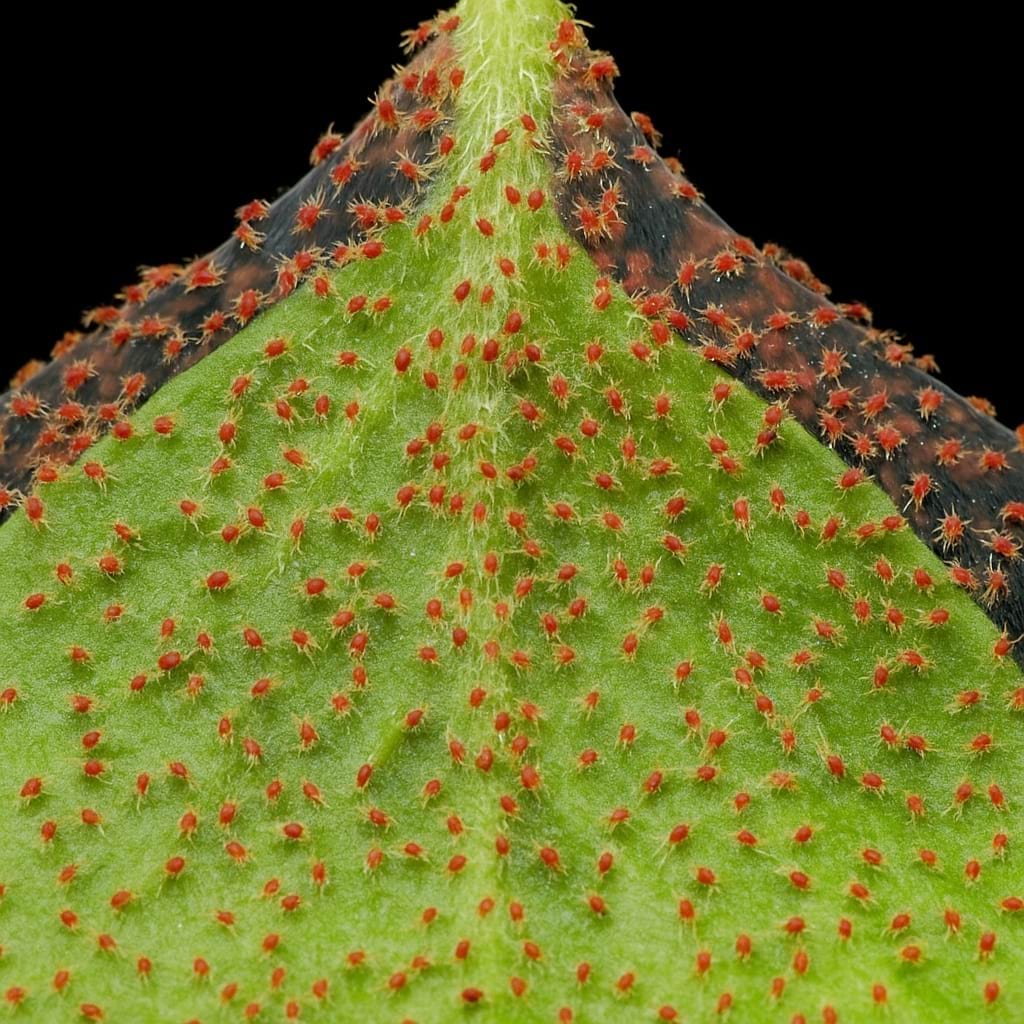
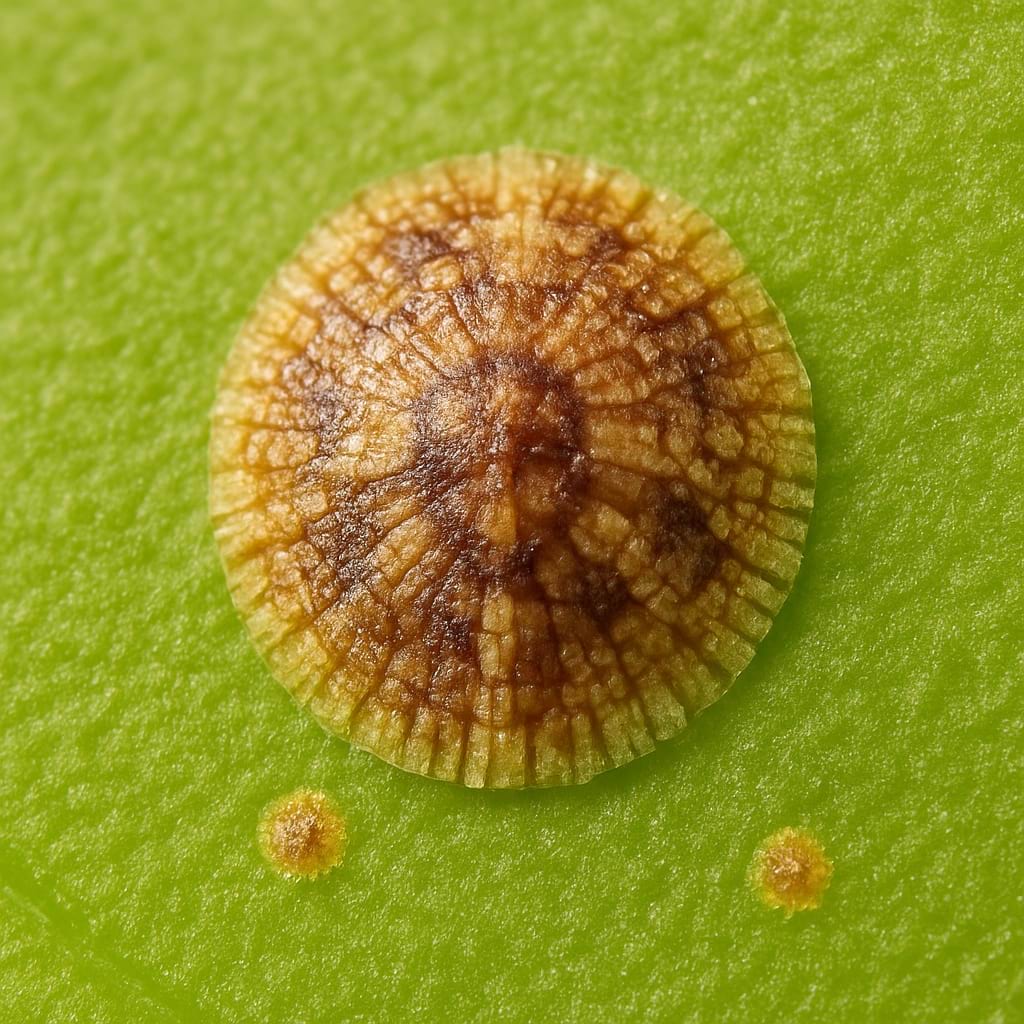
Spider mites are the main threat, and dry air is what brings them in. Look for fine webbing where the leaf meets the stem and a stippled, sandy speckling across the leaf surface. Rinse the whole plant in the shower, treat with insecticidal soap or neem every five days for three weeks, and raise the humidity.
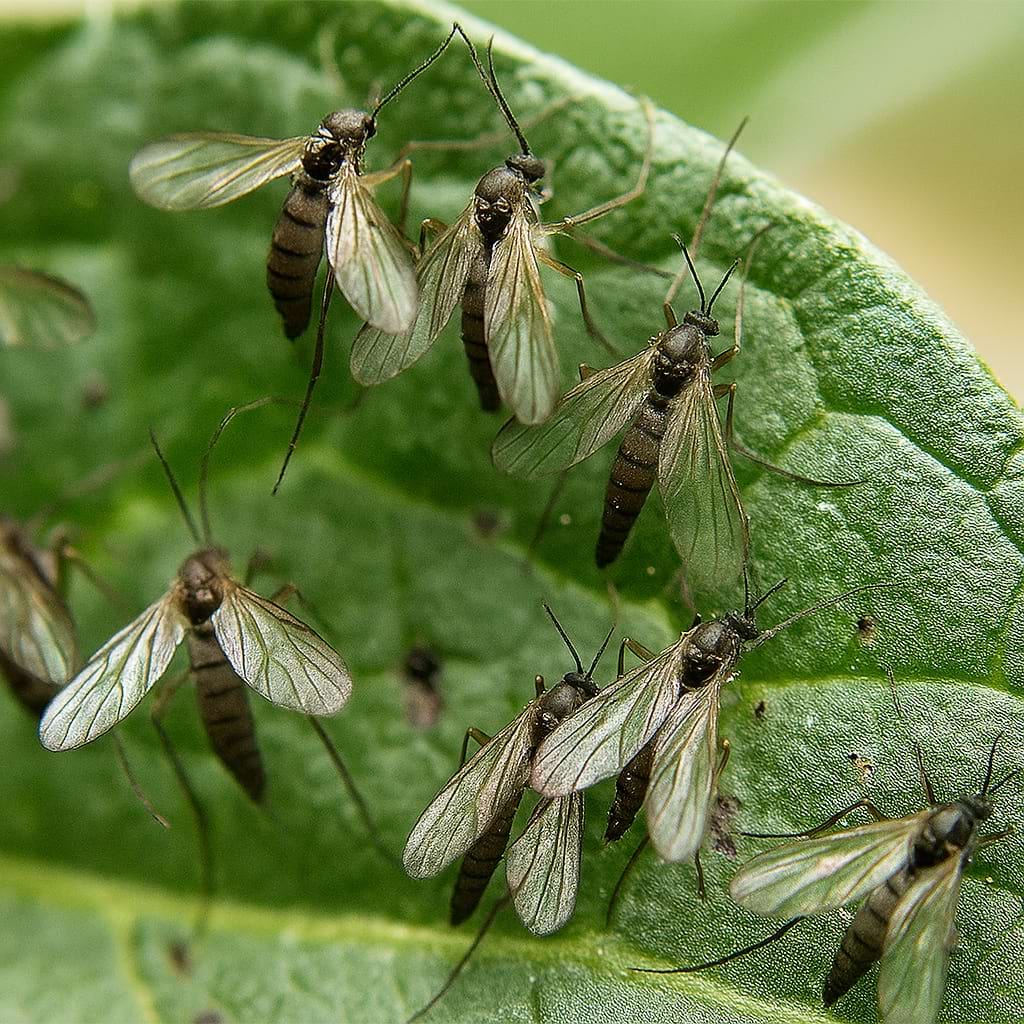
Fungus gnats show up because this plant is kept damp. The adults are harmless but the larvae chew fine roots. Let the top inch dry properly between waterings, add yellow sticky traps, and use a BTI soil drench for a stubborn population.
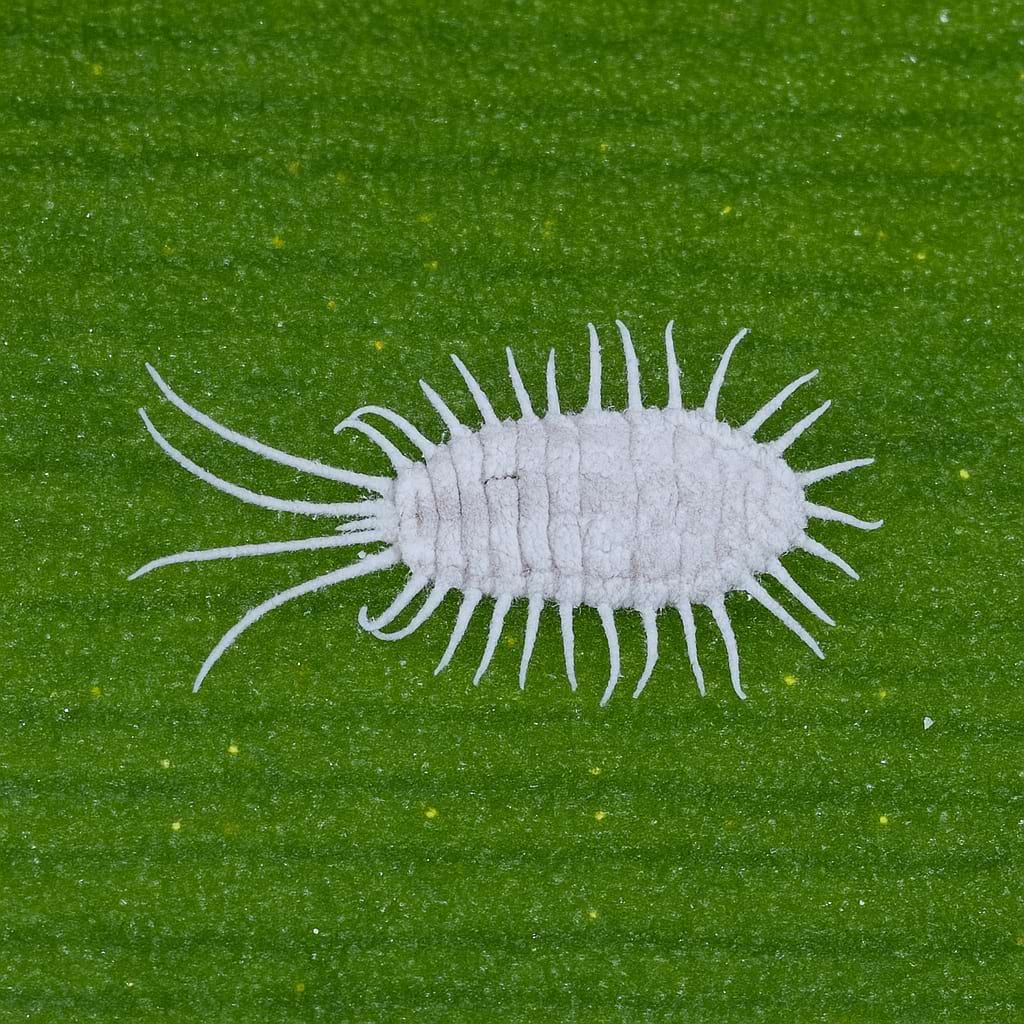
Mealybugs hide as white cottony blobs in the crowded base of the clump, which is exactly where nobody looks. Dab them with a cotton bud dipped in rubbing alcohol, then check again a week later.
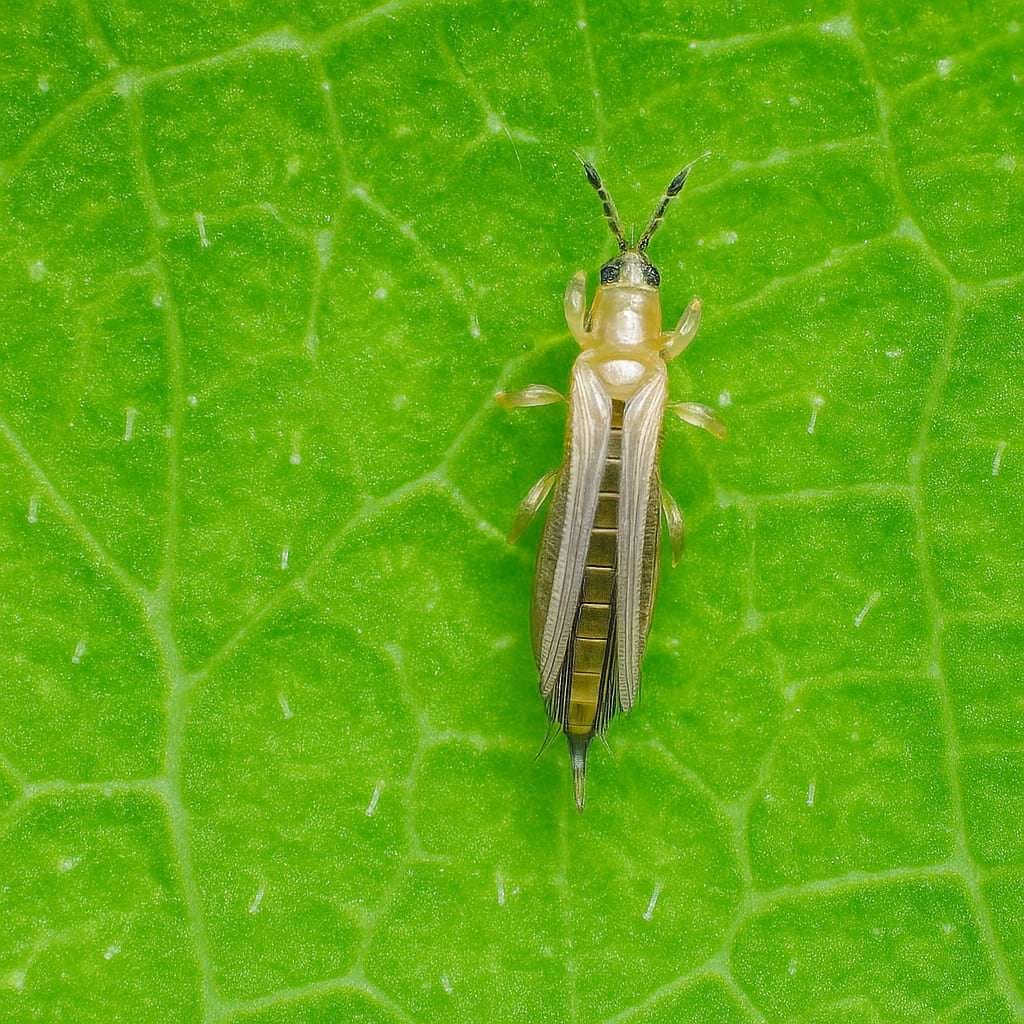
Thrips leave silvery streaks and distorted new leaves, and scale insects appear as small brown bumps on stems. Both are less common here but worth knowing on sight. Whatever you find, isolate the plant from your other Calatheas immediately, because pests travel between them fast.
🩺 Common Calathea Network Problems
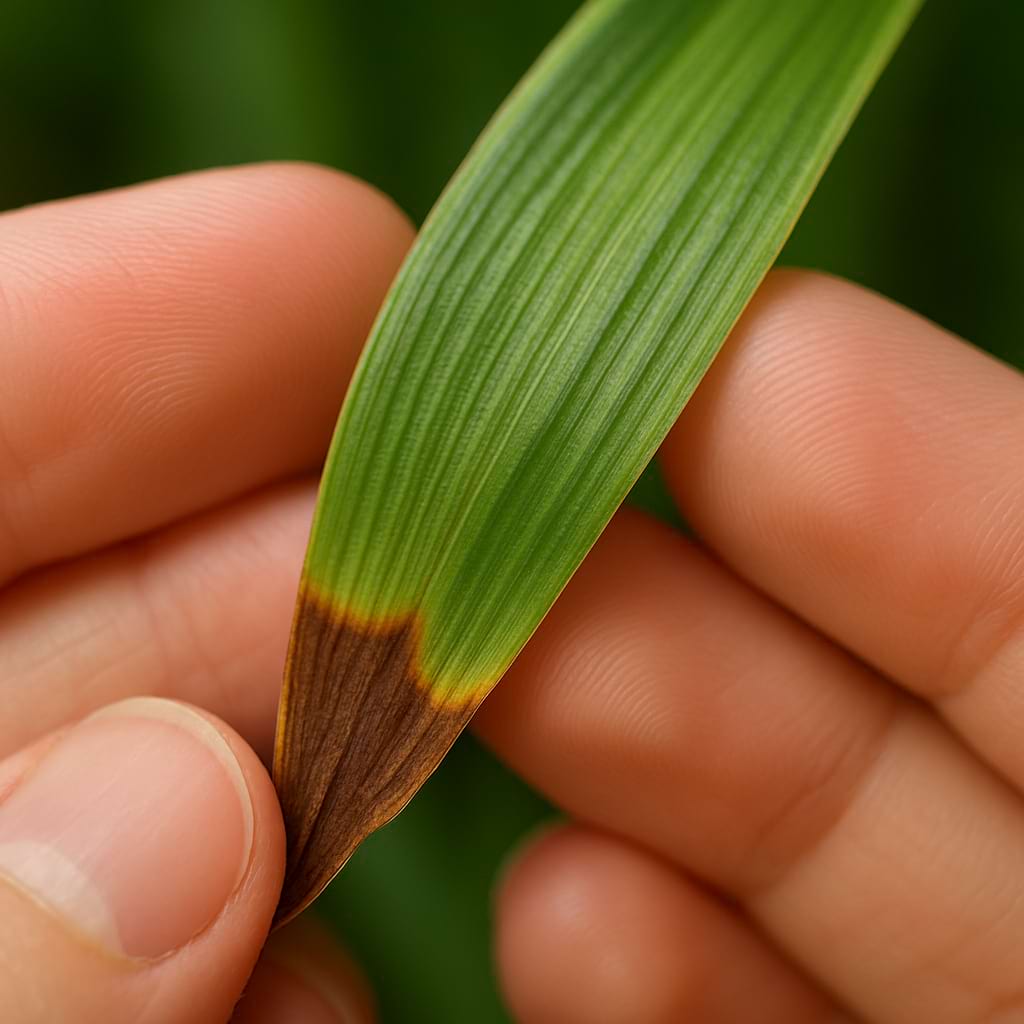
Brown crispy edges are the classic Calathea complaint and this plant is no exception. Three causes: low humidity, hard tap water, and fertilizer salt build-up. Switch to filtered water, flush the pot, and raise humidity. The damaged leaves will not recover, so judge your fix by the new growth.
Curling leaves that roll inward along the midrib mean the plant is losing water faster than it takes it up. Usually that is thirst, sometimes a draft, occasionally too much light. Check the soil first, and if it is damp, look at where the plant is sitting.
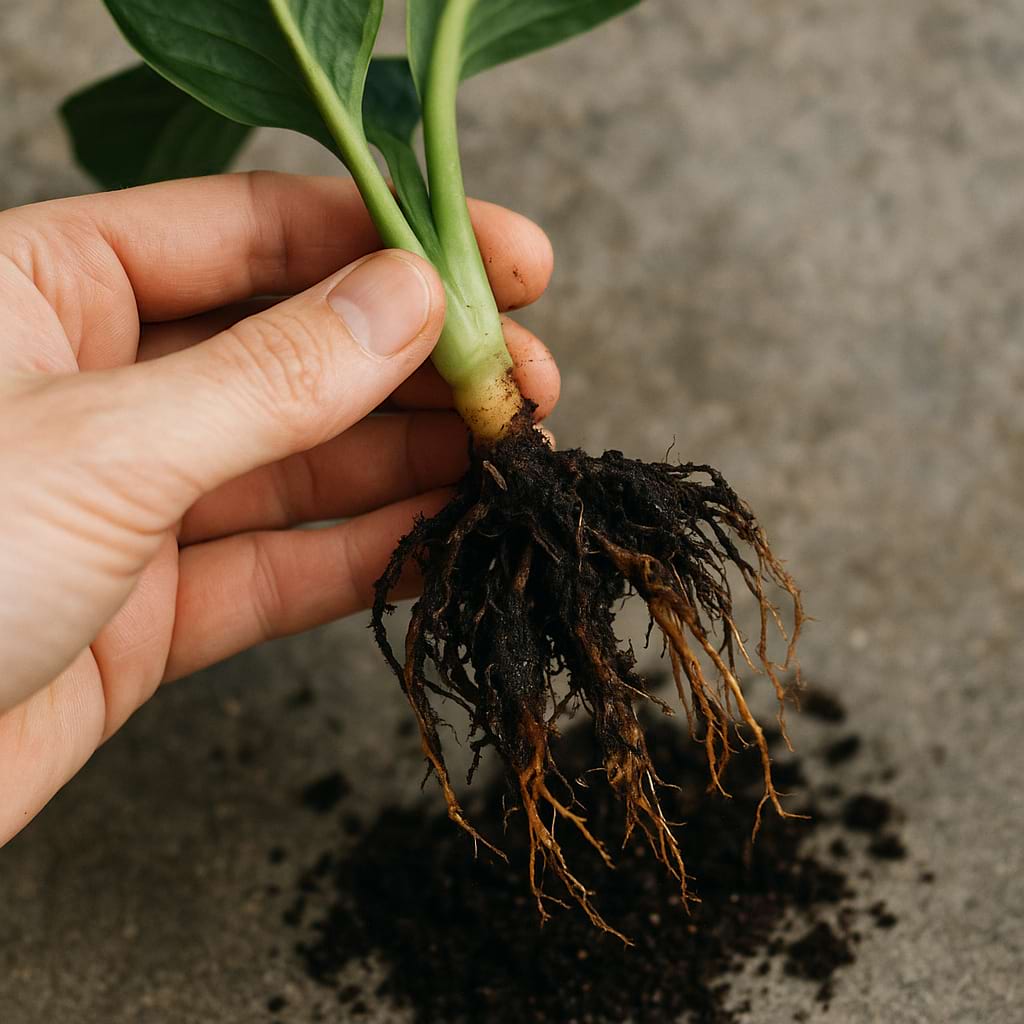
Yellowing leaves on the oldest, lowest leaves are normal ageing at a rate of one every month or two. Yellowing across several leaves at once, with damp soil, means root rot. Unpot it, cut away brown mushy roots, repot into fresh airy mix, and water sparingly until it recovers.
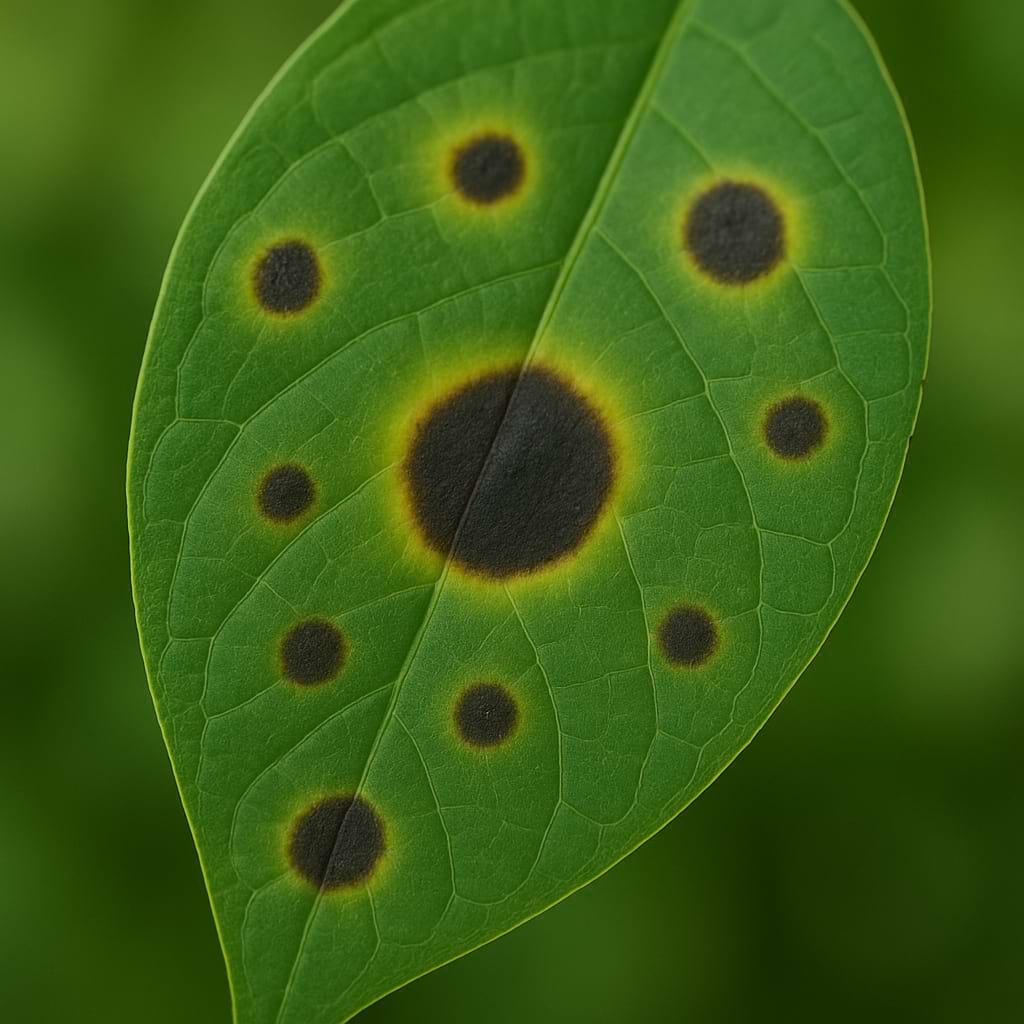
Pale faded leaves with a washed-out grid usually mean too much light rather than too little, so try moving it back from the window. Brown or black spots ringed with yellow point to fungal or bacterial leaf spot, which comes from wet leaves in still air. Remove affected leaves, stop misting, and improve airflow.
Drooping in the evening that recovers by morning is not a problem at all. That is nyctinasty, the prayer plant movement, and it means your plant is doing exactly what it should.


🖼️ Calathea Network Display and Styling Ideas
Put It Where Light Passes Through
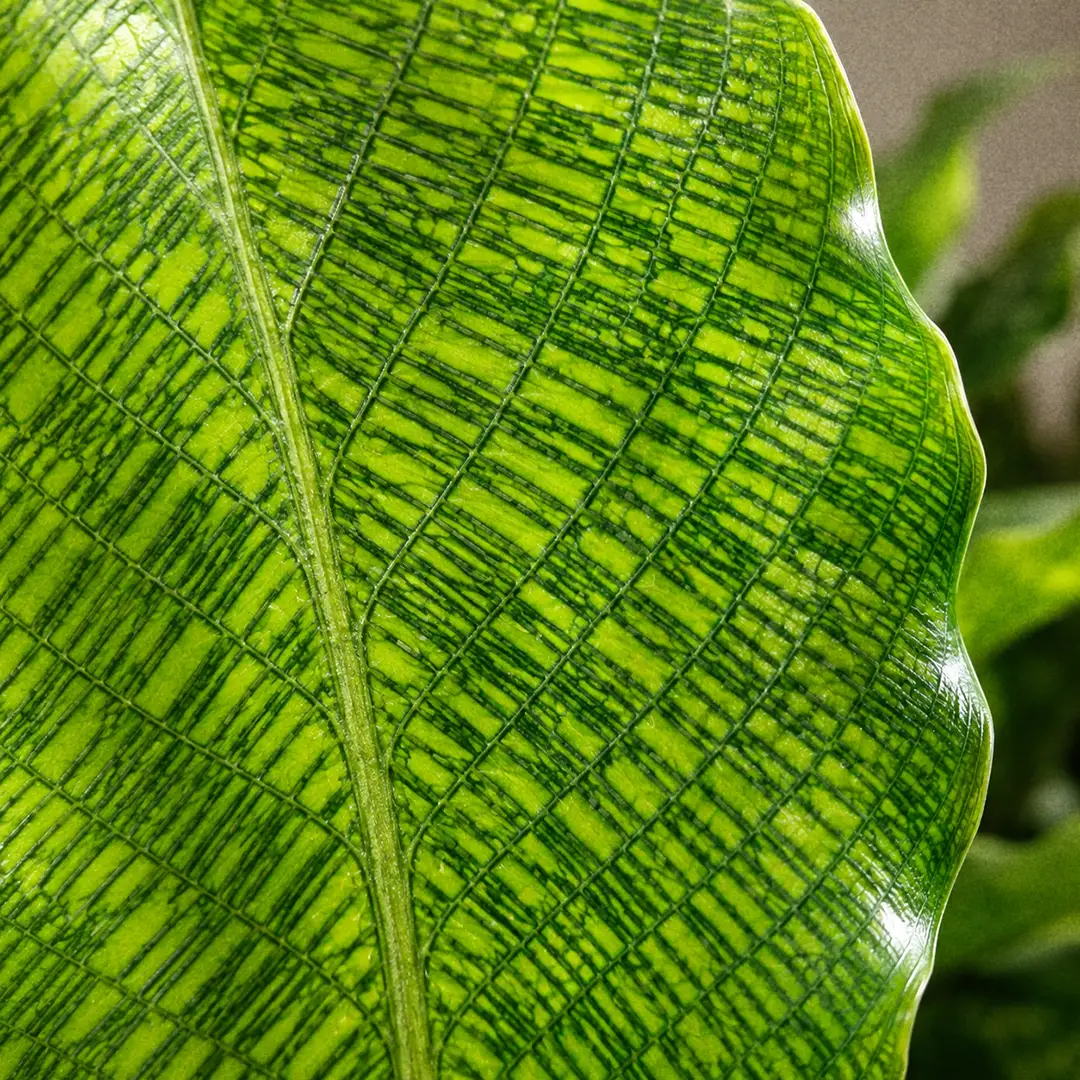
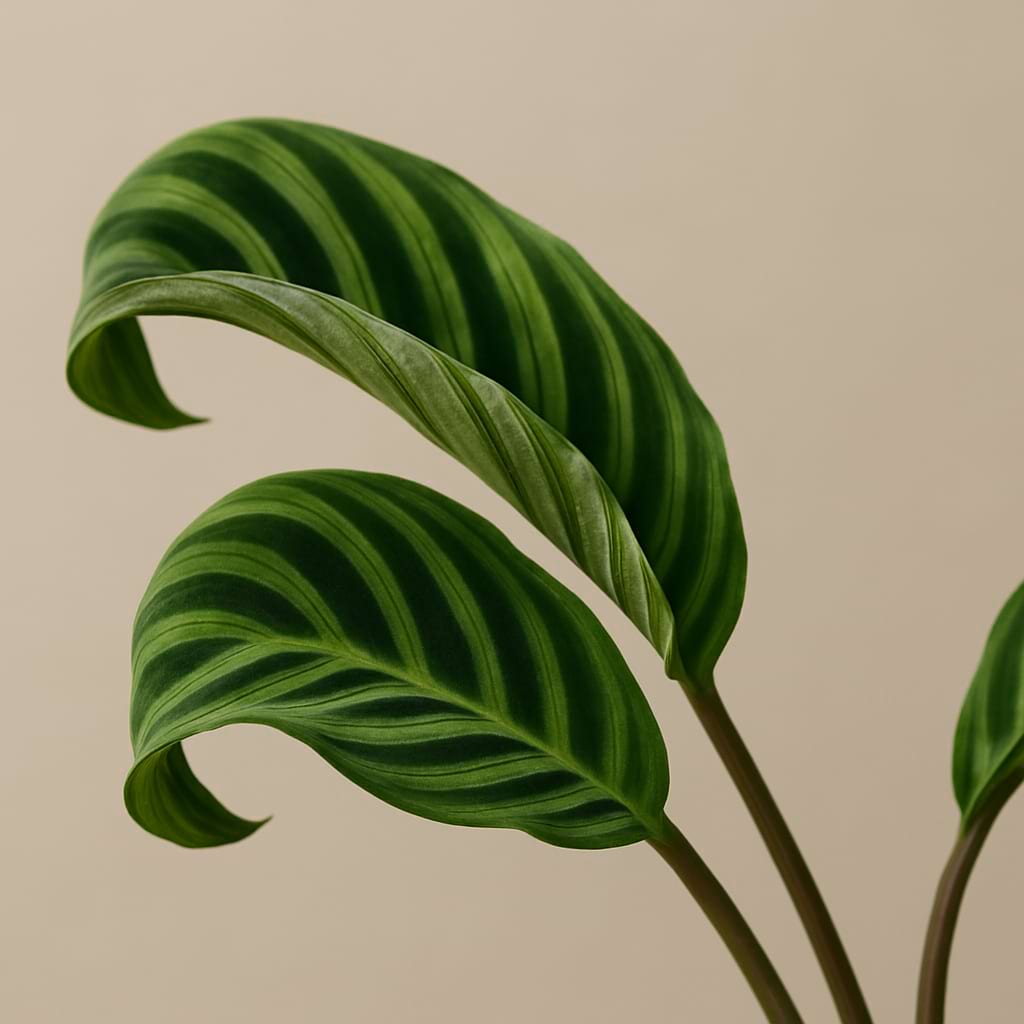
The mosaic only really shows when light comes through the leaf rather than just onto it. A shelf where a window sits behind or to the side of the plant makes the grid glow like stained glass, and it becomes a completely different plant from that angle. This is the single best styling decision you can make with a Network.
Solo Setups
At desk or table height the pattern sits at eye level, which is where it belongs. A plain pot in a solid colour works better than anything patterned, because the leaf already carries all the detail the arrangement needs. Bathrooms with a window are close to ideal: warm, humid, and usually bright but indirect.
Grouped Arrangements
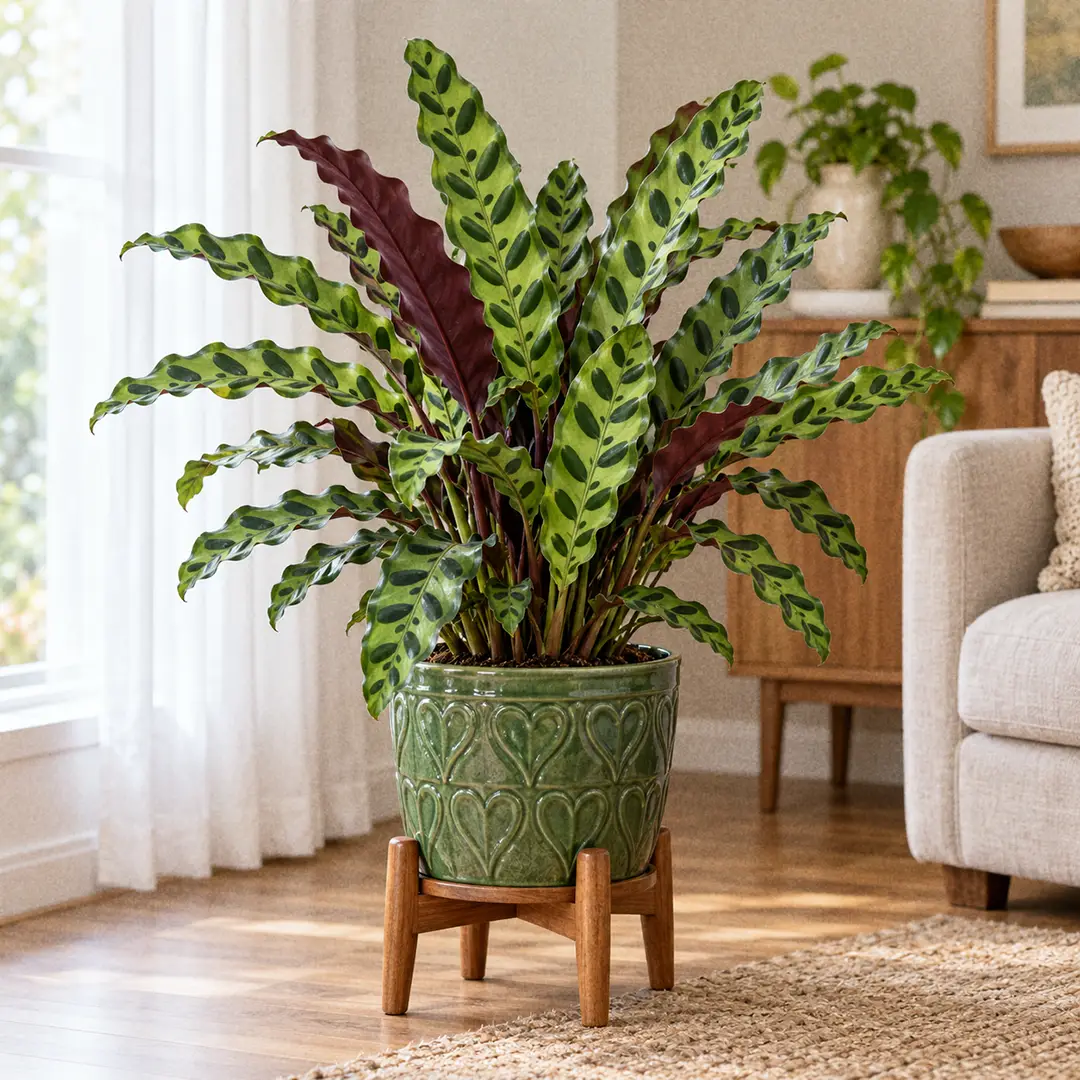
Group it with other humidity-lovers and they raise the local moisture for each other. It sits well beside broad plain leaves that give the eye somewhere to rest, and beside the coloured Calatheas as a textural counterpoint. The long, spotted leaves of a Calathea Rattlesnake are a good match, since it is nearly as easygoing. A Maranta leuconeura trailing over the edge of the same shelf makes a good pairing, since both fold up at night together.
Where Not to Put It
Not on a sunny south windowsill, not above a radiator, not beside an air conditioning vent, and not in a dark corner just because it tolerates lower light. Avoid high shelves too, where you will never see the pattern and never notice a pest.
🌟 Calathea Network Pro Care Tips
- Switch to filtered water from day one. More Calatheas are ruined by tap water than by anything else, and the damage is invisible until the edges brown.
- Rotate the pot a quarter turn each watering so the clump fills out evenly instead of leaning toward the light.
- Wipe the leaves monthly. Dust settles into the grid and flattens the contrast that makes this plant worth owning.
- Watch the evening leaf fold. A plant that stops folding at night is often telling you it is stressed before any other symptom appears.
- Do not chase perfection on old leaves. Every Calathea accumulates a few tired margins. Judge your care by the new growth in the centre.
- Quarantine it away from your other Calatheas for two weeks after buying. Spider mites arrive on new plants more often than anywhere else.
- Flush the pot at the sink every couple of months to wash out fertilizer salts, even if you feed lightly.
❓ Frequently Asked Questions
Is Calathea Network toxic to cats and dogs?
No. Calatheas, including Goeppertia kegeljanii, are non-toxic to cats, dogs, and people, which is why the genus is a standard recommendation for pet homes. A determined chewer may still get an upset stomach from eating a lot of any plant material, but there are no toxic compounds involved.
Why are the edges of my Calathea Network turning brown?
Almost always water quality, humidity, or fertilizer salts, in that order of likelihood. Start by switching to filtered or distilled water, then flush the pot to clear built-up salts, then raise humidity toward 50%. Existing brown edges never turn green again, so watch the newest leaf to see whether the fix worked.
Is Calathea Network really easier than other Calatheas?
Yes, genuinely. Its leaves are thicker and less prone to crisping, it tolerates a missed watering that would flatten a White Fusion, and it copes with lower humidity than most of the genus. It is still a Calathea and still wants filtered water and steady moisture, but it is by a good margin the most forgiving one.
Why does my Calathea Network fold up at night?
That is nyctinasty, a daily rhythm driven by cells at the base of each leaf stem that pump water in and out. Leaves rise and close in the evening and open again in the morning. It is a sign of a healthy plant, and one that stops doing it is usually stressed.
Can I propagate Calathea Network from a leaf cutting?
No. Leaves grow directly from an underground rhizome and cannot produce roots on their own, so a cutting in water will simply rot. Division of the rhizome clump in late spring is the only method that works, and it is easy once the plant is mature enough to split.
How big does a Calathea Network get indoors?
Roughly 18 to 24 inches tall and 24 to 36 inches across as a mature clump, reached over several years. It grows slowly, so a small nursery plant takes a long time to fill out. Most people never see it at full size because they divide it before it gets there.
Does Calathea Network flower?
It can, but almost never indoors. The flowers are small, white, and hidden low in the foliage even when they do appear. Their absence says nothing about your care.
Why is my Calathea Network drooping?
Check the soil first. Dry soil plus drooping means thirst, and it recovers within hours of watering. Damp soil plus drooping means root rot or cold damage, and needs the roots inspected. Drooping only in the evening is normal leaf folding, not a problem.
Should I mist my Calathea Network?
Misting is not worth much. The humidity bump lasts a few minutes and water sitting on leaves overnight encourages fungal spotting. A humidifier or a cluster of plants does the job properly. If you enjoy misting, do it in the morning and keep the air moving.
Where should I buy a Calathea Network?
Any decent garden centre or online houseplant seller carries it, often labelled Calathea musaica. Buy the largest one your budget allows, since the pattern is far more striking on mature leaves, and check under the foliage for webbing before you take it home.
ℹ️ Calathea Network Info
Care and Maintenance
🪴 Soil Type and pH: Moisture-retentive but airy aroid-style mix
💧 Humidity and Misting: Aim for 50-60% or higher. Below 40% the leaf edges go brown and crisp.
✂️ Pruning: Snip spent or damaged leaves off at the base of the stem. Never cut across a healthy leaf.
🧼 Cleaning: Wipe leaves with a soft damp cloth every few weeks. Dust dulls the mosaic pattern faster than on any other Calathea.
🌱 Repotting: Every 2 years in spring, moving up just one pot size. This plant grows slowly and sulks in oversized pots.
🔄 Repotting Frequency: Every 2 years
❄️ Seasonal Changes in Care: Steady moisture and feeding from spring to early autumn, then less water and no fertilizer through winter while growth pauses.
Growing Characteristics
💥 Growth Speed: Slow to moderate
🔄 Life Cycle: Evergreen rhizomatous perennial
💥 Bloom Time: Small white flowers on short spikes in summer in greenhouse conditions. Almost never indoors.
🌡️ Hardiness Zones: 10-12
🗺️ Native Area: Rainforest understory of eastern Brazil
🚘 Hibernation: No true dormancy, just a slower winter
Propagation and Health
📍 Suitable Locations: Bright bathrooms, north and east rooms, kitchen counters, shelves away from radiators and vents
🪴 Propagation Methods: Division of the rhizome clump in late spring. Cuttings do not work on this plant.
🐛 Common Pests: Spider Mites, Fungus Gnats, Mealybugs, Thrips, Scale Insects
🦠 Possible Diseases: Root rot, fungal leaf spot, bacterial leaf spot in still damp air
Plant Details
🌿 Plant Type: Clumping rhizomatous perennial
🍃 Foliage Type: Evergreen, patterned
🎨 Color of Leaves: Light to mid green overlaid with a fine dark green grid, plain pale green underside
🌸 Flower Color: Small and white
🌼 Blooming: Rarely indoors, and the flowers hide under the foliage
🍽️ Edibility: Not an edible plant.
📏 Mature Size: 18-24 inches indoors
Additional Info
🌻 General Benefits: Pet-safe, the most drought-tolerant and least fussy Calathea, no coloured leaf underside to fade, and it folds its leaves at night
💊 Medical Properties: No documented medicinal uses.
🧿 Feng Shui: The dense grid pattern reads as order and structure, which makes it a calming plant for a desk or a study rather than a busy hallway.
⭐ Zodiac Sign Compatibility: Virgo
🌈 Symbolism or Folklore: Order, patience, quiet detail, and new beginnings
📝 Interesting Facts: The mosaic is not pigment. It is the plant's actual vein architecture, a lattice of tiny cross-veins packed so tightly that the grid looks printed on. Hold a leaf up against a window and the whole pattern lights up like a stained glass panel.
Buying and Usage
🛒 What to Look for When Buying: Check the base of the clump for firm, upright stems and look under the leaves for webbing. Pass on plants with brown crispy margins on most leaves, because those never heal and the plant has already been stressed.
🪴 Other Uses: Understory filler in large planted arrangements, terrarium and cabinet specimen, low-light office plant.
Decoration and Styling
🖼️ Display Ideas: Bathroom shelves, grouped humidity clusters, glass cabinets, north window plant stands, desk-height pots where the pattern sits at eye level
🧵 Styling Tips: Put it where light passes through the leaves rather than only onto them. Backlighting is what makes the grid visible.
🪴 See also 🪴
Complete Guide to Calathea Rattlesnake Care and Growth
Complete Guide to Calathea 'Dottie' Care and Growth
Complete Guide to Calathea Peacock Care and Growth
Complete Guide to Stromanthe Triostar Care and Growth
Complete Guide to Calathea Medallion Care and Growth
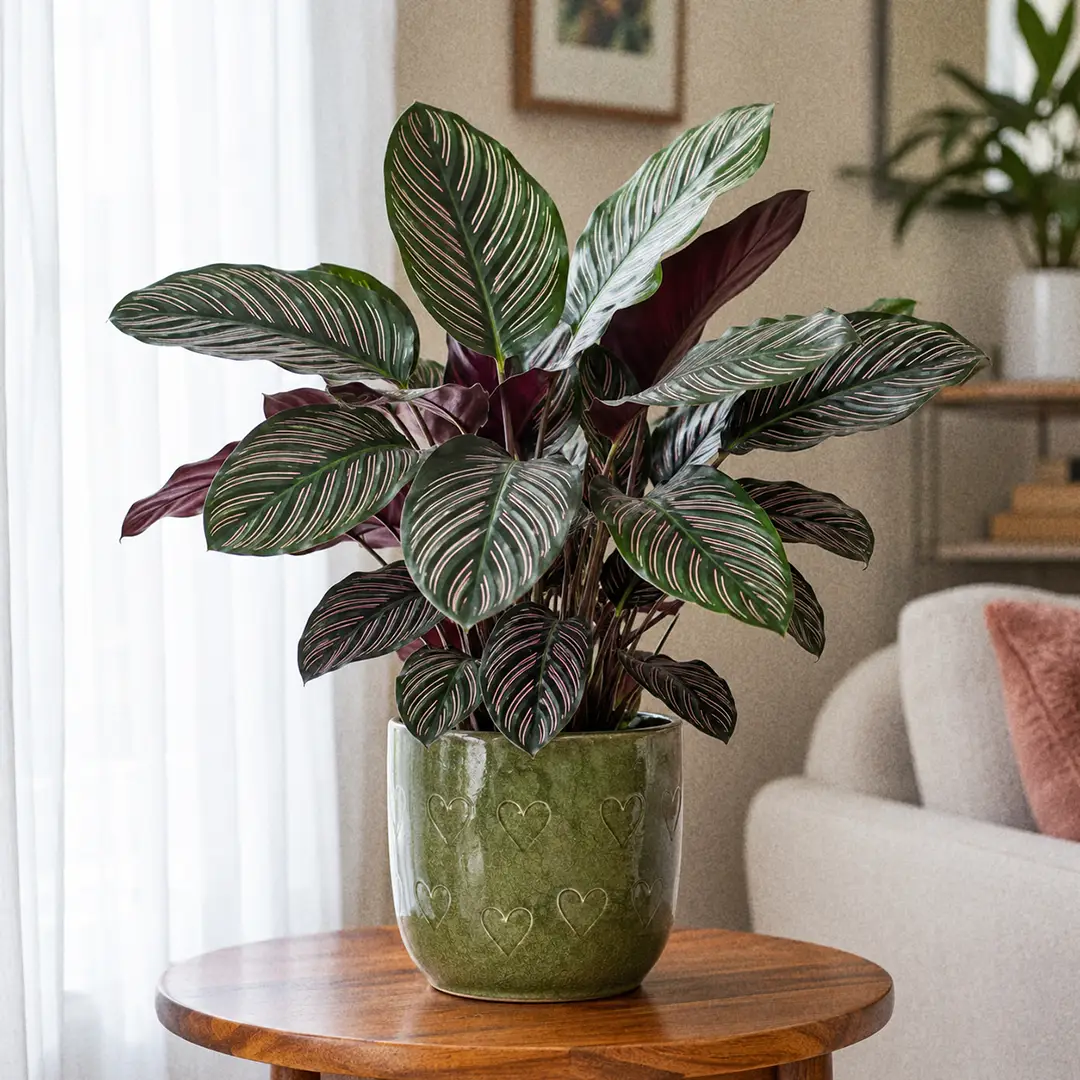
Complete Guide to Calathea Pinstripe Care and Growth
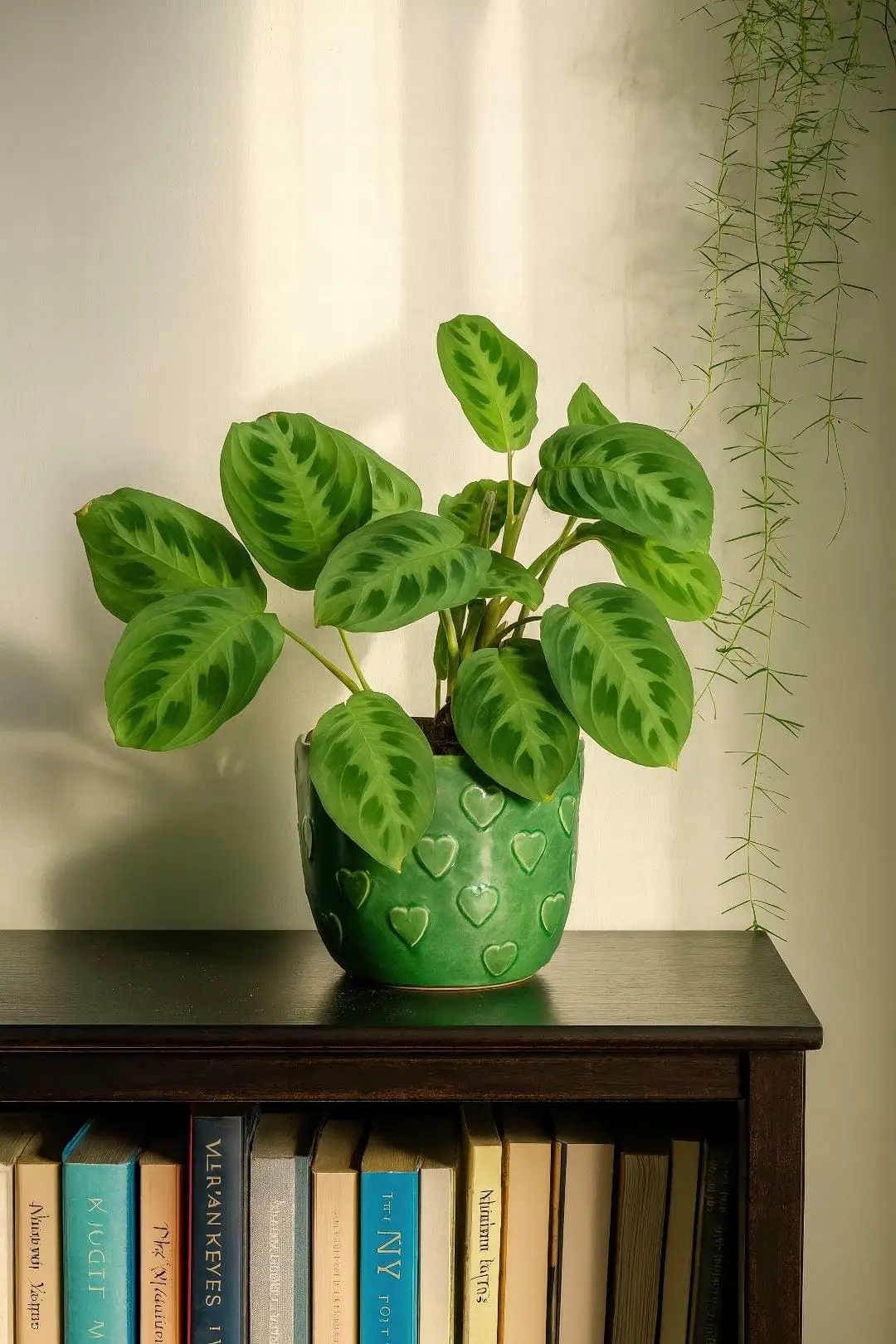
Complete Guide to Prayer Plant Care and Growth

Houseplant101 Forum
Questions & Comments
Ask a question, share your plant experience, or help other plant owners.
Comments are temporarily unavailable.
Open the Houseplant101 ForumNo comments yet
Be the first to ask a question or share your experience about this page.
Log in or create an account
Comments use your Houseplant101 Forum account, but you can stay on this page.
Create a new account