
Calathea Rattlesnake
Goeppertia insignis
Rattlesnake Plant, Calathea lancifolia, Calathea insignis, Goeppertia lancifolia


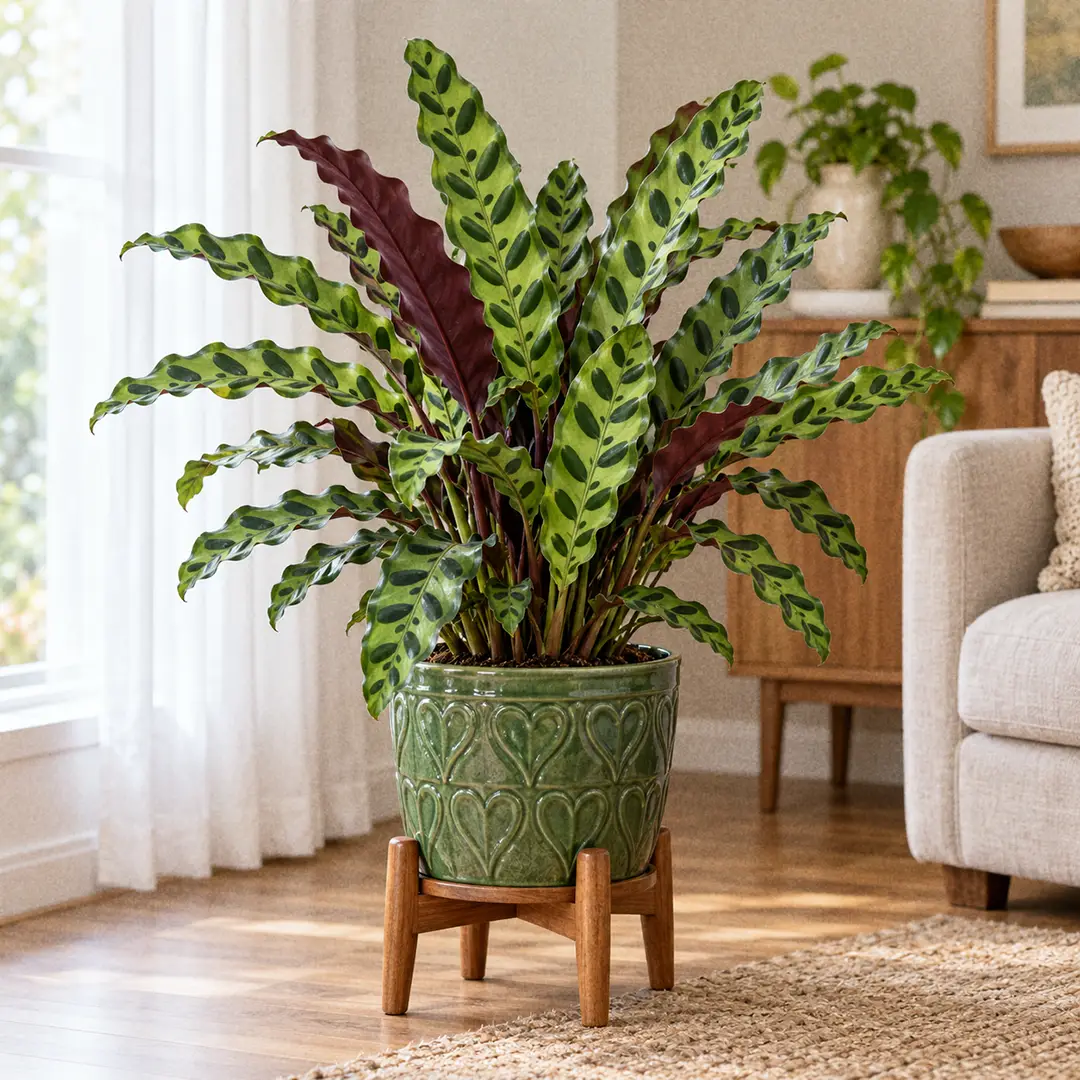
Calathea Rattlesnake is the long, wavy-leaved prayer plant with dark green spots on top and deep purple underneath, and it is the most forgiving calathea you can buy. Learn how to water it, where to put it, and how to stop brown tips and curling leaves before they start.
📝 Calathea Rattlesnake Care Notes
🌿 Care Instructions
⚠️ Common Pests
📊 Growth Information
🪴 In This Guide 🪴
We may earn a commission when you buy through these links. How we choose products →

☀️ Calathea Rattlesnake Light Requirements (Indoor Lighting Guide)
The Sweet Spot
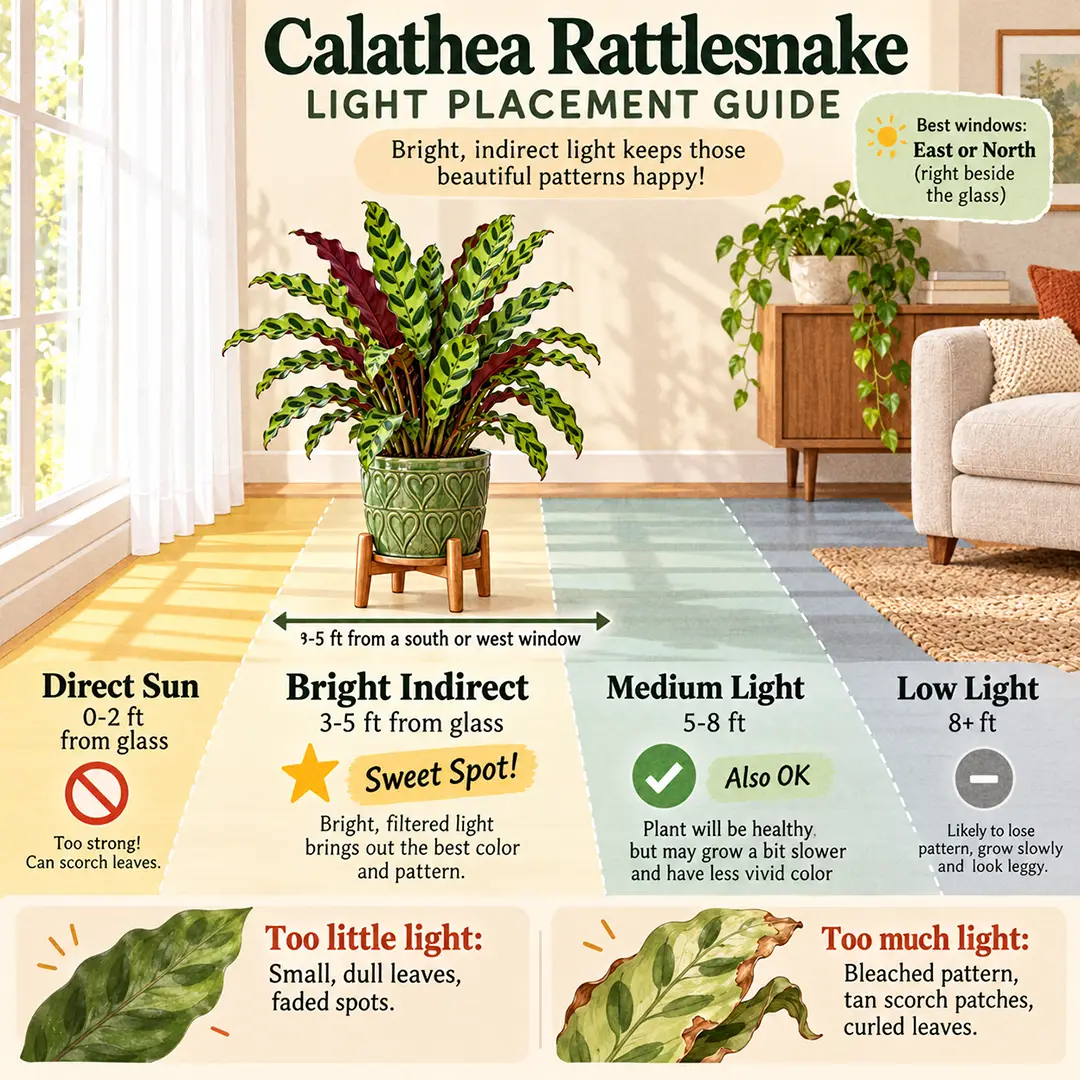
Calathea Rattlesnake grows on the rainforest floor in southeastern Brazil, under a thick canopy, so it is built for bright shade and never for sunbeams. Indoors that means bright to medium indirect light. An east window is the easy answer, and a north window works well too. With a south or west window, set the plant three to five feet back, or hang a sheer curtain between the glass and the leaves.
A simple test: at midday you should be able to read a book in that spot without switching on a lamp, and the plant should cast a soft, blurry shadow. Our Indoor Lighting Guide shows how to judge a room by eye.
Too Little Light
This plant tolerates lower light better than most patterned houseplants, but it has a limit. In a dim corner, new leaves come in smaller and plainer, the dark ovals lose contrast, and growth slows to a leaf or two a year. The soil also stays wet longer, which is where root trouble begins. If your only free spot is dark, a small grow light on a timer for ten hours a day solves it.
Too Much Light
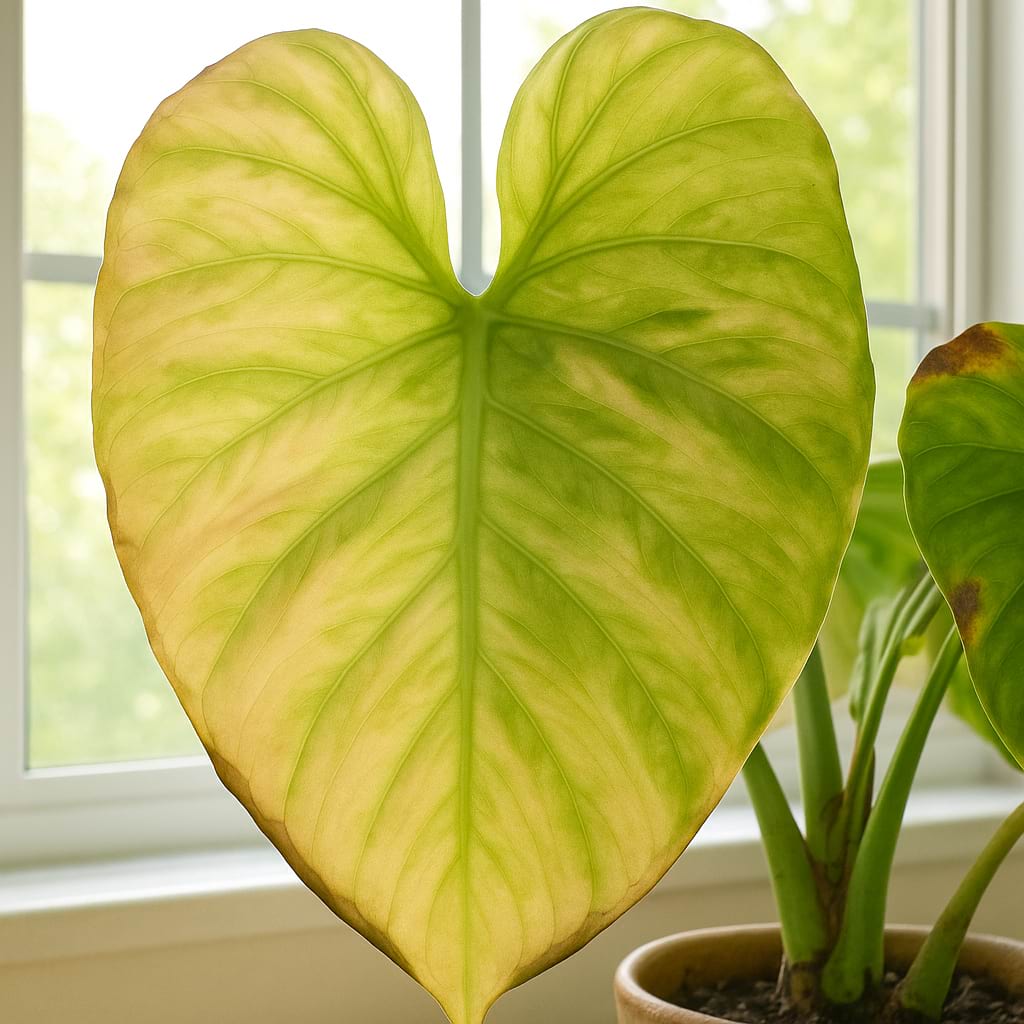
Direct sun is the faster way to ruin the leaves. A couple of hours of hot afternoon sun bleaches the pattern to a washed-out yellow-green and leaves dry, tan patches, which is sunburn. Leaves that stay curled inward through the day in a bright window are often shielding themselves from the light. Move the pot back a few feet and new growth will come in properly colored.
💧 Calathea Rattlesnake Watering Guide (How to Water Properly)
Watering Frequency
Keep the soil evenly moist, never soggy and never bone dry. Water when the top inch feels dry to your finger. In a typical home that works out to about once a week in spring and summer and every 10-14 days in winter, but check the soil instead of the calendar. A moisture meter helps if you tend to second-guess yourself.
Rattlesnake forgives one late watering better than its cousins do. It does not forgive a habit of it. Repeated dry spells are what turn the leaf edges brown.
Water Quality Matters
Here is the part that catches most people. Calatheas are sensitive to the fluoride, chlorine, and dissolved salts in tap water, and the damage shows up as brown, crispy tips even when your timing is perfect. Use rainwater, distilled water, or filtered water at room temperature. If tap is your only option, let it stand overnight so the chlorine can dissipate, though that does nothing for fluoride. Our post on tap water vs filtered water covers the options.
How to Water
Water slowly over the whole soil surface until it runs from the drainage holes, then empty the saucer after ten minutes. Cold water straight from the tap can shock the roots, so keep a jug filled and sitting out. Bottom watering also works well, as long as you flush from the top once a month to wash out salts. More detail is in our watering guide.
Signs of Trouble
Leaves rolled into tight tubes with dry soil mean thirst, and they usually flatten within a day of a good drink. Yellow lower leaves, limp stems, and soil that smells sour point the other way, toward overwatering and root rot.
🪴 Best Soil for Calathea Rattlesnake (Potting Mix & Drainage)
What the Soil Needs
The roots want two things that sound like opposites: steady moisture and plenty of air. Plain potting soil holds water but packs down into a dense, airless block within a year. Cactus mix drains so fast the plant is thirsty again in two days. You are aiming for the middle, a mix that feels like a wrung-out sponge a day after watering. Our Soil Guide explains why texture matters this much.
DIY Soil Mix
A recipe that works well for Calathea Rattlesnake:
- 2 parts peat-based potting mix or coco coir
- 1 part perlite
- 1 part fine orchid bark
The peat or coir holds moisture, the perlite keeps air pockets open, and the bark stops the whole thing from compacting. A handful of worm castings adds gentle nutrition without the salt load of strong fertilizer.
Pre-Made Options
If you would rather buy a bag, an African violet mix is close to ideal straight away. A standard indoor potting mix also works once you cut it with about a third perlite. Our potting soil guide compares the common brands. Whatever you choose, use a pot with drainage holes, because no mix can save roots that sit in standing water.
🍼 Fertilizing Calathea Rattlesnake
When and How Often
Feed once a month from spring through early autumn, while new leaves are unrolling. Stop in winter, when growth slows and unused fertilizer just collects in the soil. Always feed onto damp soil, never dry, so the roots are not hit with a concentrated dose.
What to Use
A balanced liquid houseplant fertilizer diluted to half the strength on the label is plenty. This is a light feeder, and more food does not mean more leaves. Our Fertilizing Guide explains the numbers on the bottle, and the fertilizers guide covers what is worth buying.
Over-Fertilizing Signs
Fertilizer salts cause the same brown tips that tap water does, so overfeeding is easy to misread. Look for a white crust on the soil surface or the rim of the pot, plus browning that appears soon after a feed. Flush the pot with plenty of distilled water, let it drain fully, and skip the next two feedings.
🌡️ Calathea Rattlesnake Temperature Range
Ideal Range
Normal room temperature suits it. Aim for 65-80°F (18-27°C) and try to keep it steady. Below about 60°F (15°C) the leaves curl, droop, and can develop dark, water-soaked patches. If you are comfortable in a t-shirt, the plant is comfortable too.
Drafts and Heat Sources
Sudden changes bother it more than the number on the thermostat. Keep it away from exterior doors, leaky winter windows, and air conditioner vents in summer. Radiators and heating vents are just as bad, because they blast warm, dry air that crisps the leaf edges in days. In winter, check that the leaves are not touching cold glass at night. A spot on an interior wall a few feet from the window is usually the calmest place in the room.
💦 Calathea Rattlesnake Humidity Requirements
Ideal Humidity
Aim for 50-60% humidity. Calathea Rattlesnake copes with average room air better than most calatheas, which is a big part of its easygoing reputation, but below 40% the tips start to brown. A cheap hygrometer takes the guessing out of it.
Easy Humidity Boosters
A small humidifier beside the plant is the most reliable fix, especially while the heating is on. Grouping plants together helps a little, and a bright bathroom is a natural fit. Misting does very little, because the moisture is gone within minutes. Our humidity guide compares the methods.
🌸 Calathea Rattlesnake Flowers (Do They Bloom Indoors?)
What the Flowers Look Like
In the wild, and occasionally in greenhouses, Calathea Rattlesnake produces small yellow flowers packed into short conical spikes two to four inches long. They sit low in the plant, close to the soil and half hidden by the foliage, in late spring to early summer. Compared with the leaves they are modest, and many owners would walk past them.
Will It Bloom Indoors?
Rarely. Most indoor plants never flower, including healthy ones that have been grown well for years. Blooming needs the long stretch of steady warmth, high humidity, and bright filtered light that a rainforest or a commercial greenhouse provides, and a living room seldom matches it.
A plant that does not bloom is not unhappy. If yours stays leafy forever, nothing is wrong and nothing needs fixing. If a spike does appear, enjoy it, then snip it off at the base once it fades.
The Real Show Is the Leaves
The daily leaf movement is what you actually bought. Each leaf has a small joint at its base that works like a hinge. At dusk the leaves swing upright and fold together, showing off the purple undersides, and at sunrise they lower again. That movement is called nyctinasty, and it is where the prayer plant family gets its name.
A plant that has stopped moving is telling you something. Usually it is too dry, too cold, or sitting in light so low that it cannot tell day from night.
🏷️ Calathea Rattlesnake Types and Varieties
One Plant, Four Names
Calathea Rattlesnake is sold as a single form, so there is no shelf of cultivars to choose between. What you will find is a pile of names for the same plant. Calathea lancifolia and Calathea insignis are the old ones, and Goeppertia insignis is the current botanical name after the 2012 reshuffle. The tag might say any of them, or just "Rattlesnake Plant." They are all identical.
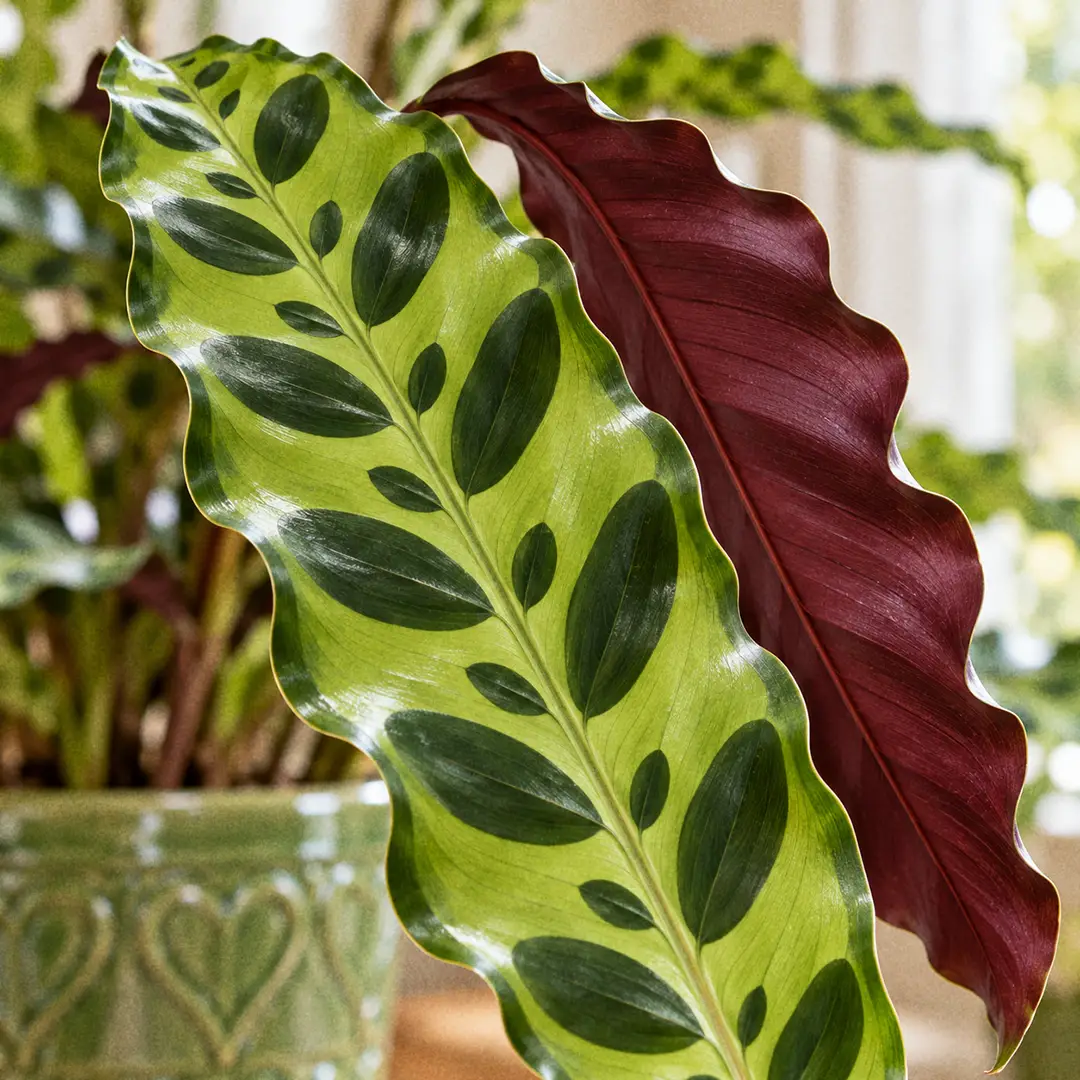
The ID is simple: long, narrow, lance-shaped leaves with rippled edges, alternating big and small dark ovals along the midrib, and solid purple-maroon undersides. Leaves can reach 18 inches on a mature plant.
Rattlesnake vs Calathea Peacock
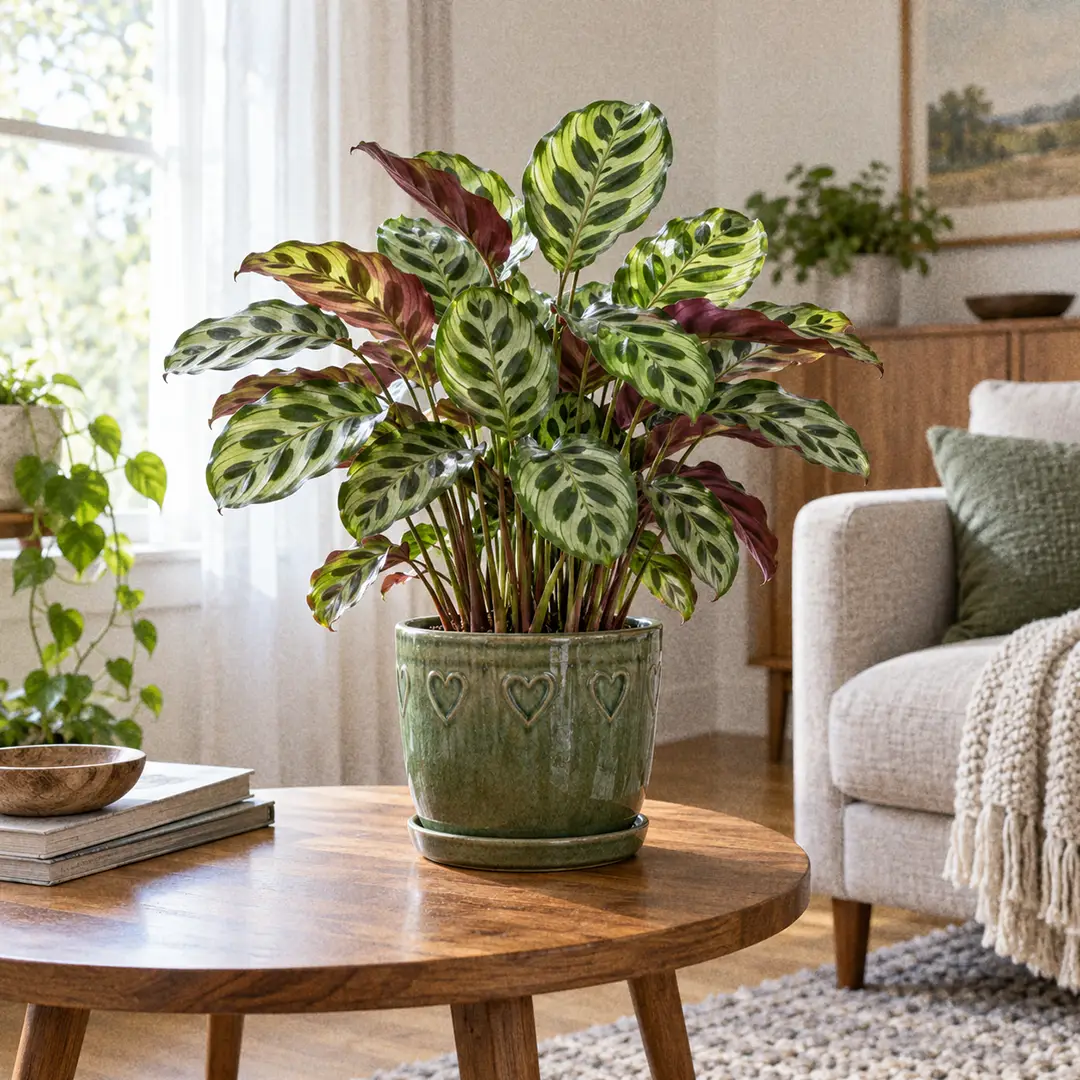
The Calathea Peacock has a similar pattern of dark ovals, which causes mix-ups. The difference is leaf shape. Peacock leaves are broad, oval, and thin enough to look translucent, while Rattlesnake leaves are narrow, wavy, and sturdier. Peacock is also the fussier of the two about dry air.
Rattlesnake vs Calathea Pinstripe
The Calathea Pinstripe shares the upright habit and purple undersides, but its dark, glossy leaves carry thin pink-white lines instead of spots. It is noticeably harder to keep free of brown edges.
Other Prayer Plants to Grow Next
If Rattlesnake does well for you, the round-leaved Calathea Medallion is a good next step, and the trailing Prayer Plant is the easiest relative of all. The mosaic-patterned Calathea Network and the pink-splashed Stromanthe Triostar want the same care with a little more humidity. For the full family, see our calathea varieties roundup.
🪴 Potting and Repotting Calathea Rattlesnake
When to Repot
Repot every one to two years in spring. The signs are roots circling the bottom or poking out of the drainage holes, water running straight through, or a plant that dries out twice as fast as it used to. Calatheas dislike root disturbance, so do not repot a new plant just because you brought it home. Give it a few months to settle first.
Choosing a Pot
Go up one size only, about one to two inches wider. A much bigger pot holds wet soil the roots cannot reach, and that invites rot. Plastic or glazed ceramic suits this plant better than terracotta, which wicks moisture away too fast. Drainage holes are a must. Our plant pots guide compares materials.
Step-by-Step Repotting
Water the day before so the root ball slides out easily. Tip the plant out, loosen only the outer roots with your fingers, and set it in the new pot at the same depth as before. Fill around it with fresh mix, firm gently, and water well. Expect a week or two of sulking with some drooping or curling, then normal growth. The full process is in our repotting guide.
✂️ Pruning Calathea Rattlesnake
When to Prune
There is no shaping to do. Calathea Rattlesnake grows as a clump, with every leaf rising on its own stem from the soil, so pruning is only cleanup. Remove leaves as they yellow or brown badly, at any time of year. Losing an old outer leaf now and then is normal.
How to Prune
Follow the stem of the damaged leaf down to the soil and cut it off at the base with clean, sharp scissors. Do not leave a stub, because it just rots. Wipe the blades with rubbing alcohol before moving to another plant.
Trimming Brown Tips
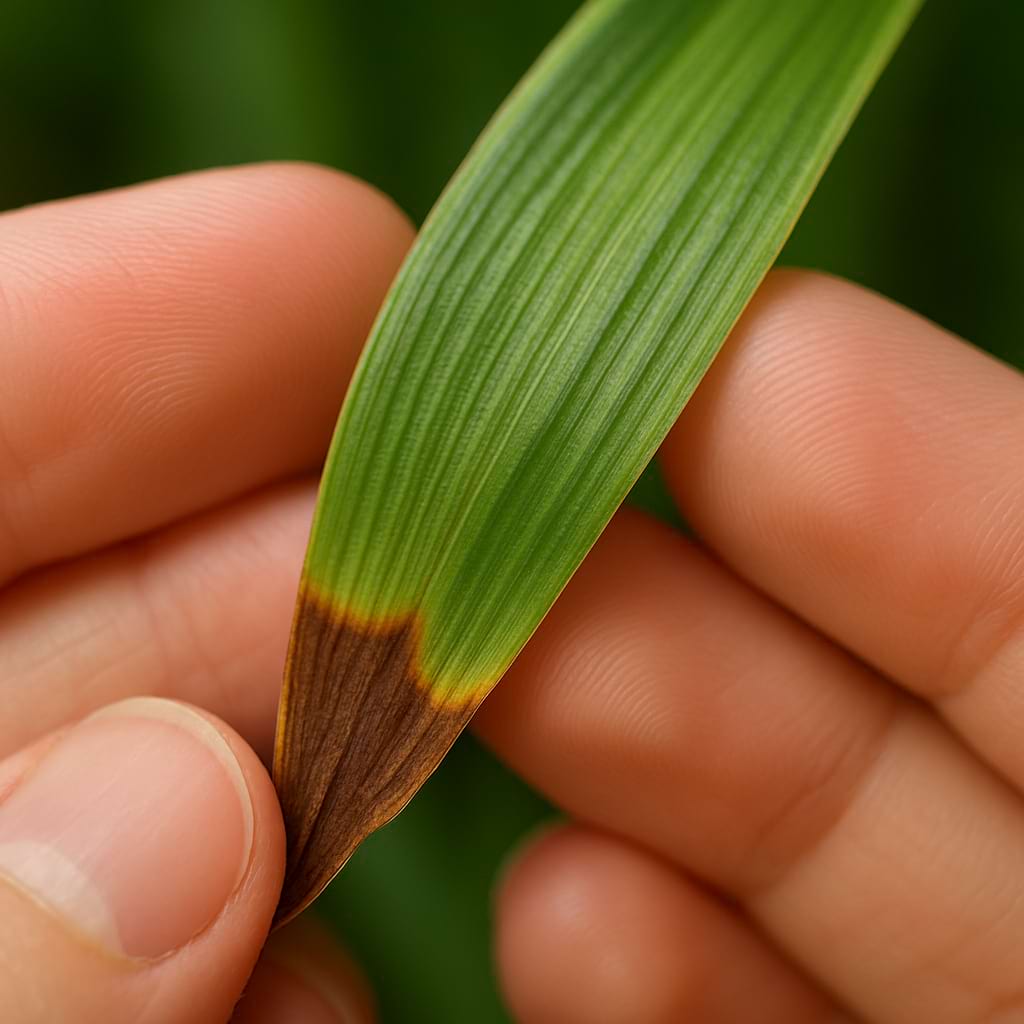
Crispy tips never turn green again. You can trim them for looks by cutting along the natural curve of the leaf and leaving a hair of brown, so you are not cutting into living tissue. Then fix the cause, or the new edge will brown as well.
🌱 How to Propagate Calathea Rattlesnake
Best Method: Division
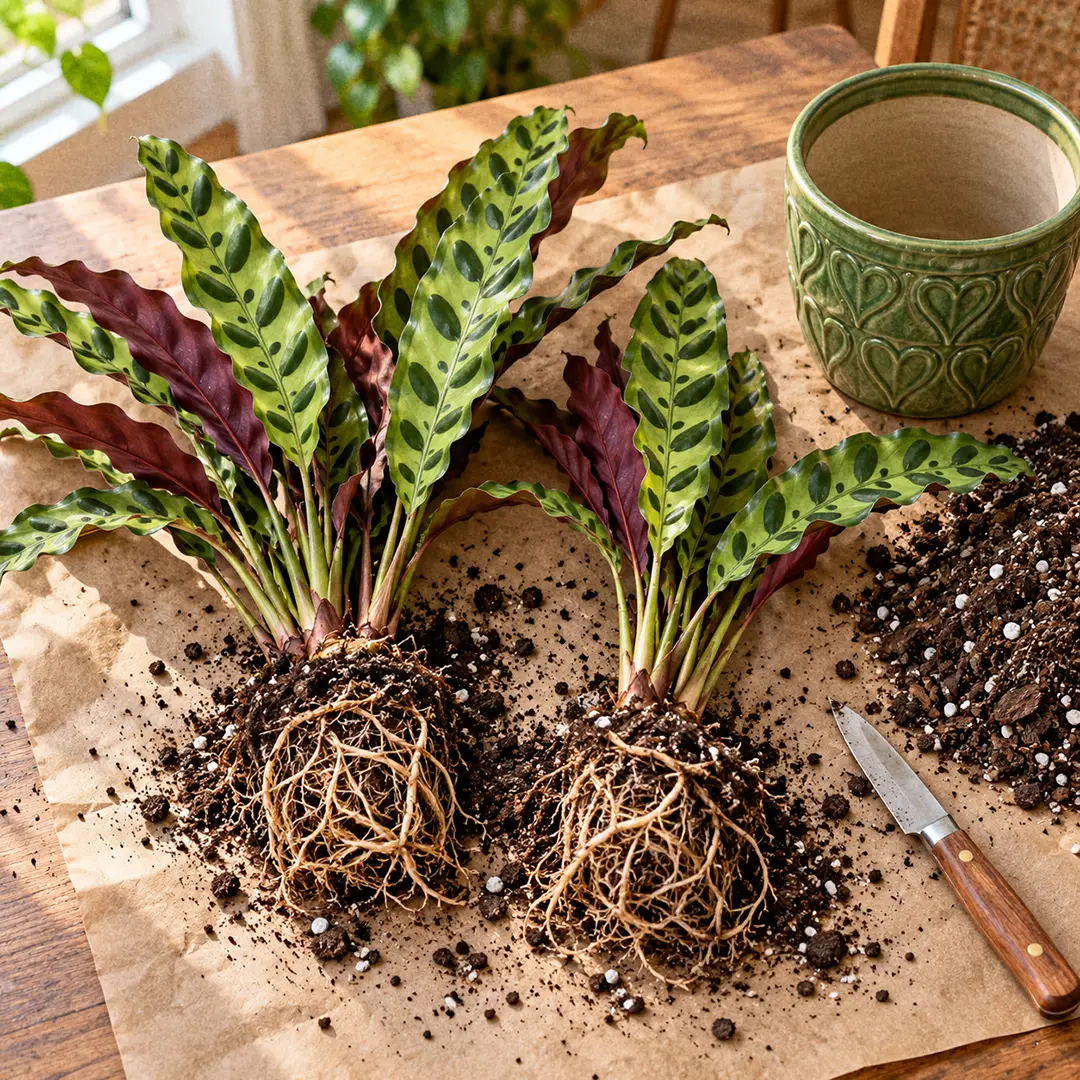
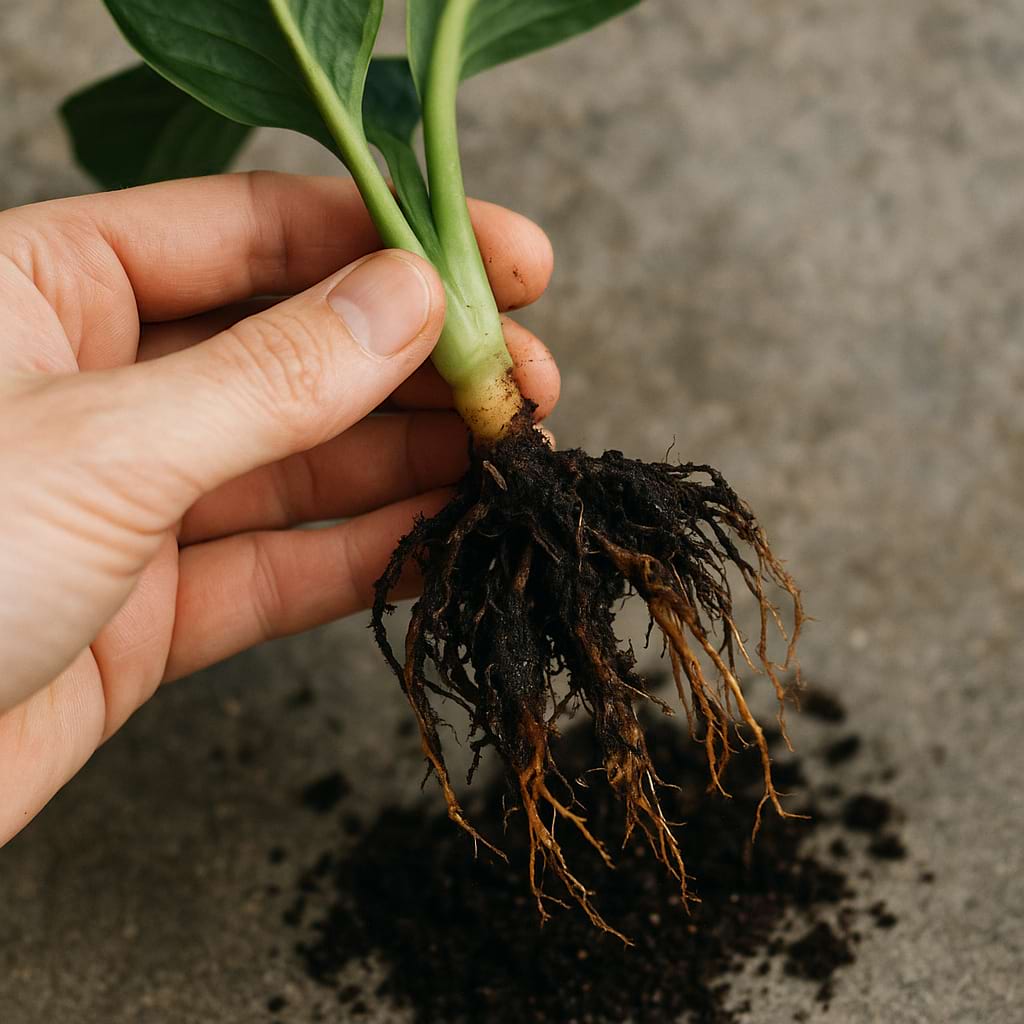
Division is the only method that works at home. A leaf or stem cutting in water will not grow roots, whatever a video promises, because all new growth comes from the rhizome under the soil. The good news is that a mature plant splits easily into two or three. Do it in spring, at repotting time. Our plant division guide walks through the general technique.
Step-by-Step Division
- Water the day before. Moist roots bend where dry ones snap.
- Slide the plant out and shake or tease away the loose soil so you can see how the clump is built.
- Find the natural gaps. The plant grows as clusters of stems, each with its own roots. Gently pull the clusters apart with your hands.
- Cut only where you must. If rhizomes are joined, slice between them with a clean knife. Each piece needs at least three or four leaves and a good share of roots.
- Pot each division in fresh mix, in a pot only slightly larger than its root ball, at the same depth it grew before.
- Water well and move the pots somewhere warm with medium light.
Tips for Success
Divisions sulk. For the first few weeks, keep humidity high by placing a clear plastic bag loosely over each pot or running a humidifier nearby. Keep the soil lightly moist and hold off on fertilizer for six weeks. A few curled or lost leaves are normal. A new leaf unrolling from the center is the sign that the division has taken.
Resist making lots of tiny pieces. Two strong halves recover far faster than five weak ones.
🐛 Calathea Rattlesnake Pests and Treatment
Common Pests
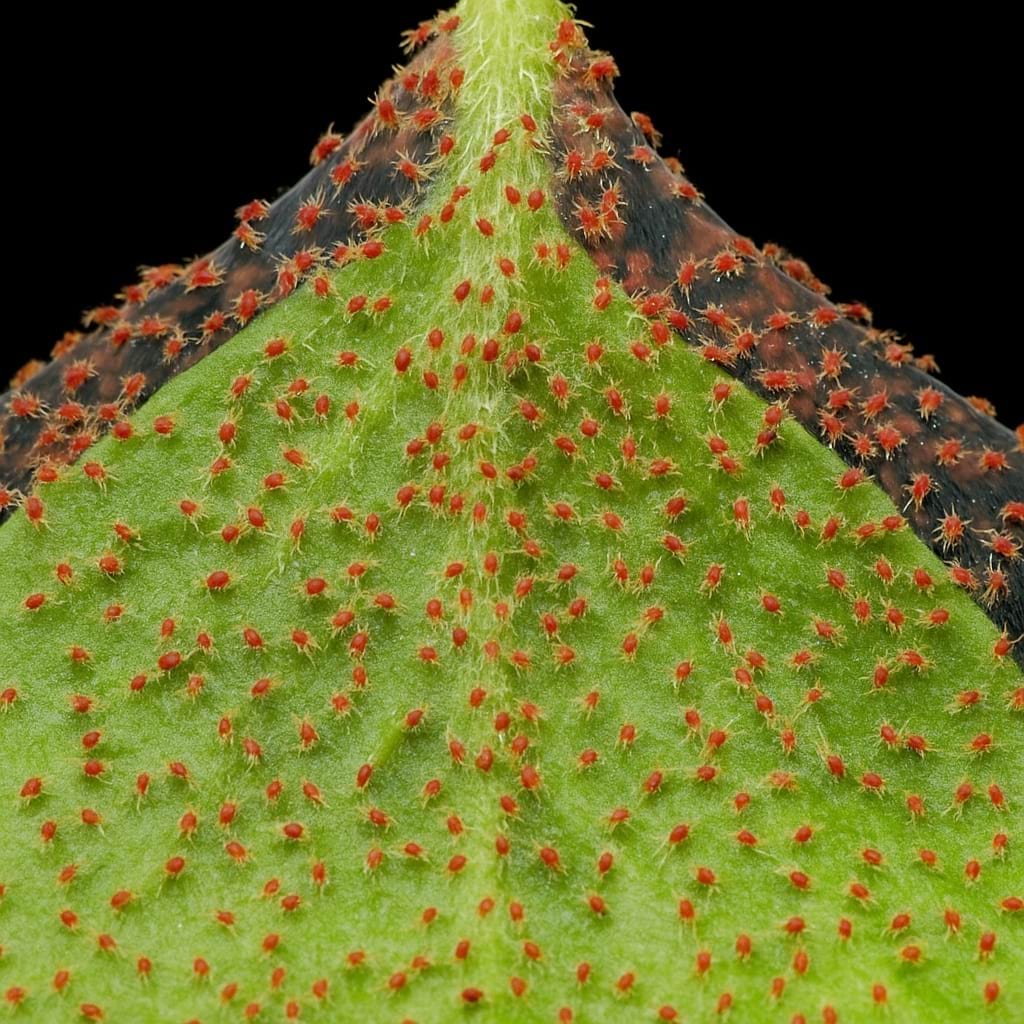
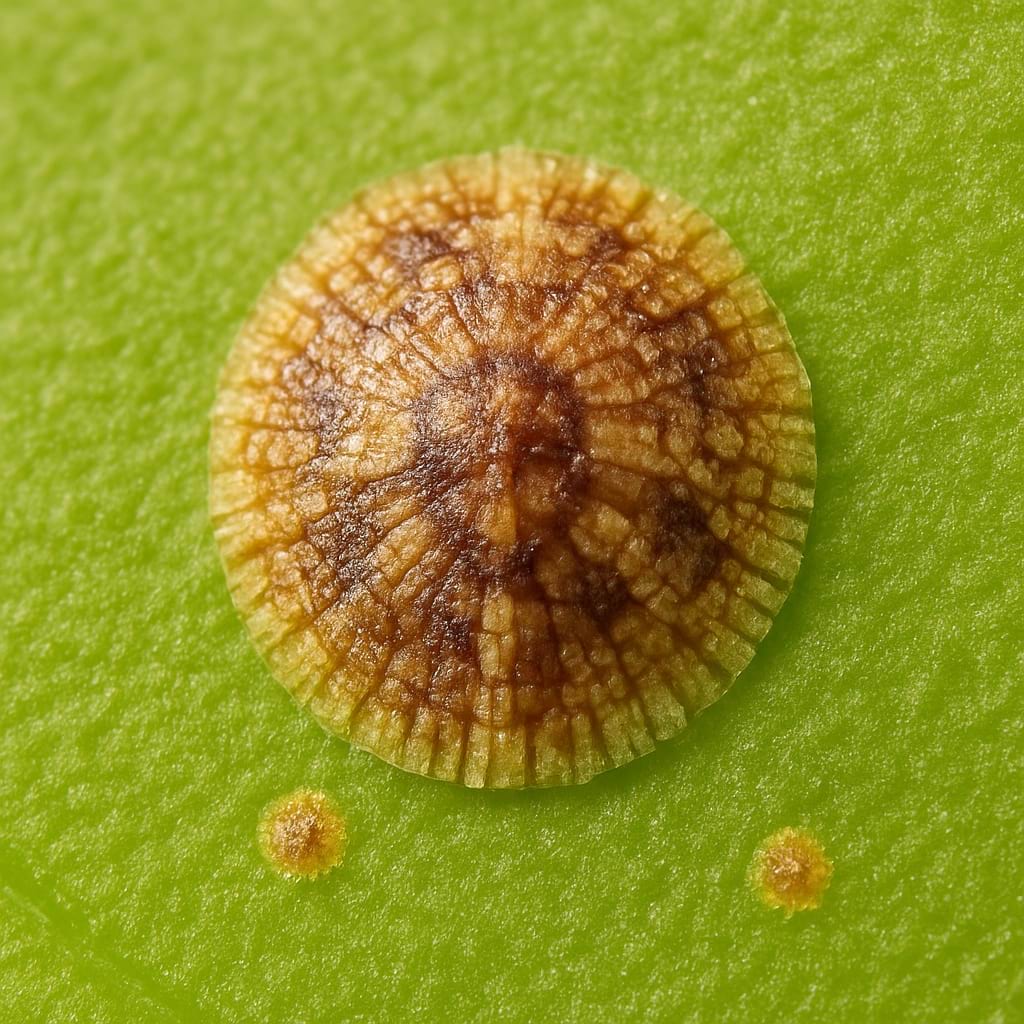
- Spider mites are the main enemy. They love warm, dry air, and they show up as fine webbing and pale speckling, usually on the purple undersides first.
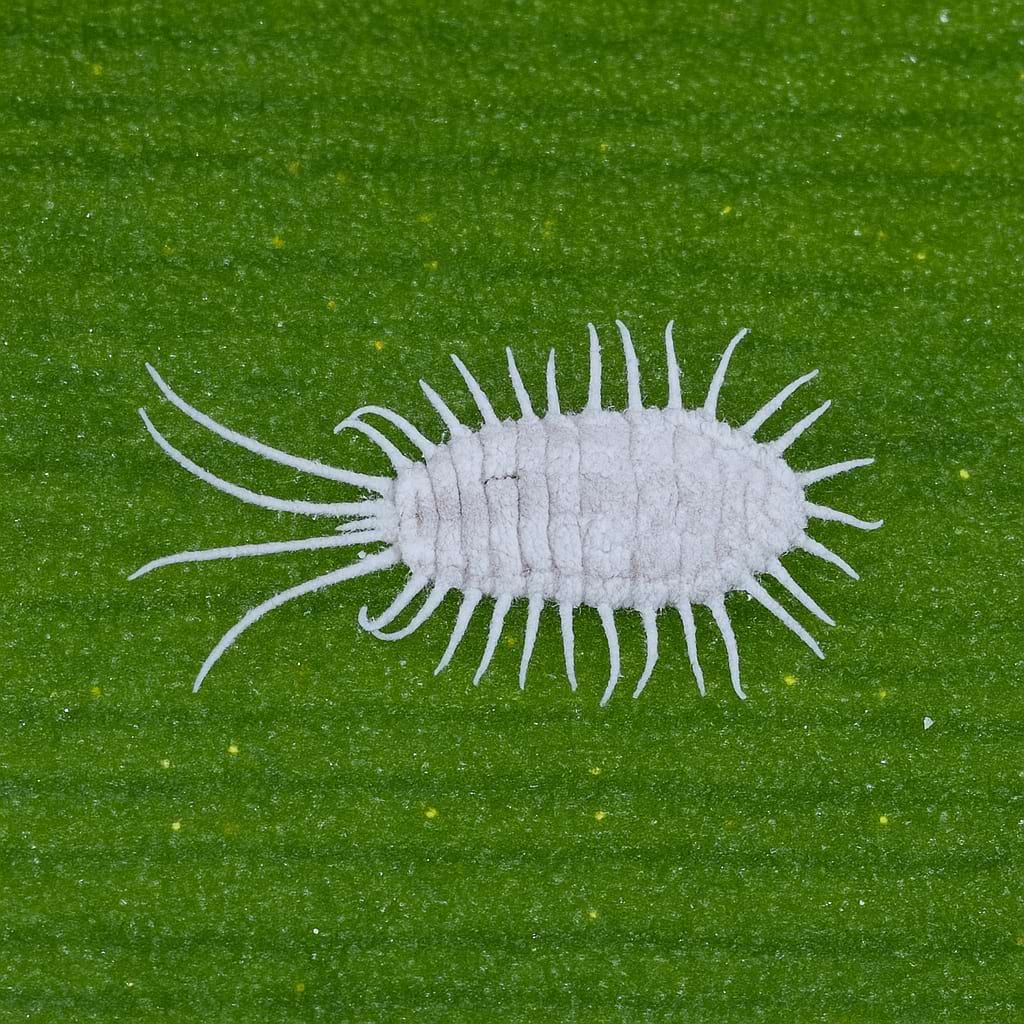
- Mealybugs look like white cottony tufts tucked where the stems meet the soil.
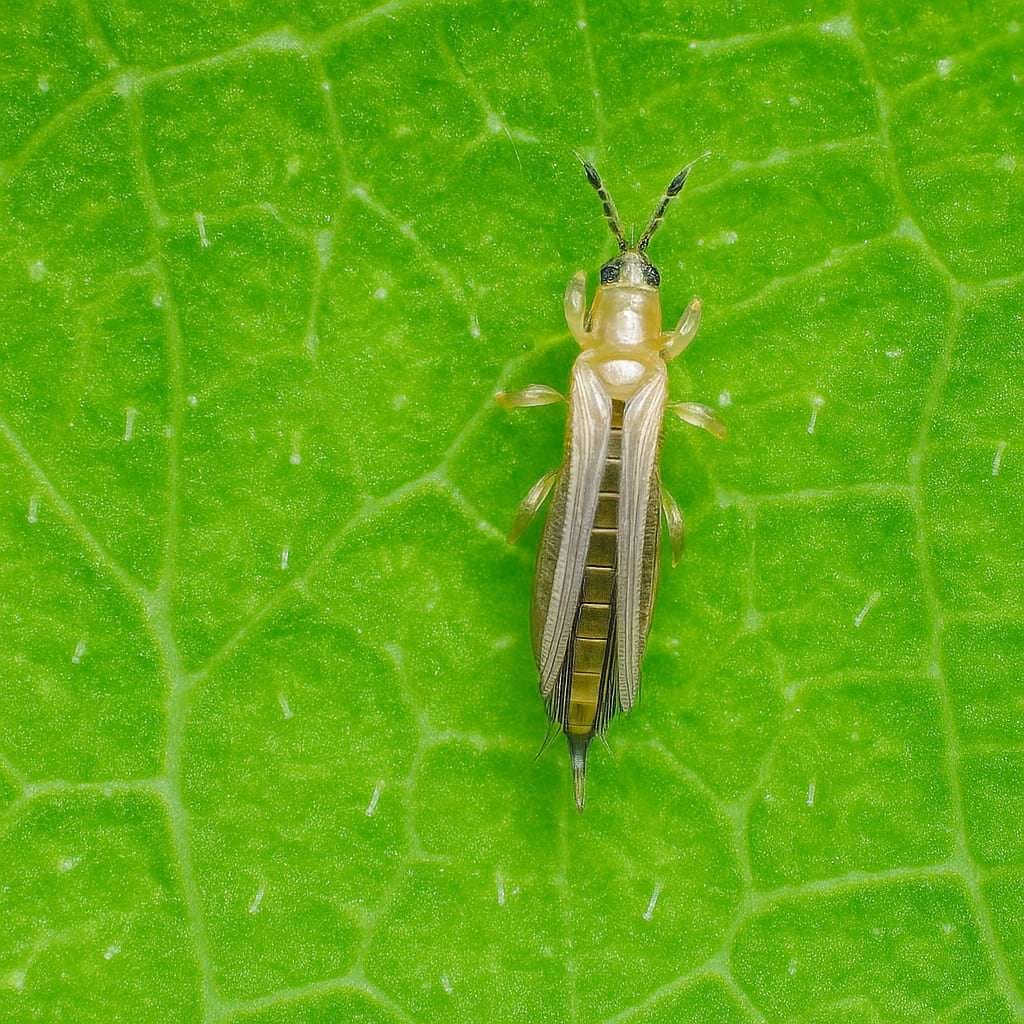
- Thrips leave silvery streaks and tiny black dots on the leaves.
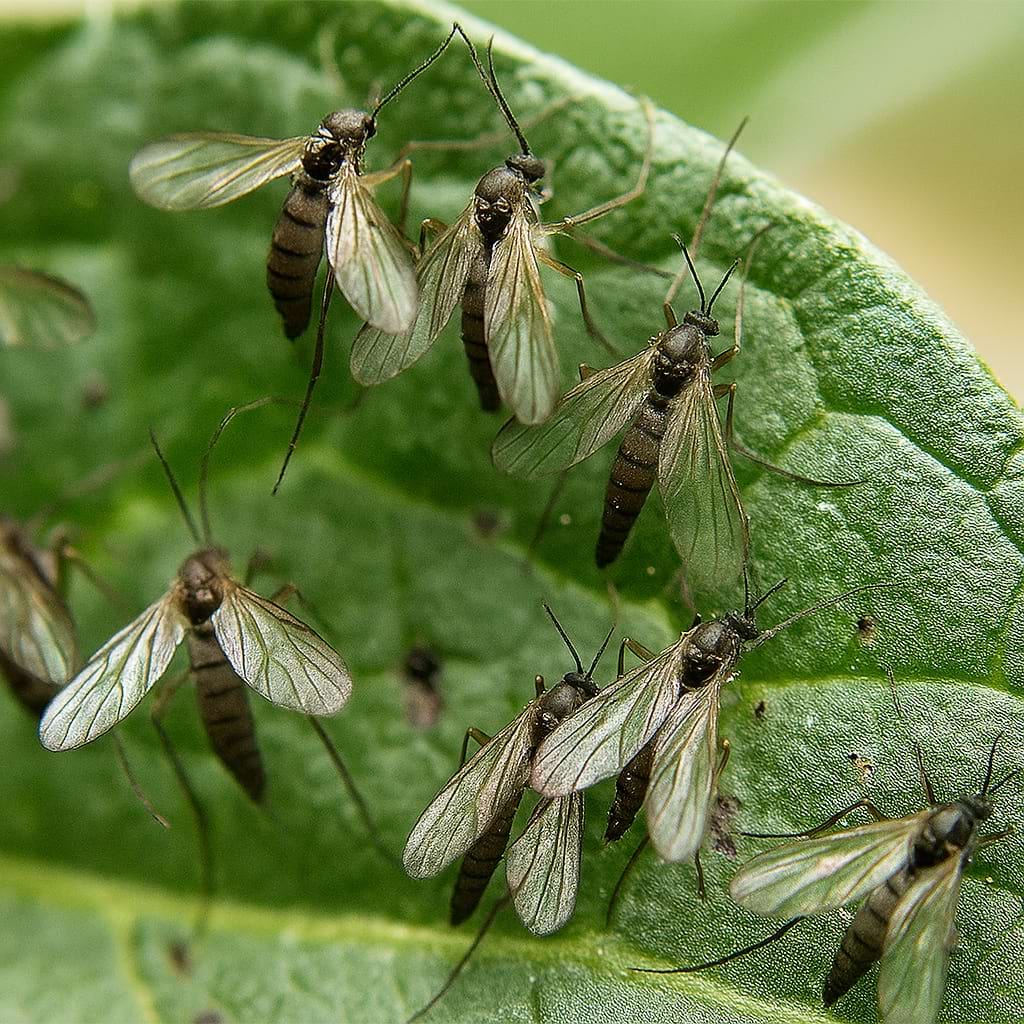
- Fungus gnats hover around constantly damp soil. They are more annoying than harmful.
- Scale insects appear as small brown bumps along stems and leaf veins.
Treatment and Prevention
Isolate the plant, then rinse the leaves top and bottom in a lukewarm shower. Follow with insecticidal soap or neem oil every five to seven days for three rounds, since eggs hatch between treatments. Spot-treat mealybugs with a cotton bud dipped in rubbing alcohol.
Prevention is mostly humidity and attention. Mites struggle above 50% humidity, and a wipe of the leaves every couple of weeks removes dust and early arrivals in one go.
🩺 Common Calathea Rattlesnake Problems
Brown Tips and Curling Leaves
- Brown crispy edges are the number one complaint. Check water quality first, then humidity, then fertilizer buildup.
- Curling leaves usually mean the plant is thirsty. If the soil is moist, look for cold drafts, direct sun, or mites.
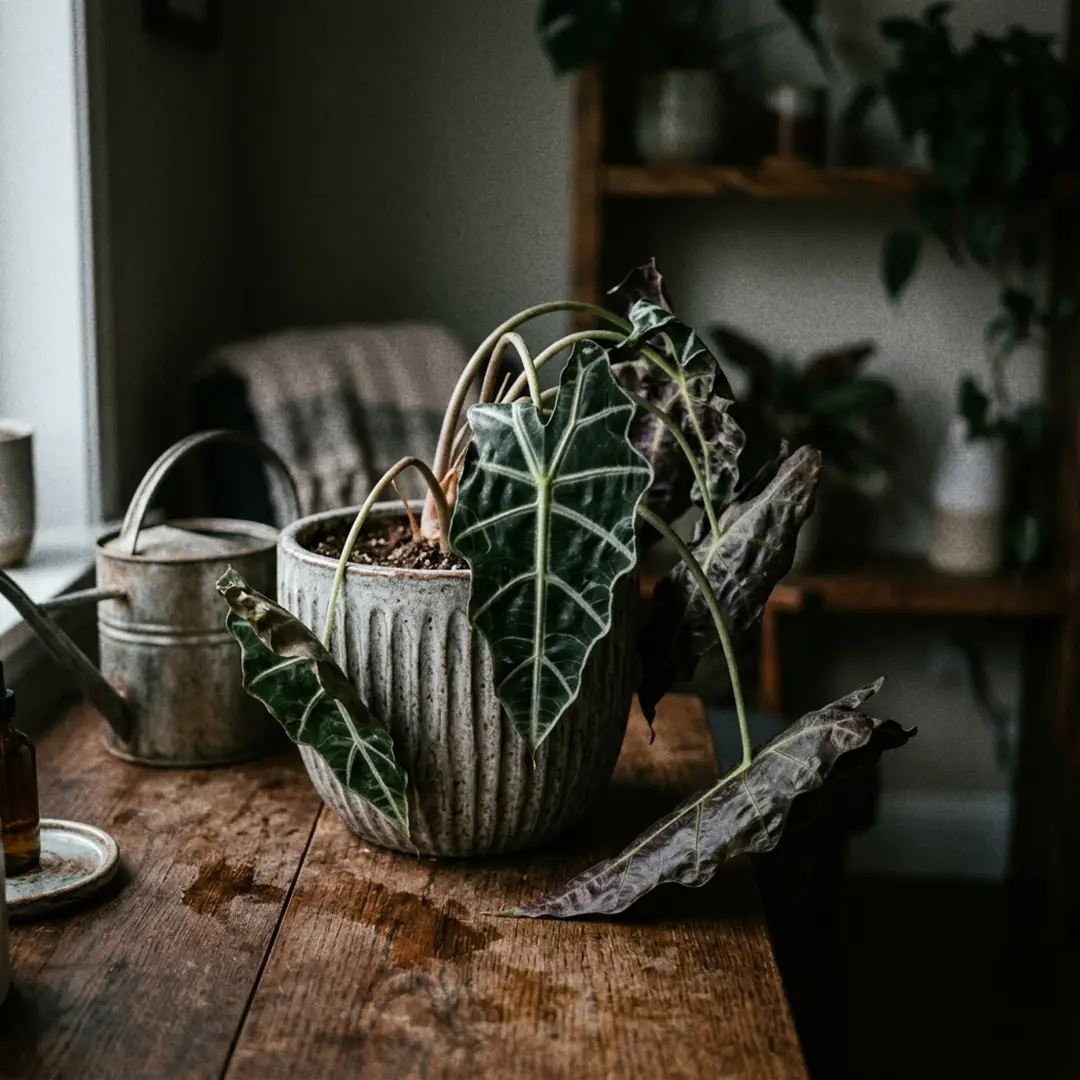
- Wilting and drooping with dry soil is thirst. Drooping with wet soil is a root problem.
Yellowing and Root Rot
- Yellowing leaves on the lower part of the plant point to overwatering. One old leaf at a time is just age.
- Root rot shows as mushy stems and a sour smell. Unpot the plant, trim the brown roots, and repot it in fresh, airy mix.
Faded Patterns and Leaf Spots
- Pale, faded leaves come from too much light. Move the plant back from the window.
- Brown or black spots with yellow halos suggest fungal leaf spot. Remove the affected leaves and keep water off the foliage.


🖼️ Calathea Rattlesnake Display and Styling Ideas
Solo Setups
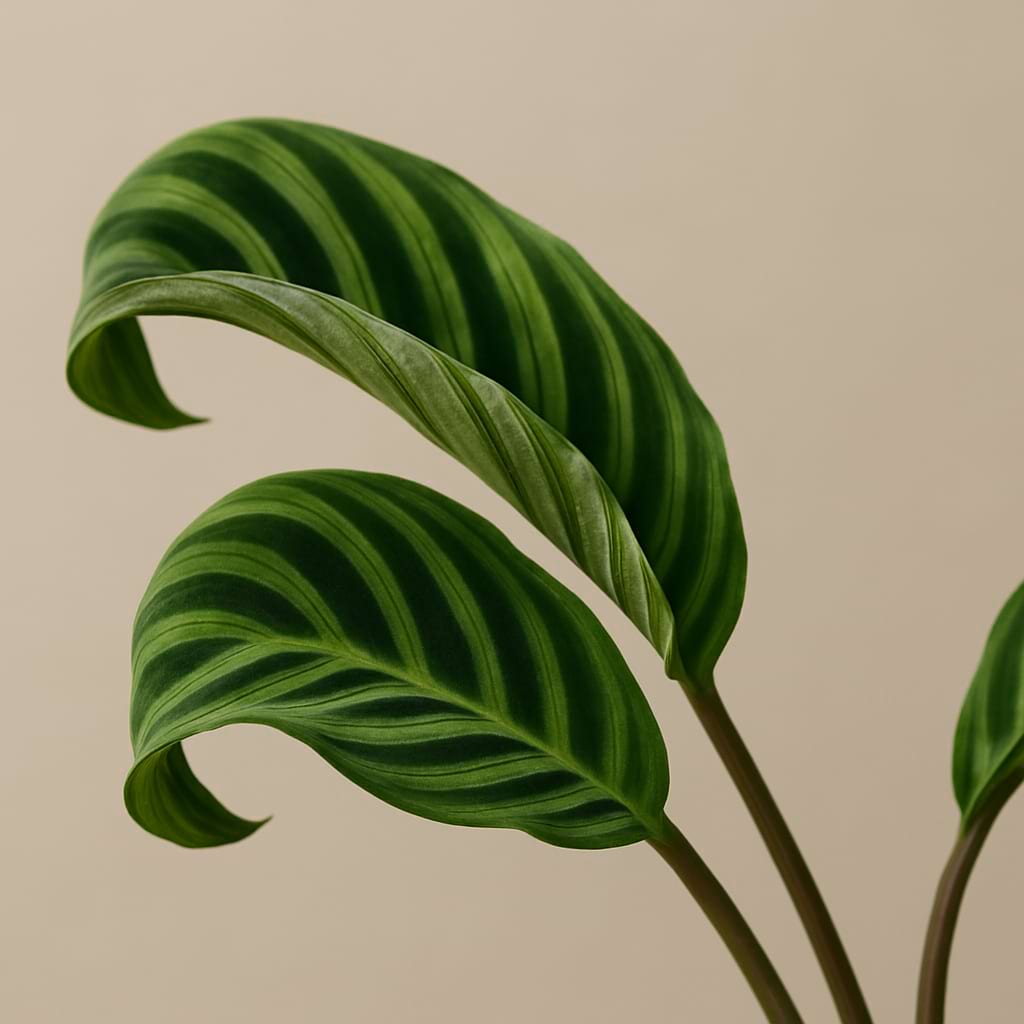
The upright, fountain shape looks best with some room around it. A plant stand that lifts it 12-18 inches off the floor puts the wavy leaves near eye level when you are sitting down. At that height you get the best of both sides: patterned tops in the morning and purple backs once the leaves lift at night. A plain pot in white, cream, or soft green lets the foliage do the talking.
Grouped Arrangements
Grouping calatheas looks good and raises the humidity around all of them. Pair the narrow Rattlesnake leaves with rounder shapes for contrast, like a Calathea Medallion or a Watermelon Peperomia, and tuck a low Nerve Plant at the front. A Boston Fern adds soft texture and likes the same damp air. Since all of these are non-toxic, the whole group suits a home with cats or dogs. More ideas are in our pet-safe houseplants roundup.
Where Not to Put It
Skip sunny windowsills, shelves above radiators, and spots under air conditioning vents. Avoid dark hallways too, where the pattern fades and the soil stays wet. A bathroom works only if it has a window.
🌟 Calathea Rattlesnake Pro Care Tips
💧 Change the water before anything else. Switching to rain, distilled, or filtered water fixes more brown tips than any other single change.
🌙 Watch the evening fold. Leaves that stop lifting at dusk are an early warning, well before any browning shows.
🧽 Wipe both sides of the leaves. Dust blocks light on top, and the purple undersides are where spider mites start.
🚿 Flush the pot every month or two. Run plenty of water through to wash out the salts that burn leaf tips.
🪴 Stay snug. A slightly tight pot keeps moisture more even than a roomy one.
🌡️ Mind the winter window. Pull the plant a foot back from cold glass at night.
✂️ Divide, don't cut. Cuttings will not root, so every new plant comes from splitting the clump.
🔄 Turn the pot a quarter each week. The leaves lean toward the light, and turning keeps the clump even.
❓ Frequently Asked Questions
Is Calathea Rattlesnake toxic to cats and dogs?
No. The ASPCA lists it as non-toxic to cats, dogs, and horses, which makes it one of the better patterned plants for a home with pets. A cat that chews the leaves may still get a mild upset stomach from the fiber, and the plant will look ragged, so keep it out of easy reach if yours is a nibbler.
Why are the tips of my Calathea Rattlesnake turning brown?
The most common cause is tap water, since fluoride, chlorine, and salts build up in the leaf tips. Dry air and fertilizer buildup are next on the list. Switch to distilled or rain water, raise the humidity to around 50-60%, and flush the soil. The existing brown will not heal, but new leaves should come in clean.
Why are the leaves curling?
Usually thirst. Check the soil, and if the top inch or more is dry, water thoroughly and the leaves should flatten within a day. If the soil is already moist, look for cold drafts, direct sun, or spider mites on the undersides.
Why do the leaves move up and down?
That is normal and healthy. Like every prayer plant, Calathea Rattlesnake raises and folds its leaves in the evening and lowers them again in the morning. You may even hear a faint rustle as they shift.
How big does a Calathea Rattlesnake get?
Indoors it usually reaches 18-30 inches tall and about as wide, with individual leaves up to 18 inches long. Growth is slow to moderate, so a small plant takes a few years to fill out.
Is Calathea Rattlesnake good for beginners?
It is the best calathea to start with, though not the easiest houseplant overall. If you can commit to filtered water and a spot out of direct sun, it is very manageable. If you want a plant you can forget for three weeks, pick something else.
Can I use tap water?
You can try, and in areas with soft, low-fluoride water it sometimes works fine. If brown tips appear, the water is the first thing to change. Letting tap water sit overnight removes chlorine but not fluoride or minerals.
How often should I water it?
When the top inch of soil is dry, which is roughly weekly in the growing season and every 10-14 days in winter. Pot size, light, and room temperature all shift that, so use your finger as the guide.
Can I propagate it from a cutting in water?
No. A leaf or stem in water will stay green for a while and then rot, because it has no rhizome to grow from. Division at repotting time is the way to make new plants.
Why is my plant losing its pattern?
Faded, washed-out leaves mean too much light, and dull, low-contrast new leaves mean too little. Bright indirect light, a few feet back from a sunny window or right beside an east one, keeps the dark ovals crisp.
ℹ️ Calathea Rattlesnake Info
Care and Maintenance
🪴 Soil Type and pH: Moist, airy, peat or coir based mix with perlite and bark
💧 Humidity and Misting: Aim for 50-60% humidity, with a humidifier or plant grouping in dry rooms.
✂️ Pruning: Cut yellow or badly browned leaves at the base and trim crispy tips with clean scissors.
🧼 Cleaning: Wipe both sides of each leaf with a soft damp cloth every couple of weeks. Skip leaf shine sprays, which clog the leaf surface.
🌱 Repotting: Repot every 1-2 years in spring, going up one pot size, and divide the clump at the same time if you want more plants.
🔄 Repotting Frequency: Every 1-2 years
❄️ Seasonal Changes in Care: Steady moisture and monthly feeding from spring through summer, then slower watering, no fertilizer, and extra humidity while the heating runs.
Growing Characteristics
💥 Growth Speed: Slow to moderate
🔄 Life Cycle: Evergreen clump-forming perennial
💥 Bloom Time: Late spring to early summer, rarely indoors
🌡️ Hardiness Zones: 11-12
🗺️ Native Area: Rainforest understory of southeastern Brazil
🚘 Hibernation: No true dormancy; growth slows in winter
Propagation and Health
📍 Suitable Locations: East or north windows, bright bathrooms, bedrooms, plant shelves a few feet back from a sunny window
🪴 Propagation Methods: Divide the clump at repotting time in spring; leaf and stem cuttings do not root.
🐛 Common Pests: Spider Mites, Mealybugs, Thrips, Fungus Gnats, Scale Insects
🦠 Possible Diseases: Root rot, fungal leaf spot
Plant Details
🌿 Plant Type: Rhizomatous tropical foliage plant
🍃 Foliage Type: Evergreen, lance-shaped, wavy-edged
🎨 Color of Leaves: Light green with dark green ovals; purple-maroon underside
🌸 Flower Color: Yellow
🌼 Blooming: Rarely indoors; small yellow flowers on short conical spikes
🍽️ Edibility: Not edible.
📏 Mature Size: 18-30 inches indoors
Additional Info
🌻 General Benefits: Pet-safe, tolerates medium light, moves its leaves daily, and is the least demanding of the patterned calatheas
💊 Medical Properties: No documented medicinal uses.
🧿 Feng Shui: Upright, wavy leaves bring lively upward energy to a quiet corner, and the nightly folding is linked with rest and renewal.
⭐ Zodiac Sign Compatibility: Scorpio
🌈 Symbolism or Folklore: New beginnings, turning over a new leaf
📝 Interesting Facts: The leaves stand up and fold together at dusk and lower again at sunrise, a movement called nyctinasty that gives the prayer plant family its name. Botanists moved this plant from Calathea to Goeppertia in 2012, which is why one plant carries four names on shop labels.
Buying and Usage
🛒 What to Look for When Buying: Choose a full pot with several new leaves unrolling from the center, firm upright stems, and clean leaf edges. Check the purple undersides for fine webbing before you pay.
🪴 Other Uses: Pet-friendly room plant, bathroom plant, office desk plant away from vents
Decoration and Styling
🖼️ Display Ideas: Plant stands, bedside tables, bright bathrooms, grouped prayer plant shelves, low tables where the purple undersides show at night
🧵 Styling Tips: Place it slightly below eye level so you see the patterned tops by day and the purple backs when the leaves lift in the evening.
🪴 See also 🪴
Complete Guide to Calathea 'Dottie' Care and Growth
Complete Guide to Calathea Peacock Care and Growth
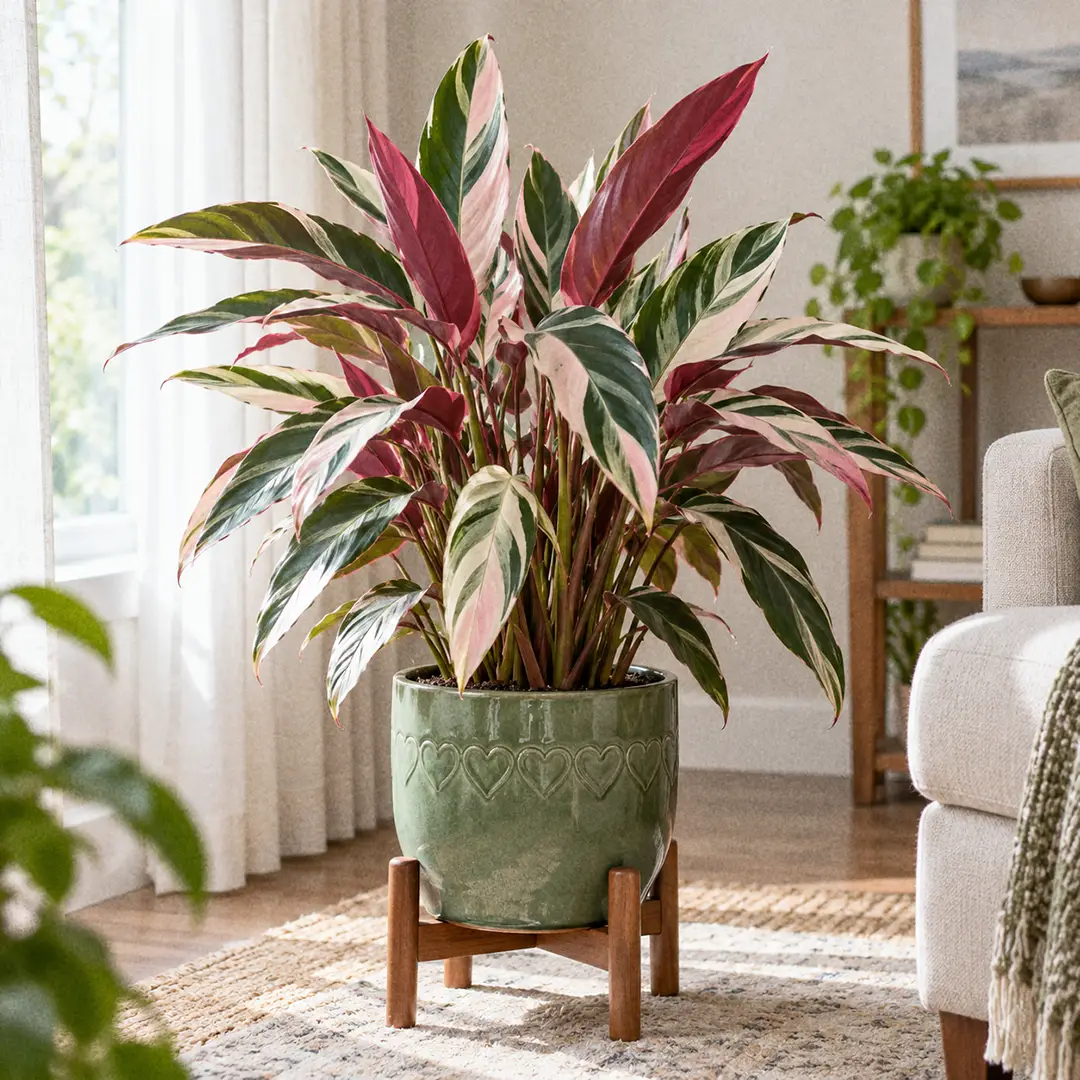
Complete Guide to Stromanthe Triostar Care and Growth
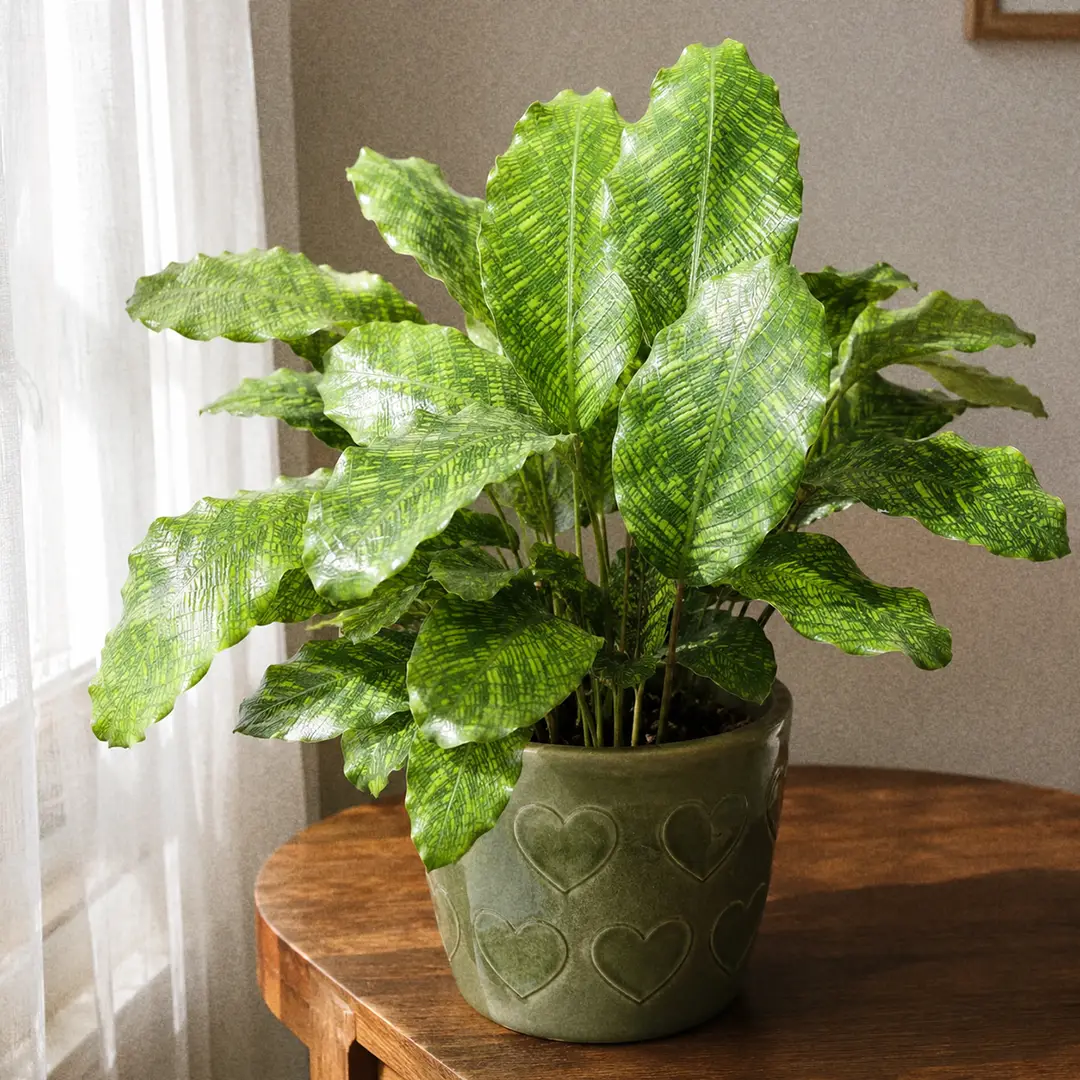
Complete Guide to Calathea Network Care and Growth
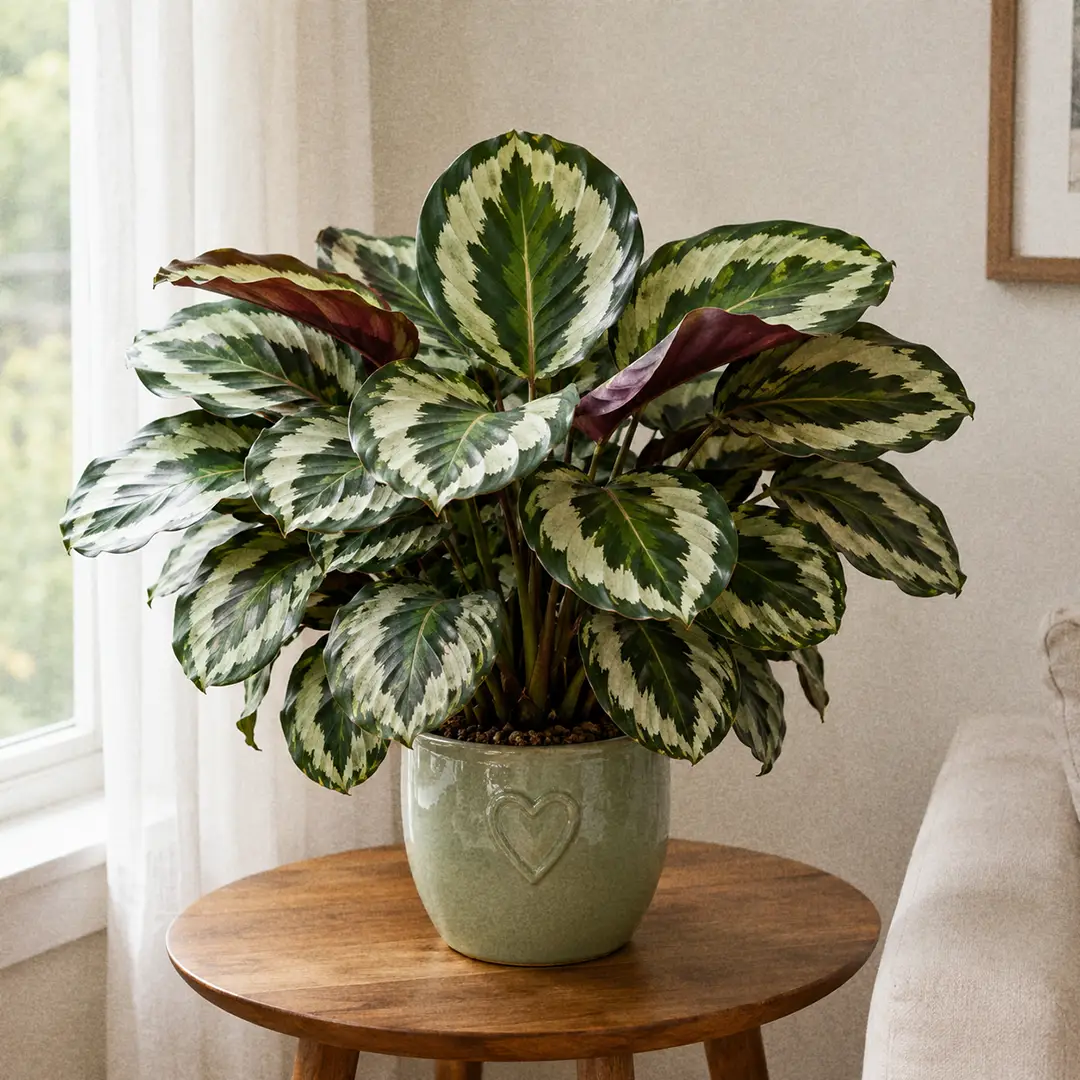
Complete Guide to Calathea Medallion Care and Growth
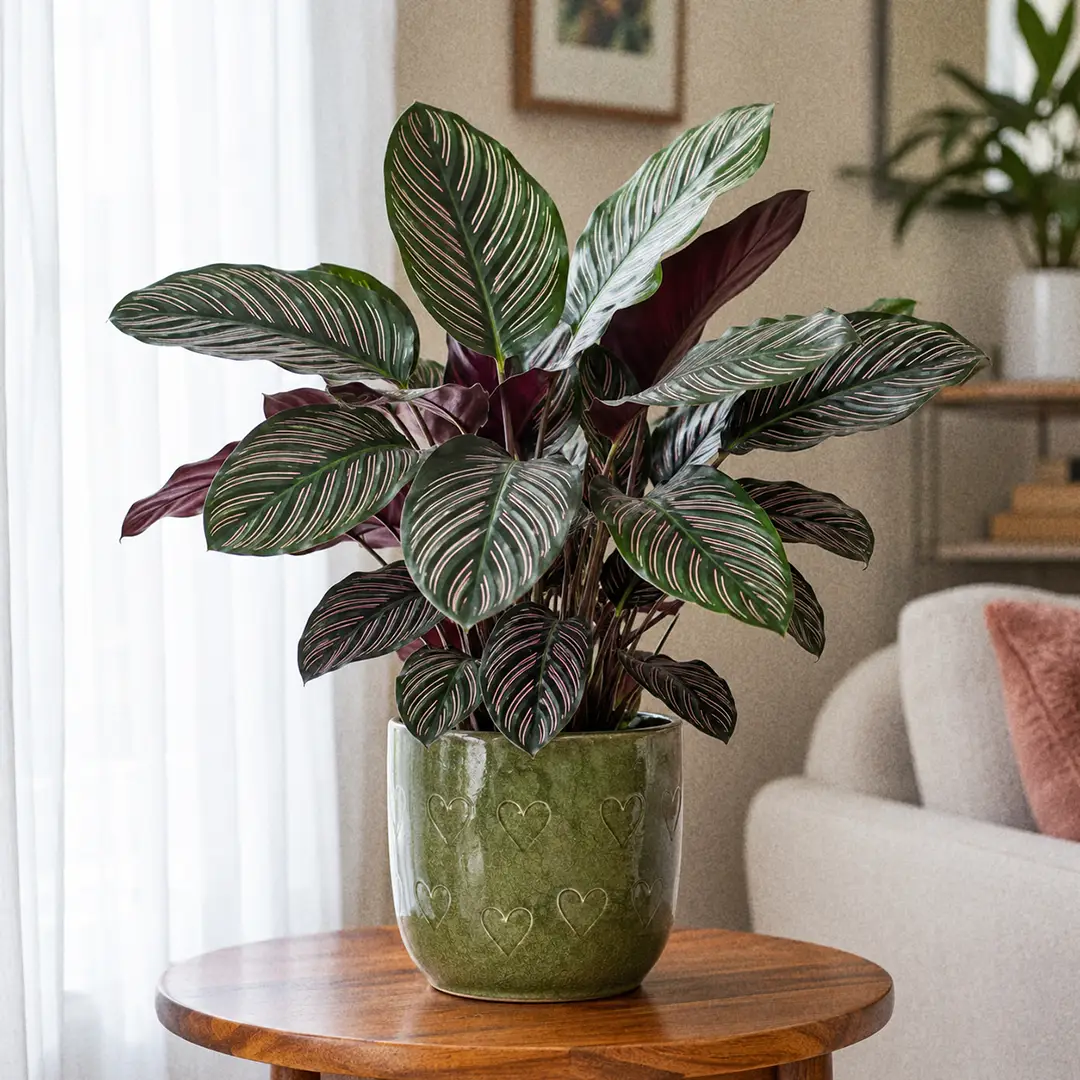
Complete Guide to Calathea Pinstripe Care and Growth
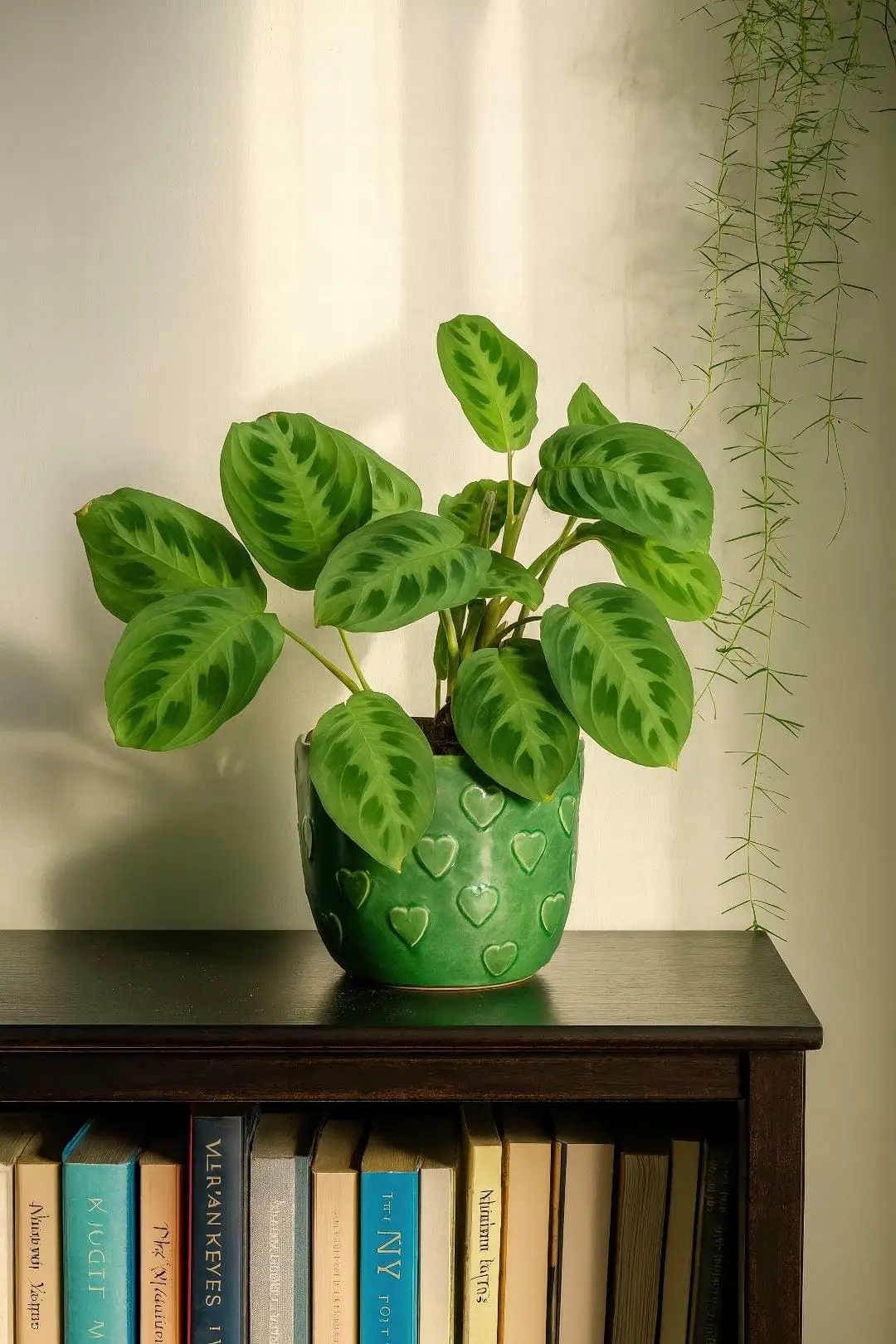
Complete Guide to Prayer Plant Care and Growth

Houseplant101 Forum
Questions & Comments
Ask a question, share your plant experience, or help other plant owners.
Comments are temporarily unavailable.
Open the Houseplant101 ForumNo comments yet
Be the first to ask a question or share your experience about this page.
Log in or create an account
Comments use your Houseplant101 Forum account, but you can stay on this page.
Create a new account