
Calathea Peacock
Goeppertia makoyana
Peacock Plant, Calathea makoyana, Cathedral Windows, Brain Plant


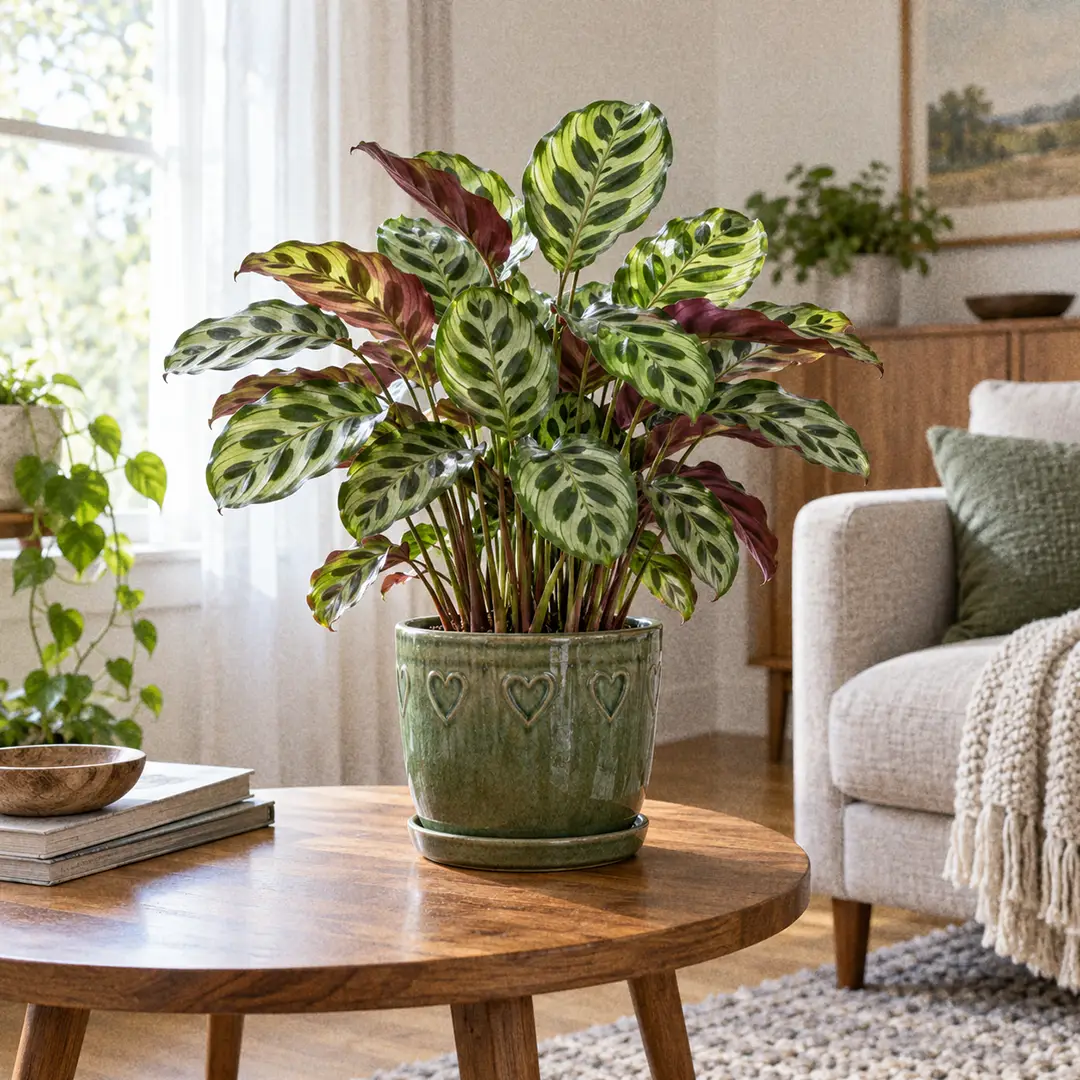
Calathea Peacock (Goeppertia makoyana) has paper-thin leaves painted like peacock feathers, with purple undersides that flash when the leaves fold up at night. This beginner guide shows you how to water, light, and humidify it so the edges stay soft and green, not crispy.
📝 Calathea Peacock Care Notes
🌿 Care Instructions
⚠️ Common Pests
📊 Growth Information
🪴 In This Guide 🪴

☀️ Calathea Peacock Light Requirements (Medium to Bright Indirect)

The Sweet Spot
In the wild, the Peacock grows on the dim floor of Brazilian rainforest, under a thick canopy. So think soft light, not sunbeams. The sweet spot is 3 to 5 feet from an east or north window, or behind a sheer curtain near a west or south window.
A good test: at midday, hold your hand a foot above the plant. You should see a soft, fuzzy shadow. A sharp, crisp shadow means too much sun. Barely any shadow at all means it is on the dark side.
Too Little Light
The Peacock tolerates lower light better than most calatheas, which is part of its charm. Still, a truly dark corner shows. New leaves come in smaller, stems stretch toward the window, and the silvery background fades so the pattern looks muddy. Growth also stalls, which means the soil stays wet longer and root rot gets easier. If your room is dim, a small grow light placed a couple of feet above the plant for 10 to 12 hours a day solves it.
Too Much Light
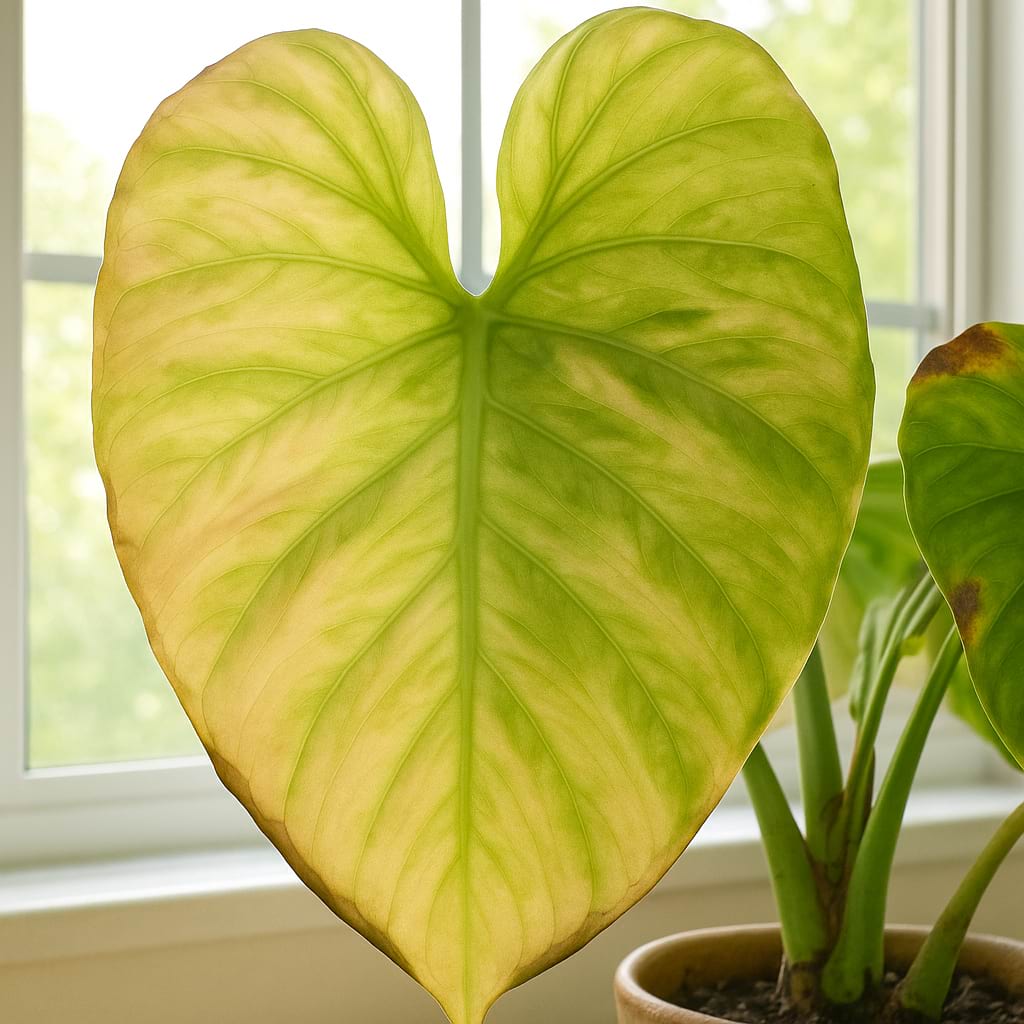
Direct sun is the bigger danger. The leaves are paper thin, and even an hour of hot afternoon sun can bleach the pattern to washed-out yellow or burn brown patches into the middle of the leaf. Curling during the day (not in the evening, when curling is normal) is another warning sign. Move it back a few feet or add a sheer curtain. Burned patches will not heal, but new leaves will come in clean. For more on reading your windows, see our light guide.
💧 Calathea Peacock Watering Guide (Moist, Never Soggy)
Watering Frequency
The Peacock wants soil that feels like a wrung-out sponge: evenly moist, never soaking, never bone dry. In practice, water when the top inch of soil is dry. In a 6-inch pot in summer that is usually every 5 to 7 days. In winter, when growth slows, it stretches to every 10 to 14 days.
Skip the calendar and use your finger instead. Pots, rooms, and seasons all change the timing. A moisture meter helps if you tend to overthink it; water when it reads on the dry side of moist.
Water Quality Matters
This is the part most beginners miss. Calatheas are sensitive to the minerals, fluoride, and chlorine in many tap waters. The salts build up in the soil and show up as brown, crispy leaf edges and yellow halos, even when you water perfectly on schedule.
The easy fixes, best to okay:
- Rain water or distilled water.
- Filtered water (a basic pitcher filter helps a lot).
- Tap water left out overnight, which lets chlorine escape but not fluoride or minerals.
Use it at room temperature. Cold water straight from the tap can shock the roots and cause spotting.
How to Water
Water slowly over the whole soil surface until it runs from the drainage hole. Let it drain fully, then empty the saucer after 15 minutes. Never let the pot sit in water. Every couple of months, flush the pot with a big drink of distilled water to rinse out built-up salts. Bottom watering works well too, as long as you top water now and then to flush.
Signs of Trouble
- Leaves curling tightly and drooping in daytime: too dry. Water thoroughly.
- Yellowing lower leaves, soft stems, soil that smells sour: too wet. Let it dry more and check the roots.
- Crispy brown edges with green centers: water quality or low humidity, rarely the schedule itself.
🪴 Best Soil for Calathea Peacock (Airy and Moisture-Retentive)
What the Soil Needs
The Peacock has fine, delicate roots that need two things at once: steady moisture and plenty of air. Heavy garden soil or dense, cheap potting mix packs down, stays soggy in the middle, and suffocates the roots. On the other end, a gritty cactus mix dries out far too fast.
Aim for a mix that is fluffy, holds moisture like a sponge, and drains within a few seconds when you water. A slightly acidic pH, around 6.0, suits it.
DIY Soil Mix
This simple recipe works well:
- 2 parts peat moss or coco coir
- 1 part perlite
- 1 part fine orchid bark
- A small handful of horticultural charcoal (optional, helps keep things fresh)
Mix it slightly damp before potting. Dry peat or coir repels water at first and can leave dry pockets around the roots.
Pre-Made Options
If you would rather not mix, buy a good-quality indoor potting mix or an "aroid" mix, then stir in an extra handful of perlite. Avoid mixes with moisture-holding crystals or slow-release fertilizer beads, since those make overwatering and salt buildup more likely. Our potting soil guide and soil basics cover what to look for on the bag.
🍼 Fertilizing Calathea Peacock (Light and Gentle)
When and How Often
Feed from spring through late summer, when the plant is pushing out new leaves. Once a month is plenty. Stop in fall and winter, when growth slows and unused fertilizer just sits in the soil as salt.
What to Use
A balanced liquid houseplant fertilizer (something like 10-10-10 or 20-20-20) diluted to half the label strength is ideal. Always water first and fertilize second, since feeding dry roots can burn them. Organic options like a diluted fish-and-seaweed feed also work. Our fertilizer guide compares the common types.
Over-Fertilizing Signs
The Peacock is a light feeder, and too much food looks almost exactly like hard-water damage: brown, crispy leaf tips and edges, and sometimes a white crust on the soil surface. If you see this, stop feeding, flush the pot with distilled water, and restart at quarter strength next spring. More fertilizer never fixes a struggling calathea. Read more in our fertilizing basics.
🌡️ Calathea Peacock Temperature Range
Ideal Range
The Peacock likes the same temperatures you do: 65 to 80°F (18 to 27°C). It grows fastest at the warmer end. Below 60°F (15°C), growth stops and leaves may curl or spot. Anything under 50°F (10°C) can cause real damage, with leaves turning limp and dark almost overnight. It is not frost hardy and only grows outdoors year-round in USDA zones 11 and 12.
Drafts and Heat Sources
Sudden changes bother it more than steady cool air. Keep it away from:
- Drafty doors and single-pane windows in winter.
- Air conditioning vents blowing directly on the leaves.
- Radiators, heaters, and fireplaces, which dry the air and crisp the edges fast.
If you summer it on a shaded porch, bring it in before nights drop below 60°F.
💦 Calathea Peacock Humidity Requirements
Ideal Humidity
Aim for 60% humidity or higher. The plant will survive around 50%, but the leaf edges will slowly brown and new leaves may tear as they unfurl. Most heated homes in winter sit at 30 to 40%, which is why winter is crispy-edge season.
Easy Humidity Boosters
- A humidifier is the one fix that really works. Put a small one near the plant and a cheap hygrometer beside it. See our humidifier guide.
- Group plants together. Ferns and other calatheas create a damp little microclimate.
- A bright bathroom is a natural fit if the window gives enough light.
Misting only raises humidity for a few minutes and can encourage leaf spots, so skip it. More tricks are in our humidity guide.
🌸 Calathea Peacock Flowers (Rare and Small)
What the Flowers Look Like
Yes, the Peacock can bloom, but it rarely happens indoors, and most owners never see it. When it does flower, you get small white tubular blooms with purple tips, tucked in green bracts low among the leaves. They are pretty up close but easy to miss. This plant is grown entirely for its foliage.
How to Encourage Bloom
There is no reliable trick. Flowers are most likely on a large, mature clump that has had steady warmth, high humidity, good indirect light, and regular spring feeding for a few years. In other words, great general care is the only real "trigger." Greenhouse-grown plants flower far more often than houseplants.
The Real Show: Leaf Movement
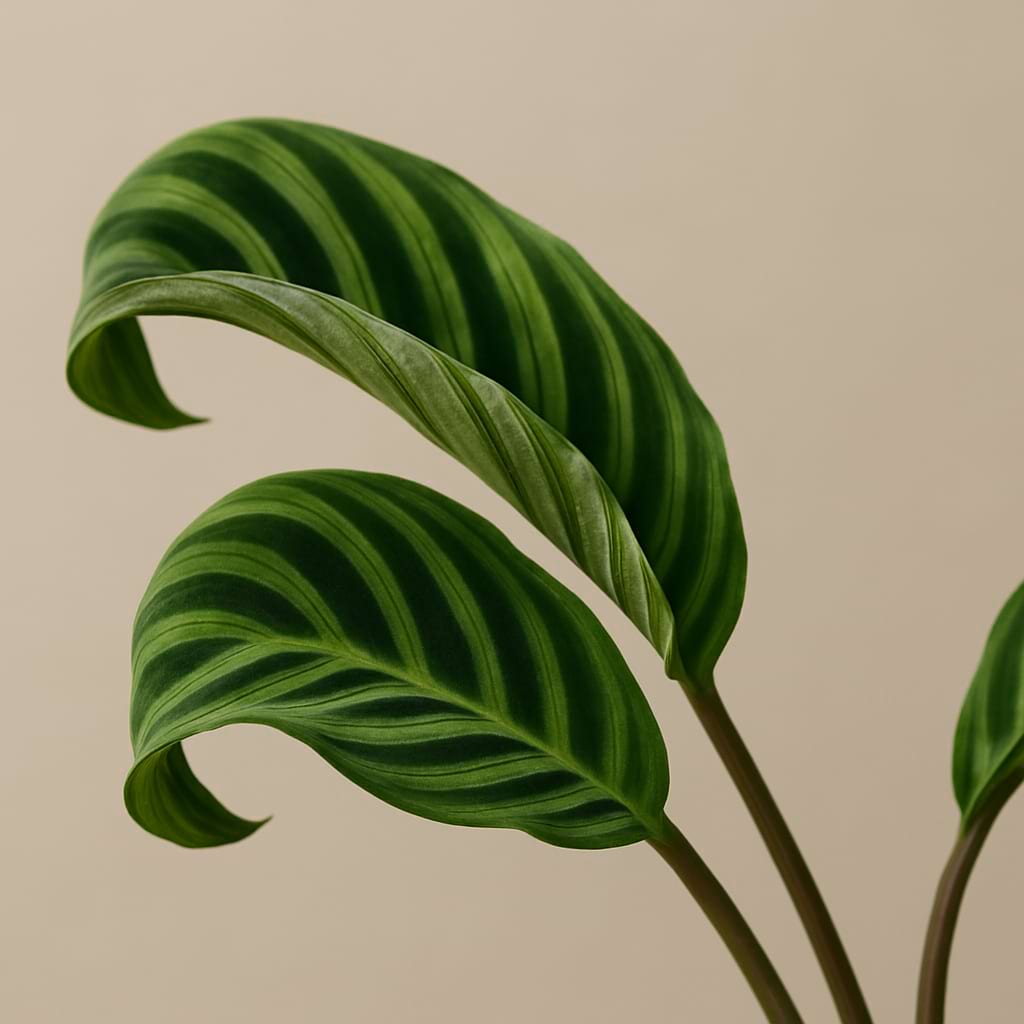
What you will see every single day is the movement. Like all prayer plant family members, the Peacock raises and folds its leaves upward in the evening, then lowers them flat again in the morning. This is healthy and normal. If the leaves stop moving, or curl tightly during the day, look at water and light first.
Do not fret if your plant never blooms. A missing flower on a calathea is not a sign of failure to bloom in the usual sense, and it has no effect on leaf health.
🏷️ Calathea Peacock Types and Varieties
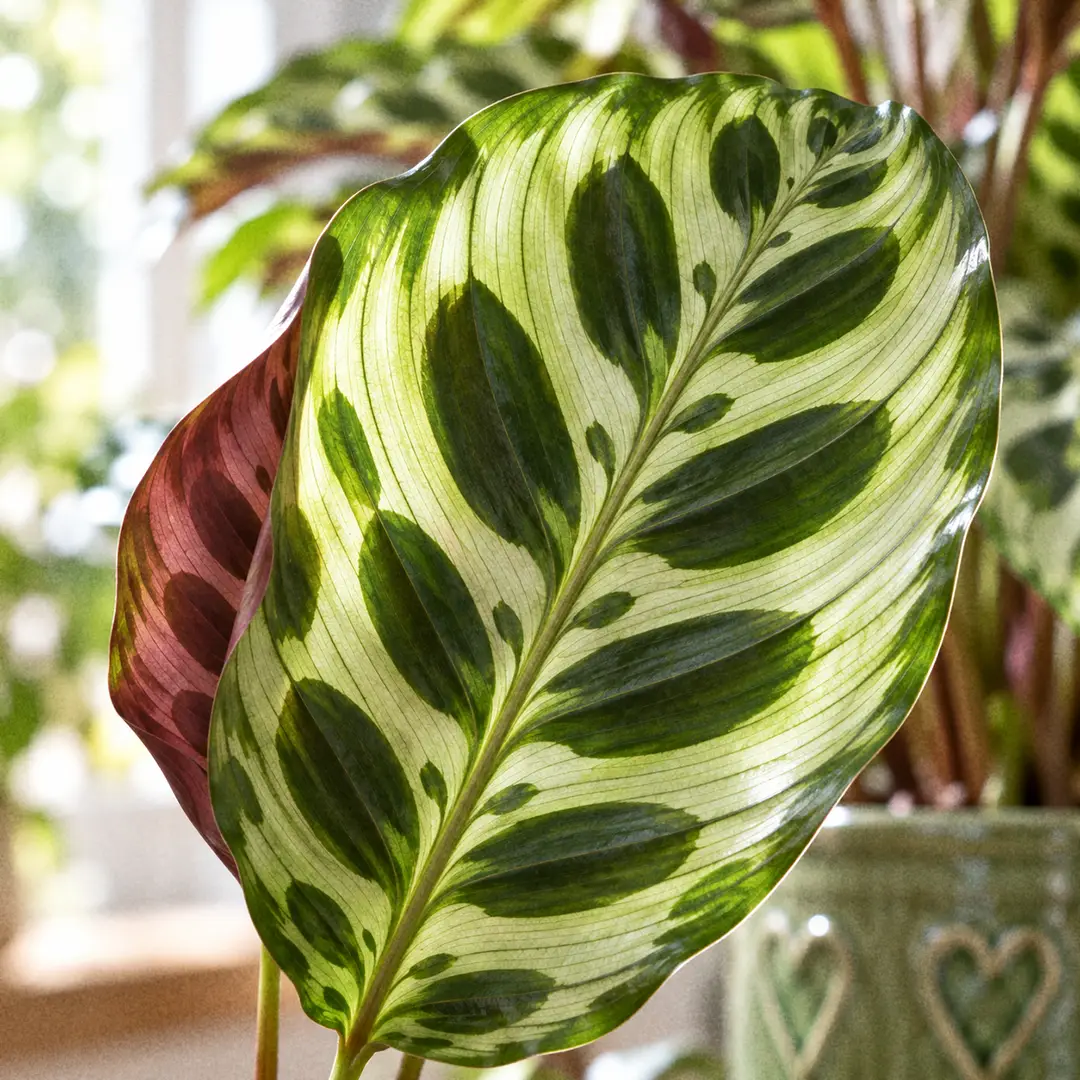
The Classic Peacock (Goeppertia makoyana)
Unlike many calatheas, the Peacock is basically sold as one form. You will not find a long list of named cultivars at the garden center. Botanists moved it from Calathea to Goeppertia in 2012, so labels may say either name, plus "Cathedral Windows" or "Brain Plant." They are all the same plant.
The ID is in the leaf: an oval, pale silvery green blade with dark green, feather-shaped ovals running out from the midrib, a thin dark rim, and the same pattern echoed in reddish purple underneath. The stems are thin and upright.
Peacock vs. Calathea Medallion
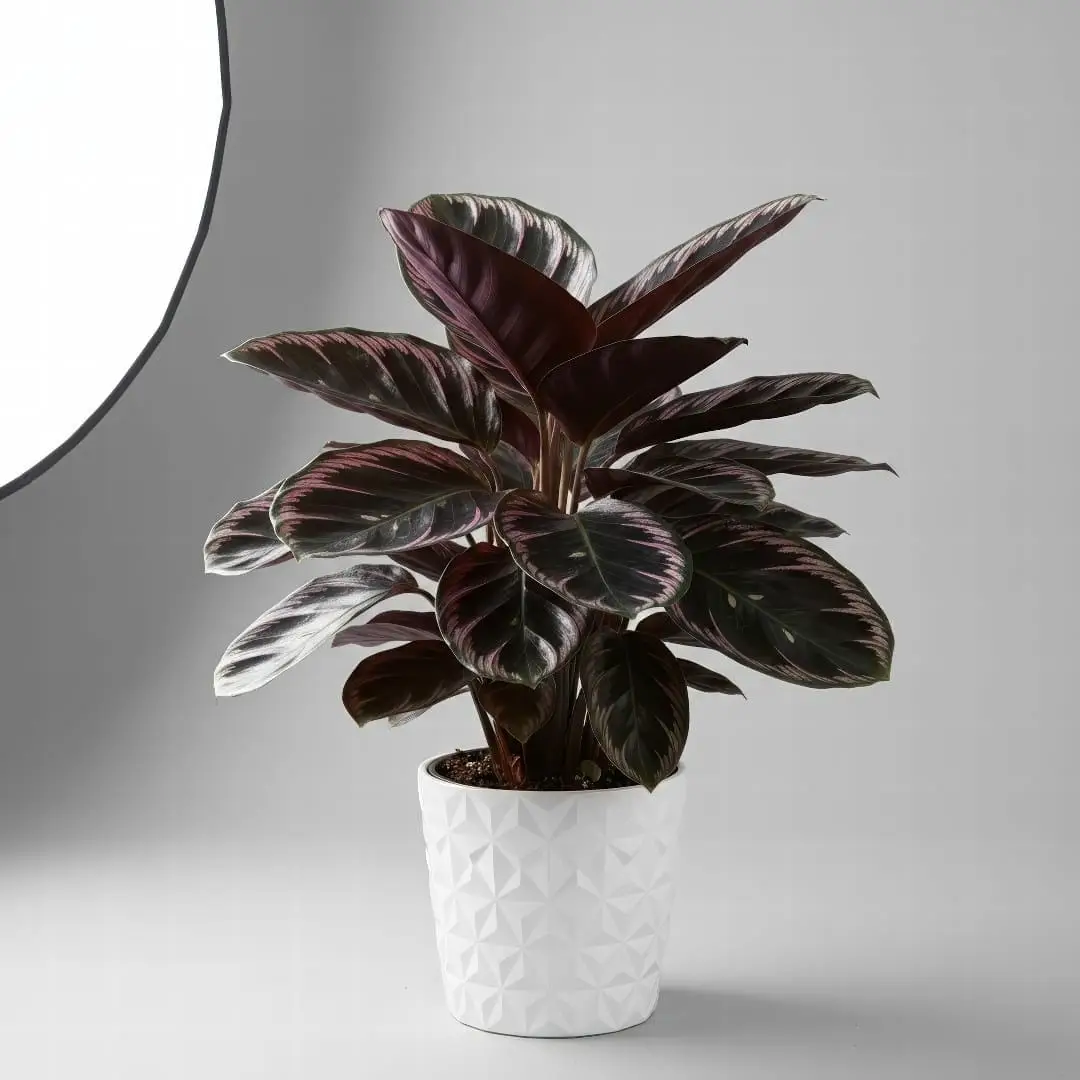
These two get mixed up a lot. The Calathea Medallion has rounder, thicker leaves with a feathered silver "medallion" design and deep purple undersides. The Peacock is lighter, thinner, and more translucent, with separate dark ovals instead of one big central pattern.
Peacock vs. Calathea Rattlesnake
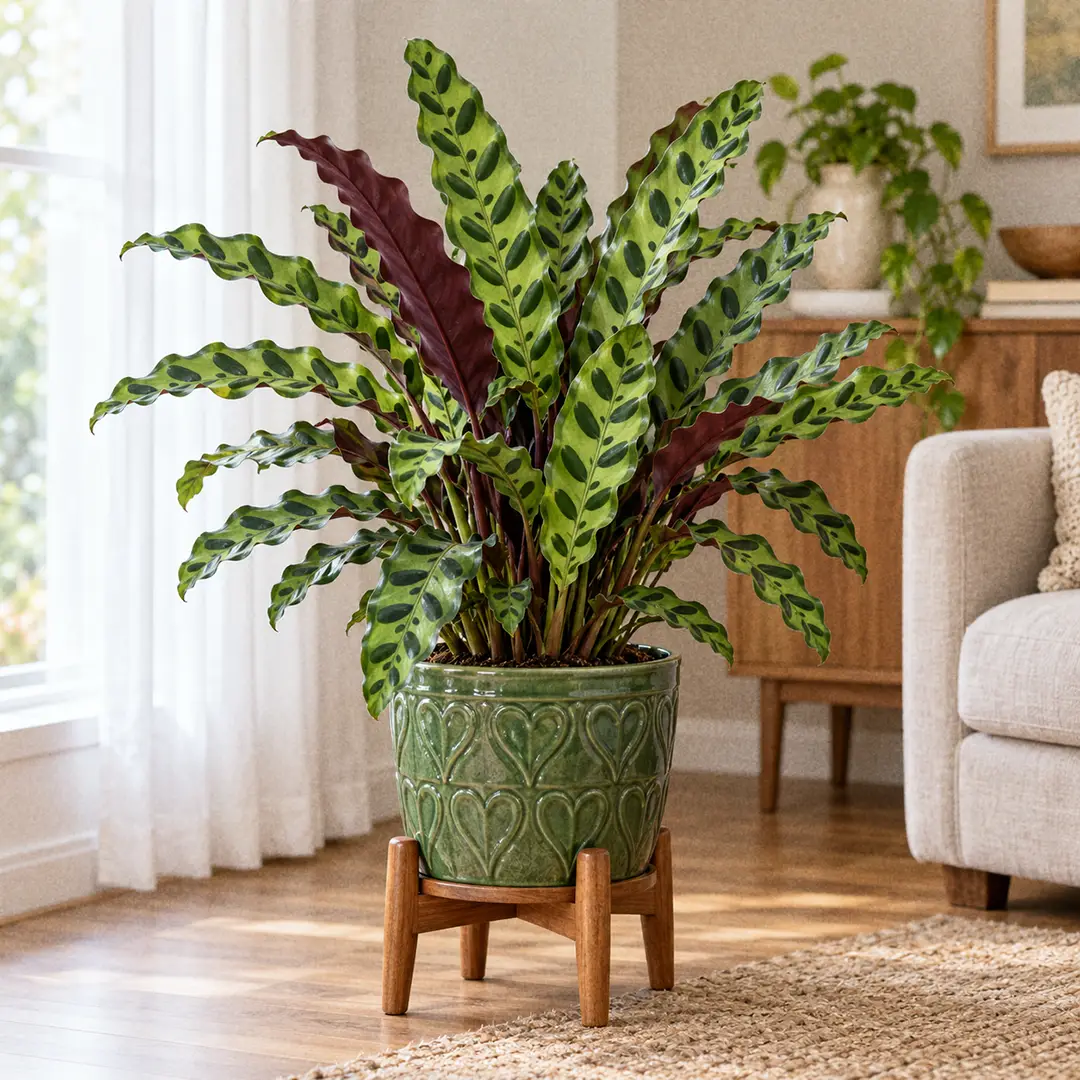
The Calathea Rattlesnake carries a very similar pattern of dark ovals, but on long, narrow leaves with wavy edges and solid purple backs. It is also the tougher plant, so it is the one to choose if your air runs dry.
Peacock vs. Prayer Plant
The Prayer Plant (Maranta leuconeura) is a smaller, more spreading plant with red or lime veins and dark spots between them. Both fold up at night, but the Peacock grows taller and more upright, with larger leaves.
Other Patterned Cousins
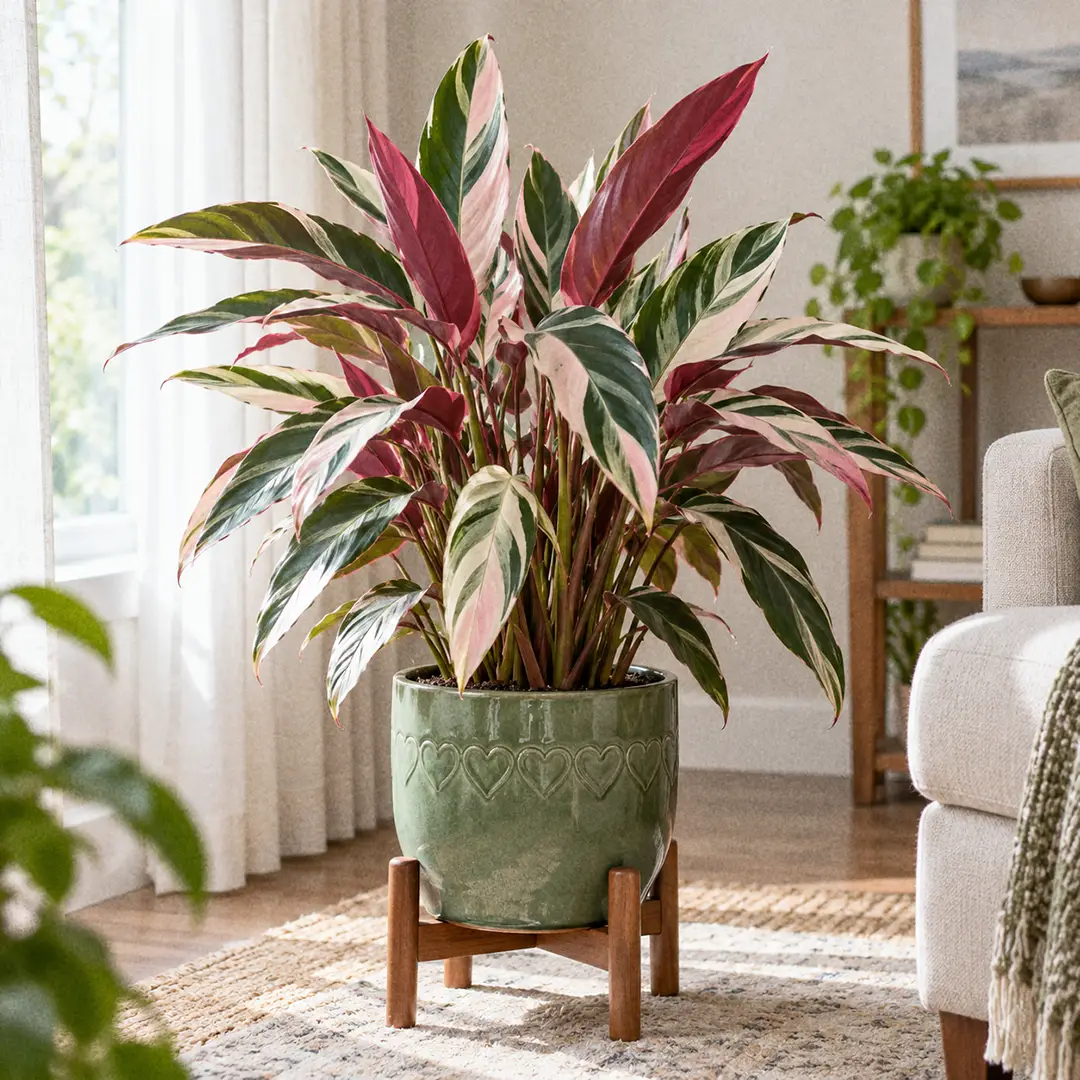
If you love this look, the Calathea Network has a fine mosaic-like grid pattern, the Calathea Pinstripe has pink pinstripes on dark leaves, and the Calathea White Fusion adds splashy white variegation (with a fussier temperament). The Stromanthe Triostar brings pink and cream into the same family.
🪴 Potting and Repotting Calathea Peacock
When to Repot
Repot every 1 to 2 years in spring, or when you see roots circling the bottom, poking from the drainage hole, or water rushing straight through. Avoid repotting in winter or when the plant is already stressed from a move, since calatheas sulk after root disturbance.
Choosing a Pot
Go only 1 to 2 inches wider than the current pot. A pot that is too big holds a lot of wet soil the roots cannot reach, which invites rot. Drainage holes are non-negotiable. Plastic or glazed ceramic keeps moisture more even than terracotta, which suits this thirsty plant well. See our plant pots guide for more.
Step-by-Step Repotting
- Water the day before so the root ball slides out easily.
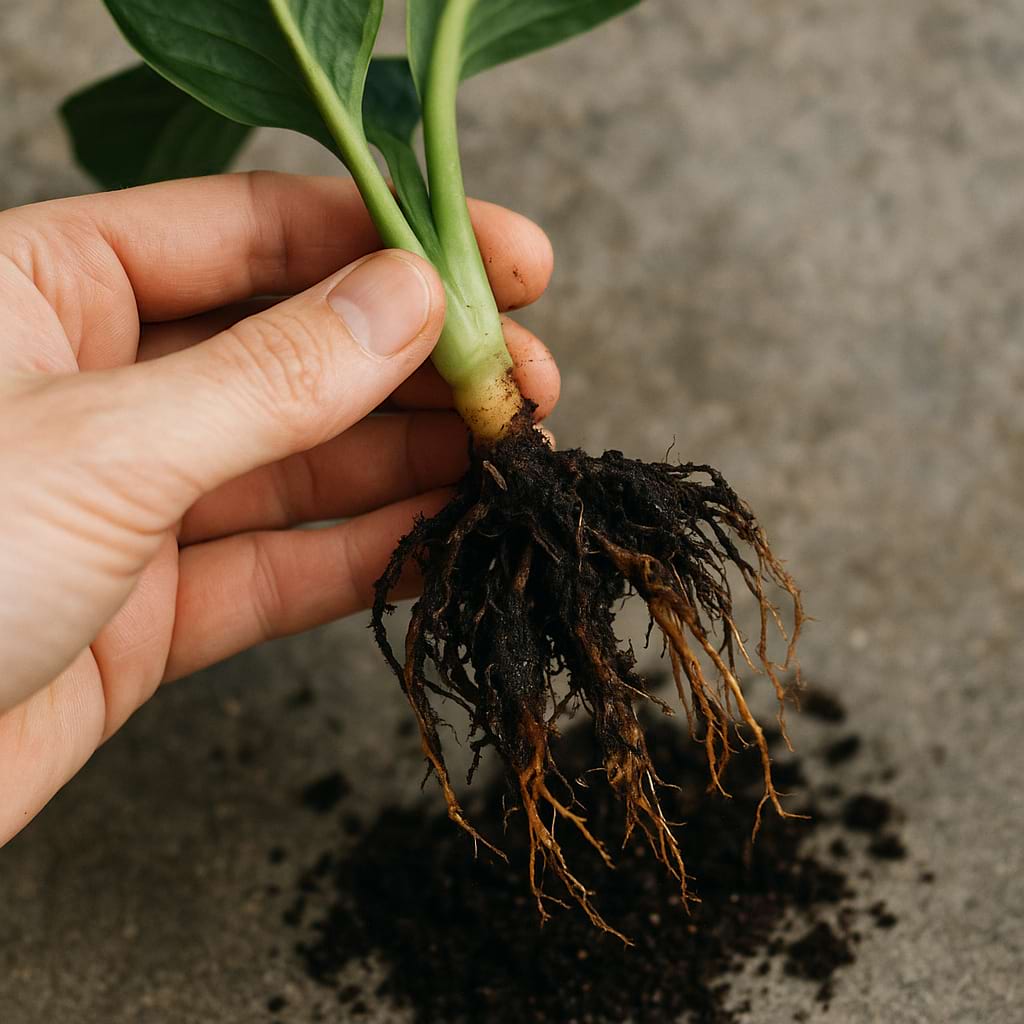
- Tip the pot and ease the plant out. Loosen circling roots gently with your fingers.
- Add fresh, slightly damp soil to the new pot so the plant sits at the same depth as before.
- Fill in around the sides and press lightly. Do not pack it down.
- Water well, let it drain, and keep it out of any direct sun for a week.
A few droopy or curled days after repotting are normal. Skip fertilizer for a month. Full details are in our repotting guide.
✂️ Pruning Calathea Peacock
When to Prune
The Peacock does not need shaping. Pruning is simply tidying: removing leaves that are mostly yellow, brown, or damaged. You can do this any time of year.
How to Prune
Follow the damaged leaf's stem down to the soil and cut it off at the base with clean, sharp scissors. Wipe the blades with rubbing alcohol between plants so you do not spread disease. Remove only a few leaves at a time. Each leaf feeds the plant, so a partly green leaf is still worth keeping.
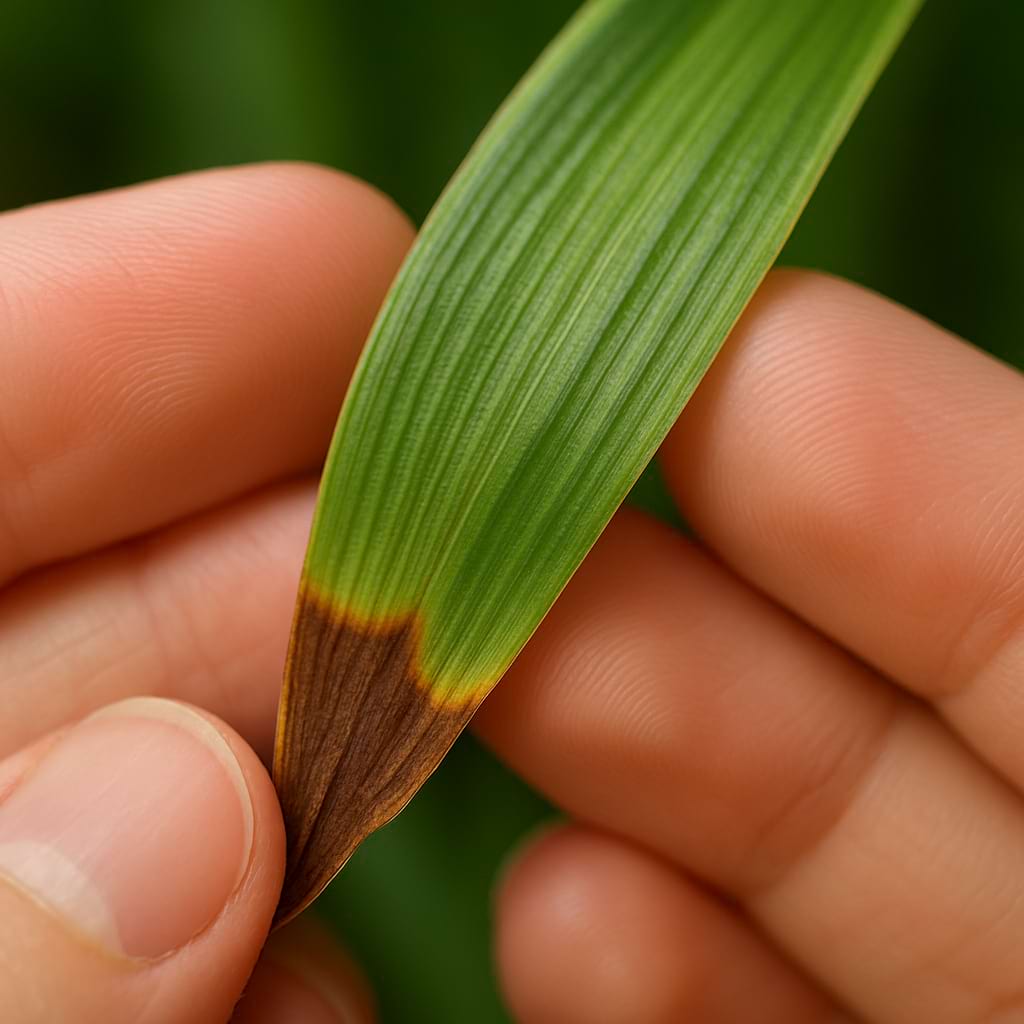
Trimming Crispy Edges
For leaves with just brown tips or edges, trim the brown part following the natural curve of the leaf, leaving a hair-thin line of brown so you do not cut into healthy tissue. Trimming is purely cosmetic. It will not stop new browning, so fix the cause (water quality or humidity) at the same time.
🌱 How to Propagate Calathea Peacock
Best Method: Division
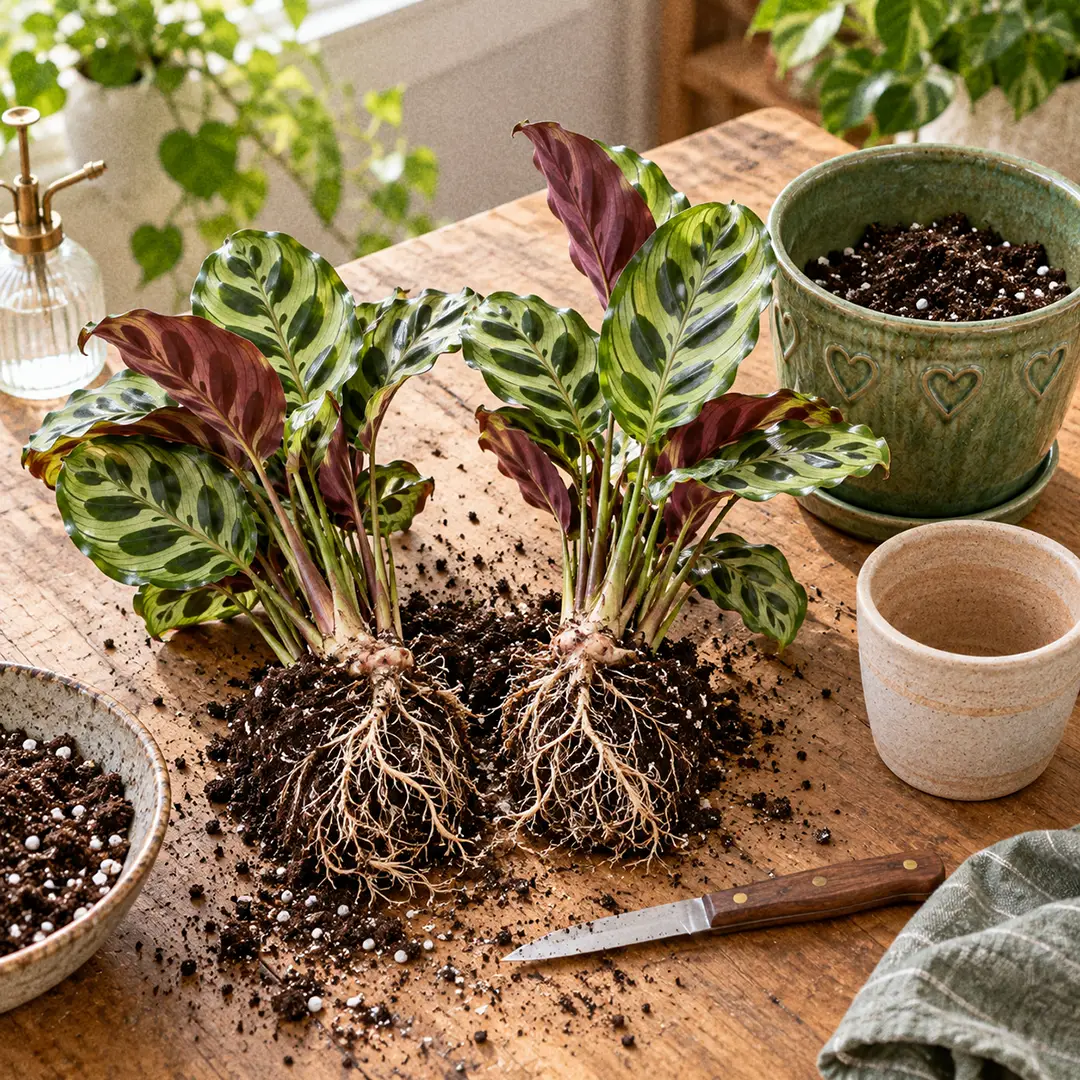
Division is the way to go. Calatheas do not root from leaf or stem cuttings, so a single leaf in water will not work, no matter how long you wait. The Peacock grows from underground rhizomes that form new clumps of stems, and each clump can become its own plant. The best time is spring, when you are repotting anyway.
Step-by-Step Division
- Water the plant the day before.
- Slide it out of the pot and gently shake or rinse away soil so you can see where the clumps join.
- Tease the clumps apart with your fingers. If the rhizome will not let go, cut through it with a clean knife.
- Make sure every piece has at least 3 or 4 leaves and a good handful of roots. Tiny divisions often fail.
- Pot each piece into a small pot with fresh, damp soil.
- Water lightly and place in medium indirect light.
Tips for Success
Humidity is the secret. For the first few weeks, cover each new division loosely with a clear plastic bag or set it inside a clear storage box to keep the air damp, opening it daily for fresh air. Expect some droop and maybe a lost leaf or two. New growth usually shows in 3 to 6 weeks. For more, see our plant division guide.
🐛 Calathea Peacock Pests and Treatment
Calatheas are not pest magnets, but dry air makes them a favorite of a few.
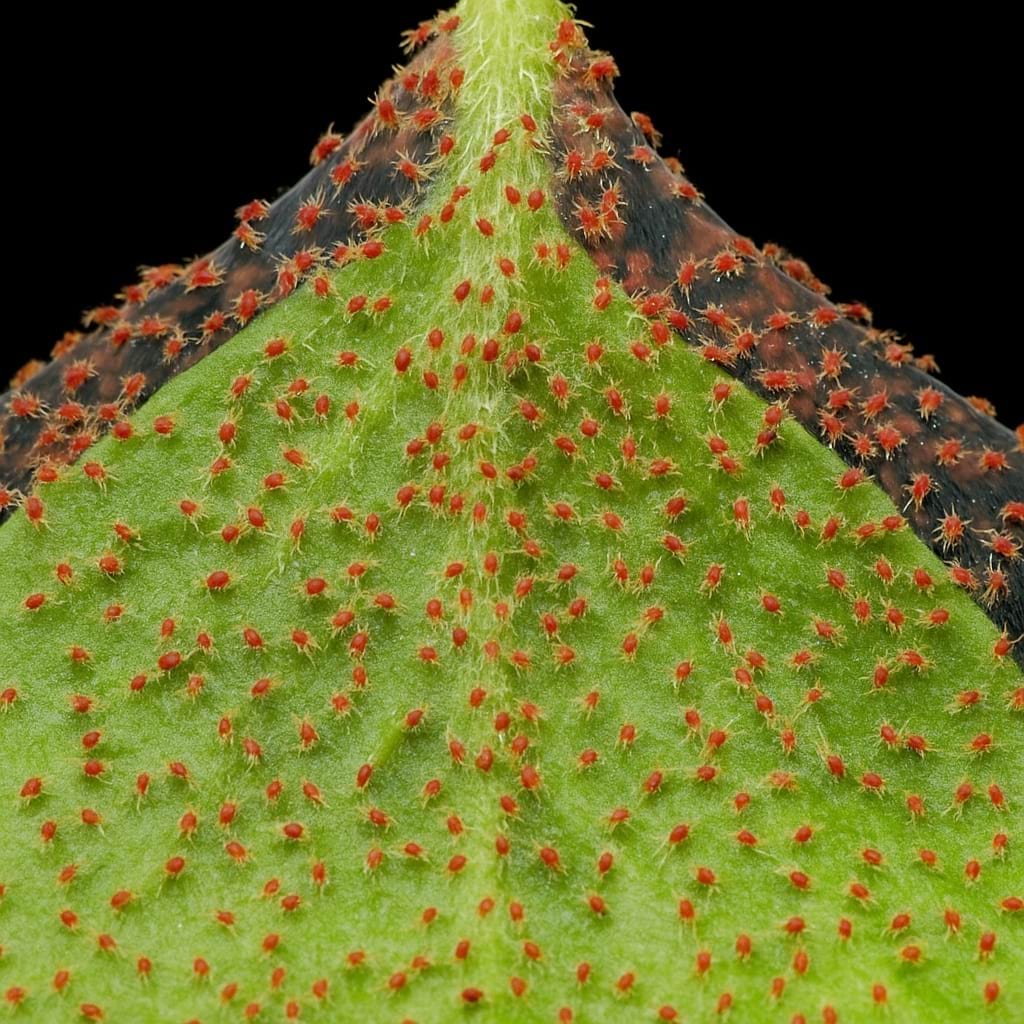
- Spider mites are the main enemy. Look for fine webbing and tiny pale speckles on leaves, especially the undersides. Rinse the plant in the shower, wipe leaves, raise humidity, and treat with insecticidal soap weekly for a month.
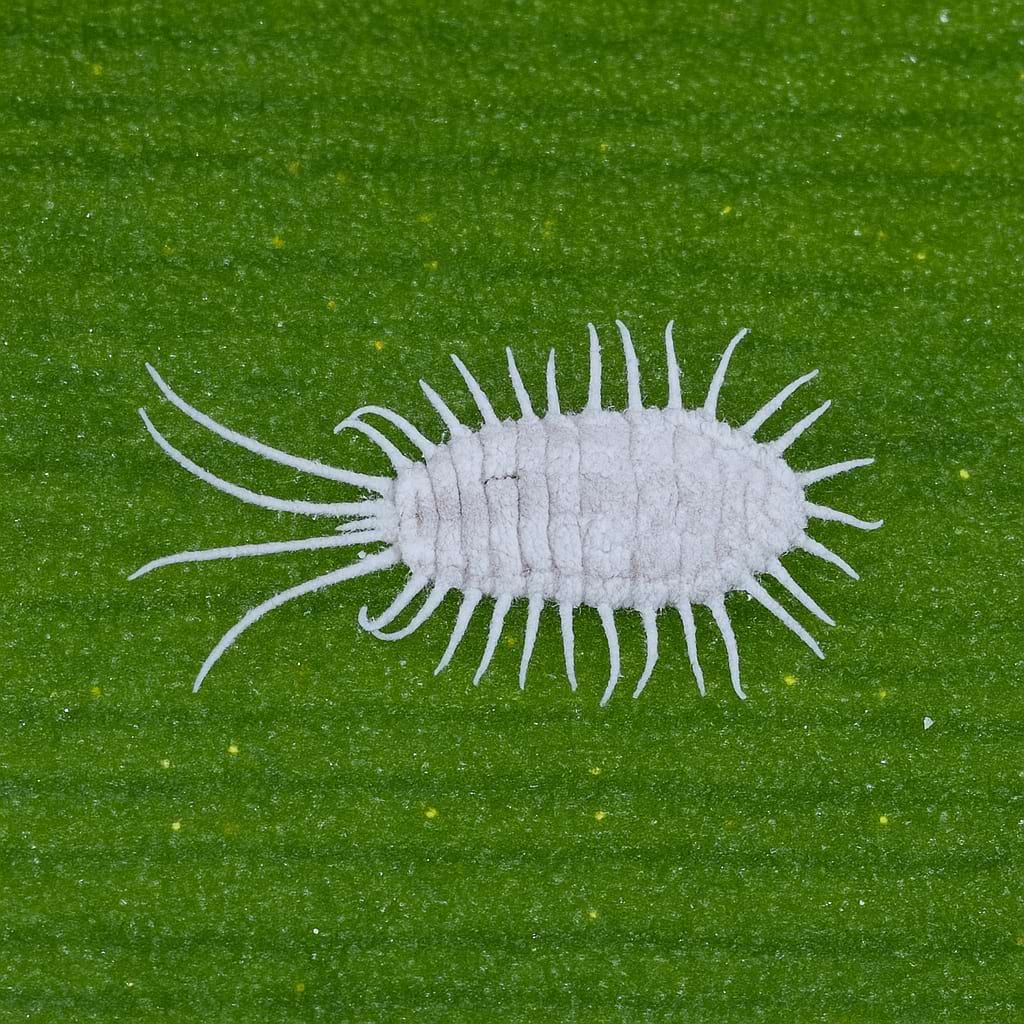
- Mealybugs look like white cotton in leaf joints. Dab them with a cotton swab dipped in rubbing alcohol, then follow up with insecticidal soap.
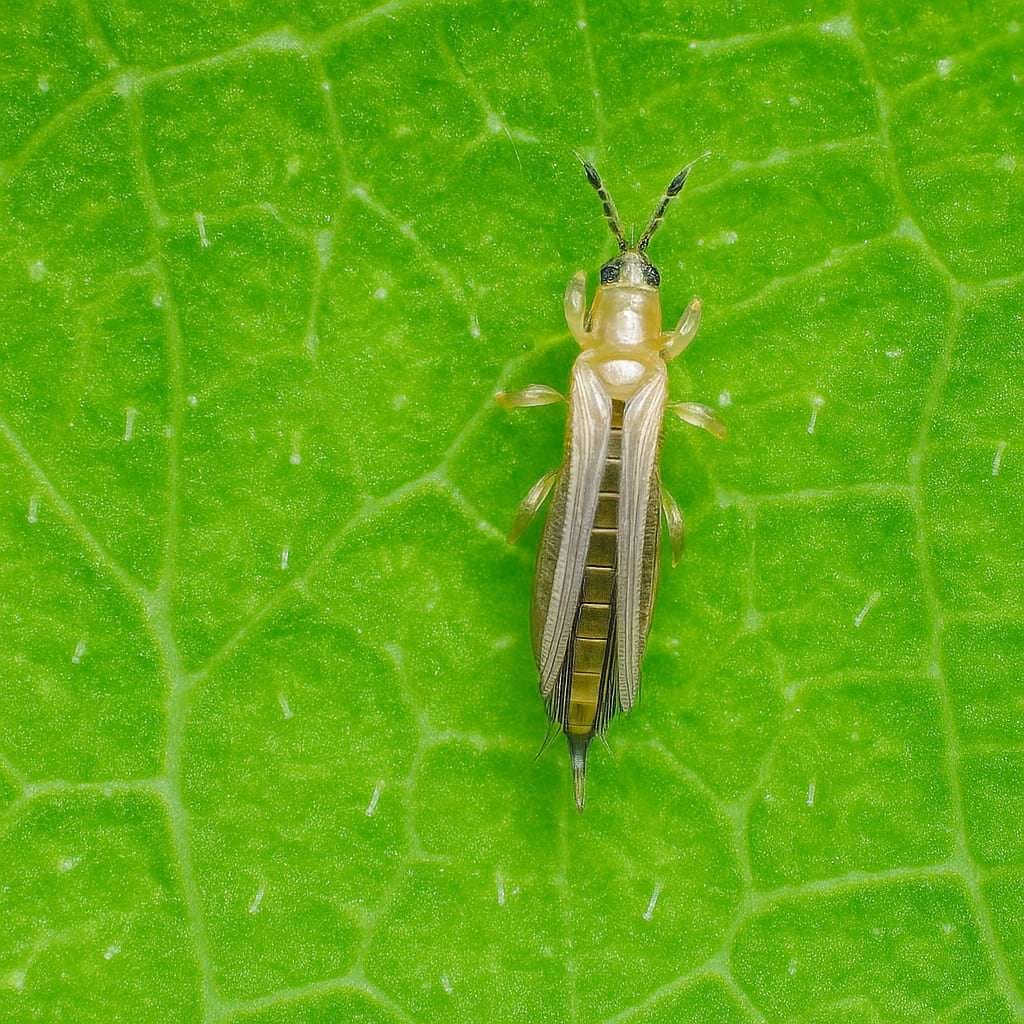
- Thrips leave silvery streaks and black dots. Rinse well and use soap or neem-based spray on a regular schedule.
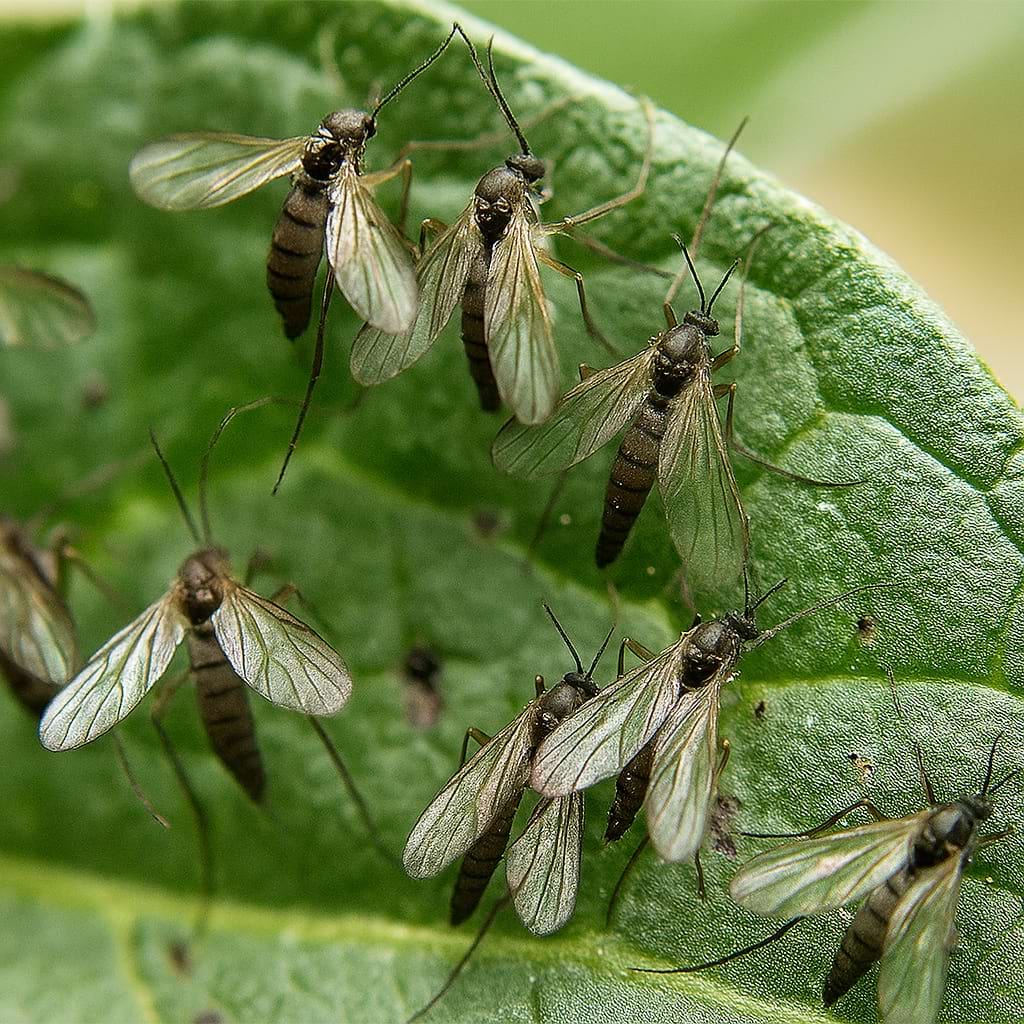
- Fungus gnats hover over wet soil. Let the top inch dry out more and use yellow sticky traps.
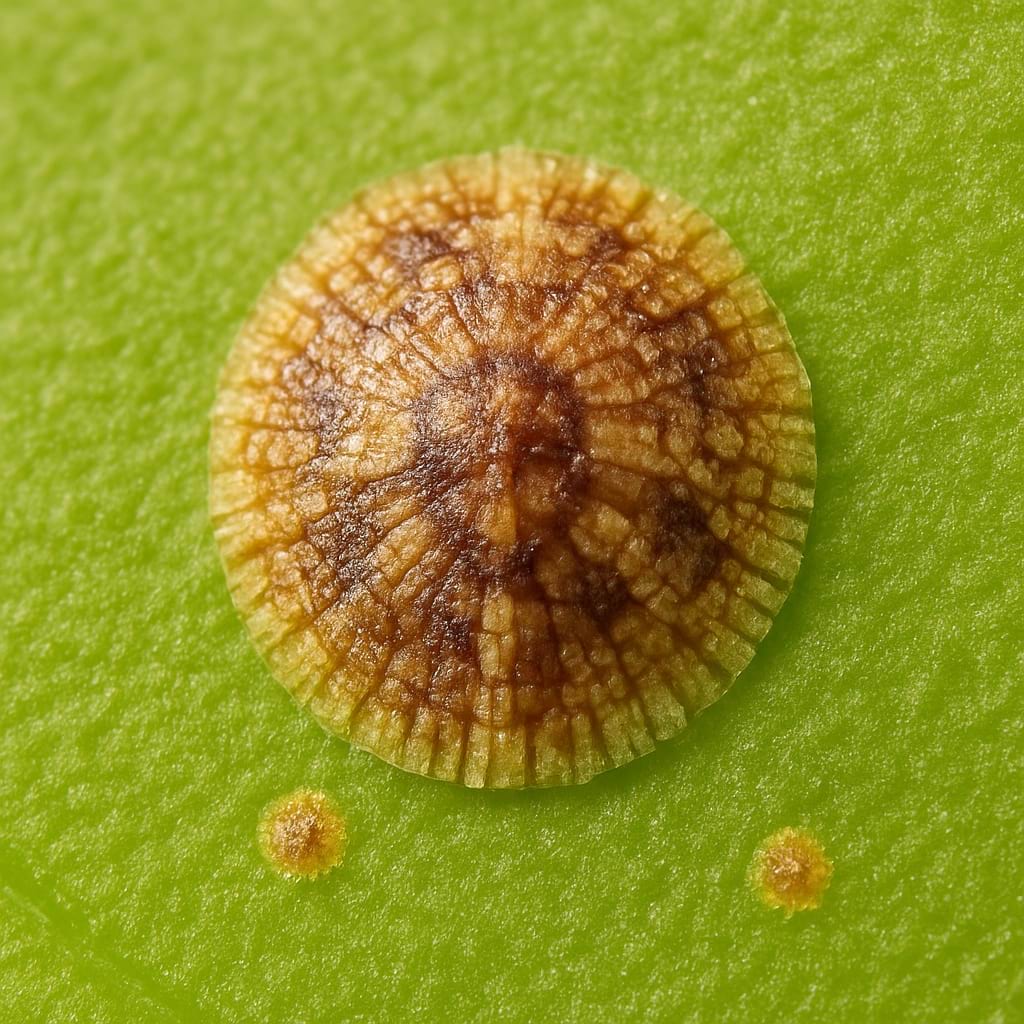
- Scale insects are small brown bumps on stems. Scrape them off and wipe with alcohol.
Check the leaf undersides every time you water. Catching pests early is far easier than clearing an infestation.
🩺 Common Calathea Peacock Problems
Most Peacock problems trace back to water, humidity, or light. Here is how to read the leaves.
- Brown crispy edges: The classic calathea issue. Usually low humidity, hard or chlorinated tap water, or fertilizer buildup. Switch water, add a humidifier, and flush the soil.
- Curling leaves: Curling at night is normal. Curling during the day means thirst, too much sun, or cold air. Check soil moisture first.
- Yellowing leaves: One old lower leaf at a time is natural aging. Many yellow leaves at once, especially with damp soil, point to overwatering.
- Root rot: Drooping, yellowing, and mushy stems at the soil line with soil that never dries. Unpot, cut away black roots, and repot in fresh, airy mix.
- Pale, faded leaves: Too much direct light washing out the pattern. Move it further from the window.
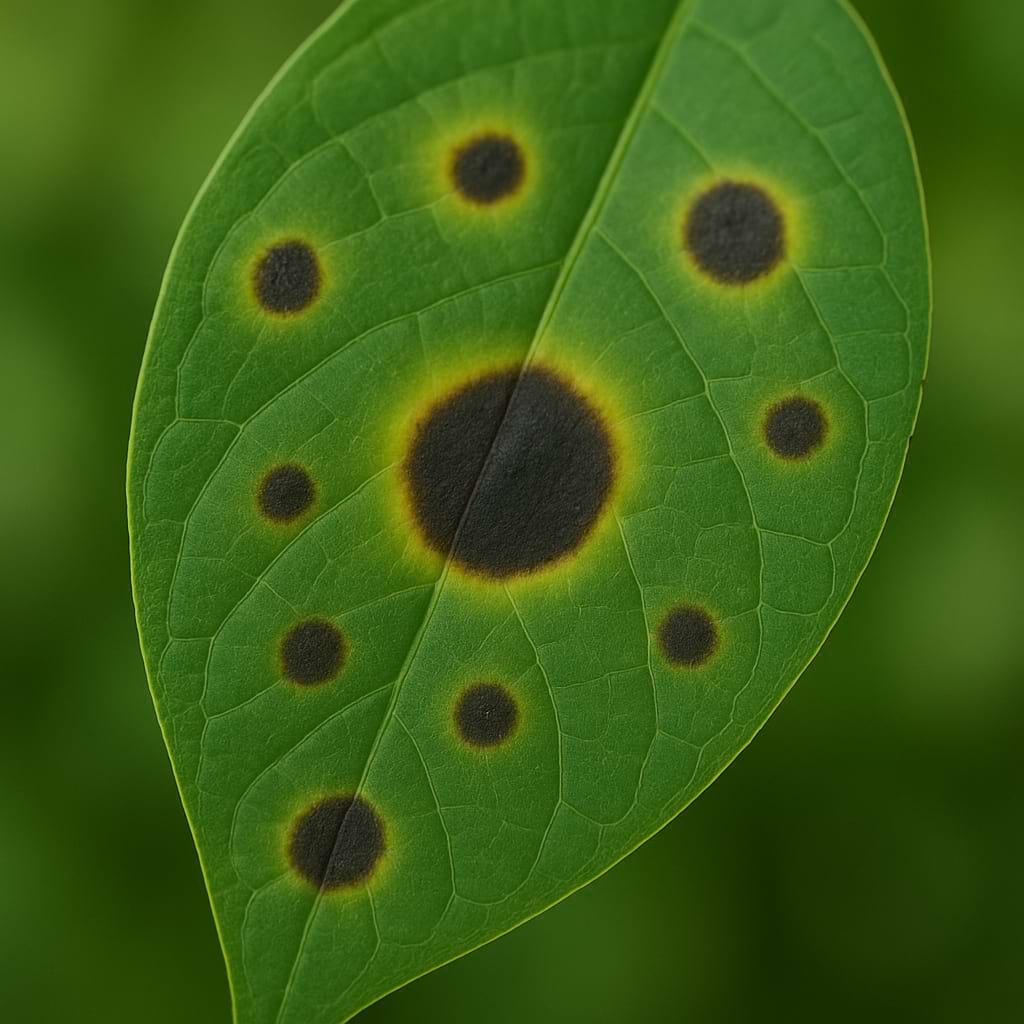
- Brown or black spots: Often cold water, leaves staying wet, or leaf spot disease. Water at the soil, not over the leaves, and remove spotted leaves.

🖼️ Calathea Peacock Display and Styling Ideas
Solo Setups
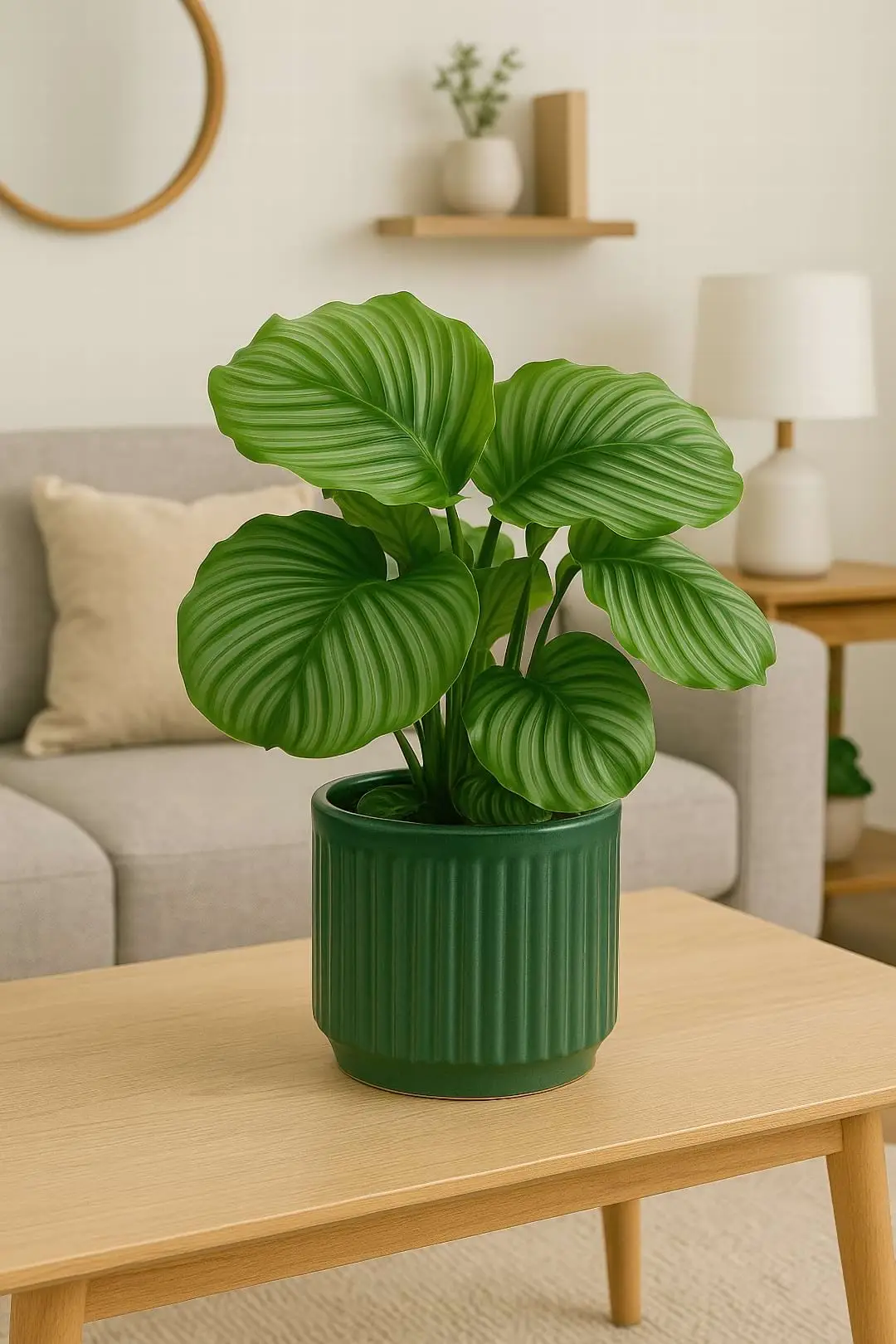
Put the Peacock where you can see both sides of the leaves. A low side table or plant stand at knee to hip height works well, because you look down on the pattern and catch purple flashes as the leaves lift in the evening. Place it near a lamp or a softly lit window and the thin leaves glow like stained glass. A simple matte pot lets the pattern do the talking.
Grouped Arrangements
The Peacock loves company, and grouping helps humidity. Build a plant corner with a small humidifier in the middle and surround it with other moisture lovers: a Boston Fern for soft texture, a Nerve Plant in front for contrast, and the Calathea Orbifolia for big, bold striped leaves. Because the Peacock is non-toxic, it is also a good choice for pet-friendly shelves.
Where Not to Put It
Skip hot, sunny windowsills, spots above radiators, and hallways with cold drafts. Also avoid high shelves in a heated room, since warm, dry air collects near the ceiling.
🌟 Calathea Peacock Pro Care Tips
- Keep a jug of filtered or rain water next to your watering can, and use only that.
- Put a cheap hygrometer beside the plant. Guessing humidity is how edges get crispy.
- Turn the pot a quarter turn every couple of weeks so it grows evenly.
- Wipe leaves with a damp cloth once a month. Never use leaf shine.
- Give a new plant two to three weeks to adjust after bringing it home. Some drooping is normal.
- Do not chase every brown tip. Fix the cause, then judge the plant by its new leaves.
- In winter, move it away from heaters and cut watering back, not humidity.
- Flush the soil with distilled water every two months to wash out salts.
❓ Frequently Asked Questions
Is the Calathea Peacock safe for cats and dogs?
Yes. The ASPCA lists Goeppertia makoyana as non-toxic to cats and dogs, so it is a good pick for pet homes. A pet that chews a lot of any plant can still get a mild upset stomach, so keep it out of easy reach if your cat loves salad.
Why are my Calathea Peacock leaf edges turning brown?
Brown, crispy edges nearly always come from dry air, minerals in tap water, or too much fertilizer. Start by switching to filtered or distilled water and raising humidity to 60% with a humidifier. The old brown edges will not turn green again, but new leaves should stay clean.
Why do my Calathea Peacock leaves curl up?
If they fold up in the evening, that is the plant's normal daily movement. If they curl tightly during the day, the plant is usually thirsty, getting too much sun, or feeling cold. Check the soil first; it is the most common cause.
Is the Calathea Peacock the same as Calathea makoyana?
Yes. Peacock Plant, Calathea Peacock, Calathea makoyana, and Goeppertia makoyana all refer to the same plant. Botanists moved it into the genus Goeppertia in 2012, but many shops still use the old Calathea name.
How fast does a Calathea Peacock grow?
It grows at a moderate pace, putting out a new leaf every week or two in spring and summer with good care. Indoors it usually reaches 1 to 2 feet tall and about a foot wide. Growth slows almost to a stop in winter.
Can I grow a Calathea Peacock in low light?
It handles medium and lower light better than most calatheas, which makes it a good choice for north-facing rooms. In a very dim spot the pattern fades and growth stalls. A small grow light is an easy fix.
Can I propagate a Calathea Peacock from a leaf cutting?
No. Calatheas do not root from single leaves or stem cuttings. Division of the root clump at repotting time is the only reliable home method.
Should I mist my Calathea Peacock?
Misting does very little. The water evaporates within minutes, and wet leaves can pick up spots. A humidifier or a group of plants works far better.
Why is my new Calathea Peacock drooping?
New plants often droop for a couple of weeks while they adjust to lower light and drier air than the greenhouse. Keep the soil evenly moist, give it steady indirect light, and resist repotting or moving it around. It should perk up once it settles.
Why is my Calathea Peacock losing its pattern?
A faded, washed-out pattern usually means too much direct sun, which bleaches the thin leaves. A muddy pattern with small new leaves points the other way, to a spot that is too dark. Move the plant to steady medium indirect light and judge the next few leaves, since the old ones will not change back.
ℹ️ Calathea Peacock Info
Care and Maintenance
🪴 Soil Type and pH: Airy, moisture-retentive peat or coir mix with perlite and fine bark, slightly acidic (pH around 6.0)
💧 Humidity and Misting: Keep humidity at 60% or higher with a humidifier or a grouped plant corner.
✂️ Pruning: Snip brown or yellow leaves off at the base and trim crispy tips with clean scissors.
🧼 Cleaning: Wipe leaves gently with a soft damp cloth; never use leaf shine products
🌱 Repotting: Repot in spring into a pot only 1-2 inches wider than the root ball
🔄 Repotting Frequency: Every 1-2 years, or when roots circle the pot
❄️ Seasonal Changes in Care: Water and feed through spring and summer; water less, stop feeding, and guard against dry heating air in winter
Growing Characteristics
💥 Growth Speed: Moderate
🔄 Life Cycle: Evergreen herbaceous perennial that grows from rhizomes
💥 Bloom Time: Rarely flowers indoors
🌡️ Hardiness Zones: USDA 11-12
🗺️ Native Area: Tropical rainforest understory of eastern Brazil
🚘 Hibernation: No true dormancy, but growth slows in winter
Propagation and Health
📍 Suitable Locations: Bathrooms with a window, bedrooms, north or east facing rooms, plant corners with a humidifier
🪴 Propagation Methods: Divide the clump at repotting time in spring, keeping several leaves and a healthy root section on each piece.
🐛 Common Pests: Spider Mites, Mealybugs, Thrips, Fungus Gnats, Scale Insects
🦠 Possible Diseases: Root rot, leaf spot, crispy edges from low humidity or hard water
Plant Details
🌿 Plant Type: Rhizomatous tropical perennial (prayer plant family)
🍃 Foliage Type: Thin, oval, patterned evergreen leaves
🎨 Color of Leaves: Pale silvery green with dark green feathered blotches on top; the pattern repeats in reddish purple underneath
🌸 Flower Color: Small white flowers with purple tips
🌼 Blooming: Insignificant flowers, uncommon on houseplants
🍽️ Edibility: Not edible
📏 Mature Size: 1-2 ft indoors
Additional Info
🌻 General Benefits: Pet-safe decorative foliage; fun daily leaf movement
💊 Medical Properties: None known
🧿 Feng Shui: Associated with growth and renewal thanks to its daily leaf movement
⭐ Zodiac Sign Compatibility: Often paired with Cancer for its love of a steady, nurturing environment
🌈 Symbolism or Folklore: New beginnings and paying attention to rhythm
📝 Interesting Facts: Leaves rise and fold upward in the evening and lower again in the morning, which is why the family is nicknamed prayer plants. The thin leaves look like cathedral stained glass when backlit.
Buying and Usage
🛒 What to Look for When Buying: Look for firm, unrolled new leaves, no crispy edges, and no webbing or specks under the leaves where spider mites hide
🪴 Other Uses: Terrarium-adjacent plant corners, bathroom greenery, pet-friendly homes
Decoration and Styling
🖼️ Display Ideas: Low table where the purple undersides show, grouped with ferns and other calatheas around a humidifier
🧵 Styling Tips: Place it where evening light backlights the leaves to show the stained-glass pattern
🪴 See also 🪴
Complete Guide to Calathea Rattlesnake Care and Growth
Complete Guide to Calathea 'Dottie' Care and Growth
Complete Guide to Stromanthe Triostar Care and Growth
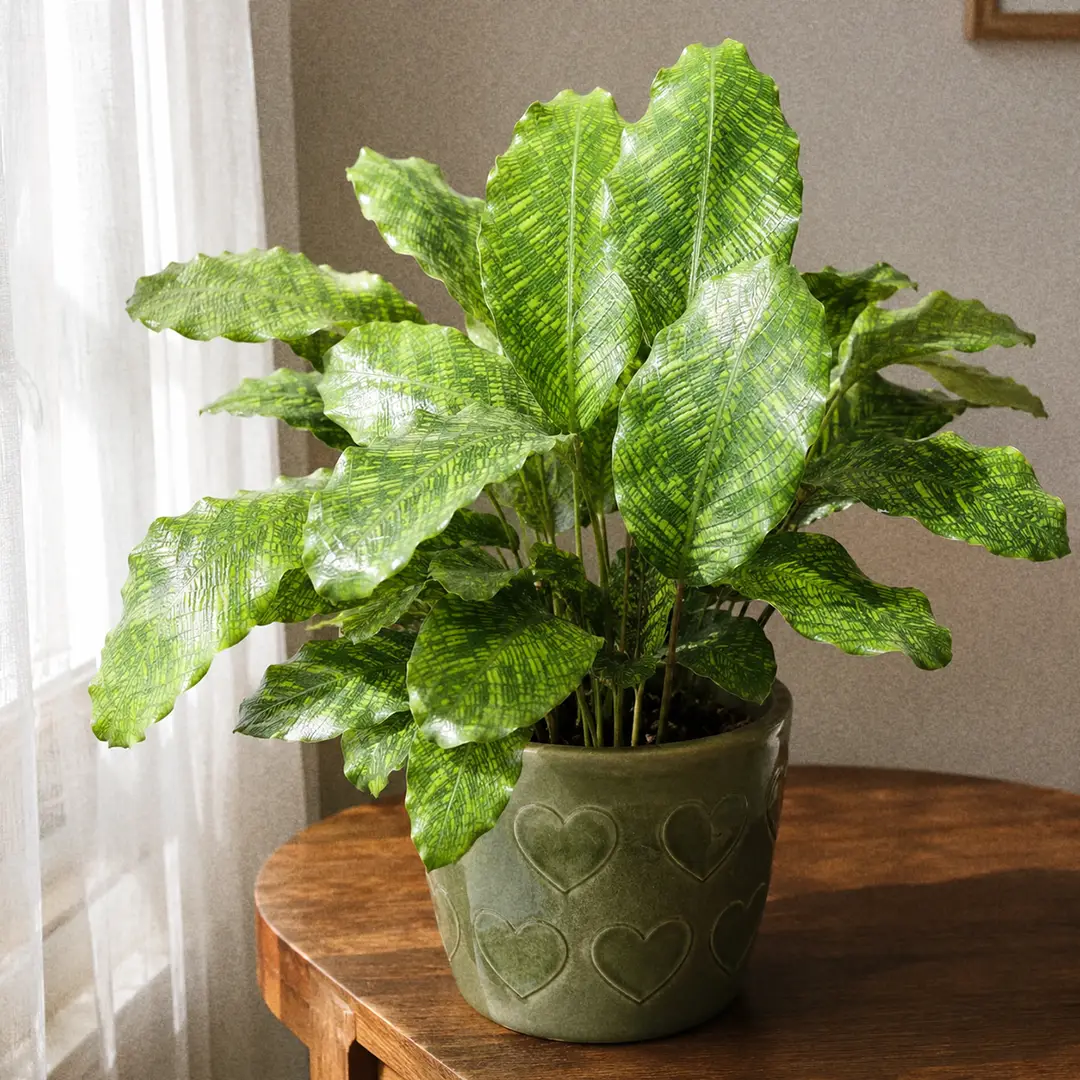
Complete Guide to Calathea Network Care and Growth
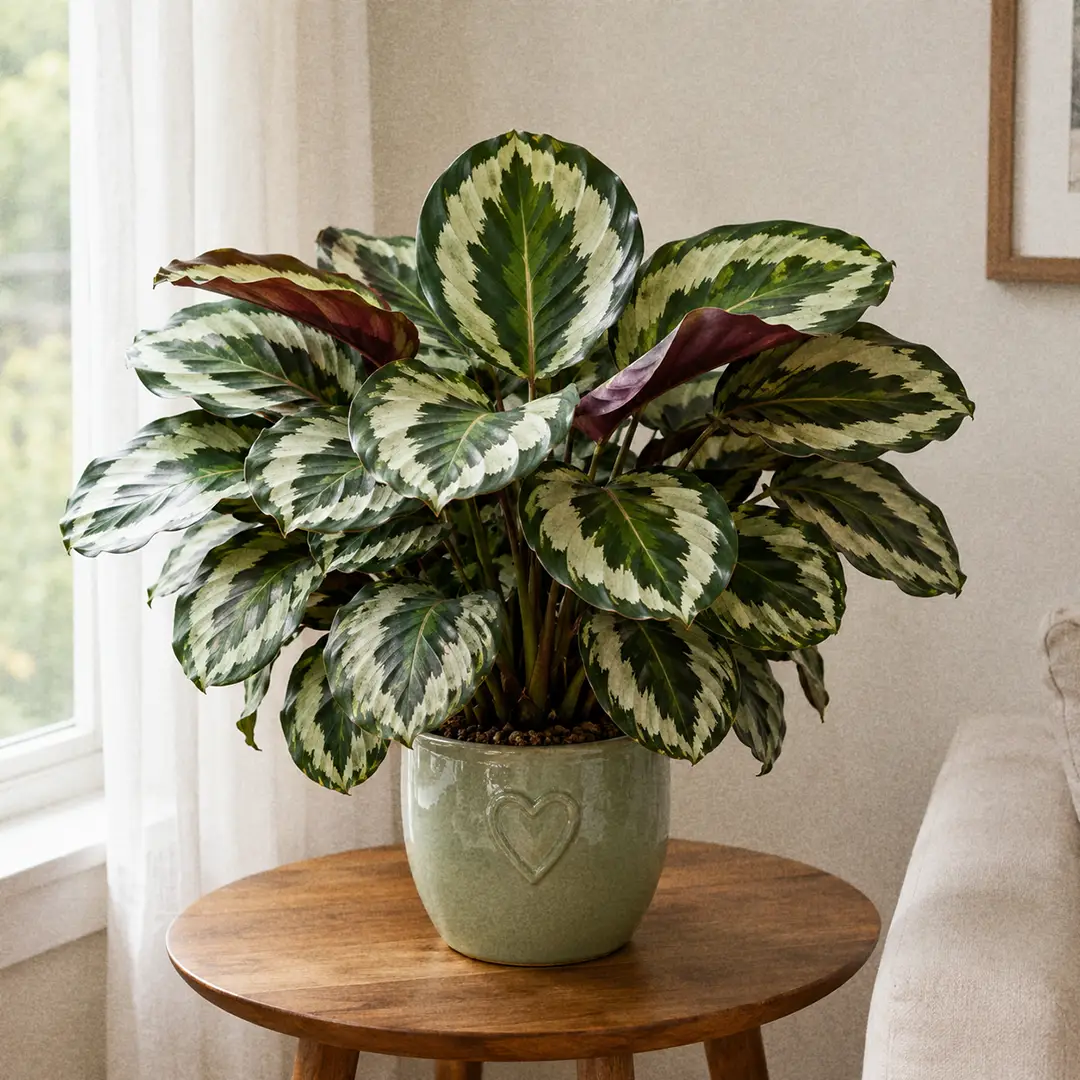
Complete Guide to Calathea Medallion Care and Growth
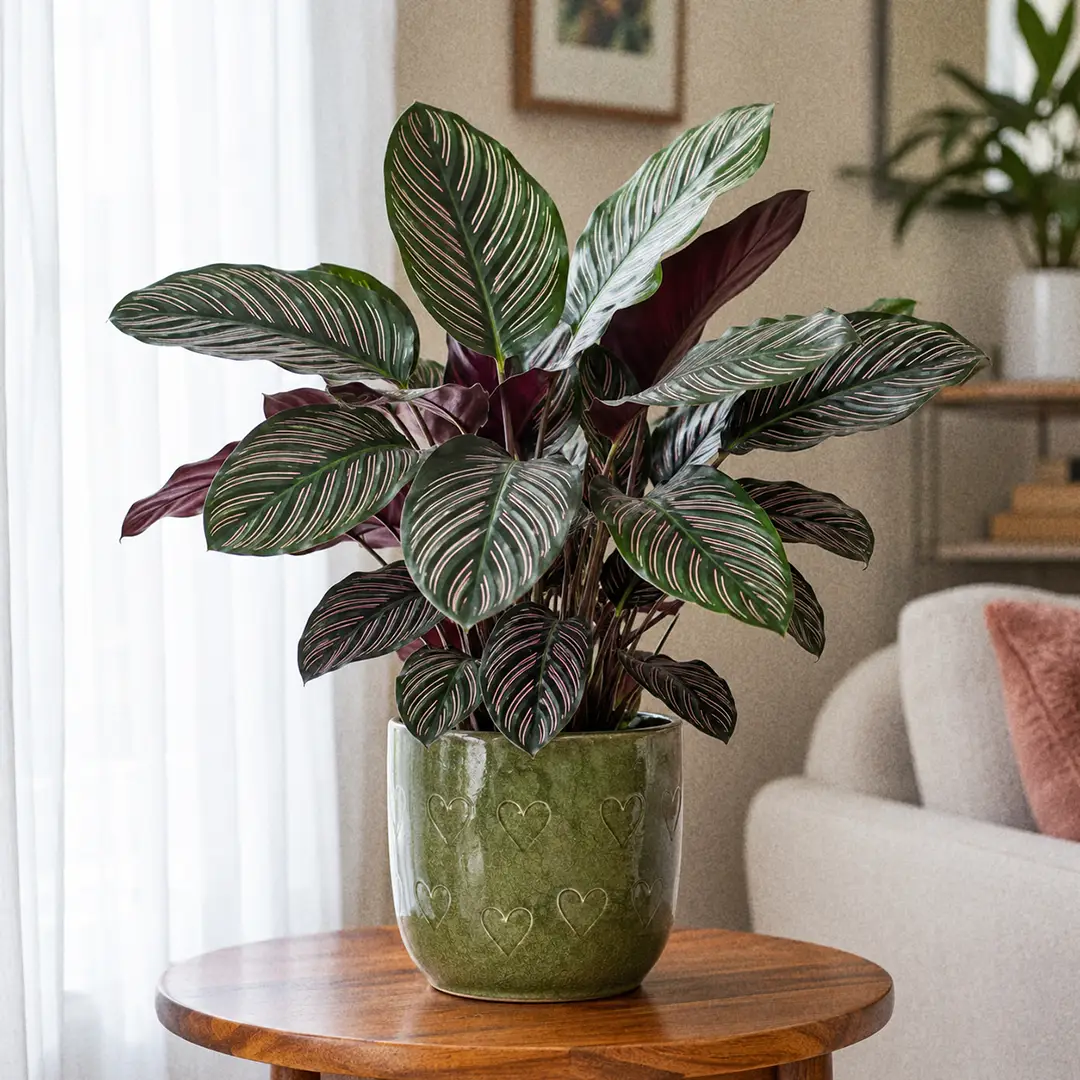
Complete Guide to Calathea Pinstripe Care and Growth
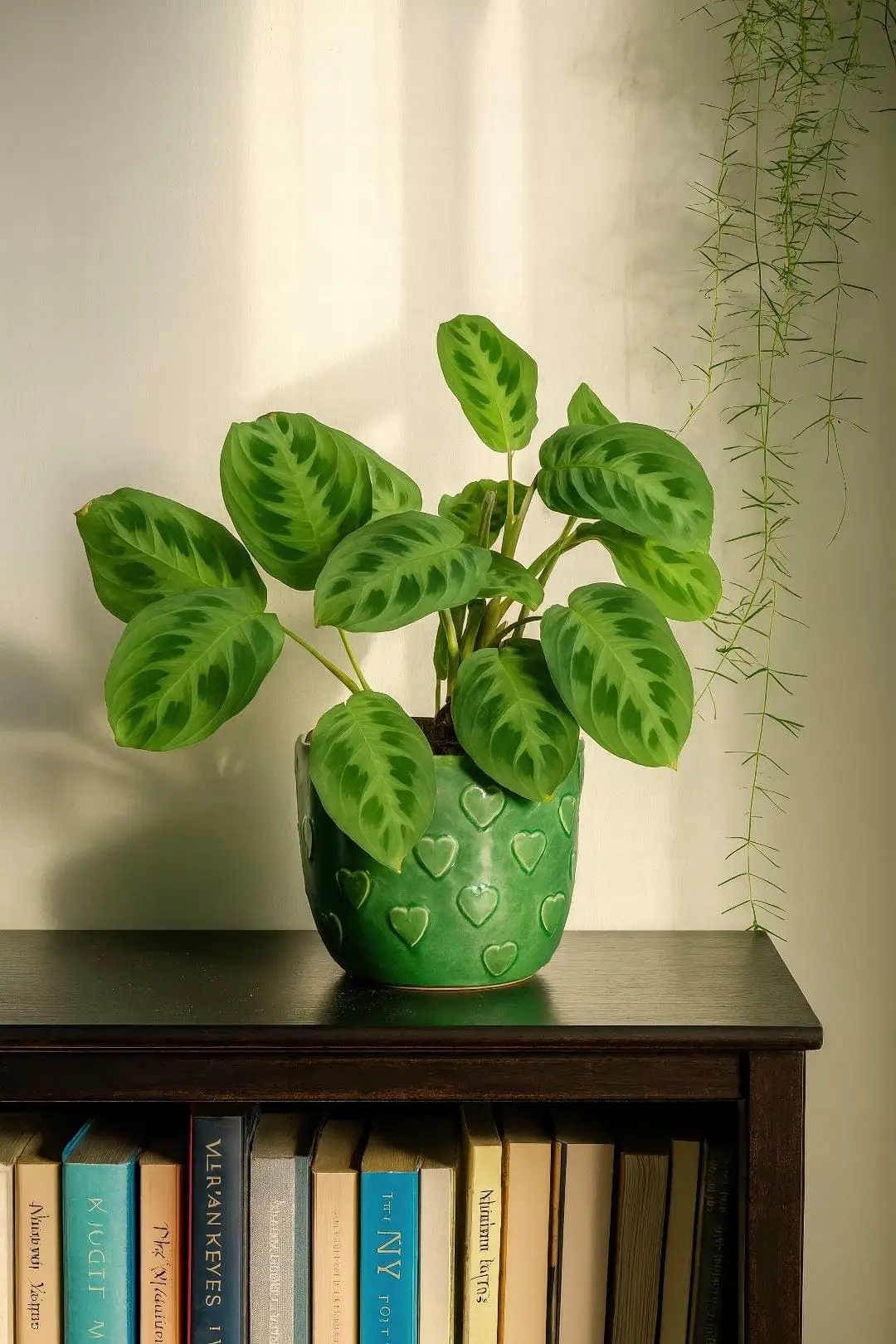
Complete Guide to Prayer Plant Care and Growth

Houseplant101 Forum
Questions & Comments
Ask a question, share your plant experience, or help other plant owners.
Comments are temporarily unavailable.
Open the Houseplant101 ForumNo comments yet
Be the first to ask a question or share your experience about this page.
Log in or create an account
Comments use your Houseplant101 Forum account, but you can stay on this page.
Create a new account