
Alocasia Zebrina
Alocasia zebrina
Zebra Plant, Zebra Alocasia, Elephant Ear, Alocasia zebrina Reticulata, Tiger Alocasia


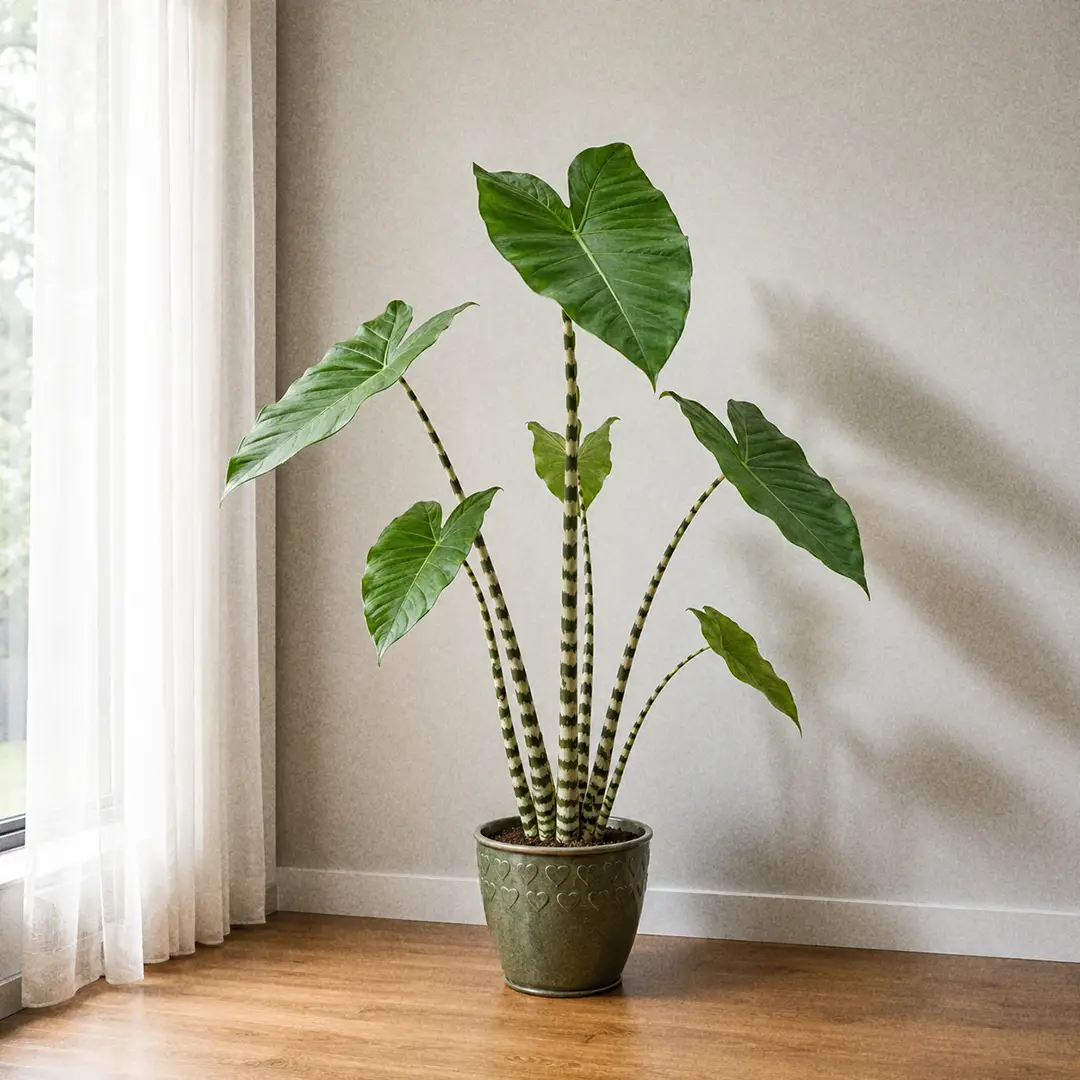
Alocasia Zebrina is the elephant ear grown for its stems, not its leaves: tall, striped petioles that look painted in zebra bands, holding arrowhead leaves at head height. Learn how to keep those stems upright, why it drops leaves every winter, and how to grow it from corms.
📝 Alocasia Zebrina Care Notes
🌿 Care Instructions
⚠️ Common Pests
📊 Growth Information
🪴 In This Guide 🪴

☀️ Alocasia Zebrina Light Requirements (Bright Indirect)
The Sweet Spot
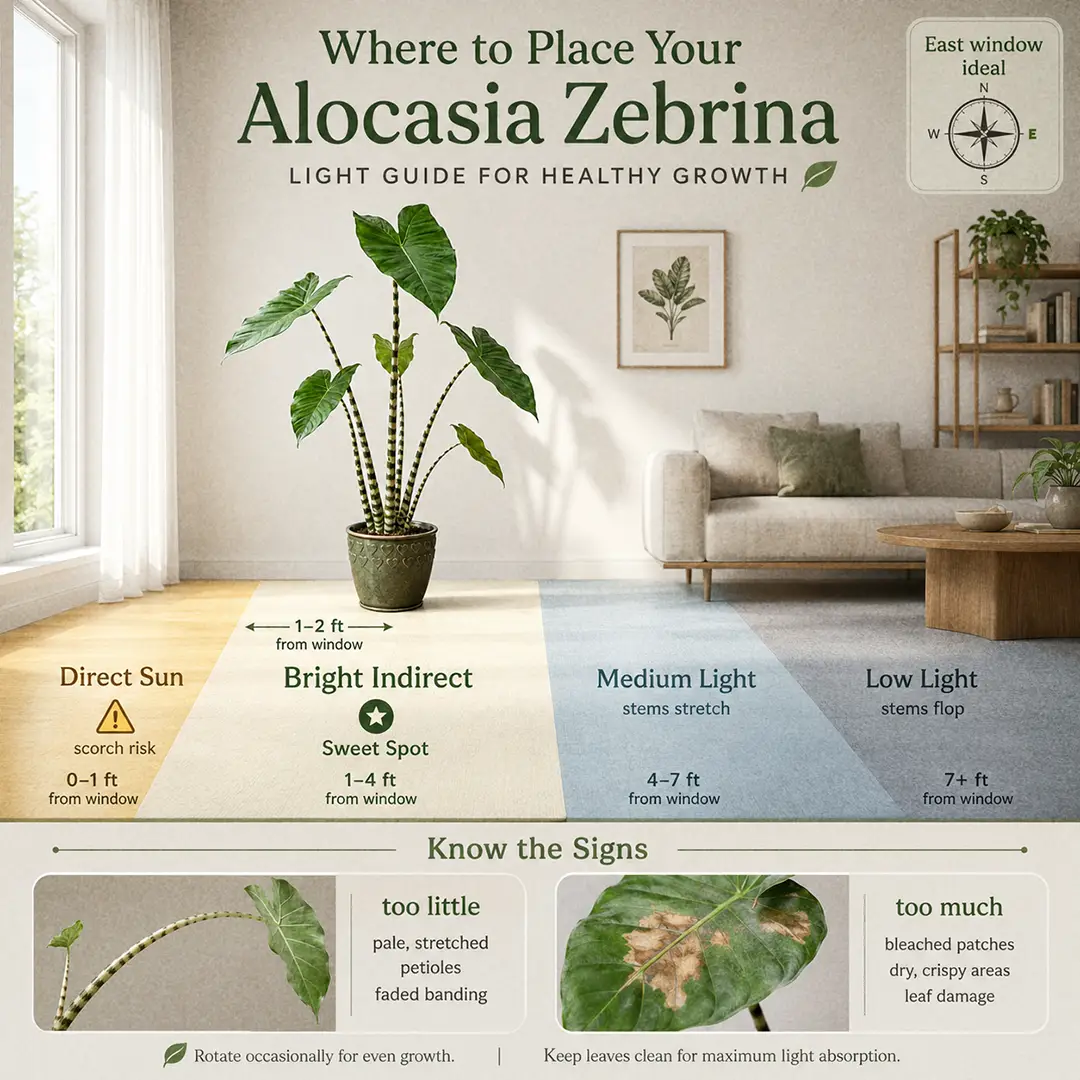
This plant wants bright indirect light for most of the day, which is more light than people usually give it. An east window with the plant a foot or two back is close to perfect: soft morning sun, then brightness for the rest of the day. A south or west window also works if a sheer curtain sits between the glass and the leaves.
In the Philippine forests where it grows, it sits under a canopy that breaks the light without dimming it much. So think bright shade, not gloom. Our Indoor Lighting Guide is worth a read if you are still learning to judge a room by eye.
Too Little Light
A shaded Zebrina goes leggy in a very specific way. The petioles stretch taller and thinner, the banding fades to a washed-out grey, and each new leaf comes in smaller than the one before it. Eventually a stem cannot hold its own leaf and flops sideways.
That flopping is the classic complaint about this plant, and dim light causes it more often than anything else. If your only bright window faces north, a grow light running eight to ten hours a day fixes the problem outright.
Too Much Light
Direct midday sun scorches this plant quickly. You get pale bleached patches first, then dry brown burns in the middle of the leaf where the sun hit hardest, and that damage never repairs itself. See our notes on leaf scorch if you are trying to tell burn apart from other kinds of browning.
A plant moved from a shop shelf into a sunny window needs about two weeks to adjust. Give it filtered light first and slide it closer over several days.
💧 Alocasia Zebrina Watering Guide (Getting It Right)
Watering Frequency
Water when the top inch of the mix is dry, and not on a schedule. In a bright warm room in summer that lands around every five to seven days. In a cooler room, or in winter, it can stretch to two weeks or longer.
This plant sits in an awkward middle. It hates sitting in soggy soil, which rots the corm fast, but it also hates drying out completely, which makes the leaves droop and the tips crisp. Poke a finger in, or use a moisture meter if you would rather have a number.
How to Water
Water thoroughly until it drains freely from the bottom, then empty the saucer. Half-watering a pot this size leaves the bottom third of the root ball permanently dry, and the roots down there are the ones feeding those tall stems.
Tap water high in chlorine, fluoride or dissolved salts can give this plant brown tips over time. Letting water stand overnight helps a little; filtered water or rainwater helps more. Our watering guide covers the general habits worth building.
Signs of Trouble
Drooping is the signal you will see most, and confusingly it means either extreme. Dry soil plus drooping equals thirst, and the plant recovers within hours of a drink. Wet soil plus drooping means root rot, and watering more makes it worse.
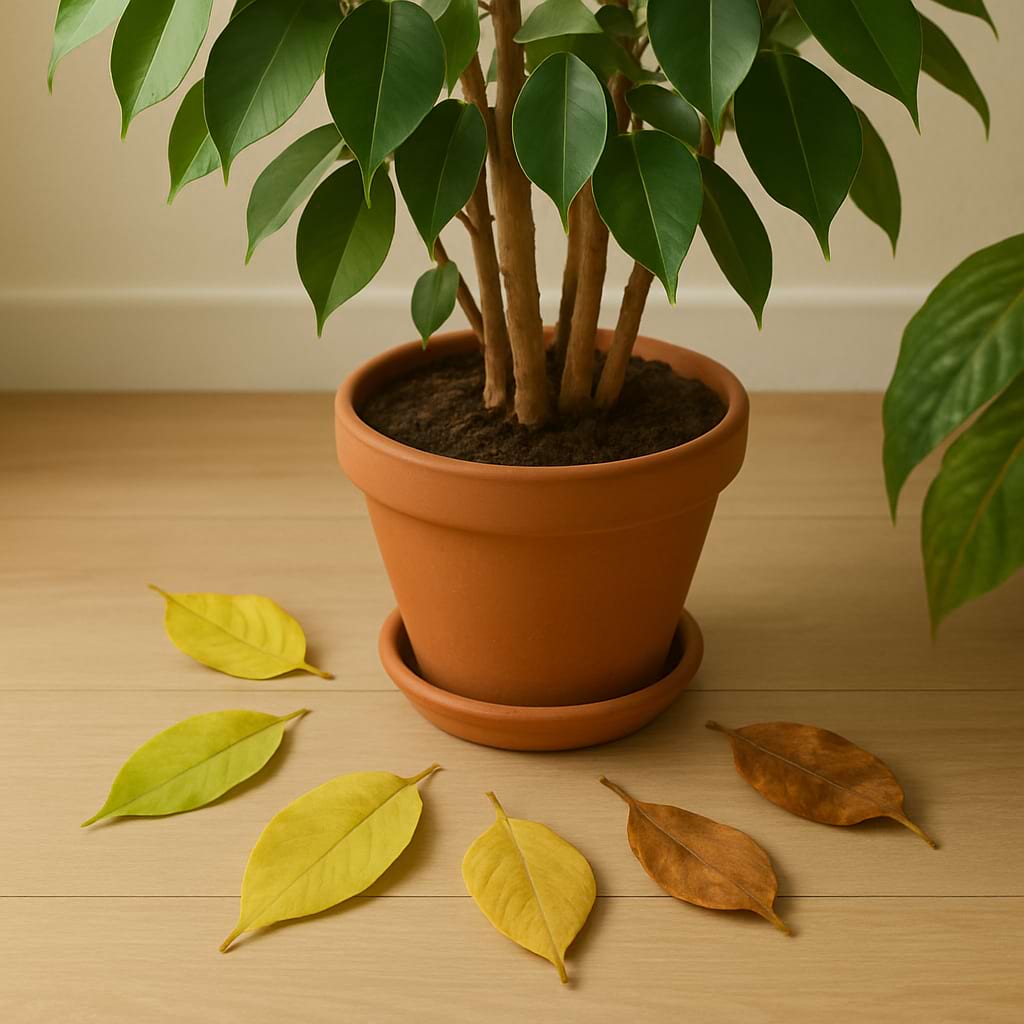
Yellow leaves that start with the oldest, lowest one are usually overwatering. Crispy brown edges on otherwise firm leaves point the other way, toward underwatering or dry air. If several leaves yellow at once in autumn, that is probably dormancy rather than a mistake on your part.
🪴 Best Soil for Alocasia Zebrina (Chunky Aroid Mix)
What the Soil Needs
Two things matter: air around the roots, and water that moves through instead of sitting. Straight bagged potting soil compacts into a wet brick within a couple of months, and that is where most Zebrina deaths start. You want a mix you could pour water through and watch it run out the bottom almost at once.
Aim for something slightly acidic, roughly pH 5.5 to 6.5, which is what the standard aroid ingredients give you anyway.
DIY Soil Mix
A reliable recipe, measured by volume:
- 2 parts orchid bark
- 2 parts coco coir or peat-free potting mix
- 1 part perlite or pumice
- 1 part worm castings
- a handful of horticultural charcoal
That gives you something chunky enough to hold air pockets, with enough organic matter to stay evenly damp between waterings. Our potting soil guide explains what each ingredient is actually doing in there.
Pre-Made Options
Any bagged mix sold as an aroid mix or a monstera mix works straight out of the bag. If all you can find is standard houseplant compost, cut it with perlite and bark at roughly one part additives to one part compost. Do not use cactus soil on its own, because it drains beautifully but holds far too little water for a plant carrying leaves this big.
🍼 Fertilizing Alocasia Zebrina (Feeding Schedule)
When and How Often
Feed once a month from early spring through late summer, while the plant is actively pushing new leaves. Stop completely from October onward. A resting Zebrina cannot use fertilizer, and the unused salts just build up in the pot.
This is a fast grower in season. A well-fed plant in good light will unfurl a new leaf every three or four weeks.
What to Use
A balanced liquid houseplant feed at half the strength printed on the label is all it needs. Something around 20-20-20 or 10-10-10 is fine. Our fertilizer guide covers the options if you want to compare types.
Always water the pot lightly first, then feed. Fertilizer poured into bone-dry soil burns the fine feeder roots.
Over-Fertilizing Signs
Brown, crisp leaf tips on a plant that is otherwise well watered usually mean salt buildup. A white crust on the soil surface confirms it. Flush the pot with plain water three or four times, letting it drain fully between rounds, then skip the next two feeds.
🌡️ Alocasia Zebrina Temperature Range
Ideal Range
Keep it between 65 and 80°F (18-27°C), which is ordinary room temperature in most homes. Growth slows noticeably below 65°F and stops around 60°F. Below roughly 50°F you risk real damage to the corm itself.
Steady warmth matters more than the exact number. A plant held at a stable 68°F does better than one bouncing between 60 and 80 every day.
Drafts and Heat Sources
Cold draughts are the fastest way to trigger an early winter shutdown. Keep it away from doors that open to the outside, and off windowsills where the glass goes icy at night.
Radiators and heating vents cause the opposite problem: a stream of hot dry air that crisps leaf edges and hands the spider mites an ideal breeding ground. Two or three feet of clearance from any heat source is enough.
💦 Alocasia Zebrina Humidity Requirements
Ideal Humidity
This is a rainforest understory plant, and it wants 60% humidity or higher. Most homes sit around 30 to 40%, which is why so many Zebrinas look tired by February.
Below 50% you start seeing crispy edges, slower growth, and new leaves that struggle to unfurl cleanly.
Easy Humidity Boosters
A humidifier is the only method that reliably moves the number, and it pays for itself in mite prevention alone. Grouping plants together helps a bit. A pebble tray helps a little less, but it costs nothing to try.
Misting does almost nothing for ambient humidity and leaves water sitting on the leaves, which invites leaf spot. Skip it. Our humidity guide goes deeper if you want the full picture.
🌸 Alocasia Zebrina Flowers (Rare Indoors)
What the Flowers Look Like
Like every aroid, this one produces a spathe and spadix rather than a petalled flower. On a Zebrina that means a narrow pale green hood wrapped around a cream spike, roughly the size of a finger, appearing in summer on a mature plant. The display lasts about a month.
It is genuinely underwhelming. Nobody grows this plant for its flowers, and after seeing one you will understand why.
Should You Let It Bloom
Most growers cut the bud off as soon as it appears, and I do the same. Flowering costs the plant a surprising amount of stored energy, and a Zebrina that blooms often responds by yellowing an older leaf or two and slowing right down on new ones.
Snip the flower stalk at its base with clean scissors. The plant redirects that energy straight back into foliage.
If It Never Blooms
That is the normal outcome indoors, and it is not a sign of anything wrong. Blooming needs a mature corm, months of strong light, steady warmth and consistent feeding, and even then it is hit or miss. If your plant is pushing healthy new leaves each season, it is doing exactly what you want. Look at failure to bloom only if you were genuinely counting on flowers.
🏷️ Alocasia Zebrina Types and Varieties
The Standard Zebrina
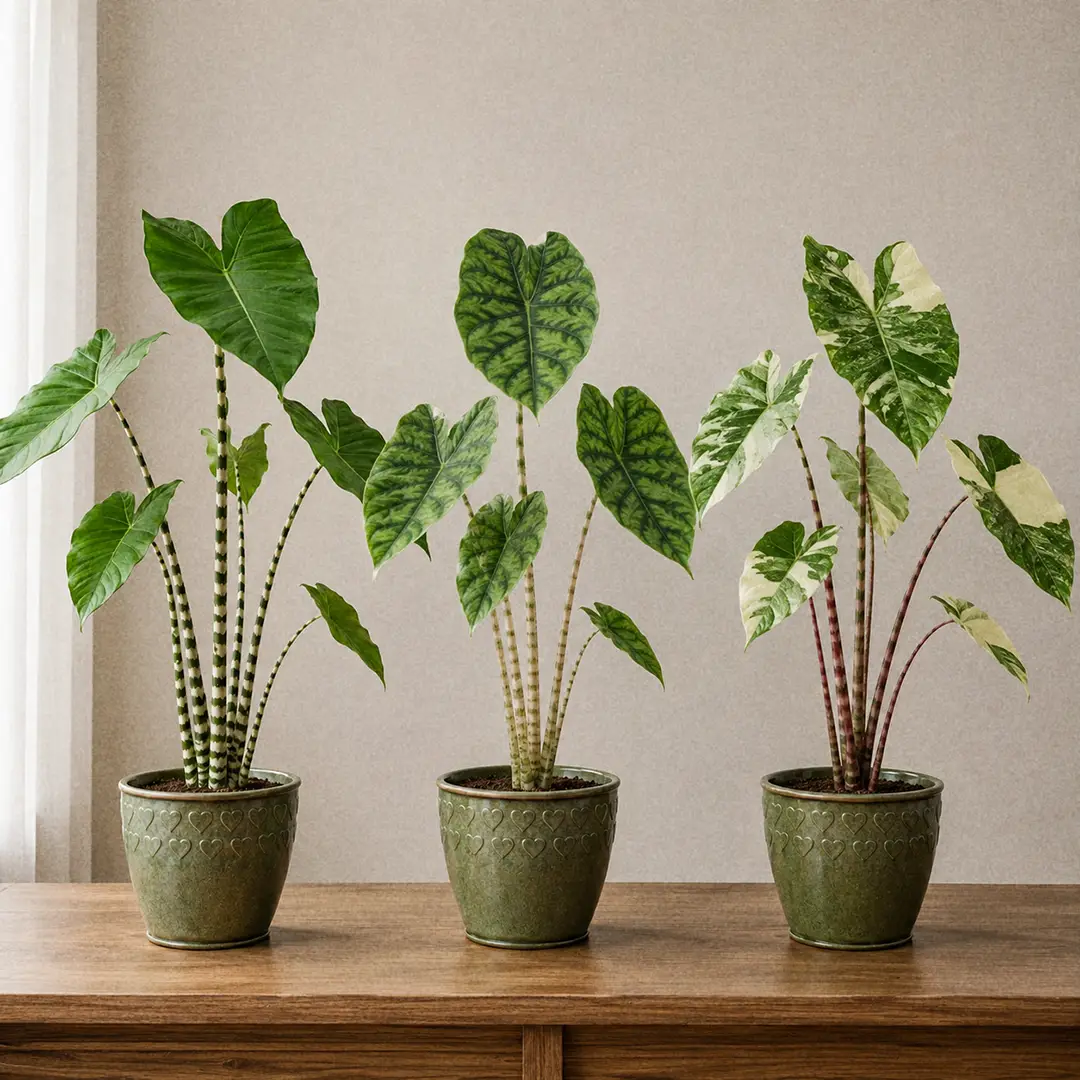
The plant sold plainly as Alocasia zebrina has solid glossy green arrowhead leaves and boldly banded petioles. This is the one you will find in most garden centres, and honestly it is the best-looking of the group, because nothing distracts from the stripes.
'Reticulata'
Sold as Alocasia zebrina 'Reticulata', and sometimes labelled Alocasia reticulata as though it were a separate species. It is not. The difference is in the leaf, which carries a netted pattern of light and dark green between the veins, while the petiole banding is usually softer than on the standard form.
'Tigrina Superba'
Bigger and pointier: longer, narrower leaves with drawn-out tips, on stems with heavy dark banding. This one also gets sold under the name Alocasia tigrina, again as if it were its own species. Expect a slightly larger plant overall, up toward three feet indoors.
'Variegata'
The rare and expensive one, with irregular cream and pale green sectors splashed across the leaves and often a reddish cast to the stems. No two plants are patterned alike. It grows more slowly than the green forms and needs brighter light to hold the variegation, and heavily white leaves scorch easily.
If you like the arrowhead shape but want something velvety instead of glossy, look at Alocasia Frydek or Alocasia Black Velvet. For a shelf-sized plant to sit at the foot of a tall Zebrina, Alocasia Red Secret brings metallic coppery leaves that catch the light from the side.
🪴 Potting and Repotting Alocasia Zebrina
When to Repot
Every one to two years, in spring, when roots are circling the inside of the pot or poking out of the drainage holes. This plant actually grows better slightly snug, so resist the urge to move it early.
The other reason to repot is the mix itself. Once the soil has broken down into something dense and slow-draining, refresh it even if the roots still have room.
Choosing a Pot
Go up only one size, about two inches wider. A pot that is too big holds a reservoir of wet soil the roots cannot reach, and that is a direct path to rot. Drainage holes are non-negotiable.
Terracotta suits this plant well, because it wicks moisture out of the mix and adds weight low down, which matters when the plant is three feet tall and top-heavy. Our plant pots guide compares the materials.
Step-by-Step Repotting
- Water lightly the day before so the root ball slides out cleanly.
- Tip the plant out and loosen the outer roots gently with your fingers.
- Look for corms while you are in there. Small brown nodules the size of a pea or a marble, sitting near the base, are baby plants waiting to happen.
- Cut away any roots that are black, hollow or smell sour.
- Set the plant at the same depth it was before in fresh mix, firm it in lightly, and water it through.
Expect some sulking for a week or two afterwards. Our repotting guide covers the aftercare.
✂️ Pruning Alocasia Zebrina
When to Prune
This plant does not need shaping. It grows leaf by leaf from a central point, so there is no branching to control and no bushiness to encourage. Pruning here means removing what is already finished.
Take off any leaf that has gone fully yellow, or one that is more than about half brown. The plant is already pulling nutrients back out of it, and leaving it in place drains resources.
How to Prune
Cut the petiole low, close to the soil line, with clean sharp scissors or snips. Wipe the blades with alcohol first, especially if you are moving between plants.
Wear gloves if your skin is at all sensitive. The sap carries calcium oxalate crystals that irritate skin and are genuinely painful in the eyes.
Natural Leaf Turnover
An Alocasia Zebrina typically holds four to seven leaves at once. When a new leaf unfurls, an old one often yellows shortly afterwards. That trade is normal and not a problem to solve, as long as the plant is gaining leaves overall across a growing season.
🌱 How to Propagate Alocasia Zebrina
Forget Stem Cuttings
This is the single most important thing to know, and it catches out anyone arriving from pothos or philodendrons. Alocasia Zebrina cannot be propagated from stem or leaf cuttings. There are no nodes along the petiole to root from. A cut stem in a jar of water will simply rot.
It multiplies two ways instead: from corms, and by dividing an offset that has already grown its own roots.
Growing From Corms
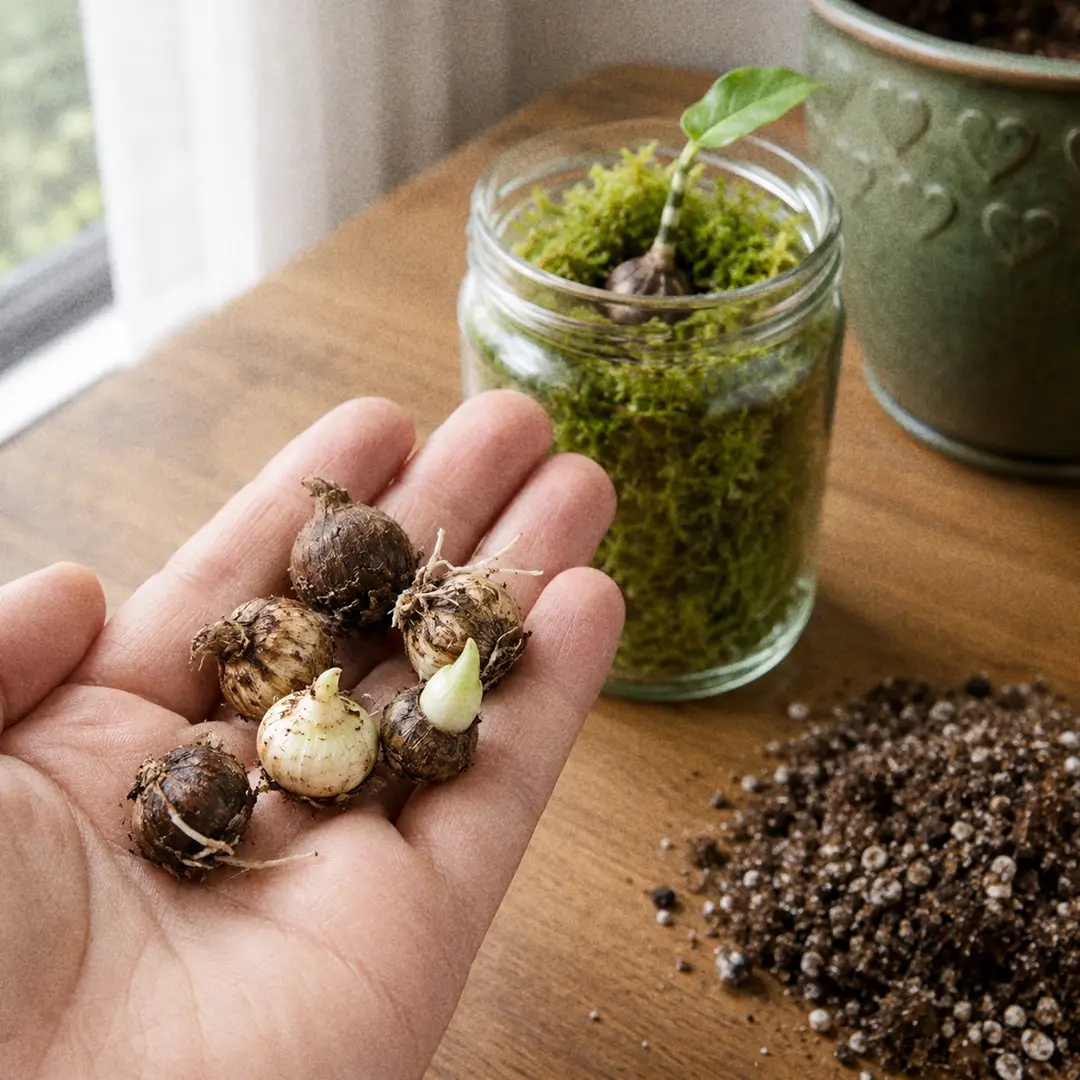
Corms are the small brown bulb-like nodules that form around the base of the plant, and you will find them when you repot. The method that works most reliably:
- Twist or snip the corm free, keeping any roots attached.
- Peel off the papery brown outer skin so the pale green growing tip is exposed. This one step speeds things up a lot.
- Sit the corm pointed end up in damp sphagnum moss, or in a covered container with a shallow layer of water beneath a support, so the base stays humid but not submerged.
- Keep it warm, bright and covered so the humidity stays high.
- Wait. A root usually appears in two to four weeks, and the first leaf follows a few weeks after that.
Pot it into normal aroid mix once it has a leaf and a decent root system.
Division
If a corm has already sprouted into a small plant beside the parent, the job is much easier. At repotting time, separate that offset with its roots attached and pot it into its own small container. Treat it like a normal plant from day one. Our plant division guide covers the general technique.
Tips for Success
Patience matters more than technique here. Corms are slow, and a batch will sprout at wildly different rates. Start six and expect four to make it, rather than betting everything on one.
🐛 Alocasia Zebrina Pests and Treatment
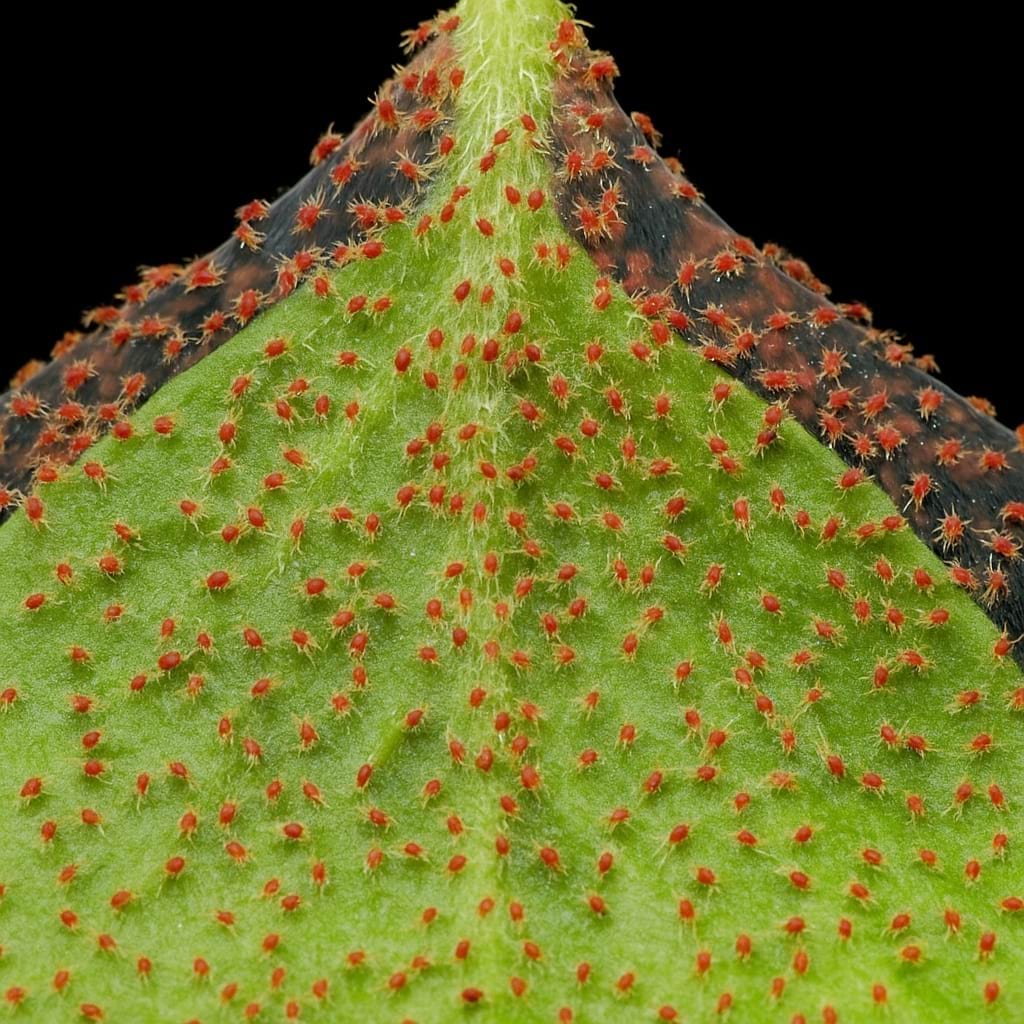
Spider mites are the number one enemy of this plant, which is unusually prone to them. Look for fine webbing where the petiole meets the leaf, and a stippled, dusty look across the leaf surface. Dry indoor air in winter is what brings them.
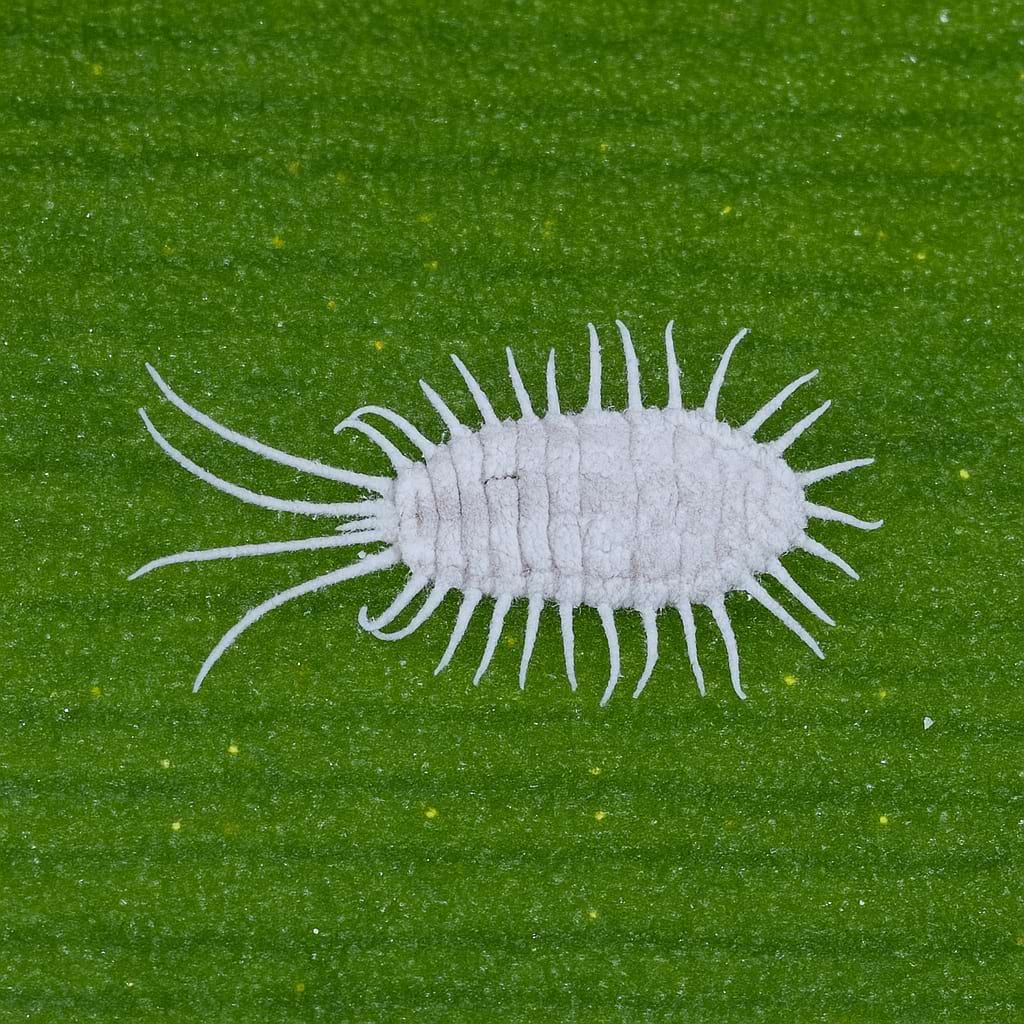
Mealybugs show up as white cottony blobs tucked into the leaf joints and along the stems. Easy to spot, and easy to dab off with an alcohol-soaked cotton bud.
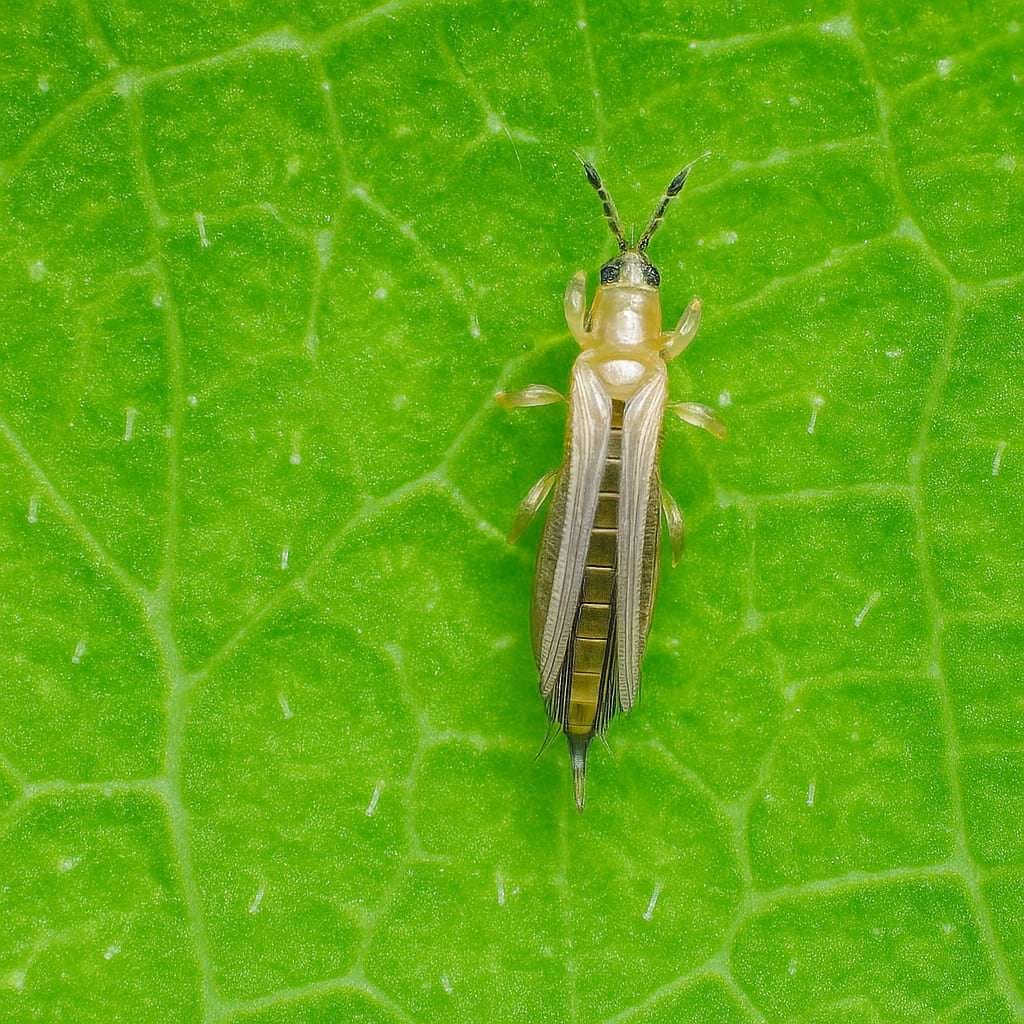
Thrips cause silvery scarring and distorted new leaves, and they hide inside the tightly rolled leaf that is about to unfurl. Slow to shift, so treat weekly for a month.
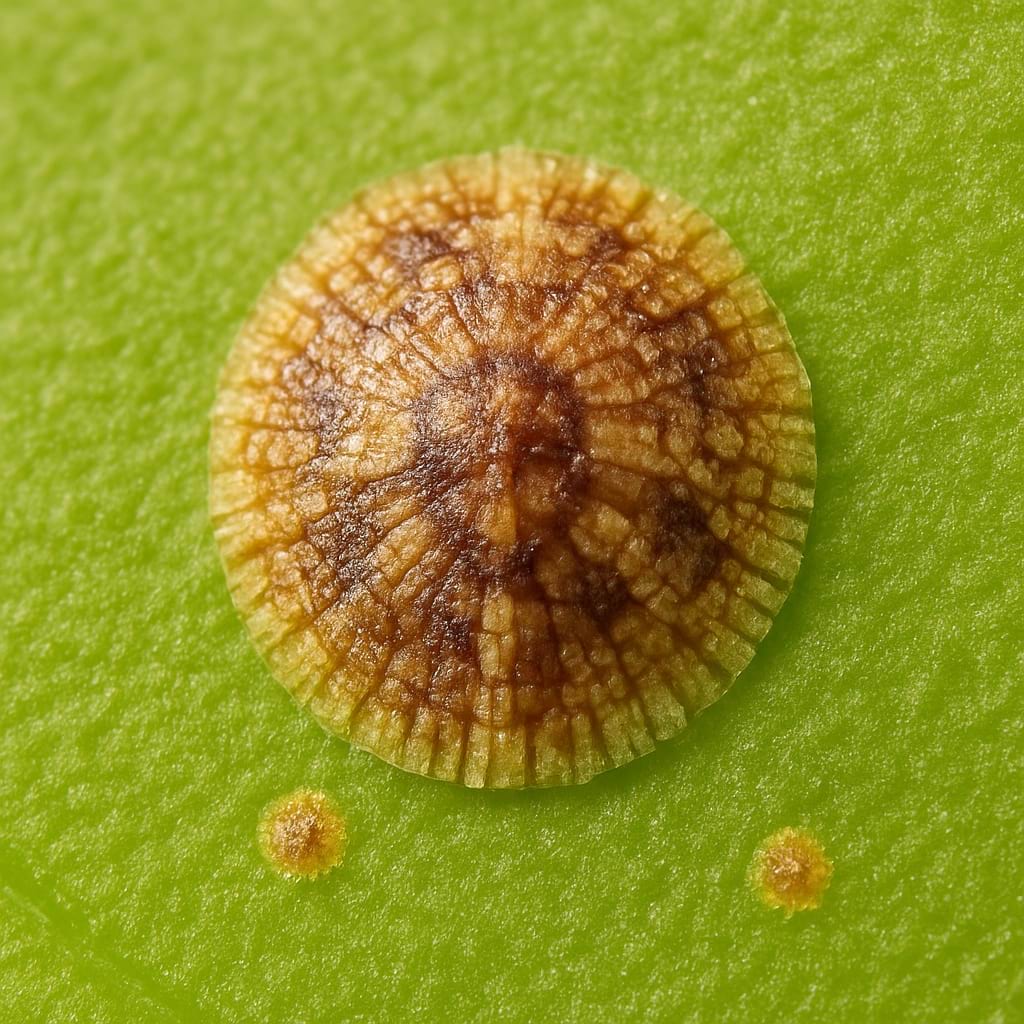
Scale insects appear as small brown bumps on the stems that scrape off with a fingernail.
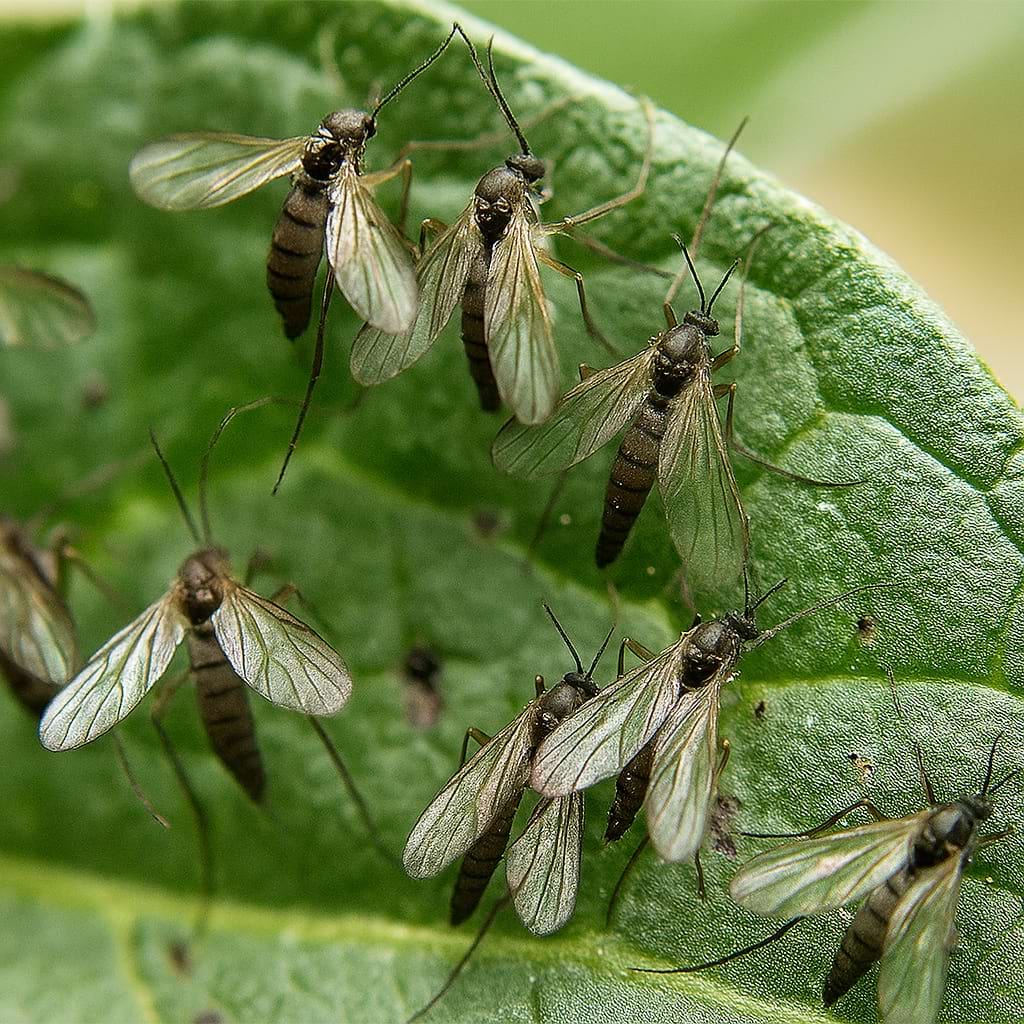
Fungus gnats breed in soil kept too wet. Annoying rather than harmful, and they usually vanish once you correct your watering.
Check the undersides of the leaves every time you water. Wiping the leaves with a damp cloth every couple of weeks removes mite colonies before they establish, which is far easier than fighting a full outbreak later.
🩺 Common Alocasia Zebrina Problems
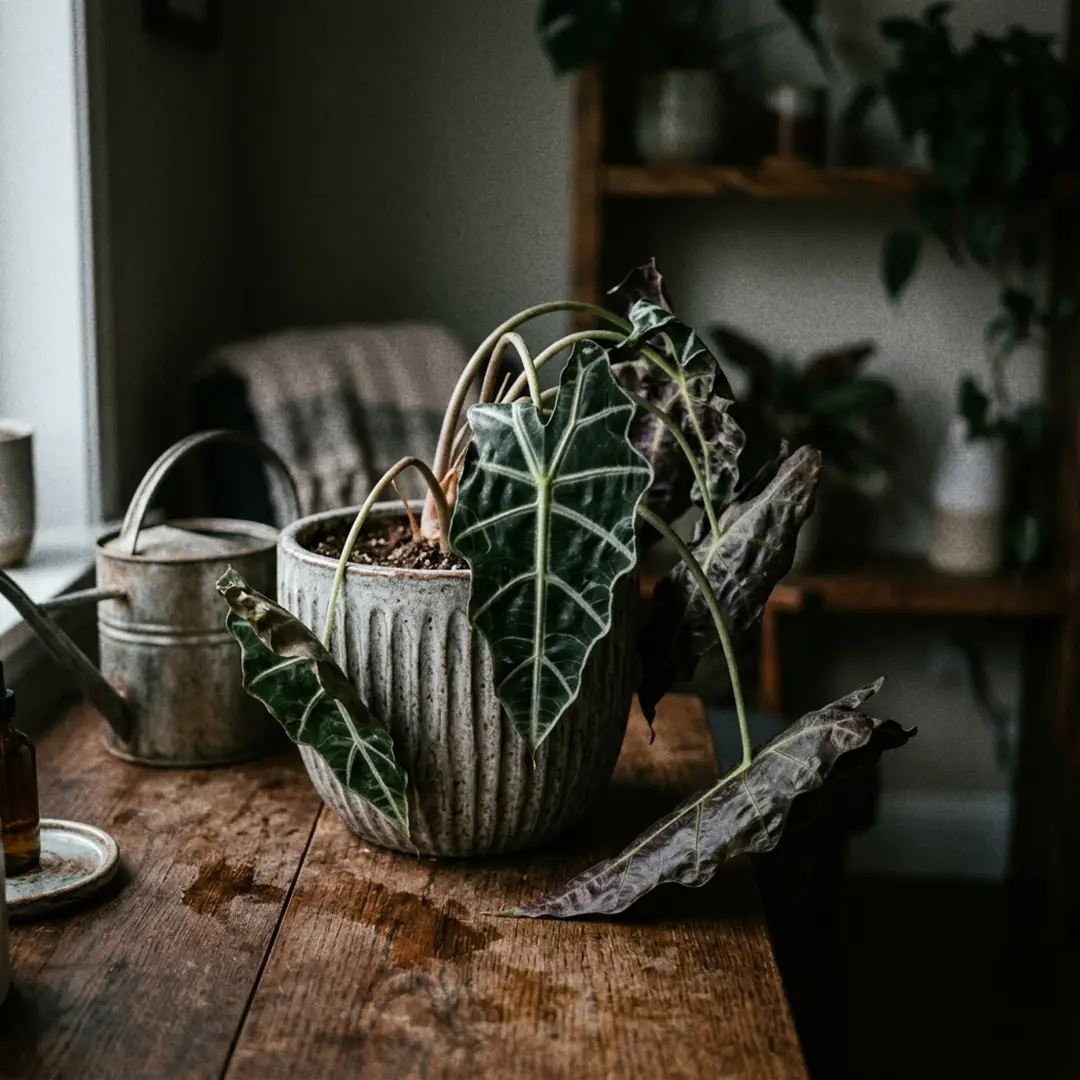
Drooping leaves are the classic Zebrina panic. Check the soil before doing anything at all. Dry and drooping means water it. Wet and drooping means stop watering and check the roots.
Yellowing leaves starting with the lowest, oldest leaf usually mean overwatering. Several yellowing at once in autumn is dormancy, not a problem.
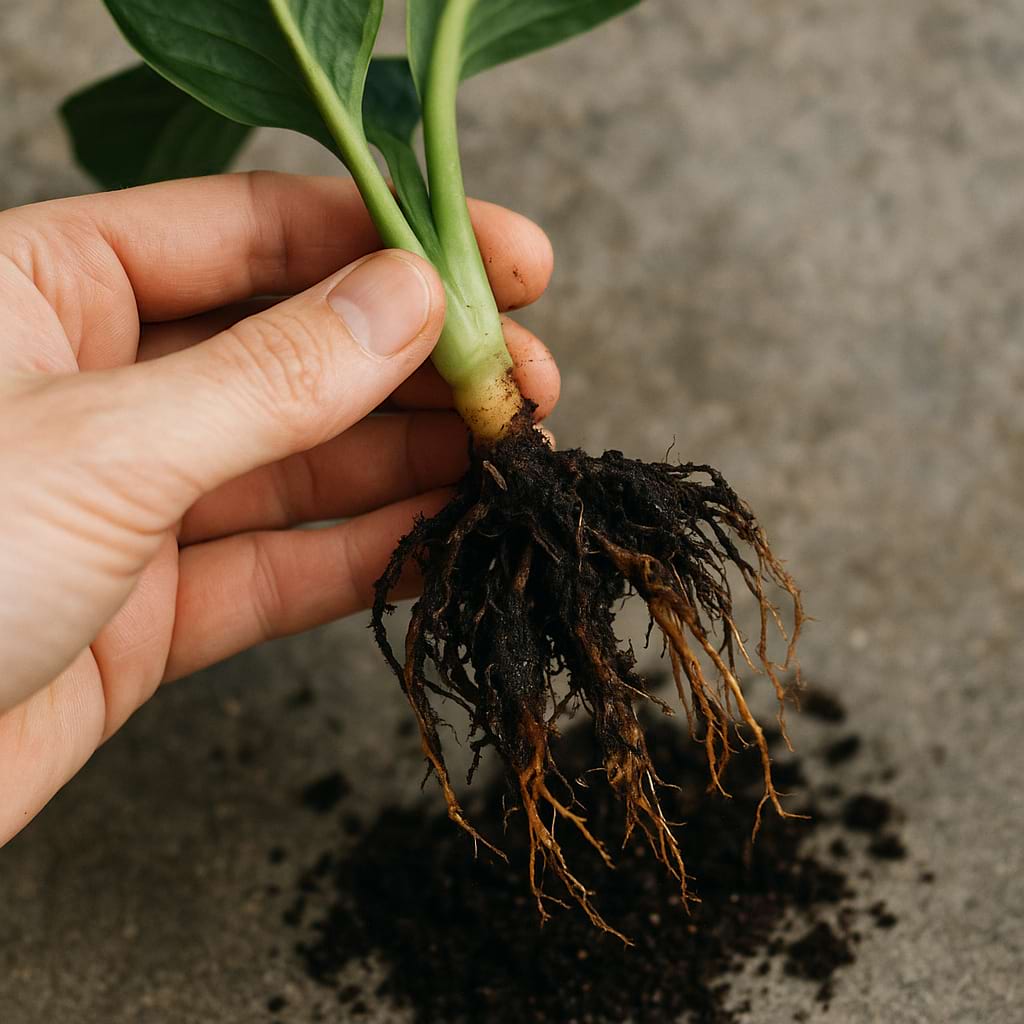
Root rot is what kills most of these plants. Soggy soil, black mushy roots, a sour smell. Unpot it, cut away every rotten root, repot into fresh dry mix, and water sparingly while it recovers.
Leaf drop in autumn and winter is usually normal dormancy. The plant sheds leaves and lives off its corm. Keep the soil barely damp, stop feeding, and wait for spring.
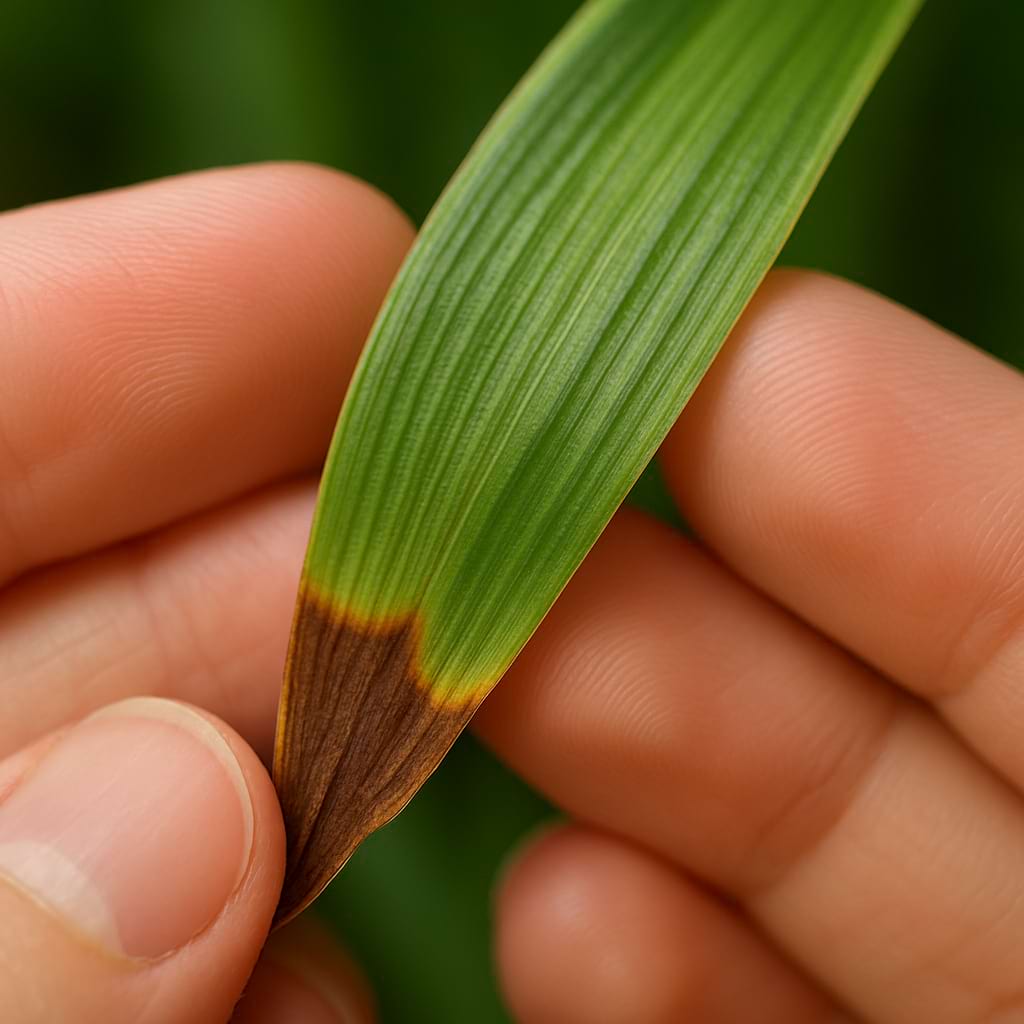
Brown crispy edges point at low humidity, underwatering, or salt buildup from tap water and fertilizer.
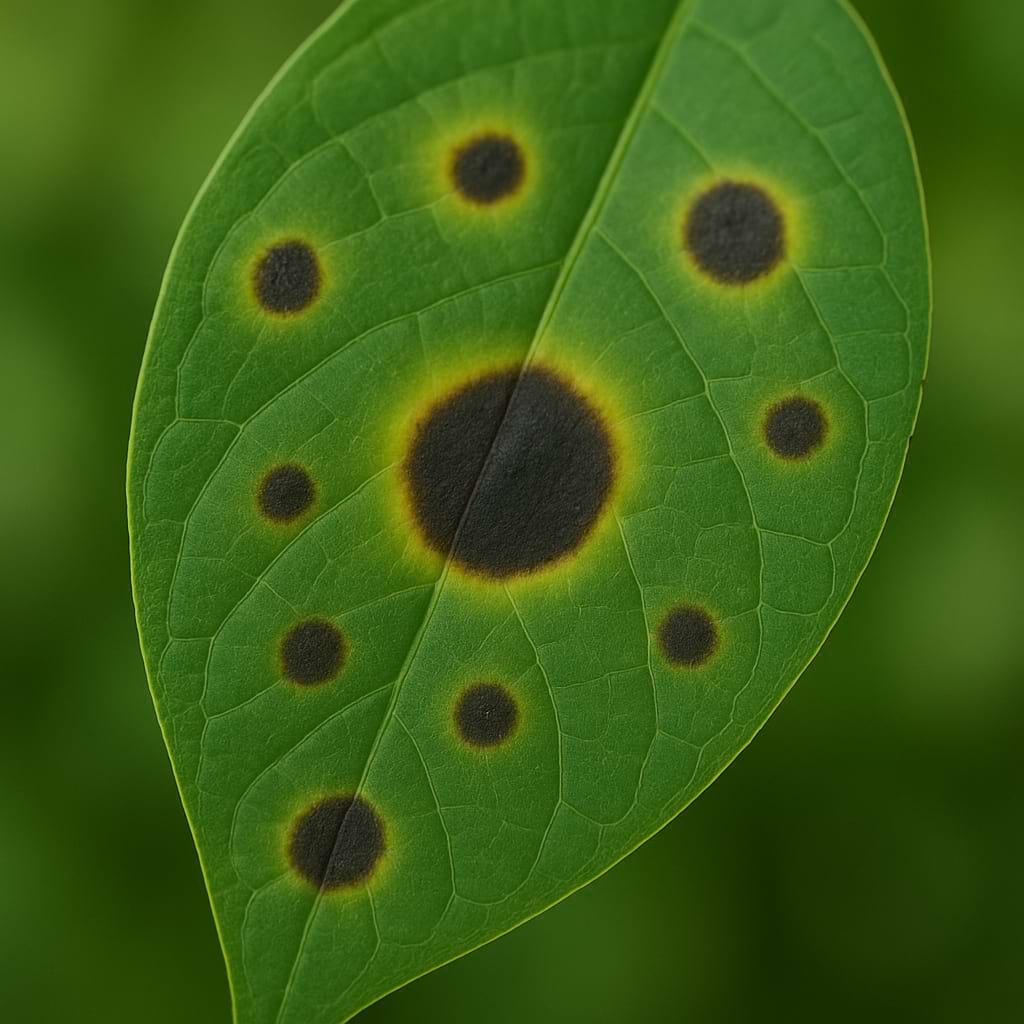
Brown or black spots with yellow halos are usually fungal, caused by water sitting on the leaves. Remove the affected leaves and improve airflow.
Small new leaves mean the plant is short on light or food. Fix the light first, then feed.

🖼️ Alocasia Zebrina Display and Styling Ideas
Solo Setups
This plant is a piece of sculpture, so treat it like one. Give it a corner with a plain wall behind it, enough clear space that the stems read as separate lines rather than a tangle, and room overhead. A plant stand that lifts the pot a foot off the floor puts the striped petioles right at eye level, which is exactly where you want them.
Grouped Arrangements
The weak point of a mature Zebrina is the bare zone down at soil level. Cover it with something low and mounding at the base: a Watermelon Peperomia, a small fern, anything with dense low foliage. The contrast between tall bare stems and a soft mound underneath does a lot of work.
Keep the immediate neighbours short, though. Anything tall enough to overlap the petioles hides the one feature you bought this plant for.
Where Not to Put It
Not on a windowsill in full afternoon sun, not beside a radiator, and not in a hallway where the front door dumps cold air on it every time someone comes home. And not within reach of a cat or dog, because the leaves are genuinely toxic to chew.
Bathrooms with a bright window are excellent, provided the room actually gets enough light rather than just enough steam.
🌟 Alocasia Zebrina Pro Care Tips
- Rotate the pot a quarter turn every week. The petioles lean hard toward the light, and a plant left facing one way develops a permanent tilt.
- Do not panic in November. Leaf drop as the days shorten is dormancy, not death. The corm is alive. Water less, stop feeding, wait.
- Stake early if a stem starts leaning. A thin bamboo cane and a soft tie is enough, and it is far easier than trying to fix a flop later.
- Wipe the leaves fortnightly. It is the best spider mite prevention there is, and it keeps the gloss.
- Group it with other humidity-lovers. A cluster of plants creates a genuinely more humid pocket of air than one plant standing alone.
- Water in the morning. The mix then has all day to breathe, rather than sitting cold and wet overnight.
- Never repot in autumn. Root disturbance heading into dormancy is how a healthy plant becomes a dead corm.
❓ Frequently Asked Questions
Why is my Alocasia Zebrina drooping?
Check the soil first, because drooping means opposite things depending on what you find. Dry soil plus drooping is simple thirst, and the plant usually perks up within a few hours of a thorough watering. Wet soil plus drooping points at root rot, and adding more water will finish it off. Low light causes a slower, permanent version of the same lean, where the stems stretch and lose the strength to hold their leaves up.
Is Alocasia Zebrina toxic to cats and dogs?
Yes. The ASPCA lists Alocasia as toxic to cats, dogs and horses. Every part of the plant contains insoluble calcium oxalate crystals, which cause intense mouth burning, drooling, swelling of the lips and tongue, and vomiting if chewed. Keep it well out of reach of pets and small children, and wash your hands after pruning.
Why did my Alocasia Zebrina drop all its leaves?
Almost always winter dormancy. As light and warmth drop off, the plant pulls its resources back into the underground corm and lets the leaves go. It looks alarming and it is completely normal. Keep the soil barely damp, stop fertilizing entirely, keep the pot somewhere warm, and new growth usually appears in spring.
How fast does Alocasia Zebrina grow?
Fast in season, and not at all outside it. Through spring and summer a happy plant pushes out a new leaf every three to four weeks, and can go from a small nursery plant to two or three feet tall across a couple of growing seasons. From late autumn it slows to a complete stop.
Can I propagate Alocasia Zebrina from a stem cutting?
No. There are no nodes along the petiole, so a cut stem placed in water rots rather than roots. Propagate from the small corms that form around the base instead, or by dividing an offset that has already grown its own roots.
Why are my Alocasia Zebrina leaves turning yellow?
If the lowest, oldest leaf yellows while new leaves keep coming, that is normal turnover. If several yellow at once and the soil is wet, you are overwatering. If it happens in autumn as the days shorten, dormancy is starting. Persistent yellowing on new growth, with pale patches between the veins, suggests it needs feeding.
How tall does Alocasia Zebrina get indoors?
Usually two to three feet tall and about as wide, with individual petioles reaching most of that height on their own. 'Tigrina Superba' runs a little taller. Pot size, light and feeding all cap it, so a plant kept slightly snug in a bright spot stays a manageable indoor size.
Does Alocasia Zebrina need a humidifier?
It performs much better with one. The plant wants 60% humidity or more, and most homes run at half that through winter. You can keep one alive at 40% by watching it closely, but you will be fighting crispy edges and spider mites constantly. A humidifier removes both problems at once.
Why do my new leaves have holes or tears?
Usually a leaf that unfurled while stuck to itself, which happens when the air is too dry for a new leaf to open cleanly. Sometimes it is thrips damaging the leaf while it was still rolled up. Raise the humidity, and check inside the newest rolled leaf for tiny slivers of movement.
What is the difference between Alocasia Zebrina and Alocasia Polly?
Zebrina is grown for its tall banded stems and has plain glossy arrowhead leaves. Alocasia Polly is grown for its leaves, which are dark, stiff, deeply lobed and marked with thick white veins, on short plain petioles. Polly stays much smaller. Their care is nearly identical, so if you can keep one alive, you can keep the other.
ℹ️ Alocasia Zebrina Info
Care and Maintenance
🪴 Soil Type and pH: Chunky, fast-draining aroid mix based on bark, perlite and coco coir
💧 Humidity and Misting: Wants 60% or more; dry winter air is what brings the spider mites in.
✂️ Pruning: Only cut away yellowed or spent leaves at the base of the petiole.
🧼 Cleaning: Wipe the glossy leaves with a damp cloth every couple of weeks, and check the undersides while you do it.
🌱 Repotting: Repot in spring when roots circle the pot, moving up only one pot size at a time.
🔄 Repotting Frequency: Every 1-2 years
❄️ Seasonal Changes in Care: Water and feed steadily from spring through summer, then cut water back hard from late autumn as growth stops.
Growing Characteristics
💥 Growth Speed: Fast in the growing season
🔄 Life Cycle: Evergreen perennial that often goes dormant indoors in winter
💥 Bloom Time: Summer, but rarely indoors
🌡️ Hardiness Zones: 10-12
🗺️ Native Area: Rainforest understory of the Philippines
🚘 Hibernation: Often drops most or all leaves in winter and rests as a corm, then resprouts in spring.
Propagation and Health
📍 Suitable Locations: Bright living rooms, east windows, humid bathrooms with good light, plant shelves with space overhead
🪴 Propagation Methods: Separate the small corms that form around the base and sprout them in damp sphagnum moss.
🐛 Common Pests: Spider Mites, Mealybugs, Thrips, Scale Insects, Fungus Gnats
🦠 Possible Diseases: Root rot, crown rot, leaf spot, fungal disease in cold wet soil
Plant Details
🌿 Plant Type: Cormous evergreen aroid
🍃 Foliage Type: Large arrowhead leaves on tall striped petioles
🎨 Color of Leaves: Glossy mid to deep green with paler veins
🌸 Flower Color: Pale green spathe with a cream spadix
🌼 Blooming: Rare indoors, and the flowers are worth removing so the leaves get the energy
🍽️ Edibility: Not edible. All parts are toxic raw.
📏 Mature Size: 2-3 feet indoors
Additional Info
🌻 General Benefits: Dramatic vertical shape in a small footprint, fast summer growth, and striped stems that no other common houseplant has
💊 Medical Properties: No documented medicinal uses.
🧿 Feng Shui: Upward-reaching leaves on tall stems bring lift and forward motion to a corner, though the sharp arrow shape suits open rooms better than desks.
⭐ Zodiac Sign Compatibility: Leo
🌈 Symbolism or Folklore: Boldness, standing tall, showing up
📝 Interesting Facts: The zebra striping is on the petiole, not the leaf, which makes this the rare houseplant grown for its stems. The plant also stores everything it owns in an underground corm, which is why it can shed every leaf in winter and come back in spring as if nothing happened.
Buying and Usage
🛒 What to Look for When Buying: Look for firm, upright petioles with crisp banding and no webbing where the stems meet the leaves. Skip plants with stippled or silvery leaves, soft stems at soil level, or a pot of dense wet peat.
🪴 Other Uses: Statement floor plant, tall accent in grouped displays, photography subject.
Decoration and Styling
🖼️ Display Ideas: Floor corners with height above, plant stands, bright bathrooms, grouped with lower mounding plants that hide the bare stems
🧵 Styling Tips: The stems are the point, so give the plant clear space and a plain background instead of crowding it into a full shelf.
🪴 See also 🪴
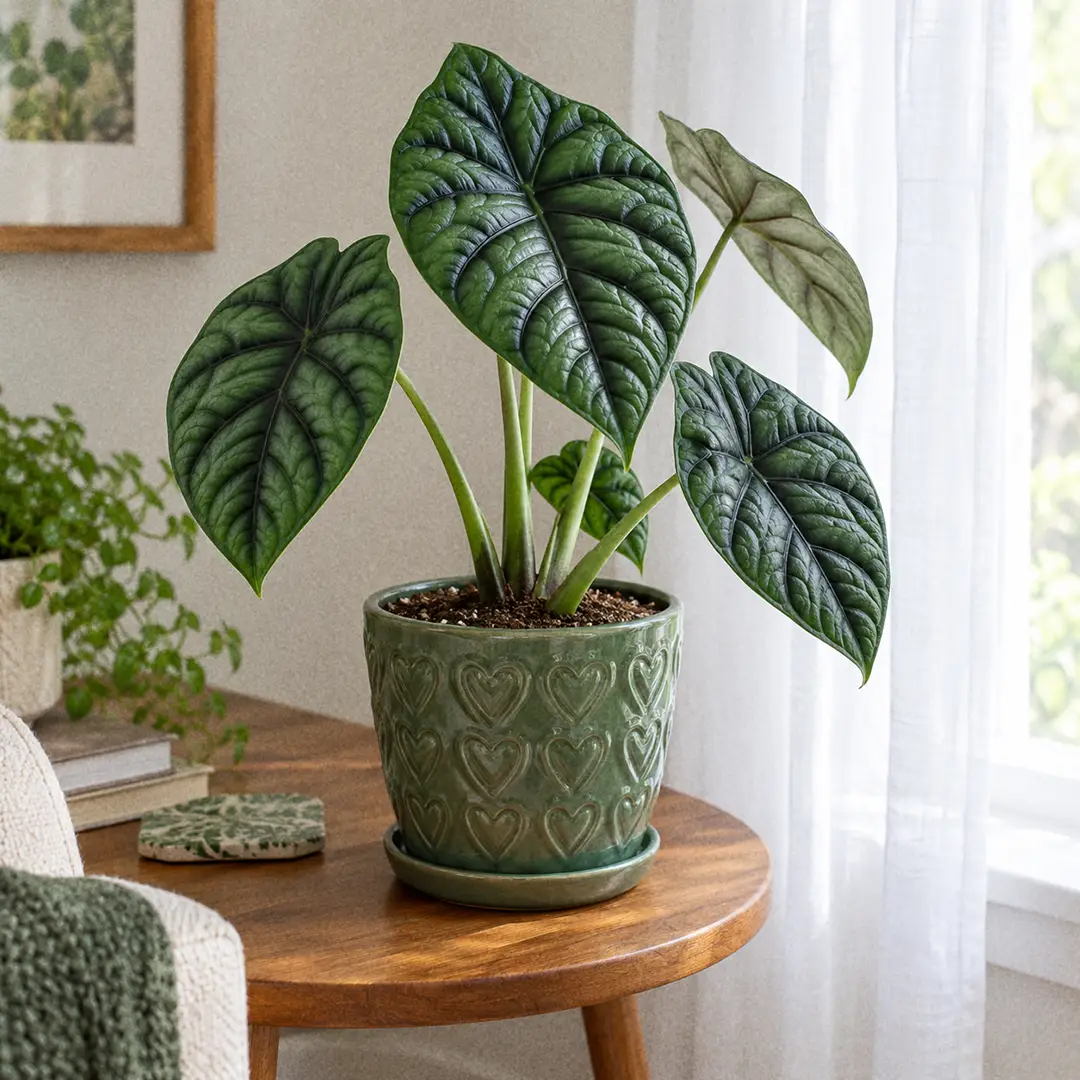
Complete Guide to Alocasia Dragon Scale Care and Growth
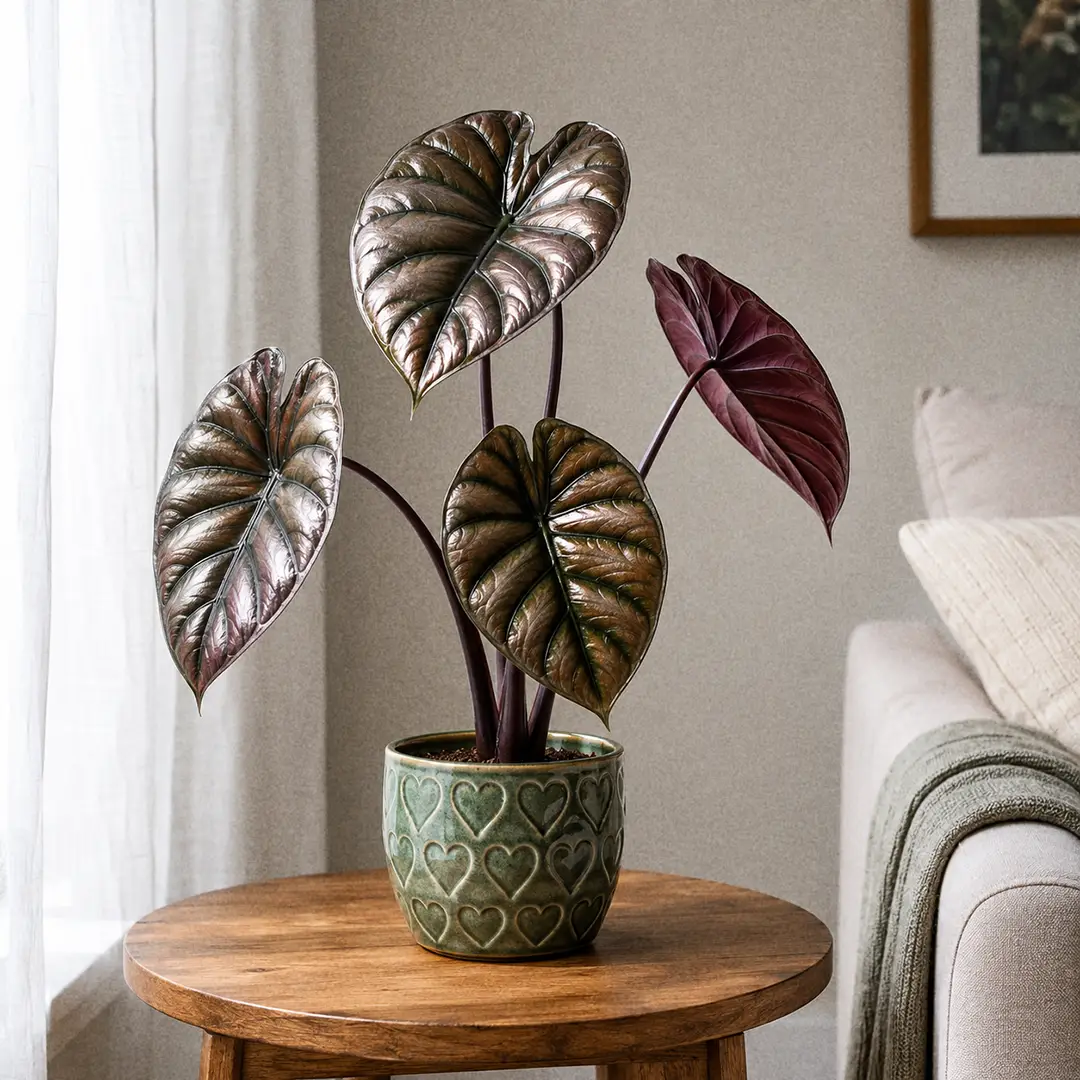
Complete Guide to Alocasia Red Secret Care and Growth
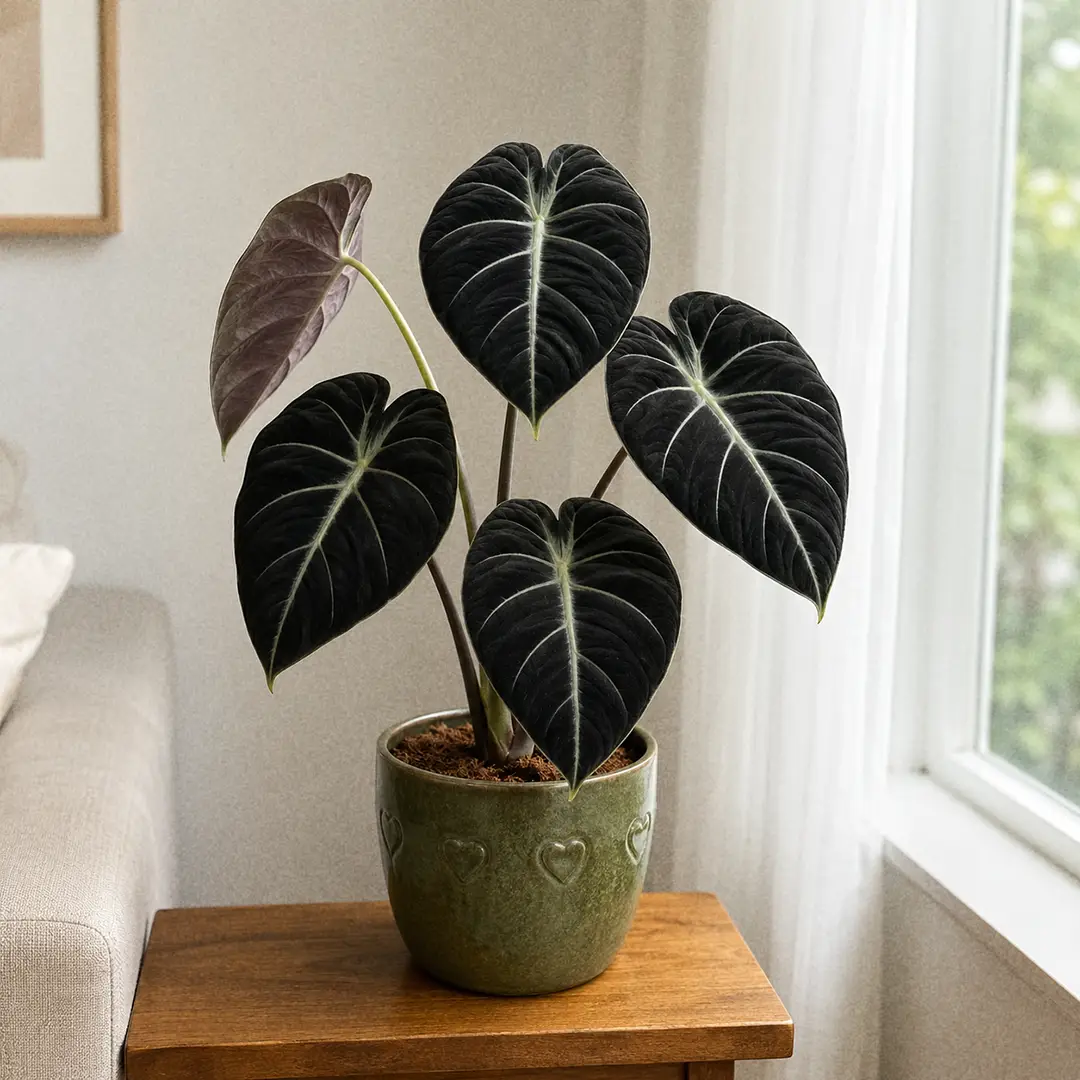
Complete Guide to Alocasia Black Velvet Care and Growth
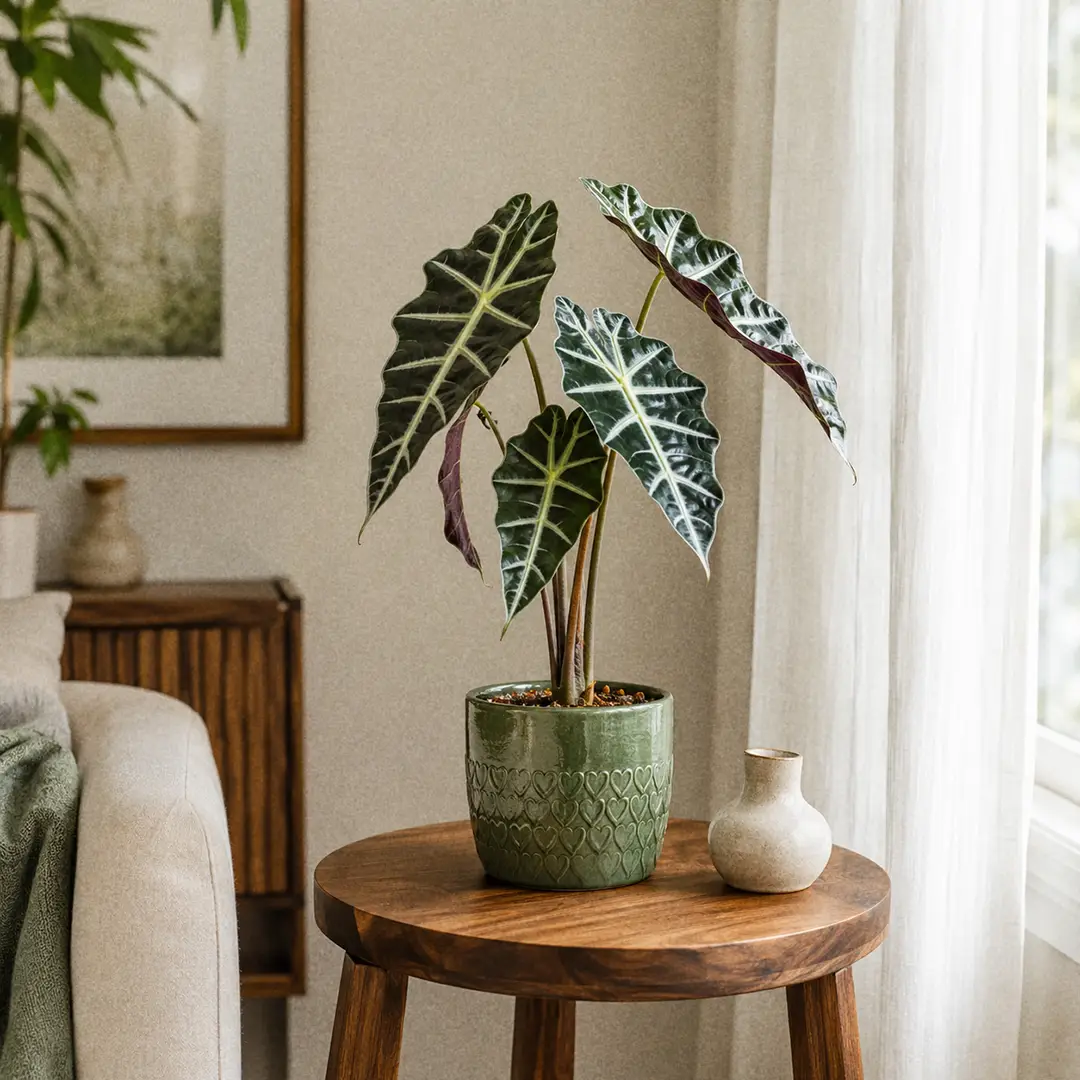
Complete Guide to Alocasia Polly Care and Growth

Houseplant101 Forum
Questions & Comments
Ask a question, share your plant experience, or help other plant owners.
Comments are temporarily unavailable.
Open the Houseplant101 ForumNo comments yet
Be the first to ask a question or share your experience about this page.
Log in or create an account
Comments use your Houseplant101 Forum account, but you can stay on this page.
Create a new account