
Seleriana Air Plant
Tillandsia seleriana
Tillandsia ehlersiana, Seleriana Airplant, Ant Air Plant


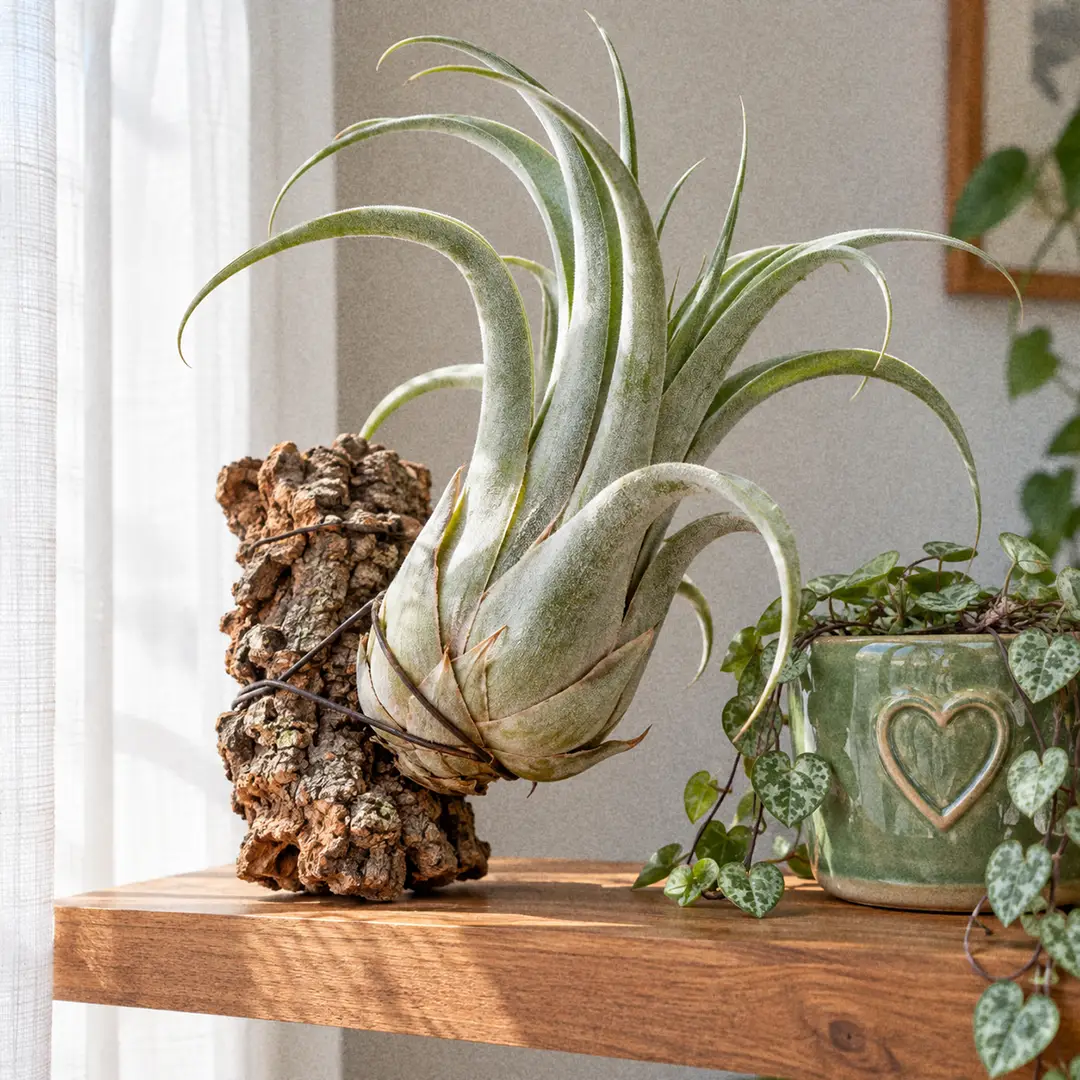
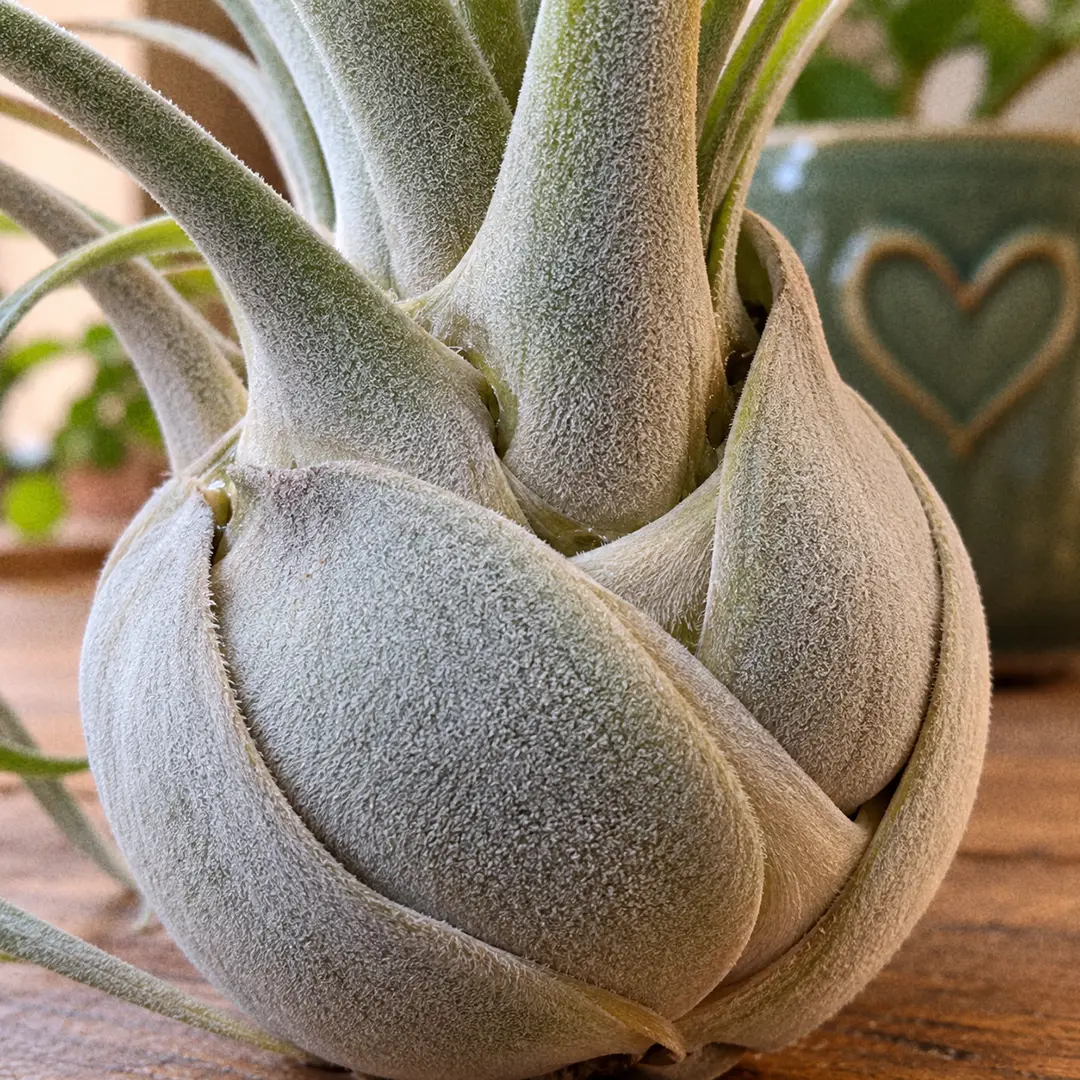
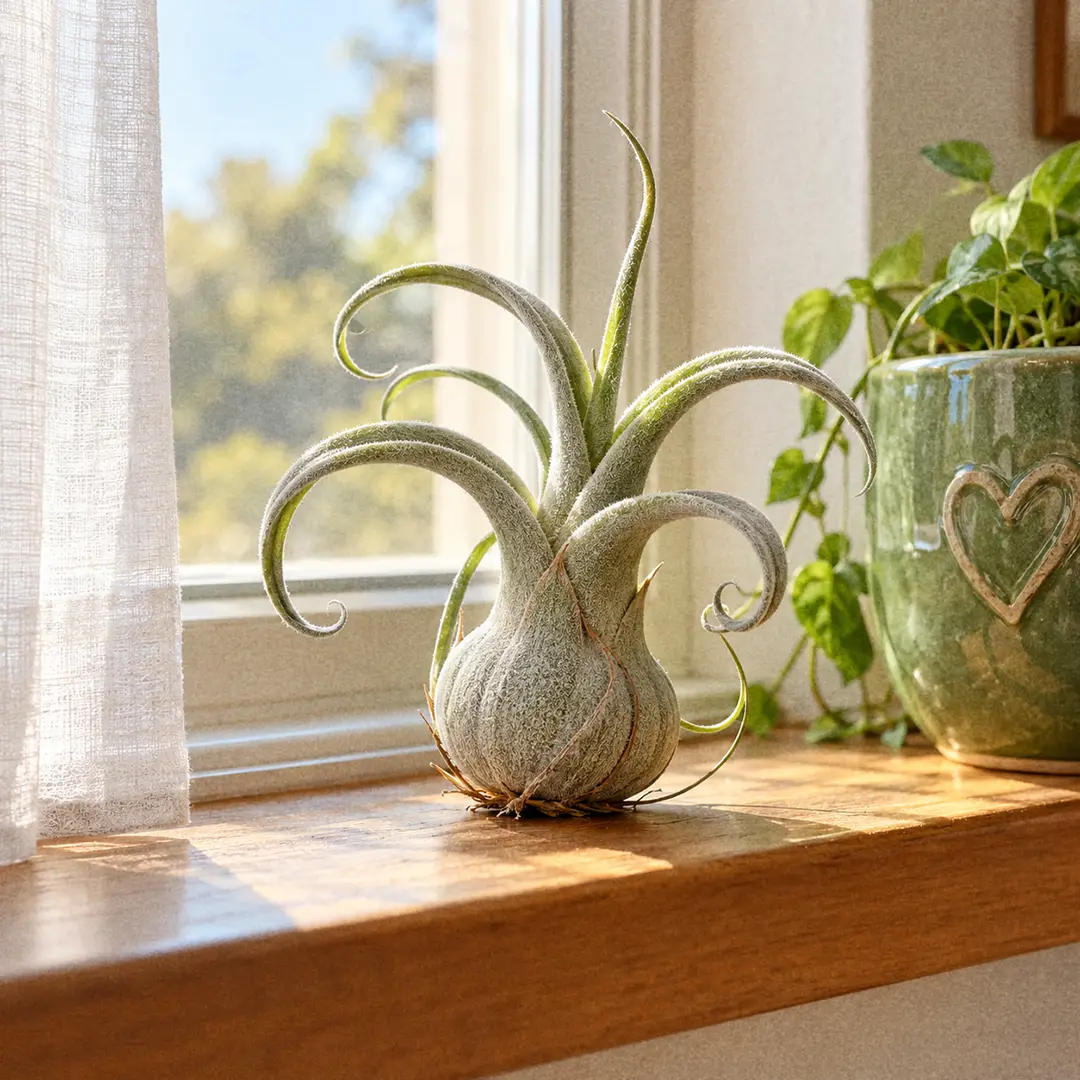
Seleriana Air Plant is the big, chunky Tillandsia with a fat hollow bulb and thick, velvety silver-grey leaves. Learn how to grow Tillandsia seleriana indoors, why it must dry upside down, how to get the red-bracted bloom, and how to tell it apart from Bulbosa, Medusa's Head, Pruinosa and Potbelly.
📝 Seleriana Air Plant Care Notes
🌿 Care Instructions
⚠️ Common Pests
📊 Growth Information
🪴 In This Guide 🪴

☀️ Seleriana Air Plant Light Requirements (Bright Filtered Light)
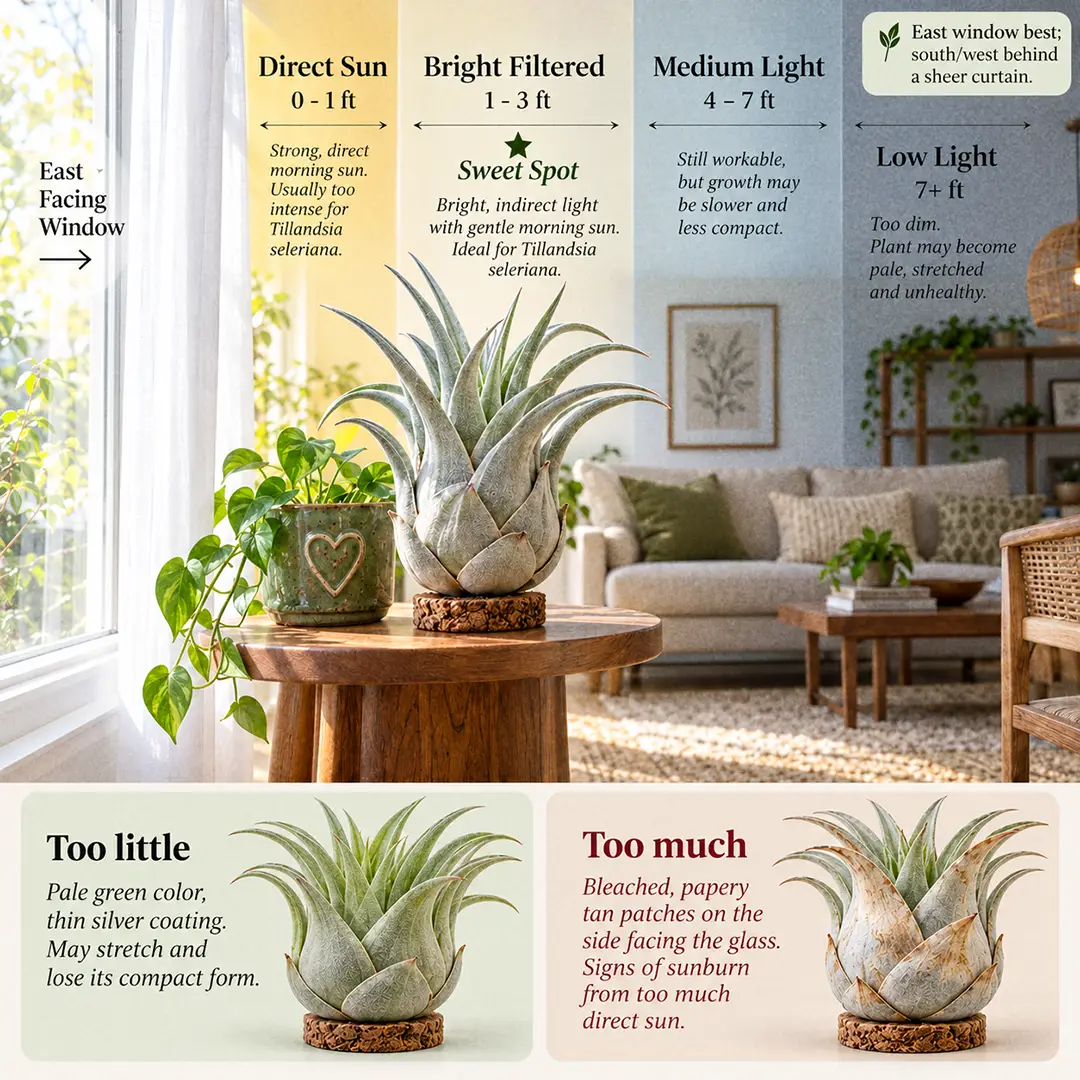
The Sweet Spot for Seleriana
Seleriana grows on trees in the mountain pine and oak forests of southern Mexico and Central America. Up there it gets plenty of bright light, but filtered through branches and often softened by cloud. Its dense coat of silver scales protects it from strong light, though it is not a full-sun desert plant.
Indoors, aim for bright filtered light for most of the day. An east window with gentle morning sun is close to perfect. A south or west window works well with a sheer curtain, or with the plant set a foot or two back from the glass. Morning sun and soft winter sun are welcome. Hot midday sun through glass is the one to block.
Too Little Light
Low light is the slow way to lose a Seleriana. The plant stops making new leaves, the silver coat looks thin and greenish, and it never blooms or pups. It also dries more slowly in a dim room, and a damp bulb in a dark corner is a rot risk.
If your windows are weak, a grow light 8 to 12 inches above the plant for about 12 hours a day fills the gap. Our light guide explains how to read what a window actually gives you.
Too Much Light
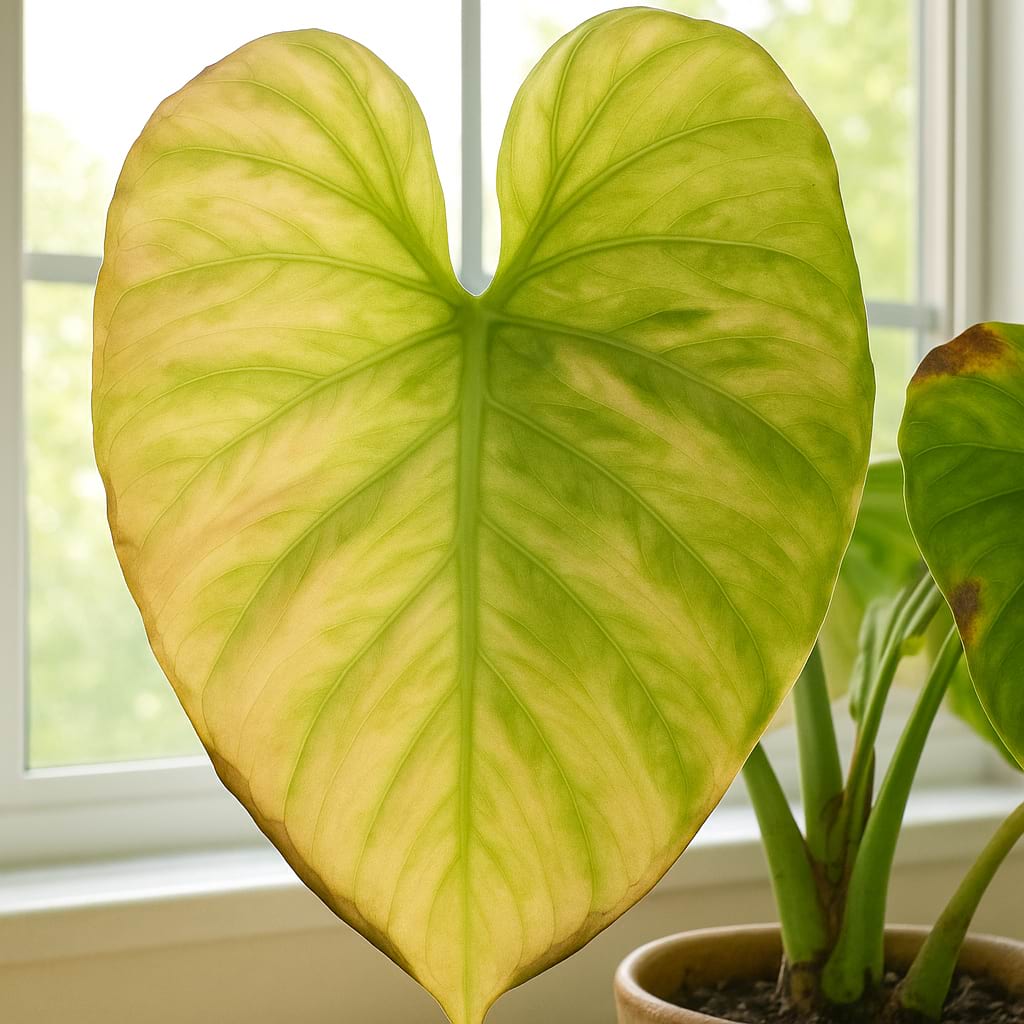
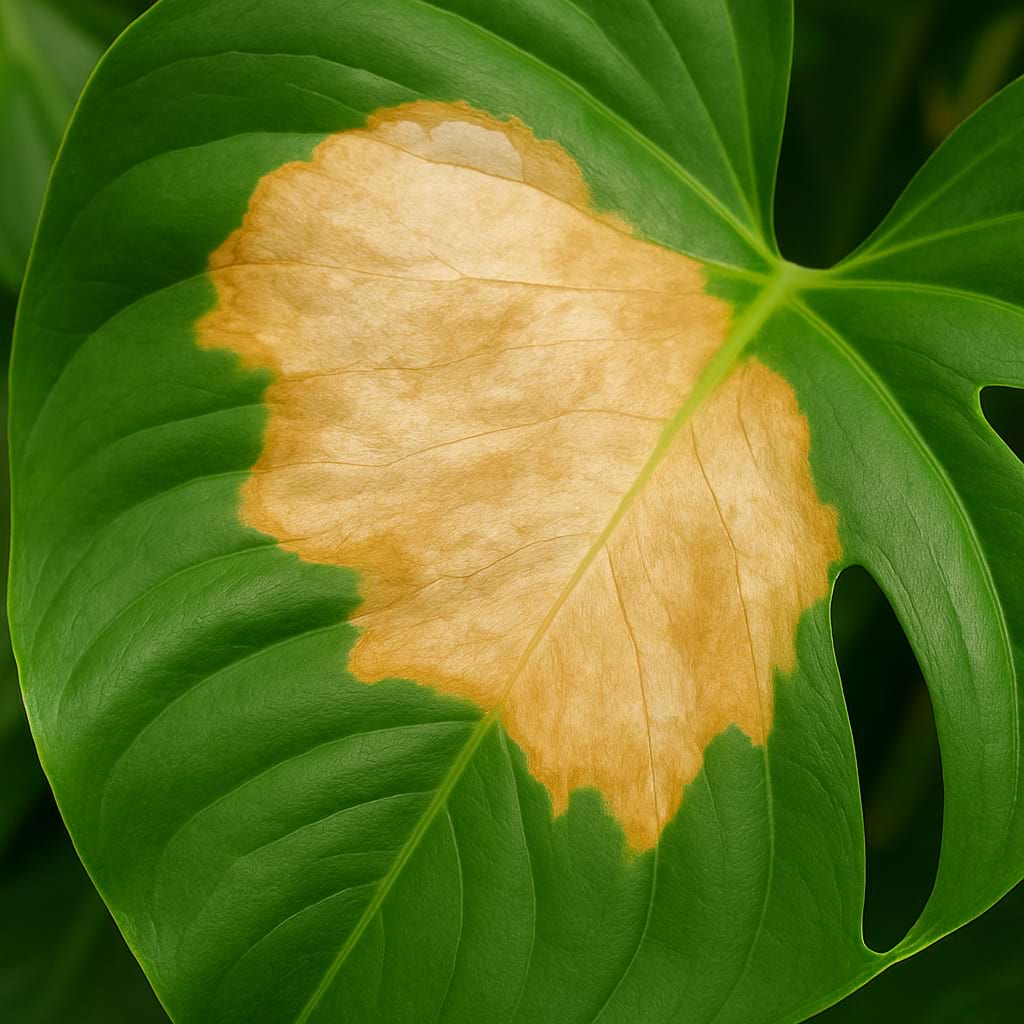
A plant moved straight from a shaded shop shelf into strong afternoon sun can bleach to a dull, papery tan on the side facing the glass. That is sun scorch, and the marks do not fade. Move the plant into brighter light over a week or two. A soft pink to red flush spreading over the upper leaves is a different thing: that is a mature plant getting ready to flower.
Winter Light for Seleriana
Winter is when most indoor Selerianas run short of light. The sun sits lower, the days are shorter, and a spot that was perfect in June can be too dim by December. Move the plant closer to the glass for the winter months and take down any sheer curtain you used in summer, since low winter sun rarely scorches. If it still looks greenish and stops growing, add a grow light until spring.
💧 Seleriana Air Plant Watering Guide (Soak, Then Dry Upside Down)
Watering Frequency
Plan on one soak a week in spring and summer, and every 7 to 10 days in winter. A hot, bright, dry room may need an extra light mist midweek. A cool, humid room may need less.
The leaves tell you when the plant is thirsty. They curl in a little tighter, feel slightly softer, and the silver looks dull and dusty. Right after watering, the leaves turn greener for a few minutes as the scales fill, then fade back to grey as they dry.
How to Soak a Seleriana
Hold the plant by its bulb and submerge it in room-temperature water for 5 to 10 minutes. That is long enough for thick, fuzzy leaves to drink. Skip the hour-long soaks some air plant advice suggests, which are meant for thin green species and leave a bulbous plant wet for far too long.
Rainwater, filtered water or bottled spring water is best. Avoid softened water, because the salt damages the leaves, and skip distilled water, which has no minerals at all. Our watering guide covers water quality in more detail.
Why It Must Dry Upside Down
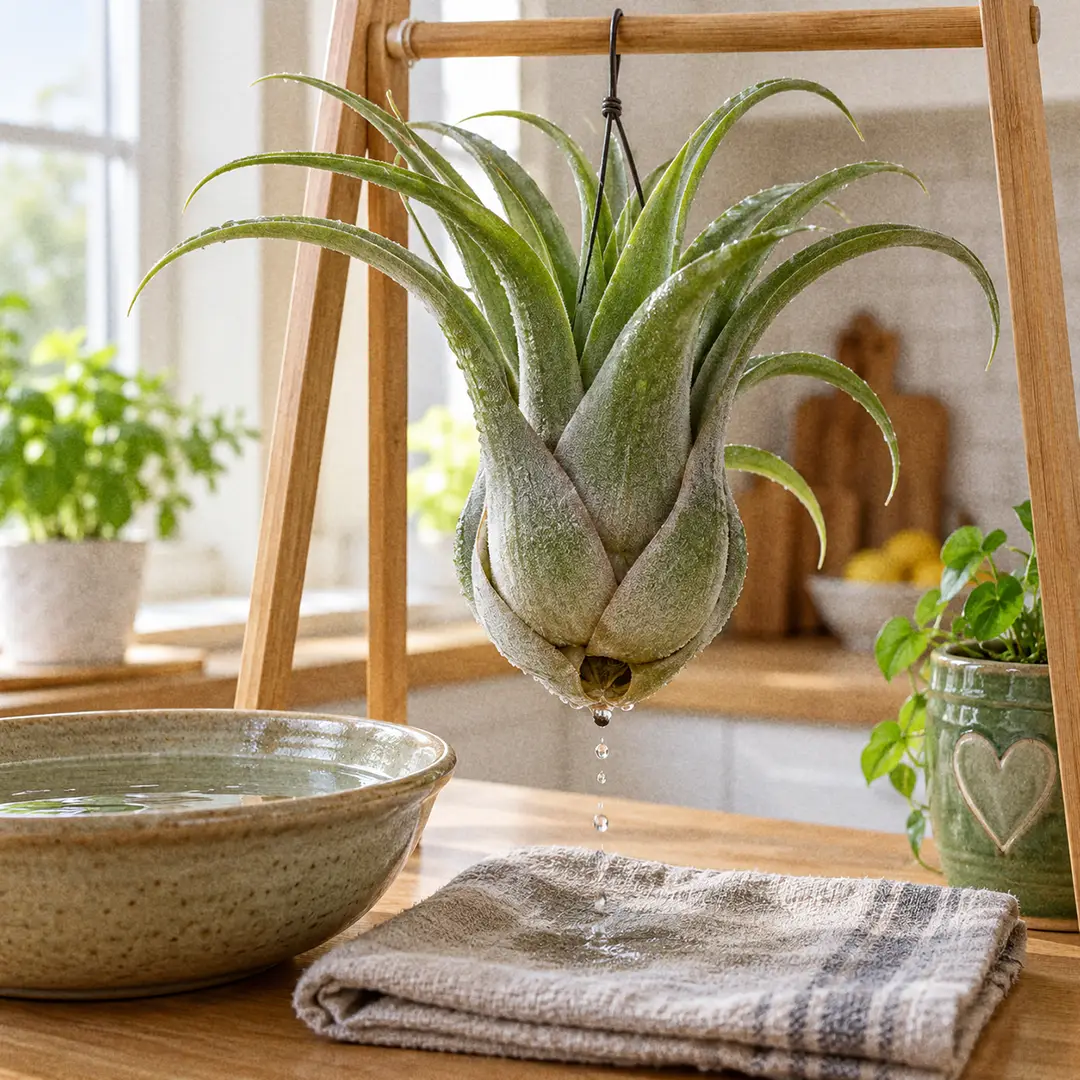
This is the one step that decides whether your Seleriana lives. The bulb is made of broad, spoon-shaped leaf bases that overlap but leave hollow spaces inside. In the wild those spaces house ants. In your kitchen they fill with water every time you soak the plant, and water trapped in there rots the core from the inside.
After every soak, turn the plant upside down and give it several firm shakes until nothing more drips out. Then leave it upside down or on its side on a towel or a drying rack, in a bright spot with moving air. It should be fully dry within about four hours. If it takes longer, add a fan or an open window, and always water in the morning.
Signs of Watering Trouble
Too much water shows at the base first: dark or soft tissue on the bulb, a sour smell, and center leaves that slide out with a light tug. That is bulb rot, and it rarely recovers. Too little water shows at the tips, which turn brown and crisp. A thirsty plant usually looks better within a day of a proper soak.
🪴 Best Soil for Seleriana Air Plant (No Soil Needed)
Why Seleriana Needs No Soil
Seleriana is an epiphyte. It grows on branches, not in the ground, and its few wiry roots exist only to grip bark. Water and food come in through the leaves, which are covered in tiny scales called trichomes. On this species they are so dense that the leaves look velvety.
Soil or wet moss does real harm. A big hollow bulb pressed into damp mix never dries, and root rot follows fast. If your plant arrived nestled in moss, take it out and let it dry.
What to Grow It On
Anything that holds the plant in open air and dries quickly works. Cork bark is the easiest because it is light and does not rot. Driftwood, grapevine, a wire holder or a wide, shallow ceramic dish are all fine. Seleriana gets heavy as it matures, so choose a holder that will not tip over.
Materials to Avoid
Skip deep cups, narrow vases and closed glass globes, which keep the bulb damp in still air. Avoid copper wire and copper-treated wood too, since copper is toxic to bromeliads.
🍼 Fertilizing Seleriana Air Plant
When and How Often
Feed once a month from spring through early autumn, then stop for winter. Seleriana grows slowly no matter what you do, and fertilizer only helps a plant that already has good light and the right watering. It is optional.
What to Use
Choose a urea-free air plant or bromeliad fertilizer at a quarter of the label strength, mixed into the soak water. Air plants have no soil bacteria to break urea down, so they cannot use it. A quarter-strength orchid fertilizer works as a substitute. Our fertilizer roundup and feeding guide explain the labels.
Over-Fertilizing Signs
Brown, burnt tips a week or two after feeding mean the mix was too strong. Switch to plain water for a few weeks, then use half the dose. With air plants, weaker is always safer.
🌡️ Seleriana Air Plant Temperature Range
Ideal Range
Seleriana comes from mountain forests rather than hot lowlands, and it does best in ordinary room temperatures between about 60°F and 85°F (16°C to 29°C). It handles short, cool nights in the low 50s°F if it is dry, but long spells below about 55°F (13°C) slow it right down. Frost kills it. Outdoors, it only lives year-round in frost-free climates.
Drafts and Cold Windows
Cold and wet together cause the damage. A freshly soaked plant on a chilly winter windowsill can rot inside the bulb within days. Water in the morning, and pull the plant back from the glass on cold nights.
Heat and Heating Vents
Hot, blowing air from a vent or radiator dries the leaves quickly and can crisp the tips. Keep the plant out of the direct airflow. On very hot summer days, a bit more shade and a midweek mist help it cope.
Growing Seleriana Outdoors
In a frost-free climate, Seleriana can live outside tied to a tree or a covered patio post in bright dappled shade, much like it grows in the wild. Elsewhere it can spend summer outdoors in the same kind of spot. Pick a place sheltered from hard afternoon sun, check it after heavy rain so the bulb is not sitting full of water, and bring it in once nights drop below about 55°F.
💦 Seleriana Air Plant Humidity Requirements
Ideal Humidity
Seleriana likes moderate humidity, roughly 50 to 70 percent, which matches its forest home. It still copes with typical room air of around 40 percent, as long as you soak it regularly. The air should never stay saturated, because the bulb has to dry.
Easy Humidity Boosters
In dry winter rooms, a light mist two or three times a week between soaks helps, or a small humidifier nearby. Mist the leaves, not into the bulb, and keep the air moving. Our humidity guide explains how to measure it.
🌸 Seleriana Air Plant Flowers (Red Bracts, Purple Blooms)
What the Flowers Look Like
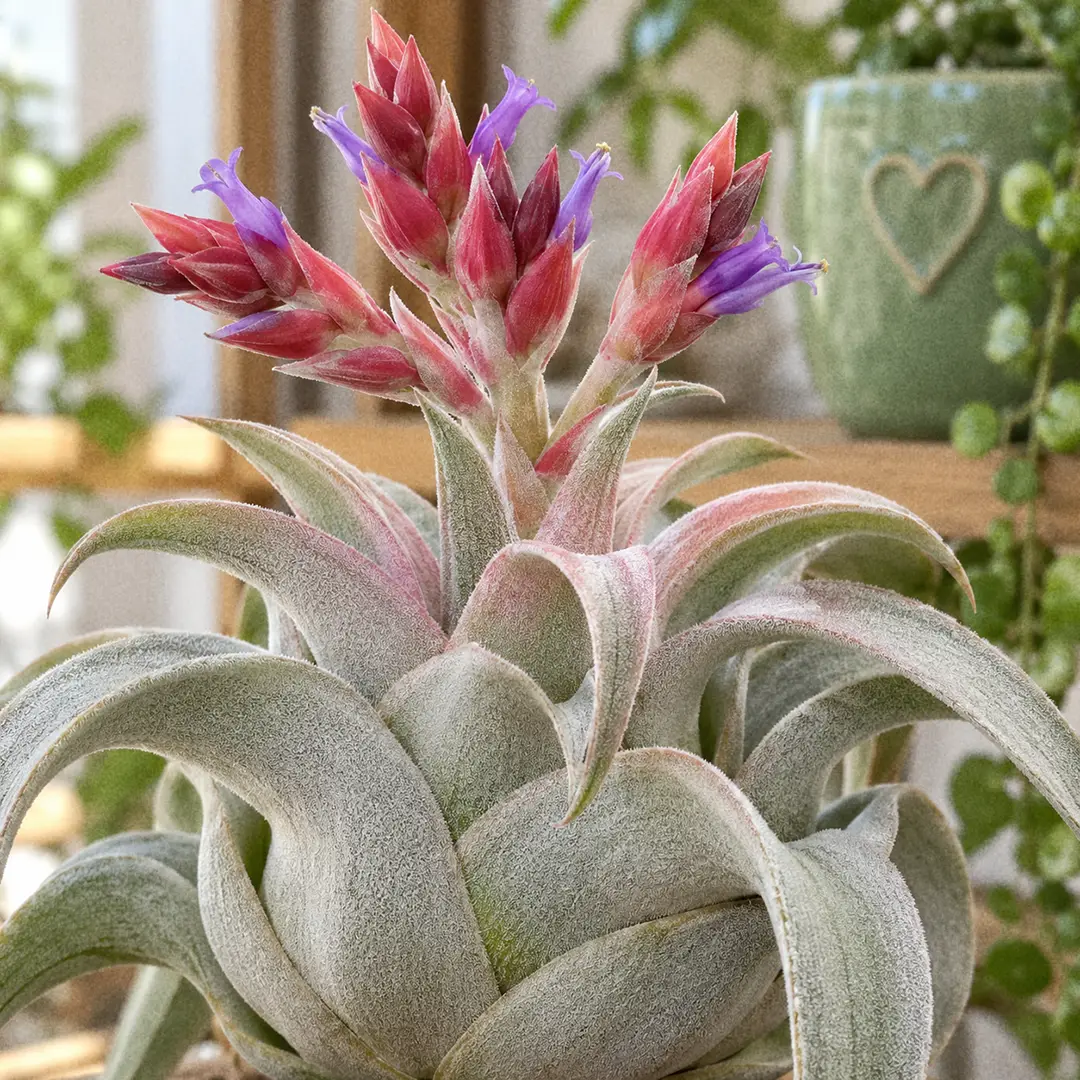
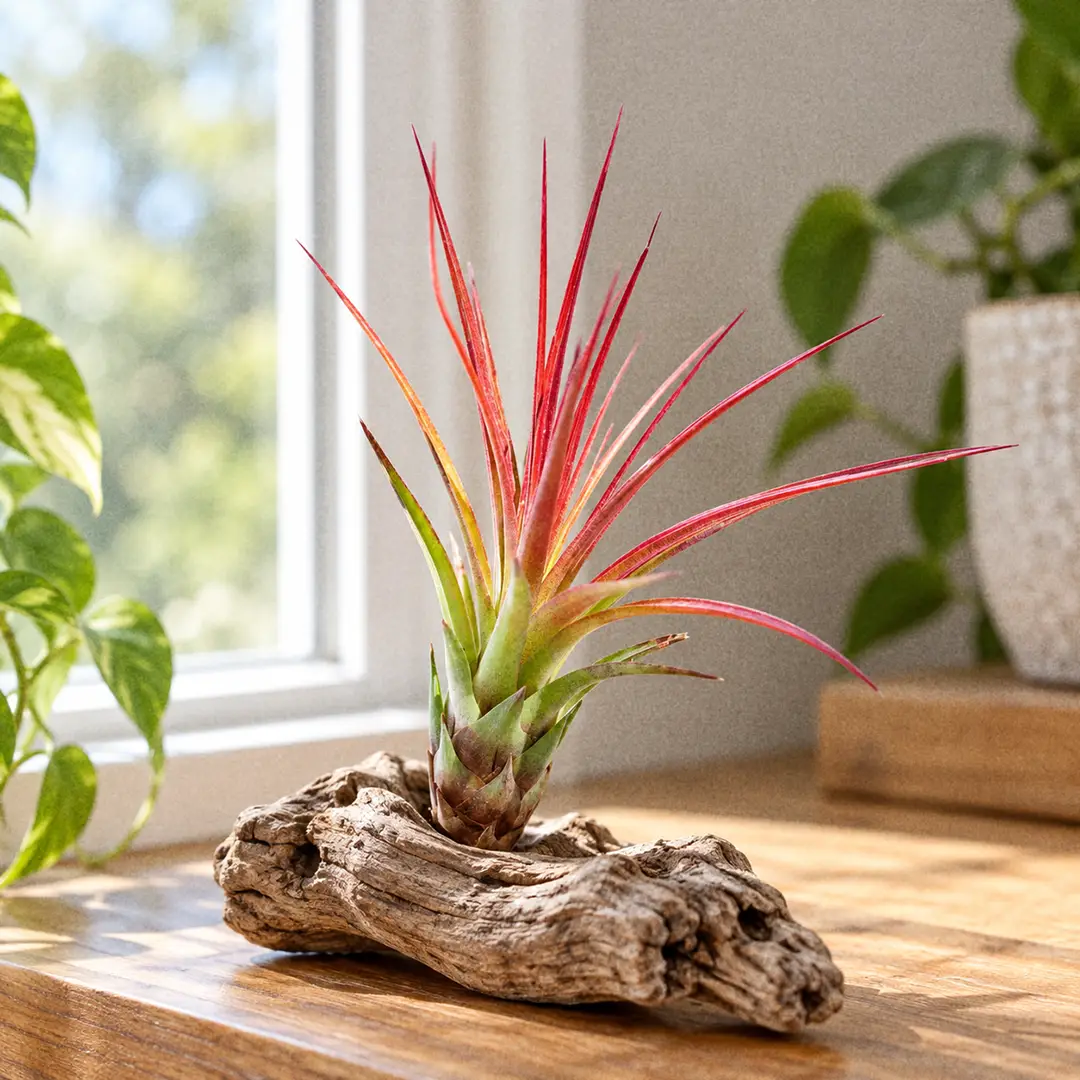
When a Seleriana gets ready to bloom, the upper leaves often blush pink to red. A short, sturdy spike then rises from the center and branches into several arms, each lined with red to rose-pink bracts. Small tubular purple to violet flowers open from the bracts a few at a time.
Each flower lasts only a few days. The colored bracts hold their color for weeks, so the plant stays showy long after the last petal closes.
How to Trigger Bloom
A rosette has to reach full size before it flowers, and Seleriana is slow. A small shop plant may need a few years. Bright filtered light is the biggest lever, followed by steady weekly soaks and monthly feeding in the warm months. Plenty of light at a comfortable temperature does more than anything else you can try.
If It Won't Bloom
A Seleriana that has not grown a new leaf in months needs more light before anything else. See our guide to failure to bloom for the general causes.
Each rosette flowers only once. Afterward it makes pups at its base and slowly fades over the following months. That is the normal life cycle, not a sign you did something wrong.
🏷️ Seleriana Air Plant Types and Varieties
The Species (and the Ehlersiana Label)
Most Selerianas are sold as the plain species. You may also see the name Tillandsia ehlersiana on a tag. It was described separately in 1984, but botanists now treat it as part of T. seleriana, and care is identical. A few hybrids turn up from specialist growers, such as 'Joy Boy' (T. seleriana x T. schiedeana) and the Pruinosa x seleriana cross. They usually blend the parents, so give them the same soak and upside-down dry.
Seleriana vs Bulbosa and Medusa's Head
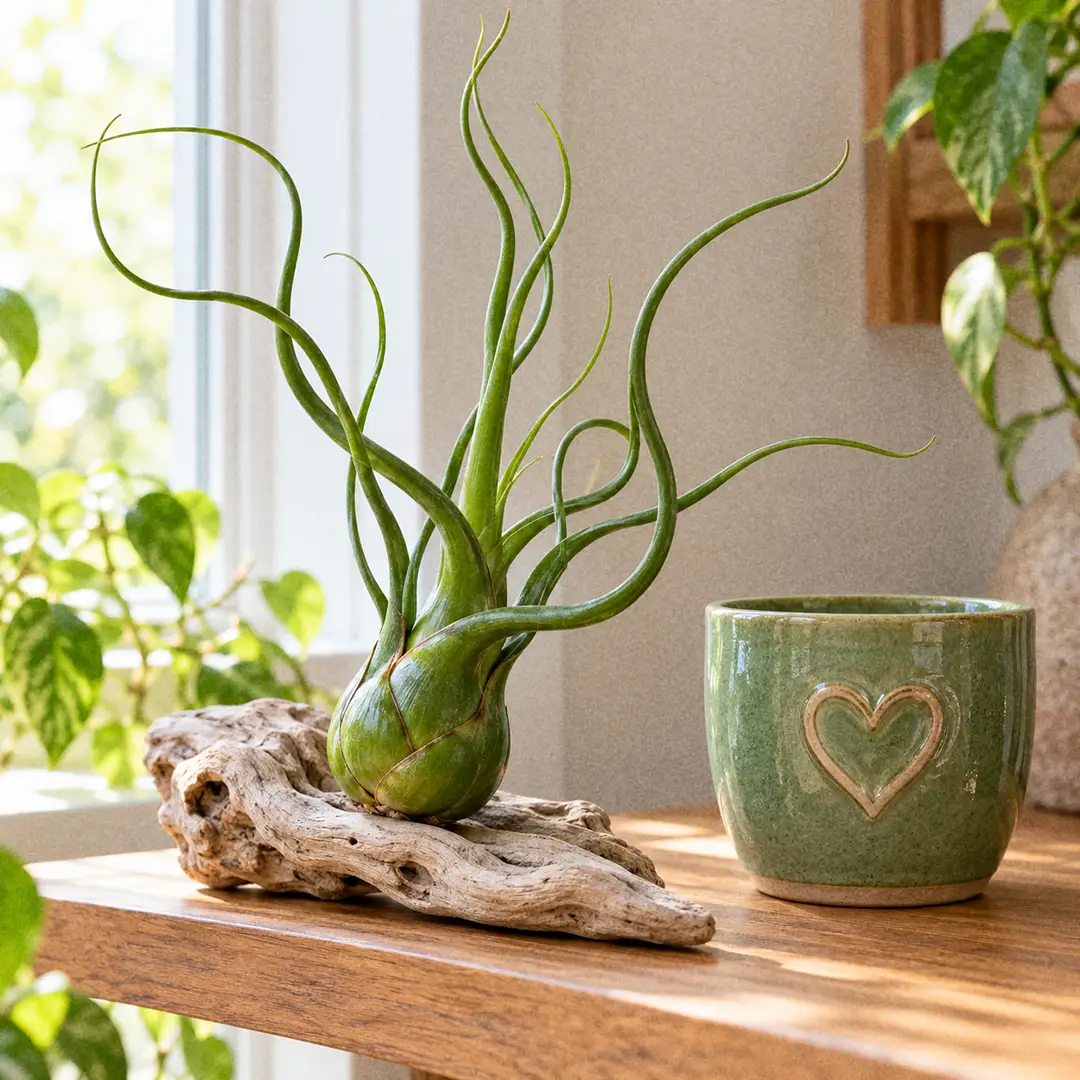
The Bulbosa Air Plant also has a swollen base and twisting leaves, but it is smooth, glossy and green, with almost no visible fuzz. It is smaller, and it wants more water and gentler light. Medusa's Head (T. caput-medusae) is silver like Seleriana, but its bulb is slimmer and its long, stiff leaves snake outward in every direction. Seleriana is chunkier overall, with a much fatter bulb and thick, velvety leaves that curve upward rather than out.
Seleriana vs Pruinosa and Potbelly
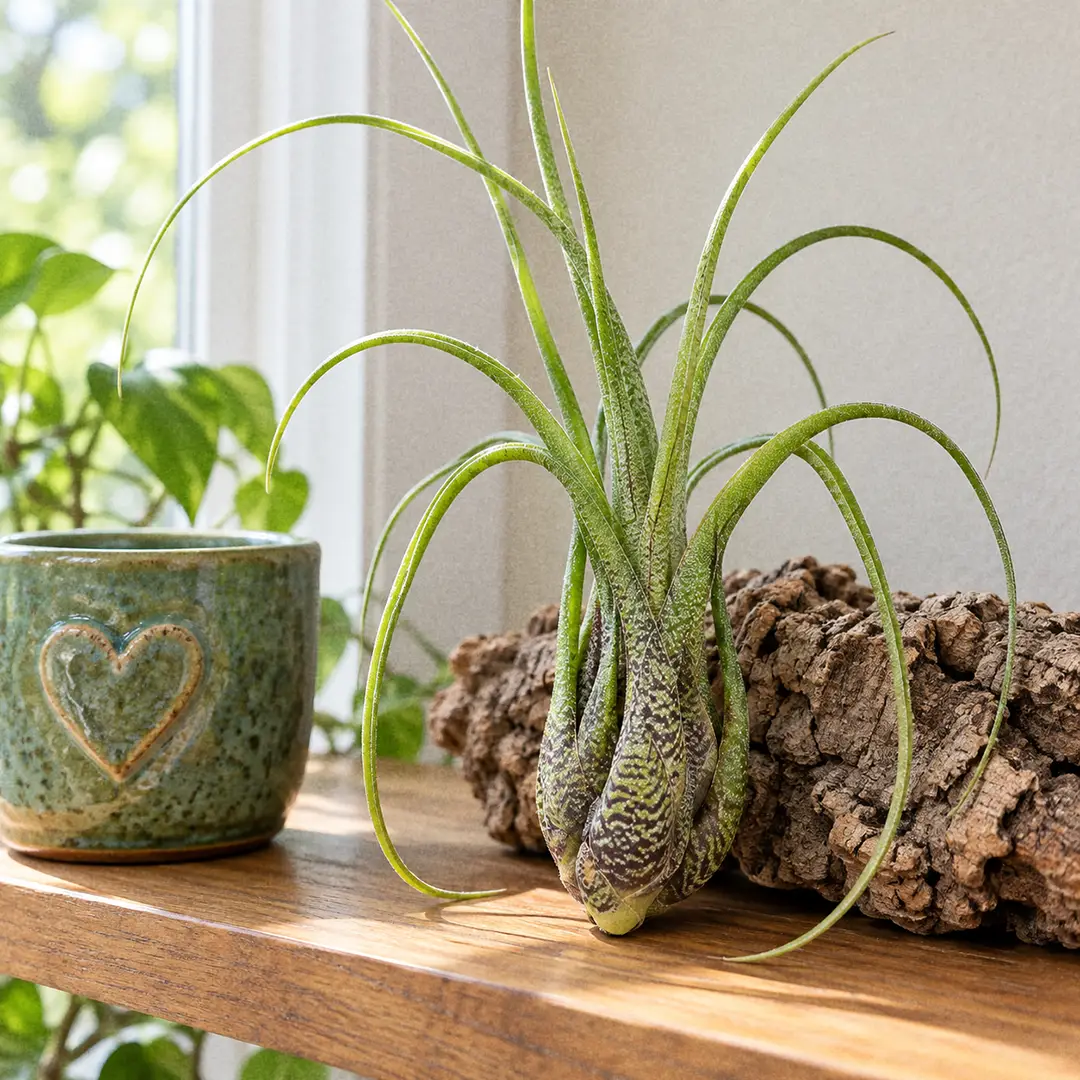
The Pruinosa Air Plant is the closest lookalike, a small, frosted, often pink-tinged bulb with soft arms. If it fits easily in your palm, it is probably Pruinosa. The Potbelly Air Plant (T. paucifolia, often sold as circinata) is a lean silver bulb with only a few short, coiling leaves, and it wants more sun. Seleriana is the big one of the group, with the thickest bulb and the most leaves. The Butzii Air Plant is easy to separate, with a slim bulb and leaves covered in dark speckles.
🪴 Mounting Seleriana Air Plant (No Potting Needed)
Choosing a Mount
Seleriana never goes into a pot, so mounting replaces repotting. Choose cork bark, driftwood or a sturdy branch a little larger than the plant, so a future clump has room. Avoid painted, varnished or pressure-treated wood.
How to Attach It
Mount it at a tilt, with the opening of the bulb angled down, so water runs out instead of pooling. Tie it on with fishing line or plastic-coated wire around the lowest part of the base, snug but not cutting in. A dab of waterproof craft glue under the base also works. Keep glue away from the sides of the bulb and the gaps between leaves.
Watering a Mounted Plant
A mounted Seleriana can be soaked mount and all, or rinsed thoroughly under the tap. Shake the whole piece hard afterward and hang it with the plant pointing downward until dry. If the mount stays wet for hours, choose a lighter piece of cork.
✂️ Pruning Seleriana Air Plant
When to Prune
Rarely. Prune only to remove fully dry outer leaves and the flower spike once it browns. Healthy grey leaves stay, even if they look a little scruffy.
How to Prune
Peel dead lower leaves away from the bulb with a gentle downward pull, and use clean scissors if they resist. Trim a brown tip at a slight angle so the leaf keeps its shape. Cut the spent spike close to where it comes out of the center, and leave any pups untouched.
🌱 How to Propagate Seleriana Air Plant
Best Method: Pups
Seleriana makes pups, small offsets that grow from the base, usually after the plant flowers. Seed is possible but needs hand pollination and takes years to produce a plant of any size. You cannot root air plant cuttings, so pups are the practical route.
Step-by-Step Pup Separation
- Wait until the pup is about a third the size of the parent. Smaller pups have too little stored energy to grow alone.
- Soak the plant the day before so the tissue is flexible.
- Hold the parent's bulb in one hand and the pup's base in the other, then twist gently and pull downward. A ready pup comes away with little force. If it resists, wait another month.
- Let both plants dry for a day before the next soak so the small wound seals.
- Give the pup full adult care: the same bright light, weekly soak and upside-down drying.
Clump or Separate?
Leaving pups on gives you a cluster of chunky bulbs that looks full and blooms more often, since the heads mature at different times. The catch is drying, because water hides between the bulbs as well as inside them. Shake a clump extra hard and hang it so every opening points down. Our propagation guide covers other houseplants.
Tips for Pup Success
Young pups have less fuzz and dry faster than their parent, so check them a little more often in summer. Keep a fresh pup out of strong sun for its first couple of weeks.
🐛 Seleriana Air Plant Pests and Treatment
Indoor Pests to Watch For
Seleriana gets few pests, and the ones it gets hide where the leaves meet the bulb. Look there each time you soak it.
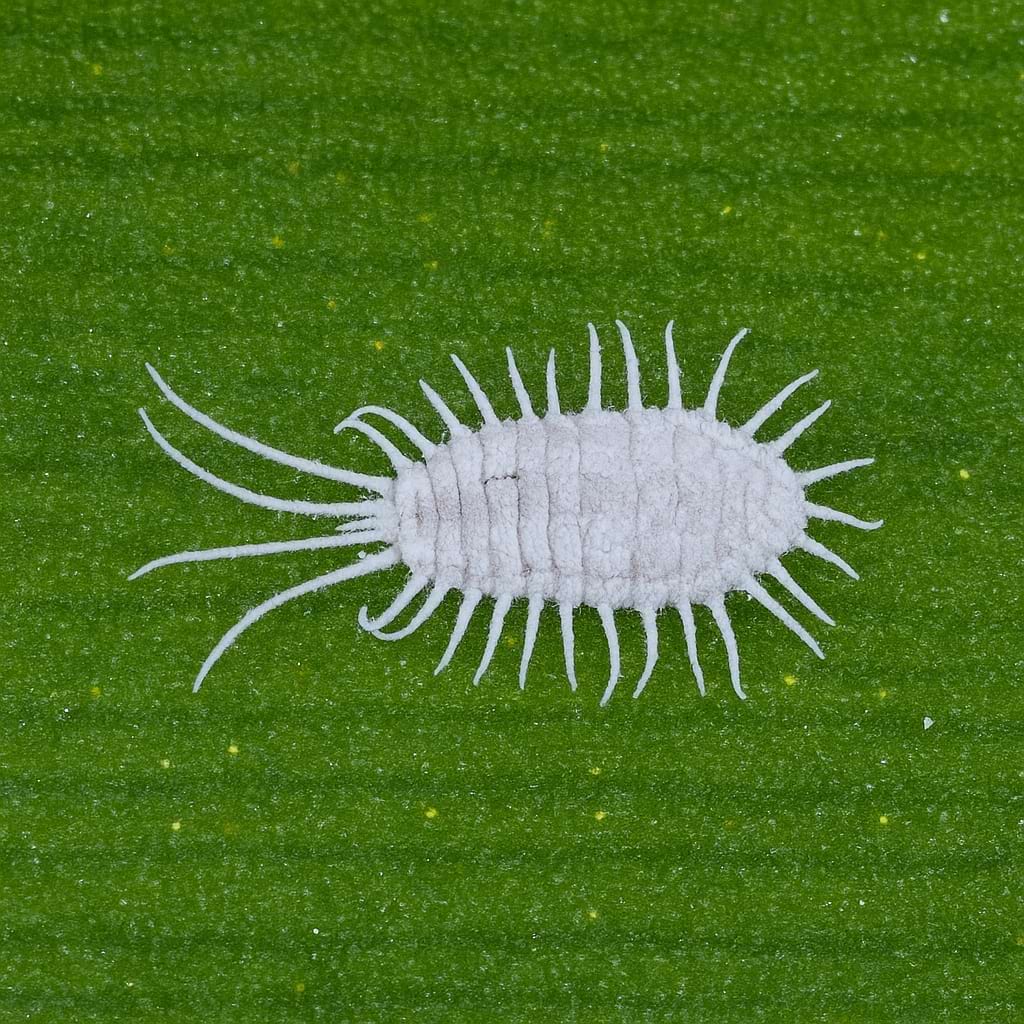
- Mealybugs look like small tufts of white cotton between leaf bases. Dab each one with a cotton swab dipped in 70 percent rubbing alcohol, rinse, and repeat weekly for a month.
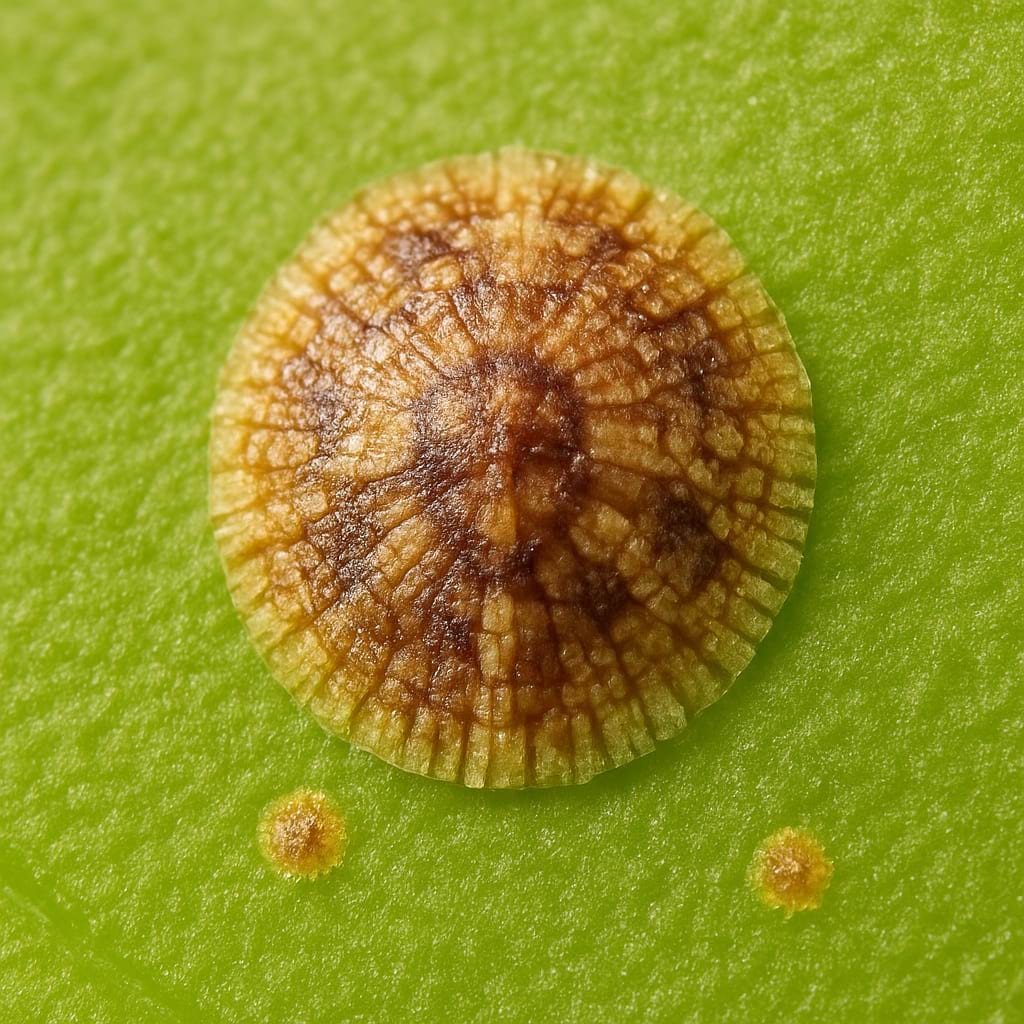
- Scale insects are flat brown bumps that do not move. Scrape them off gently, then treat with alcohol.
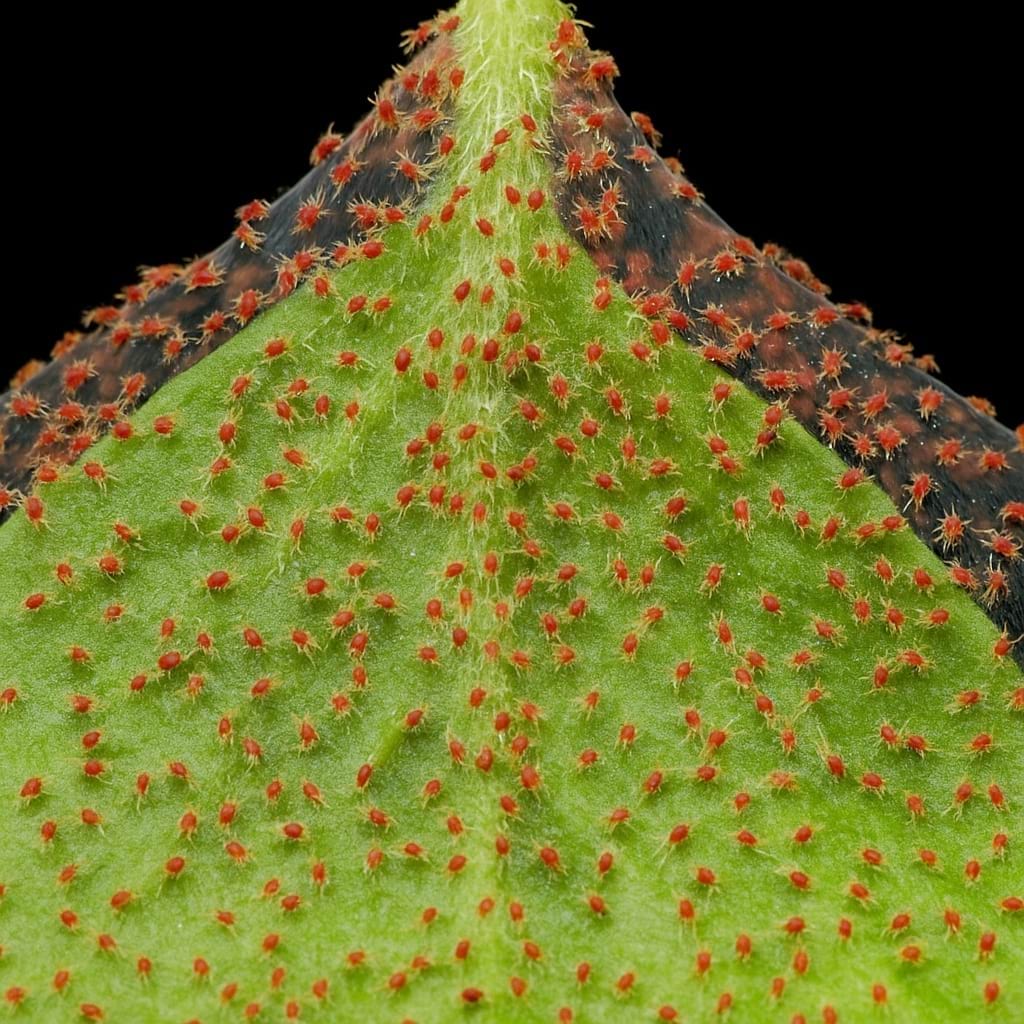
- Spider mites leave fine webbing and dull, speckled leaves, mostly in hot, still air. A thorough rinse usually clears them.
Ants on Outdoor Plants
A Seleriana summering outside may attract ants, which is exactly what its hollow bulb evolved for. Indoors you do not want them, and ants also tend mealybugs and scale. Before bringing the plant in, soak it, shake it out well, and check between the leaf bases.
Treatments to Skip
Do not use neem oil, horticultural oil or leaf shine. Oil coats the scales and stops the plant from drinking. Skip copper-based fungicides as well.
🩺 Common Seleriana Air Plant Problems
Water and Rot Problems
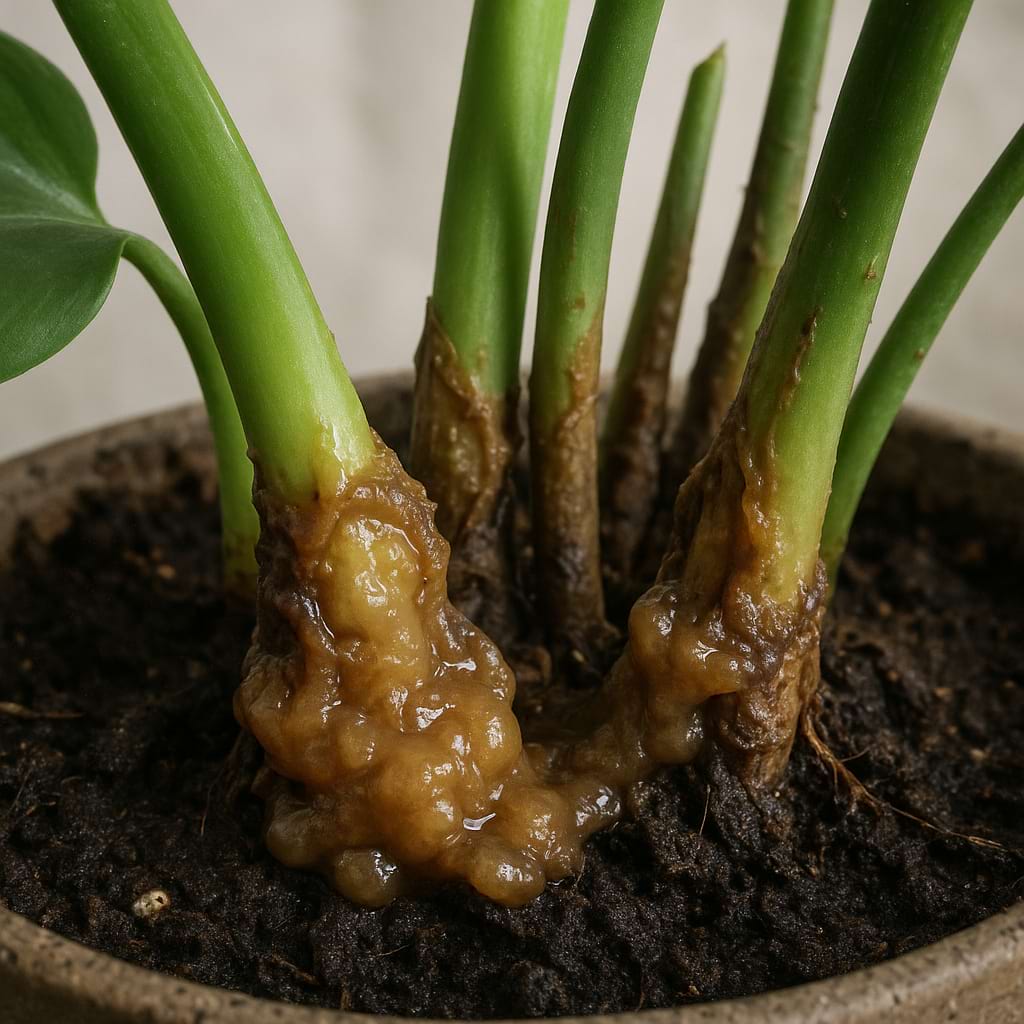
- Bulb rot is the main killer. The bulb darkens, softens and smells sour, and the center leaves pull out. It comes from water left inside the hollow base. Once the core goes, the plant cannot be saved.
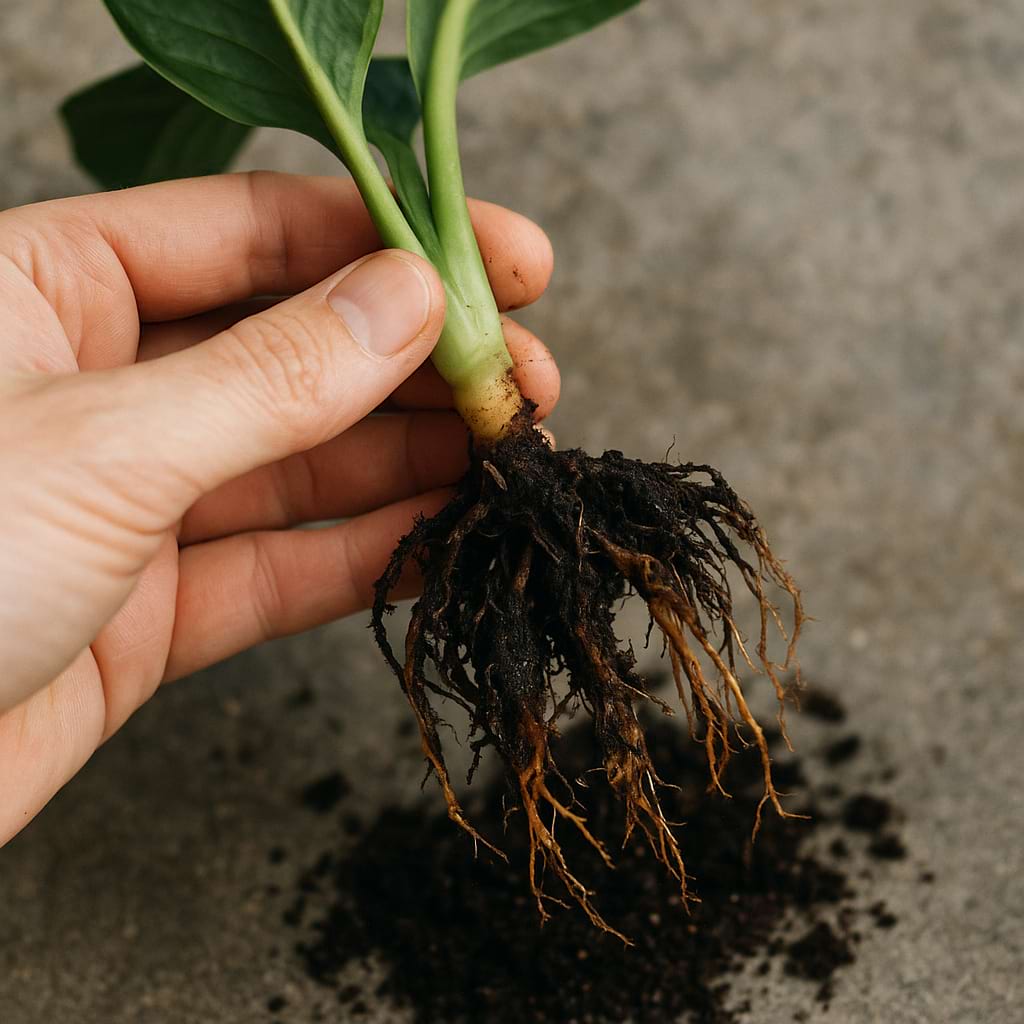
- Root rot affects plants kept in soil or wet moss. Remove the plant, dry it, and mount it in open air.
Dryness Problems
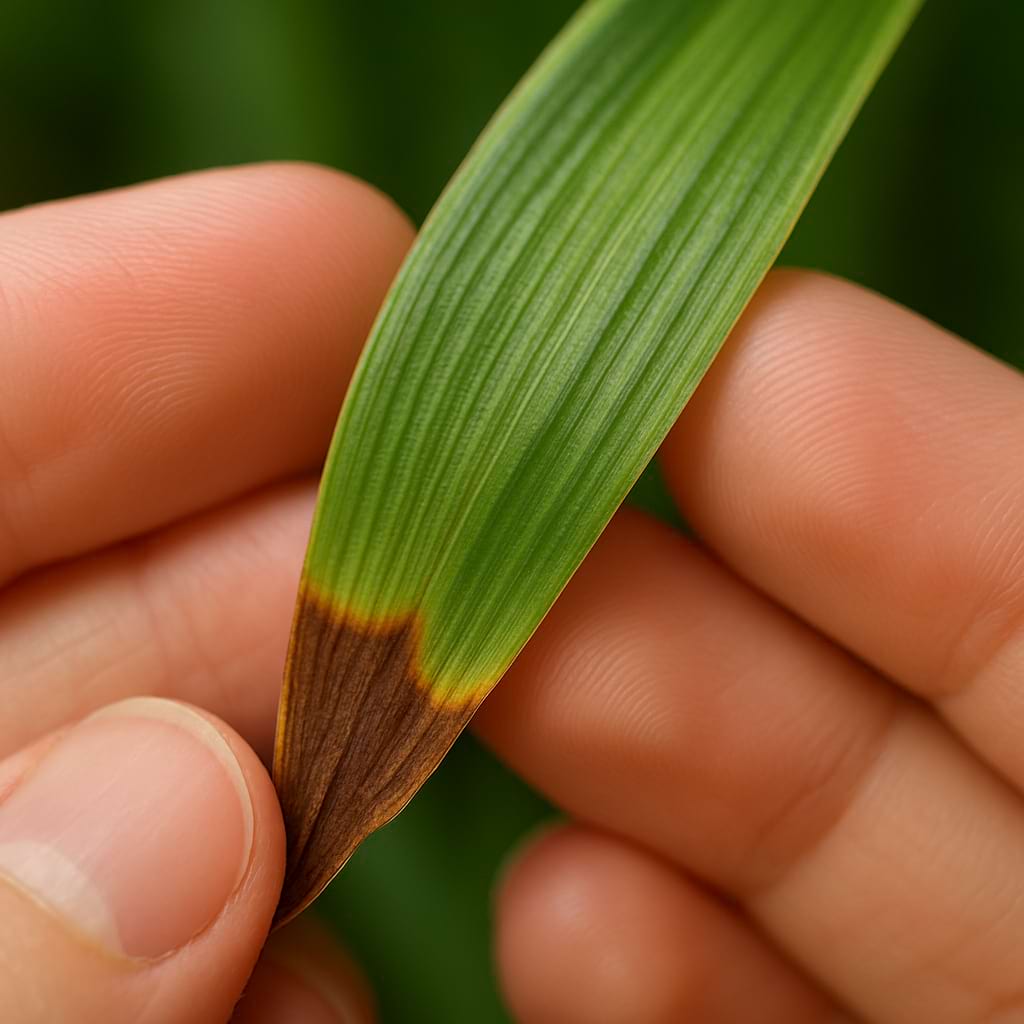
- Brown crispy tips point to too little water, dry heated air, or mineral build-up from hard water. Soak a little more often and switch to rainwater or filtered water.
- Tightly curled, soft leaves are thirst. Give a 10-minute soak and stick to a weekly routine.
Light Problems
- Pale, greenish leaves with a thinning silver coat mean low light. Move the plant closer to a bright window over a week or two.
- Bleached, papery patches on one side mean harsh sun through glass. Add a sheer curtain or move it back a little.
🖼️ Seleriana Air Plant Display and Styling Ideas
Solo Setups
The bulb is the whole point, so put it at eye level. A single Seleriana tied at a tilt to a slab of cork bark looks striking on a bright wall. On a shelf, a wide, shallow dish or a sturdy wire stand keeps the base clear of water and shows off its shape.
Grouped Arrangements
Seleriana pairs well with other silver air plants on a shared driftwood branch, such as the Xerographica, the Tectorum and Medusa's Head. A strand of Spanish Moss behind them softens the look. If you group it with a green, thin-leaved air plant, take each one off for watering, since they want different soak times.
Where Not to Put It
Skip closed terrariums, small-mouthed glass globes, deep cups and dark bathrooms. They are too still, too damp or too dim for a plant that has to dry out inside its bulb.
🌟 Seleriana Air Plant Pro Care Tips
Weekly Habits
- Squeeze the bulb every week. Firm and heavy is healthy. Soft, dark or smelly means rot.
- Water in the morning so the bulb is dry before nightfall.
- Watch the silver. A thick, even coat means good care. A thin, greenish look means more light.
Setup Habits
- Dry it upside down, every time. Shake until nothing drips, then leave it inverted.
- Keep soaks to 5 to 10 minutes. Longer is not better for this plant.
- Mount it at a tilt with the bulb opening pointing down.
- Choose bright, filtered light, and block only harsh midday sun.
❓ Frequently Asked Questions
Why does my Seleriana have a hollow bulb?
The bulb is formed by broad, spoon-shaped leaf bases that overlap and leave spaces inside. In the wild, ants nest in those spaces. Your plant does not need ants to grow, but the hollow is why it must be dried upside down.
How often should I water a Seleriana Air Plant?
Soak it for 5 to 10 minutes about once a week, and every 7 to 10 days in winter. Shake the water out of the bulb and dry it upside down so it is fully dry within about four hours. In very dry rooms, add a light mist midweek.
How big does a Seleriana Air Plant get?
Most plants are sold at 4 to 6 inches tall. A mature plant reaches about 8 to 10 inches tall and about as wide, with a bulb that can grow to roughly 2 inches thick. Growth is slow, so that takes years.
Is Tillandsia ehlersiana the same as seleriana?
Botanists now treat T. ehlersiana as part of T. seleriana, though some shops still sell it under the older name. Care is the same either way.
Is the Seleriana Air Plant safe for cats and dogs?
Tillandsias are considered non-toxic to cats and dogs as a genus. We could not find a toxicity listing for Seleriana itself, so this is a genus-level call. A pet chewing on it may get a mildly upset stomach, and the plant will not survive the attention, so mount it out of reach.
Can a Seleriana Air Plant take direct sun?
Gentle morning sun and soft winter sun are fine. Hot midday or afternoon sun through glass can scorch it, so use a sheer curtain on south and west windows. Move it into brighter light gradually.
Why are my Seleriana's leaves turning pink or red?
A pink to red blush over the upper leaves is usually the first sign the plant is about to bloom. It is healthy and nothing needs fixing. A flower spike usually follows from the center of the plant.
Does a Seleriana die after it blooms?
The flowering rosette slowly declines afterward, but it makes pups at its base first. Leave them on to form a clump, or separate them once they reach a third of the parent's size.
How can I tell Seleriana from Medusa's Head?
Seleriana has a much fatter bulb and thick, velvety leaves that curve upward. Medusa's Head has a slimmer bulb and long, stiff, less fuzzy leaves that twist outward like tentacles. Both like bright light and a careful dry.
Where does the Seleriana Air Plant grow wild?
It is native to southern Mexico and Central America, including Guatemala, El Salvador, Honduras and Nicaragua. It grows on trees in mountain forests, often among pines and oaks.
ℹ️ Seleriana Air Plant Info
Care and Maintenance
🪴 Soil Type and pH: No soil. Grown mounted or loose as an epiphyte.
💧 Humidity and Misting: Prefers 50 to 70 percent with moving air; in drier rooms add a light mist between soaks.
✂️ Pruning: Peel off dry outer leaves at the base and cut the spent flower spike once it browns.
🧼 Cleaning: Rinse off dust during a normal soak. Never rub the velvety leaves or use leaf shine, which flattens or clogs the scales.
🌱 Repotting: Never potted. Move a clump to a larger piece of cork or wood once it outgrows its mount.
🔄 Repotting Frequency: Only when a clump outgrows its mount, every few years
❄️ Seasonal Changes in Care: Soak weekly in spring and summer. In winter, keep it bright, soak a little less often, water only in the morning, and keep it above 55°F.
Growing Characteristics
💥 Growth Speed: Slow
🔄 Life Cycle: Evergreen epiphytic perennial that blooms once per rosette and offsets
💥 Bloom Time: Indoors, whenever a rosette reaches maturity, often after a few years
🌡️ Hardiness Zones: 10-11
🗺️ Native Area: Southern Mexico to Central America (Guatemala, El Salvador, Honduras and Nicaragua), growing on trees in mountain pine and oak forests
🚘 Hibernation: No true dormancy. Growth slows in winter, and watering slows with it.
Propagation and Health
📍 Suitable Locations: Bright east windows, south or west windows behind a sheer curtain, cork mounts, driftwood, wire holders, open shallow dishes
🪴 Propagation Methods: Separate pups from the base once they reach a third of the parent's size, or leave them on to grow a clump.
🐛 Common Pests: Mealybugs, Scale Insects, Spider Mites
🦠 Possible Diseases: Bulb rot, fungal spotting in damp still air
Plant Details
🌿 Plant Type: Pseudobulbous epiphytic bromeliad
🍃 Foliage Type: Thick, velvety, curving leaves rising from a large hollow bulb
🎨 Color of Leaves: Silver-grey to grey-green, blushing pink to red at bloom
🌸 Flower Color: Purple to violet tubular flowers on a branched spike with red to pink bracts
🌼 Blooming: Yes, once per rosette, after a few years of bright light
🍽️ Edibility: Not edible.
📏 Mature Size: 4-6 inches when sold; mature plants about 8-10 inches tall
Additional Info
🌻 General Benefits: Pet-safe, needs no soil, and grows into one of the largest and most sculptural bulbous air plants for a shelf or wall mount
💊 Medical Properties: No documented medicinal uses.
🧿 Feng Shui: A solid, rounded plant that suits bright corners and shelves where a soil pot would get in the way.
⭐ Zodiac Sign Compatibility: Taurus
🌈 Symbolism or Folklore: Shelter, partnership, steady growth
📝 Interesting Facts: In the wild it is an ant plant: the broad, spoon-shaped leaf bases overlap to form a hollow bulb, and ants nest in the spaces inside. The species was described by Carl Mez and named after Eduard Seler, a German scholar of Mexican and Central American history.
Buying and Usage
🛒 What to Look for When Buying: Pick a plant with a firm, heavy bulb, an even velvety coat on every leaf, and no dark, soft or smelly spots where the leaves join the base.
🪴 Other Uses: Cork and driftwood mounts, wire holders, mixed air plant groupings, outdoor tree mounts in frost-free climates
Decoration and Styling
🖼️ Display Ideas: Mounted at a tilt on cork bark near an east window, or set alone in a wide, shallow dish where the big bulb is the focal point
🧵 Styling Tips: Show off the bulb. Mount it at eye level with the base angled down so you can see its shape and water can drain out.
🪴 See also 🪴
Complete Guide to Potbelly Air Plant Care and Growth
Complete Guide to Bulbosa Air Plant Care and Growth
Complete Guide to Butzii Air Plant Care and Growth

Houseplant101 Forum
Questions & Comments
Ask a question, share your plant experience, or help other plant owners.
Comments are temporarily unavailable.
Open the Houseplant101 ForumNo comments yet
Be the first to ask a question or share your experience about this page.
Log in or create an account
Comments use your Houseplant101 Forum account, but you can stay on this page.
Create a new account