
Dischidia Million Hearts
Dischidia ruscifolia
Million Hearts, Dischidia Ruscifolia, Million Hearts Plant


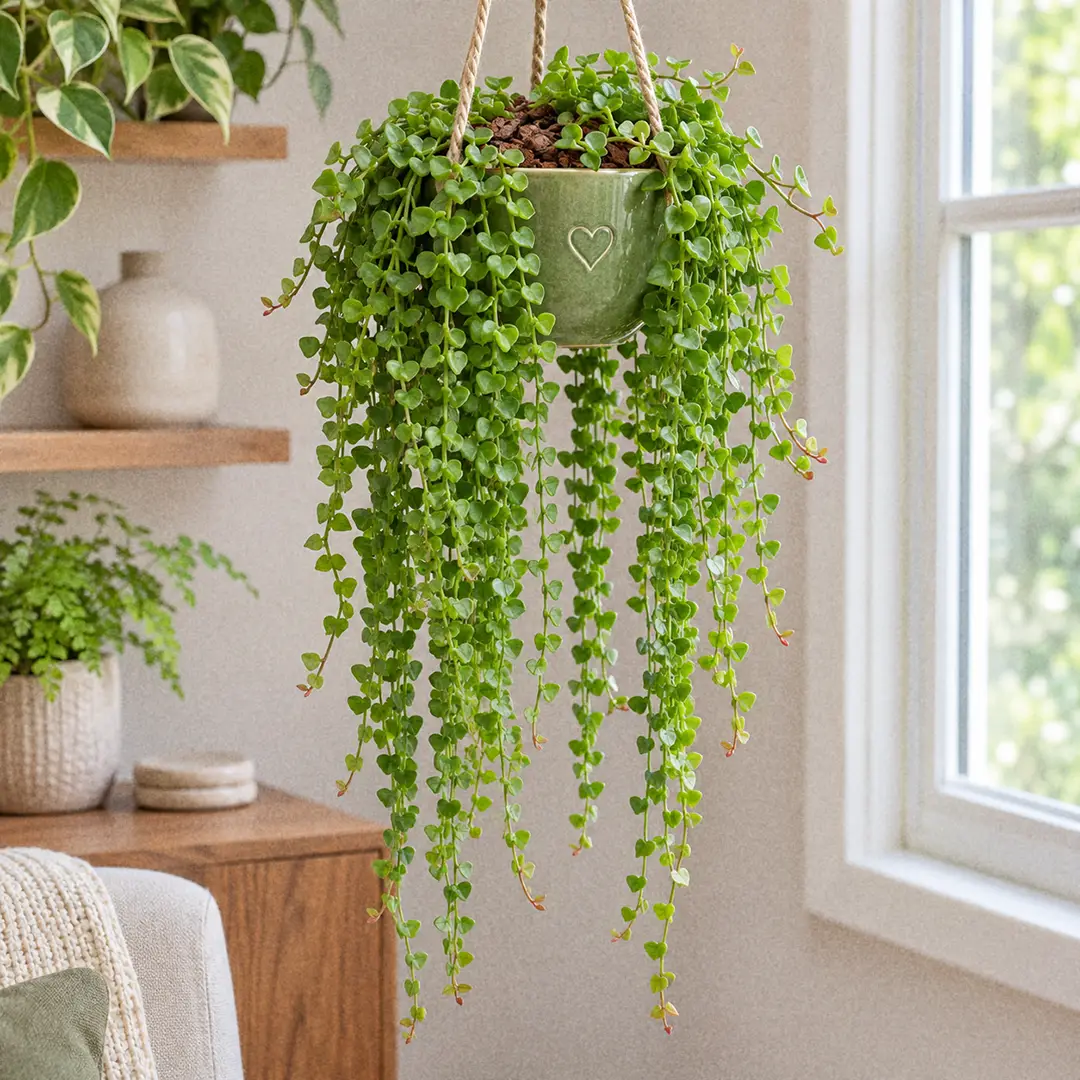
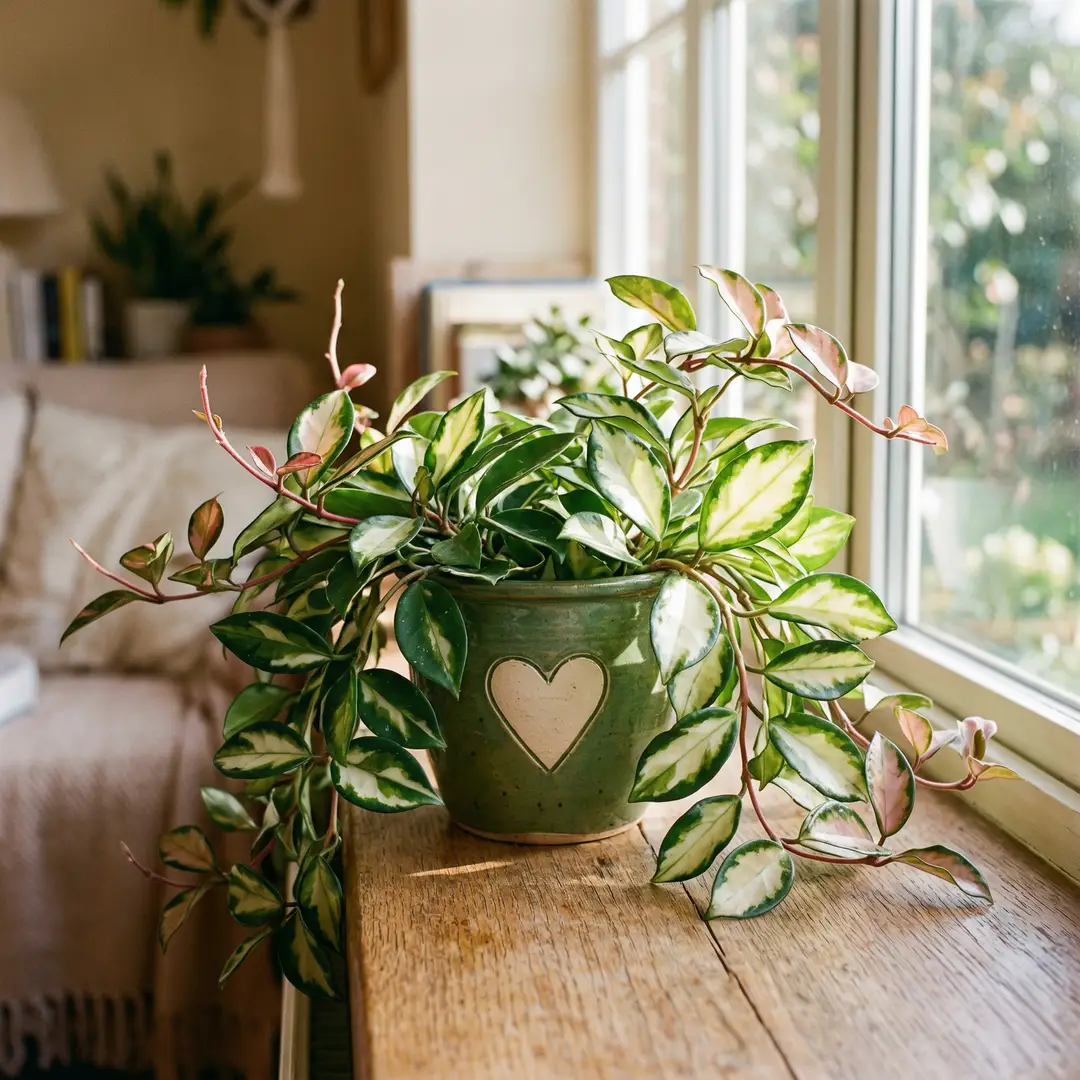
Dischidia Million Hearts is a small epiphytic trailer from the Philippines, with tiny thick heart-shaped leaves in neat pairs along thin stems. Learn how to grow Dischidia ruscifolia in an airy bark mix or on a mount, how to water it without rotting the roots, and how to keep the strands full instead of bare.
📝 Dischidia Million Hearts Care Notes
🌿 Care Instructions
⚠️ Common Pests
📊 Growth Information
🪴 In This Guide 🪴

☀️ Dischidia Million Hearts Light Requirements (Indoor Lighting Guide)
The Sweet Spot
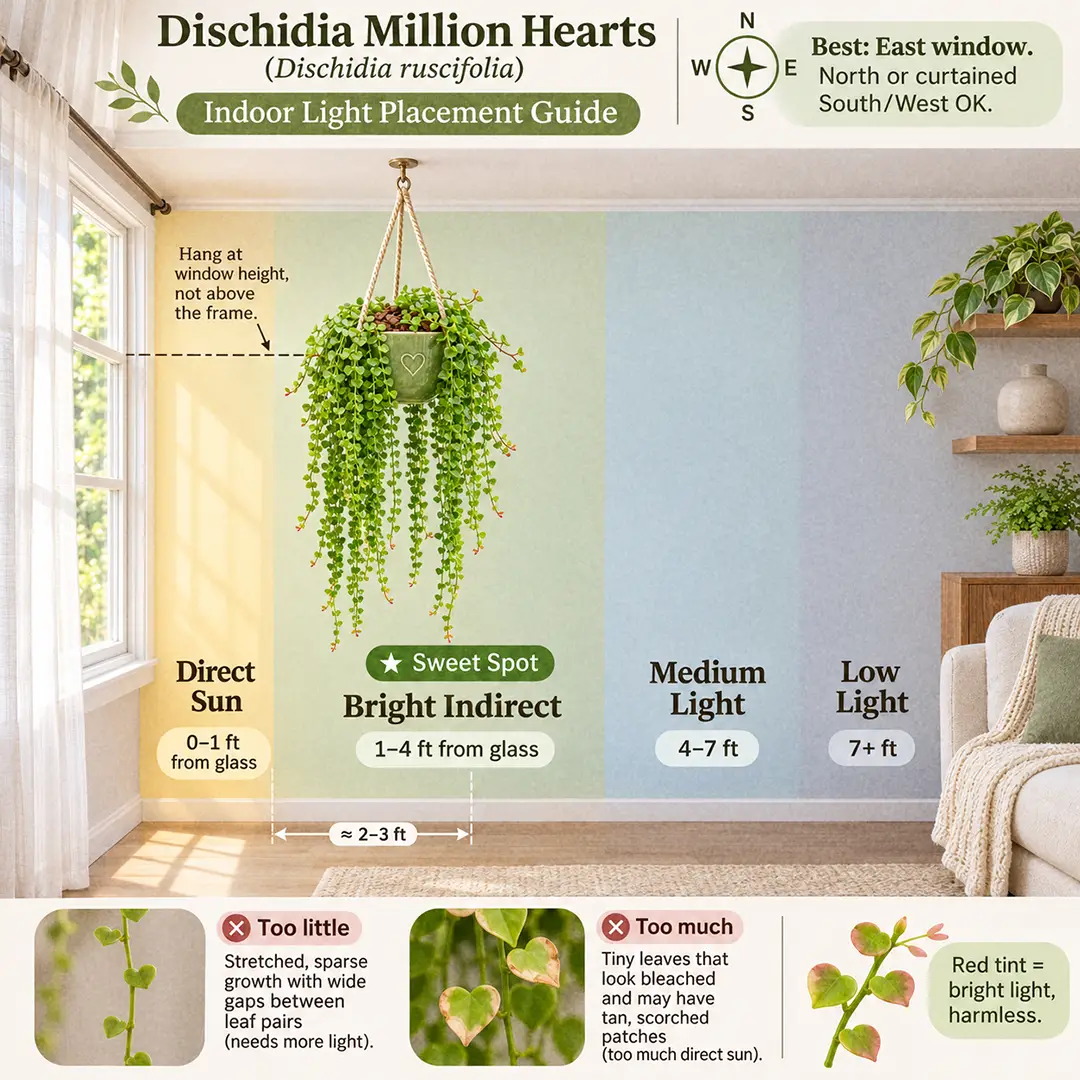
Million Hearts grows on tree branches in the Philippines, under a canopy that breaks up the sun. Indoors that translates to bright, indirect light. A spot near an east window is ideal, with gentle morning sun and steady light the rest of the day. A bright north window works, and a south or west window is fine a few feet back or behind a sheer curtain.
Because it usually hangs, check the light at the height of the pot, not at the windowsill. A hanging pot above the top of the window frame can sit in surprisingly dim light. Our Indoor Lighting Guide explains how to judge brightness by eye.
Too Little Light
In a dim spot the gaps between leaf pairs stretch out, and the strands start to look like thread with a few hearts on it. That is leggy growth. The stretched sections will not fill back in, so move the plant brighter and trim them later. Low light also means the mix stays wet for longer, which is how rot starts. A small grow light over a shelf plant solves both problems in winter.
Too Much Light
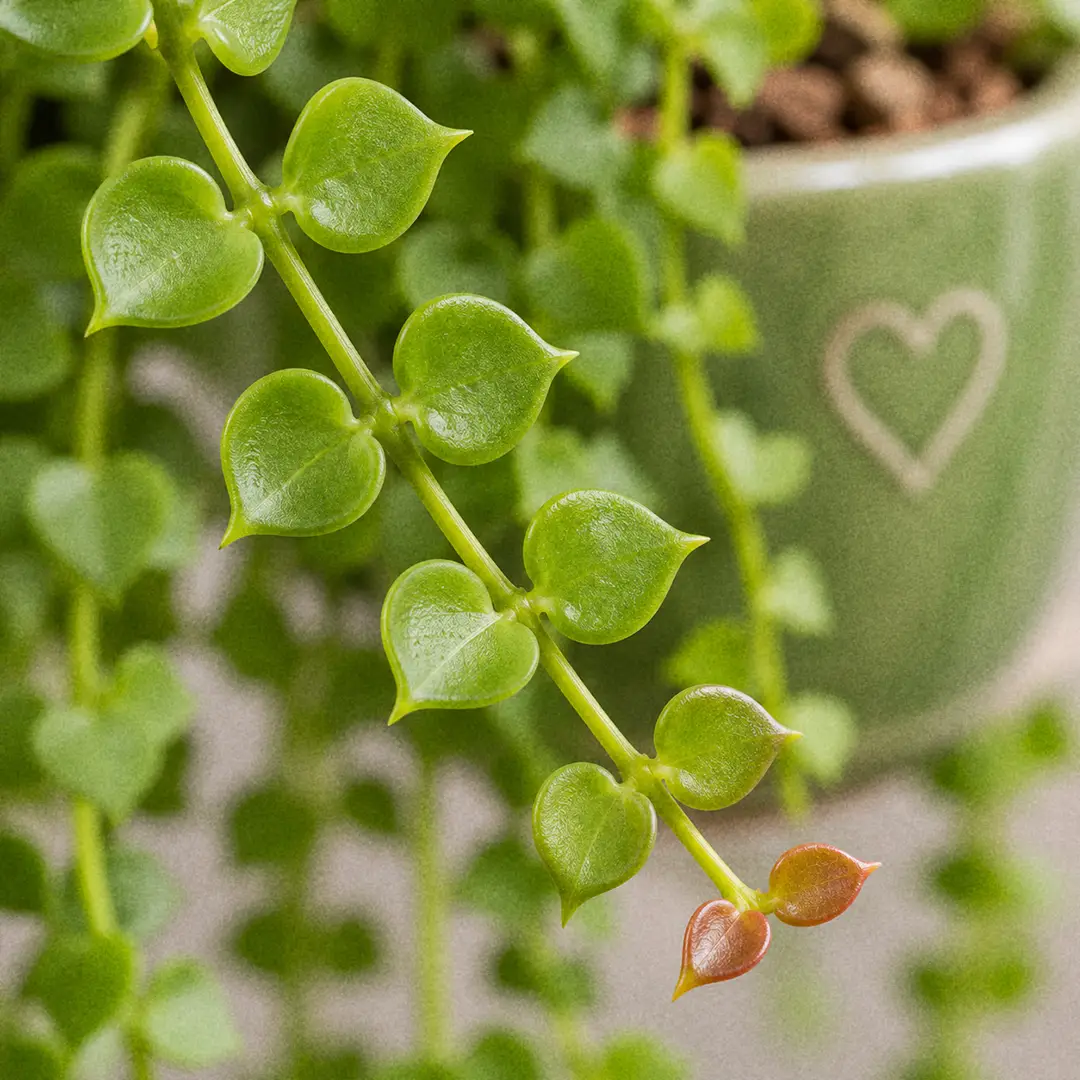
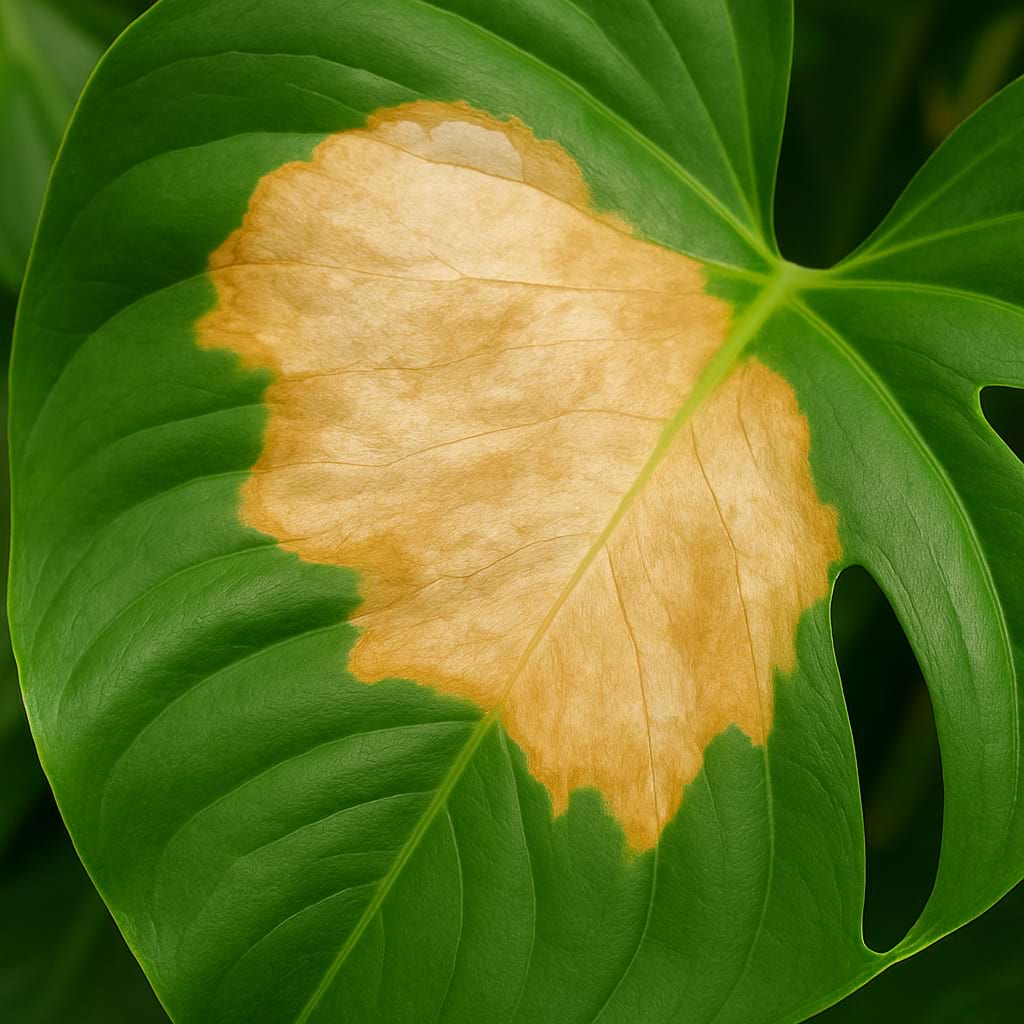
New leaves often come in with a reddish tint, and stronger light can bronze the whole plant. That is normal and harmless. Hot midday sun through glass is a different story, as it can bleach or scorch leaves into dry tan patches, which is sunburn. If you move it into a brighter spot, do it over a week or two.
💧 Dischidia Million Hearts Watering Guide (Soak and Dry)
Watering Frequency
Water when the mix has dried most of the way through. For a small pot of bark in summer that is often every 7-10 days, and in winter it can stretch to two or three weeks. Rather than following a calendar, lift the pot. A dry pot of bark feels almost weightless, and after a soak it is noticeably heavier.
The thick leaves store some water, so Million Hearts handles a missed watering better than most trailers. It is not a desert succulent, though. Leaving it bone dry for a month makes the leaves thin and wrinkled, and older leaves start to drop.
How to Water
Dry bark and moss shed water, so a quick splash from a can often runs straight out the bottom. The most reliable method is to dunk the whole pot in a bowl of room-temperature water for 10-15 minutes, until the bubbles stop, then let it drain completely before you hang it up. A lukewarm shower that runs through the pot for a minute also works. Our watering guide and bottom watering guide cover both approaches.
Never leave the pot sitting in a saucer or a decorative cover with water in the bottom. Hanging pots with attached saucers are a common hidden trap.
Signs of Trouble
Thirsty leaves lose their plump feel and start to look flat or slightly wrinkled. A good soak fixes that within a day or two. Overwatering shows differently: yellow leaves near the base, black or mushy stems at the soil line and a sour smell from the pot. Those point to root rot, and the answer is to check the roots, not to water more.
🪴 Best Soil for Dischidia Million Hearts (Epiphyte Mix)
What the Soil Needs
Million Hearts roots grip bark and moss in the wild. They are fine and need air around them as much as water. Ordinary potting soil packs down around them and stays wet, and that is the most common way this plant dies. A good mix feels chunky and light, drains in seconds and dries out within about a week in warm weather. Our soil guide explains why air pockets matter for roots like these.
DIY Soil Mix
A simple blend that works: 2 parts fine orchid bark, 1 part perlite and 1 part chopped sphagnum moss. The bark gives structure and air, the perlite keeps it loose and the sphagnum holds a little moisture near the roots. If you tend to forget watering, add a bit more sphagnum. If you tend to overwater, add more bark. Some growers keep Million Hearts in pure sphagnum moss, which also works well as long as it is packed loosely and allowed to dry between soaks.
Pre-Made Options
A bagged orchid bark mix is a good starting point. Shop "aroid mix" usually works too, provided it is mostly bark and perlite with little peat. Our potting soil guide covers what to look for on the label. Avoid any bag that is mostly peat or compost, because that is just regular soil with a different name.
🍼 Fertilizing Dischidia Million Hearts
When and How Often
Million Hearts is a light feeder. Feed about once a month in spring and summer, when you can see new leaves at the strand tips, and stop in autumn and winter when growth slows. Always water first and feed second, because fertilizer on dry bark and moss can burn the fine roots.
What to Use
An orchid fertilizer or a balanced liquid fertilizer at half strength is enough. Bark holds very few nutrients, so small regular feeds in summer do more than an occasional strong dose. A formula a little lower in nitrogen and higher in phosphorus and potassium suits a plant you also want flowering. Our Fertilizing Guide and fertilizers guide cover the options.
Over-Fertilizing Signs
Brown, crispy tips on new leaves, a white crust on the bark and dark, dry-looking roots all mean too much feed. Flush the pot under running water for a minute and skip the next couple of feeds.
🌡️ Dischidia Million Hearts Temperature Range
Ideal Range
This is a tropical plant, comfortable in the same range you are. Around 60-85°F (16-29°C) is ideal. It tolerates cooler nights in winter if it is kept on the dry side, but do not let it drop below about 50°F (10°C). Cold and wet together is what rots the roots, so water less in a cool room.
Drafts and Heat Sources
Keep it away from cold window glass in winter, outside doors and air conditioning vents, since sudden chills can make it drop leaves. A hanging pot directly above a radiator dries out in a day or two and stresses the plant, so hang it to one side. It can spend summer outdoors in bright shade once nights stay above 55°F (13°C), and should come back in before autumn nights cool down.
💦 Dischidia Million Hearts Humidity Requirements
Ideal Humidity
Million Hearts is more forgiving about dry air than most epiphytes, thanks to its thick leaves. In a pot of bark it grows well in average room humidity. It does grow faster and looks plumper at 50 percent or more, and mounted plants need that extra humidity because cork dries out so quickly.
Easy Humidity Boosters
A bright bathroom or kitchen is an easy win. In winter, when heating dries the air, a small humidifier nearby helps more than anything else. Misting does very little and leaves water sitting on the leaves, which can cause spots in still air. Our humidity guide covers what works.
🌸 Dischidia Million Hearts Flowers (Tiny and White)
What the Flowers Look Like
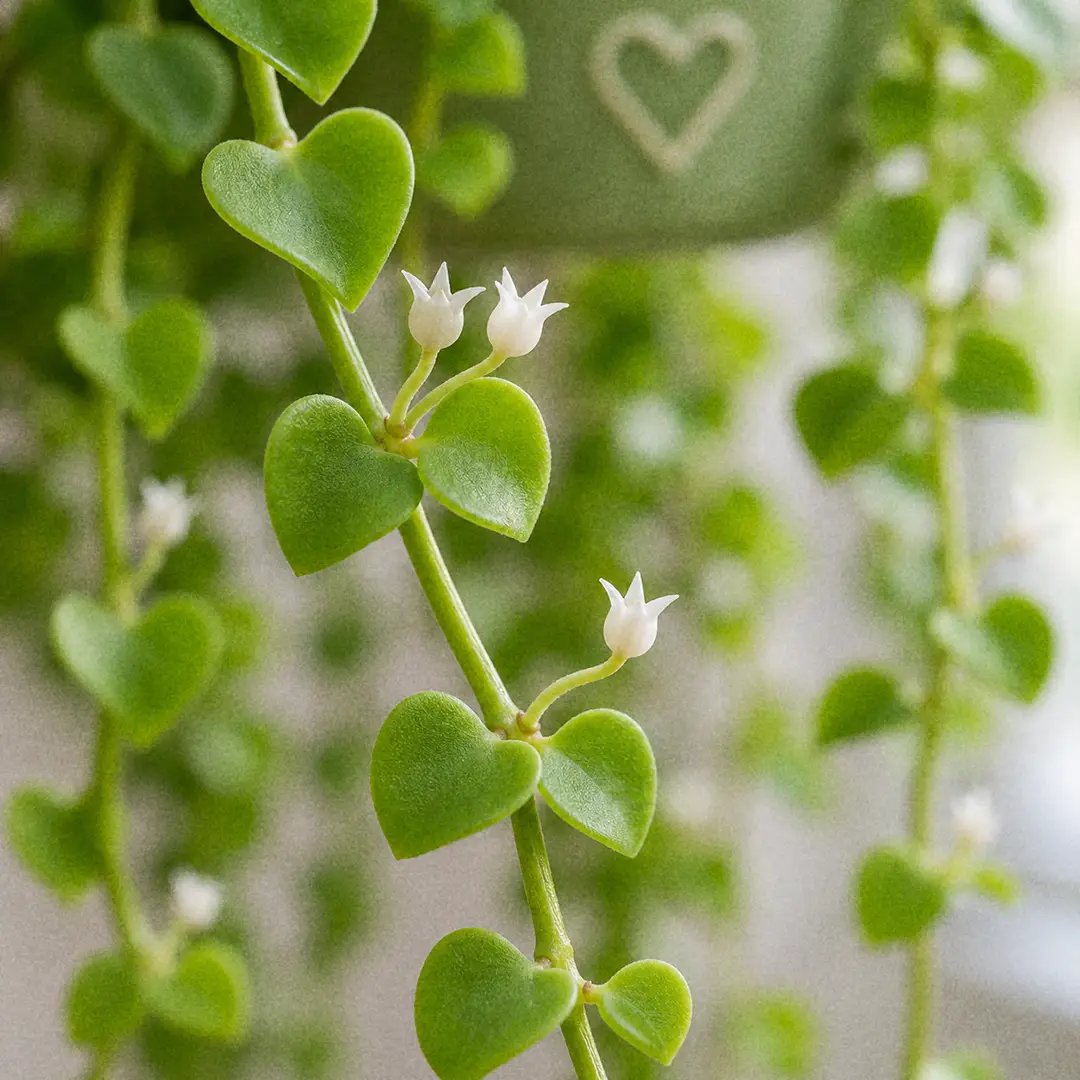
Million Hearts flowers readily, but you need to look closely. The flowers are pure white, only a few millimetres across, and shaped like tiny urns with five pointed tips. They sit singly or in pairs right where the leaves join the stem, on short curved stalks. There is no noticeable scent, and nothing like the round flower clusters of a hoya.
When It Blooms
This is the part that surprises people. Million Hearts can flower even as a young plant, and on a healthy plant the flowers can appear on and off through much of the year. Each one also lasts a long time. Many owners only notice after a few weeks, when they see little white dots scattered along every strand.
How to Encourage Blooms
Light is what makes the difference. A plant in good bright, indirect light flowers far more than one in a dim corner, and the reddish tint on the leaves is often a sign it is getting enough. Regular watering in the growing season and a monthly feed help too. If a flower is pollinated it can set a thin seed pod, but that rarely happens indoors, and cuttings are a far easier way to get new plants.
🏷️ Dischidia Million Hearts Types and Varieties
Million Hearts is sold as the plain green species and as a variegated form. Most of the questions people ask are about telling it apart from other small-leaved trailers with hearts or coins.
Green and Variegated Million Hearts
The standard plant has plain green leaves that blush red in bright light. The variegated form, sold as Dischidia ruscifolia 'Variegata', has pale markings on the leaves and is usually more expensive. It needs the brightest indirect spot you have, because variegated plants make less energy and can revert to plain green in low light. Our reversion guide explains what to do if all-green strands appear.
Million Hearts vs String of Nickels and Watermelon Dischidia
These are the two Dischidias you are most likely to see on the same shelf. String of Nickels (D. nummularia) has flat, round, grey-green coin leaves with no point at the tip. Watermelon Dischidia (D. ovata) has larger oval leaves with pale stripes along the veins. Million Hearts has thick little hearts under a centimetre long, packed in tight pairs, each ending in a stiff point. Care for all three is nearly identical.
Million Hearts vs String of Hearts
String of Hearts (Ceropegia woodii) is the one people mix it up with by name. Its hearts are flatter and thinner, marbled with silver on top and often purple underneath, and they hang on long wiry stems with wide gaps between pairs. It grows from small tubers in a gritty succulent mix and is listed as pet-safe. Million Hearts leaves are plain green, thicker, packed close and pointed, and the plant wants bark.
Million Hearts vs Sweetheart Hoya and Hoya Krohniana
Sweetheart Hoya (Hoya kerrii) has heart-shaped leaves that are many times larger, often sold as a single potted leaf, and it grows very slowly. Hoya Krohniana is closer in size, but its hearts are still around an inch across, often speckled with silver, and it flowers in round clusters. All three are in the same family and like similar care.
🪴 Potting and Repotting Dischidia Million Hearts
When to Repot
Repot every 2 years or so in spring, or sooner if the bark has broken down into dark crumbs that stay wet. The roots are small and like a snug pot, so a full-looking plant is not a reason to size up on its own. Our repotting guide covers the general process.
Choosing a Pot
Pick a small pot with plenty of drainage holes, only slightly larger than the root ball. Most Million Hearts are sold in 3.5-4 inch hanging pots, and that size often suits them for years. Plastic, glazed ceramic and slotted orchid pots all work with a bark mix. Skip anything without a drainage hole. Our plant pots guide compares materials.
Step-by-Step Repotting
- Water a day before so the roots are flexible.
- Ease the plant out and shake off the old mix, untangling strands as you go.
- Trim any brown, hollow or mushy roots with clean scissors.
- Set it at the same depth in fresh, barely damp mix and settle the bark around the roots.
- Wait about a week before a full soak, then return to normal care.
✂️ Pruning Dischidia Million Hearts
When to Prune
Light pruning any time in spring or summer is fine. Trim strands that have gone bare near the top, shorten any that trail too long for the spot, and pull off yellow leaves as you see them.
How to Prune
Cut just below a leaf pair with clean scissors. The cut will bleed a little milky sap, which is normal for the hoya family and can irritate skin, so wear gloves if you are sensitive and wash your hands afterward. Keep the healthy pieces for propagation.
Filling In a Thin Pot
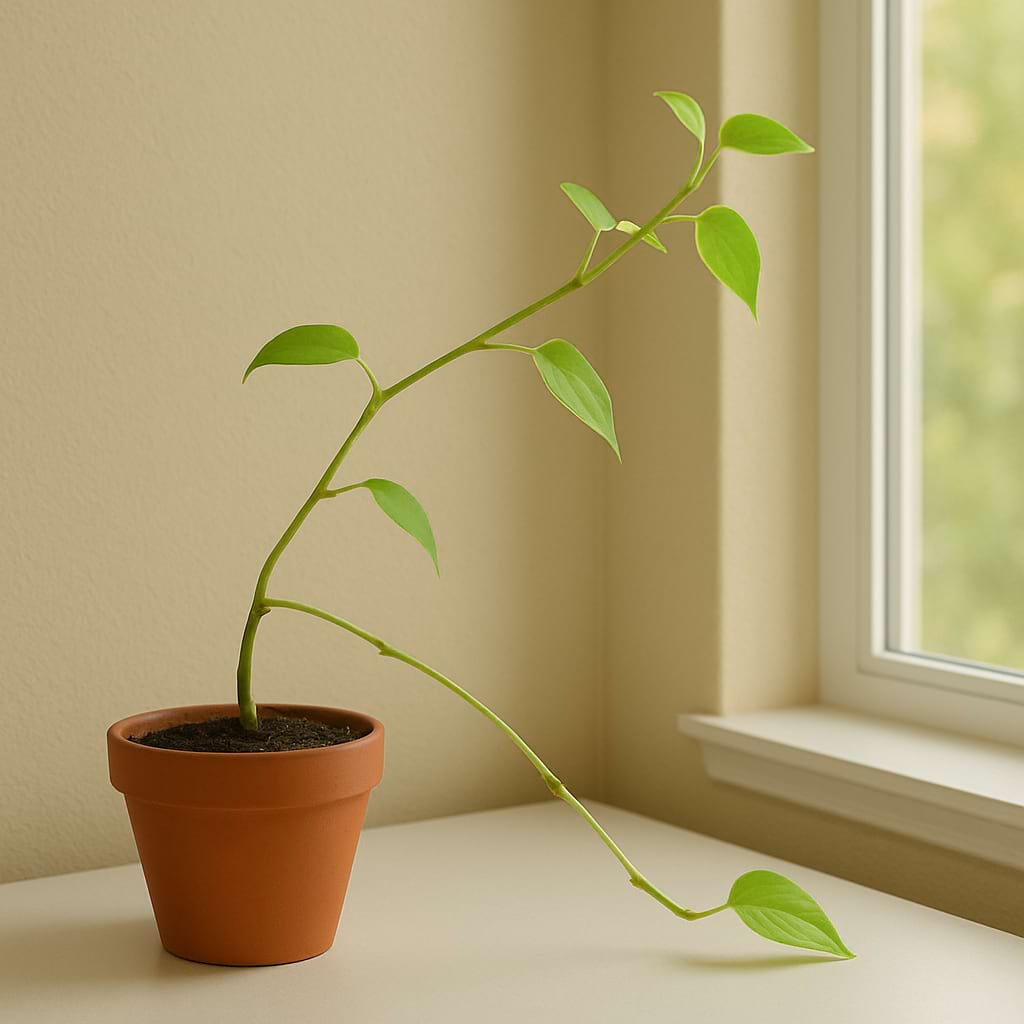
If the top of the pot looks bare, coil a long strand back over the mix and pin it down with a bent paperclip or hairpin. Million Hearts roots easily where its nodes touch damp mix, and the new roots send up fresh growth at the top. Planting your trimmed cuttings straight back into the same pot does the same job.
🌱 How to Propagate Dischidia Million Hearts
Best Method: Stem Cuttings
Million Hearts is one of the easiest Dischidias to root. Take cuttings 3-5 inches long with several leaf pairs. If you see small roots already growing along the stem, include those nodes, because they establish fastest. Damp sphagnum moss is the most reliable medium, but perlite and water both work too.
Step-by-Step
- Cut a healthy strand just below a node and let the sap stop dripping.
- Remove the leaves from the bottom one or two nodes.
- Press the bare nodes into damp (not dripping) sphagnum moss in a small pot or clear container.
- Cover loosely with a clear bag or lid to keep humidity up, and air it every few days.
- Keep it warm, around 70-80°F, in bright, indirect light.
- When the cuttings resist a gentle tug, usually after a few weeks, move them into bark mix or leave them in the moss.
Rooting in Water
Cuttings also root in a small jar of water on a bright windowsill. See our water propagation guide for the method. Move them into bark or moss once the roots are an inch or so long, because water roots struggle if left too long. For soil rooting, our soil propagation guide works the same way with bark mix.
Tips for Success
Put five or more cuttings in one pot for a full plant sooner. Warmth speeds rooting more than anything else, so avoid cold windowsills in winter. If a cutting goes black at the base, cut above the dark part and start again in fresh moss.
🐛 Dischidia Million Hearts Pests and Treatment
Common Pests
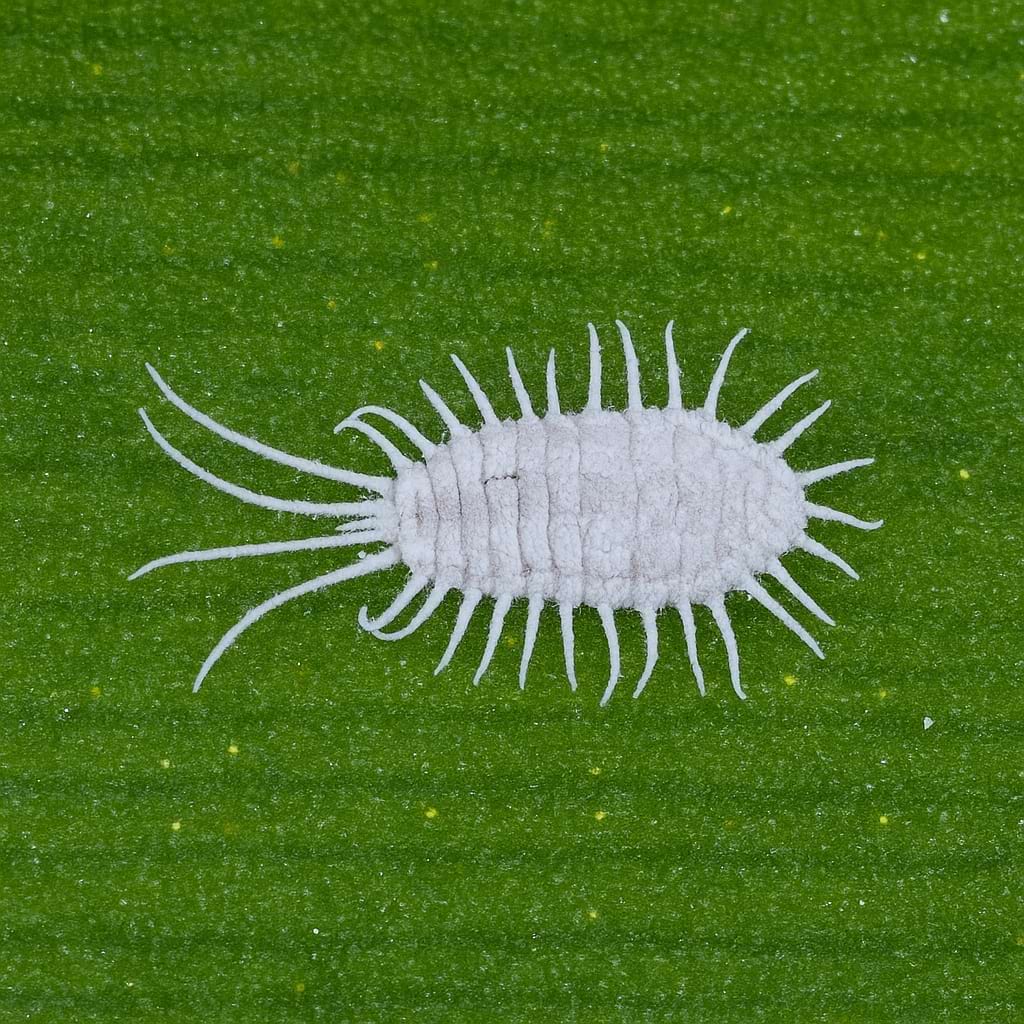
- Mealybugs are the most common pest. They hide between leaf pairs and along the stems as small white cottony spots.
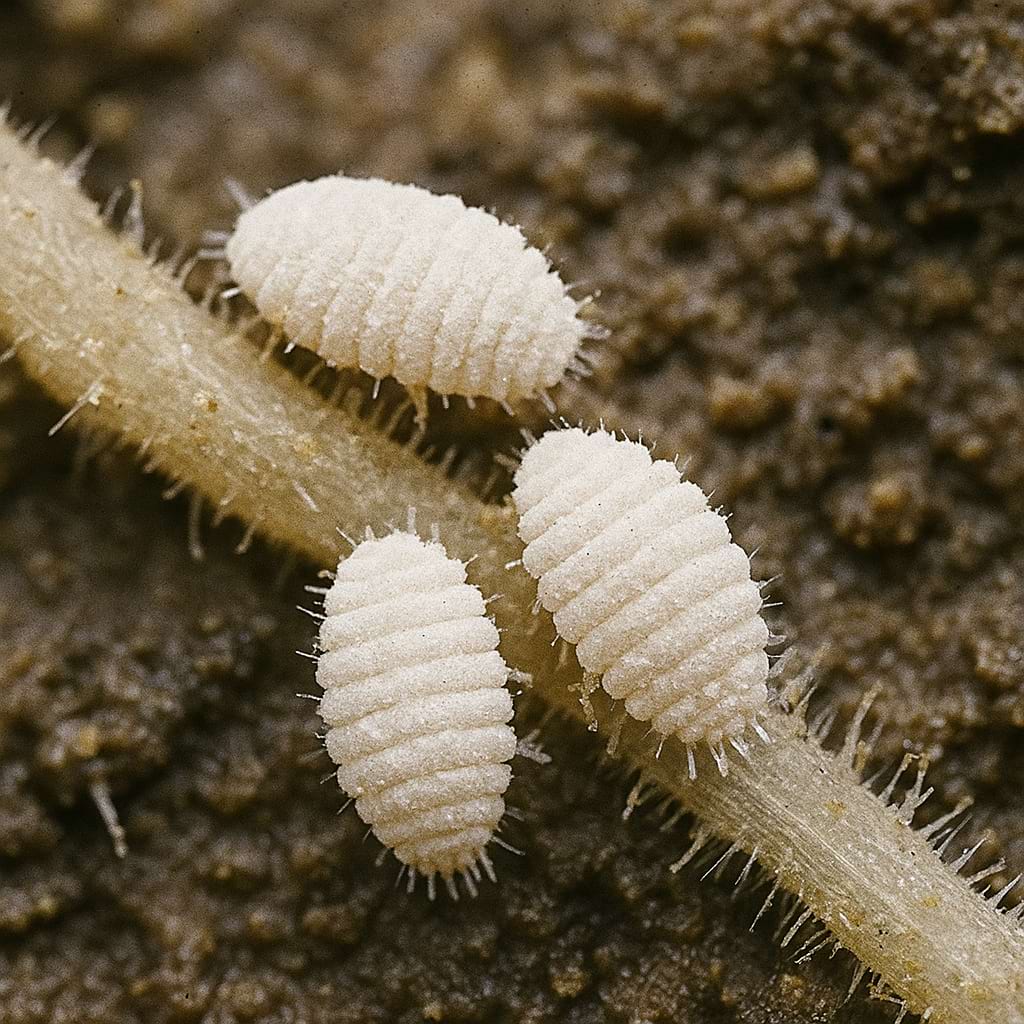
- Root mealybugs live in the mix and show as white waxy fluff on the roots, often only spotted when you repot a plant that has stopped growing.
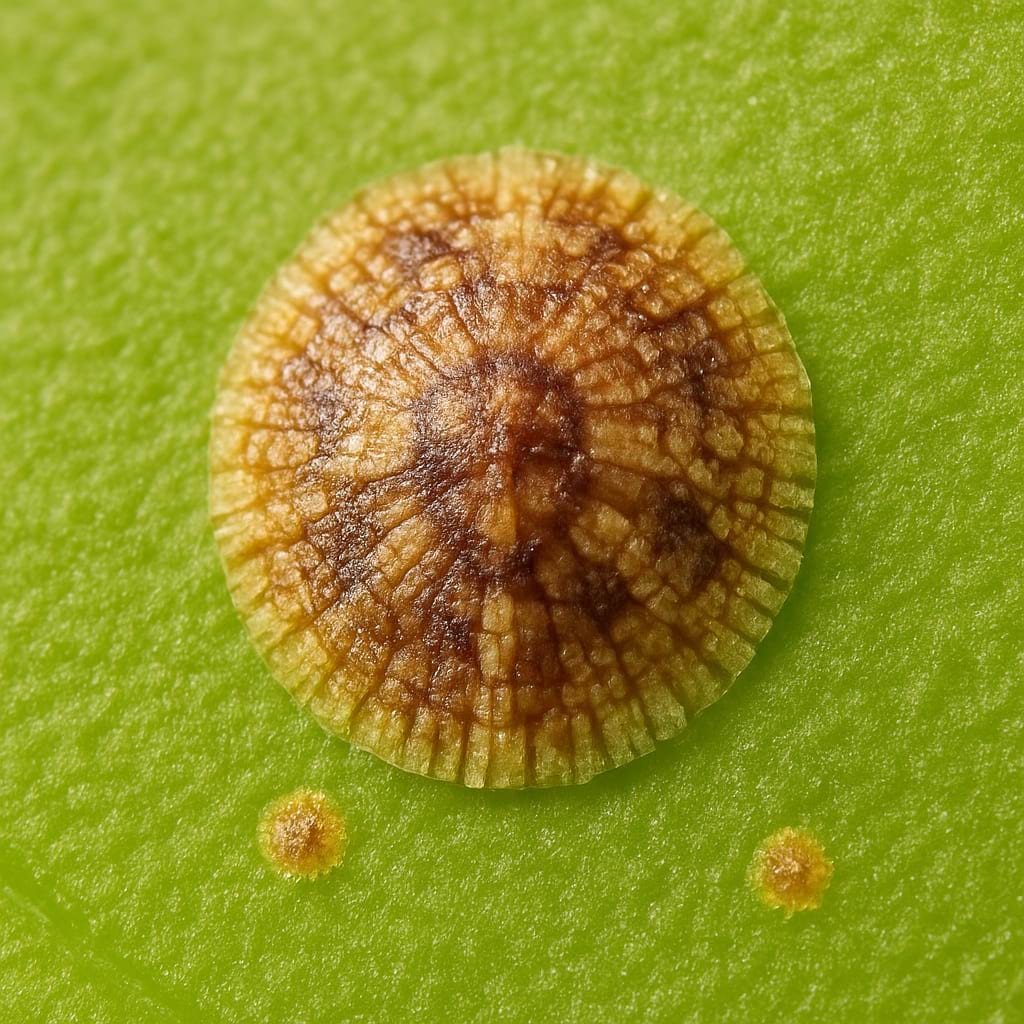
- Scale insects look like small brown bumps on the stems and leave sticky residue.
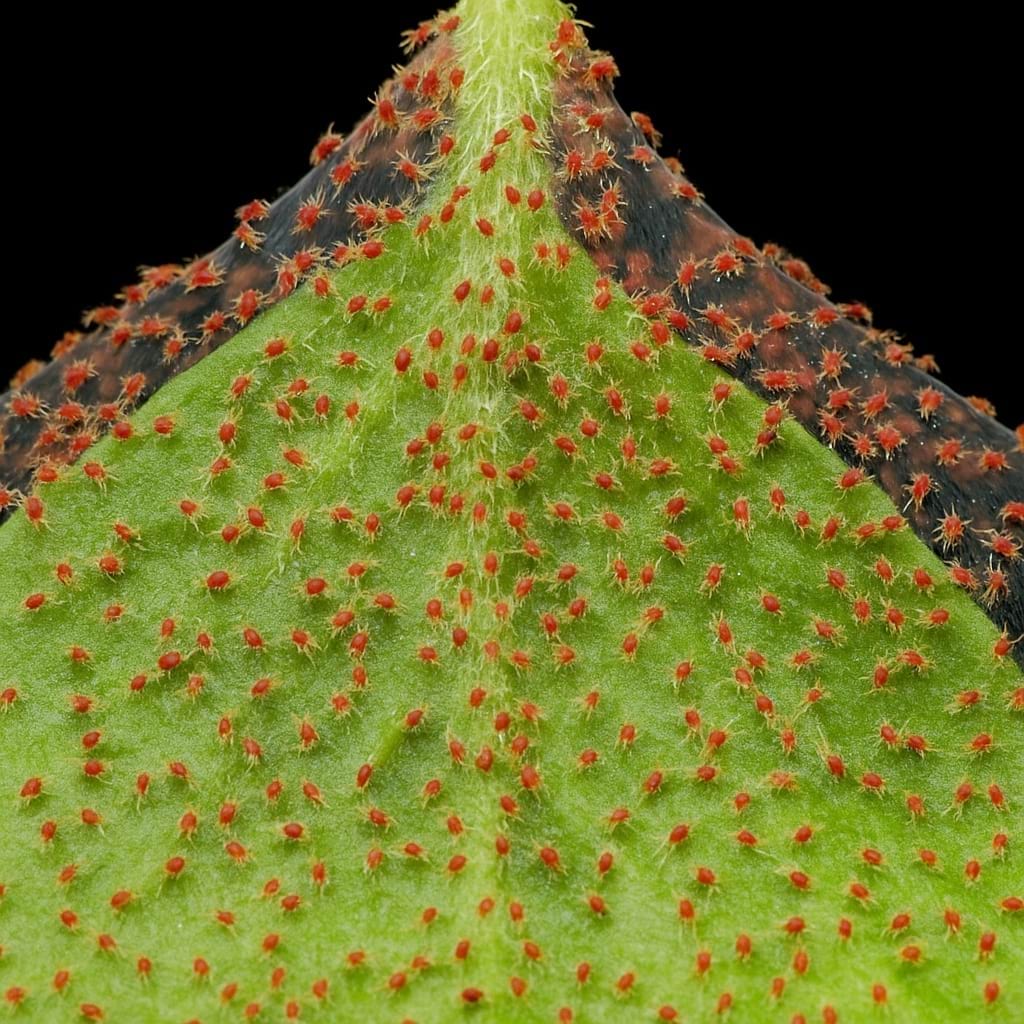
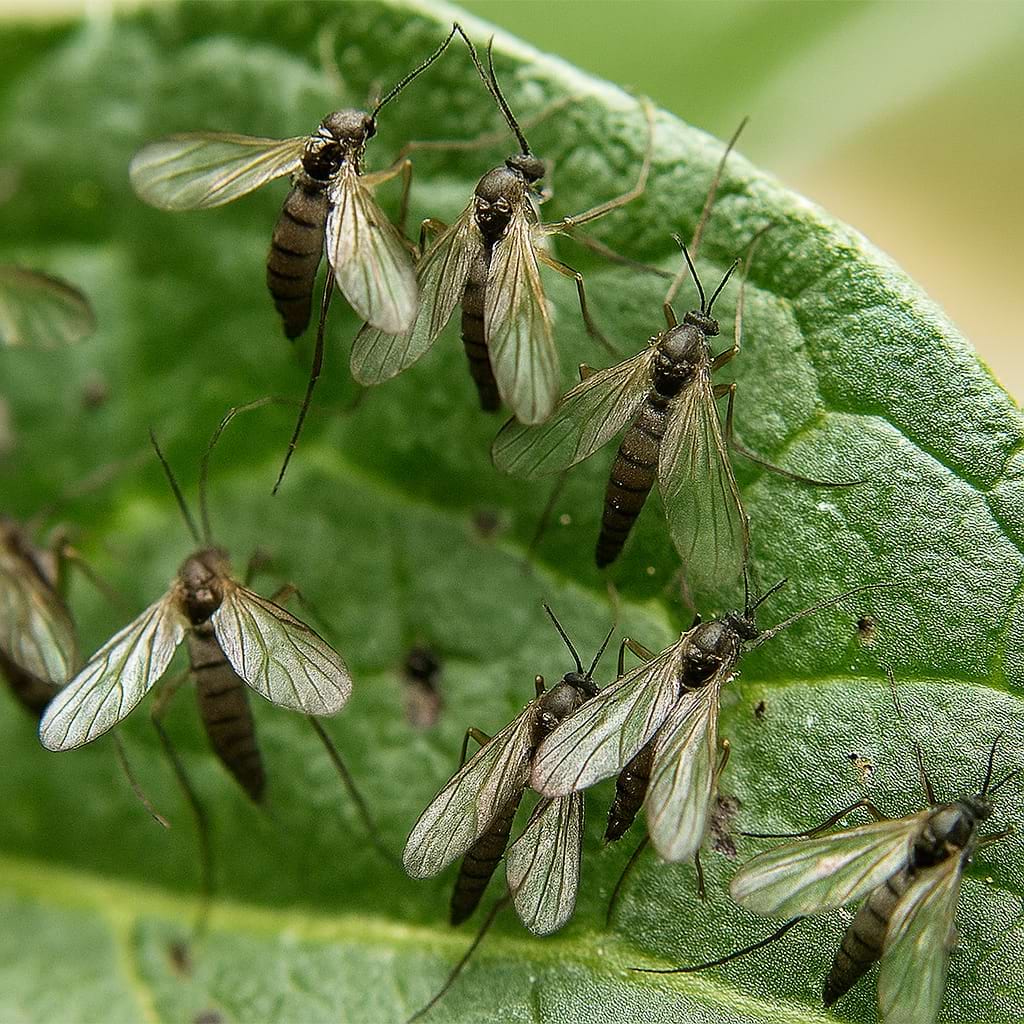
- Spider mites and fungus gnats turn up less often, mites in warm dry air and gnats when the mix stays wet.
Treatment
Dab mealybugs and scale with a cotton swab dipped in rubbing alcohol, then spray with insecticidal soap every week for a few weeks. For root mealybugs, unpot the plant, wash the roots, throw away the old mix and repot in fresh bark. Rinse mites off under the shower and raise the humidity. Gnats go once the mix dries out properly between waterings, and yellow sticky traps catch the adults.
Prevention
The dense strands hide pests well, so lift them and look underneath every time you water. Quarantine new plants for two weeks before they join the others. Our winter pest prevention guide has a checklist for the dry indoor months.
🩺 Common Dischidia Million Hearts Problems
Root Rot and Yellow Leaves
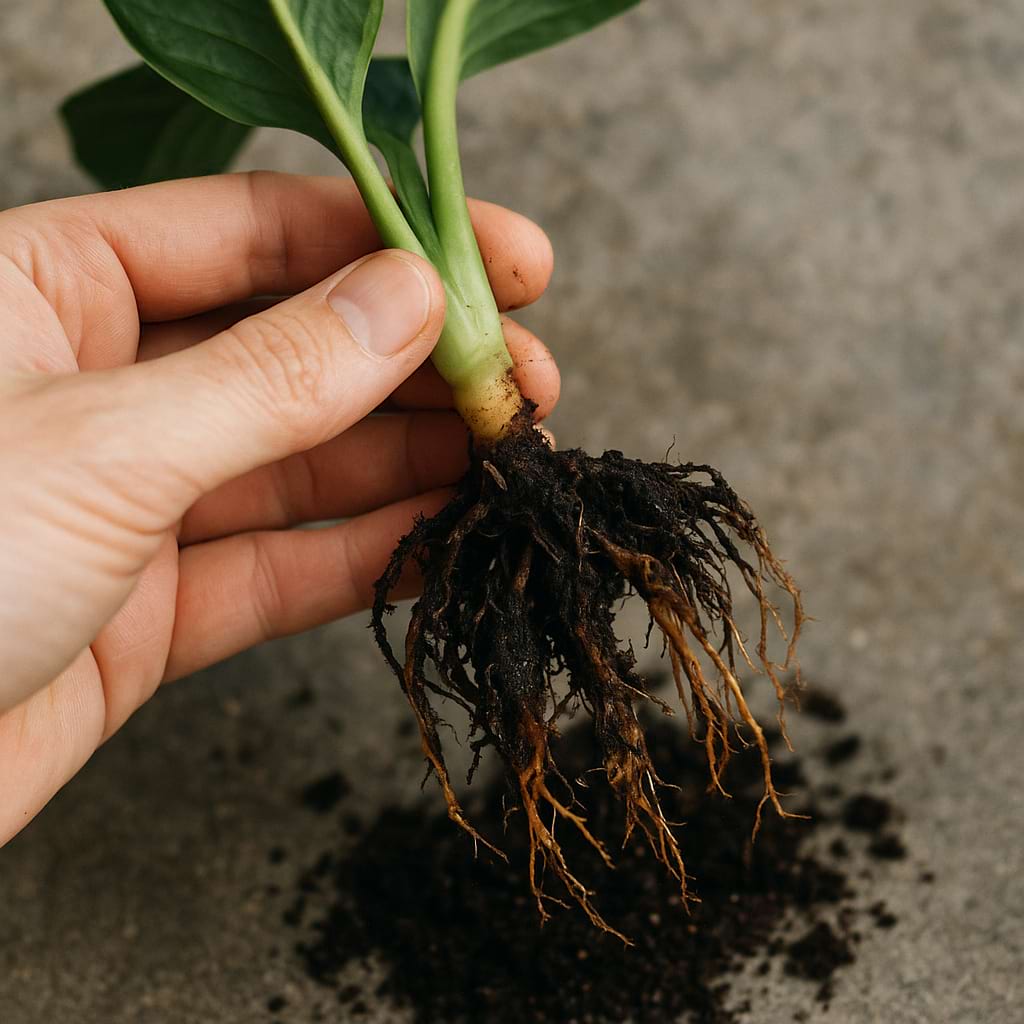
Nearly every Million Hearts that dies starts with wet, heavy mix. Root rot shows up as yellowing leaves near the base, black stems at the soil line and a sour smell. Unpot it, cut away soft brown roots and repot in fresh bark mix. If the base is gone, take cuttings from healthy strands and start again.
Shriveling and Leaf Drop
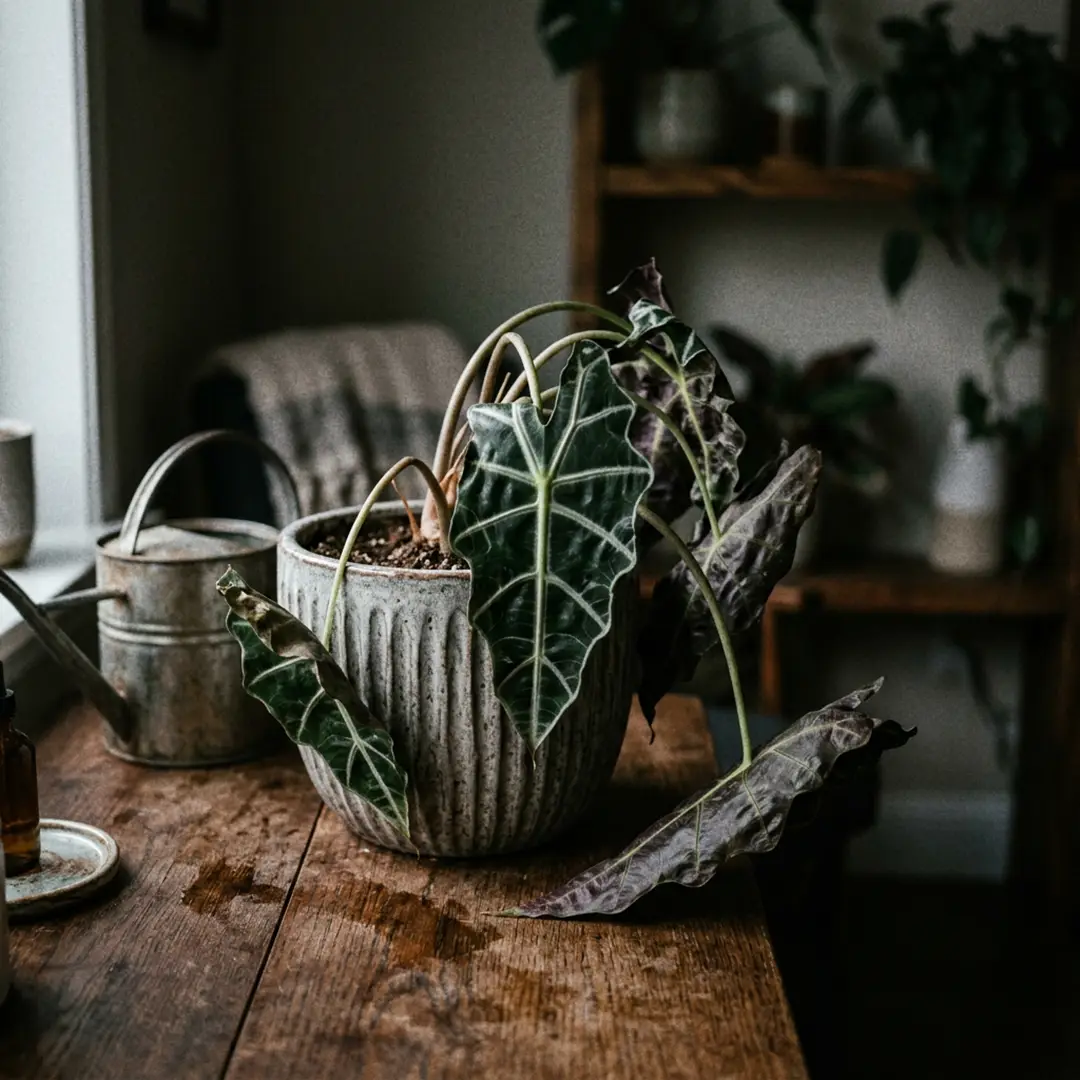
Thin, wrinkled leaves with dry mix mean thirst, and a long soak usually fixes it. The same symptom with wet mix means the roots are already damaged, so check them before you add water. Sudden leaf drop usually follows a cold draft, a big move or a swing between soaking wet and bone dry. Limp, hanging strands are covered in our wilting guide.
Bare Strands and Scorched Leaves
Long sections of stem with few leaves mean the plant needs more light. Older leaves at the top also drop naturally over time, which is why pinning and replanting cuttings keeps the pot full. Bleached or tan patches on the sunny side are sunburn, while an even red or bronze tint is just a sign of bright light.

🖼️ Dischidia Million Hearts Display and Styling Ideas
Hanging Pots and High Shelves
A hanging pot is the classic setup, and it is where the dense strands look best. Hang it at or just above eye level near the window, so you can see the tiny leaves and flowers up close. The edge of a tall bookshelf works the same way, with the strands falling down the side.
Mounts and Glass Cabinets
Million Hearts climbs well on cork. Wrap the roots in a pad of damp sphagnum, tie it against a slab of cork bark and hang it on a bright wall. Mounted plants dry fast, so plan on soaking them every few days in warm weather. In a glass cabinet with a grow light, it can scramble over a piece of cork at the back. Large, vented setups like the ones in our terrarium guide suit it better than sealed jars, since the mix needs to dry between waterings.
Pairing It With Other Plants
For a trailing group, hang it beside a String of Nickels and a Hoya Krohniana. All three want the same light and watering, and the tiny hearts, round coins and larger silver-flecked hearts look different enough to work together. It also sits well on a wall next to a mounted Staghorn Fern.
🌟 Dischidia Million Hearts Pro Care Tips
Watering Habits
- 🪣 Dunk instead of splashing. Dry bark sheds water, and a 10-minute soak is the only way to wet it all the way through.
- ⚖️ Lift the pot to check. A light pot is ready for water; a heavy one is not.
- 🚫 Skip regular potting soil. It stays wet and suffocates the fine roots.
Keeping It Full
- 📌 Pin or replant every cutting. Each one fills the top of the pot back in.
- ☀️ Give it more light than you think. It stays compact and flowers more in a bright spot.
- 🔴 Do not worry about red leaves. An even red tint is a light response, not a problem.
Handling and Buying
- 🧤 Watch the sap. The milky sap can irritate skin and eyes, so wash your hands after pruning.
- 🌿 Buy a full pot. Several strands from one nursery pot look lush far sooner than a single cutting.
❓ Frequently Asked Questions
Is Dischidia Million Hearts toxic to cats and dogs?
It is not on the ASPCA list, so its toxicity is unconfirmed. Like other Dischidias it has milky sap, and NC State Extension notes for its close relative D. ovata that the sap can irritate skin and may cause mouth irritation, vomiting or diarrhea if eaten. Treat it as mildly toxic and hang it out of reach of pets.
Is Million Hearts the same as String of Hearts?
No. String of Hearts is Ceropegia woodii, with flat, silver-marbled hearts on wiry stems, grown in gritty soil. Million Hearts is Dischidia ruscifolia, with smaller, thicker, plain green pointed hearts packed close together, grown in bark. They are in the same plant family but need different care.
How often should I water Dischidia Million Hearts?
When the mix is dry most of the way through. In summer that is often every 7-10 days for a small pot of bark, and every two to three weeks in winter. Mounted plants dry faster and need checking every few days.
Why are my Million Hearts leaves turning red?
Bright light. New growth often comes in reddish, and the whole plant can bronze near a sunny window. That is harmless. Only worry if leaves are bleached, crispy or have dry tan patches, which means the sun is too strong.
What are the little white dots on my Million Hearts?
Most likely flowers. Million Hearts makes tiny white urn-shaped flowers at the leaf joints, often while still young. If the white spots are fuzzy or cottony instead, check for mealybugs.
Why is my Million Hearts losing leaves?
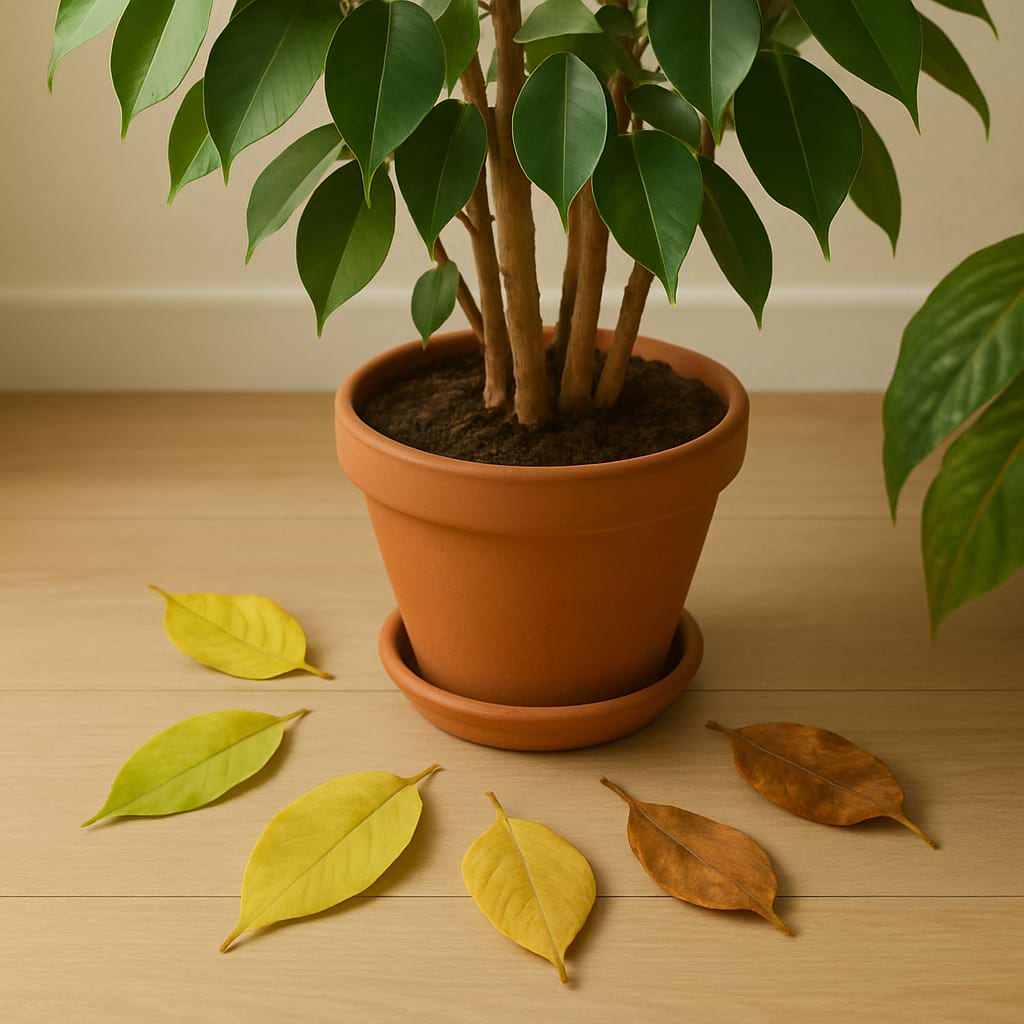
The usual causes are root rot from wet mix, a long dry spell, a cold draft or a sudden move. Check the mix first: wet and sour points to rot, bone dry points to thirst. A few old leaves dropping from the top of the strands is normal.
Can Million Hearts grow in low light?
It survives in medium light, but it grows slowly, the strands stretch out and it rarely flowers. For a full plant, give it bright, indirect light or a grow light.
Is Dischidia ruscifolia an ant plant?
No. Some Dischidia species grow hollow pouch leaves that ants live in, which is where the ant plant label comes from. Million Hearts has ordinary solid leaves and grows perfectly well indoors without ants.
Can I grow Million Hearts in regular potting soil?
Not well. Regular soil stays wet and packs down around the fine roots, which leads to rot. Use an orchid bark mix with perlite and a little sphagnum, or pure sphagnum moss.
How big does Dischidia Million Hearts get?
The strands can trail to about 3 feet, and the plant stays just a few inches tall in the pot. It grows at a moderate pace in a warm, bright room and much more slowly in a cool or dim one.
ℹ️ Dischidia Million Hearts Info
Care and Maintenance
🪴 Soil Type and pH: Orchid bark, perlite and sphagnum moss epiphyte mix
💧 Humidity and Misting: Copes with average room humidity; mounted plants appreciate more.
✂️ Pruning: Trim bare or overlong strands in spring and summer and replant the cuttings in the same pot.
🧼 Cleaning: Rinse the strands under a lukewarm shower now and then and let them drain and dry. The leaves are too small to wipe one by one.
🌱 Repotting: Repot every 2 years or so in spring, when the bark breaks down or stays wet for too long.
🔄 Repotting Frequency: Every 2 years
❄️ Seasonal Changes in Care: Water and feed through spring and summer. In winter water less, stop feeding and keep it bright.
Growing Characteristics
💥 Growth Speed: Moderate, faster when warm and bright
🔄 Life Cycle: Evergreen epiphytic perennial vine
💥 Bloom Time: On and off through the year on healthy plants
🌡️ Hardiness Zones: 10-12
🗺️ Native Area: Philippines
🚘 Hibernation: No true dormancy. Growth slows in winter, so water less and do not feed.
Propagation and Health
📍 Suitable Locations: Hanging pots near an east or bright north window, the edge of a high shelf, bright bathrooms, cork mounts, glass cabinets
🪴 Propagation Methods: Root stem cuttings in damp sphagnum moss, perlite or water.
🐛 Common Pests: Mealybugs, Root Mealybugs, Scale Insects, Spider Mites, Fungus Gnats
🦠 Possible Diseases: Root rot, stem rot in soggy mix, leaf spots when leaves stay wet
Plant Details
🌿 Plant Type: Trailing epiphytic vine
🍃 Foliage Type: Evergreen, thick, succulent heart-shaped leaves
🎨 Color of Leaves: Mid to dark green, with a reddish or bronze tint on new growth and in stronger light
🌸 Flower Color: White
🌼 Blooming: Yes, tiny white flowers at the leaf joints, even on young plants
🍽️ Edibility: Not edible. The milky sap can irritate skin and mouths.
📏 Mature Size: 2-4 inches tall in the pot
Additional Info
🌻 General Benefits: A dense curtain of tiny leaves from a small, light pot, which suits hanging spots where a heavy trailer would not work
💊 Medical Properties: No documented medicinal uses.
🧿 Feng Shui: Often placed in a hanging pot as a soft, cascading green line with a heart theme, a common choice for a gift.
⭐ Zodiac Sign Compatibility: Libra
🌈 Symbolism or Folklore: Affection, many small kindnesses adding up
📝 Interesting Facts: The name ruscifolia means leaves like Ruscus, the butcher's broom, whose leaf-like shoots end in a sharp point. Million Hearts leaves end in a small stiff point too. It is a close relative of Hoya and bleeds milky sap when cut.
Buying and Usage
🛒 What to Look for When Buying: Choose a pot with many strands, firm plump leaves and new growth at the tips. Skip plants with black, soft stems at the base or mix that smells sour.
🪴 Other Uses: Small hanging baskets, cork and driftwood mounts, glass cabinets and large vented terrariums
Decoration and Styling
🖼️ Display Ideas: Hanging pots at eye level, the edge of a tall shelf, a cork mount on a bright wall
🧵 Styling Tips: The leaves are tiny, so let the strands hang long and close to where you sit. From across a room it reads as a soft green curtain.
🪴 See also 🪴
Complete Guide to Hoya Latifolia Care and Growth
Complete Guide to Hindu Rope Care and Growth
Complete Guide to Hoya Australis Care and Growth
Complete Guide to Watermelon Dischidia Care and Growth
Complete Guide to Hoya Retusa Care and Growth
Complete Guide to Hoya Curtisii Care and Growth
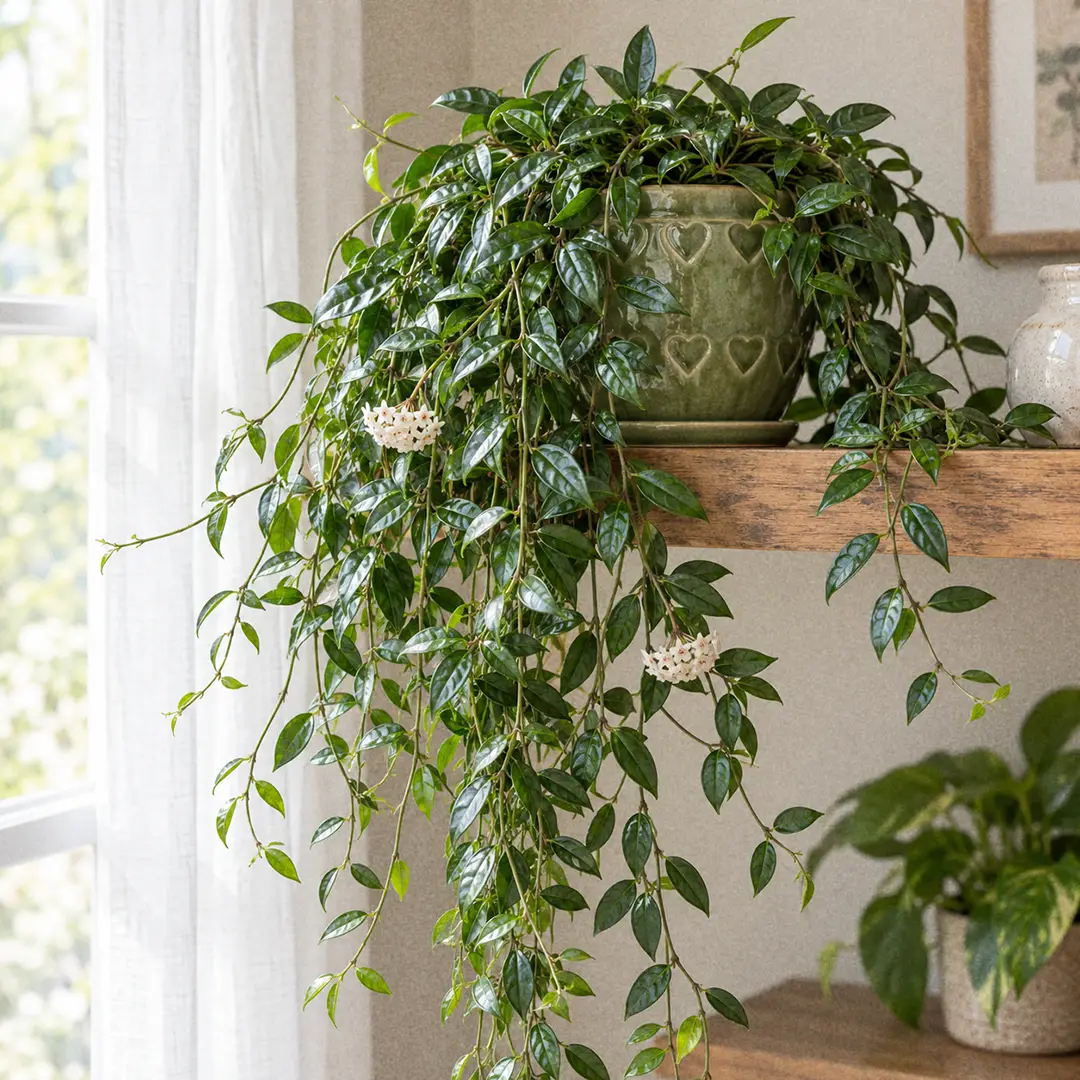
Complete Guide to Hoya Lacunosa Care and Growth
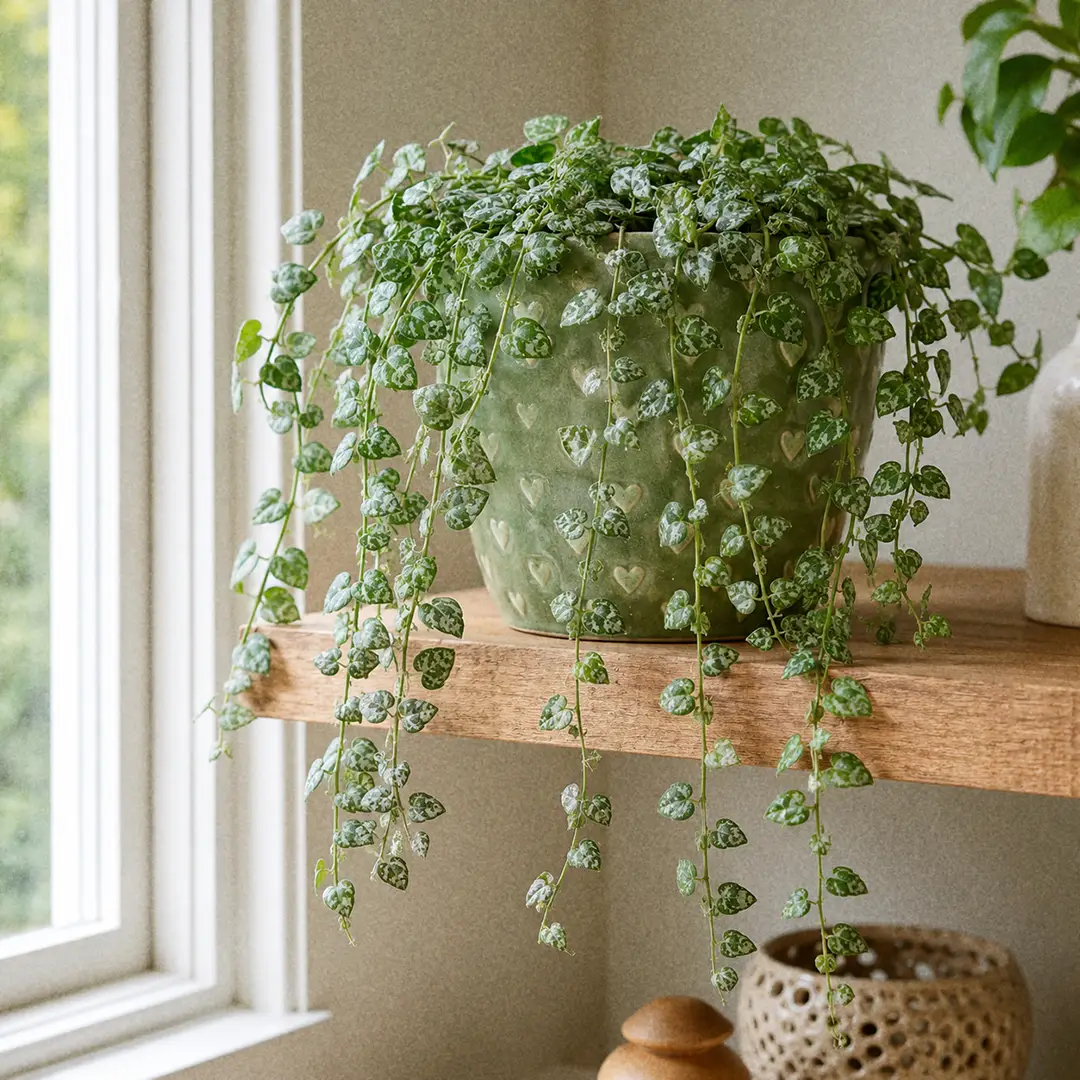
Complete Guide to Hoya Krohniana Care and Growth
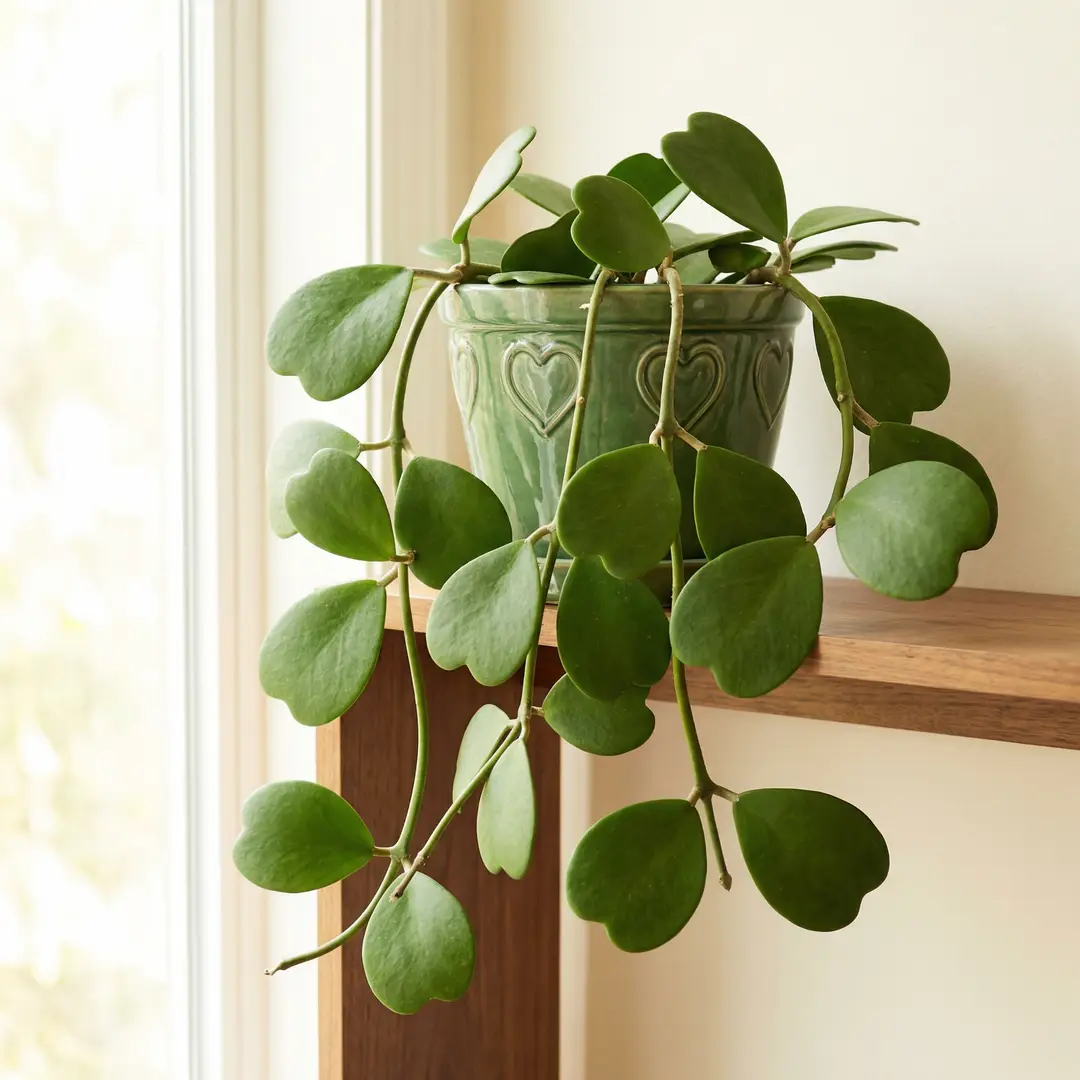
Complete Guide to Sweetheart Hoya Care and Growth
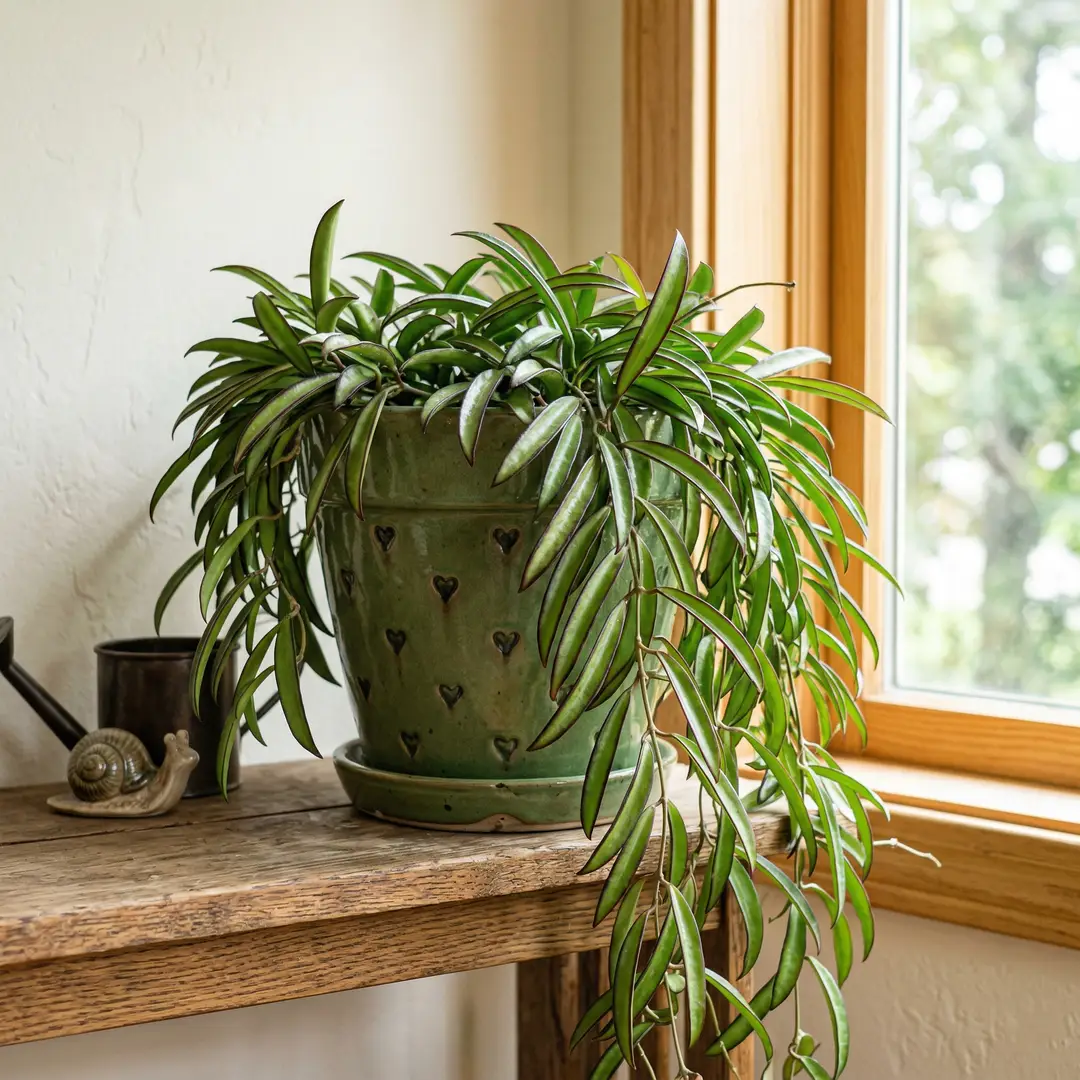
Complete Guide to Hoya Wayetii Care and Growth
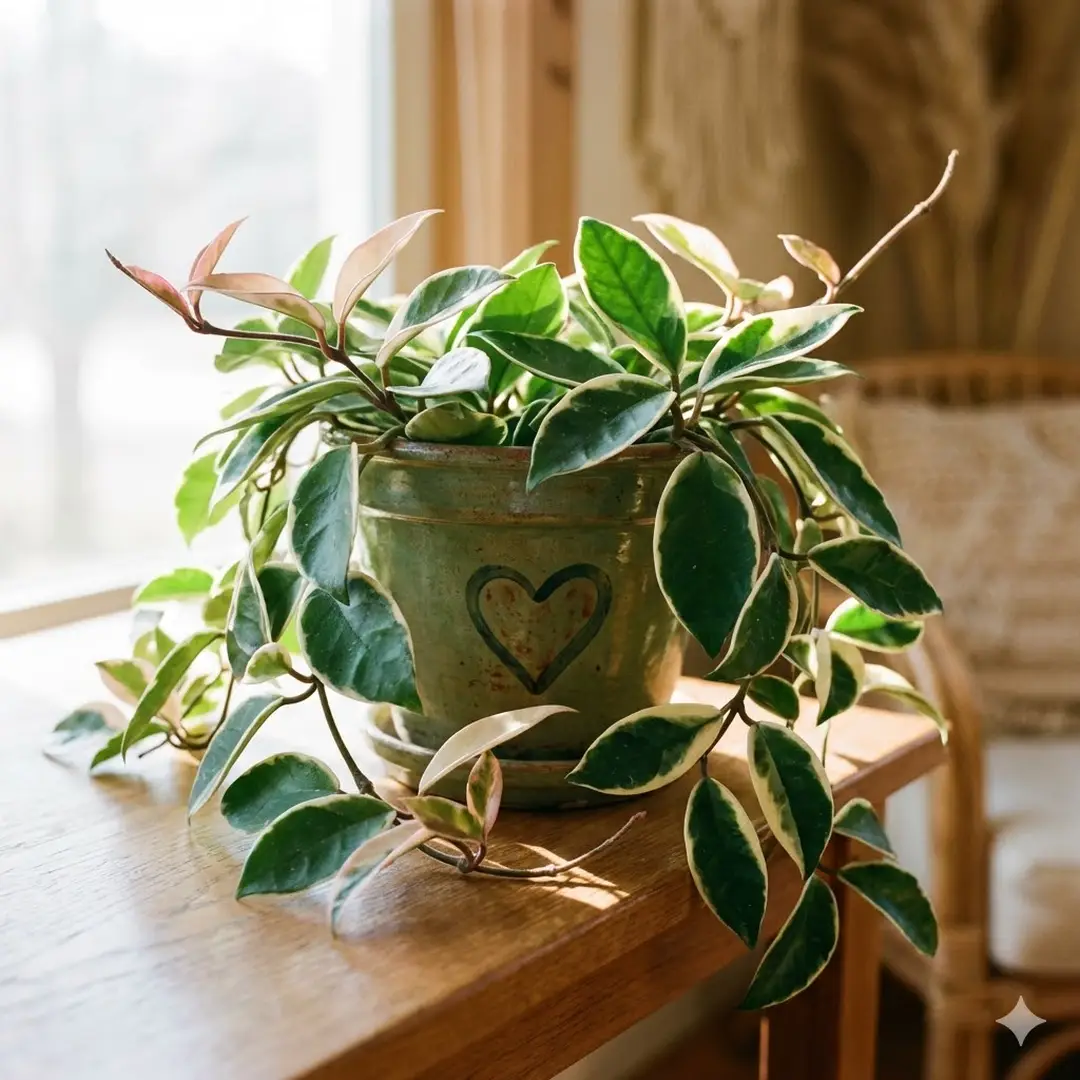
Complete Guide to Hoya Crimson Queen Care and Growth
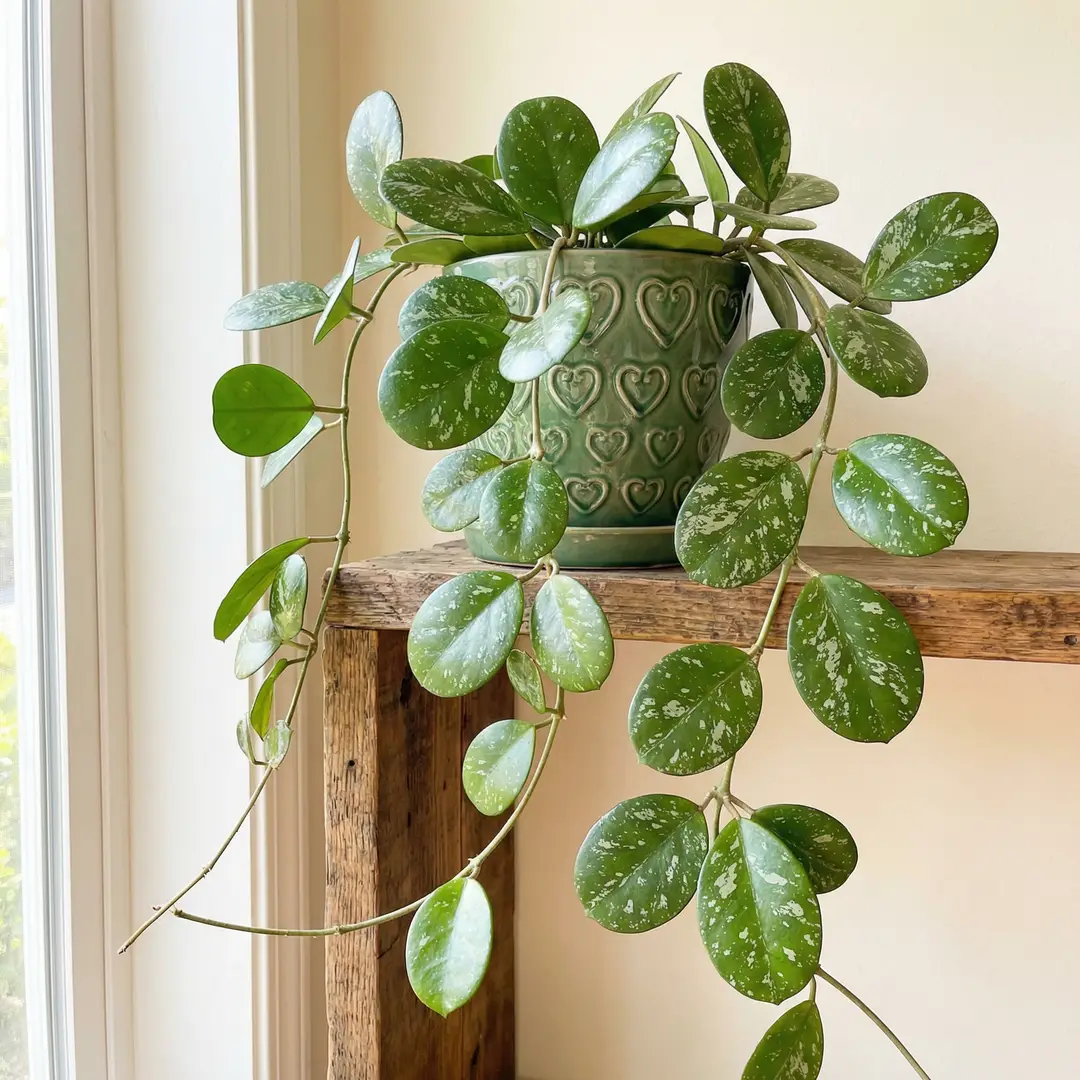
Complete Guide to Hoya Obovata Care and Growth
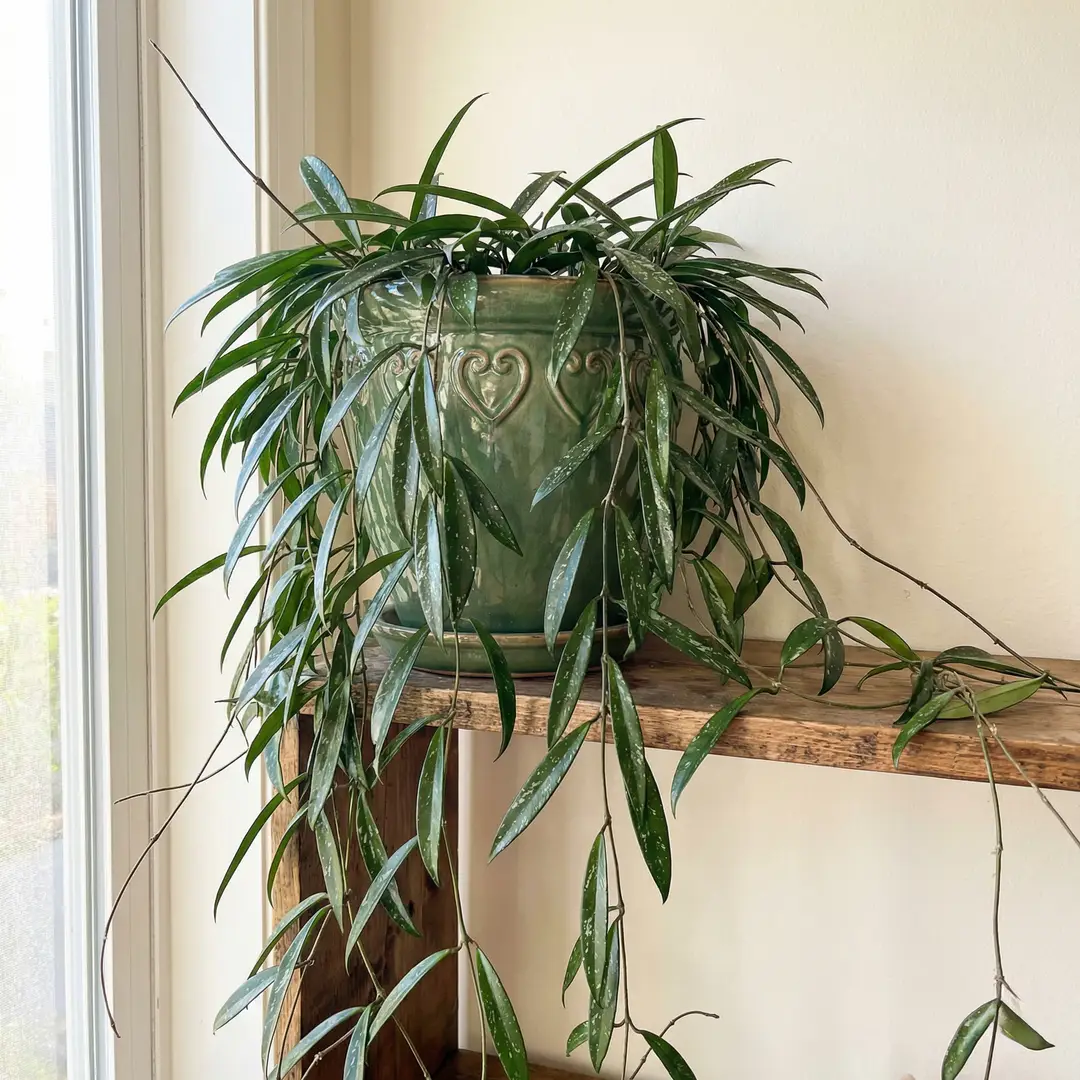
Complete Guide to Hoya Pubicalyx Care and Growth
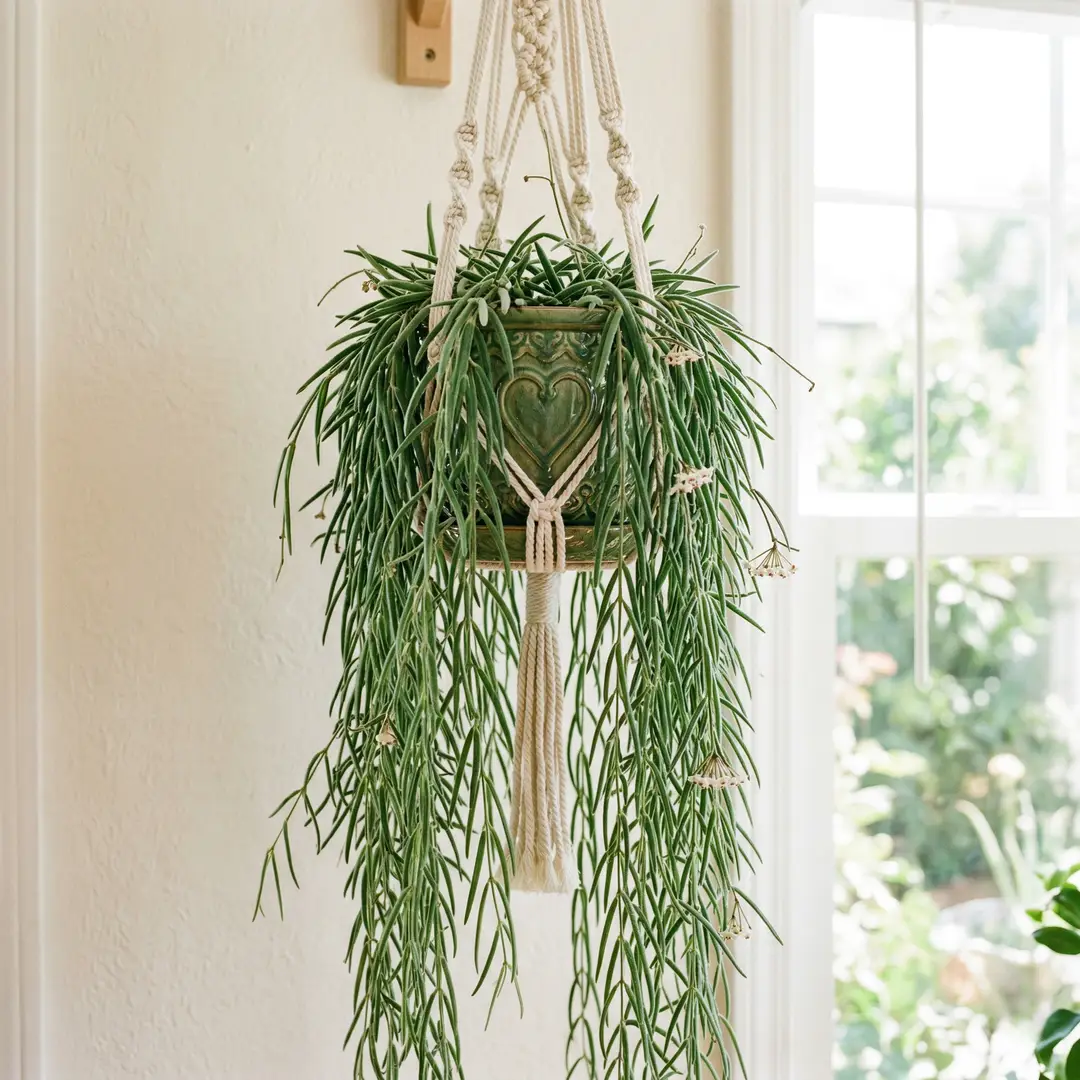
Complete Guide to Hoya Linearis Care and Growth

Houseplant101 Forum
Questions & Comments
Ask a question, share your plant experience, or help other plant owners.
Comments are temporarily unavailable.
Open the Houseplant101 ForumNo comments yet
Be the first to ask a question or share your experience about this page.
Log in or create an account
Comments use your Houseplant101 Forum account, but you can stay on this page.
Create a new account