
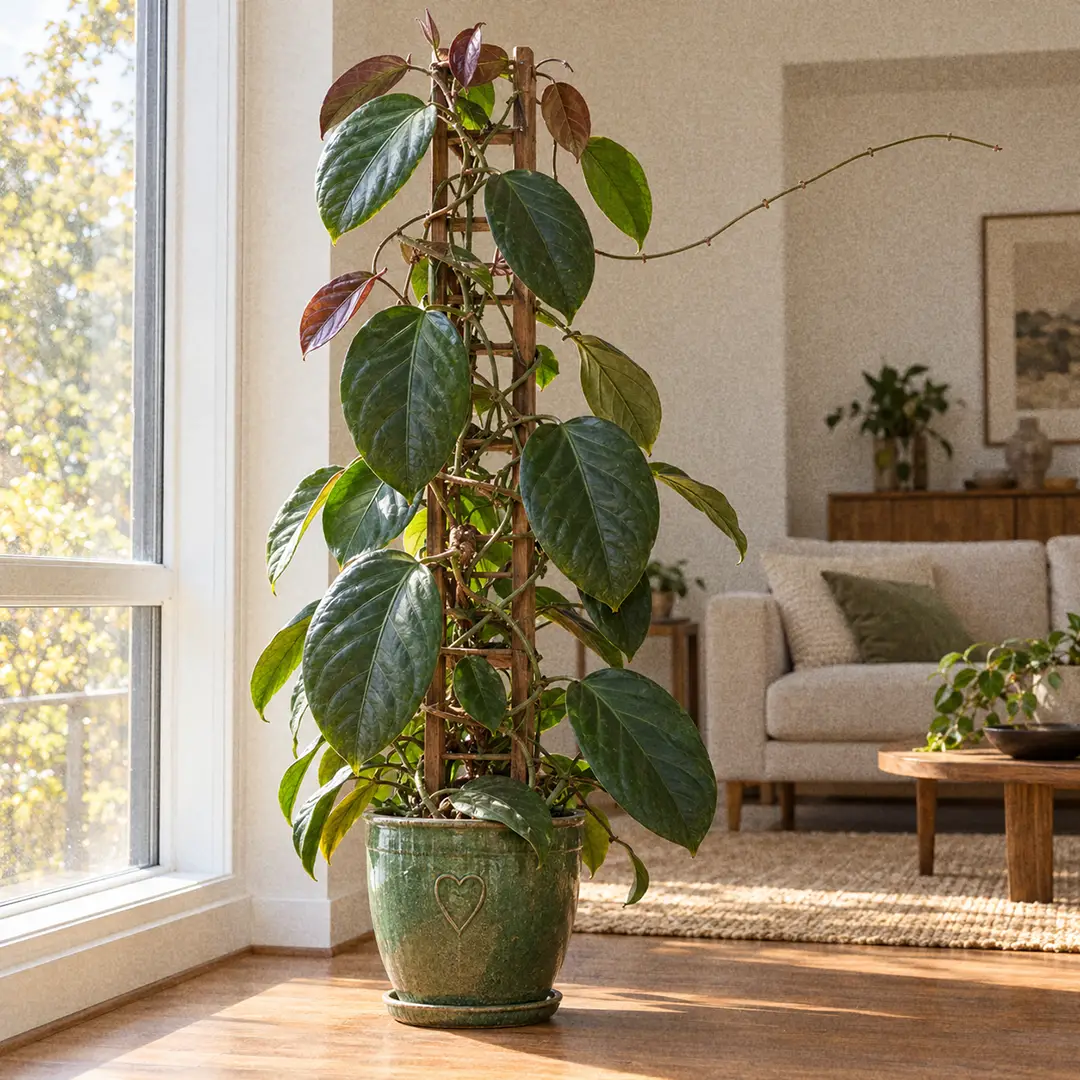
Hoya Latifolia
Hoya latifolia
Hoya macrophylla, Dinner Plate Hoya, Wax Plant


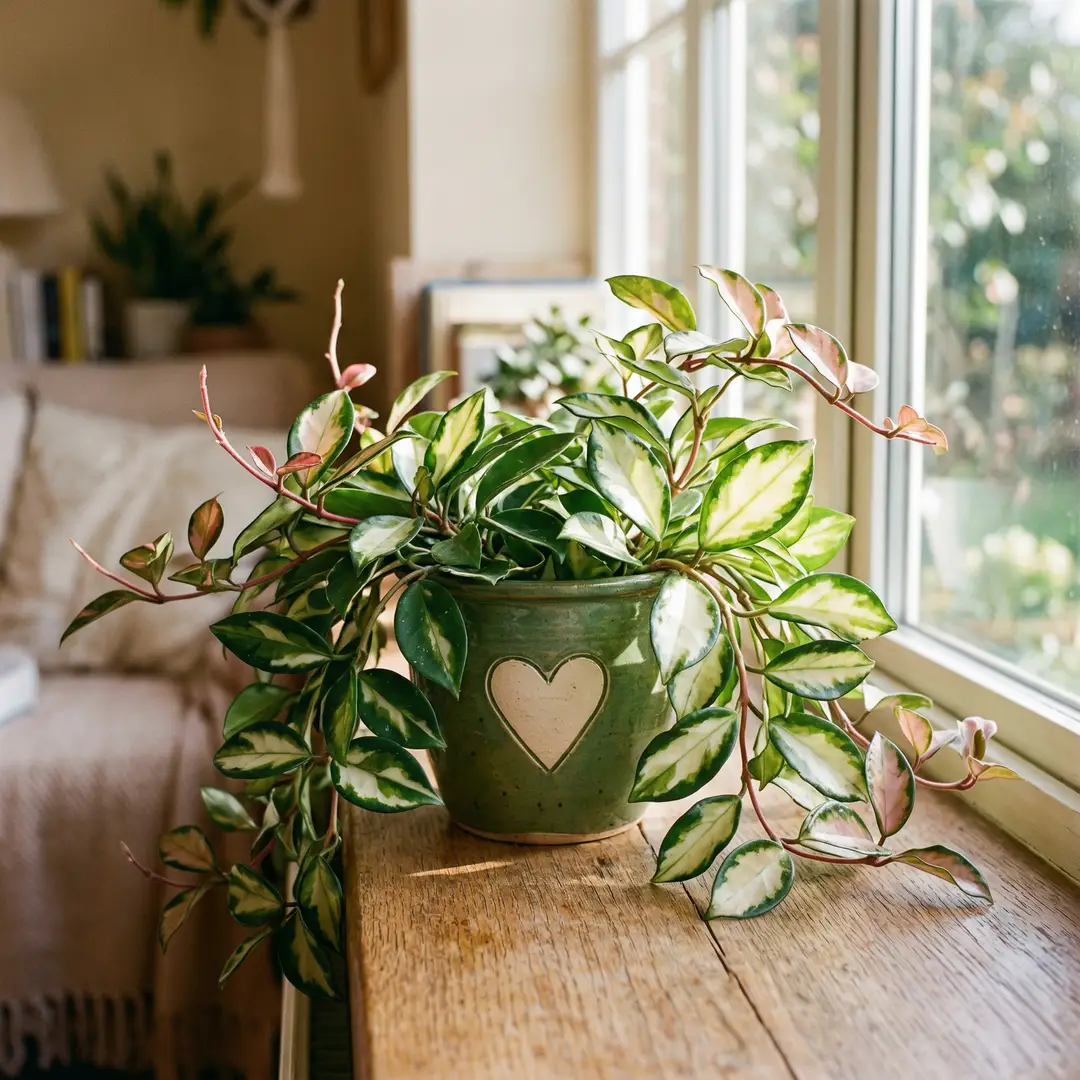
Hoya latifolia is one of the largest-leaved hoyas, a vigorous climber with thick, broad leaves marked by raised veins. Learn how much light and water it needs, what kind of support holds its weight, how it differs from Hoya callistophylla, and how to get its rounded clusters of fuzzy, sweet-scented flowers.
📝 Hoya Latifolia Care Notes
🌿 Care Instructions
⚠️ Common Pests
📊 Growth Information
🪴 In This Guide 🪴

☀️ Hoya Latifolia Light Requirements (Bright Indirect Light)
The Sweet Spot for Hoya Latifolia
Give it bright indirect light for most of the day, with a couple of hours of gentle morning or late-afternoon sun if you can. An east window is the easy choice. A west or south window works too, with the plant a few feet back or behind a sheer curtain. In the wild it climbs the larger branches of lowland forest trees, shaded by the canopy above, so it is used to strong but broken light rather than open sun.
Because this plant climbs, remember that the top of the vine often sits in better light than the bottom. Turn the pot a quarter turn every few weeks so the whole plant gets its share. Our indoor lighting guide explains how to judge a spot without a meter.
Too Little Light
Latifolia survives in a medium-light room, but it barely grows there. New leaves come in smaller, the stems stretch with long bare gaps between leaf pairs, and flowers never form. Variegated forms lose some of their cream or yellow. If your windows are shaded, a grow light for 12 hours a day aimed at the upper leaves keeps it growing well.
Too Much Light
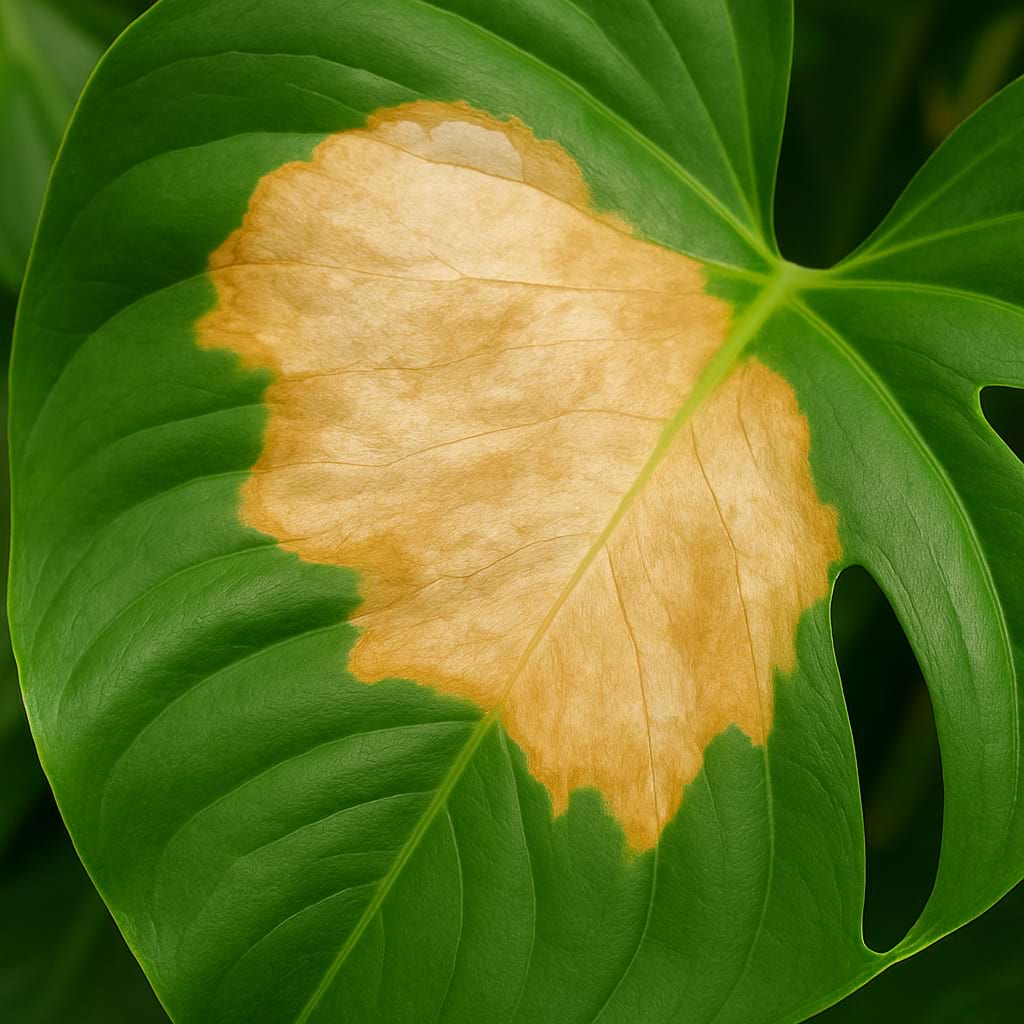
Thick leaves give it some sun tolerance, and a little sun often turns the veins and leaf backs slightly darker or reddish, which is harmless. Yellow, bleached patches or tan, crispy spots on the leaves facing the glass are sunburn, usually from hot midday sun through a window. Those marks stay, so pull the plant back or add a curtain at the first sign.

💧 Hoya Latifolia Watering Guide (Let It Dry Most of the Way)
Watering Frequency
Water when the top two-thirds of the mix is dry. In a 6 inch pot in bright light that usually means every 7 to 10 days in summer and every two to three weeks in winter. Bigger pots, cooler rooms and plastic pots stretch the gap. Push a finger or a wooden skewer deep into the mix: if it comes out damp, wait.
The thick, fleshy leaves store water, which makes this hoya forgiving if you forget for a few days. They also make it easy to overwater, because the plant uses water slowly and the roots rot if they sit wet for long.
How to Water Hoya Latifolia
Water slowly at the sink until water runs freely from the drainage holes, then let it drain completely before the pot goes back into a cover pot or saucer. Do not leave it standing in water. A thorough soak followed by a proper dry spell suits the roots better than small sips every few days.
Room-temperature water is best. If your tap water leaves white marks on the leaves or a crust on the mix, switch to filtered water or rainwater, and flush the pot with plain water a few times a year. The watering guide has more on reading the mix.
Signs of Thirst and Overwatering
A thirsty latifolia does not wilt dramatically. The big leaves lose their firm feel, bend more easily when you hold them, and can show fine wrinkles near the base. Water, and they firm up within a day or two.
Overwatering looks different: lower leaves turning yellow while the mix is still damp, stems darkening where they meet the soil, and a sour smell from the pot. These point to root rot, covered in the problems section below.
🪴 Best Soil for Hoya Latifolia (Chunky Epiphyte Mix)
What the Soil Needs
Hoya latifolia is an epiphyte. Its roots are used to clinging to bark, with air around them and rain that drains away fast. In a pot, that means a mix that drains at once, holds a little moisture, and stays open for years without packing down into mud. Dense bagged compost on its own stays wet for far too long in the middle of a big pot.
DIY Soil Mix for Hoya Latifolia
A dependable recipe is 2 parts medium orchid bark, 1 part perlite or pumice, and 1 part coco coir or good potting soil. A handful of horticultural charcoal is a nice extra. This plant has thicker roots than tiny-leaved hoyas like Hoya curtisii, so medium bark pieces work well here.
Squeeze a damp handful. It should fall apart when you open your hand. If it holds a ball, add more bark and perlite.
Pre-Made Options
A bagged aroid mix or an orchid bark mix blended half and half with regular potting soil works well. Our soil guide explains what each ingredient does, and the potting soil guide compares bagged mixes.
🍼 Fertilizing Hoya Latifolia
When and How Often
Feed every 3 to 4 weeks from spring through late summer, when the plant is pushing new vines and leaves. Those big leaves take more to build than a small hoya's, so regular light feeding pays off. Stop in autumn and skip winter, unless the plant is under grow lights and still growing.
What to Use
A balanced liquid houseplant fertilizer at half strength is plenty. Once the plant is mature and you want flowers, an orchid or bloom fertilizer with a little more phosphorus in spring is a reasonable switch, though light matters far more than fertilizer for blooming. Water first, then feed onto damp mix. The fertilizing guide explains the numbers, and the fertilizers guide compares products.
Over-Fertilizing Signs
Brown leaf tips, a white crust on the mix or pot rim, and new leaves that come in smaller than the old ones all suggest salt buildup. Flush the pot with plain water for a full minute and skip the next two feeds.
🌡️ Hoya Latifolia Temperature Range
Ideal Range
This is a lowland tropical plant, and it likes 65 to 85°F (18 to 29°C). Keep it above 60°F (15°C). It is cold-sensitive, and cold combined with wet mix is the quickest way to rot the roots. It can only live outside year-round in frost-free climates, and a summer outdoors in bright shade is fine elsewhere if you bring it in before nights drop below about 60°F.
Drafts and Heat Sources
Large leaves lose water fast in moving dry air. Keep the plant out of the path of heating vents, radiators and air conditioners, and away from cold, single-glazed windows and outside doors in winter. Sudden chills cause yellowing and leaf drop.
💦 Hoya Latifolia Humidity Requirements
Ideal Humidity
Latifolia handles ordinary room humidity of around 40% better than many tropical climbers, because its thick leaves hold their own water. It does better at 50 to 60% or higher, where new leaves open bigger and with fewer crispy edges, and aerial roots grip their support more readily.
Easy Humidity Boosters
A humidifier near the plant is the most reliable fix in winter. Grouping it with other plants helps a little. Misting is not worth the effort, and water left sitting on big leaves in still air can lead to fungal spots. Our humidity guide compares the options.
Signs the Air Is Too Dry
New leaves that stick together as they unfurl, or open with torn or browned edges, are the usual sign. Aerial roots that dry up and turn brown instead of gripping the support point the same way. Older leaves rarely mind, so if only the new growth suffers, humidity is the first thing to fix.
🌸 Hoya Latifolia Flowers (What They Look Like and How to Get Them)
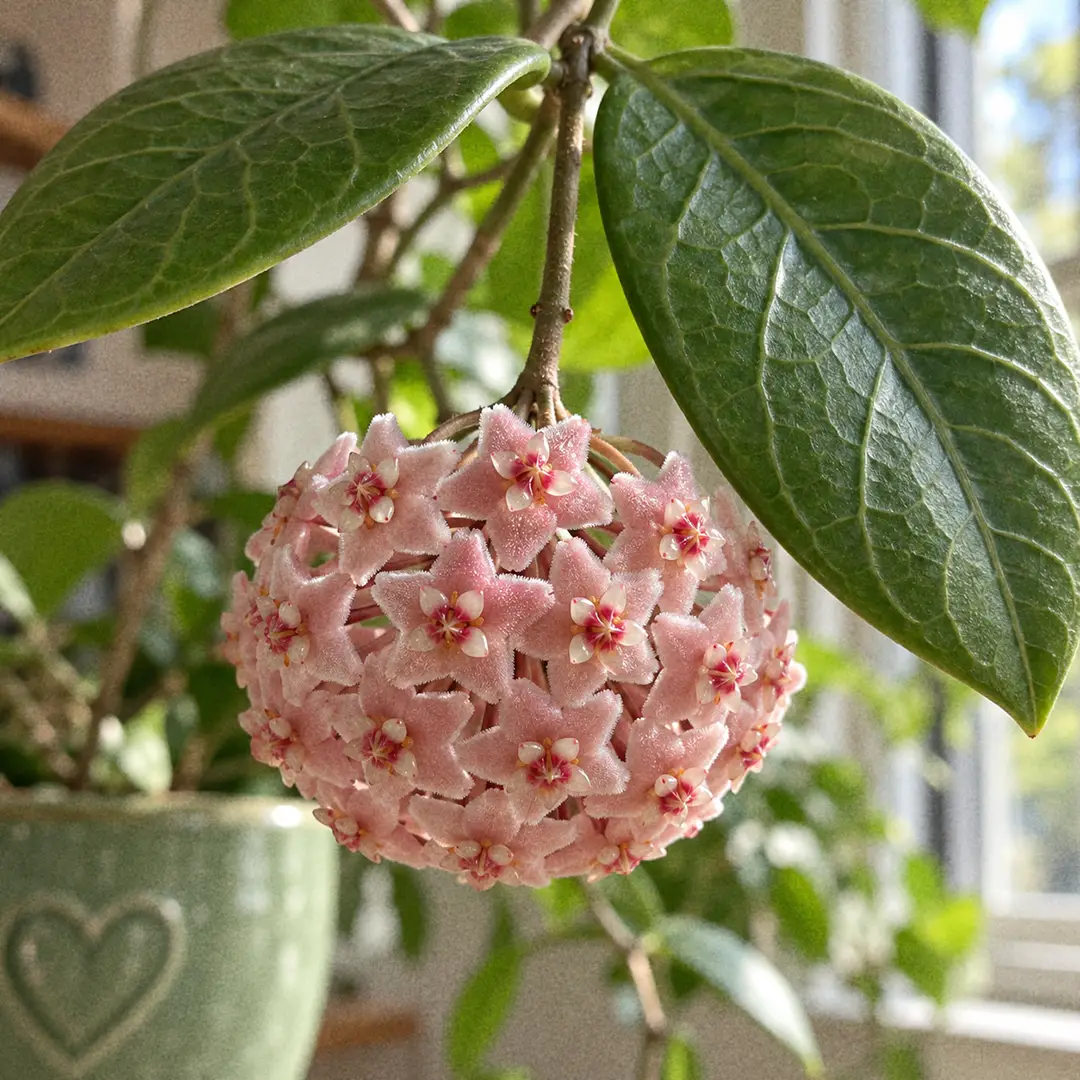
What Hoya Latifolia Flowers Look Like
The flowers come in rounded clusters, often on stems that hang down from the climbing vine. Each flower is small, well under half an inch across, star-shaped and waxy, and the petals are finely hairy on the inside, so a cluster looks soft and fuzzy up close. Colour depends on the plant. Singapore's National Parks Board describes a pink-flowered form, which tends to have maroon veins and leaf backs, and a pale green to yellowish form with green veins. Nurseries also sell plants with cream flowers. The scent is usually described as sweet, and each cluster lasts several days.
How to Trigger Blooms
Maturity comes first. A young plant or a fresh cutting spends its first years building vines and leaves, and this large species takes its time. Once it is established, three things bring flowers: bright light with some gentle sun, a pot that is snug rather than oversized, and steady care through spring and summer, which is the main flowering season. Letting a few vines grow long helps, since flowers form along mature stems.
Never Cut the Flower Stalks
Hoyas bloom from short stalks called peduncles, and the same stalk flowers again in later seasons. Once the flowers drop, it looks like a dead stub. Leave it. Also hold off moving or turning the plant while it has buds, since a sudden change in light can make them drop.
If It Will Not Bloom
A healthy, mature plant with no buds is almost always short on light. Move it closer to the window or add a grow light. If buds form and then yellow and fall, look for a dry spell, a cold draft, or a recent move. The failure to bloom guide covers other causes.
🏷️ Hoya Latifolia Types and Varieties
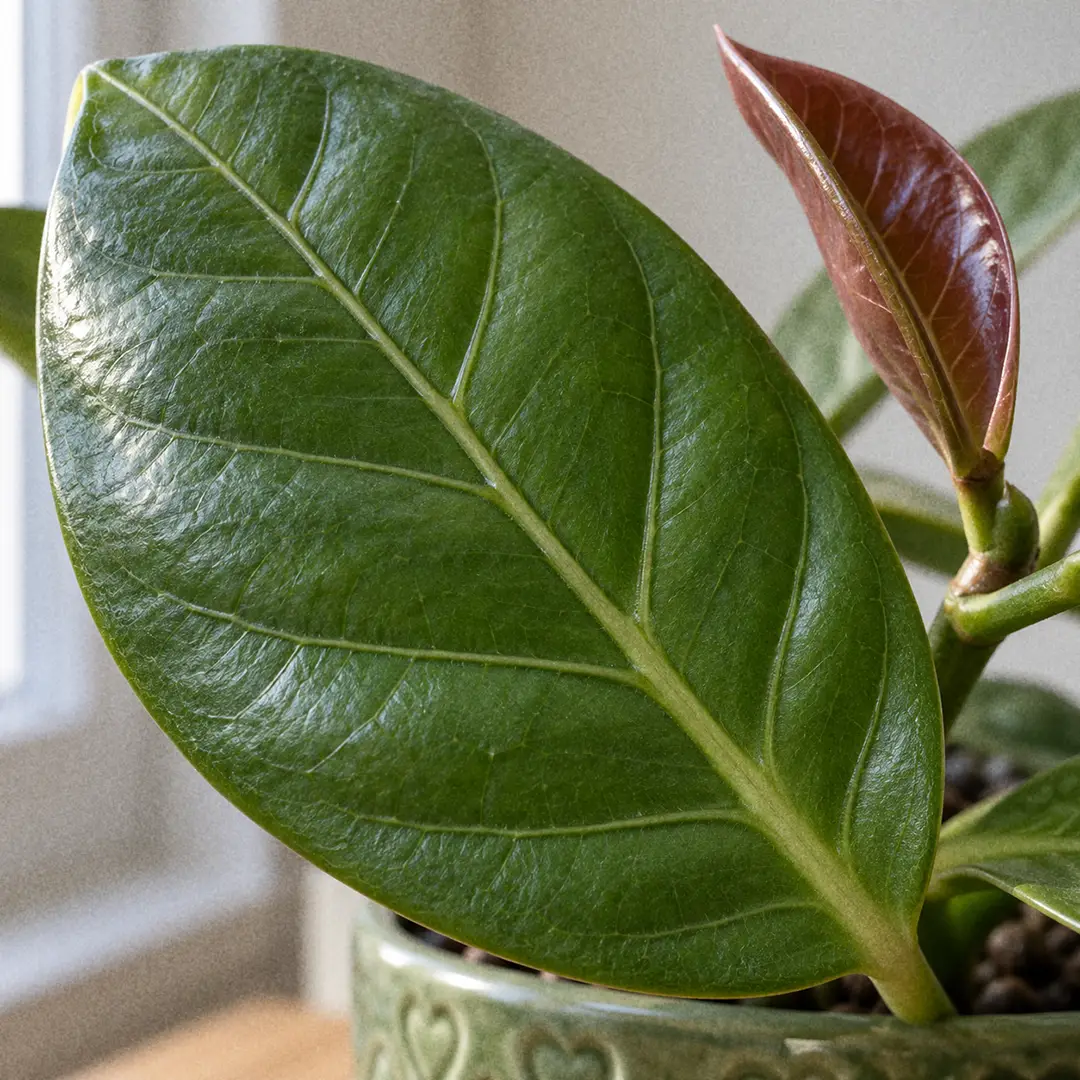
The Green Species
The plain green plant has broad, oval to heart-shaped leaves that are thick, stiff and leathery. They are commonly 4 to 8 inches long, and the biggest can reach about a foot. The veins fan out from the base and stand out as raised lines, the midrib is raised on the upper surface, and the underside is a paler green. New leaves often open purplish red before they turn green.
Hoya Latifolia vs Hoya Macrophylla
This is the question most buyers run into, and the answer is simple: they are the same species. Hoya macrophylla is an older name, and botanical databases such as Kew's Plants of the World Online now treat it as a synonym of Hoya latifolia. Many shops still sell the plant, especially the variegated forms, as macrophylla. Care is identical whatever the label says.
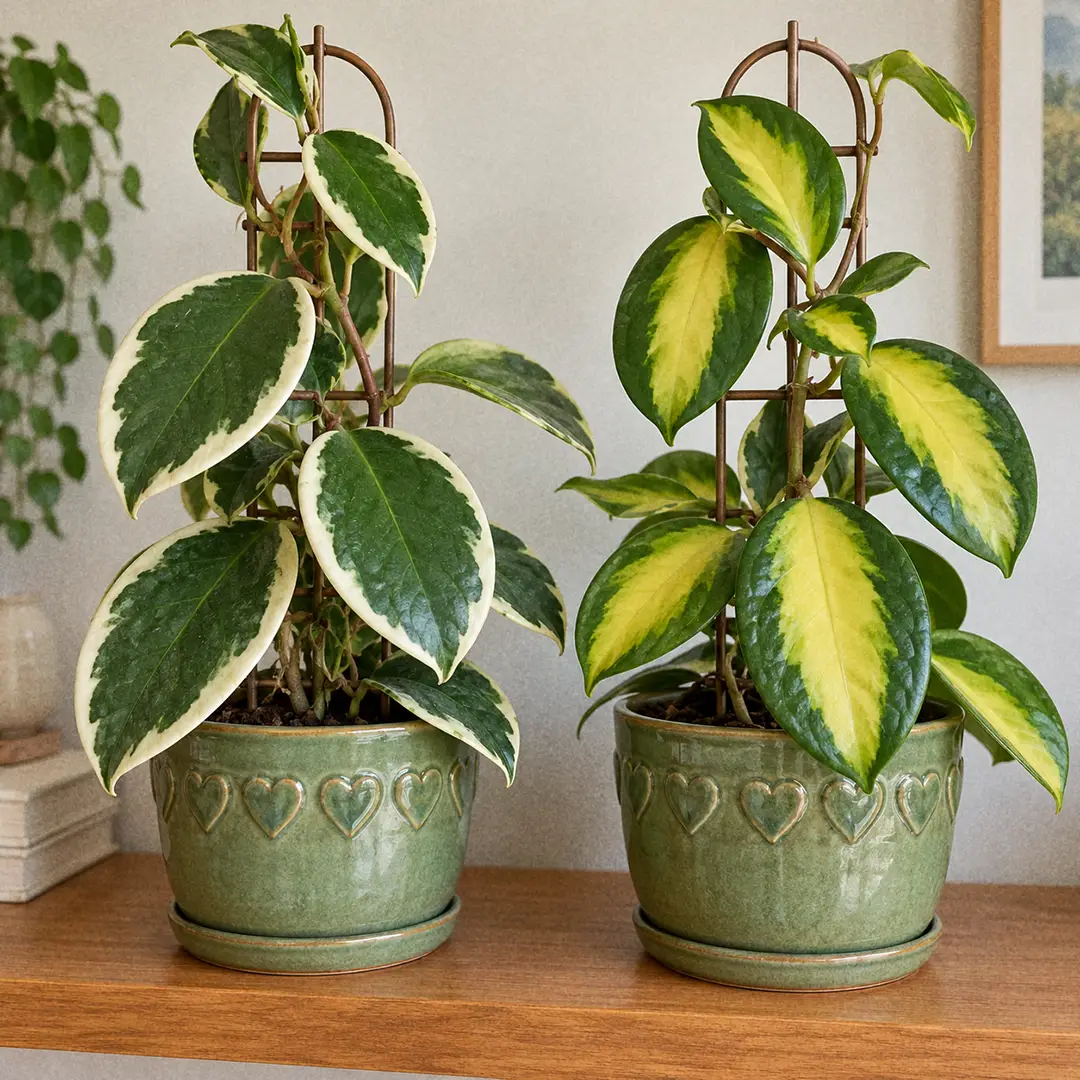
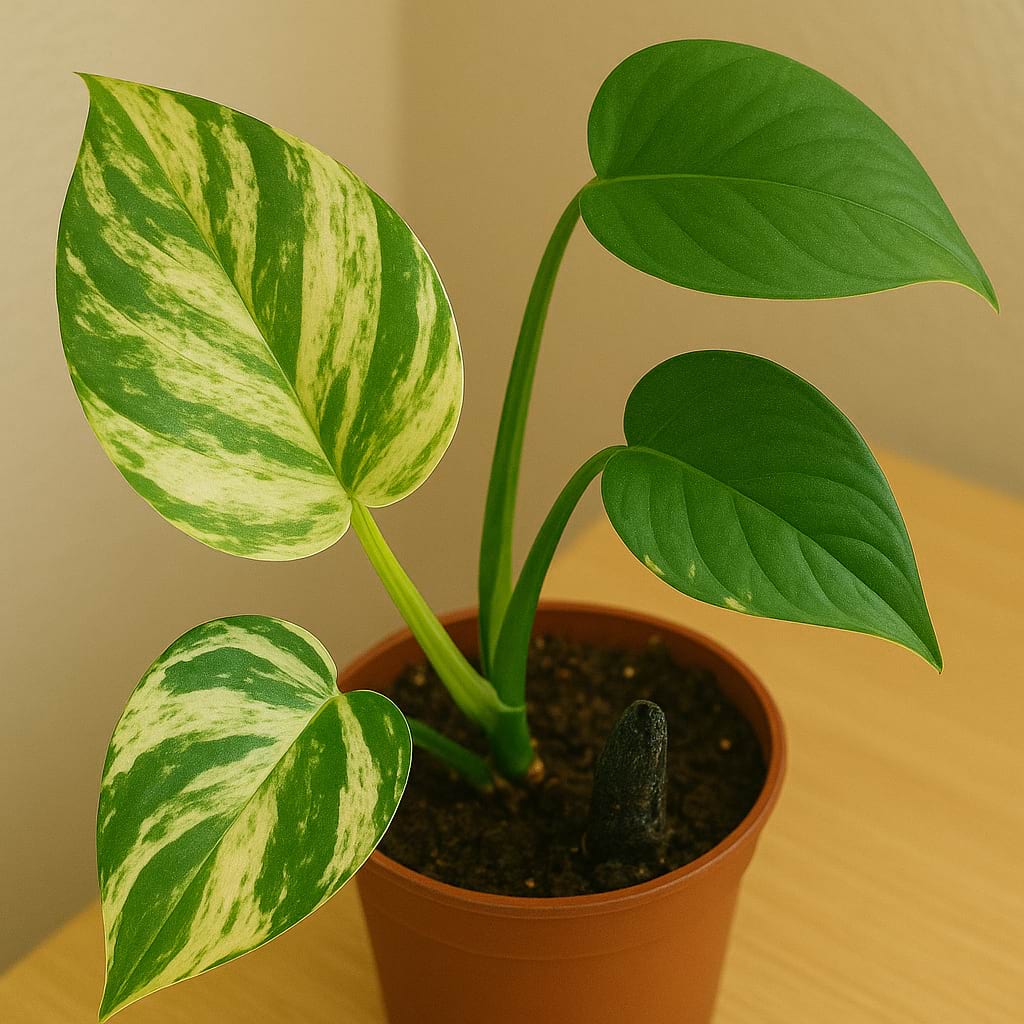
Two variegated types turn up most. 'Albomarginata', often labelled Hoya macrophylla variegata, has green centres with cream to white edges. 'Pot of Gold' is the reverse: a golden yellow centre along the midrib with green edges. Silver-splashed plants are also sold under names such as 'Silver Splash'. All variegated forms grow more slowly than the green plant and need the brighter end of the light range to keep their colour.
Hoya Latifolia vs Hoya Callistophylla
Both have big, thick, stiff, veined leaves, so they get compared a lot. Hoya callistophylla leaves are long and fairly narrow, with a dense network of dark veins on a paler green blade, and the pattern is the whole show. Latifolia leaves are much broader, often close to as wide as they are long, and mostly even green with raised veins rather than a dark net.
🪴 Potting and Repotting Hoya Latifolia
When to Repot
Repot every 2 to 3 years in spring, or when roots circle the pot and push out of the drainage holes, the mix has broken down into dark sludge, or water runs straight through. Hoyas do fine slightly snug, and a crowded pot often flowers better than a roomy one, so do not rush. Never repot a plant in bud.
Choosing a Pot
Go up one size, about 1 to 2 inches wider. A pot that is far too big holds wet mix where no roots reach, which leads to rot. Weight matters more with this hoya than most. A tall trellis or pole loaded with big leaves makes a light plastic pot top-heavy, so use terracotta or glazed ceramic, or set the plastic grow pot inside a heavy cover pot. Drainage holes are a must. Our plant pots guide compares materials.
Repotting a Plant on a Support
Water the day before. Untie the vines if you can, or move the plant and its trellis together. Ease it out, shake off loose old mix, trim any brown, mushy roots, and set it at the same depth in fresh mix. Push a new or taller support in now, while the roots are exposed, rather than spearing the root ball later. Wait three or four days before watering. The repotting guide covers the basics.
✂️ Pruning Hoya Latifolia
When to Prune
Latifolia needs little pruning. Remove dead, damaged or yellow growth whenever you see it, and do any shaping in spring or early summer, when it recovers fastest.
How to Prune
Cut just above a leaf pair with clean scissors. Before cutting a vine, check it for peduncles and cut beyond them. Hoyas often send out long, nearly leafless runners that look untidy. Those runners are looking for something to climb, and leaves follow once they find it, so guide them onto the support instead of cutting them off. White sap beads up at every cut, which is normal. It can irritate skin, so wash your hands afterward.
Training Instead of Cutting
Most shaping can be done by winding, not cutting. Wrap long vines around the trellis or pole in the same direction they twine naturally, and tie them loosely with soft plant ties. Spreading vines out across a wide trellis exposes more leaves to light and gives more stems the chance to mature and flower.
🌱 How to Propagate Hoya Latifolia
Best Method: Stem Cuttings
Stem cuttings root well, and the thick stems carry plenty of stored energy. Take them from late spring to late summer. Every cutting needs at least one node, the point where the leaves join the stem. A single leaf without a node may root but will not grow into a vine.
Step-by-Step
- Cut a piece of vine with one or two nodes and one or two leaves, just below a node.
- Let the cut end dry for an hour so the sap stops running.
- Set the node into damp sphagnum moss, moist perlite or a jar of water, keeping the leaf above the surface.
- Keep it warm and in bright indirect light. A clear bag or lidded box holds humidity and stops the big leaf drying out.
- Pot it into chunky hoya mix once roots are an inch or two long, usually after several weeks.
Our water propagation guide and soil propagation guide go through each medium in more detail.
Layering: the Safest Method
Latifolia grows roots along its stems, and that makes layering easy. Pin a node of a long vine, still attached, onto a second pot of damp mix beside the parent, or wrap a node in damp moss and plastic while it stays on the plant. Once roots form, cut it free. The air layering guide shows the wrap method.
🐛 Hoya Latifolia Pests and Treatment
Common Pests on Hoya Latifolia
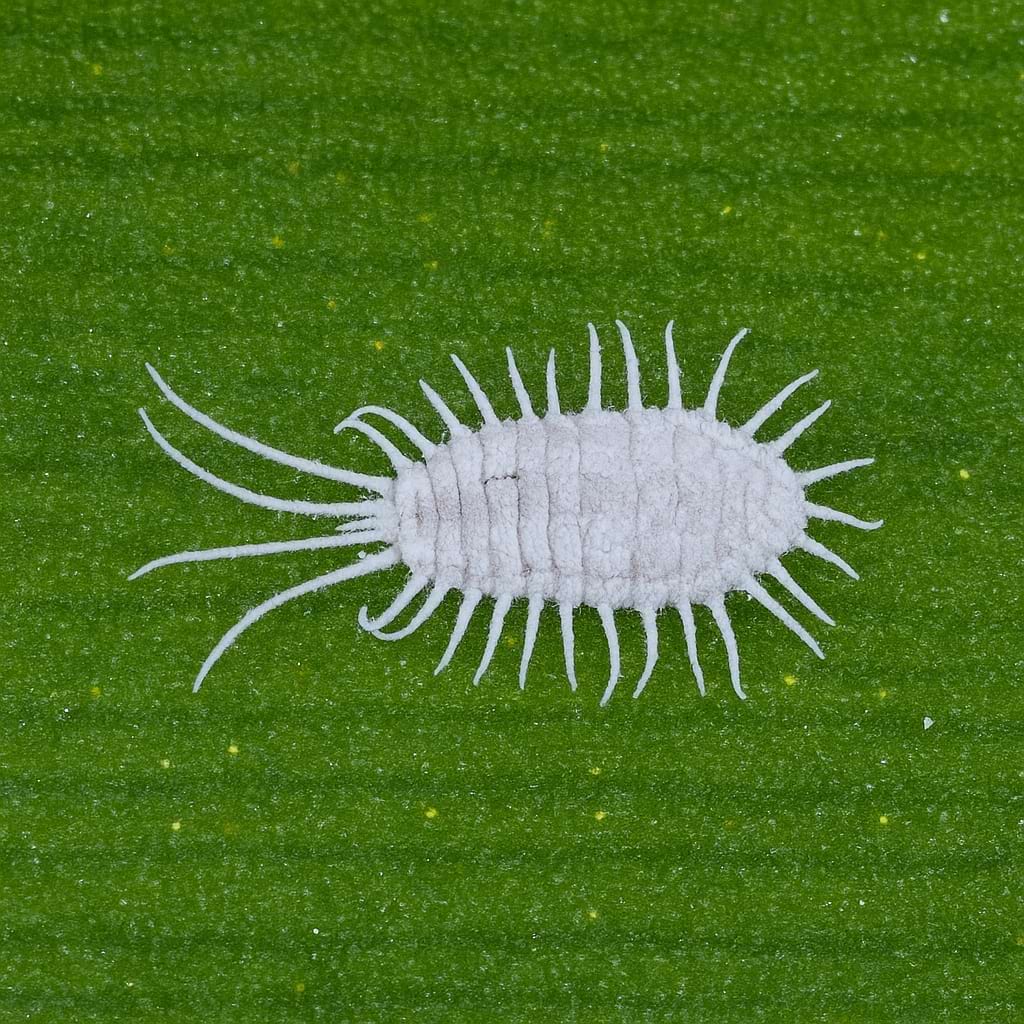
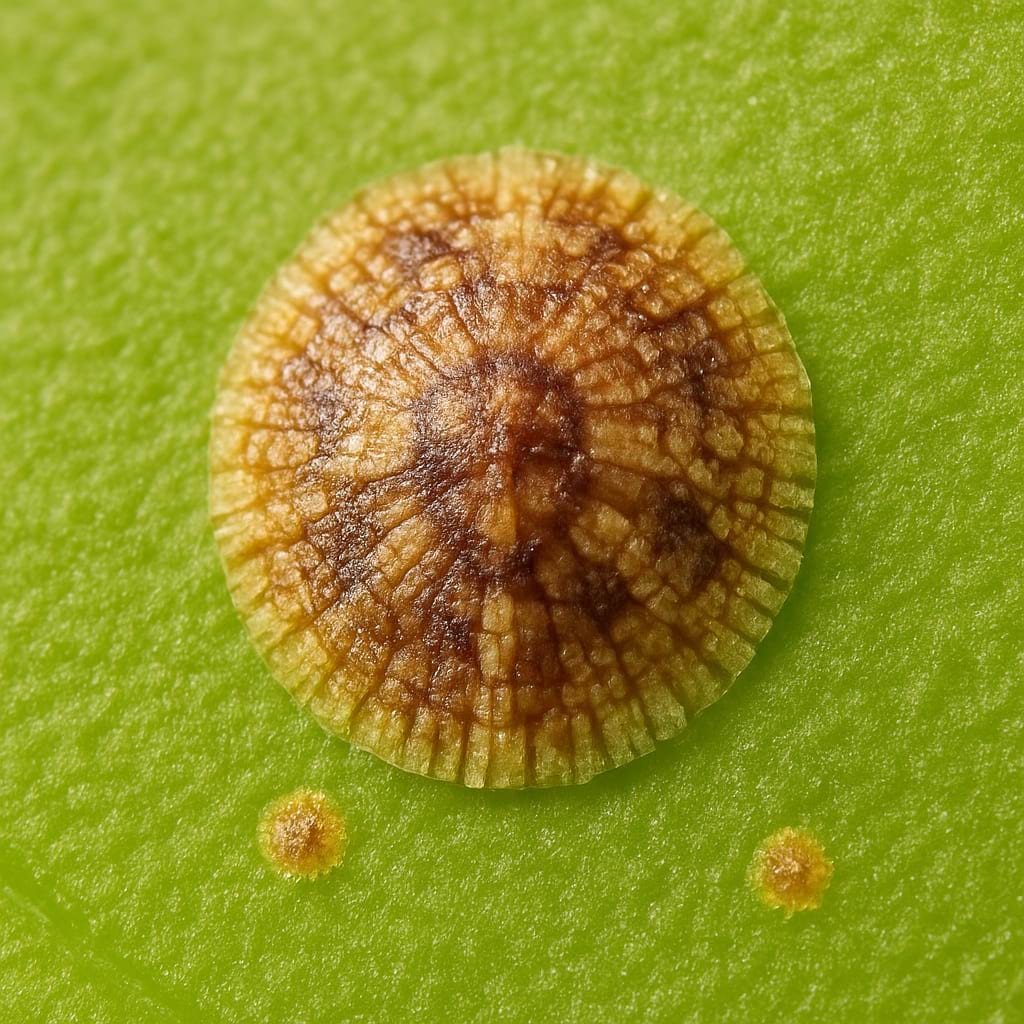
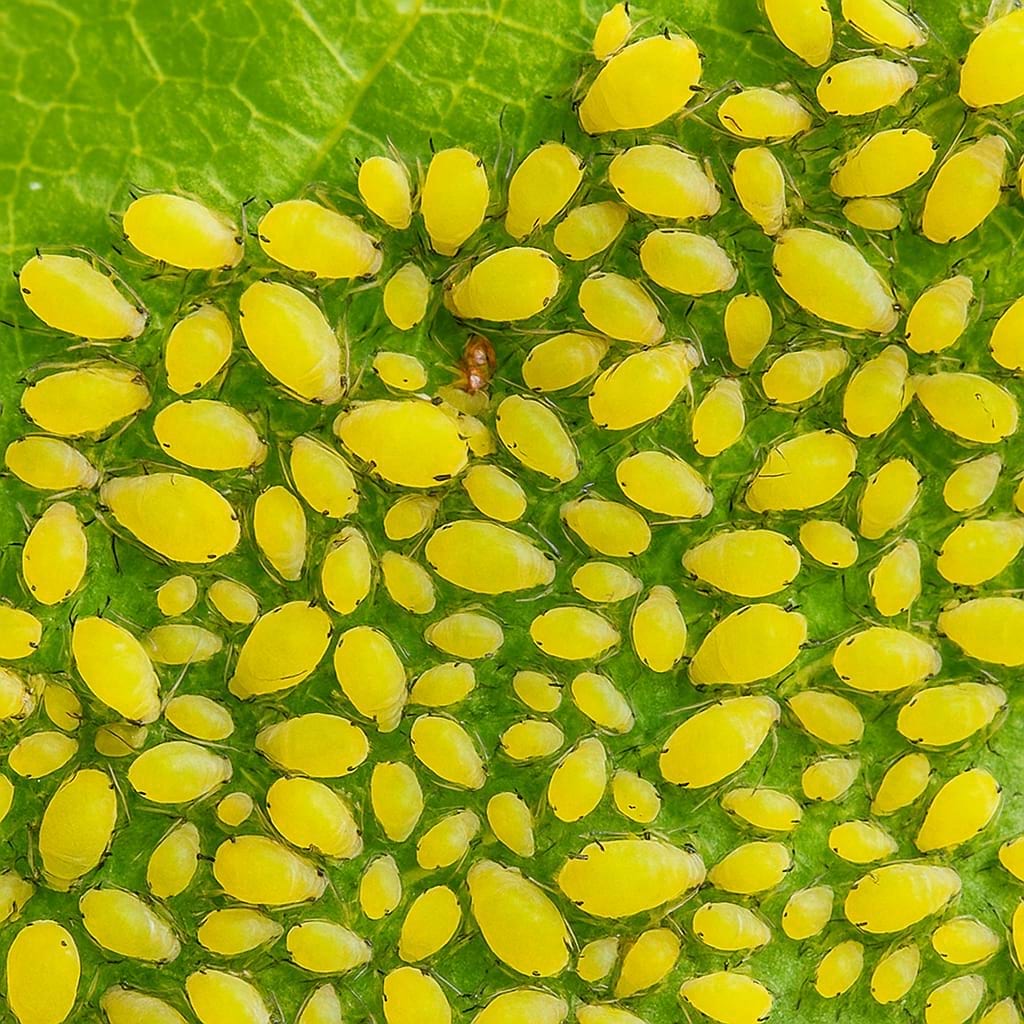
Mealybugs are the main pest. Look for white cottony fluff in the leaf joints, around peduncles and along the raised veins on the leaf backs. Scale insects look like small brown bumps stuck to stems and leaf undersides. Aphids gather on soft new growth and flower buds.
Dry-Air Pests
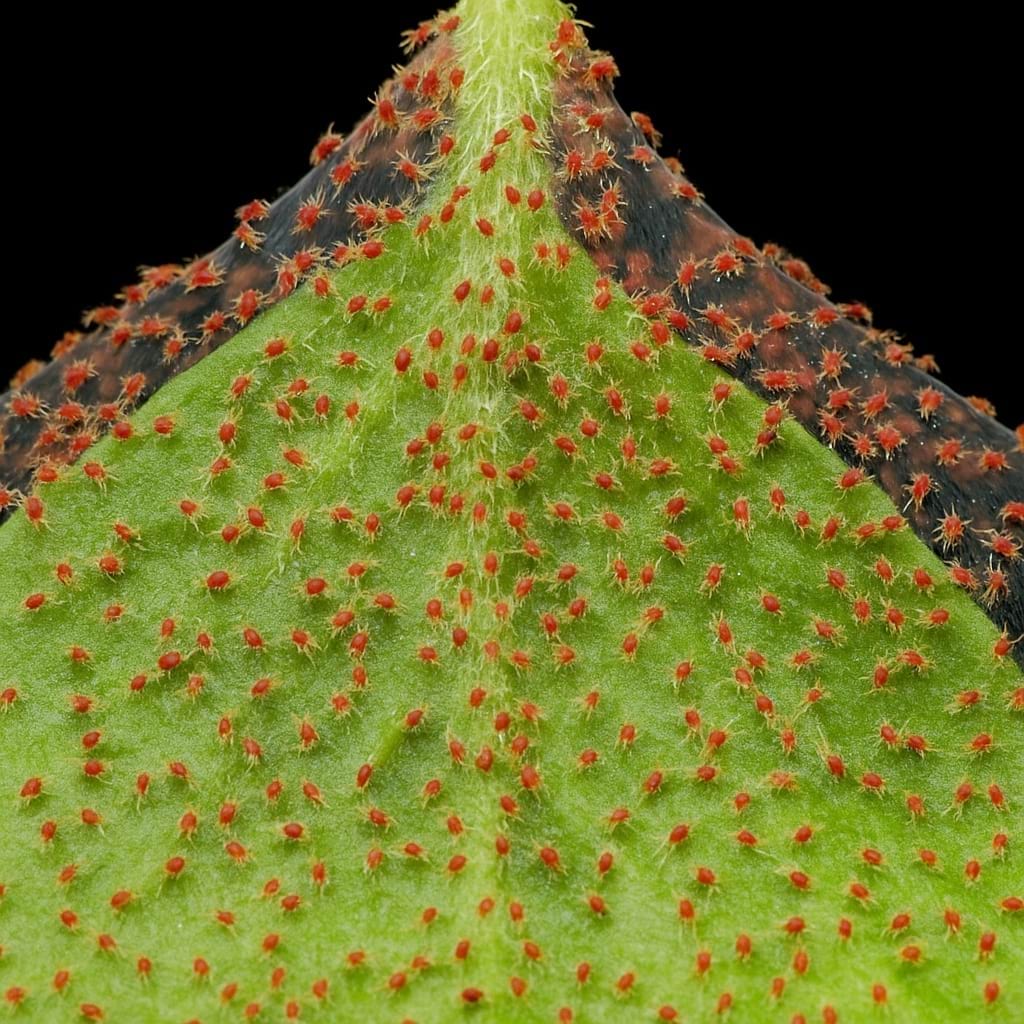
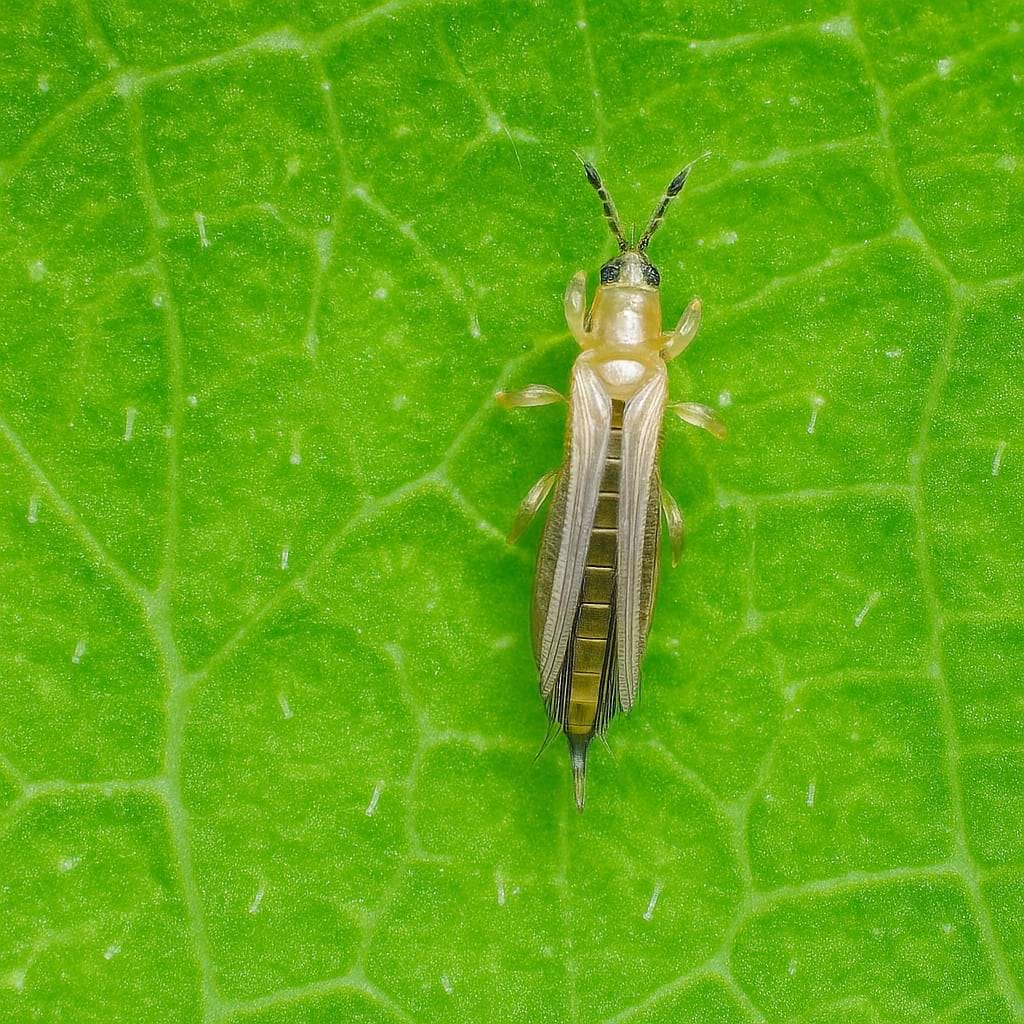
Spider mites show up in warm, dry rooms as fine pale speckling and faint webbing under the leaves. Thrips leave silvery scars and distorted new leaves. Both are easier to spot on big leaves than on small ones, as long as you turn the leaves over.
Treatment and Prevention
Rinse the plant under a lukewarm shower, then wipe leaves on both sides with a damp cloth. Dab mealybugs and scale with a cotton bud dipped in rubbing alcohol, then spray insecticidal soap weekly for three to four weeks. Check leaf joints and leaf backs each time you water, and keep any new plant apart for a few weeks first.
🩺 Common Hoya Latifolia Problems
Yellow Leaves and Root Rot
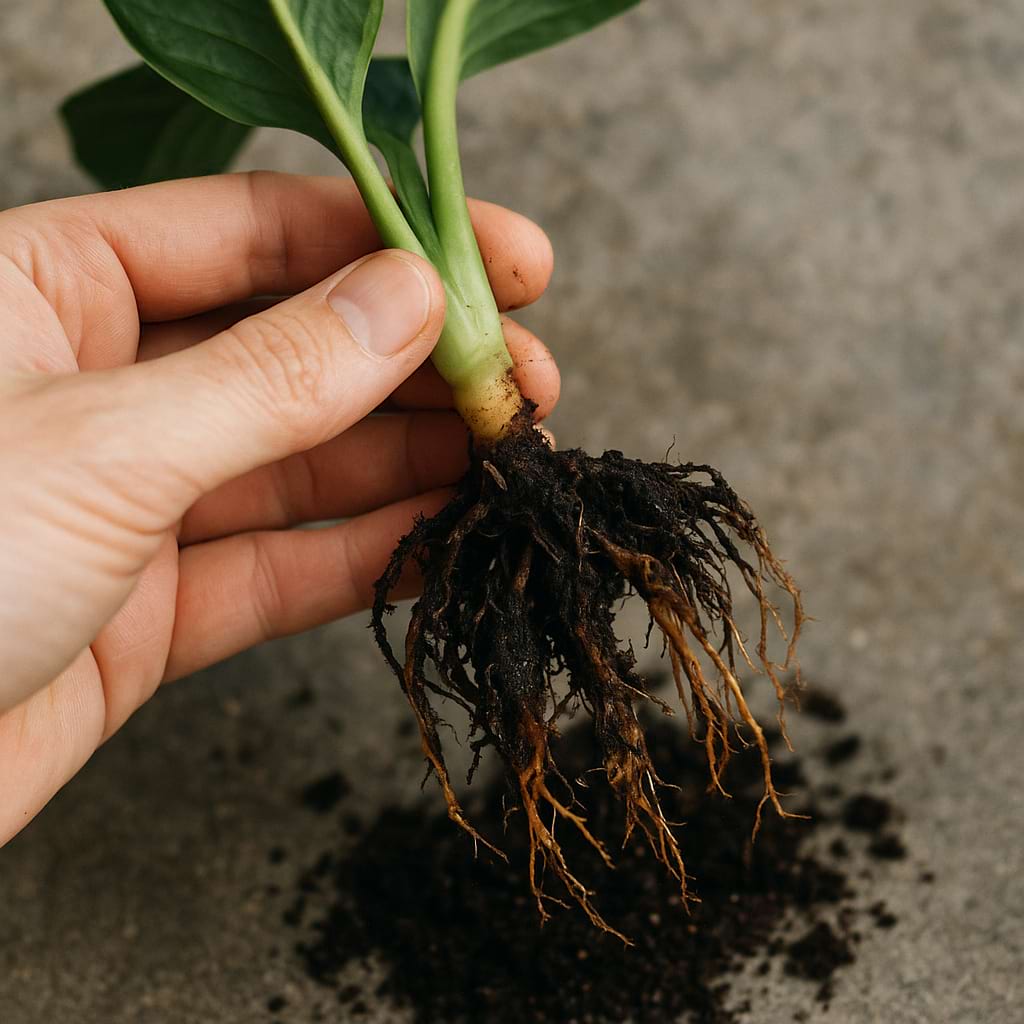
Yellowing leaves low on the plant with damp mix, soft stems at the soil line, or a sour smell mean the roots have been wet too long. Unpot, cut away soft brown roots, and replant in fresh, chunky mix. If most roots are gone, take cuttings from healthy vines and start again. One old leaf yellowing now and then is normal.
Leggy Growth and Small Leaves
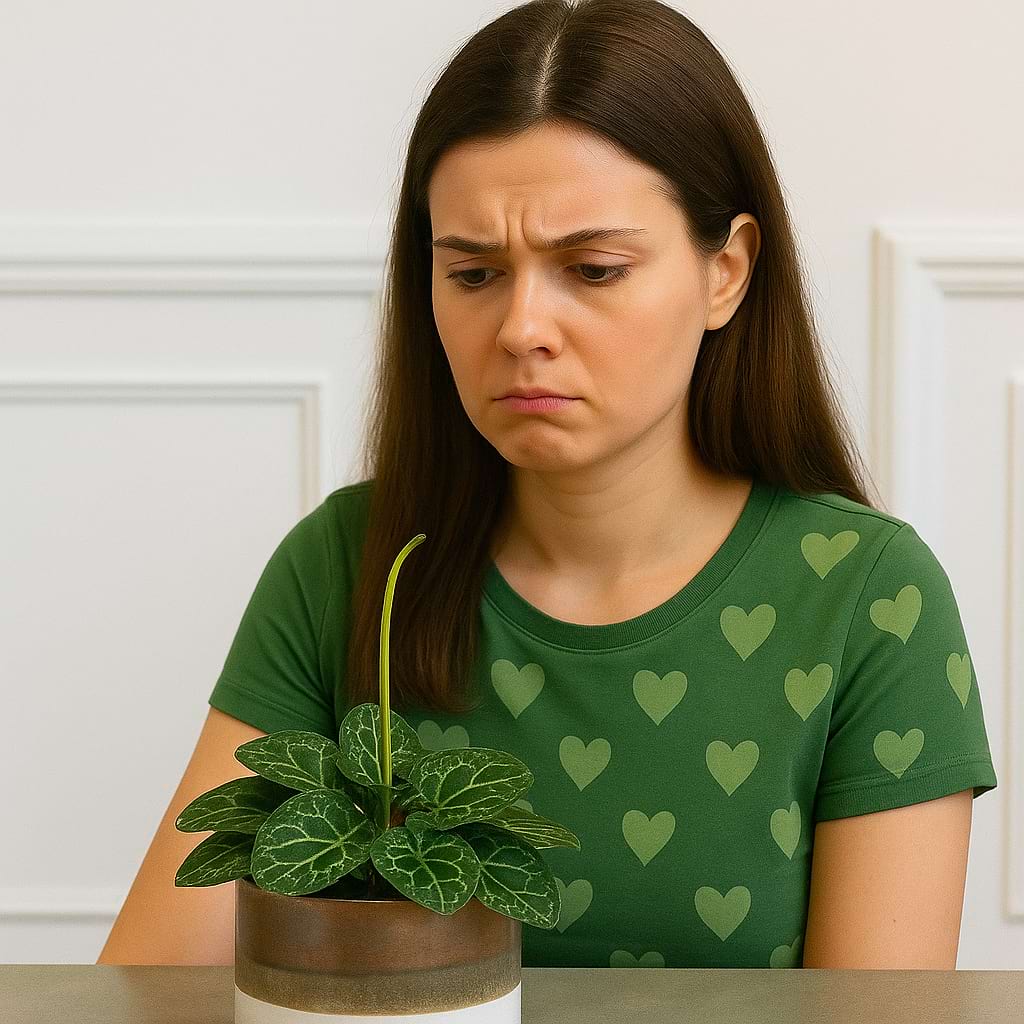
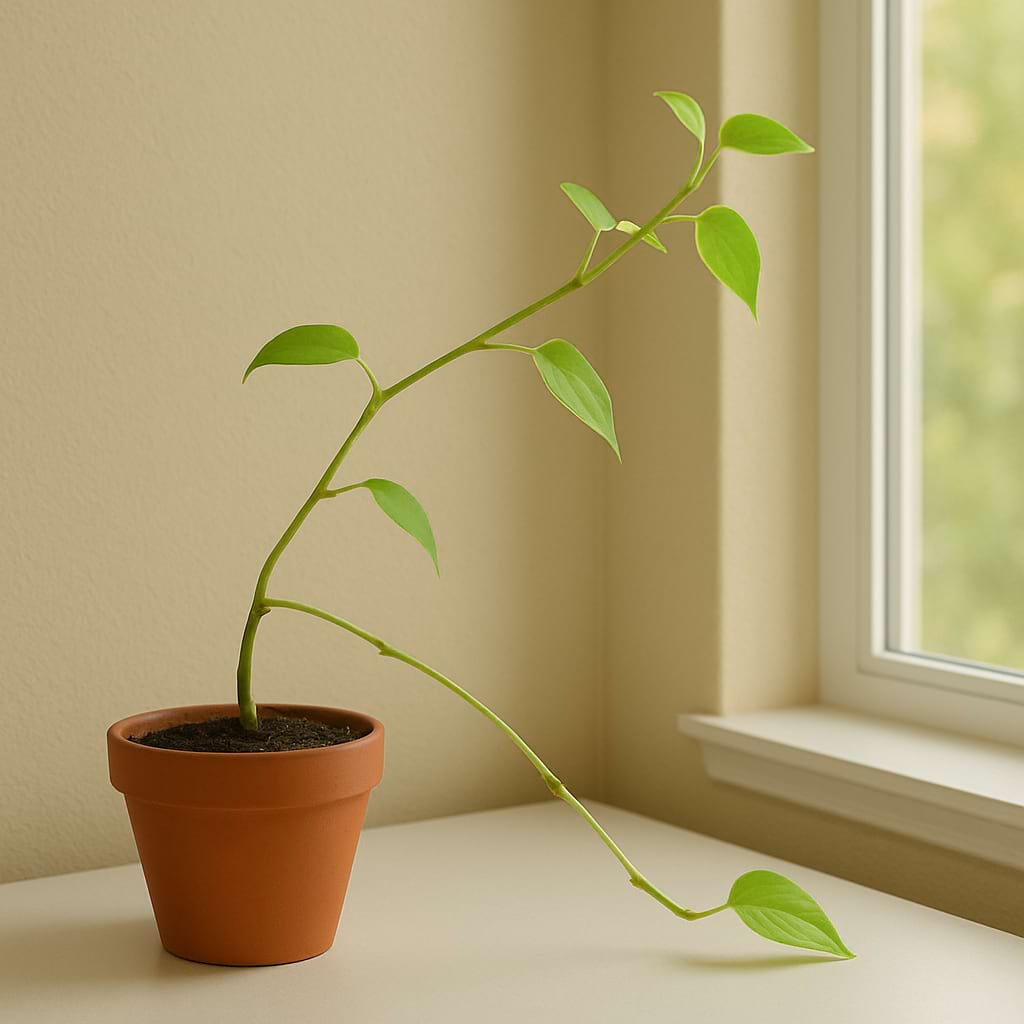
Long bare stems with small leaves far apart are a light problem. Some bare runners are normal on a climbing hoya, but if every new stem looks like that, the plant is reaching for light. Move it closer to a window or add a grow light. Leggy growth also shows when vines dangle with nothing to climb.
Variegated Leaves Turning Green
On 'Albomarginata' or 'Pot of Gold', a stem that comes out plain green will often outgrow the variegated ones because it has more chlorophyll. Cut it back to the last variegated leaf. This is called reversion, and brighter light makes it less likely.
Flower Buds Dropping
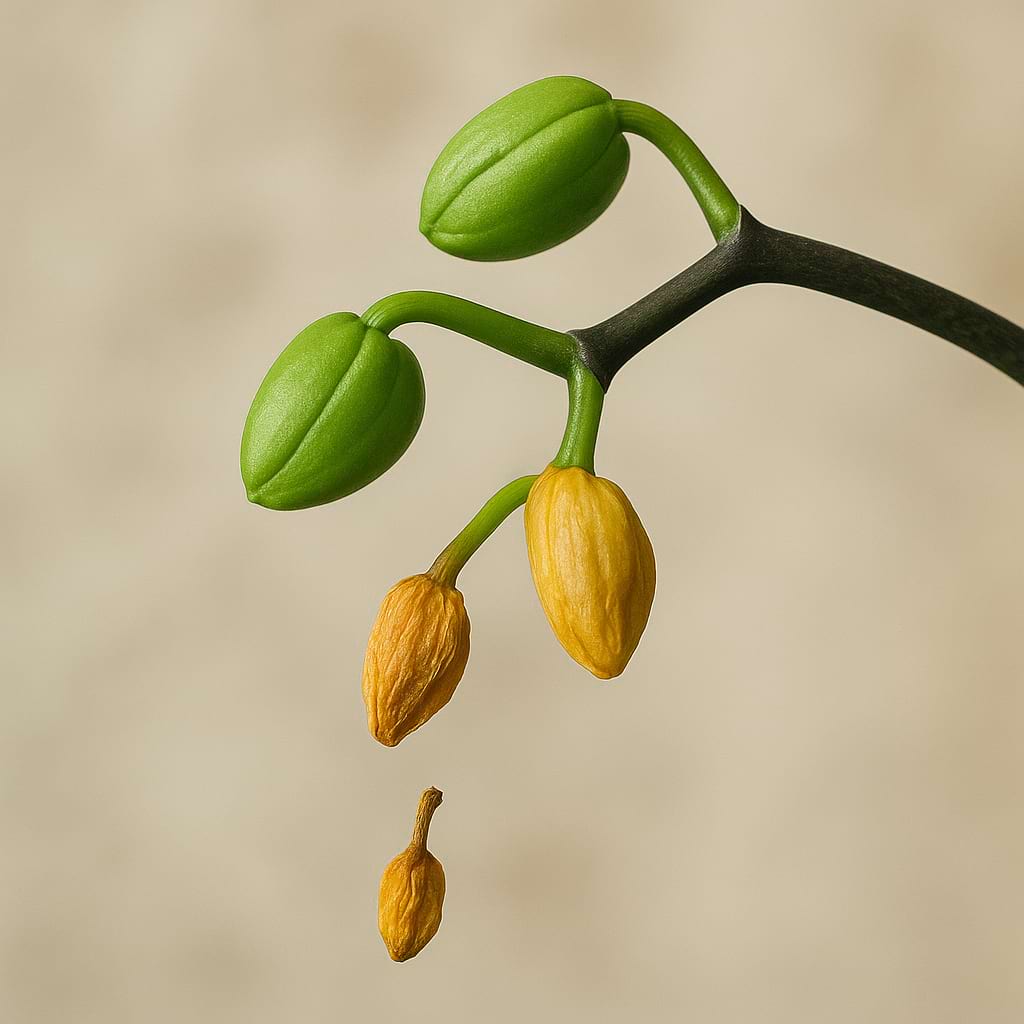
Buds that yellow and fall before opening are known as bud blast. On latifolia the usual triggers are moving or turning the plant while it is in bud, letting the mix dry out completely, or a cold draft. Keep conditions steady until the flowers open and the next set of buds will usually hold.

🖼️ Hoya Latifolia Display and Styling Ideas
Trellises and Moss Poles
This is a climber, so give it something to climb from the start. A tall, sturdy trellis, a wooden ladder frame, or a moss pole holds the vines upright and puts those big leaves face-forward at eye level. Thin bamboo hoops that suit small hoyas tend to bend or tip once latifolia gets going, so choose something solid and anchor it in a heavy pot.
Window Frames and Hanging Baskets
Trained up and across a window frame on hooks or wire, latifolia makes a green border in the brightest spot in the room. A large hanging basket also works in a bright conservatory, and lets the flower stems dangle below the leaves. Make sure the hook can take the weight of a big plant in wet mix.
Grouped With Other Hoyas
Next to small-leaved hoyas, latifolia shows how wide the genus goes. It looks good beside the round, silver-speckled leaves of Hoya obovata, the classic waxy vines of Hoya carnosa, or a single fat Sweetheart Hoya leaf in a small pot. It also belongs on a list of pet-safe houseplants for bright rooms.
Where Not to Put It
Skip narrow shelves and busy walkways. A climbing latifolia gets wide, and the big leaves crease or snap when they are brushed past every day. Dark corners, spots right above a radiator, and cold entryways are also poor homes, however good the plant looks there on day one.
🌟 Hoya Latifolia Pro Care Tips
Support and Space
🪜 Put the support in early. Training a young vine is easy, untangling a heavy one is not.
⚖️ Use a heavy pot. Big leaves on a tall trellis tip light pots over.
🔄 Turn it every few weeks. Lower leaves need light too.
Watering and Feeding
💧 Let most of the mix dry out first. Thick leaves store water, wet roots rot.
🍼 Feed lightly through spring and summer. Big leaves take nutrients to build.
Flowering
☀️ Bright light is the bloom switch. A dim spot means leaves only.
🌸 Leave every peduncle in place. Old flower stalks bloom again.
❓ Frequently Asked Questions
Is Hoya latifolia safe for cats and dogs?
The ASPCA lists the wax plant, Hoya carnosa, as non-toxic to cats and dogs, and hoyas in general are treated as pet-safe. Hoya latifolia is not listed separately. The white sap can irritate skin and mouths, so keep the plant away from pets that chew leaves.
Is Hoya latifolia the same as Hoya macrophylla?
Yes. Hoya macrophylla is an older name that is now treated as a synonym of Hoya latifolia, though many shops still use it, especially for variegated plants. Care is the same either way.
How big do Hoya latifolia leaves get?
Leaves are commonly 4 to 8 inches long and nearly as wide, and the largest can reach about a foot. Plants with good light, steady humidity and something to climb grow the biggest leaves. Young plants and cuttings start smaller.
How fast does Hoya latifolia grow?
At a moderate pace in bright light and warmth, mostly in spring and summer. Growth often comes in bursts: a long bare runner first, then leaves along it. In winter or a dim room it may sit still for months.
Why are my new Hoya latifolia leaves red?
New leaves open purplish red and turn green as they firm up. That colour is normal and a sign of healthy growth. A reddish tint on older leaves or veins usually means the plant is getting plenty of light.
Does Hoya latifolia need a trellis?
It does not need one to survive, but it grows and looks better with one. It is a climbing vine with heavy leaves, and without support the stems sprawl, tangle and stretch. A sturdy trellis or moss pole in a heavy pot works best.
Why won't my Hoya latifolia bloom?
Usually the plant is too young or the light is too low. Give a mature plant bright light with some gentle sun, keep the pot snug, and leave any old flower stalks in place.
What is the difference between Hoya latifolia and Hoya callistophylla?
Callistophylla has long, fairly narrow leaves with a dense net of dark veins on a pale blade. Latifolia leaves are much broader and mostly even green, with raised veins instead of a dark pattern.
Can Hoya latifolia grow in low light?
It can survive in a medium-light room for a long time, but it will barely grow and will not flower. In a dim spot, water less often, since the plant uses very little. A grow light aimed at the upper leaves is the simple fix if you have no bright window.
Should I water Hoya latifolia from the bottom?
You can, but top watering until it drains is simpler for a big pot and flushes out salts. Bottom watering works if the mix has dried so far that water runs straight off the top.
ℹ️ Hoya Latifolia Info
Care and Maintenance
🪴 Soil Type and pH: Chunky bark, perlite and coir epiphyte mix
💧 Humidity and Misting: Copes with average room humidity thanks to its thick leaves, but grows faster and opens cleaner new leaves at 50-60% and above.
✂️ Pruning: Trim only dead, damaged or wayward vines, cut just above a node, and never remove the flower stalks.
🧼 Cleaning: Wipe the big leaves with a soft damp cloth every few weeks, or rinse the plant under a lukewarm shower.
🌱 Repotting: Repot every 2-3 years in spring, going up one pot size, and use a heavy pot that will not tip under the weight of the vines.
🔄 Repotting Frequency: Every 2-3 years
❄️ Seasonal Changes in Care: Water and feed regularly in spring and summer, then water less and stop feeding through the darker months while keeping it warm.
Growing Characteristics
💥 Growth Speed: Moderate
🔄 Life Cycle: Evergreen epiphytic climbing perennial
💥 Bloom Time: Mainly spring and summer on mature plants
🌡️ Hardiness Zones: 11-12 (frost-free only)
🗺️ Native Area: Southeast Asia: Myanmar, Thailand, Peninsular Malaysia, Singapore, Sumatra, Borneo and Java
🚘 Hibernation: No true dormancy. Growth slows in winter, so water less often and skip fertilizer.
Propagation and Health
📍 Suitable Locations: East or west windows, bright rooms with space for a trellis or pole, warm sunrooms and conservatories
🪴 Propagation Methods: Root stem cuttings with at least one node in moss, perlite or water, or layer a vine into a second pot while it is still attached.
🐛 Common Pests: Mealybugs, Scale Insects, Aphids, Spider Mites, Thrips
🦠 Possible Diseases: Root rot, stem rot at the soil line, fungal leaf spot
Plant Details
🌿 Plant Type: Epiphytic climbing vine
🍃 Foliage Type: Evergreen, thick, leathery semi-succulent leaves
🎨 Color of Leaves: Mid to dark green with raised veins, lighter underneath; new leaves open purplish red. Variegated forms carry cream or yellow.
🌸 Flower Color: Pink, cream, pale yellow or pale green depending on the plant
🌼 Blooming: Yes, once mature and given bright light
🍽️ Edibility: Not grown as an edible plant.
📏 Mature Size: Vines several feet long indoors with support; up to about 30 feet in the wild
Additional Info
🌻 General Benefits: Pet-safe, very large leaves for a hoya, long-lived, and scented flowers on mature plants
💊 Medical Properties: The latex has a recorded traditional use in its native range. Not for home use.
🧿 Feng Shui: A strong vertical climber that suits a corner or window frame where you want a living green column.
⭐ Zodiac Sign Compatibility: Taurus
🌈 Symbolism or Folklore: Patience, steady growth, generosity
📝 Interesting Facts: The species name latifolia means broad-leaved. Many plants are still sold as Hoya macrophylla, an older name that is now treated as a synonym of Hoya latifolia.
Buying and Usage
🛒 What to Look for When Buying: Choose a plant with several firm leaves and at least one stem that is already climbing or reaching. Check the undersides and leaf joints for mealybugs, and skip plants with soft, yellow lower leaves in wet mix.
🪴 Other Uses: Trellised statement plant, window-frame climber, large hanging basket in a bright conservatory.
Decoration and Styling
🖼️ Display Ideas: Tall trellis or moss pole in a heavy pot, window frame climber, large hanging basket where the flowering stems can dangle
🧵 Styling Tips: Give it a plain wall behind it so the leaf shapes and veins read clearly. Matte pots in earthy colours suit the thick green leaves.
🪴 See also 🪴
Complete Guide to Hindu Rope Care and Growth
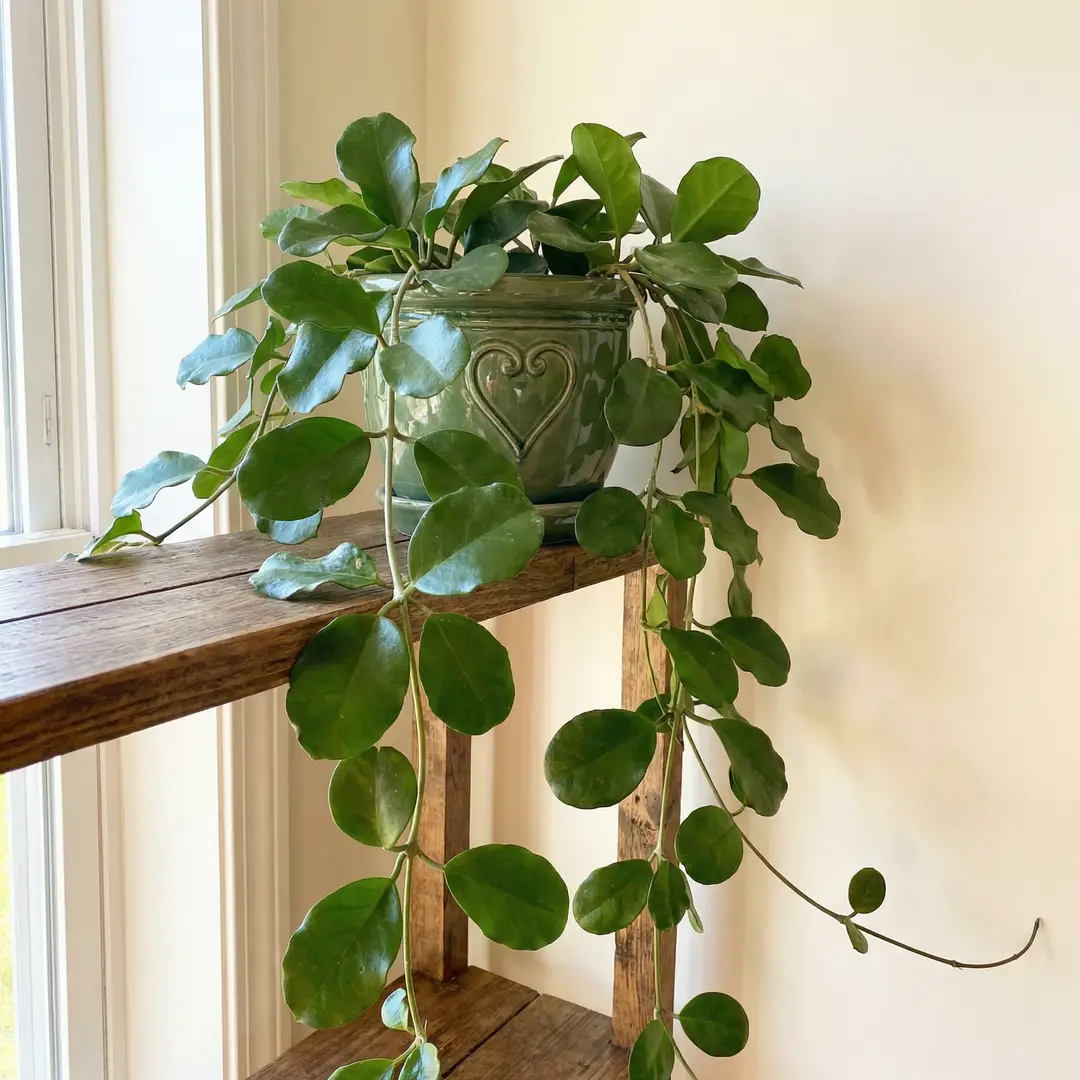
Complete Guide to Hoya Australis Care and Growth
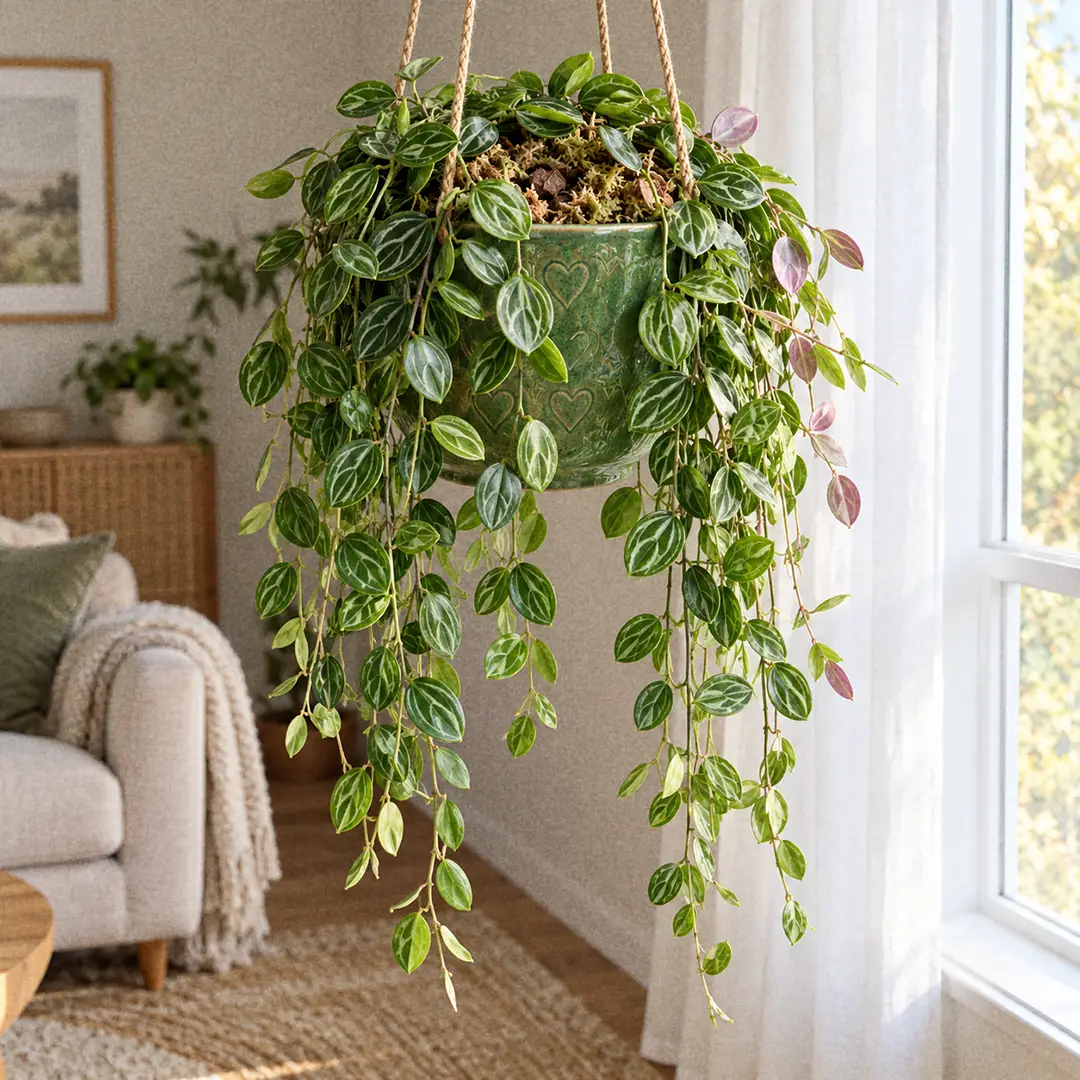
Complete Guide to Watermelon Dischidia Care and Growth
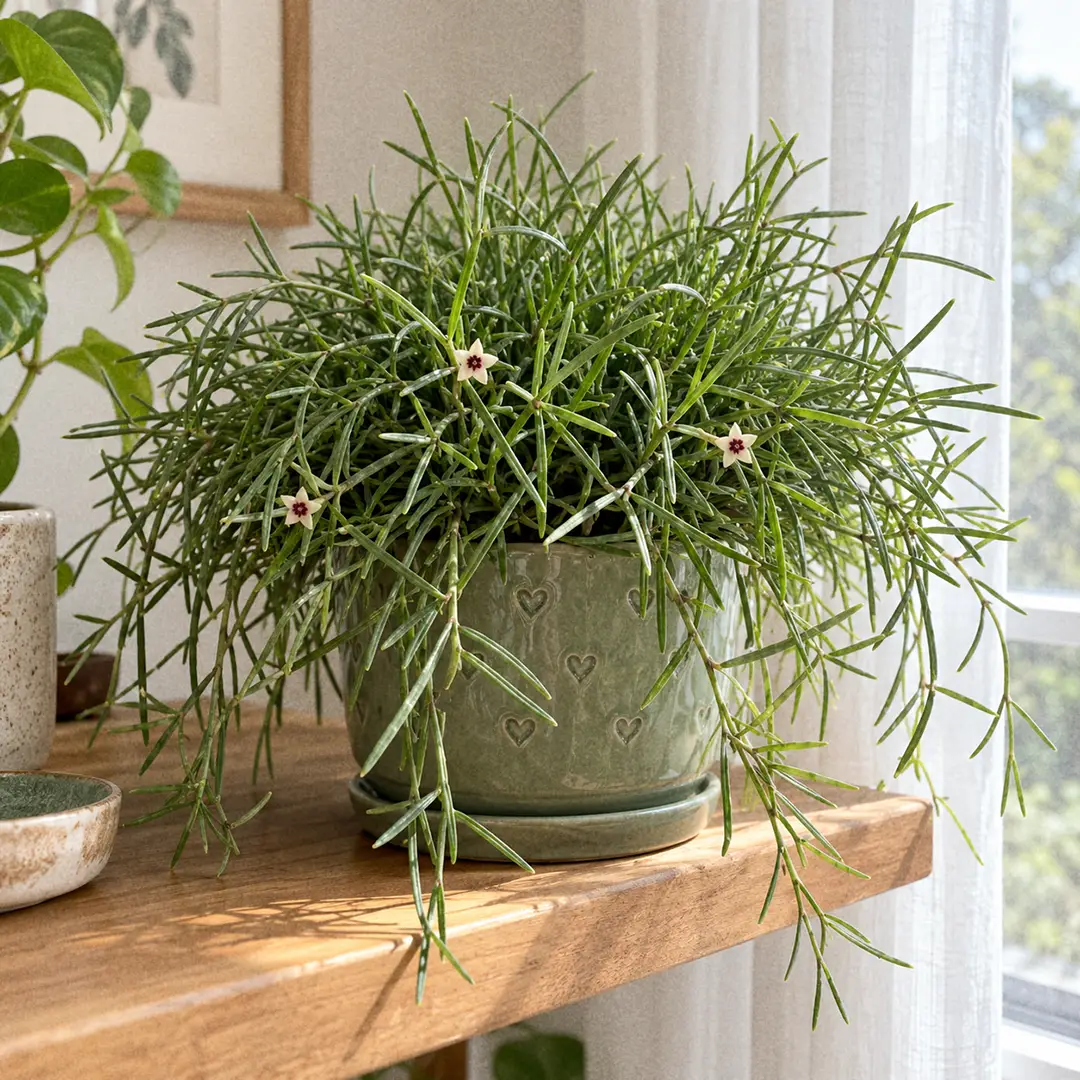
Complete Guide to Hoya Retusa Care and Growth
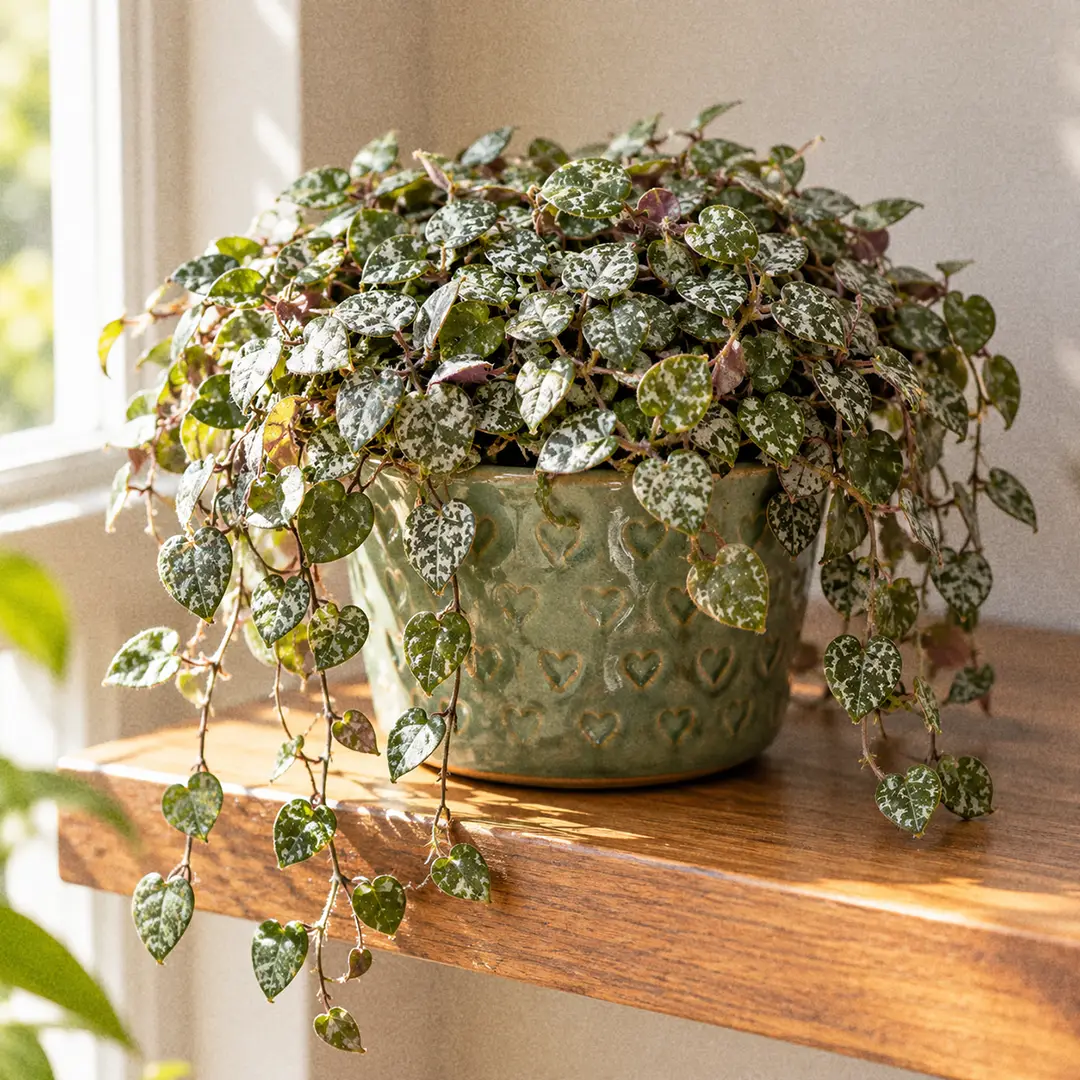
Complete Guide to Hoya Curtisii Care and Growth
Complete Guide to Hoya Lacunosa Care and Growth
Complete Guide to Hoya Krohniana Care and Growth
Complete Guide to Sweetheart Hoya Care and Growth
Complete Guide to Hoya Wayetii Care and Growth
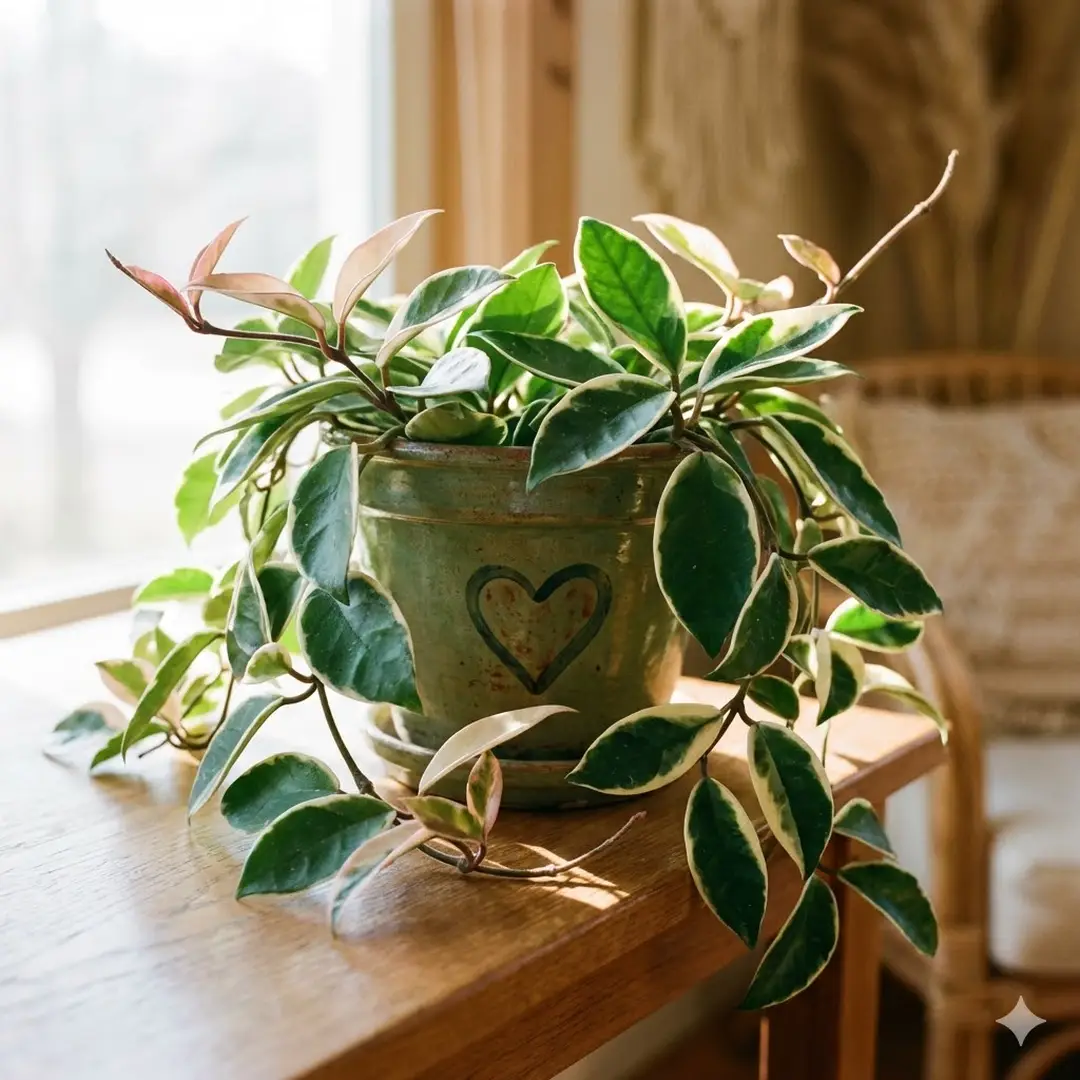
Complete Guide to Hoya Crimson Queen Care and Growth
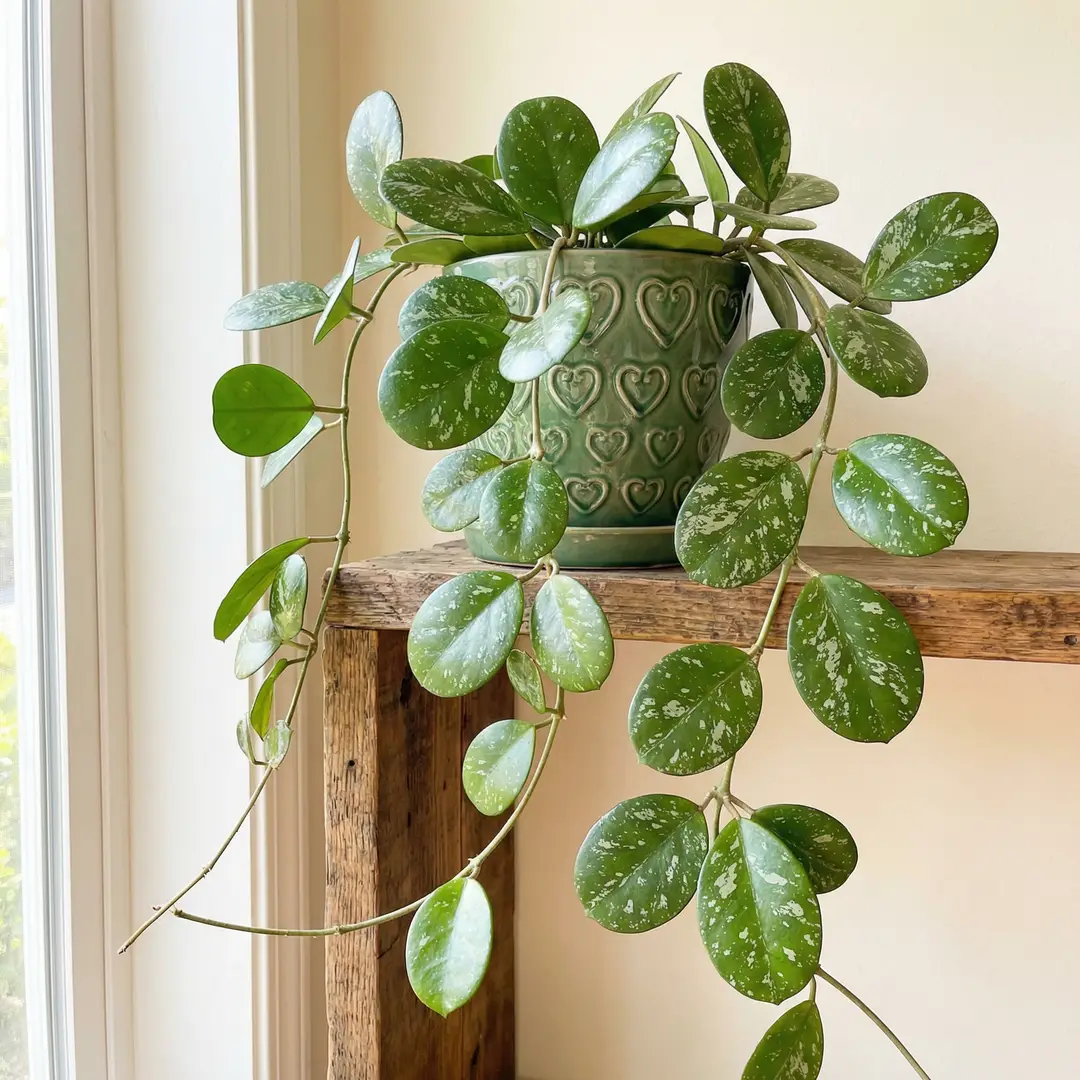
Complete Guide to Hoya Obovata Care and Growth
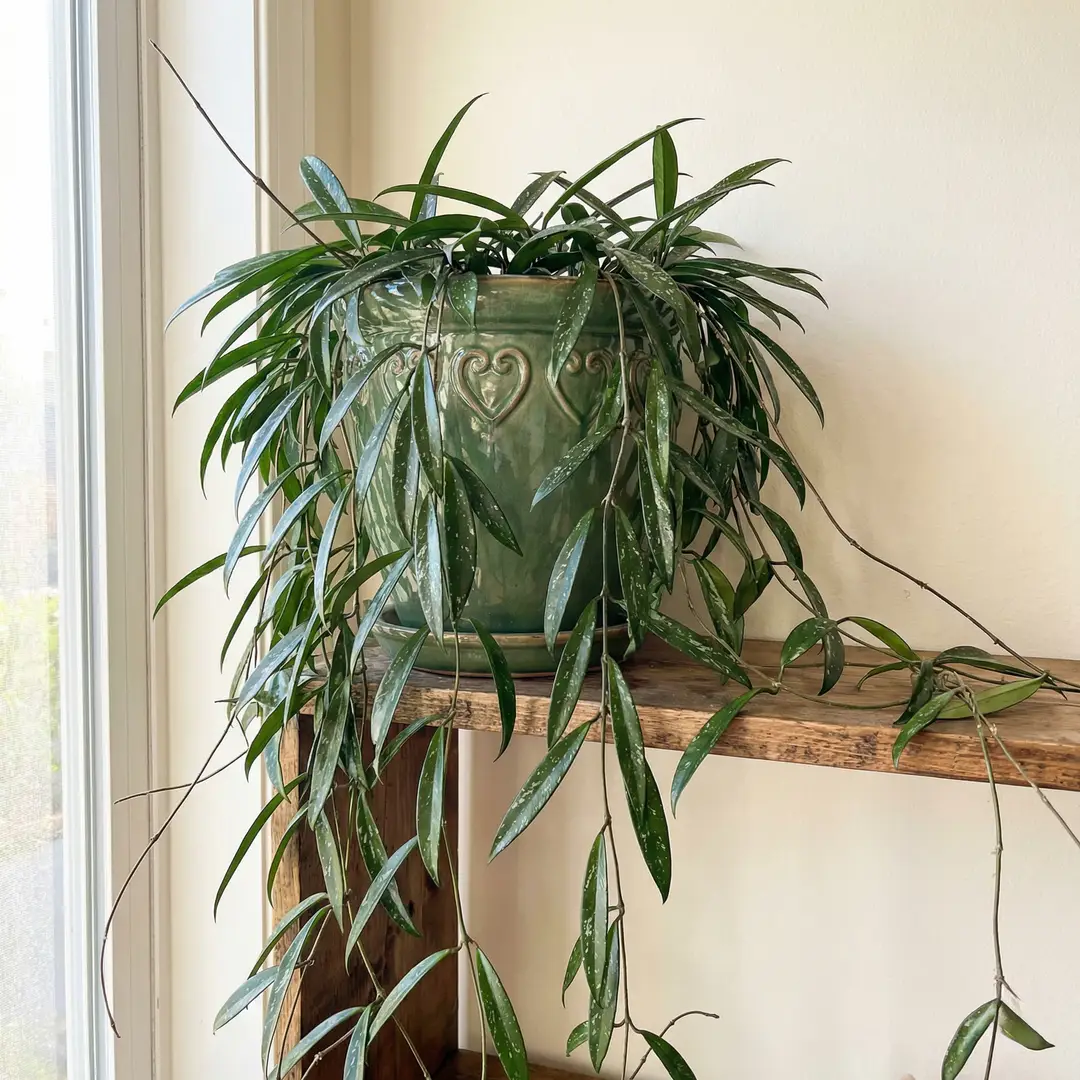
Complete Guide to Hoya Pubicalyx Care and Growth
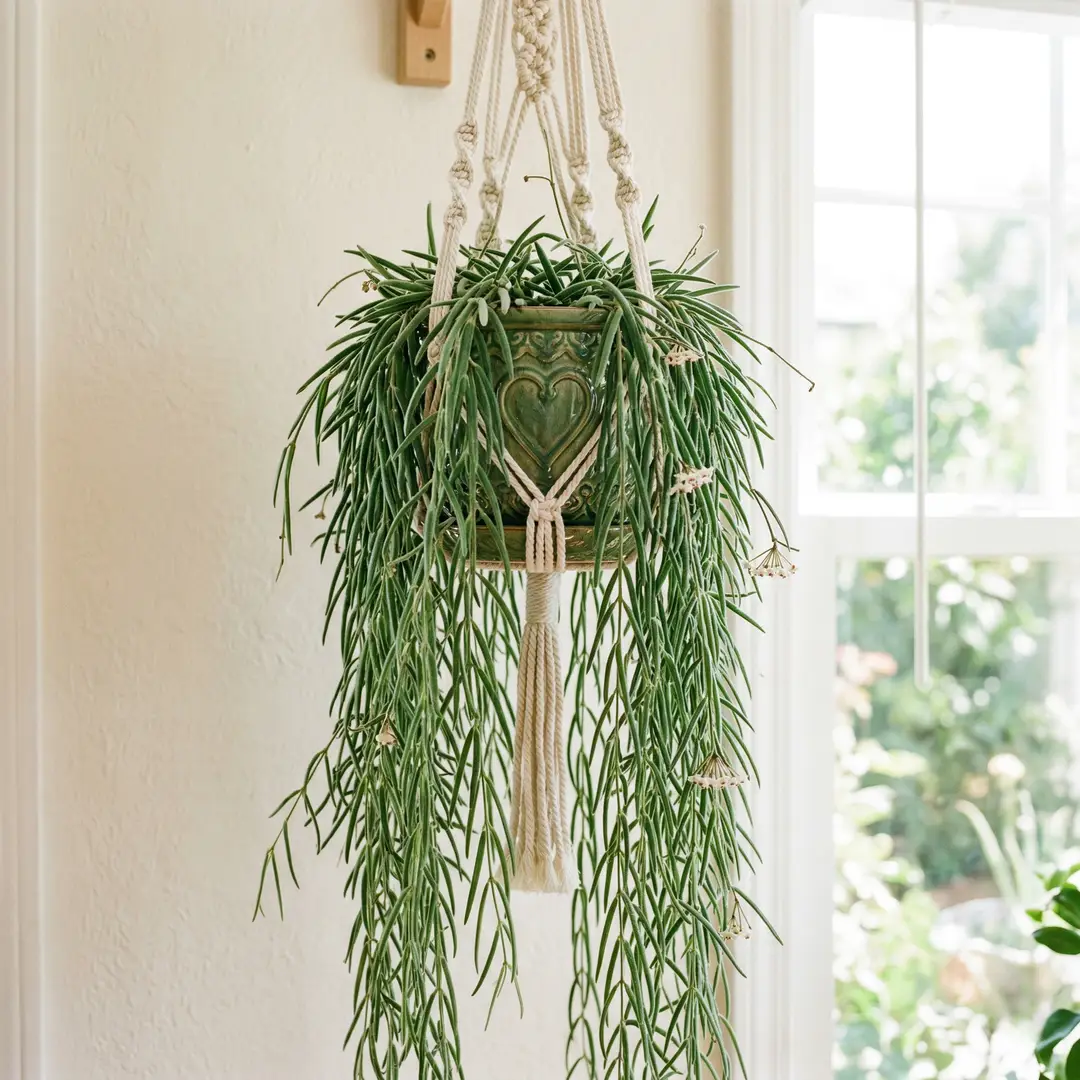
Complete Guide to Hoya Linearis Care and Growth

Houseplant101 Forum
Questions & Comments
Ask a question, share your plant experience, or help other plant owners.
Comments are temporarily unavailable.
Open the Houseplant101 ForumNo comments yet
Be the first to ask a question or share your experience about this page.
Log in or create an account
Comments use your Houseplant101 Forum account, but you can stay on this page.
Create a new account