
Sweetheart Hoya
Hoya kerrii
Valentine Hoya, Lucky Heart Plant, Heart Leaf Hoya, Love Cactus


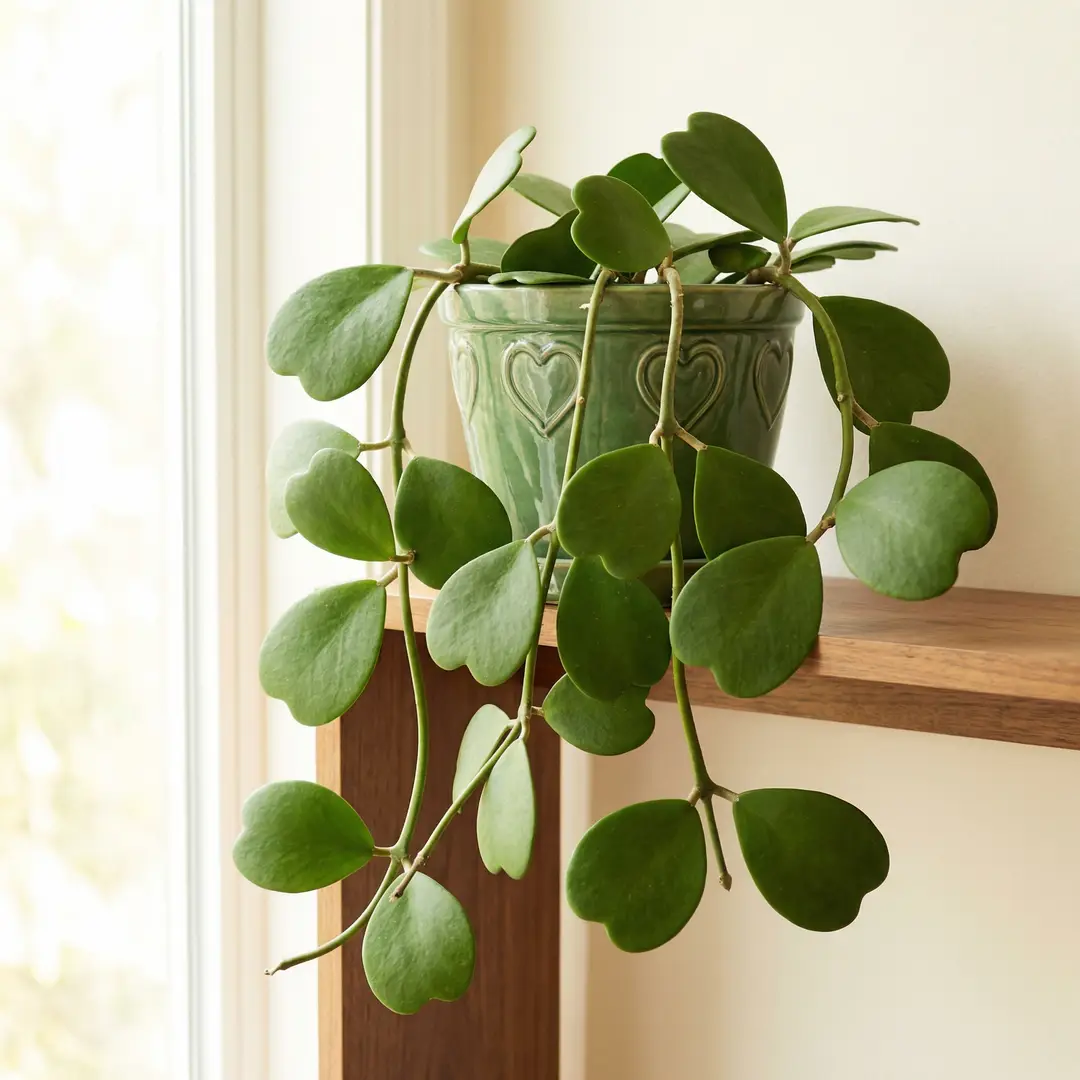
The Sweetheart Hoya is famous for its thick, heart-shaped leaves and its role as the ultimate Valentine's gift plant. Learn the difference between a single-leaf cutting that will never grow and a full vining plant that will trail, mature, and eventually bloom.
📝 Sweetheart Hoya Care Notes
🌿 Care Instructions
⚠️ Common Pests
📊 Growth Information
🪴 In This Guide 🪴

☀️ Sweetheart Hoya Light Requirements
Best Indoor Light for Sweetheart Hoya
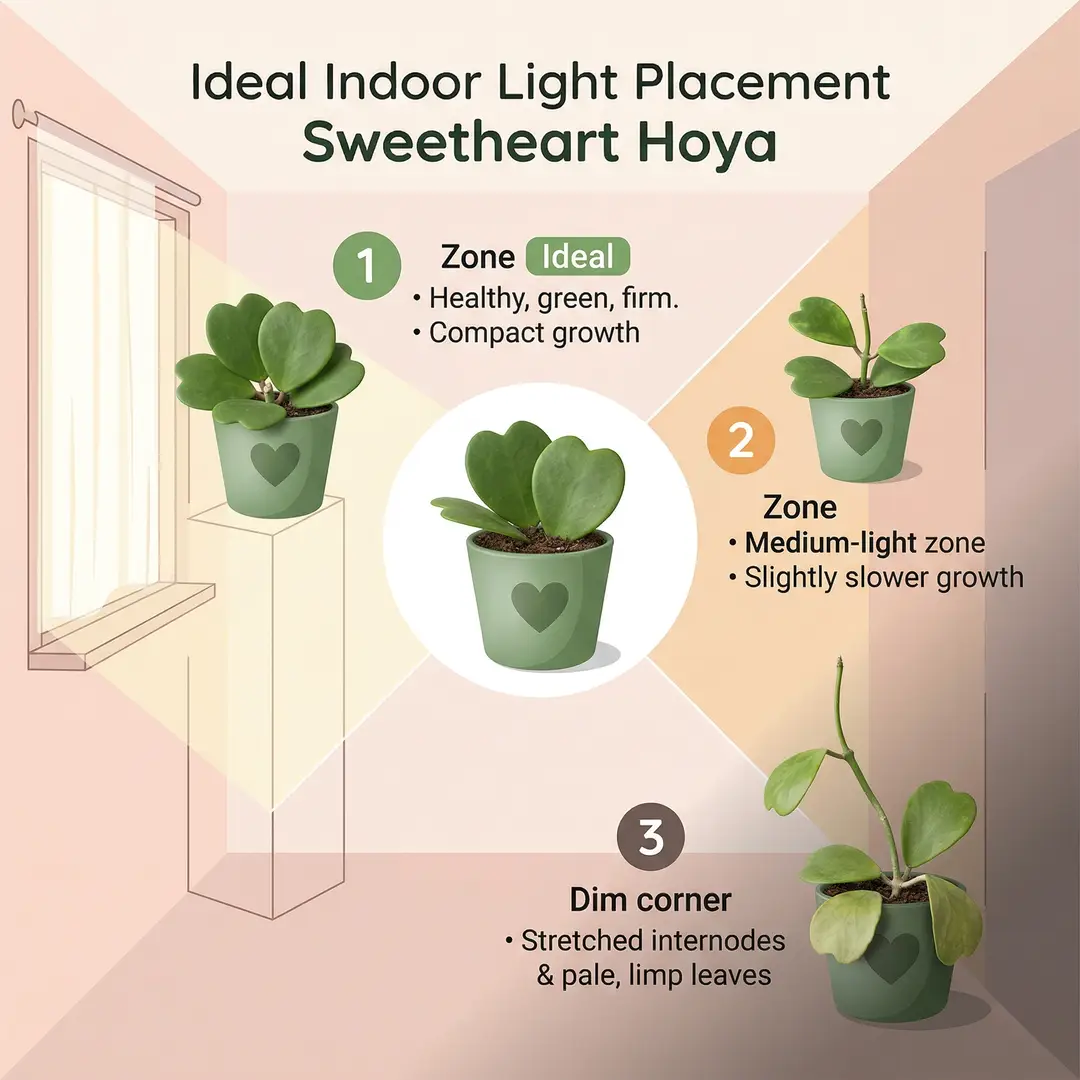
Sweetheart Hoya does best in bright indirect light with an hour or two of gentle direct sun. An east-facing window is ideal: the morning sun is gentle enough to avoid scorching, and the bright ambient light encourages steady growth. A south or west window works well too as long as the plant sits a foot or two back from the glass or light filters through a sheer curtain.
The thick, semi-succulent leaves handle more light than thin-leaved tropicals, but intense afternoon sun through glass can bleach the leaf surface or cause dry brown patches. The plant will survive in lower light, but it grows more slowly and will not bloom without adequate brightness.
For the full vining plant, light is directly tied to blooming. In low light, the plant stays vegetative and rarely sets flower buds. In bright indirect light with some direct sun, a mature plant will eventually develop the small flower spurs (peduncles) that carry the waxy porcelain clusters. Our Indoor Lighting Guide explains how to read your home's actual light levels if you are uncertain about your spot.
Low Light and Grow Lights
Sweetheart Hoya survives in moderate low light but is not a low-light plant. In dim conditions, a single-leaf cutting will stay green but never develop. A full vining plant will slow to nearly zero growth, produce weak stems, and will not bloom.
If your space does not have a bright window, a grow light positioned 8-12 inches above the plant for 12-14 hours per day gives it what it needs. Full-spectrum LED panels designed for tropical plants work well here. The compact, slow habit of Sweetheart Hoya makes it easy to accommodate under a simple shelf or desk light setup.
💧 How to Water Sweetheart Hoya
Watering Schedule and Method
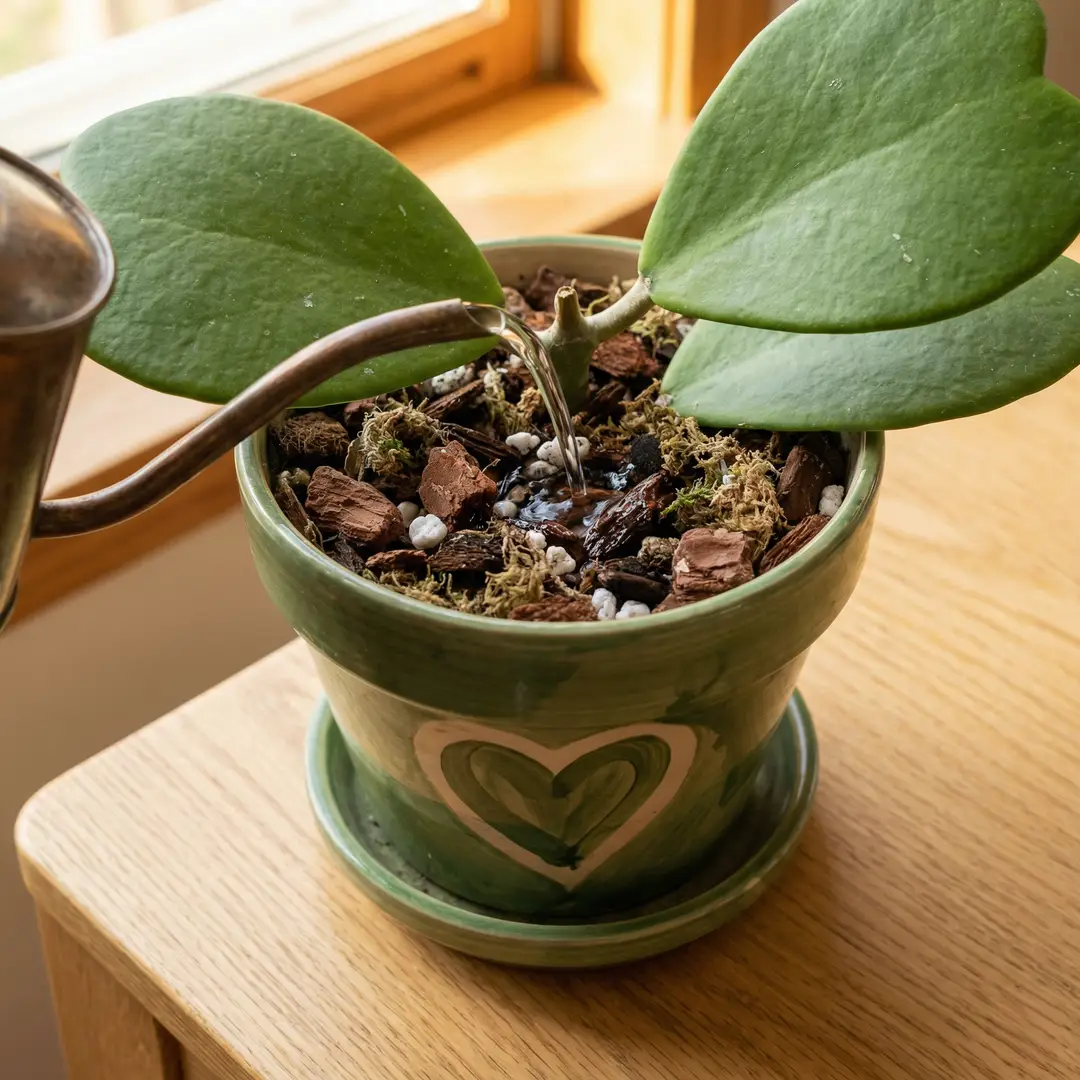
Sweetheart Hoya stores water in its thick, leathery leaves, which makes it one of the more drought-tolerant vining houseplants. The rule is simple: let the soil dry out completely between waterings, then soak thoroughly until water drains from the bottom of the pot.
During spring and summer, this typically works out to every 10-14 days depending on pot size, mix porosity, temperature, and how much sun the plant gets. In fall and winter, stretch the interval to every 3-4 weeks or longer. The plant goes semi-dormant in cooler months and uses very little water.
To check timing, press a finger into the top 2 inches of soil. If there is any moisture at all, wait. You can also read the leaves: fully hydrated leaves are firm and rigid. When the plant needs water, the leaves lose a touch of that rigidity and feel very slightly pliable when squeezed gently. That early softness is your cue, well before any visible wrinkling. Our Watering Guide covers these tactile cues and timing methods in more detail.
A moisture meter takes the guesswork out of this entirely if you tend to second-guess your timing. With thick-leaved epiphytes like this, erring toward dry is almost always safer than erring toward wet.
Signs of Overwatering and Underwatering
- Overwatering: Yellowing lower leaves, soft or mushy stems at the base, soil that stays wet for weeks. Root rot spreads quickly in constantly wet conditions. If caught early, repot into fresh dry mix and hold off watering for two weeks.
- Underwatering: Leaves become slightly wrinkled or lose their rigid feel. This is easy to fix: give the plant a deep soak and the leaves will firm up within a day. The plant will also wilt or droop more noticeably if left dry for too long.
- Single leaf cuttings: Water even more sparingly. A single leaf with no active root system uses almost no water. Light moisture once a month is usually enough. Too much moisture causes the cut end to rot.
Bottom Watering Sweetheart Hoya
Bottom watering works well for Sweetheart Hoya. Place the pot in a basin of water for 15-20 minutes, let the soil absorb moisture from below, then remove and allow it to drain fully before returning the plant to its spot. This method delivers a thorough soak without wetting the leaf surfaces, which can be beneficial in lower-humidity environments where water sitting on thick leaves lingers.
🪴 Best Soil for Sweetheart Hoya
Sweetheart Hoya is an epiphyte in the wild, growing on tree trunks and branches rather than in dense ground soil. Its roots need excellent drainage and plenty of airflow. Standard potting mix alone is too dense and retains too much moisture for this plant's roots.
The ideal mix combines:
- Orchid bark or coco chips (roughly 40%) to create air pockets and fast drainage
- Perlite or pumice (roughly 30%) to prevent compaction and keep the mix light
- Potting mix (roughly 30%) to hold just enough moisture and nutrients
You can also use a pre-made orchid potting mix with additional perlite stirred through. The result should be chunky enough that water passes through quickly and the mix dries within 7-10 days after a full soak.
If your current mix feels dense or takes more than 10 days to dry out, it needs more drainage amendment. Dense soil is the most common root rot setup for this plant. Our Soil Guide has more on building and choosing the right blend for epiphytic plants.
Always use a pot with drainage holes. Terra cotta is an excellent choice because the porous walls allow excess moisture to evaporate between waterings, which helps the mix dry faster and reduces overwatering risk.
What to avoid in the soil mix: Standard potting mix alone stays wet too long. Soils with added moisture-retaining crystals or water-holding gels are particularly problematic for hoyas. Peat-heavy mixes compact over time and become hydrophobic when very dry, making them difficult to re-wet evenly. If you use peat-based mix, add at least 30-40% perlite to counteract the compaction tendency. Avoid garden soil or compost, which is far too dense and can introduce fungal issues into a container environment.
When to refresh the soil: Over 2-3 years, even a good epiphytic mix breaks down, compacts, and loses its structure. If your well-established plant suddenly starts taking longer to dry out or shows signs of stress despite good care, it may be time to refresh the soil at the next repotting. Remove the old mix from the roots, inspect for rot, and repot into a fresh chunky blend.
🌱 Fertilizing Sweetheart Hoya
When and How to Fertilize
Feed Sweetheart Hoya once a month during the active growing season, roughly March through September, with a balanced water-soluble fertilizer diluted to half strength. A 20-20-20 or similar balanced formula works well during the early years when you are building out a full vining plant and prioritizing leaf growth.
Once the plant is established and you are aiming for flowers, switch to a high-phosphorus formula (bloom-booster) in spring and early summer. Phosphorus supports flower production and can help trigger the formation of flower spurs on a mature plant.
In fall and winter, do not fertilize. The plant is slowing down or dormant, and feeding during this period pushes fertilizer salts into the soil without any uptake, which can burn roots over time.
Fertilizing Single Leaf Cuttings
Skip fertilizing entirely if you have a single-leaf cutting. The leaf is not actively growing, so it has no use for extra nutrients. Fertilizer salts accumulate in the soil and can stress a non-growing cutting. Keep the soil almost completely dry and unfertilized, and the leaf will stay presentable for years without any feeding.
🌡️ Sweetheart Hoya Temperature and Cold Tolerance
Ideal Temperature Range
Sweetheart Hoya is a tropical plant that grows comfortably within the same range most people keep their homes: 60-85°F (15-29°C). It handles average indoor conditions without complaint through changing seasons, whether that is a warm summer room or a cooler autumn.
Temperatures below 50°F (10°C) begin to cause damage, and frost will kill the plant outright. If you move it outdoors in summer, bring it back inside well before the first cold night. Outdoors it is hardy only in USDA zones 10-12 in the ground. Cold drafts from windows or air conditioning vents blowing directly on the leaves can also cause cold shock, so keep the plant away from direct airflow.
Using Cool Temperatures to Trigger Blooms
Like most hoyas, Sweetheart Hoya responds to a cool winter rest period. Temperatures around 55-60°F at night during fall and early winter can help stimulate flower bud formation for the following spring. This does not mean the plant needs to be cold, just slightly cooler than summer temperatures. A spot near a window in a room that naturally cools in the evenings often provides this without any extra effort. The combination of cooler nights, reduced watering, and no fertilizer through winter sets the plant up for its best spring growth.
Seasonal Care Calendar for Sweetheart Hoya
Matching your care routine to the seasons keeps this plant growing steadily and increases the odds of blooming.
Spring (March to May): Resume regular watering as daylight increases and the plant wakes from its winter rest. Reintroduce monthly fertilizing, starting with a balanced formula. This is the best time to repot if needed and to take propagation cuttings. Watch for new leaf and stem growth emerging from the nodes as a sign the plant is fully back in active growth mode.
Summer (June to August): The most active growing period. Water more frequently as temperatures rise and the soil dries faster. Continue monthly feeding. If you move the plant outdoors, choose a bright but sheltered spot out of harsh afternoon sun, and bring it back inside before nights drop below 55°F.
Fall (September to November): Begin tapering off fertilizer and watering. Reduce both gradually rather than stopping abruptly. As temperatures cool slightly, this is when flower buds may begin forming on mature plants.
Winter (December to February): Water very sparingly, only when the soil is completely dry. Do not fertilize. Keep the plant away from cold drafts. A cool, bright window is ideal. If you have a mature plant, this rest period is actively working in your favor for spring bloom production. Single-leaf cuttings need almost no attention at all during this period.
💦 Sweetheart Hoya Humidity Needs
Sweetheart Hoya is flexible with humidity. Average household levels of 40-60% work well for this plant without any intervention. The thick, waxy leaves are well adapted to handling dry air without desiccating quickly, which is part of why it does well in centrally heated homes that dry out in winter.
If your home drops below 30% humidity in winter, the leaf edges may develop slight crispness over time, but this is cosmetic rather than a sign of serious stress. A pebble tray filled with water and placed under the pot provides a gentle ambient humidity boost without wetting the roots.
Do not mist Sweetheart Hoya. Water sitting in the dense leaf structure can encourage rot on the stems and base of the leaf. A small room humidifier near the plant is more effective and less risky than misting if higher humidity feels important in your space.
Humidity and Blooming
There is some evidence that higher humidity (above 60%) can encourage hoya flower development, possibly because it reduces the stress that very dry air places on the plant's energy reserves. In practice, most growers see little difference between 40% and 60% humidity in terms of bloom production. The much bigger factors are light levels, plant maturity, and the cool winter rest period.
If you live somewhere with very dry winters and your plant is approaching blooming age, raising humidity modestly during the pre-spring period (January to March) with a humidifier may provide a small additional benefit. But if you are still waiting on light levels and maturity, humidity adjustments alone will not trigger flowers. Address the primary conditions first.
🌸 Sweetheart Hoya Flowers and Blooming
What the Flowers Look Like
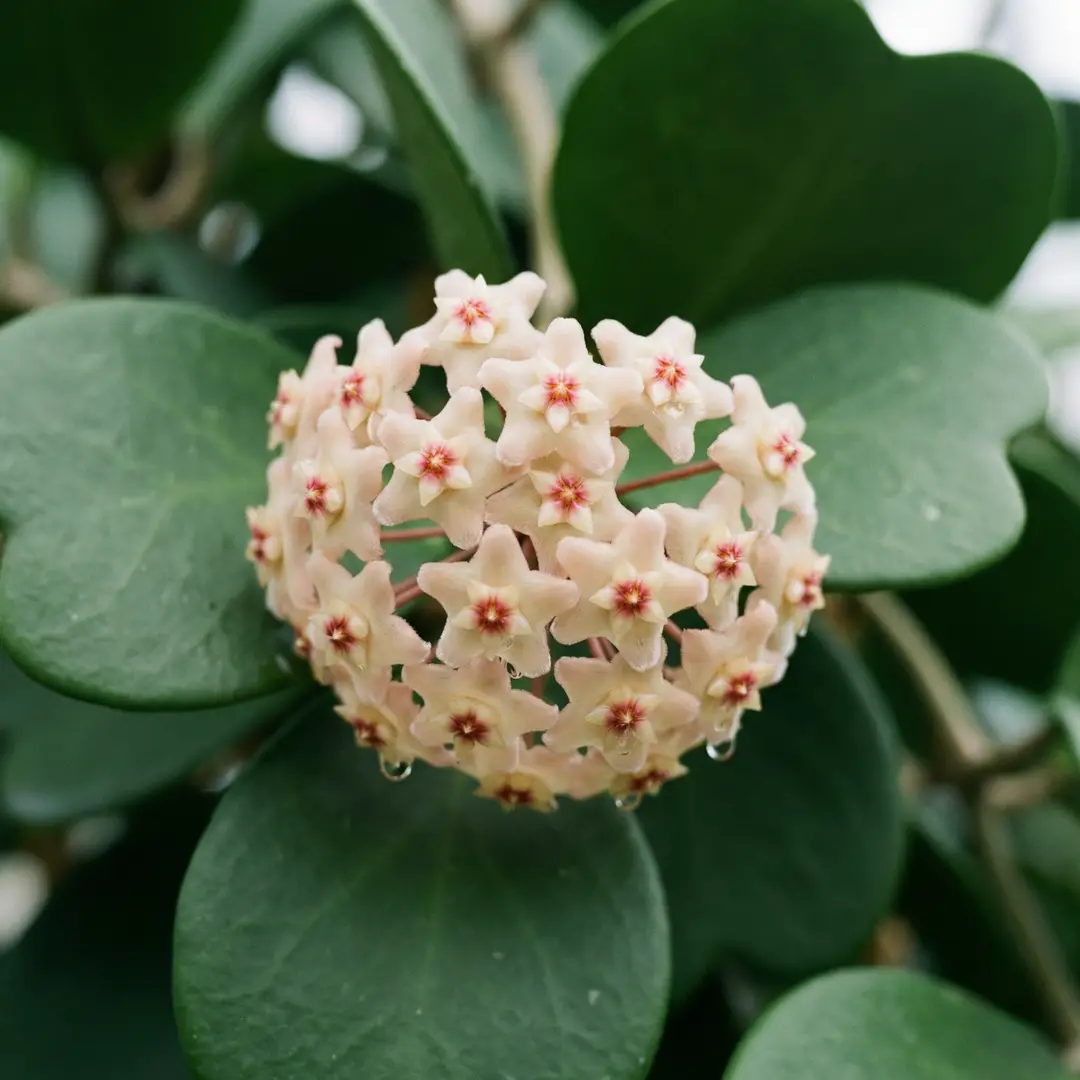
Like all hoyas, Sweetheart Hoya produces small, star-shaped flowers arranged in rounded umbrella-like clusters called umbels. The blooms are waxy and porcelain-looking, typically cream-colored or pale pink with a small reddish-pink center crown. Up close they are intricately beautiful. The flowers carry a light fragrance, especially in the evenings.
Flowers appear on short stems called peduncles or flower spurs, which develop slowly over time and re-bloom from the same spot year after year. This leads to the most important rule about hoya blooming: never cut a flower spur. Even after the flowers fade and the spur looks bare and dead, it will produce another set of blooms the following season. Removing it means waiting years for the plant to develop a new one from scratch.
How to Get Sweetheart Hoya to Bloom
Three things matter most for blooming:
- Start with a nodal cutting. A single-leaf cutting cannot bloom, ever. Flowers come only from plants with a proper stem and nodes.
- Provide bright light. Low light produces zero blooms. The plant needs bright indirect light, ideally with some gentle direct sun, to build the energy for flowering.
- Let it mature. Most Sweetheart Hoyas need at least 2-3 years of growth before attempting to flower. This is not negotiable.
Beyond those three, a slightly cool winter rest, keeping the plant slightly pot-bound, and switching to a high-phosphorus fertilizer in early spring all support bloom development once the foundational conditions are in place. Do not expect fast results from this plant. The reward is worth the wait.
One thing to track: once flower spurs begin developing, you will see small, rounded buds forming at the tip of each spur over several weeks before they open. The buds are surprisingly slow to develop. Keep the plant in its spot during this period and avoid rotating it. Hoyas can drop buds (called bud blast) if they are moved, shocked by cold, or put under watering stress while buds are actively forming. See our failure to bloom guide if buds appear and then drop before opening.
🌿 Sweetheart Hoya Varieties and Related Plants
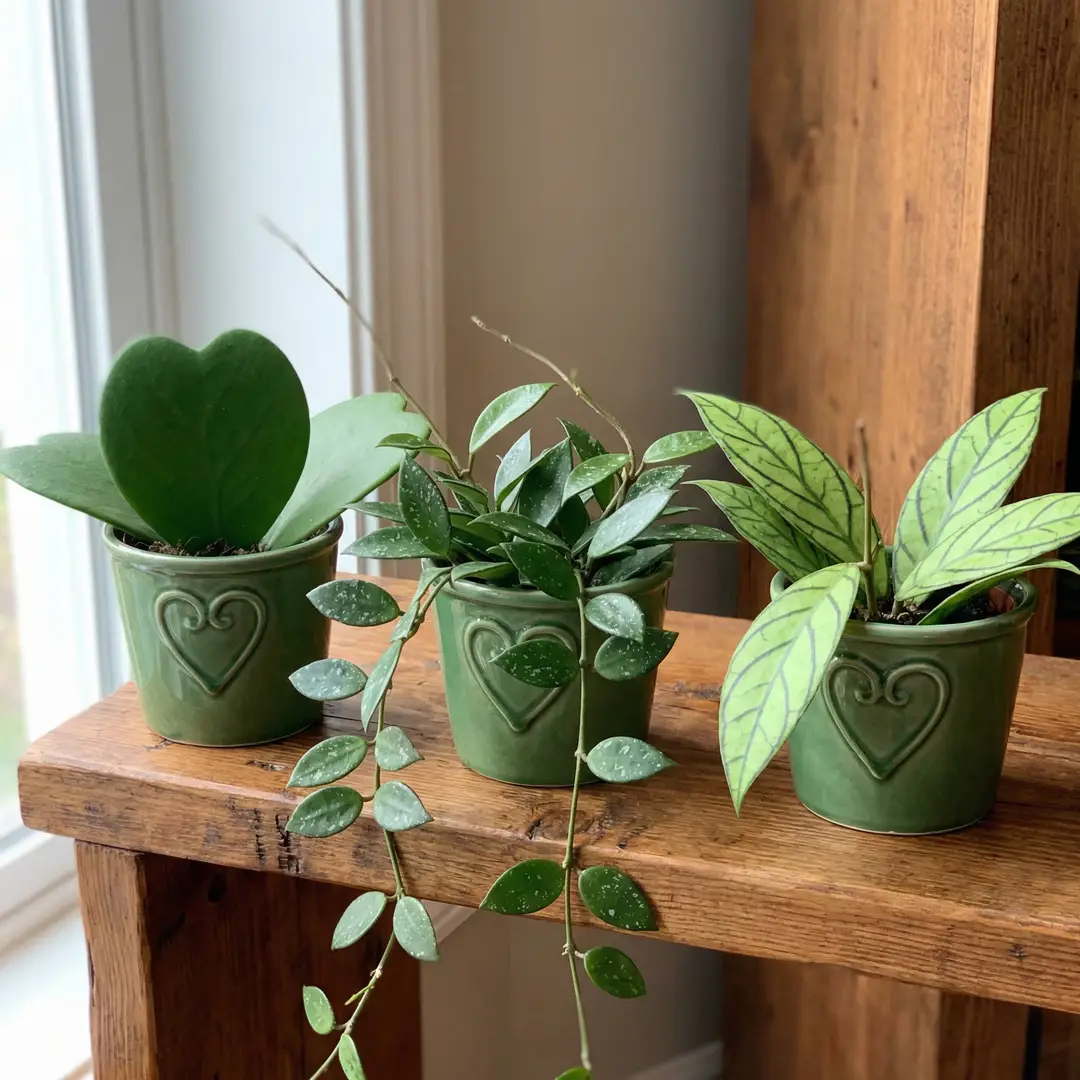
Sweetheart Hoya Forms
Single-leaf cutting: The most common form sold commercially, especially around Valentine's Day. A single heart-shaped leaf in a small pot. Without a node, it cannot grow into a vining plant. It is charming as a living desk decoration and genuinely long-lived, but it is not a propagation project.
Nodal cutting: A short stem segment with one or more nodes and a leaf or two attached. This is the correct starting point for growing a full vining plant. It will slowly develop roots, then new leaves, then long trailing stems, and eventually flower spurs if conditions are right.
Mature vining plant: Multiple stems bearing large, firm heart-shaped leaves. Less common in standard retail but worth finding at plant shops, markets, or online specialty sellers. This is the form that gives you the full Hoya experience: trailing vines, possible flowers, and a plant that will outlive most others in your collection.
Variegated Sweetheart Hoya
A variegated form of Hoya kerrii exists and is sought after by collectors. The leaves show creamy-yellow or white margins alongside the standard deep green center, making the heart shape even more striking visually. Variegated Sweetheart Hoya is significantly rarer and more expensive than the standard form, and it is an even slower grower because the white portions of the leaves contain less chlorophyll for photosynthesis.
Care for variegated Sweetheart Hoya is largely the same, with a few adjustments. It needs more bright indirect light than the standard form because the non-green leaf sections produce less energy. It is also somewhat more sensitive to overwatering and cold drafts. Avoid full direct sun, which can scorch the pale margins quickly. As with the standard form, the single-leaf variegated cuttings sold commercially will never grow into full plants without a node.
Related Hoyas and Similar Plants
- Hoya Carnosa (Hoya carnosa): The classic wax plant. Oval, deep-green leaves with silver speckling on a vigorous vining stem. Faster-growing than Sweetheart Hoya, more commonly available as full plants in stores, and one of the easiest hoyas to get blooming. Great choice if you want the Hoya experience with less waiting.
- Hoya Callistophylla: Elongated, heavily veined leaves with striking parallel venation. A collector hoya for those who want dramatic foliage on similar care.
- String of Hearts (Ceropegia woodii): Not a true hoya, but shares the semi-succulent, heart-shaped leaf theme and is frequently bundled with Sweetheart Hoya as a Valentine's gift. Much faster-growing and trails readily. Good option if you want a heart-leaf plant that grows visibly.
- Hoya Wayetii (Hoya wayetii): Narrow, elongated leaves with distinctive dark red to purple margins that deepen with more light. Faster-growing than Sweetheart Hoya and easier to get blooming. A rewarding next hoya to try.
- Hoya Obovata (Hoya obovata): Large, rounded, silver-flecked leaves on a substantial climbing vine. The 'Splash' cultivar with heavy silver markings is one of the most collectible hoyas available, with the same easy care profile.
- Hoya Krohniana (Hoya krohniana): The other heart-leaved hoya, at a fraction of the size. Its leaves are barely an inch across and dusted with silver, and unlike Sweetheart Hoya it trails quickly and flowers while still young. The obvious pick if you love the heart shape but not the waiting.
- Hoya Curtisii (Hoya curtisii): The opposite end of the size scale. Tiny pointed, silver-splashed leaves form a low mat that fits a small pot or a vented terrarium, with fuzzy, lightly citrus-scented flowers once established.
🪴 Potting and Repotting Sweetheart Hoya
Pot Size and When to Repot
Sweetheart Hoya, like other hoyas, prefers to be slightly pot-bound. It blooms more readily when the roots fill the container, and it handles staying in the same pot for longer stretches better than most tropical houseplants. Repot only when you see roots growing out of the drainage holes consistently, or when the plant dries out within a day or two of watering, which usually means the roots have taken over nearly all the available soil volume.
When you do repot, go up only one pot size: roughly 1-2 inches larger in diameter. A pot that is too large holds excess moisture in the unused outer soil, raising root rot risk significantly. Use the chunky epiphytic mix described in the Soil section, and ensure the new pot has drainage holes.
The best time to repot is in spring as the plant comes out of its winter rest and new growth begins. Avoid repotting in fall or winter when growth has slowed.
Potting Single Leaf Cuttings
Single-leaf cuttings do not need repotting in the usual sense. The tiny pot they arrive in is usually fine indefinitely. If the pot feels unstable or the leaf is top-heavy, move it to a slightly larger pot with fresh, very dry mix. Otherwise, leave it alone. These cuttings are stable as long as the soil is kept nearly dry and not disturbed repeatedly.
🧹 Cleaning and Maintaining Sweetheart Hoya Leaves
The large, thick leaves of Sweetheart Hoya collect dust visibly, and keeping them clean is both aesthetic and practical. Dust buildup on the leaf surface blocks light absorption and can make the plant look dull.
Wipe each leaf gently with a soft, damp cloth, supporting the leaf from underneath with your other hand so you are not bending the stem. The leaves are firm enough to handle gentle cleaning without damage. Work both the top and underside of each leaf, since the underside is where pests like mealybugs tend to settle first.
Avoid leaf shine sprays or oily polishes. These products clog the leaf's pores (stomata) and can interfere with gas exchange. The natural waxy finish of the Hoya kerrii leaf is already glossy and attractive without any product. A clean damp cloth is all you need.
For a plant with many vines and lots of leaves, a gentle rinse in the shower or outside with a hose works well and also helps knock off any early pest populations before they establish. Let the plant drain fully before returning it to its spot, and avoid doing this in cold weather when the plant cannot dry off in warm air.
✂️ Pruning Sweetheart Hoya
Sweetheart Hoya is a slow grower and rarely needs heavy pruning. You will mainly reach for scissors to remove dead or damaged leaves, trim a stem that is growing in an awkward direction, or take a cutting for propagation.
The one absolute rule: never remove a flower spur. Flower spurs are the small, short, woody-looking stubs that develop over time on mature stems and carry the flower clusters. After the blooms fade, the spur looks bare and spent, but it will produce another set of flowers from the same spot next season. Cutting it off means waiting years for a new one to develop.
When you want to train vines on a trellis or hoop, do so while the stems are young and pliable. Older stems harden and can snap if bent sharply. A small heart-shaped wire trellis is a charming display option that matches the plant's Valentine's identity. Work the vines around it gently over several weeks rather than trying to reshape everything at once.
🌱 How to Propagate Sweetheart Hoya
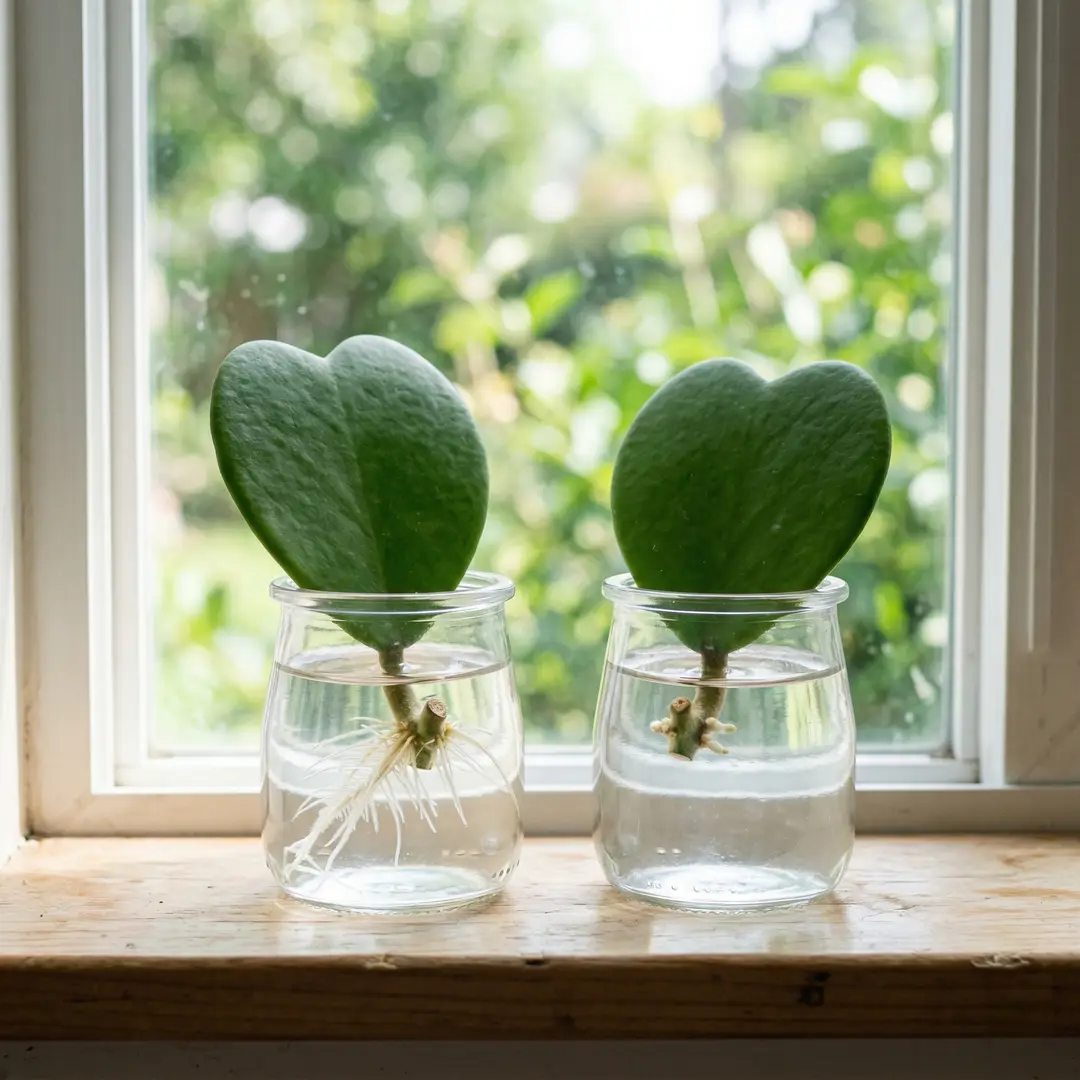
Stem Cuttings with a Node
The only way to propagate a Sweetheart Hoya that will grow into a full plant is from a stem cutting that includes at least one node. The node is the small bump or joint on the stem where leaves attach. Without a node, there is no growing point and the cutting cannot produce new stems, leaves, or a functional root system.
To take a cutting:
- Choose a healthy stem with at least one node and one or two leaves attached.
- Cut cleanly just below the node with sterile scissors or a blade.
- Let the cut end air-dry for an hour until a callus begins to form.
- Place the cutting in water (submerging only the bare stem section, not the leaf) or in moist perlite or sphagnum moss.
- Keep the cutting in bright indirect light and maintain warmth above 65°F.
- Roots typically appear within 3-6 weeks.
Once roots reach 1-2 inches long, transfer the cutting to the chunky epiphytic mix. For more on the transition from water to soil, our Water Propagation Guide covers the full process.
Propagating in Soil or Sphagnum Moss
Some growers prefer propagating Sweetheart Hoya directly in moist sphagnum moss or a very loose perlite mix rather than water. This avoids the transition shock of moving a water-rooted cutting into soil later.
To propagate in moss: place the cutting in a small container of moistened sphagnum moss with the node buried and the leaf upright above the surface. Cover loosely with a clear plastic bag or a humidity dome to retain moisture, but open it daily for airflow to prevent fungal issues. Keep in bright indirect light and maintain warmth. Check for roots gently after 4 weeks by pressing on the surface near the base of the cutting. Once the cutting resists gentle tugging, roots are established and you can remove the humidity cover and treat it as a normal plant.
The soil-based approach described in our Soil Propagation Guide works well here too if you use a very loose, airy starting mix.
Why Single Leaf Cuttings Will Not Grow Into a Full Plant
This surprises many people and is worth being direct about. A single Sweetheart Hoya leaf removed from the stem, or a leaf where the attached stem stub has no node, will not grow into a full plant. The leaf will callus, may produce a few surface roots, and will stay alive for years. But it cannot produce a new stem, new leaves, or a functioning root system beyond that surface callus. There is no growing point. The cutting is alive but cannot develop further.
If you have a single-leaf cutting and want a full vining plant, the simplest path is to find a small nodal cutting from a specialty hoya seller, a plant swap, or a friend with an established plant. Trying to coax a single-leaf into growing is not possible regardless of care, and knowing this upfront saves a lot of frustration.
🐛 Sweetheart Hoya Pests
Sweetheart Hoya is generally pest-resistant, but a few common houseplant pests can settle in, especially in mixed collections where insects can move between plants.
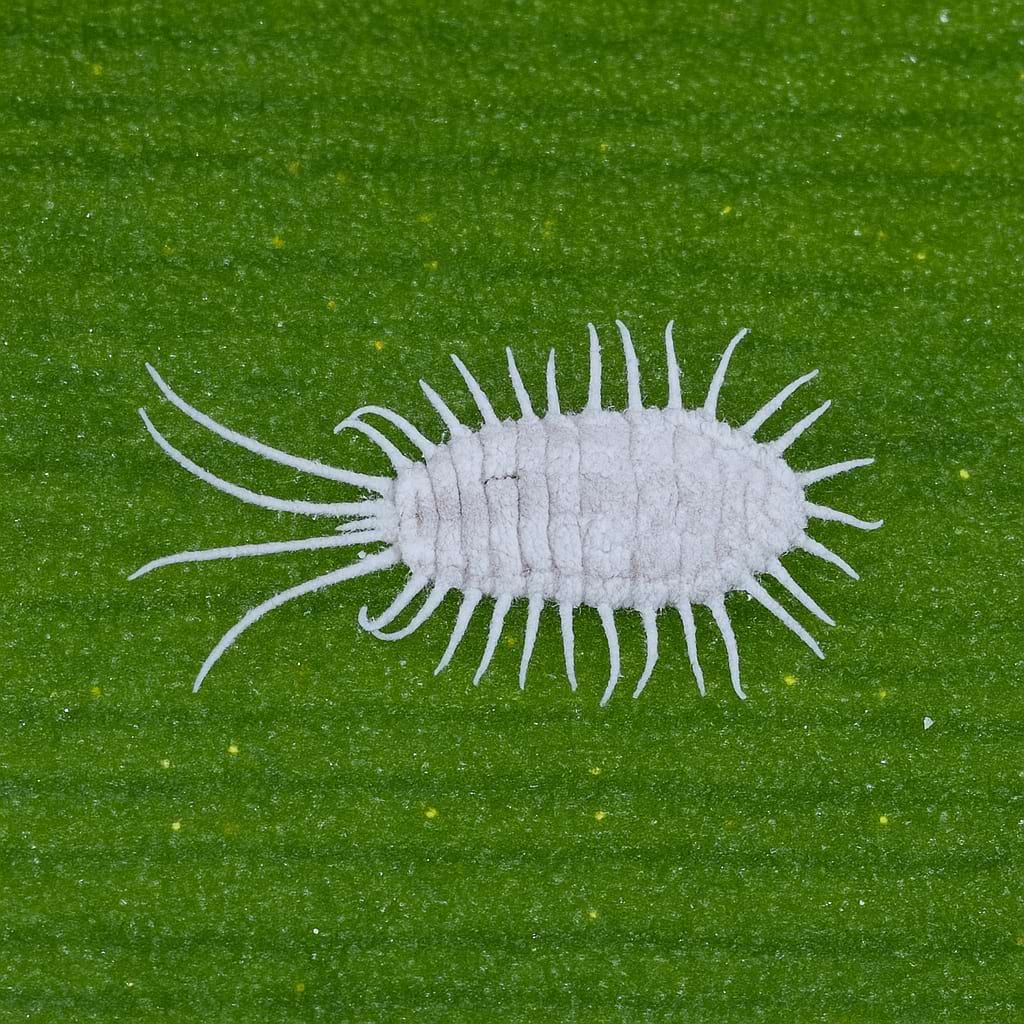
Mealybugs are the most common issue. They cluster in the joints between leaves and stems, appearing as small white cotton-like masses. The thick, waxy leaves can make them harder to spot until the infestation is established. Check stem joints and leaf undersides every time you water. Treat with a cotton swab dipped in 70% rubbing alcohol applied directly to each cluster, or spray the whole plant with diluted neem oil. Repeat weekly for 3-4 weeks to catch new hatchlings.
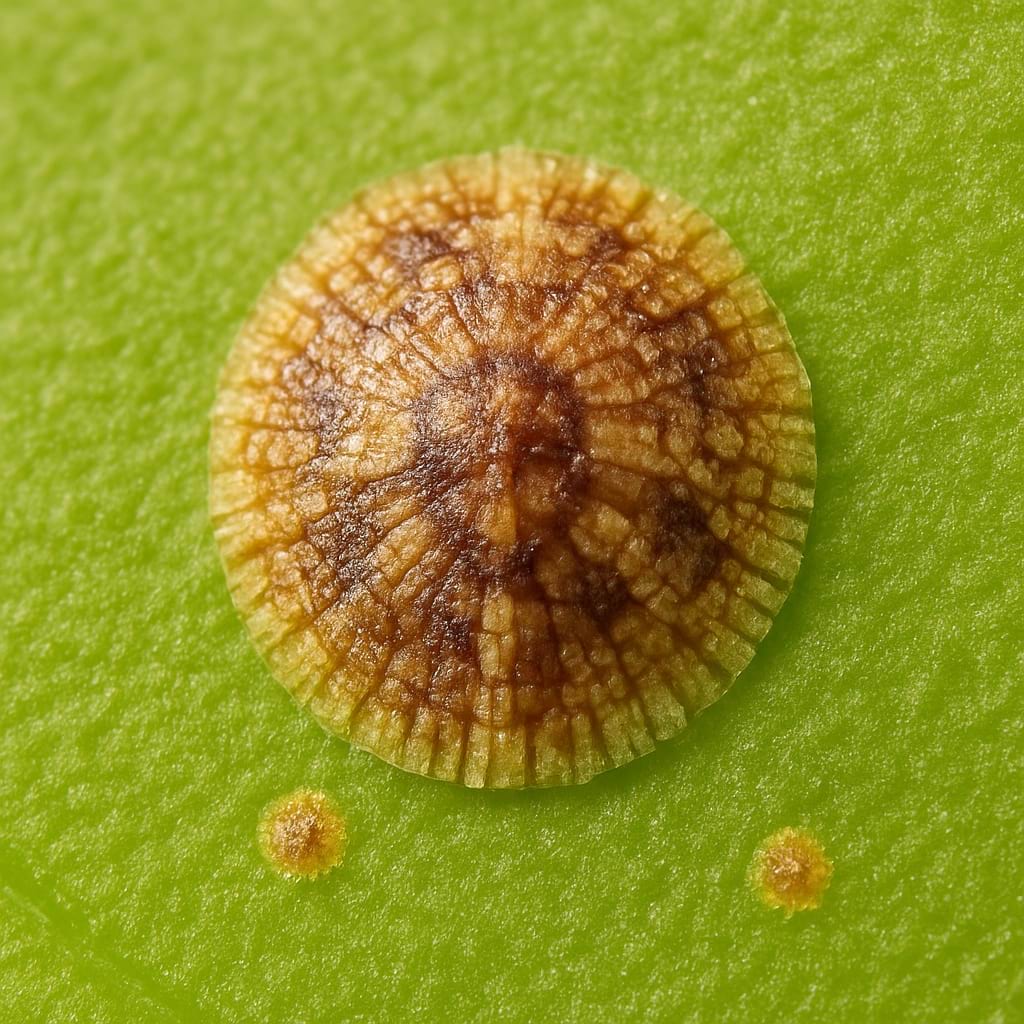
Scale insects look like small brown bumps attached to stems or the underside of leaves. Scrape them off with a soft toothbrush or fingernail and then treat with neem oil or insecticidal soap to clear the remaining population.
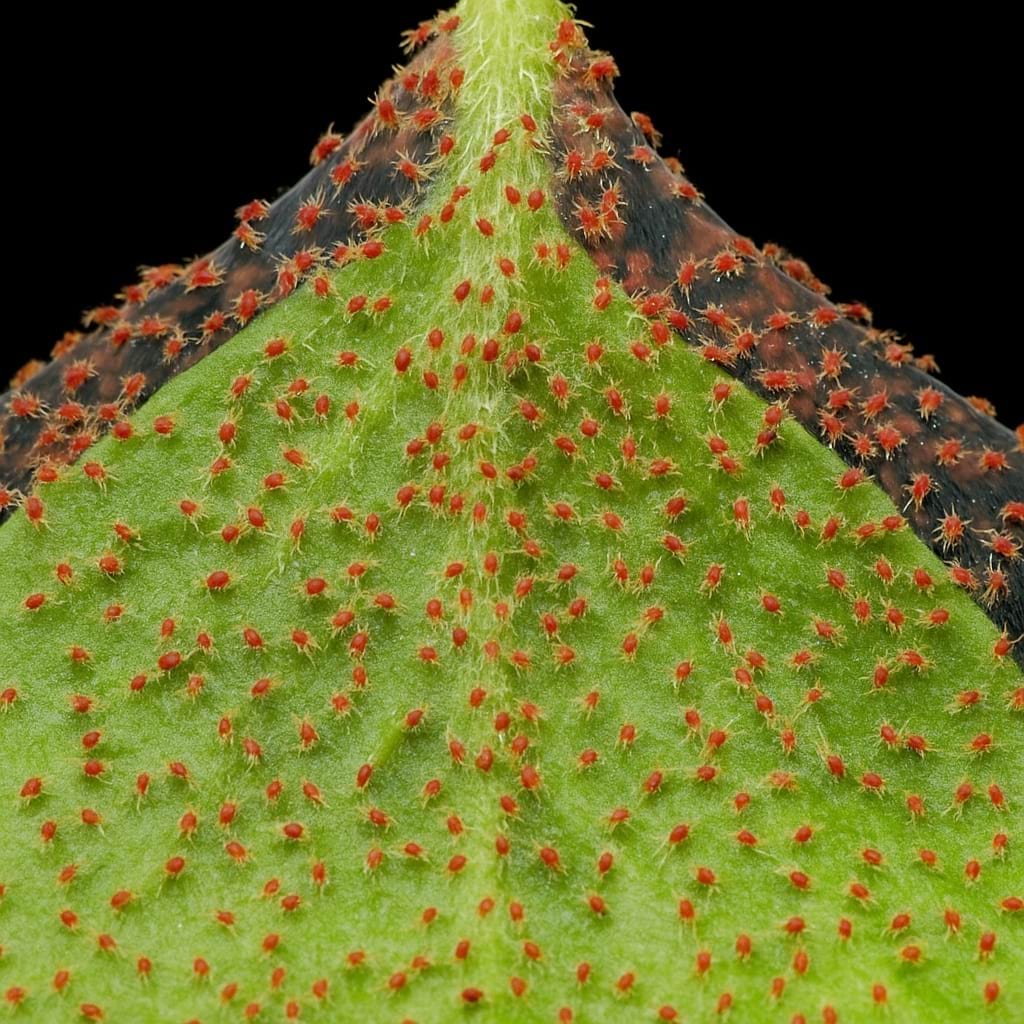
Spider mites occasionally appear in very dry or warm conditions and show up as fine webbing and tiny dots on the leaf surface. Increase ambient humidity slightly and treat with neem oil or insecticidal soap. A shower to rinse the plant first helps remove the webbing before applying any treatment.
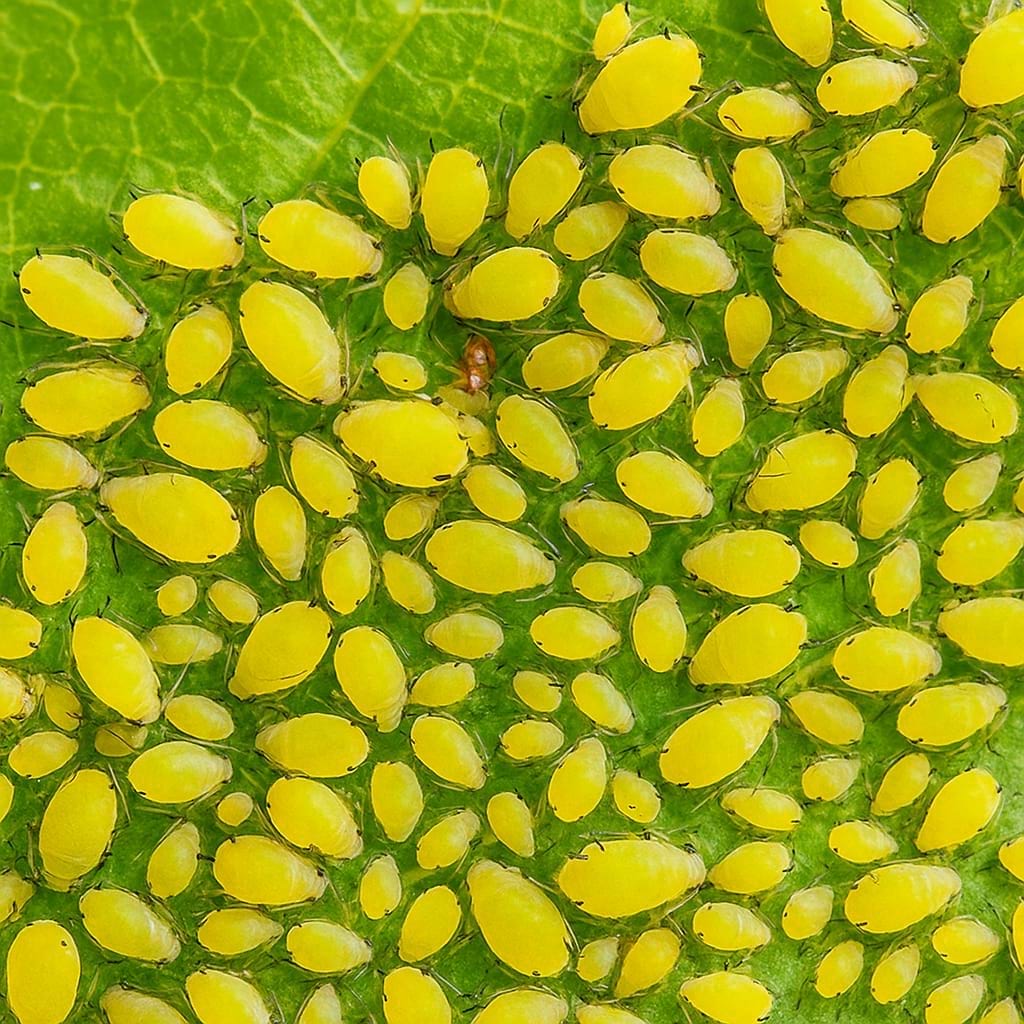
Aphids may appear on new growth in spring and summer. They cluster near soft stem tips and can be knocked off with a stream of water or treated with insecticidal soap.
Isolate any affected plant as soon as you spot a problem to prevent spread to other plants nearby.
Preventive habit: The single most effective pest prevention is regular inspection during watering. Turn leaves over, check stem joints, and look at the base of the plant each time you water. Most infestations are easy to clear when caught at 5-10 insects. Waiting until you see widespread webbing or dozens of mealybug clusters makes treatment significantly more work.
Using neem oil: Neem oil is a broad-spectrum organic option that disrupts pest life cycles without harming the plant. Mix 1 teaspoon of neem oil concentrate with a few drops of mild dish soap and a quart of water. Shake well and apply with a spray bottle, coating the undersides of leaves and all stem joints. Apply in the evening so the oil does not concentrate light onto wet leaf surfaces. Repeat every 7-10 days for 3-4 cycles to break the pest reproduction cycle fully.
After treatment: Once a pest problem is cleared, wait 2-3 weeks before returning the plant to its usual spot among other plants. Restart your inspection routine each time you water going forward, since a plant that had mealybugs once is more likely to have them again if the source was a nearby infected plant that was not treated at the same time.
⚠️ Common Sweetheart Hoya Problems
Yellow Leaves
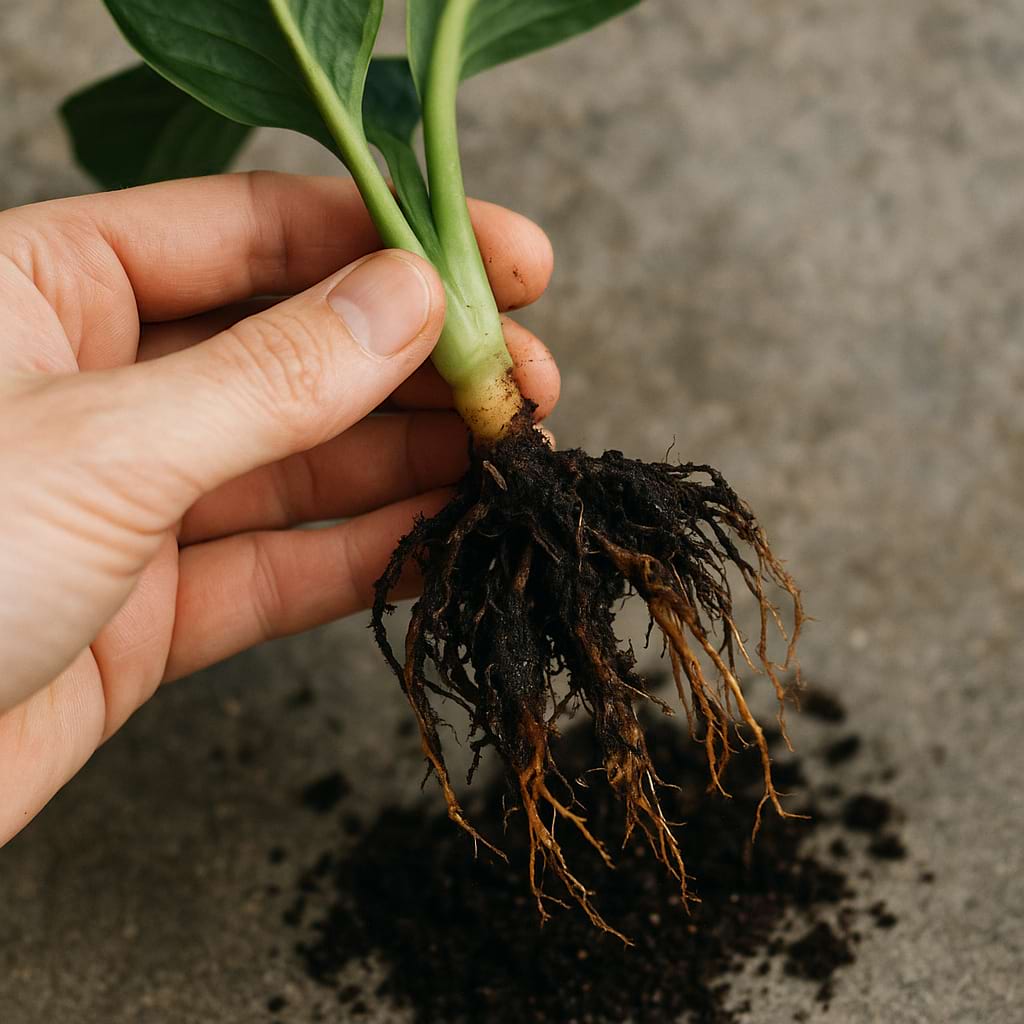
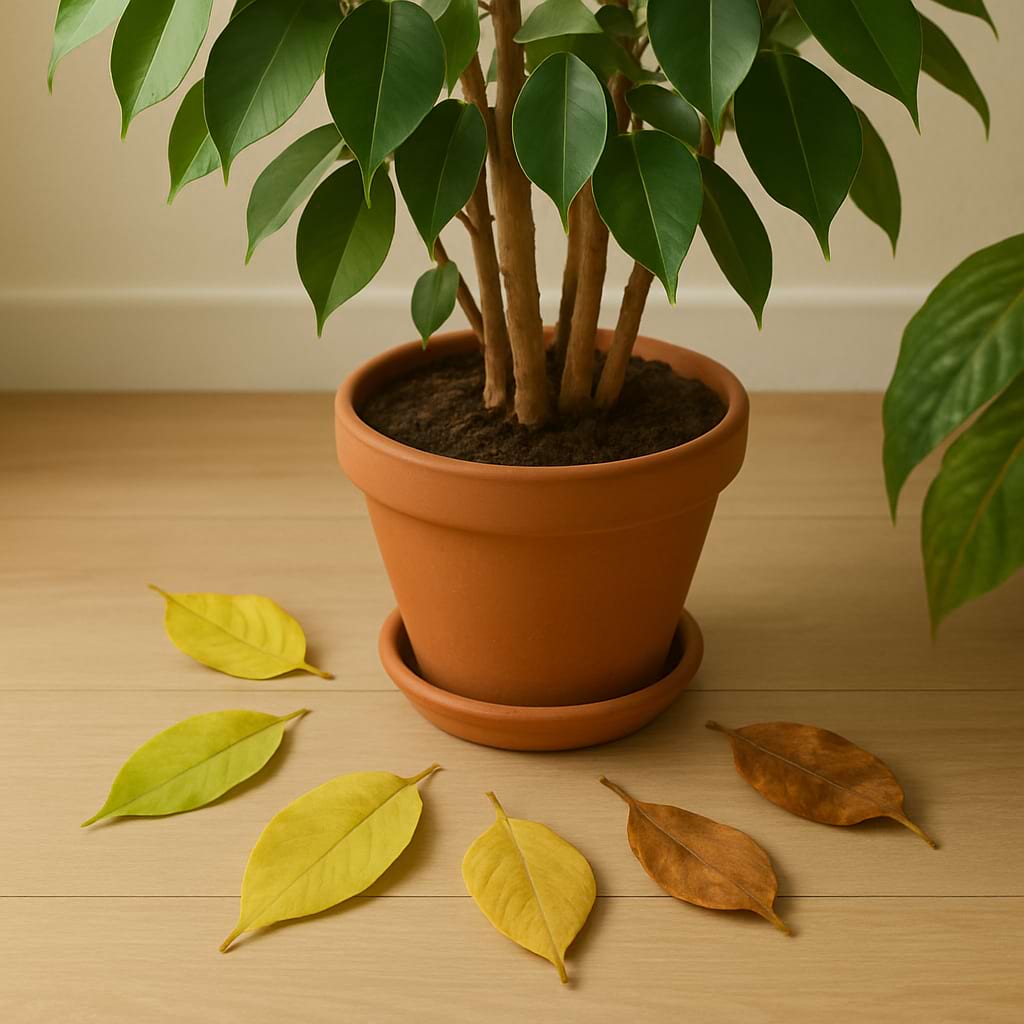
Yellowing leaves on Sweetheart Hoya are most often a sign of overwatering. If the soil has been consistently wet and the lower leaves are yellowing and dropping, check the roots. Healthy roots are firm and pale; roots affected by root rot are brown, mushy, and smell unpleasant. If rot is present, trim off the damaged roots, repot into fresh dry mix, and hold off watering for two weeks.
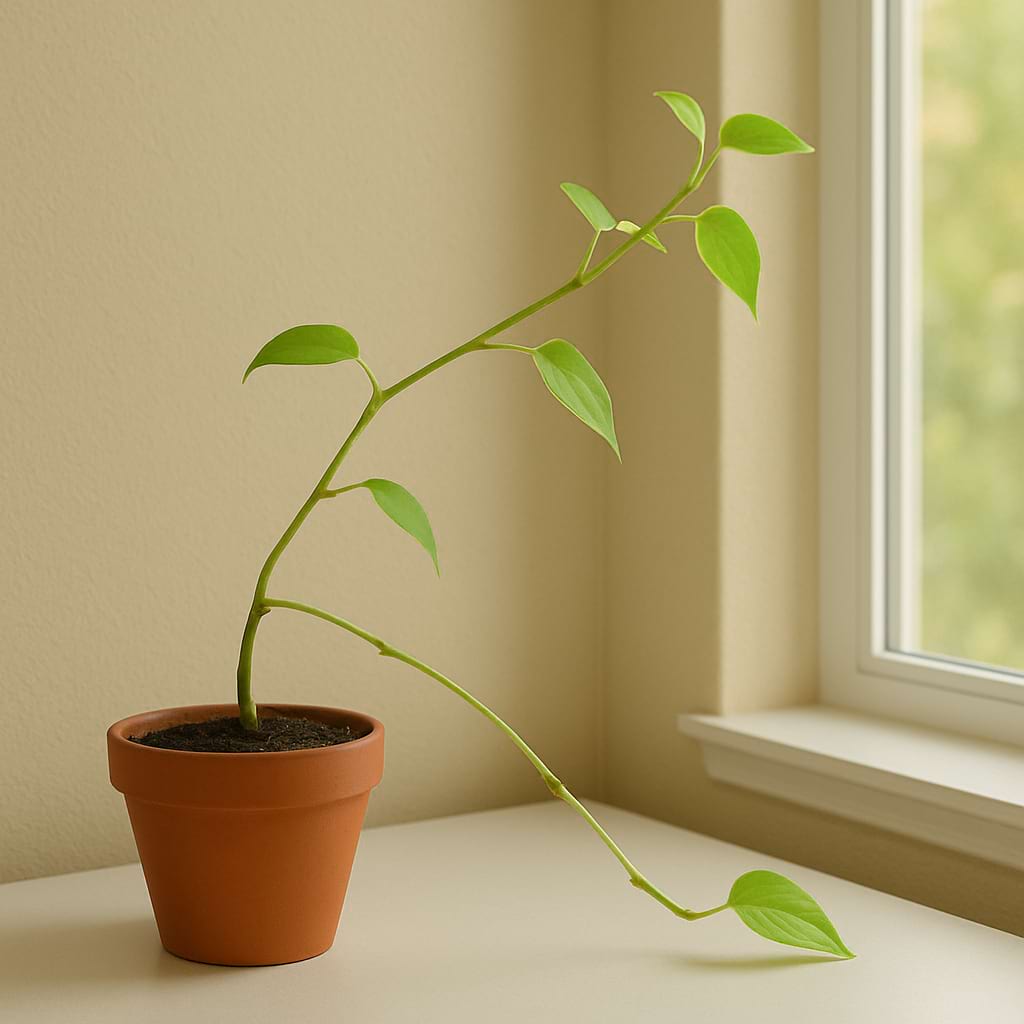
Less commonly, yellow leaves low on the stem result from insufficient light: the lower leaves stop receiving enough energy to maintain themselves and the plant drops them. Moving the plant to a brighter spot usually stops further yellowing.
Soft or Wrinkled Leaves
Slightly soft or pliable leaves are the plant's way of signaling dehydration. The thick leaves store water, and when those reserves run low, the leaves lose turgor pressure and soften. Fix: give a deep thorough soak and the leaves should firm back up within 24-48 hours.
If the leaves stay soft and wrinkled even after watering and the soil is consistently wet, root rot is the more likely cause. The roots cannot deliver water even though moisture is present in the soil. Unpot, inspect, and repot if necessary.
Leggy Stems or Lack of Blooms
Leggy growth with long gaps between leaves almost always means insufficient light. Move the plant closer to a window or add a grow light. Bare, leafless tendrils reaching outward are normal hoya behavior rather than a problem: the plant is extending toward a support. Do not cut them; wrap them around a trellis or let them trail, and they will eventually produce leaves once they find something to climb.
If your plant never blooms despite being a full nodal plant, low light is the first thing to address. After that, check whether the plant is mature enough (under 2 years old is too young), and whether you are giving it a slight cool winter rest. Failure to bloom is the most common frustration with all hoyas, and light is almost always the root of it.
Leaf Drop
Occasional leaf drop is not unusual in Sweetheart Hoya, especially on older lower leaves that are no longer getting adequate light. A leaf or two falling over the course of a year is normal.
Sudden or significant leaf drop, where multiple leaves fall in a short period, usually points to a more serious stressor: overwatering and root damage, cold shock from a drafty window or air conditioning vent, or repotting stress if the plant was recently moved into a new container. Check the roots and watering history first, then consider whether the plant was exposed to a sudden temperature change or cold air stream. Once the stressor is addressed, the plant stabilizes and new growth resumes.

🏡 Displaying Sweetheart Hoya
Display Ideas for Sweetheart Hoya
The heart-shaped leaves make this one of the most naturally decorative houseplants in any collection. A few display approaches that work particularly well:
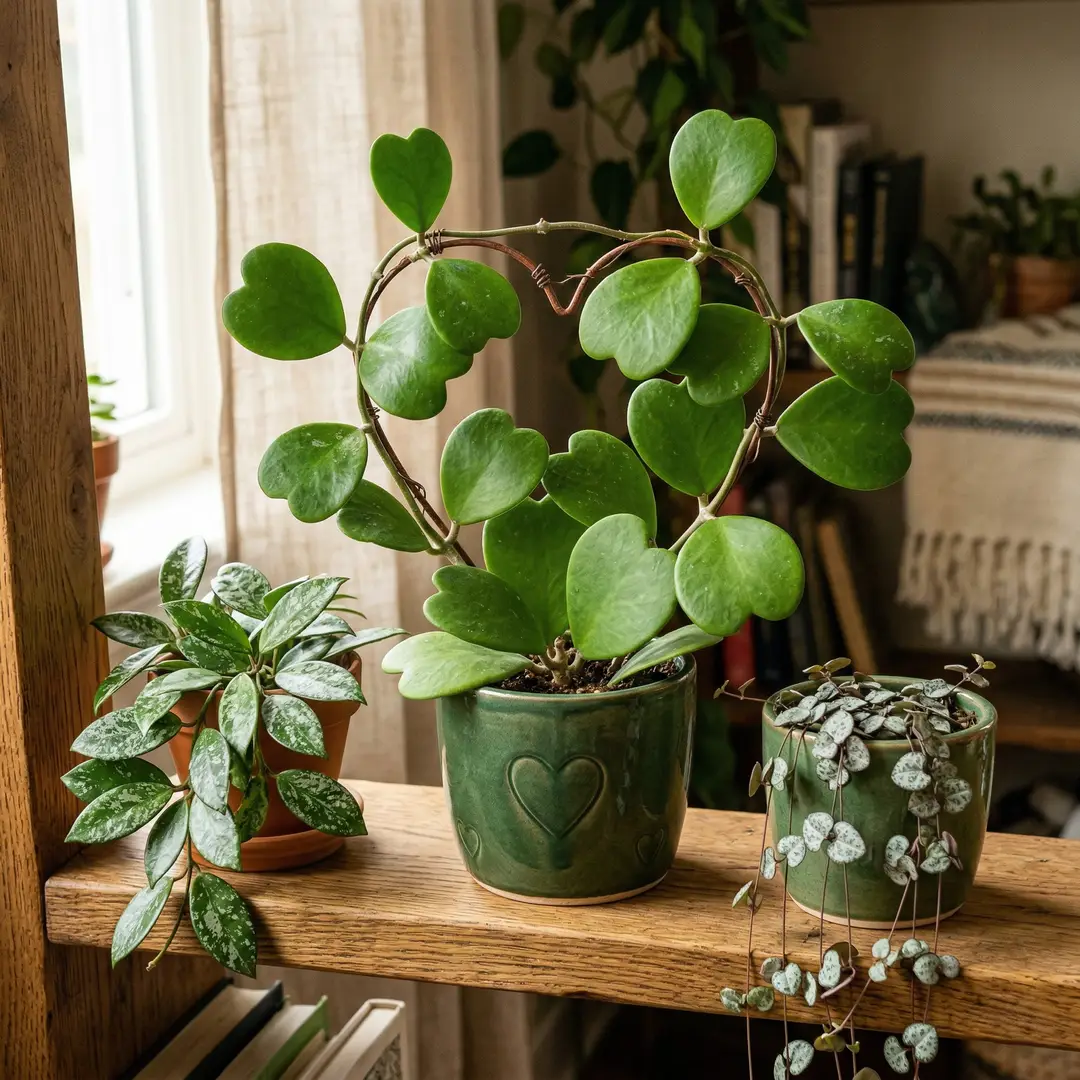
Heart-shaped trellis: Thread the vines around a small wire or wood heart form as they grow. The result looks sculptural and intentional, and it fits the plant's identity perfectly. This works best with a nodal cutting that has a few months of growth behind it and a few stems to work with.
Hanging basket or macrame hanger: As vines lengthen, they trail naturally and look beautiful hanging near a bright window. The deep green heart leaves at multiple lengths along trailing stems have real visual impact when allowed to hang freely.
Grouped with other hoyas: Sweetheart Hoya sits naturally alongside Hoya Carnosa and Hoya Callistophylla on a shelf or in a window. The variation in leaf shape across hoya species makes for a visually cohesive but interesting grouped display.
Desk or shelf accent with single leaf: Single-leaf cuttings are ideal as small-space accent pieces. In a compact pot, they add a sweet, simple touch without competing for much room or requiring the same level of care as a full plant.
Sweetheart Hoya as a Gift Plant
Sweetheart Hoya is one of the most popular gift plants in the world precisely because of the leaf shape, and the Valentine's season brings a flood of single-leaf forms into shops. If you are giving one as a gift, some thought upfront makes it more meaningful. A single-leaf cutting is a charming keepsake but will not grow. A small nodal cutting or established plant is a genuinely living gift that will change and grow over time.
To present it attractively, a small heart-shaped trellis in the pot with a few vines already trained around it looks intentional and beautiful without much effort. It also gives the recipient a clear visual cue for how to display it going forward.
Companion Plants for Sweetheart Hoya
Sweetheart Hoya pairs naturally with other slow-growing epiphytes and semi-succulents that share its care profile. Good companions for a grouped display include:
- Hoya Carnosa: The most natural pairing. Similar watering and light needs, contrasting leaf shapes, and a shared family identity. Both will eventually bloom with fragrant porcelain flowers, making a grouped display rewarding over time.
- Hoya Callistophylla: Dramatic, heavily veined foliage that provides strong textural contrast to the smoother heart-shaped leaves of Sweetheart Hoya.
- String of Hearts: The trailing, faster-growing nature of String of Hearts adds movement to a shelf display while the heart leaf theme connects both plants visually.
- Dischidia: Another small-leaved epiphytic relative with a fast-cascading growth habit. Its compact rounded leaves provide textural contrast to the large heart-shaped leaves of Sweetheart Hoya.
When grouping, keep spacing in mind to allow airflow between plants. Good airflow reduces the risk of mealybug spread from one plant to another, which matters when you keep multiple hoyas in close proximity.
💡 Quick Sweetheart Hoya Care Tips
- The most important thing to know before buying: single-leaf cuttings will never grow into full plants. Know what you are starting with.
- Water only when the soil is completely dry. When in doubt, wait another week.
- Never cut flower spurs. Those small, bare stubs will bloom again next year from the same spot.
- Slight pot-bound roots bloom better than roots in an oversized pot. Resist the urge to upsize too soon.
- For blooming: bright light, maturity (usually 2-3 years), a cool winter rest, and a high-phosphorus fertilizer in spring. All four together give the best odds.
- A heart-shaped trellis costs almost nothing and transforms the display of this plant entirely.
- Check the leaf undersides and stem joints for mealybugs every time you water. Catching them early makes treatment much easier.
- This plant is happiest when left alone. Resist moving it frequently, especially once buds are forming. Hoyas drop buds when repositioned.
- Buy from a reputable seller if you want a nodal cutting. Single-leaf cuttings are everywhere at Valentine's Day; nodal cuttings are rarer but worth finding.
- Wipe the leaves with a damp cloth every few weeks to remove dust and check for pests at the same time.
- Do not repot in fall or winter. Spring is the best time, and even then only when the roots clearly need more room.
- If a single-leaf cutting starts to look pale or sunken after years in soil, it has simply reached the end of its natural lifespan as a cutting. That is normal. It gave you what it could.
- When in doubt on watering, wait. This plant forgives drought. It does not forgive soggy soil for extended periods.
- Sweetheart Hoya is a long-term plant. Give it a bright spot, keep it on the dry side, and let it do its thing.
❓ Frequently Asked Questions
Why isn't my Sweetheart Hoya growing?
If your plant is a single heart-shaped leaf stuck in soil, it will never grow. Single leaf cuttings lack a node, the part of the stem where new growth originates. The leaf will stay alive and green for years, but it is botanically frozen. To get a growing Sweetheart Hoya, you need a cutting that includes a piece of stem with at least one node.
Is Sweetheart Hoya toxic to cats and dogs?
No. Hoya kerrii is non-toxic to cats, dogs, and humans. It is one of the safest vining houseplants you can keep around pets or small children.
How long does it take for Sweetheart Hoya to bloom?
Blooming requires a mature, established plant grown from a nodal cutting, not a single leaf. Under good light conditions and with a slight winter rest, most nodal plants will attempt to bloom after 2-3 years. Bright indirect light and patience are the main requirements.
Can I grow Sweetheart Hoya from a single leaf?
The leaf will stay alive in soil for years, but it will never grow into a full plant. Without a node, there is no growing point to produce new stems, leaves, or roots. Think of it as a living decoration rather than a propagation project.
What is the difference between Sweetheart Hoya and Hoya Carnosa?
Both are hoyas with thick, semi-succulent leaves and similar care needs, but they look completely different. Sweetheart Hoya has large, distinctly heart-shaped leaves, while Hoya Carnosa has oval leaves often speckled with silver. Hoya Carnosa is a faster, more vigorous grower and more commonly found as a full vining plant in shops. Both produce small, star-shaped, fragrant flowers.
Why are the leaves on my Sweetheart Hoya soft and wrinkled?
Soft or slightly wrinkled leaves usually mean the plant is dehydrated. Give it a thorough soak and the leaves should firm back up within 24-48 hours. If the leaves stay soft after watering and the soil is wet, root rot may be preventing the plant from taking up moisture. In that case, unpot and inspect the roots.
Do I need to mist my Sweetheart Hoya?
No. Sweetheart Hoya tolerates average household humidity just fine and does not need misting. Water sitting on the thick leaves can encourage rot. If you want to boost humidity, a pebble tray with water placed beneath the pot is a better and safer option.
ℹ️ Sweetheart Hoya Info
Care and Maintenance
🪴 Soil Type and pH: Chunky Epiphytic Mix
💧 Humidity and Misting: Flexible. Average household humidity (40-60%) is fine. Does not need misting.
✂️ Pruning: Trim to shape or remove dead stems only. Never remove flower spurs (peduncles), which re-bloom from the same spot each year.
🧼 Cleaning: Wipe the thick leaves gently with a damp cloth. Check leaf undersides and stem joints regularly for mealybugs.
🌱 Repotting: Every 3-4 years, or when roots emerge from drainage holes. Prefers being slightly pot-bound.
🔄 Repotting Frequency: Every 3-4 years
❄️ Seasonal Changes in Care: Reduce watering in fall and winter. A slightly cool winter rest around 60°F can trigger spring blooming.
Growing Characteristics
💥 Growth Speed: Slow
🔄 Life Cycle: Perennial Epiphyte
💥 Bloom Time: Spring to summer on mature nodal plants
🌡️ Hardiness Zones: 10-12
🗺️ Native Area: Southeast Asia (Thailand, Vietnam, Cambodia, southern China)
🚘 Hibernation: Semi-dormant in winter
Propagation and Health
📍 Suitable Locations: Windowsills, hanging baskets, trellises, bookshelves, heart-shaped trellis displays
🪴 Propagation Methods: Stem cuttings with at least one node in water or moist perlite. Single leaf cuttings without a node will root and stay alive but never grow into a full plant.
🐛 Common Pests: Mealybugs, Spider Mites, Scale Insects, Aphids
🦠 Possible Diseases: Root rot is the primary risk.
Plant Details
🌿 Plant Type: Vine / Epiphyte
🍃 Foliage Type: Evergreen
🎨 Color of Leaves: Deep green, sometimes with lighter speckling
🌸 Flower Color: Pink or cream with reddish-pink centers
🌼 Blooming: Yes, on mature nodal plants; small waxy porcelain-cluster flowers
🍽️ Edibility: Not edible.
📏 Mature Size: Up to 13 feet as a trailing vine; typically 1-4 feet indoors
Additional Info
🌻 General Benefits: Non-toxic to pets and people. Long-lived, low maintenance once established. Heart-shaped leaves make it one of the most popular gift plants in cultivation.
💊 Medical Properties: None known.
🧿 Feng Shui: Heart-shaped leaves are associated with love and positive energy. Placed in the relationship corner (far right from the entrance) the plant is said to attract affection and strengthen bonds.
⭐ Zodiac Sign Compatibility: Taurus
🌈 Symbolism or Folklore: Love, affection, devotion, patience
📝 Interesting Facts: Hoya kerrii was first described botanically from Thailand in 1911 and named after British plant hunter Arthur Francis George Kerr. In Thailand it is sometimes called 'love cactus.' The single-leaf form sold every Valentine's Day is botanically frozen: the leaf will stay green for years but cannot ever grow into a full vining plant without a stem node.
Buying and Usage
🛒 What to Look for When Buying: If you want a plant that will actually grow and bloom, look for one with multiple leaves and a visible stem. Single-leaf cuttings are charming as living decorations but they cannot develop into full plants. A small cutting with at least one node is worth far more than a large pot with only a single leaf.
🪴 Other Uses: Popular as a Valentine's Day, anniversary, and wedding gift. The heart-leaf form is widely used in decorative and craft contexts.
Decoration and Styling
🖼️ Display Ideas: Trailing from a macrame hanger near a bright window, trained around a heart-shaped wire trellis, grouped with other vining hoyas on a shelf, or as a single-leaf desk accent.
🧵 Styling Tips: The deep green heart leaves look striking against warm-toned ceramics and natural wood. A simple glazed green pot or terracotta highlights the leaf shape without competing with it. Training vines around a small wire heart form makes for a sculptural display that fits the plant's identity perfectly.
🪴 See also 🪴
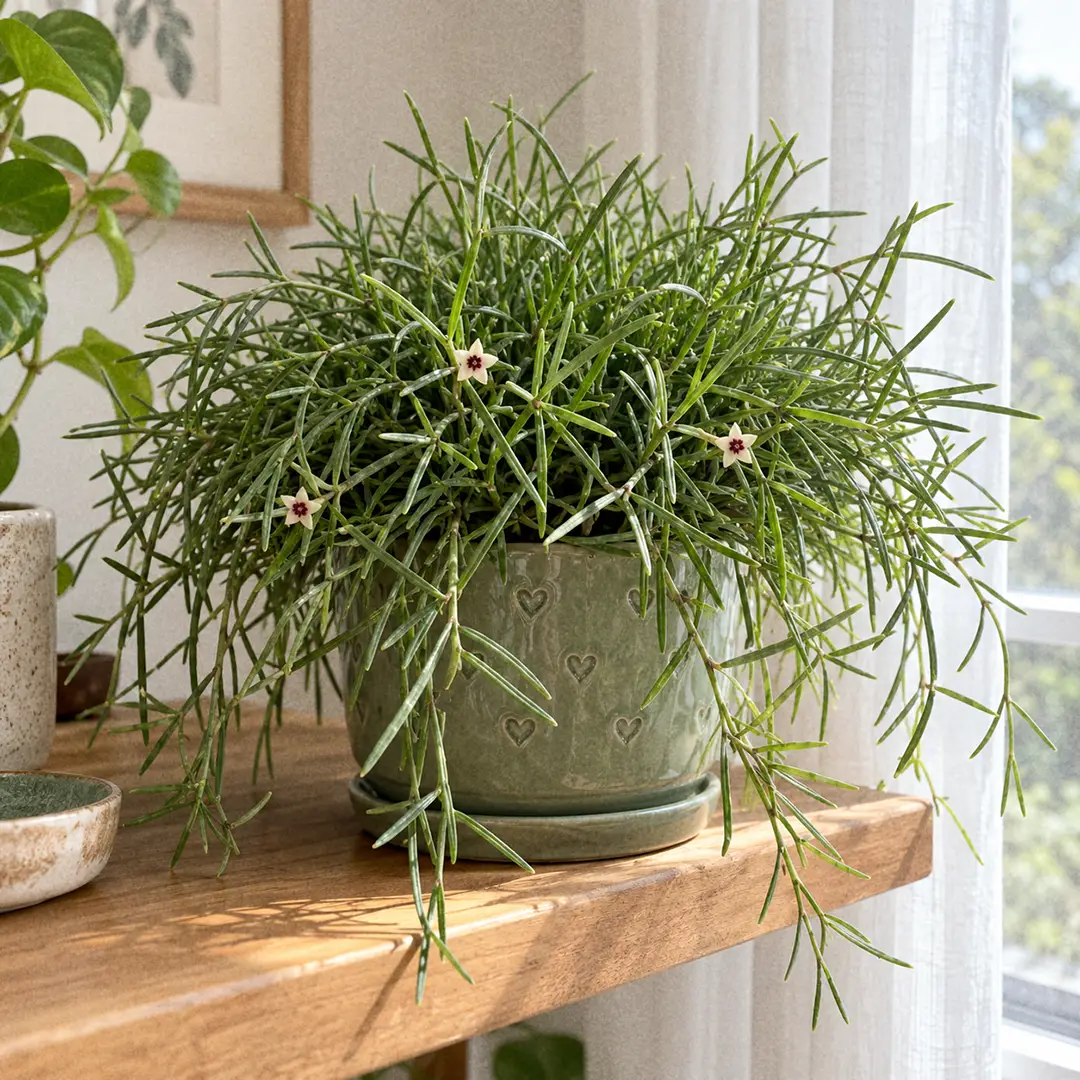
Complete Guide to Hoya Retusa Care and Growth
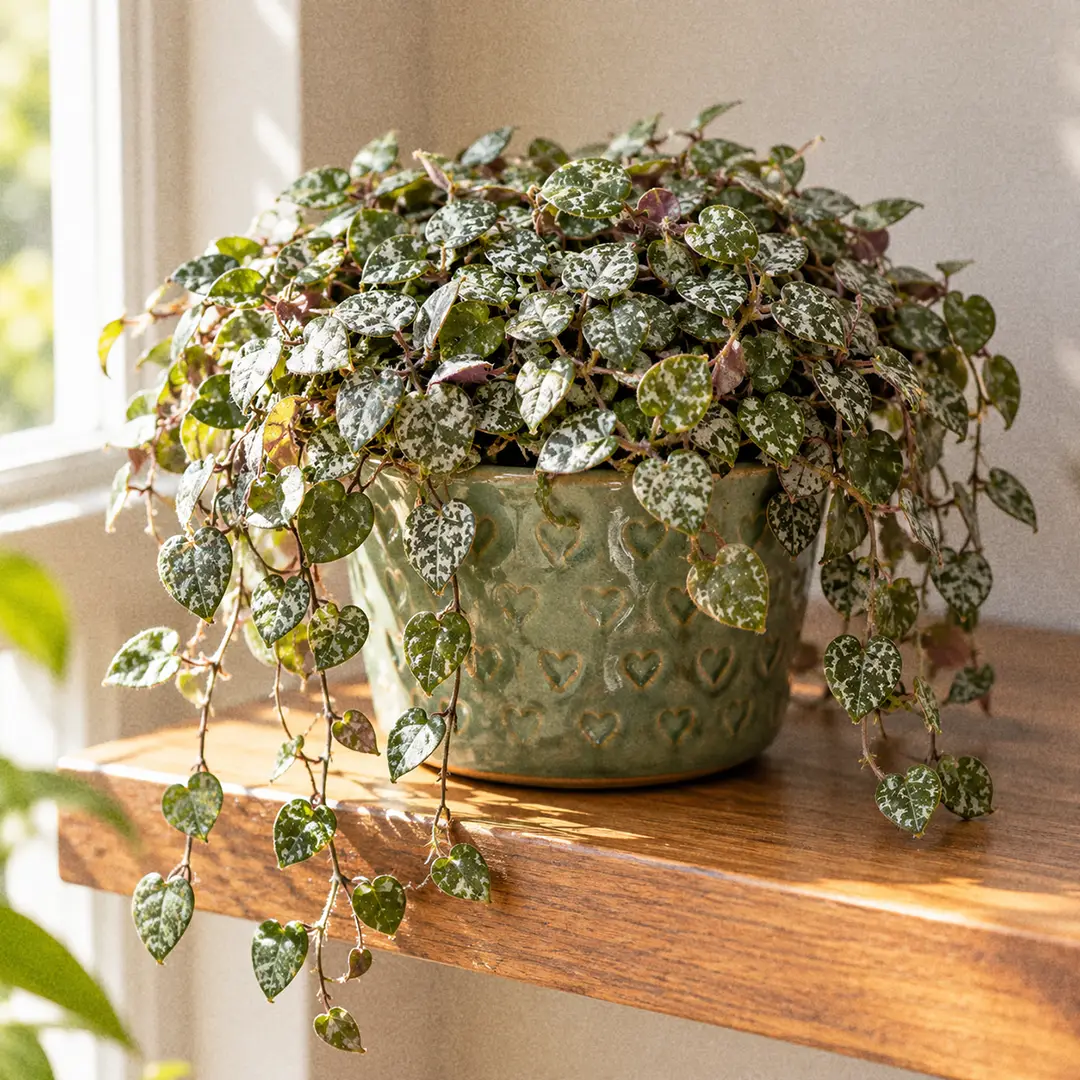
Complete Guide to Hoya Curtisii Care and Growth
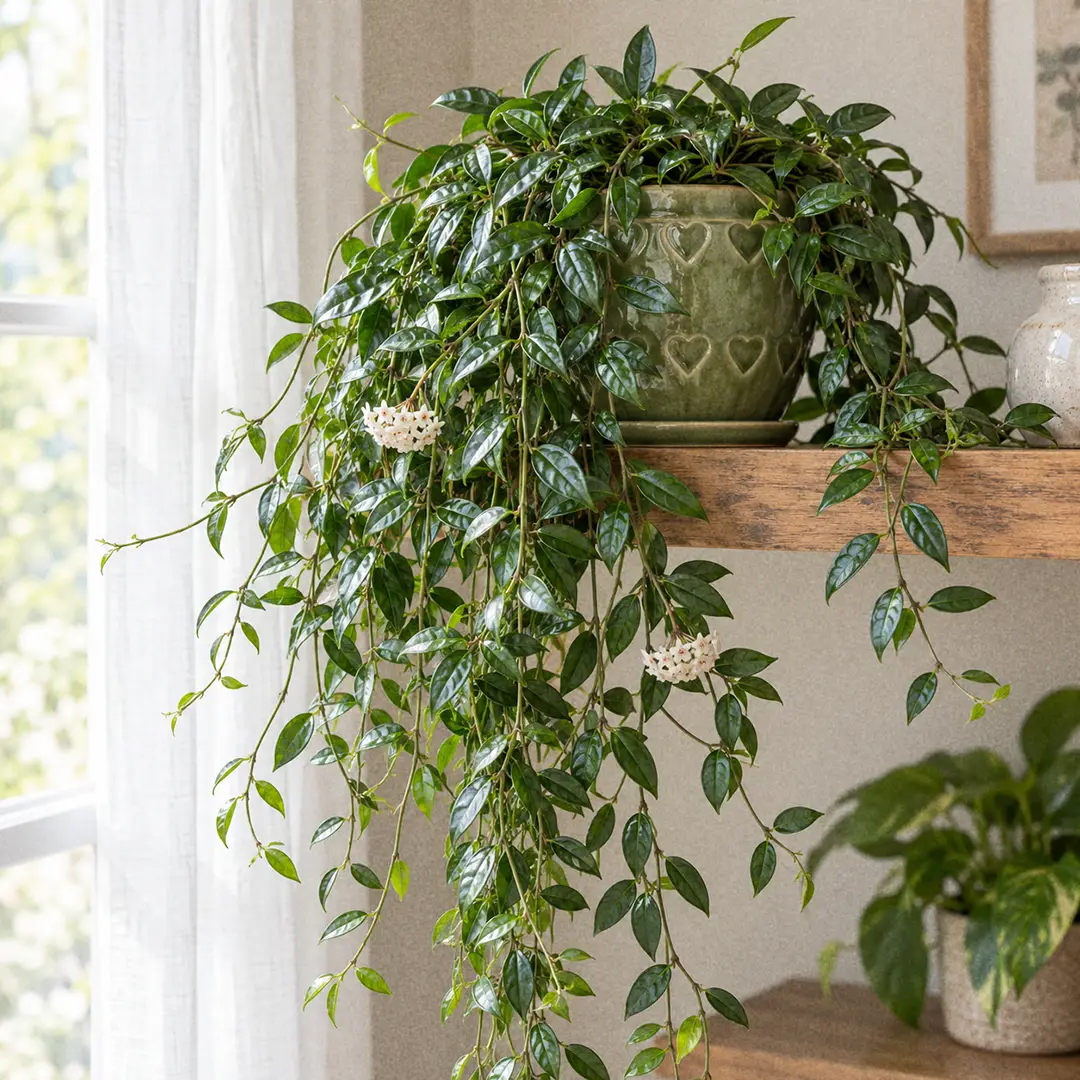
Complete Guide to Hoya Lacunosa Care and Growth
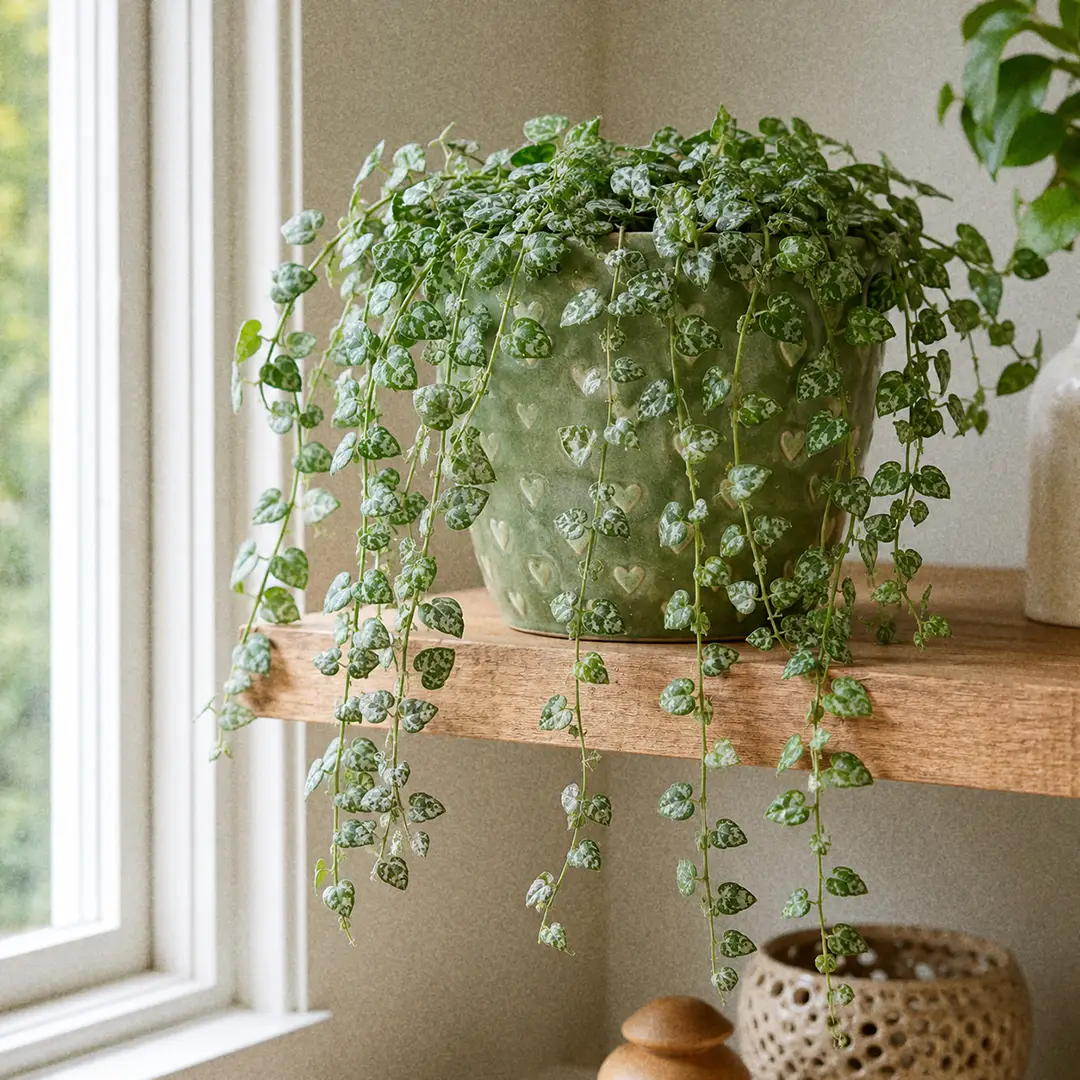
Complete Guide to Hoya Krohniana Care and Growth
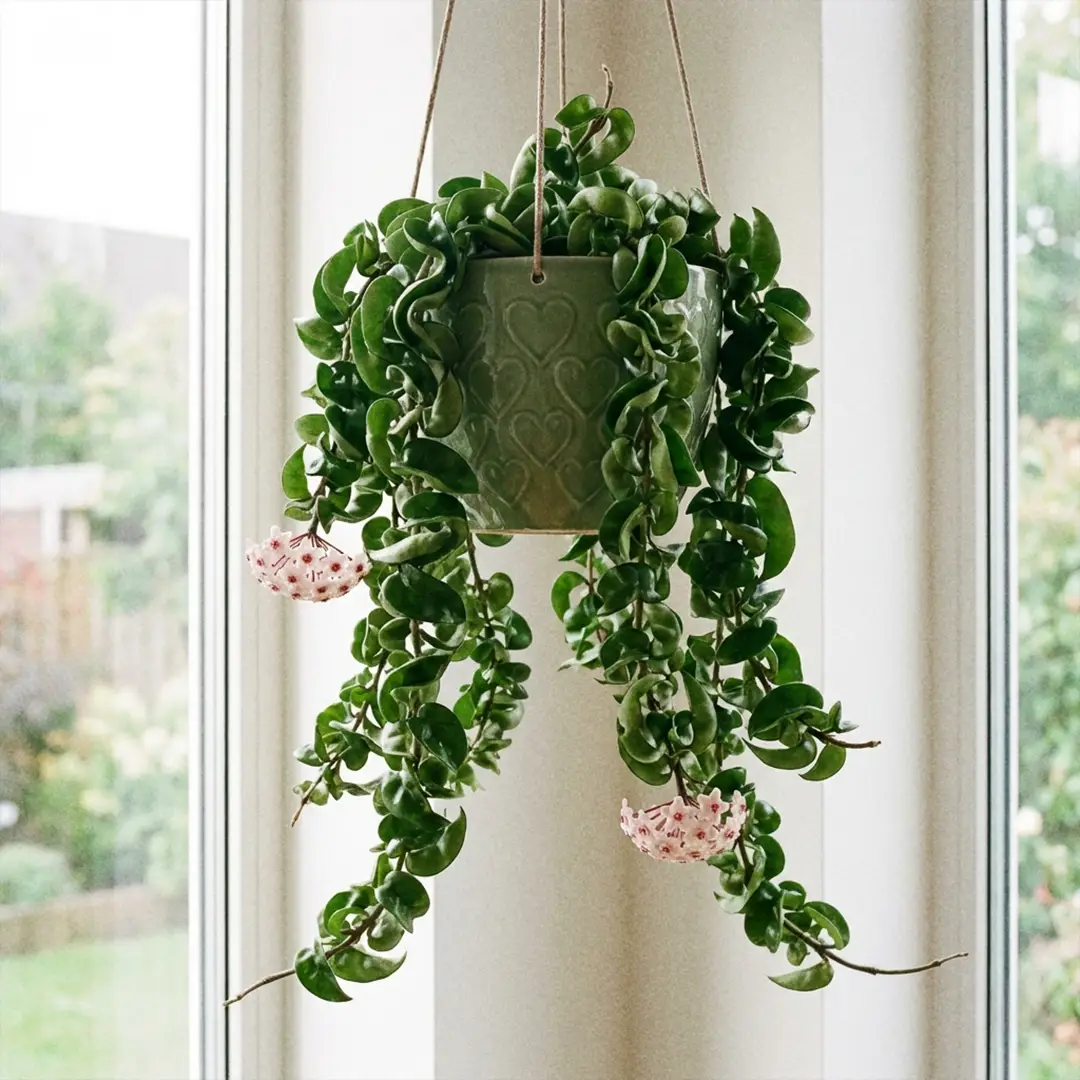
Complete Guide to Hindu Rope Care and Growth
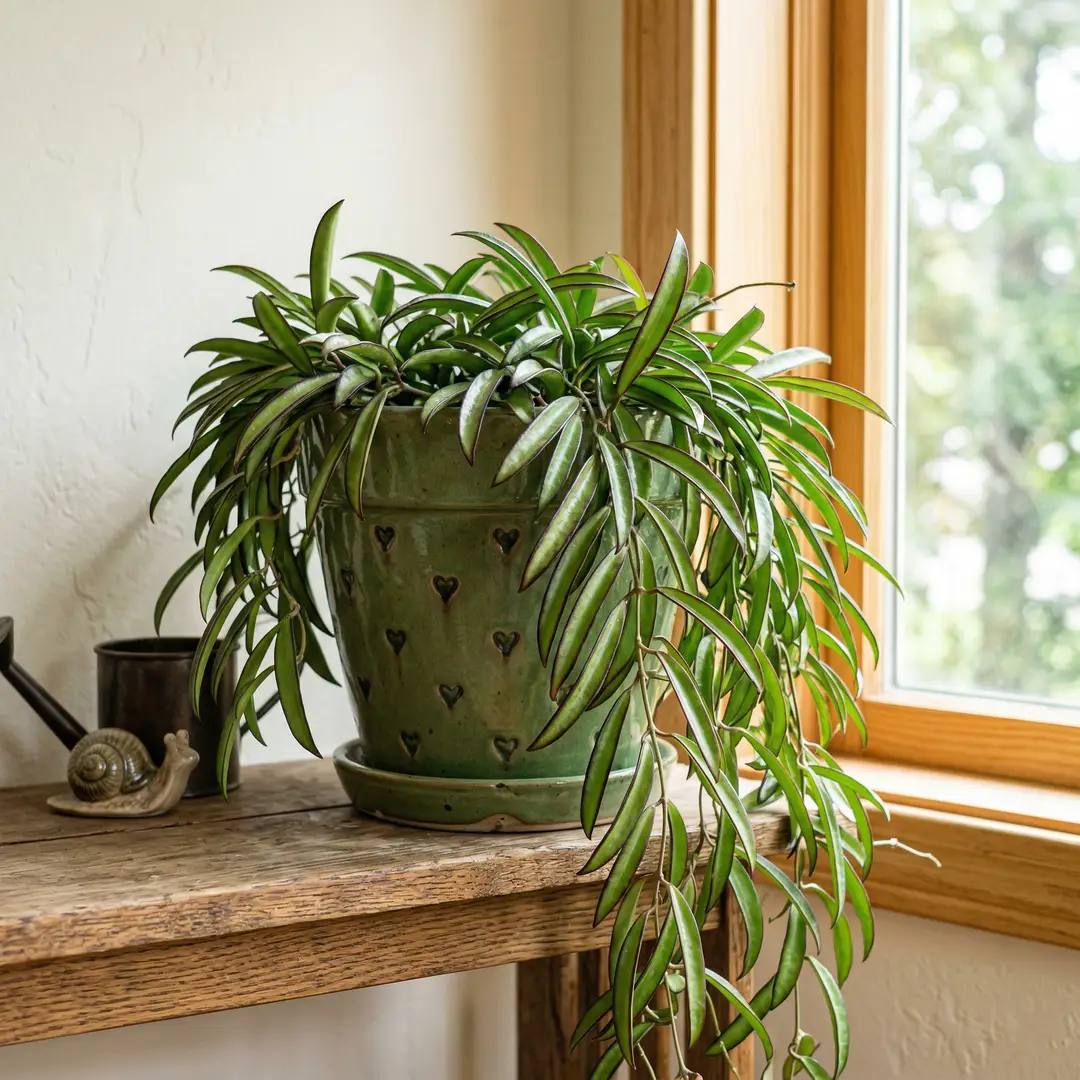
Complete Guide to Hoya Wayetii Care and Growth
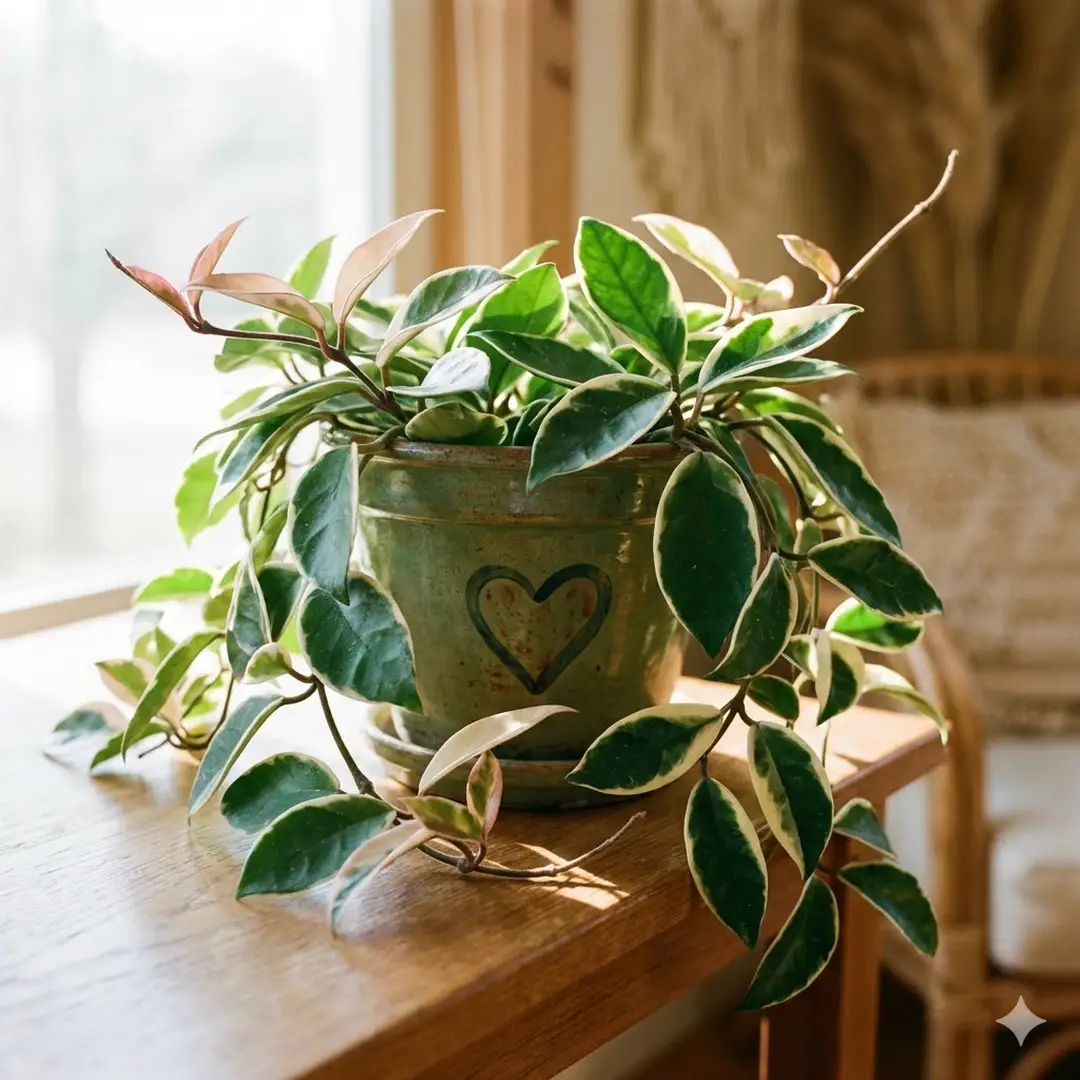
Complete Guide to Hoya Crimson Queen Care and Growth
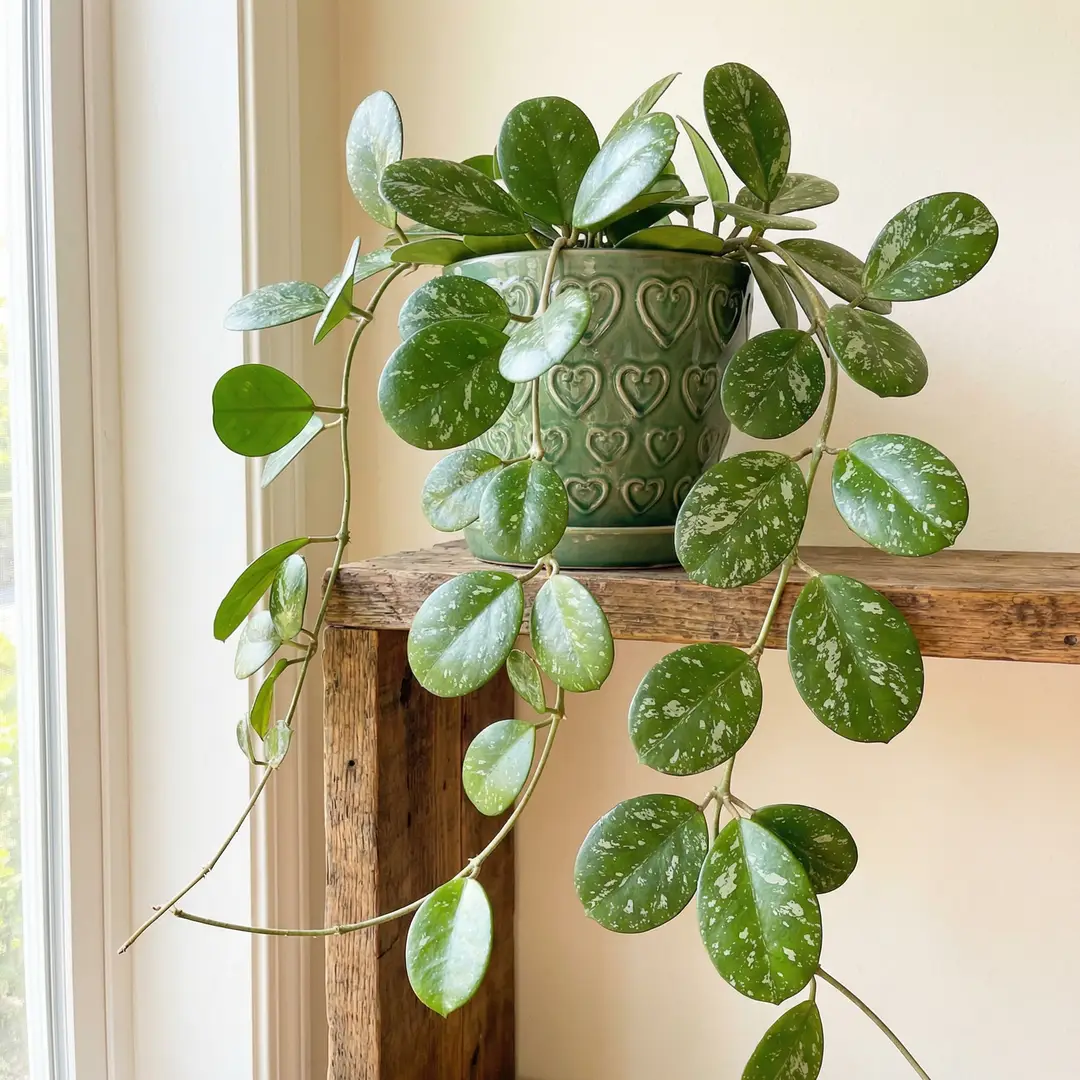
Complete Guide to Hoya Obovata Care and Growth
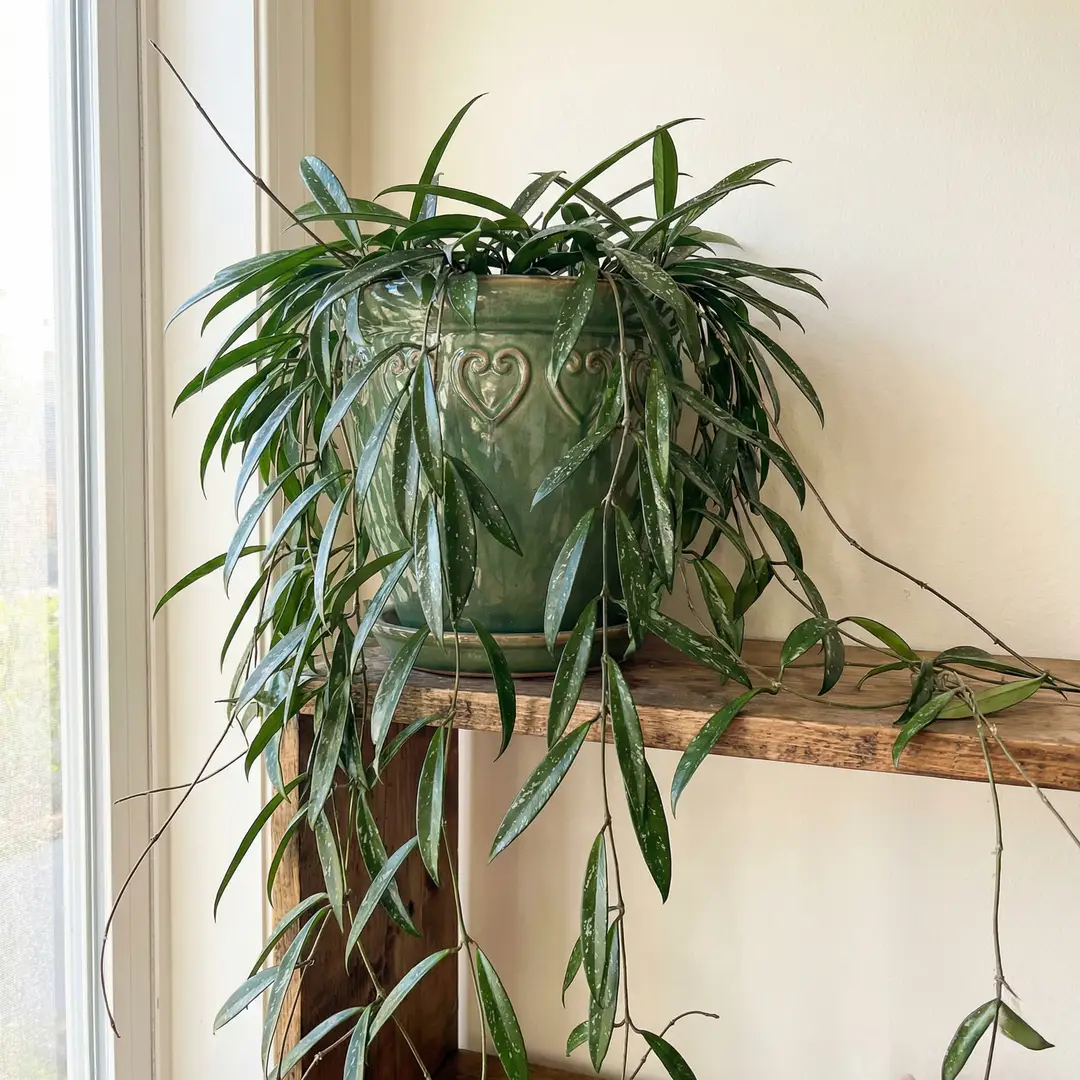
Complete Guide to Hoya Pubicalyx Care and Growth
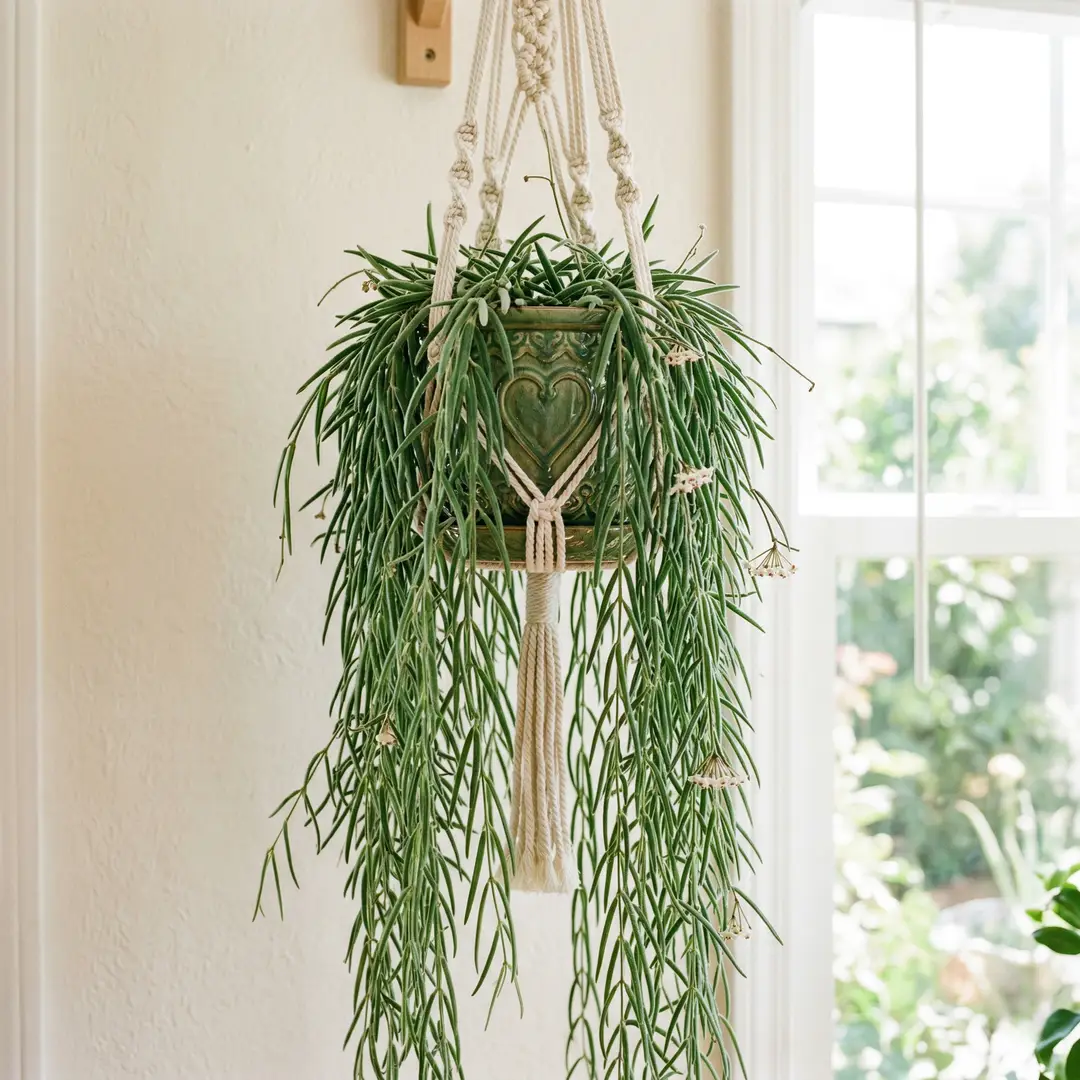
Complete Guide to Hoya Linearis Care and Growth
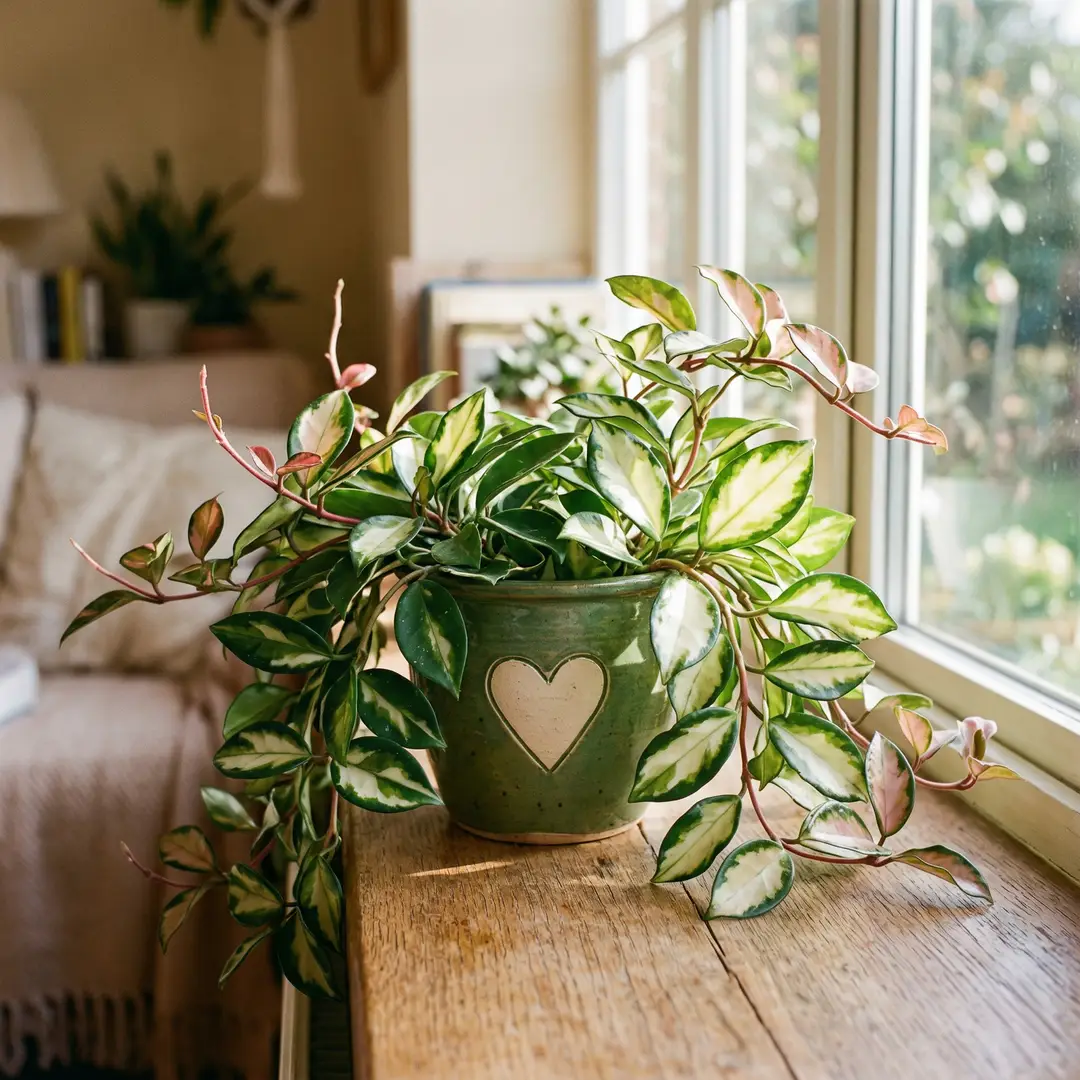
Complete Guide to Hoya Crimson Princess Care and Growth
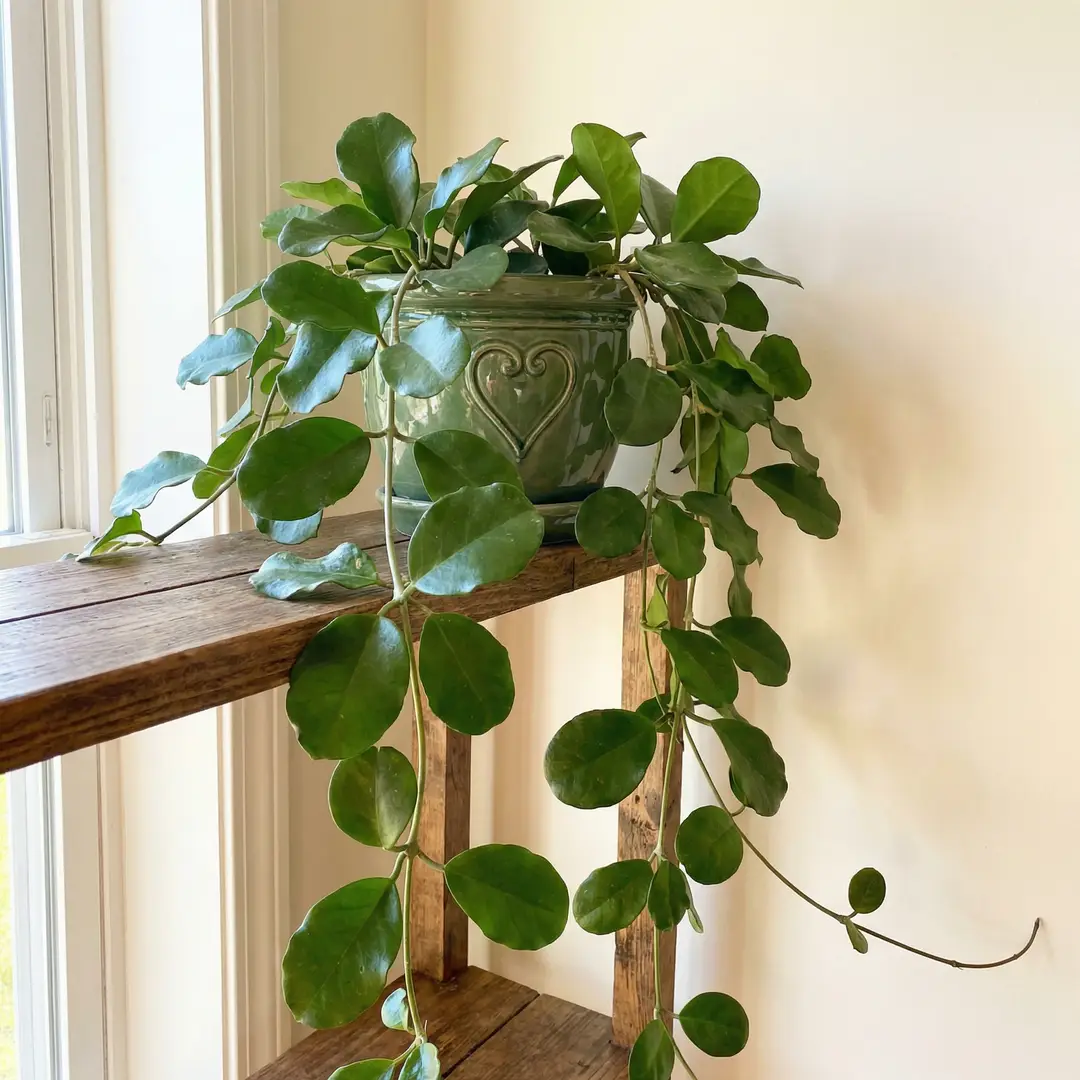

Houseplant101 Forum
Questions & Comments
Ask a question, share your plant experience, or help other plant owners.
Comments are temporarily unavailable.
Open the Houseplant101 ForumNo comments yet
Be the first to ask a question or share your experience about this page.
Log in or create an account
Comments use your Houseplant101 Forum account, but you can stay on this page.
Create a new account