
Hoya Lacunosa
Hoya lacunosa
Cinnamon Hoya, Cinnamon-Scented Wax Plant, Grooved Wax Flower, Furrowed Hoya


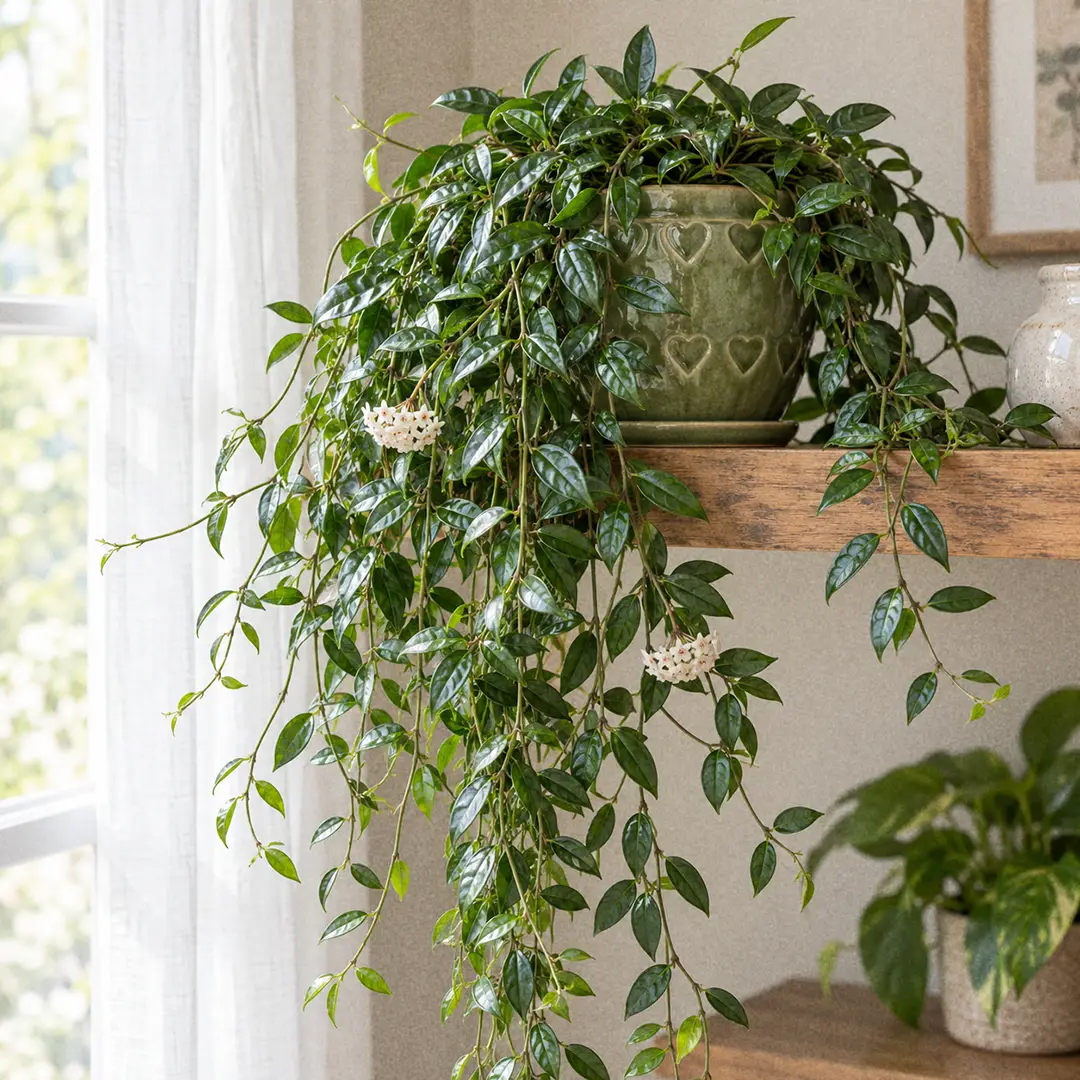
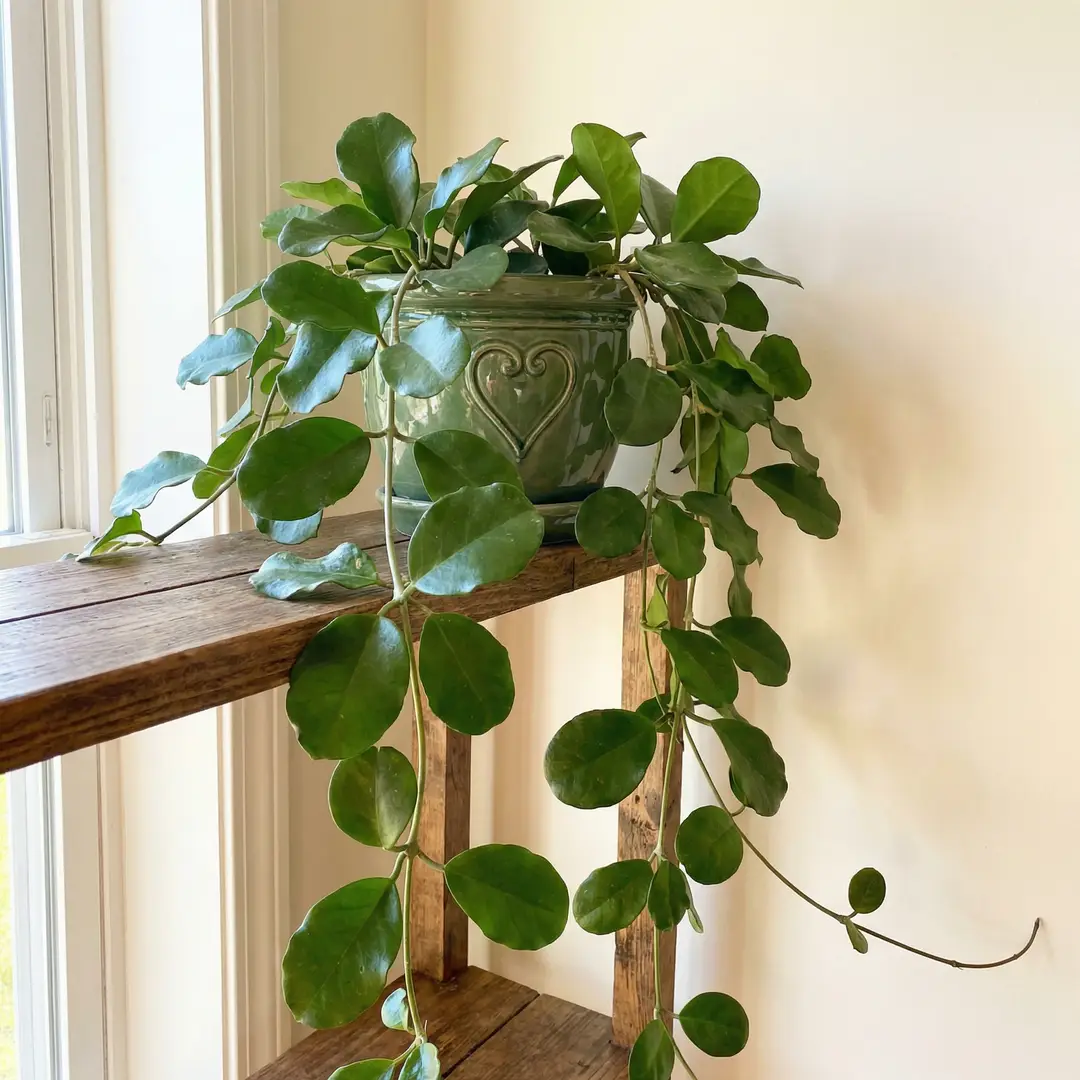
Hoya lacunosa is the cinnamon-scented hoya, a compact trailing wax plant with small dimpled leaves and fuzzy white flower clusters that perfume a room after dark. Learn how to water its thin leaves, place it for regular blooms, and tell it apart from Hoya krohniana.
📝 Hoya Lacunosa Care Notes
🌿 Care Instructions
⚠️ Common Pests
📊 Growth Information
🪴 In This Guide 🪴

☀️ Hoya Lacunosa Light Requirements (Indoor Lighting Guide)
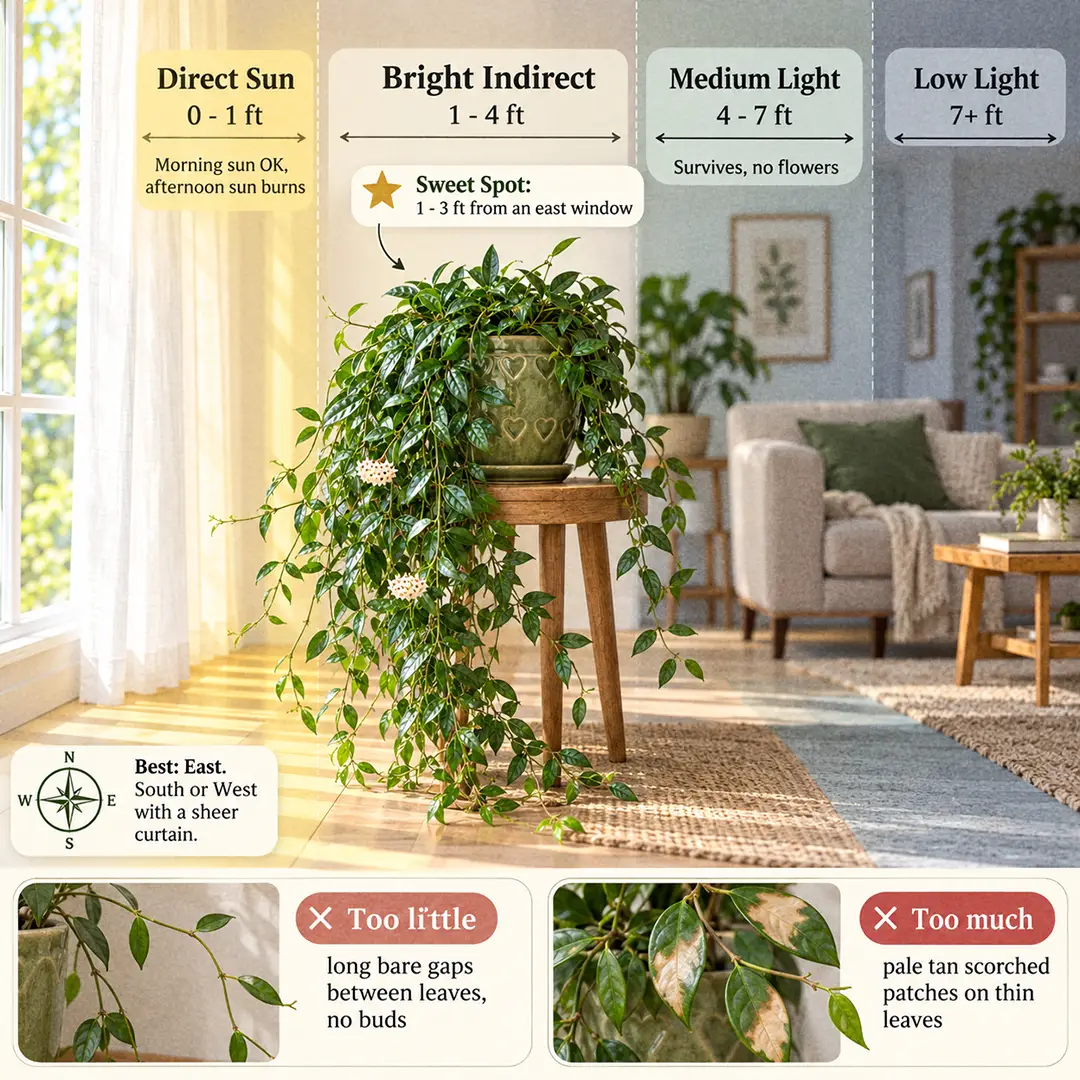
The Sweet Spot for Hoya Lacunosa
Give it bright indirect light for most of the day, with an hour or two of soft early sun if you can. An east window is the easy answer. A north window that is large and unobstructed can work for foliage, and a south or west window is fine as long as the plant sits two to three feet back or behind a sheer curtain.
In the forests of Southeast Asia this species scrambles along branches at the forest edge, under a canopy that breaks the sun into moving patches. That is the light you are copying indoors: plenty of it, rarely straight on. Our indoor lighting guide shows how to judge a spot without a meter.
Too Little Light
Lacunosa tolerates a dimmer shelf better than most hoyas, which is partly why it gets a reputation as a low-light plant. It will stay alive there. What you lose is the reason to grow it, because a plant in weak light makes long gaps between leaf pairs, which is leggy growth, and sets no buds at all.
If the windows in your home are small or shaded, a grow light hung a foot or so above the basket for 10 to 12 hours a day is enough to bring it into flower.
Too Much Light
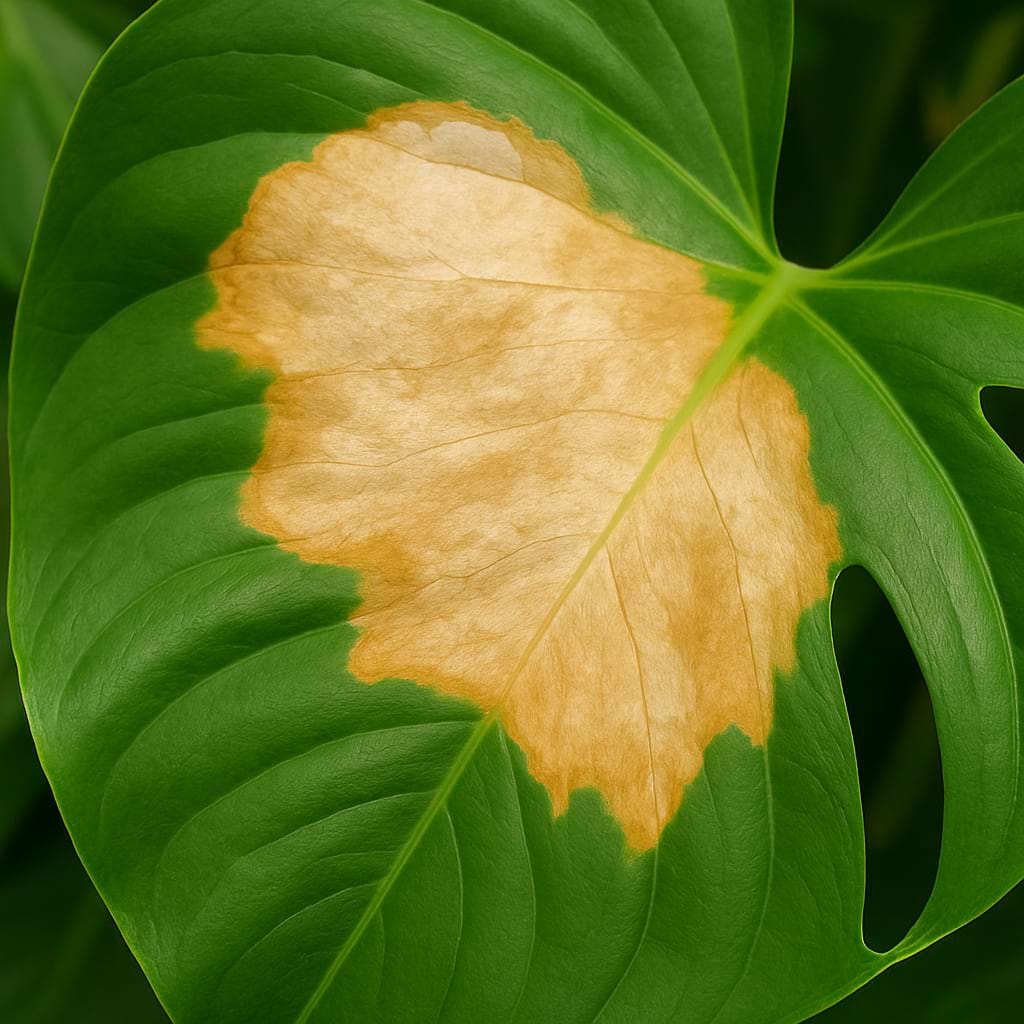
The thin leaves burn faster than the thick paddles of a Hoya obovata. Midday or afternoon sun through glass leaves pale, dry patches that turn tan, which is sunburn, and the damage is permanent on those leaves.
A bronze or reddish tint across the newest leaves is something else. That is a harmless stress colour from strong light, and on many clones it is a sign the plant is getting enough to bloom. Colour that comes with crisp patches means move it back.
💧 Hoya Lacunosa Watering Guide (How to Water Properly)
Watering Frequency
Water when the top half of the mix is dry. For a 4 to 6 inch pot in good light that usually means every 5 to 9 days in summer and every 10 to 14 days in winter, but the pot decides, not the calendar. Push a finger in to the second knuckle, or lift the pot and learn what light feels like.
This is where lacunosa parts ways with the classic hoya advice. Its leaves are fleshy but thin, closer to a firm leaf than a water tank, and the roots are fine and shallow. A carnosa can sit dry for two or three weeks. A lacunosa left that long drops leaves and aborts whatever buds it was working on. Think "lightly moist, then briefly dry" and you will be close.
How to Water
Water at the sink until it runs out of the drainage holes, let it drip for a few minutes, and put it back. Never leave it standing in a full saucer. If the mix has dried hard and water sheets off the top, sit the pot in a bowl of water for 15 minutes so it soaks up from below. Our bottom watering guide explains the method.
Room-temperature water is kinder than cold water straight from the tap in winter. Rainwater or filtered water helps if your tap water leaves white marks on the leaves.
Signs of Trouble
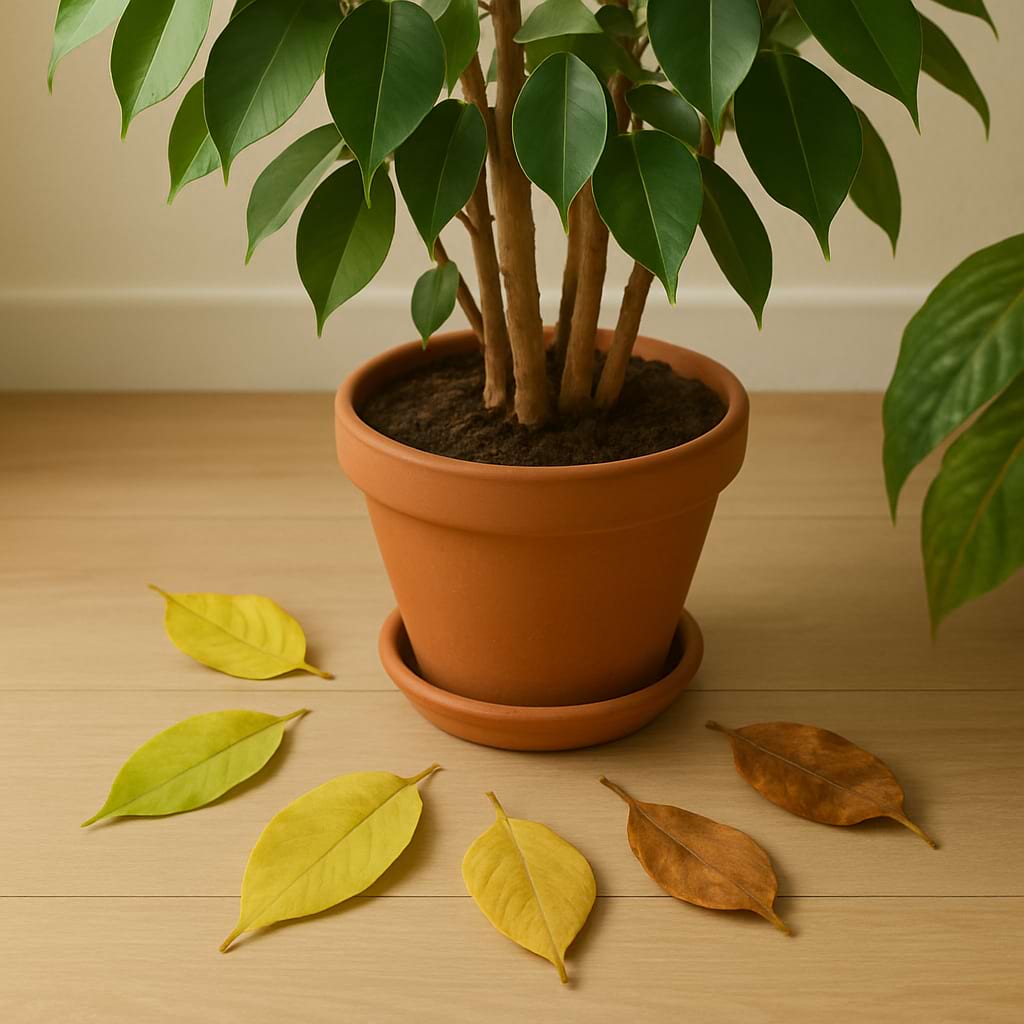
Thirst shows as leaves that go dull, thin, and slightly folded along the midrib, and they feel limp when you pinch one. Water promptly and they firm up within a day or two. Leaves that were dry for too long turn yellow and fall from the oldest part of the vine first.
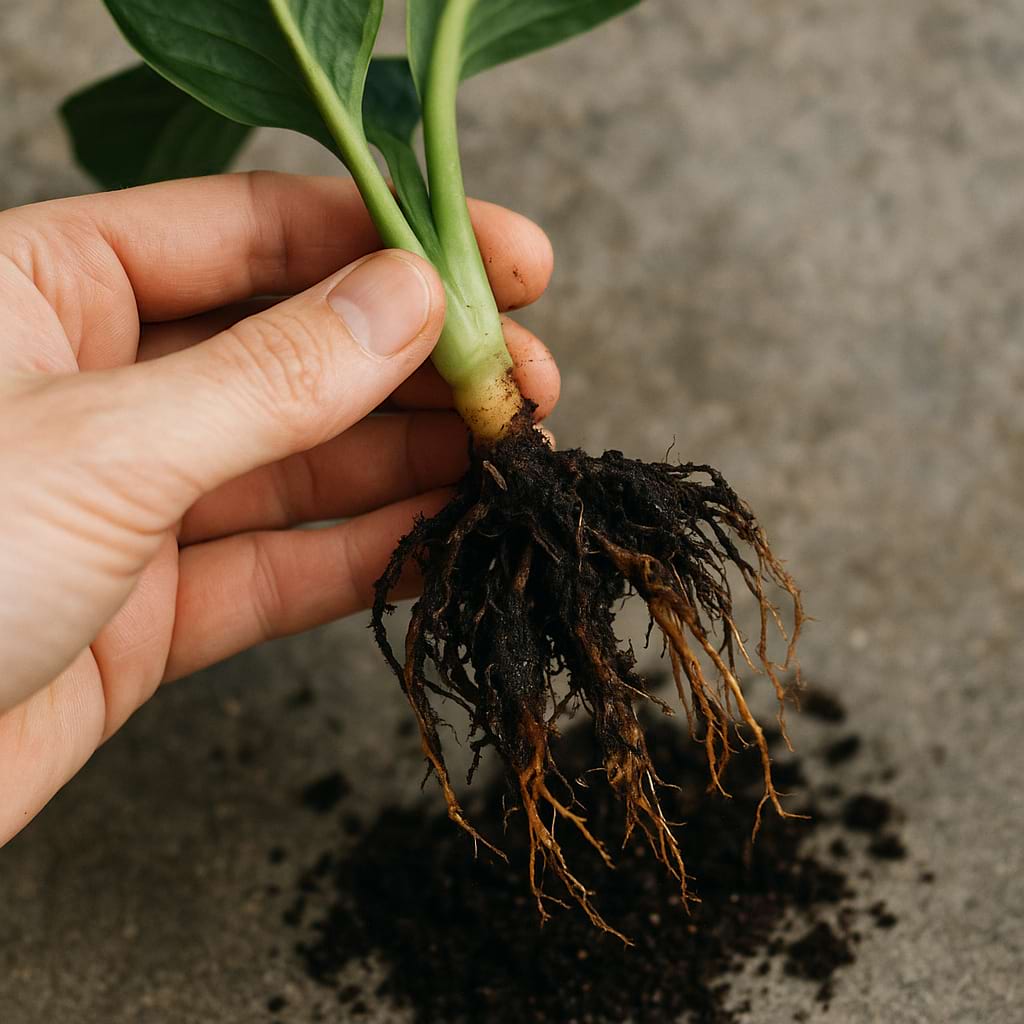
Overwatering looks different. Leaves yellow while the mix is still wet, the stem base darkens, and the pot smells sour, which points to root rot. Our watering guide covers how to tell the two apart in any plant.
🪴 Best Soil for Hoya Lacunosa (Potting Mix & Drainage)
What the Soil Needs
Lacunosa is an epiphyte, so its roots are built for air and brief soakings, not for sitting in dense compost. At the same time the roots are hair-fine, and a mix made of big bark chunks leaves them hanging in empty gaps that dry within a day. You want a mix that is open and fast-draining but made of small pieces, so it holds a thin film of moisture around every root.
DIY Soil Mix for Hoya Lacunosa
A reliable recipe is 2 parts fine orchid bark, 1 part perlite or pumice, and 1 part coco coir. Use bark graded small, about a quarter inch, not the large nuggets sold for mature orchids. A spoonful of horticultural charcoal is optional. Squeeze a handful when damp: it should fall apart when you open your hand, not hold a ball.
If your home is very dry or you tend to forget plants, shift the ratio slightly toward coir. If you water often, add more perlite.
Pre-Made Options
A bagged aroid or hoya mix works straight from the bag if it is on the finer side. Coarse orchid bark alone is too open for this species, and ordinary houseplant compost alone is too heavy, but mixing the two half and half gets you close. The soil guide explains what each ingredient does, and our potting soil guide compares bagged options.
🍼 Fertilizing Hoya Lacunosa
When and How Often
Feed every 2 to 4 weeks from spring through early autumn. A plant that flowers as often as this one uses more nutrients than its size suggests, and a bark mix supplies almost none. In winter, stop if the plant is resting. If it is under a grow light and still pushing buds, a weak feed once a month keeps it going.
What to Use
Any balanced liquid houseplant fertilizer at quarter to half the label strength does the job. Orchid fertilizer is a good fit because it is made for epiphytes in bark. Some growers switch to a higher-potassium feed when buds appear. It does no harm, but light matters far more for flowering than the bottle does. See our fertilizing guide for how to read the numbers and the fertilizers guide for products.
Over-Fertilizing Signs
Fine roots burn easily. Brown leaf tips, a white crust on the surface of the mix, and new leaves that come in small or distorted all suggest salt buildup. Run plain water through the pot for a full minute, let it drain, and skip the next two feeds. Always fertilize onto damp mix, never onto a dry root ball.
🌡️ Hoya Lacunosa Temperature Range
Ideal Range
It is a lowland tropical plant and likes the same temperatures you do: 65-80°F (18-27°C), day and night. Growth slows below about 60°F (15°C), and anything under 50°F (10°C) risks leaf drop and rot, especially if the mix is wet. It can only live outdoors all year in frost-free climates.
No Cold Rest Needed
Some hoyas flower better after a cool, dry winter. Lacunosa does not need one, and the usual dry rest is more likely to cost you leaves than win you flowers. Keep it warm, keep the light up, and keep watering at a slower pace.
Drafts and Heat Sources
Sudden changes are what make it drop buds. Keep it away from doors that open onto cold air, single-glazed windows on frosty nights, and the stream from an air conditioner. Radiators and heating vents are just as bad from the other direction, since hot dry air dries thin leaves and fine roots faster than you can water.
💦 Hoya Lacunosa Humidity Requirements
Ideal Humidity
Aim for 50 to 70%. It grows at 40%, but in dry air the vine tips stall and buds are more likely to yellow and fall before they open. If your plant makes flower stalks that never deliver, humidity is the second thing to check after watering.
Easy Humidity Boosters
Grouping it with other plants helps a little. A small humidifier nearby helps a lot, mostly in winter when heating is on. A bright bathroom or kitchen is naturally more humid and suits it well. Misting is not worth the effort, and water sitting on fuzzy open flowers marks them. Our humidity guide compares the methods.
🌸 Hoya Lacunosa Flowers (Scent and How to Make It Bloom)
What the Flowers Look Like and Smell Like
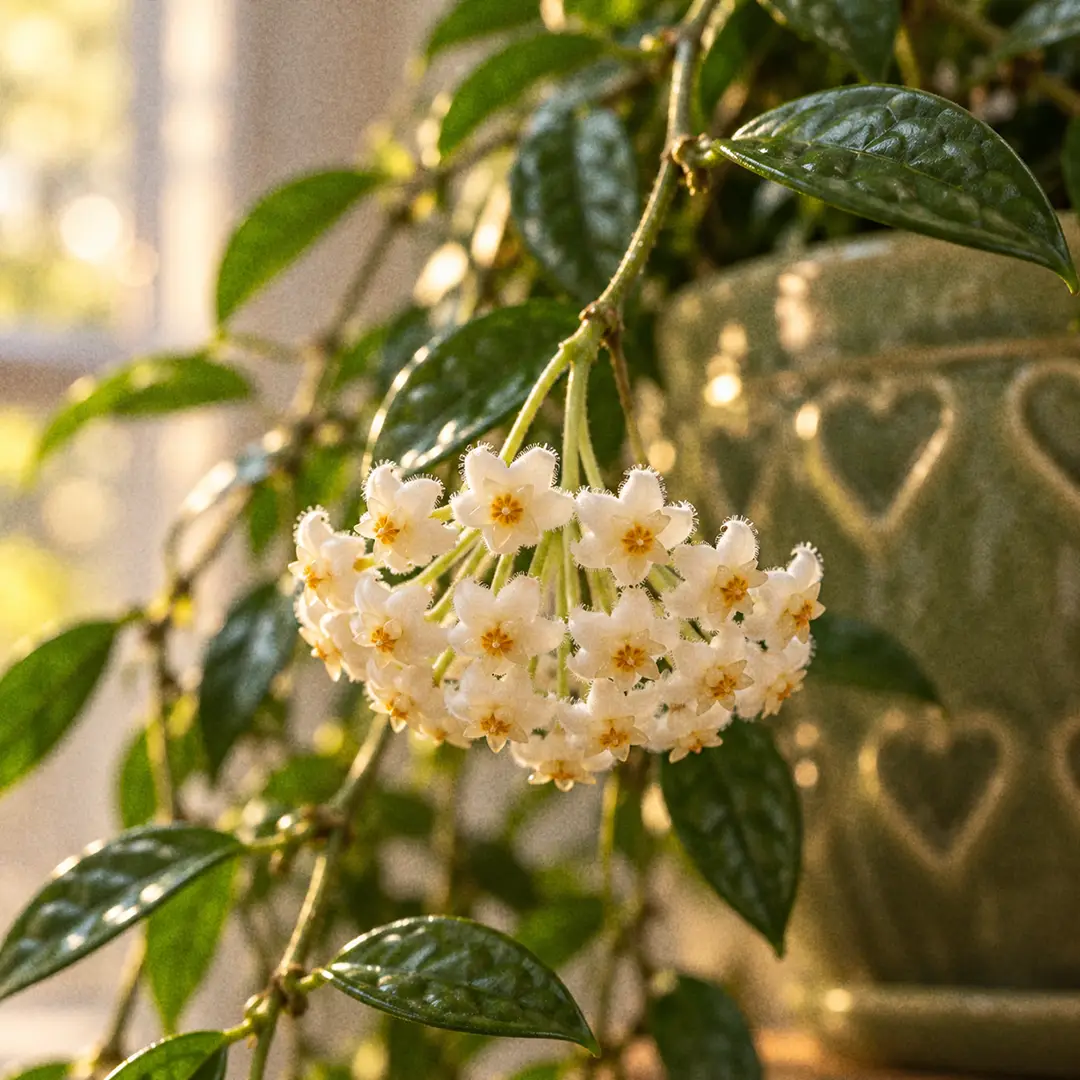
Each cluster is a flattened umbel of roughly 15 to 30 tiny flowers, every one about a quarter inch across. They are white to cream with a yellow centre, and the petals are covered in short velvety hairs and roll backwards, so each flower looks like a small fuzzy ball with a star pressed into it.
The scent is the point. It is sweet and spicy, usually described as cinnamon, though plenty of people smell cloves or a floral perfume instead. It is faint by day and strongest from dusk into the night, and one or two open clusters are enough to notice across a room. Individual flowers last about five days, and the plant often opens several clusters in sequence.
How to Trigger Hoya Lacunosa Blooms
You do not need to do much. This species flowers on small young plants, sometimes on a rooted cutting in its first year, and it can repeat several times between spring and autumn. Under strong light some plants keep going in winter too.
Three things keep the buds coming: bright light with a little gentle sun, even moisture while buds are forming, and regular weak feeding. A slightly snug pot helps as well. Compare that with a Hoya callistophylla, which can take years to think about flowering.
Never Cut the Peduncles
Hoyas flower from short leafless stalks called peduncles, and the same stalk blooms again and again, getting a little longer each time. After the flowers fall it looks like a dead stub. Leave it. Cut one off and the plant has to grow a new one before that spot can flower again.
If the Buds Drop
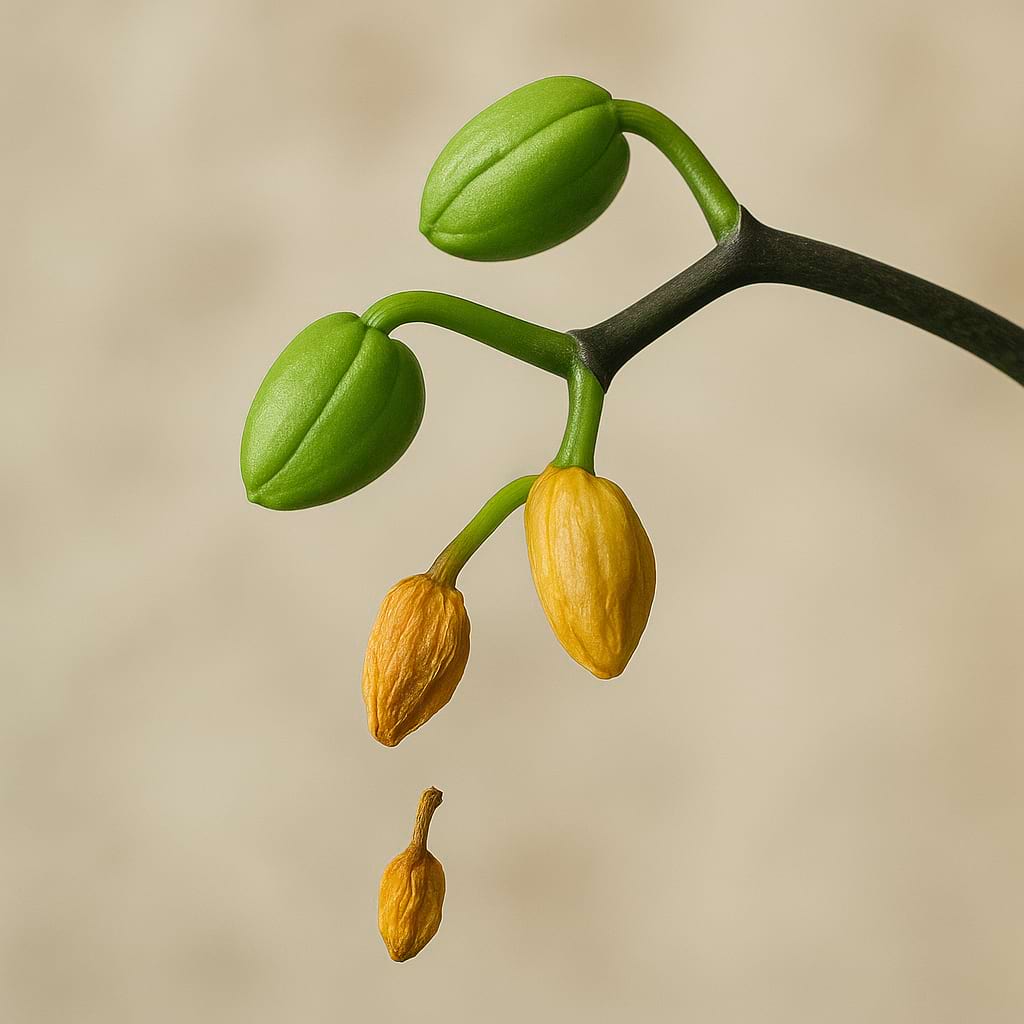
Tiny buds that yellow and fall before opening are bud blast. On lacunosa the cause is nearly always the pot drying out too far mid-bud, followed by dry air or a move to a new spot. Once you see buds, do not relocate the plant.
🏷️ Hoya Lacunosa Types and Varieties
Lacunosa is variable in the wild, and collectors have named dozens of clones. Care is the same for all of them. Labels in this group are loose, so buy from a clear photo of the actual plant.
The Standard Green Lacunosa
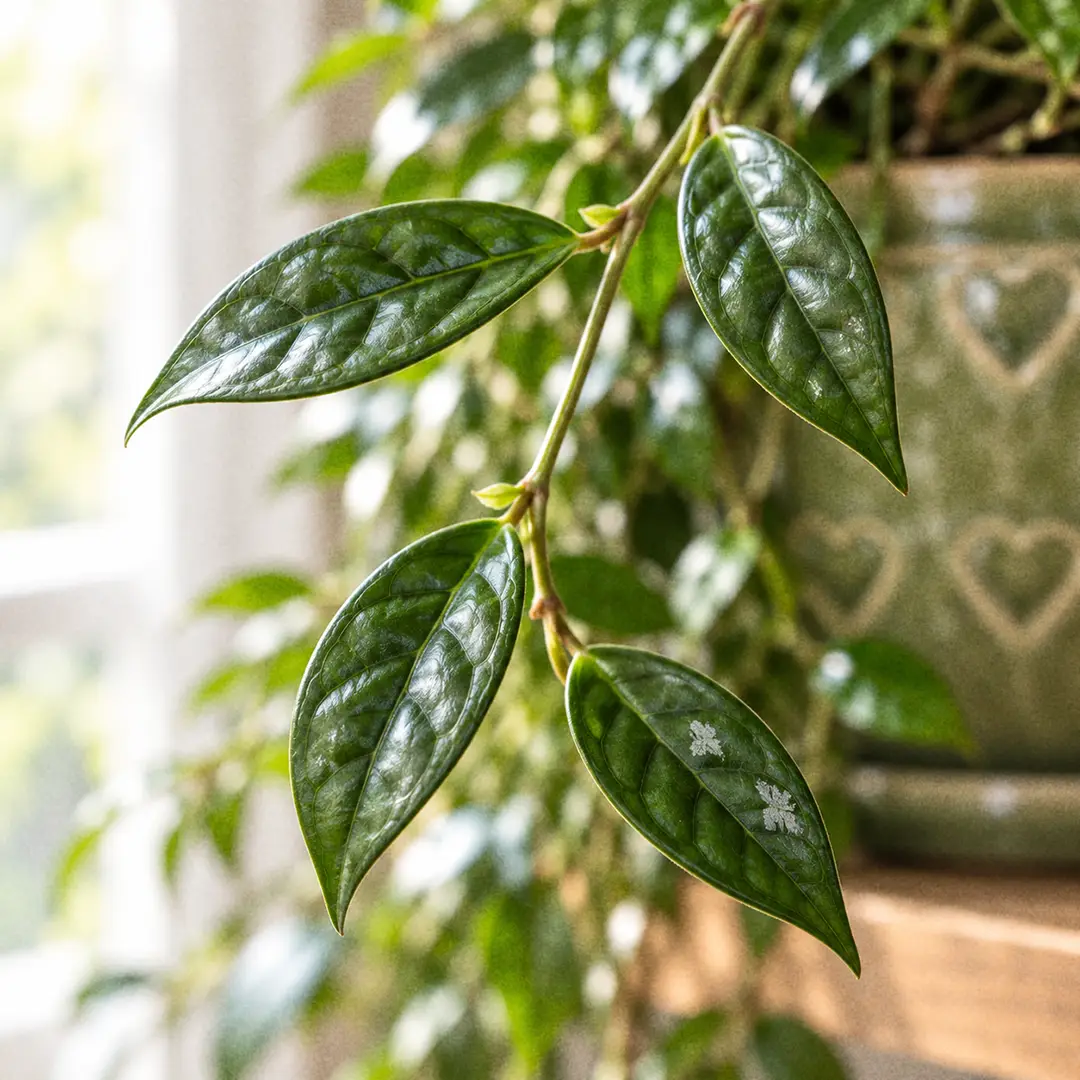
The plant sold simply as Hoya lacunosa has dark green, lance-shaped to oval leaves between one and two and a half inches long, on thin wiry stems. Look at a leaf in side light and you see the feature the species is named for: shallow sunken dimples between the veins, with the edge of the leaf slightly raised around them. It is the cheapest form and usually the most willing to flower.
Named Green Clones: Tove, Langkawi Island, Poonsak
These are selections that differ in size and shape. 'Tove' is sold as a larger-leaved, larger-flowered clone, sometimes with a pink flush to the blooms. 'Langkawi Island' goes the other way, with very small leaves that suit a tiny pot or a terrarium-sized shelf. 'Poonsak' has narrow leaves with clear dimples that colour pink to orange in strong light.
Eskimo, Super Eskimo, Snow Caps and Splash
These are the silver ones. 'Snow Caps' is dark green with white speckles. 'Eskimo' carries heavy silver splashing over much of the leaf, 'Super Eskimo' is the trade name for plants with even denser silver, and 'Splash' is used loosely for any flecked plant. 'Royal Flush' is sold for new growth that comes in bronze to purple with silver flecks.
Here is the catch. Most plants sold as 'Eskimo' have small heart-shaped leaves, and specialist nurseries now list them under Hoya krohniana. You will still see the same plant tagged lacunosa 'Eskimo' in garden centres. It does not change the care, though the silver forms tend to grow a little slower.
Hoya Lacunosa vs Hoya Krohniana
The two are closely related and were sold under one name for years (krohniana used to travel as lacunosa 'Heart Leaf'). Leaf shape separates them. Lacunosa leaves are longer than wide, lance-shaped or oval with a pointed tip. Krohniana leaves are short, broad, and heart-shaped at the base. The flowers are nearly identical fuzzy white balls, and lacunosa generally has the stronger scent. If your "lacunosa" has little hearts, it is almost certainly a krohniana, and you can treat it the same way.
🪴 Potting and Repotting Hoya Lacunosa
When to Repot
The root system is small and shallow, so this plant stays in the same pot for a long time. Every 2 to 3 years is typical. Repot when roots circle the inside of the pot or grow out of the holes, when the pot dries out in two days, or when the bark has broken down into dark sludge. Do it in spring, and wait if the plant is in bud.
Choosing a Pot
Move up one inch in diameter, no more. Shallow pots suit it better than deep ones, because the mix at the bottom of a deep pot stays wet where no roots reach. Plastic or glazed ceramic holds moisture a little longer, which matches this plant's preference. Terracotta is fine in humid homes but dries quickly, so expect to water more often. Our plant pots guide compares materials.
Step-by-Step Repotting
Water the day before. Slide the plant out, shake off loose old mix, and snip any roots that are brown and soft. Do not pull the root ball apart, because fine roots tear easily. Set it at the same depth in fresh mix and tap the pot to settle the pieces around the roots.
Water lightly after three or four days and keep it out of direct sun for two weeks. The repotting guide covers the general technique.
✂️ Pruning Hoya Lacunosa
When to Prune
Spring and early summer are best, when cuts heal quickly and new shoots follow within weeks. You can remove a dead or damaged vine at any time. The plant rarely needs hard pruning because it stays compact by nature.
How to Prune
Use clean scissors and cut just above a pair of leaves. Before each cut, check the vine for peduncles and cut beyond them, not through them. White sap will bead at the wound. It is normal for the genus and can irritate skin, so wash it off your hands.
Long bare tendrils with no leaves are not dead. They are searching for something to climb, and leaves fill in behind once the tip finds light or support. Wind them back into the basket instead of cutting them.
Pinching for a Fuller Basket
Pinch out the soft tip of a vine and the node below usually sends out two shoots. Doing this to a few vines each spring gives you a dense mound instead of a few long strings. The pieces you remove root easily, so tuck them back into the top of the same pot.
🌱 How to Propagate Hoya Lacunosa
Best Method: Stem Cuttings
Stem cuttings are the way to do it, and lacunosa is one of the easier hoyas to root. The stems already carry small root nubs at the nodes, ready to grow when they touch something damp. Take cuttings from late spring to late summer. A leaf alone will not make a plant, so every cutting needs at least one node.
Step-by-Step
- Cut a piece of healthy vine with two or three pairs of leaves, a quarter inch below a node.
- Remove the lowest pair of leaves so that node is bare.
- Put the bare node in water, in damp sphagnum moss, or in moist perlite. Keep the remaining leaves dry and above the surface.
- Place it somewhere warm with bright indirect light. A clear bag or a lidded box holds humidity while there are no roots.
- Expect roots in two to four weeks. Pot up when they are about an inch long.
Our water propagation guide and the wider propagation guide go through each medium.
Tips for Success
Because the leaves are thin, an unrooted cutting wilts faster than a carnosa cutting would. Humidity is what gets it through the first weeks, so do not skip the bag or box. Plant four or five rooted cuttings in one small pot, since a single vine takes a long time to look like anything.
You can also layer it. Pin a long vine, still attached, onto the surface of a second pot of damp mix. Once the node has rooted, cut it free.
🐛 Hoya Lacunosa Pests and Treatment
Common Pests
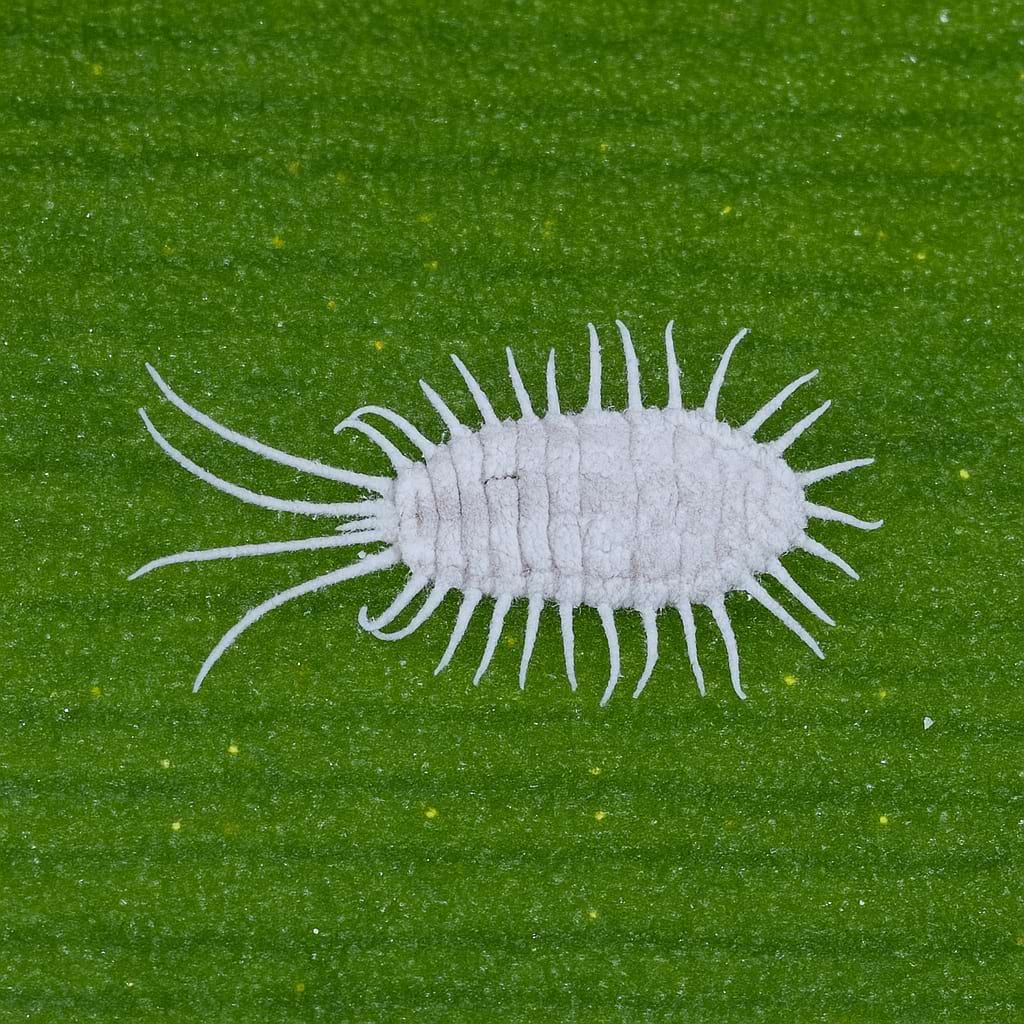
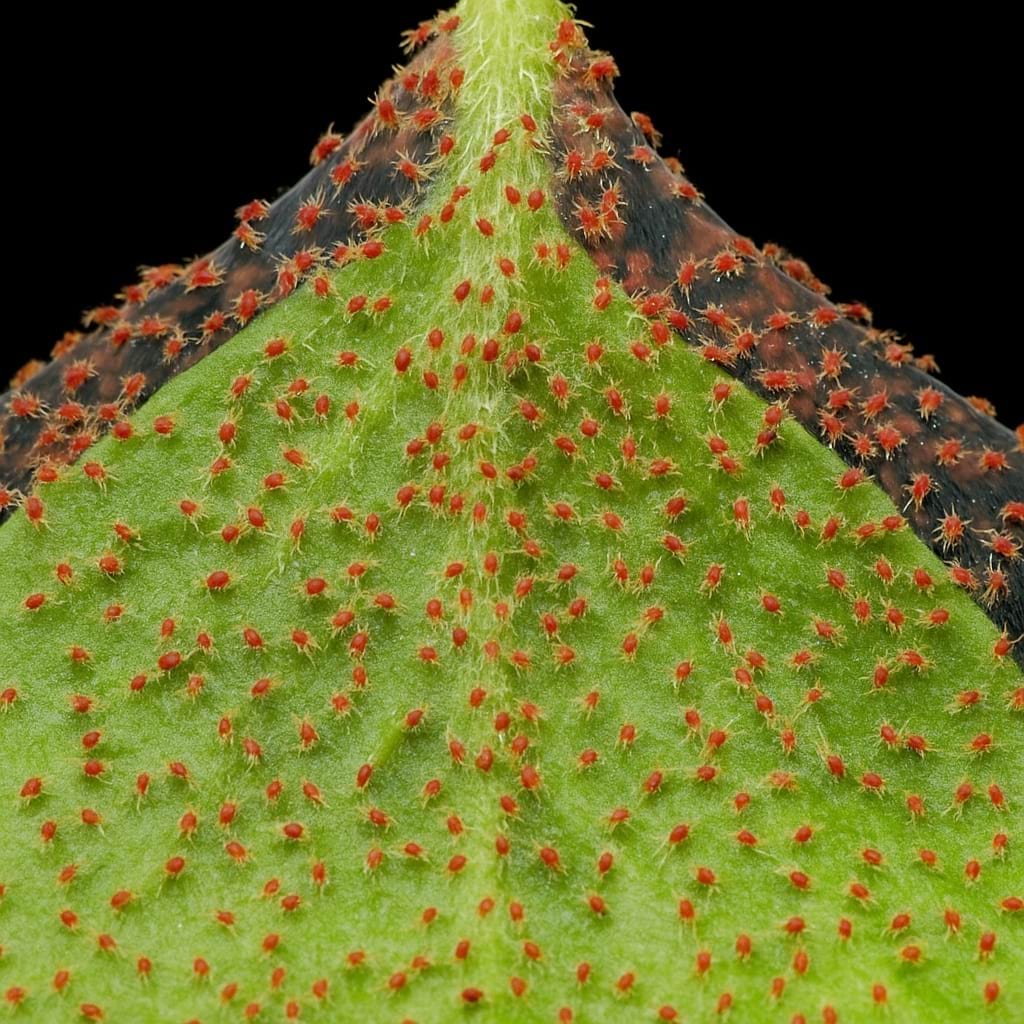
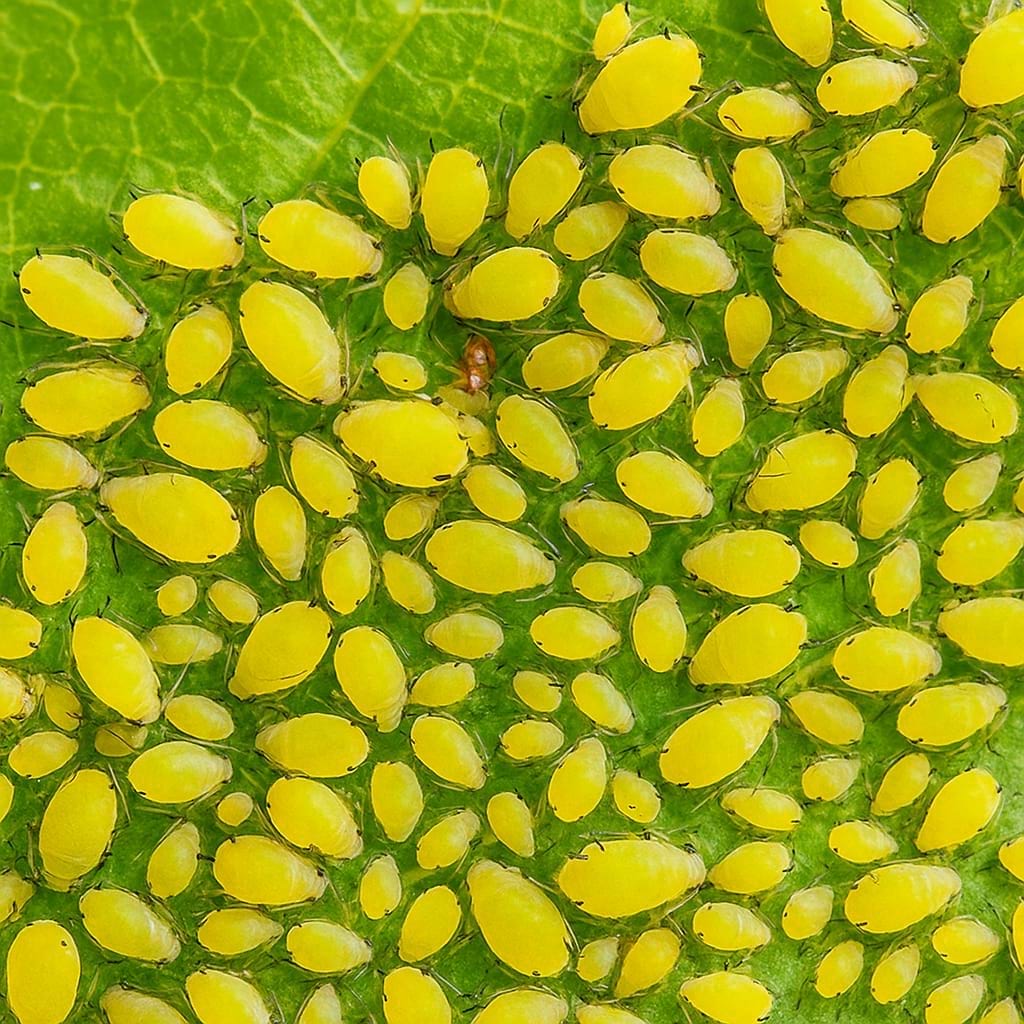
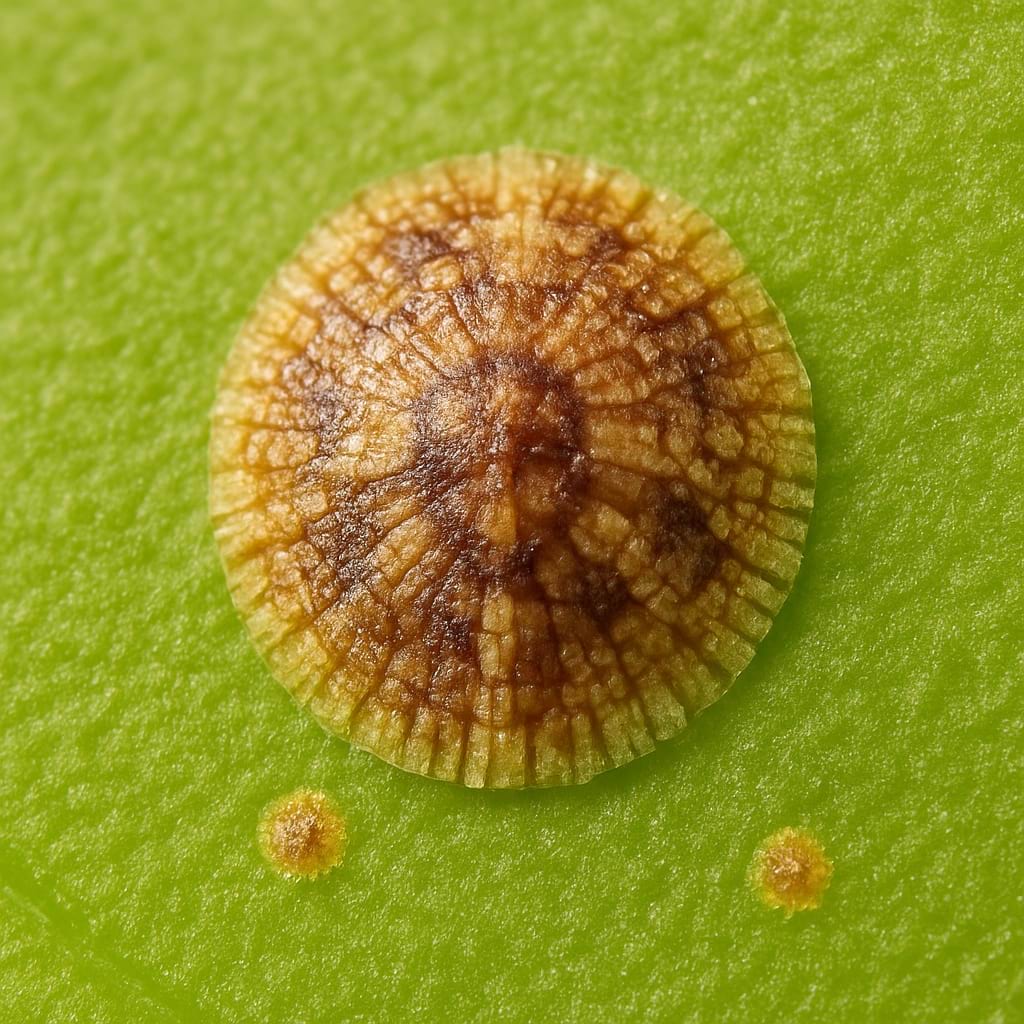
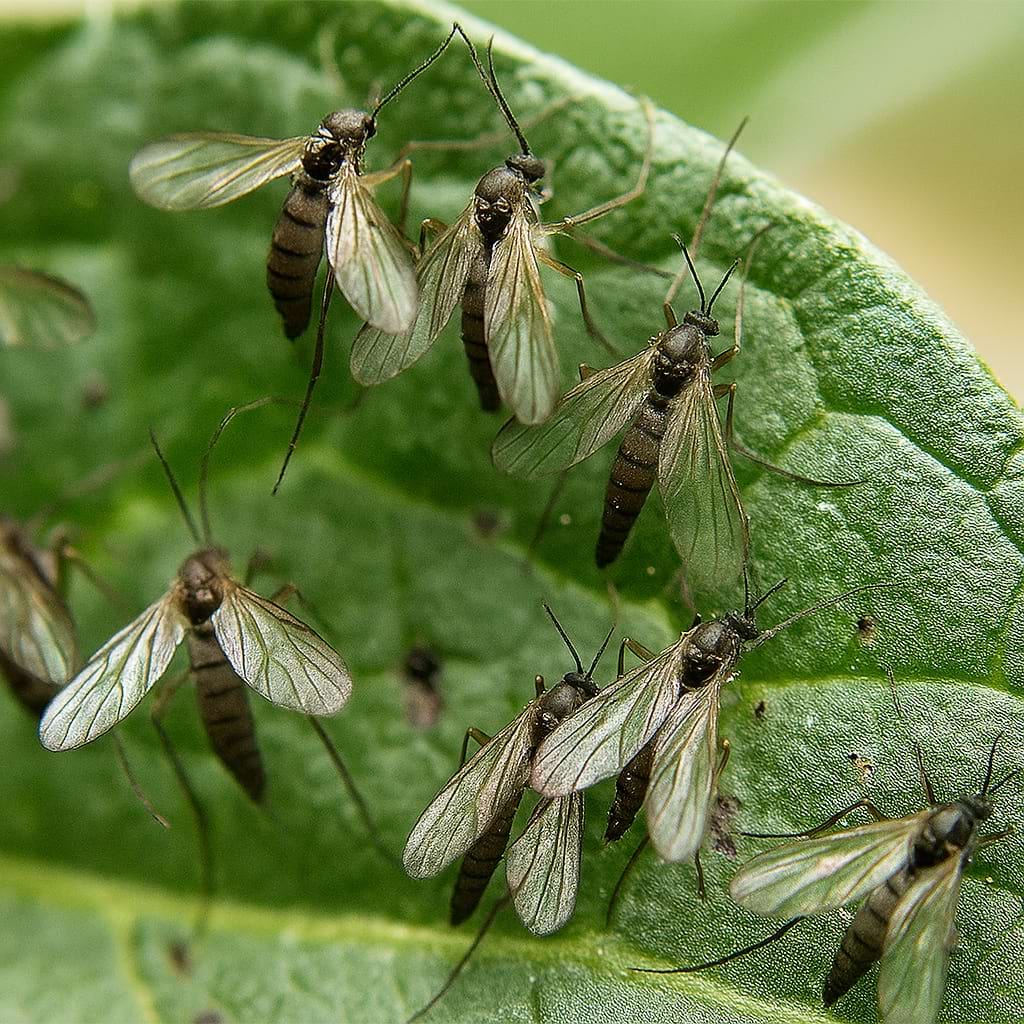
Mealybugs are the usual visitor. On this plant they settle where leaf meets stem and around the peduncles, as small white cottony dots. Aphids cluster on flower buds and soft tips, drawn by the sugary nectar the flowers drip. Spider mites appear in hot, dry rooms and leave fine speckling and faint webs under the leaves. Scale insects look like tan bumps on the stems. Fungus gnats hovering over the pot mean the mix is staying too wet.
Treatment and Prevention
Rinse the whole plant under the shower first, which removes most aphids and mites outright. Touch mealybugs and scale with a cotton bud dipped in rubbing alcohol, then spray with insecticidal soap weekly for three weeks, covering the undersides. Keep sprays off open flowers. Isolate new plants for a few weeks, and check the nodes whenever you water.
🩺 Common Hoya Lacunosa Problems
Yellow Leaves and Leaf Drop
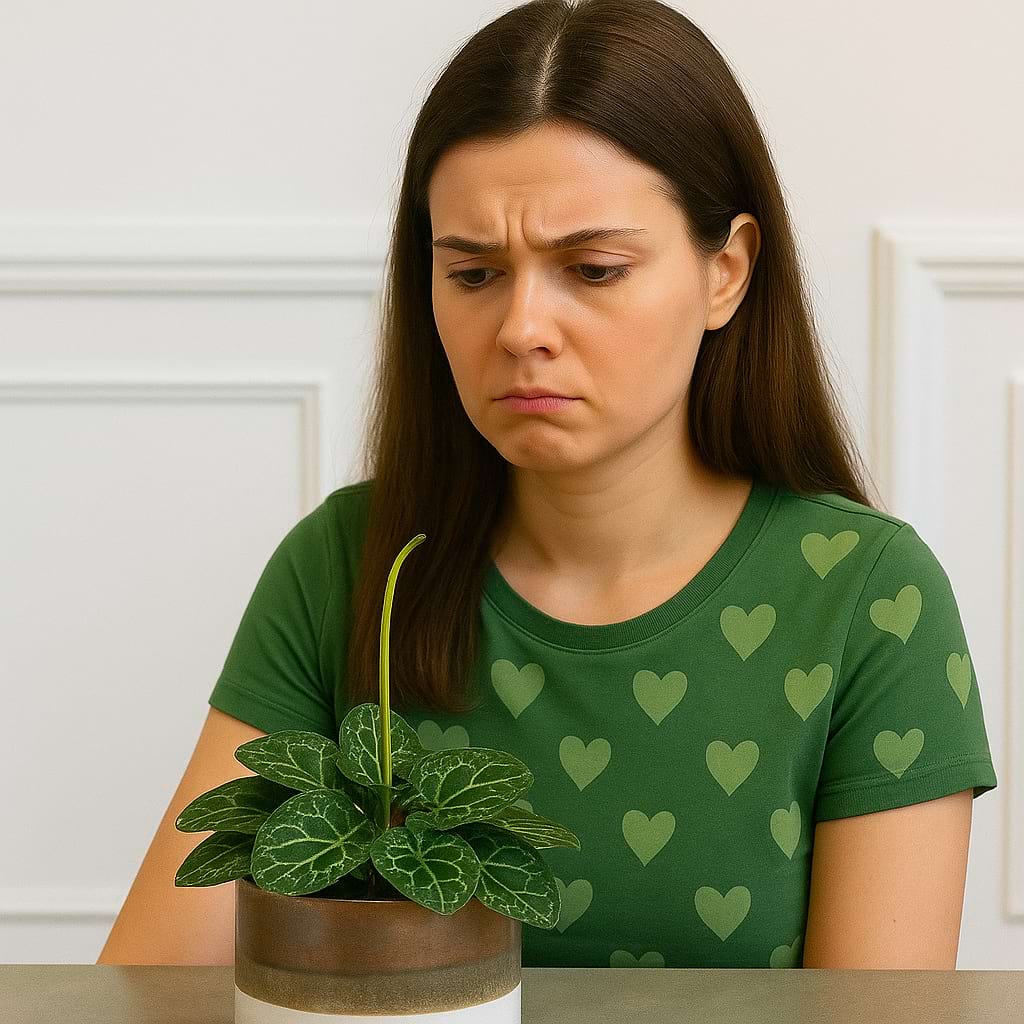
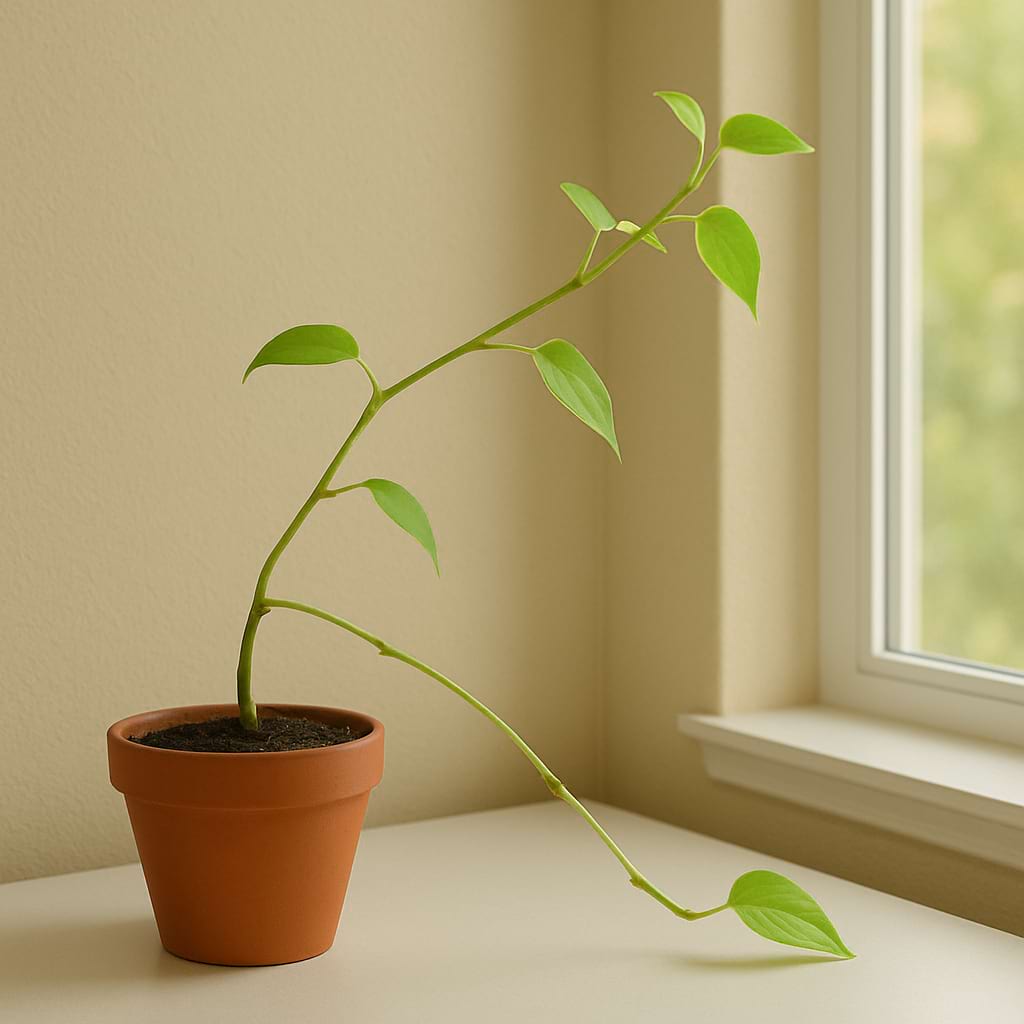
Yellowing leaves with wet mix mean too much water, and the next step is root rot. Unpot, trim soft brown roots, and replant in fresh airy mix. Yellow leaves with dry mix mean the opposite, and on lacunosa that is the more common story. Sudden leaf drop usually follows a long dry spell, a cold draft, or a move.
Buds That Fall and Plants That Will Not Flower
Bud blast comes from the pot drying out, dry air, or relocating the plant while it is in bud. A healthy plant with no buds at all is a failure to bloom problem, and the answer is nearly always more light.
Leggy Vines, Scorch and Leaf Spots
Wide gaps between leaves are leggy growth from low light. Pale dry patches are sunburn from direct afternoon sun. Dark spots on leaves in a cool, damp, still room point to fungal leaf spot, so remove the marked leaves and improve airflow.

🖼️ Hoya Lacunosa Display and Styling Ideas
Hang It Where You Can Smell It
Place this plant by scent first and looks second. A hanging basket near the sofa, by the bed, or beside a reading chair puts the flowers at nose height in the evening, when they are at their strongest. If you are sensitive to perfume, the bedroom may be too much during a heavy flush, so try the living room.
Hoops, Trellises and Groupings
The thin stems twine easily around a small wire hoop, which makes a neat tabletop plant and puts the flower clusters on show. On a shelf of hoyas it gives fine texture next to the long narrow leaves of Hoya wayetii or the soft needles of Hoya linearis. It also belongs on any list of pet-safe houseplants for a home with cats.
Where Not to Put It
Skip dark hallways, the shelf above a radiator, and any spot over furniture you care about. The flowers drip sticky nectar when they are open, and it marks polished wood and fabric. A wipeable surface or a small tray underneath saves trouble.
👍 Hoya Lacunosa Pro Care Tips
💧 Water sooner than you would a carnosa. Top half dry is the cue. Bone dry costs you leaves and buds.
🌸 Leave the peduncles alone. The same bare stalk flowers again and again.
🌙 Check the scent after dark. If you think yours has no smell, you are probably sniffing at noon.
☀️ East light makes flowers. Bright shade keeps it alive, gentle morning sun makes it bloom.
🪴 Use fine bark, not big chunks. Hair-thin roots need small pieces to hold on to.
📍 Do not move it in bud. Pick the spot before the buds form and leave it there.
🧽 Protect the surface below. Open flowers drip nectar.
🌱 Pot cuttings in groups. Four or five in one pot looks full within a season.
❓ Frequently Asked Questions
Is Hoya lacunosa toxic to cats and dogs?
No. Hoyas are listed as non-toxic to cats and dogs by the ASPCA. The milky sap can irritate skin, and a pet that chews a lot of any plant may get an upset stomach, so hanging it out of reach is still sensible.
Does Hoya lacunosa really smell like cinnamon?
To many noses, yes, a sweet spicy scent close to cinnamon or clove. Others describe it as a floral perfume. Everyone agrees on the timing: it is weak during the day and strong in the evening and at night.
How long does Hoya lacunosa take to bloom?
Not long. Well-rooted young plants often flower within their first year, and a plant bought with peduncles already on the vines can bloom within months if the light is good.
How often does Hoya lacunosa flower?
Several times a year in bright light, mostly from late spring to autumn. Each cluster lasts under a week, but the plant opens them in succession, so a flush can run for a few weeks.
Why is my Hoya lacunosa dropping leaves?
The usual reason is that it dried out too far, since its thin leaves hold little water. Cold drafts and soggy roots cause the same symptom. Check the mix first, then the roots.
Can Hoya lacunosa grow in low light?
It survives in lower light better than most hoyas, but it grows slowly, stretches, and does not flower. For blooms it needs bright indirect light or a grow light.
Is Hoya 'Eskimo' a lacunosa or a krohniana?
It is sold as both. Plants with small heart-shaped silver leaves are now usually listed as Hoya krohniana 'Eskimo', while older labels say lacunosa. Care is identical, so the name on the tag only matters to collectors.
Should I cut off the old flower stalks?
No. Those short bare stalks are peduncles and they rebloom from the same tip. Let the spent flowers fall on their own and leave the stalk.
Does Hoya lacunosa climb or trail?
Both. Left alone it trails from a basket to three feet or more, and given a hoop or small trellis it twines upward. It does not need a moss pole.
ℹ️ Hoya Lacunosa Info
Care and Maintenance
🪴 Soil Type and pH: Fine bark, perlite and coir epiphyte mix
💧 Humidity and Misting: Fine at 50%, noticeably happier at 60% and above, where buds hold on better.
✂️ Pruning: Pinch long vines to thicken the basket, and leave every bare flower stalk in place.
🧼 Cleaning: Rinse the foliage under a lukewarm shower every month or two. The leaves are too small and numerous to wipe one by one.
🌱 Repotting: Repot every 2-3 years in spring into a pot one size up, keeping the shallow root ball snug.
🔄 Repotting Frequency: Every 2-3 years
❄️ Seasonal Changes in Care: Steady water, light feeding and bright light through the warm months, then a little less water in winter without letting the pot dry out completely.
Growing Characteristics
💥 Growth Speed: Moderate
🔄 Life Cycle: Evergreen epiphytic perennial vine
💥 Bloom Time: Mainly late spring through summer, with repeat flushes possible in autumn and winter under good light
🌡️ Hardiness Zones: 10b-12
🗺️ Native Area: Southeast Asia, from Thailand and Malaysia to Sumatra, Java, Borneo and the Philippines
🚘 Hibernation: No true dormancy. Growth slows in the darker months but the plant should never be left bone dry for long.
Propagation and Health
📍 Suitable Locations: Hanging baskets near east windows, bedroom and living room shelves, bright bathrooms with airflow, small hoops and trellises
🪴 Propagation Methods: Root short stem cuttings with one or two nodes in water, moss, or perlite during the warm months.
🐛 Common Pests: Mealybugs, Spider Mites, Aphids, Scale Insects, Fungus Gnats
🦠 Possible Diseases: Root rot, stem rot at the soil line, fungal leaf spot, powdery mildew
Plant Details
🌿 Plant Type: Epiphytic trailing and twining vine
🍃 Foliage Type: Evergreen semi-succulent leaves
🎨 Color of Leaves: Deep green with sunken dimples between the veins, silver-flecked in some clones, bronze or reddish in strong light
🌸 Flower Color: White to cream with a yellow centre
🌼 Blooming: Yes, freely and from a young age, often several times a year
🍽️ Edibility: Not grown as an edible plant.
📏 Mature Size: 3-5 feet of trailing vine indoors over several years
Additional Info
🌻 General Benefits: Pet-safe, compact, flowers young and often, and scents a room in the evening
💊 Medical Properties: No documented medicinal uses.
🧿 Feng Shui: A soft trailing plant with a sweet evening scent, traditionally placed where people rest, such as a bedroom or a reading corner.
⭐ Zodiac Sign Compatibility: Libra
🌈 Symbolism or Folklore: Sweetness, calm evenings, small steady rewards
📝 Interesting Facts: The name lacunosa comes from the Latin for "full of small hollows" and refers to the sunken patches between the leaf veins. The species was described by Carl Ludwig Blume in the 1820s, which makes it one of the older hoyas in cultivation.
Buying and Usage
🛒 What to Look for When Buying: Choose a pot with several vines and firm leaves, and check the stems for short bare flower stalks, which tell you the plant is already old enough to bloom. Skip pots with yellow leaves and wet, sour-smelling mix.
🪴 Other Uses: Hanging basket plant, scented plant for a bedroom or sitting room, small hoop or trellis specimen, starter hoya for people who want flowers soon.
Decoration and Styling
🖼️ Display Ideas: Hanging baskets at nose height, shelf edges near a bright window, small wire hoops, bedside tables with good light
🧵 Styling Tips: Hang it where you sit in the evening so the scent reaches you, and at eye level so the dimpled leaves and small flowers can be seen up close.
🪴 See also 🪴
Complete Guide to Hoya Krohniana Care and Growth
Complete Guide to Hindu Rope Care and Growth
Complete Guide to Sweetheart Hoya Care and Growth
Complete Guide to Hoya Wayetii Care and Growth
Complete Guide to Hoya Crimson Queen Care and Growth
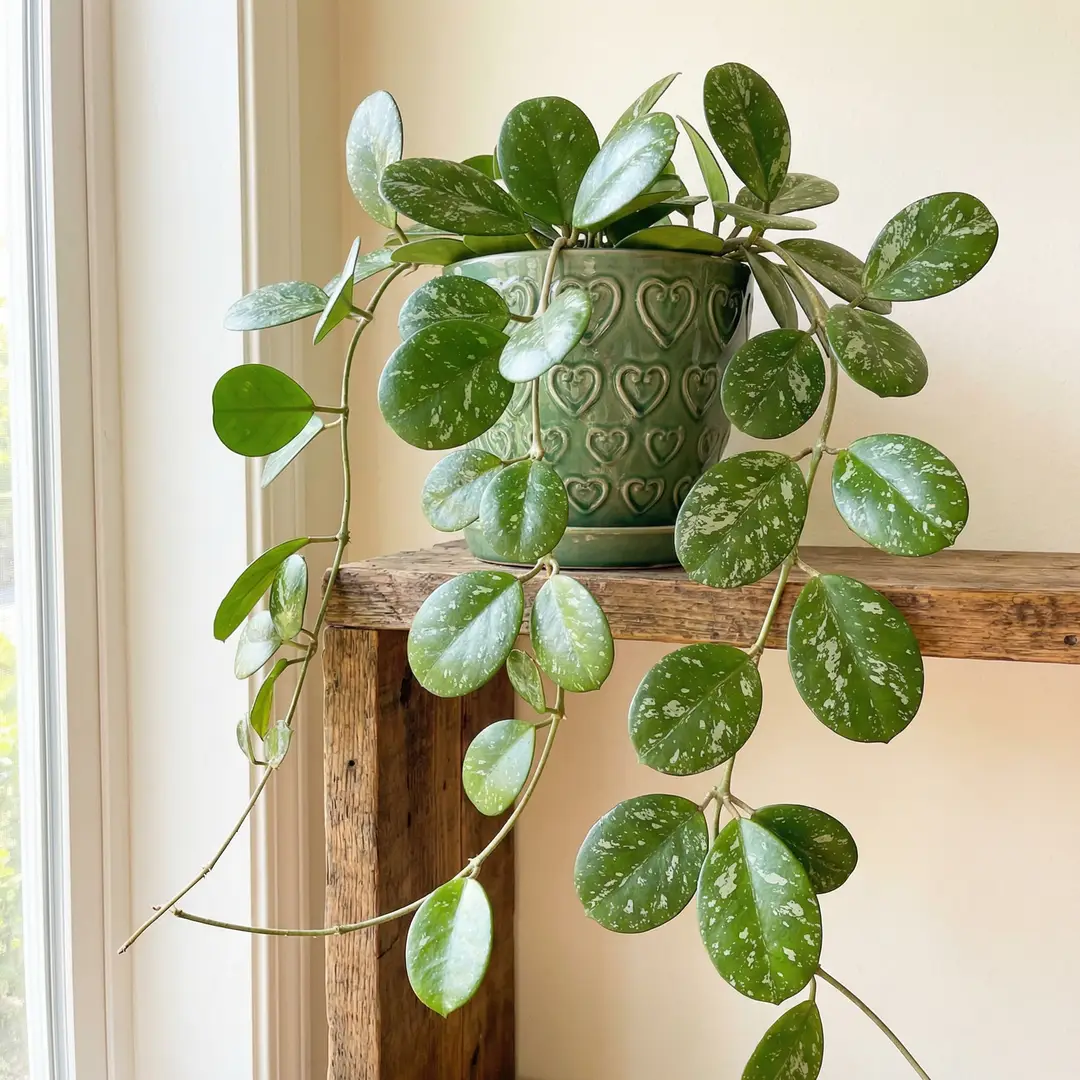
Complete Guide to Hoya Obovata Care and Growth
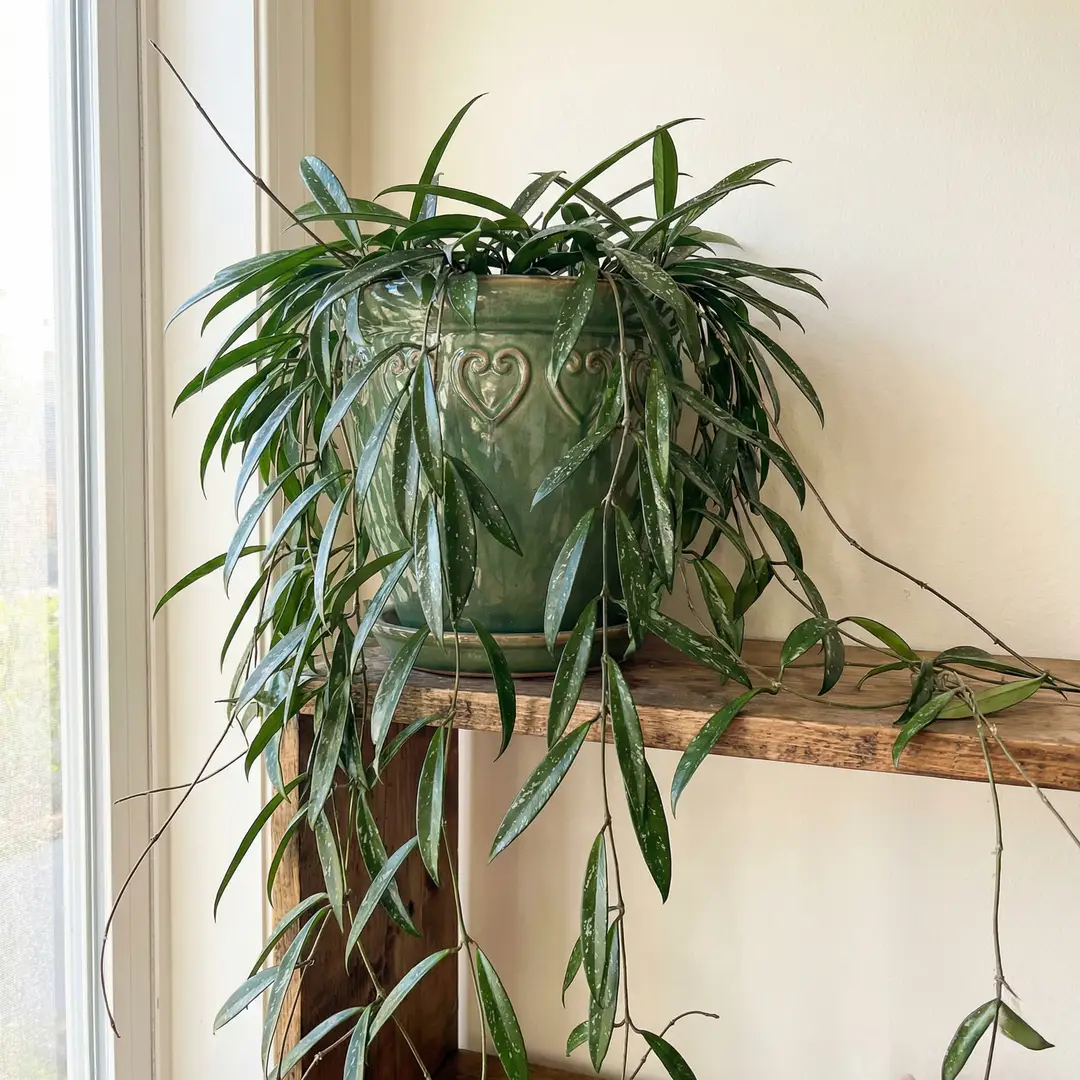
Complete Guide to Hoya Pubicalyx Care and Growth
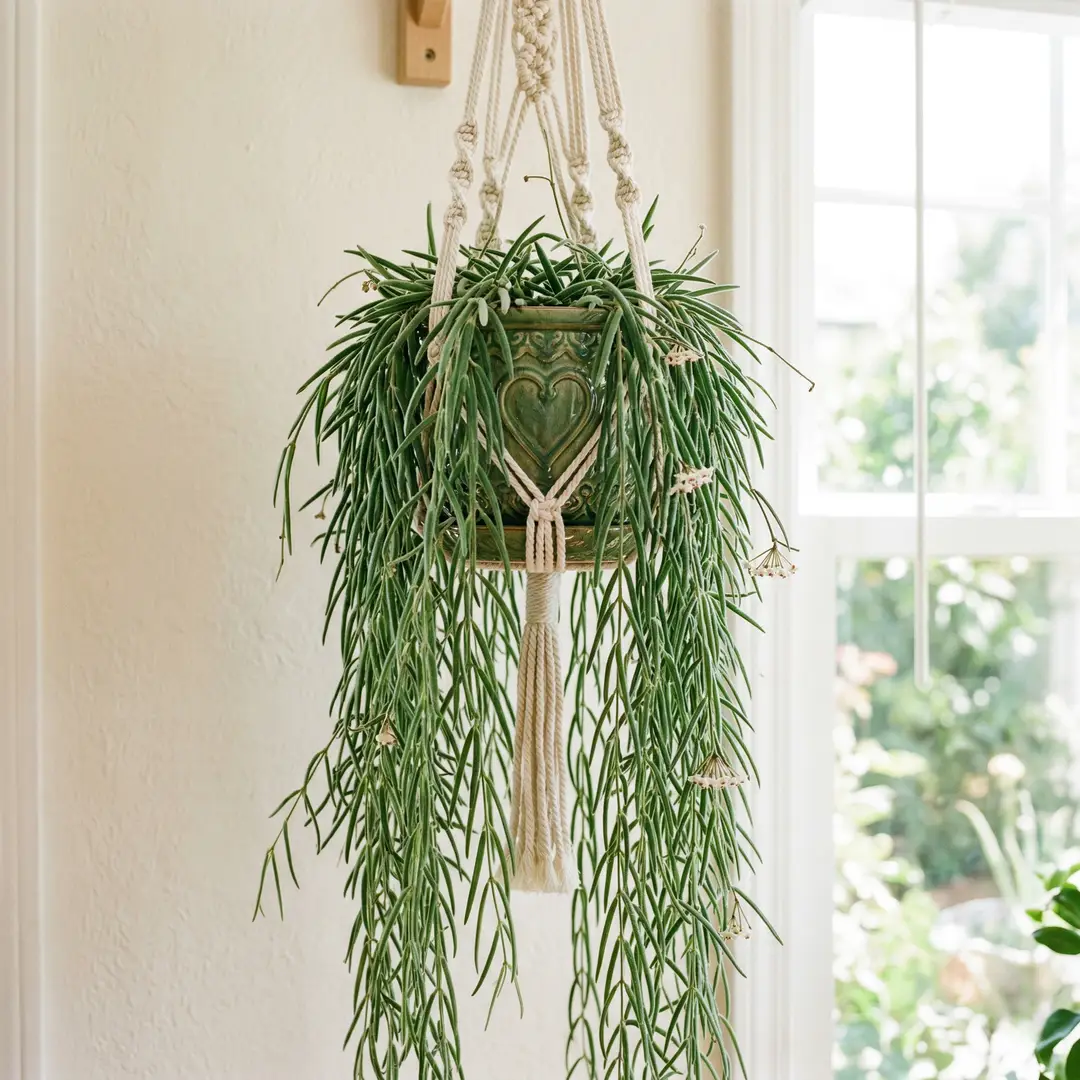
Complete Guide to Hoya Linearis Care and Growth
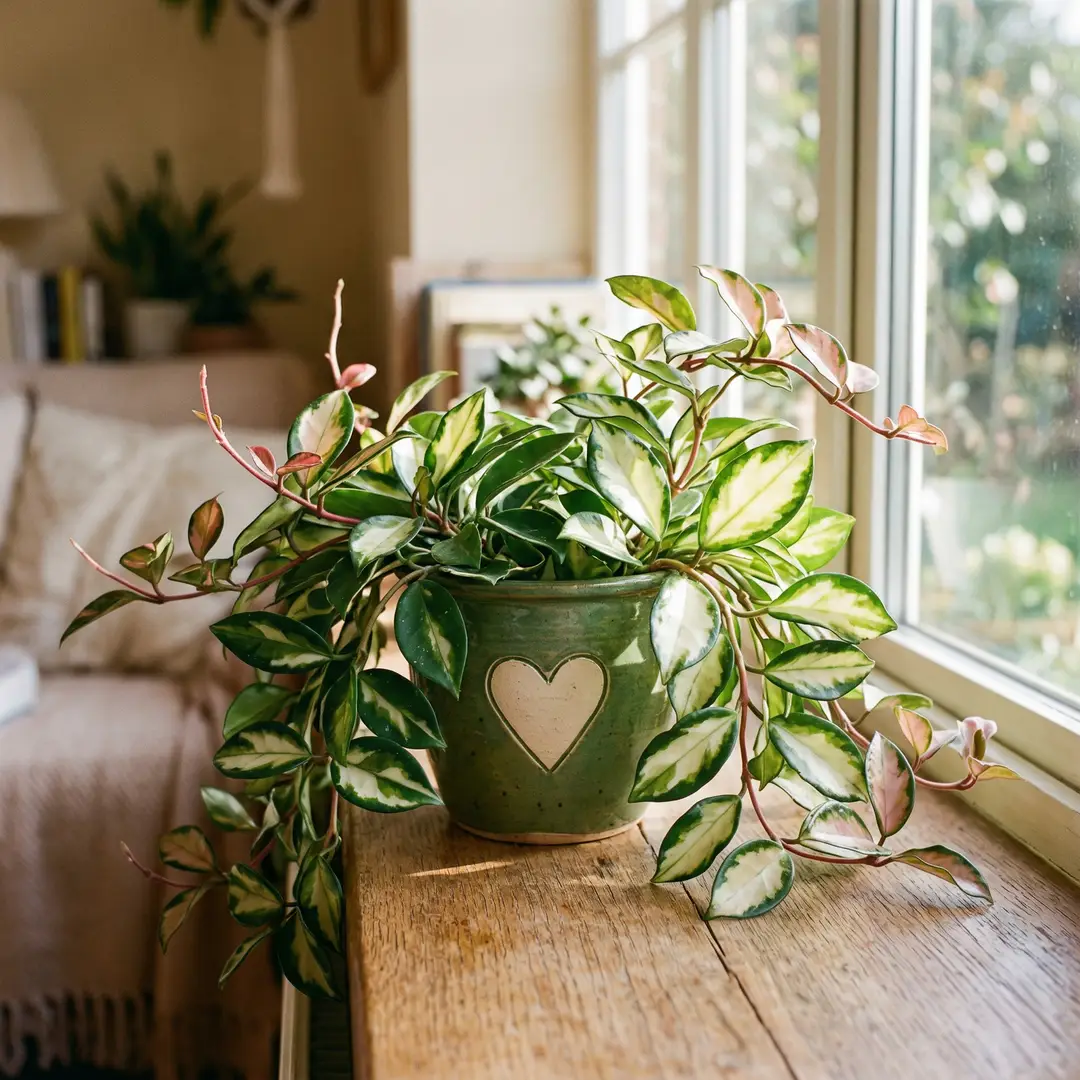
Complete Guide to Hoya Crimson Princess Care and Growth

Houseplant101 Forum
Questions & Comments
Ask a question, share your plant experience, or help other plant owners.
Comments are temporarily unavailable.
Open the Houseplant101 ForumNo comments yet
Be the first to ask a question or share your experience about this page.
Log in or create an account
Comments use your Houseplant101 Forum account, but you can stay on this page.
Create a new account