
Monstera Thai Constellation
Monstera deliciosa 'Thai Constellation'
Thai Constellation, Constellation Monstera, Variegated Monstera


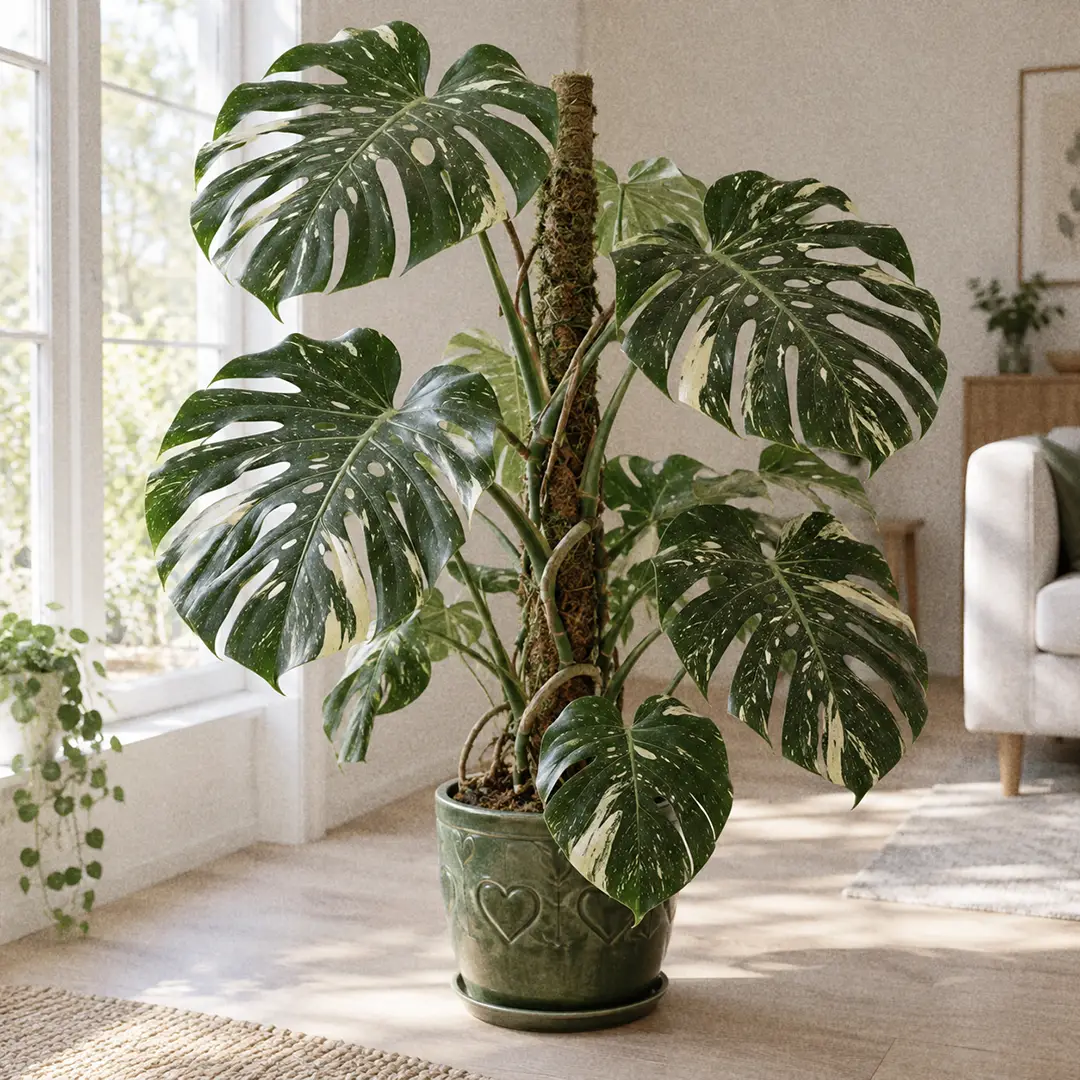
Monstera Thai Constellation is the variegated Monstera that cannot revert, a lab-bred cultivar splashed with creamy speckles like a star map. Learn how to keep that cream bright, get big fenestrated leaves, and avoid the two mistakes that ruin it.
📝 Monstera Thai Constellation Care Notes
🌿 Care Instructions
⚠️ Common Pests
📊 Growth Information
🪴 In This Guide 🪴

☀️ Monstera Thai Constellation Light Requirements (Bright Indirect)
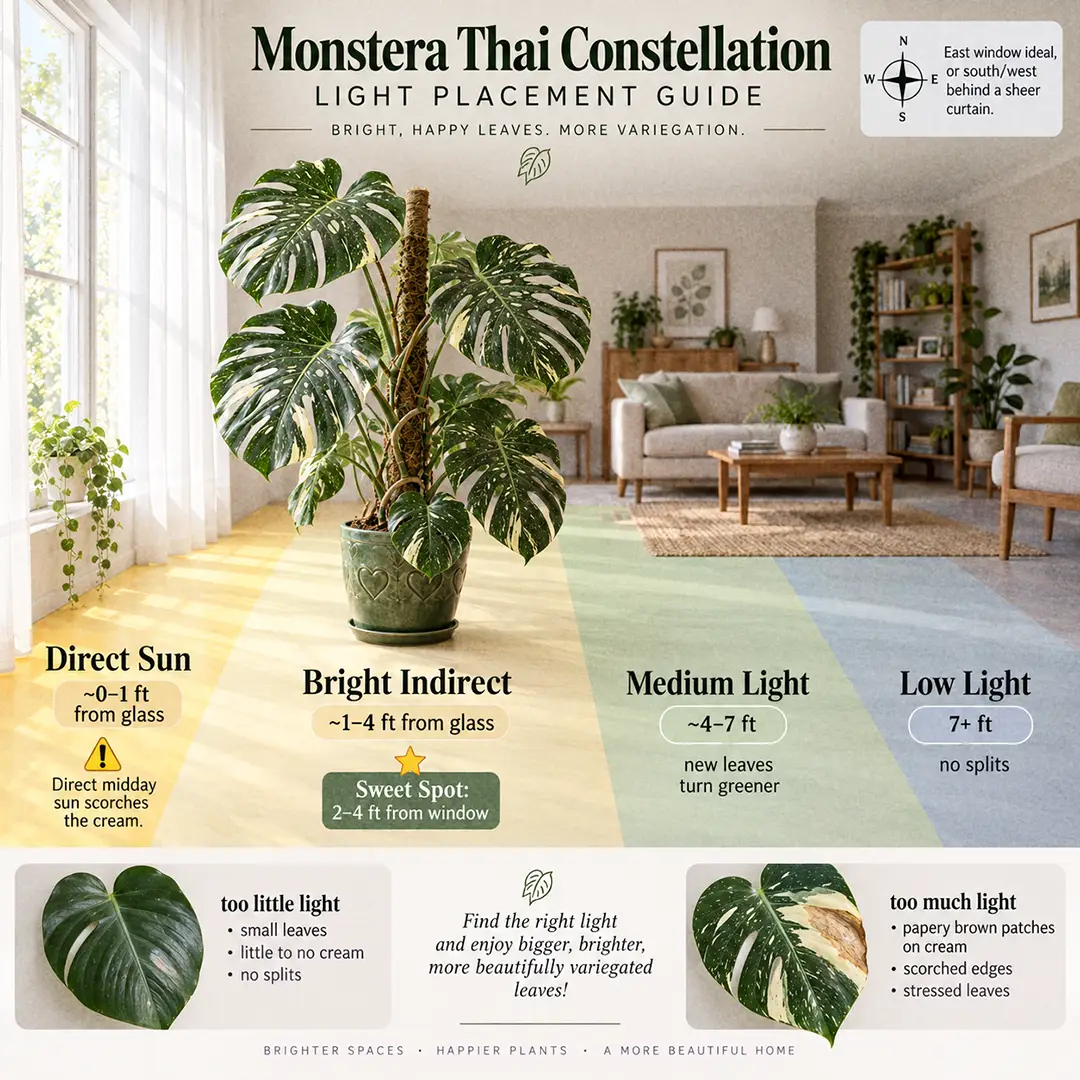
The Sweet Spot
Every cream patch on this plant is tissue with no chlorophyll in it, which means it does no work. The green sections have to feed the whole plant on their own, so a Thai Constellation needs more light than a plain green Monstera, not less.
Aim for bright indirect light: right in an east window, or two to four feet back from a south or west one with a sheer curtain across the glass. A north window on its own is usually too dim to keep the plant growing and the pattern crisp. If your brightest spot is still weak, a grow light running ten hours a day fixes it completely. Our indoor lighting guide helps if you are still judging a spot by eye.
Too Little Light
The first sign is not yellowing, it is greener new leaves. When light runs short, the plant makes more chlorophyll to compensate, and fresh leaves come out with far less cream than the old ones. People panic and call this reversion. It almost never is. Move the plant brighter and the following leaves come back speckled.
The second sign is size. Low light gives you small leaves with no splits, long bare stretches of stem, and a plant that seems frozen in place for months.
Too Much Light
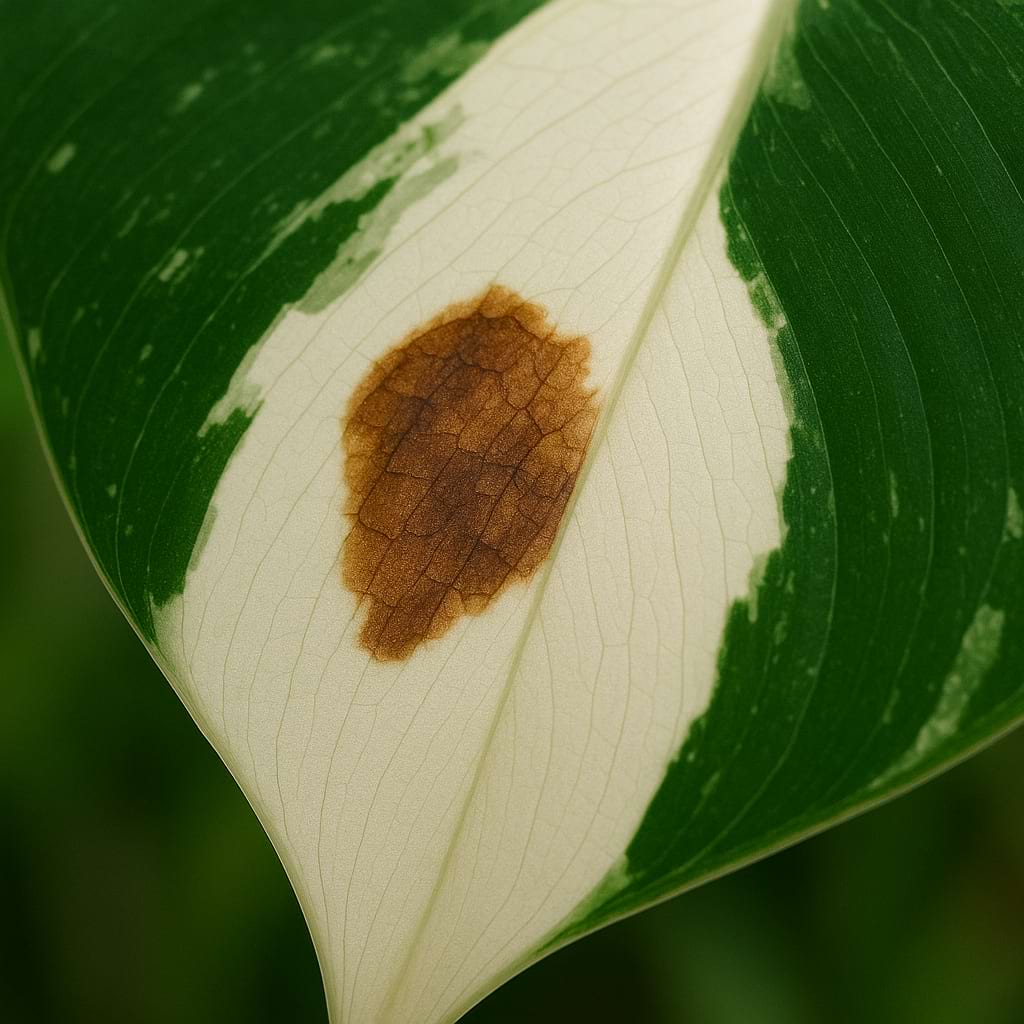
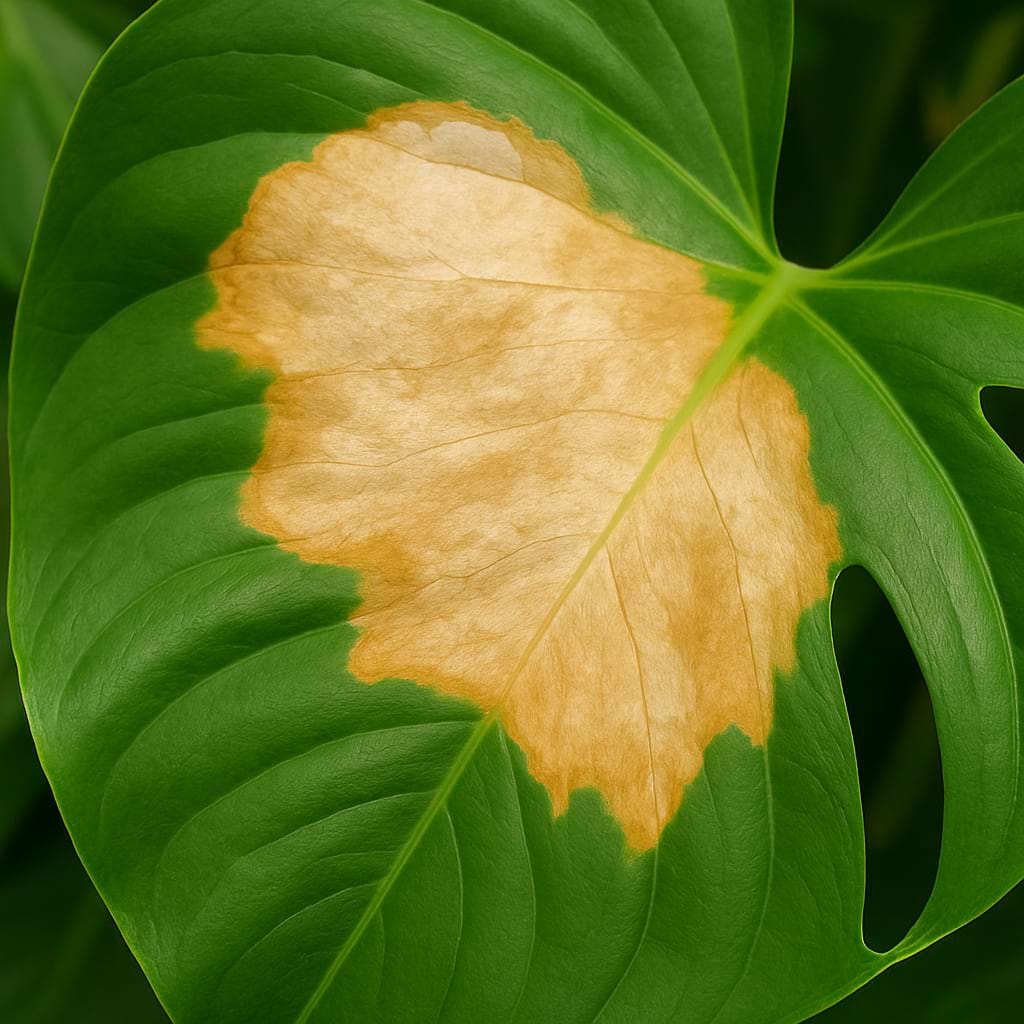
Direct midday sun scorches cream tissue within a single afternoon. It does not tan, it goes papery brown and stays that way, and no amount of aftercare brings it back. That is sunburn, and Thai Constellation burns at light levels a green Monstera shrugs off.
Gentle early morning sun through an east window is fine, and good for the pattern. Hot afternoon sun behind bare glass is not. If you are moving a plant from a shop into a brighter room, do it over two weeks rather than in one afternoon.
💧 Monstera Thai Constellation Watering Guide (How Often to Water)
Watering Frequency
Water when the top 2 inches of mix feel dry. In a chunky aroid mix through spring and summer that usually lands every 7 to 10 days, stretching to every two or three weeks in winter when growth stalls.
Do not water on a schedule. This plant grows slowly, so it drinks slowly, and a pot that dried out in a week in July can stay damp for three weeks in January. Push a finger in, or use a moisture meter if you would rather not guess. Thai Constellation is far more forgiving of a day too dry than a day too wet.
How to Water
Take it to the sink and drench it until water pours freely from the drainage holes, then let it drain completely before it goes back on its saucer. That flush matters more than usual here, because slow-growing plants build up fertilizer salts that a shallow sip never washes out.
Never leave the pot standing in water, and never top it up while the mix is still damp underneath. Those two habits cause almost every dead Thai Constellation I have been asked to diagnose. Our watering guide covers the general technique.
Signs of Trouble
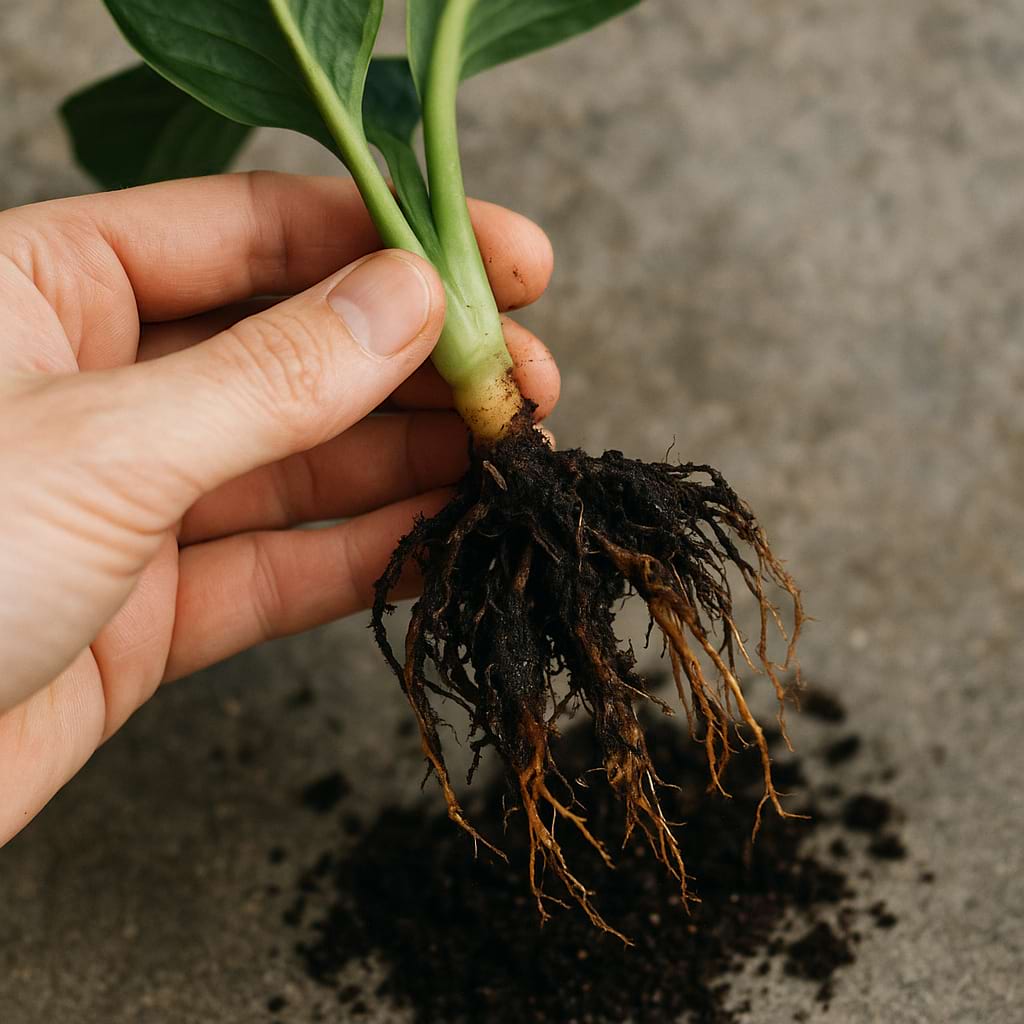
Soggy roots show up as yellowing lower leaves, a limp stem, and dark mushy patches at the base, which is root rot. The stem should always feel firm when you squeeze it near the soil line.
Thirst looks different. The whole plant droops together, the newest leaf curls inward slightly, and the mix pulls away from the pot wall. A thirsty Thai Constellation perks up within hours of a proper drench. A rotting one does not.
🪴 Best Soil for Monstera Thai Constellation (Chunky Aroid Mix)
What the Soil Needs
The roots are thick, fleshy, and built for gripping bark in open air rather than sitting in mud. They want air as much as they want water. Straight bagged potting soil packs down within a season and suffocates them, which is the single most common setup mistake with this plant.
The test is simple. Water should run through the pot in a few seconds, not pool on the surface and sink slowly.
DIY Soil Mix
My mix for this plant, by volume:
- 4 parts orchid bark (medium grade) for structure and air pockets
- 2 parts coco coir or peat-free potting mix to hold some moisture
- 2 parts perlite or pumice for drainage
- 1 part worm castings for slow, gentle nutrition
- 1 part horticultural charcoal, optional, to keep the mix sweet between repots
Mix it dry, moisten it lightly, and pot straight into it. It looks far too coarse the first time you make it. That is correct.
Pre-Made Options
Any bagged mix sold as aroid mix or Monstera mix works, and most are decent. If you only have standard potting soil, cut it roughly half and half with bark and perlite before it goes anywhere near this plant. Our soil guide explains why chunky mixes suit climbing aroids.
🍼 Fertilizing Monstera Thai Constellation
When and How Often
Feed every 3 to 4 weeks from spring through early autumn, and stop entirely from late autumn to late winter. A plant that has nearly stopped growing cannot use the food, and the leftover salts sit in the mix and burn root tips.
What to Use
A balanced liquid houseplant fertilizer at half the strength printed on the bottle is all this plant wants. Something around a 20-20-20 ratio, or any general aroid feed, is fine. There is no benefit to specialty variegation products. Nothing you pour on the soil makes more cream appear: light controls the pattern, fertilizer only controls the size. Our fertilizing guide and fertilizer roundup cover the options.
Over-Fertilizing Signs
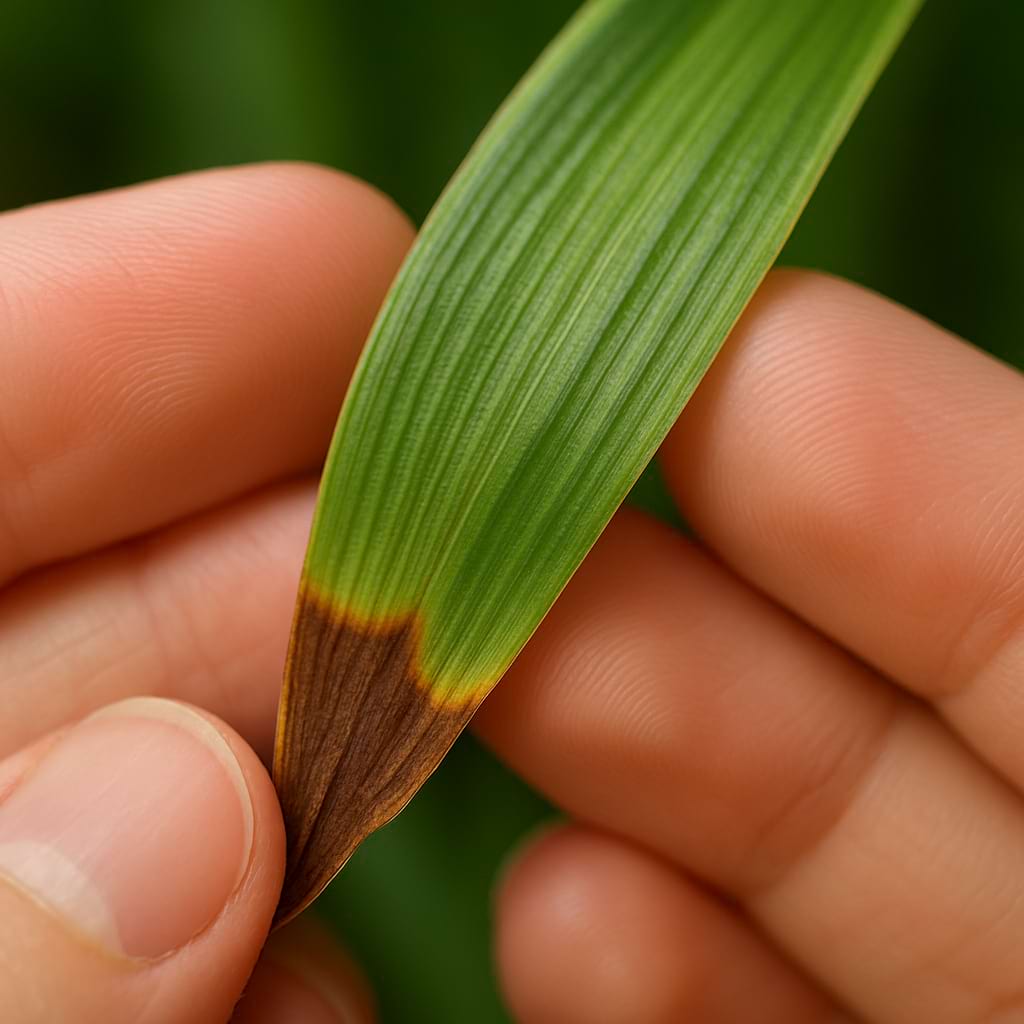
Brown crispy tips and edges on otherwise healthy green tissue usually mean salt buildup rather than dry air. So does a white crust on the soil surface or around the drainage holes. Flush the pot under running water for a full minute, skip the next two feeds, and it recovers. Because Thai Constellation grows so slowly, it is easier to overfeed than almost any other Monstera.
🌡️ Monstera Thai Constellation Temperature Range
Ideal Range
Normal comfortable room temperature suits it: 65-85°F (18-29°C). Growth slows noticeably below 60°F (15°C) and stops around 55°F (13°C). Anything under 50°F (10°C) risks damage to the stem and leaves, and cold wet soil is a fast route to rot.
If you summer the plant outdoors, bring it back in well before the first cool nights, and check the leaf undersides for hitchhiking pests before it comes through the door.
Drafts and Heat Sources
Two spots ruin more Thai Constellations than any pest. The first is directly above a radiator, where the leaves dry from below and the pot swings between soaked and bone dry. The second is beside a drafty door or an air conditioning vent, where a cold blast hits wet foliage and leaves you with black spots.
A steady position away from both, with no dramatic swing between day and night, is worth more than any equipment you can buy.
💦 Monstera Thai Constellation Humidity Requirements
Ideal Humidity
It copes fine at around 50%, which most homes hit without help. Push it to 60% or higher and you see the difference in the new growth: bigger leaves, cleaner edges, fewer stuck unfurls.
Easy Humidity Boosters
Group it with other plants so they share moisture, stand the pot on a wide pebble tray, or run a small humidifier nearby through the dry heating months. Misting looks caring and does almost nothing, and on this plant wet cream tissue in a cool room invites fungal spotting. Our humidity guide has better methods.
🌸 Monstera Thai Constellation Flowers (Will It Ever Bloom?)
What the Flowers Look Like
Monstera flowers are not petals. The plant makes a thick cream-white hood called a spathe wrapped around a pale finger-shaped spadix, a shape you will recognise from a Peace Lily. On an outdoor Monstera deliciosa in the tropics, that spadix slowly swells into the edible fruit the species is named for, ripening over almost a year.
Why It Will Not Bloom Indoors
Be honest with yourself here. Your Thai Constellation is almost certainly never going to flower. Monstera blooms only once it reaches real maturity, which means years of climbing, a stem as thick as your wrist, and light levels no living room supplies. Kept in a pot indoors, the plant simply keeps making leaves instead.
The variegation makes it even less likely, because a plant working at roughly half photosynthetic capacity has no surplus energy for flowering. Anyone selling you a feeding regime that promises indoor Monstera blooms is selling you a story.
Chase Fenestrations Instead
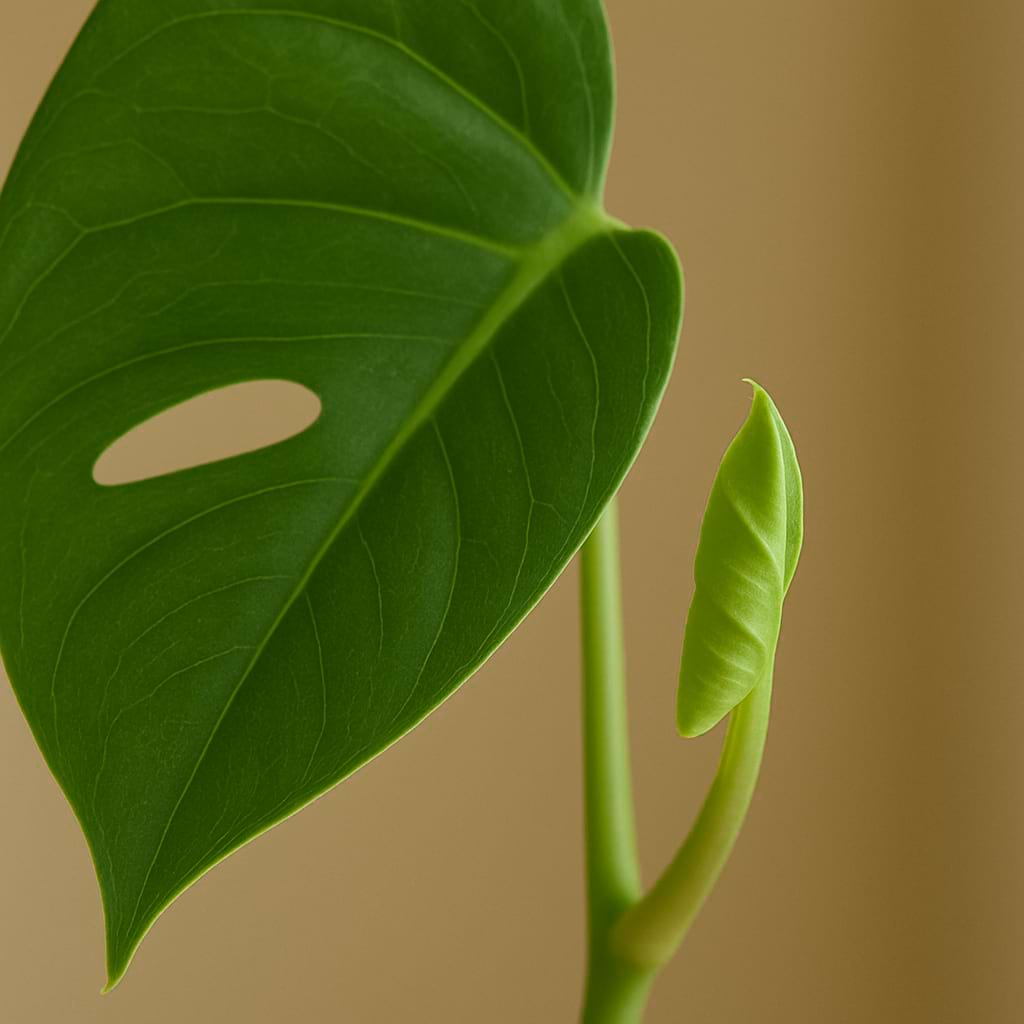
The real milestone for this plant is not a flower, it is the leaves changing shape. Young Thai Constellations make solid heart-shaped leaves with no holes at all. As the plant climbs and matures, each new leaf arrives with more splits and more oval fenestrations, until you get that classic swiss-cheese outline at full size.
That transition is driven by climbing support and light, so a moss pole and a bright spot do more for your plant than any bloom booster. Aerial roots gripping the pole tell the plant it is going somewhere, and the leaves scale up in response.
🏷️ Monstera Thai Constellation Types and Varieties
Thai Constellation is a single cultivar rather than a group, so there are no sub-varieties of it. What matters is telling it apart from the other variegated Monsteras it gets confused with at the till.
Thai Constellation vs Monstera Albo
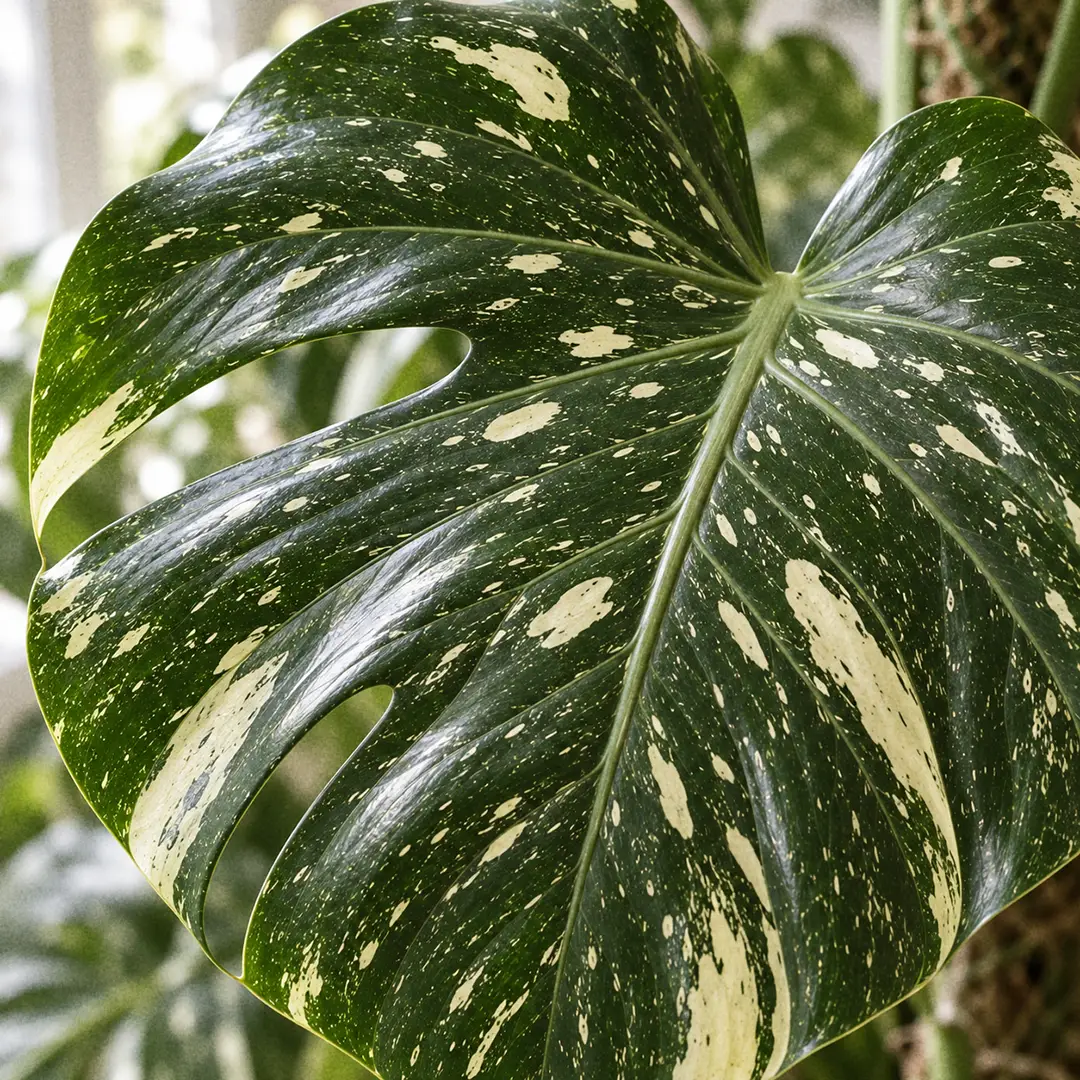
Albo (Monstera deliciosa 'Albo-Variegata') carries big blocky sectors of pure white, often splitting a leaf cleanly down the middle. Thai Constellation carries fine cream speckles and marbling scattered across the whole leaf, more like paint flicked off a brush.
The real difference is behaviour. Albo variegation comes from one unstable cell line, so it can slide back to plain green or run away into an all-white leaf that dies, and every cutting is a gamble. Thai Constellation was stabilised in tissue culture, so the pattern travels reliably into every node, every cutting, and every new leaf.
Thai Constellation vs Monstera Aurea
Aurea shows the same sectoral pattern as Albo but in yellow-gold rather than white, and it carries the same instability. Thai Constellation's cream can read slightly yellow under warm light, which is where the mix-up starts, but the fine speckled texture gives it away every time.
Thai Constellation vs Green Monstera Deliciosa
Side by side, the Thai has thicker, more corrugated leaves and a stiffer stem than a plain Monstera Deliciosa. It also grows noticeably slower and holds its leaves more horizontally. If you love the leaf shape but want speed, the green species is the easier plant, and Monstera Esqueleto or Monstera Adansonii give you drama through fenestration rather than colour.
🪴 Potting and Repotting Monstera Thai Constellation
When to Repot
Roughly every two years, in spring. This plant grows slowly, so annual repotting is unnecessary and mostly just stresses the roots. Watch for roots circling out of the drainage holes, water running straight through without wetting anything, or a plant that has stopped producing new leaves during the growing season.
Choosing a Pot
Go up one size only, about two inches wider. A pot that is too big holds a reservoir of wet mix the small root ball cannot use, and that is how healthy plants rot.
Drainage holes are non-negotiable. Terracotta suits heavy-handed waterers because it breathes and dries faster. Plastic or glazed ceramic suits people who forget. Either works with a chunky mix, so pick for your habits rather than the label. Our pot guide compares the materials.
Step-by-Step Repotting
- Water lightly the day before so the root ball holds together.
- Slide the plant out and tease away the loose old mix, keeping the thick roots intact.
- Cut off anything brown, hollow, or sour smelling with clean scissors.
- Set the plant at the same depth in a layer of fresh chunky mix, and sink the moss pole at the same time rather than stabbing it in later.
- Backfill, tap the pot to settle it, and water thoroughly.
- Keep it out of strong light for a week and skip fertilizer for a month.
Our repotting guide walks through the general process in more detail.
✂️ Pruning Monstera Thai Constellation
When to Prune
This is a low-pruning plant. Take off leaves that are fully brown or badly damaged whenever you spot them, and save any structural cuts for spring and early summer when the plant recovers fastest.
How to Prune
Use clean, sharp snips wiped with alcohol. Cut a whole leaf back at the base of its petiole where it meets the main stem, rather than leaving a stub. To shorten the vine, cut just above a node, and keep that top section as a cutting.
Do not trim aerial roots because they look untidy. They are how the plant anchors to its pole and fuels its bigger leaves. Tuck them into the moss instead.
Partly Damaged Leaves
A leaf with one brown patch is still doing useful work, and on a variegated plant every square inch of green tissue counts. Leave it. If the brown edge bothers you, trim just the dead margin and follow the leaf's natural outline so the cut does not read as a straight line.
🌱 How to Propagate Monstera Thai Constellation
The Good News
Unlike an Albo, there is no gamble here. The variegation sits in every cell line, so any node you root produces a variegated plant. You do not need to hunt for a cutting with the right amount of cream on it.
What You Need on the Cutting
One node minimum. A node is the slightly raised band on the stem where a leaf and an aerial root emerge, and it is the only part that can grow roots and a new shoot. A leaf with no node will sit in water looking healthy for months and never root. Take a cutting with one node, one leaf, and a stub of aerial root and you have the ideal piece.
Step-by-Step
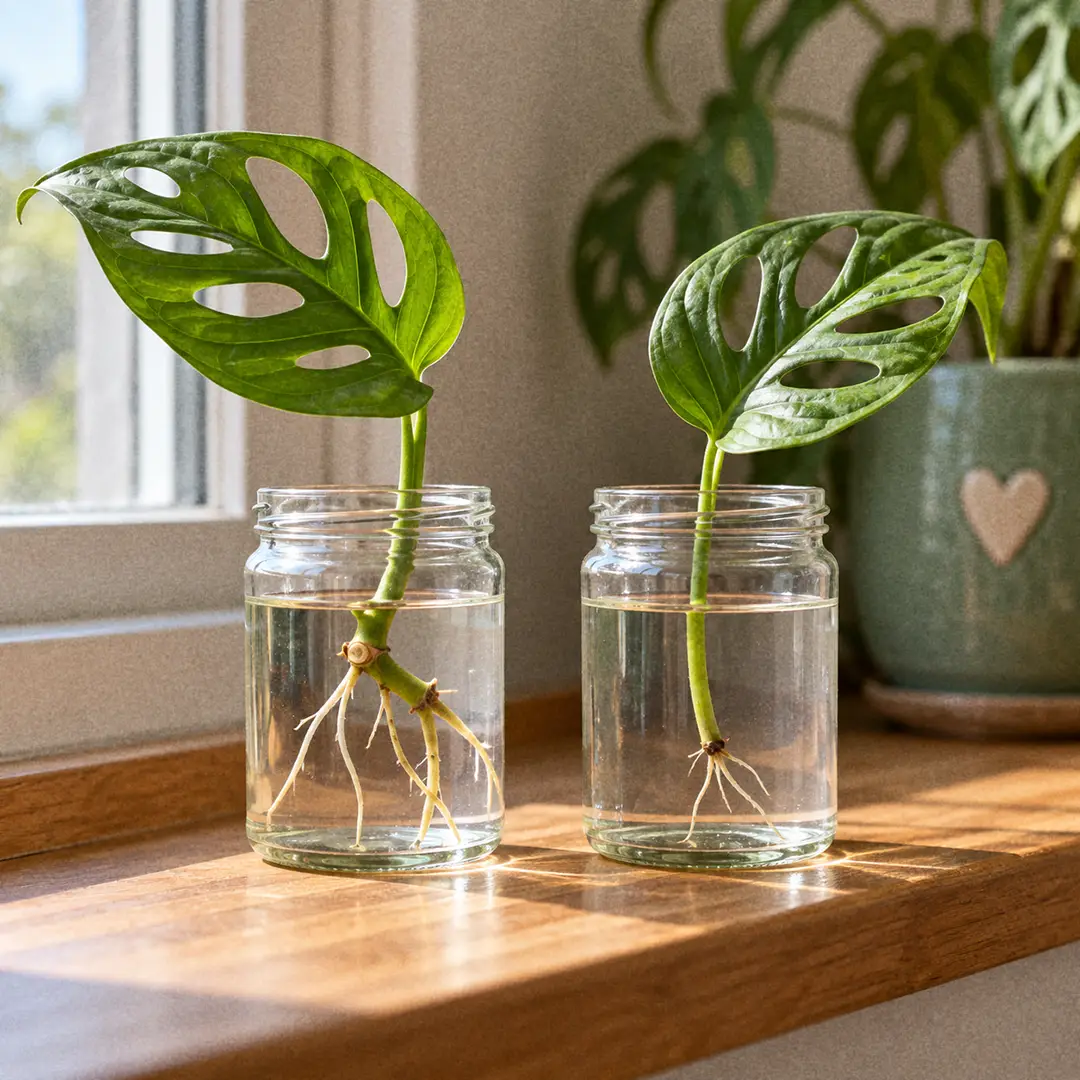
- Cut the stem about an inch below a node with clean, sharp snips.
- Let the cut surface dry in the air for an hour so it seals.
- Sit it in a jar of water with the node submerged and the leaf out, or pot it into damp sphagnum moss.
- Keep it bright but out of direct sun, and warm, around 70-80°F (21-27°C).
- Change the water every few days.
- Roots appear in 3 to 6 weeks, slower than on a green Monstera.
- Pot into chunky aroid mix once the roots are 2 to 3 inches long.
Tips for Success
Warmth and light do more than anything else. A cutting rooting on a cold windowsill in November may take three months or simply rot. Wait for spring if you can.
Water-rooted cuttings need a gentle transition to soil, so keep the mix a little damper than usual for the first fortnight while the roots adjust. Moss-rooted cuttings skip that adjustment entirely, which is why I prefer moss for this plant. Our propagation guide and water propagation guide cover both routes.
🐛 Monstera Thai Constellation Pests and Treatment
Thai Constellation is not especially pest-prone, but its large flat leaves give bugs plenty of landing space. The pale variegation does at least make early damage easier to spot.
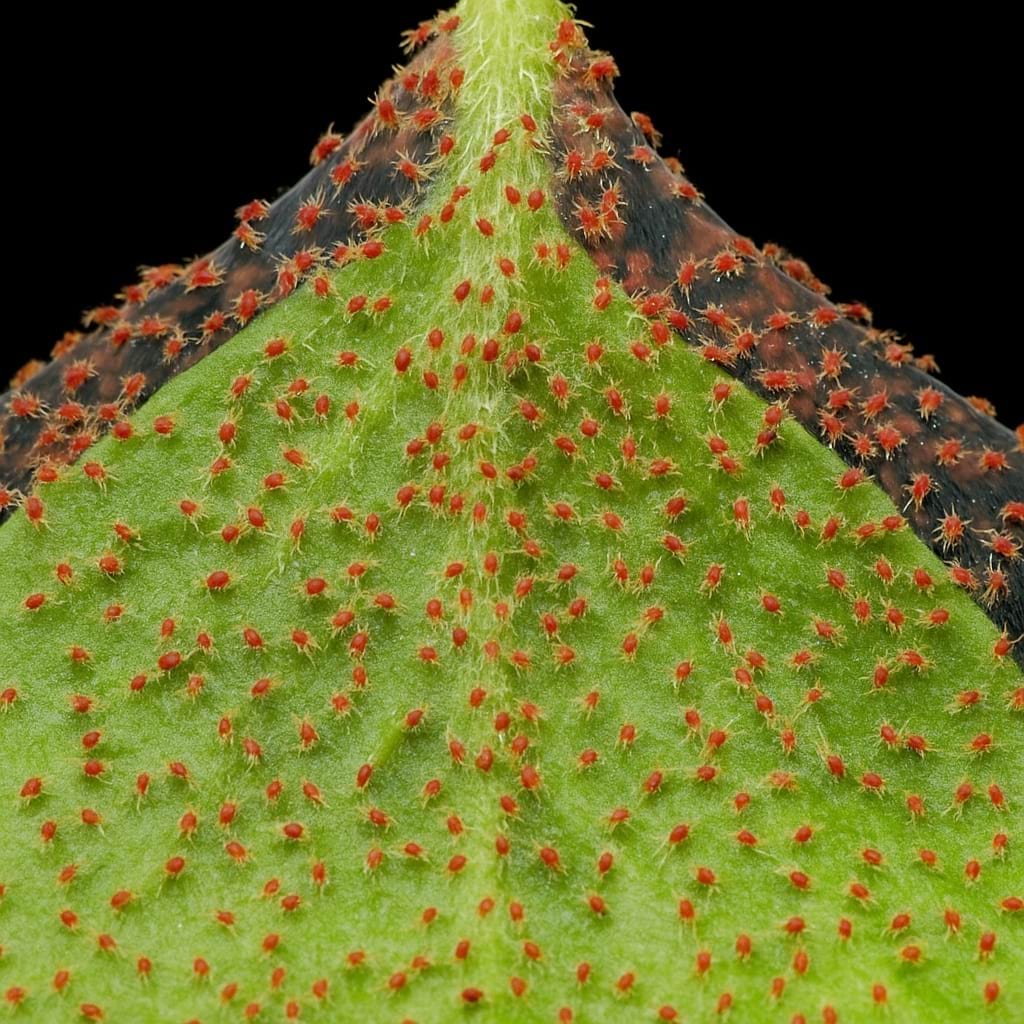
Spider mites are the main threat in dry heated rooms. Look for fine speckled stippling on the upper leaf surface and faint webbing where the petiole meets the stem. They multiply fast in warm dry air, so raising humidity is both treatment and prevention.
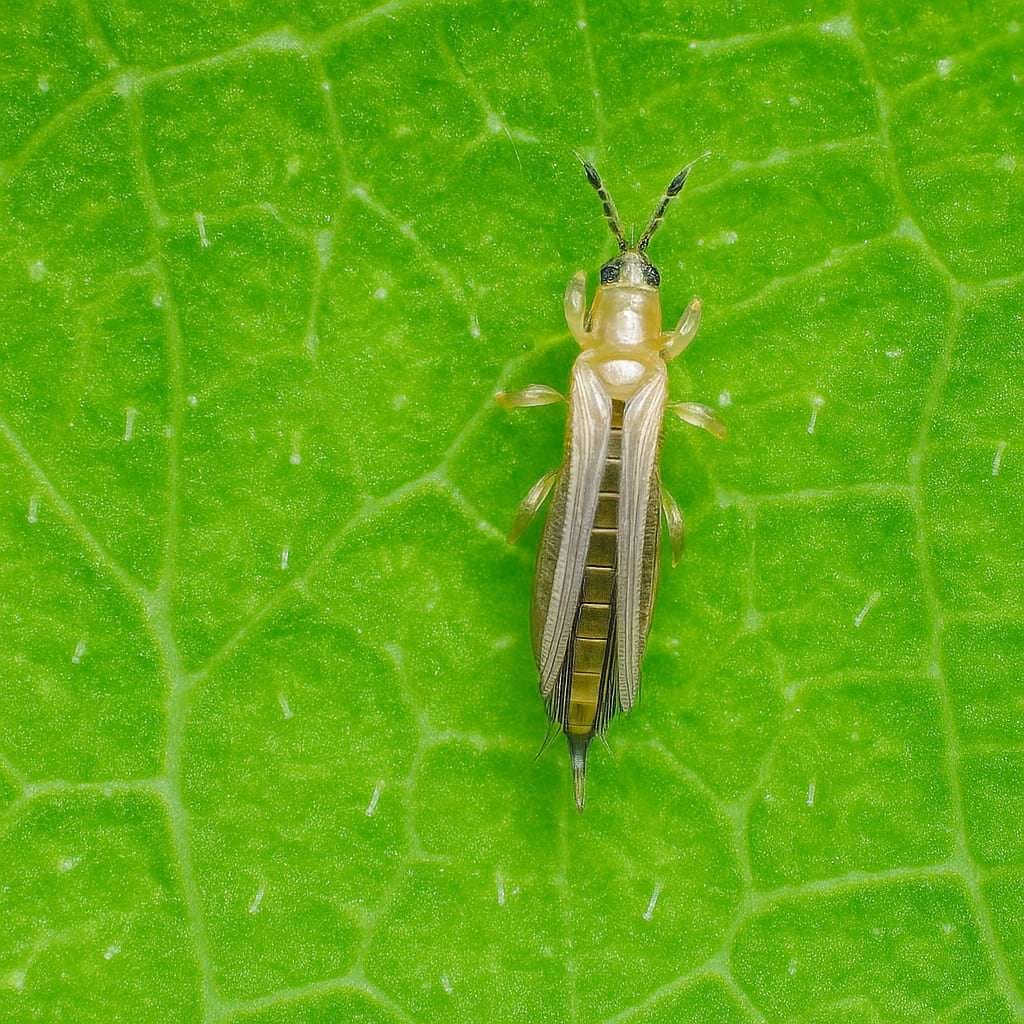
Thrips are the nastier problem on Monsteras. They rasp the surface and leave silvery streaks and black specks of frass, and they distort new leaves as they unfurl. Treat early and repeatedly, because they hide inside the tightly rolled new growth.
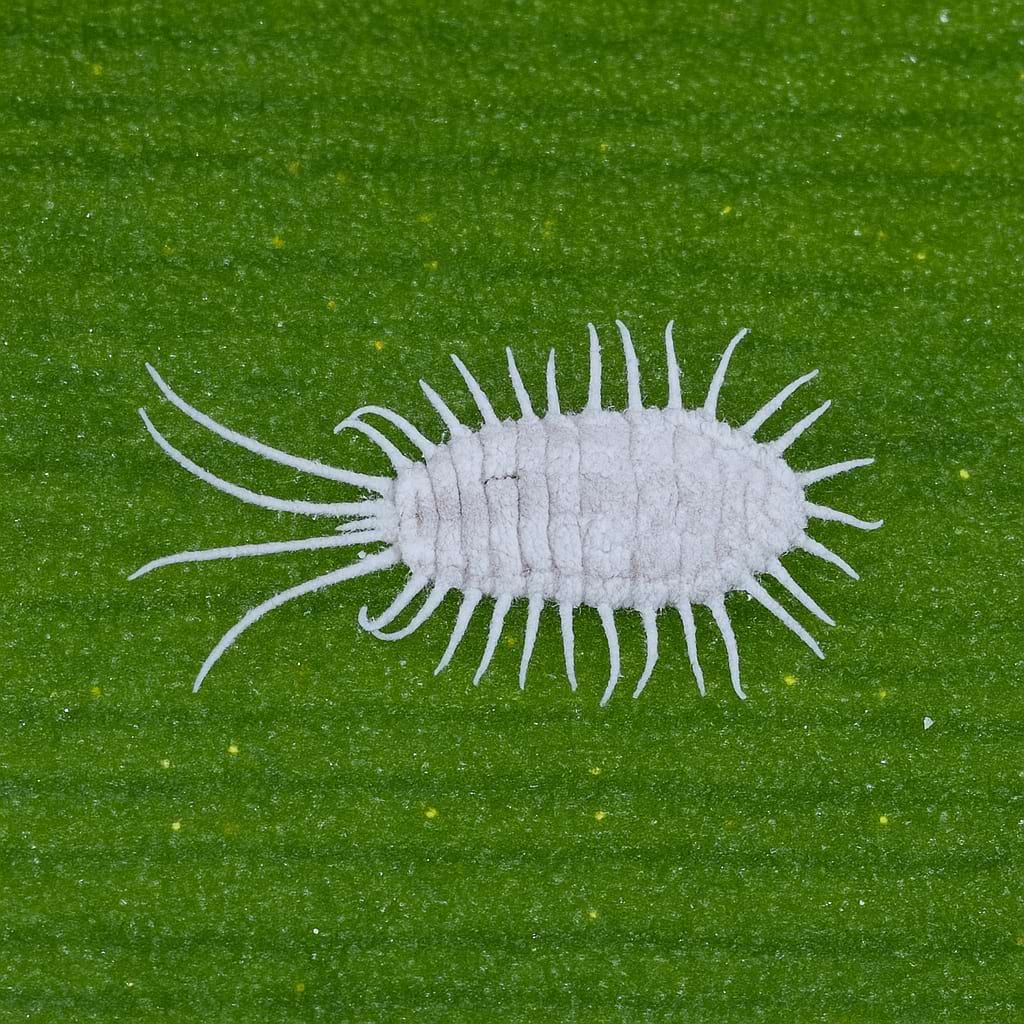
Mealybugs turn up as white cottony blobs in leaf joints and along aerial roots. Dab them with an alcohol-soaked cotton bud, then follow with insecticidal soap.
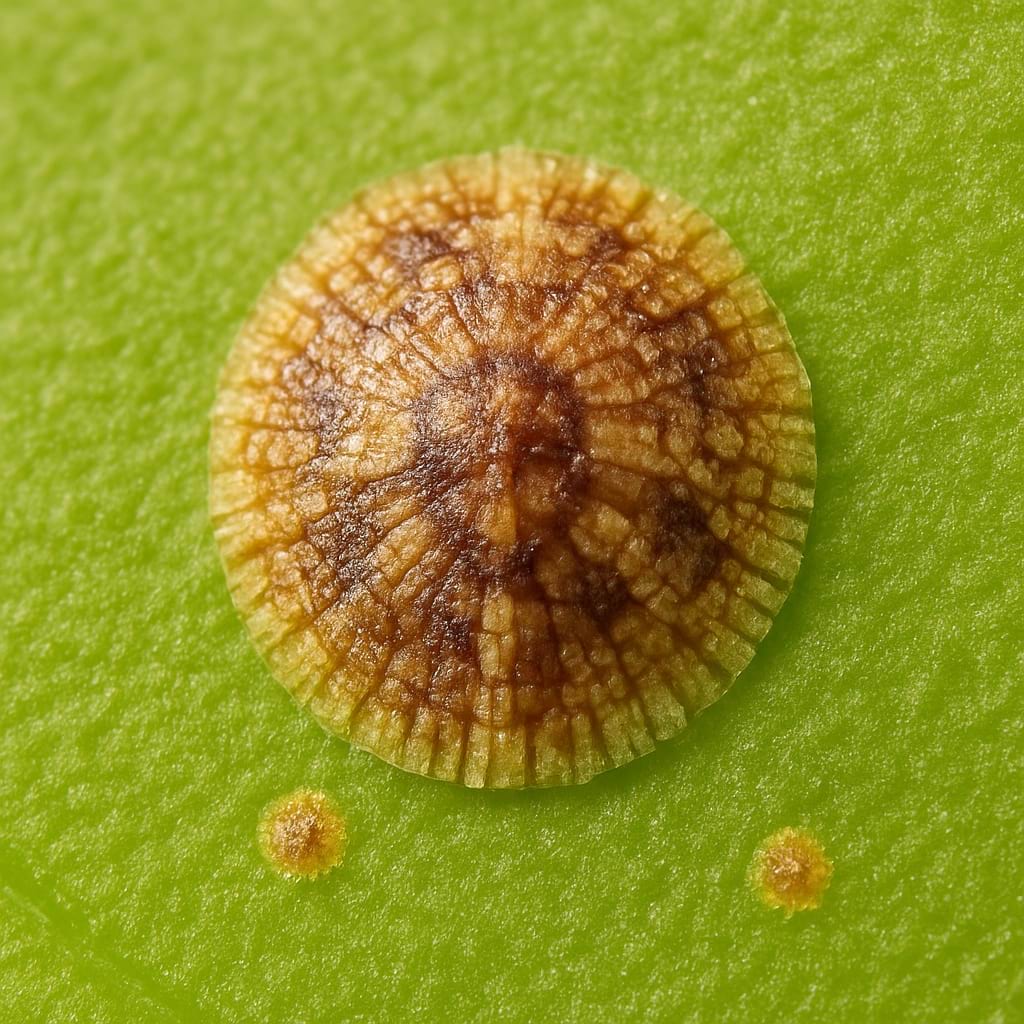
Scale insects look like small brown bumps stuck to stems and leaf undersides. Scrape them off with a fingernail and treat the plant afterwards.
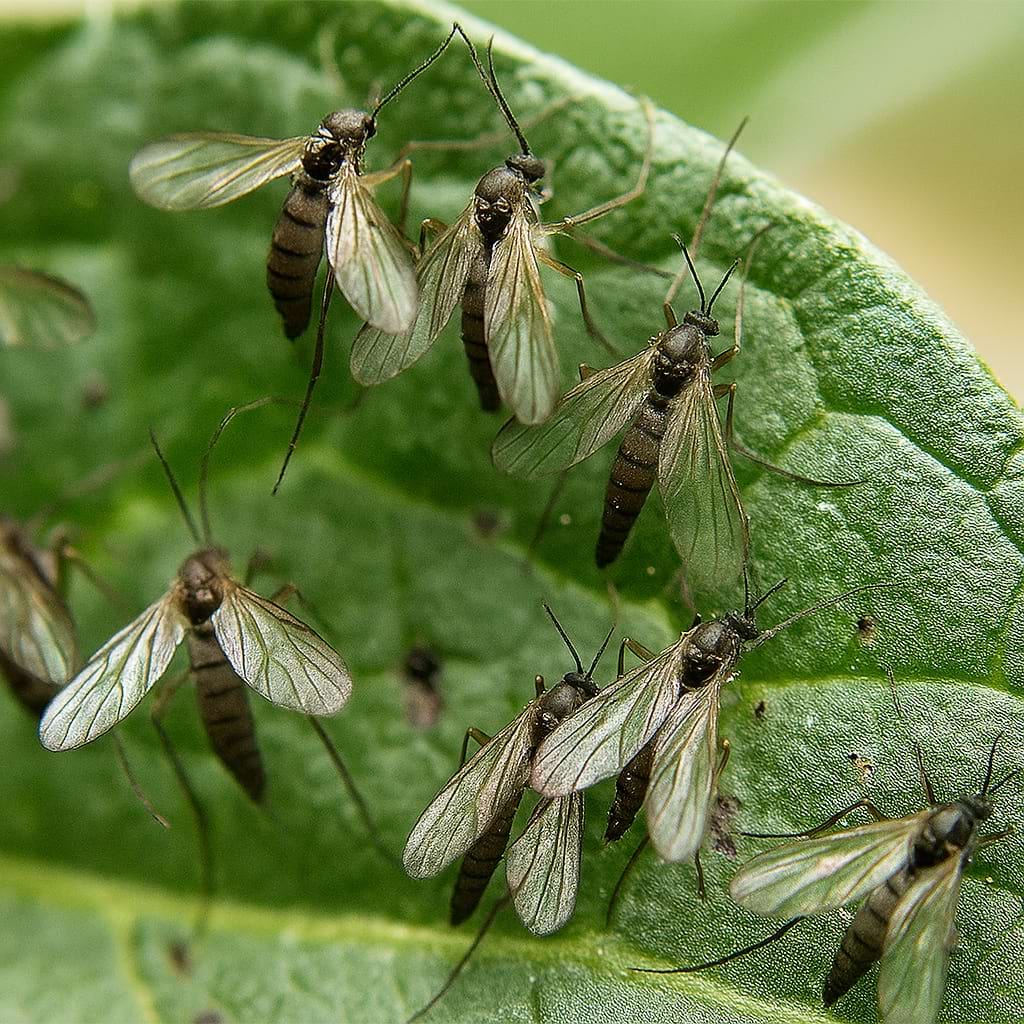
Fungus gnats are more an annoyance than a danger, and they almost always mean the mix is staying too wet. Let the top layer dry properly and they disappear.
For any of these, isolate the plant, wipe both leaf surfaces, and treat weekly for a month. One treatment never finishes the job.
🩺 Common Monstera Thai Constellation Problems
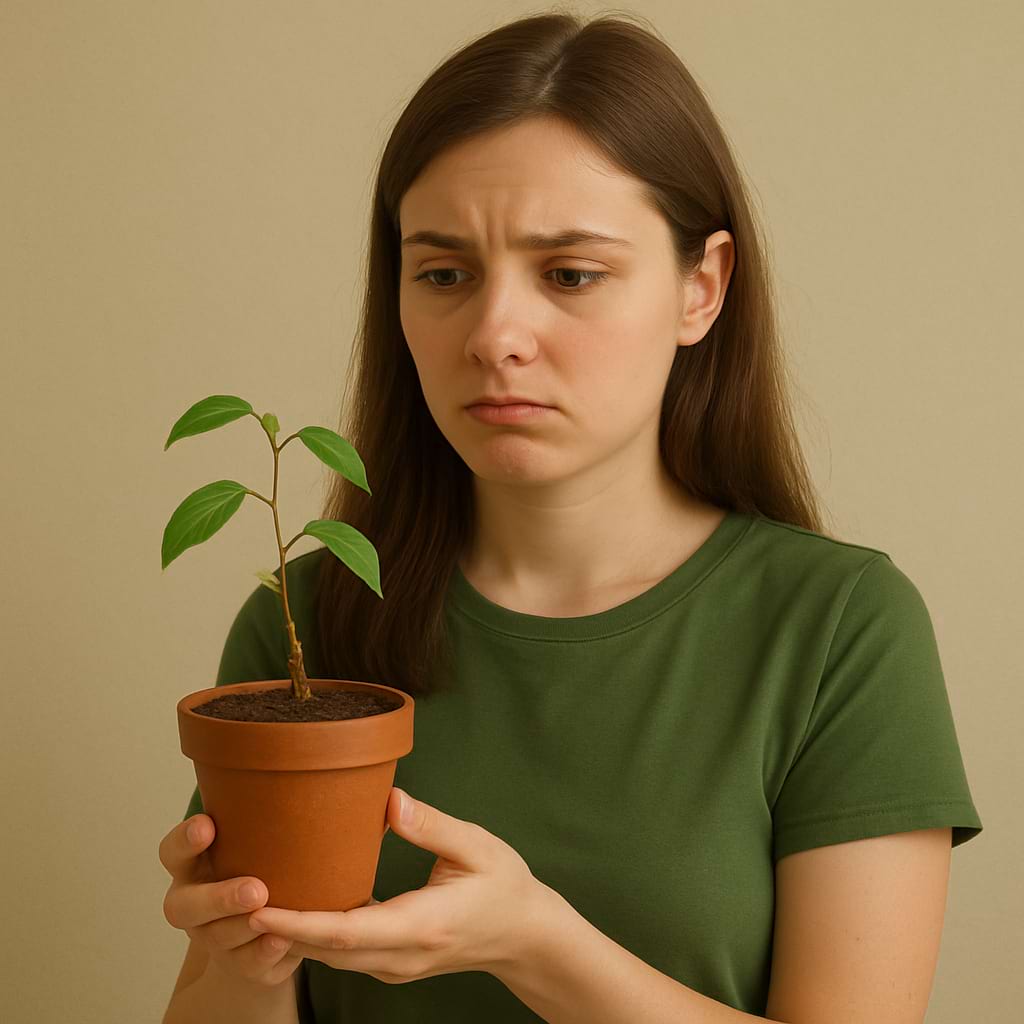
Root rot is the killer. Soft blackened roots, a mushy stem base, and yellowing lower leaves all point at a pot that stayed wet too long. Unpot, cut away every soft root, and repot into fresh chunky mix in a smaller pot.
Yellowing leaves low down on an otherwise healthy plant are usually normal ageing. Several going yellow at once, especially with damp soil, means overwatering.
Brown crispy edges come from dry air, salt buildup, or a pot that dried out completely. Flush the soil, check your humidity, and water a little more consistently.
Browning variegation is the one specific to this plant. Cream patches have no chlorophyll and no defences, so they brown before green tissue does. A little of it is simply what the plant does. A lot of it at once means too much direct sun, or water sitting on the leaves.
Small leaves with no splits mean too little light, no climbing support, or both. Give it a pole and move it brighter.
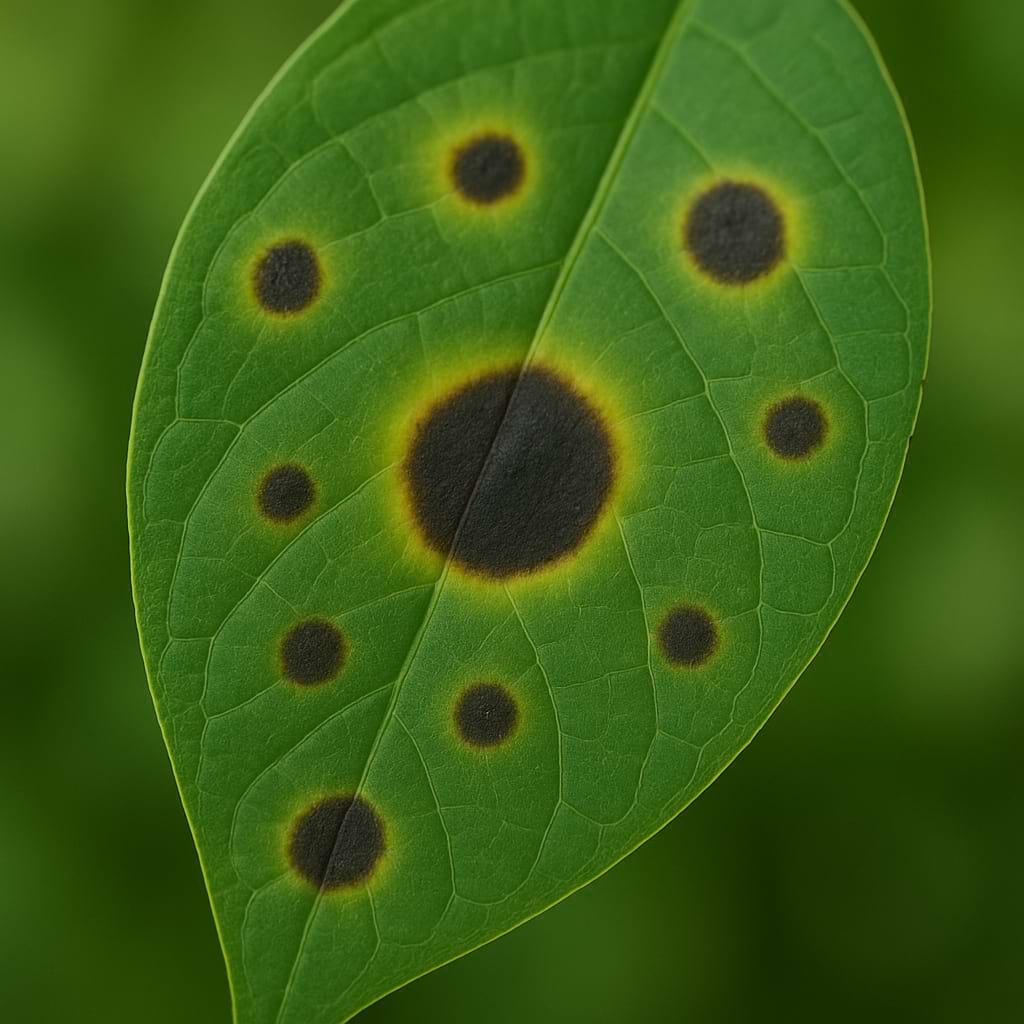
Brown and black spots with yellow halos, spreading quickly, suggest bacterial leaf spot. Remove affected leaves, stop wetting the foliage, and improve air movement around the plant.
One note on so-called reversion. Thai Constellation does not genuinely revert. Greener new leaves are a light problem, not a genetic one, which is not the case with an Albo or Aurea.

🖼️ Monstera Thai Constellation Display and Styling Ideas
Solo Setups
This is a floor plant and a focal point. Give it a simple pot and a clear background, because the leaf pattern is already doing plenty of work and anything busy behind it turns into visual noise. A plain dark wall makes the cream read almost luminous.
Keep it at a height where you see the leaves face-on rather than from underneath. On a pole it eventually reaches six feet or more indoors, so leave headroom.
Grouped Arrangements
Pair it with solid green foliage rather than more variegation. A Monstera Deliciosa or a Philodendron Birkin beside it sets the pattern off nicely. Two heavily variegated plants side by side cancel each other out.
Where Not to Put It
Not in a south-facing bay window against the glass, not above a radiator, and not anywhere a cat or dog can chew it. All parts contain calcium oxalate crystals that cause painful mouth and throat swelling in pets and children.
🌟 Monstera Thai Constellation Pro Care Tips
- Give it a pole from day one. Leaf size and fenestration depend on climbing support more than anything else you do.
- Rotate the pot a quarter turn weekly so it grows evenly instead of leaning toward the window.
- Wipe the leaves monthly. Dust on cream tissue cuts light to the green sections that are already working overtime.
- Do not cut off an all-white leaf out of tidiness, but do not expect it to last either. It has no chlorophyll and will brown out on its own.
- Buy the plant, not the pattern. A specimen with even speckling across many leaves outlives a dramatic half-white one every time.
- Keep the moss pole damp through the growing season. Aerial roots grip into moist moss and dry out on bare coir.
❓ Frequently Asked Questions
Can a Monstera Thai Constellation revert to green?
No, not genuinely. The variegation was stabilised in tissue culture and sits in every cell line, so it is carried into every new leaf and every cutting. If new leaves are coming out greener, the plant is short of light and adding chlorophyll to compensate. Move it brighter and the cream returns.
Why is my Thai Constellation growing so slowly?
Because cream tissue does no photosynthesis, so the plant runs at roughly half the output of a green Monstera. One to two new leaves a month in summer is good going, and near-zero growth in winter is normal. If it has stalled in summer, check light first, then whether it is pot-bound.
Is Monstera Thai Constellation toxic to pets?
Yes. Like all Monsteras it contains insoluble calcium oxalate crystals, which cause burning, drooling, and swelling of the mouth and throat if chewed. Keep it away from cats, dogs, and small children, and call your vet if you suspect a bite.
Why are the cream parts turning brown?
Cream tissue has no chlorophyll and no defences, so a little edge browning is normal on this plant. Sudden widespread browning usually means direct sun, water sitting on the leaves, or fertilizer salts built up in the mix.
Do I need a moss pole?
Not to keep it alive, but yes if you want big fenestrated leaves. Aerial roots gripping damp moss signal the plant to scale up its foliage. Without support it stays juvenile-looking, with smaller and less-split leaves.
Why is Thai Constellation cheaper than it used to be?
Tissue culture caught up with demand. A plant that sold for four figures around 2019 is now produced at scale by large nurseries and turns up in ordinary garden centres. The plant has not changed, only the supply.
Can I propagate it from a leaf?
No. A leaf with no node will never grow roots or a new shoot, however long you leave it in water. Every cutting needs at least one node.
Is it harder than a regular Monstera?
Slightly. It needs brighter light, burns more easily in direct sun, and punishes overwatering faster because it grows so slowly. Nothing about it is difficult, it just leaves you less margin for error than a green Monstera Deliciosa.
ℹ️ Monstera Thai Constellation Info
Care and Maintenance
🪴 Soil Type and pH: Chunky, airy aroid mix based on orchid bark and perlite
💧 Humidity and Misting: Happy above 50%, and rewards 60% or more with bigger, cleaner new leaves.
✂️ Pruning: Trim damaged leaves and shorten the vine only to control size or take cuttings.
🧼 Cleaning: Wipe both leaf surfaces with a damp cloth monthly. Cream tissue shows dust faster than green tissue does.
🌱 Repotting: Repot every 2 years in spring, sizing up by one pot width only.
🔄 Repotting Frequency: Every 2 years
❄️ Seasonal Changes in Care: Steady feeding and watering from spring to early autumn, then less water and no fertilizer through the dark months.
Growing Characteristics
💥 Growth Speed: Slow to moderate
🔄 Life Cycle: Evergreen perennial climbing aroid
💥 Bloom Time: Rarely flowers indoors; mature outdoor plants bloom in summer with a cream spathe and pale spadix
🌡️ Hardiness Zones: 10-12
🗺️ Native Area: A tissue-culture cultivar developed in Thailand from Monstera deliciosa, which is native to southern Mexico and Central America
🚘 Hibernation: No true dormancy, but growth slows almost to a stop in winter
Propagation and Health
📍 Suitable Locations: Near east windows, a few feet back from south or west windows, bright bedrooms, plant rooms, offices with grow lights
🪴 Propagation Methods: Root a stem cutting with at least one node in water or moss; the cream always comes with it.
🐛 Common Pests: Spider Mites, Thrips, Mealybugs, Scale Insects, Fungus Gnats
🦠 Possible Diseases: Root rot, bacterial leaf spot, fungal spotting on cream tissue
Plant Details
🌿 Plant Type: Climbing aroid with a thick self-heading stem
🍃 Foliage Type: Large evergreen fenestrated leaves
🎨 Color of Leaves: Deep green marbled and speckled with butter cream to off-white
🌸 Flower Color: Cream spathe with a pale yellow spadix
🌼 Blooming: Almost never indoors; the foliage is the whole point
🍽️ Edibility: Not edible as a houseplant. The fruit of a mature outdoor Monstera deliciosa is edible when fully ripe, but indoor plants do not fruit.
📏 Mature Size: 6-8 feet indoors on a pole
Additional Info
🌻 General Benefits: Stable variegation that cannot revert, dramatic large foliage, tolerant of ordinary room humidity, and now mass-produced so prices have fallen sharply
💊 Medical Properties: No documented medicinal uses.
🧿 Feng Shui: Large rounded leaves are considered welcoming and money-drawing in feng shui, and the pale variegation lifts a dark corner without clutter.
⭐ Zodiac Sign Compatibility: Leo
🌈 Symbolism or Folklore: Rarity made ordinary, patience, quiet showing off
📝 Interesting Facts: Thai Constellation was bred in a Thai tissue-culture laboratory in the 1990s, and because the mutation sits in every cell line rather than in one growing point, the cream pattern is carried into every cutting and every new leaf. That is why it cannot revert the way an Albo Monstera can. It was a four-figure plant less than a decade ago and now turns up in big-box garden centres.
Buying and Usage
🛒 What to Look for When Buying: Pick a plant with cream spread evenly across most leaves rather than one huge white sector, since near-white leaves have no chlorophyll and die young. Press the base of the stem: it should be firm, never soft or sour smelling.
🪴 Other Uses: Statement floor plant, moss pole specimen, photography and styling plant
Decoration and Styling
🖼️ Display Ideas: Floor pots beside dark furniture, moss pole specimens, bright corners, plant rooms, grouped with solid green foliage for contrast
🧵 Styling Tips: Set it against a plain dark wall or a solid green neighbour. Busy wallpaper and patterned pots fight the leaf pattern and both lose.
🪴 See also 🪴
How to Propagate Monstera Adansonii: Nodes, Water, Moss and Soil
Complete Guide to Monstera Peru Care and Growth
Complete Guide to Monstera Adansonii Care and Growth
Complete Guide to Monstera Burle Marx Flame Care (The Bone Plant)
Complete Guide to Monstera Siltepecana Care (Silver Monstera)
The A-Z List of Monstera Species: A Complete Botanical Guide
Complete Guide to Monstera Obliqua Care and Growth
Complete Guide to Monstera Standleyana Care and Growth
Complete Guide to Monstera Pinnatipartita Care and Growth
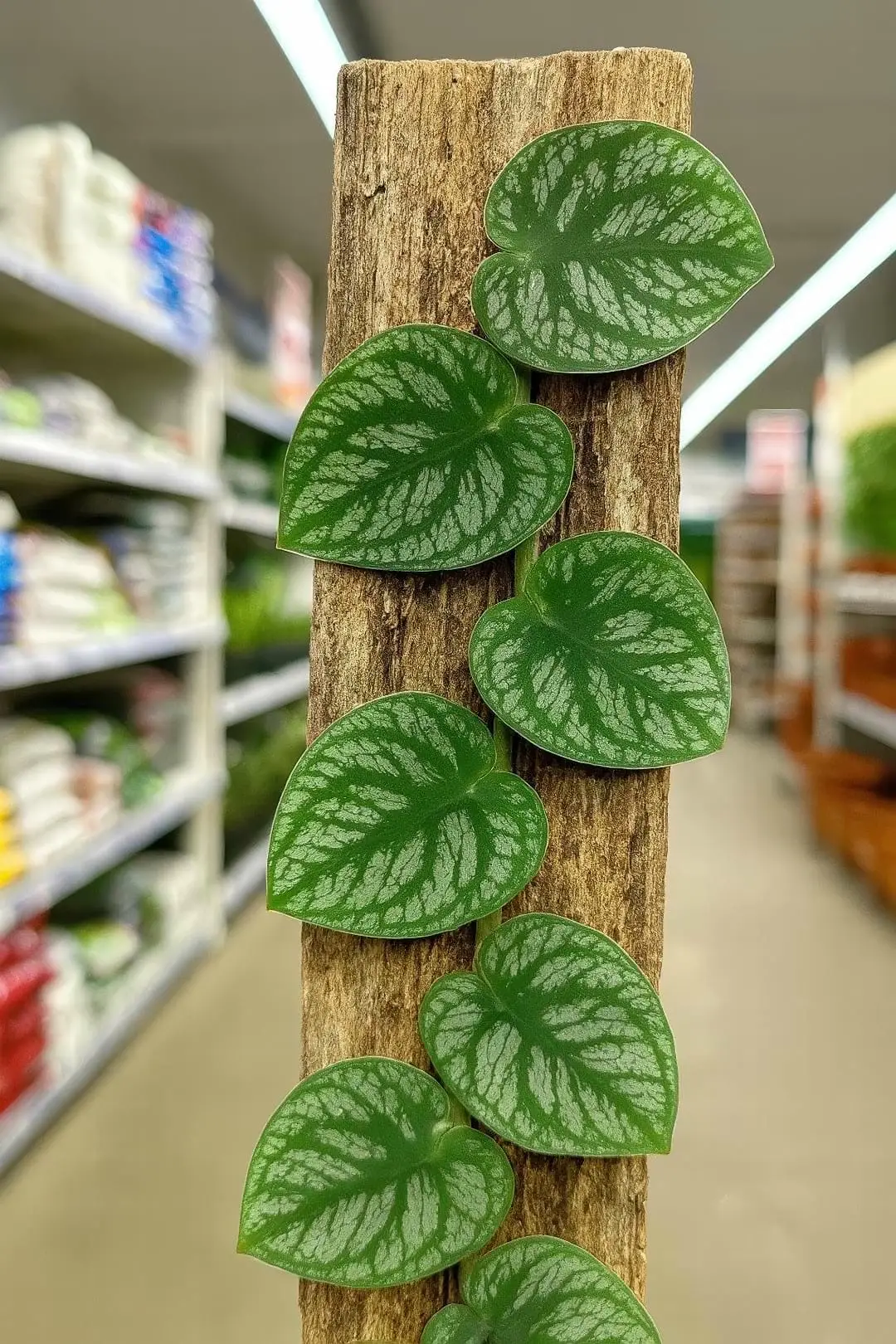
Complete Guide to Monstera Dubia Care and Growth

Houseplant101 Forum
Questions & Comments
Ask a question, share your plant experience, or help other plant owners.
Comments are temporarily unavailable.
Open the Houseplant101 ForumNo comments yet
Be the first to ask a question or share your experience about this page.
Log in or create an account
Comments use your Houseplant101 Forum account, but you can stay on this page.
Create a new account