
Monstera Peru
Monstera sp. 'Peru'
Monstera karstenianum, Monstera Karstenianum, Monstera sp. Peru, Peru Monstera


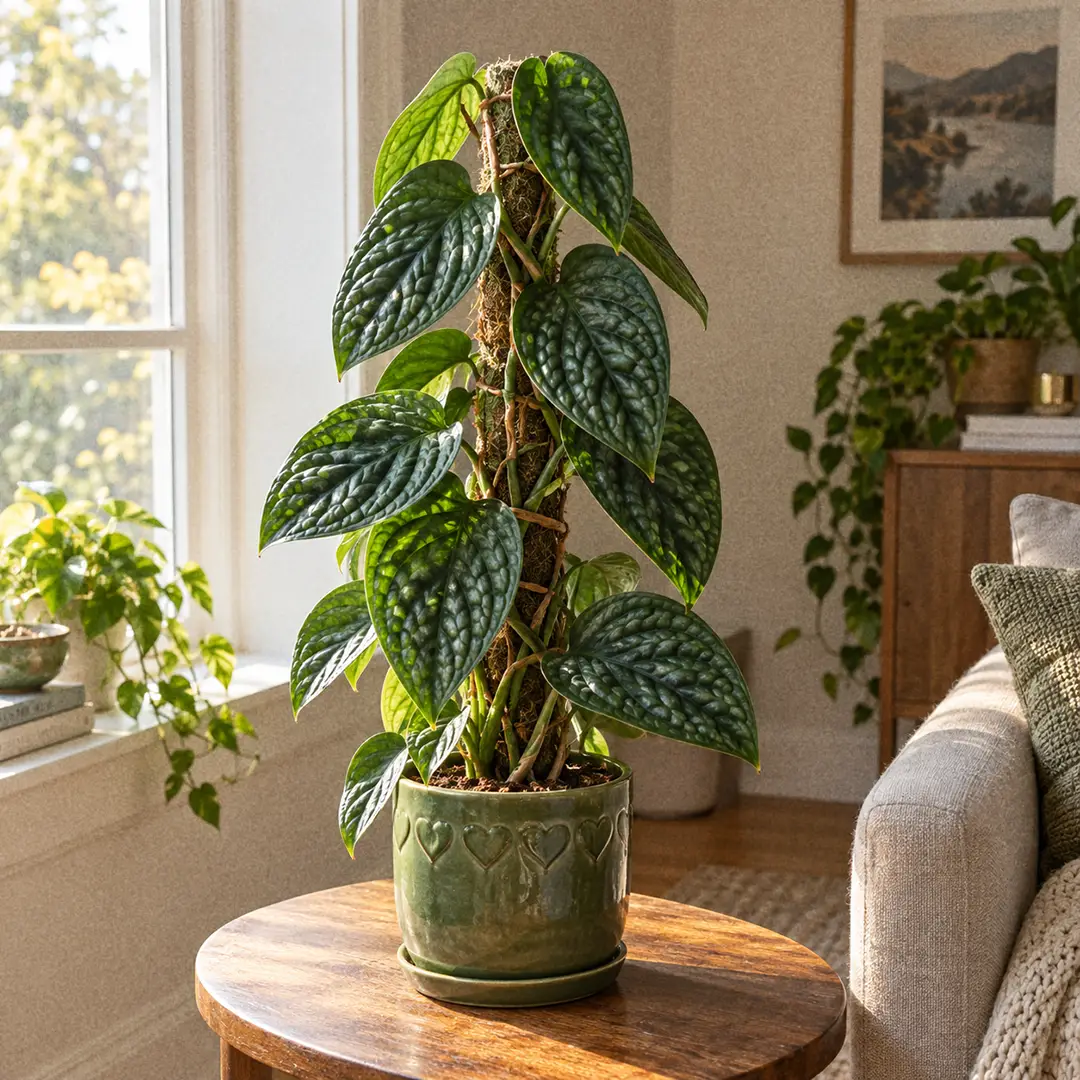
Monstera Peru is a compact climbing Monstera with thick, deeply quilted, almost plastic-feeling leaves that look nothing like the classic split-leaf plant. Learn how to grow Monstera sp. 'Peru' indoors, keep its texture bold, and get it climbing instead of flopping.
📝 Monstera Peru Care Notes
🌿 Care Instructions
⚠️ Common Pests
📊 Growth Information
🪴 In This Guide 🪴

☀️ Monstera Peru Light Requirements (Bright Indirect)
The Sweet Spot
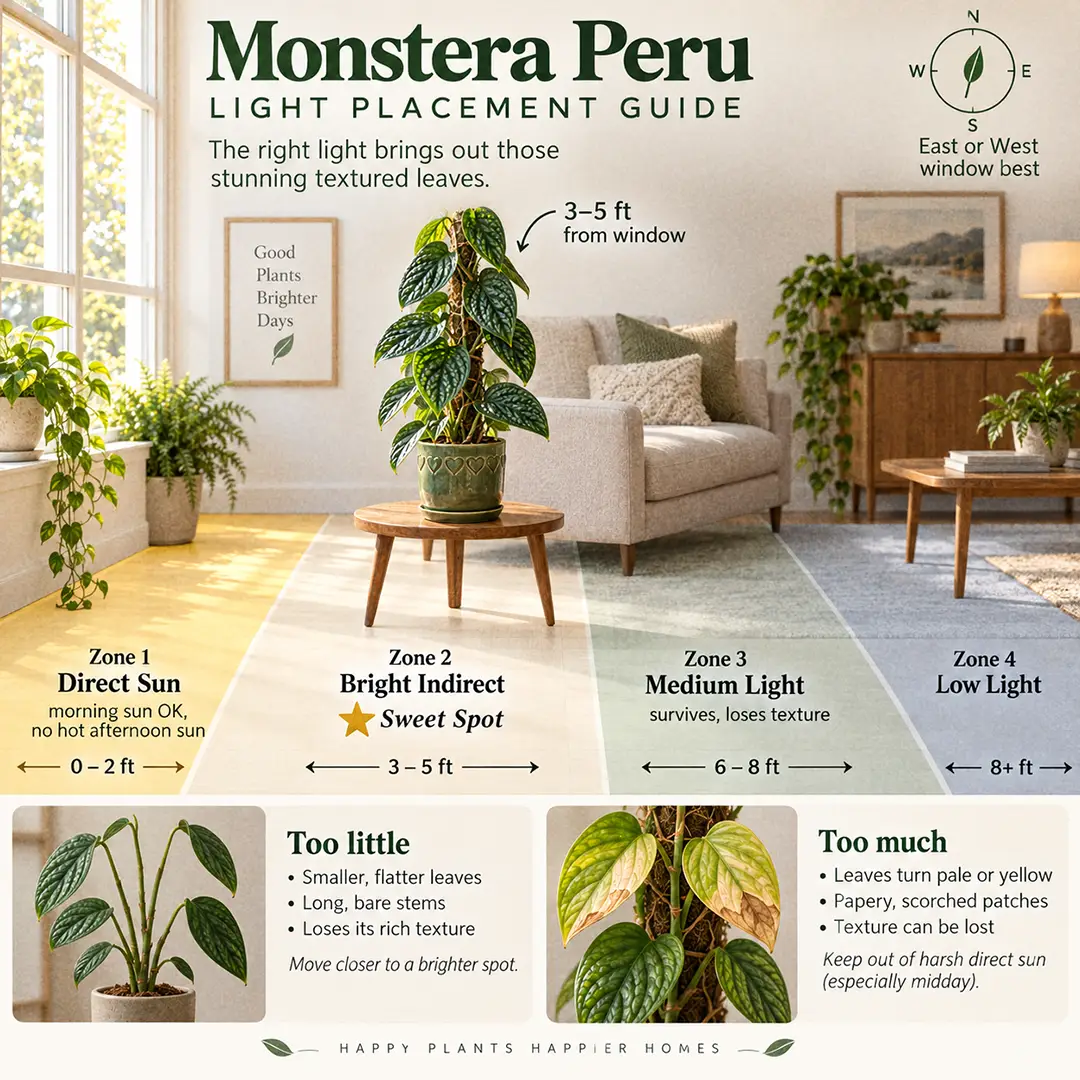
Monstera Peru grows best in bright, indirect light. Picture a spot 3-5 feet from an east or west window, or a little further back from a south window with a sheer curtain in the way. The plant should see a wide patch of sky but never sit in a hot beam of midday sun.
A gentle hour of morning sun from an east window is fine and actually helps. Strong light is what makes the leaves thick, dark, and deeply ridged, which is the whole reason you bought this plant. Our Indoor Lighting Guide shows how to judge light levels by eye.
A quick test: hold your hand a foot above the leaves at midday. A soft but clear shadow means the light is right. A crisp, hard-edged shadow means direct sun, and no shadow at all means the spot is too dim. In winter, when the sun sits lower and days are short, move the plant a foot or two closer to the glass.
Too Little Light
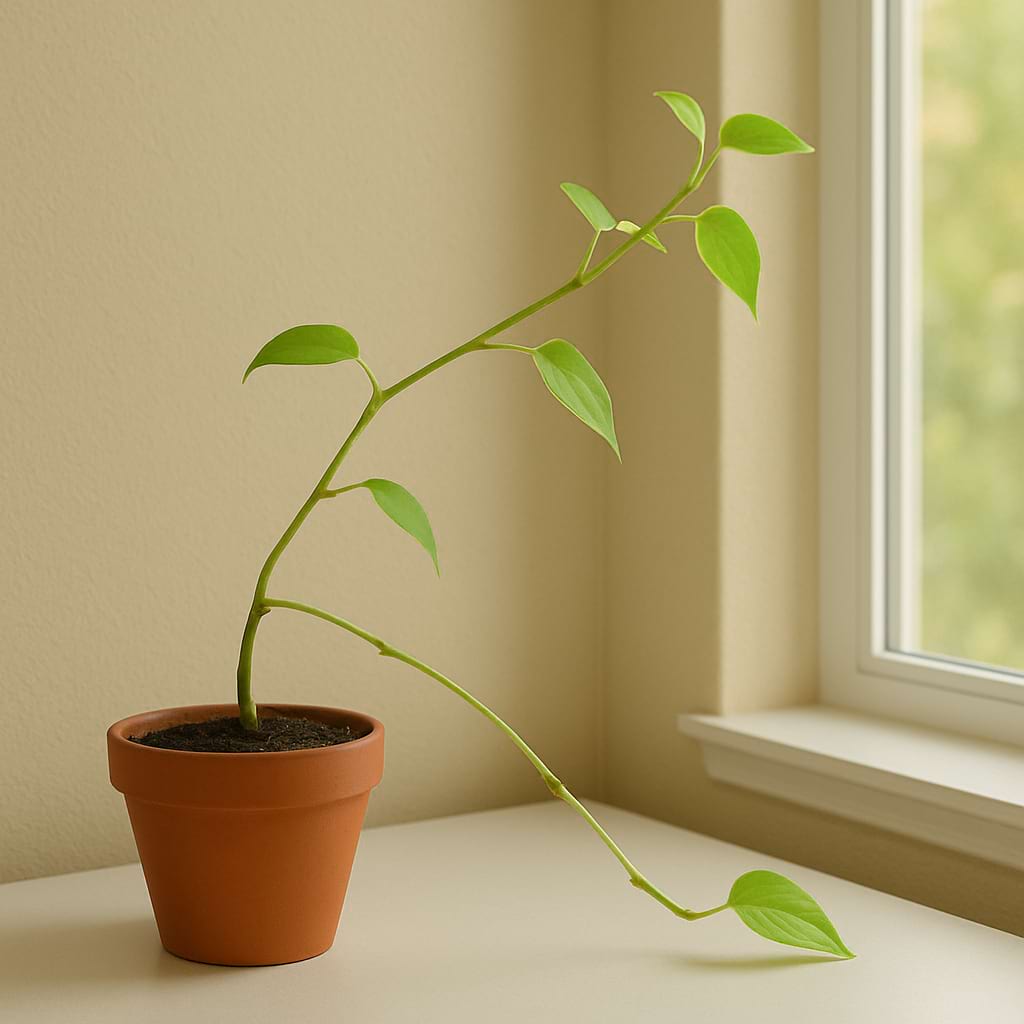
Monstera Peru survives in medium light, which is why it gets sold as easy. It just stops looking like itself. In a dim corner the new leaves come out smaller and flatter, the quilting softens, and the gaps between leaves stretch out into bare vine. That is leggy growth, and those long bare sections never fill back in.
If your only spot is dim, a grow light about a foot above the plant for 10-12 hours a day fixes it completely.
Too Much Light
Hot afternoon sun through glass bleaches the leaves to a washed-out yellow-green and can leave dry, papery patches of sunburn. Those patches never turn green again. Pull the plant back a few feet or diffuse the light if you see pale leaves on the window side only.
💧 Monstera Peru Watering Guide (How Often and How Much)
Watering Frequency
Water when the top 1-2 inches of mix are dry. In summer, in bright light, that usually means every 7-10 days. In winter it can stretch to every two or three weeks. Always check first with a finger or a moisture meter, because the calendar doesn't know how warm your room is.
Those thick leaves store a bit of water, so Monstera Peru forgives a missed watering far better than most aroids. It forgives soggy soil much less. If you are unsure, wait a day or two.
Pot type changes the rhythm too. A small plant in a 4-inch plastic pot on a warm shelf can dry out in five days, while the same plant in a big glazed ceramic pot might stay damp for two weeks. Learn how heavy your pot feels right after watering, then lift it every few days. A noticeably lighter pot is a good sign it's time.
How to Water
Water slowly and thoroughly until it runs out of the drainage holes, then empty the saucer after 15 minutes. A deep soak followed by a proper dry-down is better than little sips every few days, which keep the top wet and the bottom dry. Room-temperature water is kinder to the roots than cold tap water. Our Watering Guide explains the soak-and-dry rhythm in more detail.
Signs of Trouble
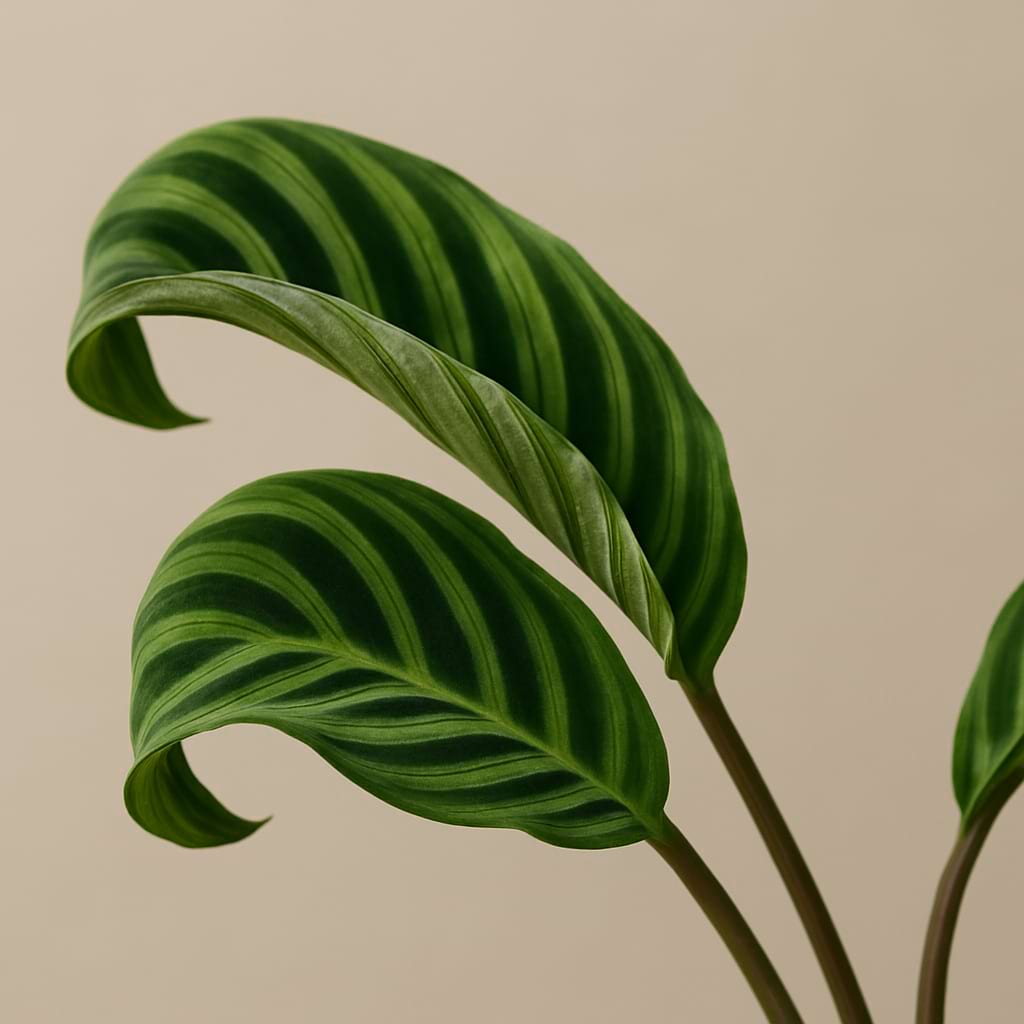
Underwatered Monstera Peru tells you clearly: the leaves start to fold inward along the midrib like a taco, and the stems feel a little limp. Water it and the leaves flatten back out within a day. That is a normal curling leaves response, not damage.
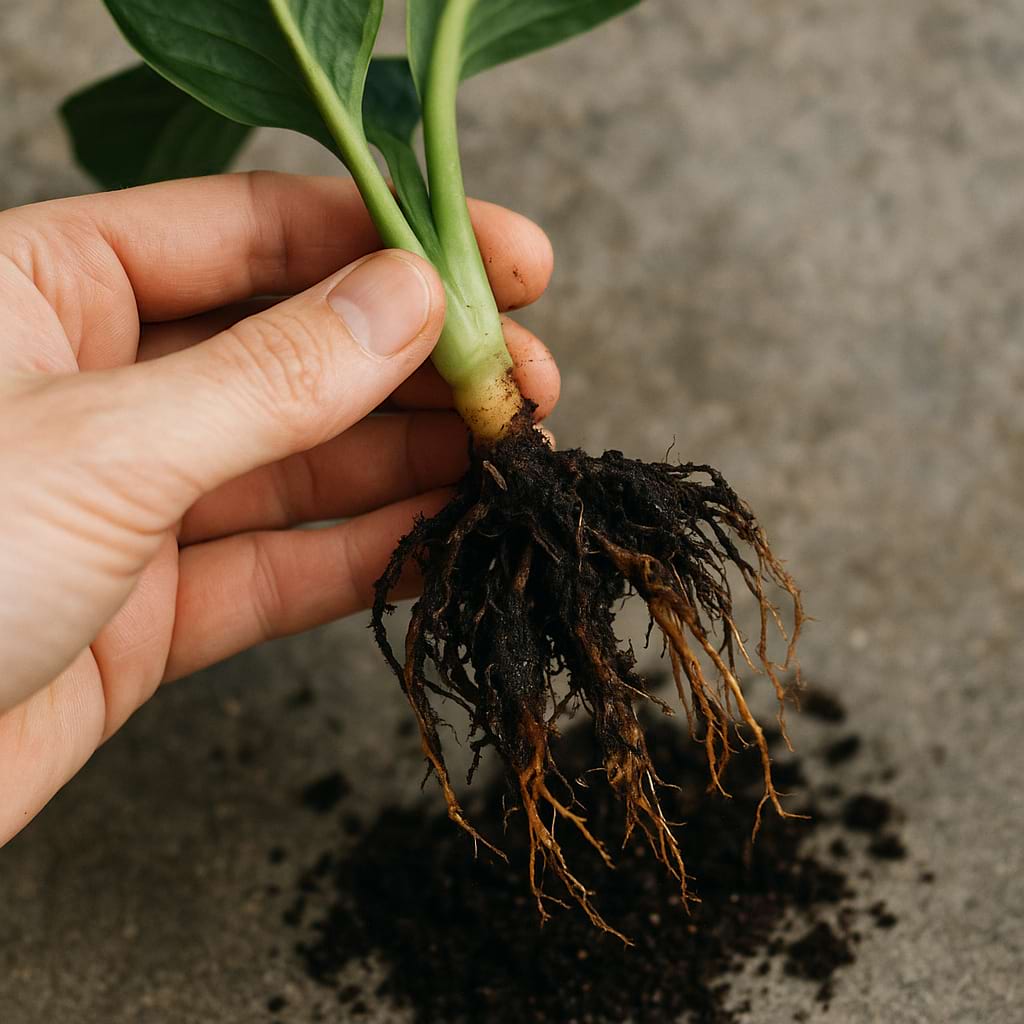
Overwatering is quieter and worse. Lower leaves turn yellow one after another, the soil smells sour, and the stem at the soil line may go soft. Those are early signs of root rot, so stop watering and check the roots.
🪴 Best Soil for Monstera Peru (Chunky Aroid Mix)
What the Soil Needs
In the wild, Monstera Peru climbs trees, so its roots are used to air, bark, and fast-draining debris, not heavy mud. It wants a mix that holds a little moisture but lets water run straight through and leaves plenty of air around the roots. Dense bagged potting soil on its own stays wet too long and slowly suffocates the roots.
DIY Soil Mix for Monstera Peru
A reliable home recipe:
- 2 parts quality indoor potting soil
- 2 parts orchid bark (small to medium chunks)
- 1 part perlite or pumice
- A handful of horticultural charcoal (optional, keeps things fresh)
Mix it slightly damp so it doesn't pack down. The finished mix should feel loose and crumbly, and water should pour through it in a few seconds. Our Soil Guide covers why each part matters.
Pre-Made Options
Any bagged "aroid mix" works straight out of the bag. If you only have regular houseplant soil, stir in about a third orchid bark and a third perlite and you are close enough. Our potting soil guide compares common brands.
Avoid mixes sold for moisture control or with water-holding crystals. They are built for plants that like staying damp, and Monstera Peru is not one of them. Bark breaks down over two or three years, so a mix that has gone fine and muddy is a good reason to repot even if the roots still have space.
🍼 Fertilizing Monstera Peru (Feeding Schedule)
When and How Often
Feed every 4 weeks from spring through early autumn, when the plant is putting out new leaves. Stop in late autumn and winter, when growth slows and unused fertilizer just builds up in the soil. Always water first and feed second, since fertilizer on dry roots can burn them.
What to Use
A balanced liquid houseplant fertilizer (something like 10-10-10 or 20-20-20) at half the label strength is all this slow grower needs. A foliage feed with a little extra nitrogen is fine too. Our Fertilizing Guide and fertilizers guide explain the numbers.
Over-Fertilizing Signs
A white crust on the soil surface, brown crispy leaf tips, or new leaves that come out small and twisted all point to too much fertilizer. Flush the pot with plenty of plain water and skip the next two feedings.
🌡️ Monstera Peru Temperature Range
Ideal Range
Monstera Peru is comfortable anywhere between 65-85°F (18-29°C), which covers most homes year-round. Growth slows below about 60°F, and anything under 50°F (10°C) risks cold damage that shows up as dark, water-soaked patches a few days later. It is not frost hardy, so it stays indoors except for warm summer months in a shaded spot outside.
Drafts and Heat Sources
Keep it away from cold drafts in winter, like a leaky window, an exterior door, or an AC vent blowing straight at it. Radiators and heating vents are just as bad, because they dry the leaves and the soil at the same time. A steady, boring spot is exactly what this plant wants.
Watch windowsills on winter nights. The glass can be 10-15 degrees colder than the rest of the room, so a leaf pressed against a frosty pane can get cold damage even when your thermostat reads a cozy 68°F. Pull the plant back a few inches after dark, or keep it off the sill entirely from December to February.
💦 Monstera Peru Humidity Requirements
Ideal Humidity
Here is where the thick leaves pay off. Monstera Peru handles normal home humidity of 40-50% without complaint, which is rare for a collector Monstera. At 50-60% it grows a little faster and the new leaves come out bigger and unfurl more cleanly, but you don't need a greenhouse cabinet.
Easy Humidity Boosters
If your winter air drops below 35% and you see brown crispy tips, group it with other plants or run a small humidifier nearby. Skip misting, which lifts humidity for a few minutes and leaves water sitting in the leaf dimples. Our Humidity Guide has more options.
A cheap digital hygrometer tells you what you're actually working with, and most people are surprised how dry a heated room gets in January. Bathrooms with a bright window are a good winter spot, since steam from showers does the work for you.
🌸 Monstera Peru Flowers (Rare Indoors)
What the Flowers Look Like
Like every Monstera, Monstera Peru flowers with a spathe and spadix: a pale cream hood wrapped around a thick central spike. It looks like a small, plain peace lily flower. Indoors, it almost never happens. Aroids generally only bloom once they reach mature size, and potted plants in homes rarely get there.
How to Encourage Bloom
If you want to try, the plant needs to be big and old, climbing a tall support, and getting strong bright light for years. Even then, don't count on it. Grow this plant for the leaves, because that is what it does best.
If It Blooms
If a spathe does appear, enjoy it for the week or two it lasts, then cut the stalk off at the base once it fades. The plant won't produce fruit indoors without a second flowering plant and hand pollination, and spent flowers can rot where they sit.
🏷️ Monstera Peru Types and Varieties
Standard Monstera Peru (Monstera sp. 'Peru')
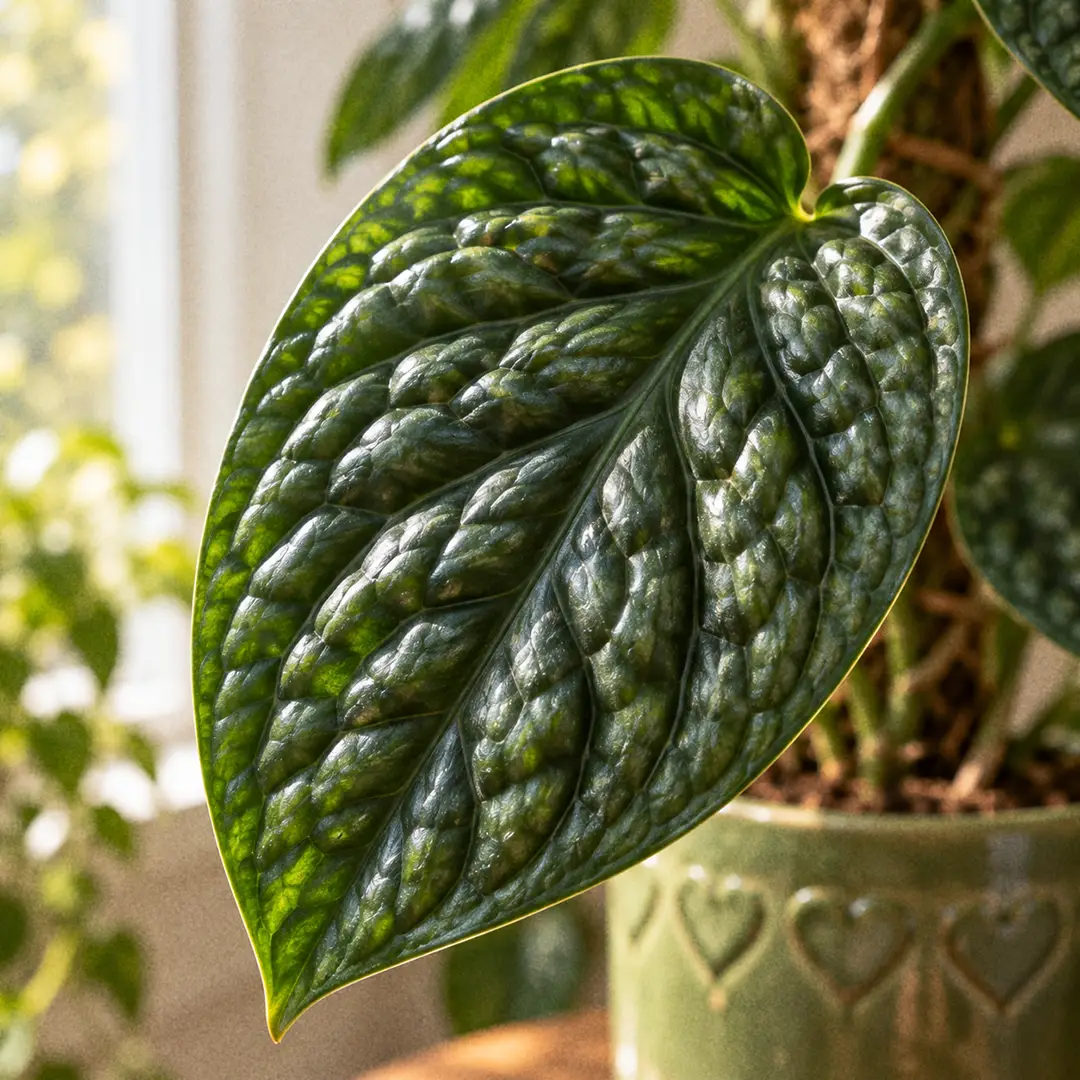
This is the plant nearly everyone buys: solid dark green, thick, oval leaves with heavy quilting between the veins. The label usually says Monstera karstenianum, but that isn't a valid botanical name. The plant has never been formally described, so growers call it Monstera sp. 'Peru' until botanists catch up. It is sold everywhere from specialist aroid shops to garden centres, usually as a small plant in a 3-4 inch pot. It's widely available and fairly cheap, so there's no reason to pay collector prices for the green form.
Variegated Monstera Peru
A variegated form with cream and pale green marbling does exist, and it sells for many times the price of the green plant. It needs brighter light, slightly higher humidity, and a careful eye, because the pale sections scorch more easily and it can revert to plain green. Our guide to reversion explains what to do if that happens.
Monstera Peru vs. Monstera Pinnatipartita
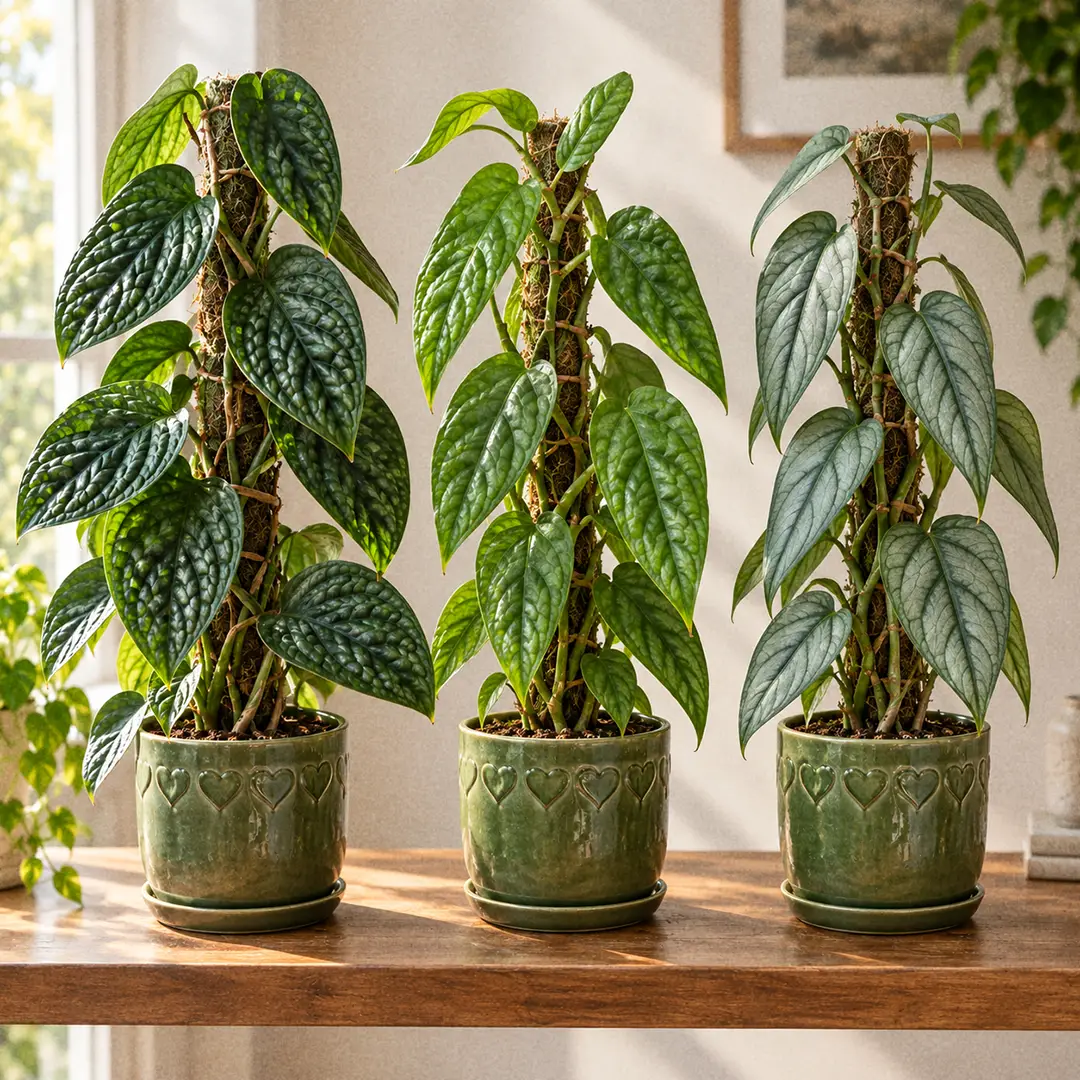
These two get mixed up constantly, because a young Monstera Pinnatipartita also has solid, bumpy, deep green leaves. The difference shows up with age. Pinnatipartita splits deeply into feather-like sections once it climbs, while Monstera Peru stays mostly solid. Peru's leaves are also thicker and more rigid when you touch them.
Monstera Peru vs. Monstera Siltepecana and Dubia
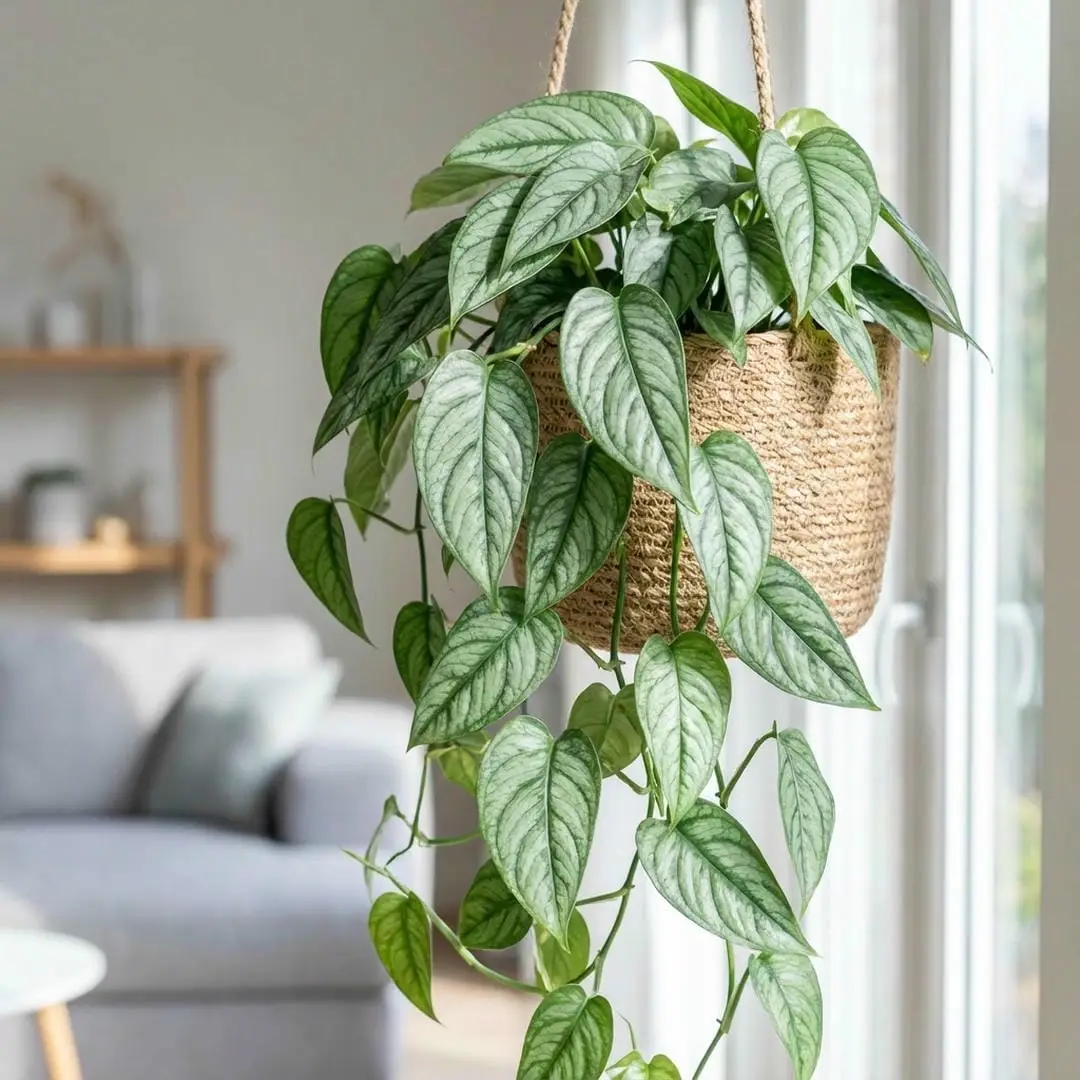
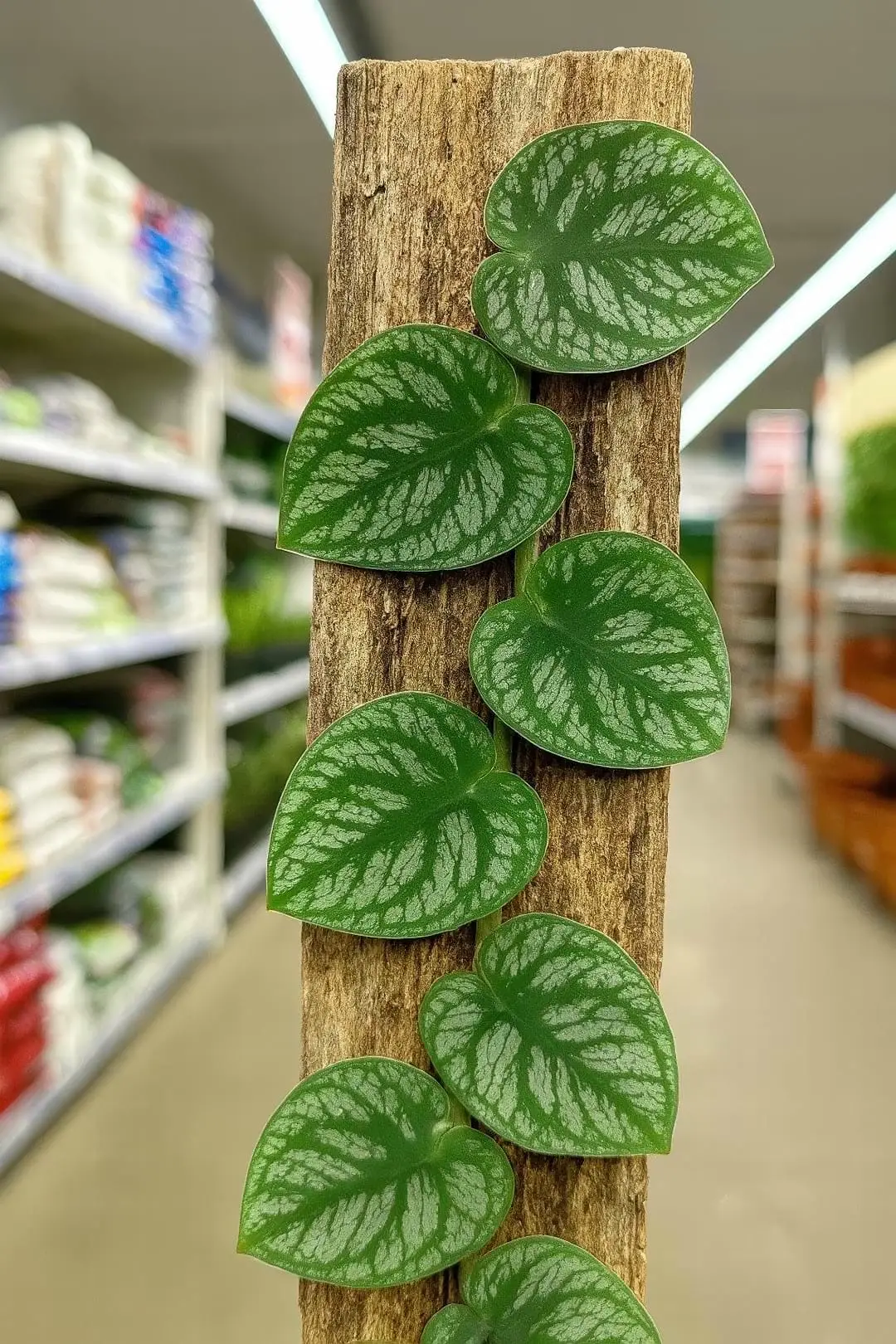
Monstera Siltepecana has thinner, smoother leaves with a silvery sheen, which Peru never has. Monstera Dubia lies flat against a plank in a shingling pattern and has smaller, marbled leaves. Monstera Peru is chunkier than both, and its bubbly texture is the giveaway.
🪴 Potting and Repotting Monstera Peru
When to Repot
Repot every 1-2 years in spring, or when roots circle the bottom of the pot or poke out of the drainage holes. Monstera Peru grows slowly and likes being a little snug, so don't rush it.
Choosing a Pot
Go up only one size, about 1-2 inches wider than the old pot. A huge pot holds a lot of wet soil the roots can't reach, which is how root rot starts. Drainage holes are non-negotiable. Plastic or glazed ceramic works well with a chunky mix, and our plant pots guide compares the options.
Adding a Support
Repotting is the best time to add a small moss pole or cedar plank, since pushing one into an established root ball later tears roots. Set it in first, then fill the mix around it. Our Repotting Guide walks through the full process.
✂️ Pruning Monstera Peru
When to Prune
Prune in spring or early summer, when the plant is growing and heals fast. Monstera Peru needs very little pruning. Trim only when a vine has gone bare and leggy, grown past the top of its pole, or when you want cuttings.
How to Prune
Use clean, sharp scissors and cut about half an inch above a node, the small bump where a leaf and aerial root meet the stem. New growth usually appears from a node just below the cut. Remove yellow or damaged leaves at the base of the leaf stalk any time of year.
Leave healthy aerial roots alone. They look messy, but they are how the plant grips its pole, and cutting them slows climbing. If a few stick straight out into the room, gently guide them toward the support instead.
🌱 How to Propagate Monstera Peru
Best Method
Stem cuttings are the only practical way to propagate Monstera Peru at home. Each cutting needs at least one node, since roots and new growth come from the node, not the leaf. A single leaf with no node will sit in water for months and never grow. Our Propagation Guide covers the basics.
Step-by-Step Propagation
- Pick a healthy vine with 2-3 leaves and a visible aerial root or node.
- Cut half an inch below the lowest node with clean scissors.
- Let the cut end dry for an hour.
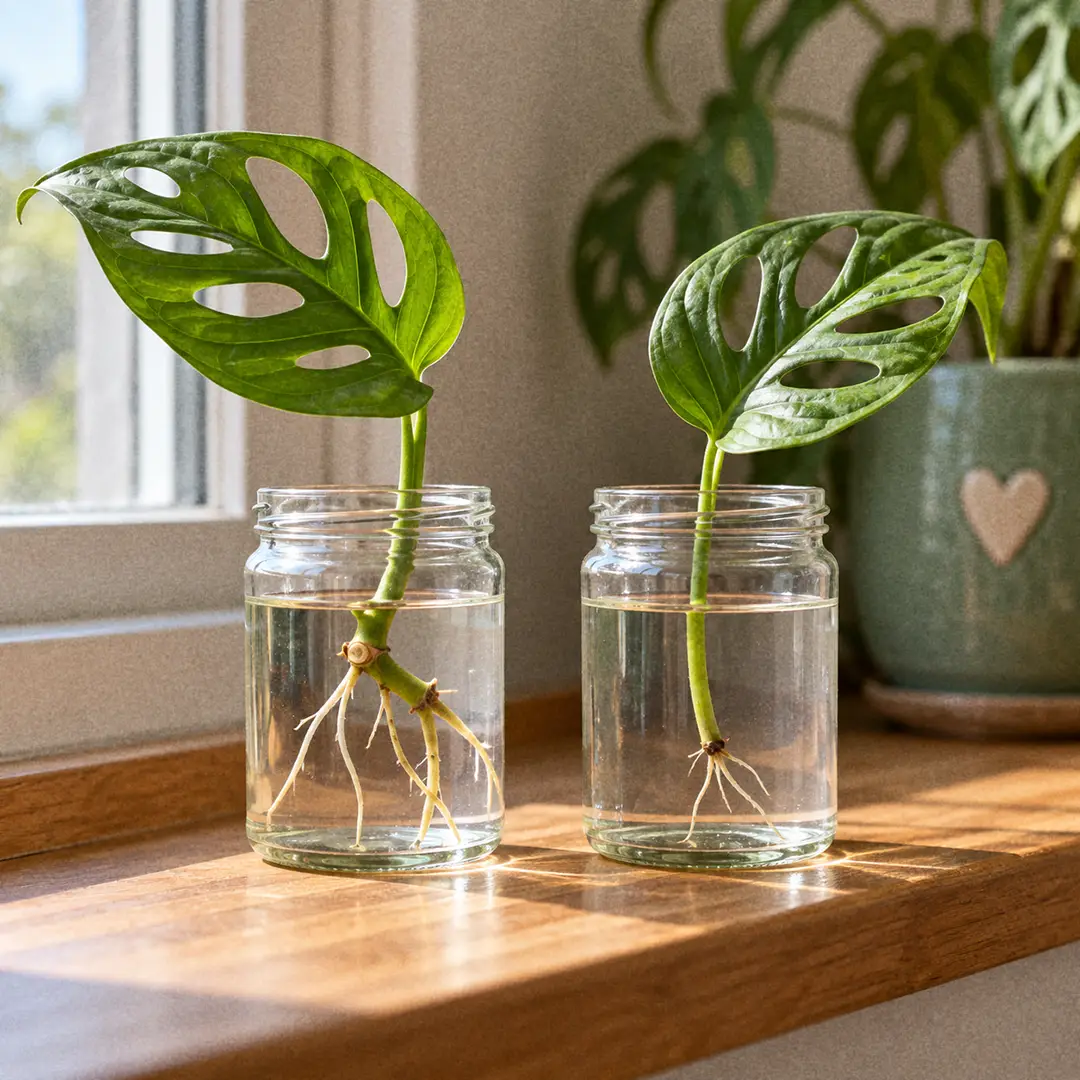
- Place the node in water, damp sphagnum moss, or a moss and perlite mix in a clear container.
- Keep it warm (70-80°F) in bright indirect light.
- Roots appear in about 2-4 weeks. Pot it up once they are 2-3 inches long.
Tips for Success
Moss or a moss and perlite box usually roots Monstera Peru faster and more reliably than a jar of water, and the roots adjust to soil more easily. If you use water propagation, change the water weekly. Cuttings with an aerial root already attached root the fastest. For a bushier plant, pot two or three rooted cuttings together.
A clear plastic container with a loose lid makes an easy propagation box: an inch of moist sphagnum and perlite at the bottom, cuttings laid on top with the node touching the moss, lid cracked open for air. Open it fully for a few minutes every couple of days to stop mould. Once potted, keep the new plant a little more humid than usual for two weeks while its roots settle into soil.
If you'd rather not cut the mother plant blind, air layering works well on a long vine. Wrap a node in damp moss and plastic, wait until roots fill the moss, then cut below it.
🐛 Monstera Peru Pests and Treatment
The tough leaves put off some pests, but not all of them. Check the undersides and the leaf dips every time you water.
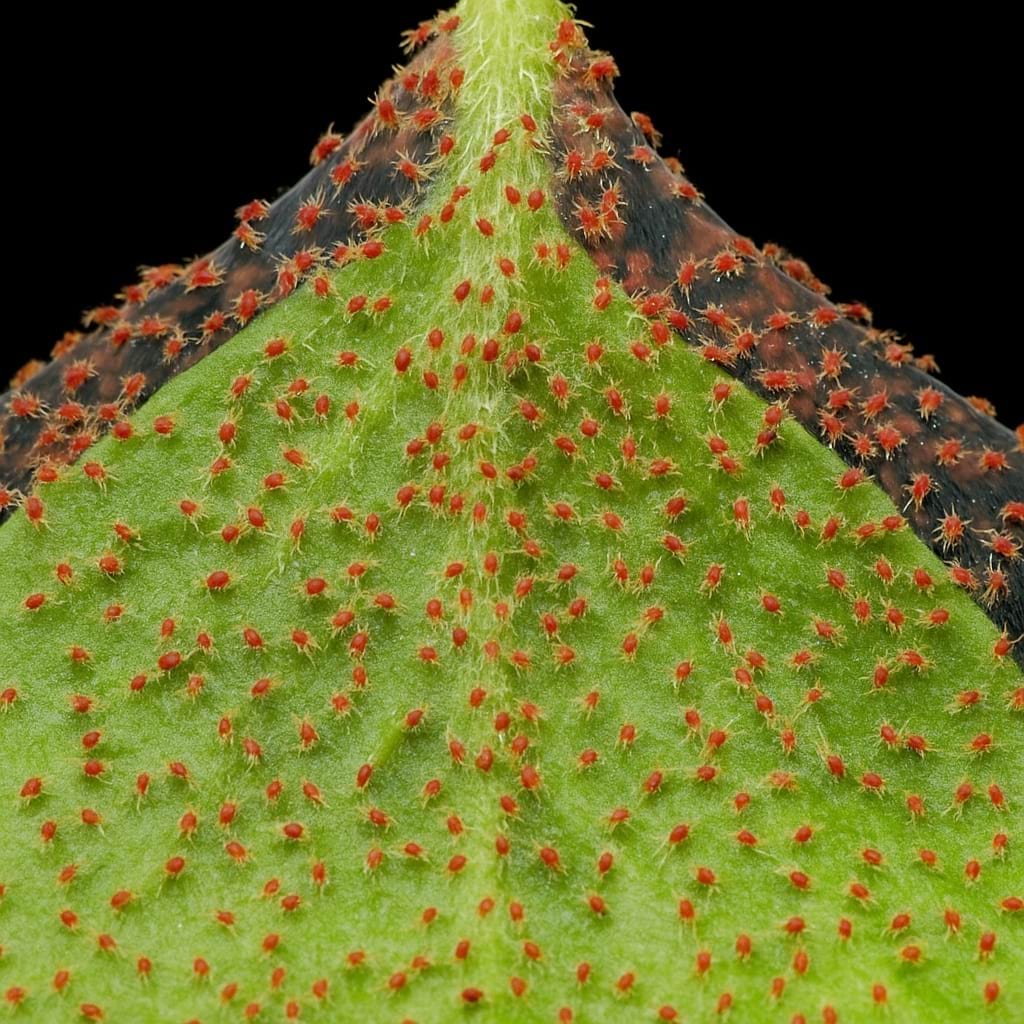
- Spider mites are the top threat in dry, warm rooms. Look for fine webbing and tiny pale speckles. Rinse the plant in the shower and treat with insecticidal soap weekly for a month.
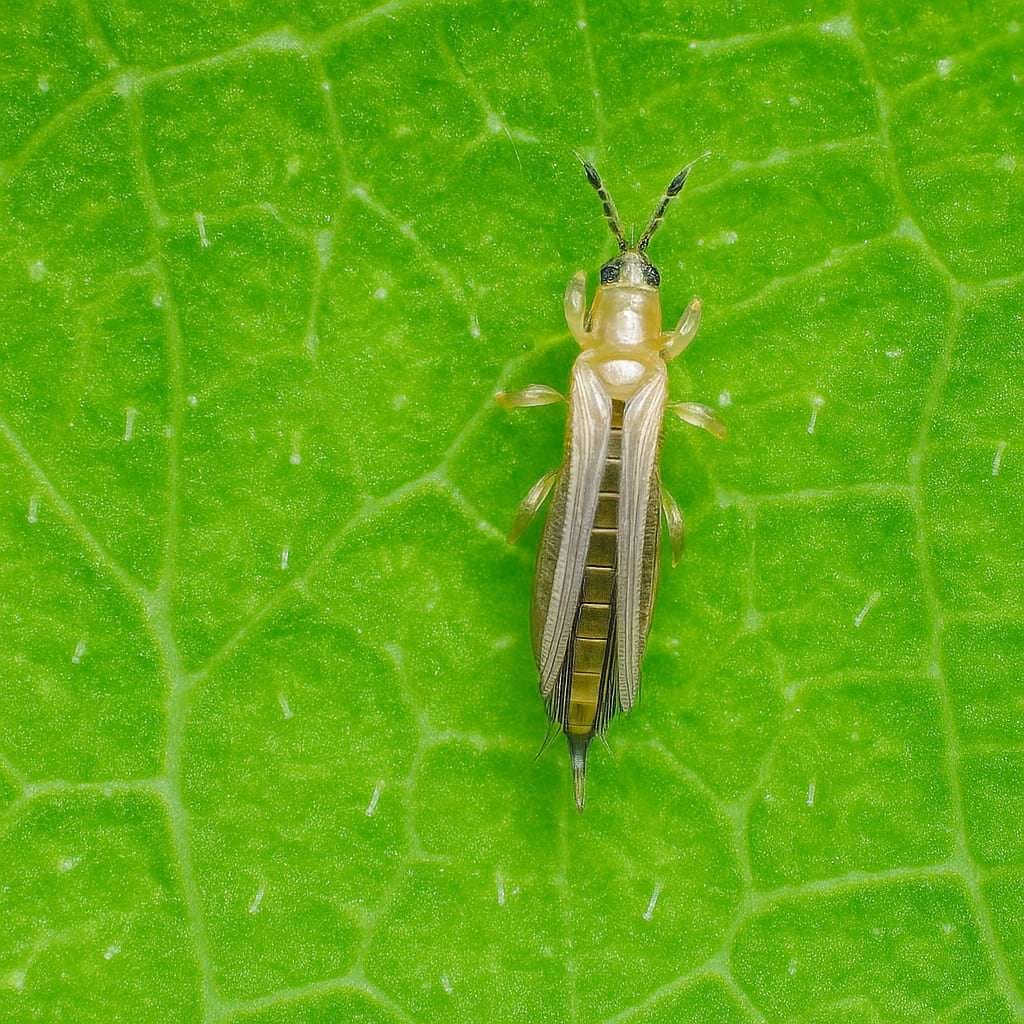
- Thrips leave silvery streaks and black specks, often on new leaves. Treat with spinosad or insecticidal soap and repeat, since eggs hatch in waves.
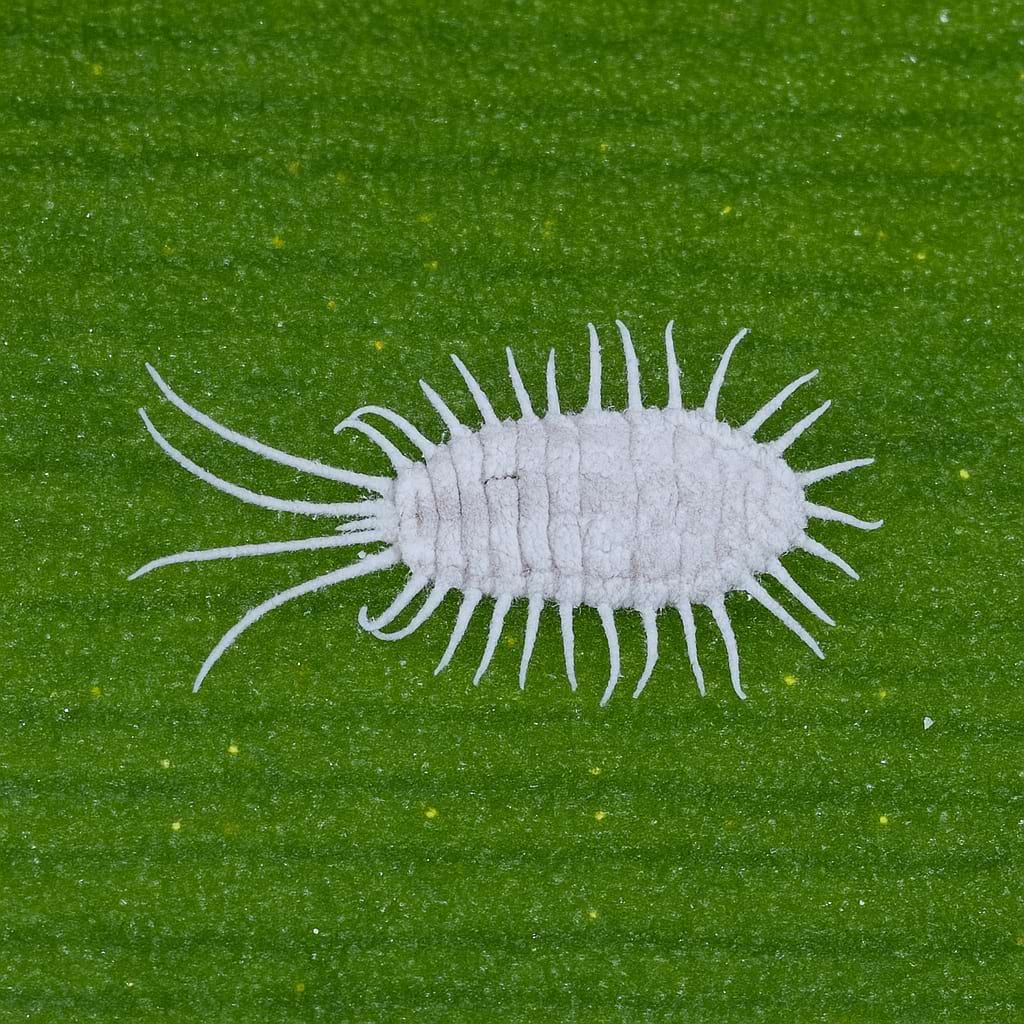
- Mealybugs hide as white fluffy clumps where leaves join the stem. Dab them off with rubbing alcohol on a cotton swab.
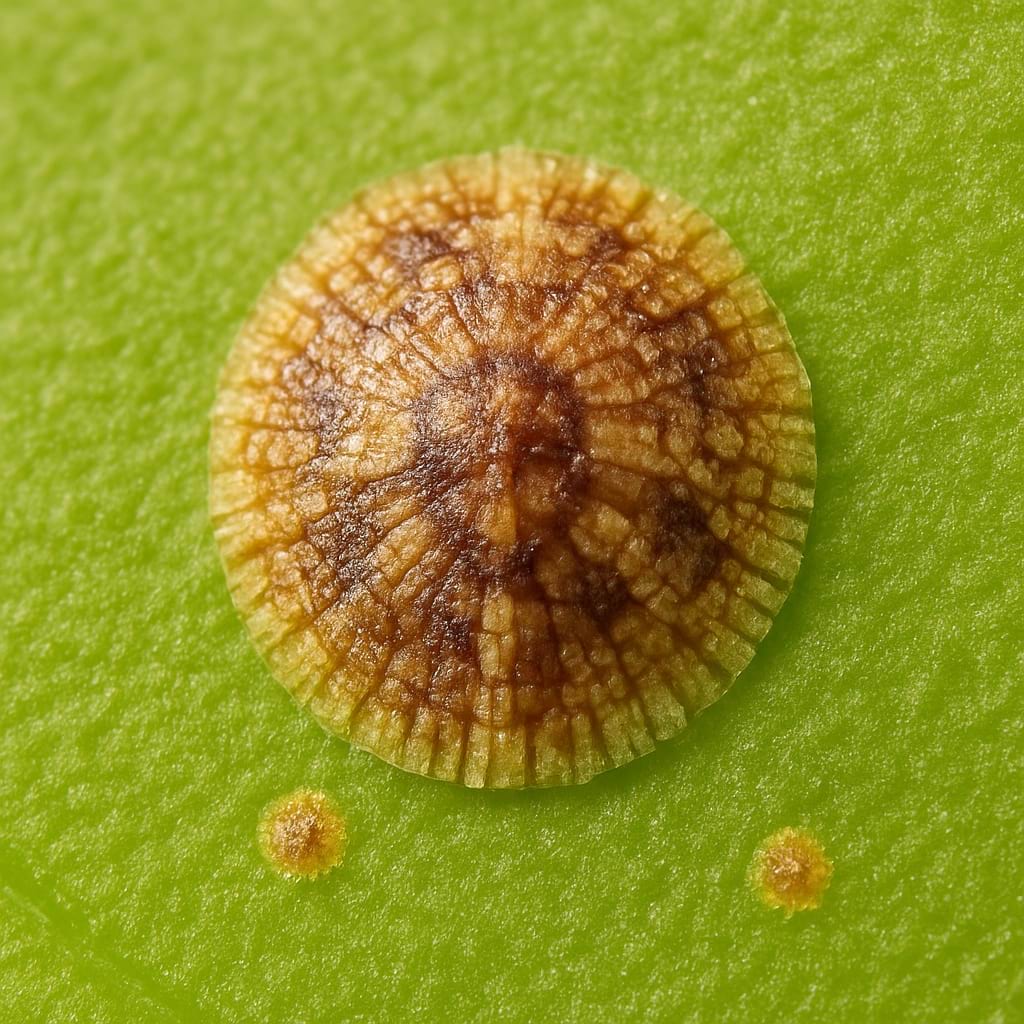
- Scale insects look like small brown bumps on stems. Scrape them off and follow with horticultural oil.
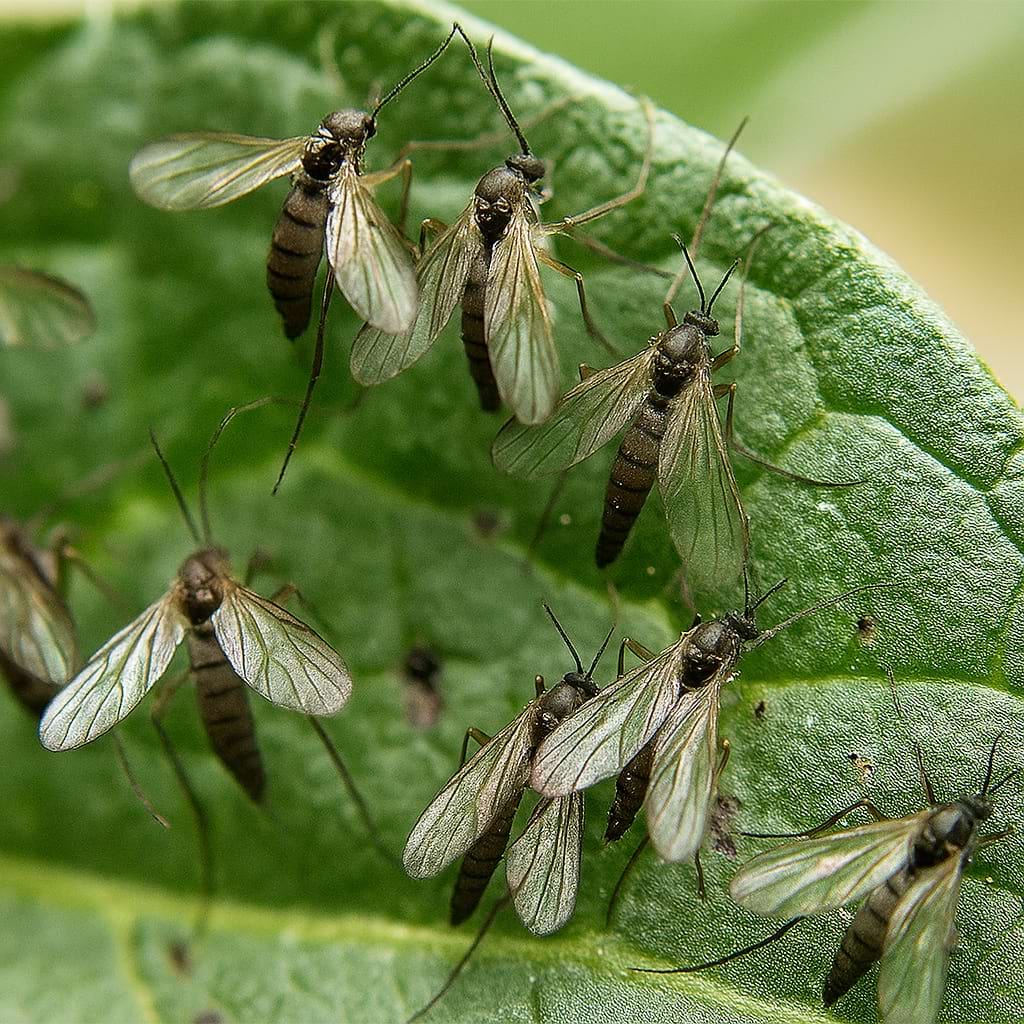
- Fungus gnats mean the soil stays too wet. Let it dry out more between waterings and use yellow sticky traps.
🩺 Common Monstera Peru Problems
Most Monstera Peru problems trace back to water or light. Fix those two and the rest usually sorts itself out.
- Root rot: yellowing lower leaves, a soft stem base, and sour soil. Unpot, cut off brown mushy roots, and repot in fresh, chunky mix.
- Yellowing leaves: one old leaf yellowing now and then is normal. Several at once usually means overwatering.
- Curling leaves: leaves folding like a taco means the plant is thirsty. Water deeply and they flatten again.
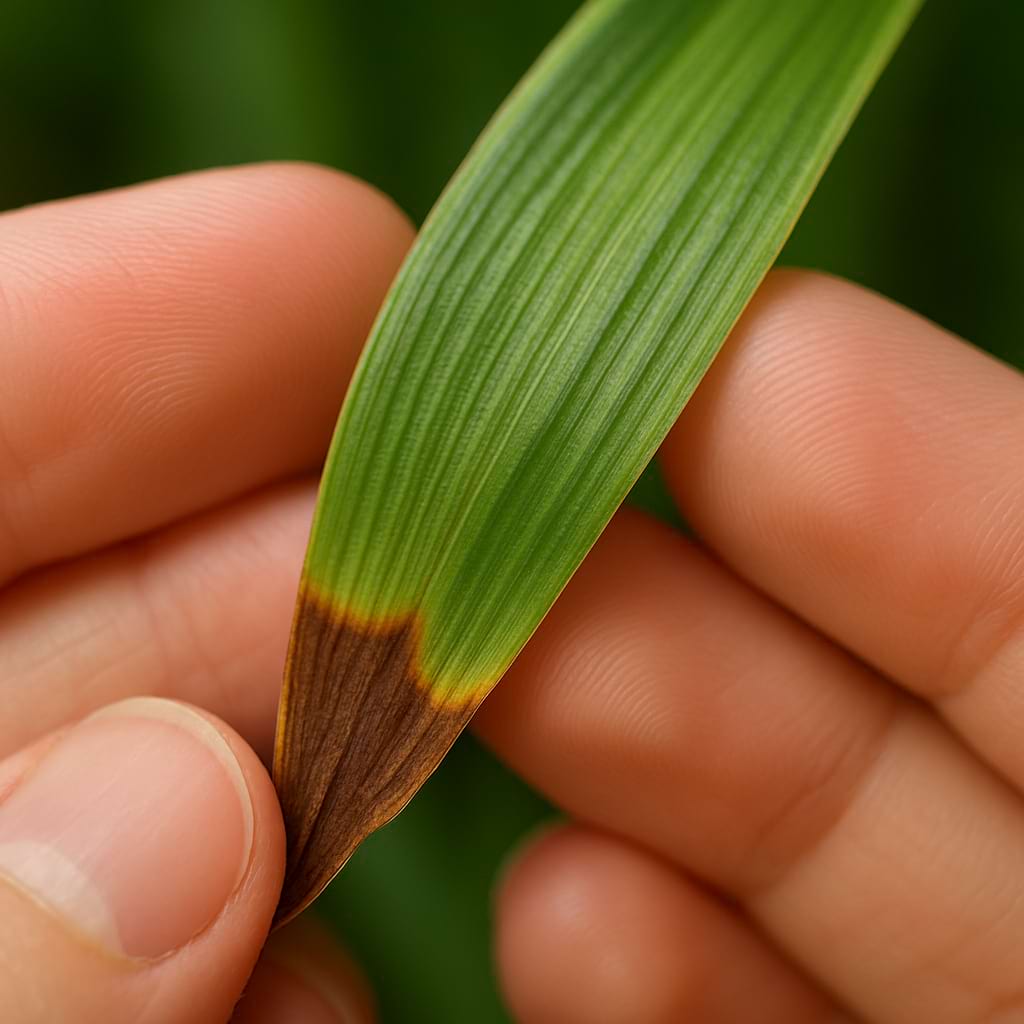
- Brown crispy edges: very dry air, irregular watering, or fertilizer buildup.
- Small leaves: not enough light or nothing to climb. Move it brighter and give it a pole.
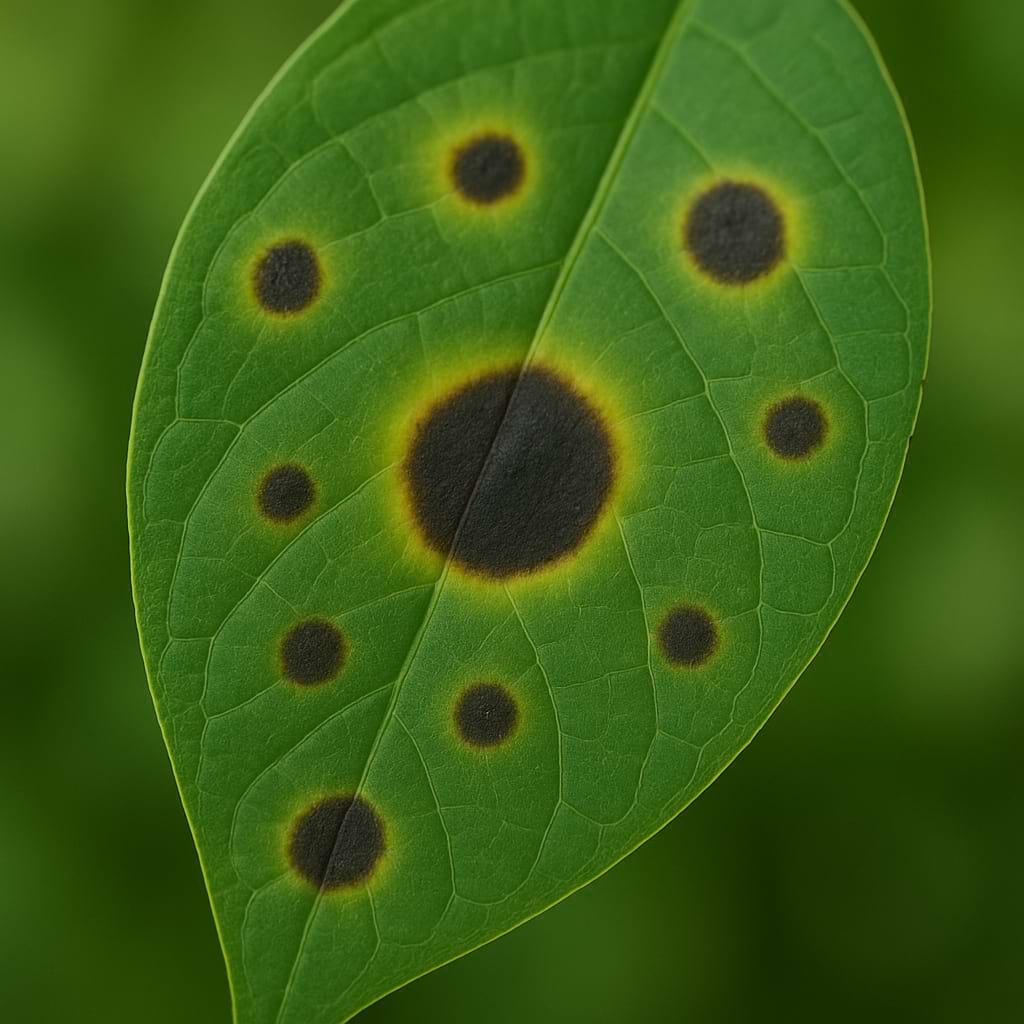
- Brown or black spots: often bacterial or fungal leaf spot from water sitting on leaves in a cool room. Remove affected leaves and keep foliage dry.
- Flat, smooth leaves: the quilting fades in low light. More light brings the texture back on new leaves.

🖼️ Monstera Peru Display and Styling Ideas
Solo Setups
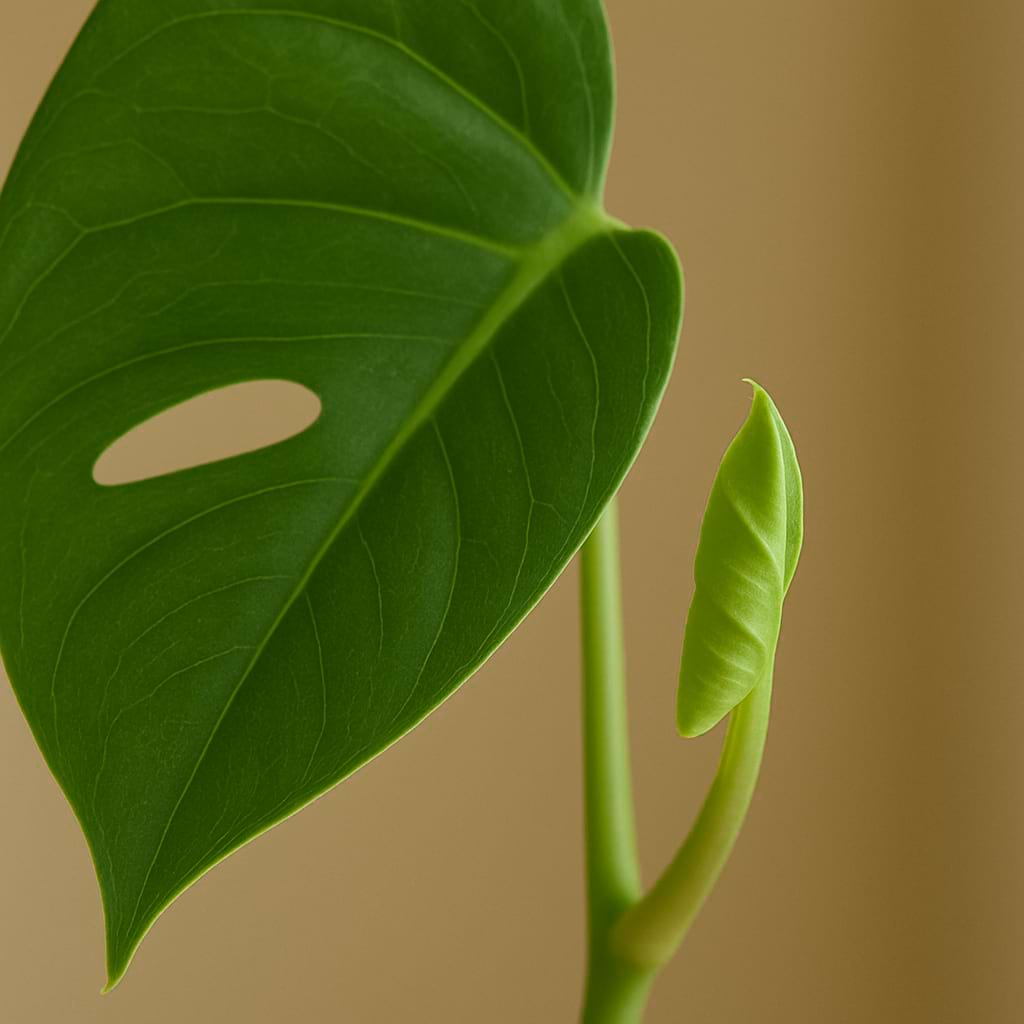
A single Monstera Peru climbing a slim moss pole or cedar plank makes a neat, upright desk or shelf plant that stays under 3 feet for years. Put it where light comes from the side, like a table next to a window. Side light catches every ridge on those leaves, while overhead light flattens them.
Grouped Arrangements
Texture is its big selling point, so pair it with smooth or shiny contrast. A silvery Monstera Siltepecana, a soft velvet-leaved Philodendron, or a trailing Monstera Adansonii all set off the bubbly leaves. Keep the group in matching pots so the leaves do the talking.
Where Not to Put It
Skip hanging baskets. It will trail, but the leaves stay small and the texture weak without something to climb. Also avoid dark hallways, spots right above a radiator, and anywhere a cat or dog can chew it.
If you love the trailing look anyway, a compromise works: let one vine cascade over a shelf edge while the main stems climb a short pole. The climbing stems keep producing the big, bubbly leaves, and the trailing vine gives you movement.
🌟 Monstera Peru Pro Care Tips
- Give it something to climb. Climbing plants make bigger, thicker, more textured leaves than trailing ones.
- Rotate the pot a quarter turn every couple of weeks so it grows evenly.
- Tuck aerial roots into the pole and mist the pole lightly so they grab on.
- Trust the taco. Folding leaves are your watering signal.
- Wipe leaves monthly with a damp cloth along the ridges to keep the gloss.
- Don't chase holes. Most plants stay solid, and that is normal.
- Buy plants with two or more growth points for a fuller look faster.
❓ Frequently Asked Questions
Does Monstera Peru get holes or splits?
Usually not. Most Monstera Peru plants keep solid leaves their whole life indoors, and the quilted texture is the main feature. A few growers report small holes on large, mature plants climbing a tall pole, but it is uncommon, so don't buy it expecting fenestrations.
Is Monstera Peru the same as Monstera karstenianum?
Yes, they are two labels for the same plant. "Karstenianum" is a trade name that stuck, not a valid species name. The plant hasn't been formally described, so the accurate label is Monstera sp. 'Peru'.
Is Monstera Peru toxic to cats and dogs?
Yes. Like all Monsteras, it contains calcium oxalate crystals that cause mouth pain, drooling, and vomiting if chewed. It is rarely life-threatening, but keep it out of reach of pets and small children.
How big does Monstera Peru get indoors?
With a moss pole, most indoor plants reach 3-6 feet over several years. Individual leaves grow to roughly the size of your palm. Without a support it stays smaller and trails.
How fast does Monstera Peru grow?
Slow to moderate. In good light and warmth, expect a new leaf every 3-4 weeks in summer, with very little growth in winter. A grow light and steady warmth can keep it growing slowly through the colder months.
Why are my Monstera Peru leaves curling?
Curling or folding inward usually means the plant is thirsty. Check the soil, and if the top 2 inches are dry, water deeply. If the soil is wet and the leaves still curl, check the roots for rot.
Why is my Monstera Peru losing its texture?
New leaves grown in low light come out flatter and smoother. Move the plant to brighter indirect light and give it something to climb. Old leaves won't change, but new ones will be bumpier.
Why are the new leaves on my Monstera Peru smaller than the old ones?
Shrinking new leaves usually mean the plant has lost its grip on a support, or it moved to a dimmer spot. Monsteras size their leaves up when they climb and size them down when they trail. Tie the vine to a pole, tuck the aerial roots in, and give it more light.
Is Monstera Peru good for beginners?
Yes, it is one of the easiest collector Monsteras. The thick leaves handle average humidity and the odd missed watering. The main beginner mistake is overwatering, so let the top inch or two dry first.
Can I grow Monstera Peru in water or LECA?
It can live in LECA or semi-hydro setups once roots adjust, and many growers keep it that way. Long-term life in plain water is less reliable, so root cuttings in water, then move them to a chunky mix or LECA.
ℹ️ Monstera Peru Info
Care and Maintenance
🪴 Soil Type and pH: Chunky, fast-draining aroid mix with bark and perlite
💧 Humidity and Misting: Grows well at 40-60% humidity and puts out bigger, thicker leaves toward the upper end.
✂️ Pruning: Trim leggy or bare vine ends in spring and use the cuttings for propagation.
🧼 Cleaning: Wipe leaves with a damp soft cloth, following the ridges. Dust settles into the dips of the quilted surface and dulls the gloss.
🌱 Repotting: Repot every 1-2 years in spring, going up only one pot size at a time.
🔄 Repotting Frequency: Every 1-2 years
❄️ Seasonal Changes in Care: Active growth, regular watering, and monthly feeding from spring to early autumn, then slower watering and no fertilizer through winter.
Growing Characteristics
💥 Growth Speed: Slow to moderate
🔄 Life Cycle: Evergreen climbing perennial (hemiepiphyte)
💥 Bloom Time: Rarely blooms indoors
🌡️ Hardiness Zones: 10-12
🗺️ Native Area: Tropical Central or South America; exact wild origin unconfirmed, as the plant is not yet formally described
🚘 Hibernation: No true dormancy, growth simply slows in winter
Propagation and Health
📍 Suitable Locations: Bright rooms near an east or west window, shelves with a small moss pole or plank, plant stands, office desks with good light
🪴 Propagation Methods: Root node-bearing stem cuttings in water, sphagnum moss, or a moss and perlite box.
🐛 Common Pests: Spider Mites, Thrips, Mealybugs, Scale Insects, Fungus Gnats
🦠 Possible Diseases: Root rot, bacterial leaf spot, fungal leaf spot in wet stagnant conditions
Plant Details
🌿 Plant Type: Climbing aroid
🍃 Foliage Type: Evergreen, thick, bullate (quilted) leaves
🎨 Color of Leaves: Deep glossy green with darker veins
🌸 Flower Color: Cream spathe (rarely seen indoors)
🌼 Blooming: Very rare in home cultivation
🍽️ Edibility: Not edible. Contains calcium oxalate crystals.
📏 Mature Size: 3-6 feet indoors on a support
Additional Info
🌻 General Benefits: Compact size, tough leathery leaves that resist damage, tolerates average home humidity, and grows neatly up a pole without taking over a room
💊 Medical Properties: No documented medicinal uses.
🧿 Feng Shui: Rounded, deep green leaves climbing upward suggest steady growth and resilience, a good fit for a home office or study.
⭐ Zodiac Sign Compatibility: Capricorn
🌈 Symbolism or Folklore: Resilience, texture over flash, quiet persistence
📝 Interesting Facts: The name Monstera karstenianum on most plant labels is not a valid species name. Botanists have not yet formally described this plant, so the honest label is Monstera sp. 'Peru', a placeholder used by growers until it gets a proper name.
Buying and Usage
🛒 What to Look for When Buying: Look for firm, glossy leaves with deep quilting and at least two growing points. Skip plants with yellowing lower leaves, soft stems at the soil line, or webbing under the leaves.
🪴 Other Uses: Desk and shelf plant, climbing accent on a small moss pole, textured contrast plant in an aroid collection.
Decoration and Styling
🖼️ Display Ideas: Small moss pole or cedar plank, tabletop plant stand, grouped with smooth or silvery aroids for contrast
🧵 Styling Tips: Side light from a window rakes across the quilted leaves and shows off the texture far better than overhead light.
🪴 See also 🪴
How to Propagate Monstera Adansonii: Nodes, Water, Moss and Soil
Complete Guide to Monstera Thai Constellation Care and Growth
Complete Guide to Monstera Adansonii Care and Growth
Complete Guide to Monstera Burle Marx Flame Care (The Bone Plant)
Complete Guide to Monstera Siltepecana Care (Silver Monstera)
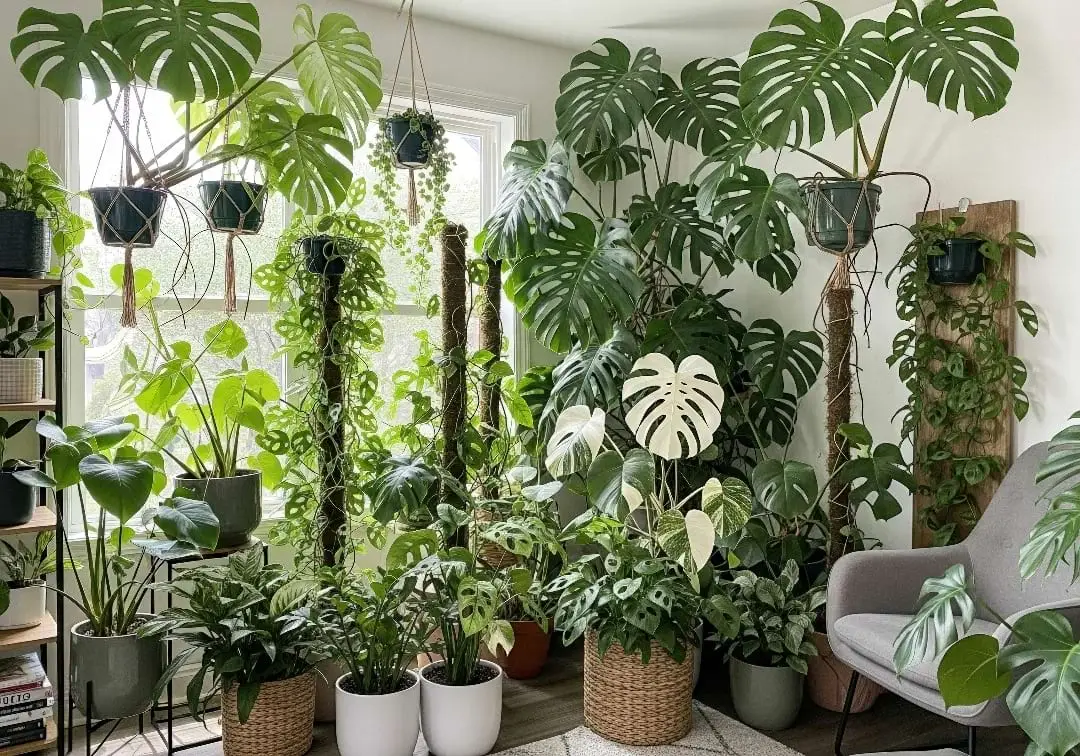
The A-Z List of Monstera Species: A Complete Botanical Guide
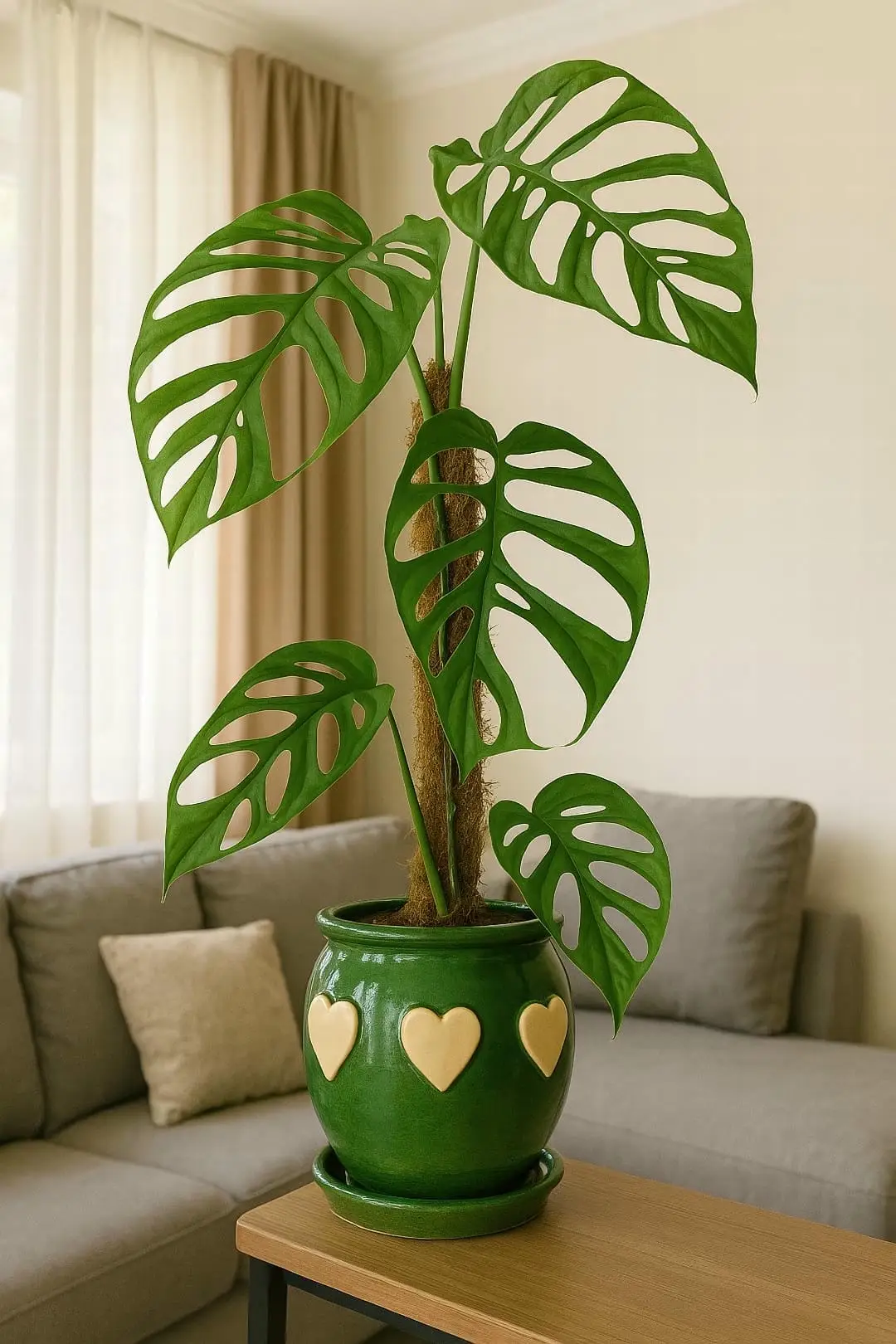
Complete Guide to Monstera Obliqua Care and Growth
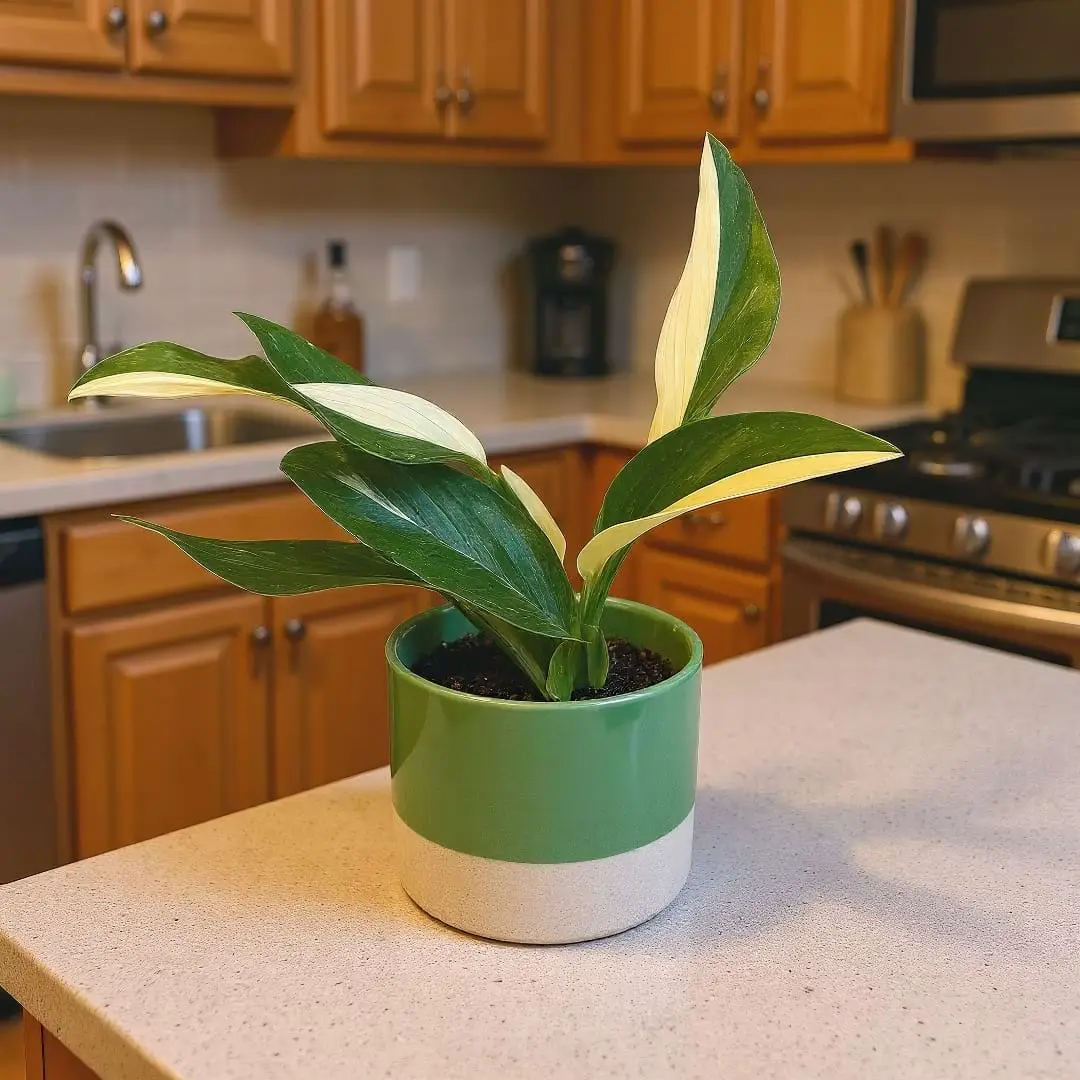
Complete Guide to Monstera Standleyana Care and Growth
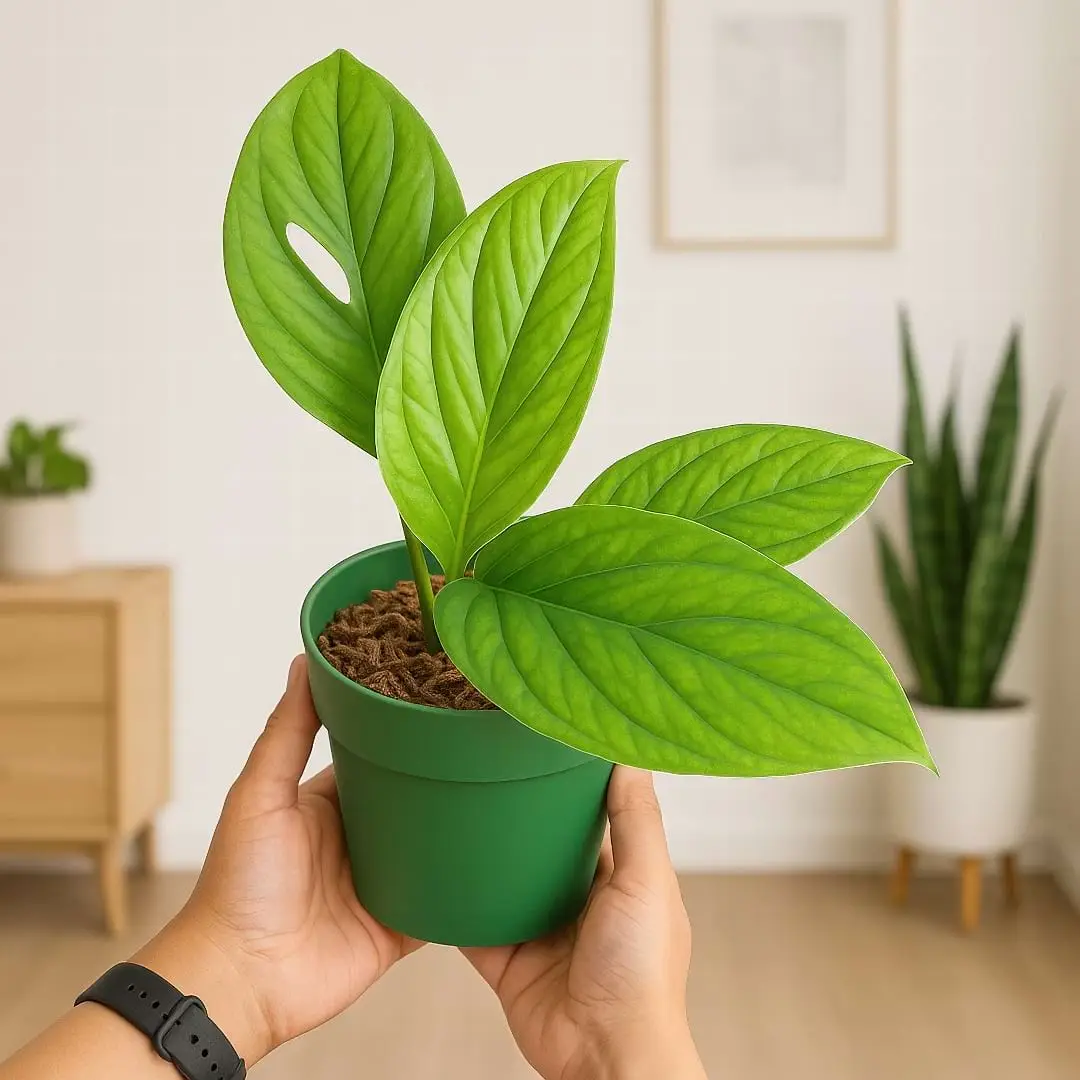
Complete Guide to Monstera Pinnatipartita Care and Growth
Complete Guide to Monstera Dubia Care and Growth

Houseplant101 Forum
Questions & Comments
Ask a question, share your plant experience, or help other plant owners.
Comments are temporarily unavailable.
Open the Houseplant101 ForumNo comments yet
Be the first to ask a question or share your experience about this page.
Log in or create an account
Comments use your Houseplant101 Forum account, but you can stay on this page.
Create a new account