
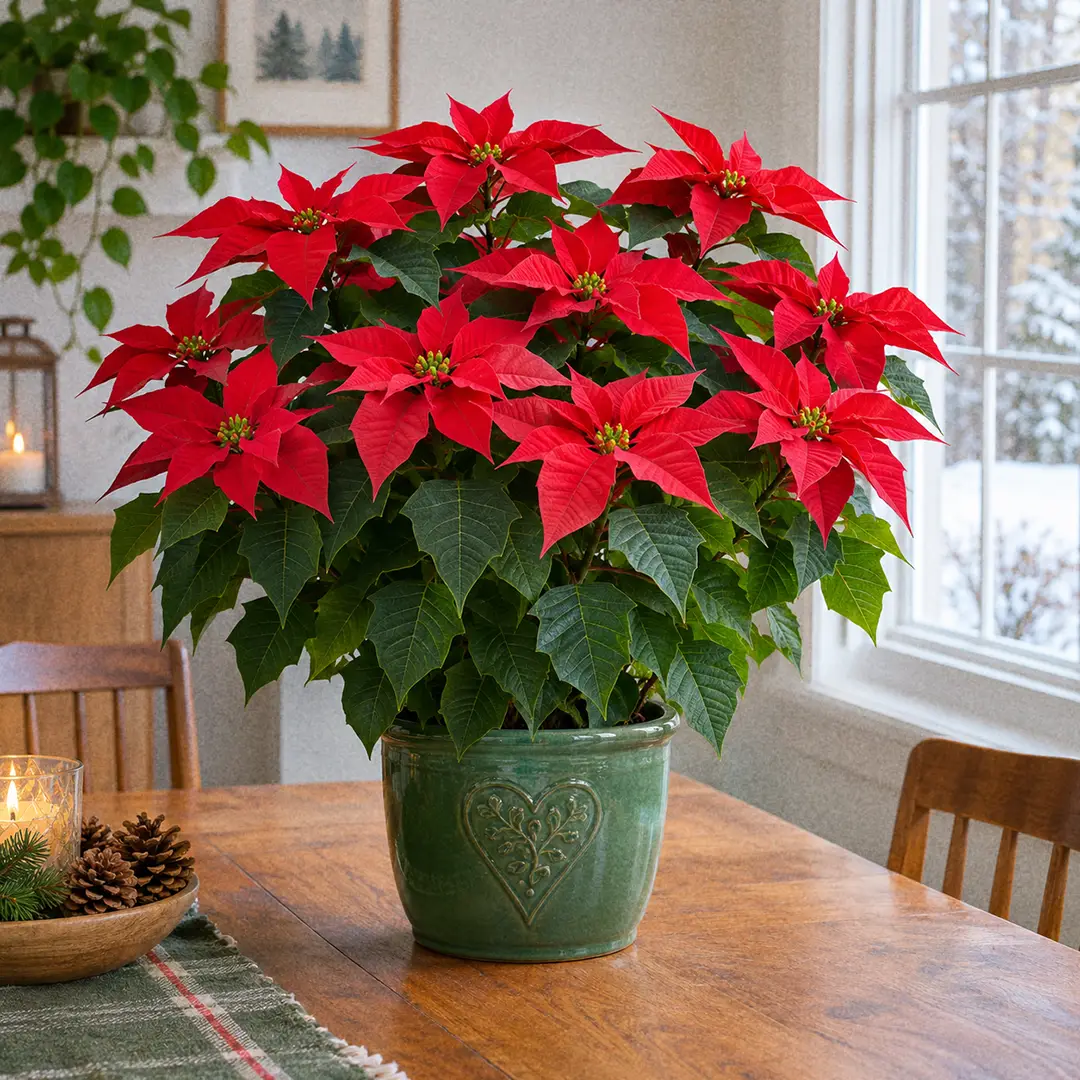
Poinsettia
Euphorbia pulcherrima
Christmas Star, Christmas Flower, Flor de Nochebuena


Poinsettia care starts at the store: a few minutes of cold air or a week in a plastic sleeve decides how long your plant lasts. Learn how to keep a poinsettia colorful through winter, what to do after the holidays, and how the October darkness treatment turns it red again.
📝 Poinsettia Care Notes
🌿 Care Instructions
⚠️ Common Pests
📊 Growth Information
🪴 In This Guide 🪴

🛒 Choosing a Healthy Poinsettia and Getting It Home
What to Look for at the Store
Look down before you look up. A good poinsettia has dark green leaves covering the stems right down to the soil line, with no yellow or missing lower leaves. Bare lower stems usually mean the plant was overwatered, dried out, or chilled somewhere on its way to you.
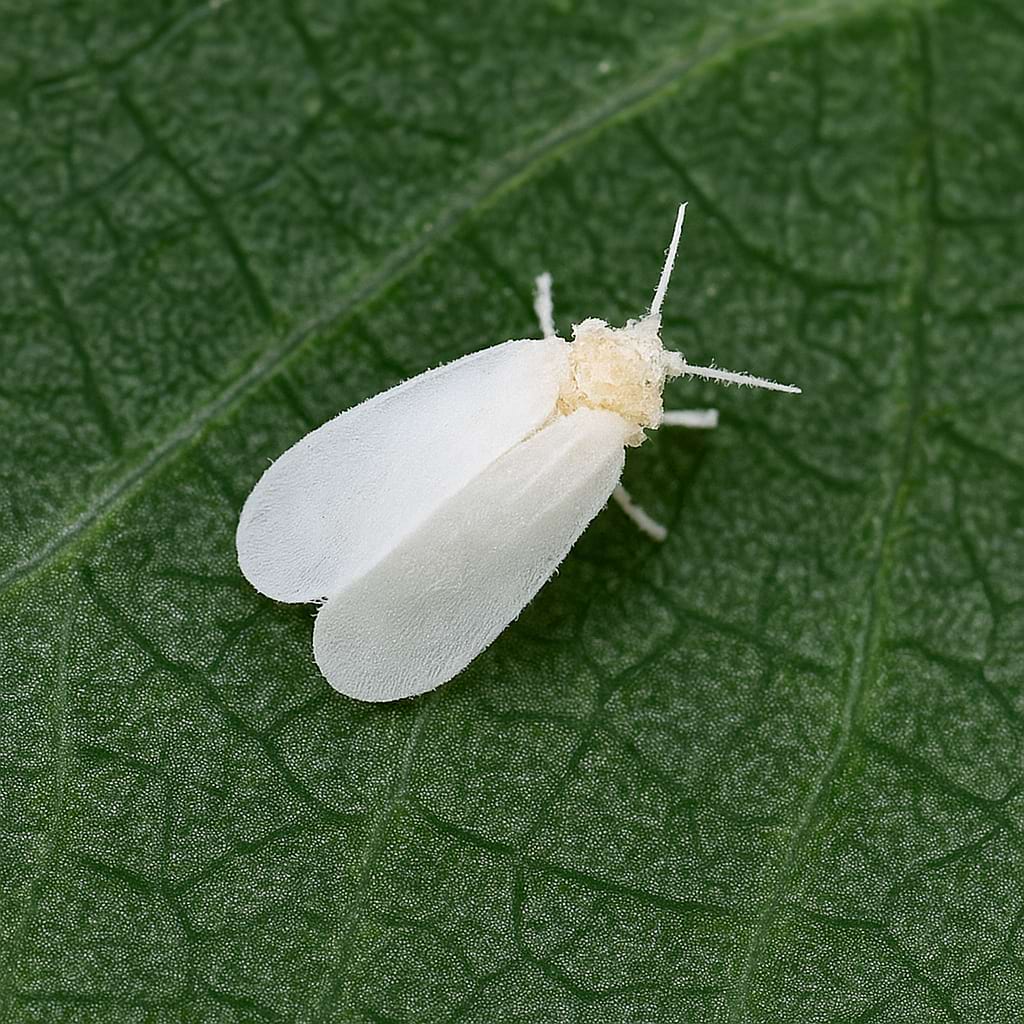
Then check the center of the colored bracts. The little yellow-green buds there are the true flowers, called cyathia, and on a fresh plant they are tight and closed. Growers have long used them to judge age, because they drop as the plant gets older. Many newer cultivars hold them longer or have very few, so treat this as a clue, not a verdict. Turn a few leaves over too: tiny white insects that fly up are whiteflies, and that plant stays on the shelf.
Skip Plants in Sleeves and by the Doors
Poinsettias ship in plastic or paper sleeves, and the longer they stay in them the worse they look. Sleeved plants build up ethylene, a plant gas that makes the leaves droop and bend downward. Mississippi State advises passing on plants that have sat in sleeves for several days. Also avoid the display right by the automatic doors, where every customer lets in a blast of winter air.
The Trip Home in Cold Weather
Poinsettias are tropical shrubs, and temperatures below 50°F cause chilling injury. If it is colder than that outside, have the plant wrapped for the walk to the car, warm the car first, and drive straight home instead of leaving it in the trunk while you run errands. Chilling damage often shows up days later as bluish or whitish bract edges and dropping leaves. Unwrap it the moment you get home. Most droopy, freshly unsleeved plants perk up within a couple of days in a bright, warm room. Our guide to bringing a new plant home covers the first week in more detail.
☀️ Poinsettia Light Requirements (Bright, Not Hot)
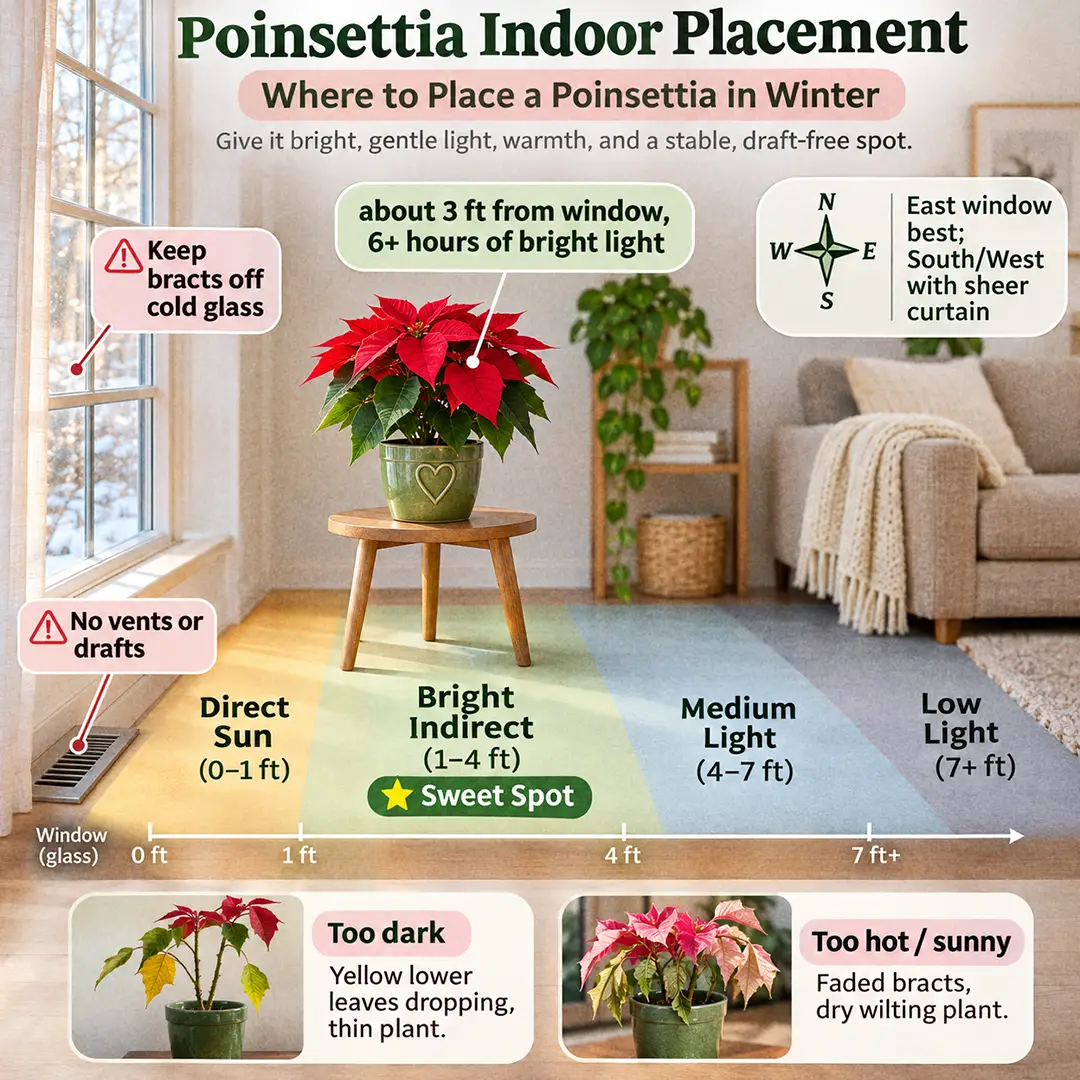
The Sweet Spot
Give your poinsettia the brightest indirect light you have, ideally at least six hours of it a day. An east window is close to perfect, and a south or west window works with a sheer curtain or a few feet of distance. In midwinter the sun is weak, so a spot right beside a bright window rarely does harm, as long as the bracts and leaves are not touching the glass. Cold glass chills them just like the walk from the store.
Too Little Light
In a dim corner a poinsettia holds its color for a while, then the lower leaves yellow and drop and the plant looks thin by January. If your home is dark in winter, a grow light for a few hours a day keeps it full. Our article on providing enough light during short winter days has more options.
Too Much Light
Strong direct sun is less of a winter issue, but it does two things: it dries the pot out faster and it can fade the bract color. In spring and summer, when you are growing the plant on, more sun is welcome. Move it gradually so the leaves do not scorch. Our indoor lighting guide explains how to judge a spot by eye.
💧 Poinsettia Watering Guide (and the Foil Problem)
Watering Frequency
Water when the top inch of soil feels dry. In a warm house that can mean every few days for a small 4-inch pot and about once a week for a 6- or 8-inch pot, since small pots dry out faster. Check by touch, or lift the pot: a dry poinsettia feels noticeably light. A moisture meter helps if you are unsure.
How to Water (Take the Foil Off First)
That shiny foil or plastic wrap is the biggest watering hazard. It has no holes, so water runs through the soil and pools at the bottom, and the roots sit in it. Either remove the wrap entirely, or poke several holes in the bottom and stand the pot on a saucer. The easiest method is to carry the plant to the sink, water slowly until it drains freely, let it drip for ten minutes, then put it back in its wrap or cachepot. Empty any water left in the saucer.
Water the soil, not the bracts. Wet bracts spot and invite gray mold. Room-temperature water is best.
Signs of Trouble
Both mistakes look similar, which is what makes poinsettias confusing. A dry plant wilts, the leaf edges brown, and the lower leaves drop. NC State calls drying out the main reason holiday poinsettias die early. A waterlogged plant also wilts and drops leaves, but the soil is wet, the lower leaves yellow first, and the stems may soften at the base, which is root rot. Always check the soil before adding more water to a drooping plant. Our article on watering houseplants in winter helps with the seasonal rhythm.
🪴 Best Soil for Poinsettia (Light and Fast-Draining)
What the Soil Needs
Poinsettias are sold in a light, peat-based greenhouse mix, and that is what they like: fluffy, moisture-holding, but quick to drain. Dense garden soil or a heavy, water-retaining mix keeps the roots too wet, especially in a cool winter room. There is no need to repot a holiday plant just for the soil. Leave it alone until spring.
DIY Soil Mix
When you do repot, Colorado State suggests equal parts sphagnum peat moss with vermiculite and/or perlite. At home, a simple version is two parts good indoor potting mix to one part perlite. It should crumble apart when squeezed, not stay in a sticky ball.
Pre-Made Options
Any quality all-purpose indoor potting mix works, with a handful of extra perlite mixed in. Avoid "moisture control" blends. Our potting soil guide compares the common bags, and the soil guide explains what each ingredient does.
🍼 Fertilizing Poinsettia (Not While It Is Colored)
When and How Often
Do not fertilize while the bracts are colored. Both Colorado State and Mississippi State are clear on this. Once the color fades and new growth starts in spring, feed about once a month. Through the main summer growing season, step up to every 2-4 weeks.
What to Use
A balanced, complete houseplant fertilizer is fine, such as a 20-20-20 or 10-5-10 at the label rate or a little weaker. Water first, then feed, so the roots are not burned. Our fertilizing guide covers the basics, and winter fertilizing rules explains why holiday-season feeding does nothing useful.
Over-Fertilizing Signs
A white crust on the soil, brown leaf edges, or sudden leaf drop after a feed point to salt buildup. Flush the pot by running plain water through it for a few minutes, then skip a feeding or two.
🌡️ Poinsettia Temperature Range
Ideal Range
Ordinary heated-home temperatures suit a poinsettia well. Aim for roughly 65-72°F during the day and 60-65°F at night. A slightly cool room helps the bracts last longer. Below 50°F the plant is stressed and chilling damage begins, and below about 40°F a poinsettia dies back or stops developing.
Drafts and Heat Sources
Cold drafts and hot dry air both cause leaf drop. Keep the plant away from exterior doors, drafty windows, fireplaces, radiators, and heating vents. A spot that feels comfortable to you in a sweater, with no air blowing on it, is right.
Growing Poinsettias Outdoors
In frost-free gardens, roughly USDA zones 9-11, poinsettias can live outside year-round as shrubs, and planted in the ground they can reach about 10 feet. They take full sun to partial shade. The catch is frost: even in Florida, UF/IFAS describes them as extremely frost sensitive. Garden plants also need long, dark autumn nights to color, so one growing under a streetlight, porch light, or security light may never bloom. In colder climates, a potted poinsettia can spend summer outdoors once nights stay above 55°F and come back inside before they drop below that. Our preparing houseplants for winter article covers the move indoors.
💦 Poinsettia Humidity Requirements
Ideal Humidity
Average household humidity is fine. Winter heating can push the air very dry, though, and that shows up as crisp leaf edges and a shorter display. Purdue suggests a humidifier or a pebble tray if your air is very dry.
Easy Humidity Boosters
Group it with other plants, keep it away from vents, and use a humidifier in the room if you run one anyway. Do not mist the bracts. Damp bracts in still, cool air are exactly what botrytis gray mold wants. Our winter humidity guide has more ideas.
🌸 Poinsettia Flowers (Bracts and Cyathia)
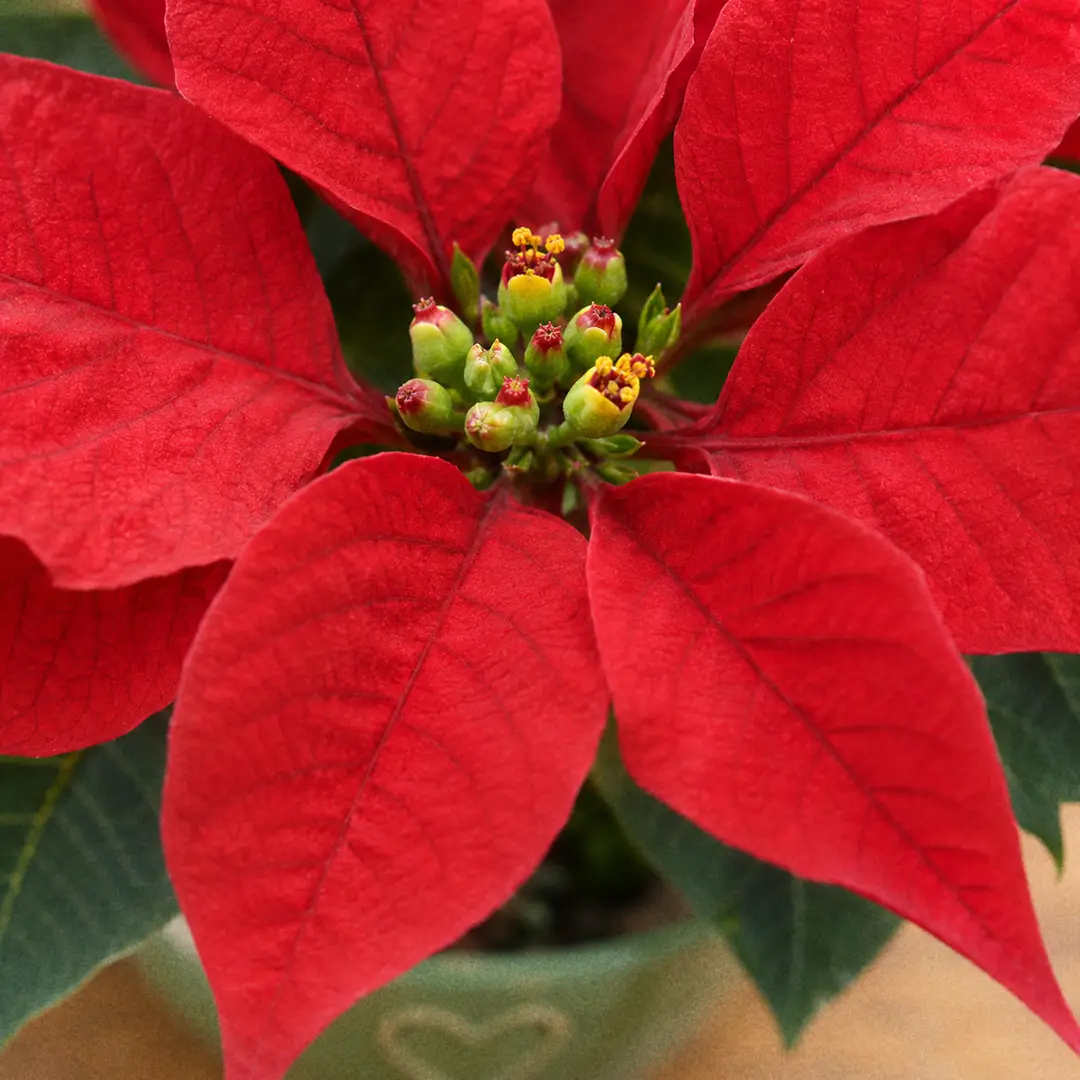
What the Flowers Actually Are
The red "petals" are not petals. They are bracts, a kind of modified leaf that colors up when the nights get long. The true flowers are the small yellow-green knobs clustered in the center, called cyathia. Each cyathium is a tiny cup holding very reduced flowers, which is the signature structure of the whole Euphorbia genus. You can see the same arrangement on a Crown of Thorns, where colored bracts also do the showing off.
How Long a Poinsettia Lasts
With decent care a poinsettia easily lasts the whole holiday season, and in a good spot it stays attractive until spring. Colorado State notes the bracts can hold their color until mid-March. Eventually the cyathia drop, the bracts fade toward green or pale, and the plant starts to look tired. That is normal aging, not something you did wrong.
Why It Colors in Winter
Poinsettia is a short-day plant. It sets its bracts only after weeks of long, uninterrupted nights, which happens naturally from late September onward. Commercial growers control the length of the night to have plants colored in time for the holiday season. At home you can repeat the trick, covered step by step in the next section.
🔁 How to Get a Poinsettia to Rebloom
After the Holidays (January to March)
Keep the plant in its bright spot and water when the top inch is dry. As the bracts fade, Mississippi State suggests letting the soil dry a little more between waterings, without letting the stems shrivel, while the plant rests. One honest note: single-stemmed plants that never branch do not rebloom well, and Mississippi State recommends simply discarding them. A bushy, multi-stemmed plant is worth keeping.
Spring Cutback and Summer Growth
In late March or early April, cut every stem back to about 6-8 inches tall, leaving three or four leaves on each one. Repot one size up, start feeding, and new shoots should appear within a couple of weeks. Once nights stay above 55°F, the plant can go outside in a sheltered spot with morning sun and some afternoon shade. Through summer, pinch the shoot tips roughly once a month, leaving about four leaves on each shoot, so the plant branches into a fuller shape. Make the last pinch in late August. Pruning after September 1 delays or prevents color.
The October Darkness Treatment
Bring the plant indoors before nights drop below 55°F. Then, starting around October 1, give it 14 hours of complete, uninterrupted darkness every night and 6-8 hours of bright light by day. A closet, a spare room with no lamps, or an opaque box or upturned wastebasket over the plant from about 5 PM to 7 AM all work. Keep it at 60-70°F, keep watering, and feed every two weeks or so.
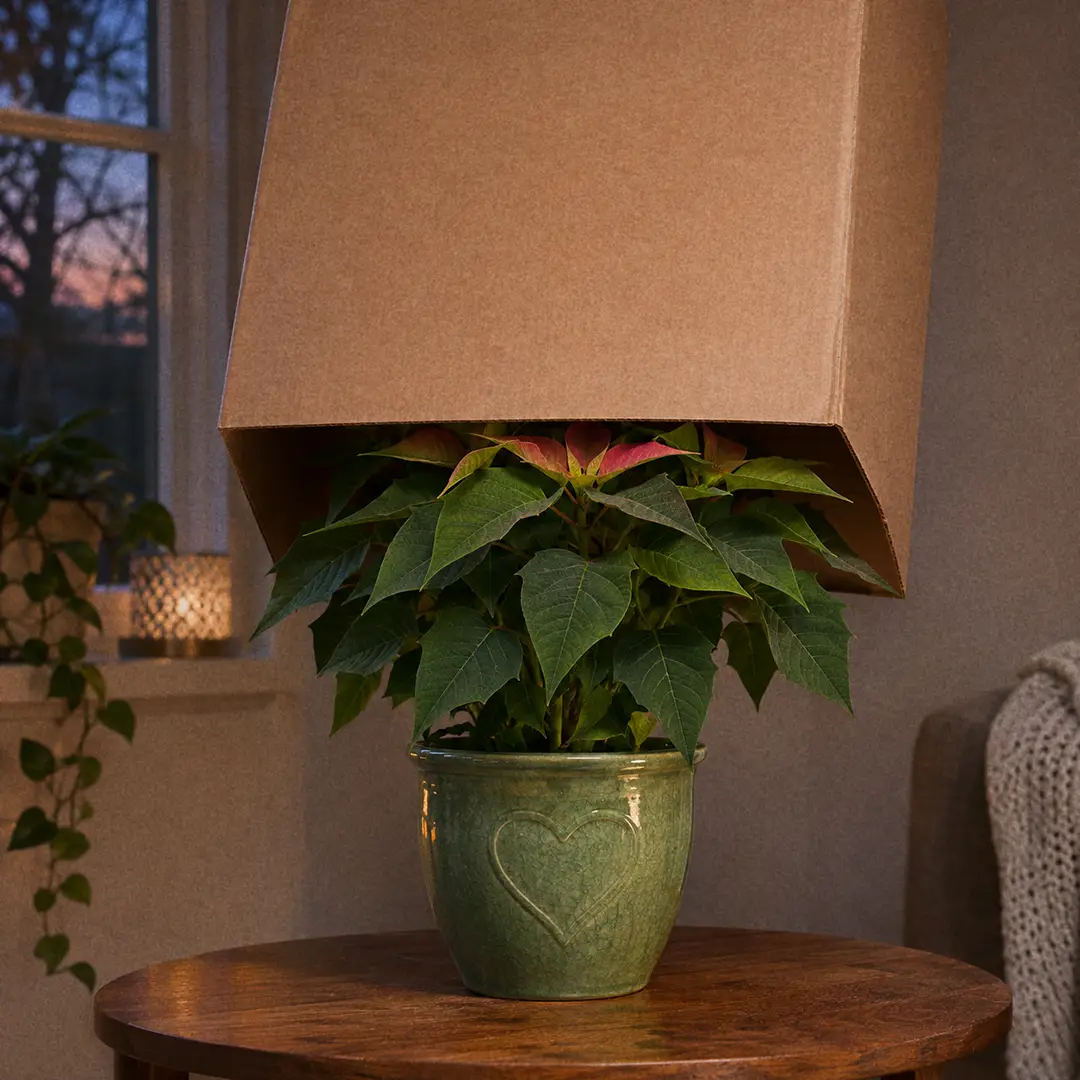
Expect this to take 8-10 weeks. Stop the treatment as soon as the top bracts show color, usually around Thanksgiving, and treat it like a new holiday plant from then on.
If the Bracts Do Not Color
Light leaks are the usual culprit. A garage light, a hallway lamp through an open door, a streetlight, or a TV can all interrupt the night, and each broken night sets the plant back. Starting late, pruning after August, or giving too little daylight during the treatment also delay color. Our failure to bloom guide covers the general causes.
🏷️ Poinsettia Types and Varieties
Classic Red and Other Bract Colors
Red is by far the most popular color, but poinsettias also come in white, pink, salmon, and cream, along with marbled bicolors where a pale center blends into pink or red. Breeders have released hundreds of cultivars, and NC State has trialed over 230 of them. Most shoppers choose by color and shape rather than cultivar name, and care is the same for all of them.
Speckled Types like 'Jingle Bells'
Speckled poinsettias have colored bracts flecked or splashed with a paler shade. 'Jingle Bells' is the best-known example, with red bracts speckled in pink and creamy white. In a Mississippi State trial of novelty cultivars, 'Jingle Bells 3' was the clear favorite for its strong contrast.
Curly Types like 'Winter Rose'
'Winter Rose' has smaller leaves and bracts that curl under, so each cluster looks more like a rose than a star. It comes in red, white, pink, and marbled. It tends to be grown as a narrow, single-stem plant, which matters if you hope to rebloom it, since unbranched plants are the hardest to bring back.
Trees, Baskets, and the Florida Poinsettia
Poinsettias are also sold trained as small standards ("trees") and in hanging baskets. Do not confuse any of these with the native Florida poinsettia, Euphorbia cyathophora, a different species that UF/IFAS notes grows as an annual in northeast Florida. The Pencil Cactus and African Milk Tree are other Euphorbia relatives that share the milky sap but look nothing alike.
🪴 Potting and Repotting Poinsettia
When to Repot
Do not repot a holiday plant while it is colored. The time is late spring or early summer, right after the spring cutback, when the plant is about to grow hard. If you only keep it for one season, it never needs repotting at all.
Choosing a Pot
Go up just one pot size, about 1-2 inches wider. A pot with a drainage hole is non-negotiable. Plastic keeps the soil moist longer, terracotta dries faster and suits heavy-handed waterers. A decorative cachepot is fine as long as you lift the plant out to water. Our plant pots guide compares materials.
Step-by-Step Repotting
Water the day before. Slide the root ball out, loosen circling roots gently, and set it at the same depth in fresh, light mix. Water well and keep it out of strong sun for a few days. The repotting guide walks through the basics.
✂️ Pruning Poinsettia
When to Prune
There are two pruning moments: the hard cutback in late March or early April, and light pinching from June through late August. Nothing after September 1, because the plant needs that time to set its bracts.
How to Prune
Cut stems back to 6-8 inches with clean, sharp pruners, just above a leaf, leaving three or four leaves per stem. The cut stems bleed white latex. That is normal and not a disease. It stops on its own within a minute or two, and you can blot it with a damp paper towel. Wear gloves if your skin is sensitive, and keep the sap away from your eyes.
Pinching for a Bushy Plant
Through summer, pinch out the soft tip of each new shoot when it has grown a few inches, leaving about four leaves below the pinch. Each pinch makes two or more new shoots, and every shoot tip is a potential set of colored bracts in December. Without pinching you get a tall, leggy plant with a few bracts at the top.
🌱 How to Propagate Poinsettia
Best Method
Tip cuttings from new spring growth are how poinsettias are propagated, both commercially and at home. The best window at home is May to June, before the high heat of summer makes rooting harder. Your summer pinching gives you free cutting material.
Step-by-Step
- Take a 4-6 inch tip cutting from a healthy new shoot that has no buds.
- Let the latex stop bleeding, then strip the lowest leaves.
- Dip the base in rooting hormone if you have it. Poinsettias generally root without it, but hormone makes rooting more even.
- Insert the bottom third into moist, light mix such as half perlite and half potting mix.
- Keep it warm and in bright indirect light, with the mix just moist.
A callus forms at the base after about a week to ten days, and roots follow in a few weeks. Give a gentle tug: resistance means roots. Our soil propagation guide covers the general technique.
Tips for Success
Keep humidity up but the air moving. Stagnant, wet air invites botrytis and stem rot, so a loose plastic tent with daily airing works better than a sealed bag. Many named cultivars are patented, so propagate them for your own home only, not for sale.
🐛 Poinsettia Pests and Treatment
The Pests to Watch For
- Whiteflies are the main insect pest of poinsettias. Tiny white insects fly up when you brush the leaves, and the undersides carry pale scale-like nymphs. Check before you buy, and use yellow sticky cards plus insecticidal soap on leaf undersides.
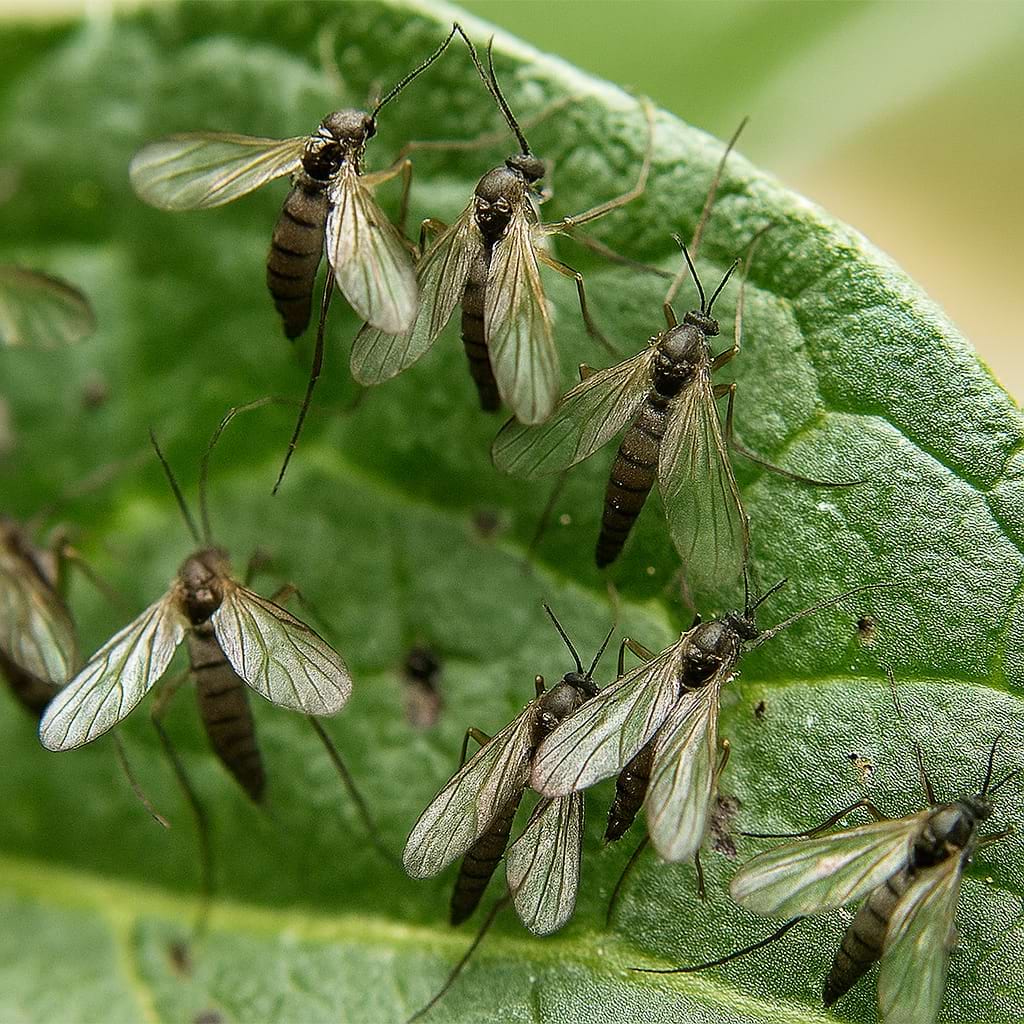
- Fungus gnats appear when the soil stays wet, often in foil-wrapped pots. Let the top inch dry and use sticky traps.
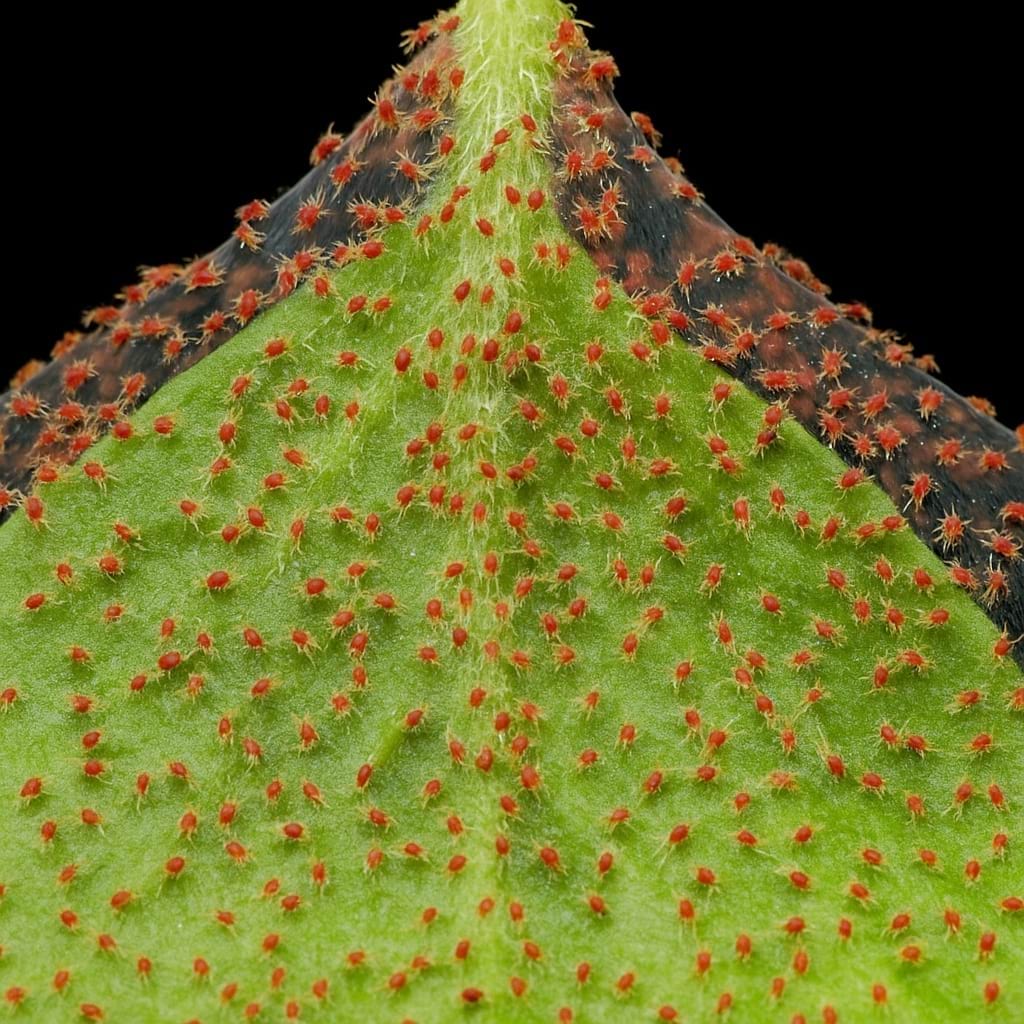
- Spider mites show up in warm, dry rooms as stippled leaves and fine webbing. Rinse the leaves and treat with soap or neem.
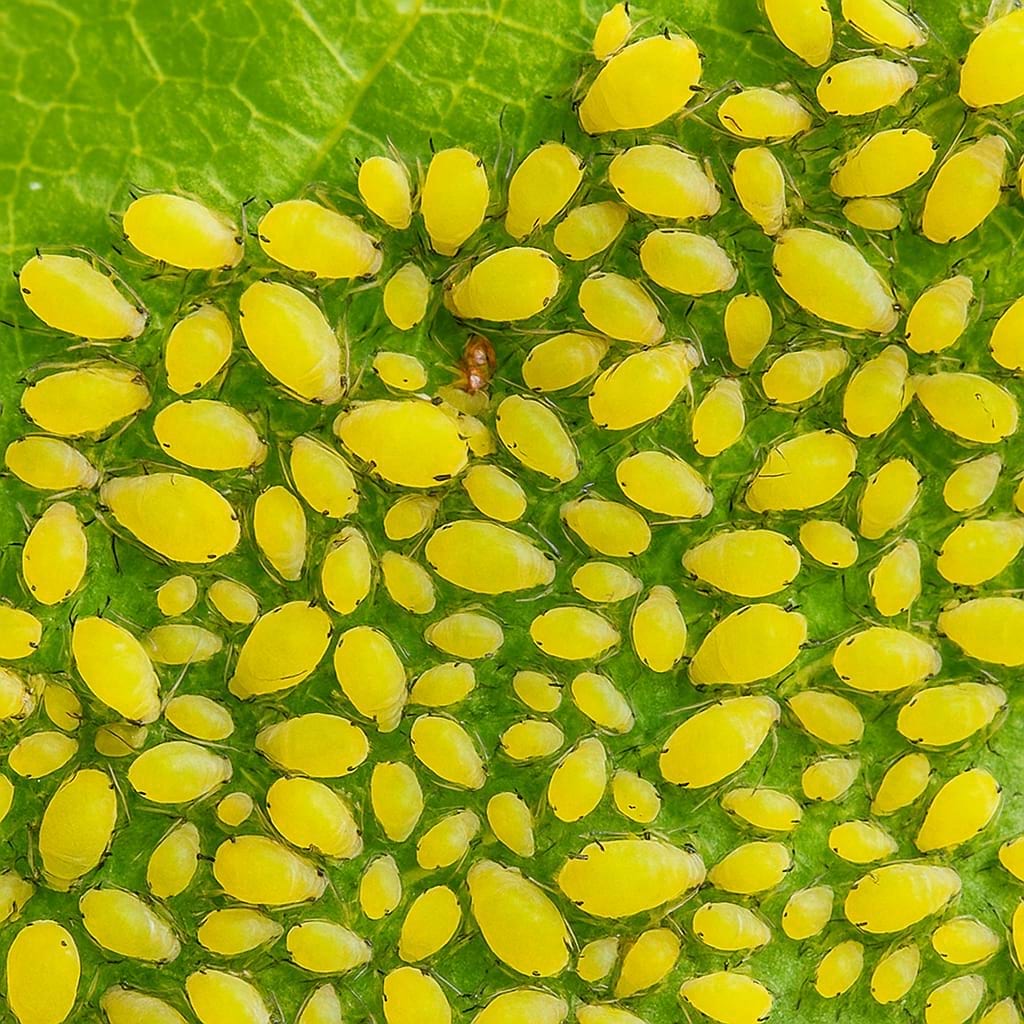
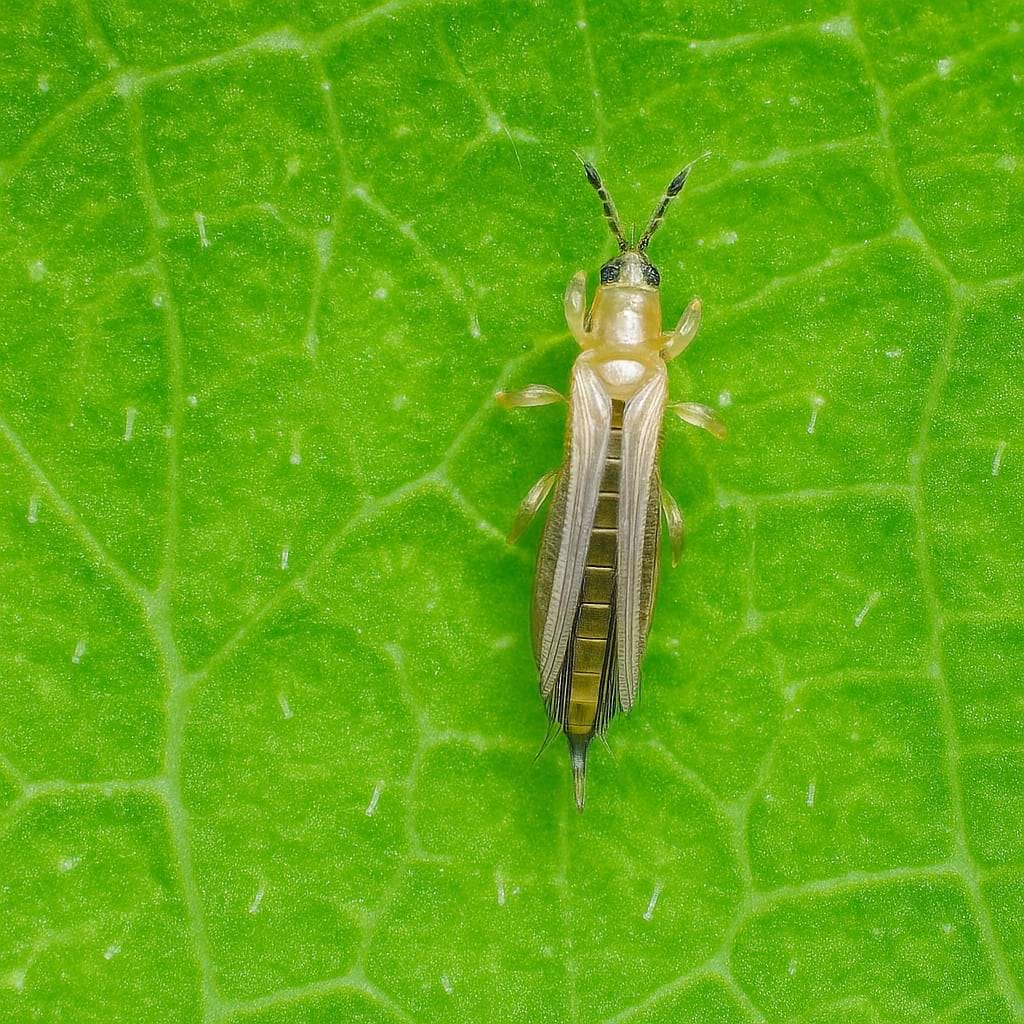
- Aphids and thrips occasionally hit soft new growth in spring and summer, especially on plants summering outdoors.
Preventing Pests
Keep a new poinsettia away from your other plants for a couple of weeks, since whiteflies spread easily. Inspect leaf undersides weekly, and give the plant a close check before bringing it back indoors in September. Our pest prevention in winter article has a routine that works for any holiday plant.
🩺 Common Poinsettia Problems
Leaves Dropping After You Bought It
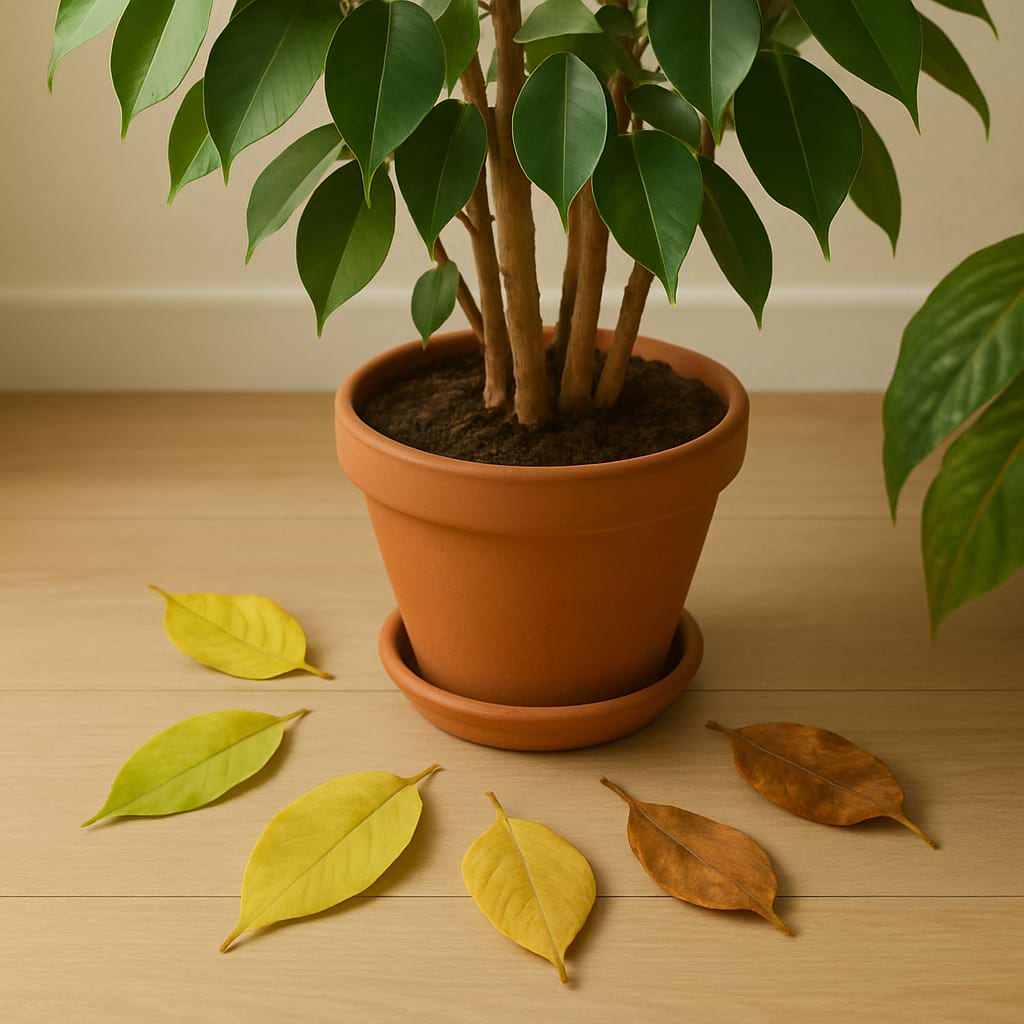
Leaf drop in the first week or two is the classic poinsettia complaint. The usual causes are chilling on the way home, a cold draft from a door or window, drying out, or roots sitting in water trapped by foil. Fix the cause, and the remaining leaves usually hold.
Wilting and Drooping
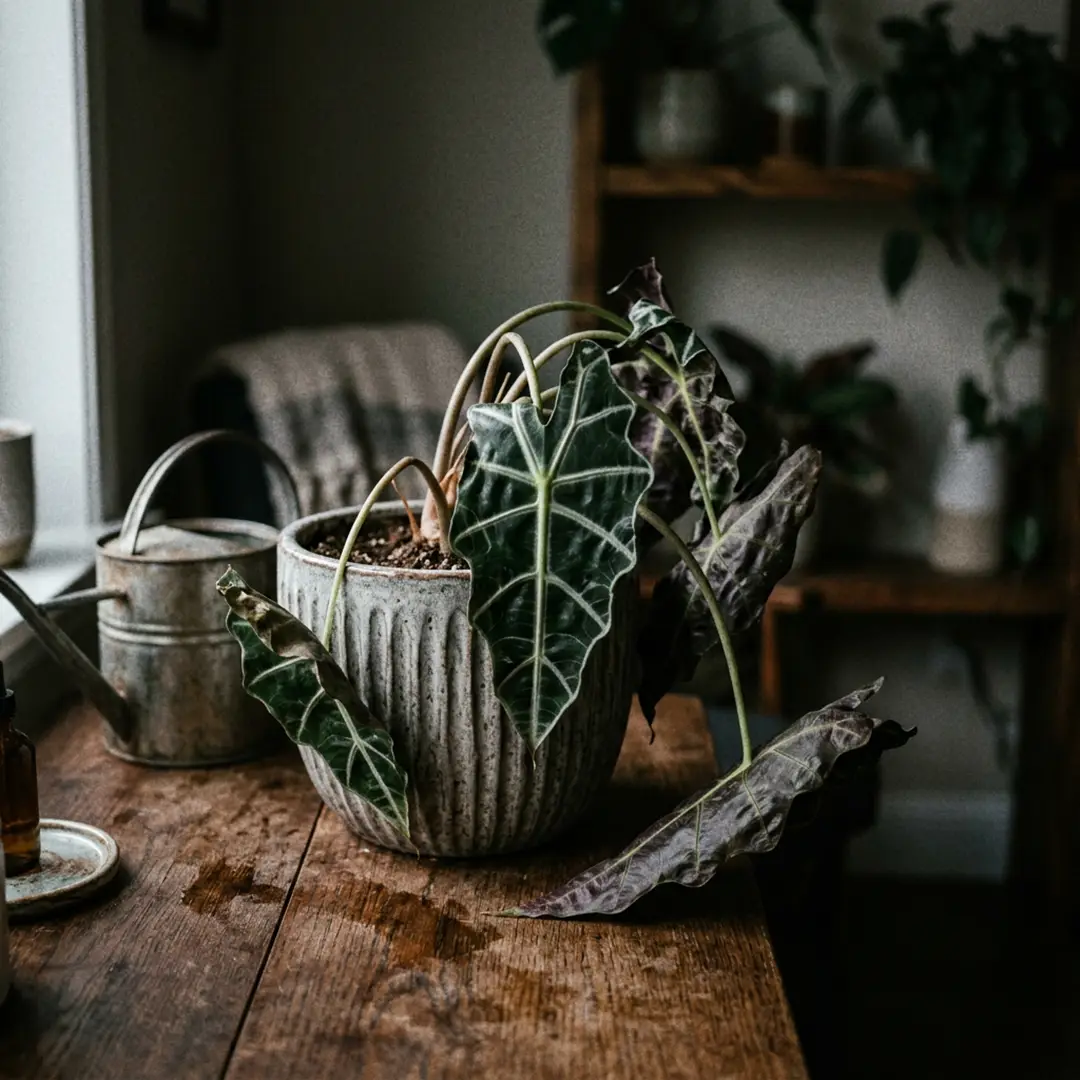
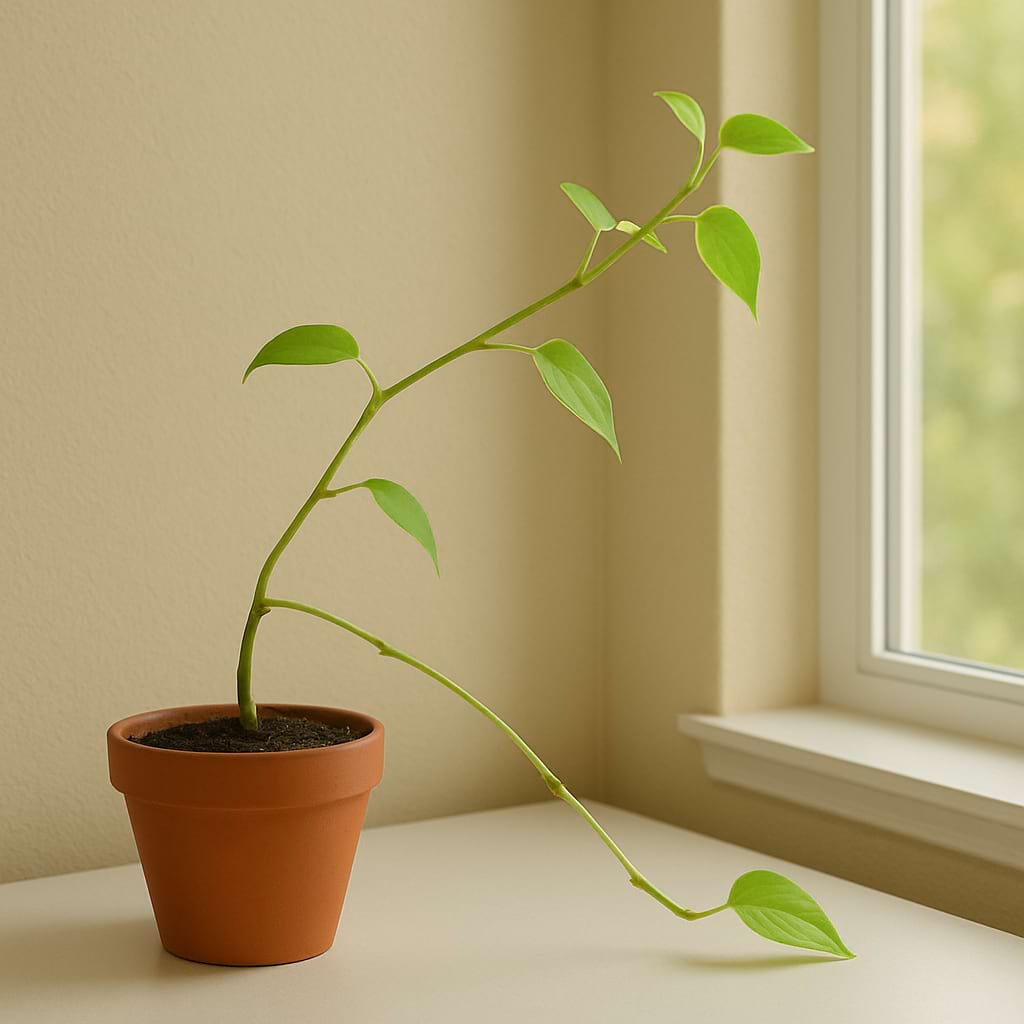
A plant that droops right after unwrapping is usually reacting to the sleeve, and it recovers in a day or two. If it wilts later, check the soil first: bone dry means water now, soggy means root rot is likely and you should let it drain and dry before watering again.
Yellow Leaves and Fading Bracts
Yellowing lower leaves point to too little light, overwatering, or the plant simply aging in late winter. Bracts that fade early are usually getting hot direct sun or sitting near a heat source. Bracts that stay green at the base or never fully color after a rebloom attempt got a broken darkness treatment.
Gray Mold and Root Rot
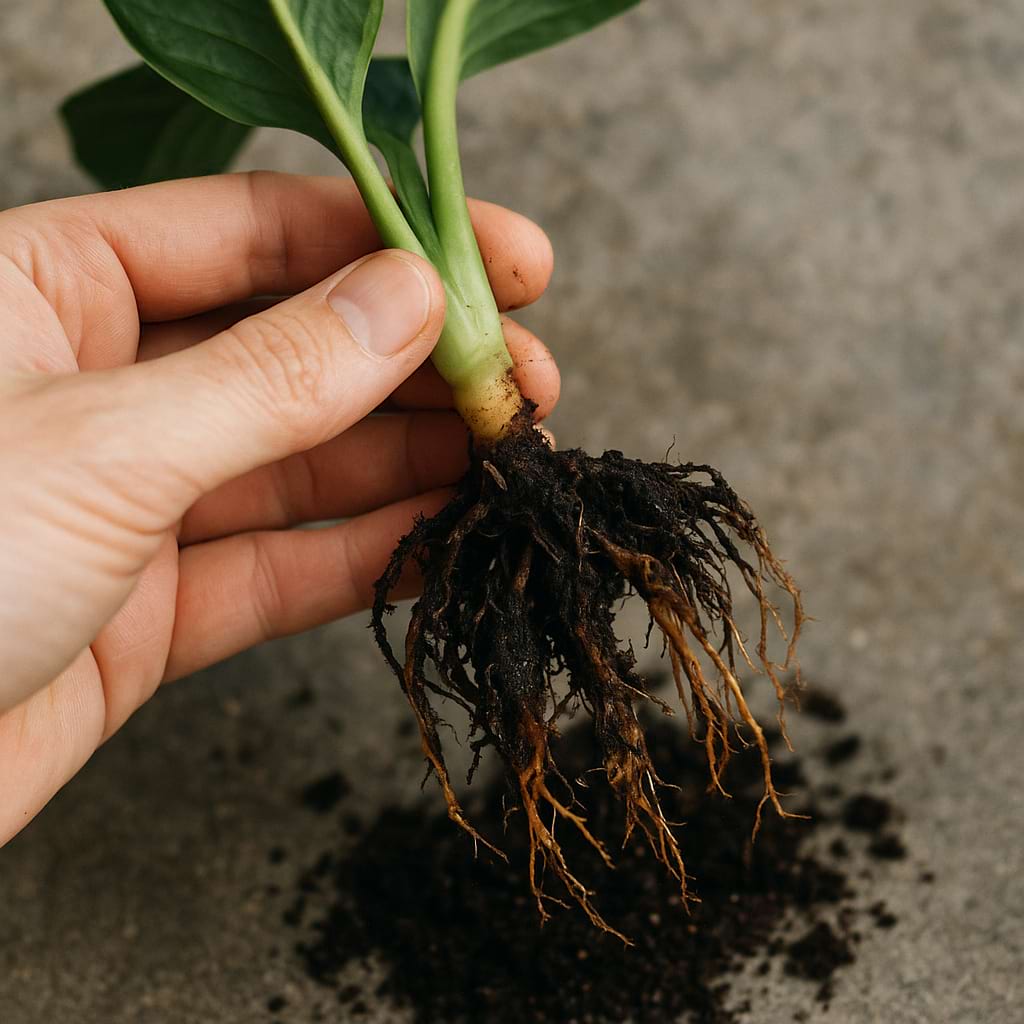
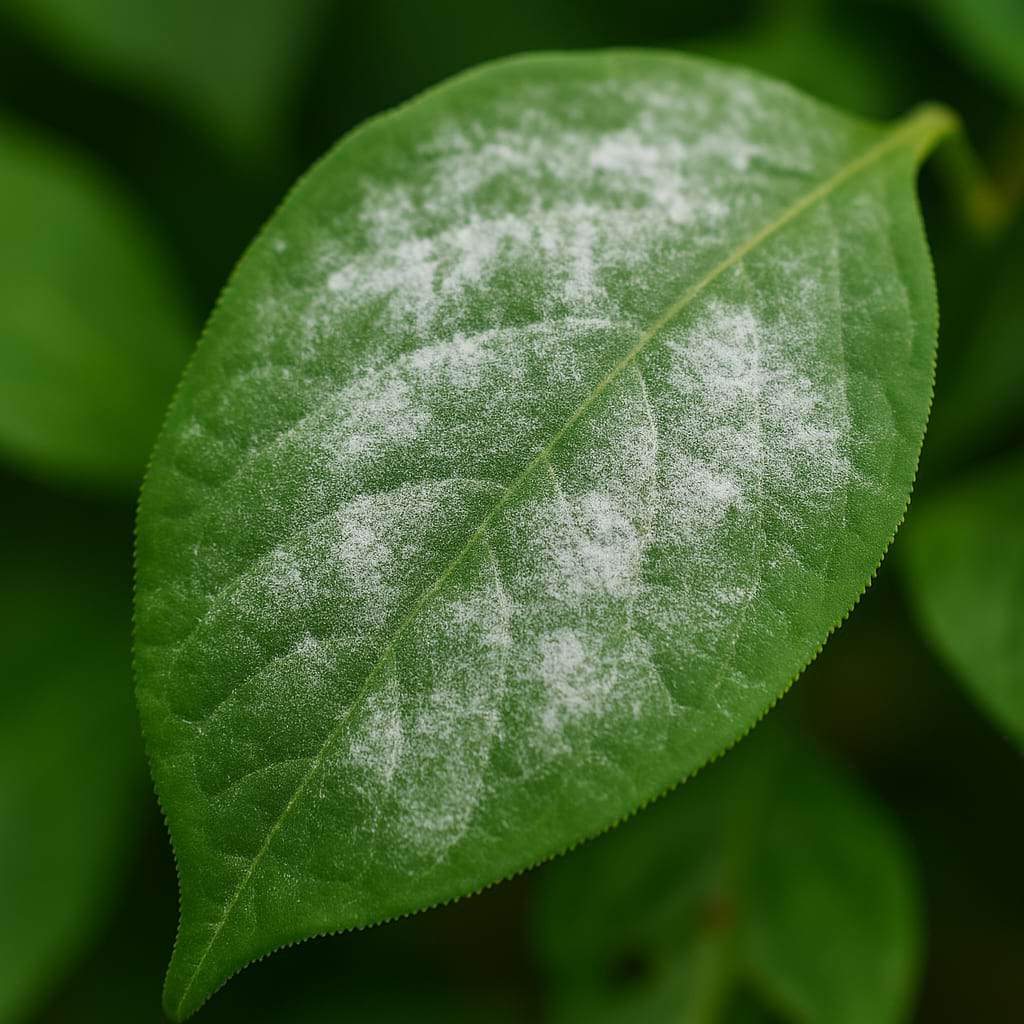
Botrytis shows up as fuzzy gray mold or brown, soggy patches on bracts and cyathia, mostly in cool, damp, still air. Remove the affected bracts, keep water off the plant, and improve airflow. Root rot, often caused by Pythium in greenhouse plants, follows waterlogged soil and shows as wilting with wet soil and dark, mushy roots. The fungal and bacterial disease guide covers treatment.

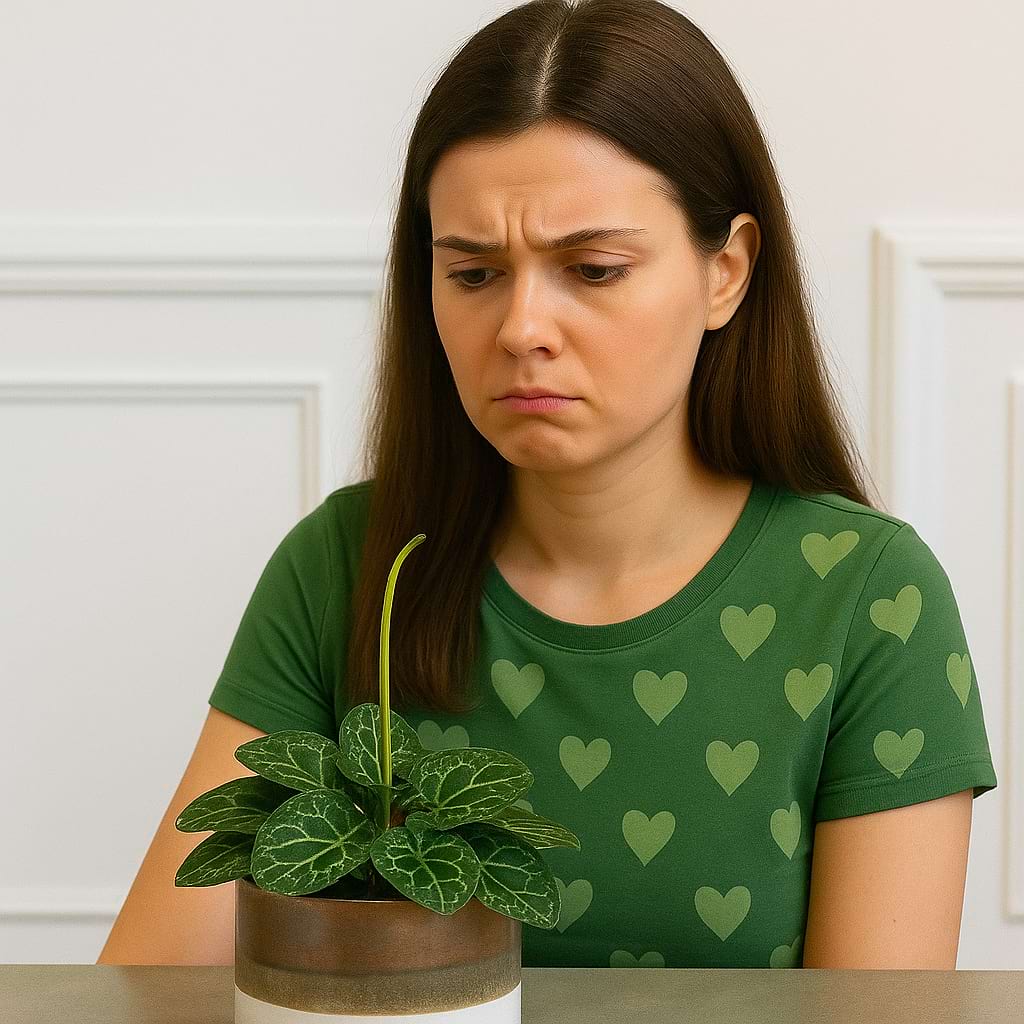
🖼️ Poinsettia Display and Styling Ideas
Solo Setups
A single full poinsettia makes a classic dining table centerpiece. Keep the grower pot inside a cachepot so you can lift it to water, and keep it a few feet from the window in very cold weather so the bracts never touch the glass.
Grouped Arrangements
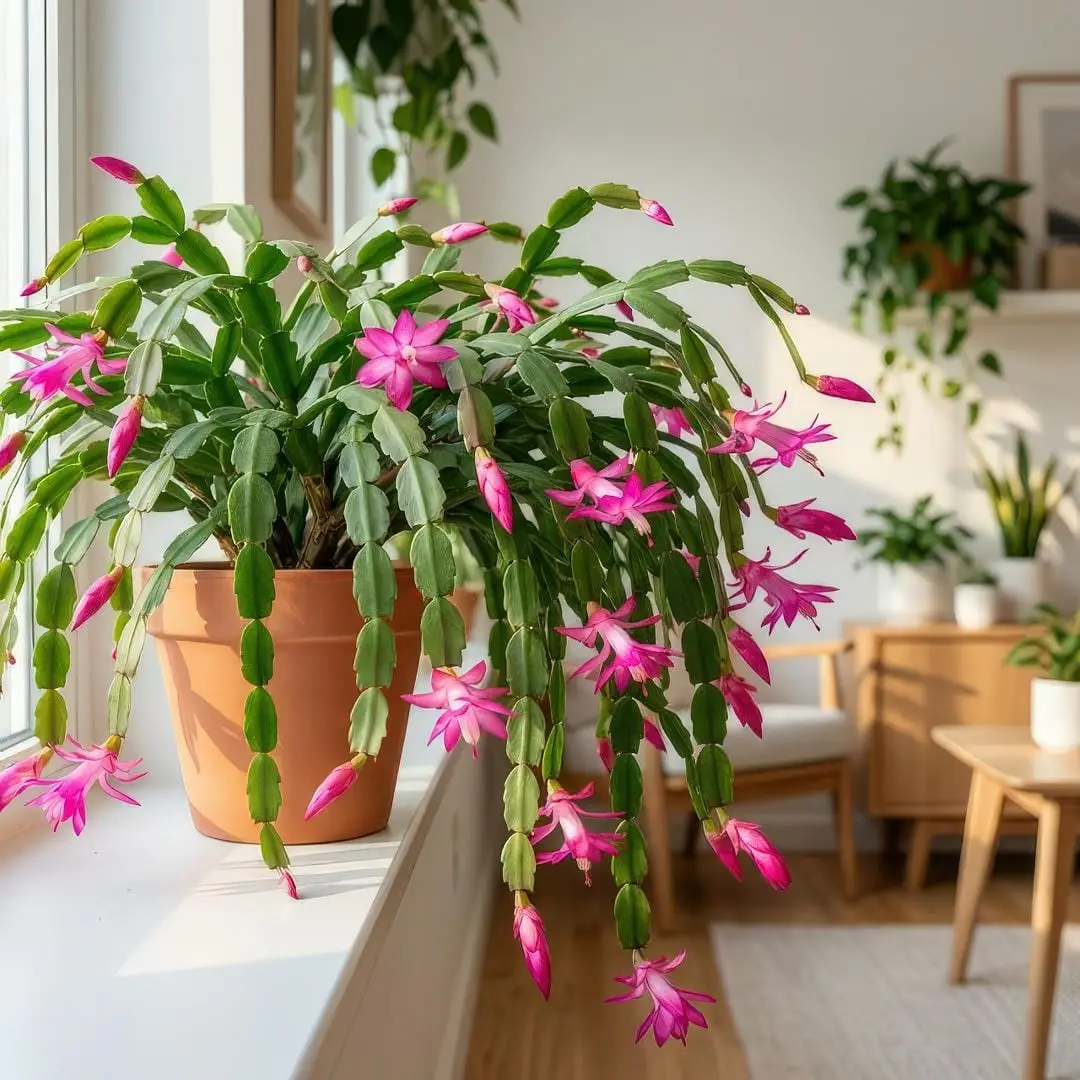
Grouping helps both the look and the humidity. A red poinsettia pairs well with the trailing shape of a Christmas Cactus or a Thanksgiving Cactus, the clustered blooms of a Flaming Katy, or the colorful leaves of a Croton. Mix white and red poinsettias for a softer look, or use several small 4-inch pots down a mantel or a table runner.
Where Not to Put It
Skip the entryway beside the front door, the top of a radiator or TV, a spot under a heating vent, and any windowsill where leaves press against cold glass. A dark corner shortens its life too.
🌟 Poinsettia Pro Care Tips
Buying and the First Week
- Buy poinsettias last on your shopping trip so they go straight from the store to a warm car and home.
- Unsleeve the plant the day you get it home and take the foil off or punch holes in it.
- Water at the sink and let it drain fully before it goes back on display.
Keeping It for Next Year
- Write the dates on a calendar now: cut back in late March, last pinch in late August, darkness from October 1.
- Keep only bushy, branched plants for rebloom. Single-stem plants are best enjoyed for one season.
- Set a phone reminder for the darkness routine. One missed evening is the most common reason a reblooming poinsettia comes out patchy.
❓ Frequently Asked Questions
Is poinsettia toxic to cats and dogs?
Yes, but only mildly. The ASPCA lists poinsettia as toxic to dogs, cats, and horses for its irritant sap, which can irritate the mouth and stomach and sometimes cause vomiting, and it calls the plant generally overrated in toxicity. Pet Poison Helpline rates it mild, with drooling, vomiting, or occasionally diarrhea that usually clears without treatment, so keep it out of reach and call your vet if your pet eats a lot or seems unwell. For a holiday plant the ASPCA lists as non-toxic, choose a Christmas Cactus or browse our pet-safe houseplants.
Are poinsettias deadly to children?
No. The deadly reputation is a myth. Colorado State Extension cites POISINDEX figures showing a 50-pound child would need to eat more than 500 bracts to show symptoms. The sap can still upset a stomach and irritate skin, especially for people with a latex allergy, so keep it out of reach and wash your hands after handling cut stems.
Why is my poinsettia dropping leaves?
The usual causes are cold exposure on the way home, cold drafts, drying out between waterings, or soggy roots from water trapped inside foil. Check the soil, move the plant away from doors and vents, and make sure the pot drains.
How long do poinsettias last?
With good light, steady watering, and a draft-free spot, a poinsettia lasts through the holidays and often stays attractive until spring. Bract color can hold until about mid-March before the plant starts to fade and rest.
How often should I water a poinsettia?
Water when the top inch of soil feels dry, which can be every few days for a small pot in a warm room or about once a week for a larger one. Drench it until water drains out, then empty the saucer or foil.
How do I make my poinsettia turn red again?
Starting around October 1, give it 14 hours of uninterrupted darkness every night and 6-8 hours of bright light by day for about 8-10 weeks. A closet or an opaque box works. Stop when the top bracts color, usually around Thanksgiving.
What do I do with my poinsettia after Christmas?
Keep it bright and watered until it fades, then cut it back to 6-8 inches in late March or early April, repot it, and feed it through summer. If you do not want to try reblooming, composting it is perfectly fine.
Can I plant my poinsettia outside?
Only where it never frosts, roughly USDA zones 9-11, where it grows into a shrub up to about 10 feet tall. Elsewhere it can summer outdoors once nights stay above 55°F and must come in before they drop below that.
Is a poinsettia a flower or a leaf?
Both, in a way. The colored parts are bracts, which are modified leaves, and the true flowers are the small yellow cyathia in the center of each bract cluster.
ℹ️ Poinsettia Info
Care and Maintenance
🪴 Soil Type and pH: Well-drained, peat-based potting mix with perlite or vermiculite
💧 Humidity and Misting: Average household humidity is fine; keep it away from heating vents that dry the bracts.
✂️ Pruning: Cut back to 6-8 inches in spring, pinch monthly through summer, and stop by late August.
🧼 Cleaning: Dust leaves gently with a soft dry brush. Avoid wetting the bracts, which spot and mold easily.
🌱 Repotting: Repot one size up in late spring or early summer, after the spring cutback.
🔄 Repotting Frequency: Once a year if you keep it for rebloom
❄️ Seasonal Changes in Care: Color from late November into early spring, cutback in late March or April, summer growth outdoors, then 14-hour nights from about October 1.
Growing Characteristics
💥 Growth Speed: Moderate
🔄 Life Cycle: Woody perennial shrub, often treated as a seasonal plant
💥 Bloom Time: Late November through winter; colored bracts can hold until mid-March
🌡️ Hardiness Zones: 9-11 (frost-free areas only)
🗺️ Native Area: Pacific slopes and seasonally dry forests of Mexico into Guatemala
🚘 Hibernation: Semi-dormant rest after the bracts fade, from late winter to early spring
Propagation and Health
📍 Suitable Locations: Bright rooms away from doors and vents, dining tables near a bright window, covered porches in frost-free climates
🪴 Propagation Methods: Root 4-6 inch tip cuttings from new shoots in late spring or early summer.
🐛 Common Pests: Whiteflies, Fungus Gnats, Spider Mites, Aphids, Thrips
🦠 Possible Diseases: Root rot (Pythium), botrytis gray mold on bracts, stem rot
Plant Details
🌿 Plant Type: Flowering shrub grown as a short-day holiday plant
🍃 Foliage Type: Evergreen indoors, deciduous in dry seasons in the wild
🎨 Color of Leaves: Dark green, lobed or toothed leaves
🌸 Flower Color: Bracts in red, white, pink, salmon, cream, marbled and speckled forms; true flowers small and yellow-green
🌼 Blooming: Yes. Colored bracts form after about 8-10 weeks of long nights in autumn
🍽️ Edibility: Not edible. The milky sap irritates the mouth and stomach.
📏 Mature Size: 1-3 feet indoors (up to about 10 feet outdoors in frost-free gardens)
Additional Info
🌻 General Benefits: Months of winter color, easy to keep through the season, can be grown on for years and rebloomed
💊 Medical Properties: No established medicinal use for home growers.
🧿 Feng Shui: Red bracts are linked with warmth and celebration, and the plant is usually placed in living and dining areas during the winter holidays.
⭐ Zodiac Sign Compatibility: Capricorn
🌈 Symbolism or Folklore: Celebration, good cheer, and the Christmas season
📝 Interesting Facts: The colorful parts are bracts, a kind of modified leaf, and the true flowers are the small yellow structures in the center called cyathia. The plant is named after Joel Poinsett, the first US ambassador to Mexico, who brought it to the United States in 1825. Wild poinsettias are shrubs that grow on the Pacific side of Mexico, and genetic work points to populations in northern Guerrero as the ancestors of most cultivated plants.
Buying and Usage
🛒 What to Look for When Buying: Pick a plant with dark green leaves all the way down to the soil, fully colored bracts, and tight yellow cyathia in the center. Skip plants that have been sitting in plastic sleeves, are drooping, or sit by the store doors. Have it wrapped below 50°F and take it straight home in a warm car.
🪴 Other Uses: Holiday decor, table centerpiece, gift plant, outdoor shrub in frost-free gardens
Decoration and Styling
🖼️ Display Ideas: Dining table centerpiece, grouped in a bright entry away from the door, mixed with other winter-blooming plants
🧵 Styling Tips: Slip the grower pot into a cachepot one size larger so you can lift it out to water. Keep bracts from touching cold window glass.
📚 References ▼
🪴 See also 🪴

Complete Guide to Thanksgiving Cactus Care and Growth
Complete Guide to Christmas Cactus Care and Growth

Houseplant101 Forum
Questions & Comments
Ask a question, share your plant experience, or help other plant owners.
Comments are temporarily unavailable.
Open the Houseplant101 ForumNo comments yet
Be the first to ask a question or share your experience about this page.
Log in or create an account
Comments use your Houseplant101 Forum account, but you can stay on this page.
Create a new account