
Anthurium Clarinervium
Anthurium clarinervium
Velvet Cardboard Anthurium, Clarinervium, Heart-Leaf Velvet Anthurium


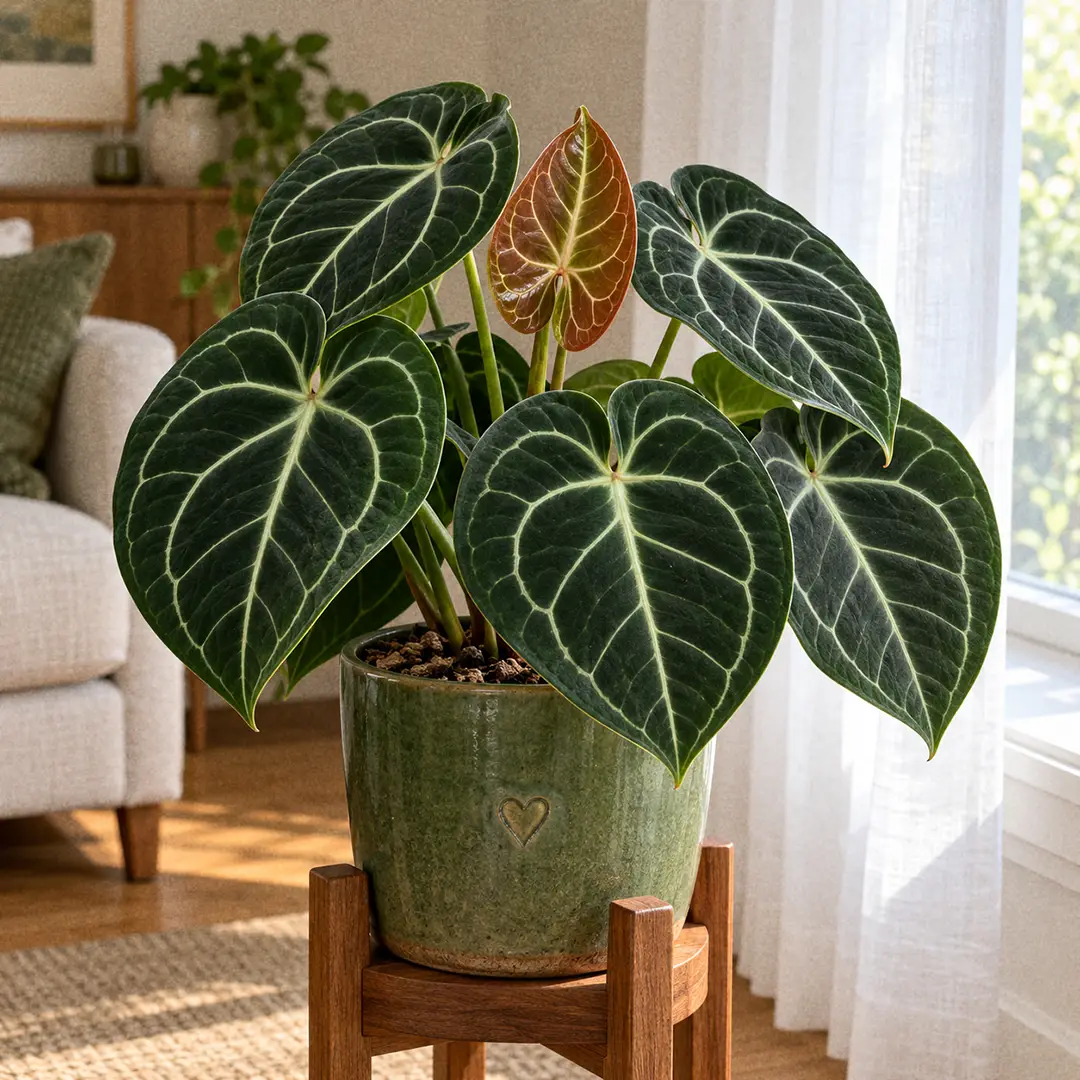
Anthurium Clarinervium is the velvet anthurium with thick, stiff, heart-shaped leaves drawn in bold white veins. Learn how to grow this rock-dwelling Mexican species indoors, how it differs from Crystallinum, and why it copes with ordinary room humidity better than its cousins.
📝 Anthurium Clarinervium Care Notes
🌿 Care Instructions
⚠️ Common Pests
📊 Growth Information
🪴 In This Guide 🪴

☀️ Anthurium Clarinervium Light Requirements (Bright Indirect Light)
The Sweet Spot
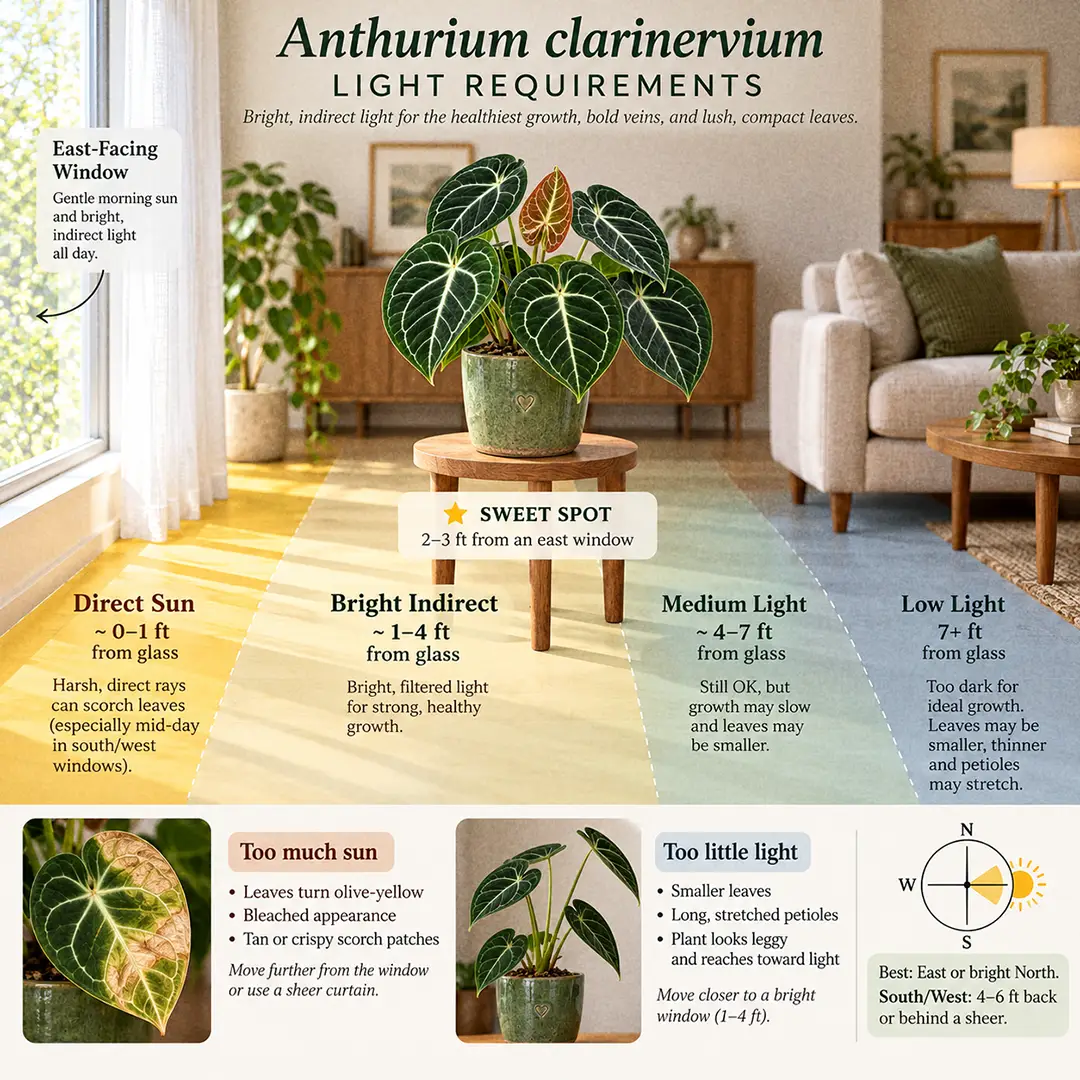
Clarinervium wants bright, indirect light: lots of open sky, very little sun on the leaves. An east-facing window is ideal, with the plant about 2 to 3 feet back from the glass so the gentle morning sun only brushes it. A bright north window also works, as long as the plant sits right beside the glass.
South and west windows are fine if you pull the plant 4 to 6 feet back or put a sheer curtain between it and the glass. The goal is a spot where you could comfortably read a book at midday without turning on a lamp.
Too Little Light
In a dim corner it does not die quickly, it just stalls. New leaves come in smaller than the old ones, the petioles stretch to reach for light, and the plant loses that neat, compact rosette. Some growers find the vein contrast looks duller in poor light, too. If you only get one new leaf in six months, light is the first thing to fix.
Too Much Light
Direct midday or afternoon sun bleaches the velvet. The dark green turns a washed-out olive or yellowish shade, and hard sun can leave tan, papery scorch patches that never recover. A grow light is a good fix for a dark home: a full-spectrum LED about 12 to 18 inches above the plant for 12 hours a day keeps it compact. Our light guide explains how to judge your windows.
💧 Anthurium Clarinervium Watering Guide (Airy and Evenly Moist)
Watering Frequency
Water when the top third of the mix is dry. In a 5 or 6 inch pot of chunky mix that usually works out to every 5 to 8 days in a warm, bright summer and every 10 to 14 days in winter. Do not water by the calendar, though. Push a finger or a wooden skewer into the mix and water only when it comes out dry at the top and barely damp lower down.
Those thick leaves hold a little reserve, so a clarinervium handles being a few days late better than a crystallinum. It does not like going bone dry for long, however. Fine roots that dry out completely tend to die back, and then rot when water arrives again.
How to Water
Water slowly and thoroughly until it runs out of the drainage holes, then let the pot drain fully. With a proper chunky mix, the water should pour straight through in seconds. If it pools on top or takes a minute to soak in, the mix has broken down and it is time to repot.
Room-temperature water is best. If your tap water leaves white crust on pots, or you feed regularly, flush the pot with plain water once a month to rinse out salts. Our watering guide covers the basics in more detail.
Signs of Trouble
Overwatering shows up as yellowing lower leaves, a soft or darkened stem at the base, and a sour smell from the pot. Underwatering looks different: leaves curl slightly inward, lose their stiffness, and get crispy edges. Because this plant is so slow, the symptoms often show a week or two after the mistake, so think back before you change anything.
🪴 Best Soil for Anthurium Clarinervium (Very Chunky Mix)
What the Soil Needs
In Chiapas this plant grows on limestone outcrops, with its roots pushed into gaps between rocks or into thin pockets of soil on the rock face. Its roots are built for air, quick drainage, and a brief damp spell after rain. Regular potting soil does the opposite. It packs down, holds water around the roots for days, and is the fastest way to rot this plant.
So the rule for clarinervium is airier than for most anthuriums: lots of chunks, very little fine material.
DIY Soil Mix
A reliable home recipe:
- 4 parts medium orchid bark for structure and air pockets
- 2 parts pumice or perlite for drainage (pumice does not float to the top)
- 1 part horticultural charcoal to keep the mix open and fresh
- 1 part coco coir, peat, or chopped sphagnum moss to hold a little moisture
That is a leaner mix than many people use for crystallinum, which usually gets more moss. If your home is very dry or you are often away, nudge the moss up slightly. If you tend to overwater, leave it out and add more bark.
Pre-Made Options
A bagged aroid mix or an orchid bark mix is a good starting point. Most aroid blends benefit from an extra handful of pumice, and a pure orchid mix needs a little coir or moss added so it does not dry out overnight. Avoid anything sold as "moisture control". Our potting soil guide compares common blends.
🍼 Fertilizing Anthurium Clarinervium (Little and Often)
When and How Often
Feed from spring through early autumn, while the plant is pushing new leaves. Use a quarter-strength dose every second or third watering rather than a full dose once a month. Anthurium roots are sensitive to salt buildup, and steady weak feeding avoids the spikes that burn them. Stop feeding in winter when growth slows.
What to Use
A balanced liquid houseplant fertilizer works well, or one formulated for foliage plants or aroids. A product that includes calcium and magnesium is a nice extra for the thick leaf tissue. There is no need for anything special or expensive. Our fertilizing guide has more on dilution.
Over-Fertilizing Signs
Brown tips on new leaves, a white crust on the mix or pot rim, and roots that look dark and dry at the tips all point to too much fertilizer. Flush the pot with several times its volume in plain water, skip the next two feedings, and drop to a weaker dose.
🌡️ Anthurium Clarinervium Temperature Range
Ideal Range
Normal room temperature suits it well. Aim for 65-85°F (18-29°C), with growth fastest around the low to mid 70s. It handles a cooler night down to about 60°F (15°C) without complaint, but below that growth stops, and a few hours near 50°F (10°C) can leave dark, water-soaked damage that shows up days later.
Cold, Drafts and Heat Sources
Keep it away from drafty doors, single-pane windows in winter, and air-conditioning vents. Hot, dry air is just as bad, so do not park it above a radiator or next to a heating vent. A cold windowsill in January can chill the roots even when the room feels fine, so slip a cork mat under the pot or move it back a foot.
💦 Anthurium Clarinervium Humidity Requirements
Ideal Humidity
This is where clarinervium earns its reputation as the easier velvet anthurium. Its leaves are thick and leathery, so they lose water more slowly than thinner leaves do. It is happiest at 55-65% humidity, but many growers keep it at 45-50% in a heated home with clean leaf edges, where a crystallinum would start browning. Below about 40%, expect crispy margins and new leaves that struggle to open.
Easy Humidity Boosters
A small humidifier set nearby is the most reliable fix in winter. Grouping it with other plants helps a little, and a bright bathroom works well. Pebble trays and misting barely move the number, so do not rely on them. Our humidity guide explains how to measure what you have.
🌸 Anthurium Clarinervium Flowers (What to Expect)
What the Flowers Look Like
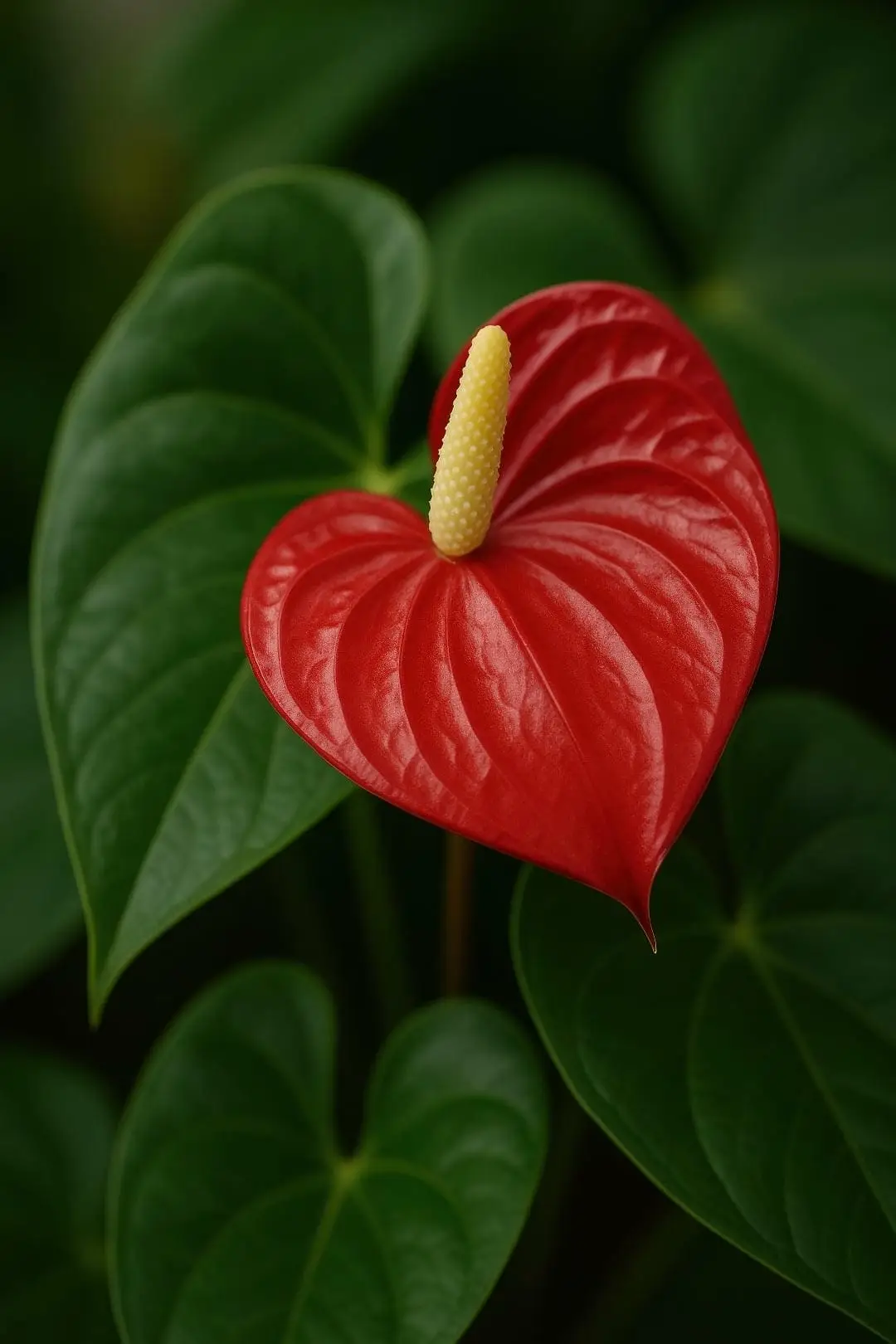
Clarinervium does flower, but nobody grows it for that. The inflorescence is a slim, pale green spathe, sometimes tinged with purple, around a narrow spadix that ranges from green to purplish. It looks nothing like the glossy red "flower" of a Flamingo Flower. Most people barely notice it among the leaves.
When It Blooms
Mature, well-fed plants in good light may send up an inflorescence now and then, with no fixed season indoors. Young plants rarely flower. If yours never blooms, nothing is wrong. The leaves are the point.
Should You Let It Bloom
There is no harm in letting a flower open and fade. If the plant is small or you want maximum leaf growth, snip the stalk near the base once it appears, so the energy goes into the next leaf instead. If a flower is pollinated, it develops orange berries, which is one handy way to tell this species apart from a crystallinum.
🏷️ Anthurium Clarinervium Types and Varieties
Pure Anthurium Clarinervium
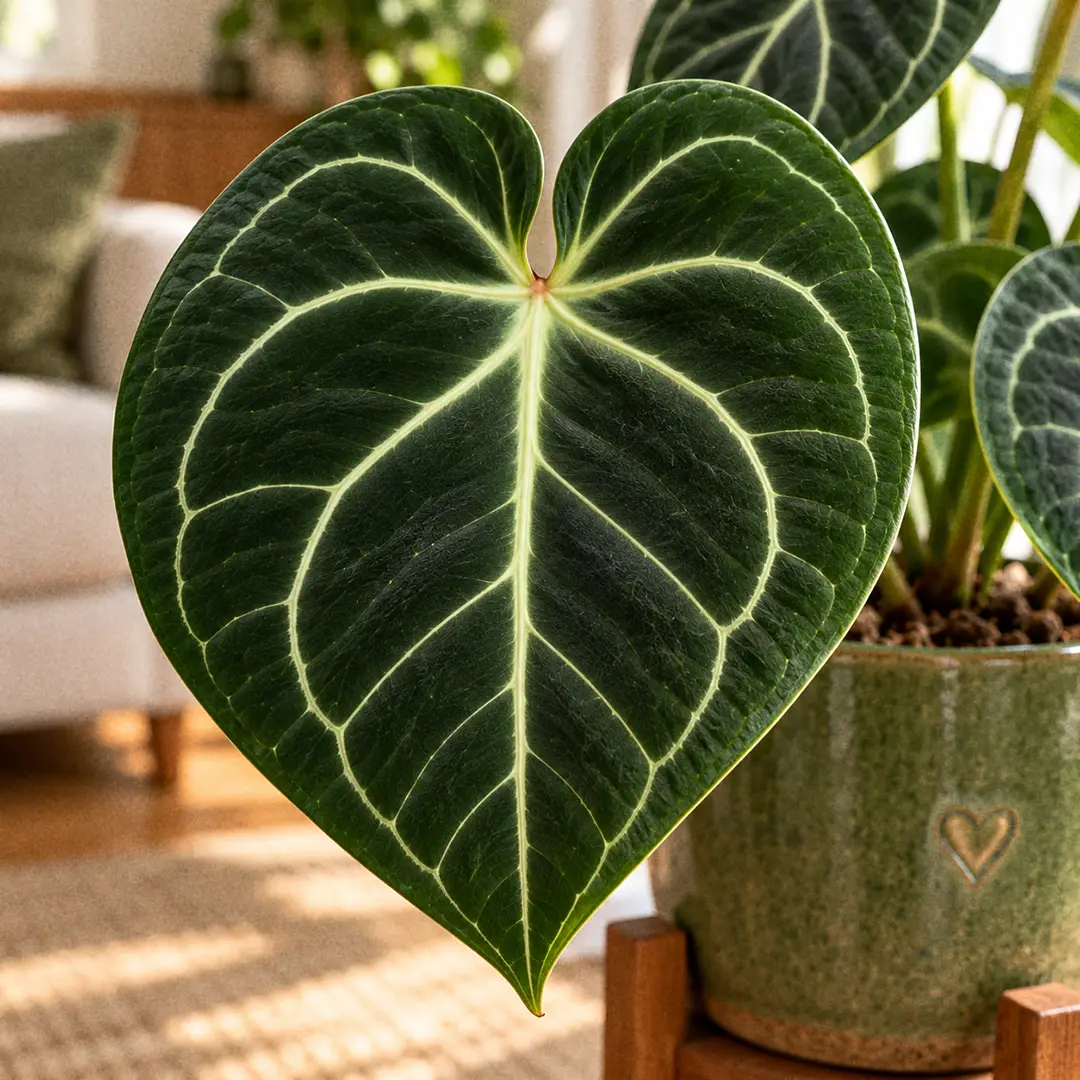
The species has no named cultivars you need to choose between. What you are looking for is the classic leaf: broad and close to a perfect heart, with a deep notch where the stem meets the blade. The surface is matte, very dark green velvet, and every main vein is outlined in white or ivory. Hold a leaf and it feels stiff, almost like thin card. Indoors, mature leaves usually reach about 8 to 10 inches long.
New leaves unfold a reddish bronze to pinkish color with the veins already visible. Over a few weeks they darken to green and harden into that cardboard texture.
Clarinervium vs Crystallinum
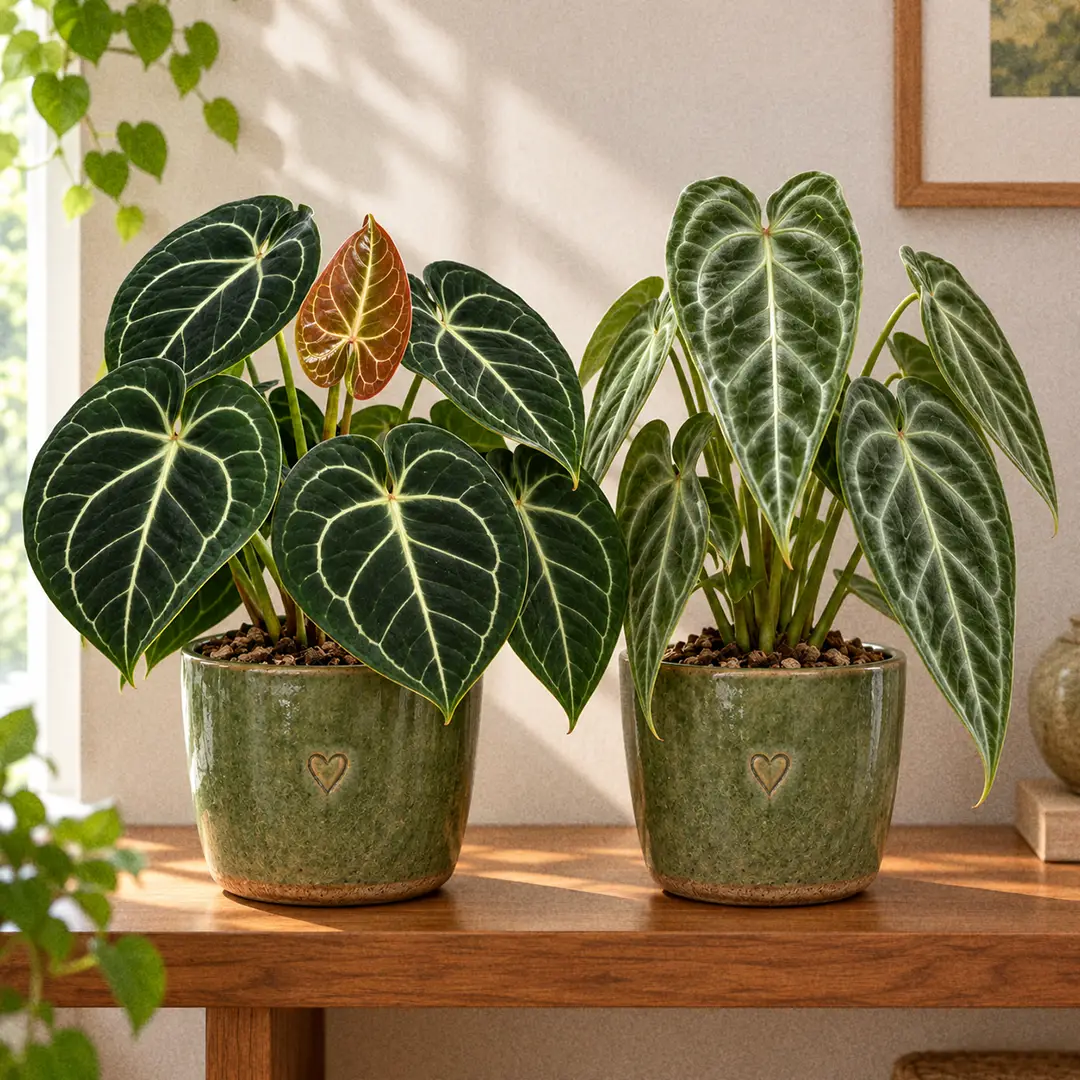
These two are mixed up constantly, often on the same nursery bench. Both have round petioles and white veins on dark velvet. The differences:
- Leaf shape: clarinervium is broad and heart-shaped. Crystallinum is longer and narrower, more of a stretched heart.
- Thickness: clarinervium leaves are thick and stiff. Crystallinum leaves are thinner and flex when you touch them.
- Color: clarinervium is usually darker. Crystallinum often reads a lighter green, with veins that look more silvery.
- Berries: if your plant ever fruits, orange berries point to clarinervium.
For care, the practical difference is humidity: crystallinum wants more of it. See our Crystallinum guide if that is the one you have.
Clarinervium Hybrids
Many plants sold today are labelled "clarinervium hybrid" or "clarinervium x" something. Crosses with other velvet anthuriums tend to have leaves that sit somewhere in between: longer than a pure clarinervium, thinner, or with softer veining. A cross with Anthurium pedatoradiatum is also sold, and its sharper, more triangular leaves look quite different. Hybrids are often more vigorous and just as easy to grow, so there is nothing wrong with buying one. Just ask the seller, because a hybrid's leaves will not match the species exactly. For a different velvet aroid altogether, the Anthurium Magnificum Hybrid grows larger leaves on four-angled petioles.
🪴 Potting and Repotting Anthurium Clarinervium
When to Repot
Repot every 2 years in spring, or sooner if roots are circling out of the drainage holes or the mix holds water for days. Bark breaks down over time, so even a plant that has not outgrown its pot benefits from fresh mix every couple of years.
Choosing a Pot
Go only 1 to 2 inches wider than the current root ball. A big pot holds a lot of wet mix that the roots cannot reach, and that is where rot starts. Plastic nursery pots, slotted orchid pots, and terracotta all work, as long as there are drainage holes. Terracotta dries faster, which suits heavy-handed waterers. Our plant pot guide covers the options.
Step-by-Step Repotting
- Water the day before so the roots are flexible.
- Ease the plant out and shake off the old mix.
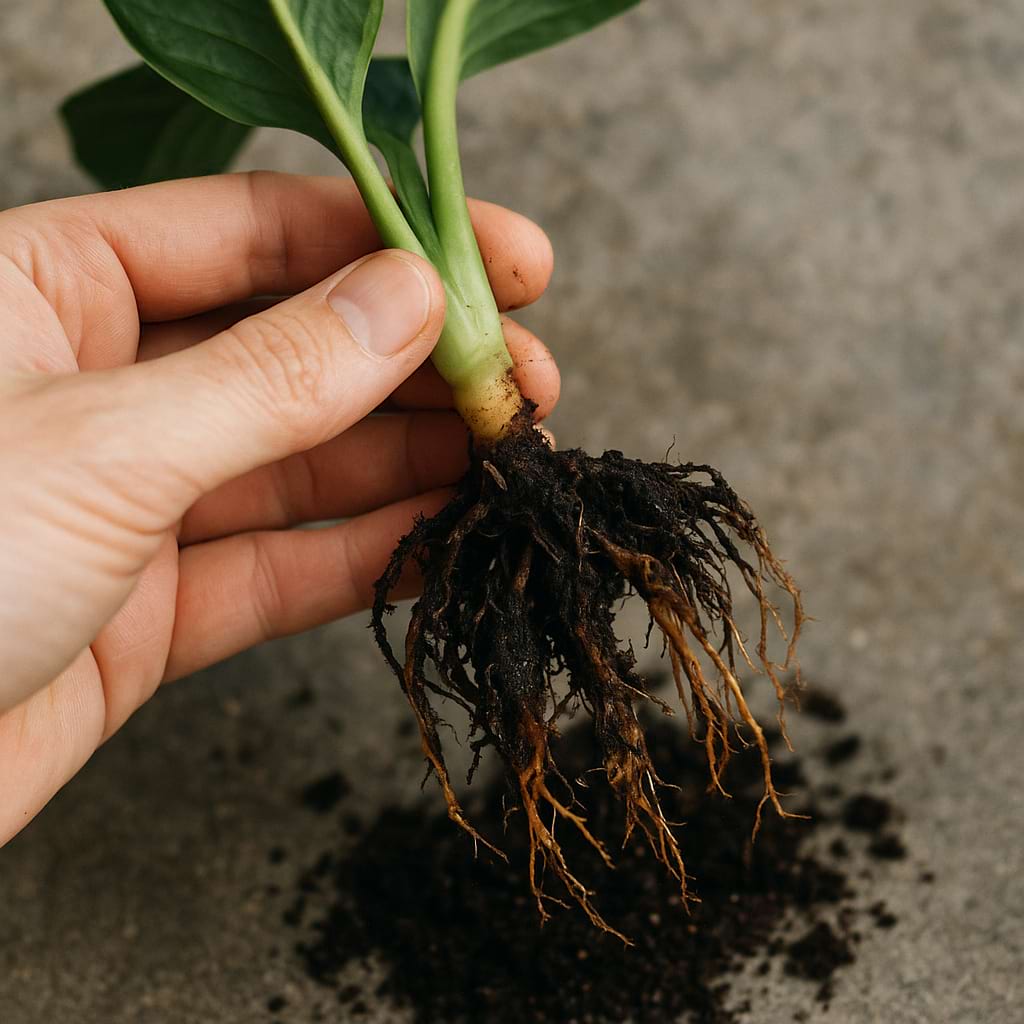
- Trim any brown, hollow, or mushy roots with clean scissors. Healthy roots are firm and pale.
- Set the plant at the same depth as before, with the base of the stems above the mix line.
- Fill in around the roots with fresh chunky mix, tapping the pot to settle it. Do not press it down hard.
- Water lightly and keep it out of direct light for a week while it settles.
More detail is in our repotting guide.
✂️ Pruning Anthurium Clarinervium
When to Prune
Very rarely. This plant grows slowly, and every healthy leaf is feeding it. Only remove leaves that are mostly yellow, badly damaged, or diseased. An old lower leaf yellowing now and then is normal ageing.
How to Prune
Cut the petiole close to the main stem with clean, sharp scissors. Wipe the blades with rubbing alcohol between plants so you do not spread bacteria. Leave a leaf that is only partly damaged, since it is still doing useful work.
Cataphylls and Aerial Roots
Each new leaf arrives wrapped in a thin sheath called a cataphyll, which dries brown and papery afterwards. You can leave it or gently peel away the dry bits so they do not trap water against the stem. Leave aerial roots alone; tuck them into the mix if they reach it, or let them be.
🌱 How to Propagate Anthurium Clarinervium
Best Method
Division is the easiest and safest method. Older plants often send up small offsets, or pups, at the base. Once a pup has two or three leaves and its own roots, it can be separated at repotting time. You cannot root a clarinervium from a single leaf; you always need a piece of stem with a growth point.
Step-by-Step Division
- Unpot the plant in spring and loosen the mix from around the base.
- Find where the pup joins the main stem and check that it has its own roots.
- Separate it with clean fingers, or a sterile knife if the stems are fused.
- Pot the pup in a small container of fresh chunky mix.
- Keep it warm, in bright indirect light, with slightly higher humidity for a few weeks. A clear plastic bag or a propagation box helps.
Top-Cutting a Leggy Plant
An old plant can develop a bare, upright stem with leaves only at the top. You can cut the top off just below a set of aerial roots, root it in damp sphagnum moss or perlite in a covered box, then pot it once the new roots are an inch or two long. The old stump often pushes new growth from dormant nodes. Seeds are possible but slow, and seed from a hybrid will not match its parent. Our propagation guide covers both methods.
🐛 Anthurium Clarinervium Pests and Treatment
Thrips and Spider Mites
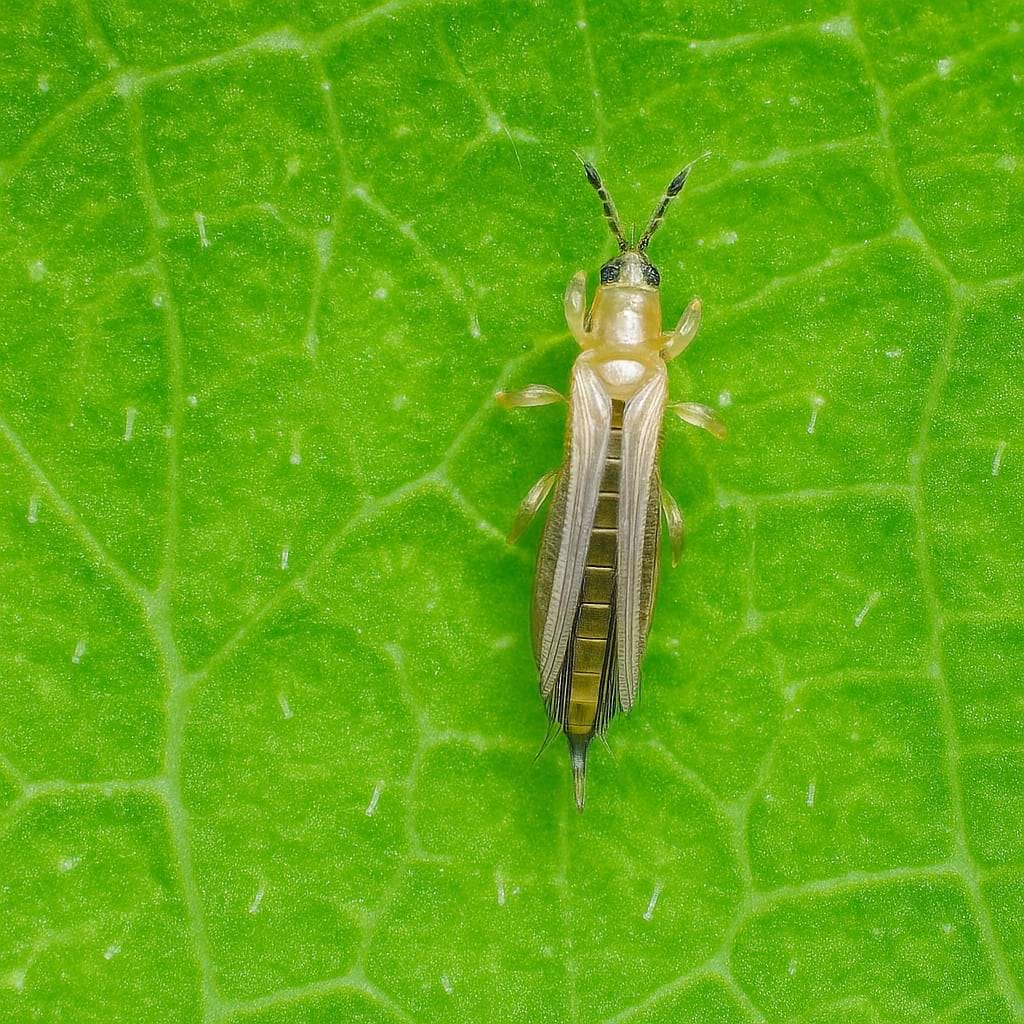
Thrips are the pest that does the most lasting harm. They feed on new leaves while they unfurl, leaving silvery streaks, brown scarring, and twisted growth. Since each leaf lasts for years, that damage stays on display, so check every new leaf as it opens.
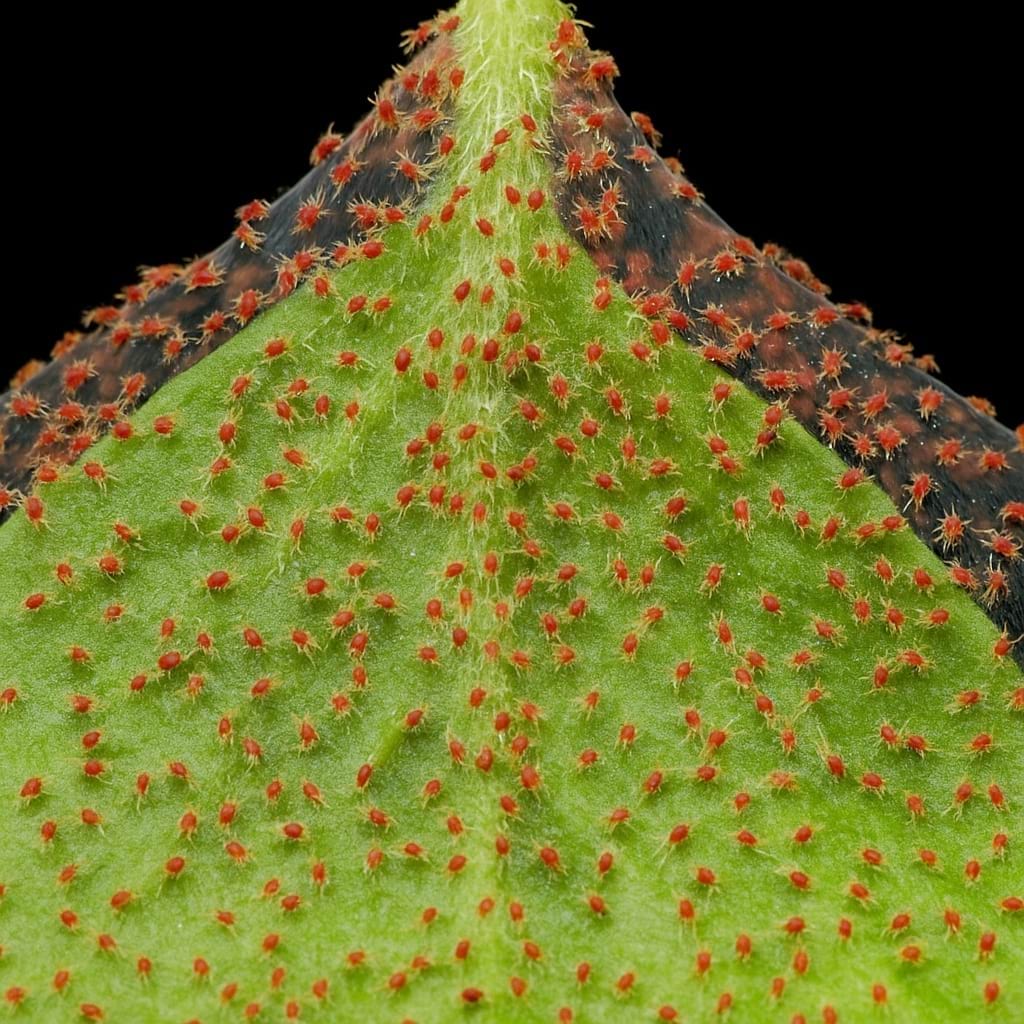
Spider mites arrive in warm, dry air. Look for fine pale speckling across the leaf and thin webbing where the leaf meets the petiole. The velvet surface hides them well, so use a magnifier.
Mealybugs, Scale and Fungus Gnats
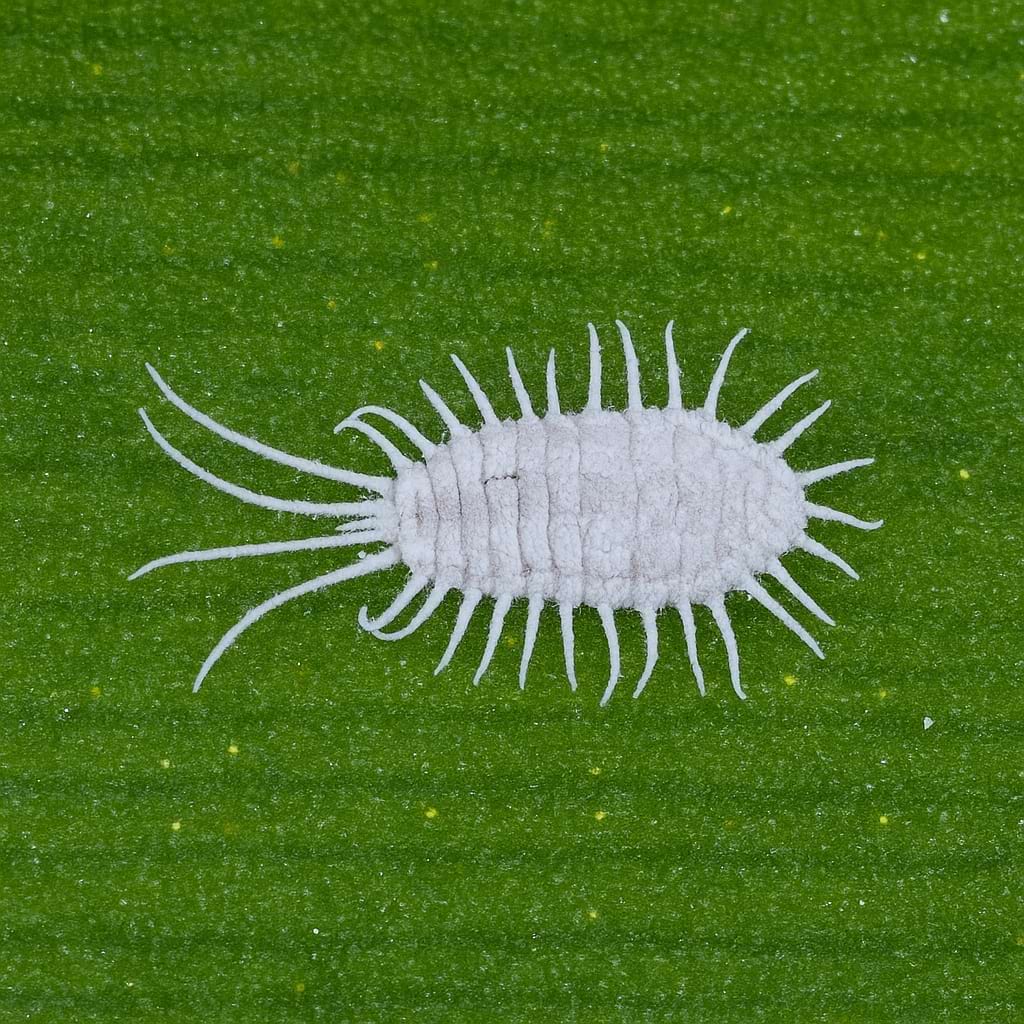
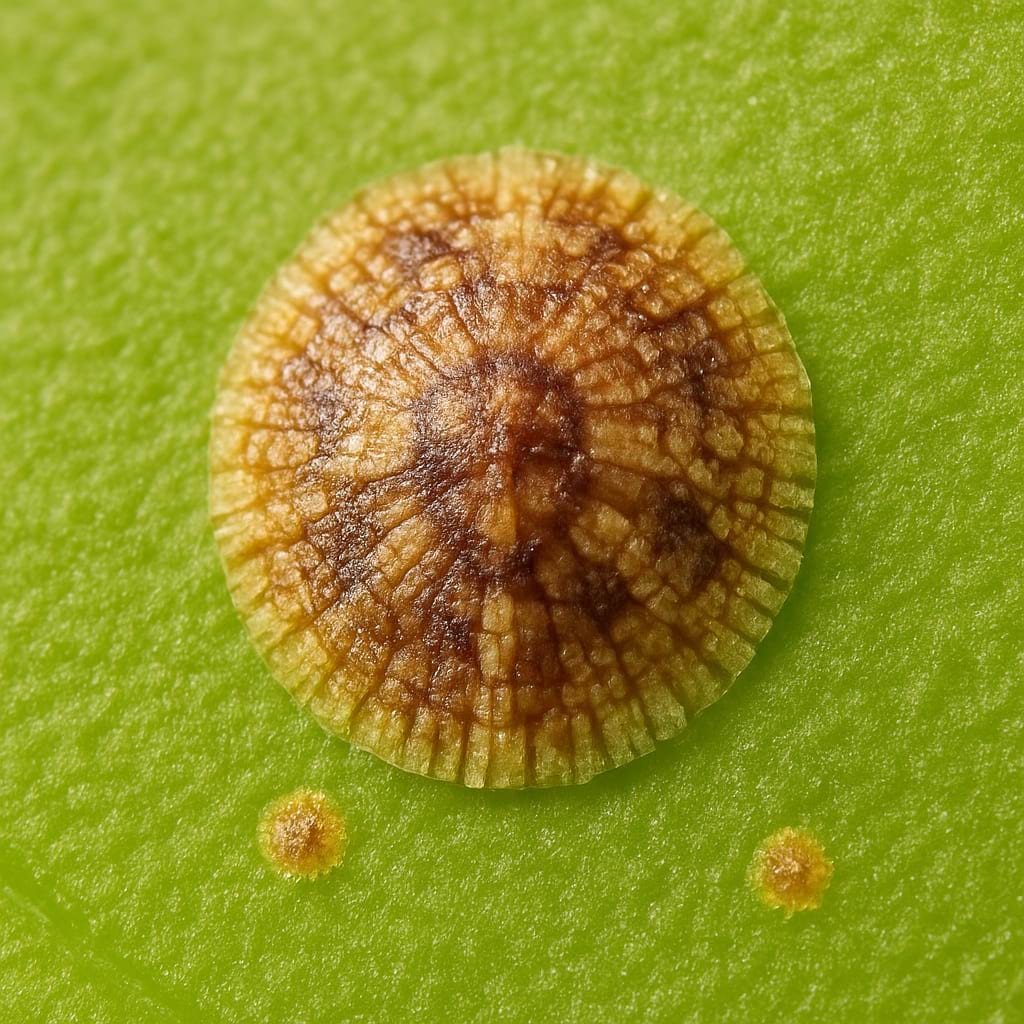
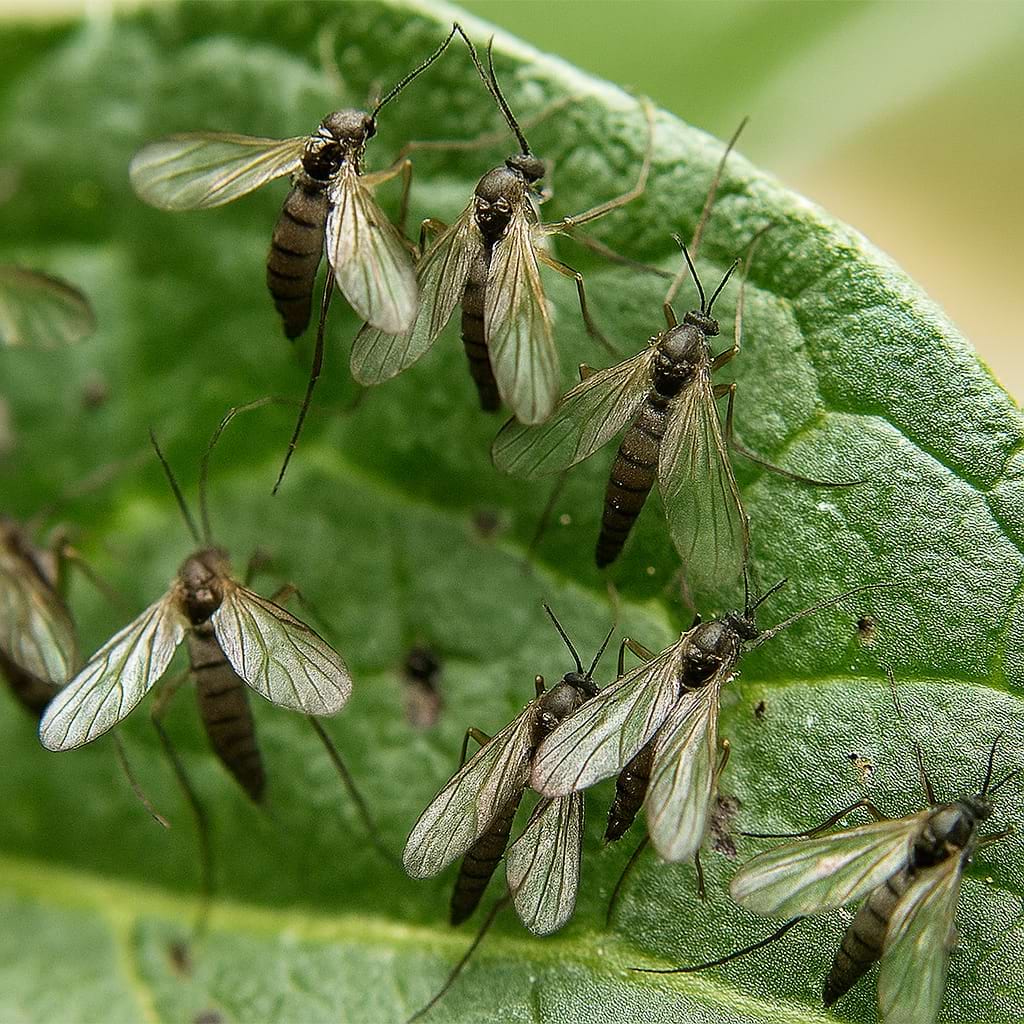
Mealybugs show up as white cotton in leaf joints and around the base. Scale insects look like small brown bumps on petioles and the undersides of veins. Dab both off with a cotton swab dipped in rubbing alcohol. Fungus gnats are a sign the mix is staying wet too long, not a threat in themselves.
Treating Velvet Leaves
Scrubbing damages the velvet, so be gentle. Rinse the plant in the shower, then spray insecticidal soap on both leaf surfaces and the base, every 5 to 7 days for three rounds. Test any product on one leaf first, and never leave droplets sitting on the leaves overnight.
🩺 Common Anthurium Clarinervium Problems
Root Rot and Yellowing Leaves
Root rot is the main way people lose this plant, and the cause is nearly always a mix that is too dense rather than one bad watering. Yellowing on several leaves at once, a soft base, and a sour smell mean unpot it today. Cut away the mushy roots and repot in fresh, chunky mix.
One old yellowing leaf at the bottom is normal. Yellowing on new growth is a root problem.
Brown Edges and Curling Leaves
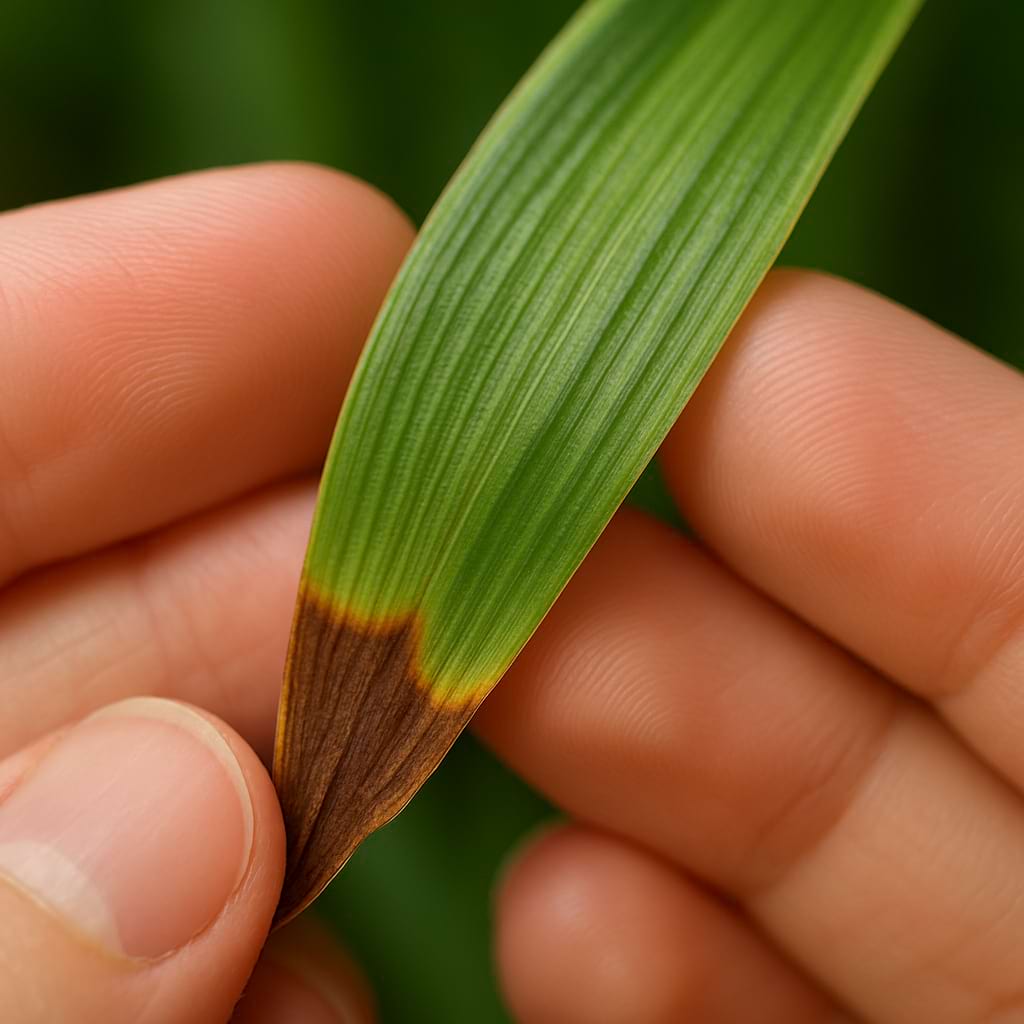
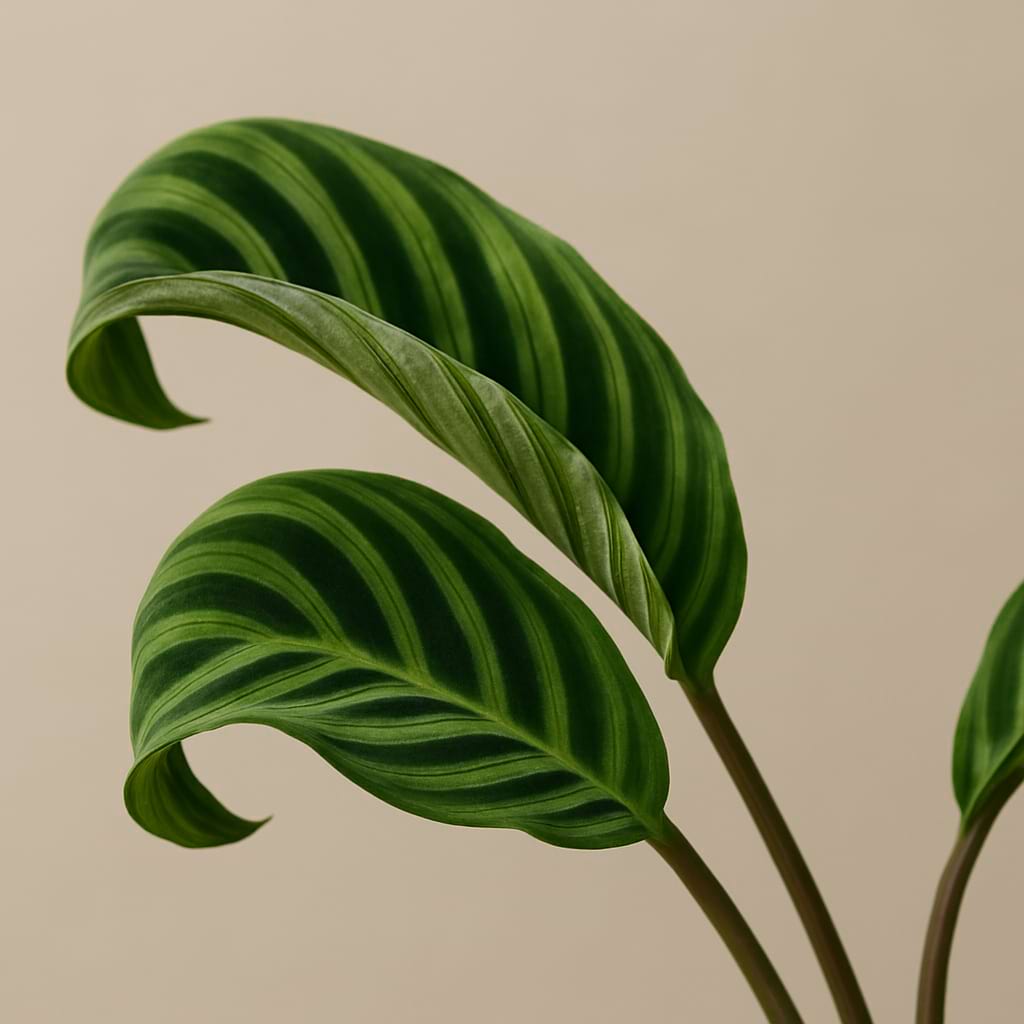
Brown crispy edges usually mean low humidity, salt buildup from fertilizer, or the mix drying out completely. Raise humidity first, then flush the pot. Curling leaves often mean the plant is thirsty or getting too much light, so check the mix and the window before anything else.
Scorch, Spots and Slow Growth
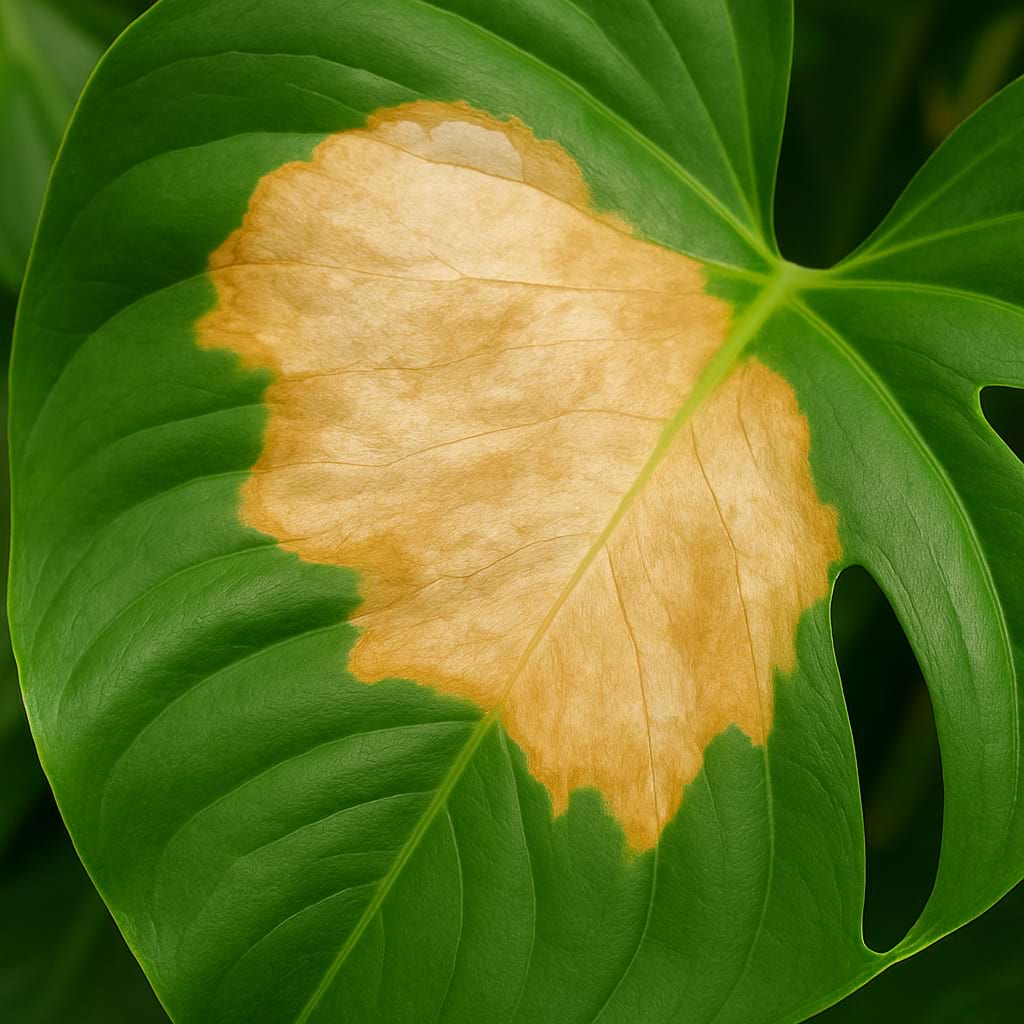
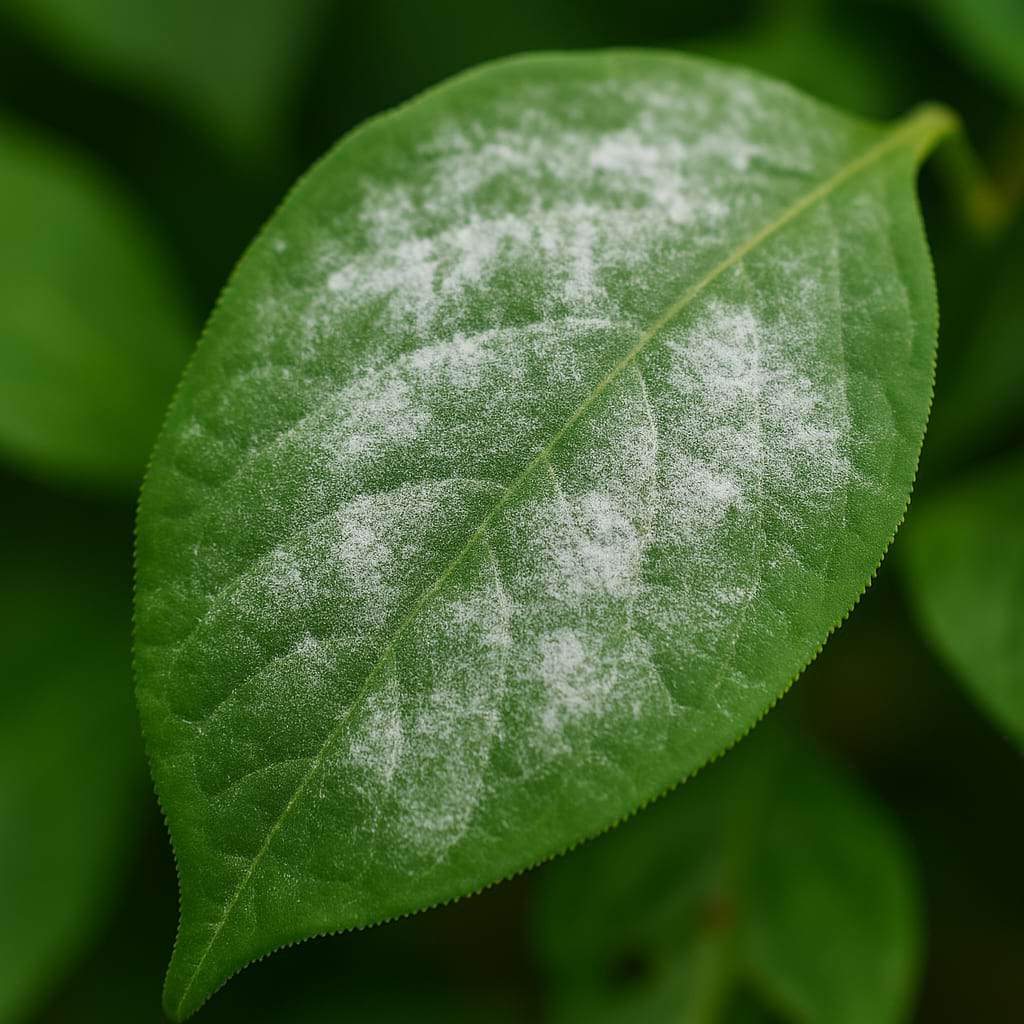
Sunburn and leaf scorch shows up as bleached or tan patches where direct sun landed. The marks are permanent, so move the plant back. Fungal and bacterial disease shows as dark, water-soaked spots with yellow halos, and it spreads in damp, still air. Remove those leaves and add a small fan. Stunted growth usually traces back to low light or an old, compacted mix.

🖼️ Anthurium Clarinervium Display and Styling Ideas
Solo Setups
Clarinervium stays compact and holds its leaves out in a neat rosette, so it looks best on its own at eye level, where you can see the vein pattern. A plant stand beside an east window or a sturdy shelf is ideal. Put it where light comes from the side; raking light makes the white veins stand out against the dark velvet.
Grow Cabinets and Shelves
It fits well in a glass cabinet or on a shelf under LEDs, and it is less fussy about humidity than most cabinet plants. If you use a cabinet, run a small fan. Damp, still air invites leaf spot on velvet foliage.
What to Pair It With
For contrast, pair it with the long pleated leaves of a King Anthurium, or with the low, crawling velvet of a Philodendron Gloriosum. An Alocasia Black Velvet makes a good companion at a similar scale. Keep the whole group out of reach of pets.
Where Not to Put It
Not in a hallway where people brush past it, not on a sunny south sill, and not near a heating vent.
🌟 Anthurium Clarinervium Pro Care Tips
Getting the Basics Right
- Fix the mix before anything else. Most struggling clarinervium plants are sitting in something too fine.
- Water by feel, not by date. The skewer test takes ten seconds and prevents most problems.
- Keep the pot small. A snug pot dries evenly, which is what these roots want.
Keeping the Leaves Perfect
- Inspect every new leaf as it opens. Thrips damage done during unfurling is permanent.
- No leaf shine, ever. Oil clogs the velvet and leaves blotches. Dust with a soft brush instead.
- Do not keep rotating it. The leaves angle themselves to the light, and constant turning makes them twist.
Buying Smart
- Feel a leaf before you buy. A stiff, thick, broad heart is the species. A thinner, longer leaf may be a hybrid or a crystallinum.
- Judge roots over leaf count. A small plant with firm roots will outgrow a bigger one in soggy peat.
❓ Frequently Asked Questions
Is Anthurium Clarinervium toxic to cats and dogs?
Yes. Like other anthuriums, it contains insoluble calcium oxalate crystals, and the ASPCA lists anthuriums as toxic to cats and dogs. Chewing a leaf causes mouth pain, drooling, pawing at the face, and sometimes vomiting. Keep it out of reach, and call your vet if a pet eats some.
Is Anthurium Clarinervium the same as Crystallinum?
No. Clarinervium has broader, thicker, stiffer leaves in a near-perfect heart shape. Crystallinum has longer, thinner, more flexible leaves and needs more humidity. The Types section above walks through the differences.
Why is my new Anthurium Clarinervium leaf red or bronze?
That is normal. New leaves unfold a reddish bronze to pinkish color and darken to deep green over a few weeks as they harden. Keep the plant steady while a leaf is opening and avoid moving it.
How big does Anthurium Clarinervium get?
Indoors it usually stays around 1.5 to 2 feet tall and 2 to 3 feet across, with leaves about 8 to 10 inches long. It grows slowly, so a small plant takes a few years to reach that size.
How fast does Anthurium Clarinervium grow?
Slowly to moderately. In good light and warmth, expect a new leaf every 4 to 8 weeks during the growing season, and fewer in winter. Each leaf lasts for years, so the plant fills out steadily.
Can I grow Anthurium Clarinervium without a humidifier?
Often, yes. It copes with 45-50% humidity better than most velvet anthuriums. If the new leaves come out with crispy edges or get stuck while opening, your air is too dry and a small humidifier will fix it.
Why is my Anthurium Clarinervium new leaf stuck?
A leaf that stays half open is usually a sign of dry air. Raise the humidity around the plant for a week or two. Do not pull the leaf open, since the velvet tears easily.
How do I know if mine is a hybrid?
Look at the leaf. A pure clarinervium has a broad, stiff heart with a deep notch at the top. Leaves that are longer, thinner, more triangular, or less boldly veined suggest a hybrid. The seller's label is the best evidence, so ask before you buy.
Can I grow it in LECA or semi-hydro?
Yes, many growers do. Rinse the roots clean, move the plant in spring when it is growing, and keep the water level below the root zone so the roots get air. Expect a short pause in growth while it adjusts.
Does Anthurium Clarinervium need a moss pole?
No. It is not a climber, and in the wild it grows low among rocks rather than up tree trunks. It keeps a short stem and a compact cluster of leaves, so a pole adds nothing. If an older plant starts to lean, a short stake is all it needs.
ℹ️ Anthurium Clarinervium Info
Care and Maintenance
🪴 Soil Type and pH: Chunky, fast-draining aroid mix based on orchid bark and pumice
💧 Humidity and Misting: Happiest at 55-65%, and copes with 45-50% better than Crystallinum does.
✂️ Pruning: Remove only yellowed or damaged leaves and dry cataphyll debris at the base.
🧼 Cleaning: Dust the leaves with a soft dry brush or a barely damp cloth. Never use leaf shine on the velvet surface.
🌱 Repotting: Repot every 2 years in spring, or sooner if the mix has broken down and stays wet.
🔄 Repotting Frequency: Every 2 years
❄️ Seasonal Changes in Care: Steady water and light feeding from spring through early autumn, then slightly drier and unfed through winter while growth slows.
Growing Characteristics
💥 Growth Speed: Slow to moderate
🔄 Life Cycle: Evergreen perennial aroid
💥 Bloom Time: Occasionally on mature plants, at no fixed season indoors
🌡️ Hardiness Zones: 10-11
🗺️ Native Area: Limestone outcrops in Chiapas, southern Mexico, rooted among rocks at roughly 760-1,200 m
🚘 Hibernation: No true dormancy. Growth slows in winter and below about 60°F.
Propagation and Health
📍 Suitable Locations: East-facing rooms, bright bathrooms, plant shelves under grow lights, grow cabinets with airflow
🪴 Propagation Methods: Separate rooted offsets at repotting, or top-cut an old leggy stem below a set of aerial roots.
🐛 Common Pests: Thrips, Spider Mites, Mealybugs, Scale Insects, Fungus Gnats
🦠 Possible Diseases: Root rot, bacterial and fungal leaf spot in still damp air
Plant Details
🌿 Plant Type: Terrestrial and rock-dwelling (lithophytic) aroid
🍃 Foliage Type: Evergreen, thick, leathery, heart-shaped leaves with a matte velvet surface
🎨 Color of Leaves: Very dark green with bold white to ivory veins; new leaves emerge reddish bronze
🌸 Flower Color: Pale green spathe, sometimes tinged purple, with a slender green to purplish spadix
🌼 Blooming: Occasionally on mature plants; the flowers are small and modest next to the foliage
🍽️ Edibility: Not edible. Contains calcium oxalate crystals.
📏 Mature Size: 1.5-2 feet indoors
Additional Info
🌻 General Benefits: One of the most striking foliage plants for a small space, stays compact, and handles typical home humidity better than most velvet anthuriums
💊 Medical Properties: No documented medicinal uses.
🧿 Feng Shui: Heart-shaped leaves are tied to love and harmony; a calm choice for a living room or bedroom with soft light.
⭐ Zodiac Sign Compatibility: Libra
🌈 Symbolism or Folklore: Love, hospitality, quiet strength
📝 Interesting Facts: In the wild this anthurium is known from a small area of limestone outcrops in Chiapas, Mexico, where it grows with its roots wedged among rocks or in thin soil on the rock face. That stony home is a big part of why it wants such an airy, fast-draining mix indoors.
Buying and Usage
🛒 What to Look for When Buying: Check that the leaves are stiff and thick, close to a true heart shape, and free of thrips scarring. Ask whether the plant is the species or a hybrid, and look for firm pale roots rather than a pot of wet peat.
🪴 Other Uses: Specimen plant for shelves, desks, grow cabinets, and collector displays.
Decoration and Styling
🖼️ Display Ideas: Eye-level shelves, plant stands beside an east window, grow cabinets, low tables where the leaf tops can be seen
🧵 Styling Tips: Put it where the light falls across the leaves from one side. Raking light makes the white veins stand out against the velvet.
🪴 See also 🪴
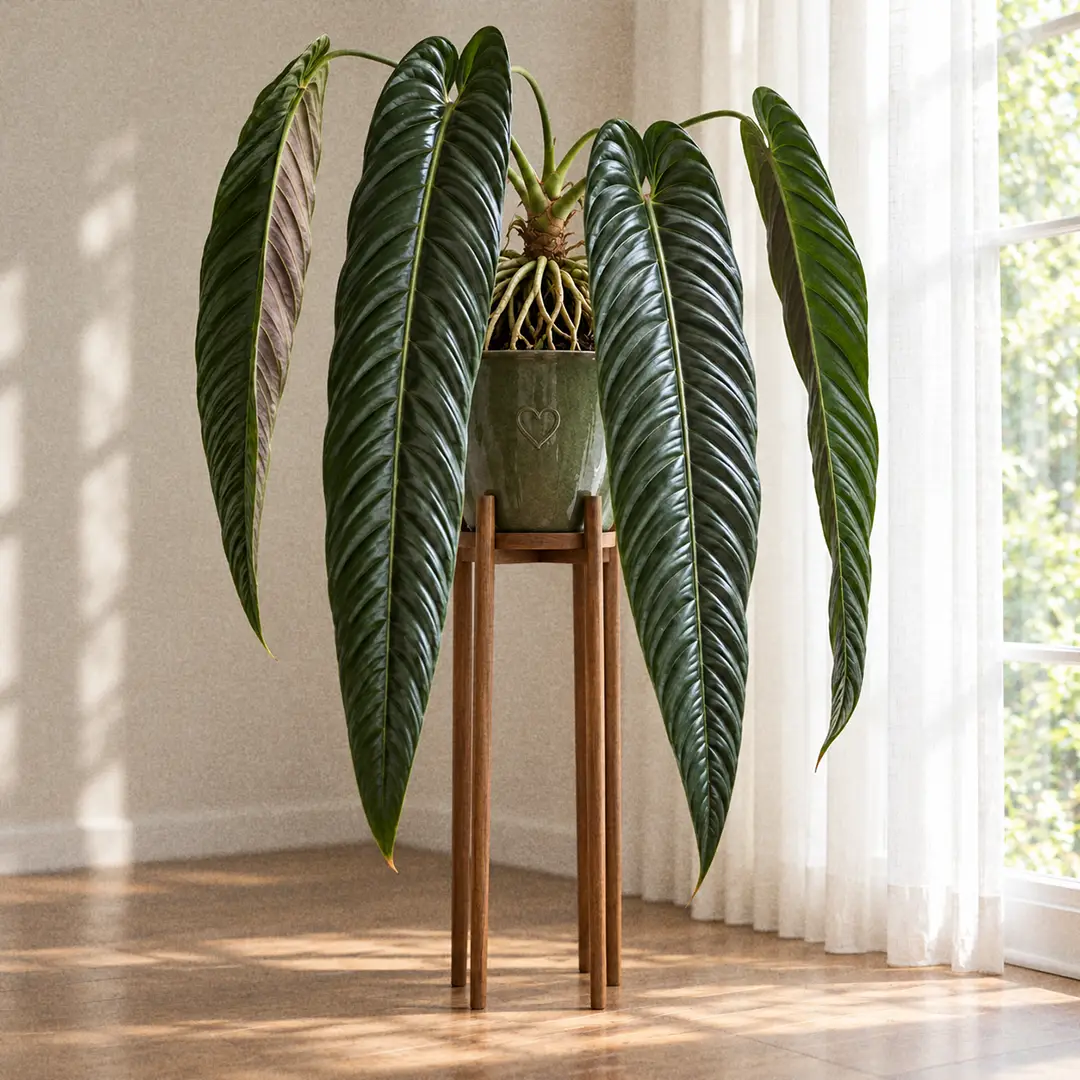
Complete Guide to King Anthurium Care and Growth

Houseplant101 Forum
Questions & Comments
Ask a question, share your plant experience, or help other plant owners.
Comments are temporarily unavailable.
Open the Houseplant101 ForumNo comments yet
Be the first to ask a question or share your experience about this page.
Log in or create an account
Comments use your Houseplant101 Forum account, but you can stay on this page.
Create a new account