
🪴 In This Guide 🪴
👋 Introduction: Hydrating Your Unique Epiphyte
Hello everyone, I’m Anastasia, and today we’re diving deep into the crucial art of watering Staghorn Ferns (Platycerium bifurcatum and other species). These captivating epiphytes, often mounted as living art, have specific hydration needs that are key to their lush growth and health. Getting watering right prevents common issues and helps your fern thrive.
While this guide focuses on watering, for a complete picture of their care, including light, mounting, and feeding, please visit our Ultimate Comprehensive Guide To Staghorn Fern Care. Now, let's explore how to perfectly water your Staghorn!
🌿 Understanding Your Staghorn Fern's Nature
Before we get to the "how-to" of watering, understanding these ferns is essential. Platycerium species are epiphytes, meaning in their native tropical and subtropical habitats, they grow on other trees, not in soil. This lifestyle dictates their watering needs.
Different Types of Staghorn Ferns
While Platycerium bifurcatum is very common, there are about 18 distinct species. All share the characteristic "antler" (fertile) fronds and "shield" (basal) fronds. The shield fronds clasp the mounting surface and absorb some water and nutrients, while the antler fronds are primarily for reproduction and photosynthesis. Learn more about the fascinating variety in our article on 18 Staghorn Fern Varieties, Species, and Types (With Pictures). (Note: Link to varieties article if it exists, otherwise remove)
Unique Frond Characteristics
Staghorn ferns possess two distinct types of fronds:
- Basal (Shield) Fronds: These are the round, flat fronds that initially appear green and then turn brown and papery with age. They anchor the plant to its mount and help trap water and organic matter. Do not remove brown shield fronds unless they are diseased.
- Fertile (Antler) Fronds: These are the upright or drooping fronds that resemble antlers. They bear spores for reproduction and are key to photosynthesis.
Both types of fronds can absorb moisture to some extent.
💧 Decoding Staghorn Fern Water Needs
Staghorn ferns enjoy consistent moisture but are susceptible to overwatering. Their epiphytic nature means they are adapted to periods of moisture followed by drying.
How Often to Water Staghorn Ferns
A general guideline is to water your Staghorn Fern once a week. However, this can vary significantly based on:
- Climate & Season: More frequent watering (e.g., every 5-7 days) in hot, dry weather or summer. Less frequent (e.g., every 10-14 days) in cool, humid conditions or winter.
- Light Exposure: Plants in brighter light may dry out faster.
- Air Circulation: Good airflow helps the plant dry, which is beneficial, but very high airflow can dry it out too quickly.
- Size of the Plant & Mount: Larger plants or those on very absorbent mounts may need more frequent or longer soaks.
The key is to check the moisture level of the growing medium (moss, bark) before watering again.
Can a Staghorn Fern Get Too Much Water?
Yes, absolutely. Overwatering is one of the most common ways to kill a staghorn fern. Constant wetness around the roots and basal fronds leads to rot, which can be fatal. The basal fronds might turn black or mushy if overwatered.
Signs of Overwatering vs. Underwatering
- Overwatering Signs:
- Basal (shield) fronds turning soft, brown, or black and feeling mushy.
- Antler fronds yellowing or developing black spots, especially near the base.
- A generally unhealthy, wilting appearance despite wet medium.
- A foul, rotten smell from the mounting medium.
- Underwatering Signs:
- Antler fronds wilting, drooping, or looking dull.
- Tips or edges of antler fronds turning brown and crispy.
- Slowed or stunted growth.
- The entire plant feels very light.
How Long Can Staghorn Ferns Go Without Water?
Established staghorn ferns are fairly resilient and can survive a week or two without water, especially if mature or in humid conditions. However, for optimal health and growth, aim for consistent watering rather than testing their drought tolerance. If you're away for a short vacation (1-2 weeks), a thorough soak before you leave should suffice, especially if you can move it to a slightly shadier, cooler spot.
🚿 Best Practices for Watering Staghorn Ferns
How you water is just as important as how often. The goal is to thoroughly hydrate the root system and growing medium, then allow for adequate drying.
Soaking: The Preferred Method
For most mounted staghorn ferns, soaking is the most effective method.
- Preparation: Fill a sink, tub, or large container with room temperature water.
- Submersion: Gently place the entire mounted fern (including the board/mount and root ball) into the water. Ensure the base and growing medium are fully submerged.
- Soak Duration: Let it soak for 10-30 minutes. This allows the moss and roots to absorb water thoroughly.
- Draining: After soaking, remove the fern and allow it to drain completely in a sink, shower, or outdoors for at least 30 minutes to an hour, or until it stops dripping heavily. This is crucial to prevent rot.
- Rehang: Once well-drained, return your fern to its display location.

Misting: For Humidity, Not Primary Watering
Misting can be beneficial, especially in dry indoor environments, to increase ambient humidity.
- Frequency: Mist the air around the plant and lightly on the fronds every 1-3 days if your home is very dry.
- Purpose: Misting mainly helps the antler fronds absorb some atmospheric moisture and can deter spider mites. Proper cleaning techniques for staghorn ferns often involve gentle misting.
- Caution: Misting alone is not sufficient to hydrate the root system. It should be a supplement to, not a replacement for, thorough soaking or watering of the base.
Watering Potted Staghorn Ferns
If your staghorn fern is in a pot (less common but possible, especially for younger plants), water thoroughly until water drains from the bottom. Allow the top inch or two of the potting medium to dry out before watering again. Ensure the pot has excellent drainage.
Ideal Water Types
- Rainwater: The absolute best, as it's naturally soft and free of chemicals.
- Filtered or Distilled Water: Good alternatives if rainwater isn't available.
- Tap Water: If you must use tap water, let it sit out for at least 24 hours to allow chlorine to evaporate. Some staghorns can be sensitive to hard water or chemicals over time.
🌡️ The Impact of Environment: Temperature & Humidity
Watering needs are closely linked to the fern's environment.
- Ideal Temperature: Staghorn ferns prefer temperatures between 60-80°F (15-27°C). They can tolerate down to 50°F (10°C) briefly, but prolonged cold can cause damage.
- Humidity: They thrive in high humidity (50%+). In dry homes, especially during winter with heating, increasing humidity is beneficial. Grouping plants, using a humidifier, or placing a pebble tray nearby (not directly under a mounted fern) can help. Misting also contributes to local humidity.
Understanding your fern's light conditions is also vital. Learn more in our Staghorn Fern Light Requirements Guide.
🧐 Recognizing When Your Staghorn Fern is Thirsty
Learning your specific fern's cues is key.
- Check the Medium: The most reliable method. Gently touch the moss or growing medium around the base. If it feels dry or only slightly damp, it's likely time to water. If it's still moist, wait a few more days.
- Weight of the Plant: A well-watered fern will feel noticeably heavier than a dry one. Lift it (if possible) to gauge.
- Frond Appearance: Antler fronds may start to look slightly dull, lose their turgidity, or even wilt slightly when very thirsty. Shield fronds on a very dry plant might feel less pliable. Don't wait for severe wilting, as this stresses the plant.
- Color of the Medium: Sphagnum moss, a common mounting medium, often lightens in color as it dries.
❌ Common Watering Mistakes & Solutions
- Overwatering: Watering too frequently or not allowing sufficient drainage.
- Solution: Always check medium dryness first. Ensure thorough draining after soaking. If rot is suspected, improve air circulation and let the plant dry out more significantly.
- Underwatering: Forgetting to water or not soaking long enough for full hydration.
- Solution: Set reminders. Ensure the entire root ball is saturated during soaking. If fronds are very crispy, they may not recover, but new growth can emerge with proper care.
- Surface Watering Only: Only misting or lightly sprinkling the top, without soaking the base.
- Solution: Prioritize soaking the mount/root ball for deep hydration. Misting is supplemental.
- Using Icy or Hot Water: This can shock the plant.
- Solution: Always use room temperature water.
- Letting Water Sit on Shield Fronds: While they can absorb some water, prolonged sogginess, especially on new green shield fronds, can lead to rot.
- Solution: Ensure good air circulation and drainage so fronds don't stay wet for extended periods.
💡 Key Watering Tips for Thriving Staghorn Ferns
- Soak Thoroughly, Drain Completely: This is the cornerstone of good staghorn fern watering.
- Observe Your Plant: It will give you cues. Learn to read signs of thirst or over-saturation.
- Adjust Seasonally: Water less in winter when growth slows and more in summer during active growth.
- Allow to Dry Out (Slightly): The medium should feel dry or just barely damp before re-watering. Avoid bone-dry conditions for extended periods.
- Water Quality Matters: Rainwater or filtered water is preferred.
- Good Air Circulation is Key: Helps the plant dry appropriately after watering and prevents fungal issues.
- Fertilize During Growing Season: If you fertilize (e.g., with a diluted liquid fertilizer), you can add it to the soaking water occasionally during spring and summer.
✅ Conclusion: Hydration Harmony for Your Staghorn
Watering your Staghorn Fern effectively might seem tricky initially, but by understanding its epiphytic nature and observing its responses, you'll quickly master the art. Consistent, thorough watering combined with adequate drying time is the secret to a healthy, vibrant Platycerium and contributes significantly to making your staghorn fern grow faster. These magnificent plants will reward your attentive care with their unique and dramatic presence.
For a holistic approach to their well-being, remember to consult our Staghorn Fern Care Ultimate Guide. Happy watering!
❓ Frequently Asked Questions
How often should I water my Staghorn Fern?
Typically, water your Staghorn Fern once a week. However, adjust based on your climate, humidity, light, and the fern's specific needs. Always allow the growing medium to dry out slightly between waterings.
Can a Staghorn Fern get too much water?
Yes, overwatering is a common issue and can lead to root rot, potentially killing the plant. Signs include soft, yellowing, or browning basal fronds and a mushy mounting medium.
What are the signs of overwatering or underwatering a Staghorn Fern?
Overwatered staghorn ferns may have yellowing, mushy fronds (especially basal ones) and a rotten smell. Underwatered ferns often show wilting, browning, and crispy frond tips or edges.
Do Staghorn Ferns like lots of water?
Staghorn ferns appreciate consistent moisture but do not like to be constantly wet or sit in water. They prefer their growing medium to dry out somewhat between thorough waterings, mimicking their natural epiphytic environment.
How long can a Staghorn Fern go without water?
Mature staghorn ferns can tolerate a week or two without water, especially in cooler, more humid conditions. However, regular watering promotes better health and growth. Don't push it to its limits regularly.
How do I know if my Staghorn Fern needs water?
Check the moisture level of the moss or mounting medium; if it feels dry or only slightly damp to the touch, it's likely time to water. The plant may also feel lighter. Wilted or dull fronds can also indicate thirst.
What type of water is best for Staghorn Ferns?
Rainwater or filtered water is best for staghorn ferns, as they can be sensitive to chlorine and other chemicals in tap water. If using tap water, let it sit out for 24 hours to allow chlorine to dissipate.
How do you water a mounted Staghorn Fern?
Mounted staghorn ferns are best watered by soaking. Remove the fern from the wall, submerge the entire root ball and mount in water for 10-30 minutes, then allow it to drain thoroughly before rehanging.
Should I mist my Staghorn Fern?
Misting can help increase humidity around the fern, especially in dry indoor environments. Mist the air around the plant and the fronds lightly every few days, but don't rely on misting as the primary watering method.
📚 References ▼
- 📘 Pemberton R.W., 2003, “The common staghorn fern, Platycerium bifurcatum, naturalises in Southern Florida”, American Fern Journal, vol. 93.
- 📘 Van der Mast S., Hobbs J., 1998, Ferns for New Zealand Gardens, Godwit Publishing Ltd, Auckland.
- 📘 Perrin D., 1988, Dictionary of botanical names: Australian plant names. Published by Don Perrin Bushland Stickers, Kippa Ring.
- 📘 University of Florida IFAS Extension - Staghorn Ferns
🪴 See also 🪴
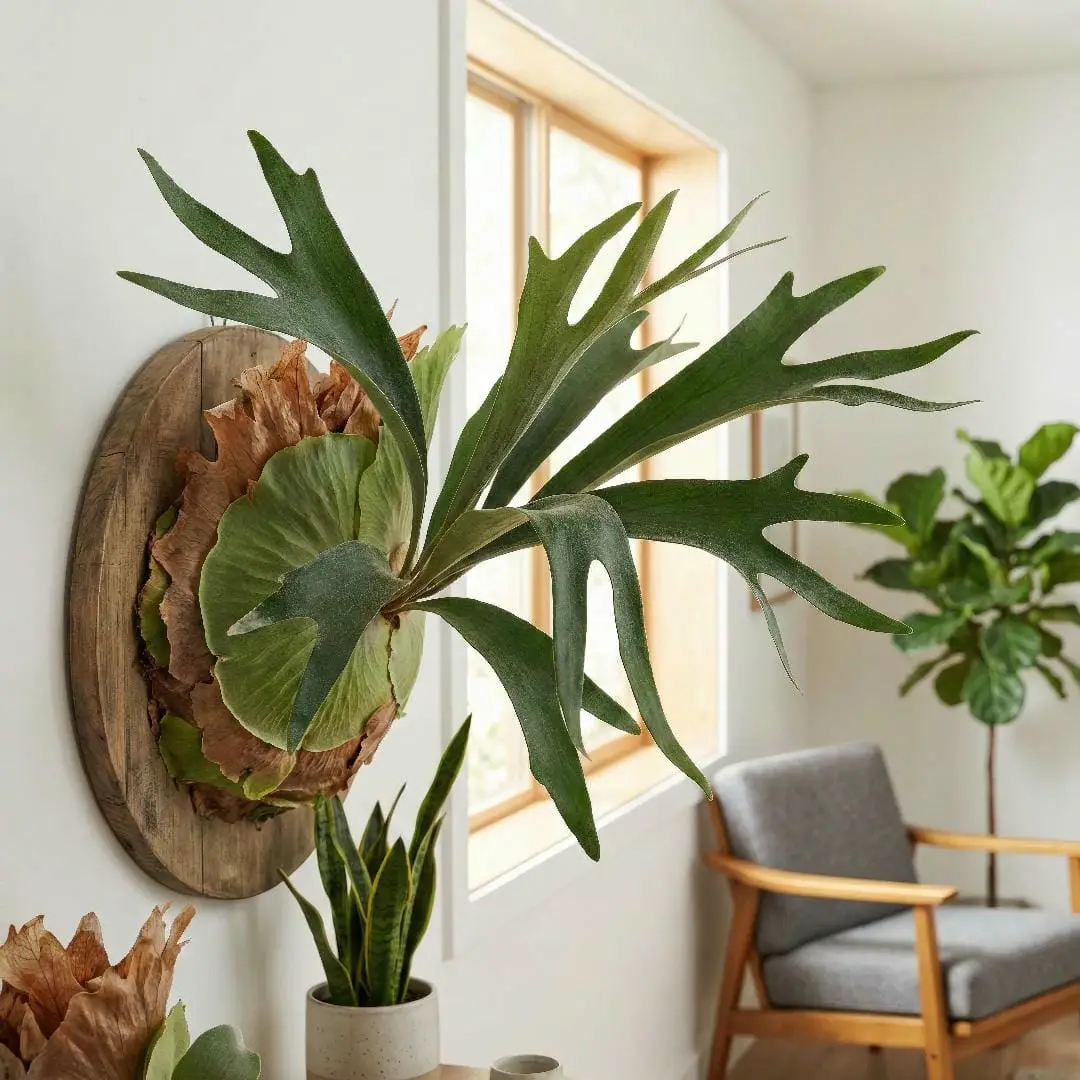
Complete Guide To Staghorn Fern Care and Growth

Staghorn Fern Propagation: A Step-by-Step Guide (Pups & Spores)
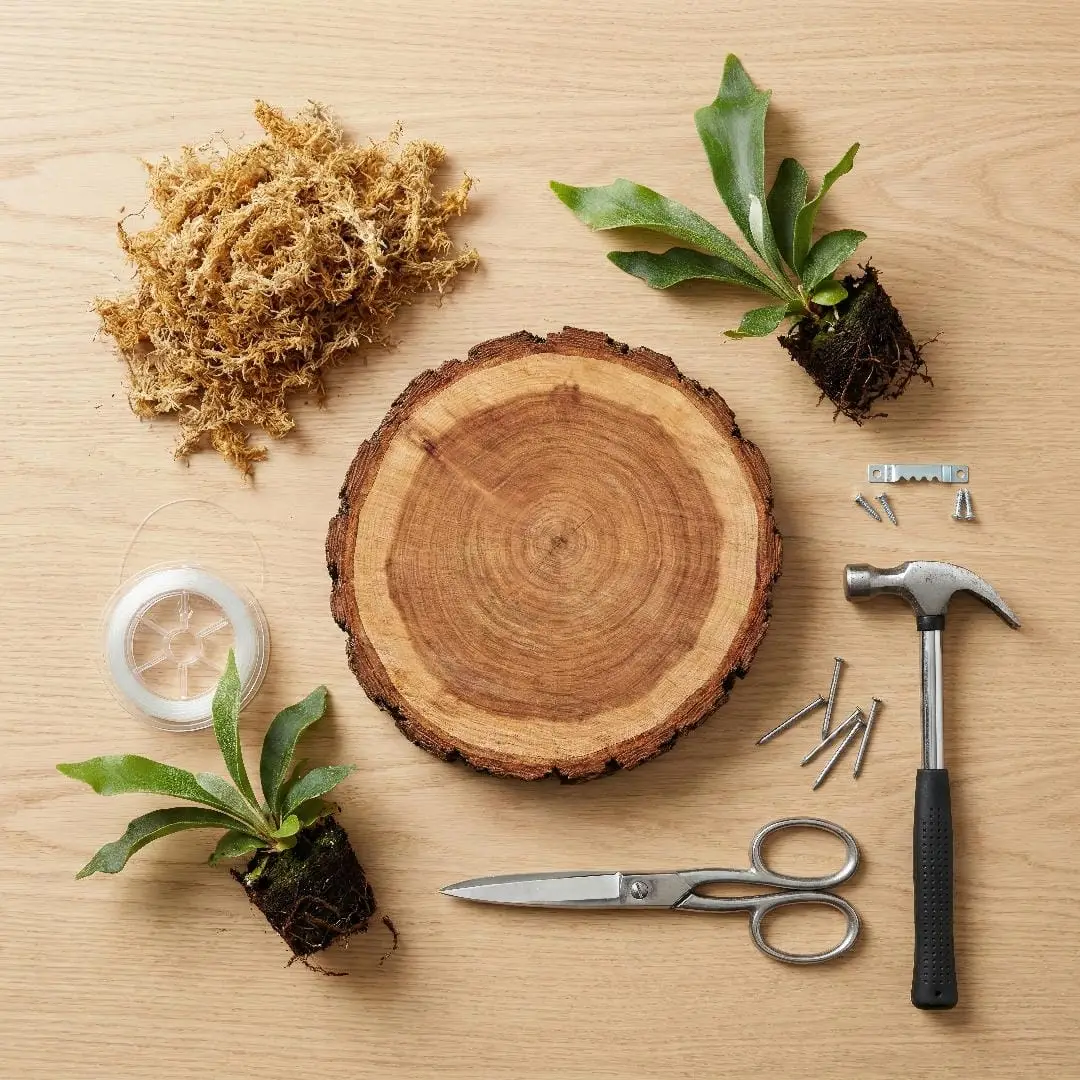
How to Mount a Staghorn Fern: A Modern Step-by-Step Guide

Complete Guide to Pitcher Plant Care (Nepenthes)
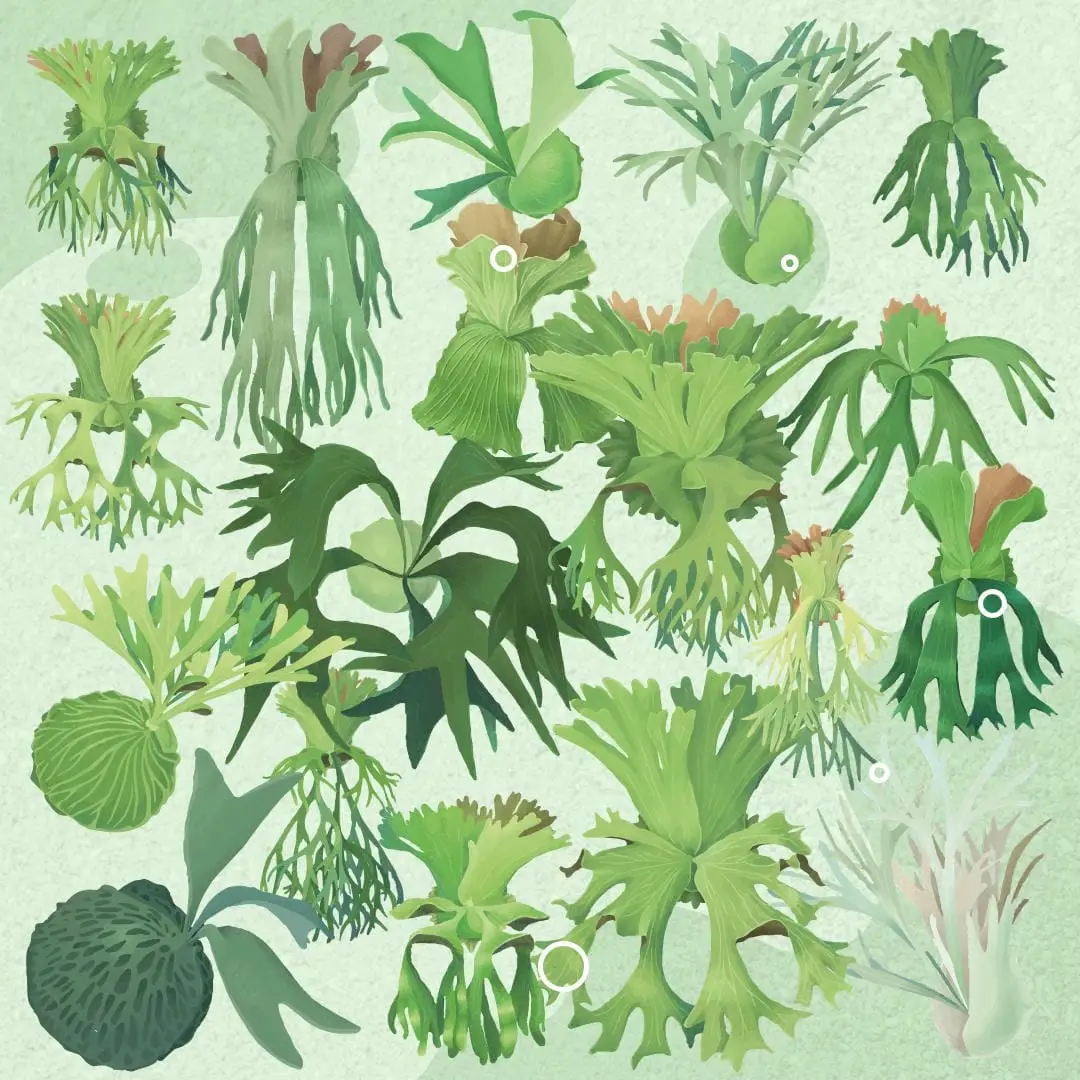
18 Staghorn Fern Varieties, Species, and Types (With Pictures)

Is Sugar Water Good for Staghorn Ferns?
Do Staghorns like tea bags?
Eggshells and Staghorn Ferns: Separating Fact From Fiction
How to Use Coffee Grounds For Your Staghorn Fern

Are Staghorn Ferns Invasive? Understanding Their Ecological Impact

Banana Peels for Staghorn Ferns: A Surprising Nutrient Boost?

Do Staghorn Ferns Clean the Air? The Truth About Platycerium & Air Purification

How to Make Staghorn Ferns Grow Faster: Expert Tips & Tricks

Staghorn Fern Light Requirements: A Comprehensive Gardener's Guide
Do Staghorn Ferns Like Epsom Salt? A Gardener's Guide
Is Miracle-Gro Good for Staghorn Ferns? A Gardener's Guide
Fertilizer and Nutrient Requirements for Staghorn Fern

A Comprehensive Guide to Cleaning Staghorn Ferns

Houseplant101 Forum
Questions & Comments
Ask a question, share your plant experience, or help other plant owners.
Comments are temporarily unavailable.
Open the Houseplant101 ForumNo comments yet
Be the first to ask a question or share your experience about this page.
Log in or create an account
Comments use your Houseplant101 Forum account, but you can stay on this page.
Create a new account