
🪴 In This Guide 🪴
💡 Understanding Your Staghorn Fern: The Essentials
Welcome back, plant lovers! Today, we’re diving into the fascinating world of staghorn ferns, focusing specifically on their cleaning and maintenance. These unique plants can be a joy to grow, and with a little know-how, you'll be well on your way to becoming a staghorn fern guru. Let’s get started!
What Makes Staghorn Ferns Unique?
Staghorn ferns, scientifically known as Platycerium, are epiphytic plants. This means that in their natural habitat, they grow on other plants or objects (like tree trunks or branches) for physical support, rather than rooting in soil. Their nutritional needs are met by absorbing nutrients from the air, rain, and debris that collects around them.
This epiphytic nature means their care requirements differ somewhat from typical houseplants. But don't let that intimidate you! Understanding their natural growth habits is the first step to providing excellent care, which can be an incredibly rewarding experience. You can always learn more about general staghorn fern care for a broader overview.
Why Regular Cleaning is Crucial
Cleaning your staghorn fern isn't just about aesthetics; it's vital for its health and longevity. Over time, dust and grime can accumulate on the fronds (leaves). This layer can:
- Clog Pores: Obstruct the tiny pores (stomata) on the leaves, hindering the plant's ability to "breathe" (transpire and exchange gases).
- Reduce Photosynthesis: Limit the amount of light reaching the leaf surface, which can reduce the efficiency of photosynthesis, the process by which plants create their food.
Furthermore, regular cleaning helps in the early detection and prevention of common houseplant pests and diseases. A clean plant is often a healthier plant.

One of the most distinctive and intriguing features of the staghorn fern is the silvery, fuzzy coating often found on its fronds. This is not dust or dirt that needs to be wiped away!
This natural fuzz, composed of tiny star-shaped hairs called trichomes, serves several critical functions:
- Moisture Retention: It helps the plant capture and retain moisture from the air, which is especially important for an epiphyte.
- Sun Protection: It acts as a natural sunscreen, reflecting some of the harsh sunlight and protecting the delicate frond tissue.
- Water Absorption: It can aid in channeling water towards the base of the plant.
It's absolutely crucial not to wipe or rub this fuzzy coating off during cleaning, as doing so can damage the plant and reduce its ability to thrive.
💧 Mastering Frond Cleaning Techniques
So, how do you clean staghorn fern leaves effectively without harming them? The key is gentle, regular maintenance. Avoid wiping the fronds, as this can remove that beneficial fuzzy coating.
The primary method is simple: mist them lightly with lukewarm water, then gently shake the plant to remove excess moisture. Aim to do this weekly.

Cleaning a staghorn fern isn’t as straightforward as wiping the leaves of many other houseplants. Here’s a reliable step-by-step guide:
Step 1: Gentle Misting
Use a spray bottle filled with lukewarm water. Cold water can shock the plant. Lightly mist all the fronds, ensuring even coverage. This helps dislodge any loose dust or dirt without damaging the plant's delicate surfaces or its fuzzy trichomes.
Step 2: Shake Off Excess Water
After misting, gently hold the plant (or its mount) and give it a soft shake. This helps remove any excess water droplets from the fronds and prevents water from pooling in crevices, which could lead to rot or fungal issues.
Step 3: Regular Maintenance
Consistency is key. Repeat this misting and shaking process weekly. Regular, gentle cleaning prevents significant dust buildup, keeping your staghorn fern looking its best and functioning optimally.
Embracing Nature: Outdoor Rain Showers
If weather conditions are suitable (mild temperatures, gentle rain), an occasional outdoor rain shower can be a fantastic natural cleaning method for your staghorn fern. Rainwater is naturally soft and free of the chemicals sometimes found in tap water.
Place your fern in a sheltered spot where it can receive a gentle shower. This provides a thorough yet delicate cleanse, mimicking its natural environment. Always ensure it's not left in harsh, direct sunlight or strong winds.

For situations where your fern has accumulated more stubborn grime, or if you suspect minor pest activity, a very mild soap solution can be used cautiously. Some plant enthusiasts recommend this approach:
- Prepare the Solution: Use a very mild, non-detergent soap, such as a tiny amount of insecticidal soap specifically for plants, or a very diluted solution of Dr. Bronner’s liquid soap (a drop or two per liter of water). Avoid harsh dish detergents.
- Application: Lightly spray the solution onto the fronds. Some prefer to apply it with a soft microfiber cloth, dabbing very gently rather than wiping.
- Short Dwell Time: Let the solution sit for only a minute or two.
- Thorough Rinse: Rinse the fronds thoroughly with a gentle but heavy spray of lukewarm water to remove all soap residue. This is crucial, as soap residue can harm the plant.
Caution: This method should be used sparingly and only when necessary. Always test on a small, inconspicuous area first if you're unsure how your plant will react. The primary cleaning method should always be plain water misting.
🌱 Detailed Care for Key Staghorn Components
Beyond the green, antler-like fronds, other parts of your staghorn fern also require attention to stay healthy.
Cleaning the Vital Shield Frond
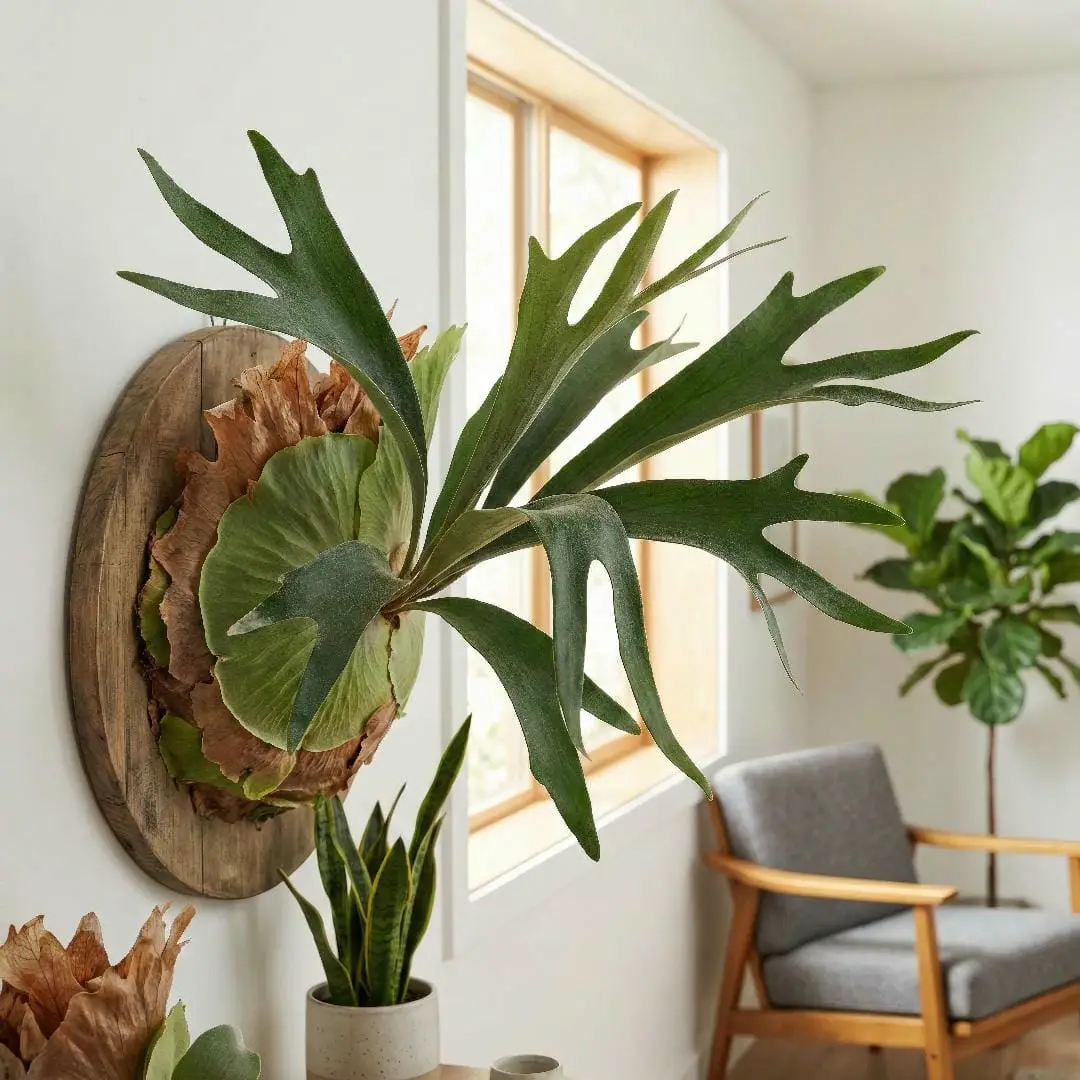
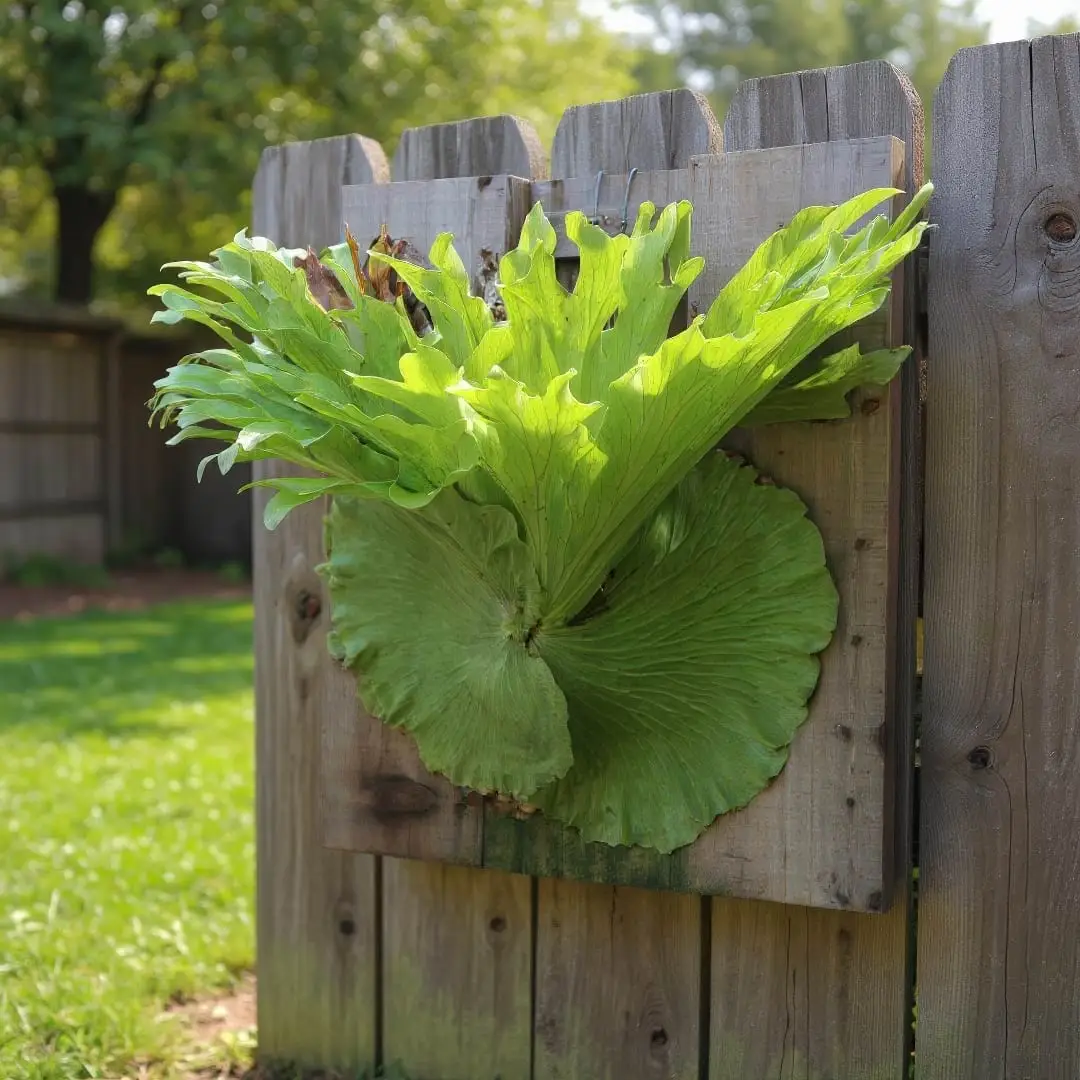
The shield frond (also known as the basal frond) is the round, flat, or plate-like structure at the base of the staghorn fern. Initially green, these fronds eventually turn brown and dry, becoming hard. They are crucial for the plant's survival as they:
- Anchor the plant to its growing surface.
- Protect the roots.
- Absorb water and nutrients as organic matter decomposes behind them.
Here’s how to care for and clean the shield frond:
Step 1: Gentle Misting
Use a spray bottle to gently mist the shield frond with lukewarm water. As with the fertile fronds, avoid using cold water, which can shock the plant. This helps to hydrate it and dislodge any loose debris.
Step 2: Addressing Heavy Soiling (If Necessary)
If the shield frond is heavily soiled with caked-on dirt or debris, you can use a very soft brush (like an old toothbrush or a soft paintbrush) to gently scrub the surface. Be extremely careful not to damage the frond, especially if parts of it are still tender.
Step 3: Air Dry Thoroughly
After cleaning, ensure the shield frond and the area behind it can air dry completely. Good air circulation is important to prevent fungal growth or rot, particularly in the organic matter that collects behind these fronds.
Inspecting and Maintaining Healthy Roots
Staghorn ferns have a relatively small root system compared to their overall size. These roots primarily serve to anchor the plant to its growing medium. While you won't typically "clean" the roots directly unless repotting or addressing a problem, regular inspection is key:
Step 1: Careful Visual Inspection
Periodically and gently inspect the area where the plant attaches to its growing medium. You’re looking for any signs of root rot, which might manifest as:
- A mushy or slimy texture at the base of the plant.
- A foul, decaying smell.
- Dark, discolored roots (if visible).
Step 2: Addressing Potential Rot
If you notice any signs of rot, it's important to act quickly. This may involve:
- Improving air circulation around the plant.
- Allowing the plant to dry out more thoroughly between waterings.
- In severe cases, you might need to carefully remove affected parts with a sterile tool and apply a fungicide. Consulting with a plant care expert or researching specific treatments for staghorn fern root rot is advisable if you're unsure.
Keeping the Growing Medium Clean
The growing medium-whether it's a wooden board, a wire basket, or (less commonly) a pot-also needs to be kept reasonably clean to prevent pest infestations, mold growth, and disease.
Cleaning a Mounted Board:
Staghorn ferns are often mounted on wooden boards for a natural and aesthetically pleasing display.
- Assess Attachment: If possible and the fern isn't too firmly attached, you might consider detaching it for a thorough board cleaning. However, if it's well-established, clean the board with the plant in place, being careful.
- Brush Away Debris: Use a dry brush to gently scrub away any visible dirt, algae, or mold from the board's surface.
- Wipe Down (Optional): If needed, prepare a very mild soap solution (as described earlier) or a diluted white vinegar solution (1 part vinegar to 10 parts water) and use a cloth to wipe the board. Avoid soaking the board, especially if the plant is still attached.
- Dry Completely: Allow the board to air dry thoroughly before reattaching the fern (if removed) or ensuring the area around the plant is dry.
Cleaning a Hanging Basket:
Hanging baskets, often lined with sphagnum moss or coco coir, are another popular choice.
- Remove Plant (If Feasible): If the plant can be safely removed, do so.
- Clear Debris: Use a brush to clean the inside and outside of the basket, removing old potting medium, dirt, and debris.
- Wash Basket: Prepare a mild soap solution to wipe down or scrub the basket. Rinse it thoroughly to ensure no soap residue remains, as this could harm the plant.
- Dry and Refresh Liner: Allow the basket to dry completely in a well-ventilated area. If the liner (moss or coir) is degraded or moldy, consider replacing it with fresh material before putting the staghorn fern back.
Cleaning a Pot (Less Common for Epiphytic Staghorns):
While less common for true epiphytic care, some staghorns are grown in pots with a very airy medium.
- Remove Plant: Carefully remove the staghorn fern from the pot.
- Empty and Scrub: Empty the pot of all old growing medium. Use a brush to scrub away any remaining dirt, salt buildup, or mold from the inside and outside.
- Sanitize (Optional): For a thorough clean, you can wash the pot with a mild soap solution or soak it in a diluted bleach solution (1 part bleach to 9 parts water) for about 30 minutes, then rinse extremely well.
- Dry Completely: Allow the pot to dry completely before repotting the staghorn fern with fresh, appropriate growing medium. This is also a good time to consider its fertilizer needs.
Remember, regardless of the growing medium, maintaining its cleanliness is an important part of preventative care for your staghorn fern. For more detailed information, you can always check out our comprehensive staghorn fern care guide.
🛠️ Essential Long-Term Staghorn Wellness
Cleaning is just one aspect of ongoing care. Two other practices are vital for a thriving staghorn fern.
The 'No-Pruning' Philosophy Explained
Unlike many common houseplants that benefit from regular pruning to shape them or encourage bushier growth, staghorn ferns generally follow a "no-pruning" rule for their fronds.
The brown, often papery, lower fronds are the sterile (shield) fronds. It's a common mistake to think these are dead or dying leaves that need to be removed. In reality, these shield fronds are vital:
- They protect the root ball.
- They anchor the plant.
- As they decompose, they trap water and nutrients, feeding the plant.
Only remove shield fronds if they are completely dried out, loose, and clearly expired, practically falling off on their own. Resist the urge to pull them off prematurely. Similarly, the green, antler-like fertile fronds should not be pruned unless a part is clearly dead, diseased, or severely damaged.

Regularly inspecting your staghorn fern is one of the most effective ways to catch potential problems early before they become severe. Make it a habit, perhaps during your weekly misting routine.
Step 1: Thorough Visual Check
Carefully look over the entire plant. This includes:
- The front and back of all fertile fronds.
- The shield fronds.
- The base of the plant and where it meets the growing medium.
You are looking for:
- Discolored spots (yellow, brown, black).
- Holes or chew marks.
- Sticky residue or fine webbing (signs of pests).
- Actual insects (e.g., scale, mealybugs, aphids).
- Signs of mold or mildew.
Step 2: Prompt Action
If you find any issues, identify the cause and research appropriate treatments. This could involve:
- Manually removing pests.
- Applying an appropriate insecticidal soap or horticultural oil.
- Adjusting your watering or humidity levels.
- Improving air circulation.
- In some cases, carefully removing a heavily affected frond (though this is rare).
Remember, a healthy staghorn fern begins with attentive, regular care. By keeping each part of your plant clean and vigilantly monitoring its health, you’ll be rewarded with a thriving, beautiful specimen.
✅ Key Takeaways: Your Staghorn Cleaning Checklist
Let's recap the essentials for keeping your staghorn fern pristine:
- Understand Your Fern: Staghorn ferns are unique epiphytes. Their fuzzy fronds are vital – do not wipe them off!
- Gentle Frond Cleaning: Weekly, mist fronds lightly with lukewarm water and gently shake off excess. This is the primary cleaning method.
- Natural Showers: A gentle rain shower is a great natural cleaning option if weather permits.
- Shield Frond Care: Mist shield fronds too. Gently brush off heavy soil if necessary, and ensure they can air dry.
- Root Health: Regularly inspect the base for signs of rot. Ensure good drainage and don't overwater.
- Clean Growing Medium: Keep the board, basket, or pot clean to prevent mold and pests. Clean it when necessary, allowing it to dry thoroughly.
- No Impulsive Pruning: Resist pruning shield fronds. Only remove fronds that are truly dead and detached.
- Inspect Regularly: Make it a habit to check your entire plant for early signs of pests or diseases.
- Love and Attention: Gentle, consistent care is the secret to a happy staghorn fern.
🏁 Final Thoughts on Staghorn Fern Care
Caring for a staghorn fern might seem a bit different from your average houseplant, but it's an immensely rewarding journey. By understanding their unique needs and committing to gentle, regular cleaning and attentive observation, you'll cultivate a stunning and healthy plant. Remember, the key is consistent, gentle care and a lot of plant love. Happy gardening!
For more in-depth information on specific aspects of staghorn fern care, feel free to explore our other articles covering staghorn fern light requirements, common staghorn fern varieties, and how to water staghorn ferns effectively. You can also discover tips on feeding your staghorn fern with natural amendments like bananas, coffee grounds, eggshells, and tea bags.
Houseplant 101 aims to be your trusted companion in the vibrant world of houseplants. We are passionate about sharing knowledge and helping you navigate your plant care journey with confidence, whether you're just starting out or are a seasoned plant parent. We're here to support you every step of the way!
❓ Frequently Asked Questions
Can I wipe the leaves (fronds) of my staghorn fern?
No, you should avoid wiping the fronds of a staghorn fern. They possess a natural, fuzzy coating (trichomes) that is essential for moisture retention, sun protection, and nutrient absorption. Wiping this off can damage the plant.
How often should I clean my staghorn fern?
It's recommended to gently mist your staghorn fern with lukewarm water and then softly shake off the excess water on a weekly basis. This routine helps keep the plant clean and supports its health.
Does my staghorn fern need pruning?
Generally, no. Unlike many houseplants, staghorn ferns do not require regular pruning. The brown, papery lower fronds (shield fronds) are not dead but are sterile fronds crucial for nutrient absorption and support. Only remove fronds when they are completely dry, loose, and easily detached.
Is it okay to clean my staghorn fern outdoors?
Yes, absolutely! If the weather is mild and the rain is gentle, an outdoor shower is an excellent, natural way to clean your staghorn fern. It's thorough and mimics their natural environment.
Can I use soap to clean my staghorn fern?
Yes, but with extreme caution and only when necessary for stubborn grime or pests. Use a very mild, plant-safe soap (like insecticidal soap or highly diluted Dr. Bronner's). Spray lightly, let it sit for only a minute, then rinse thoroughly with a heavy spray of clean, lukewarm water. Plain water misting is preferred for regular cleaning.
What is the white fuzzy coating on the fronds of a staghorn fern?
This white or silvery fuzzy coating is a natural and vital part of the staghorn fern, made up of tiny hairs called trichomes. It helps the plant retain moisture, protects it from harsh sunlight, and can aid in absorbing nutrients from the air. It is not dust and should not be removed.
How do I clean the growing medium (board, basket) of my staghorn fern?
Regularly inspect the growing medium for signs of mold, algae, or pests. If cleaning is needed, gently brush off debris. For more thorough cleaning, you can use a mild soap solution or diluted vinegar on a cloth to wipe down boards, or wash baskets after removing the plant (if possible). Always allow the medium to dry completely before re-exposing the plant fully or reattaching it.
How do I check the roots of my staghorn fern for problems?
Carefully inspect the area where the plant's base and shield fronds attach to the growing medium. Look for any signs of rot, such as a mushy texture, dark discoloration, or a foul smell. If you suspect root rot, improve air circulation, reduce watering frequency, and consult a plant care expert or reliable resources for treatment options, which might include fungicides or removing affected tissue.
🪴 See also 🪴
Complete Guide To Staghorn Fern Care and Growth
Staghorn Fern Propagation: A Step-by-Step Guide (Pups & Spores)
How to Mount a Staghorn Fern: A Modern Step-by-Step Guide
Complete Guide to Pitcher Plant Care (Nepenthes)
18 Staghorn Fern Varieties, Species, and Types (With Pictures)
Is Sugar Water Good for Staghorn Ferns?
Do Staghorns like tea bags?
Eggshells and Staghorn Ferns: Separating Fact From Fiction
How to Use Coffee Grounds For Your Staghorn Fern

Are Staghorn Ferns Invasive? Understanding Their Ecological Impact

Banana Peels for Staghorn Ferns: A Surprising Nutrient Boost?

Do Staghorn Ferns Clean the Air? The Truth About Platycerium & Air Purification

How to Make Staghorn Ferns Grow Faster: Expert Tips & Tricks

Staghorn Fern Watering: The Ultimate Guide to Hydration

Staghorn Fern Light Requirements: A Comprehensive Gardener's Guide
Do Staghorn Ferns Like Epsom Salt? A Gardener's Guide
Is Miracle-Gro Good for Staghorn Ferns? A Gardener's Guide
Fertilizer and Nutrient Requirements for Staghorn Fern

Houseplant101 Forum
Questions & Comments
Ask a question, share your plant experience, or help other plant owners.
Comments are temporarily unavailable.
Open the Houseplant101 ForumNo comments yet
Be the first to ask a question or share your experience about this page.
Log in or create an account
Comments use your Houseplant101 Forum account, but you can stay on this page.
Create a new account