
🪴 In This Guide 🪴
❓ Staghorns and Tea Bags: A Gardener's Query
Introduction
Hey there! "Do staghorns like tea bags?" This intriguing question often pops up among gardening enthusiasts. Staghorn ferns, with their unique antler-like fronds, are truly captivating plants. Understanding their needs is key to helping them thrive.
The theory is simple: used tea bags, potentially rich in nutrients like nitrogen, could serve as a natural fertilizer. So, can you use tea bags for your staghorn ferns? The answer is yes, but with careful moderation.
Over-fertilization is a real risk and can lead to nutrient burn. However, when used correctly, tea bags might offer a small boost to your fern's health. This article explores this cost-effective, natural method, helping you decide if it's right for your staghorn fern care routine.
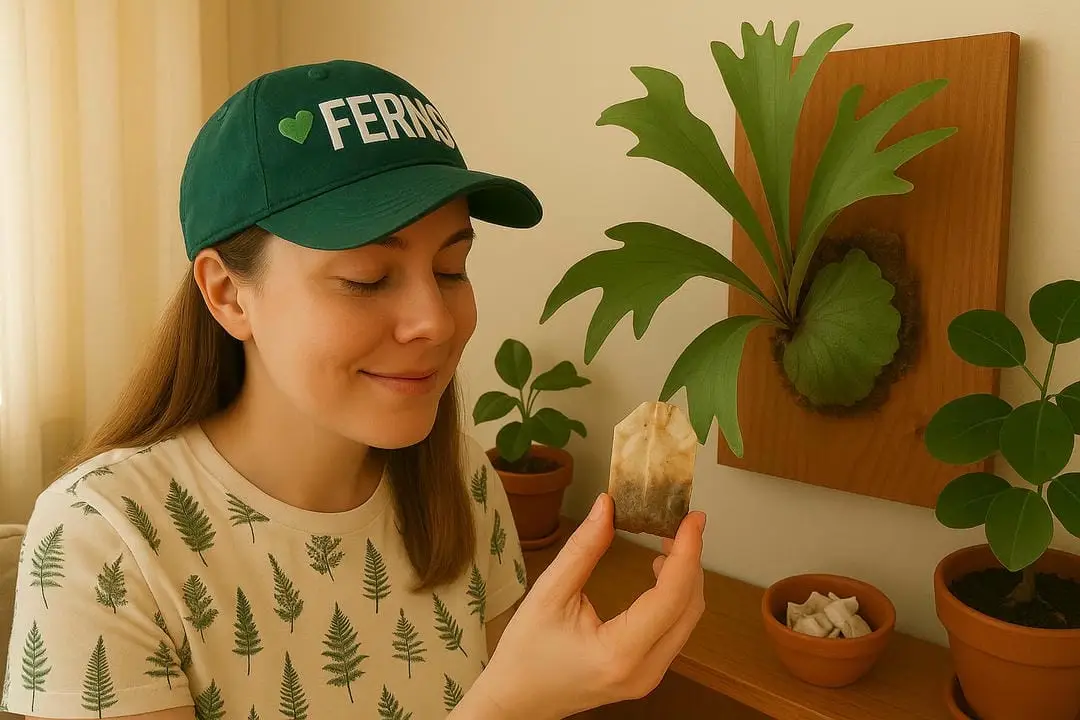
🌿 Understanding Staghorn Ferns
The Unique Nature of Platycerium
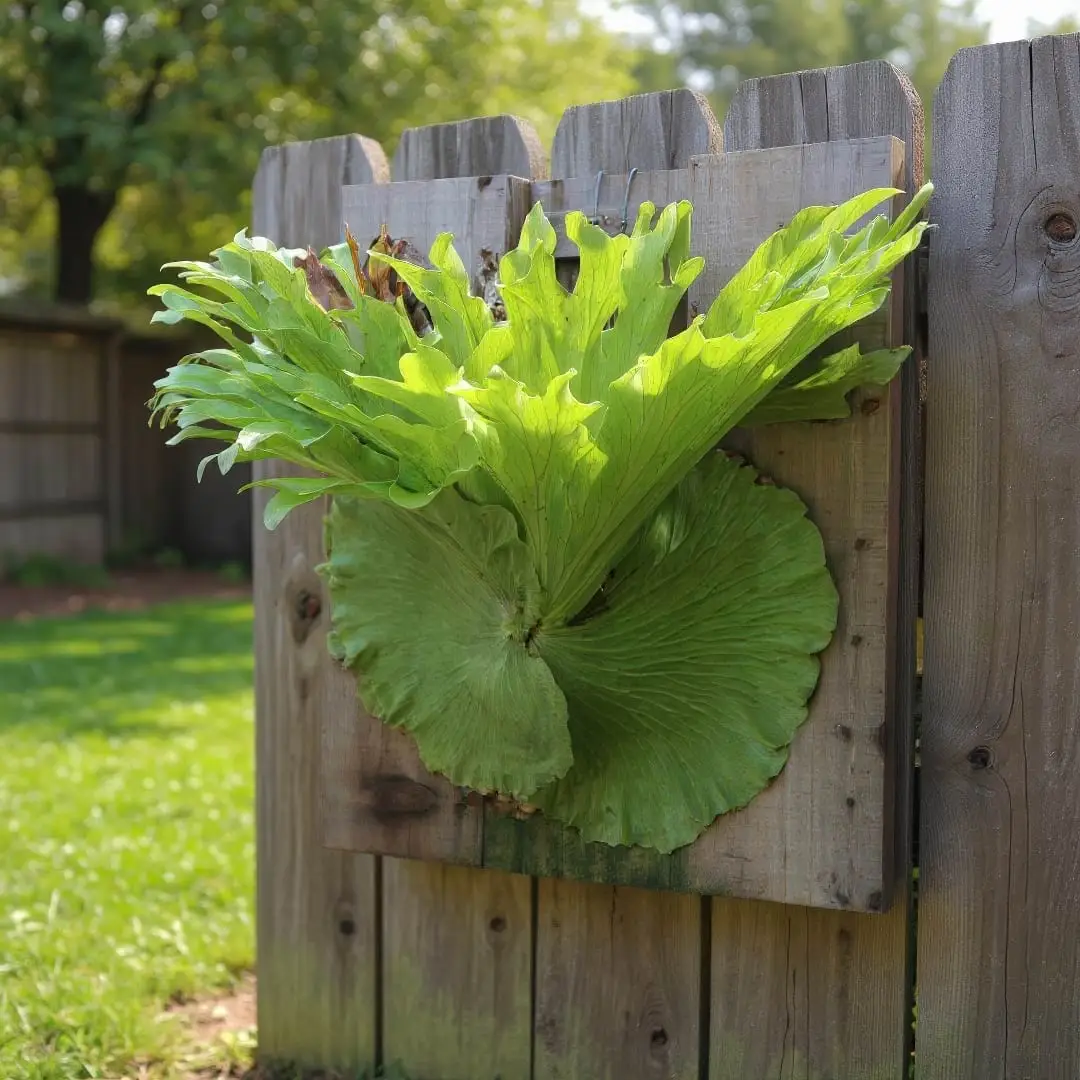
Staghorn ferns, known scientifically as Platycerium, are a distinctive species. Their fronds, resembling deer antlers, make them a striking addition to any plant collection.
These ferns are epiphytic. In their natural habitat, they grow on other plants or trees, not in soil. This lifestyle means they absorb moisture and nutrients primarily from the air, rain, and debris that collects around their base.
Understanding their natural growth habits is crucial for providing the right care at home. They typically prefer humid environments and indirect light. Nutrition is also a vital aspect, which brings us back to the tea bag question.
☕ The Tea Bag Theory for Plant Fertilization
What's the Idea?
The tea bag theory is a popular concept among gardeners looking for natural solutions. The core idea is that used tea bags can act as a gentle, organic fertilizer.
Tea leaves contain various compounds. Nitrogen, for instance, is a vital element that promotes healthy leaf growth. Tea also contains tannins and other organic matter. Some believe these can improve the soil or growing medium's structure and its ability to retain water.
So, instead of discarding used tea bags, the theory suggests repurposing them to benefit your plants. But how well does this apply specifically to epiphytic staghorn ferns?
🔬 The Science: Tea Bags and Staghorn Fern Nutrition
Nutrients and Risks
So, do staghorns actually like tea bags? They can potentially benefit from the nutrients, but moderation is absolutely key.
Tea leaves offer some nitrogen and trace elements. For a staghorn fern, which is accustomed to deriving nutrients slowly from its environment, a decomposing tea bag might mimic this natural process to a small extent.
However, staghorn ferns need a balanced array of nutrients, which tea bags alone won't provide. Over-applying tea bags, or using them too frequently, can disrupt this balance. This could lead to nutrient burn or an overly acidic environment around the roots, potentially harming the plant. It's important to consider tea bags as a minor supplement, not a primary fertilizer for your staghorn fern.
Tea Quality Matters
Not all tea is created equal, especially when it comes to plant health. Some teas contain additives, artificial flavors, or even plastic in the bag material itself, which could be detrimental.
Opt for plain, organic teas if you decide to experiment. Black, green, or herbal teas (without synthetic ingredients) are generally safer bets. Avoid teas with high acidity or strong oils if you're unsure how your fern will react.
🧑🔬 A Gardener's Experiment with Tea Bags
Observation and Learning
I once tried using tea bags with one of my staghorn ferns. After enjoying a cup of organic green tea, I placed the cooled, used tea bag near the fern's shield frond, where it might naturally collect debris.
I did this sparingly, perhaps once every few weeks, observing carefully. The fern seemed to remain healthy, and there was no immediate negative reaction.
However, it was difficult to attribute any significant positive changes solely to the tea bags, as other care factors were also at play. This reinforced the idea that if tea bags offer a benefit, it's likely subtle and best combined with a comprehensive care approach. Too many, I suspect, would have led to issues like mold or pests.
⚖️ Pros and Cons of Using Tea Bags for Staghorns
Potential Benefits (Pros)
Using tea bags for your staghorn ferns can have a few upsides if done correctly:
- Cost-Effective: It’s a free, natural way to repurpose something you'd otherwise discard.
- Mild Nutrient Source: Tea leaves provide a gentle source of nitrogen and organic matter.
- Moisture Retention: The bag can help retain a small amount of moisture near the plant's base, which can be beneficial in dry conditions (but also a risk if overdone).
- Waste Reduction: It's an environmentally friendly practice.
Potential Drawbacks (Cons)
However, there are also downsides to consider:
- Nutrient Burn: Over-fertilization is a risk if too many tea bags are used or if they are too concentrated.
- Incomplete Nutrition: Tea bags do not offer a balanced nutritional profile. Your fern will need a more complete fertilizer for optimal health.
- Acidity: Tea can be acidic. While staghorns can tolerate slight acidity, too much can be harmful.
- Pest Attraction: Wet, decomposing tea bags can attract fungus gnats or other pests.
- Mold Growth: If the area remains too damp, mold can develop on the tea bags and spread to the plant.
- Harmful Additives: Non-organic teas or those with synthetic bags can introduce unwanted chemicals.
📝 Step-by-Step: How to Use Tea Bags with Your Staghorn Fern
A Cautious Approach
If you've weighed the pros and cons and decided to experiment with tea bags for your staghorn fern, follow these steps carefully:
Choose Your Tea Wisely:
- Select plain, organic tea (black, green, or mild herbal).
- Avoid teas with added flavors, oils, or sweeteners.
- Ensure the tea bag itself is made of natural, compostable material (paper, cotton, silk) and not plastic/nylon. Remove any staples.
Brew and Cool:
- Brew your tea as usual.
- Once you've enjoyed your cup, allow the used tea bag to cool completely to room temperature. Never use a hot tea bag.
Assess Frequency:
- Decide on a very conservative frequency. Start with one tea bag per month or every few weeks for an average-sized fern.
- Do not use tea bags with every watering or too often. Moderation is paramount.
Placement:
- Gently tuck the cooled, damp (not sopping wet) tea bag near the base of the staghorn fern, close to where the shield fronds (the flat, roundish leaves) meet the mounting surface or growing medium.
- Alternatively, you can place it lightly on top of the growing medium if your fern is potted (though most are mounted).
- Do not bury it deep or pack it tightly, as this can restrict airflow and promote rot.
Monitor Closely:
- Keep a close eye on the fern and the tea bag area for the next few days and weeks.
- Look for any signs of mold growth on the tea bag or the plant.
- Check for an increase in pests like fungus gnats.
- Observe the fern's leaves for any signs of stress, such as yellowing or browning (which could indicate nutrient burn or other issues).
Remove if Necessary:
- If you notice any mold, pests, or negative plant reactions, remove the tea bag immediately.
- Even if there are no issues, it's a good idea to remove the old tea bag before adding a new one after a few weeks, or once it has significantly decomposed.
Adjust Based on Observation:
- If your fern responds well and you see no negative signs, you can continue this cautious approach.
- If you notice issues, discontinue use or try a different type of organic tea.
Important Reminder: Tea bags should only be considered a very minor supplement and not a primary source of nutrition. Ensure your staghorn fern receives a balanced fertilizer appropriate for its needs and general good care.
🪴 Alternative Fertilizing Options for Staghorns
Natural and Commercial Choices
Tea bags are just one of many options when it comes to feeding your staghorn fern. For a comprehensive approach, you might explore:
- Balanced Liquid Fertilizers: Specially formulated orchid or fern fertilizers, diluted to half or quarter strength, are often recommended. Some gardeners also use general-purpose options like Miracle-Gro carefully diluted.
- Other Natural Options:
- Diluted coffee grounds can offer nitrogen but should also be used sparingly due to acidity.
- Soaking banana peels in water can create a potassium-rich liquid (use diluted).
- Crushed eggshells can add calcium, though they break down very slowly.
- Specific Supplements: In some cases, a diluted solution of Epsom salt can provide magnesium if a deficiency is suspected, but it's not a complete fertilizer.
Always research and apply any fertilizer, natural or commercial, with caution, following our general staghorn fern fertilizer guidelines.
✅ Conclusion: Tea Bags for Staghorns – A Cautious Yes
Final Thoughts
So, do staghorns like tea bags? The answer is a qualified yes – they can benefit modestly if tea bags are used wisely and in strict moderation as part of a broader plant care strategy. They are not a magic bullet or a complete nutritional solution.
The key is observation and understanding your specific plant's needs. Plant care is a journey of learning and experimenting. If you try tea bags, do so cautiously, and always prioritize the overall health and balance of your staghorn fern's environment. Happy gardening!
❓ Frequently Asked Questions
Are tea bags beneficial for staghorn ferns?
Used tea bags can provide nitrogen and organic matter beneficial for staghorn ferns, acting as gentle, slow-release fertilizers.
How should I prepare tea bags for use with my fern?
Use plain, organic tea bags, squeeze out excess moisture, and place them behind the fern's mounting material to safely release nutrients over time.
Can tea bags replace commercial fertilizers?
Not completely. Tea bags offer nitrogen but lack a full nutrient profile. Use them as a supplemental fertilizer alongside other methods.
Do tea bags cause mold or attract pests?
Possibly, if left too wet or sugary. Use only plain tea, allow bags to dry slightly, and ensure good air circulation to avoid mold issues.
Is caffeinated tea safe for staghorn ferns?
Generally yes, but in moderation. Used tea bags have less caffeine, posing minimal risk, though excessive amounts could stunt growth.
🪴 See also 🪴
Complete Guide To Staghorn Fern Care and Growth
Staghorn Fern Propagation: A Step-by-Step Guide (Pups & Spores)
How to Mount a Staghorn Fern: A Modern Step-by-Step Guide
Complete Guide to Pitcher Plant Care (Nepenthes)
18 Staghorn Fern Varieties, Species, and Types (With Pictures)
Is Sugar Water Good for Staghorn Ferns?
Eggshells and Staghorn Ferns: Separating Fact From Fiction
How to Use Coffee Grounds For Your Staghorn Fern

Are Staghorn Ferns Invasive? Understanding Their Ecological Impact

Banana Peels for Staghorn Ferns: A Surprising Nutrient Boost?
Do Staghorn Ferns Clean the Air? The Truth About Platycerium & Air Purification
How to Make Staghorn Ferns Grow Faster: Expert Tips & Tricks
Staghorn Fern Watering: The Ultimate Guide to Hydration

Staghorn Fern Light Requirements: A Comprehensive Gardener's Guide
Do Staghorn Ferns Like Epsom Salt? A Gardener's Guide
Is Miracle-Gro Good for Staghorn Ferns? A Gardener's Guide
Fertilizer and Nutrient Requirements for Staghorn Fern
A Comprehensive Guide to Cleaning Staghorn Ferns

Houseplant101 Forum
Questions & Comments
Ask a question, share your plant experience, or help other plant owners.
Comments are temporarily unavailable.
Open the Houseplant101 ForumNo comments yet
Be the first to ask a question or share your experience about this page.
Log in or create an account
Comments use your Houseplant101 Forum account, but you can stay on this page.
Create a new account