
🪴 In This Guide 🪴
🌿 Introduction: Eggshells and Staghorn Ferns - Myths, Facts, and Care Tips
Staghorn ferns (Platycerium spp.) are exotic, antler-leaved houseplants that often spark unique care questions. One popular DIY idea is using crushed eggshells as a natural fertilizer. Garden forums and social media claim eggshells provide calcium to strengthen plant cell walls and boost growth – but is there any truth to this?
In this comprehensive guide, we’ll separate common myths from scientifically backed facts about eggshells and staghorn ferns. You’ll learn what horticulturists and plant scientists say, whether crushed eggshells contribute measurable benefits, and the best ways to nourish these epiphytic plants. For a complete overview of their needs, see our main staghorn fern care guide. By the end, you’ll know if that bowl of breakfast eggshells is a fern care treasure or just a gardening myth. Let’s crack the case on natural fertilizer for staghorn ferns, explore the role of calcium for houseplants, and cover some handy DIY fern care tips for healthy growth.
🔬 Understanding Staghorn Fern Nutrient Needs
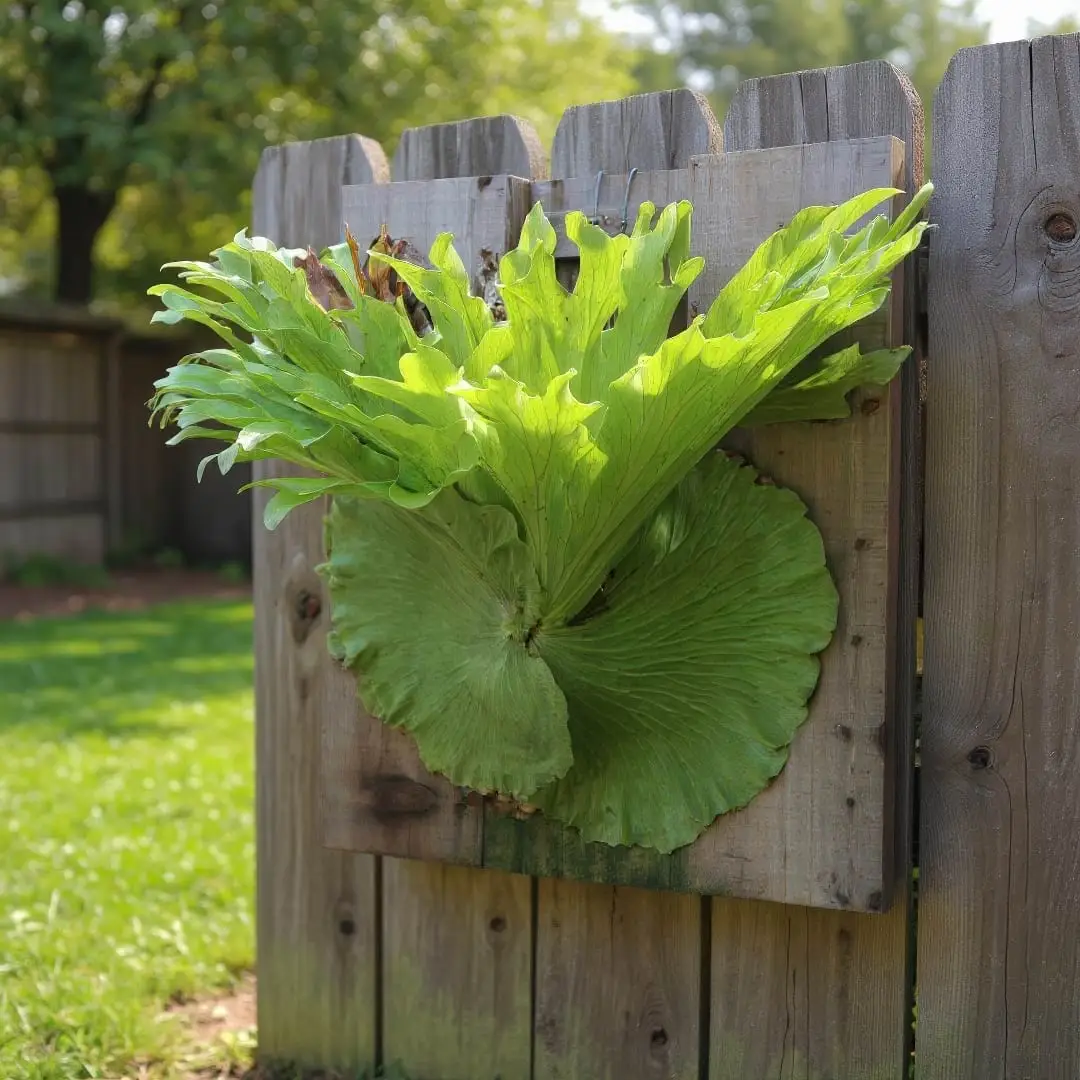
Staghorn ferns are epiphytes, meaning they naturally grow attached to trees or rocks rather than in soil. In the wild, they absorb moisture and nutrients from rain, air, and decaying organic debris (like fallen leaves or bird droppings) collected in their basal fronds.
Unlike typical potted plants, staghorns don’t rely heavily on rich soil nutrients; they’re adapted to survive with minimal feeding. In home cultivation, staghorn ferns do benefit from some fertilization, but only sparingly. Experts like those at the University of Florida note that young staghorn ferns can be fertilized about once a month during warm growing seasons, while mature plants thrive with just one or two feedings a year. This low feeding frequency underscores that Platycerium ferns are light eaters. Bright indirect light, proper watering, and humidity are far more crucial to their health than heavy fertilization. So, before reaching for any fertilizer – eggshells or otherwise – remember these ferns prefer an atmosphere more than a buffet.
💡 Eggshells as a Natural Fertilizer: The Theory
Why eggshells? Crushed eggshells have long been touted as a natural fertilizer for houseplants because they are rich in calcium carbonate (about 95% by weight) along with small amounts of phosphorus, magnesium, and other trace minerals. Calcium is an essential plant nutrient that helps build strong cell walls and support overall structure. On the surface, it sounds logical that adding calcium-rich eggshells could strengthen the plant.
Some sources even suggest making “eggshell tea” (soaking shells in water) or sprinkling crushed shells around plants. Staghorn fern owners, looking for DIY fern care tips, might hear that eggshells can supplement what an epiphyte might get from decaying organic matter in nature. Indeed, eggshell use is popular in eco-friendly gardening as it recycles kitchen waste.
The Claims: Why Some Gardeners Use Eggshells
Proponents say eggshells and staghorn ferns are a great match because calcium from the shells can fortify the fern’s fronds, leading to sturdier growth. It’s also described as a “slow-release” nutrient source. In some DIY circles, eggshells are combined with other kitchen scraps – for example, banana peels for potassium and coffee grounds for nitrogen – to create a homemade nutrient mix. One Reddit gardening enthusiast summed it up: “Banana peels offer potassium, eggshells offer calcium, and coffee grounds offer nitrogen – all vital to staghorn growth.”
On paper, it seems eggshells could be a natural fertilizer for staghorn ferns. But how well do these claims hold up when we examine the science?
⚖️ Myth vs. Fact: Debunking Eggshell Claims for Staghorn Ferns
It’s time to crack open the common beliefs and scientific realities about using eggshells for your staghorn fern.
Myth: Eggshells provide an immediate nutrient boost.
Fact: Eggshells break down very slowly. Any nutrients, primarily calcium, are released over a long period – far too slow to give an immediate benefit to your fern. Archaeologists have even found centuries-old eggshells in compost pits that are still largely intact, illustrating their persistence. Simply adding dry shells won't rapidly feed your plant.
Myth: Eggshell tea is a calcium-rich drink for ferns.
Fact: Calcium carbonate, the main component of eggshells, is almost insoluble in plain water. Soaking eggshells in water overnight ("eggshell tea") leaches very little calcium. Without an acid like vinegar to dissolve the shells (a more involved process), the water you pour on your fern will contain negligible amounts of this mineral.
Myth: Eggshells fix calcium deficiencies and cure plant ailments.
Fact: True calcium deficiencies in houseplants are rare. Most potting mixes (or mounting media for staghorns) and even tap water often provide sufficient calcium. If your staghorn fern is unhealthy, issues like improper watering, inadequate light, or a lack of general nutrients (nitrogen, phosphorus, potassium) are far more likely culprits than a calcium shortage. Furthermore, adding excess calcium can sometimes disrupt the balance of other nutrients.
Myth: Extra calcium from eggshells makes fronds stronger and thicker.
Fact: While plants do need calcium for strong cell walls, they can only use it if it's in an absorbable form, and "more" isn't always "better." If a fern genuinely lacked absorbable calcium, its new growth might be weak. However, this is uncommon, especially if you use a balanced fertilizer. Simply piling on insoluble eggshells won't magically thicken a fern’s fronds. Overall plant health, driven by light, water, and balanced nutrition, dictates frond strength far more than a single, slowly-available mineral.
Myth: Eggshells can replace commercial fertilizer.
Fact: Eggshells primarily supply calcium. They contain almost no nitrogen, phosphorus, or potassium (N-P-K), which are crucial macronutrients for plant growth. Therefore, eggshells are not a complete fertilizer. A staghorn fern still needs a balanced source of N-P-K, albeit in modest amounts. Relying solely on eggshells would lead to malnourishment in other essential nutrients.
🧑🔬 Horticulturist Perspectives on Eggshells in Fern Care
Plant experts and horticulturists largely agree: eggshells won’t harm your plant, but they offer minimal immediate benefit. North Carolina State University Extension notes that while eggshells are calcium-rich, they don't release calcium quickly enough to help plants in the short term. The shells need to break down completely, which can take years in neutral pH conditions.
The University of Minnesota Extension similarly concludes that even if a growing medium lacks calcium, eggshells decompose too slowly to be an effective remedy. Horticulturist Larry Hodgson pointed out that eggshells often remain visibly intact in compost even when other materials have decomposed. He mentions that unless ground to a fine powder or exposed to very acidic conditions (pH <4), they resist breaking down – conditions not ideal for staghorn ferns.
From a plant science perspective, epiphytic ferns likely glean small amounts of calcium from rainwater flowing over tree bark and organic matter. Many tap waters also contain calcium and magnesium, so watering or misting with tap water probably provides some. Complete fertilizers or organic feeds like fish emulsion usually contain calcium too. A plant uses calcium for new cell walls, but extra, unusable calcium won't force more growth.
🤔 Do Staghorn Ferns Ever Benefit from Eggshells?
Is there any scenario where eggshells might be marginally beneficial? Possibly in the long-term health of the mounting media or compost. Over months and years, finely ground eggshells could modestly improve the calcium content and help neutralize slight acidity (since CaCO₃ is alkaline). For example, occasionally adding powdered shells to a large outdoor staghorn's basal fronds might eventually enrich that micro-ecosystem.
Some gardeners report using kitchen scraps this way, essentially composting in place. One long-time staghorn owner mentioned throwing fruit peels and eggshells into their fern, noting it thrives, especially with bird droppings. This suggests that in an outdoor environment, eggshells can be part of the organic litter that slowly feeds a fern.
However, in a controlled home environment, the contribution is small and slow. Experts also warn of practical downsides: poorly cleaned shells might attract pests. Even clean scraps can invite fruit flies or mold indoors. One plant care app advises caution when using food scraps as fertilizer for staghorn ferns due to pest attraction. Always rinse and dry eggshells thoroughly.
Bottom Line from the Experts: Using eggshells for your staghorn fern won’t dramatically harm it, but it’s largely a myth that they’ll significantly boost its health or growth. You'll get far more noticeable results with proper light, correct watering, and an occasional balanced feed.
🛡️ How to Safely Use Eggshells (If You Still Want To)
If you still want to use eggshells, here are some safe, practical ways:
- Clean and Crush Thoroughly: Rinse eggshells to remove residue, then dry them. Crush into the smallest pieces possible (powder is best) using a coffee grinder or mortar and pestle. Finer particles break down faster.
- Mix into Potting Media or Compost: If potted, mix eggshell powder into the media during repotting or top-dress lightly. For mounted ferns, blend powder into moss or compost packed behind basal fronds. Composting shells first is ideal, making calcium more available.
- Use Moderation: A little goes a long way. Sprinkle modestly and infrequently. Overapplication could alter pH or foster mold.
- Monitor the Plant’s Response: Watch for undesirable effects like fungal growth or pests. If seen, remove shell material and stick to conventional feeding.
By following these tips, you can experiment safely. Any benefit will be slow and subtle.
🥗 Proper Feeding for Staghorn Ferns (What to Do Instead)
Since eggshells aren't a miracle fix, let's discuss what nourishes a staghorn fern effectively. You might explore options ranging from commercial products like Miracle-Gro (used cautiously and diluted) to other DIY approaches. For a detailed guide on what to feed your fern, check out our staghorn fern fertilizer article.
- Use a Diluted Balanced Fertilizer: A liquid fertilizer with an N-P-K ratio around 1:1:1 (e.g., 10-10-10 or 20-20-20 at quarter strength) is often recommended. Feed young plants monthly during spring/summer; mature plants only once or twice a year. Always apply to a wet root ball to avoid burn.
- Try Organic Options:
- Banana Peels: A classic treat for potassium. Slip a small piece under a shield frond. Use cautiously indoors to avoid pests or rot.
- Fish Emulsion or Kelp Extracts: Diluted in water, these provide a gentle mix of nutrients. They can have an odor, so consider using them outdoors or in well-ventilated areas.
- Used Tea Bags or Coffee Grounds: Some people experiment with these, but like eggshells, their benefits are often overstated and they should be used sparingly and with caution to avoid mold or pests.
- Epsom Salt: Occasionally discussed for magnesium, but generally, a balanced fertilizer provides sufficient micronutrients.
- Leverage Natural Debris (Outdoors): Allow leaf litter to collect behind basal fronds to decay and feed the fern.
- Avoid Overfeeding: Err on the side of less. Over-fertilizing can cause salt build-up or weak growth. Flush with plain water if signs appear.
General Care is Key
No supplement can compensate if a staghorn fern’s basic needs aren’t met. Ensure it gets the right light (bright, indirect), warmth (60–80°F, above 50°F), and humidity (50%+ if possible). Water properly by soaking and letting it dry out slightly. For comprehensive guidance, refer to our complete guide to staghorn fern care. A well-cared-for fern makes the most of any available nutrients. If these factors are off, no amount of eggshell or other specific supplement will save a struggling fern.
🏁 Conclusion: Eggshells – Nice to Recycle, But Not a Staghorn Fern Superfood
Caring for a staghorn fern is rewarding. While the idea of natural fertilizers like eggshells is appealing, research shows they offer minimal, slow-release benefits in home conditions. The notion that eggshells will dramatically strengthen your fern is more myth than fact. Staghorns rarely suffer from calcium deficiency, and eggshell calcium isn't readily available.
That said, using eggshells isn't inherently harmful. Ground up and used in moderation, they can contribute to the organic makeup of the growing medium over time and align with sustainable practices. Just don’t expect a miracle.
Remember that basic care – as outlined in our step-by-step guide – covering light, water, and occasional balanced feeding will have the biggest impact. A thriving staghorn is usually the result of consistent proper care, not special ingredients. View extras like eggshells as optional, minor supplements. Happy fern growing!
❓ Frequently Asked Questions
Are eggshells good for staghorn ferns?
Eggshells provide calcium, but they decompose slowly and don’t supply nitrogen or potassium. They’re not harmful, but they aren’t a complete fertilizer.
How do I prepare eggshells before using them on my fern?
Clean, dry, and crush the eggshells into a fine powder. This speeds up decomposition and reduces pest risks.
Can eggshells replace commercial fertilizers for ferns?
No. Eggshells lack the full nutrient profile needed by staghorn ferns. Use them as a supplement only, not a replacement.
Is ‘eggshell tea’ effective for fertilizing?
Not really. Calcium doesn’t dissolve well in plain water. ‘Eggshell tea’ offers minimal nutrient value unless made with acid, which may harm your plant.
Will using eggshells attract pests to my indoor fern?
Possibly, especially if not cleaned properly. Always rinse eggshells and use them sparingly to prevent mold and insect issues.
🪴 See also 🪴
Complete Guide To Staghorn Fern Care and Growth
Staghorn Fern Propagation: A Step-by-Step Guide (Pups & Spores)
How to Mount a Staghorn Fern: A Modern Step-by-Step Guide
Complete Guide to Pitcher Plant Care (Nepenthes)
18 Staghorn Fern Varieties, Species, and Types (With Pictures)
Is Sugar Water Good for Staghorn Ferns?
Do Staghorns like tea bags?
How to Use Coffee Grounds For Your Staghorn Fern

Are Staghorn Ferns Invasive? Understanding Their Ecological Impact
Banana Peels for Staghorn Ferns: A Surprising Nutrient Boost?
Do Staghorn Ferns Clean the Air? The Truth About Platycerium & Air Purification
How to Make Staghorn Ferns Grow Faster: Expert Tips & Tricks
Staghorn Fern Watering: The Ultimate Guide to Hydration

Staghorn Fern Light Requirements: A Comprehensive Gardener's Guide
Do Staghorn Ferns Like Epsom Salt? A Gardener's Guide
Is Miracle-Gro Good for Staghorn Ferns? A Gardener's Guide
Fertilizer and Nutrient Requirements for Staghorn Fern
A Comprehensive Guide to Cleaning Staghorn Ferns

Houseplant101 Forum
Questions & Comments
Ask a question, share your plant experience, or help other plant owners.
Comments are temporarily unavailable.
Open the Houseplant101 ForumNo comments yet
Be the first to ask a question or share your experience about this page.
Log in or create an account
Comments use your Houseplant101 Forum account, but you can stay on this page.
Create a new account