
🪴 In This Guide 🪴
🌿 Introduction: The Majestic Staghorn and Its Wild Side
Hello, plant enthusiasts, Anastasia here! Staghorn Ferns are admired for their unique, architectural beauty. As epiphytes, they naturally grow on trees, adding a touch of the exotic to gardens and homes. However, a crucial question arises for responsible gardeners: can these stunning plants become invasive?
The answer isn't a simple yes or no. It depends heavily on the region and climate. Let's explore the nuances of staghorn fern invasiveness.
❓ Understanding the Term 'Invasive Species'
It's important to clarify what an "invasive species" is:
- Non-Native: An invasive species is one that is not originally from a particular ecosystem.
- Causes Harm: Its introduction and spread cause (or are likely to cause) ecological, economic, or human health harm.
Many non-native plants are cultivated without issue. A plant only becomes "invasive" when it spreads aggressively and negatively impacts its new environment. Staghorn ferns, while native to parts of Southeast Asia, Australia, Africa, and South America, are non-native in many areas where they are popularly grown.
🌍 Where Can Staghorn Ferns Be Invasive?
Staghorn ferns thrive in warm, humid conditions, mimicking their native tropical and subtropical habitats. In regions offering such climates, they have the potential to naturalize and become invasive if they escape cultivation.
Florida, USA
Florida's heat and humidity provide an ideal environment for staghorn ferns. Species like Platycerium bifurcatum have naturalized in parts of the state, particularly South Florida. While appreciated by many gardeners, their ability to spread into natural areas is a concern, leading to them being listed as invasive or potentially problematic by some authorities.
Hawaii, USA
Similarly, Hawaii's tropical climate is highly conducive to staghorn fern growth. Some species are considered invasive here, capable of colonizing native forests and potentially impacting native Hawaiian flora.
Other Potential Regions
Any region with a consistently warm, frost-free, and humid climate could potentially support the naturalization of staghorn ferns if spores or pups are introduced into suitable habitats.
🌱 Factors Contributing to Invasiveness
Several characteristics of staghorn ferns contribute to their invasive potential in conducive environments:
- Efficient Reproduction: Staghorn ferns reproduce both by spores (which can travel by wind) and by producing pups (offsets) that can form new plants. Learn more about staghorn fern propagation methods here.
- Adaptability: As epiphytes, they don't need soil and can establish themselves on tree trunks, branches, and sometimes even rock faces.
- Lack of Natural Predators/Controls: In new environments, they may lack the natural pests or diseases that would keep their populations in check in their native range.
- Competitive Ability: Once established, large staghorn ferns can potentially shade out or outcompete smaller native epiphytes for space and resources.
🤝 Responsible Staghorn Fern Cultivation
If you live in a region where staghorn ferns might be invasive, or if you're unsure, consider these responsible practices:
Check Local Advisories
Before planting any non-native species outdoors, especially one known to be problematic elsewhere, consult your local authorities. This could be your state's Department of Agriculture, university extension office, local invasive species council, or native plant society. They can provide information on whether staghorn ferns are a concern in your specific area.
Consider Indoor Cultivation
Growing staghorn ferns indoors as houseplants is a safe way to enjoy their beauty without any risk of them escaping into the local ecosystem. They make stunning mounted specimens for bright, humid spots in the home.
Prevent Spread
If growing outdoors in a suitable climate where they are not (yet) considered invasive, be mindful of their potential to spread. Avoid planting them near sensitive natural areas. Be cautious with disposing of unwanted plants or fronds bearing spores; do not dump them in wild areas.
Choose Less Aggressive Species (If Known)
While information can be limited, some Platycerium species might be less prone to aggressive spreading than others. Researching specific species behavior can be helpful, though often it's the genus as a whole that raises concerns in high-risk climates.
✅ Conclusion: Beauty with Responsibility
Staghorn ferns are undeniably captivating plants. While they bring immense joy to many gardeners, it's vital to be aware of their potential to become invasive in certain warm, humid climates. Their invasiveness is not universal, but where conditions are right, they can naturalize and potentially disrupt local ecosystems.
By researching local conditions, consulting with experts, and practicing responsible gardening, we can enjoy these magnificent ferns while protecting our native environments. Indoor cultivation remains a wonderful and risk-free way to appreciate their splendor everywhere.
👉 For general care, check out our Ultimate Guide to Staghorn Fern Care.
❓ Frequently Asked Questions
Are staghorn ferns generally considered invasive?
Staghorn ferns (Platycerium spp.) are not universally invasive, but they can become invasive and naturalize in certain warm, humid regions like Florida and Hawaii, where they may disrupt local ecosystems.
In which regions are staghorn ferns known to be invasive?
Staghorn ferns are primarily known to be invasive in parts of Florida and Hawaii in the United States. They may also pose a risk in other tropical or subtropical climates with similar conditions if introduced.
Why can staghorn ferns become invasive in certain climates?
In suitable warm and humid climates, staghorn ferns can become invasive due to their efficient reproduction (via spores and pups) and their ability to establish on trees, potentially outcompeting native epiphytes for space and resources.
Are all non-native staghorn ferns harmful?
No, not all non-native staghorn ferns are harmful or invasive in every environment. A species is only considered invasive if it's non-native and causes ecological or economic harm by spreading aggressively in a new region.
What precautions should I take if I want to grow staghorn ferns outdoors?
Before planting staghorn ferns outdoors, especially in warm climates, check with your local agricultural extension office, native plant society, or environmental protection agency to see if they are considered invasive or regulated in your area.
Can I grow staghorn ferns indoors without worrying about them being invasive?
Yes, growing staghorn ferns indoors as houseplants generally poses no risk of them becoming invasive, as they are contained and cannot spread into the local environment.
🪴 See also 🪴

Complete Guide To Staghorn Fern Care and Growth
Staghorn Fern Propagation: A Step-by-Step Guide (Pups & Spores)
How to Mount a Staghorn Fern: A Modern Step-by-Step Guide
Complete Guide to Pitcher Plant Care (Nepenthes)
18 Staghorn Fern Varieties, Species, and Types (With Pictures)
Is Sugar Water Good for Staghorn Ferns?
Do Staghorns like tea bags?
Eggshells and Staghorn Ferns: Separating Fact From Fiction
How to Use Coffee Grounds For Your Staghorn Fern

Banana Peels for Staghorn Ferns: A Surprising Nutrient Boost?
Do Staghorn Ferns Clean the Air? The Truth About Platycerium & Air Purification
How to Make Staghorn Ferns Grow Faster: Expert Tips & Tricks
Staghorn Fern Watering: The Ultimate Guide to Hydration

Staghorn Fern Light Requirements: A Comprehensive Gardener's Guide
Do Staghorn Ferns Like Epsom Salt? A Gardener's Guide
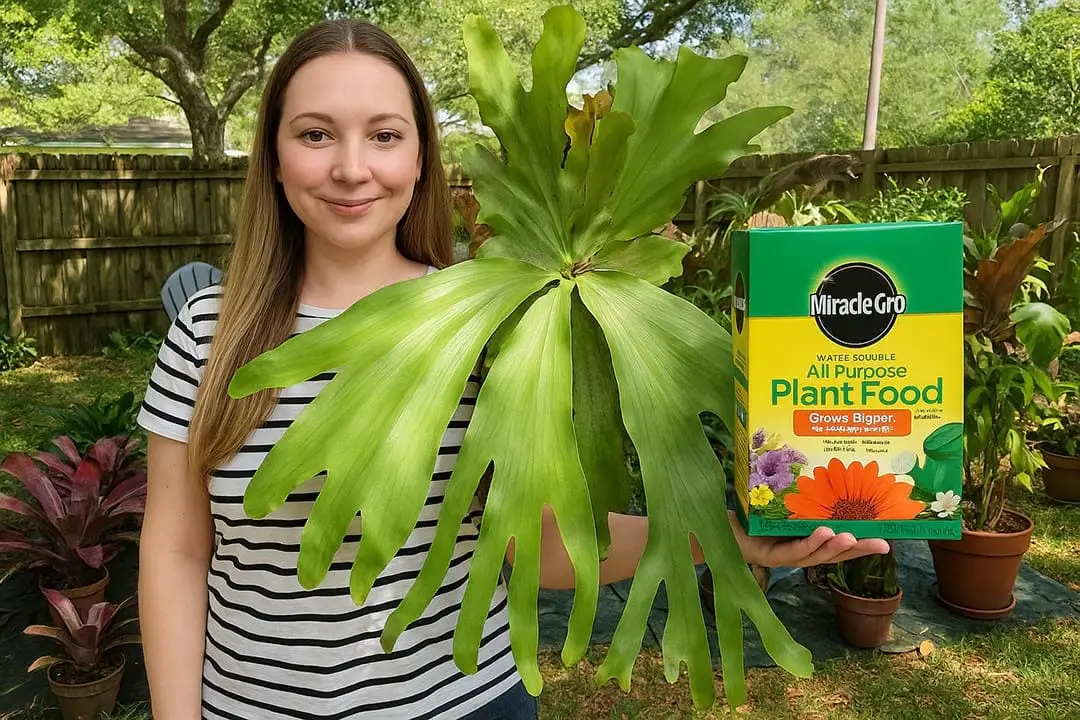
Is Miracle-Gro Good for Staghorn Ferns? A Gardener's Guide
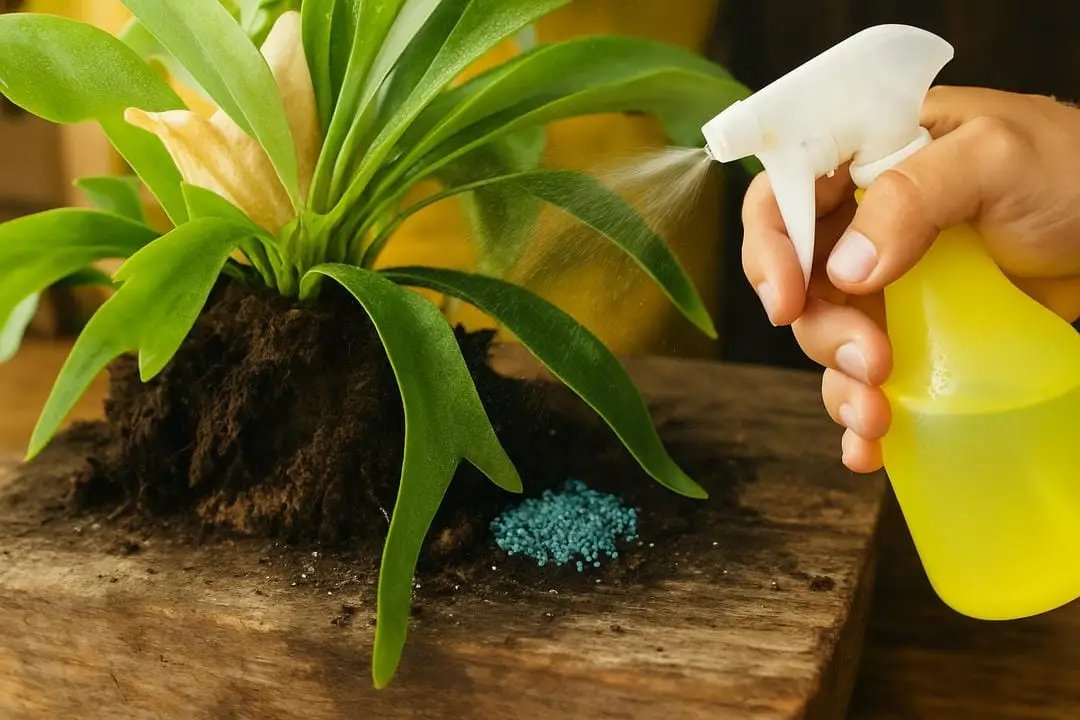
Fertilizer and Nutrient Requirements for Staghorn Fern
A Comprehensive Guide to Cleaning Staghorn Ferns

Houseplant101 Forum
Questions & Comments
Ask a question, share your plant experience, or help other plant owners.
Comments are temporarily unavailable.
Open the Houseplant101 ForumNo comments yet
Be the first to ask a question or share your experience about this page.
Log in or create an account
Comments use your Houseplant101 Forum account, but you can stay on this page.
Create a new account