
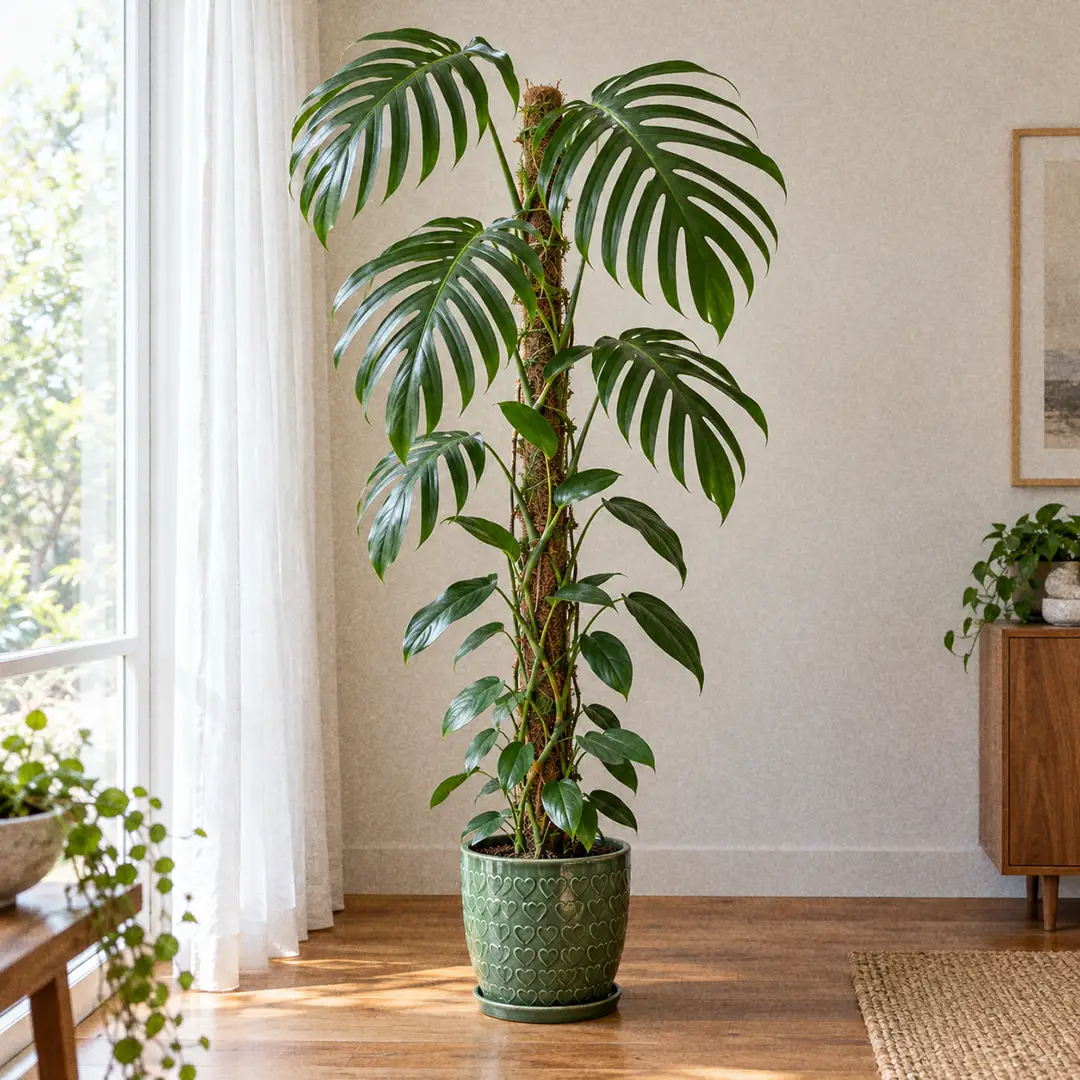
Rhaphidophora Decursiva
Rhaphidophora decursiva
Dragon Tail Plant, Dragon Tail, Creeping Philodendron, Philodendron Dragon Tail


Rhaphidophora Decursiva is a fast climbing aroid whose plain oval baby leaves turn into long, deeply split fronds once the vine has something to climb. Learn how to grow a dragon tail plant indoors, why a moss pole or plank decides the leaf shape, and how to tell it from Epipremnum pinnatum.
📝 Rhaphidophora Decursiva Care Notes
🌿 Care Instructions
⚠️ Common Pests
📊 Growth Information
🪴 In This Guide 🪴

☀️ Rhaphidophora Decursiva Light Requirements (Bright Indirect)
The Sweet Spot for Dragon Tail Light
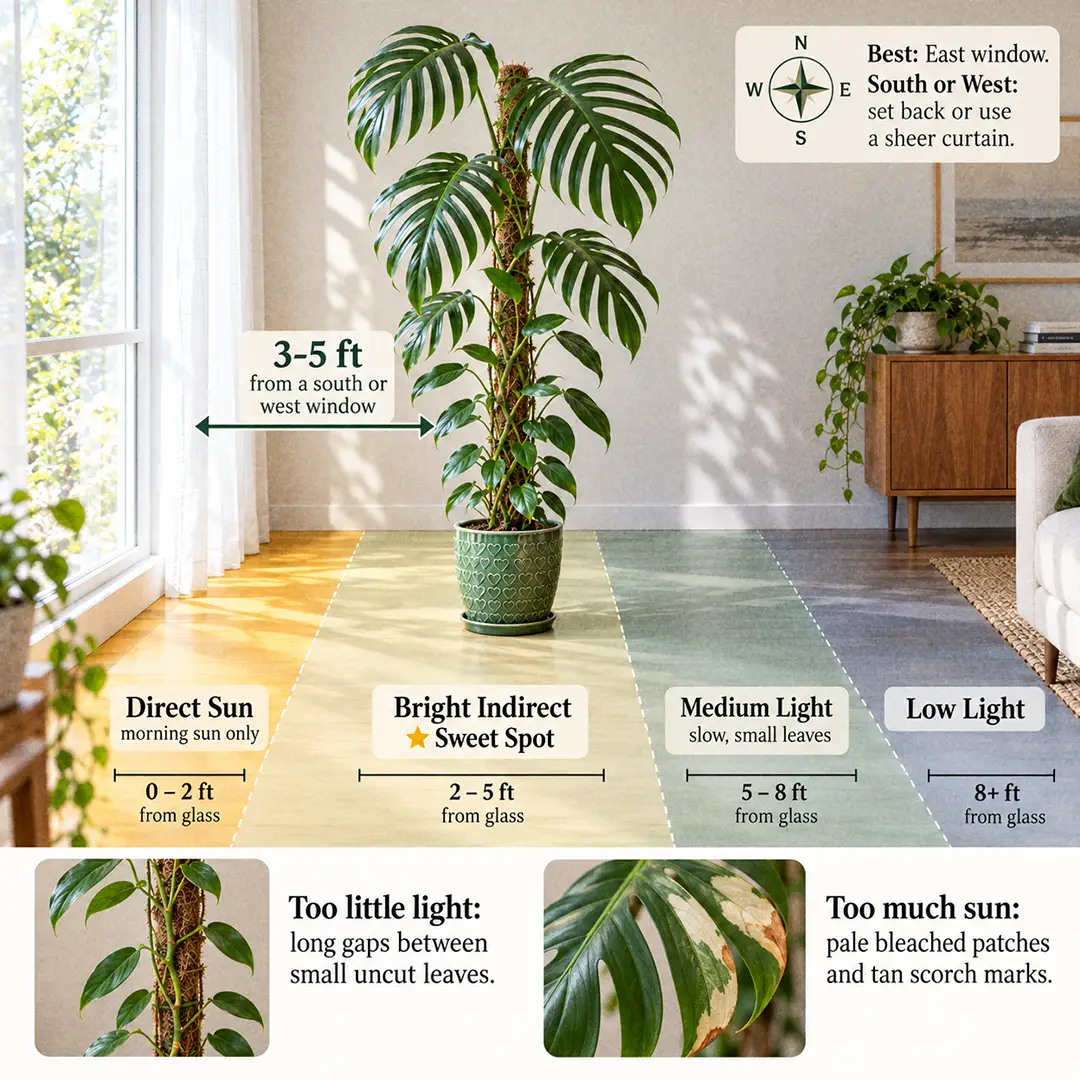
Give this plant bright indirect light for most of the day. An east window is the easy answer, since it gets soft morning sun and steady brightness afterward. A south or west window works when the pot sits 3 to 5 feet back, or closer with a sheer curtain in between.
In the forests of South and Southeast Asia, this vine starts on the shaded ground and climbs a tree trunk toward the canopy. Light gets stronger as it goes up, and the leaves get bigger and more divided in response. Indoors, brightness plus height is what tells the plant it has "arrived". Our Indoor Lighting Guide helps you judge a spot if you are unsure.
Too Little Light
A dragon tail plant survives in medium light, and that is the problem. It keeps growing, but the stems stretch, the gaps between leaves widen, and every new leaf comes in small and uncut. That is leggy growth, and no pole will fix it without more light.
If your brightest spot is still dim, especially in winter, a grow light mounted above the top of the pole keeps the newest leaves large. Light from above also pulls the vine upward instead of sideways toward a window.
Too Much Light
An hour or two of gentle morning sun is fine. Hot afternoon sun through glass is not. It leaves pale, bleached patches and dry tan blotches on the leaves facing the window, which is sunburn. Burned patches do not turn green again, so move the pot back a few feet and let new leaves replace the damaged ones.
💧 Rhaphidophora Decursiva Watering Guide (When and How)
Watering Frequency
Water when the top 2 inches of the mix feel dry. For a plant in a 6 to 8 inch pot in good light, that usually works out to once every 7 to 10 days in summer and every 2 to 3 weeks in winter. Use those numbers as a starting point only. Pot size, light, and how chunky your mix is all change the pace.
A big dragon tail in active growth drinks more than you expect, because large leaves lose a lot of water. Push a finger into the mix, or use a moisture meter if the pot is too deep to judge by touch.
How to Water a Dragon Tail Plant
Water slowly over the whole surface until it runs out of the drainage holes, then empty the saucer after ten minutes. Shallow sips leave the lower roots dry and let fertilizer salts build up in the top layer.
If you grow it on a moss pole, wet the pole too. Pour water down the top of the pole each time you water the pot, so the aerial roots that have grown into the moss stay active. A pole that dries out hard stops being useful to the plant, and the roots that grew into it shrivel. Our Watering Guide covers the basics in more depth.
Signs of Watering Trouble
Thirst shows up as soft, drooping leaves that curl inward at the edges. A thorough drink fixes that within a day. Repeated drying out leaves brown crispy edges on the lobes.
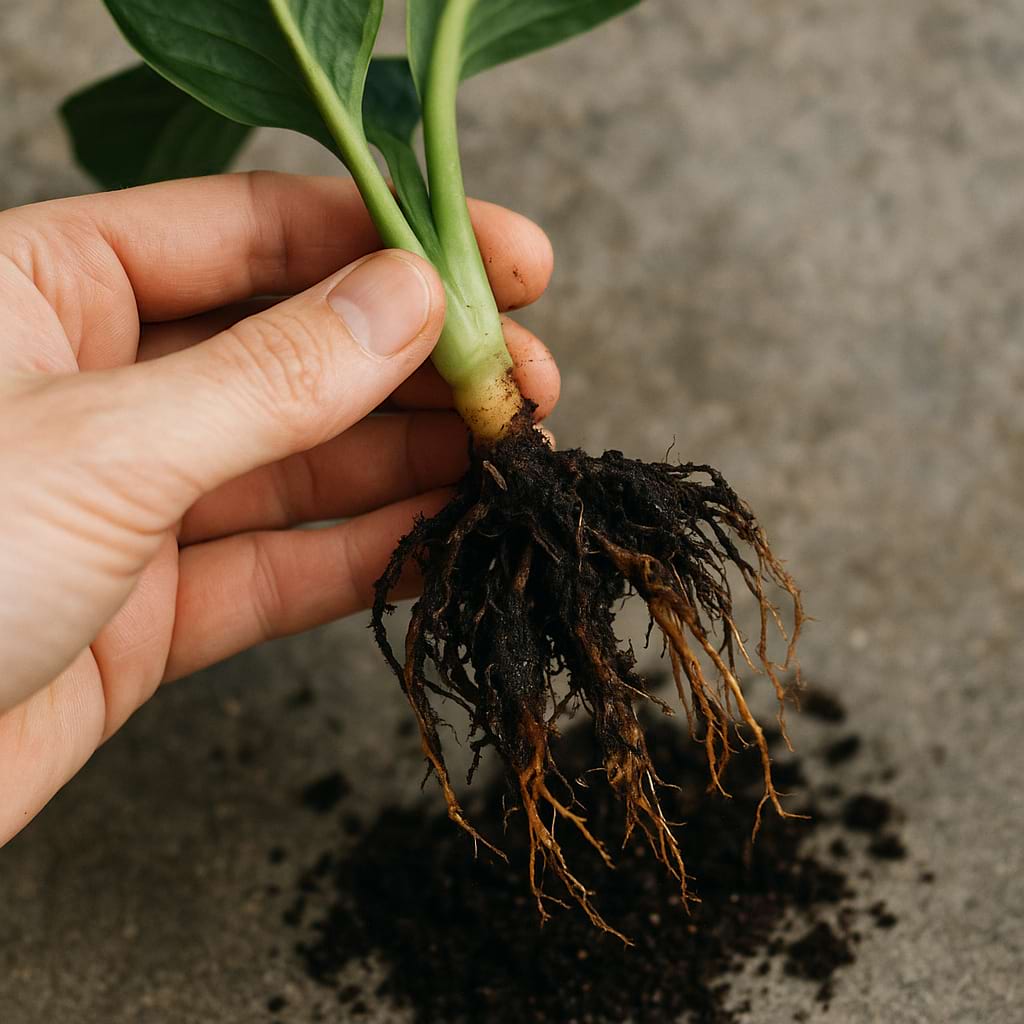
Too much water looks different. Lower leaves turn yellow one after another, the mix smells sour, and the stem base may go soft. That points to root rot, which is far harder to reverse than a dry spell. If you are unsure, wait two more days.
🪴 Best Soil for Rhaphidophora Decursiva (Chunky Aroid Mix)
What the Soil Needs
The roots of a climbing aroid are built to grip bark and sit in pockets of leaf litter, not to live in dense wet compost. They need air around them as much as they need water. A good mix for this plant holds moisture for a few days, drains within seconds, and stays loose for at least a year.
Plain bagged potting soil fails on the last point. It packs down, stays wet at the bottom of a deep pot, and suffocates the roots that are meant to feed all that fast growth. Our Soil Guide explains why structure matters in a pot.
DIY Dragon Tail Soil Mix
A simple recipe that works well:
- 2 parts good quality indoor potting soil
- 1 part orchid bark
- 1 part perlite or pumice
Add a handful of horticultural charcoal or coco chips if you have them. The finished mix should look lumpy and fall apart in your hand when you squeeze it. If it holds a ball like wet clay, add more bark.
Pre-Made Options
Any bagged mix labeled for aroids or for Monstera and Philodendron suits a dragon tail plant. Check that you can see real chunks of bark through the bag. If the bag looks like fine dark compost, mix in a third perlite before using it. Our potting soil guide compares the common brands.
🍼 Fertilizing Rhaphidophora Decursiva
When and How Often
This is a fast grower, and big leaves cost the plant a lot of nutrients. Feed every 2 to 4 weeks from spring until early autumn, whenever you can see new leaves unrolling. Stop or cut back to once every 6 to 8 weeks in winter, when low light slows everything down. Feed onto damp mix, never onto a dry root ball.
What to Use
A balanced liquid houseplant fertilizer at half the label strength is enough. Foliage formulas with slightly more nitrogen work well too, since you are growing this plant for leaves. Slow-release granules mixed into the top of the pot in spring are a good low-effort option for a large specimen. The Fertilizing Guide explains the numbers on the label, and our fertilizers guide lists products we like.
Over-Fertilizing Signs
Watch for a white crust on the soil surface, brown leaf tips on new growth, or leaves that come in twisted. Those suggest salt buildup. Flush the pot with plenty of plain water, let it drain, and skip the next two feedings. Pale new leaves on a plant that has not been fed for months point the other way, toward nutrient deficiency.
🌡️ Rhaphidophora Decursiva Temperature Range
Ideal Temperature Range
Normal room temperatures are right for this plant. It grows best between 65 and 80°F (18-27°C) and slows noticeably below 60°F (15°C). It has no frost tolerance at all. Outdoors it is only a year-round plant in zones 10 to 12, though a pot can spend summer on a shaded porch once nights stay above 60°F.
Drafts and Heat Sources
Keep the pot away from doors that open onto cold air in winter and from air conditioner vents in summer. Sudden cold shows as dark, limp patches on the newest leaf. Radiators and heating vents cause the opposite damage: dry air that crisps the tips of the lobes and invites spider mites. A tall plant often has its top leaves closest to a ceiling vent, so check where the air actually blows.
💦 Rhaphidophora Decursiva Humidity Requirements
Ideal Humidity
A dragon tail plant grows in ordinary household air of around 40%. It simply grows better at 50 to 60%. In more humid air the new leaves unroll cleanly, come in larger, and the aerial roots grab a pole faster. In very dry rooms a new leaf can stick as it opens and tear along a lobe.
Easy Humidity Boosters
Skip misting. It raises humidity for a few minutes and leaves water sitting on the leaves. A small humidifier near the plant does far more, and so does grouping it with other leafy plants. Keeping the moss pole damp helps too, since it adds moisture right where the aerial roots are. Our humidity guide covers the options.
🌸 Rhaphidophora Decursiva Flowers (Rare Indoors)
What the Flowers Look Like
Like every aroid, this plant makes a spadix, a thick fleshy spike packed with tiny flowers, wrapped in a hooded bract called a spathe. Botanical descriptions give the spathe as yellowish. It is a curiosity more than a display, and nothing like the showy white spathe of a Peace Lily.
Will a Dragon Tail Plant Bloom Indoors?
Almost never. Flowering happens on large, fully mature vines that have climbed high into strong light, and very few indoor plants reach that stage. Greenhouse and conservatory specimens occasionally manage it. In a living room, you should plan on foliage only.
Where the Plant's Energy Goes Instead
The leaves are the reason to grow this plant, and they are also your scorecard. Each new leaf that is bigger than the last, or carries one more split, tells you the conditions are right. If you want an aroid that flowers reliably indoors, an Anthurium is the better pick.
🏷️ Rhaphidophora Decursiva Types and Lookalikes
There is one plant sold as dragon tail in this genus, the plain green species. What confuses buyers is how different it looks at each age, and how many other aroids share its nickname.
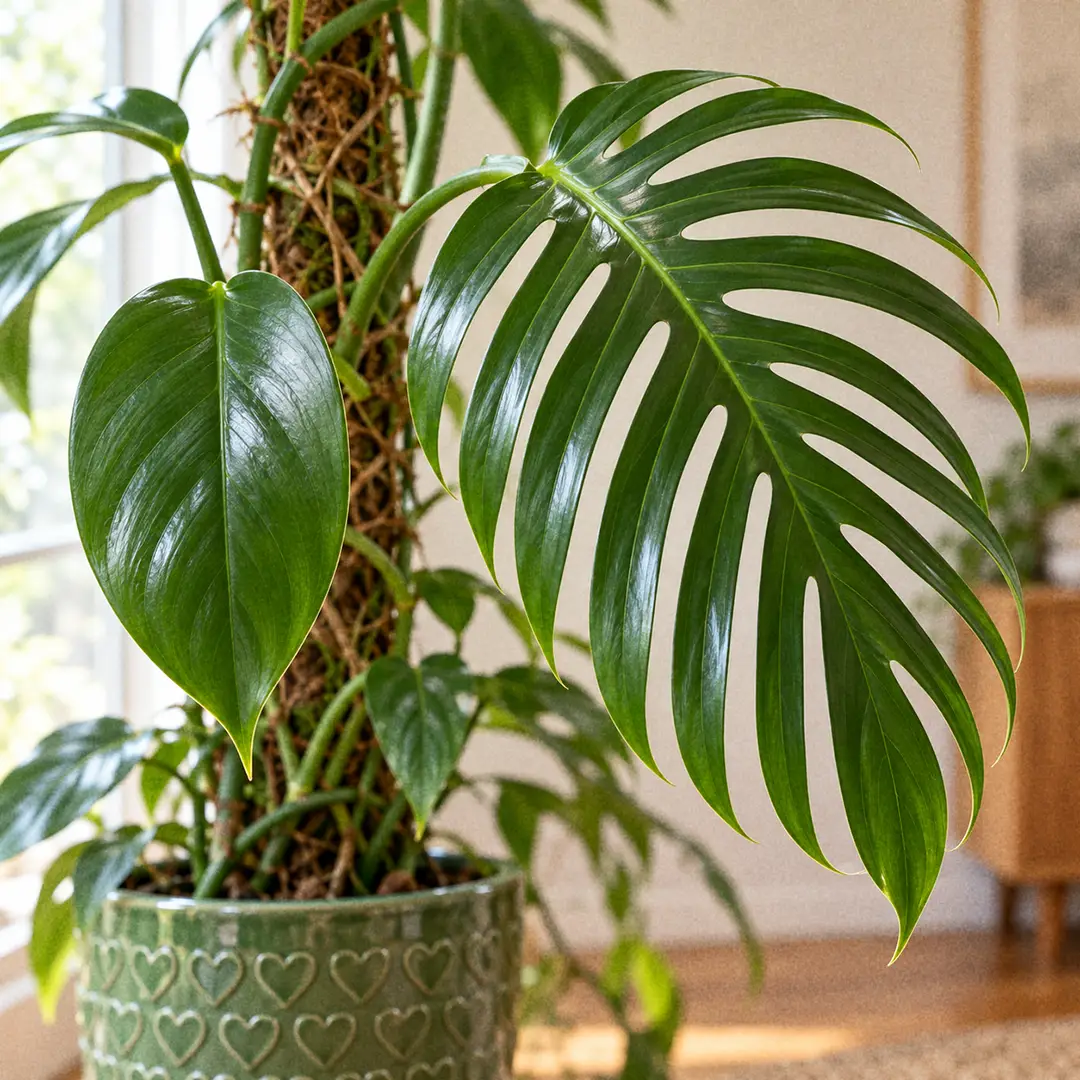
A young plant has thick, glossy, oval leaves with a smooth edge and a pointed tip, about 4 to 6 inches long. There is nothing about them that hints at what is coming. In a shop, a small pot looks a lot like a sturdy pothos.
As the vine climbs and the stem thickens, the leaves grow and start to split from the edge toward the midrib. First come one or two cuts on a single side. A few leaves later, both sides are divided into long, narrow lobes. In the wild, an adult leaf can be 2 feet or more in length with 9 to 15 lobes per side. On a tall pole in a bright room, leaves of 12 to 18 inches with several lobes on each side are a realistic goal.
One detail worth knowing: these are splits, not holes. A dragon tail leaf is cut in from the margin like a feather. It does not develop the enclosed inner holes you see on a Monstera adansonii.
Variegated Dragon Tail
Variegated plants do exist and are listed by a few specialist sellers, usually as 'Variegata', with cream or yellow marbling on the leaves. They are scarce, expensive, and slower than the green form. Care is the same, with a little more light to make up for the paler tissue. If you see one cheaply, check the seller carefully.
Dragon Tail vs Epipremnum pinnatum
This is the mix-up that matters, because both plants are sold as "dragon tail". Epipremnum pinnatum is a pothos relative, and its cultivars Cebu Blue Pothos and Baltic Blue Pothos also split with age.
Young plants are the easiest to separate. Epipremnum pinnatum has thinner, narrower, more arrow-shaped juvenile leaves on slim stems. Rhaphidophora decursiva has broader, thicker, leathery ovals on a stouter stem. On mature plants, Epipremnum pinnatum often shows tiny pinholes along the midrib, which decursiva lacks. Care is close enough that a wrong label will not hurt the plant. Still, check the Latin name before paying a collector price.
Dragon Tail vs Mini Monstera
The Mini Monstera is Rhaphidophora tetrasperma, the same genus at a very different size. Its leaves split while the plant is still small, and they stay around 6 to 8 inches even on a mature vine. That makes it the right choice for a shelf or a small pole.
Dragon tail does the opposite. It stays plain for longer, then grows leaves two or three times that size with far more lobes. Pick it when you have ceiling height and want one large statement plant. For a similar transformation within true Monsteras, see Monstera pinnatipartita.
🪴 Potting and Repotting Rhaphidophora Decursiva
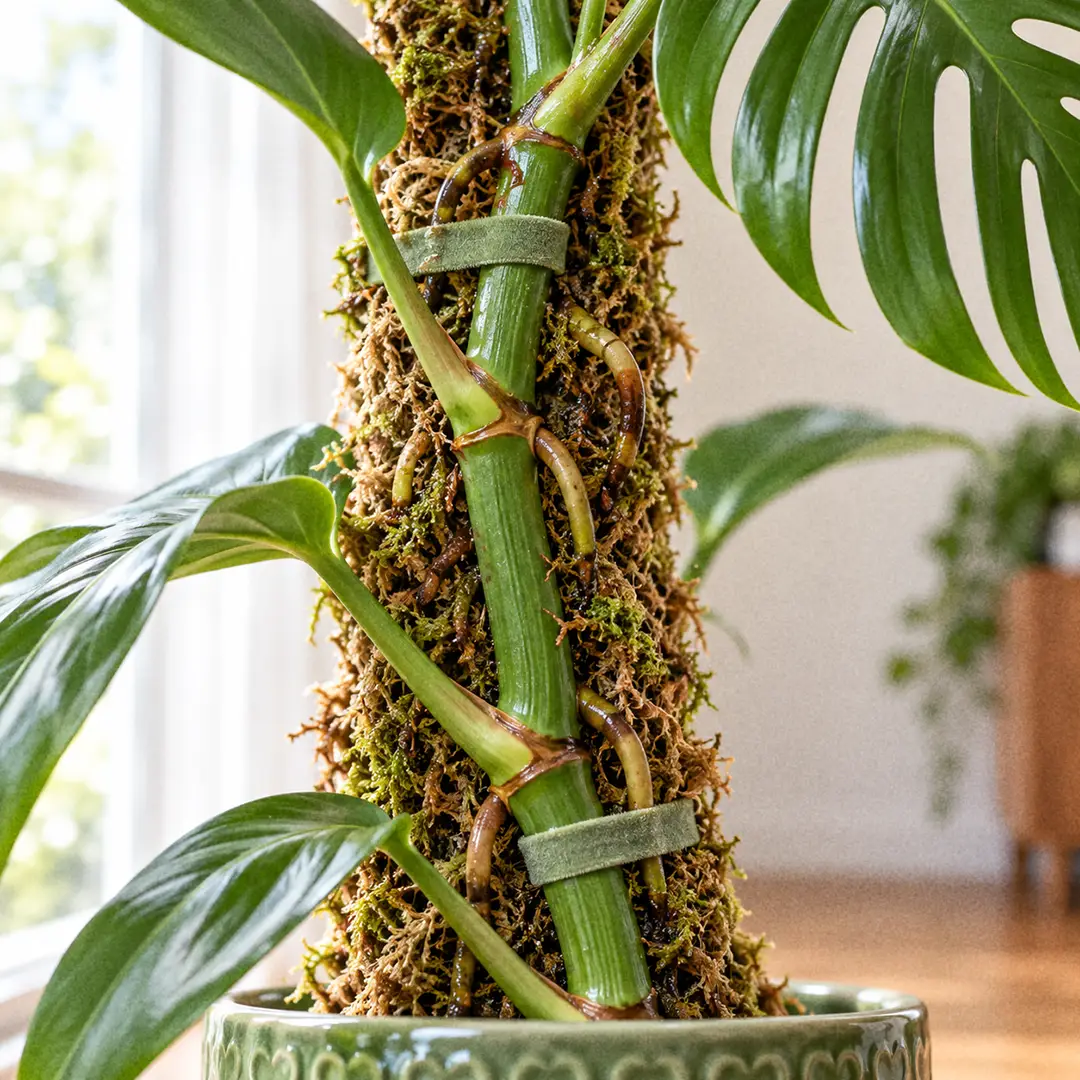
Support is the single biggest factor in how this plant looks. A vine pressed against a rough, damp surface sends aerial roots into it. Those extra roots feed the stem, the stem thickens, and thicker stems produce bigger, more divided leaves. That chain of events is the whole reason the leaf shape changes.
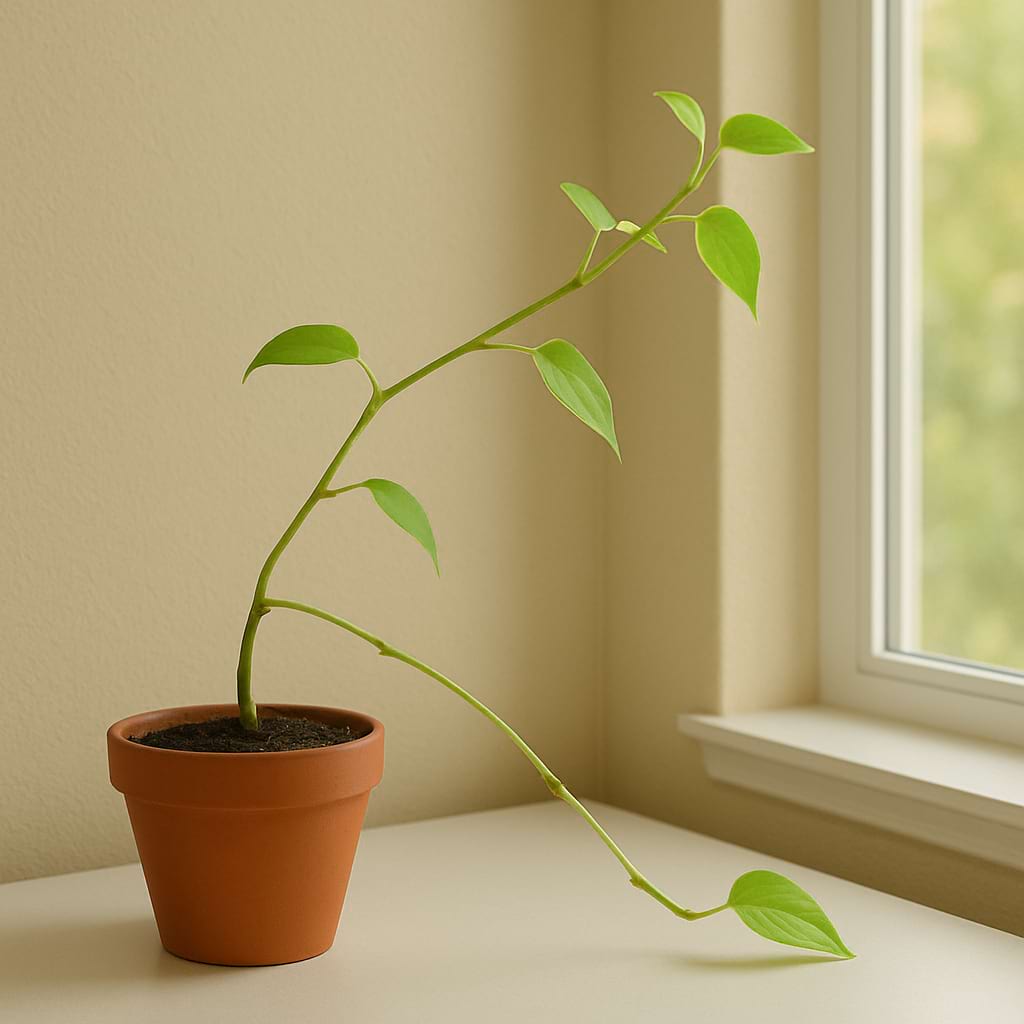
Take the support away and the chain breaks. A dragon tail left to hang makes smaller leaves and then long, bare runners with no leaves at all, as the vine searches for something to climb. A sphagnum moss pole is the best option because roots can grow into it. A rough cedar or fern-fiber plank works well too, as long as the stem is tied flat against it. Smooth bamboo canes hold the plant up but give the roots nothing to grip.
When to Repot
Repot every 1 to 2 years in spring, or sooner if roots circle the drainage holes and the pot dries out in two or three days. Fast growers fill a pot quickly. Repotting is also the easy moment to add or extend the pole, since pushing a new pole through a full root ball damages roots.
Choosing a Pot
Go up one size only, about 2 inches wider. Choose a heavy pot, either ceramic or thick terracotta, because a 6-foot pole covered in leaves is top-heavy and will tip a light plastic pot. Drainage holes are required. Our plant pots guide compares materials.
Step-by-Step Repotting
- Water the plant the day before so the root ball slides out in one piece.
- Set the pole at the back of the new pot and add a few inches of fresh mix around its base.
- Place the plant with the back of the stem, the side with the root nubs, facing the pole.
- Fill in with mix, firm gently, and water until it drains.
- Tie the stem to the pole at each node with soft ties. Remove them once the aerial roots have gripped.
Our repotting guide walks through the general process with photos.
✂️ Pruning Rhaphidophora Decursiva
When to Prune
Prune in spring or summer, when the plant can replace what you remove within weeks. The usual reasons are a vine that has passed the top of its pole, a long leafless runner, or a plant that has gone bare at the base.
How to Prune a Dragon Tail Plant
Use clean, sharp pruners and cut about half an inch above a node, the slightly swollen ring where a leaf joins the stem. A new shoot grows from the node just below the cut. Wear gloves if your skin is sensitive, because the sap can irritate. Yellow or damaged leaves can come off at any time of year.
What to Do When It Outgrows the Pole
You have two choices. Add an extension to the pole and keep going up, which keeps the leaves getting larger. Or cut the top off, root it, and plant it back at the base of the same pot for a fuller look. Be aware that the shoot that regrows from a cut stem often starts with smaller, simpler leaves and takes a few months to size up again.
🌱 How to Propagate Rhaphidophora Decursiva
Best Method: Stem Cuttings
Stem cuttings root easily, and the top of an overgrown vine is perfect material. Each cutting needs at least one node, since roots and new shoots only grow from nodes. A leaf with a piece of bare stalk and no node will sit in water for months and never grow. Take cuttings in spring or summer for the fastest results. The propagation hub covers the principles for all houseplants.
Step-by-Step Propagation
- Pick a healthy stem section with one or two leaves and one or two nodes. A node with an aerial root nub is ideal.
- Cut half an inch below the lowest node with clean pruners.
- Place the node in a jar of water, in damp sphagnum moss, or straight into airy mix. Keep the leaf out of the water.
- Set it in bright indirect light at 70°F or warmer. Change the water weekly.
- Pot it up when the roots are 2 to 3 inches long, usually after 3 to 5 weeks.
See our water propagation guide for more detail on the jar method.
Air Layering a Large Vine
For a thick, mature stem with large leaves, air layering is safer than a straight cut. Wrap damp sphagnum moss around a node while it is still attached to the plant, cover it with clear plastic, and keep the moss moist. Once roots fill the moss, cut below it and pot the new plant. Because it never loses its water supply, a layered top keeps its big leaves instead of sulking.
Tips for Success
Warmth speeds rooting more than anything else. Plant three or four rooted cuttings together for a full pot from the start, and give them a pole on day one so the new growth climbs immediately.
🐛 Rhaphidophora Decursiva Pests and Treatment
Common Pests
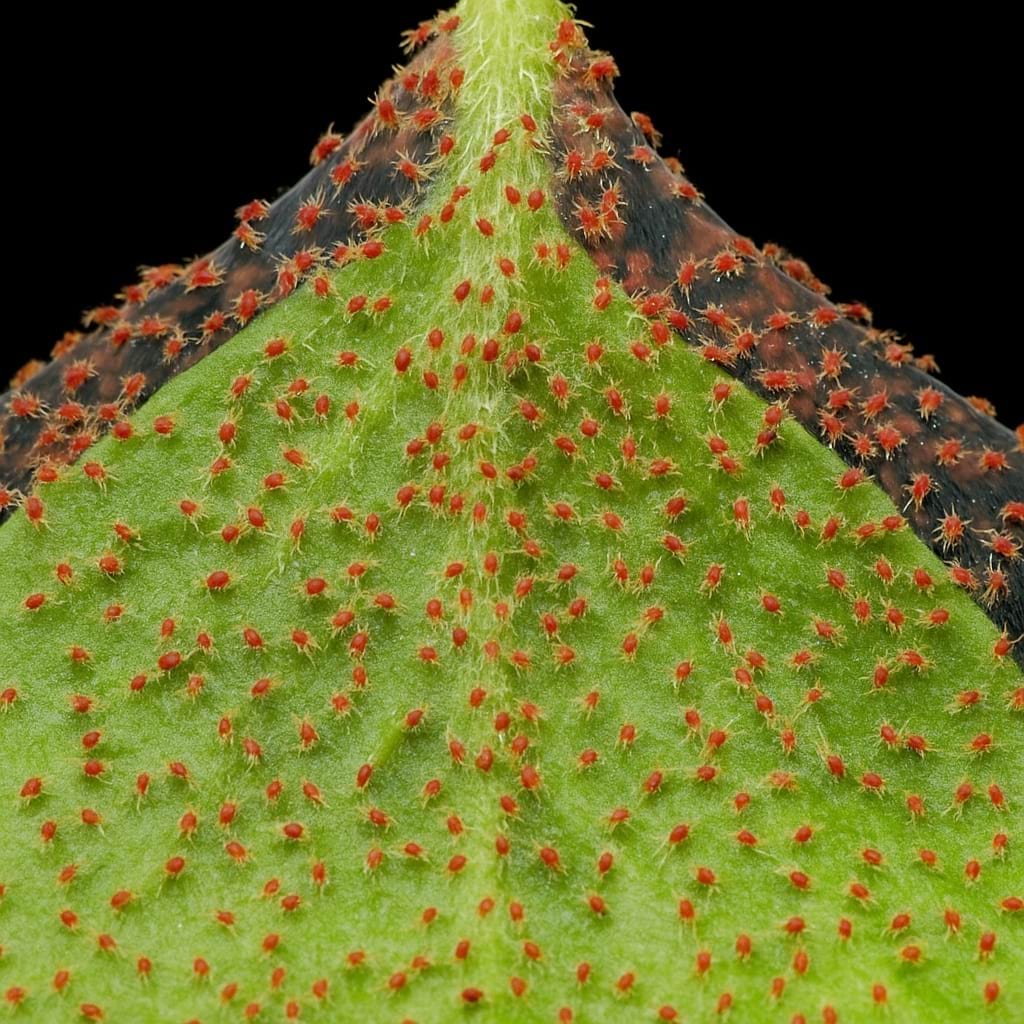
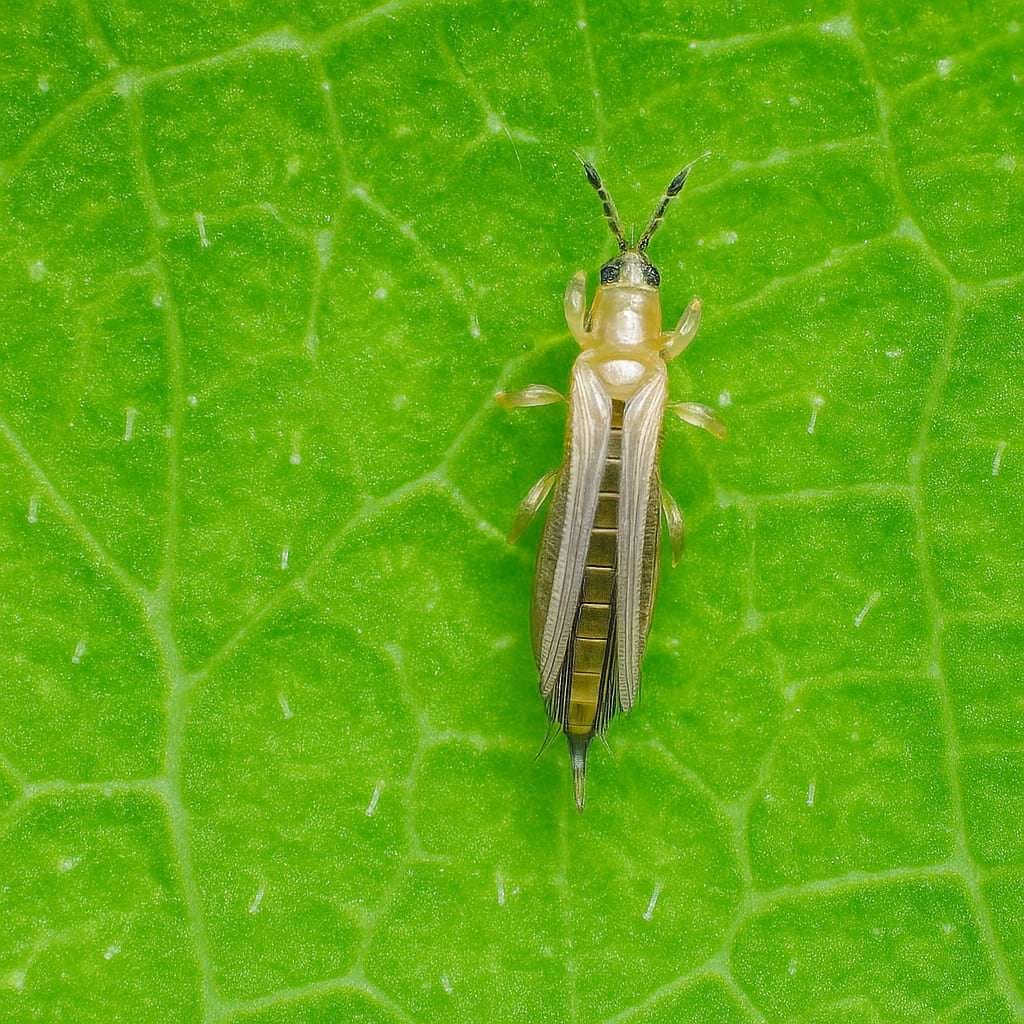
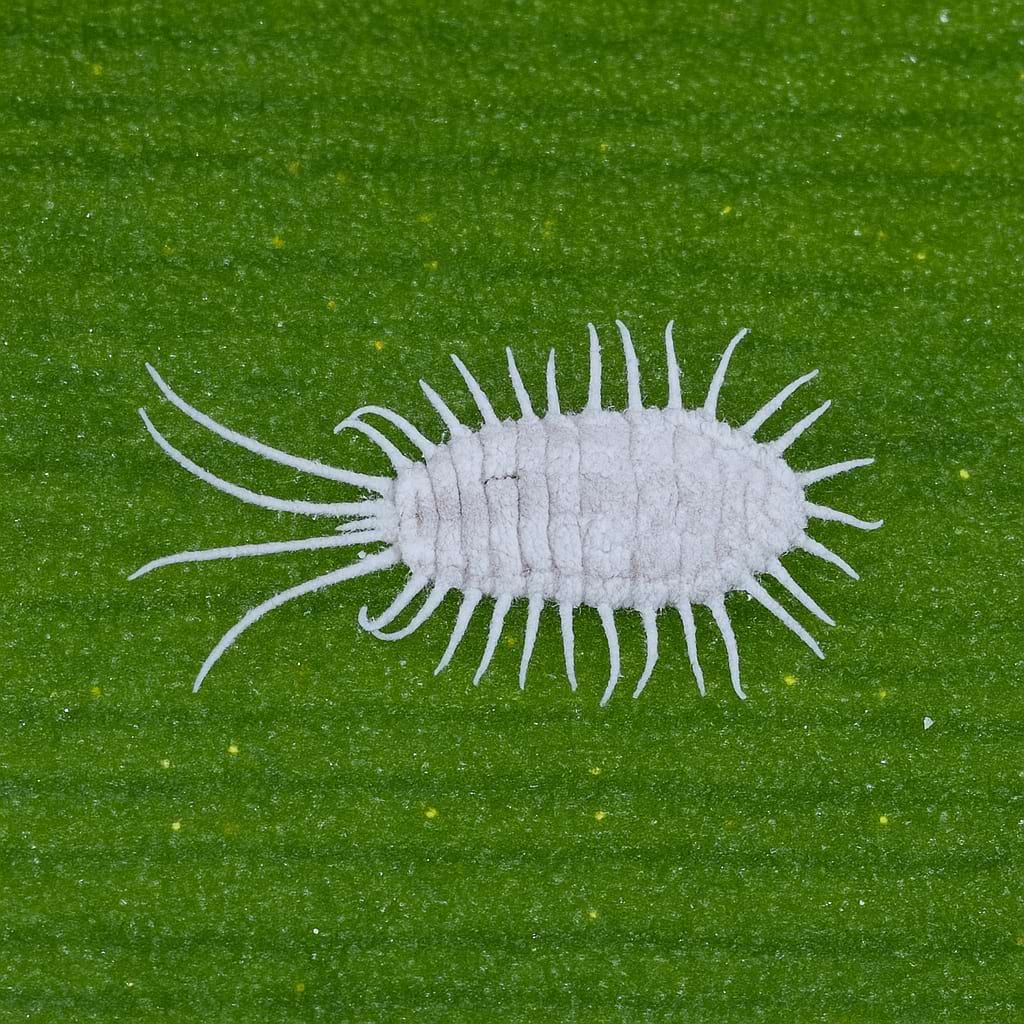
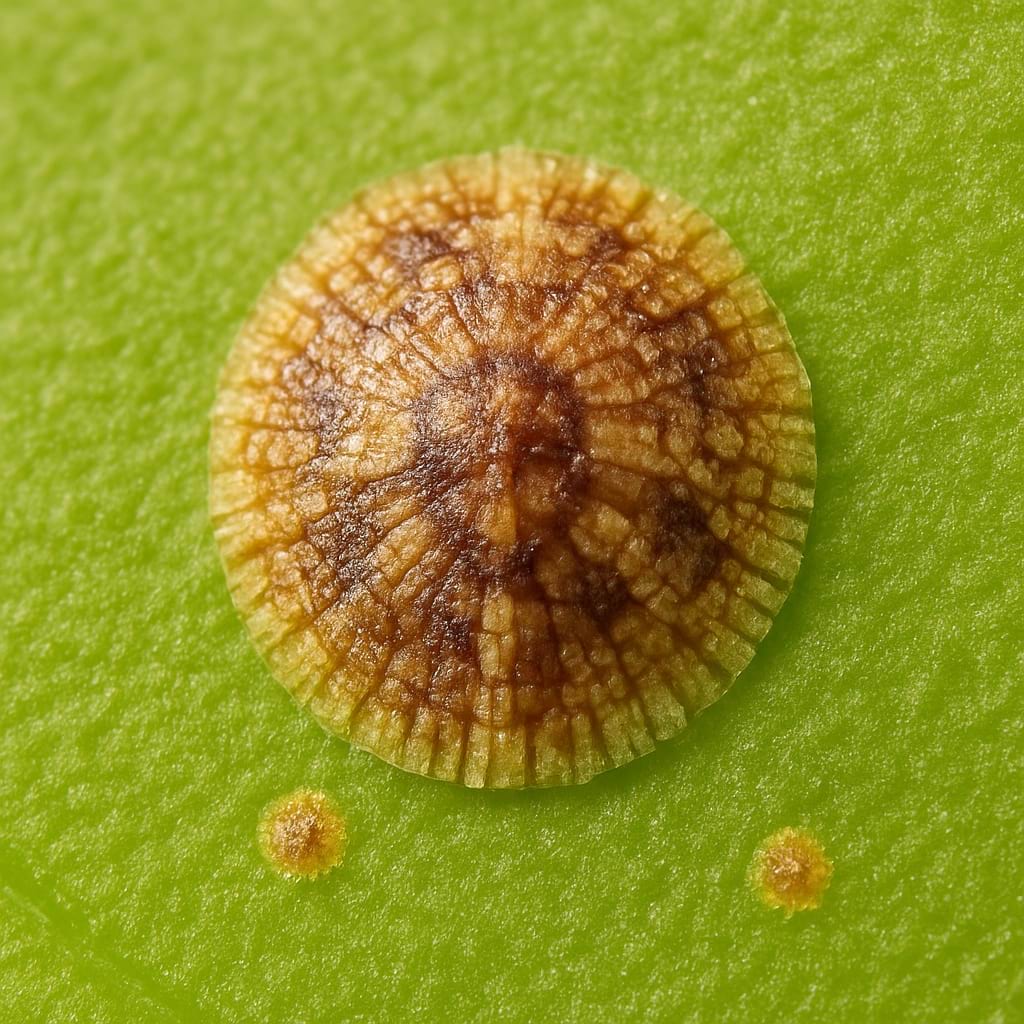
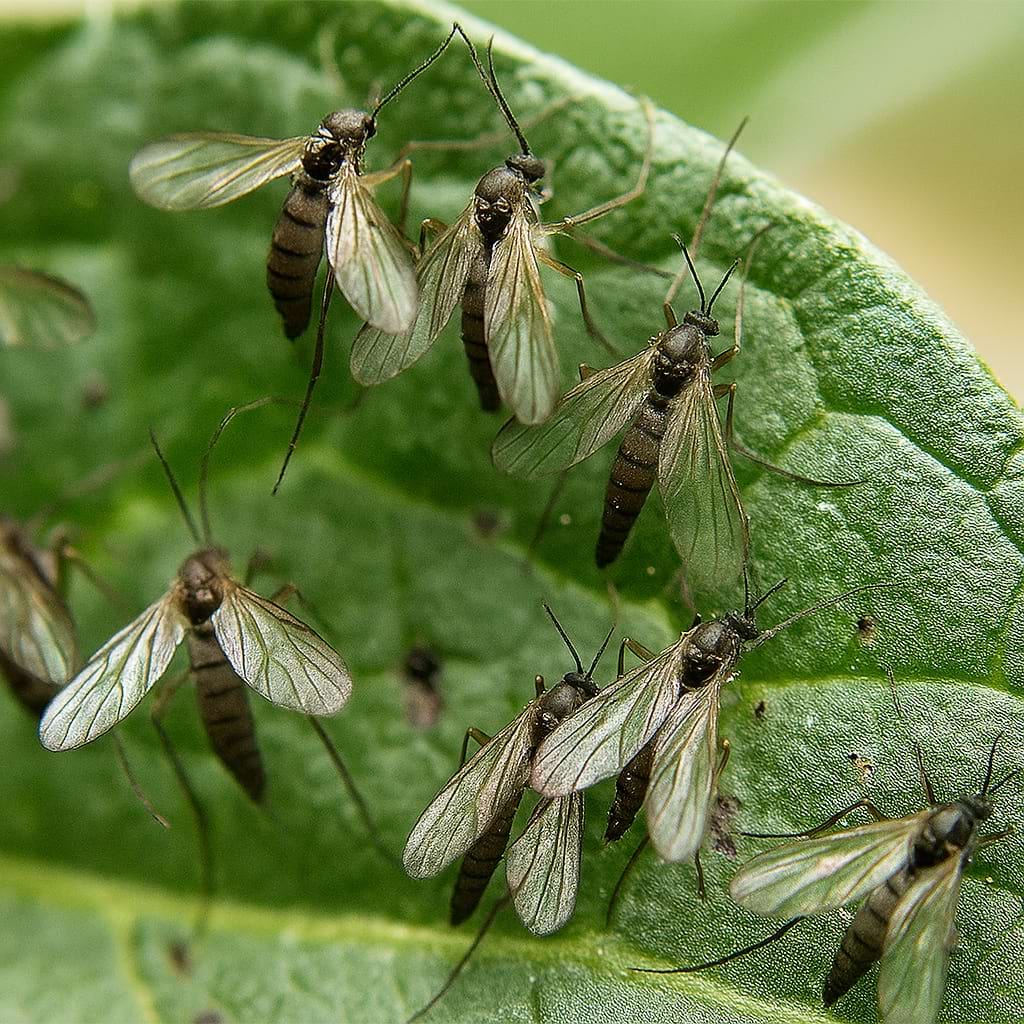
Spider mites are the most likely visitor, especially in dry, heated rooms. Look for fine pale speckling on the leaves and faint webbing where the lobes meet the midrib. Thrips leave silvery streaks with tiny black dots and can deform new leaves before they open. Mealybugs hide as white cottony tufts in the leaf joints and behind the stem where it meets the pole. Scale insects look like small brown bumps along the stems, and fungus gnats mean the mix is staying wet too long.
Treatment and Prevention
Start by rinsing the whole plant in the shower, including the undersides of the leaves. Follow with insecticidal soap or neem oil every 5 to 7 days for at least three rounds, because eggs hatch after the first spray. Dab mealybugs and scale with rubbing alcohol on a cotton bud.
The pole itself can shelter pests, so check the gap between stem and moss when you inspect. Wiping the leaves every few weeks removes dust and lets you catch problems early. Keep new plants apart from your collection for two or three weeks.
🩺 Common Rhaphidophora Decursiva Problems
Leaves Staying Small or Not Splitting
This is the question we hear most. Small leaves with no splits nearly always come down to three things: no support, too little light, or a plant that is still young. Tie the stem to a moss pole, move it closer to a bright window, and wait. Splits usually begin once the vine has climbed a few feet and the stem has thickened.
Leafless Runners and Leggy Growth
Long bare stems with tiny or no leaves are the plant searching for something to climb. Cut the runner back to a node with a full leaf, attach the vine to a support, and improve the light. General stretching with wide gaps between leaves is leggy growth from low light.
Yellow, Brown, or Curling Leaves
One old leaf yellowing at the base now and then is normal. Several yellowing leaves at once, with damp soil, means overwatering, and you should check the roots for root rot. Brown crispy edges point to dry air or irregular watering. Curling leaves usually mean thirst, though a quick check for mites underneath is worth doing too.

🖼️ Rhaphidophora Decursiva Display and Styling Ideas
Solo Setups
Height is what this plant is for. Put it in a heavy floor pot with a tall pole in a bright corner, and you get a green column that shows the full leaf change from plain ovals at the bottom to split fronds at the top. A flat cedar plank leaned against a wall gives a tidier look, with the leaves fanning out to both sides.
Grouped Arrangements
Use it as the tall piece at the back of a plant group. Low, wide plants at its feet hide the bare lower stem that older vines develop. A Philodendron Birkin or a bushy Golden Pothos in front works well, and both like the same light. Other climbers such as Monstera deliciosa make good neighbors if you have the floor space.
Where Not to Put It
Skip hanging baskets and high shelves. A trailing dragon tail never makes mature leaves, so you would be growing the least interesting version of the plant. Avoid narrow hallways too, where passing shoulders tear the lobes. And because the plant is toxic if chewed, keep it out of reach of pets that nibble and small children.
🌟 Rhaphidophora Decursiva Pro Care Tips
Climbing and Leaf Size Tips
- 🪜 Add the pole early. A plant trained from its first few leaves reaches split leaves sooner than one staked later.
- 💦 Keep the pole damp. Roots only grow into moist moss. A dry pole is just a stick.
- 🔄 Put the back of the stem against the pole. Aerial roots come from one side of the stem, and that side has to touch the support.
- ✂️ Cut bare runners promptly. They cost energy and will not fill in with leaves later.
Everyday Care Tips
- ☀️ Light from above. A window or grow light higher than the top leaf keeps growth upright and leaves large.
- 🧽 Dust the leaves. Big glossy leaves collect dust that blocks light and hides mites.
- 🪴 Use a heavy pot. A tall pole in a light pot tips over the first time someone brushes past it.
- 🏷️ Read the Latin name. "Dragon tail" on a tag can mean two different plants.
❓ Frequently Asked Questions
Is Rhaphidophora decursiva toxic to cats and dogs?
Yes, treat it as toxic. Like other plants in the arum family, it contains insoluble calcium oxalate crystals that irritate the mouth and throat when chewed. Typical signs are drooling, pawing at the mouth, and vomiting. Call your vet if a pet eats any part of it, and keep it away from small children as well.
Why are my dragon tail plant leaves not splitting?
The plant is either too young, not climbing, or short on light. Splits appear only after the vine has attached to a support and the stem has thickened. Give it a moss pole, bright indirect light, and regular feeding, and expect to wait several months to a year from a small starter plant.
Does Rhaphidophora decursiva need a moss pole?
It will live without one, but it will not look like the photos. Unsupported plants keep small, plain leaves and often produce bare runners. A moss pole or rough plank is what turns it into a large split-leaf plant.
How fast does Rhaphidophora decursiva grow?
Quickly, in good conditions. With warmth, bright light, and a support, expect a new leaf every few weeks in the growing season and several feet of vine in a year. Growth slows a lot in winter and in dim rooms.
How big does a dragon tail plant get indoors?
Most indoor plants reach 6 to 10 feet on a support, limited mainly by ceiling height and how tall a pole you provide. Leaves of 12 to 18 inches are realistic at home. Wild plants climb far higher and carry leaves over 2 feet long.
Is Rhaphidophora decursiva a Philodendron or a pothos?
Neither. It is sometimes sold as "Philodendron dragon tail" or "creeping philodendron", but it belongs to the genus Rhaphidophora. Philodendrons come from the Americas, while this plant is native to Asia. The pothos confusion comes from Epipremnum pinnatum, which shares the dragon tail nickname.
Can I grow Rhaphidophora decursiva in a hanging basket?
You can, and it will stay alive, but the leaves will remain small and uncut. After a while the trailing stems tend to go bare. If you want a trailing plant, a pothos or a Heart Leaf Philodendron suits a basket much better.
Can Rhaphidophora decursiva grow in water?
Cuttings root well in water and can live there for months. For long-term growth and mature leaves, move them into an airy potting mix with a pole. A plant kept in a jar stays in its juvenile form.
What is the difference between Rhaphidophora decursiva and Mini Monstera?
Both are Rhaphidophora, but the Mini Monstera (R. tetrasperma) stays compact, with leaves around 6 to 8 inches that split while the plant is young. Rhaphidophora decursiva starts with plain oval leaves and ends up far larger, with long leaves divided into many narrow lobes.
ℹ️ Rhaphidophora Decursiva Info
Care and Maintenance
🪴 Soil Type and pH: Chunky, well-draining aroid mix
💧 Humidity and Misting: Grows in normal room air but makes larger leaves at 50-60% humidity.
✂️ Pruning: Cut back leafless runners and overlong vines just above a node in spring or summer.
🧼 Cleaning: Wipe the glossy leaves with a damp cloth every few weeks, supporting each lobed leaf from underneath.
🌱 Repotting: Repot every 1-2 years in spring, moving up one pot size and extending the pole at the same time.
🔄 Repotting Frequency: Every 1-2 years
❄️ Seasonal Changes in Care: Water and feed regularly from spring through early autumn, then water less and stop feeding while growth slows in winter.
Growing Characteristics
💥 Growth Speed: Fast
🔄 Life Cycle: Evergreen perennial climbing aroid
💥 Bloom Time: Rarely blooms indoors
🌡️ Hardiness Zones: 10-12
🗺️ Native Area: Indian subcontinent and the eastern Himalaya to southern China and Indochina
🚘 Hibernation: No true dormancy; growth slows in the darker months
Propagation and Health
📍 Suitable Locations: Near east windows, a few feet back from south or west windows, bright corners with room for a tall pole
🪴 Propagation Methods: Root stem cuttings with at least one node in water, moss, or airy mix.
🐛 Common Pests: Spider Mites, Thrips, Mealybugs, Scale Insects, Fungus Gnats
🦠 Possible Diseases: Root rot, bacterial and fungal leaf spot in wet, stagnant conditions
Plant Details
🌿 Plant Type: Climbing vine (hemiepiphyte)
🍃 Foliage Type: Evergreen, changing from entire to deeply pinnate leaves
🎨 Color of Leaves: Glossy mid to deep green
🌸 Flower Color: Yellowish spathe around a pale spadix
🌼 Blooming: Rarely indoors, and only on large mature plants
🍽️ Edibility: Not edible. All parts irritate the mouth and stomach.
📏 Mature Size: 6-10 feet indoors on a support
Additional Info
🌻 General Benefits: Fast growth, a dramatic leaf change you can watch happen, and easy care for a plant that ends up looking this exotic
💊 Medical Properties: No recommended home uses.
🧿 Feng Shui: Tall, upward climbing growth is associated with rising energy and progress, which suits a bright corner of a living room or office.
⭐ Zodiac Sign Compatibility: Sagittarius
🌈 Symbolism or Folklore: Growth, ambition, transformation
📝 Interesting Facts: A young plant and a mature one look so different that they are easy to mistake for two species. The juvenile leaf is a plain oval about 6 inches long, while a wild adult leaf can pass 2 feet and carry 9 to 15 narrow lobes on each side.
Buying and Usage
🛒 What to Look for When Buying: Check the Latin name on the tag, since "dragon tail" is also used for Epipremnum pinnatum. Choose a plant with firm stems, several nodes, and ideally a pole already in the pot.
🪴 Other Uses: Living green column for a bright corner, plank or totem specimen, greenhouse and conservatory climber.
Decoration and Styling
🖼️ Display Ideas: Tall moss pole in a floor pot, cedar plank against a wall, bright stairwell corner, conservatory pillar
🧵 Styling Tips: Give it height, not width. One tall pole in a heavy pot shows the leaf change from plain at the bottom to split at the top.
🪴 See also 🪴


Houseplant101 Forum
Questions & Comments
Ask a question, share your plant experience, or help other plant owners.
Comments are temporarily unavailable.
Open the Houseplant101 ForumNo comments yet
Be the first to ask a question or share your experience about this page.
Log in or create an account
Comments use your Houseplant101 Forum account, but you can stay on this page.
Create a new account