
Red Ripple Peperomia
Peperomia caperata 'Red Ripple'
Red Peperomia, Caperata Red, Radiator Plant 'Red Ripple'


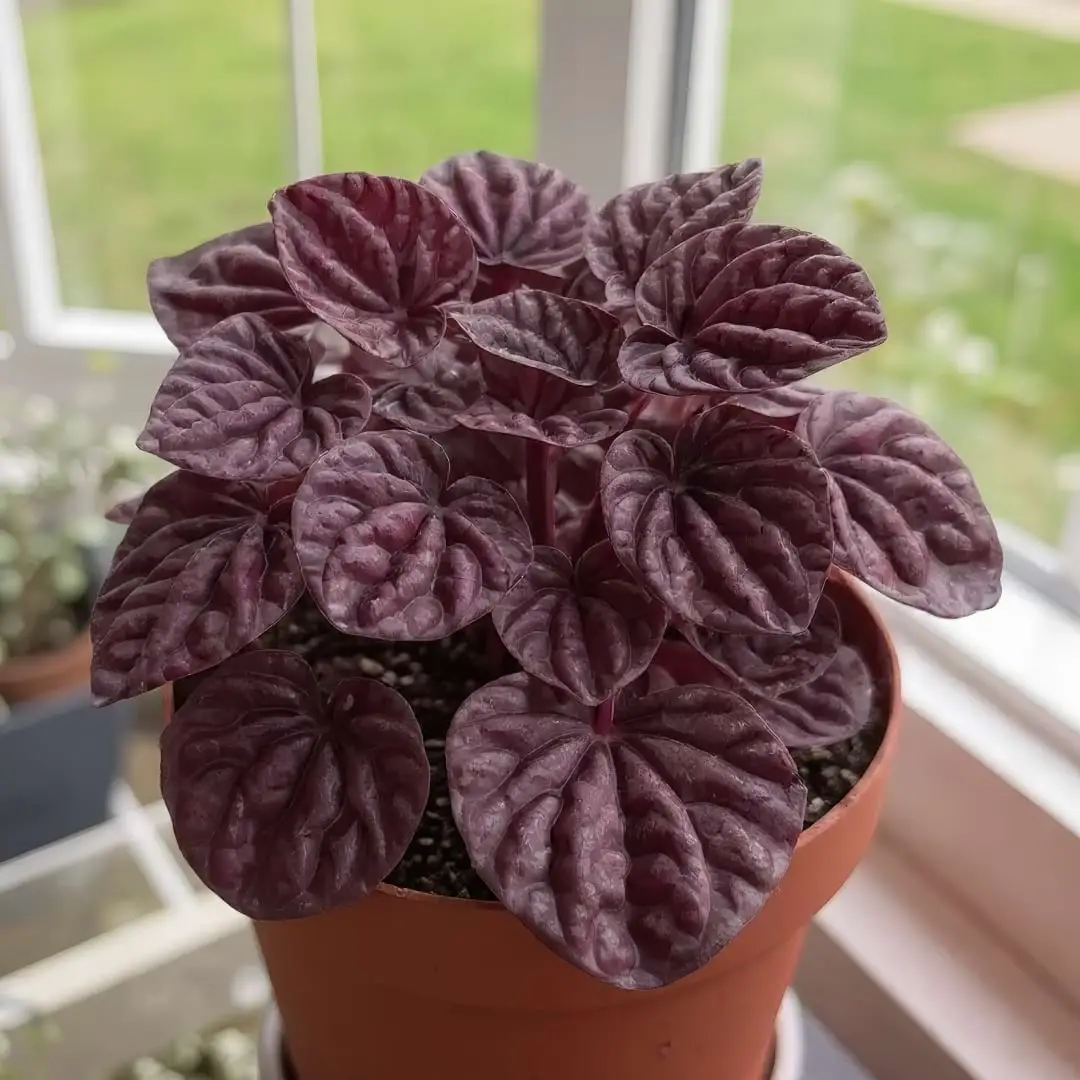
The Red Ripple Peperomia (Peperomia caperata 'Red Ripple') is a captivating houseplant prized for its deeply corrugated, heart-shaped leaves in rich shades of burgundy and red. This compact tropical plant is a vibrant cultivar of the Brazilian native Peperomia caperata.
📝 Red Ripple Peperomia Care Notes
🌿 Care Instructions
⚠️ Common Pests
📊 Growth Information
🪴 In This Guide 🪴
💚 Red Ripple Peperomia Care Guide
Quick Overview
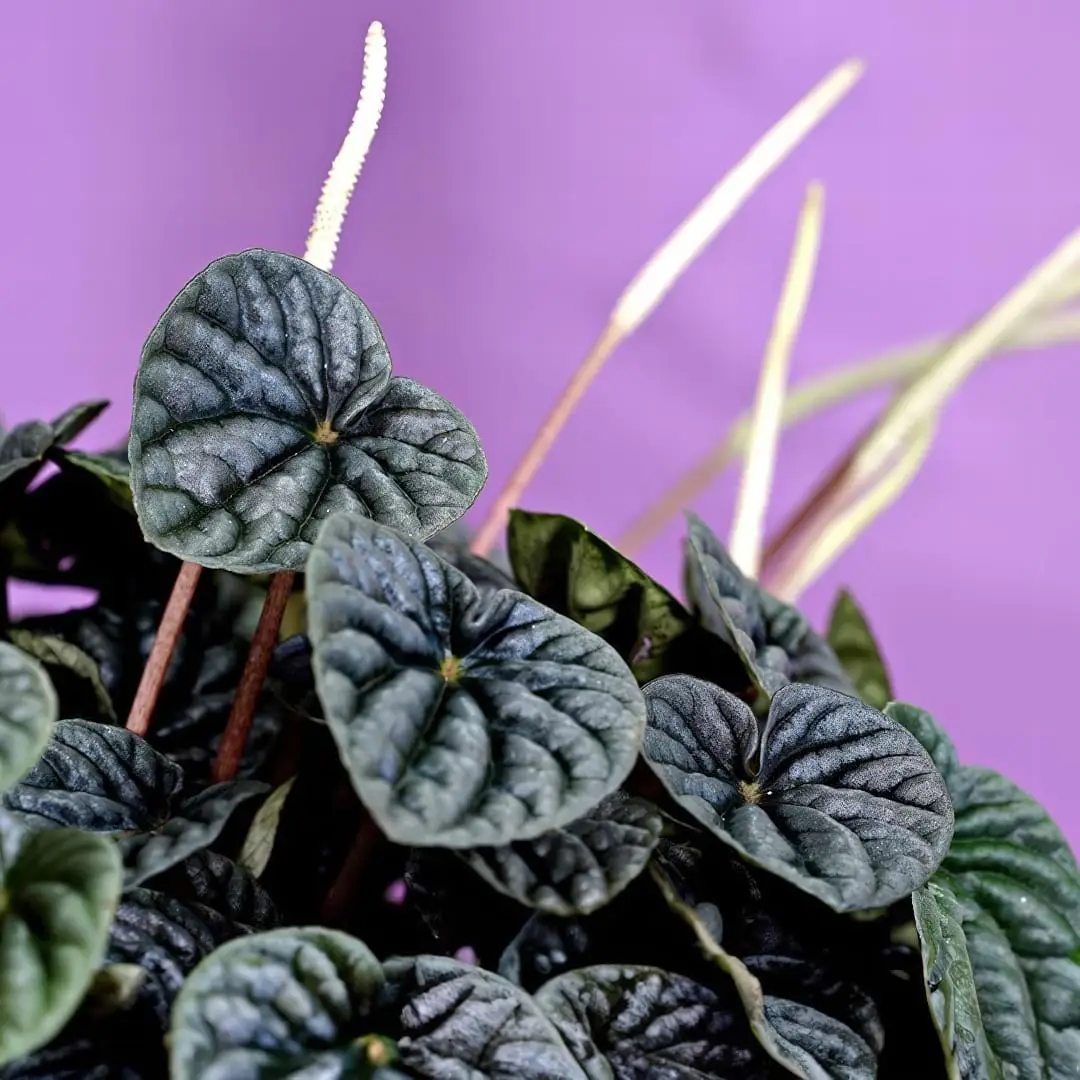
The Red Ripple Peperomia (Peperomia caperata 'Red Ripple') is a stunning cultivar cherished for its deeply corrugated, heart-shaped leaves that boast rich shades of burgundy and dark red. The crevices of the ripples often appear almost black, creating a dramatic texture. This compact, bushy plant typically grows up to 6-8 inches (15-20 cm) tall and wide, making it an ideal choice for small spaces.
Native to the tropical rainforests of Brazil, Peperomia caperata varieties, including 'Red Ripple', thrive in warm, humid conditions with dappled sunlight. It's a relatively low-maintenance houseplant prized more for its vibrant foliage than its infrequent, slender, greenish-white flower spikes. Its unique color and texture make it a striking addition to any indoor plant collection.
☀️ Light Requirements for Red Ripple Peperomia

Ideal Light for Red Ripple Peperomia
Red Ripple Peperomia thrives in medium to bright indirect light. To maintain its deep red and burgundy hues, it needs ample filtered sunlight. An east-facing window providing gentle morning sun is ideal. West-facing windows can also work if the light is diffused, or the plant is set back a little.
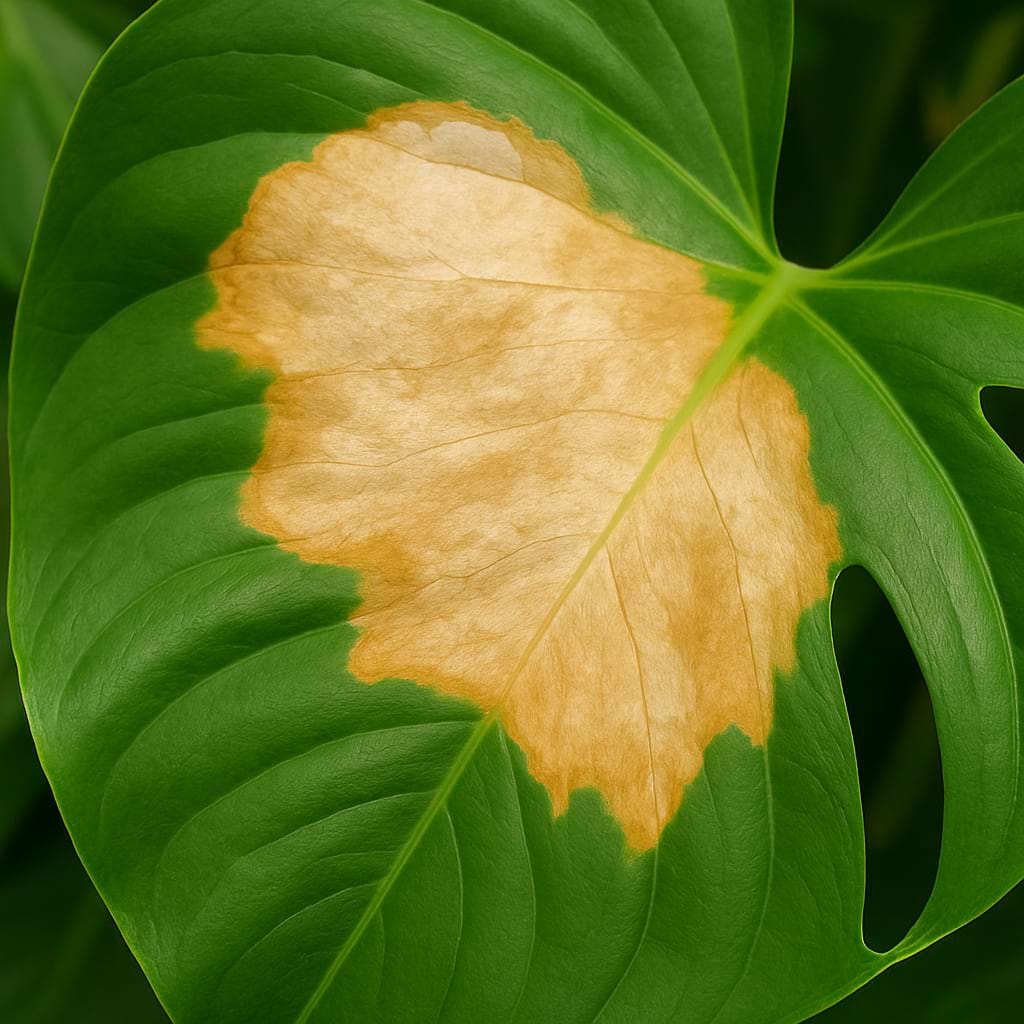
Avoid direct, intense sunlight, especially during the afternoon, as this can scorch the delicate leaves and cause the vibrant red color to fade or develop burnt patches.
Maintaining Color and Preventing Legginess
Sufficient light is crucial for this cultivar. In low light conditions, the plant may become leggy, with stretched stems and sparser foliage. More significantly, the characteristic deep red coloration can diminish, with leaves appearing duller or even reverting to greener tones. If you notice fading color or leggy growth, move your plant to a brighter location with more indirect light.
Best & Worst Light Conditions
- Best Light Conditions:
Indoors: Near an east-facing window. A few feet from a west- or south-facing window, with light filtered by a sheer curtain. Bright, north-facing windows can also be suitable. - Avoid:
Direct, harsh sunlight (can scorch leaves and fade color).
Very low light (leads to leggy growth, loss of red color, and poor vigor).
💧 Watering Your Red Ripple Peperomia
Watering Needs
Red Ripple Peperomia has semi-succulent leaves that store water, making it more tolerant of slight underwatering than overwatering. The key is to allow the soil to dry out moderately between waterings to prevent root rot, which is a common issue for Peperomias.
Watering Frequency
- Growing Season (Spring to Early Fall):
Water when the top 1-2 inches of soil feel dry to the touch. This might be approximately every 7-10 days, depending on your home's temperature, light intensity, and humidity levels. Water thoroughly until water drains from the bottom of the pot. - Dormant Season (Late Fall to Winter):
Reduce watering frequency significantly. The plant's water needs decrease as growth slows. You might water every 2-4 weeks, always checking the soil moisture first by inserting your finger into the soil.
Always discard any excess water from the saucer after watering to ensure the plant isn't sitting in water.
Signs of Improper Watering
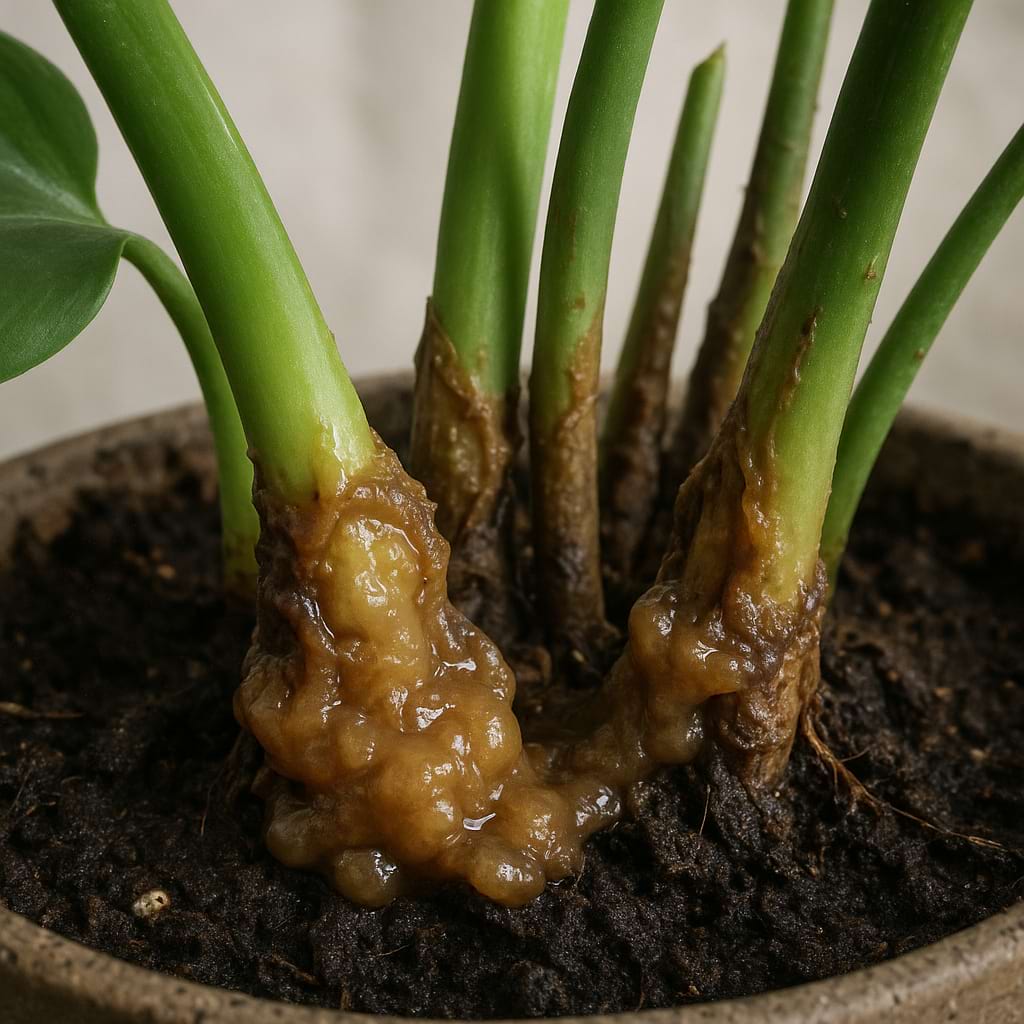
- Overwatering: Wilting leaves (despite moist soil), yellowing or dropping leaves, mushy stems (especially at the base), a musty smell from the soil. This indicates potential root rot.
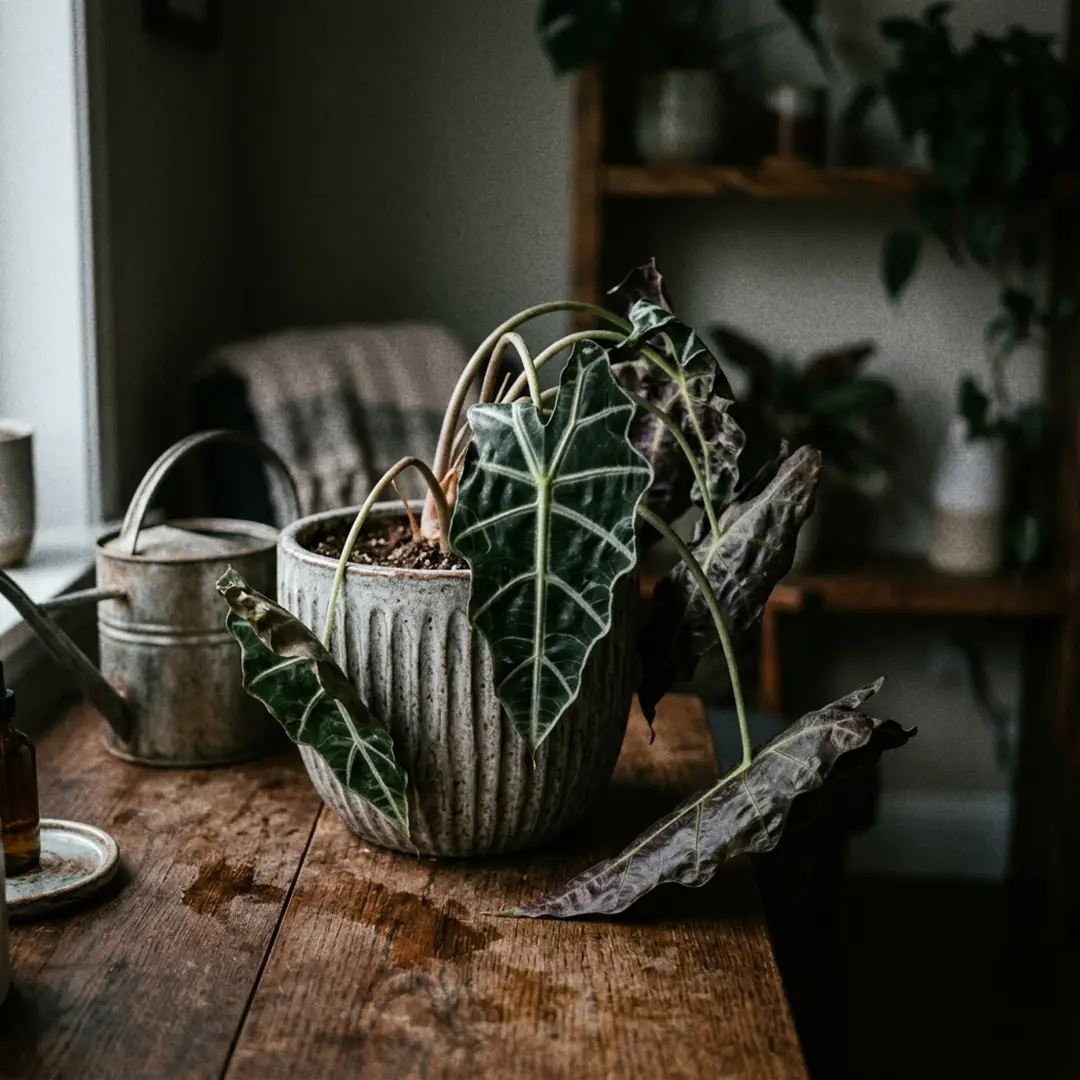
- Underwatering: Leaves may become limp, droopy, develop crispy edges, or curl. The soil will be very dry. The red color may also appear dull.
🪴 Best Soil for Red Ripple Peperomia
Ideal Soil Characteristics
Red Ripple Peperomia, like its caperata relatives, requires a well-aerated, loose, and porous potting mix. The soil must drain well to prevent waterlogging, as its fine roots are highly susceptible to rot. A slightly acidic to neutral pH (around 6.0-7.0) is generally preferred.
The ideal soil should:
- Offer excellent drainage.
- Allow good air circulation to the roots.
- Be rich in organic matter but light and airy, not heavy or prone to compaction.
DIY Soil Mix Recipe
A good homemade potting mix for Red Ripple Peperomia can be:
- 2 parts peat moss or coco coir (for moisture retention and structure)
- 1 part perlite or coarse horticultural sand (for aeration and drainage)
- Optional: A small amount of orchid bark or horticultural charcoal can further improve aeration.
Mix these components thoroughly. This blend provides the necessary balance of moisture retention and excellent drainage.
Pre-Made Potting Mix Options
If using a pre-made mix, choose a high-quality houseplant potting soil and amend it with extra perlite or pumice (e.g., 2 parts potting mix to 1 part perlite) to enhance drainage. Mixes formulated for African violets or succulents can also work well if they are airy. Avoid heavy garden soils.
🍼 Fertilizing Your Red Ripple Peperomia
Why Fertilize?
Red Ripple Peperomia is not a heavy feeder, but occasional fertilization during its active growing period (spring and summer) can support healthy growth, maintain vibrant foliage color, and replenish nutrients in the potting mix.
Type and Frequency
- Use a balanced, water-soluble houseplant fertilizer (e.g., NPK ratio of 10-10-10 or 20-20-20).
- Dilute the fertilizer to half or quarter the strength recommended on the product label. Peperomias have sensitive roots that can be easily burned by full-strength fertilizer.
- Fertilize once a month during the spring and summer.
- Do not fertilize in the fall and winter when the plant's growth naturally slows down.
Application Tips
- Always water the plant thoroughly before applying fertilizer. Fertilizing dry soil can damage the roots.
- Avoid over-fertilizing. Signs of excess fertilizer include leaf burn (brown tips or edges) or a crusty white buildup on the soil surface. If this occurs, flush the soil with water.
🌡️ Red Ripple Peperomia Temperature Requirements
Ideal Temperature Range
Red Ripple Peperomia thrives in average room temperatures, typical of most homes.
- Ideal Range: 65–80°F (18–27°C).
It appreciates consistency, so try to avoid drastic temperature fluctuations.
Temperature Stress Considerations
- Cold Sensitivity: Avoid exposing the plant to temperatures below 55°F (13°C) for prolonged periods, as this can cause cold damage, leading to leaf drop or wilting.
- Avoid Drafts: Keep your Peperomia away from cold drafts from windows, doors, or air conditioning vents. Sudden chills can stress the plant.
- Heat Sources: Similarly, do not place it too close to direct heat sources like radiators, fireplaces, or heating vents, as this can dry out the plant rapidly and potentially scorch the leaves.
💦 Red Ripple Peperomia Humidity Needs
Importance of Humidity
Originating from tropical rainforests, Red Ripple Peperomia appreciates moderate to high humidity levels.
- Ideal Humidity: 40–60%.
While it can tolerate average household humidity, providing extra humidity will result in more lush and healthy foliage, and can help prevent issues like brown leaf tips.
How to Increase Humidity
If your home environment is dry, especially during winter when heating systems are active, consider these methods:
- Misting: Lightly mist the plant's leaves with room-temperature water a few times a week.
- Pebble Tray: Place the pot on a tray filled with pebbles and a small amount of water. Ensure the bottom of the pot is not sitting directly in the water. Evaporation from the tray will increase humidity around the plant.
- Humidifier: Use a small room humidifier near your Peperomia.
- Grouping Plants: Grouping your Red Ripple Peperomia with other houseplants can create a more humid microclimate through collective transpiration.
- Location: Placing the plant in a naturally more humid room, such as a well-lit bathroom or kitchen, can be beneficial, provided light conditions are met.
Signs of Low Humidity Stress
- Brown or crispy leaf tips/edges.
- Leaves may appear dull or curl slightly.
🌸 Blooming on Red Ripple Peperomia
Does Red Ripple Peperomia Flower?
Yes, Peperomia caperata 'Red Ripple' can produce flowers, though it is primarily grown for its stunning, colorful foliage. The flowers are characteristic of the Peperomia genus.
What the Flowers Look Like
- Appearance: The inflorescences are slender, upright spikes, often described as "rat-tails" or "antennae." They are typically 1-3 inches long.
- Color: The tiny individual flowers packed onto these spikes are usually greenish-white or creamy white.
- Fragrance: They are generally not fragrant.
Flowering typically occurs in summer or early fall when the plant is mature and conditions are favorable. However, blooming indoors is not always guaranteed.
Care After Blooming
The flower spikes are not particularly showy and some growers prefer to remove them to redirect the plant's energy towards foliage growth. If you choose to leave them, they will eventually fade and dry. You can trim spent flower spikes off at the base with clean scissors.
📃 Types of Peperomia caperata
Popular Peperomia caperata Varieties
Peperomia caperata 'Red Ripple' is a specific cultivar prized for its deep red foliage. The species Peperomia caperata has given rise to many beautiful varieties, differing mainly in leaf color and sometimes subtly in form. All share the characteristic deeply corrugated, heart-shaped leaves. Some other notable P. caperata cultivars include:
- 'Emerald Ripple': The classic form with rich, dark green, deeply puckered leaves.
- 'Rosso': Features pointed leaves that are dark green on top and a striking deep red underneath, with red stems.
- 'Burgundy': Similar to 'Red Ripple', showcasing deep red to purplish-burgundy foliage. Often, 'Red Ripple' and 'Burgundy' are used interchangeably or represent very similar selections.
- 'Silver Ripple': Has leaves with a distinct silvery or greyish sheen over the green.
- 'Pink Lady': Displays variegated leaves with shades of pink, cream, and green.
- 'Quito': Known for its unique coppery-orange to bronze-red foliage.
- 'Schumi Red': Another compact variety with intense dark red foliage.
While 'Red Ripple' is distinct for its specific shade of red, these other cultivars offer a wonderful palette within the same species, all with similar care requirements.
🪴 Potting and Repotting Red Ripple Peperomia
When to Repot
Red Ripple Peperomia has a relatively small root system and prefers to be slightly root-bound. Frequent repotting is not necessary.
- Frequency: Typically, repot every 2-3 years.
- Signs it's time to repot:
- Roots are growing out of the drainage holes.
- Water drains through the pot very quickly, indicating little soil is left.
- The plant's growth has significantly slowed or stalled, and the soil appears depleted.
- The plant has become top-heavy and unstable in its current pot.
The best time to repot is in spring, as the plant enters its active growth phase.
How to Repot
- Choose a New Pot: Select a pot that is only one size larger (e.g., 1-2 inches wider in diameter) than the current one. A pot that is too large can hold excess moisture and lead to root rot. Ensure the new pot has adequate drainage holes.
- Prepare Potting Mix: Use fresh, well-aerating potting mix suitable for Peperomias (see Soil section).
- Remove the Plant: Gently remove the Peperomia from its old pot. You may need to tap the sides of the pot or carefully slide a thin tool around the inner edge to loosen it. Support the base of the plant.
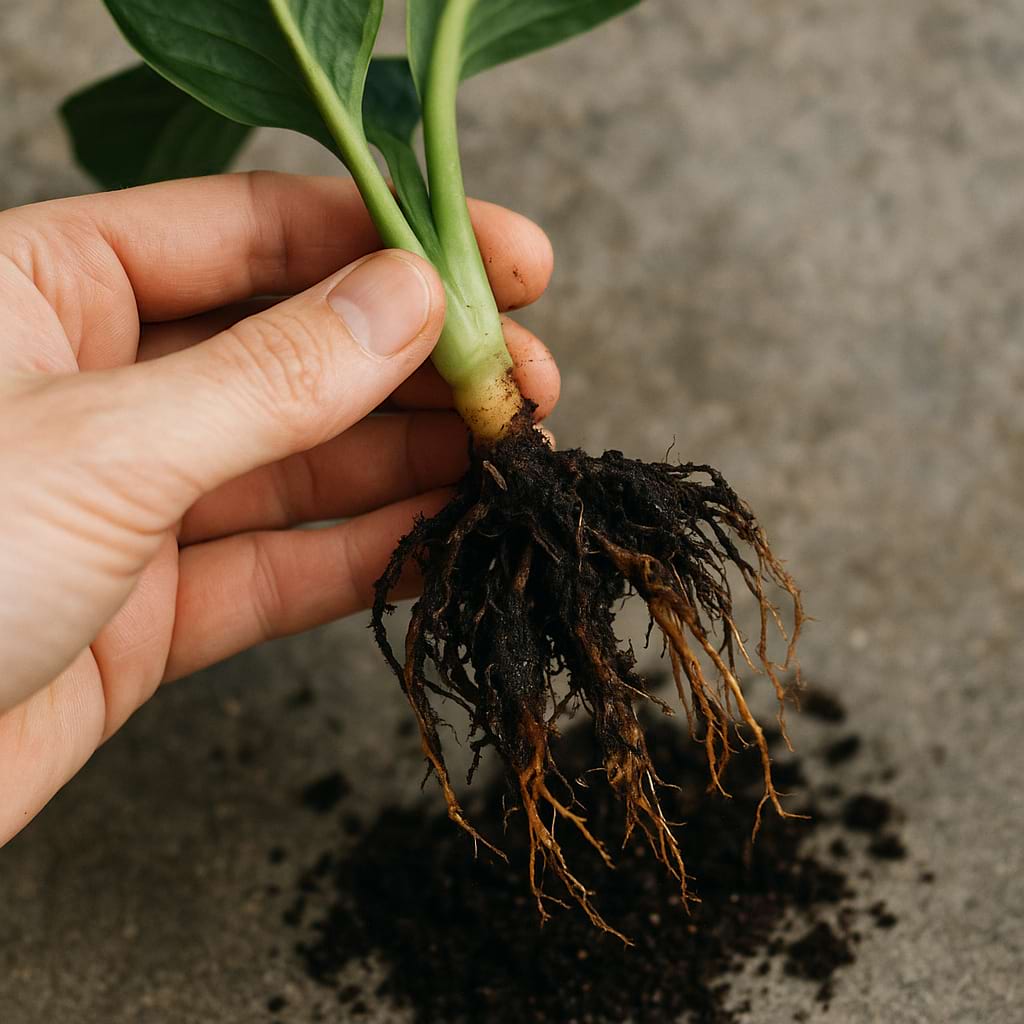
- Inspect Roots: Examine the roots for any signs of rot (mushy, dark, or smelly roots). Trim away any unhealthy roots with clean, sharp scissors. Gently loosen the root ball if it's tightly bound.
- Pot Up: Add a layer of fresh potting mix to the bottom of the new pot. Center the plant in the new pot, ensuring the top of the root ball is at a similar level as before, or slightly below the rim to allow for watering. Fill in around the root ball with more mix, gently firming it down to eliminate large air pockets.
- Water Lightly: Water the plant lightly after repotting to help settle the soil. Avoid saturating it immediately.
- Aftercare: Place the repotted plant back in its usual spot with bright, indirect light. It may take a week or two for the plant to adjust. Avoid fertilizing for at least a month after repotting.
✂️ Pruning Your Red Ripple Peperomia
Why and When to Prune
Pruning Red Ripple Peperomia is generally minimal and aimed at maintaining its appearance, health, and encouraging a compact, bushy shape.
- Dead or Damaged Foliage: Trim off any yellow, brown, dried, or damaged leaves as they appear. Cut the leaf stalk (petiole) close to the base of the plant using clean, sharp scissors or pruners.
- Leggy Growth: If the plant becomes leggy (long stems with sparse leaves), often due to insufficient light, you can pinch back the tips of the stems. This encourages branching and fuller growth.
- Spent Flower Spikes: After the flower spikes have faded, they can be trimmed off at the base to redirect the plant's energy to foliage production.
- Shaping: Occasionally, you might prune to maintain a desired shape or size, though its naturally compact habit usually makes this unnecessary.
Light grooming can be done year-round. More significant pruning for shape or legginess is best done during the active growing season (spring or summer).
Cleaning Leaves
The deeply textured leaves of the Red Ripple Peperomia can accumulate dust. Gently wipe the leaves with a soft, damp cloth or a small, soft brush occasionally. Clean leaves can photosynthesize more efficiently and look their best. Avoid using commercial leaf shine products.
🌱 How to Propagate Red Ripple Peperomia
Methods of Propagation
Red Ripple Peperomia is relatively easy to propagate, allowing you to create new plants from your existing one. The best time for propagation is during the spring or summer when the plant is actively growing. Common methods include stem cuttings, leaf cuttings, and division.
Propagating by Stem Cuttings
- Take Cuttings: Using clean, sharp scissors or a knife, cut a healthy stem section that is 2-4 inches long and has at least 2-3 leaves.
- Prepare Cuttings: Remove the lower leaves from the stem, leaving only a few at the top. This prevents leaves from rotting when planted.
- Callous (Optional): Allow the cut end of the stem to dry and callous over for a few hours or a day. This can help prevent rot.
- Rooting in Soil: Plant the cut end into a small pot filled with moist, well-draining potting mix (e.g., a mix of peat/coco coir and perlite). Bury the stem deep enough so it stands upright.
- Rooting in Water: Alternatively, place the stem cutting in a jar of water, ensuring the remaining leaves are above the waterline. Change the water every few days. Once roots are 1-2 inches long (usually in 4-8 weeks), plant the cutting in soil.
Propagating by Leaf Cuttings
- Select a Leaf: Choose a healthy, mature leaf with its petiole (leaf stalk) attached.
- Prepare Leaf: You can use the whole leaf or cut the leaf blade in half horizontally.
- Plant Leaf: Insert the petiole (and the cut edge of the leaf if halved) about 1/2 to 1 inch deep into moist, well-draining potting mix. The leaf blade should be mostly above the soil.
- Wait for Plantlets: New plantlets will eventually sprout from the base of the petiole or the cut edge of the leaf blade. This method can take longer than stem cuttings, often several weeks to a few months for new growth to appear.
Propagating by Division
This method is best done during repotting when the plant is mature and has formed multiple crowns or clumps.
- Remove from Pot: Carefully take the parent plant out of its pot.
- Separate Sections: Gently tease apart the root ball into smaller sections. Each section should have its own set of roots and stems/leaves. If necessary, use a clean, sharp knife to cut through tougher root sections.
- Repot Divisions: Plant each division into an appropriately sized pot with fresh potting mix.
Aftercare for Propagules
- Place newly potted cuttings or divisions in a warm spot with bright, indirect light.
- Keep the soil lightly moist but not waterlogged.
- To increase humidity, you can cover the pot loosely with a clear plastic bag or place it in a propagator, ensuring some air circulation to prevent mold.
- Be patient, as rooting and new growth can take several weeks to a few months.
🐛 Common Pests
Pests That May Affect Red Ripple Peperomia
While Red Ripple Peperomias are relatively resilient, they can occasionally fall prey to common houseplant pests, especially if stressed or in suboptimal conditions. Their dense, textured foliage can provide hiding spots. Regularly inspect your plant, especially the undersides of leaves and at the base of stems.
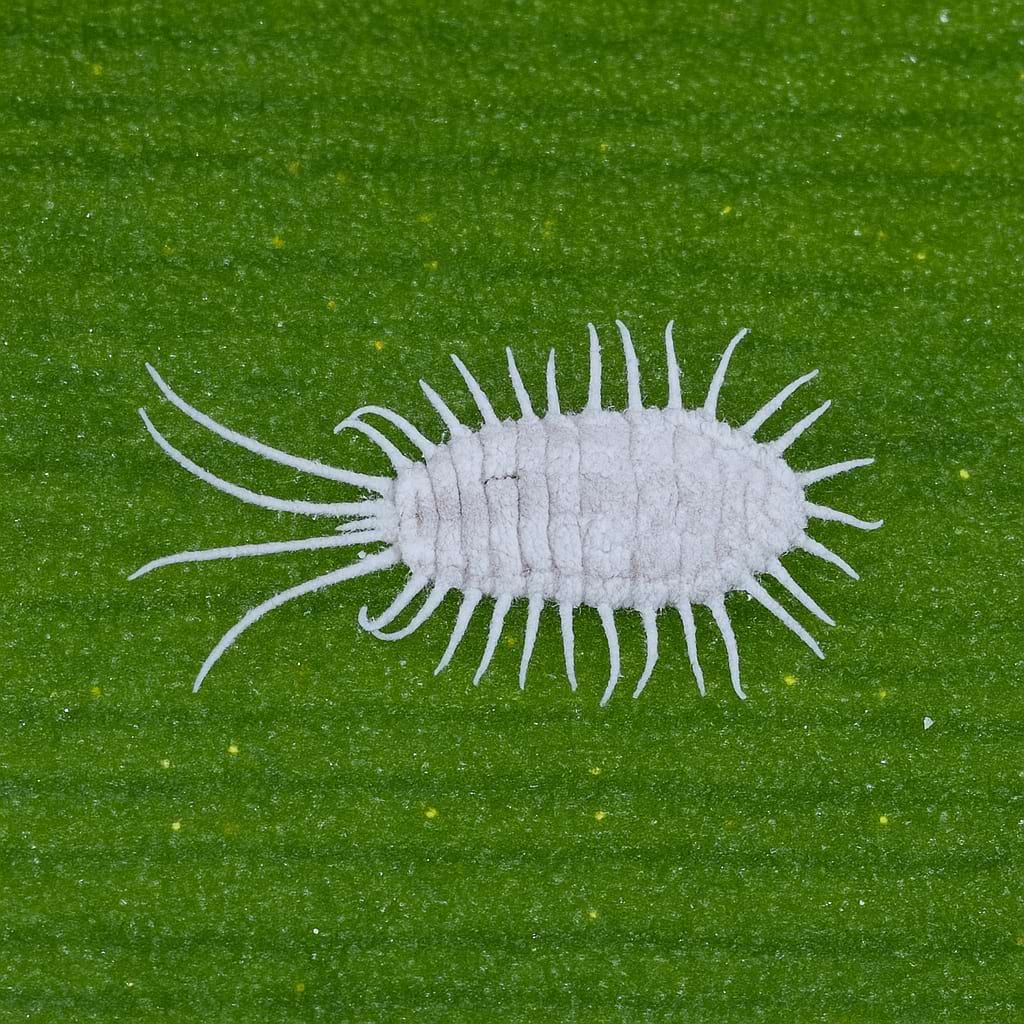
- Mealybugs: These small, white, cotton-like insects often hide in leaf axils and the dense crown of the plant. They suck sap, causing stunted growth.
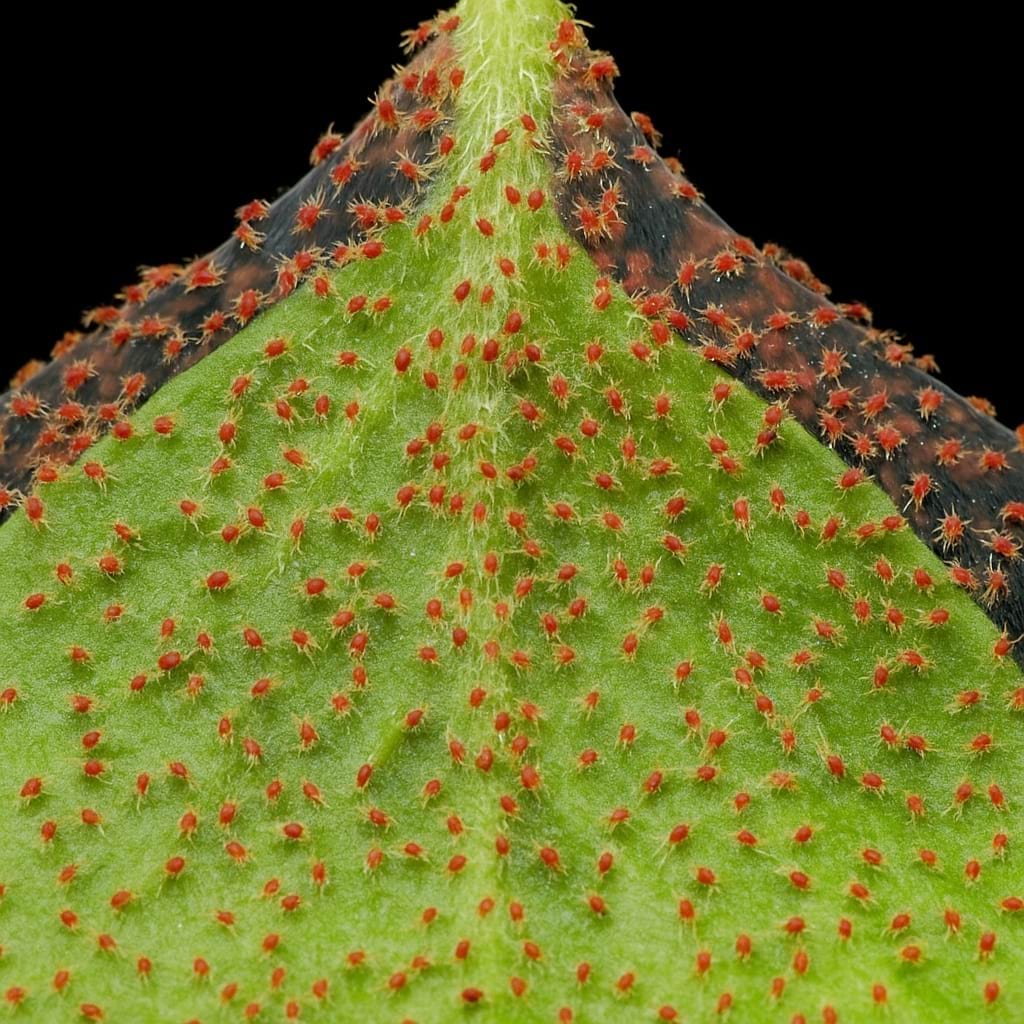
- Spider Mites: Tiny arachnids that thrive in dry conditions. Look for fine webbing, stippling on leaves (tiny dots), or a generally dusty appearance. The deep corrugations of 'Red Ripple' leaves can harbor them.
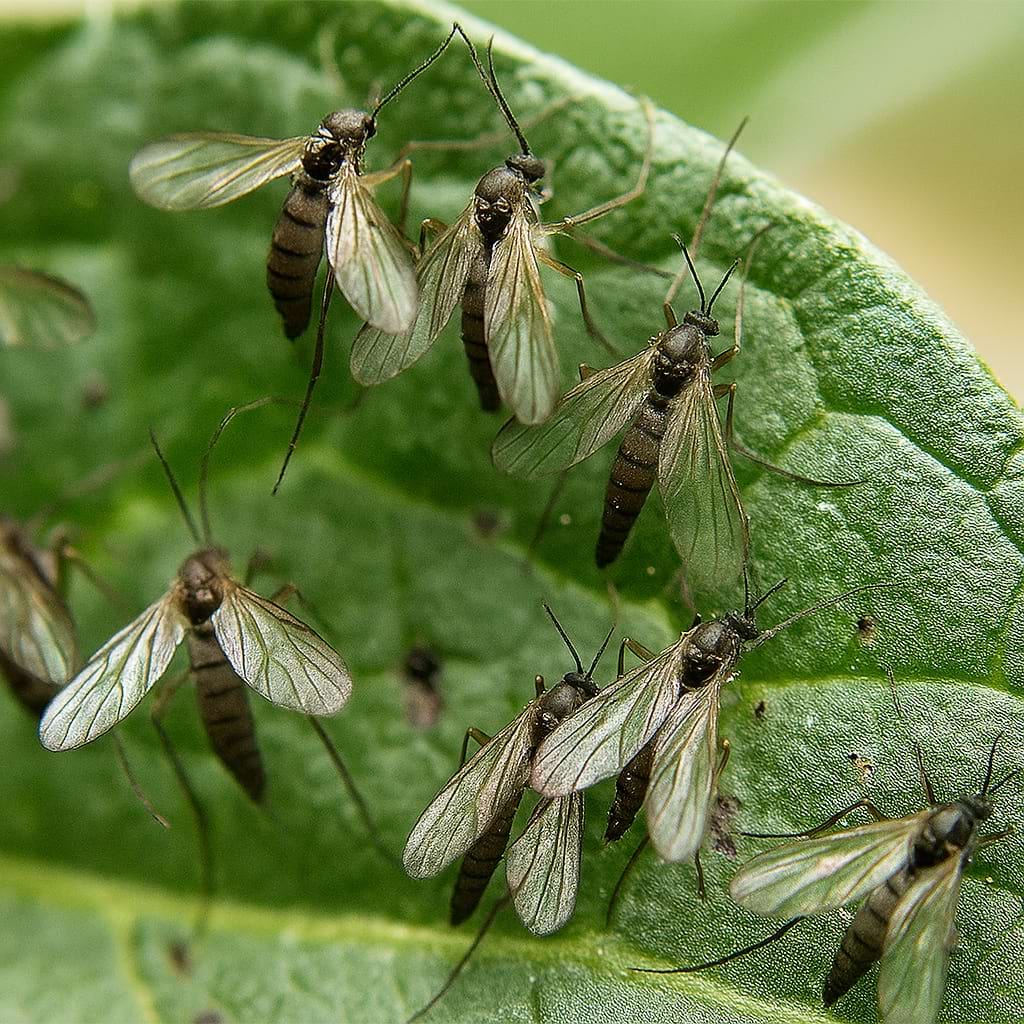
- Fungus Gnats: Small, dark flies that are attracted to consistently moist soil. Their larvae live in the top layer of soil and can damage young roots. Allowing the soil to dry out more between waterings helps control them.
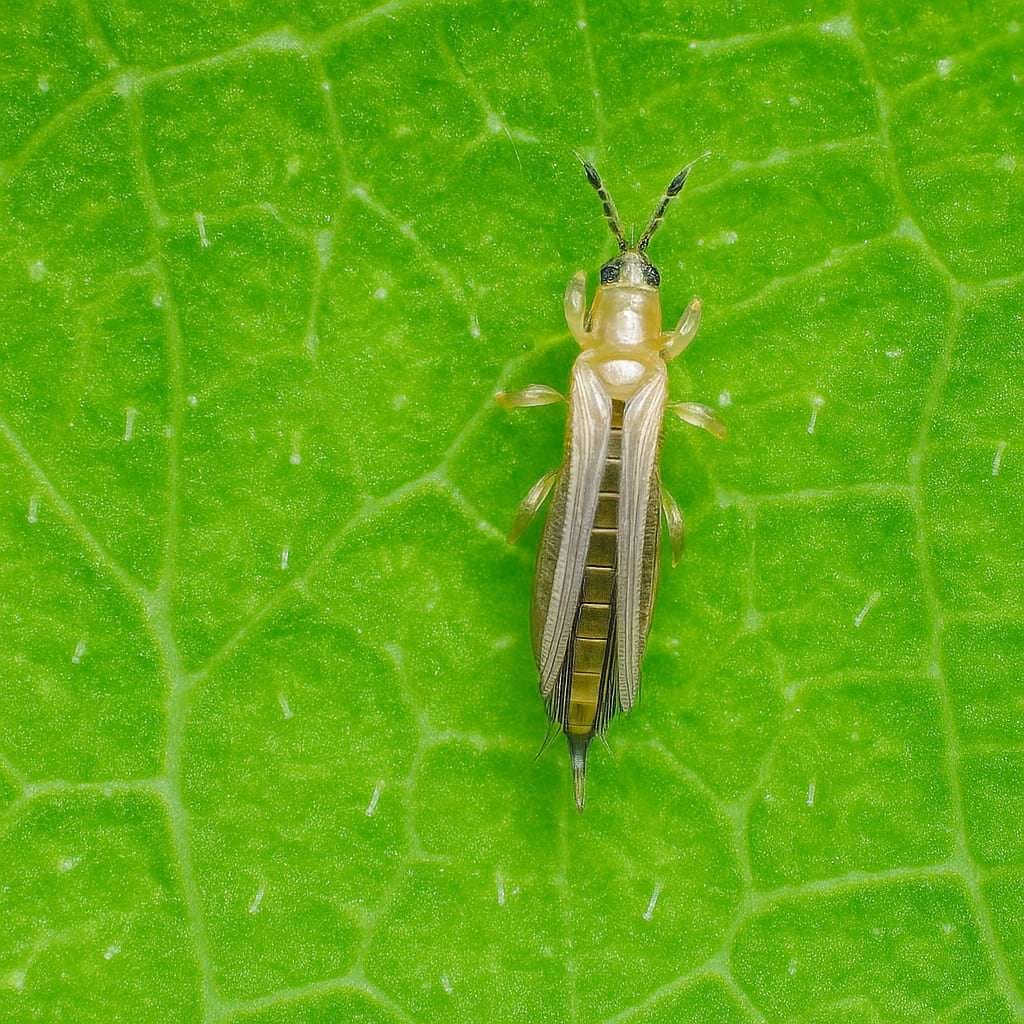
- Thrips: Tiny, slender insects that can cause silvery patches, distorted new growth, and leave small black droppings. They can be difficult to eradicate.
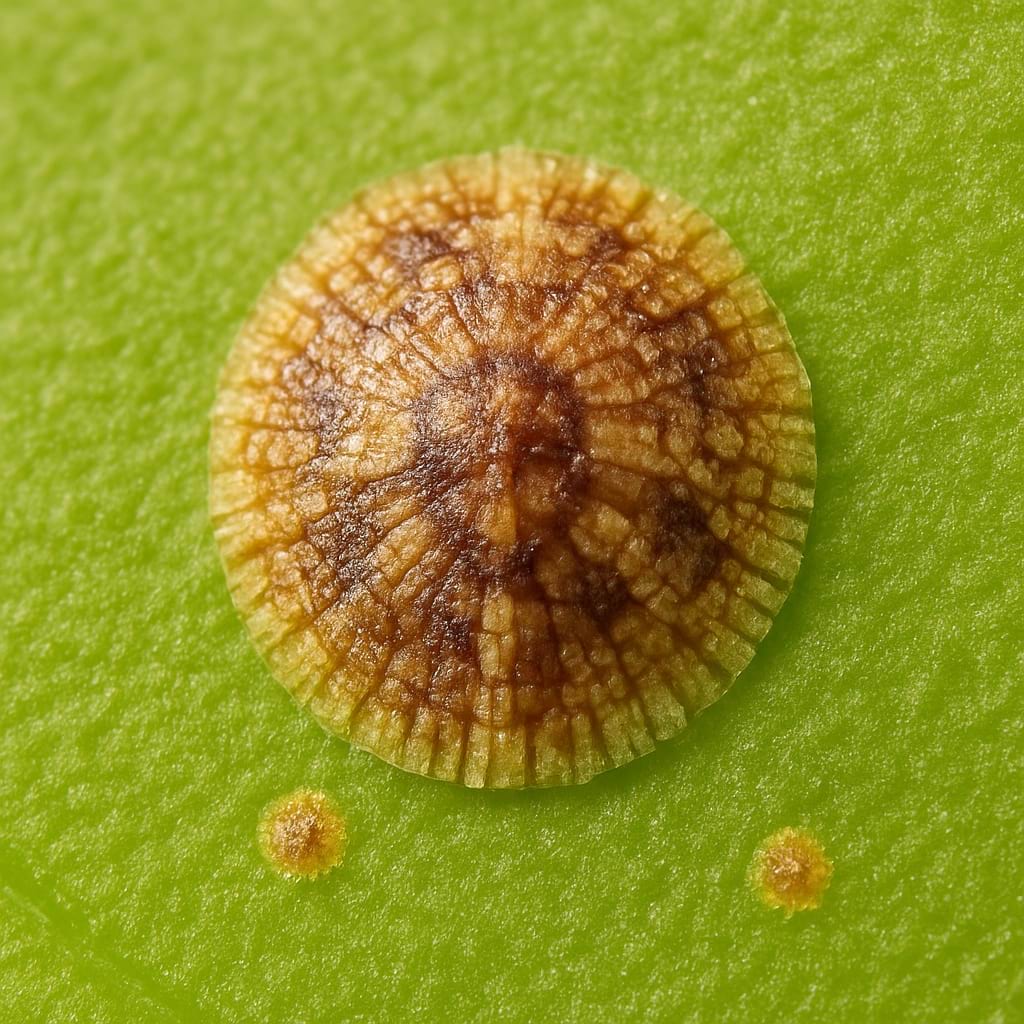
- Scale Insects: Appear as small, brown, immobile bumps on stems and leaves. They suck plant sap and can weaken the plant over time.
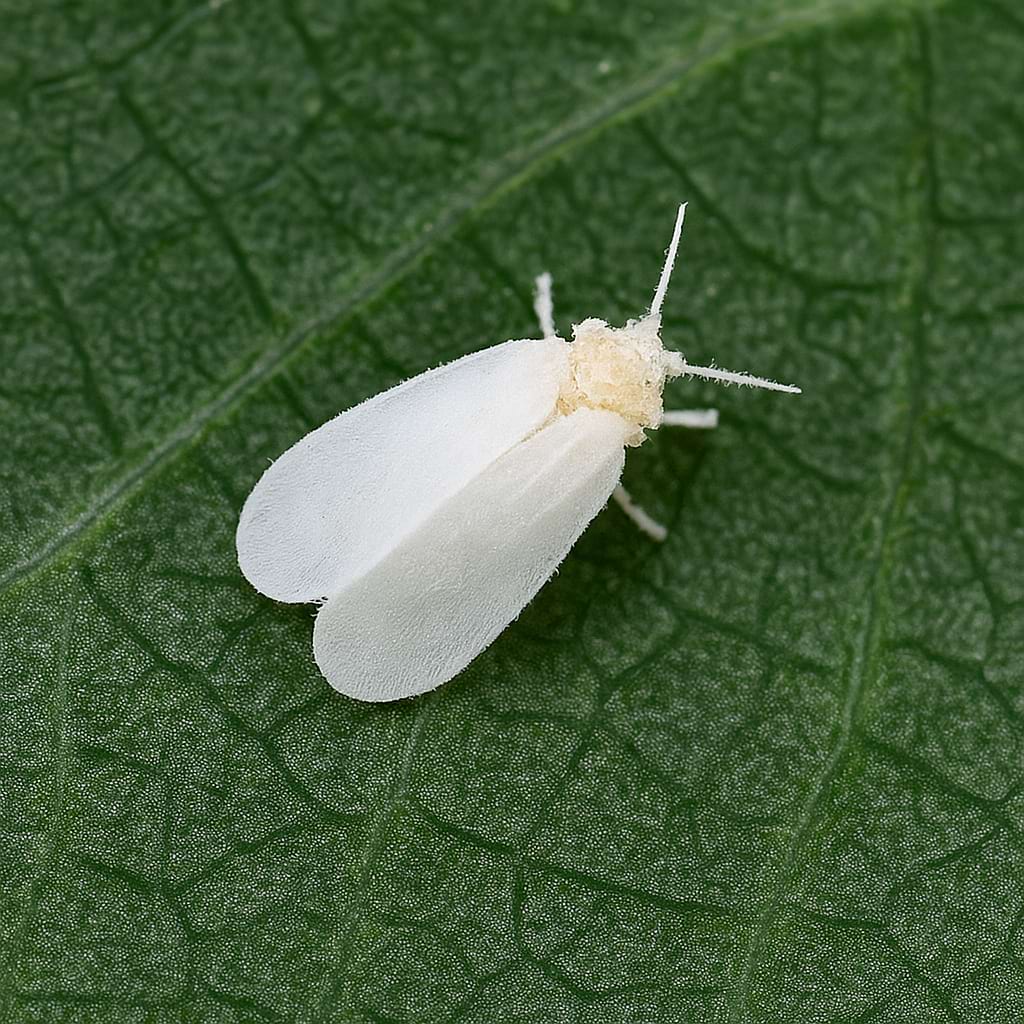
- Whiteflies: Small, white, moth-like insects that fly up when the plant is disturbed. They feed on plant sap, often on the undersides of leaves, leading to yellowing and sticky honeydew.
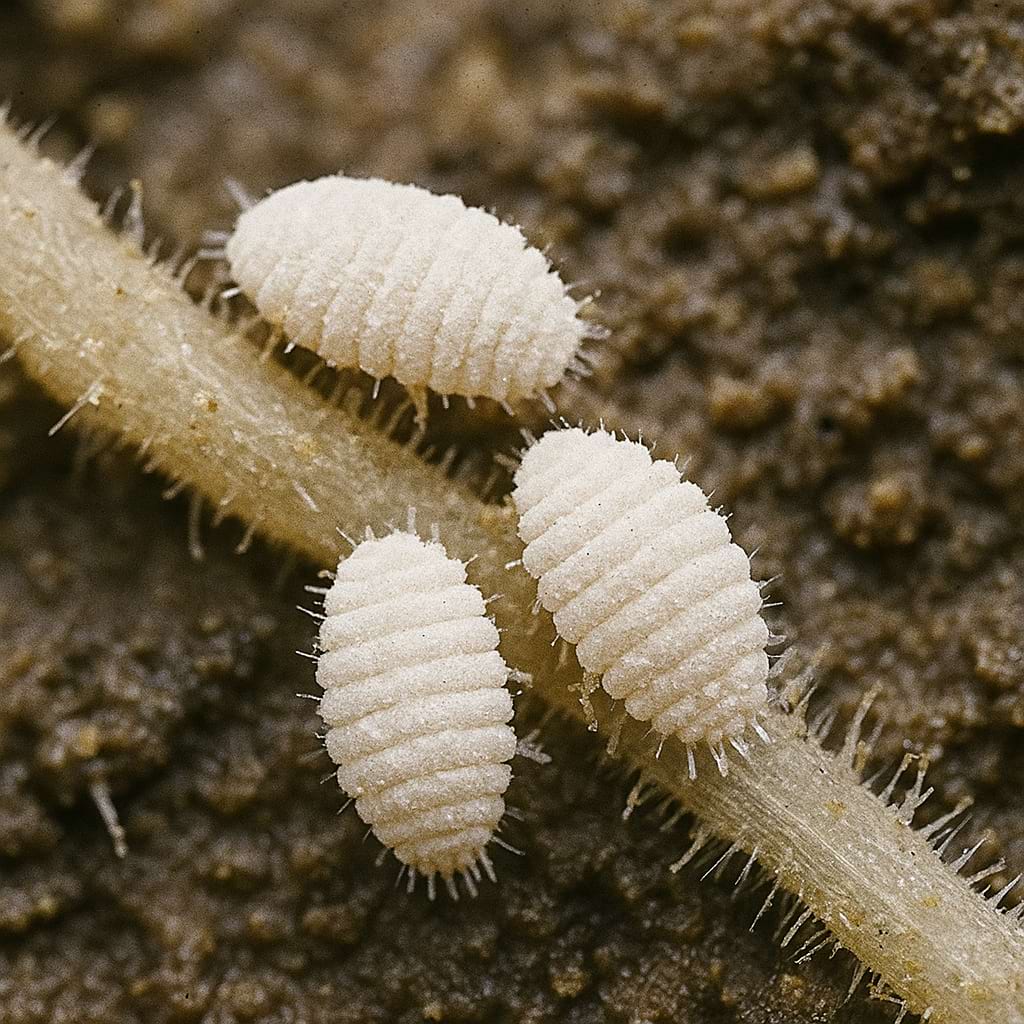
- Root Mealybugs: These are less visible as they live in the soil and feed on roots. Slowed growth or wilting despite proper watering can be a sign. Check roots during repotting.
If pests are detected, isolate the plant immediately and treat with an appropriate method, such as insecticidal soap, neem oil, or manual removal with alcohol-dipped swabs for mealybugs and scale.
🩺 Common Problems
Troubleshooting Red Ripple Peperomia Issues
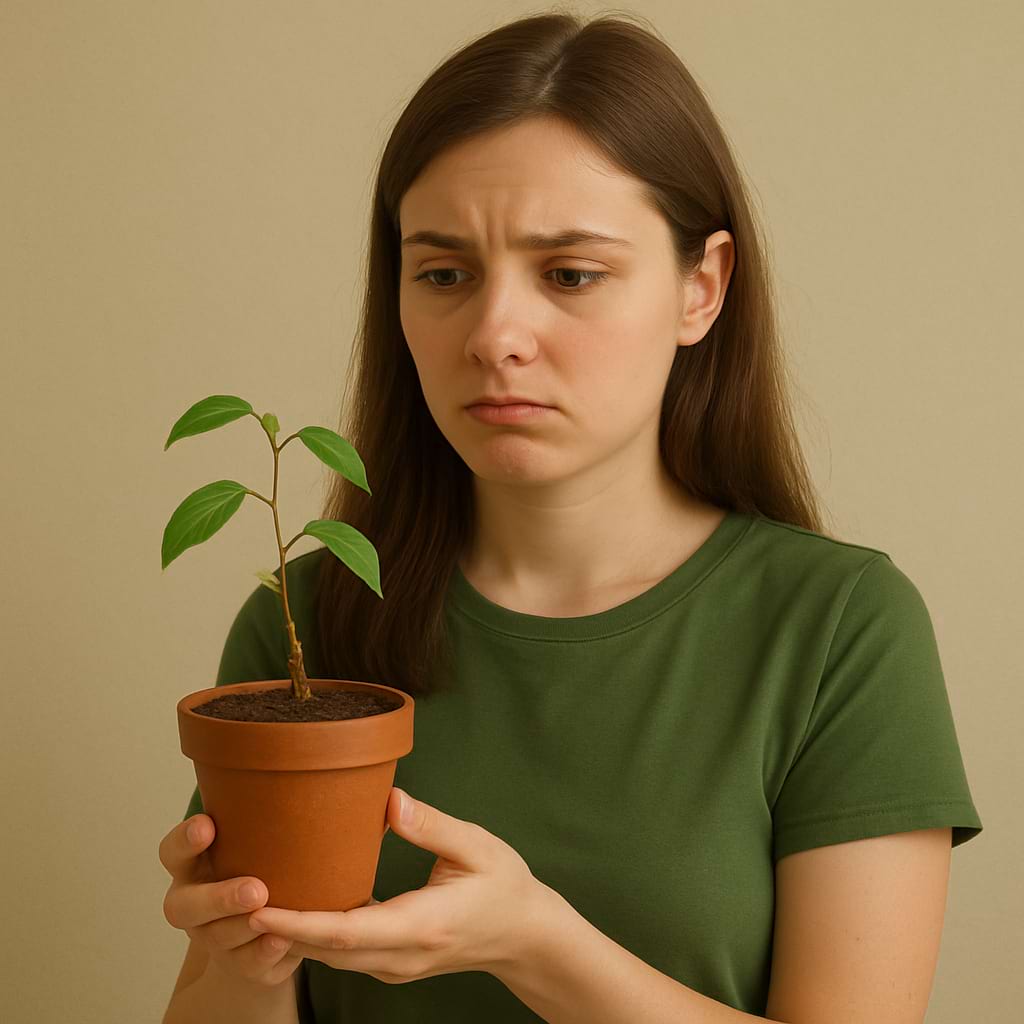
Most problems with Red Ripple Peperomia arise from improper watering or environmental stress. Their semi-succulent nature makes them particularly sensitive to overwatering.
- Root Rot & Mushy Stems: The most common and serious issue, caused by overly wet soil. Stems become soft, black, and mushy at the base; leaves wilt and drop. Prevention (well-draining soil, careful watering) is crucial.
- Wilting & Drooping: Can indicate both underwatering (soil is dry, leaves are limp) or overwatering (soil is wet, roots are rotting and can't absorb water). Always check soil moisture before acting.
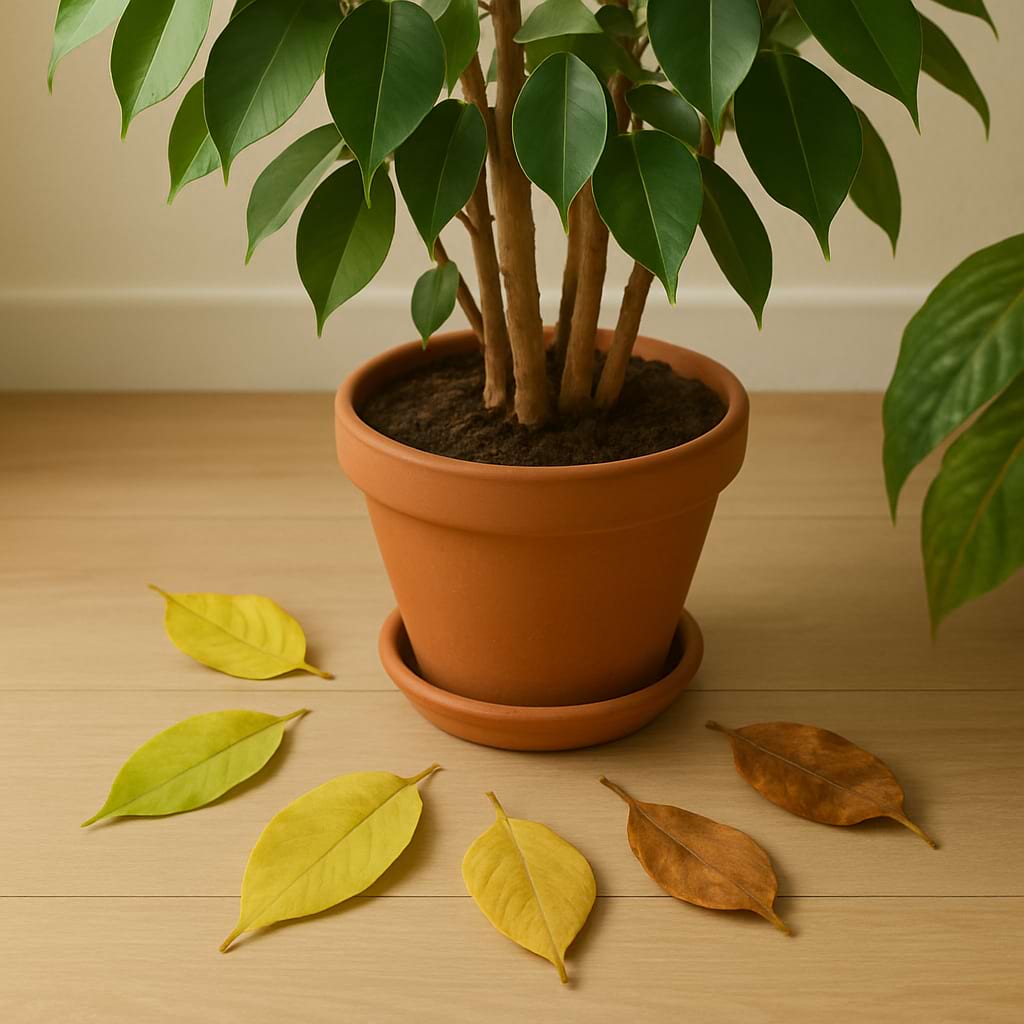
- Yellowing Leaves & Leaf Drop: Often a sign of overwatering. Lower leaves may yellow and drop first. Can also be due to cold drafts or sudden temperature changes.
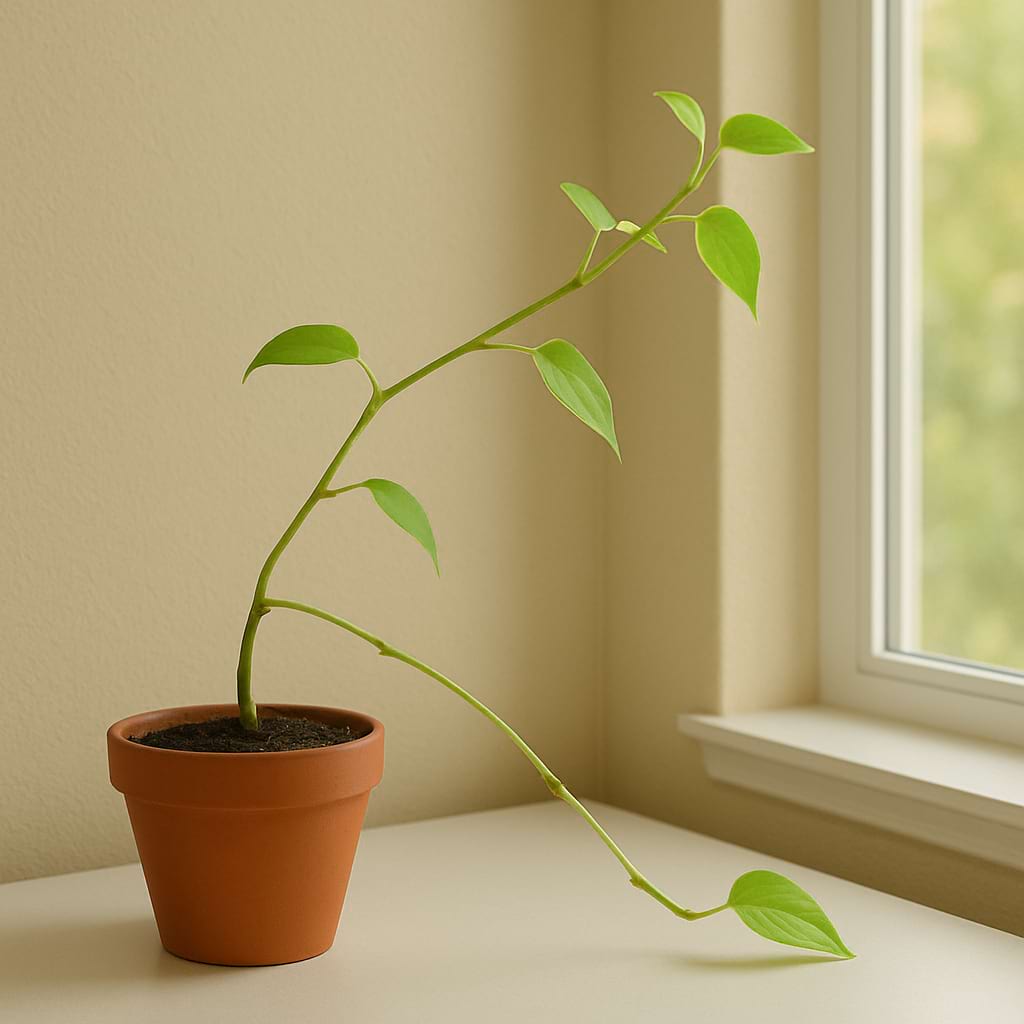
- Leggy Growth: Stems become stretched with sparse leaves, indicating insufficient light. The red color may also fade.
- Fungal & Bacterial Disease: Leaf spot diseases can occur if foliage remains wet or air circulation is poor. Appears as dark or discolored spots on leaves.
- Stunted Growth: Could be due to insufficient light, lack of nutrients (if not fertilized for a long time), being severely root-bound, or persistent pest issues.
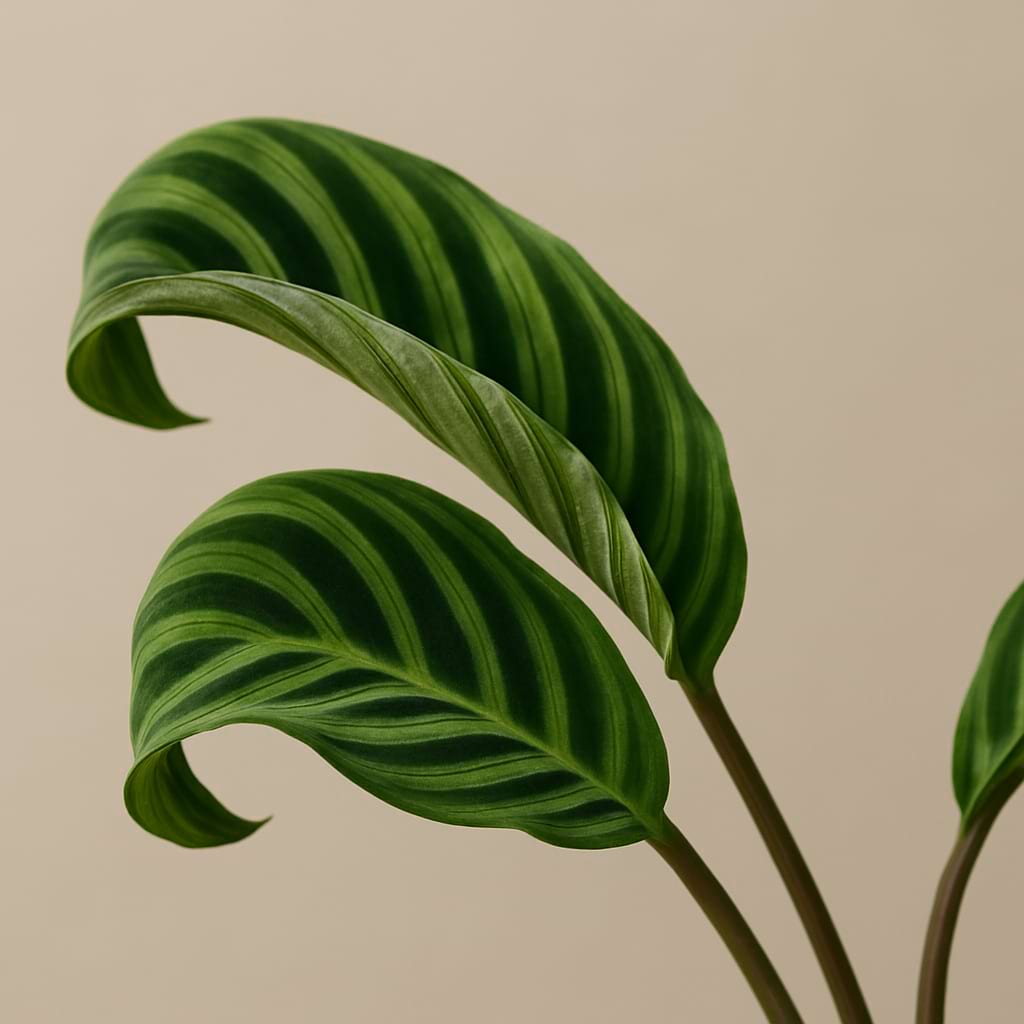
- Curling Leaves: Can be caused by underwatering, very low humidity, excessive heat, or pest infestations (e.g., spider mites, thrips).
- Edema: Results from inconsistent watering where roots absorb water faster than the plant can transpire it. Appears as small, water-soaked blisters or bumps on leaves, which may later turn corky and brown.
- Sunburn or Leaf Scorch: Direct, intense sunlight can cause bleached, white, or crispy brown patches on leaves.
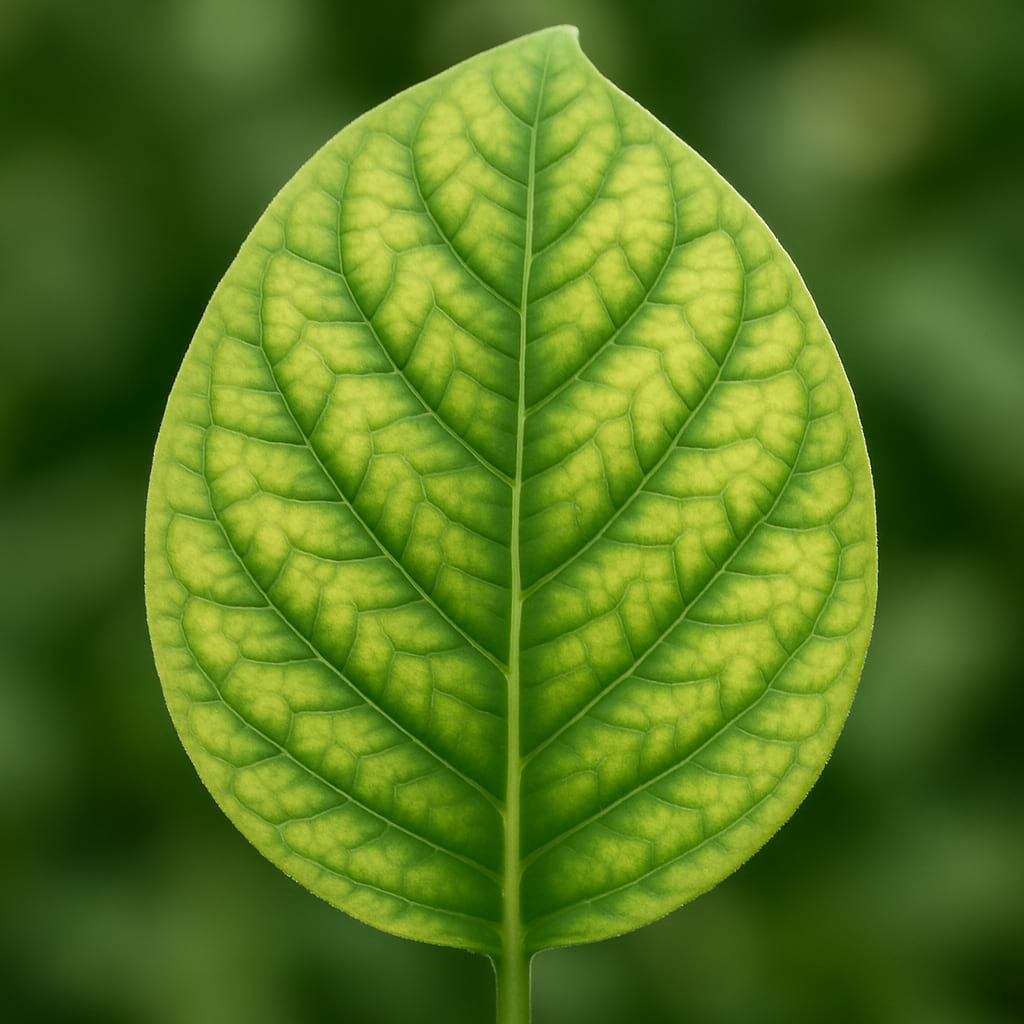
- Nutrient Deficiency: While not heavy feeders, prolonged lack of nutrients can lead to pale or faded foliage (including loss of red vibrancy) and slow growth.
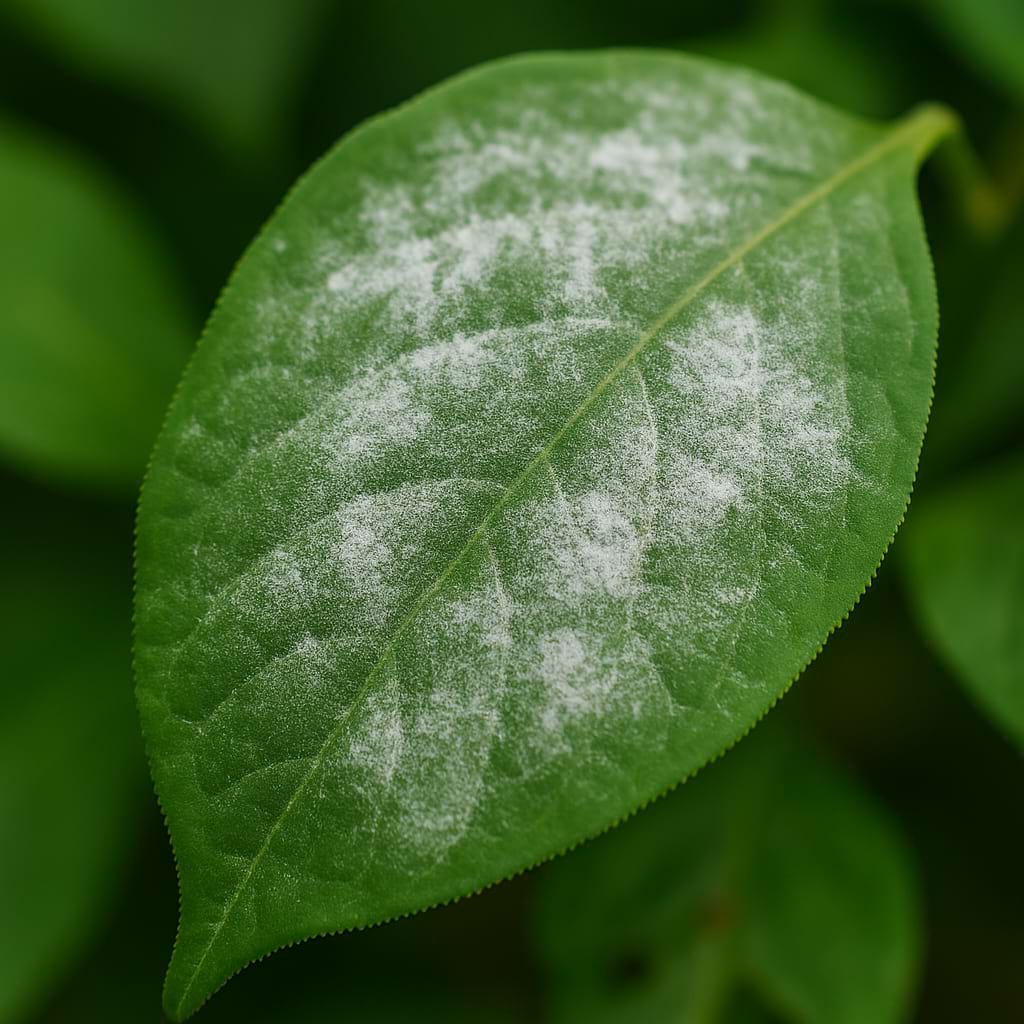
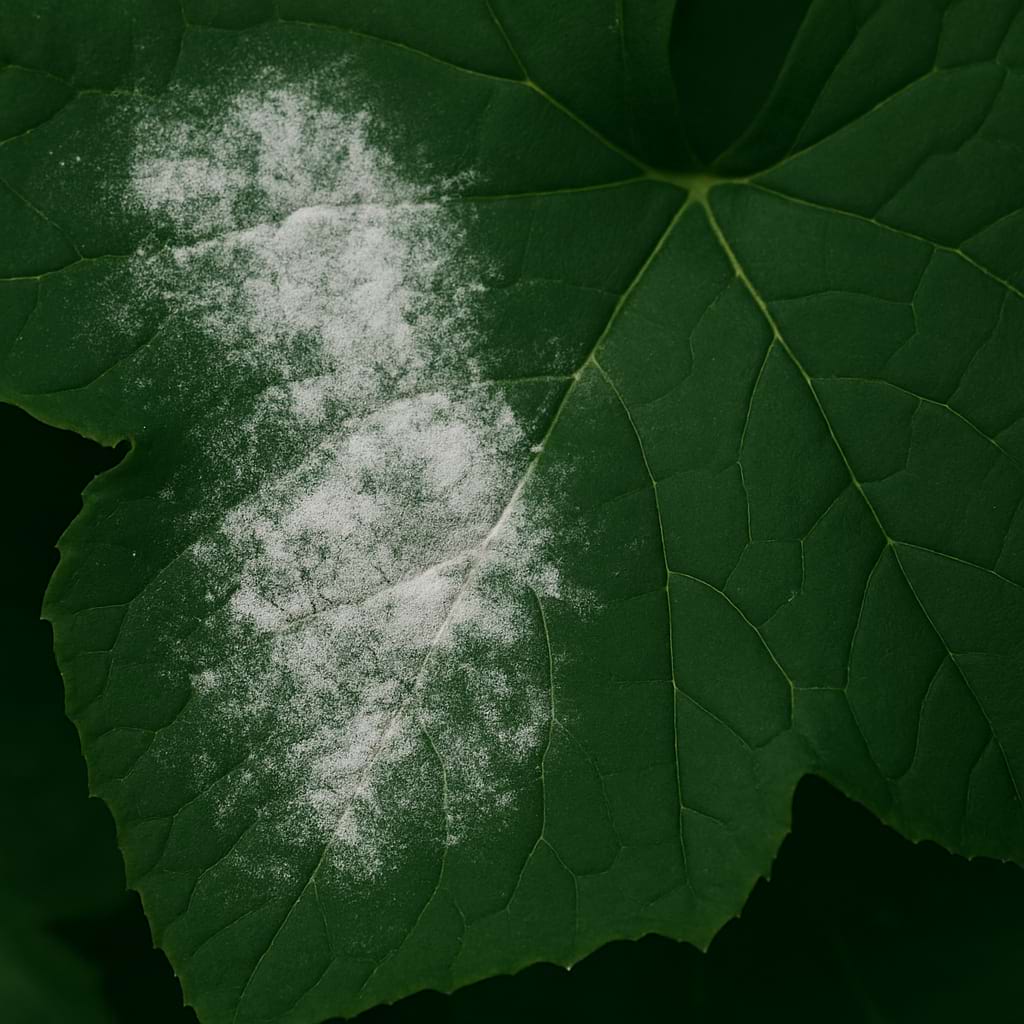
- Powdery Mildew: A fungal disease appearing as a white, powdery coating on leaves and stems, often favored by high humidity and poor air circulation.
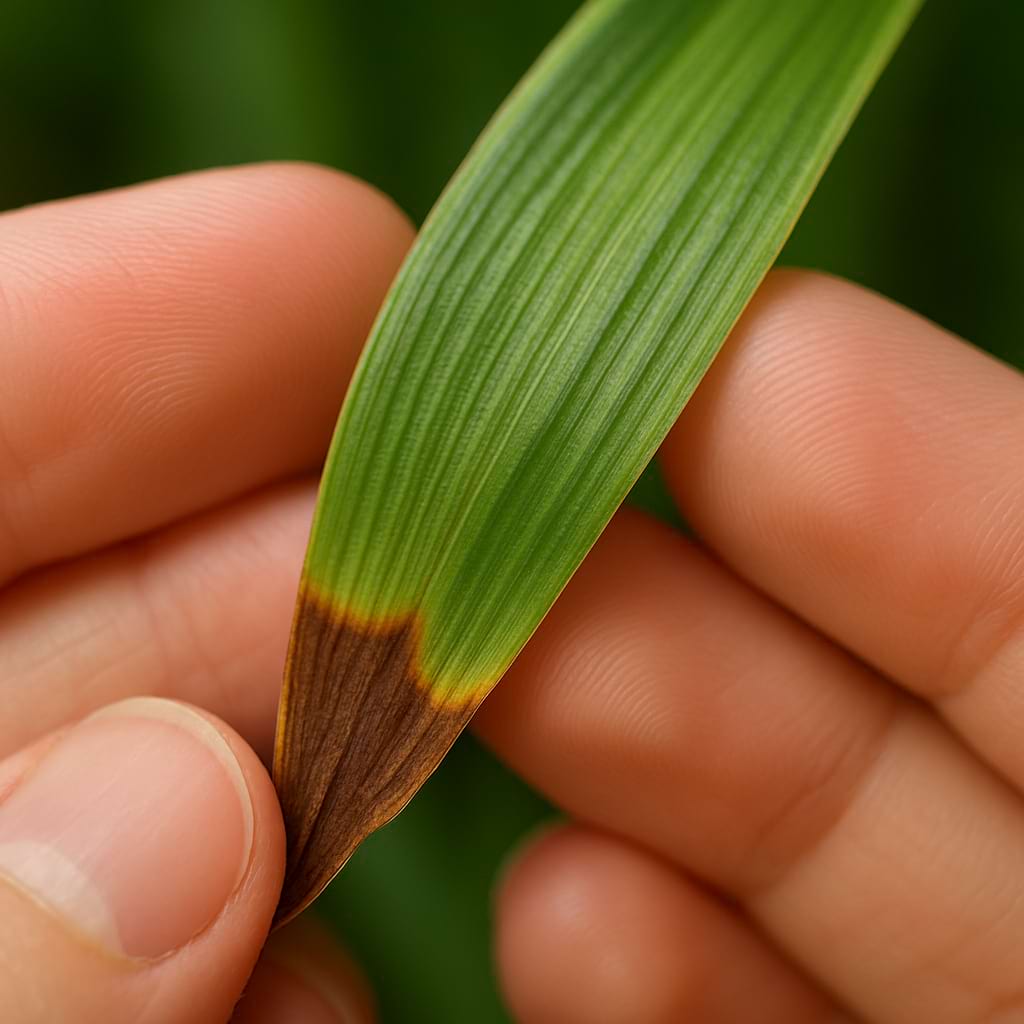
- Brown, Crispy Edges: Typically a sign of low humidity, underwatering, or sometimes salt buildup from fertilizers.
- Pale or Faded Leaves (Loss of Red Color): A key issue for 'Red Ripple' is the loss of its vibrant red. This is most commonly due to insufficient light. It can also be related to nutrient deficiencies.


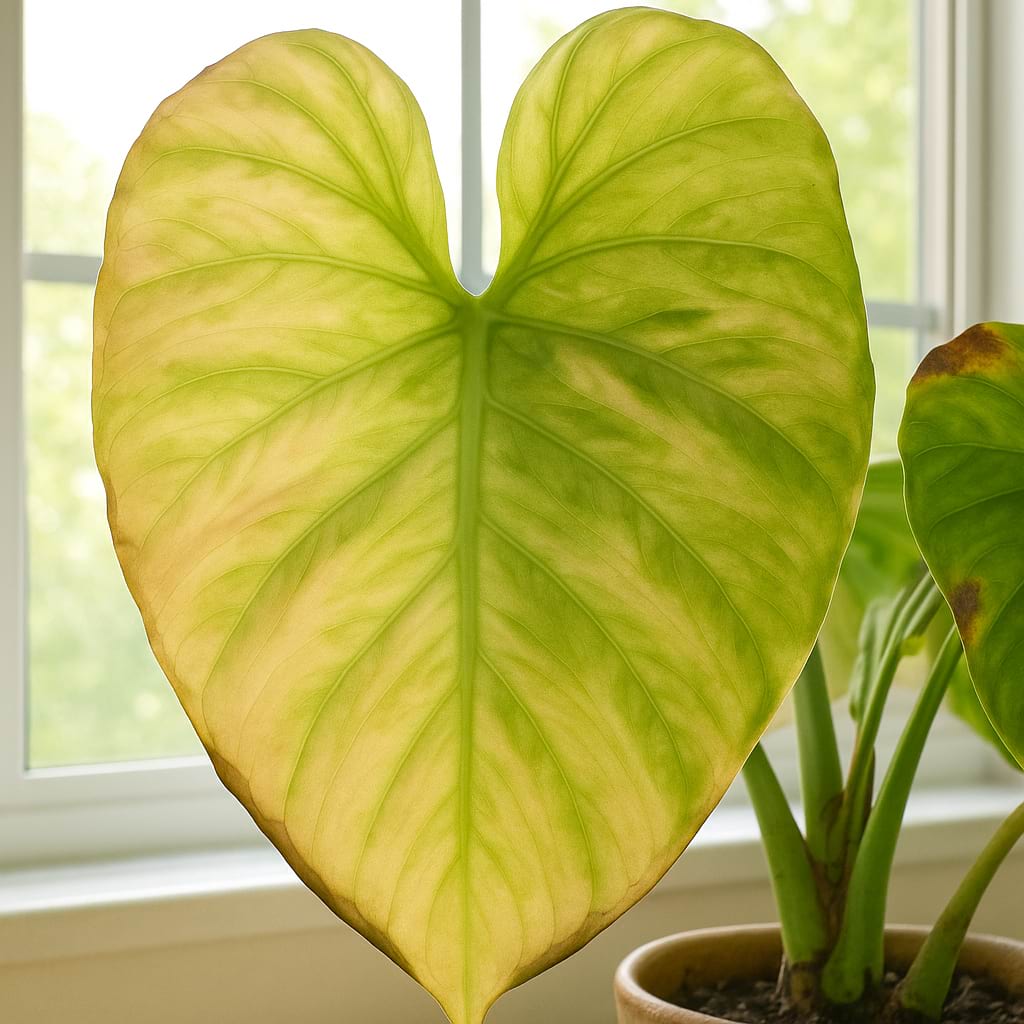
🖼️ Creative Display Ideas for Red Ripple Peperomia
Showcasing Your Red Ripple Peperomia
The compact size and striking red, textured foliage of the Red Ripple Peperomia make it a versatile and eye-catching plant for various indoor displays:
- Desks and Bookshelves: Its small stature is perfect for adding a vibrant splash of color to workspaces, shelves, or nightstands without occupying too much space.
- Terrariums and Dish Gardens: It thrives in the higher humidity of enclosed or semi-enclosed terrariums and combines beautifully with other small, humidity-loving plants in dish gardens, where its red color can provide a focal point.
- Contrasting Groupings: Place it among green-leafed plants to make its rich red foliage stand out. The textural contrast with smooth-leaved plants is also appealing.
- Windowsills: An east or bright north-facing windowsill can be an ideal spot, offering good indirect light. Ensure it's not exposed to cold drafts or direct, harsh sun.
- Small Decorative Pots: Choose a pot that complements its deep red color – white, black, grey, or metallic pots can create a sophisticated look.
- Tiered Plant Stands: Group it with other small to medium-sized plants on a tiered stand to create a lush, multi-level display.
- Bright Bathrooms or Kitchens: These areas often provide higher humidity, which Peperomias appreciate, as long as there's adequate indirect light.
The unique color and deeply puckered leaves ensure the Red Ripple Peperomia adds intrigue and a touch of drama wherever it's placed.
👍 Pro Tips for a Thriving Red Ripple Peperomia
Expert Advice for Luscious Red Foliage
To ensure your Red Ripple Peperomia flourishes with vibrant color and health:
- Prioritize Bright, Indirect Light: This is crucial for maintaining the deep red leaf color. Insufficient light leads to fading.
- Master Watering – Err on the Dry Side: Overwatering is the quickest way to harm a Peperomia. Allow the top 1-2 inches of soil to dry completely before watering thoroughly.
- Boost Humidity: While adaptable, it loves 40-60% humidity. Mist regularly, use a pebble tray, or group with other plants.
- Use a Chunky, Well-Draining Soil Mix: Excellent aeration and drainage are non-negotiable to prevent root rot. Amend standard potting mix with plenty of perlite or pumice.
- Fertilize Lightly and Infrequently: Feed only during the growing season (spring/summer) with a heavily diluted balanced fertilizer once a month at most.
- Maintain Stable Temperatures: Avoid cold drafts and sudden temperature shifts. Keep away from direct heat sources.
- Rotate for Even Growth and Color: Turn your plant occasionally if light comes predominantly from one direction to ensure all sides develop well.
- Inspect Regularly for Pests: The textured leaves can hide pests. Early detection is key to easy control.
- Propagate to Share or Expand: Easily create new plants from leaf or stem cuttings – a great way to get more of this beauty!
📝 Final Thoughts
Enjoying Your Vibrant Red Ripple Peperomia
The Red Ripple Peperomia is a truly captivating houseplant that brings a unique combination of rich color and fascinating texture to any indoor space. Its compact size makes it incredibly versatile, suitable for even the smallest of collections or tightest of spots. While it has specific preferences, particularly regarding watering and light, understanding its needs makes care straightforward and rewarding.
By providing bright indirect light to maintain its signature red hue, using a well-draining soil mix, watering cautiously, and maintaining adequate humidity, your Peperomia caperata 'Red Ripple' will thrive and continue to be a delightful, eye-catching specimen for years to come. Its pet-safe nature is an added bonus for many households. Enjoy the journey of cultivating this little gem!
❓ Frequently Asked Questions
How much light does Red Ripple Peperomia need to stay red?
It needs bright, indirect light. Insufficient light can cause the red color to fade. Avoid direct sun, which can scorch the leaves.
Why are my Red Ripple Peperomia's leaves curling?
Curling leaves can be a sign of underwatering, low humidity, or pest infestation. Check the soil moisture, increase humidity, and inspect for pests like spider mites or thrips.
How often should I water my Red Ripple Peperomia?
Water when the top 1-2 inches of soil feel dry. They are susceptible to root rot, so it's better to slightly underwater than overwater. Ensure good drainage.
Is Red Ripple Peperomia toxic to cats or dogs?
No, Peperomia caperata 'Red Ripple' is considered non-toxic to cats and dogs, making it a pet-safe houseplant.
Can I propagate Red Ripple Peperomia from a single leaf?
Yes, Red Ripple Peperomia can be propagated from leaf cuttings, including whole leaves with petioles or even sections of leaves. Stem cuttings and division are also effective methods.
ℹ️ Red Ripple Peperomia Info
Care and Maintenance
🪴 Soil Type and pH: Well-draining, slightly acidic to neutral (pH 6.0-7.0)
💧 Humidity and Misting: Prefers 40-60%. Mist, use pebble tray, or humidifier.
✂️ Pruning: Trim dead/damaged leaves. Pinch leggy stems for bushier growth.
🧼 Cleaning: Wipe dust from leaves occasionally with a soft, damp cloth.
🌱 Repotting: When rootbound or if soil is depleted.
🔄 Repotting Frequency: Every 2-3 years
❄️ Seasonal Changes in Care: Reduce watering in winter; no fertilizer in fall/winter.
Growing Characteristics
💥 Growth Speed: Slow to Moderate
🔄 Life Cycle: Perennial
💥 Bloom Time: Summer and early fall (rarely indoors)
🌡️ Hardiness Zones: 10-12
🗺️ Native Area: Brazil (cultivar of P. caperata)
🚘 Hibernation: No
Propagation and Health
📍 Suitable Locations: Indoor (desks, bookshelves, bright bathrooms), terrariums
🪴 Propagation Methods: Stem cuttings, leaf cuttings, or division.
🐛 Common Pests: Mealybugs, Spider Mites, Fungus Gnats, Thrips, Scale Insects, Whiteflies, Root Mealybugs
🦠 Possible Diseases: Root rot, powdery mildew, fungal leaf spot
Plant Details
🌿 Plant Type: Houseplant
🍃 Foliage Type: Evergreen
🎨 Color of Leaves: Deep red, burgundy, with dark, almost black creases
🌸 Flower Color: Greenish-white to creamy white
🌼 Blooming: Rarely indoors; produces slim, white, tail-like flower spikes.
🍽️ Edibility: Not edible
📏 Mature Size: Up to 6-8 inches
Additional Info
🌻 General Benefits: Air purification (moderate), adds vibrant color
💊 Medical Properties: None known
🧿 Feng Shui: Associated with grounding and warmth
⭐ Zodiac Sign Compatibility: Taurus, Scorpio
🌈 Symbolism or Folklore: Passion, warmth, enduring friendship
📝 Interesting Facts: A cultivar of Peperomia caperata, prized for its intense red coloration and deeply textured leaves. The genus name Peperomia means 'resembling pepper'.
Buying and Usage
🛒 What to Look for When Buying: Choose plants with vibrant, deeply puckered red leaves, firm stems, and no signs of pests or wilting.
🪴 Other Uses: Decorative tabletop plant, terrariums, dish gardens
Decoration and Styling
🖼️ Display Ideas: Desks, bookshelves, terrariums, small hanging baskets, grouped with green foliage plants for contrast.
🧵 Styling Tips: Its rich red foliage provides a striking color accent. Ideal for small spaces needing a pop of color. Complements modern and minimalist decor.
🪴 See also 🪴
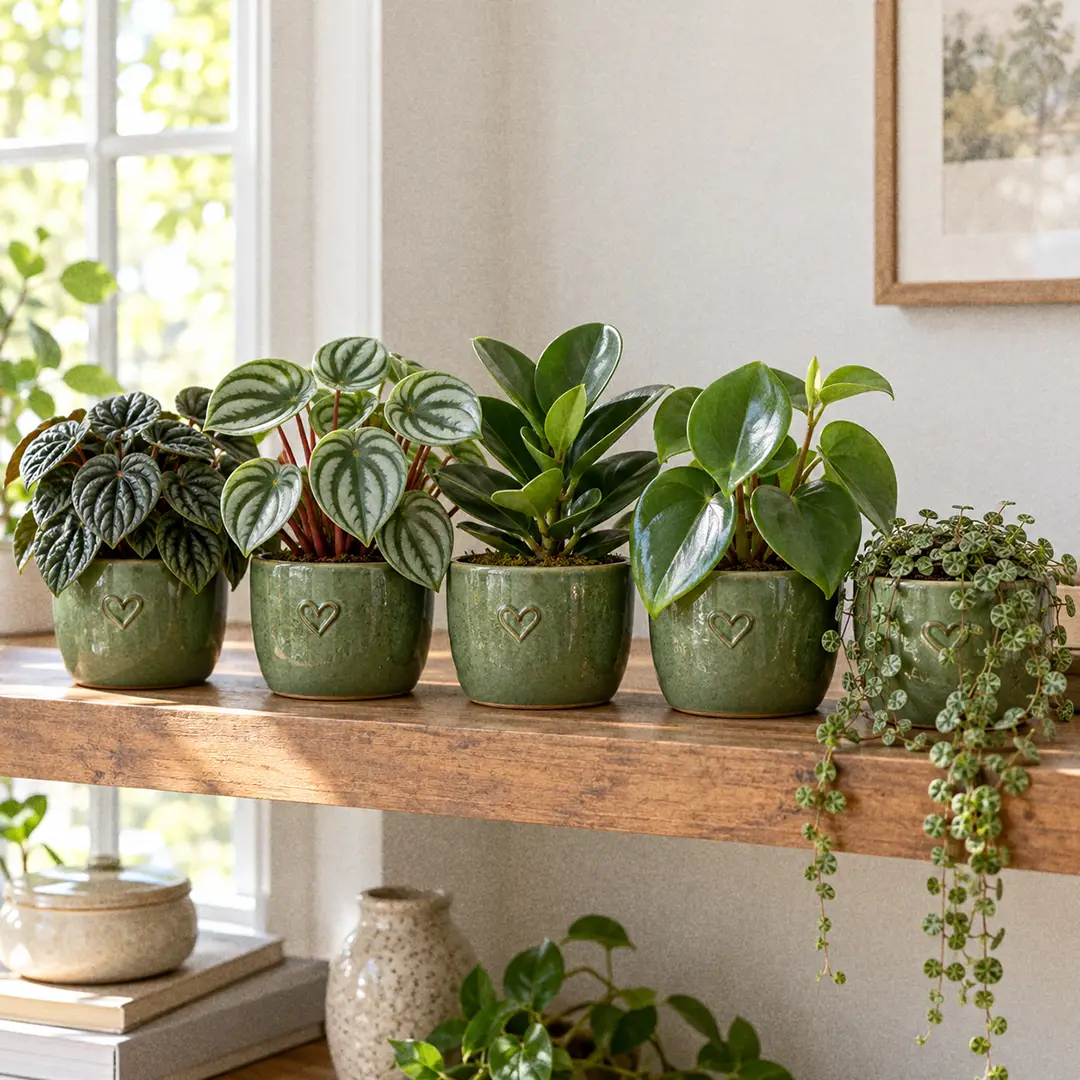
Peperomia Plant Care Indoors: Full Guide and 14 Types We Grow
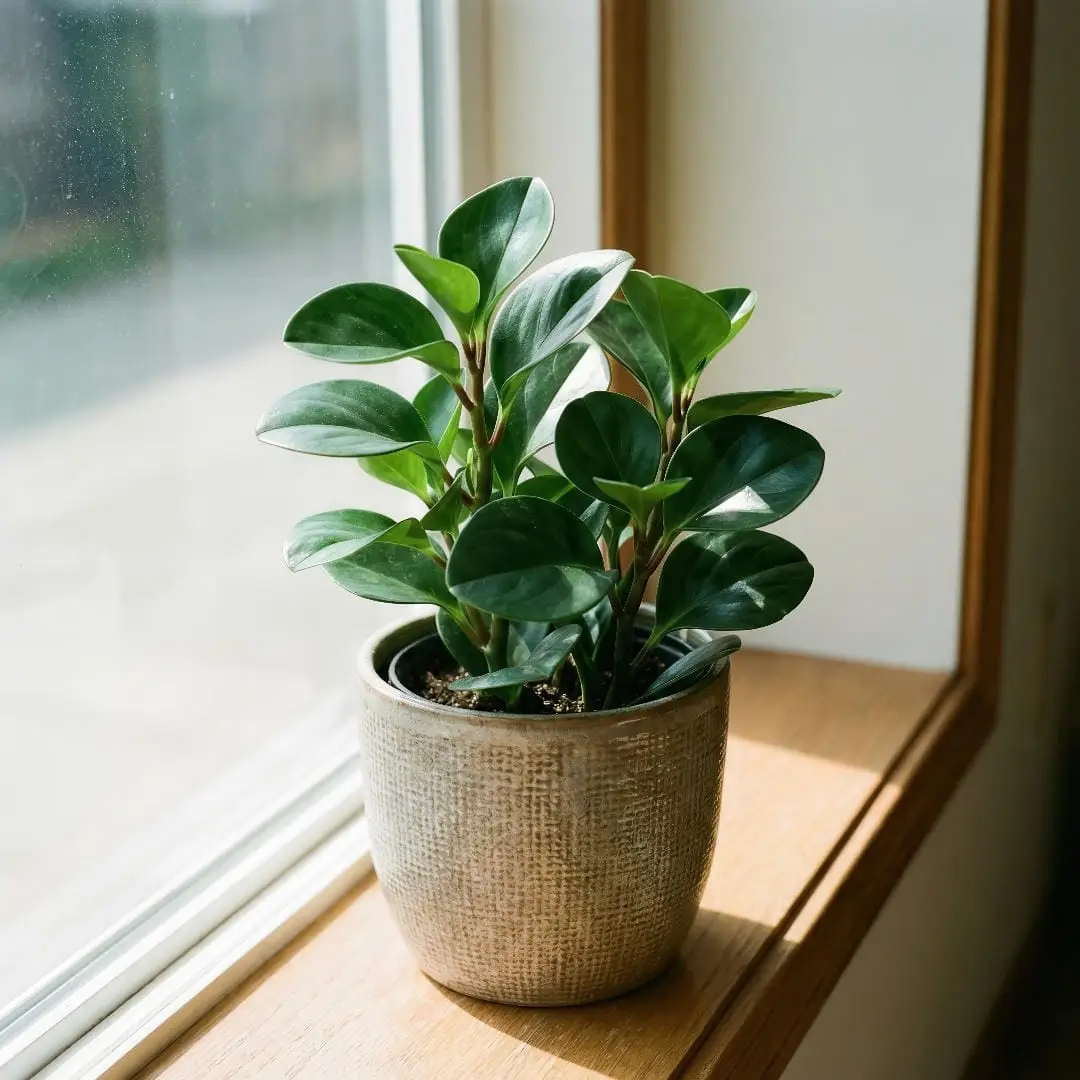
Complete Guide to Baby Rubber Plant Care and Growth
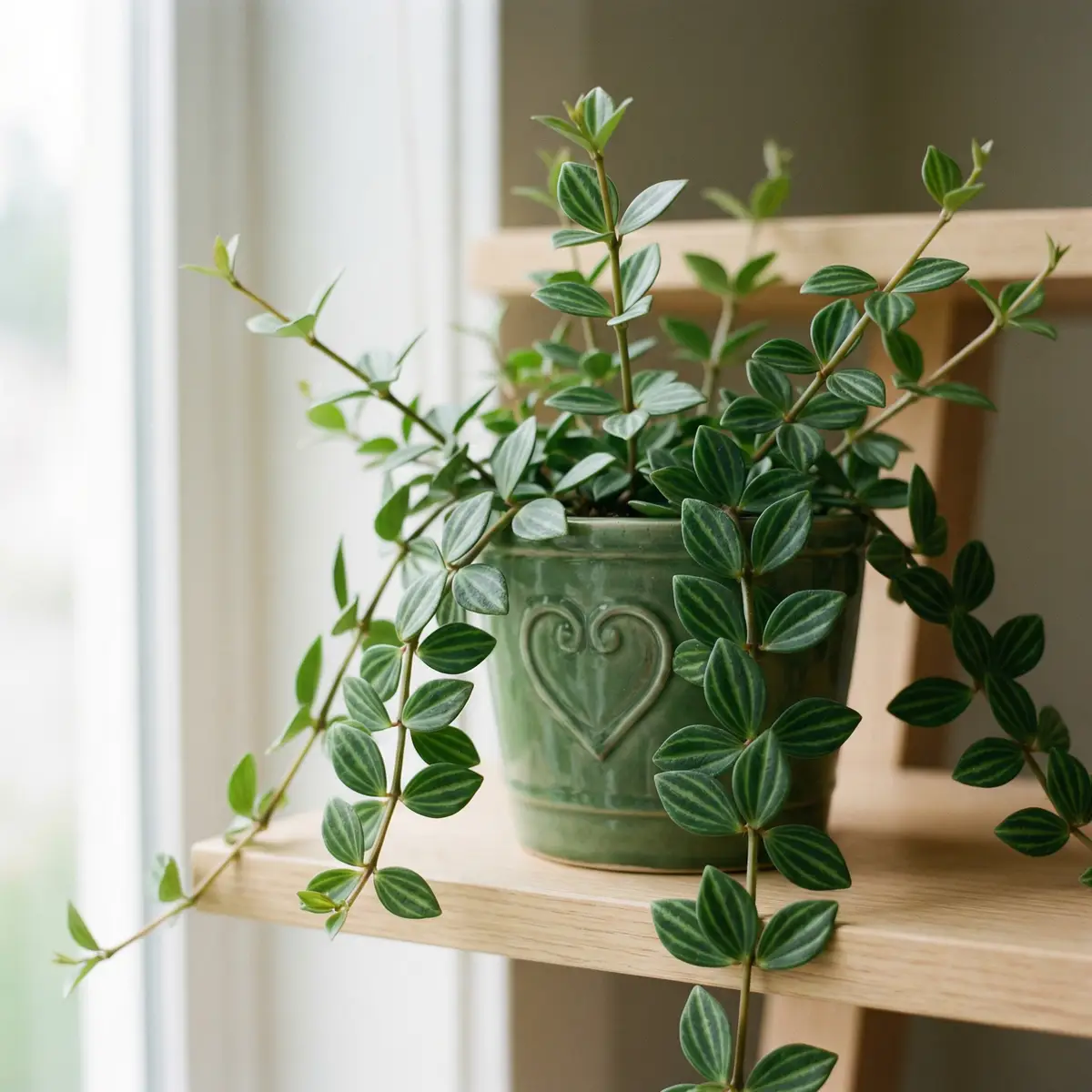
Complete Guide to Beetle Peperomia Care and Growth
Complete Guide to Peperomia Hope Care and Growth
Complete Guide to Parallel Peperomia Care and Growth
Complete Guide to Watermelon Peperomia Care and Growth
Complete Guide to Raindrop Peperomia Care and Growth
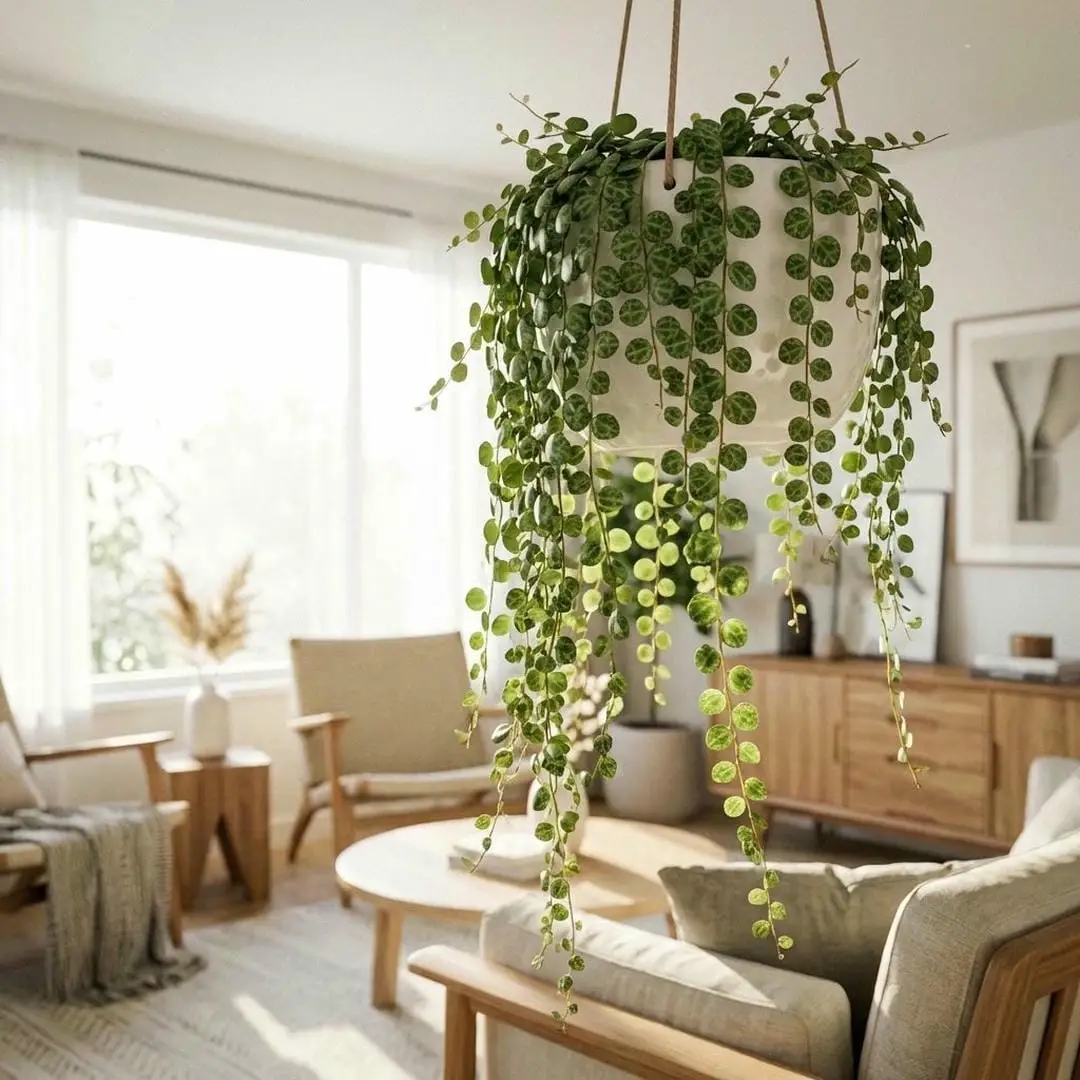
Complete Guide to String of Turtles Care (Peperomia prostrata)
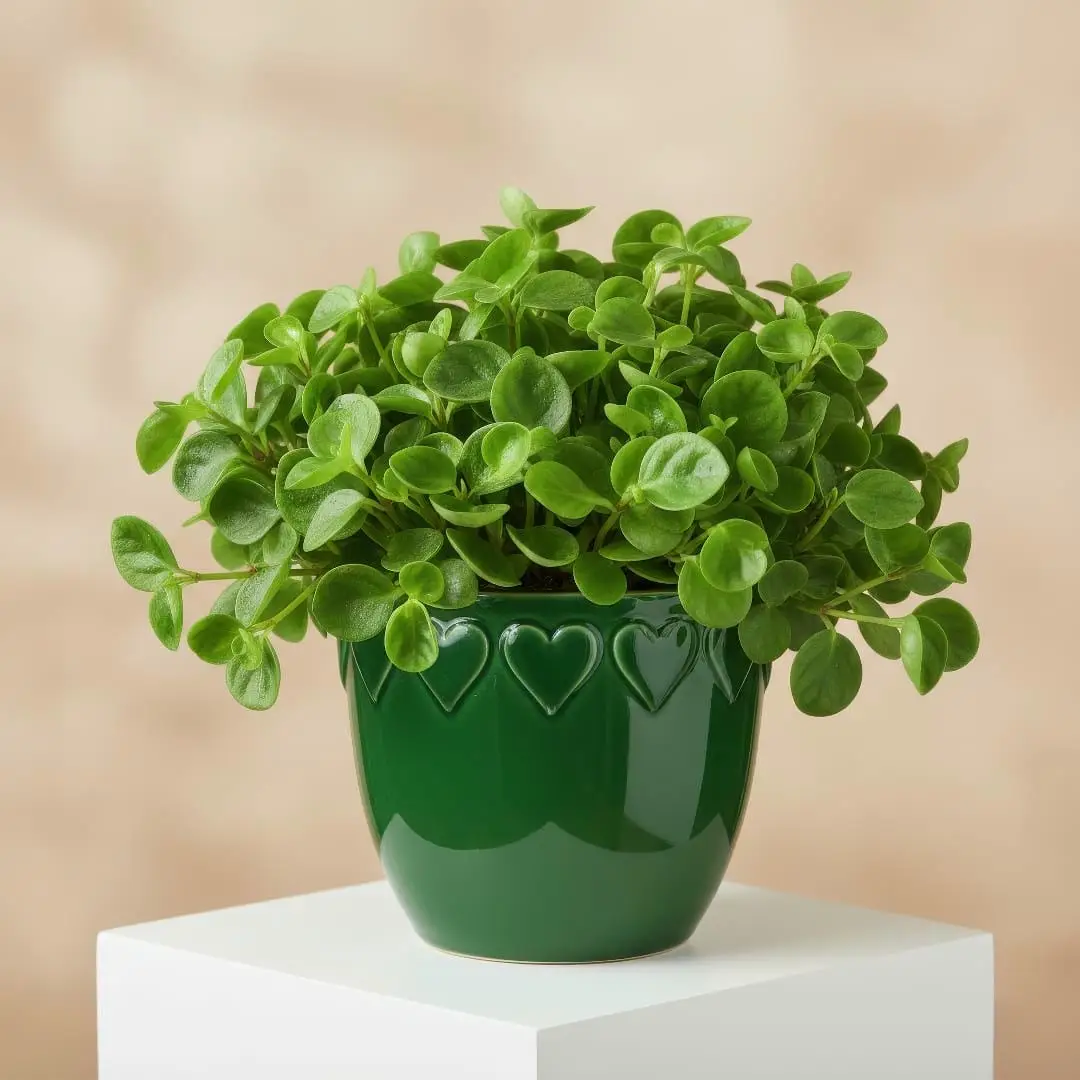
Complete Guide To Peperomia Orba Care and Growth
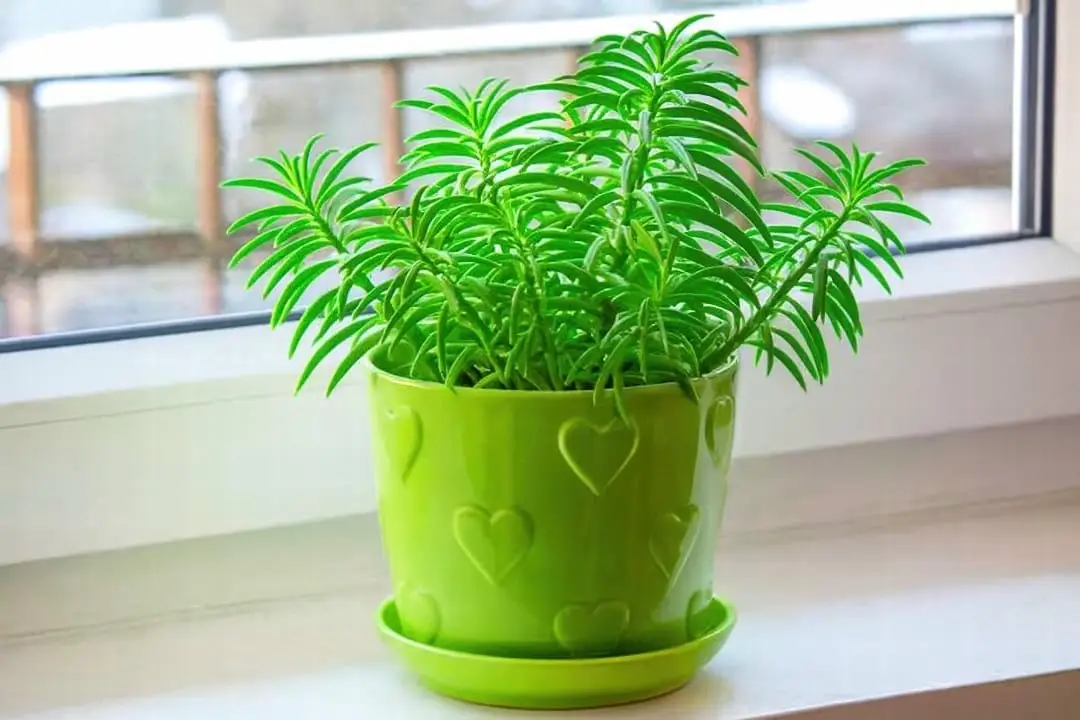
Complete Guide To Peperomia Green Bean Care and Growth
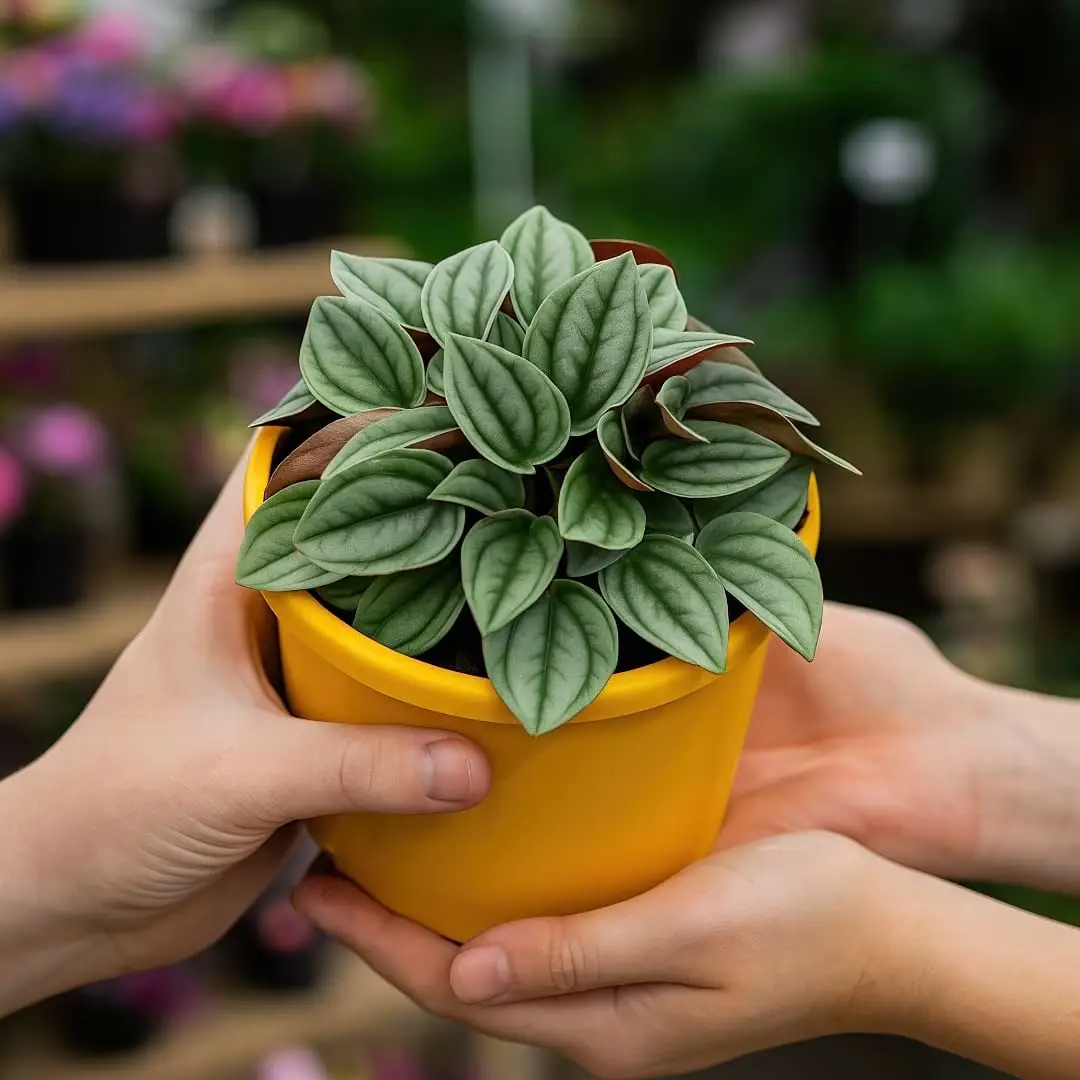
Complete Guide to Peperomia Napoli Nights Care and Growth
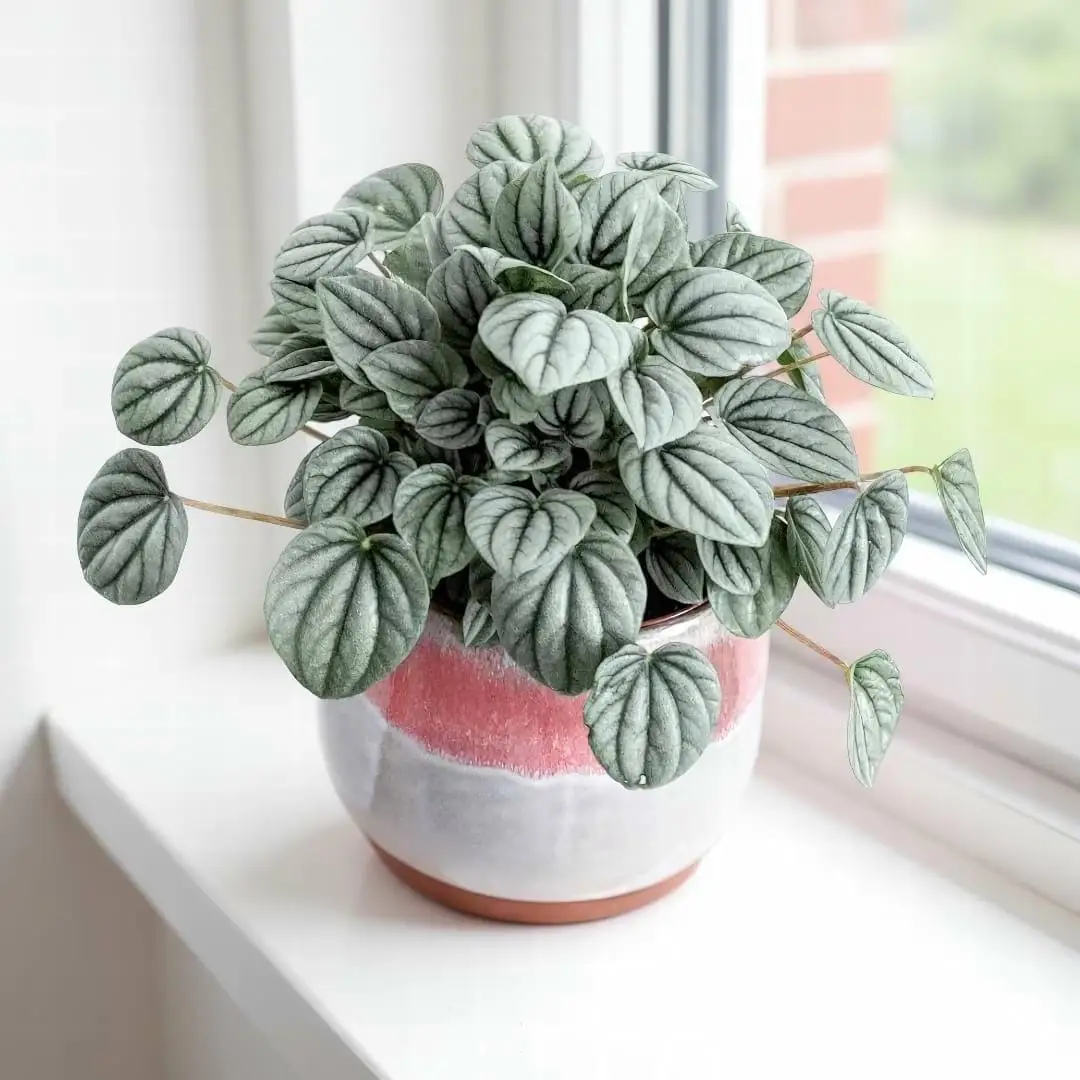
Complete Guide To Silver Ripple Peperomia Care and Growth

Complete Guide To Peperomia Rosso Care and Growth

Houseplant101 Forum
Questions & Comments
Ask a question, share your plant experience, or help other plant owners.
Comments are temporarily unavailable.
Open the Houseplant101 ForumNo comments yet
Be the first to ask a question or share your experience about this page.
Log in or create an account
Comments use your Houseplant101 Forum account, but you can stay on this page.
Create a new account