
Teardrop Peperomia
Peperomia Orba
Teardrop Plant, Pixie Lime Peperomia


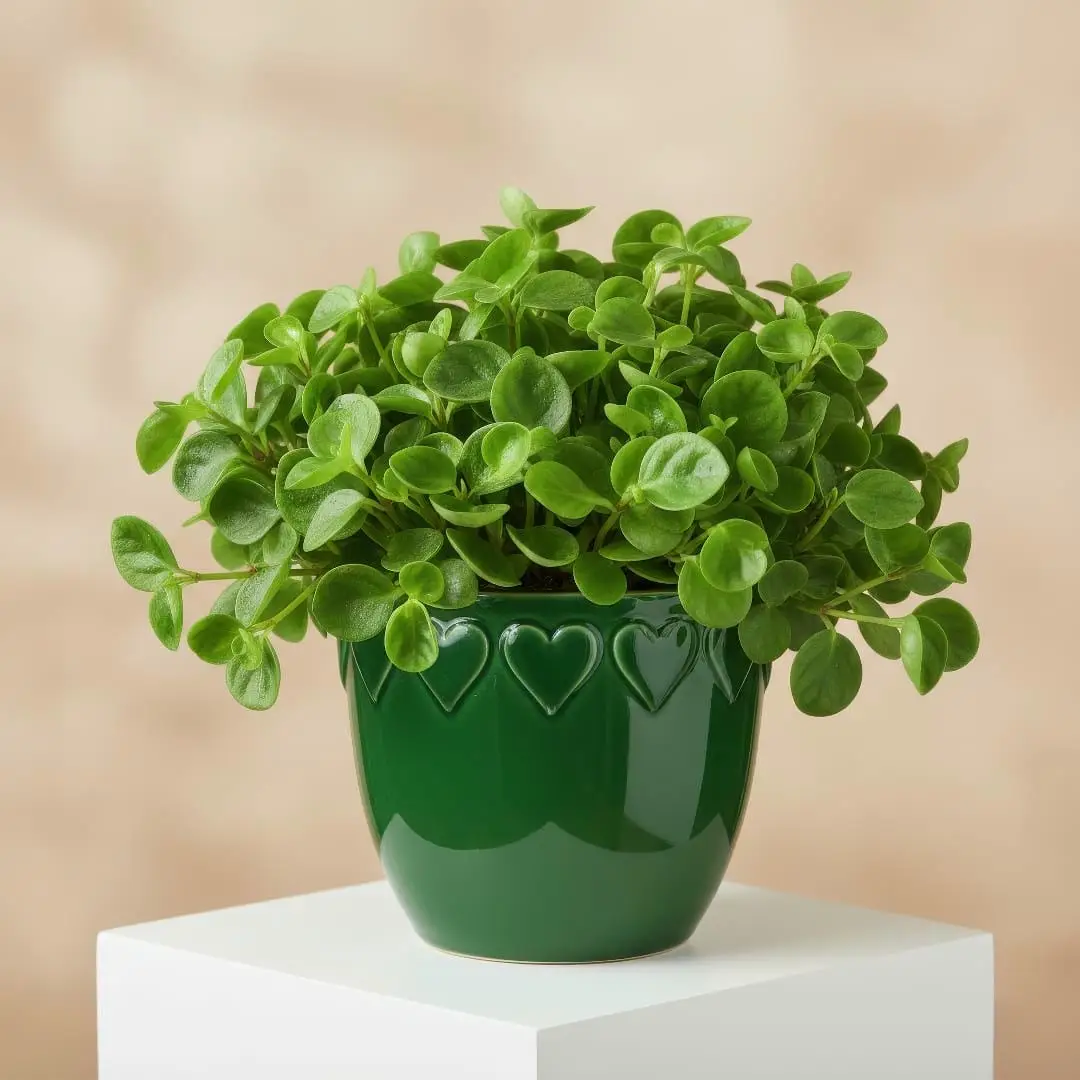
Peperomia Orba, often called the Teardrop Peperomia, is a charming and compact houseplant known for its thick, teardrop-shaped leaves. Its cheerful green foliage and easy-going nature make it a perfect choice for desktops, shelves, and small spaces, bringing a touch of understated style to any room.
📝 Teardrop Peperomia Care Notes
🌿 Care Instructions
⚠️ Common Pests
📊 Growth Information
🪴 In This Guide 🪴

☀️ Peperomia Orba Light Requirements (Best Indoor Lighting)
Optimal Light for Peperomia Orba (Bright, Indirect)
Getting the lighting right is the first step to a happy Peperomia Orba.
Ideal Lighting: This plant thrives in bright, indirect light. An east-facing window that provides gentle morning sun is perfect. It can also do very well a few feet back from a west or south-facing window, where the light is bright but not directly hitting the leaves.
Avoid Direct Sun: Harsh, direct sunlight will burn the leaves, causing them to scorch, fade, or develop crispy brown spots. Keep it out of the direct afternoon sun.
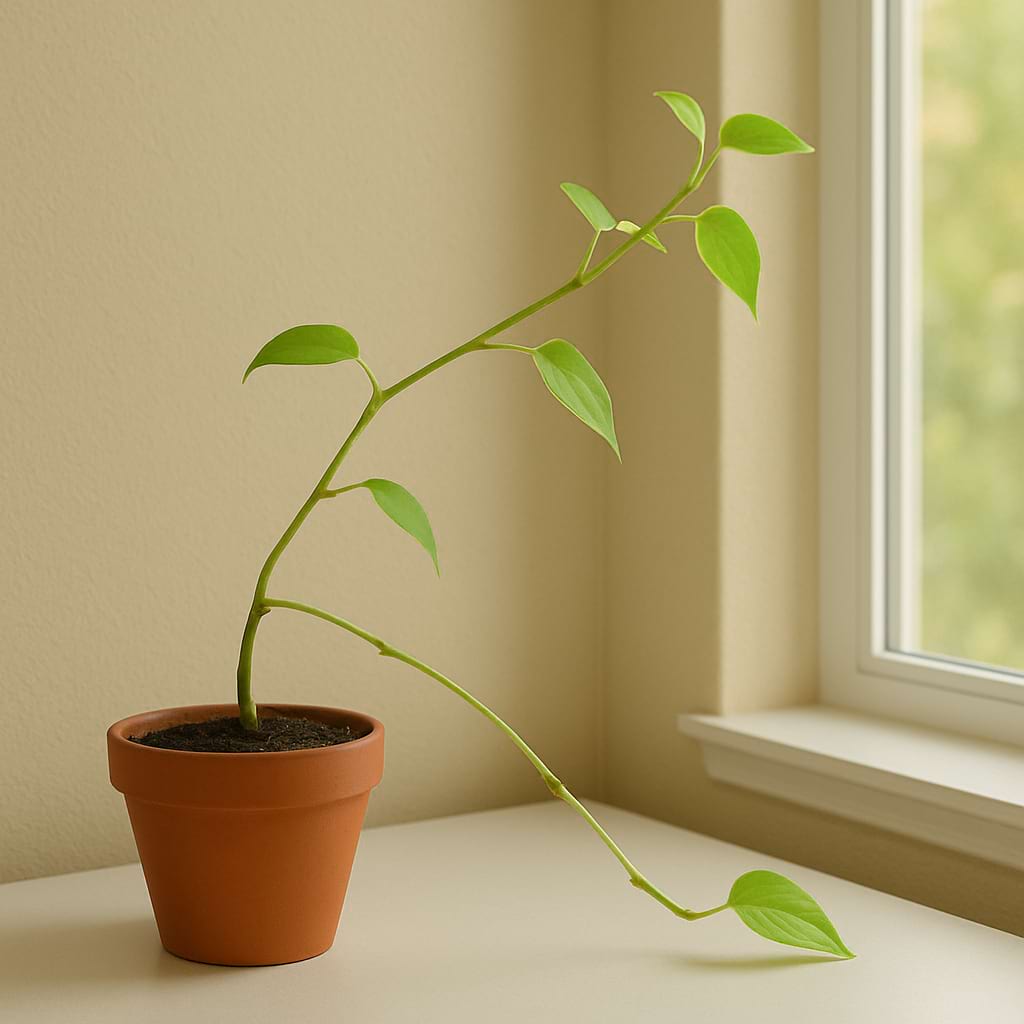
Low Light Tolerance: Peperomia Orba can handle lower light conditions, but it may become 'leggy' stretching towards the light with longer stems between the leaves. Variegated varieties might also lose some of their distinct coloring in lower light.

💧 Peperomia Orba Watering Guide (How Often to Water)
Watering Frequency for Peperomia Orba
Proper watering is the most important part of Peperomia Orba care. This plant hates having "wet feet."
Watering Frequency: The key is to let the soil dry out. Water thoroughly only when the top 2-3 inches of soil are completely dry. This could be every 1-2 weeks in the spring and summer, and less often (every 2-3 weeks) in the fall and winter when the plant's growth slows.
How to Water Your Peperomia Orba
Watering Method: When it's time to water, give the soil a good soak until water flows out of the pot's drainage holes. Let it drain completely and then discard any excess water from the saucer. This ensures the roots get a good drink without sitting in a puddle, which leads to root rot.
Signs of Overwatering vs. Underwatering
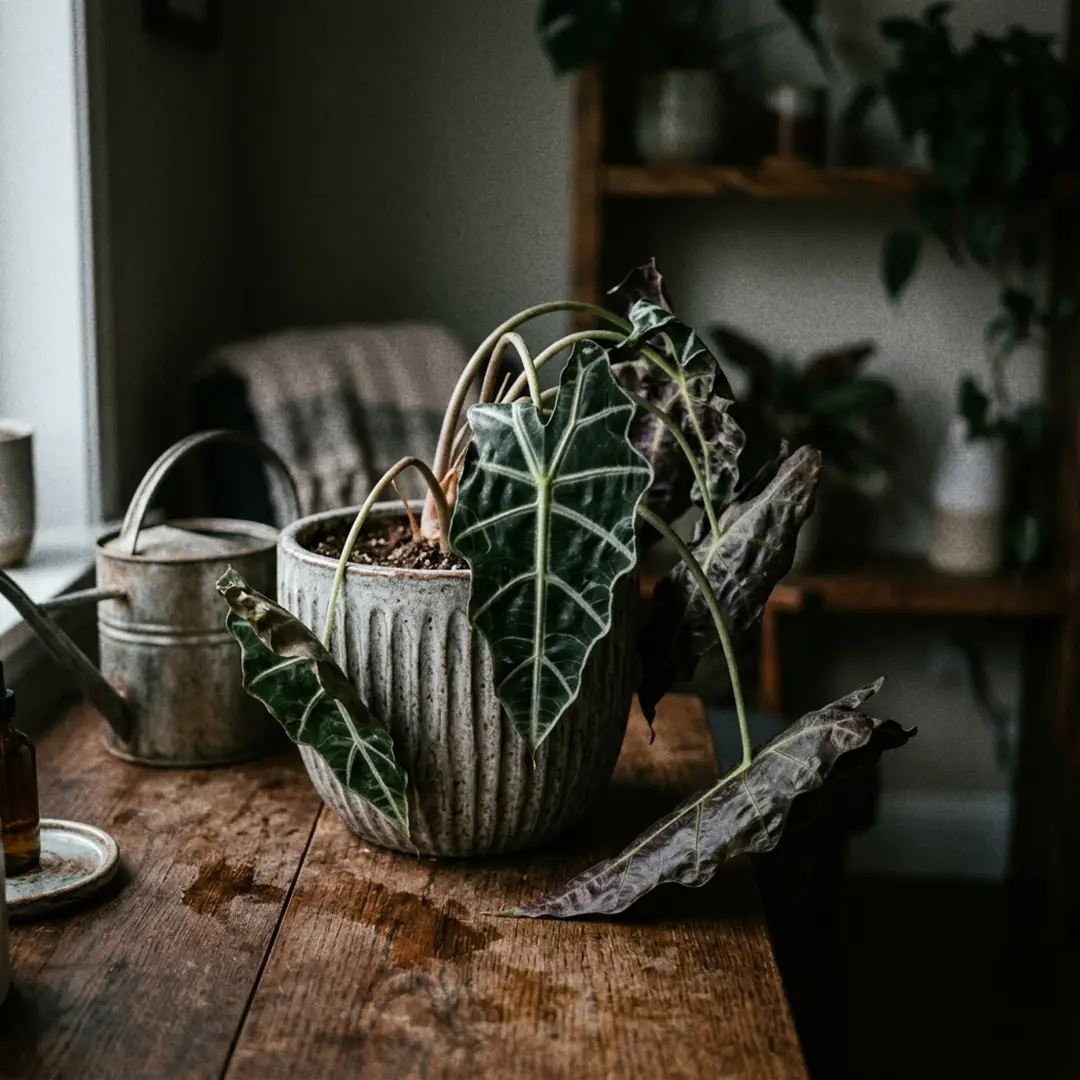
Know the Signs: Wilting leaves can be tricky, as they can signal both too much and too little water. Always check the soil first. If the soil is wet and the leaves are soft or yellowing, you're overwatering. If the soil is bone dry and the leaves are limp, it's thirsty.

🪴 Best Soil for Peperomia Orba (Potting Mix Guide)
Recommended Potting Mix for Peperomia Orba
The right soil mix for your Peperomia Orba is all about drainage and aeration.
Soil Composition: This plant's fine roots need air to breathe, so a light, chunky, well-draining potting mix is essential. A standard potting mix amended with perlite and orchid bark is a great choice. This creates a mix that retains some moisture but allows excess water to drain away quickly.
DIY Mix: You can easily create your own mix. A good recipe is one part peat moss (or coco coir), one part perlite, and one part orchid bark. This will provide the perfect balance of moisture retention and drainage.
Drainage is Essential for Peperomia Orba
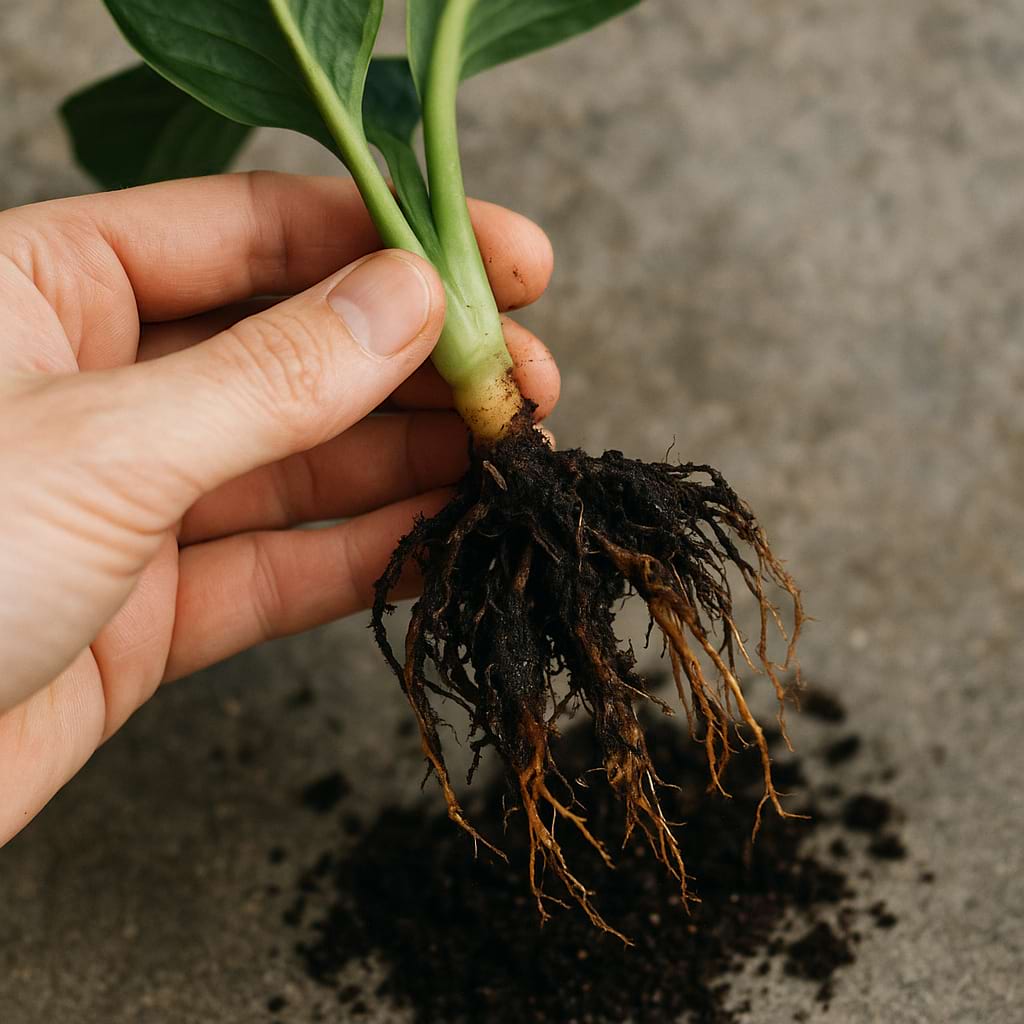
Don't Skip Drainage: A pot with drainage holes is a must-have. Without a way for excess water to escape, your plant will be highly susceptible to root rot, the most common issue for Peperomias.
🍼 Fertilizing Peperomia Orba (When and How to Feed)
Best Fertilizer for Your Peperomia Orba
Peperomia Orba is not a heavy feeder, but a little food during the growing season will support healthy foliage.
Fertilizer Type: A balanced liquid fertilizer designed for houseplants works perfectly. Look for one with a balanced N-P-K ratio (like 10-10-10).
How Often to Fertilize Your Peperomia Orba
Frequency: It's best to fertilize your plant once a month during the spring and summer. Hold off on fertilizing in the fall and winter when the plant is resting.
How to Apply Fertilizer Safely
Application: Always dilute the fertilizer to half the strength recommended on the label to avoid burning the delicate roots. Apply it to moist soil after watering, never to dry soil.
🌡️ Peperomia Orba Temperature Needs (Ideal Indoor Climate)
Ideal Temperature Range for Peperomia Orba
This plant is a true homebody and enjoys typical indoor temperatures.
Ideal Temperature Range: Peperomia Orba is most comfortable in temperatures between 65-75°F (18-24°C). It's happy in the same conditions you are.
Avoid Temperature Stress
Avoid Drafts and Extremes: Keep your plant away from cold drafts from windows or doors, as well as direct blasts from heaters or air conditioners. Sudden temperature fluctuations can stress the plant and cause leaf drop.

💦 Peperomia Orba Humidity Guide (Keeping Leaves Healthy)
Ideal Humidity for Peperomia Orba
Coming from a tropical environment, the Peperomia Orba appreciates a bit of moisture in the air.
Ideal Humidity Range: Average to high household humidity is great for this plant, ideally between 40-60%. While it can tolerate lower levels, providing adequate humidity will keep the foliage lush and prevent crispy edges.
How to Increase Humidity for Your Peperomia
Here are some easy ways to give your plant a humidity boost:
- Pebble Tray: Place the pot on a tray filled with pebbles and water. The evaporating water will increase moisture in the air around the plant.
- Humidifier: Using a small room humidifier is an easy and effective way to maintain consistent humidity.
- Grouping Plants: Cluster it with other plants that love humidity. Plants naturally release moisture through transpiration, creating a more humid micro-environment.
- Location: Placing it in a naturally more humid room like a kitchen or bathroom works well, as long as it gets enough light.
🏷️ Peperomia Orba Types and Varieties
While the classic Peperomia Orba is loved for its solid green leaves, there are a few beautiful variegated cultivars to look for:
- Peperomia Orba 'Pixie Lime': This popular variety features bright, lime-green leaves that bring a vibrant pop of color.
- Peperomia Orba 'Variegata': This type has lovely green leaves with creamy white or pale yellow edges, offering a softer, more contrasted look.
- Peperomia Orba 'Astrid': A charming variety with green leaves and a delicate silver-green, almost metallic sheen.
🪴 Potting and Repotting Peperomia Orba
Peperomia Orba has a small root system and prefers to be slightly root-bound, so it doesn't need frequent repotting.
When to Repot Your Peperomia Orba
Repotting Frequency: Plan to repot your plant every 2-3 years, or when you see roots growing out of the drainage holes. The best time to repot is in the spring.
How to Repot a Peperomia Orba (Step-by-Step)
Pot Selection: Choose a new pot that is only 1-2 inches larger in diameter than the current one. A pot that is too large will hold too much soil and moisture, increasing the risk of root rot.
Repotting Process:
- Gently remove the plant from its current pot.
- Carefully loosen the root ball and inspect the roots. Trim away any that are black, brown, or feel mushy.
- Add a layer of fresh, well-draining potting mix to the new pot.
- Place the plant in the center and fill in around the sides with more soil.
- Water lightly and place it back in its spot with bright, indirect light.
✂️ Pruning Peperomia Orba for a Fuller Plant
Pruning isn't strictly necessary, but it's a great way to shape your plant and encourage fuller, bushier growth.
Why and When to Prune Your Peperomia
- Encourage Bushiness: If your plant starts to look a little stretched or 'leggy,' trimming the stems will help.
- When to Prune: You can prune your Peperomia Orba any time of year, but light pruning is best done in the spring or summer.
How to Prune a Peperomia Orba
- Technique: Use clean, sharp scissors or your fingertips to pinch off the top set of leaves on a stem. This will encourage the plant to send out new shoots from the nodes below the cut, resulting in a more compact plant.
- Propagate Cuttings: Don't throw those cuttings away! They are perfect for propagating new plants.

🌱 How to Propagate Peperomia Orba (Stem Cuttings)
Propagating Peperomia Orba is easy and a fun way to create more plants to share or expand your collection. The best method is with stem cuttings.
Propagating Peperomia Orba in Water
- Take a healthy stem cutting that is 2-4 inches long and has at least 2-3 leaves.
- Remove the leaves from the bottom half of the stem.
- Place the cutting in a jar of water, making sure the nodes on the bare part of the stem are submerged.
- Put the jar in a spot with bright, indirect light.
- Change the water every few days. Roots should start to appear in a few weeks.
- Once the roots are about an inch long, you can plant the cutting in soil.
Propagating Peperomia Orba in Soil
- Take a stem cutting as described above.
- (Optional) Dip the cut end in rooting hormone.
- Plant the cutting directly into a small pot with a moist, well-draining soil mix.
- Place the pot in bright, indirect light and keep the soil lightly moist.
- You can cover the pot with a plastic bag to create a humid environment, which helps speed up rooting.
- After a few weeks, new growth will indicate that the cutting has successfully rooted.
🐛 Peperomia Orba Pests and How to Treat Them
Common Pests Affecting Peperomia Orba
Peperomia Orba is fairly pest-resistant, but it can occasionally attract a few common indoor pests.
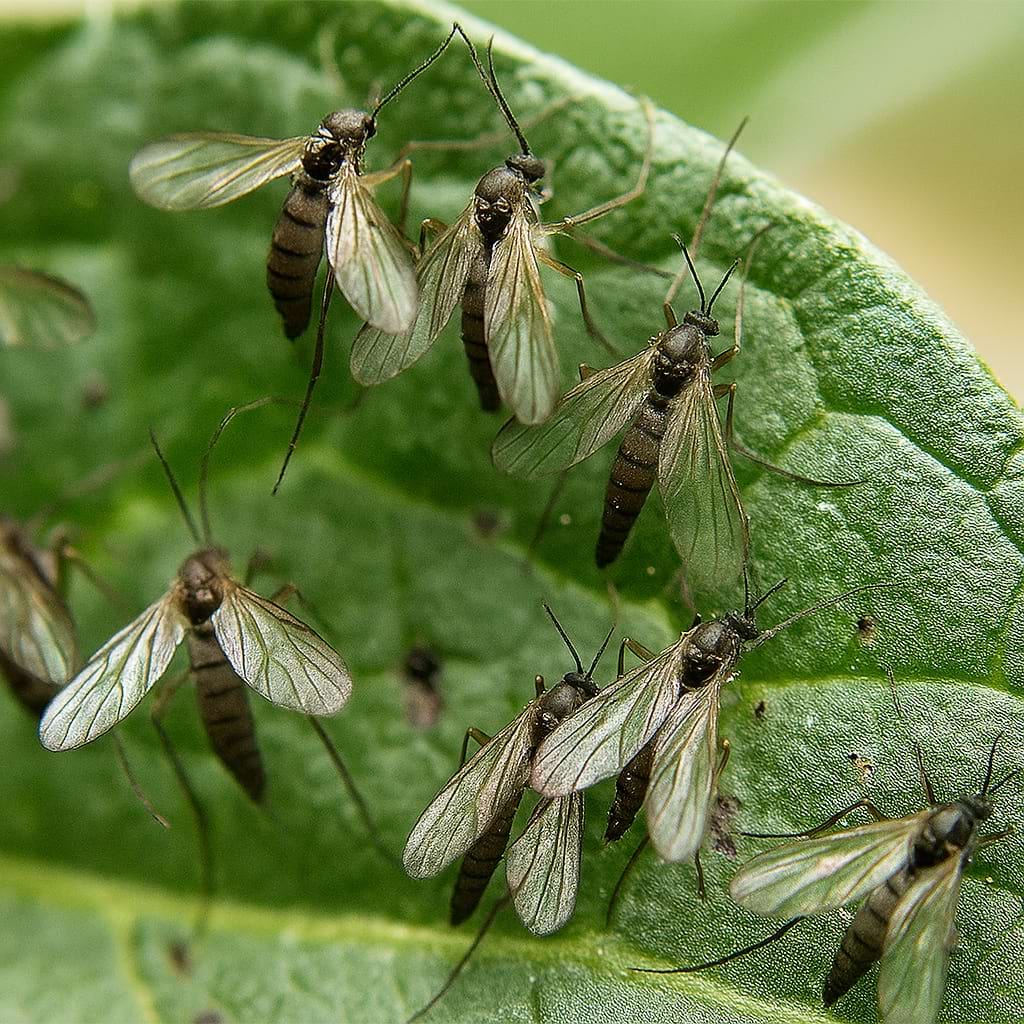
- Fungus Gnats: These tiny, flying insects are attracted to consistently moist soil. They are more of a nuisance than a danger, but their larvae can damage roots.
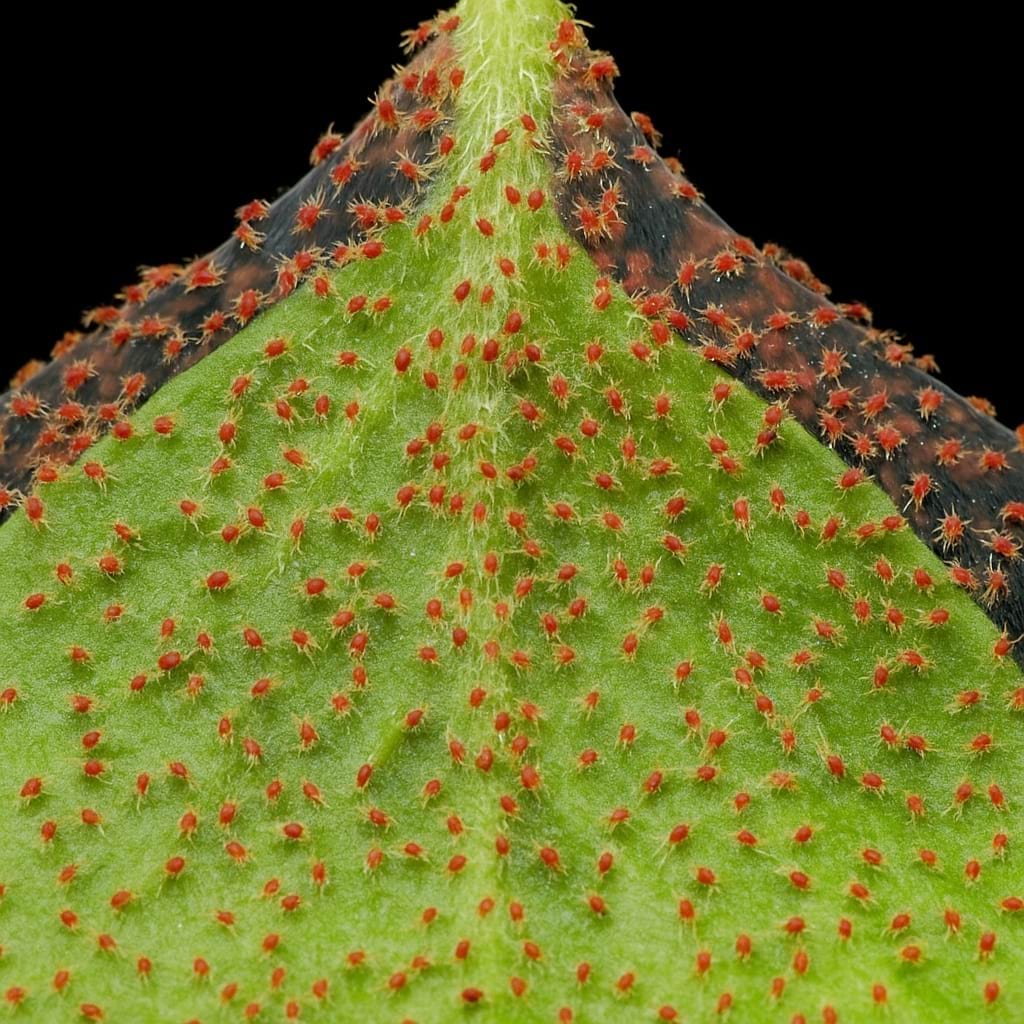
- Spider Mites: Look for fine webbing on the plant, especially on the undersides of leaves. They thrive in dry conditions.
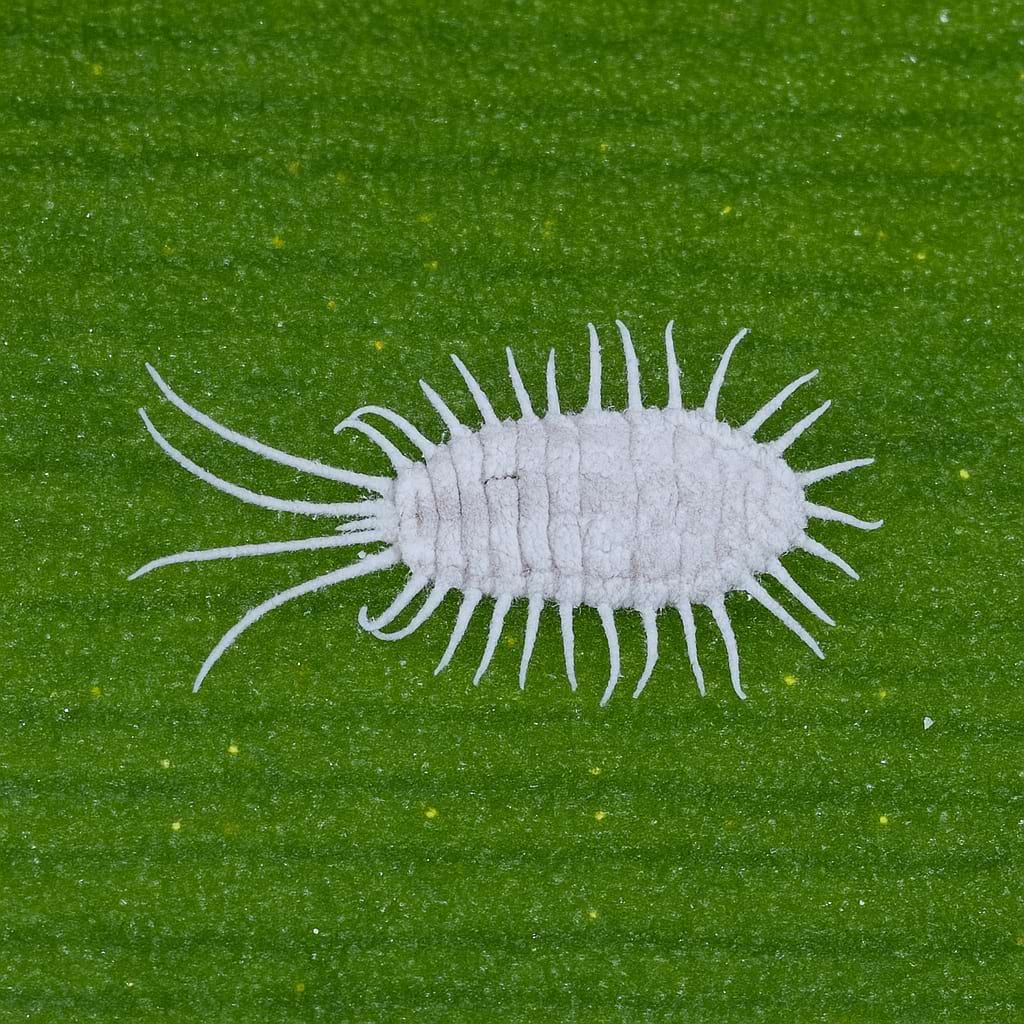
- Mealybugs: These pests appear as small, white, cotton-like masses on stems and in the crevices where leaves attach.
Pest Treatment for Your Peperomia
If you notice pests, isolate your plant immediately. Allow the soil to dry out to deter fungus gnats. For mealybugs and spider mites, wipe them off with a cotton swab dipped in rubbing alcohol, or treat the plant with insecticidal soap or neem oil.
🩺 Troubleshooting Common Peperomia Orba Problems
Your Peperomia Orba will usually tell you what it needs through its leaves.
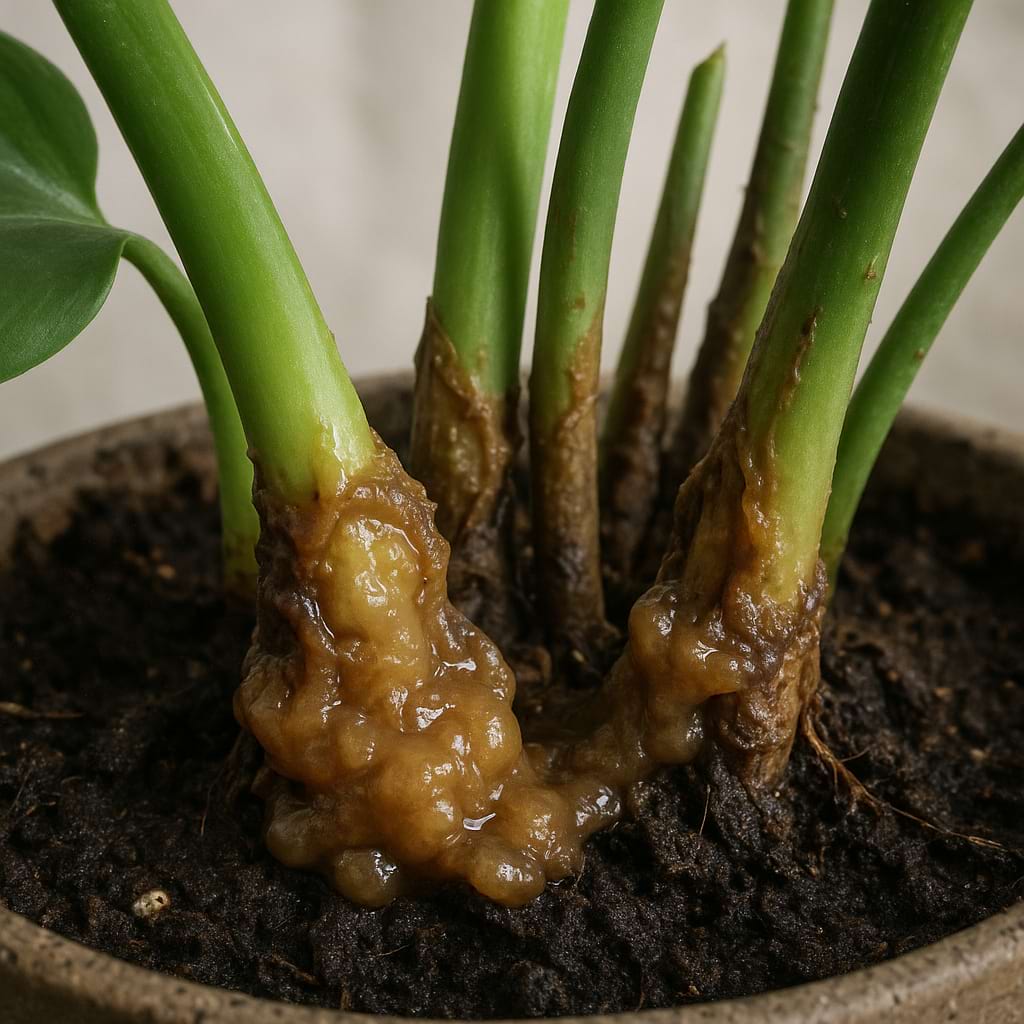
- Mushy Stems or Yellowing Leaves: This is the number one sign of overwatering. The soil is too wet, and the roots are suffocating. Let the soil dry out completely and reduce your watering frequency.
- Wilting or Drooping: Can be caused by both overwatering and underwatering. Check the soil. If it's soggy, you have a root rot problem. If it's bone dry, the plant is very thirsty.
- Leggy Growth: Long stems with lots of space between the leaves mean the plant needs more light. Move it to a brighter location with indirect sun.
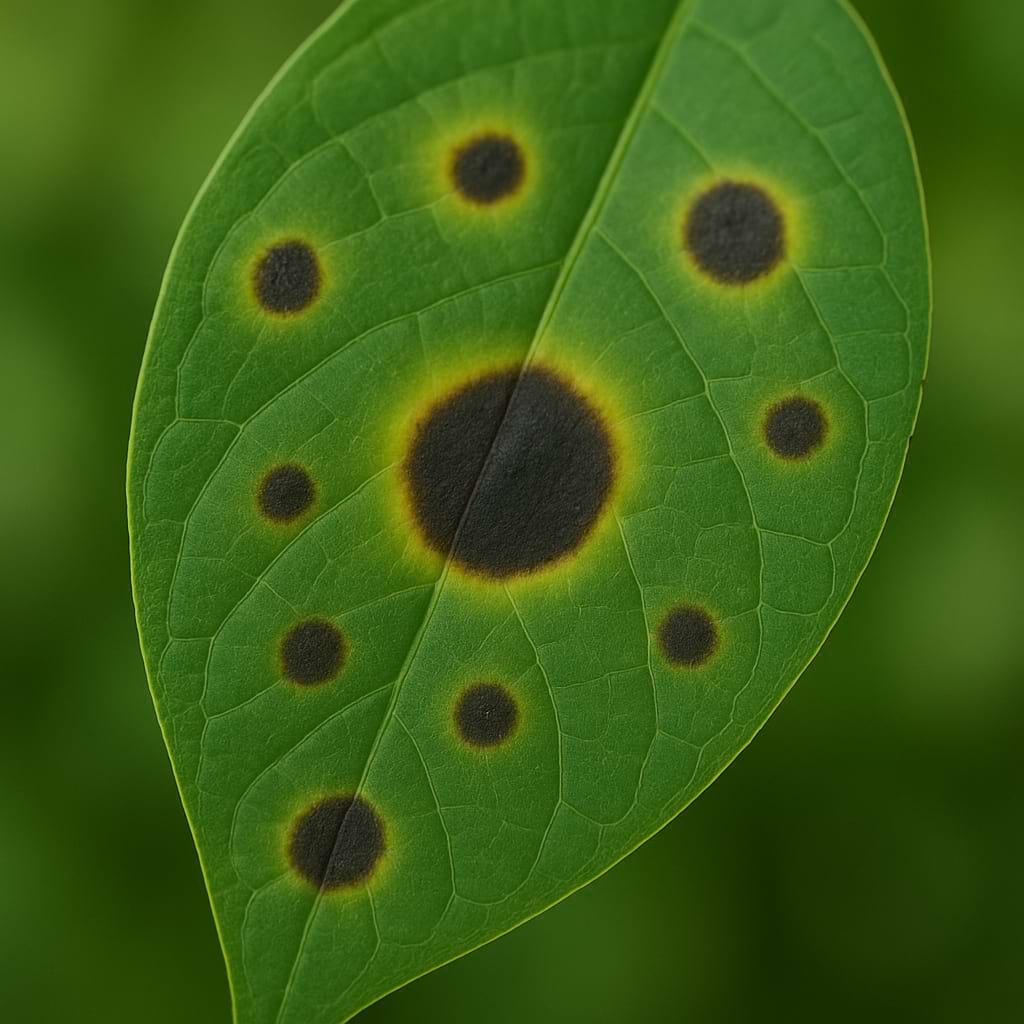
- Brown or Black Spots: Dark spots on the leaves can sometimes indicate a fungal issue, often from water sitting on the foliage. Try to water the soil directly and avoid wetting the leaves.

🖼️ Peperomia Orba Display and Styling Ideas

Thanks to its compact size and neat appearance, the Peperomia Orba is incredibly easy to style.
- Desk Plant: It's the perfect size for a desk or workspace, adding a splash of green without taking up too much room.
- Shelf Decor: Place it on a bookshelf, nightstand, or floating shelf where its lovely teardrop leaves can be appreciated up close.
- Group Planting: Create a beautiful arrangement by grouping it with other small plants that have similar care needs, like Raindrop Peperomia, Baby Rubber Plant, other Peperomias, or Pilea.
- Terrarium Star: Its love for humidity and small stature make it an excellent candidate for a closed terrarium.
- Small, Decorative Pots: Showcase its simplicity by planting it in a unique, stylish pot that complements your decor.
🌟 Peperomia Orba Care Tips (Expert Advice)
💧 When in doubt, don't water. It's much easier to save an underwatered Peperomia than an overwatered one.
🪴 Let it be snug. These plants have small root systems and do well when slightly root-bound, so don't be too quick to repot.
✂️ Pinch it back. Regularly pinching the tips of the stems will reward you with a much fuller and more attractive plant.
🔄 Give it a turn. Rotate your plant every week or so to ensure all sides get even light exposure, preventing it from leaning.
aerate the soil. Before watering, gently poke the soil with a chopstick. This helps break up any compacted soil and allows air and water to reach the roots more effectively.
❓ Frequently Asked Questions
Why are the leaves of my Peperomia Orba falling off?
Leaf drop can be caused by sudden temperature changes, drafts, or improper watering. Ensure the plant is in a stable environment and check your watering routine both over and underwatering can cause stress.
Is Peperomia Orba a succulent?
It's considered a semi-succulent. Its leaves are thick and fleshy, allowing it to store water, but its care is a bit more aligned with tropical houseplants than true desert succulents. It appreciates more humidity than a typical succulent.
How do I make my Peperomia Orba look fuller?
To encourage a bushier plant, simply pinch back the tips of the longest stems. This will prompt the plant to branch out from the nodes just below your pinch point, creating a denser shape.
Are Peperomia Orba plants safe for cats and dogs?
Yes, Peperomia Orba is non-toxic to cats, dogs, and humans, making it a great choice for households with curious pets or children.
What are the skinny, tail-like things growing from my Peperomia?
Those are its flowers! Peperomia plants are known for their unique, slender flower spikes that look a bit like rat tails. They are a sign the plant is mature, though they are not particularly showy.
Why are my Peperomia Orba's leaves soft and mushy?
Mushy leaves and stems are a classic sign of overwatering and potential root rot. Allow the soil to dry out significantly before watering again, and ensure your pot has excellent drainage.
My Peperomia seems to be growing really slowly. Is that normal?
Yes, Peperomia Orba is a relatively slow-growing plant, especially compared to vining plants. As long as it looks healthy, slow and steady growth is perfectly normal for this compact plant.
ℹ️ Teardrop Peperomia Info
Care and Maintenance
🪴 Soil Type and pH: Well-draining mix (potting soil with perlite and orchid bark).
💧 Humidity and Misting: Average to high, 40-60%
✂️ Pruning: Pinch back leggy stems to encourage a bushier shape.
🧼 Cleaning: Gently wipe leaves with a damp cloth to remove dust.
🌱 Repotting: Every 2-3 years or when root-bound; they prefer being slightly snug.
🔄 Repotting Frequency: Every 2-3 years
❄️ Seasonal Changes in Care: Water less in fall and winter; stop fertilizing.
Growing Characteristics
💥 Growth Speed: Slow to moderate
🔄 Life Cycle: Perennial
💥 Bloom Time: Rarely flowers indoors, produces slender, greenish spikes.
🌡️ Hardiness Zones: 10-11 (outdoors)
🗺️ Native Area: Central and South America
🚘 Hibernation: No (growth slows in winter)
Propagation and Health
📍 Suitable Locations: Desktops, shelves, windowsills, terrariums
🪴 Propagation Methods: Simple via stem cuttings in water or soil.
🐛 Common Pests: Spider Mites, Mealybugs, Fungus Gnats
🦠 Possible Diseases: Root rot, leaf spot
Plant Details
🌿 Plant Type: Evergreen Perennial
🍃 Foliage Type: Evergreen
🎨 Color of Leaves: Green, lime green, variegated with cream or yellow
🌸 Flower Color: Greenish-white spikes
🌼 Blooming: Produces unremarkable 'rat-tail' flower spikes.
🍽️ Edibility: Not edible, but non-toxic.
📏 Mature Size: Up to 6-8 inches
Additional Info
🌻 General Benefits: Compact size is great for small spaces, non-toxic to pets.
💊 Medical Properties: None
🧿 Feng Shui: Brings a soft, gentle energy to a space.
⭐ Zodiac Sign Compatibility: Taurus
🌈 Symbolism or Folklore: Good luck, friendship.
📝 Interesting Facts: Peperomia Orba has semi-succulent leaves that store water, which is why it's so sensitive to overwatering. Its name 'Orba' means 'orphan' in Greek, though the reason for this name is unclear.
Buying and Usage
🛒 What to Look for When Buying: Look for a plant with firm, vibrant leaves. Avoid any plants with soft, mushy stems or yellowing leaves, which can be signs of overwatering.
🪴 Other Uses: Excellent for use in terrariums due to its compact size and humidity tolerance.
Decoration and Styling
🖼️ Display Ideas: Perfect as a desk companion, on a nightstand, grouped with other small plants on a tray, or in a decorative pot on a bookshelf.
🧵 Styling Tips: Its bright green leaves pair well with neutral-colored pots. For a fun look, try pairing it with its relatives like the Peperomia 'Rosso', Raindrop Peperomia, or Baby Rubber Plant.
🪴 See also 🪴
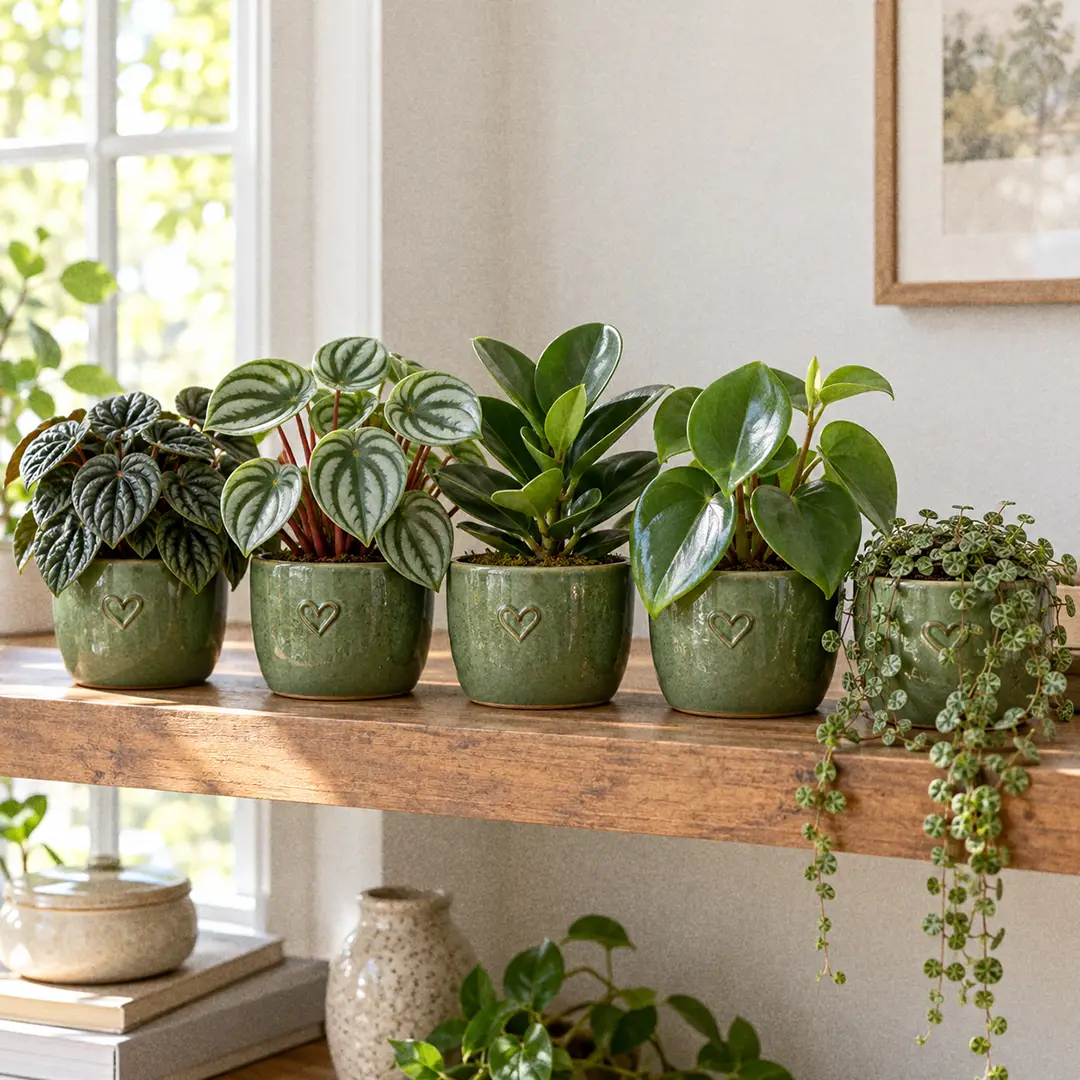
Peperomia Plant Care Indoors: Full Guide and 14 Types We Grow
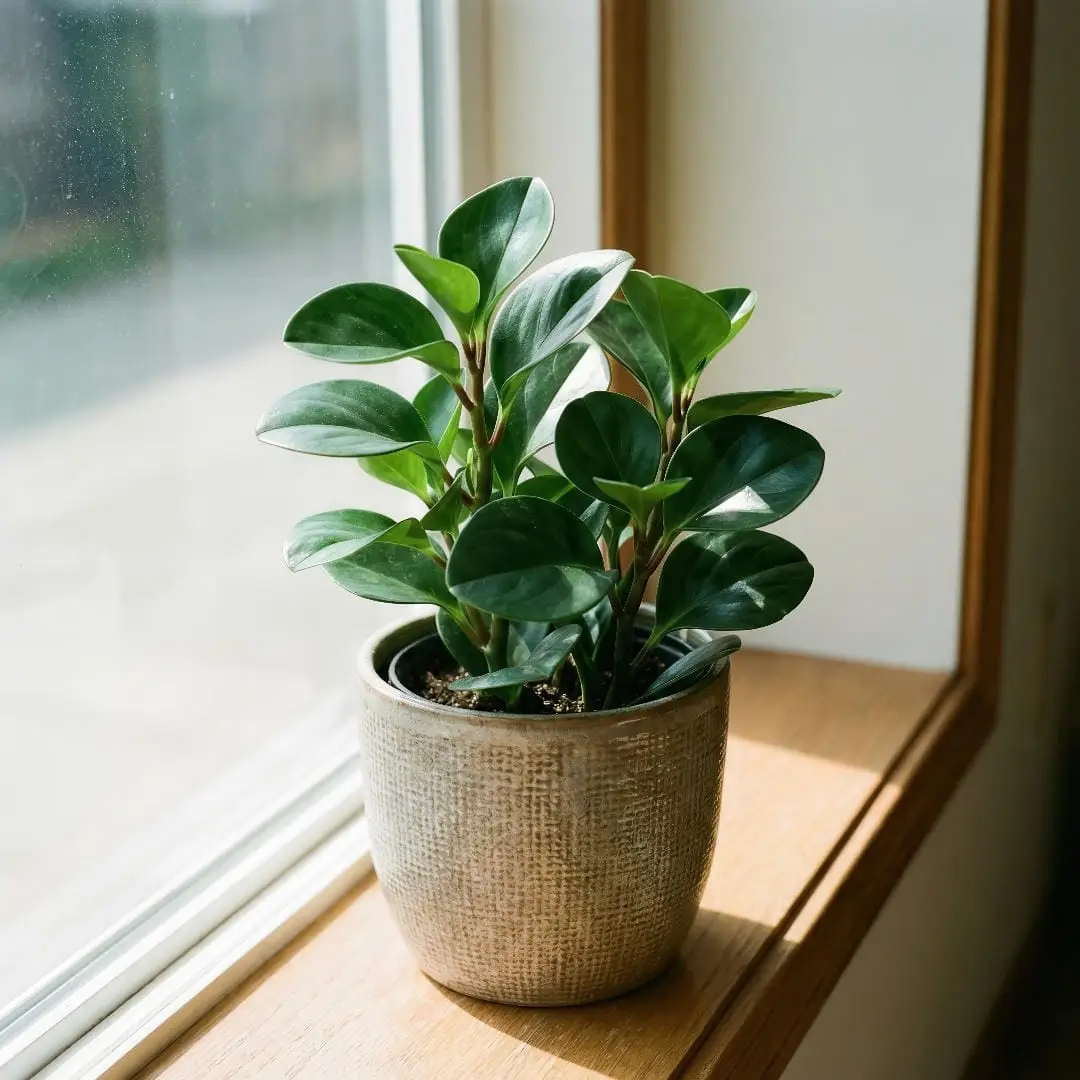
Complete Guide to Baby Rubber Plant Care and Growth
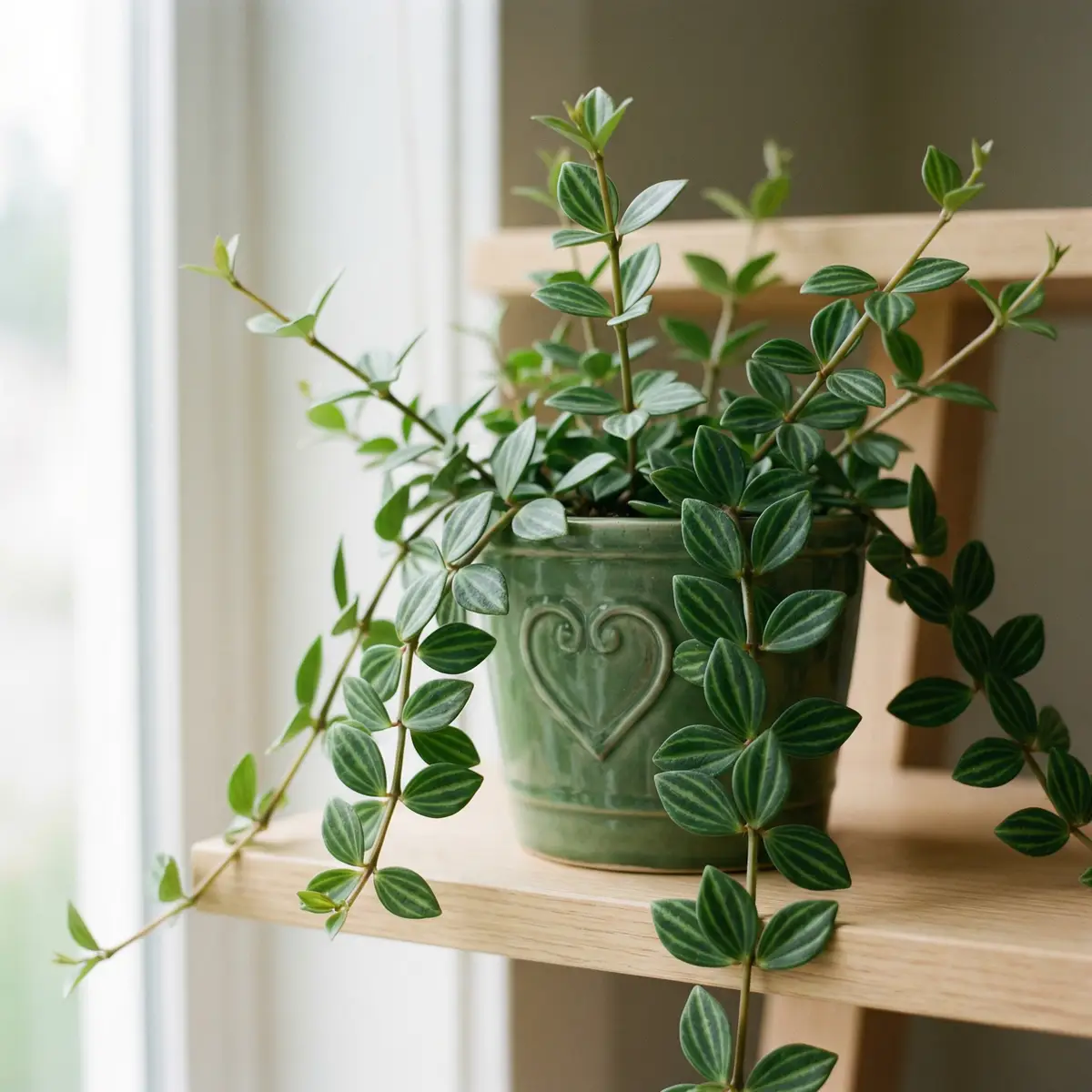
Complete Guide to Beetle Peperomia Care and Growth
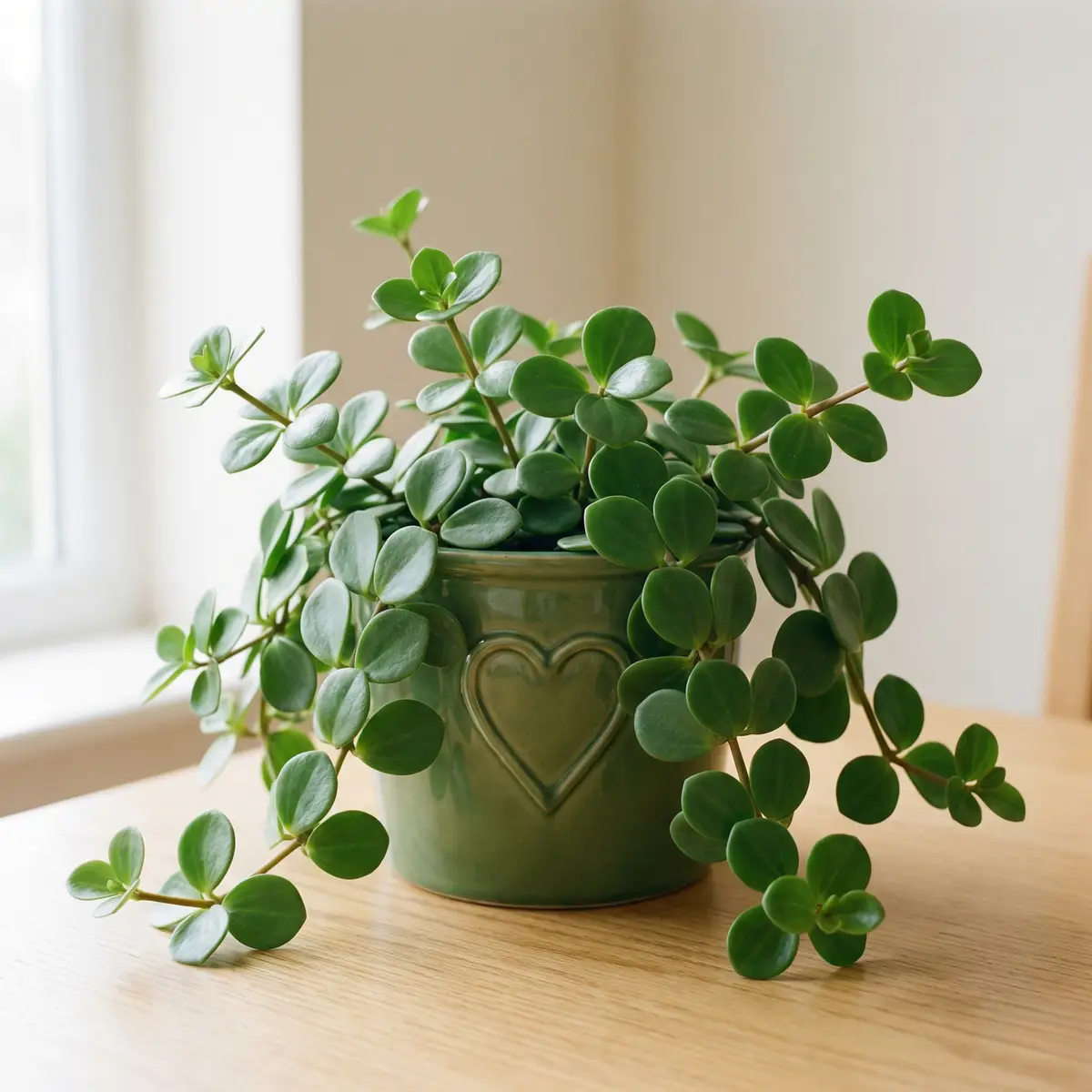
Complete Guide to Peperomia Hope Care and Growth
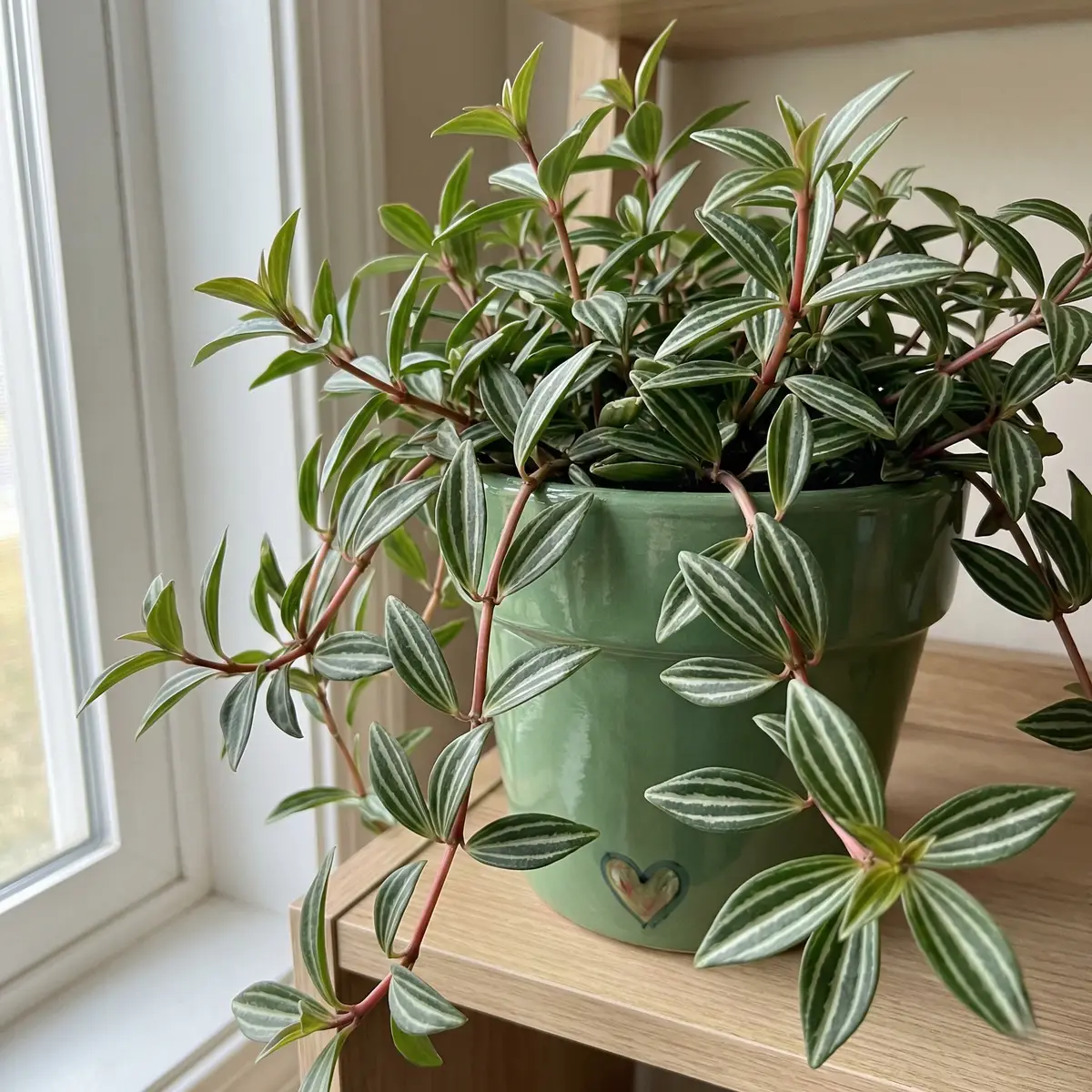
Complete Guide to Parallel Peperomia Care and Growth
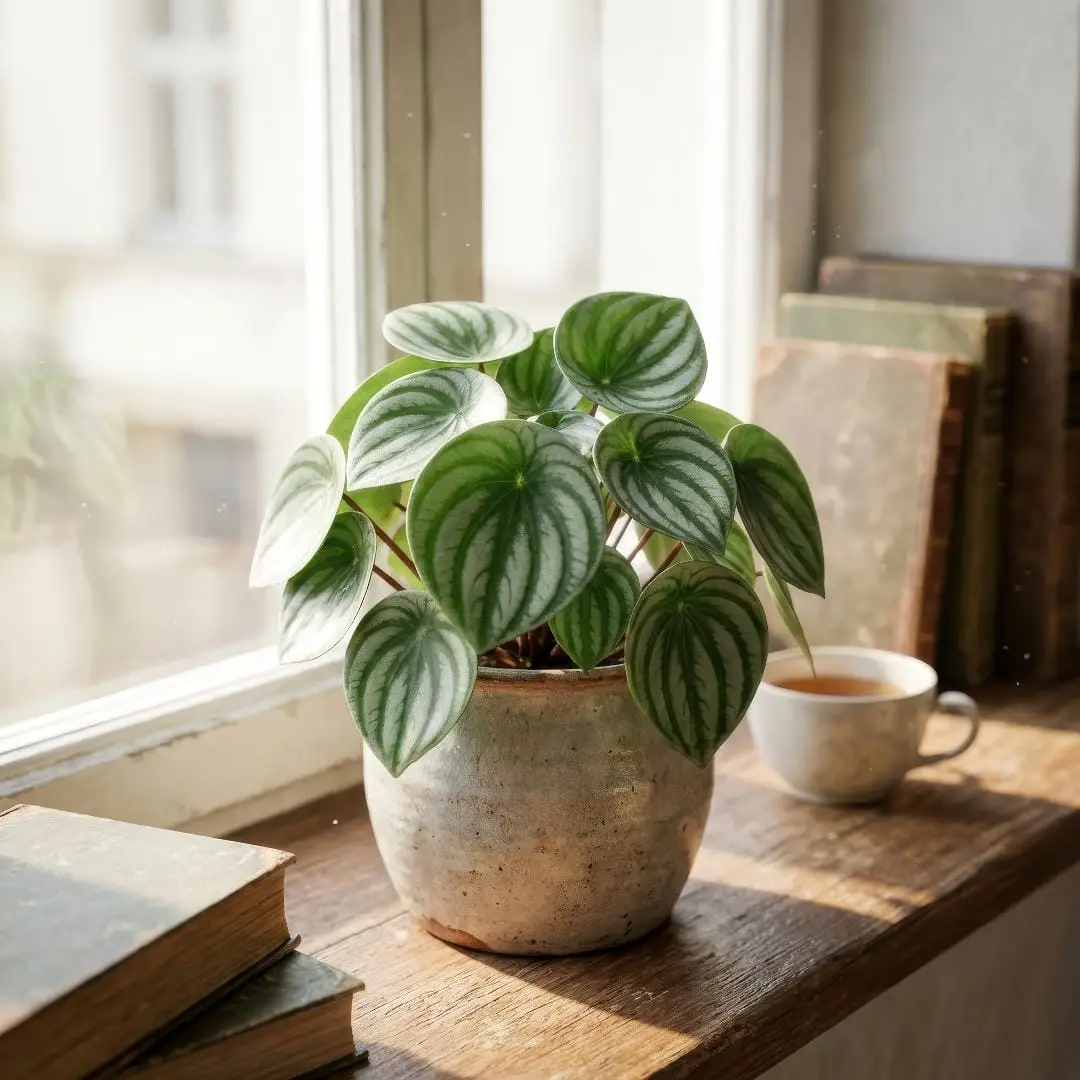
Complete Guide to Watermelon Peperomia Care and Growth
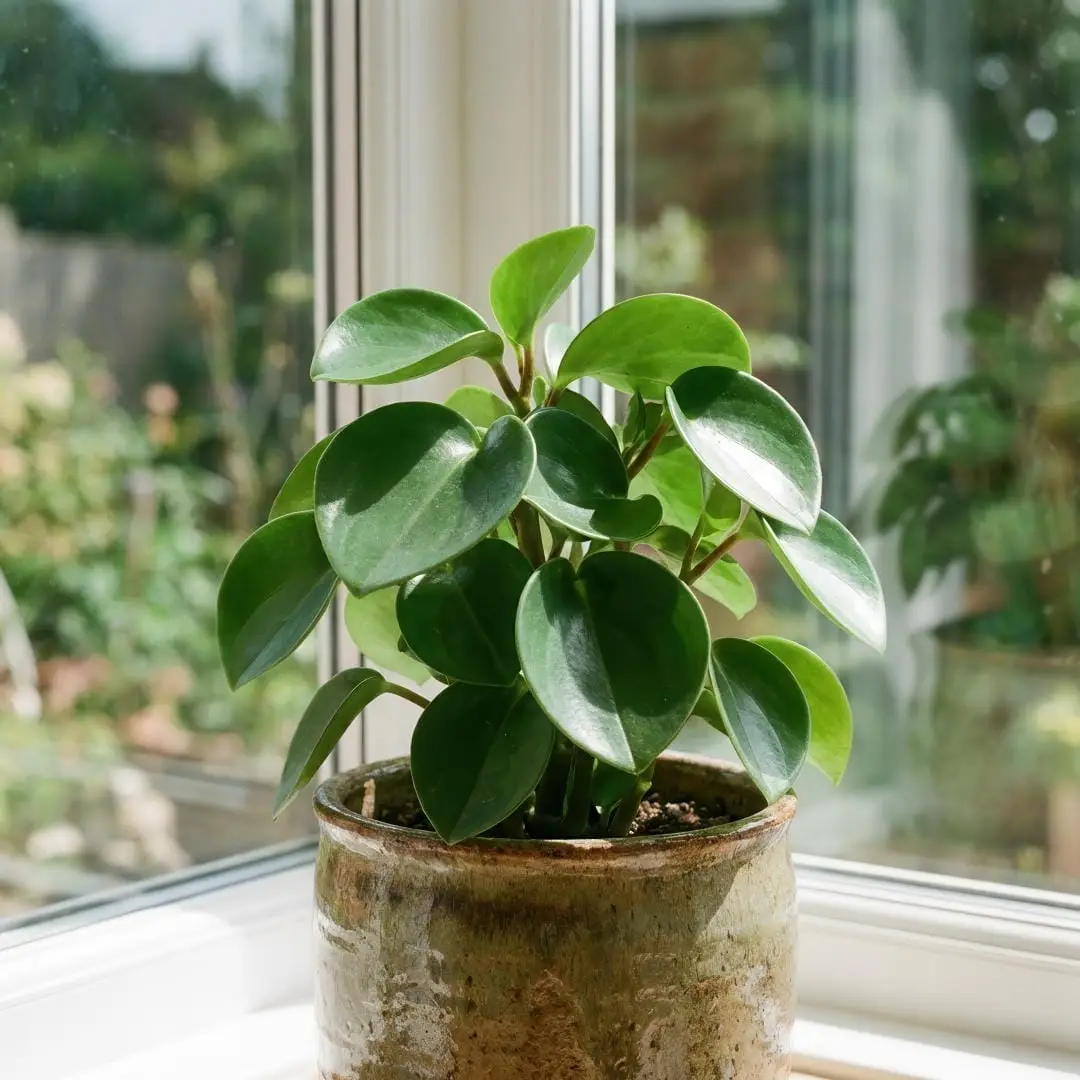
Complete Guide to Raindrop Peperomia Care and Growth
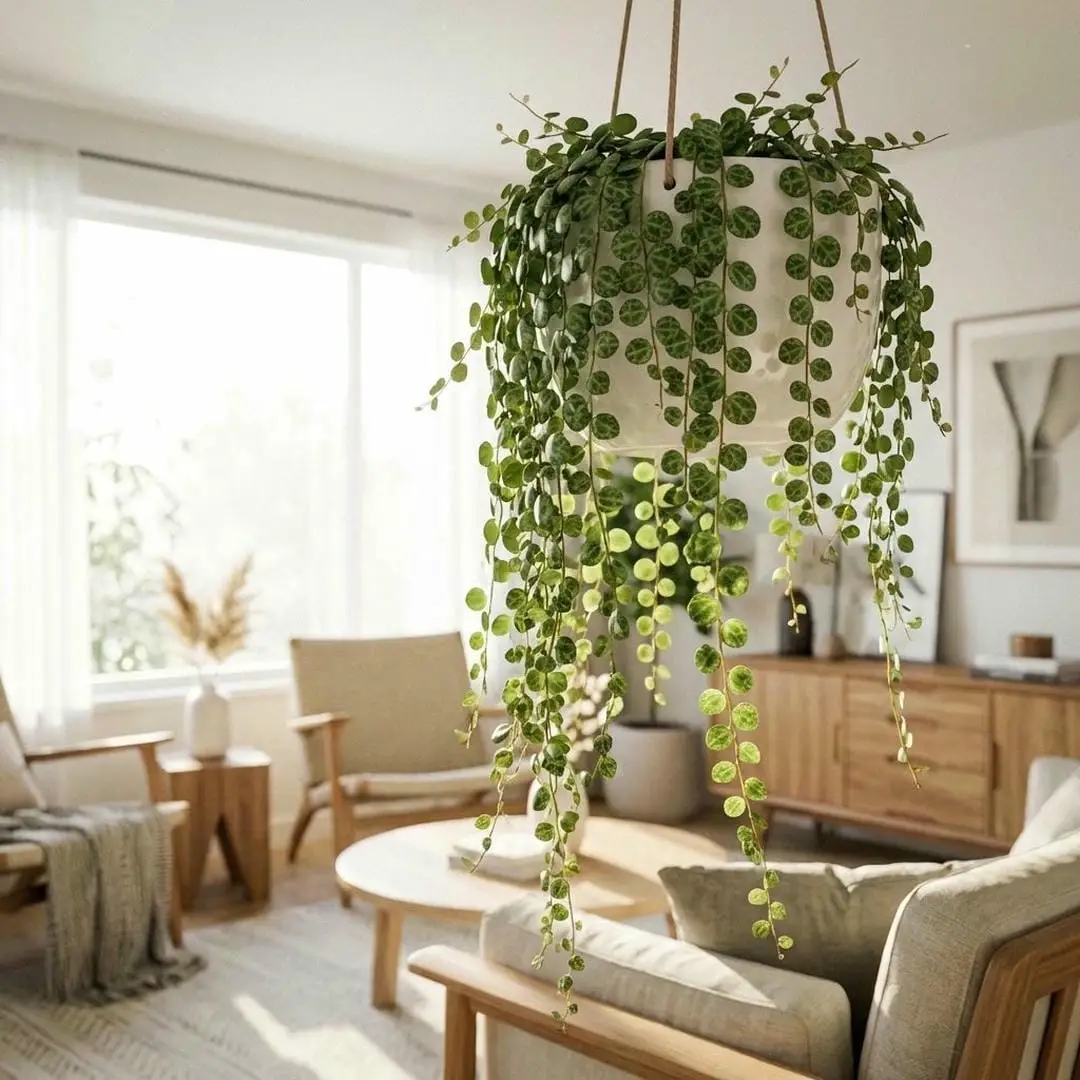
Complete Guide to String of Turtles Care (Peperomia prostrata)
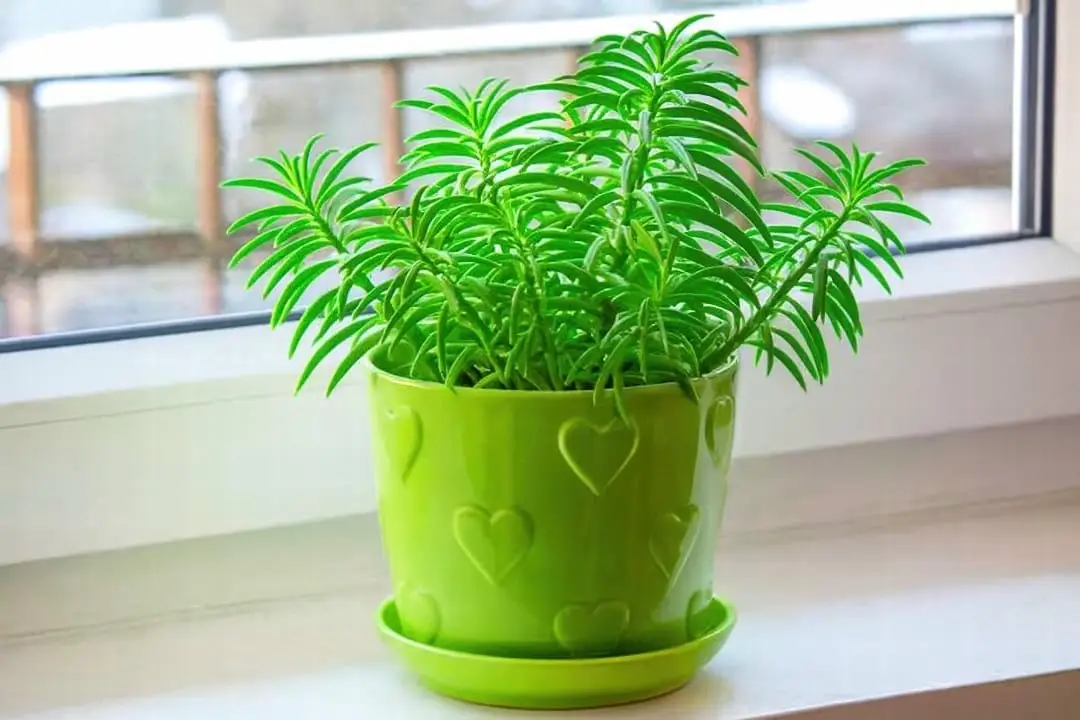
Complete Guide To Peperomia Green Bean Care and Growth
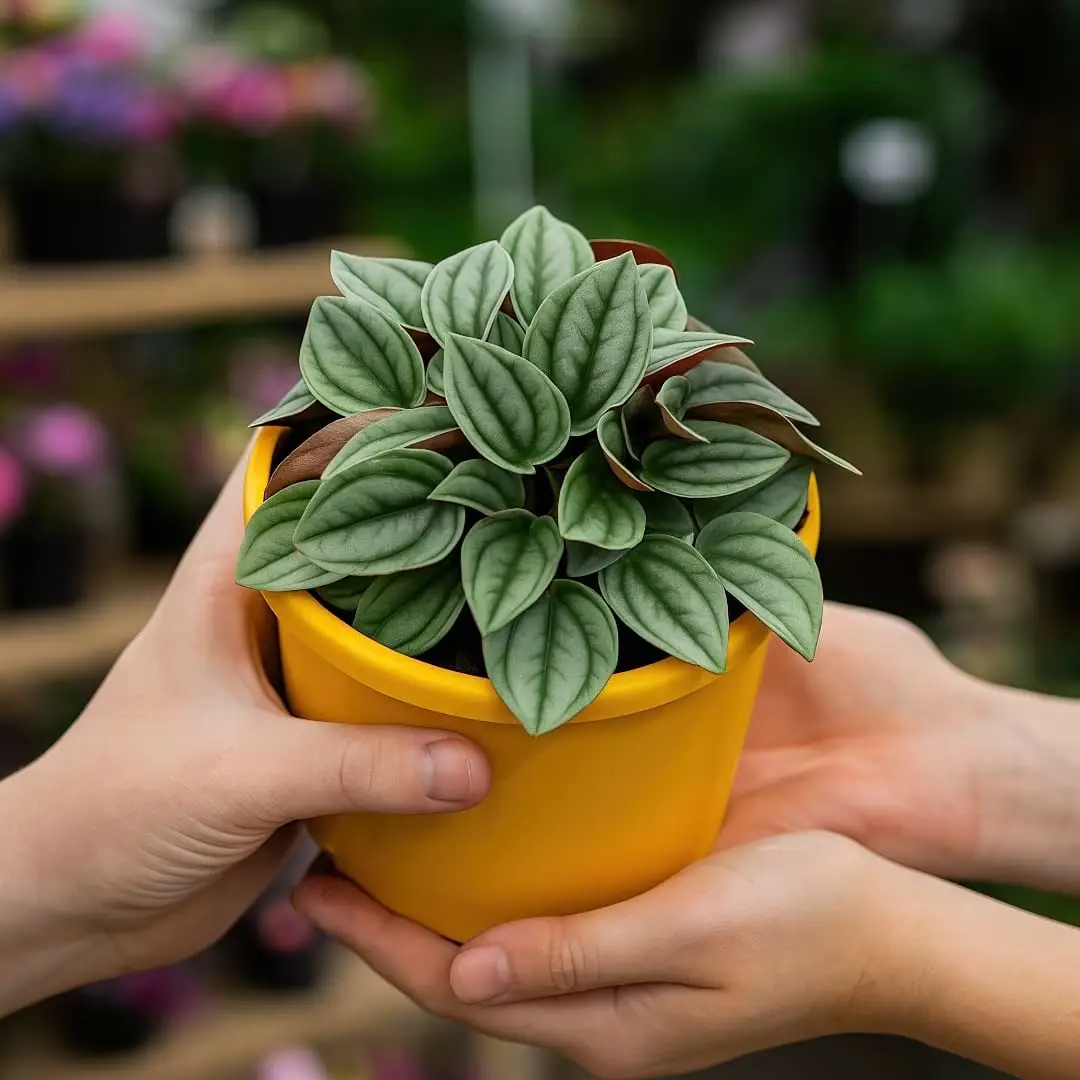
Complete Guide to Peperomia Napoli Nights Care and Growth
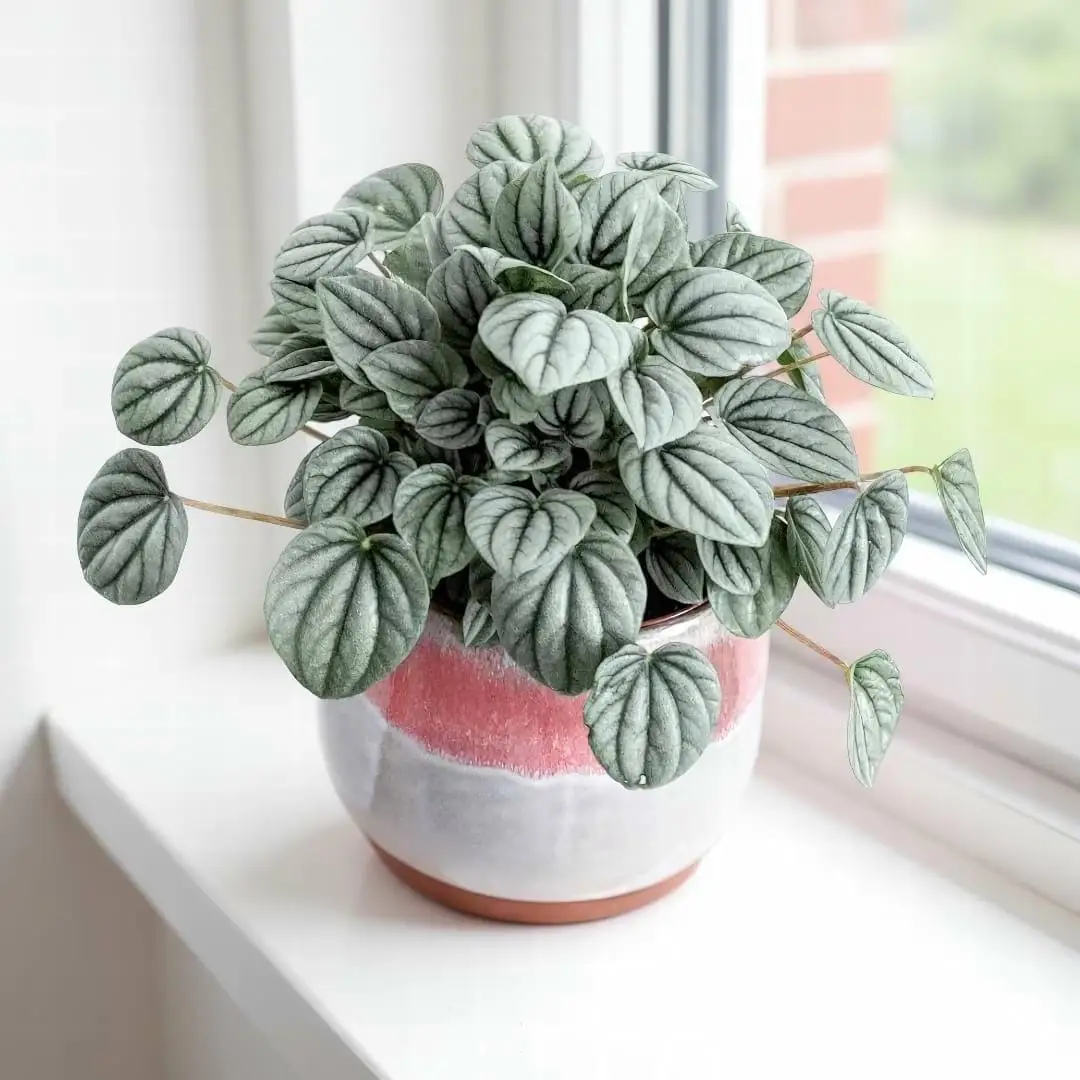
Complete Guide To Silver Ripple Peperomia Care and Growth

Complete Guide To Peperomia Rosso Care and Growth
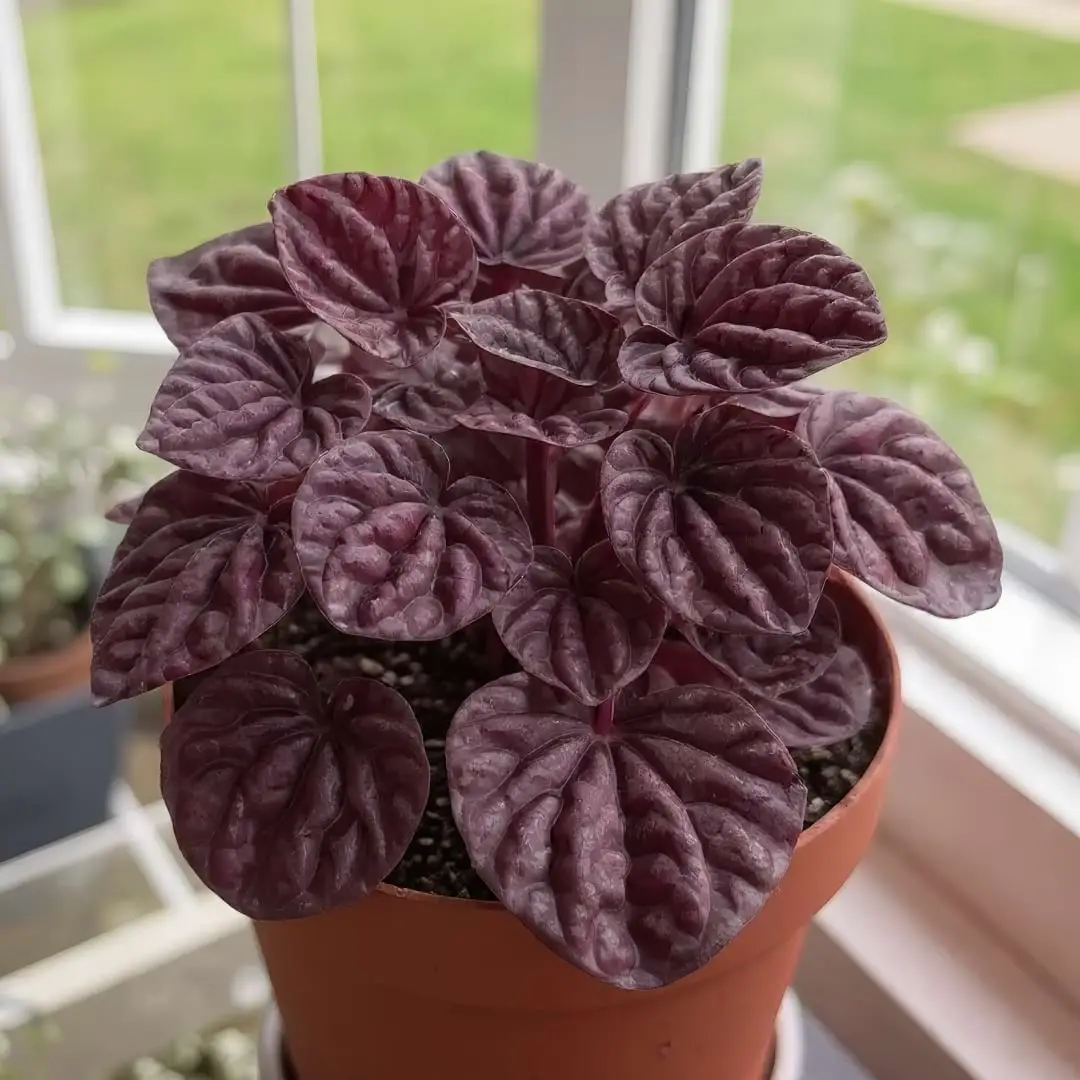
Complete Guide To Red Ripple Peperomia Care and Growth

Houseplant101 Forum
Questions & Comments
Ask a question, share your plant experience, or help other plant owners.
Comments are temporarily unavailable.
Open the Houseplant101 ForumNo comments yet
Be the first to ask a question or share your experience about this page.
Log in or create an account
Comments use your Houseplant101 Forum account, but you can stay on this page.
Create a new account