
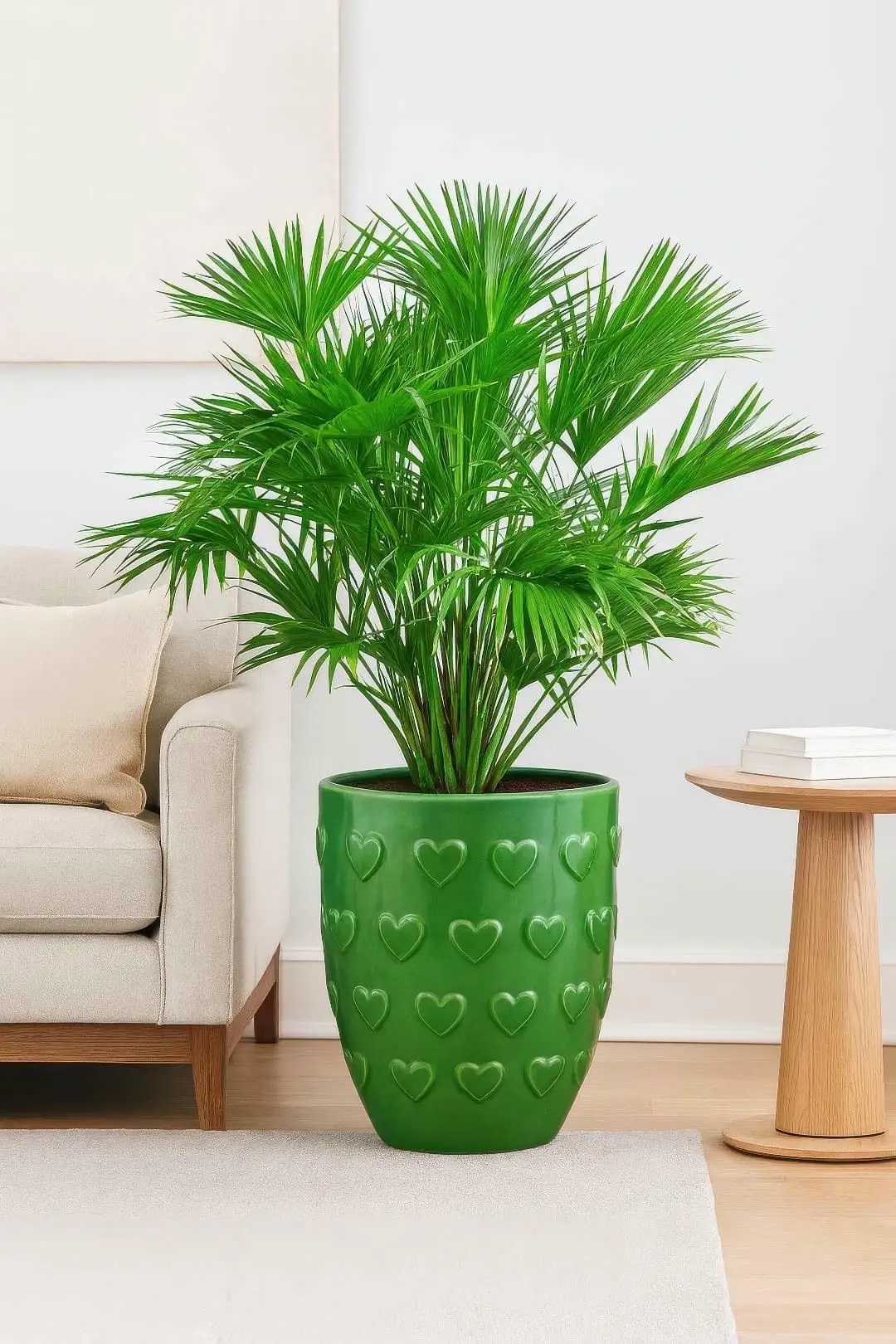
Chinese Fan Palm
Livistona chinensis
Fountain Palm


The Chinese Fan Palm (Livistona chinensis) is a stunning and surprisingly low-maintenance indoor palm that brings a touch of the tropics to any space. With its large, dramatic, fan-shaped leaves that gracefully arch and weep, it creates an elegant 'fountain' effect. This slow-growing palm is perfect for a bright corner, adding a bold, architectural statement to your home.
📝 Chinese Fan Palm Care Notes
🌿 Care Instructions
⚠️ Common Pests
📊 Growth Information
🪴 In This Guide 🪴

📺 Chinese Fan Palm Video Guide

☀️ Chinese Fan Palm Light Requirements (Indoor Lighting Guide)
Best Light for Chinese Fan Palm (Bright, Indirect)
Proper lighting is the most important factor for a healthy Chinese Fan Palm.
Ideal Lighting: These palms thrive in bright, indirect light. The perfect spot is near a window where it can get several hours of sunlight, but without the harsh, direct rays of the sun. An east-facing window is often ideal. While they can handle some direct sun outdoors, indoor-grown plants have more sensitive leaves.
Avoid Low Light: While adaptable, the Chinese Fan Palm will not do well in a dark corner. Low light will cause slow growth and weaker fronds.
Pro Tip: Rotate your palm a quarter turn every week or so. This ensures all sides of the plant get light, promoting even, upright growth instead of having it lean towards the window.

💧 Chinese Fan Palm Watering Guide (How to Water)
Watering Frequency for Chinese Fan Palm
Finding the right watering balance is key. These palms like consistent moisture but are very prone to root rot if overwatered.
Watering Frequency: The best rule of thumb is to water when the top 2-3 inches of soil feel dry to the touch. In spring and summer, this might be about once a week. In the fall and winter, the plant's growth slows down, so you'll need to water less often.
How to Water Chinese Fan Palm (Technique)
Watering Method: Water thoroughly, allowing the water to run through the drainage holes at the bottom of the pot. This ensures the entire root system gets hydrated. Let the pot drain completely and discard any excess water from the saucer. This is a critical step to prevent the roots from sitting in water.
Water Quality for Chinese Fan Palm (Tap vs Filtered)
Water Quality: Palms can be sensitive to chemicals like fluoride and chlorine found in tap water, which can cause browning leaf tips. If possible, use filtered, distilled, or rainwater for your Chinese Fan Palm.
🪴 Best Soil for Chinese Fan Palm (Potting Mix & Drainage)
The right soil mix is crucial for providing drainage and preventing waterlogged roots.
Recommended Potting Mix: A well-draining, peat-based potting mix is ideal for Chinese Fan Palms. You can use a pre-made mix for palms or create your own.
DIY Mix: For a great homemade mix, combine two parts peat moss or coco coir with one part sharp sand or perlite. This creates a blend that holds some moisture but allows excess water to drain away freely, which is exactly what palms need.
Drainage is Key: No matter what soil you use, your pot must have drainage holes. This is not negotiable for palms!

🍼 Fertilizing Chinese Fan Palm (When and How)
Best Fertilizer for Chinese Fan Palm
Chinese Fan Palms are slow growers, especially indoors, and don't need a lot of fertilizer.
Fertilizer Type: A slow-release fertilizer specifically formulated for palms is the best choice. These contain the necessary micronutrients that palms need to stay lush and green.
Fertilizing Frequency for Indoor Palms
Frequency: You only need to fertilize once in the spring and once again in the summer. Avoid fertilizing in the fall and winter when the plant is not actively growing. Over-fertilizing can do more harm than good, leading to burnt roots and brown leaf tips.
🌡️ Chinese Fan Palm Temperature Range (Ideal Indoor Temps)
Ideal Temperature for Livistona chinensis
Livistona chinensis enjoys average to warm household temperatures.
Ideal Temperature Range: This palm is happiest in temperatures between 70-80°F (21-27°C) during the day and can tolerate night temperatures down to about 55°F (13°C).
Avoid Drafts and Temperature Swings
Avoid Drafts: One of the most important things is to keep your palm away from drafts. This includes cold drafts from windows or doors in the winter and direct airflow from heating or air-conditioning vents. Sudden temperature fluctuations can stress the plant.
💦 Chinese Fan Palm Humidity Needs (How to Increase Humidity)
Ideal Humidity for Indoor Palms
Like most palms, the Chinese Fan Palm appreciates average to high humidity.
Ideal Humidity Range: Aim for a humidity level of around 40-50% or higher. Dry indoor air, especially in winter, is a common cause of brown, crispy leaf tips.
How to Increase Humidity for Your Palm
Here are some easy ways to give your palm the moisture it craves:
- Misting: A daily misting with a spray bottle can provide a temporary humidity boost.
- Humidifier: The most effective method is to place a cool-mist room humidifier nearby.
- Pebble Tray: Set the pot on a tray filled with pebbles and water. The evaporating water will increase the humidity around the plant. Just make sure the bottom of the pot isn't sitting directly in the water.
- Group Plants: Place your palm near other plants that love humidity.

🪴 Potting and Repotting Chinese Fan Palm (When and How)
You'll need to repot your Chinese Fan Palm every 1-2 years to give it fresh soil and more room to grow.
Best Pot and Soil for Chinese Fan Palm
Potting Mix: Use a well-draining palm or peat-based potting mix.
Pot Selection: Choose a pot that is 1-2 inches larger in diameter than the current one. Using a pot that is too big will hold too much moisture and can lead to root rot. Good drainage holes are essential.
When to Repot a Chinese Fan Palm
Repotting Frequency: The best time to repot is in the early spring, right before the growing season begins. Repot when you see roots coming out of the drainage holes or when the plant's growth seems to have stalled.
How to Repot a Chinese Fan Palm (Step-by-Step)
Repotting Process:
- Water your palm a day before you plan to repot it to minimize stress.
- Gently remove the plant from its current pot.
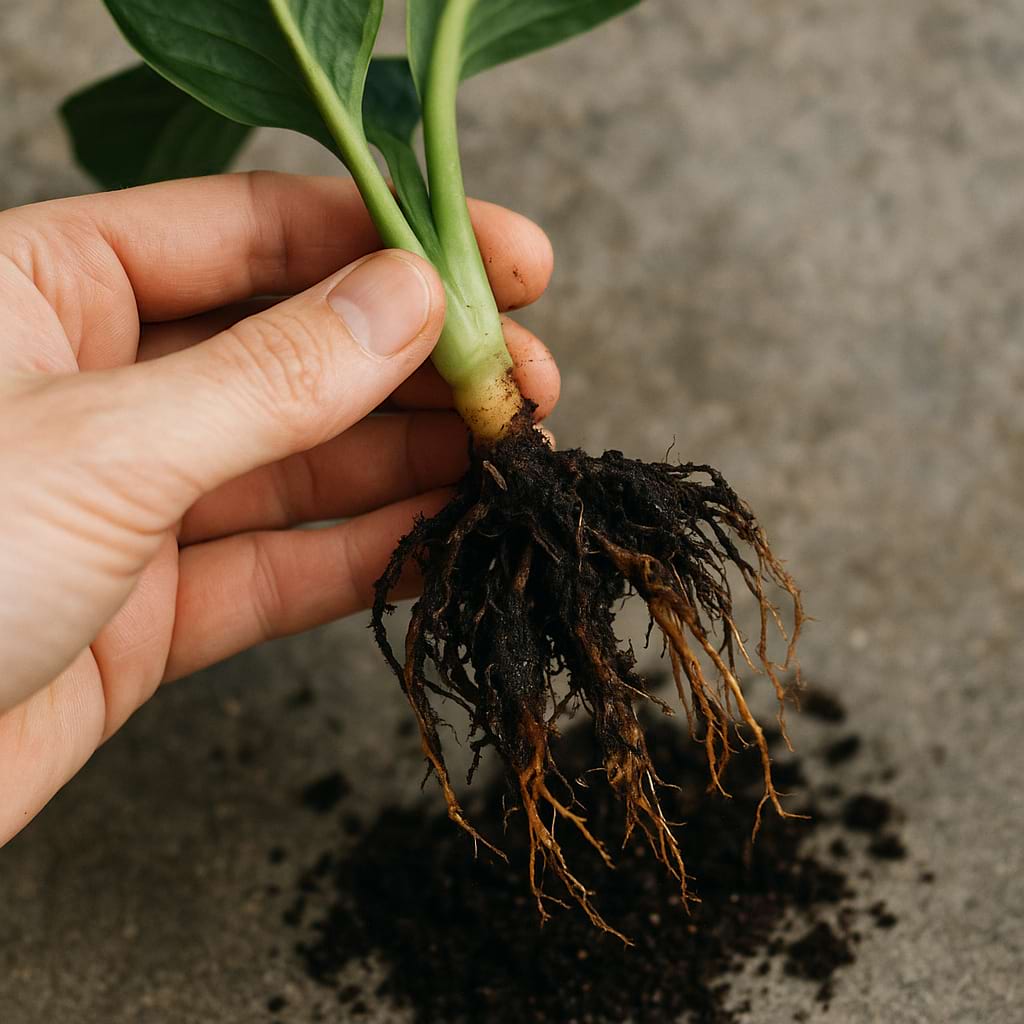
- Inspect the roots. Healthy roots should be firm and white or tan. Trim away any black, mushy roots with clean scissors.
- Place a layer of fresh potting mix in the new, larger pot.
- Center the palm in the new pot and fill in around the sides with more soil. Keep the plant at the same soil depth as it was in its original pot.
- Water sparingly until you see new growth, which signals the plant has adjusted to its new home.
✂️ Pruning Chinese Fan Palm (How to Trim Fronds)
Chinese Fan Palms are very low-maintenance when it comes to pruning.
When to Prune: The only pruning needed is to remove old fronds as they naturally die off. You'll see the lower, older fronds turn yellow and then brown.
How to Prune: Wait until a frond is fully brown before cutting it off. Even a dying frond is still providing some nutrients to the main plant. Use sharp, sterile pruning shears or scissors and make a clean cut close to the trunk. Never pull the fronds off, as this can damage the trunk.
Important Note: Never cut the top or crown of the palm. All new growth comes from this central point, and cutting it will kill the plant.

🌱 How to Propagate Chinese Fan Palm
Propagating a Chinese Fan Palm at home is not very practical. Unlike many houseplants, you cannot propagate them from cuttings or by division.
The primary method of propagation is through seeds. This is a very slow process that requires specific conditions (high heat and humidity) and can take several months for germination. For this reason, it's generally best to purchase a new plant from a nursery rather than attempting to propagate one yourself.
🐛 Chinese Fan Palm Pests and Treatment
Common Pests on Indoor Palms
While generally pest-resistant, Chinese Fan Palms can occasionally attract common houseplant pests, especially if the plant is stressed or the air is very dry.
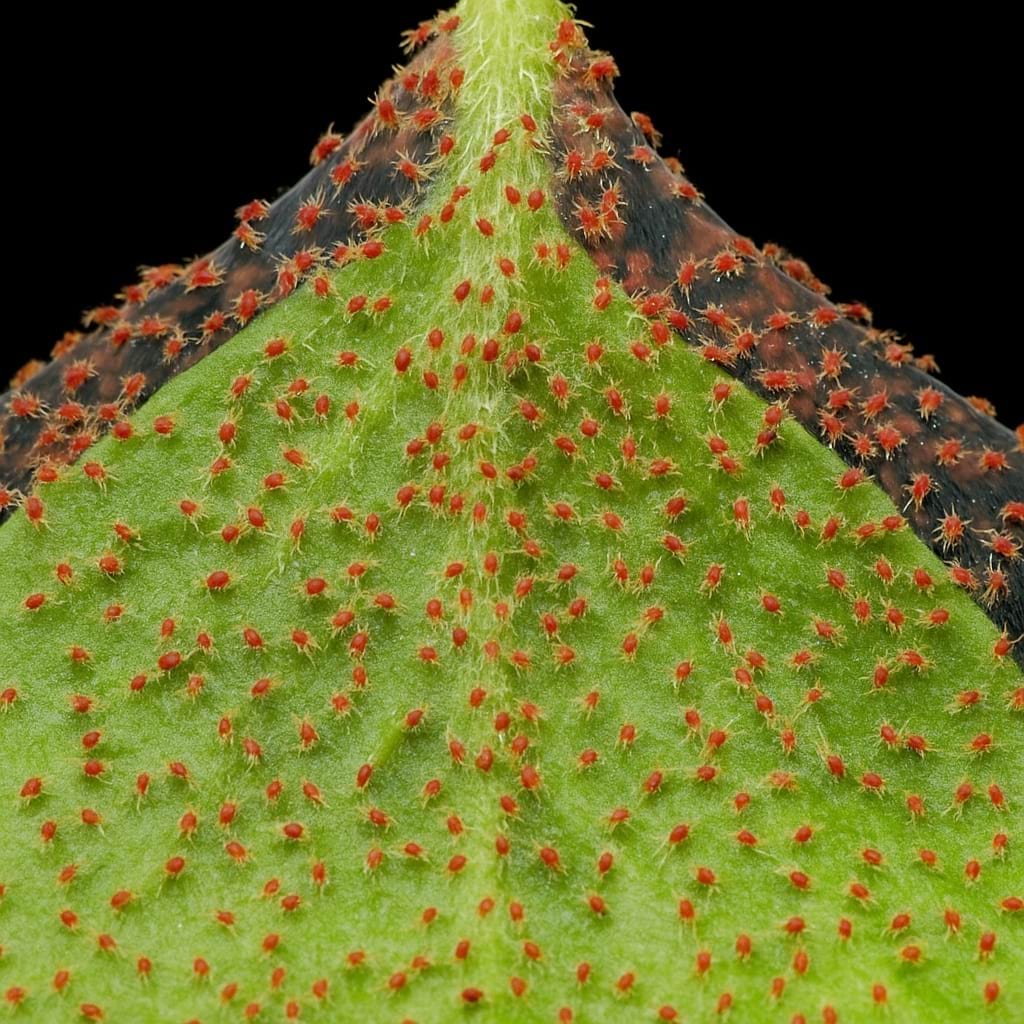
- Spider Mites: The most common culprit. Look for fine webbing between the fronds and tiny white or yellow spots on the leaves. Wiping down the leaves regularly helps prevent them.
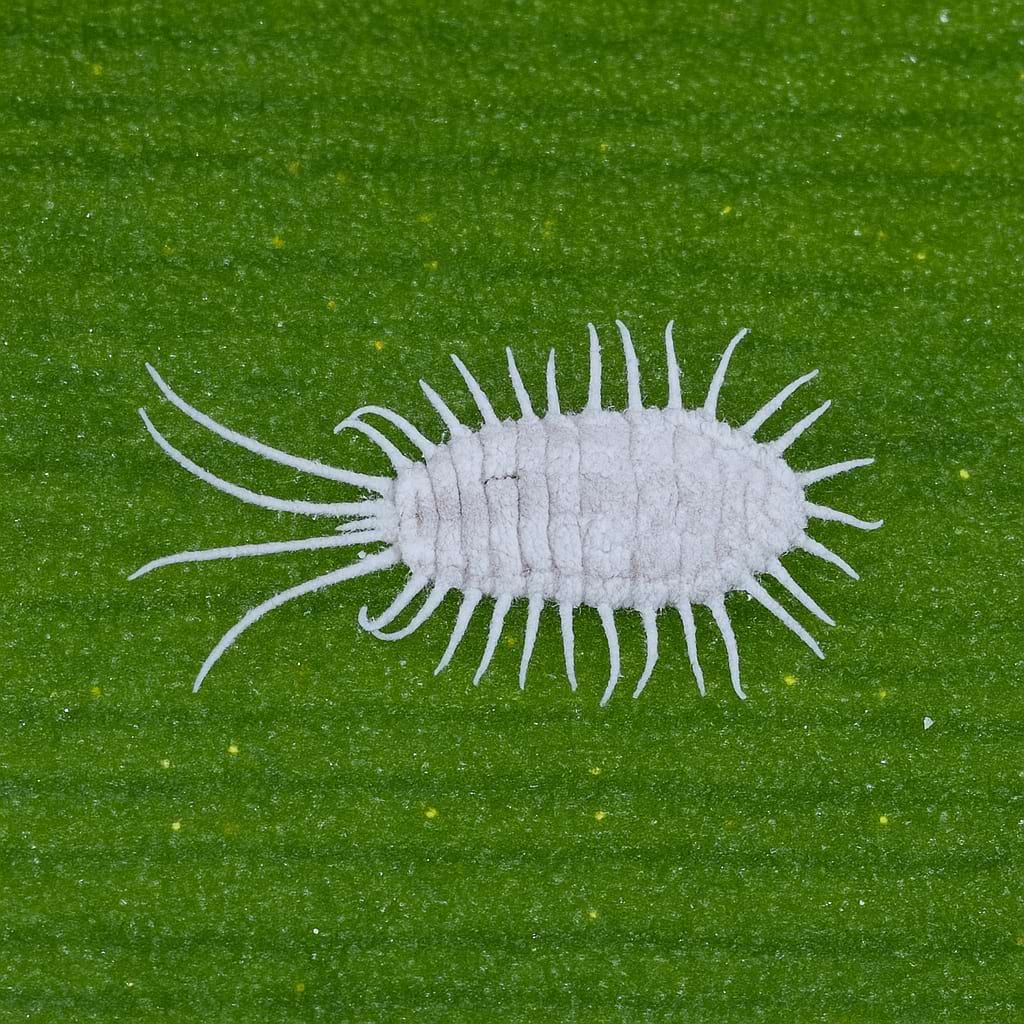
- Mealybugs: These look like small cottony masses, usually hiding where the frond meets the stem.
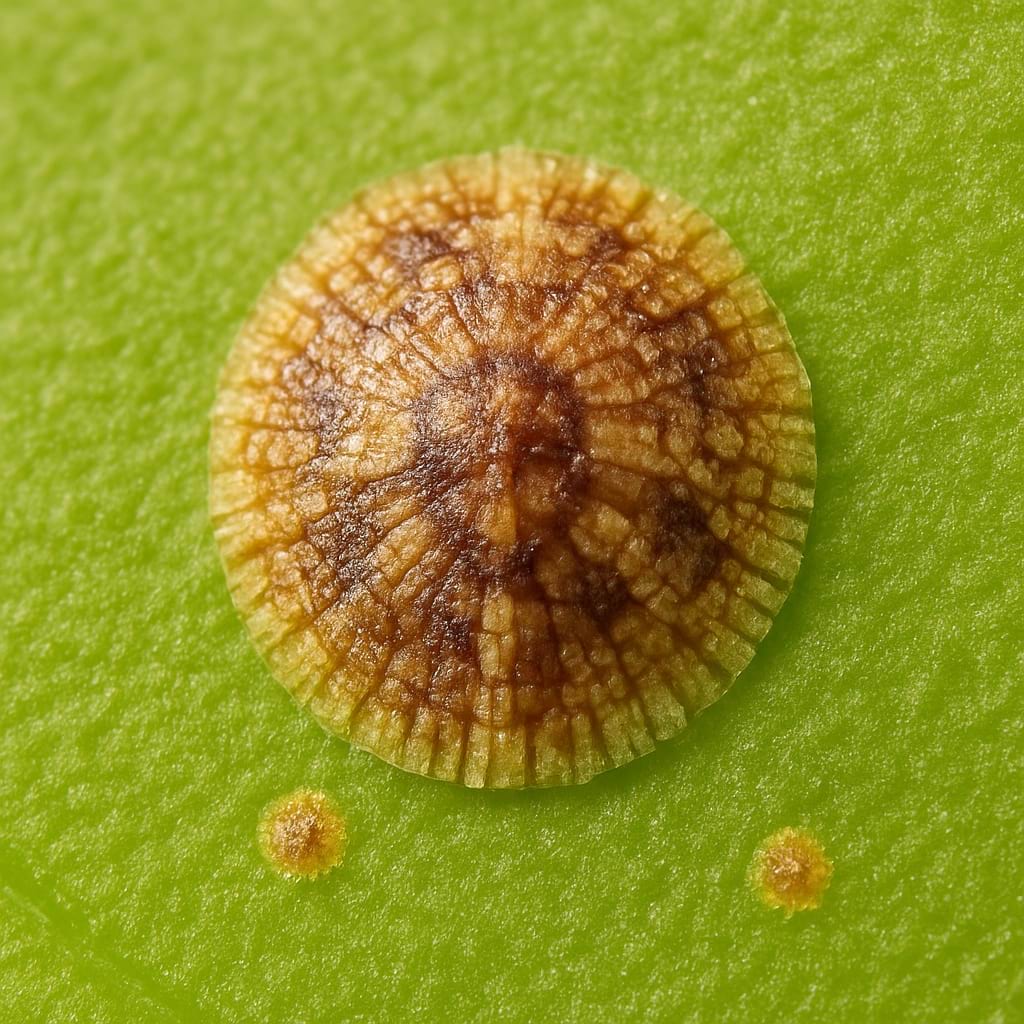
- Scale Insects: Appear as small, brown, hard bumps on the stems and undersides of leaves.
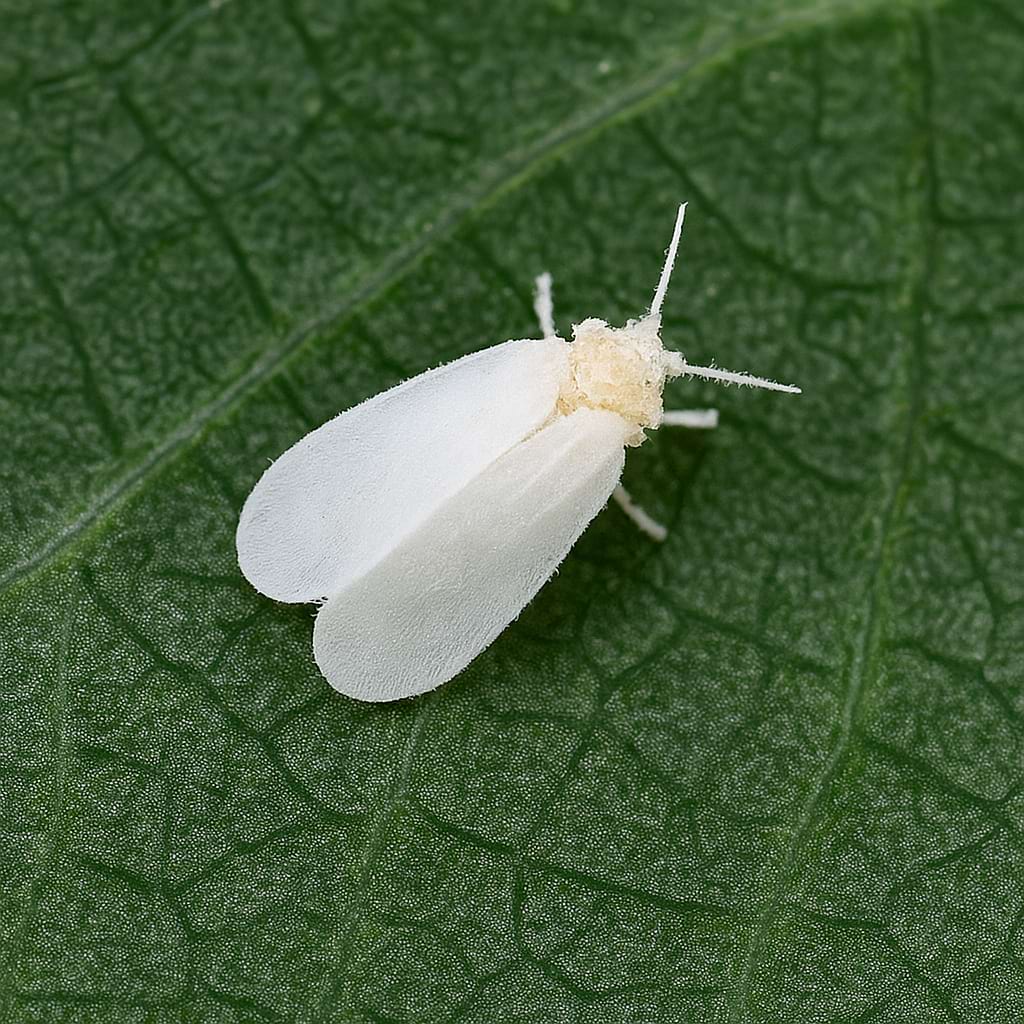
- Whiteflies: Small, white, moth-like insects that will fly up when the plant is disturbed.
Pest Treatment and Prevention
The best defense is a healthy plant. Regularly inspect your palm for any signs of pests. If you find any, isolate the plant immediately to keep them from spreading. Wash the leaves with a damp cloth or spray them down in the shower. For persistent infestations, use a horticultural soap like insecticidal soap or neem oil, making sure to coat all parts of the plant.
🩺 Chinese Fan Palm Problems and Diseases (Troubleshooting)
Your palm will usually tell you what it needs. Here are the most common signs and what they mean.
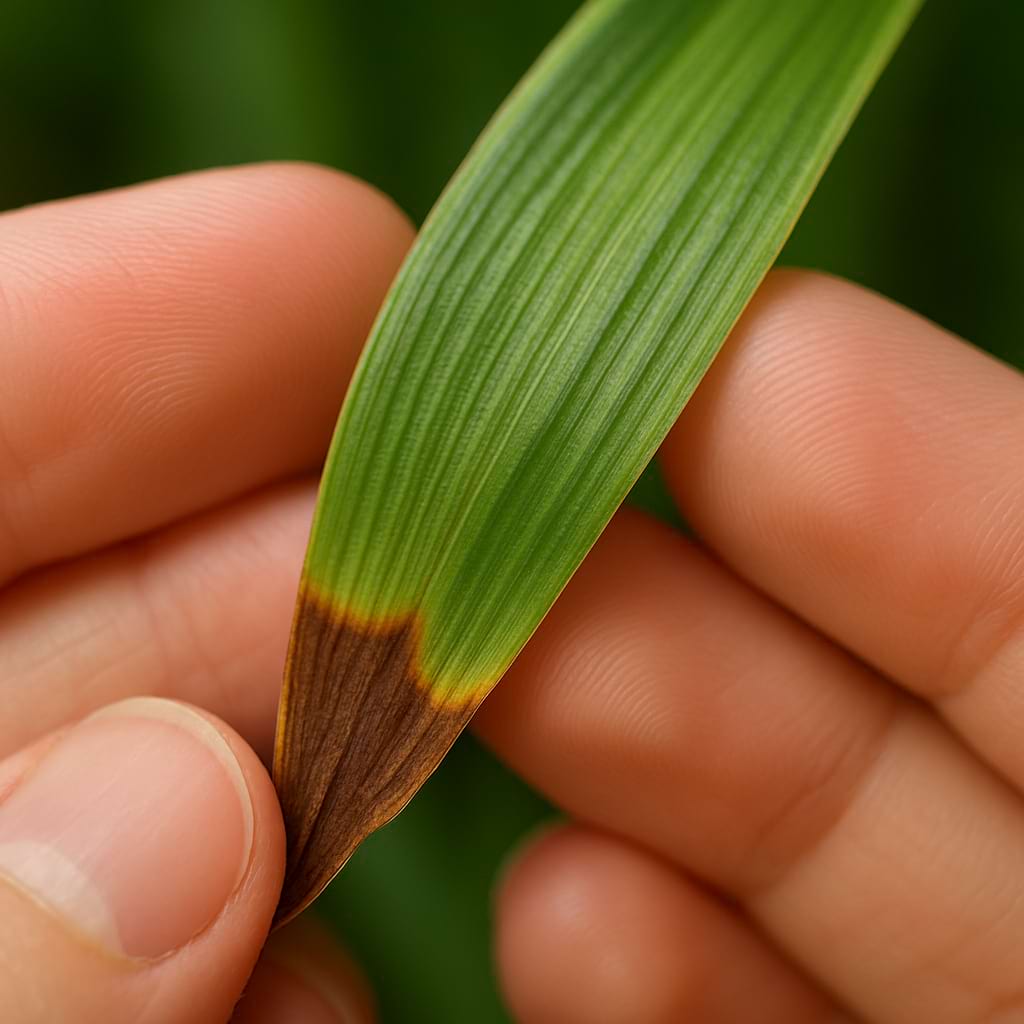
- Brown, Crispy Edges: This is the number one complaint for indoor palms and it almost always means the air is too dry. Increase the humidity around your plant. It can also be a sign of underwatering or a reaction to chemicals in tap water.
- Yellowing Leaves: Yellowing fronds, especially at the base of the plant, are often a sign of overwatering. Check your watering routine and make sure the soil isn't soggy. However, it's normal for the oldest, lowest fronds to yellow and die off as part of the plant's natural life cycle.
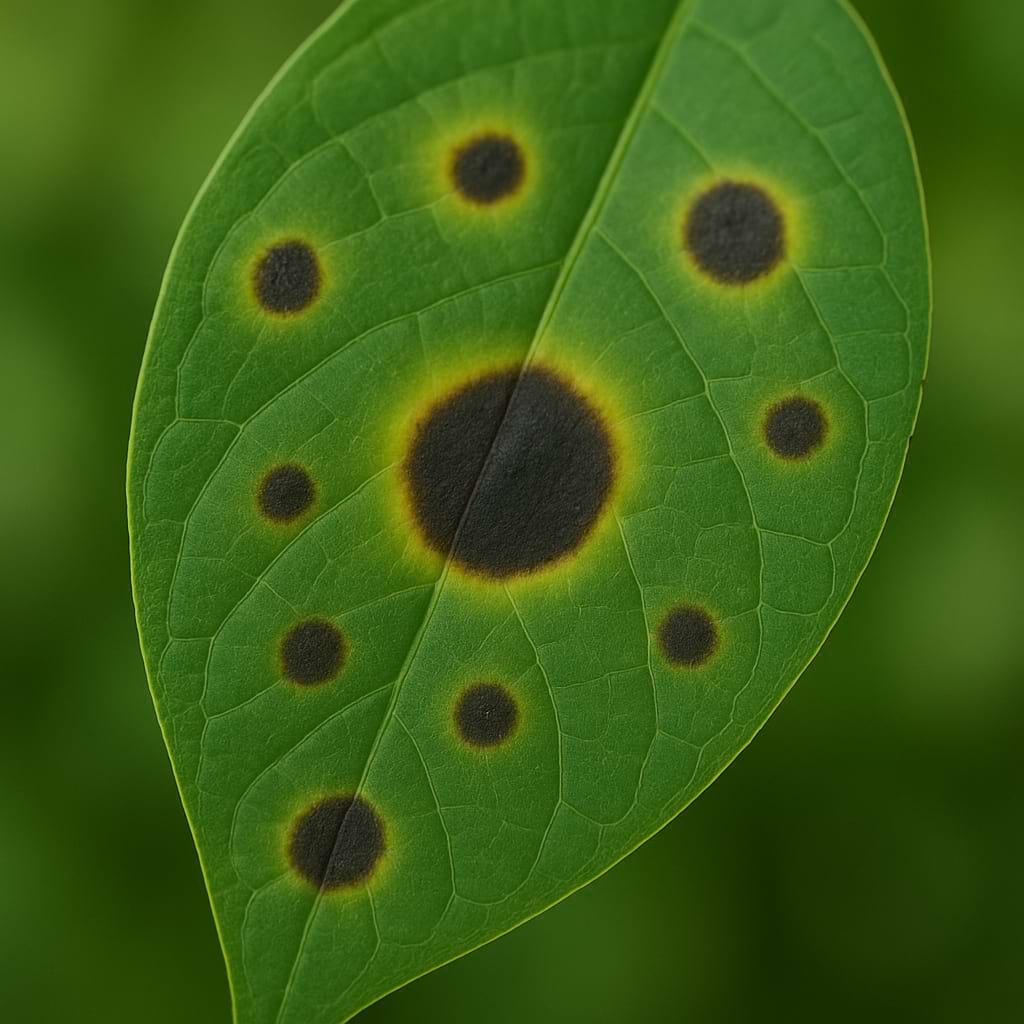
- Brown or Black Spots: Dark spots on the leaves can be a sign of a fungal or bacterial leaf spot disease. This is often caused by water sitting on the foliage in an environment with poor air circulation. Avoid getting the leaves wet when you water.
- Root Rot: This is the most serious issue and is caused by overwatering and poor drainage. If the base of the palm is mushy and the plant is wilting despite wet soil, you may have root rot.


🖼️ Chinese Fan Palm Display Ideas (Styling & Decor)
The Chinese Fan Palm is a natural showstopper. Its bold, architectural form makes it an ideal floor plant.
- Corner Specimen: Place a large palm in an empty, bright corner to create a dramatic focal point. Its arching fronds will soften the lines of the room.
- Entryway Greeter: Welcome guests with a beautiful palm in your entryway or foyer.
- Sunroom Star: If you have a sunroom, this is the perfect environment for a Chinese Fan Palm to thrive and make you feel like you're on vacation.
- Frame a Window: Place one on either side of a large window or glass door to frame the view and add a layer of greenery.
- Office Upgrade: A Chinese Fan Palm can bring life and a sense of calm to a bright office space.
🌟 Chinese Fan Palm Care Tips (Pro Advice)
☀️ Bright, indirect light is non-negotiable. An east-facing window is a palm's best friend.
💧 Water smart, not hard. Let the top few inches of soil dry out, then water thoroughly. Never let it sit in a soggy saucer.
💦 Humidity is happiness. Brown tips? Your palm is begging for more moisture in the air. Mist it, use a humidifier, or group it with other plants.
🔄 Rotate regularly. Give your palm a quarter turn each week to keep it growing straight and even.
🧼 Keep it clean. Wipe down the large fronds with a damp cloth once a month to remove dust, help it breathe, and keep pests away.
🥶 No drafts, please. Keep it away from A/C units, heaters, and drafty windows. Palms like stability.
❓ Frequently Asked Questions
Why are the tips of my Chinese Fan Palm turning brown?
Brown leaf tips are the most common issue for indoor palms and are usually caused by low humidity or dry soil. Try misting your palm daily, using a humidifier, or placing it on a pebble tray. Also, ensure you are not letting the soil dry out completely between waterings.
How often should I water my Chinese Fan Palm?
Water thoroughly when the top 2-3 inches of soil are dry. This could be about once a week in the growing season but will be less frequent in the winter. Always use a pot with drainage holes and never let the plant sit in standing water to avoid root rot.
Is the Chinese Fan Palm toxic to pets?
No, the Chinese Fan Palm is non-toxic to cats, dogs, and humans, making it a safe and beautiful choice for households with pets and children.
Can I use tap water for my Chinese Fan Palm?
It's best to use filtered or distilled water. Palms can be sensitive to fluoride and other chemicals often found in tap water, which can cause leaf tip burn.
Should I cut off the brown fronds?
Yes, you can prune off old fronds once they turn fully brown. It’s best to wait until they are completely brown, as the dying frond is still providing nutrients to the plant. Use clean, sharp pruners and cut them near the trunk.
What are the little webs on my palm tree?
Fine webbing is a tell-tale sign of spider mites, a common pest for indoor palms. They thrive in dry air. Isolate your plant, wash the leaves with water, and treat with insecticidal soap or neem oil.
ℹ️ Chinese Fan Palm Info
Care and Maintenance
🪴 Soil Type and pH: Well-draining potting mix, ideally 2 parts peat moss to 1 part sand.
💧 Humidity and Misting: Average to high, 40-60%
✂️ Pruning: Prune dead or brown fronds at the base as needed.
🧼 Cleaning: Wipe leaves with a damp cloth to remove dust and deter pests.
🌱 Repotting: Every 1-2 years in spring, or when root-bound.
🔄 Repotting Frequency: Every 1-2 years
❄️ Seasonal Changes in Care: Reduce watering in fall and winter as growth slows.
Growing Characteristics
💥 Growth Speed: Slow
🔄 Life Cycle: Perennial
💥 Bloom Time: Rarely flowers indoors
🌡️ Hardiness Zones: 9-11 (outdoors)
🗺️ Native Area: Southern Japan, Taiwan, and several islands in the South China Sea
🚘 Hibernation: No (growth slows in winter)
Propagation and Health
📍 Suitable Locations: Bright living rooms, sunrooms, offices
🪴 Propagation Methods: Primarily by seeds; difficult for home growers.
🐛 Common Pests: Spider Mites, Mealybugs, Scale Insects, Whiteflies
🦠 Possible Diseases: Root rot, leaf spot
Plant Details
🌿 Plant Type: Palm
🍃 Foliage Type: Evergreen
🎨 Color of Leaves: Lush, deep green
🌸 Flower Color: Yellowish-cream (rare indoors)
🌼 Blooming: Rarely blooms indoors
🍽️ Edibility: Not edible
📏 Mature Size: Can reach 6-8 feet indoors
Additional Info
🌻 General Benefits: Air purification, adds a tropical aesthetic.
💊 Medical Properties: None
🧿 Feng Shui: Promotes positive energy and a calming atmosphere.
⭐ Zodiac Sign Compatibility: Leo
🌈 Symbolism or Folklore: Victory, triumph, and peace.
📝 Interesting Facts: While it's called the Chinese Fan Palm, it's actually native to subtropical regions of Japan and Taiwan. It's also known as the Fountain Palm because of the way its fan-like fronds arch up and then spill down like water from a fountain.
Buying and Usage
🛒 What to Look for When Buying: Look for a plant with vibrant green fronds and no signs of pests or browning tips. An upright, healthy appearance is a good indicator of a strong plant.
🪴 Other Uses: A popular landscape plant in warm climates.
Decoration and Styling
🖼️ Display Ideas: An excellent floor plant for a bright corner, entryway, or sunroom. Its graceful shape makes it a perfect standalone specimen.
🧵 Styling Tips: Pairs well with other tropical plants like the Bird of Paradise or Monstera Deliciosa to create a lush, jungle feel.
🪴 See also 🪴
Complete Guide to Lady Palm Care and Growth
Complete Guide to Metallic Palm Care and Growth
Complete Guide to Areca Palm Care and Growth
Complete Guide to Kentia Palm Care and Growth


Houseplant101 Forum
Questions & Comments
Ask a question, share your plant experience, or help other plant owners.
Comments are temporarily unavailable.
Open the Houseplant101 ForumNo comments yet
Be the first to ask a question or share your experience about this page.
Log in or create an account
Comments use your Houseplant101 Forum account, but you can stay on this page.
Create a new account