
Bloodleaf
Iresine herbstii
Beefsteak Plant, Chicken Gizzard Plant, Herbst's Bloodleaf, Iresine


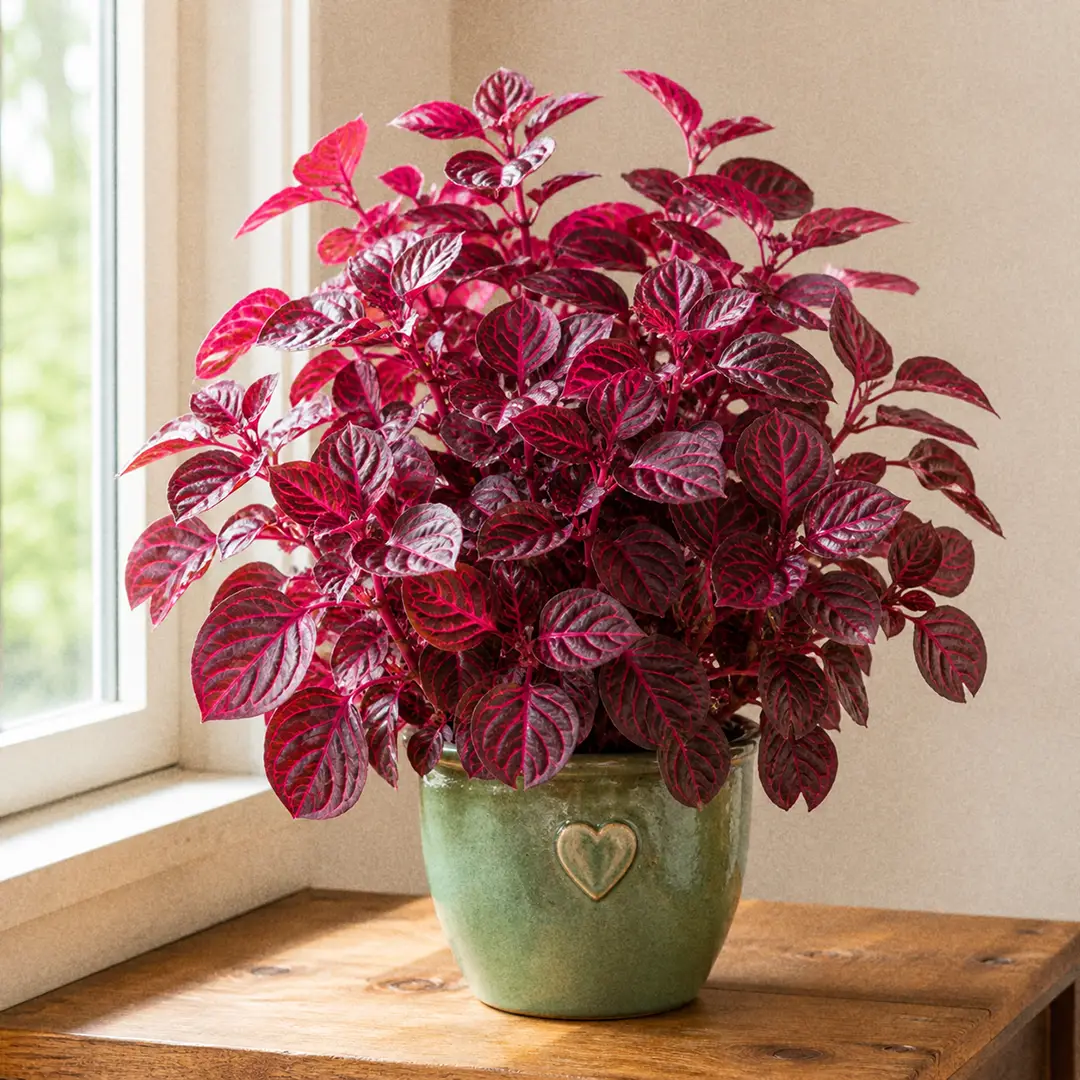
Bloodleaf (Iresine herbstii) is a South American tropical with leaves that look painted in stained glass, deep wine-red veins glowing against magenta or lime backgrounds. With bright light, even moisture, and weekly pinching, this plant turns any sunny shelf into a color statement.
📝 Bloodleaf Care Notes
🌿 Care Instructions
⚠️ Common Pests
📊 Growth Information
🪴 In This Guide 🪴

📺 Bloodleaf Video Guide

☀️ Bloodleaf Light Requirements
Best Light
Of all the things that affect how this plant looks, light is the biggest. The pigments behind the wine-red, magenta, and ruby tones (anthocyanins and betalains, since Iresine is in the Amaranth family) are produced in response to strong light. Cut the light and the plant defaults to plain green to make more chlorophyll.
The sweet spot is bright indirect light with a few hours of gentle morning or late afternoon direct sun. An east window is ideal. South or west works with a sheer curtain through the hottest hours. North windows are usually not enough, especially in winter.
Cultivars vary. 'Brilliantissima' handles more direct sun. The lime-and-yellow 'Aureoreticulata' is touchier because the lighter areas have less protective pigment. If new leaves come in pale and oversize, the plant wants more light.

Practical test: hold your hand a foot above the plant at midday. Sharp defined shadow means plenty of light. Soft diffused shadow means low end of acceptable. No shadow means survival zone, the veins will fade within weeks.
Signs of Incorrect Light
Too little light: New leaves come in paler with veins fading to dull pink or brown. Long internodes, the plant leans toward the window, lower leaves drop. Almost always a light problem, not watering.
Too much direct sun: Bleached patches especially on bright pink and yellow areas. Crispy edges. Pull back from the glass or add a sheer curtain at midday.
💧 Bloodleaf Watering Guide
How Often
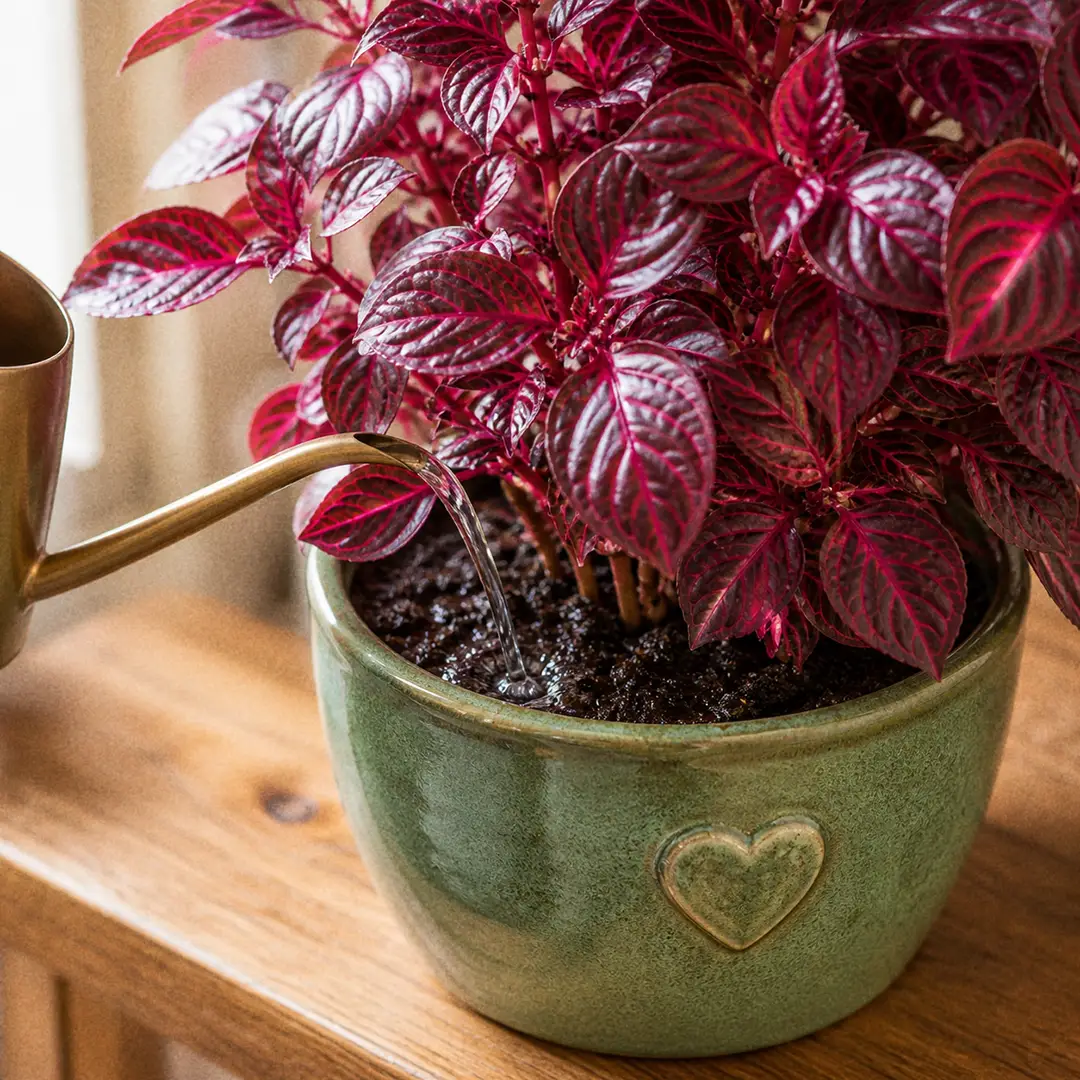
Water when the top half-inch feels dry but the deeper soil is still slightly damp. Usually every 4-6 days in spring and summer, every 7-10 in winter.
The leaves are thin with no water reserve, so a thirsty Bloodleaf wilts dramatically. A thorough watering perks it back up within hours, but repeated dry-outs trigger leaf drop. Consistency matters. A simple watering routine that hits the same day each week is the biggest improvement most people can make.
How to Water
Top watering is fine, as long as you water thoroughly until water runs from the drainage holes, then dump the saucer. Bloodleaf cannot sit in water, the fine roots start dying within 24-48 hours.
Bottom watering is even better, especially in warmer months. 15-20 minutes in a tray, drain fully, return to its spot. No splashed leaves, fewer fungal issues.
Use room-temperature water. Cold tap can shock the roots. If your tap is heavily chlorinated, sit it out overnight or filter it.
Signs of Watering Trouble
Underwatered: Sudden dramatic wilting where every leaf droops at once. Soil pulls back from the pot edges. Quick recovery after a soak.
Overwatered: Lower leaves yellow, turn translucent, feel soft. Stems mushy at the base. Sour soil smell. Start of root rot, which Bloodleaf is genuinely vulnerable to. Take cuttings as backup before trying to save the parent.
🪴 Best Soil for Bloodleaf
What the Soil Needs
Bloodleaf is not picky about soil so much as drainage. The fine fibrous roots suffocate in compacted or waterlogged mixes.
DIY Soil Mix
A simple homemade blend:
- 2 parts peat or coco-coir potting mix
- 1 part perlite (about 25-30% by volume)
- A handful of compost or worm castings
Avoid heavy garden soil (compacts and starves roots) and pure cactus mix (drains too fast). pH 6.0 to 7.0 is fine, which is the default for most bagged indoor mixes.
Self-Watering Pots
In a self-watering pot, lean heavier on perlite (closer to 40%) since the soil holds moisture from below.
🍼 Fertilizing Bloodleaf
When and How Often
Fast grower, fast feeder. During active growth (spring through early autumn), feed every 2-3 weeks with a balanced liquid fertilizer at half strength. 10-10-10 or 20-20-20 works well.
In winter, cut to once a month at quarter strength, or skip entirely if the plant sits in a low-light spot. See the fertilizing guide for label reading.
Over-Fertilizing Signs
Signs you are feeding well: new leaves come in large, well-veined, saturated. Signs of overfeeding: brown crispy leaf tips, sometimes with a white salt crust on the soil surface. Flush the soil with plain water for a minute or two, then skip the next two feedings.
Skip the Slow-Release Granules
I skip slow-release granules for Bloodleaf indoors. They release on temperature, not on need, and a warm winter living room keeps them feeding when the plant does not want it.
🌡️ Bloodleaf Temperature Range
Ideal Range
Fully tropical. Comfortable zone: 65-80°F (18-27°C), happiest above 70°F. Matches most heated homes year-round.
Cold Damage
Below 55°F (13°C), cold damage shows up as black mushy patches, sometimes overnight if the plant has touched a cold window. Indoors, watch for cold drafts and AC vents blowing directly. Keep the plant at least a foot off cold glass in winter.
Summer Heat Wilting
Above 90°F (32°C) the plant may wilt midday even with damp soil. Normal stress wilting, usually recovers in the cooler evening. If it persists, move out of direct afternoon sun.
💦 Bloodleaf Humidity Requirements
Ideal Humidity
Likes 50-60% humidity, a touch higher than the typical 30-45% home. Tolerates lower, but leaves stay smaller, edges crisp, and spider mites move in.
Easy Boosters
To boost: group with other plants, use a pebble tray, run a small humidifier nearby in winter, keep clear of heater and AC vents. Misting fades within minutes and can encourage fungal spots. A humidifier is worth more than a spray bottle. See the humidity guide for more.
The Bathroom Trick
A bright bathroom is one of the best Bloodleaf locations I know. Daily shower steam plus a good window equals the most saturated color you have ever seen on a houseplant.
🌸 Bloodleaf Flowers
What the Flowers Look Like
Bloodleaf does flower indoors, although it is not common. The bloom is a slender vertical spike of tiny papery whitish-green flowers, each barely the size of a grain of rice. Visually forgettable.
Why Flowering Is Bad News
Once Bloodleaf flowers, the plant shifts into reproductive mode. Foliage thins, lower leaves drop, veins fade, stems get woody. Flowering announces the end of the plant's most vivid phase.
How to Pinch Them Off
Pinch off flower spikes the moment they form at the stem tips. Snap them off with clean fingernails or sharp scissors. A regularly de-flowered Bloodleaf stays vigorous for years instead of fading after one summer. Make this a weekly check in late summer.
🏷️ Bloodleaf Types and Varieties
'Brilliantissima'
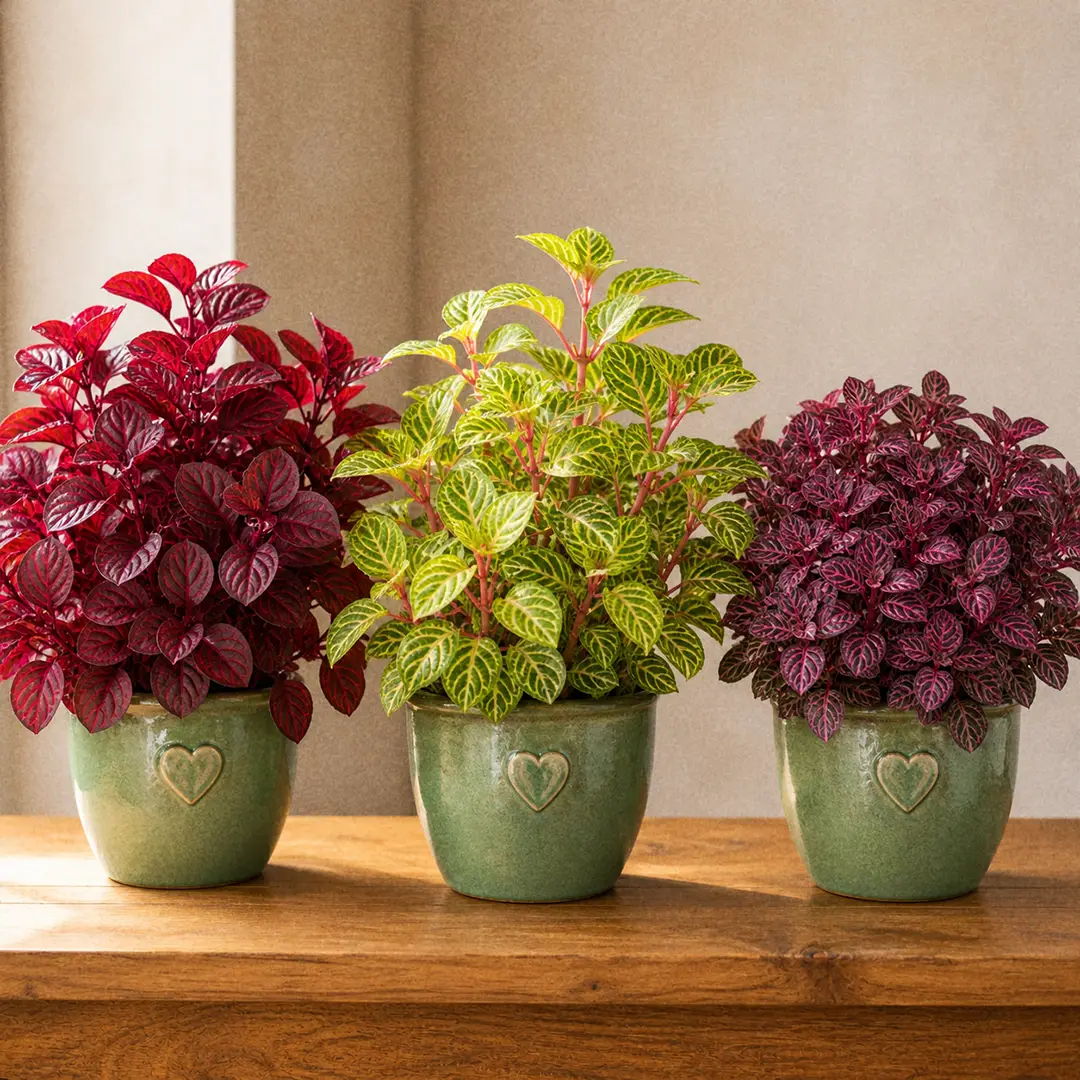
The classic. Solid wine-red to deep magenta leaves with darker veins, glowing under bright light. Vigorous and forgiving. If a shop just labels something "Bloodleaf," it is usually this one.
'Aureoreticulata'
Lime-green leaves with bright yellow to chartreuse veining and a pink stem. A cheerful contrast plant. Slightly more sun-sensitive than 'Brilliantissima'.
'Wallisii'
A compact dark cultivar with smaller leaves in deep purple-bronze and rosy veining. Tight habit, great for small pots and tabletops.
'Blazin' Rose'
A modern selection with bright magenta leaves and hot-pink veins. Shorter and bushier than 'Brilliantissima', needs less pinching.
'Purple Lady'
A trailing form sometimes sold as Iresine herbstii or as the closely related Iresine lindenii. Deep purple-violet leaves that spill over a pot edge. Beautiful in a hanging basket.
Iresine lindenii
A close relative grown the same way. Narrower more pointed blood-red leaves with subtler veining. Care is identical, so do not panic if your label says lindenii instead of herbstii.
🪴 Potting and Repotting
Pot Type and Size
Bloodleaf prefers a snug pot. An oversized container holds more soil than the roots can drain, and that wet soil becomes a root rot trap. Start with a 4-6 inch pot for a young plant. When repotting, go up only one inch at a time.
Drainage holes are non-negotiable. Terracotta wicks moisture and dries the root zone evenly. Glazed ceramic and plastic both work with closer attention. For decorative pots without drainage, keep the plant in a plastic nursery pot inside.
When to Repot
Every spring, or when you see:
- Roots circling the bottom or growing out the drainage holes
- Water running straight through with no absorption
- The plant becoming top-heavy and tipping
- Growth slowed despite good light and feeding
See the repotting guide for the full step-by-step.
How to Repot
Water the plant the day before. Tip it out, shake off loose soil, inspect the root ball. Tease apart circling roots, or score lightly with a clean knife if tightly bound. Set at the same depth in fresh soil. Water thoroughly, keep out of direct sun for a few days.
Repotting is a great moment to take backup cuttings.
✂️ Pruning Bloodleaf
Pinching is the single most important Bloodleaf habit. Regular pinching keeps the plant full and well-colored. Unpinched Bloodleaf turns into a tall stem with a tired tuft on top within months.
Why Pinch
Each time you remove a stem tip, the plant sends out two new stems from the leaf nodes below. One becomes two, then four, then eight. Pinched plants also produce smaller more saturated leaves.
How to Pinch
Snap or cut the top inch or two of each stem just above a healthy leaf pair. The cut should be just above a leaf node so branching starts there.
Do this every 1-2 weeks in growing season. On a young plant, start once it has 3-4 sets of true leaves. Even an old leggy specimen can usually be reset by hard pinching back to a healthy node.
Flower Spikes
Pinch off any developing flower stalks immediately, as covered in the Bloom section. Removing them keeps the plant in foliage mode.
Save your pinched tips. Perfect cuttings.
🌱 How to Propagate Bloodleaf
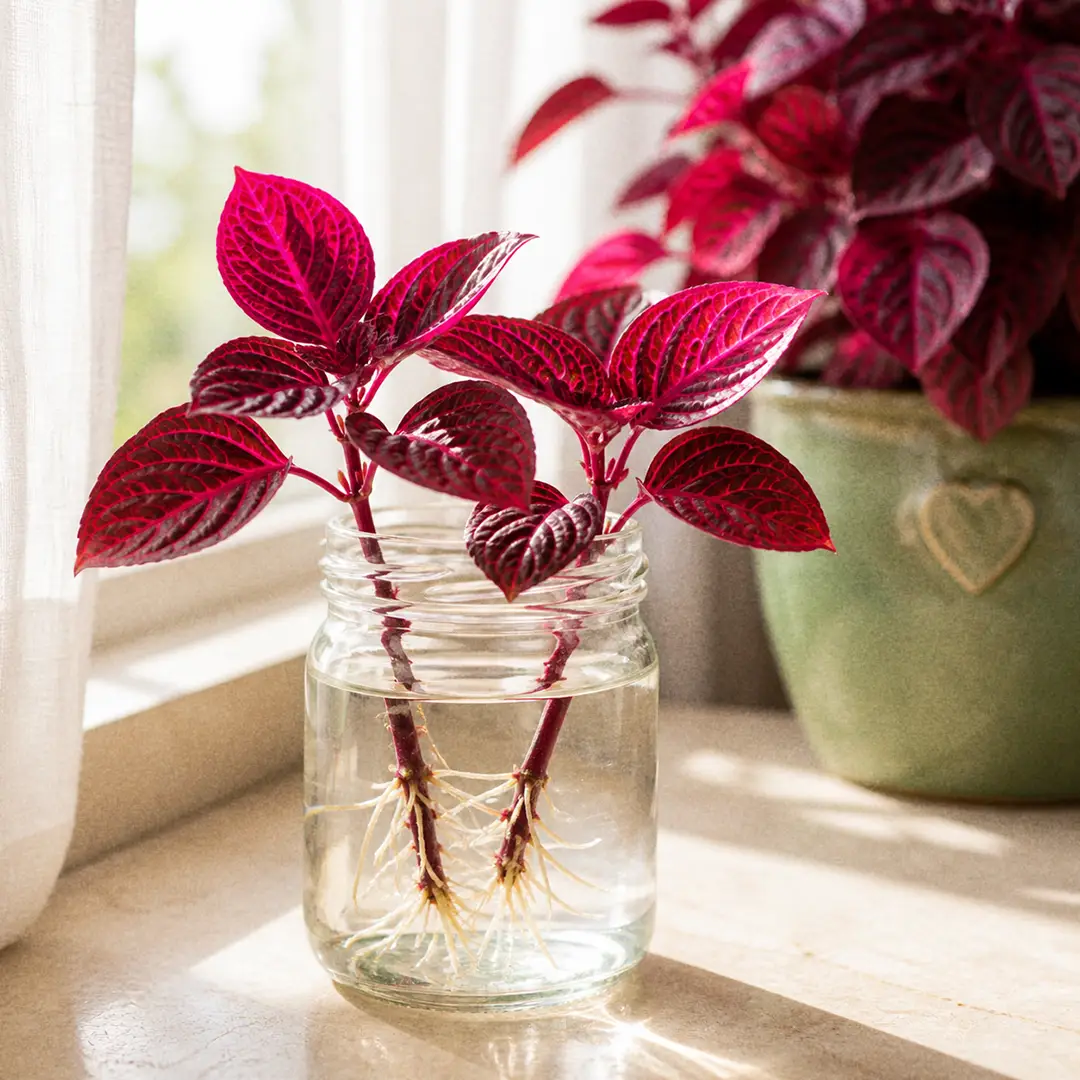
Cuttings root in water within 10-14 days, sometimes faster. A single mature plant can produce dozens of new plants each season.
Water Propagation (Easiest)
- Take a cutting 4-6 inches long. Cut just below a leaf node.
- Strip the lower 1-2 leaf sets, leaving 2-3 sets at the top.
- Place in a jar of room-temperature water with the bare nodes submerged.
- Bright indirect light. Avoid direct sun, which heats the water.
- Change the water every 3-4 days.
- White roots typically appear within 10-14 days. Plant in moist mix once they reach 1-2 inches.
Soil Propagation
Take the cutting the same way, push it 1-2 inches into moist potting mix. Cover loosely with a clear plastic bag for humidity, vent daily. Roots in 2-3 weeks. Rooting hormone is optional and not really needed for Iresine.
When
Spring through early autumn is ideal. You can propagate in winter, but rooting is slower and new plants look weak until spring.
A jar of rooting Bloodleaf cuttings on a windowsill is genuinely pretty. The veins glow when backlit.
🐛 Bloodleaf Pests
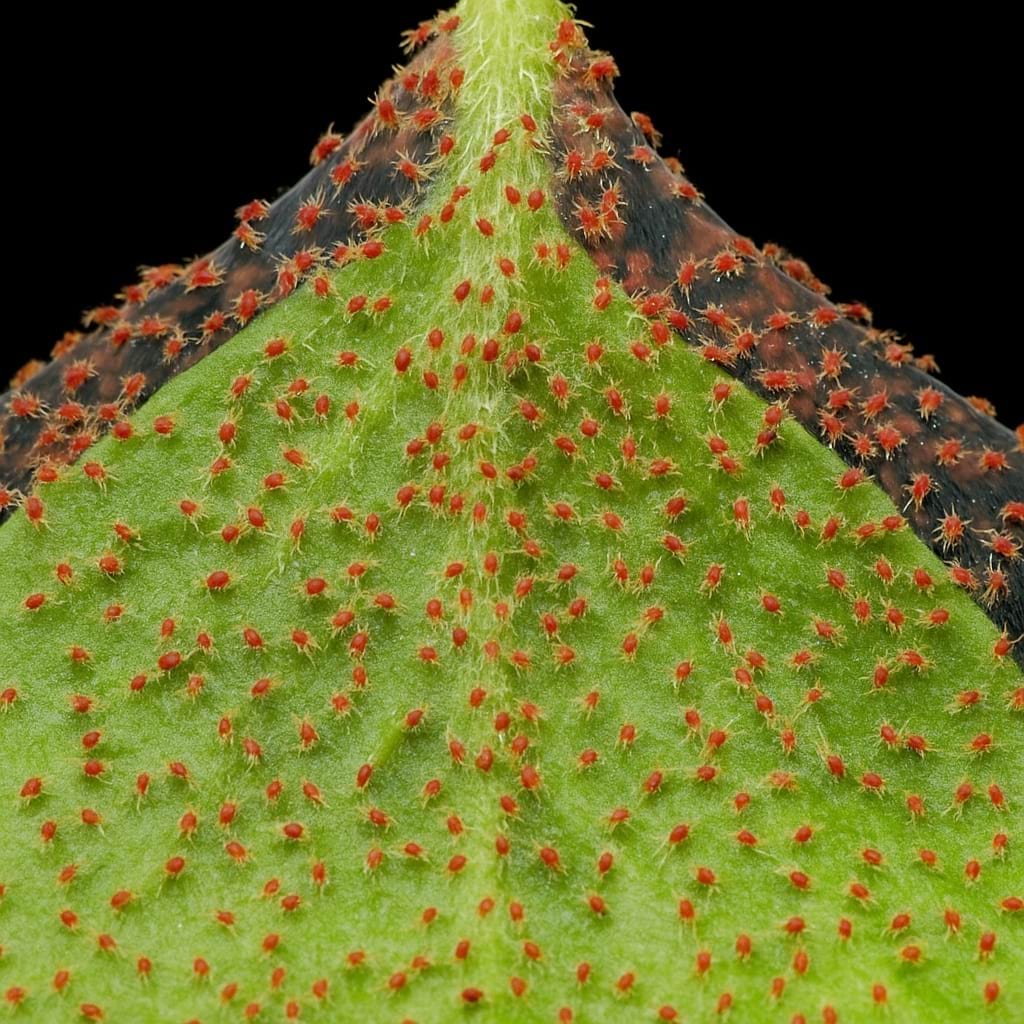
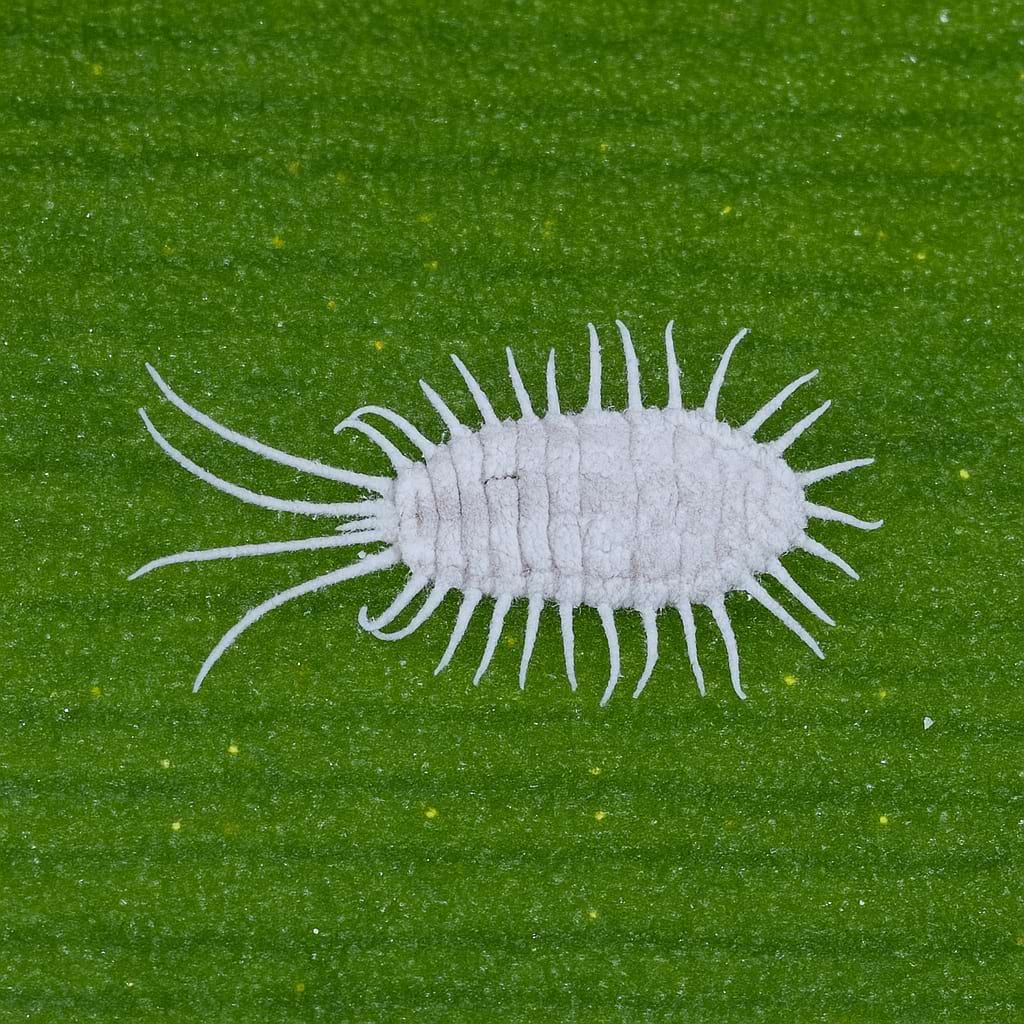
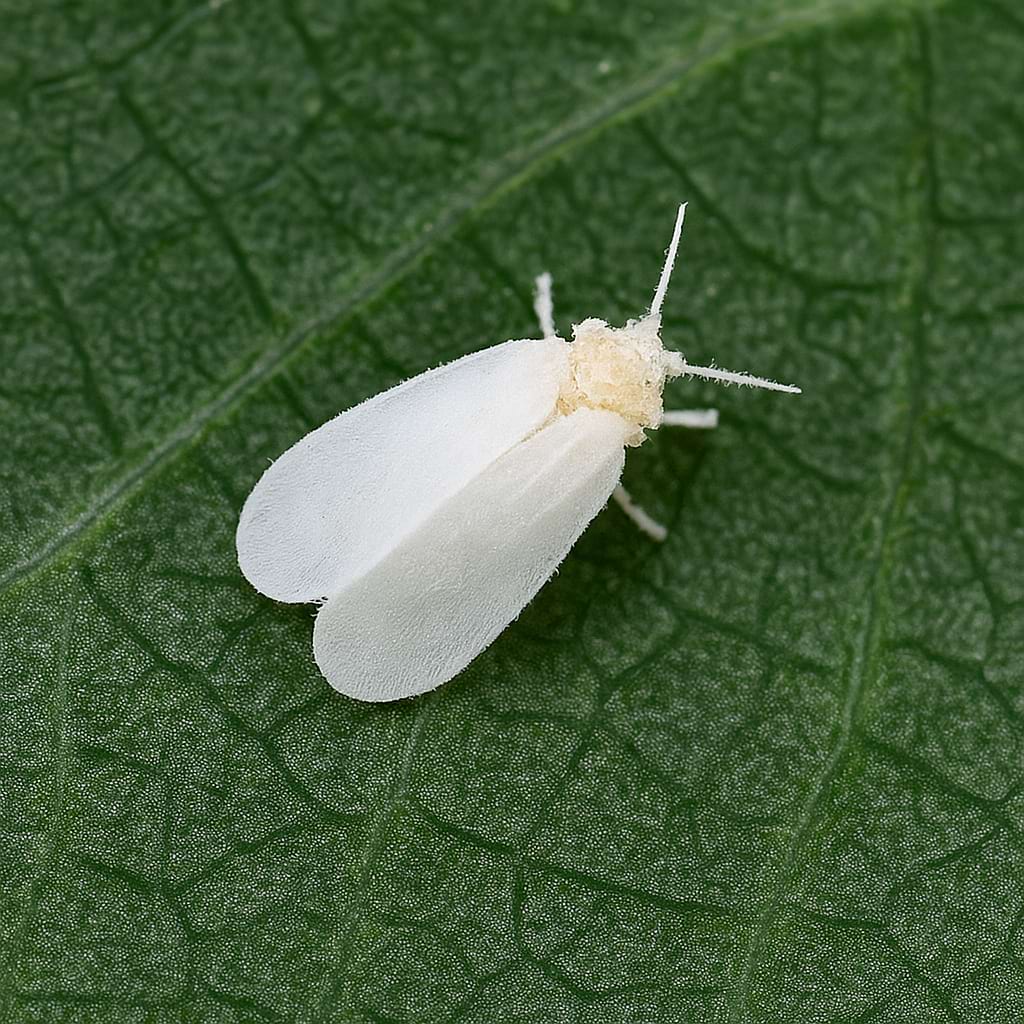
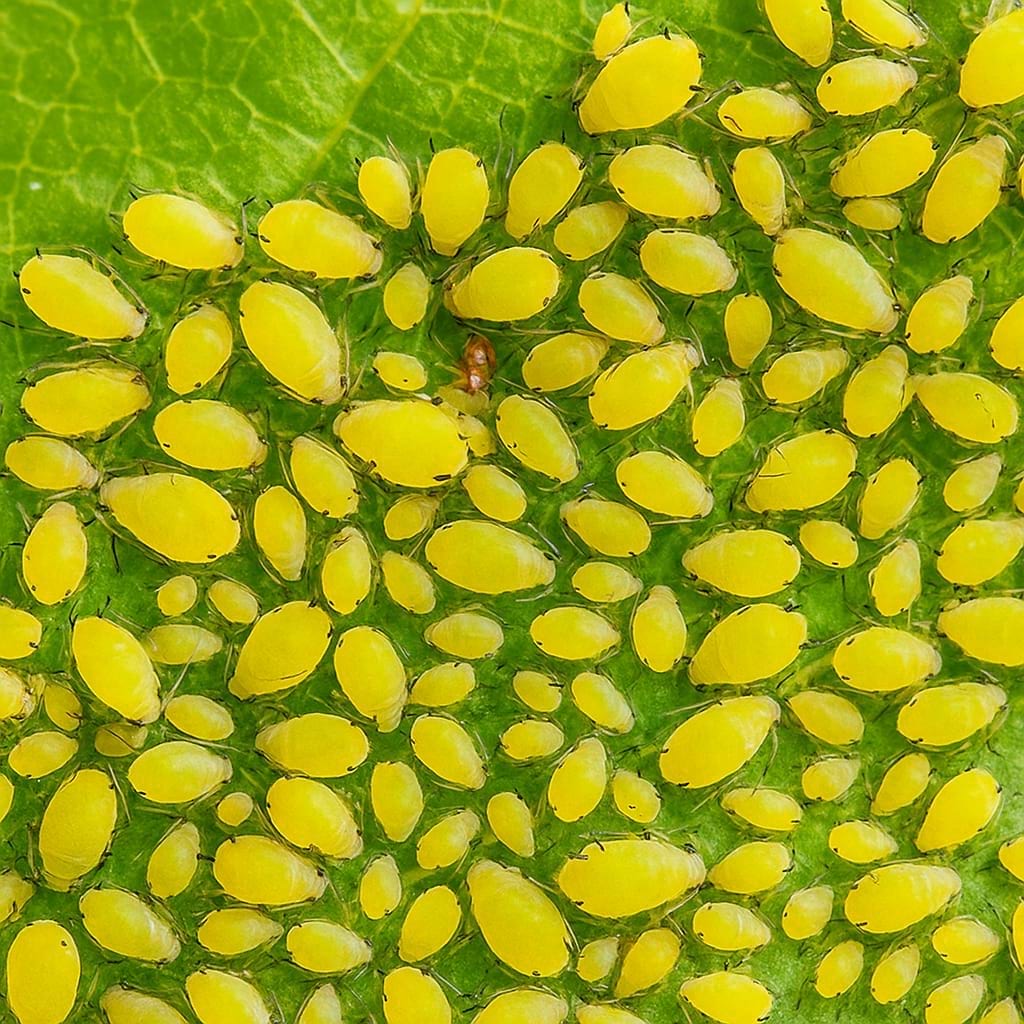
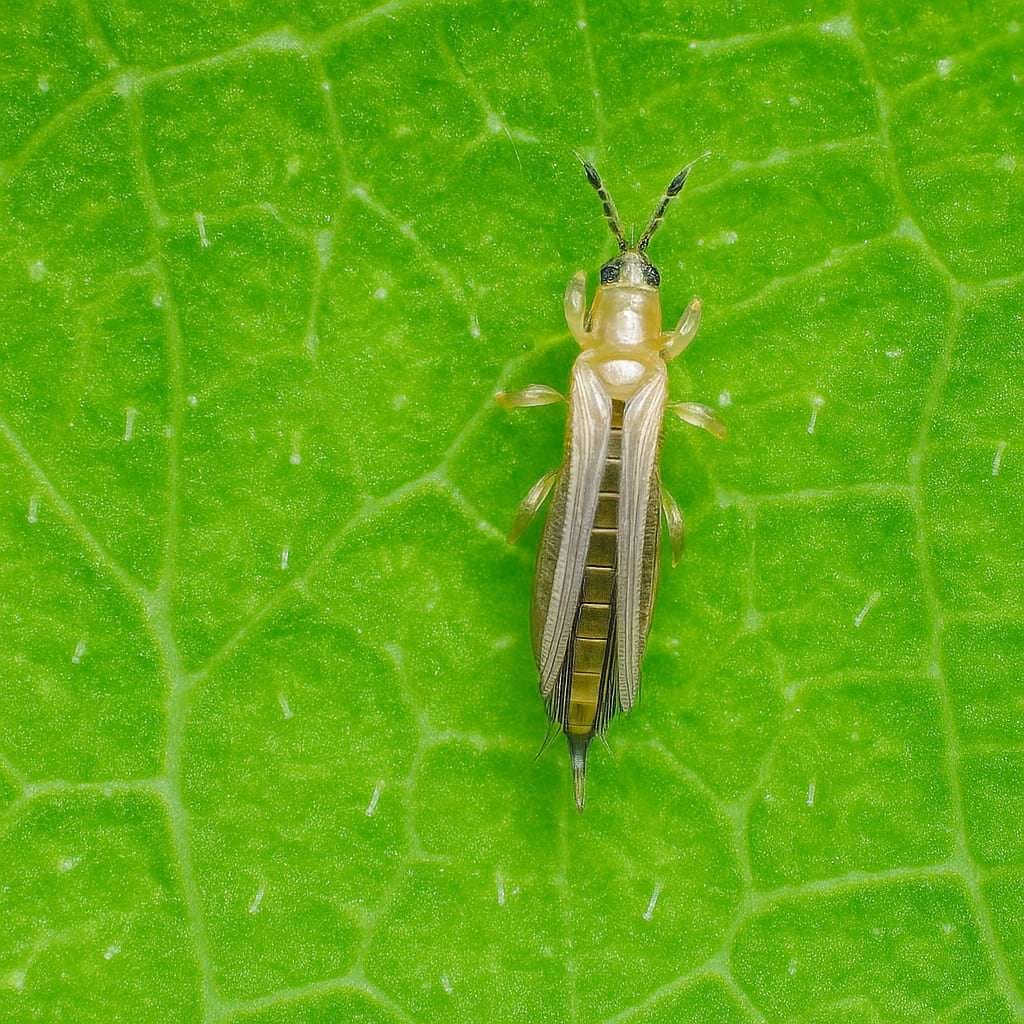
Soft juicy leaves invite trouble. Check undersides and stem tips weekly. The usual suspects are spider mites, mealybugs, whiteflies, aphids, and occasionally thrips.
Spider mites are the most common. Fine webbing in leaf joints and stippled yellow dots on the surface. Wipe with diluted insecticidal soap or a 1:1 water-and-alcohol mix, focus on undersides. Repeat weekly for three weeks.
Mealybugs look like cotton tufts in leaf nodes. Dab with a cotton swab dipped in 70% isopropyl alcohol.
Whiteflies flutter up in clouds when leaves are brushed. Yellow sticky traps for adults, insecticidal soap or neem oil for eggs and nymphs.
Aphids cluster on new growth. Rinse off in the sink, follow with insecticidal soap.
Thrips leave silvery streaks and tiny black specks. Sticky traps plus neem oil rounds, usually multiple treatments needed.
Isolate any affected plant while you treat it.
🩺 Common Bloodleaf Problems
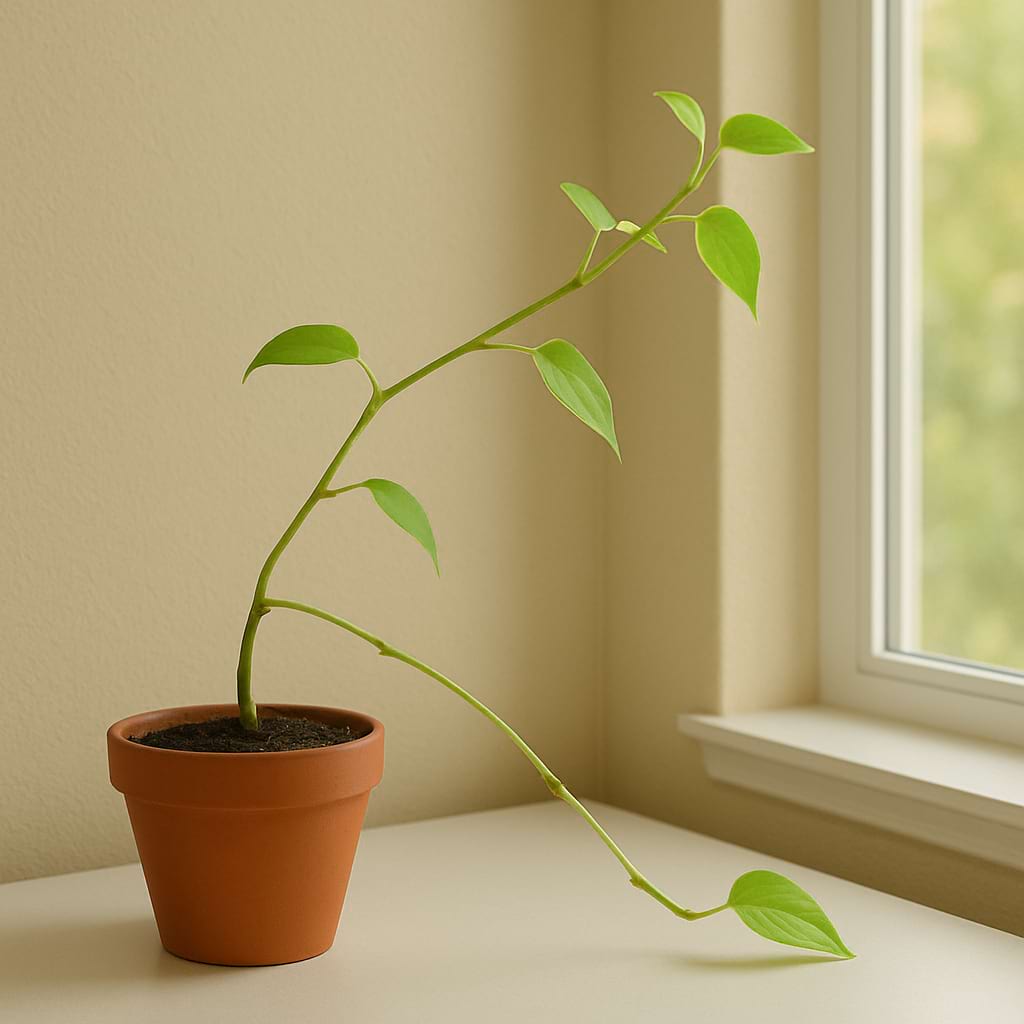
Leggy growth: The number one complaint. Too little light, no pinching, or both. Brighten the spot and pinch back. Severely leggy plants reset well with a hard cutback to healthy nodes.
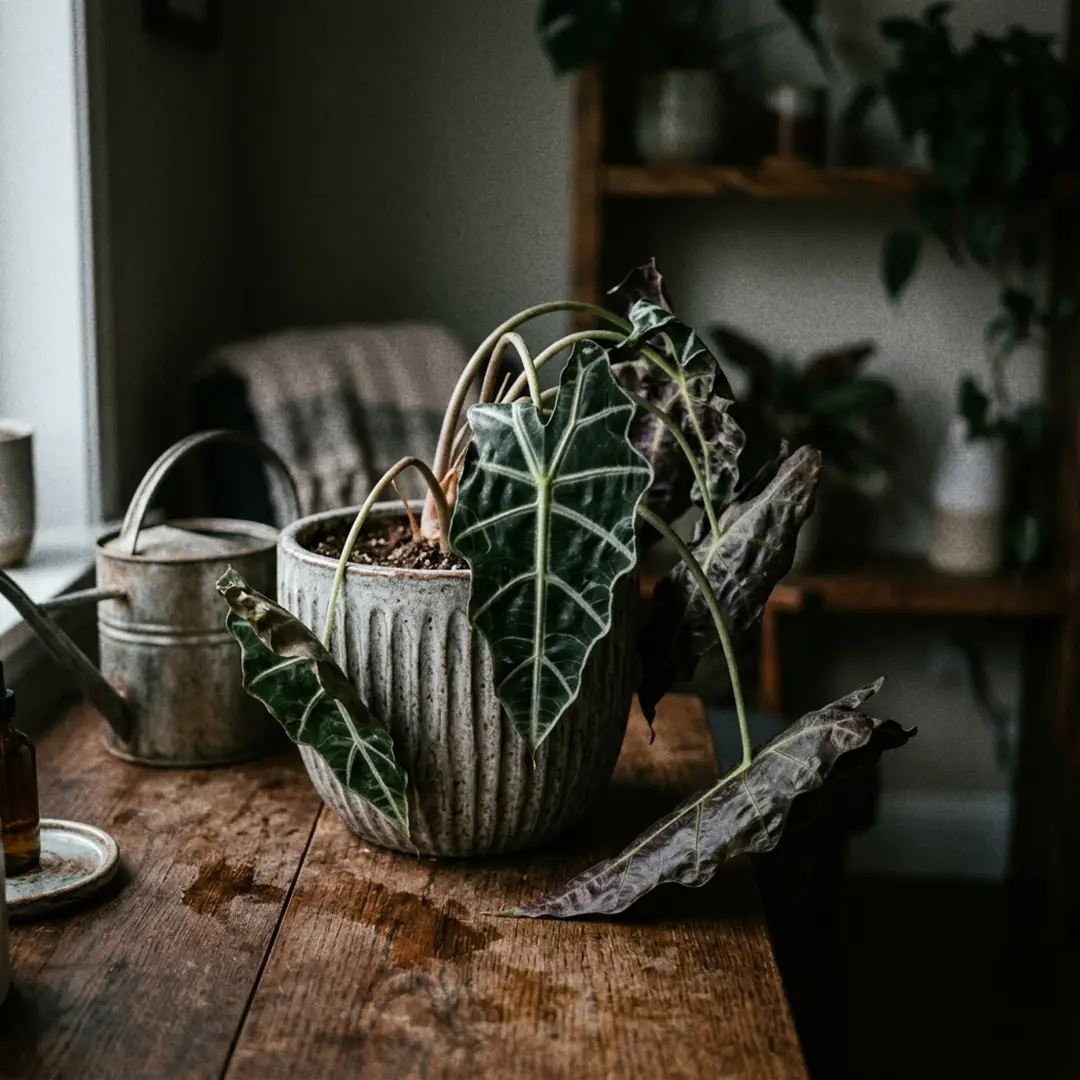
Wilting that bounces back fast after watering means underwatering. Wilting that does not recover or wilting on a wet pot means damaged roots, possibly early root rot.
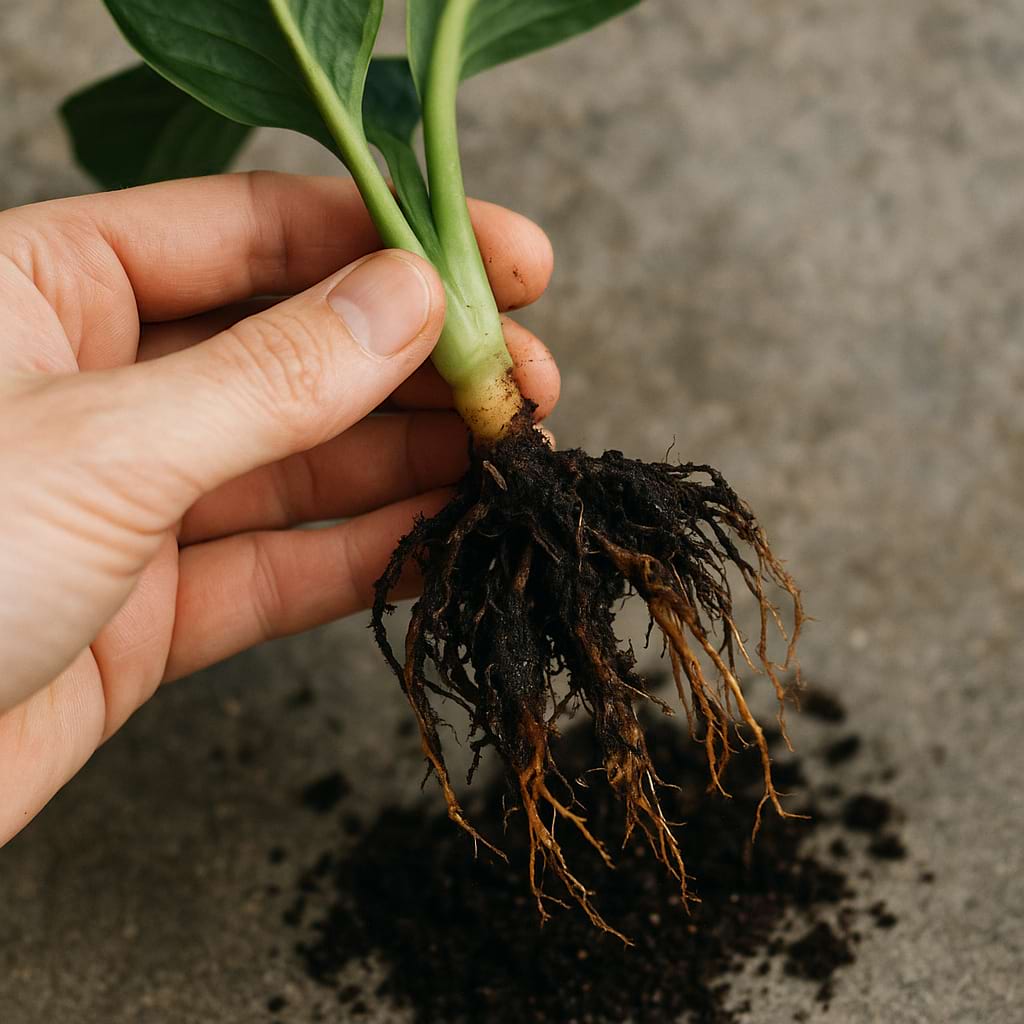
Root rot: Soft mushy lower stems, often blackened at the base. From overwatering or poor drainage. Catch it early, trim every soft black root, repot in fresh dry soil. If the rot has reached the main stem, take cuttings from healthy upper growth and start over.
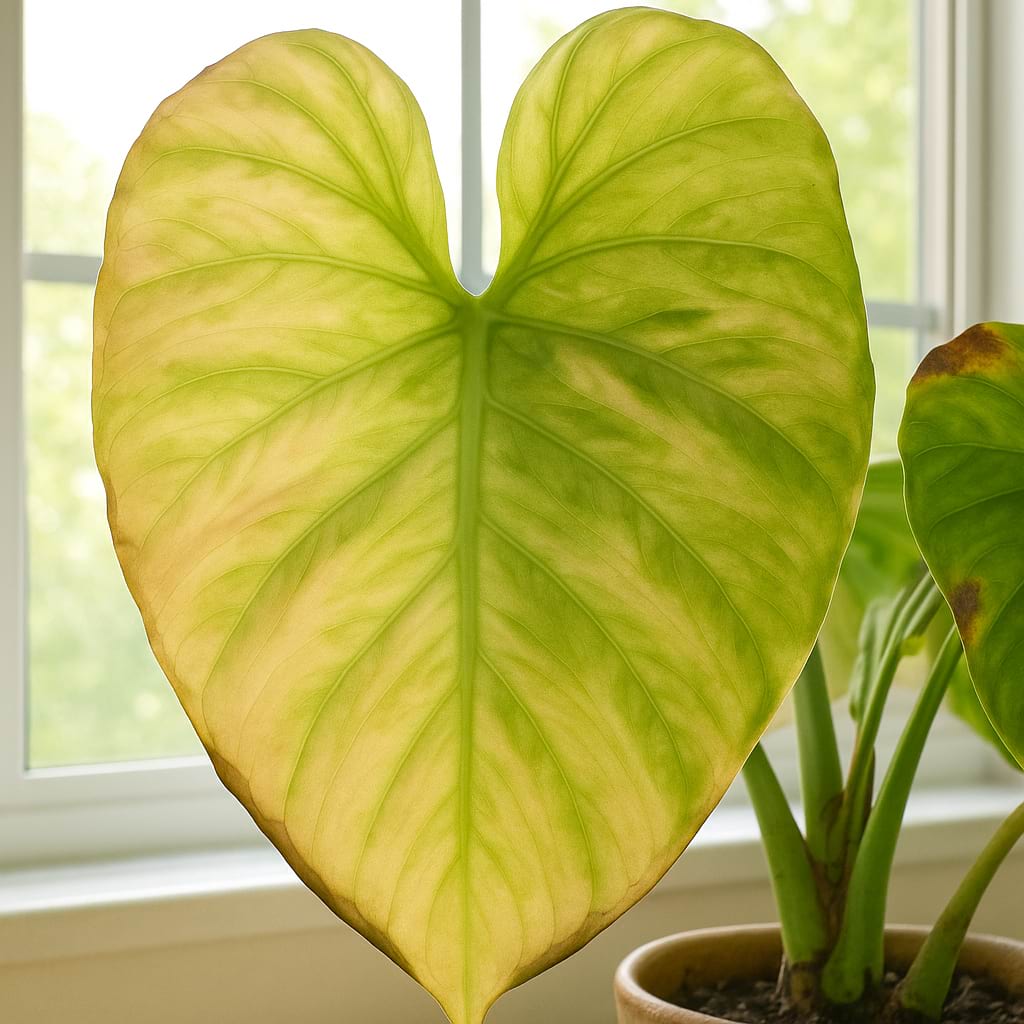
Pale faded leaves: Too little light. The pigments need strong light to produce. Move closer to a window or add a grow light, new growth comes in saturated again within weeks.
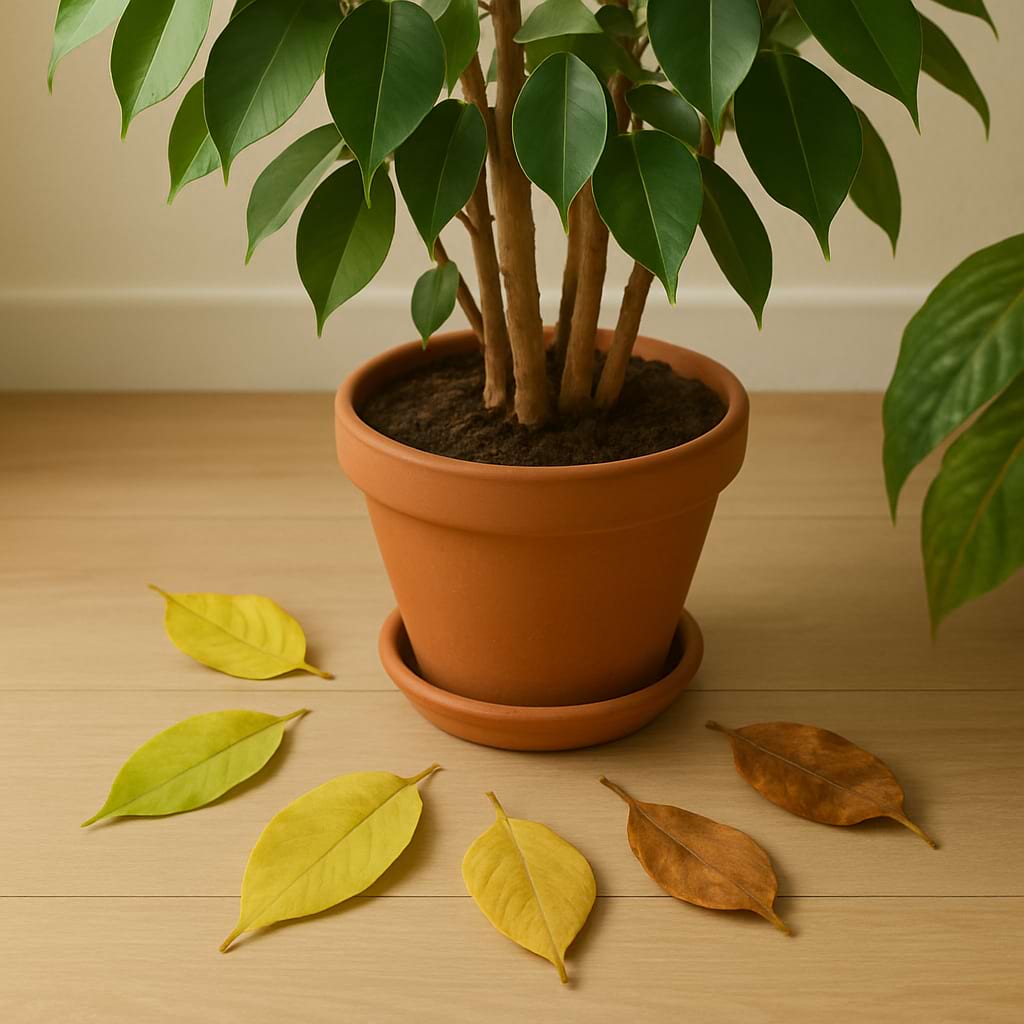
Leaf drop: Sudden temperature changes, cold drafts, severe underwatering, or moving from bright to dark. Once you find a good spot, leave it there.
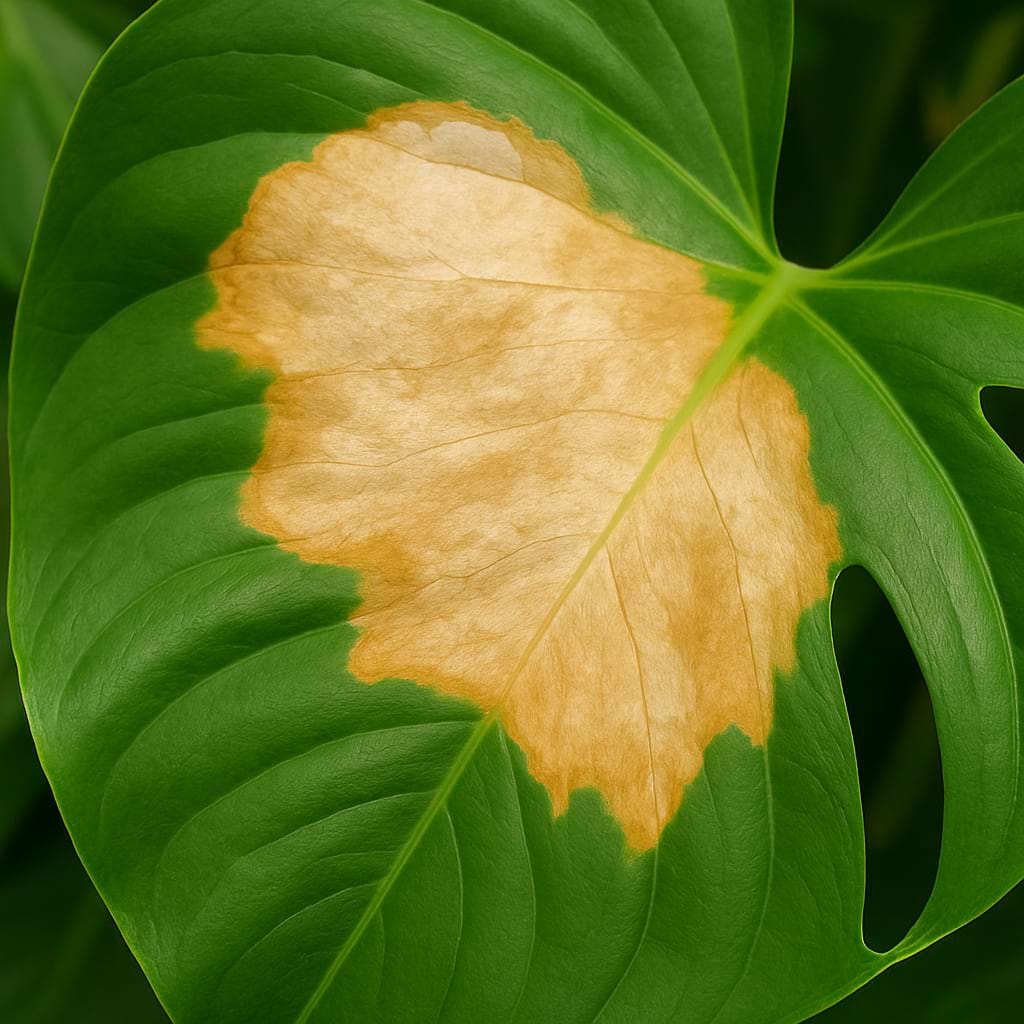
Sunburn: Bleached patches on the brightest variegated parts. Pull back from the window or add a sheer curtain at midday.
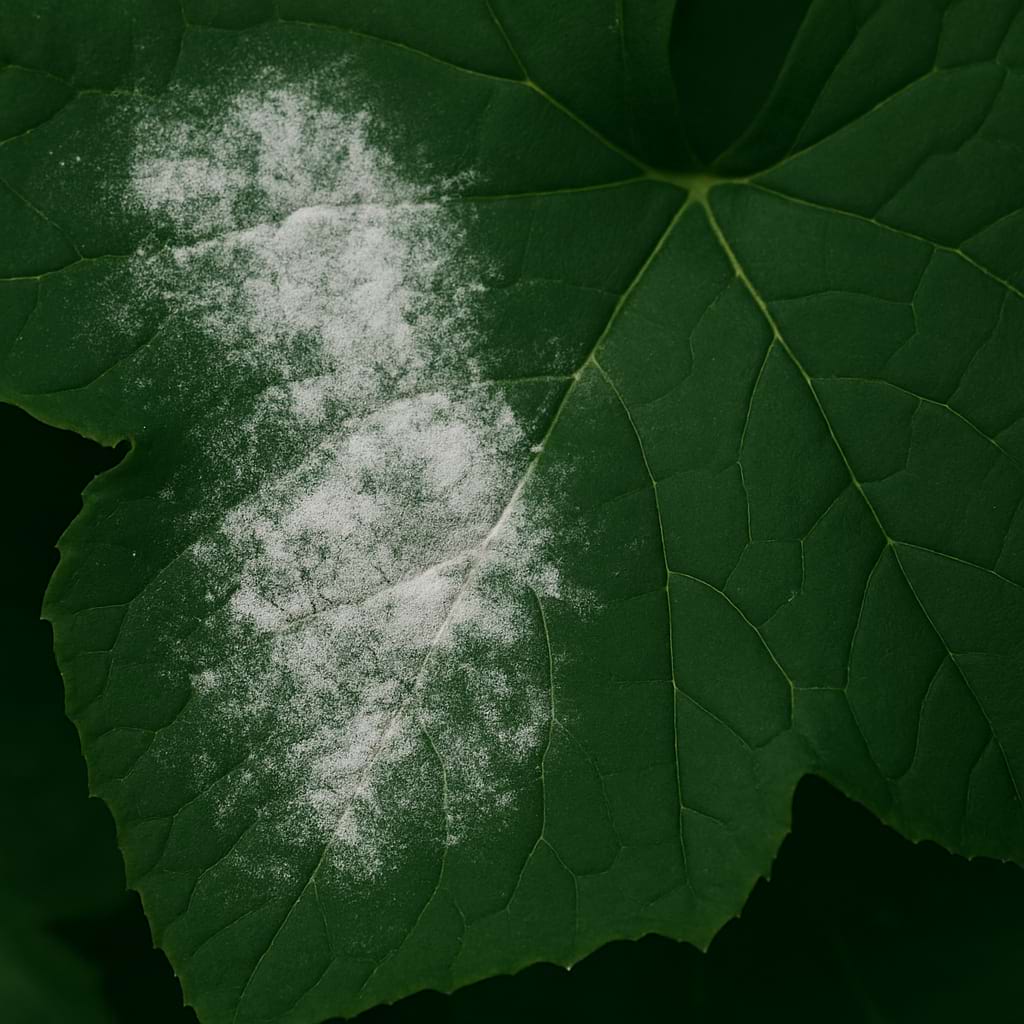
Powdery mildew: White dusty coating in cool humid low-airflow conditions. Improve airflow, water in the morning, treat with a 1-tablespoon-per-quart milk-and-water spray or a commercial fungicide.
🖼️ Display and Styling Ideas
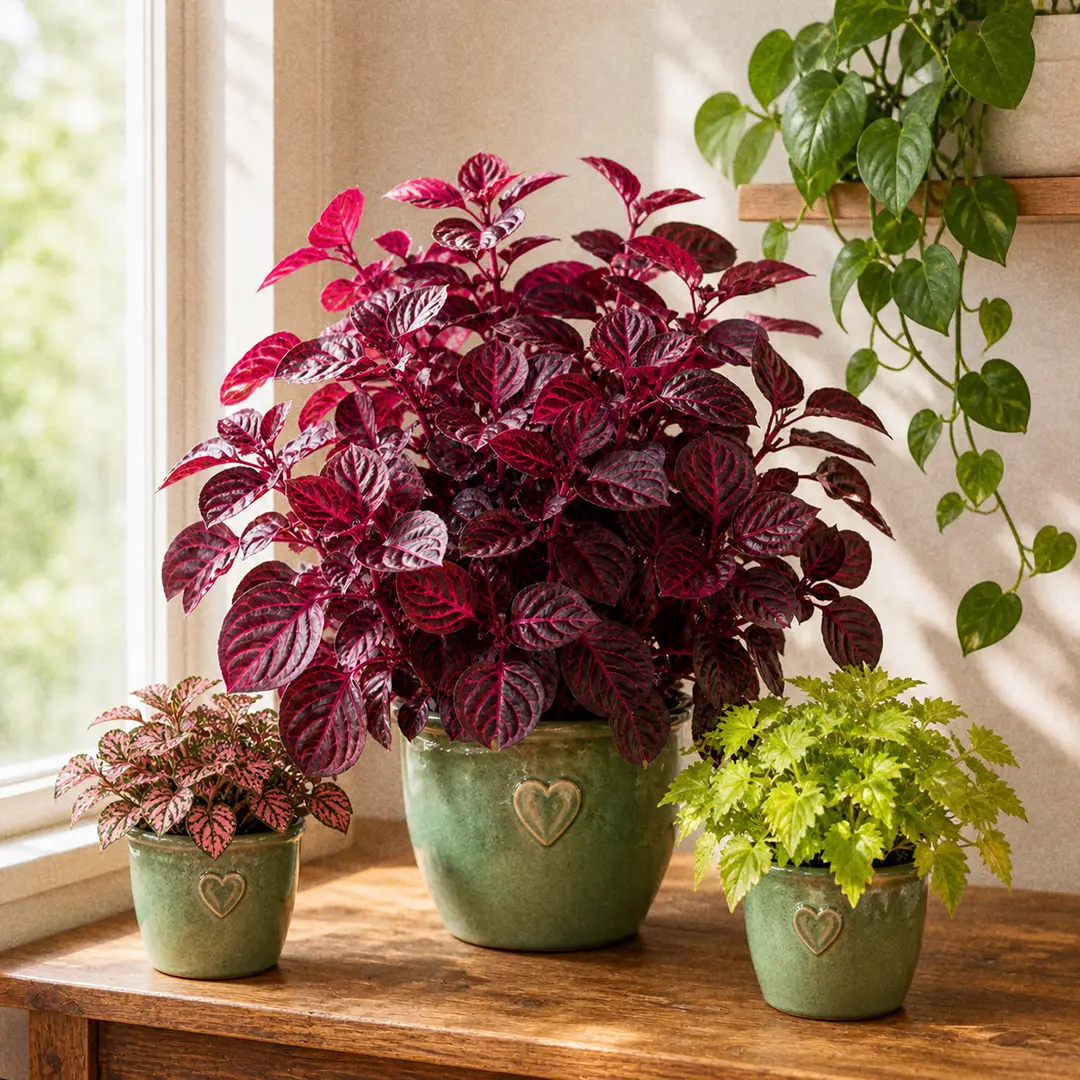
As a Single Statement
A mature Bloodleaf in a 6-inch pot is striking on its own. Pick a bold cultivar and a neutral pot in cream, terracotta, or matte sage. The leaves do all the visual work.
Color-Stack Groupings
Group two or three cultivars for a controlled color riot:
- 'Brilliantissima' (wine red) next to 'Aureoreticulata' (lime and yellow) for high contrast.
- 'Wallisii' (compact dark purple) next to a chartreuse Coleus.
- 'Purple Lady' (trailing) draped from a high shelf above an upright 'Brilliantissima'.
Matching pots keep the foliage in focus.
Mixed Foliage
Bloodleaf pairs well with other tropicals that share its light and water needs. Try a Polka Dot Plant for high-color clustering or a Nerve Plant for a humidity trio. A trailing Pothos on a shelf above sets it off beautifully.
Bright Bathroom
High humidity plus bright morning light from a bathroom window is fantastic. A pair of contrasting cultivars on a wide sill turns the corner into a tiny botanical scene with the brightest veins you have ever seen.
🌟 Pro Care Tips
- Pinch on a schedule. A weekly pass takes 60 seconds and prevents nearly every common problem.
- Always have backup cuttings rooting. Older Bloodleaf is past its prime no matter what you do. Cuttings are genetically identical, so you keep the same plant going indefinitely.
- Light is color. A grow light is genuinely worth it in a low-light apartment.
- Water in the morning. Wet leaves overnight invite fungal issues.
- Rotate weekly. Quarter-turn each time keeps the plant attractive from every side.
- Take cuttings before winter. The autumn light drop weakens older Bloodleaf quickly. Fresh cuttings rooted in early autumn become your spring plants.
- Skip leaf shine sprays. A soft damp cloth is all you need.
❓ Frequently Asked Questions
Is Bloodleaf toxic to cats and dogs?
Generally listed as non-toxic to cats and dogs, including by the ASPCA. Any plant chewed in quantity can cause mild stomach upset, so keep it out of reach of enthusiastic chewers. For a confidently pet-safe colorful alternative, the Polka Dot Plant is also non-toxic.
Can Bloodleaf be grown indoors year-round?
Yes. Older plants tend to lose vigor and color after about two years. The simple solution is to keep taking cuttings, a young plant from a fresh cutting is always the most vivid version.
Why are my Bloodleaf veins fading?
Not enough light. The anthocyanins and betalains need strong light to express. Move closer to a window and new leaves come in with bright veining again within a few weeks.
How fast does it grow?
Fast. A 4-inch nursery plant can fill out a 6-inch pot in 2-3 months, and a rooted cutting becomes a full plant in a single growing season.
Should I let my Bloodleaf flower?
For most growers, no. Flowering signals the end of the most productive phase, after which foliage thins and color fades. Pinch off flower spikes as soon as you see them.
Why are the lower leaves dropping?
Three common causes, in order of likelihood: too little light, dramatic underwatering followed by overwatering (or the reverse), or a sudden cold draft. Stable conditions and a consistent schedule fix this within a couple of weeks.
Can I move my Bloodleaf outdoors in summer?
Yes. Acclimate gradually over a week, starting in shade and moving to brighter spots so the leaves do not scorch. Bring it back inside before nights drop below 55°F. Inspect for pests before moving it back in.
How do I keep it bushy?
Pinch growing tips every 1-2 weeks. Each pinch causes the stem to branch into two. Combined with bright light, this keeps the plant compact and full year-round.
Iresine herbstii vs Iresine lindenii?
Closely related species sold almost interchangeably. Herbstii has rounder slightly notched leaves with contrasting veins. Lindenii has narrower more pointed leaves in a deeper more uniform blood red. Care is identical.
ℹ️ Bloodleaf Info
Care and Maintenance
🪴 Soil Type and pH: Light, peat or coco-coir based potting mix with 25-30% perlite for drainage and a small amount of compost or worm castings.
💧 Humidity and Misting: Prefers 50-60% humidity; tolerates average rooms but colors fade in dry air.
✂️ Pruning: Pinch growing tips every 1-2 weeks to keep the plant bushy and the veins glowing.
🧼 Cleaning: Wipe leaves gently with a soft damp cloth; never use leaf shine sprays, which dull the natural sheen of the veins.
🌱 Repotting: Every spring or whenever roots circle the pot; a snug pot keeps the plant compact.
🔄 Repotting Frequency: Every 12 months
❄️ Seasonal Changes in Care: Spring and summer are the high-color months: push light, pinch often, and feed regularly. In autumn, ease back fertilizer and watering as growth slows. In winter, move close to your brightest window and protect from cold drafts. Some leaf drop in low-light winter is normal.
Growing Characteristics
💥 Growth Speed: Fast
🔄 Life Cycle: Tender tropical perennial
💥 Bloom Time: Mid to late summer; small, papery whitish-green flower clusters on slender spikes. Most growers pinch them off, since blooming pulls energy from the foliage and rarely impresses anyone next to those leaves.
🌡️ Hardiness Zones: 10-11 (outdoors)
🗺️ Native Area: South America, primarily Brazil and Ecuador
🚘 Hibernation: No, but growth slows noticeably in winter
Propagation and Health
📍 Suitable Locations: Bright windowsills, sunrooms, plant shelves, bathrooms with good light, covered patios in summer.
🪴 Propagation Methods: Very easy from stem cuttings rooted in water within 10-14 days.
🐛 Common Pests: Spider Mites, Mealybugs, Whiteflies, Aphids, Thrips
🦠 Possible Diseases: Root rot, fungal leaf spot, botrytis, downy mildew.
Plant Details
🌿 Plant Type: Herbaceous Perennial
🍃 Foliage Type: Evergreen indoors
🎨 Color of Leaves: Deep wine red, magenta, burgundy, lime green, or olive, with contrasting bright pink, ruby, or yellow veining.
🌸 Flower Color: Whitish-green, papery
🌼 Blooming: Mid to late summer; usually pinched off
🍽️ Edibility: Not edible
📏 Mature Size: 12-24 inches indoors
Additional Info
🌻 General Benefits: Outrageous leaf color year-round, fast growth, easy propagation from cuttings, and a small mature size that fits on tight shelves and windowsills.
💊 Medical Properties: Limited folk medicine use in parts of South America, but no widely known home herbal applications. Treat as ornamental only.
🧿 Feng Shui: The strong red and magenta tones bring fire energy. A good plant for an entryway, living room, or workspace where you want a more energetic, confident atmosphere.
⭐ Zodiac Sign Compatibility: Aries
🌈 Symbolism or Folklore: Vitality, individuality, and bold self-expression.
📝 Interesting Facts: Iresine herbstii was a Victorian bedding-plant favorite in the 1860s and 70s, used in elaborate carpet bedding designs at estates and public parks. Its vivid foliage made it a centerpiece of the era''s love affair with pattern. The genus name Iresine comes from the Greek "eiros," meaning wool, a reference to the soft hairs on the flowers and stems of some species.
Buying and Usage
🛒 What to Look for When Buying: Look for compact, bushy plants with strongly colored leaves and tight internodes (short gaps between leaf pairs). Avoid stretched, pale stems and any plant with developing flower spikes. Check the underside of leaves and the leaf joints for spider mites and mealybugs before bringing one home.
🪴 Other Uses: A staple of Victorian and Edwardian carpet bedding and modern container gardens. Indoors, often used as a colorful filler in mixed planters and as a beginner-friendly propagation plant.
Decoration and Styling
🖼️ Display Ideas: Group two or three Iresine cultivars in matching pots for a controlled color riot, or pair Bloodleaf with a chartreuse foliage plant like a lime Coleus or a Wasabi-toned variety for high contrast. Looks beautiful as a centerpiece on a sunny windowsill or tucked into a tiered plant stand with trailing greenery.
🧵 Styling Tips: Neutral pots in cream, terracotta, or sage green let the leaf color do the work. Avoid bright patterned pots that compete with the foliage. The saturated red tones look stunning against pale linen, warm wood, or a plain white wall.

Houseplant101 Forum
Questions & Comments
Ask a question, share your plant experience, or help other plant owners.
Comments are temporarily unavailable.
Open the Houseplant101 ForumNo comments yet
Be the first to ask a question or share your experience about this page.
Log in or create an account
Comments use your Houseplant101 Forum account, but you can stay on this page.
Create a new account