
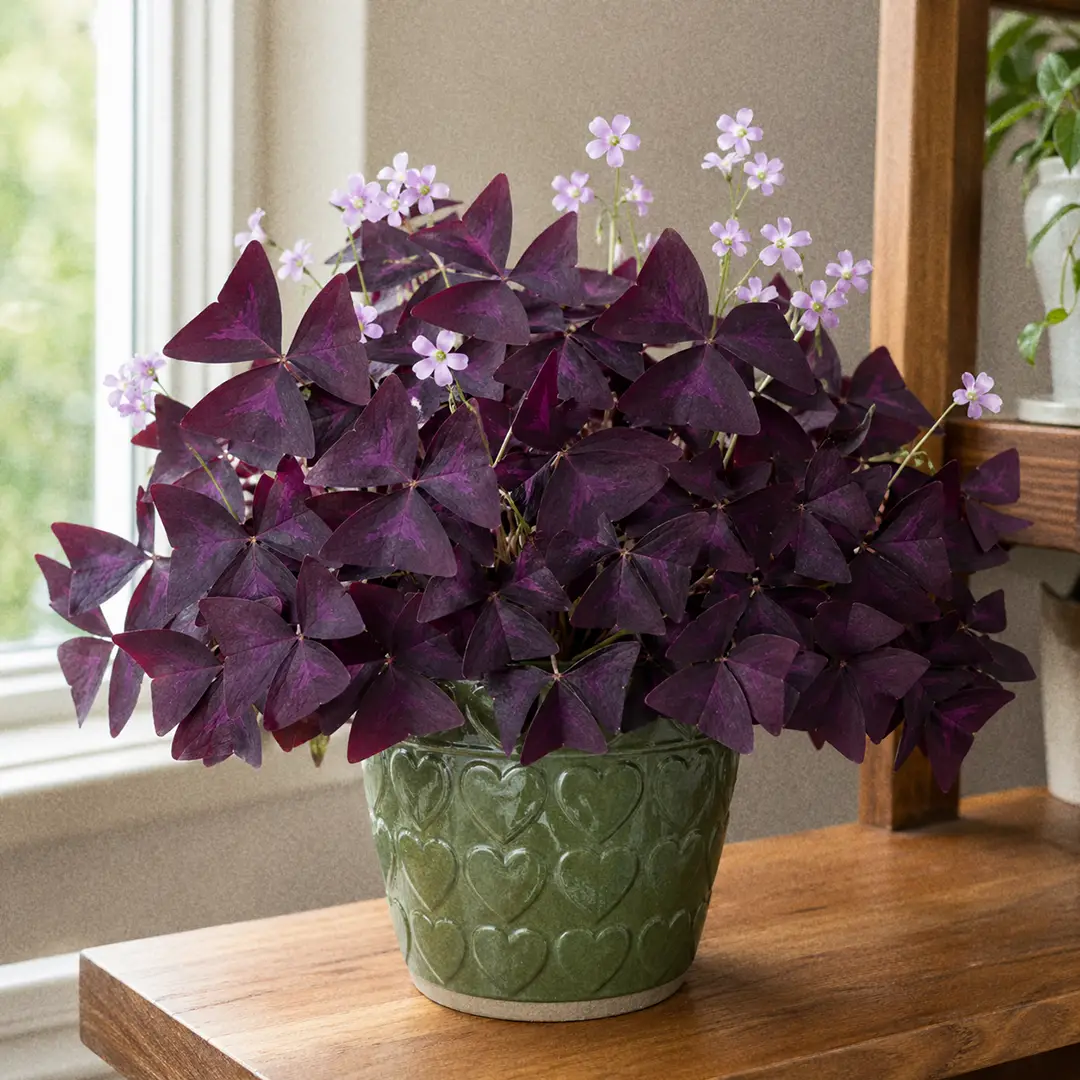
Purple Shamrock
Oxalis triangularis
False Shamrock, Love Plant, Butterfly Plant, Purple Clover


Purple Shamrock (Oxalis triangularis) is a small, showy houseplant grown for its dramatic deep-purple, butterfly-shaped leaves that open and close with the light. It blooms with delicate pale pink or white flowers, grows from tiny bulbs, and rewards a little patience with a long-lived, sculptural display.
📝 Purple Shamrock Care Notes
🌿 Care Instructions
⚠️ Common Pests
📊 Growth Information
🪴 In This Guide 🪴

A Note From Our Plant Expert
Hi everyone, Anastasia here. The Purple Shamrock was the first plant that genuinely surprised me. I had it on my desk during my early plant-collecting years, and one quiet afternoon I noticed every triangular leaf had slowly folded down like a tiny umbrella. By the next morning the whole plant was open again, leaves spread wide like a flock of small purple butterflies. I was hooked.
Oxalis triangularis is one of the most rewarding small plants you can grow indoors. The leaves are an unreal deep burgundy, the flowers are sweet and shy, and the daily opening-and-closing show is something kids and adults watch with the same wide-eyed look. It is also forgiving in a way most colorful plants are not. If you give it bright light, water it like a normal houseplant, and respect its rest periods, it will outlive most of the trendy plants on your shelf.
This guide is the full picture: light, water, the slightly mysterious dormancy, easy bulb propagation, and what to do when the leaves go pale or the plant suddenly looks "dead." Spoiler: it is almost never dead.
If you love the look of bold-colored foliage, you might also enjoy our roundup of the most Instagrammable houseplants.
☀️ Purple Shamrock Light Requirements (Best Indoor Light)
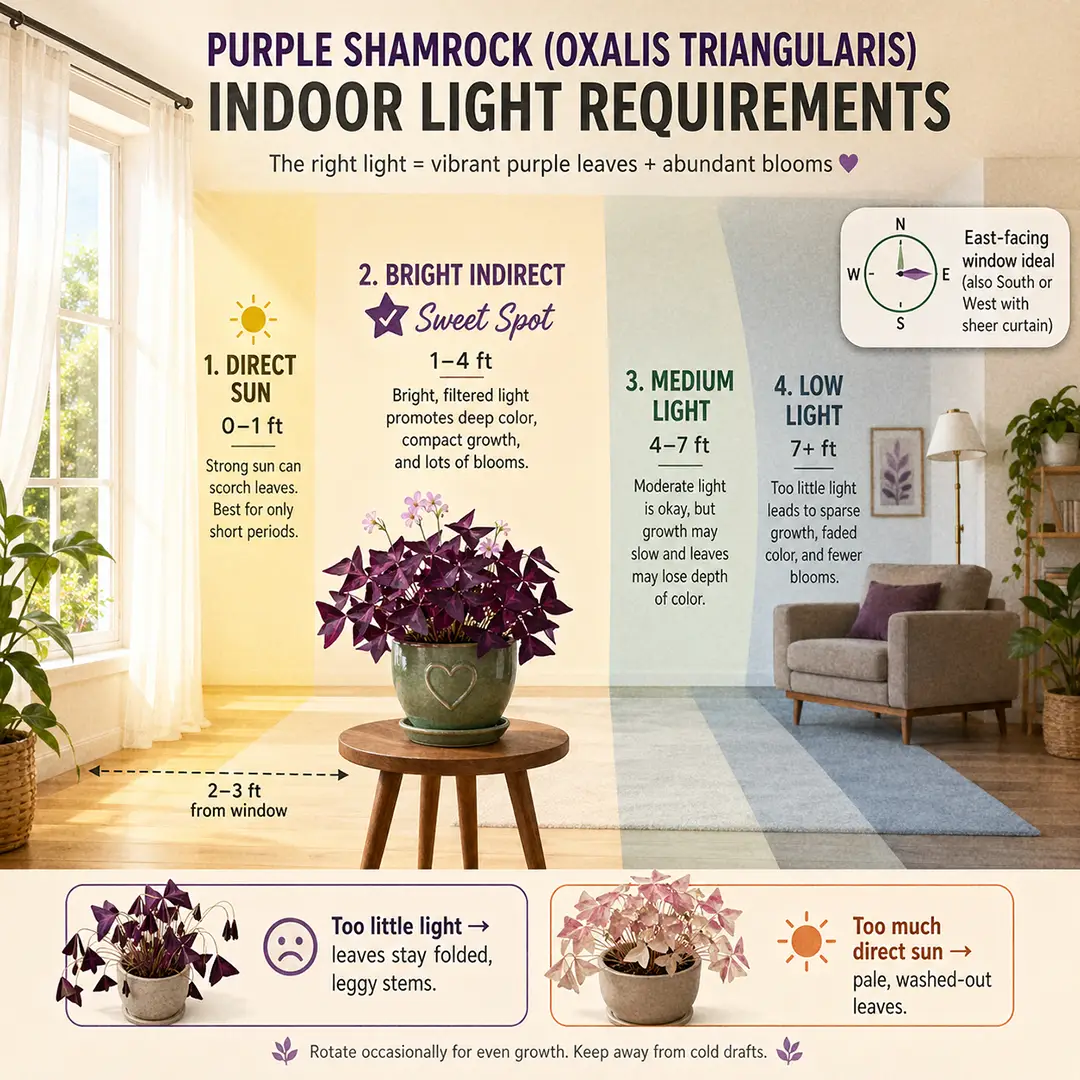
Light is the single biggest variable for Purple Shamrock. Get it right and the leaves stay deeply colored, the plant stays compact, and flowering is generous.
The Sweet Spot
Bright, indirect light with a few hours of gentle direct sun is the sweet spot. An east window is nearly perfect, with soft morning sun and bright ambient light the rest of the day. A south or west window works too if the plant sits a few feet back or behind a sheer curtain during harsh afternoon hours.
Too Little Light
In lower light, leaves stay half-folded all day and the plant gets leggy. If your only spot is a north window, supplement with a small grow light for 8-10 hours a day.
Color Cues
Deep burgundy means the plant is well lit. Pale pinkish leaves with crispy edges mean too much sun. A dull, green-tinged purple means too little light.
💧 Purple Shamrock Watering Guide (How Often to Water)
Purple Shamrock likes lightly moist soil during active growth and hates wet feet. The shallow bulbs react quickly to both drought and waterlogging.
Watering Frequency
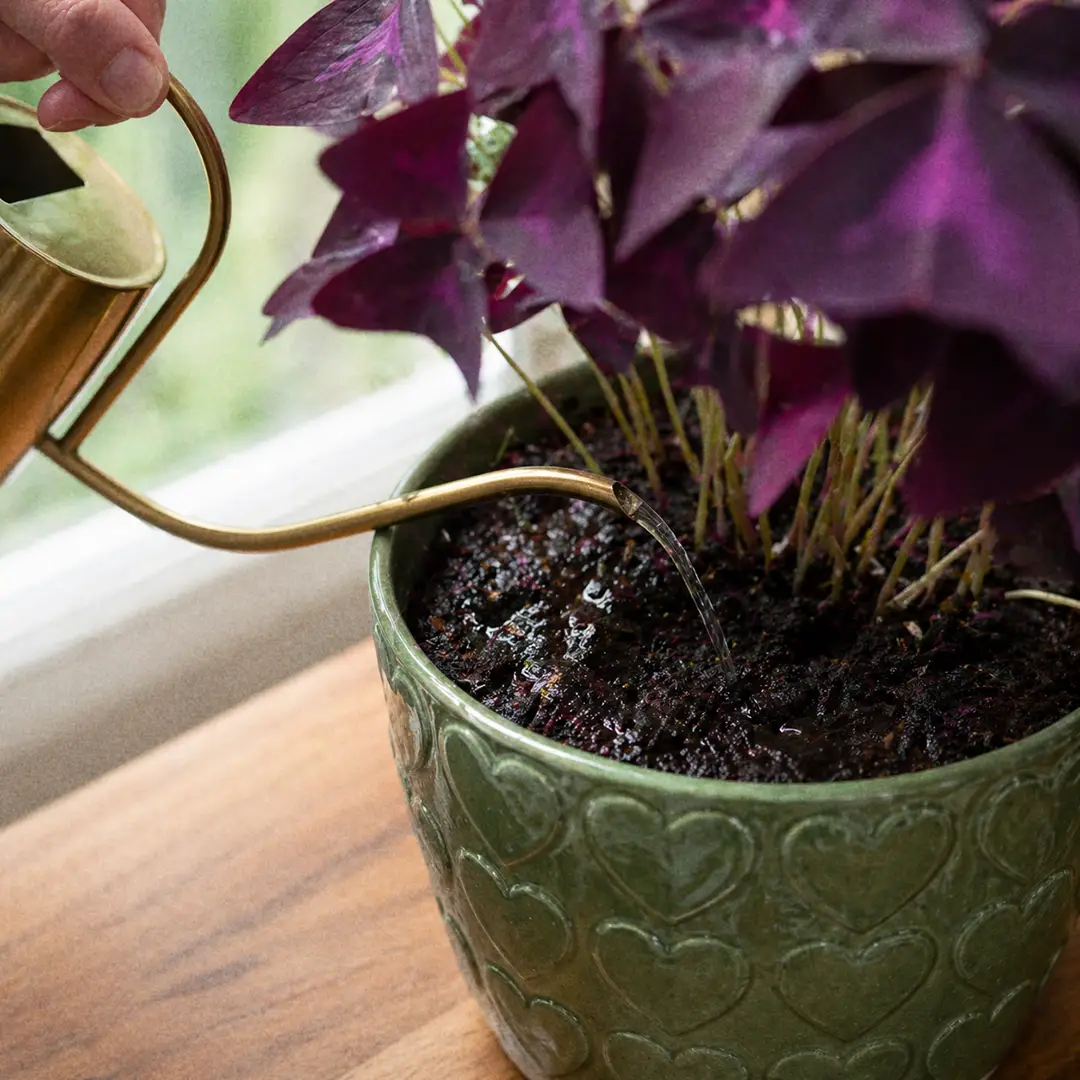
Water when the top 1-2 inches feel dry, roughly every 5-8 days for a small pot near a sunny window. Cut watering sharply during dormancy. Pour room-temperature water until it drains from the bottom, then tip out the saucer. The bulbs rot faster than the leaves can warn you.
How to Water
Bottom watering is great for Oxalis because it keeps the foliage dry and reduces fungal risk. Set the pot in a shallow tray for 15-20 minutes, then drain.
Signs of Trouble
Overwatering shows up as yellowing leaves, a sudden flop where many stems collapse at once, mushy bases, and a sour soil smell. Long term it means root rot. Underwatering shows up as dramatically drooping leaves and dry crispy tips. Good news: a thorough watering usually plumps it back within hours.
🪴 Best Soil for Purple Shamrock (Potting Mix and Drainage)
What the Soil Needs
The right soil mix for Oxalis is light, airy, and quick to drain while still holding a little moisture. The shallow bulbs rot easily in dense, waterlogged soil.
DIY Soil Mix
A standard indoor potting mix blended with perlite is ideal: roughly two parts mix to one part perlite, with a handful of orchid bark or coarse sand if you have it. For a custom blend, try three parts peat or coco coir, one part perlite, one part fine bark.
Pot and pH
The pot must have drainage holes. Terracotta wicks away extra moisture, but glazed and plastic work fine. Soil pH around 6.0-7.0 is right.
🍼 Fertilizing Purple Shamrock (What and When)
What to Use
Purple Shamrock is a light feeder. A balanced liquid fertilizer (10-10-10) works well; a phosphorus-leaning formula (5-10-5) helps a shy bloomer. See our houseplant fertilizers guide for product picks.
When and How Often
Fertilize once a month while the plant is actively growing. Always dilute to half label strength; Oxalis is sensitive to salts. Pause feeding during dormancy and for 2-3 weeks after the plant returns from rest. Apply to lightly moist soil to avoid burning roots, and flush the pot with plain water every 3-4 months to clear salts.
🌡️ Purple Shamrock Temperature Range (Comfortable Indoors)
Ideal Range
Normal home temperatures suit Purple Shamrock. The comfort zone is 60-75°F (15-24°C), with slightly cooler nights down to 55°F (13°C) actually helping with flowering.
Drafts and Heat Sources
Sustained heat above 80°F (27°C) often triggers summer dormancy. The plant is just resting; move it to a cooler spot if you can. Below 50°F (10°C) damages foliage, and a hard frost kills the bulbs. Keep it away from cold winter windows and direct vent blasts.
💦 Purple Shamrock Humidity Requirements (Easygoing)
Ideal Humidity
Average household humidity is plenty. 40-50% is the sweet spot, which most homes hit without effort, thanks to the waxy leaf surface.
Easy Boosters
Do not mist; wet leaves invite powdery mildew. If your winter air runs very dry, a small humidifier nearby is the better choice. A bit of airflow helps prevent fungal issues.
💤 Purple Shamrock Dormancy (The Most Misunderstood Stage)
This is the most important section here, because nine times out of ten when someone says their Oxalis "died," it was actually just dormant.
What Dormancy Looks Like
Purple Shamrock is a bulbous perennial like a tulip. It goes through natural rest periods, triggered indoors by summer heat, lower light, or a recent flowering flush. It usually happens once or twice a year and lasts 4-6 weeks. Signs: leaves yellowing and drying over 1-2 weeks, the plant looking thin and sparse, new growth stopping. The bulbs are alive under the soil. Do not throw it out.
How to Care for a Dormant Plant
- Trim back the dead foliage at the base.
- Cut watering by half. Soil should stay barely damp, never wet.
- Stop fertilizing completely.
- A cooler, lower-light spot can help but is not required.
- Wait. After 4-6 weeks, small green or pink shoots push up.
- Resume normal watering and feeding once new leaves open.
Waking It Back Up
You can sometimes nudge the plant out of dormancy early with brighter light and a good drink, but a real rest strengthens the bulbs and gives fuller growth afterward.
🌸 Purple Shamrock Flowers (Indoor Blooming)
Oxalis triangularis blooms readily indoors, which is part of what makes it such a charming small plant.
What the Flowers Look Like
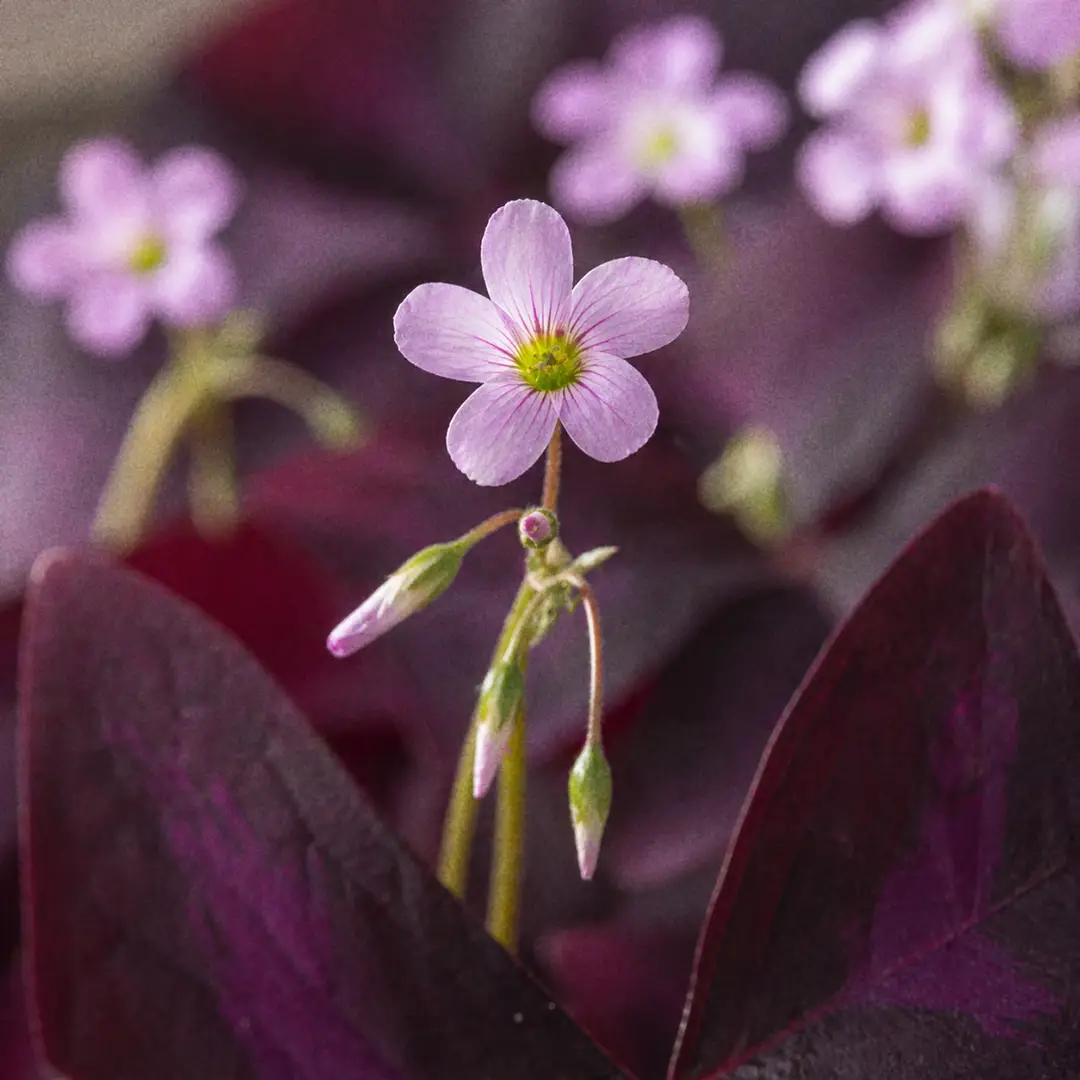
The flowers appear on slim stalks that rise just above the foliage. They are small, five-petaled, and come in pale pink, lavender-pink, or white depending on the cultivar. Each bloom is delicate and lasts a few days, but the plant produces them in waves over weeks. Like the leaves, the flowers also close at night and on cloudy days.
How to Trigger More Blooms
- Bright light is essential. Plants in dim corners rarely bloom.
- Avoid heavy nitrogen feeding. Phosphorus-leaning fertilizers help.
- A short cool, drier period (mimicking dormancy) often pushes the plant into a strong flowering response when normal conditions return.
- Slightly snug pots flower better than overly large ones, since a little root pressure encourages bloom production.
Deadheading
Deadhead the spent flower stalks at the base to keep the plant tidy and to redirect energy into new buds.
🏷️ Purple Shamrock Types and Varieties (Beyond Triangularis)
While Oxalis triangularis is the showstopper most people mean by "Purple Shamrock," the Oxalis genus is huge and full of charming relatives.
'Atropurpurea'
The classic deep-burgundy form, with a faint paler triangle near the center of each leaflet. The most widely sold variety.
'Mijke'
Almost black-purple leaves and pinker flowers. A more dramatic, moody look.
'Burgundy Wine'
Slightly larger leaves and a more wine-red tone in good light.
Oxalis regnellii (Green Shamrock)
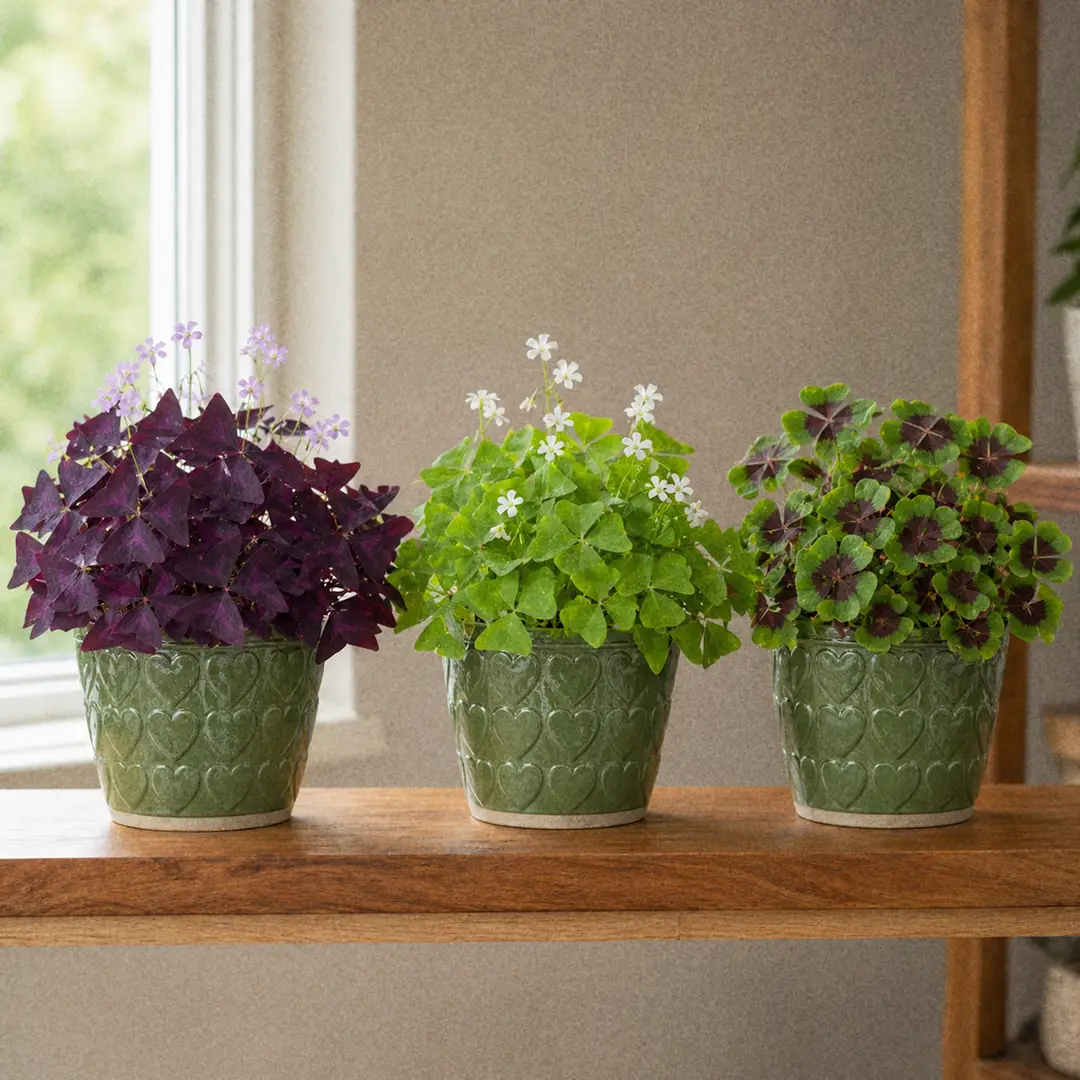
A close cousin with bright green leaves and white flowers. Same care, very different vibe.
'Iron Cross' (Lucky Clover)
Oxalis tetraphylla is four-leafed, with a striking burgundy cross at the base of each green leaflet.
'Molten Lava'
Oxalis vulcanicola is a trailing form with chartreuse-orange leaves; treated more like a basket plant.
All of these share the same basic care: bright light, modest watering, and a respect for dormancy.
🪴 Potting and Repotting Purple Shamrock (Step by Step)
Choosing a Pot
A snug pot is better than a roomy one; Oxalis flowers more confidently when its bulbs are slightly crowded. Choose a pot only 1-2 inches wider than the root ball (a 4-6 inch pot is typical). Terracotta breathes well, but glazed and plastic work too; drainage holes are mandatory.
When to Repot
Repot every 2 years, or when bulbs crowd the surface and push at the rim. The best time is right before a new flush of growth, either in early spring or as the plant emerges from dormancy.
Step-by-Step
- Water lightly the day before so the soil holds together.
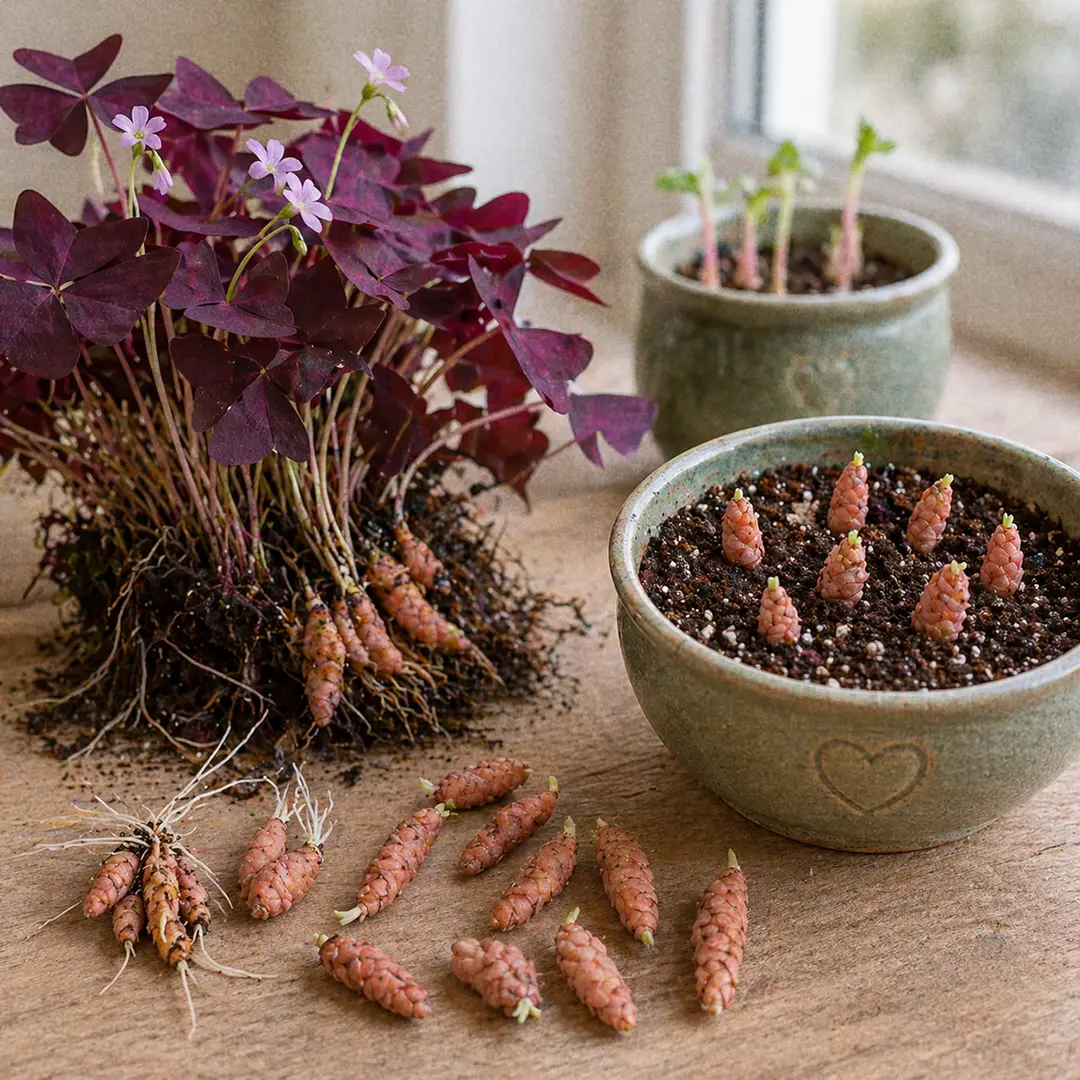
- Slide the plant out. The root ball will be packed with small scaly bulbs (corms).
- Brush off most of the old soil. For more pots, separate corm clusters; for a fuller single plant, leave most together.
- Settle the bulbs about an inch below the surface in fresh mix and tamp lightly.
- Water thoroughly and place in bright indirect light. Hold off fertilizing for 3-4 weeks.
✂️ Pruning Purple Shamrock (Quick and Easy)
When to Prune
Purple Shamrock needs only light tidying. Snip yellow leaves and spent flower stalks at the base as they appear. If the plant stretched in low light, cut it back nearly to soil level and improve the light; new compact growth emerges within a couple of weeks.
How to Prune
Once foliage has fully died back at the start of dormancy, cut everything down to about an inch above the soil. Use sharp scissors and avoid nicking the bulbs underneath.
🌱 How to Propagate Purple Shamrock (Bulb Division)
Best Method
Propagating Purple Shamrock is satisfying because it works almost every time. The plant multiplies its corms naturally, so you just separate them. Stem and leaf cuttings will not root, and seeds are slow and unreliable.
Step-by-Step
- Best time: during a normal repot, at the end of dormancy, or in early spring.
- Unpot the plant and brush off the soil to expose clusters of small, oval, scaly corms.
- Pull clusters apart with your fingers. Even single small bulbs will sprout.
- Plant 5-10 bulbs together for a fuller look, pointed ends up, with about an inch of soil above them.
- Water lightly and place in bright indirect light. Keep the soil barely moist.
- The first green-pink shoots appear within 2-3 weeks; treat as mature plants from there.
🐛 Purple Shamrock Pests and How to Get Rid of Them
Purple Shamrock is not especially pest-prone, but a stressed plant attracts the usual culprits.
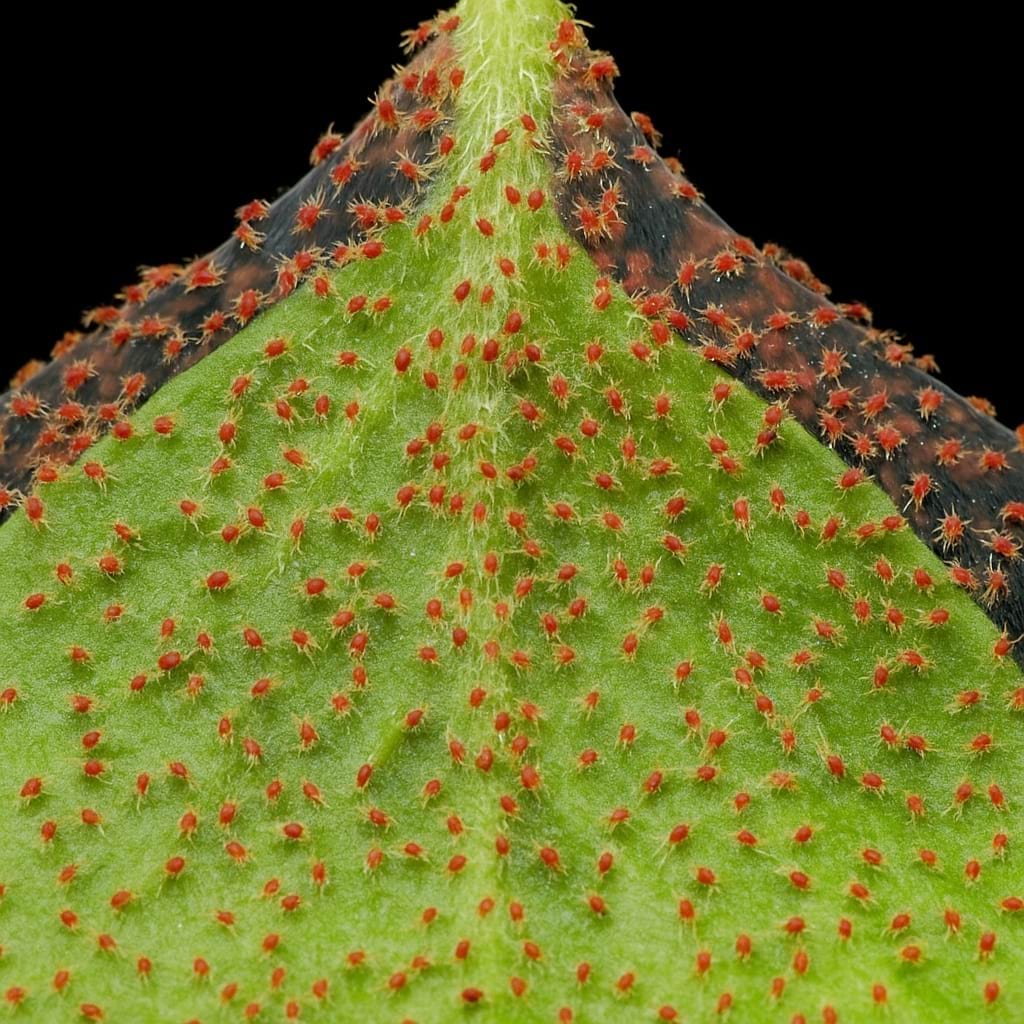
- Spider Mites: Fine webbing and pale stippling in warm, dry rooms.
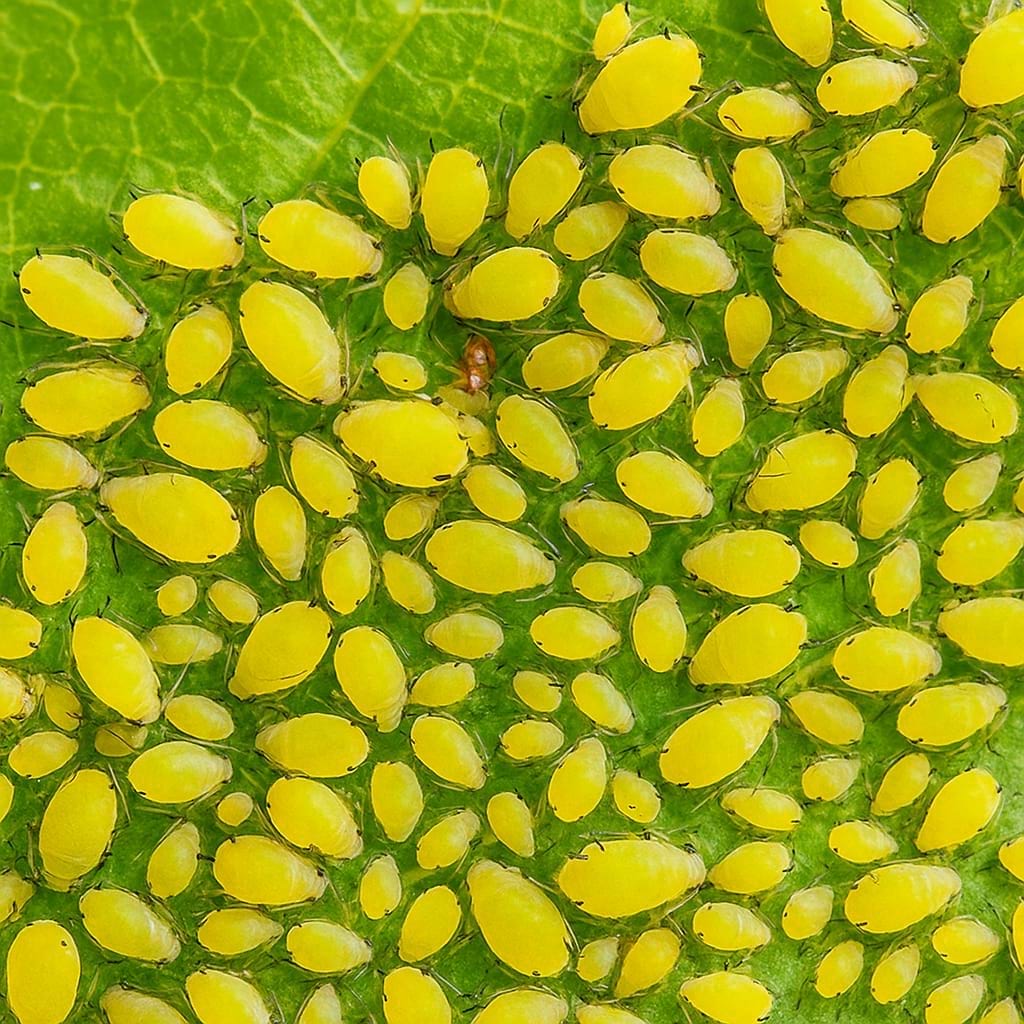
- Aphids: Soft green or black clusters on new growth and flower stalks.
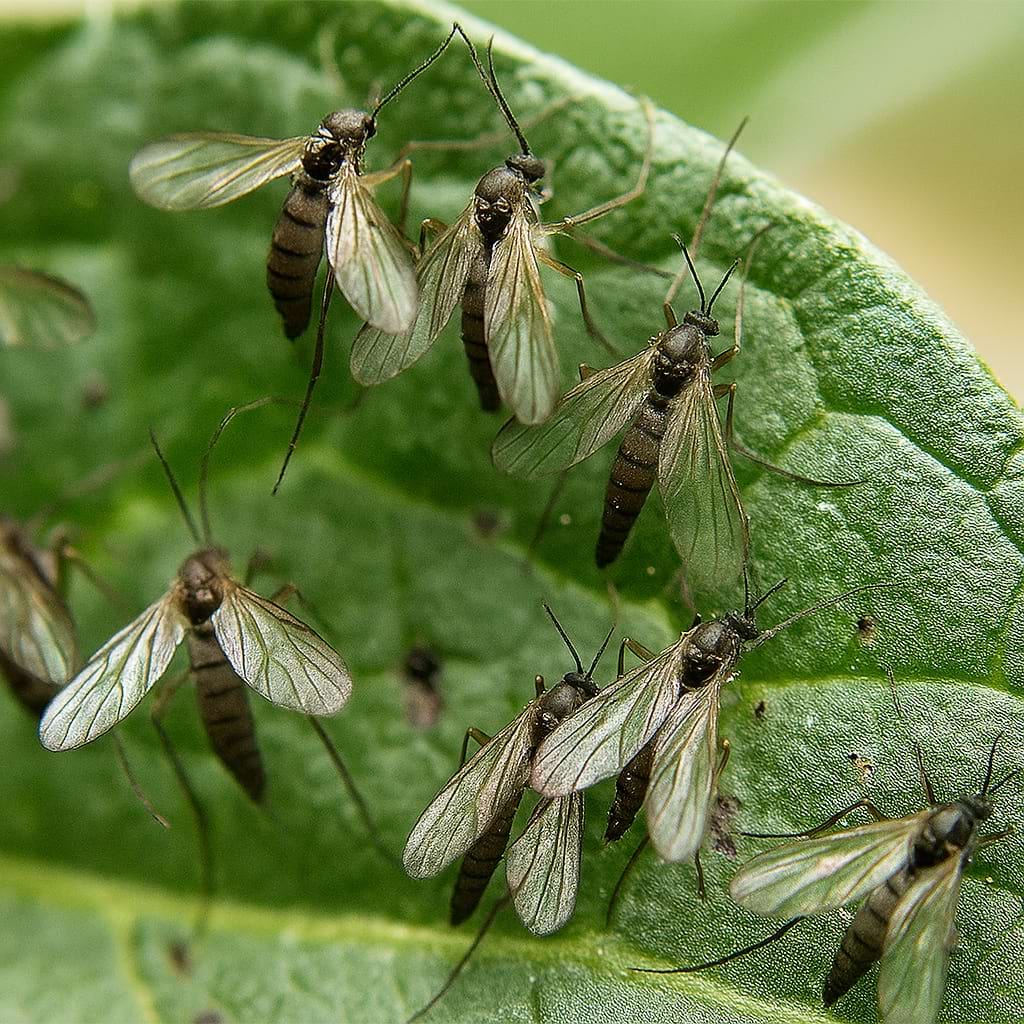
- Fungus Gnats: A sign you are watering too often.
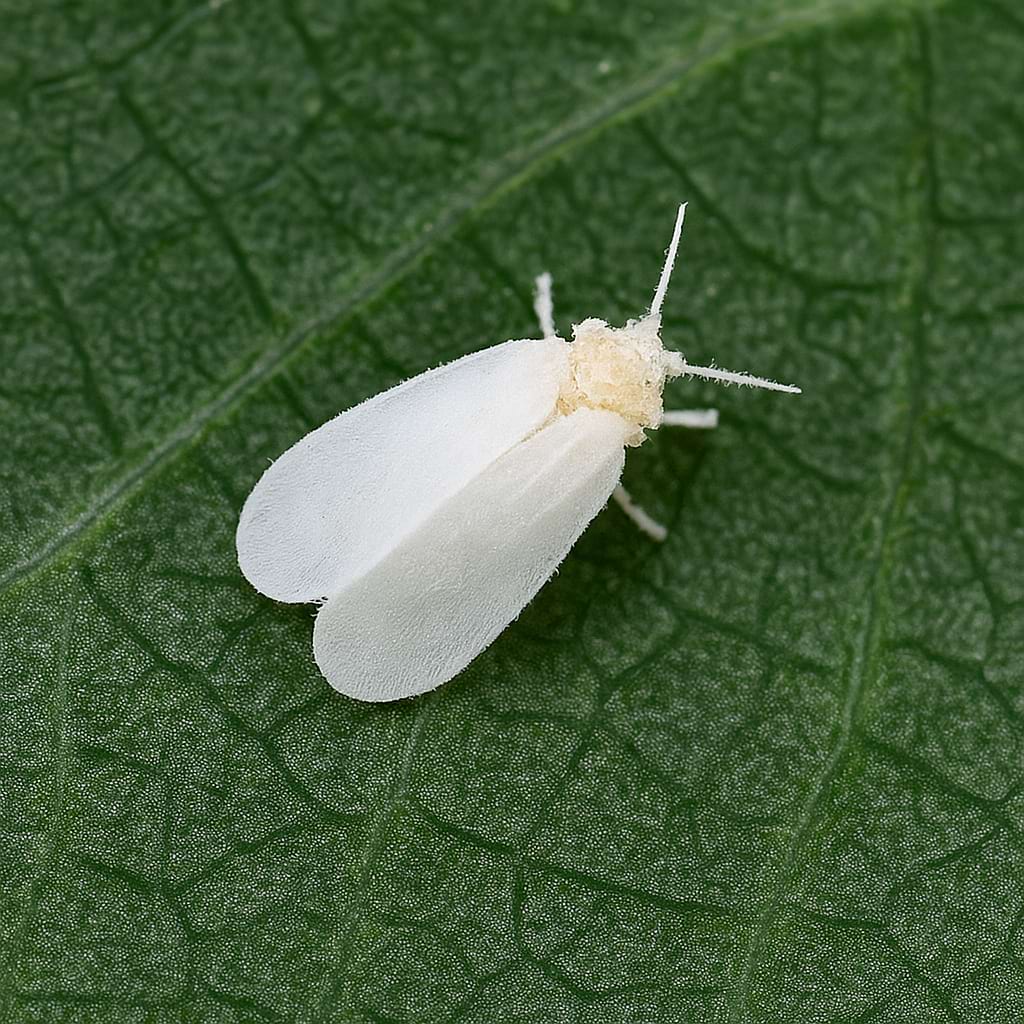
- Whiteflies: Tiny white flyers that lift off when disturbed; usually from summering outside.
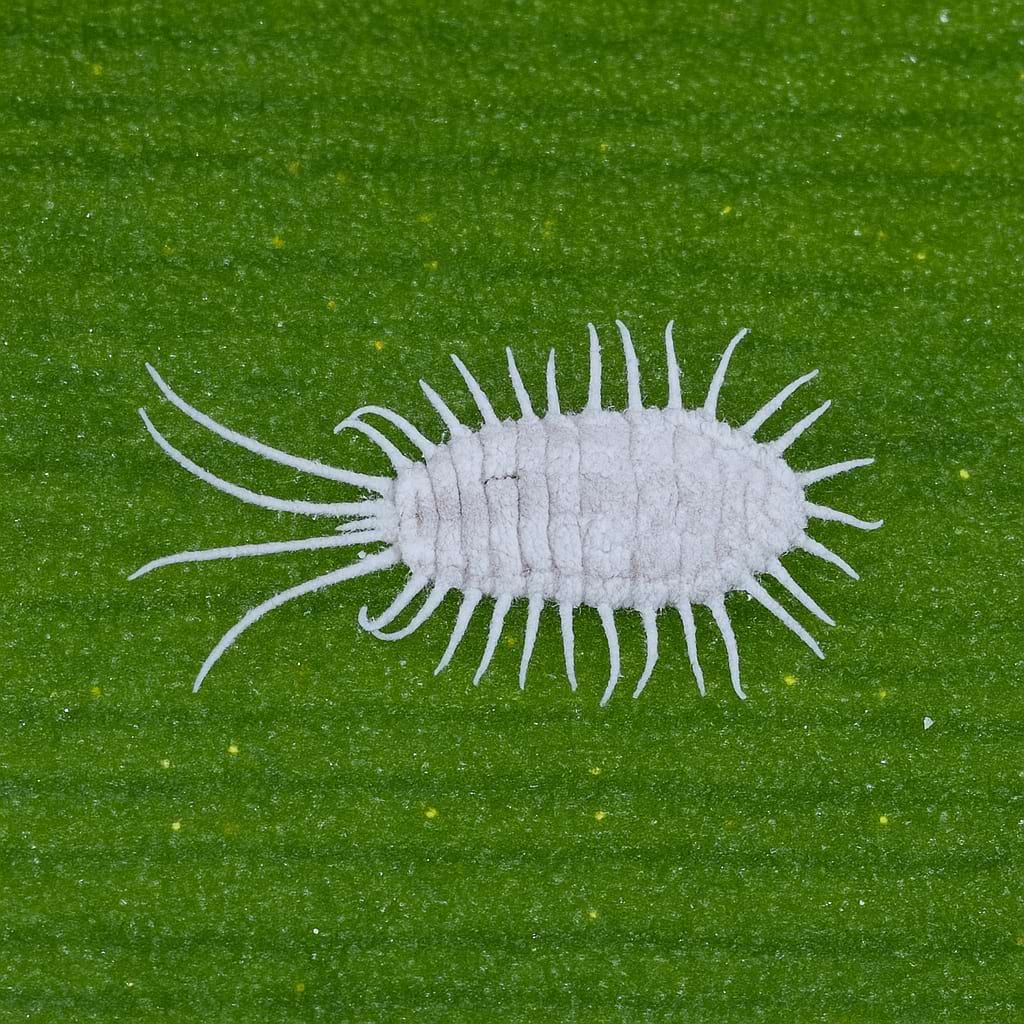
- Mealybugs: Cottony white spots at leaf bases and stem joints.
Quarantine the moment you spot pests. Wipe with mild dish-soap solution or rinse in the sink. For persistent infestations, treat with insecticidal soap or neem oil every 5-7 days for three weeks. For fungus gnats, dry the soil out and add a sticky trap.
🩺 Common Purple Shamrock Problems and Diseases (Solutions)
Most issues with Purple Shamrock trace back to water, light, or a misread dormancy. Once you know what you are looking at, the fixes are quick.
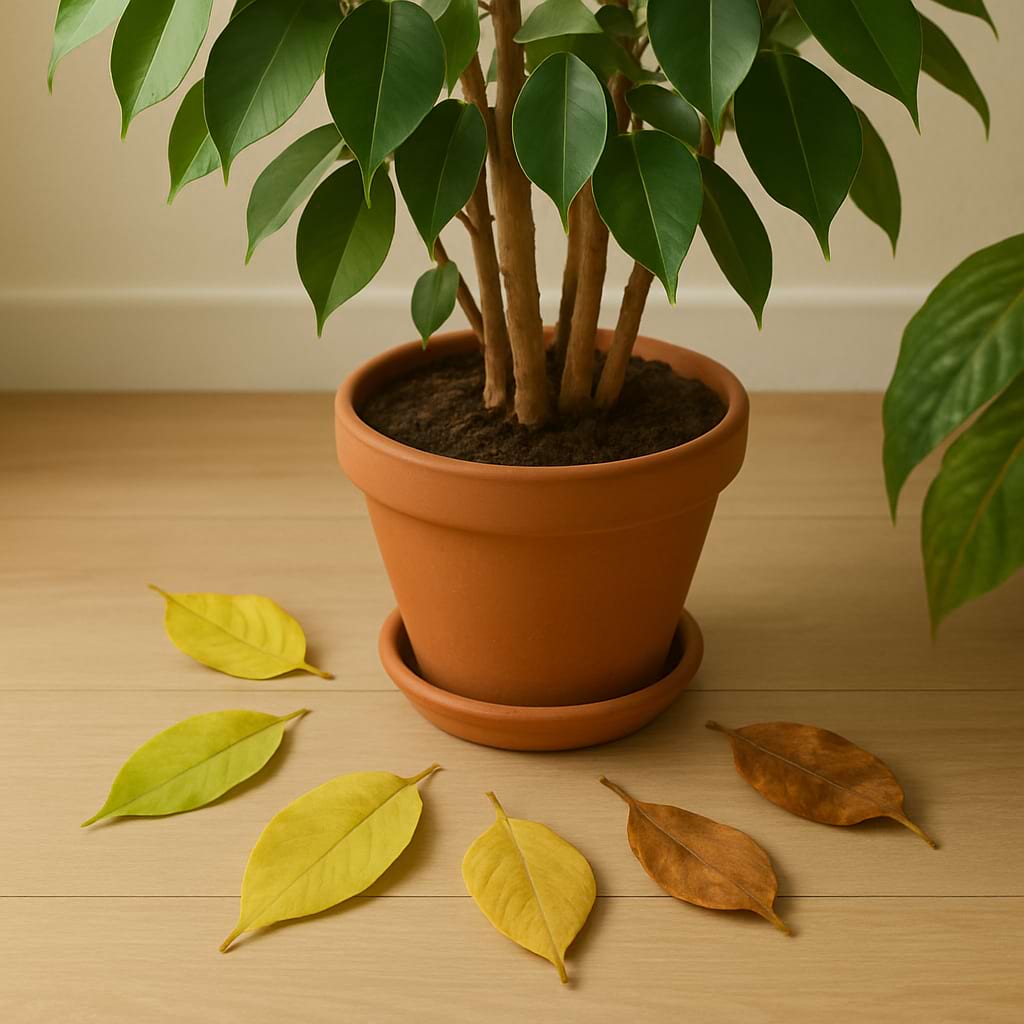
- Yellowing Leaves: Often the first sign of overwatering or the start of dormancy. Check the soil. If it is wet, hold off on watering and improve drainage. If it is dry and the plant is older, treat it as dormancy.
- Leaf Drop: A sudden mass leaf drop almost always means dormancy. Trim the dead foliage, cut back on water, and wait.
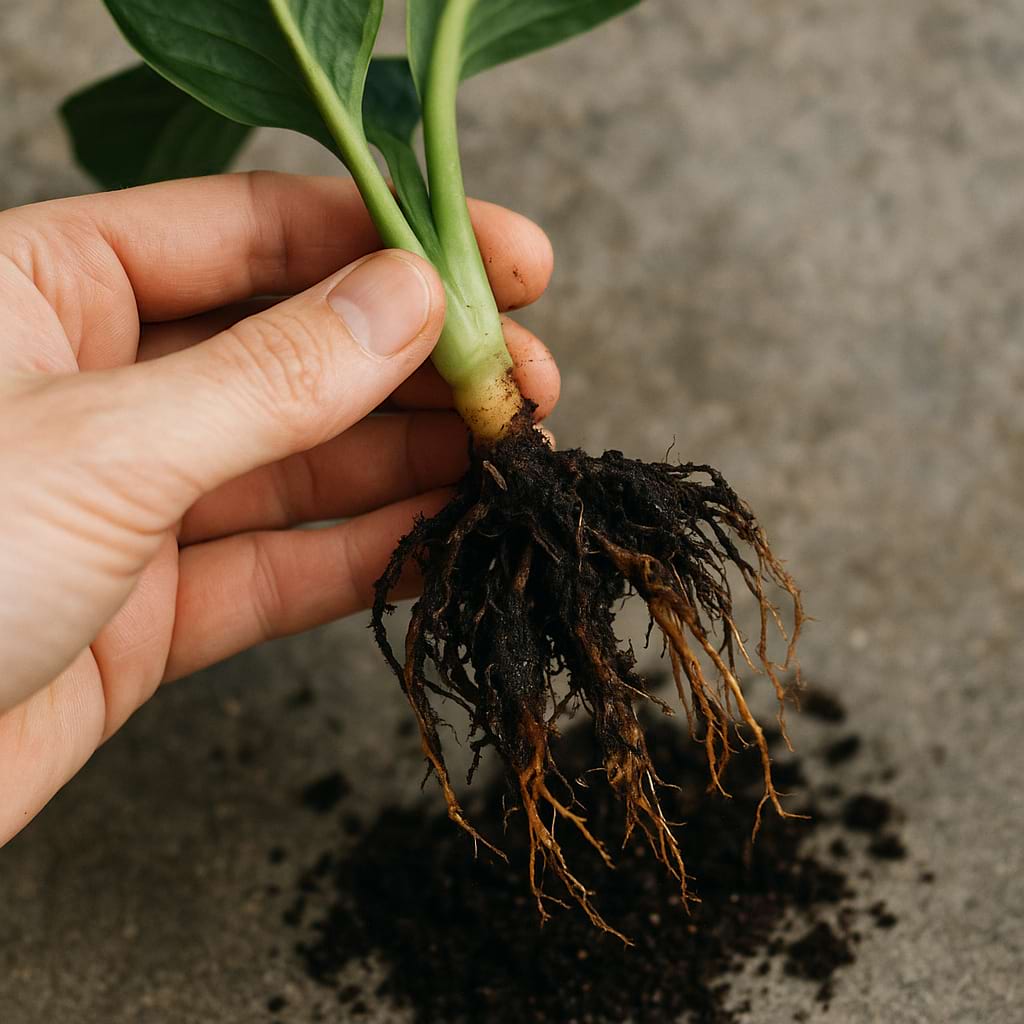
- Root Rot: Mushy bulbs, sour-smelling soil, and a plant that flops despite being moist. Unpot, trim away any soft brown roots and bulbs, and repot in fresh dry mix. Skip watering for a week.
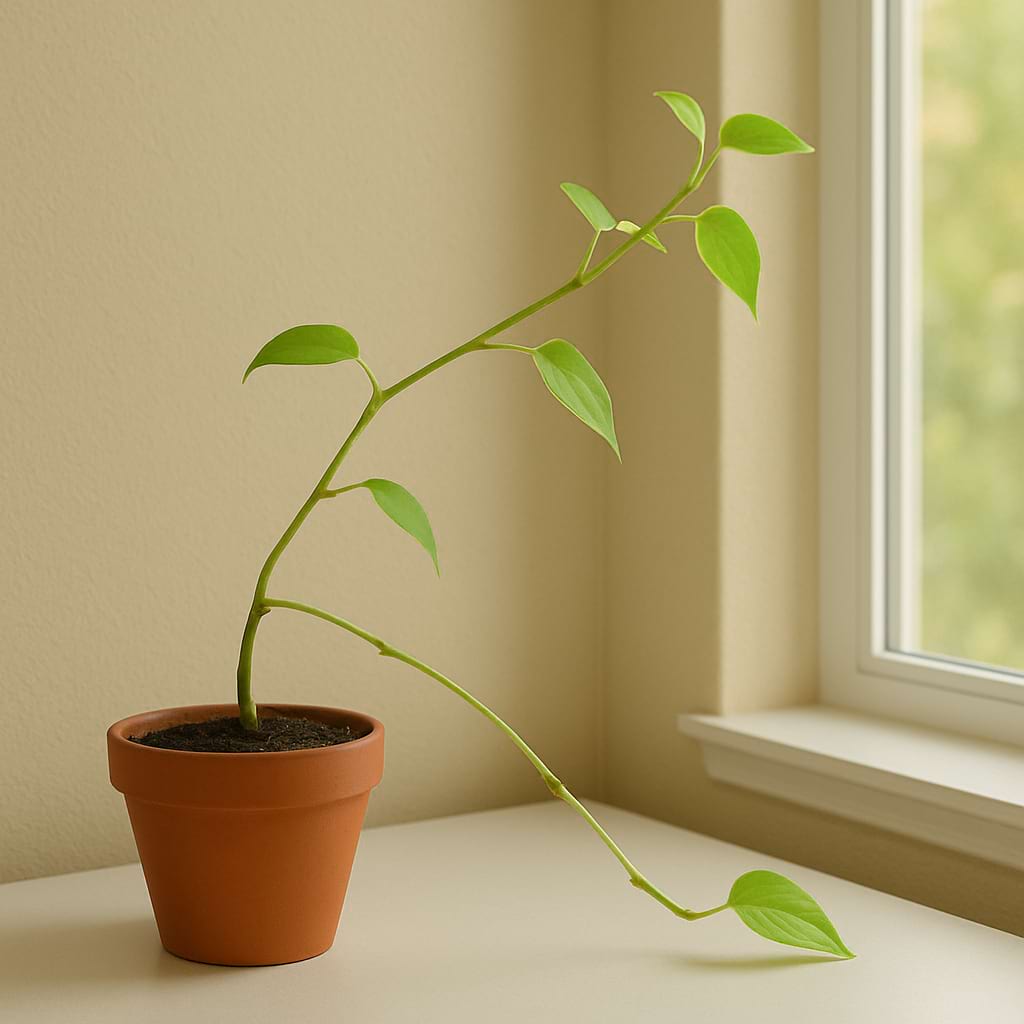
- Leggy Growth: Tall, weak stems that lean toward the light mean the plant needs more light. Move it closer to a window or add a grow light, then prune the leggy stems back.
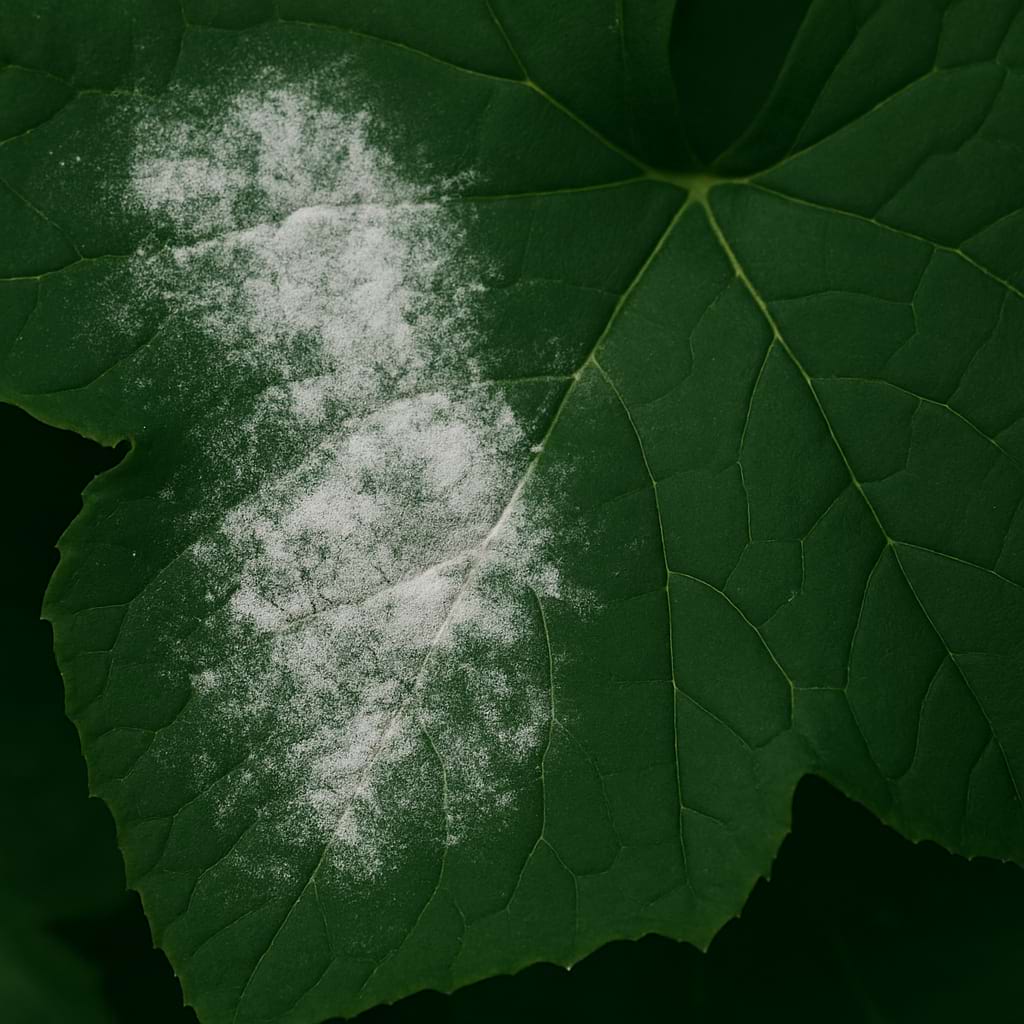
- Powdery Mildew: A whitish dust on leaves, usually from too much humidity, splashed water, or stagnant air. Improve airflow, stop misting, and treat with a mild horticultural fungicide if needed.
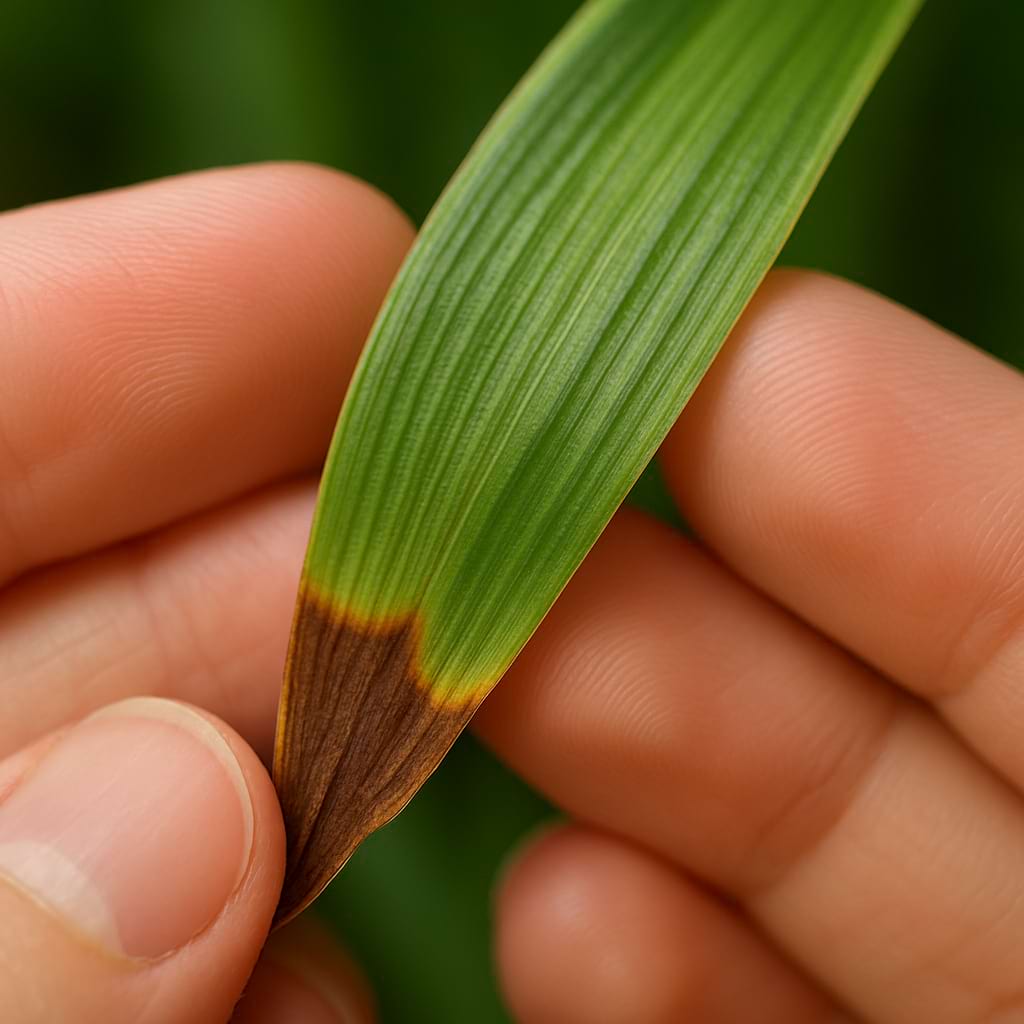
- Brown Crispy Edges: Most often caused by underwatering, fertilizer salt buildup, or harsh direct sun. Flush the soil with plain water and adjust the plant's location.
- Failure to Bloom: Almost always a light issue, sometimes a fertilizer issue. Move the plant to a brighter spot and switch to a phosphorus-leaning feed.


🖼️ Purple Shamrock Display and Styling Ideas
The deep burgundy color of Purple Shamrock is the star of the show, and it pairs beautifully with the right backdrop.
Solo Setups
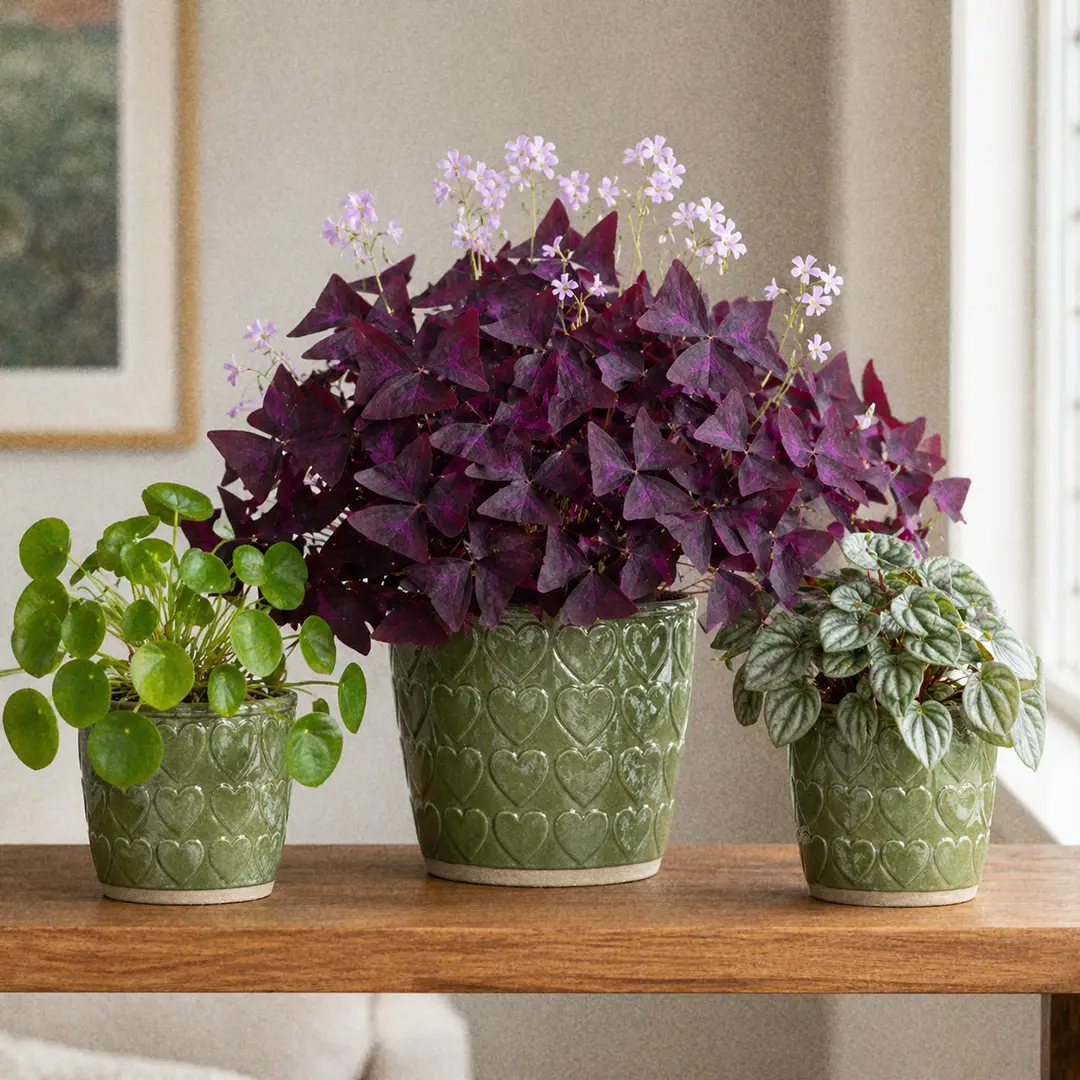
A single Purple Shamrock in a green ceramic pot with a heart motif, sitting on a wooden side table near a bright window, is a small but striking display. Its compact size, daily leaf movement, and easy care also make it a wonderful desk plant. Place it where you will see it open in the morning.
Color Pairings
The purple sings against silvery, chartreuse, or bright green foliage. Try it next to a Pilea Peperomioides, a Silver Pothos, or a small Peperomia.
Grouped Arrangements
Group three small pots together: Purple Shamrock, a green-leaved Oxalis regnellii, and an Iron Cross Oxalis. Same care, three different looks. Or line up several small Oxalis pots along a bright kitchen windowsill for a low-key, charming display that flowers through much of the year.
Gift Plant
Long associated with luck and love, Purple Shamrock is a thoughtful gift for housewarmings, weddings, or St. Patrick's Day.
🌟 Purple Shamrock Pro Care Tips
☀️ Give it real light. Bright indirect with a touch of morning sun keeps colors deep and the plant compact.
💧 Water by the soil, not the schedule. Top inch dry means water; wet means wait. Cut back hard during dormancy.
💤 Trust the dormancy. A "dying" Oxalis is almost always resting. Trim it down, ease off water, and wait 4-6 weeks.
🪴 Keep it slightly snug. Tight pots flower better than oversized ones, and they make repotting a once-every-two-years job.
✂️ Tidy as you go. A quick weekly check for yellow leaves and spent flowers keeps the plant looking fresh year-round.
🌱 Multiply for free. Every repot is a chance to split the bulbs and gift small Oxalis pots to friends.
🌸 Push for blooms. Switch to a phosphorus-leaning fertilizer in spring if your plant is shy to flower.
🌬️ Skip the mister. Dry leaves equal happy leaves; humidity needs are easily met by normal room air.
🐾 Mind the pets. Oxalis is mildly toxic if eaten in quantity. Keep it on a high shelf if you have curious cats.
🌡️ Cool nights help. A slight night drop in temperature, especially in spring, is one of the best secrets for full flowering.
❓ Frequently Asked Questions
Why are my Purple Shamrock leaves closing during the day?
Some folding is normal, especially in lower light or right after watering. If the leaves stay shut all day, the plant probably needs more bright light. Move it closer to a sunny window.
Is Purple Shamrock dying or just dormant?
A sudden leaf drop with no other obvious cause is almost always dormancy, not death. Cut back on water, stop fertilizing, and trim the dead foliage. New shoots appear in 4-6 weeks.
Why is my Purple Shamrock not blooming?
Usually light. Oxalis needs bright indirect light with a few hours of gentle direct sun to flower well. Heavy nitrogen feeding or recent dormancy can also delay blooms.
Can I keep Purple Shamrock outdoors?
Yes, in zones 8-11 in a partially shaded spot. In colder zones, summer it on a shaded patio and bring it in before frost. The bulbs are sensitive to freezing.
Is Purple Shamrock toxic to cats and dogs?
Mildly. It contains oxalic acid, which causes drooling or stomach upset if eaten in quantity. Keep out of reach of curious pets and small children.
Why are my Purple Shamrock leaves turning pale or pink?
Usually too much direct sun. Move the plant back from the window or behind a sheer curtain. A soft pink blush from morning sun is normal and even attractive.
Should I cut off the flowers?
Optional, but deadheading keeps the plant tidy and encourages more blooms. Snip the stalk at the base once petals have dried.
How long does Purple Shamrock live?
With good care and respected dormancy periods, often a decade or more. Because the bulbs multiply, the same original plant can keep going indefinitely as you divide and repot.
ℹ️ Purple Shamrock Info
Care and Maintenance
🪴 Soil Type and pH: Light, peat-based or coco-coir mix with added perlite for drainage.
💧 Humidity and Misting: Average household humidity, around 40-50% is plenty.
✂️ Pruning: Trim spent flowers and any yellowing leaves at the base.
🧼 Cleaning: Wipe leaves gently with a soft, damp cloth. Avoid heavy misting.
🌱 Repotting: Every 2 years, ideally after a dormancy period.
🔄 Repotting Frequency: Every 2 years
❄️ Seasonal Changes in Care: Expect a natural dormant rest of 4-6 weeks once or twice a year, usually in summer heat or late winter. Stop fertilizing and water sparingly during this rest.
Growing Characteristics
💥 Growth Speed: Moderate
🔄 Life Cycle: Perennial (with seasonal dormancy)
💥 Bloom Time: Spring and fall, sometimes intermittently year-round indoors.
🌡️ Hardiness Zones: 8-11 (outdoors)
🗺️ Native Area: Brazil
🚘 Hibernation: Yes (regular dormant periods)
Propagation and Health
📍 Suitable Locations: Bright windowsills, desks, kitchen counters, side tables.
🪴 Propagation Methods: Very easy by dividing the small bulbs (corms) when repotting.
🐛 Common Pests: Spider Mites, Aphids, Fungus Gnats, Whiteflies, Mealybugs
🦠 Possible Diseases: Root rot, powdery mildew, rust, botrytis (gray mold).
Plant Details
🌿 Plant Type: Bulbous perennial
🍃 Foliage Type: Deciduous (leaves die back in dormancy and return)
🎨 Color of Leaves: Deep burgundy-purple, sometimes with a paler triangular blotch.
🌸 Flower Color: Pale pink, lavender-pink, or white five-petaled blooms.
🌼 Blooming: Blooms readily indoors in good light
🍽️ Edibility: Leaves and flowers are technically edible in small amounts but contain oxalic acid; not recommended as food.
📏 Mature Size: 6-12 inches tall
Additional Info
🌻 General Benefits: Striking foliage, easy propagation, long lifespan, bloomer.
💊 Medical Properties: Oxalic acid content limits any safe medicinal use; mainly ornamental.
🧿 Feng Shui: Associated with luck, love, and good fortune (the shamrock symbolism).
⭐ Zodiac Sign Compatibility: Pisces
🌈 Symbolism or Folklore: Luck, love, and protection.
📝 Interesting Facts: The leaves perform a daily dance called nyctinasty: they open like butterfly wings in bright light and fold down at night or during low light. The whole plant grows from tiny scaly bulbs called corms, and a single pot can multiply into many over a couple of years.
Buying and Usage
🛒 What to Look for When Buying: Pick a pot with dense, deeply colored leaves, no yellowing or mushy stems, and ideally a few unopened buds. Tug gently at a leaf base to make sure the stems are firm, not soft.
🪴 Other Uses: Often gifted around St. Patrick's Day and as a love or wedding plant.
Decoration and Styling
🖼️ Display Ideas: Beautiful as a centerpiece on a bright windowsill, paired with silver or chartreuse foliage to make the purple pop, or grouped with other flowering houseplants.
🧵 Styling Tips: The deep burgundy color sits beautifully against warm wood and green ceramic. Try it next to a Pilea Peperomioides or a small Maranta for contrast.

Houseplant101 Forum
Questions & Comments
Ask a question, share your plant experience, or help other plant owners.
Comments are temporarily unavailable.
Open the Houseplant101 ForumNo comments yet
Be the first to ask a question or share your experience about this page.
Log in or create an account
Comments use your Houseplant101 Forum account, but you can stay on this page.
Create a new account