
Purple Passion Plant
Gynura aurantiaca
Purple Velvet Plant, Velvet Plant, Royal Velvet Plant, Purple Passion Vine


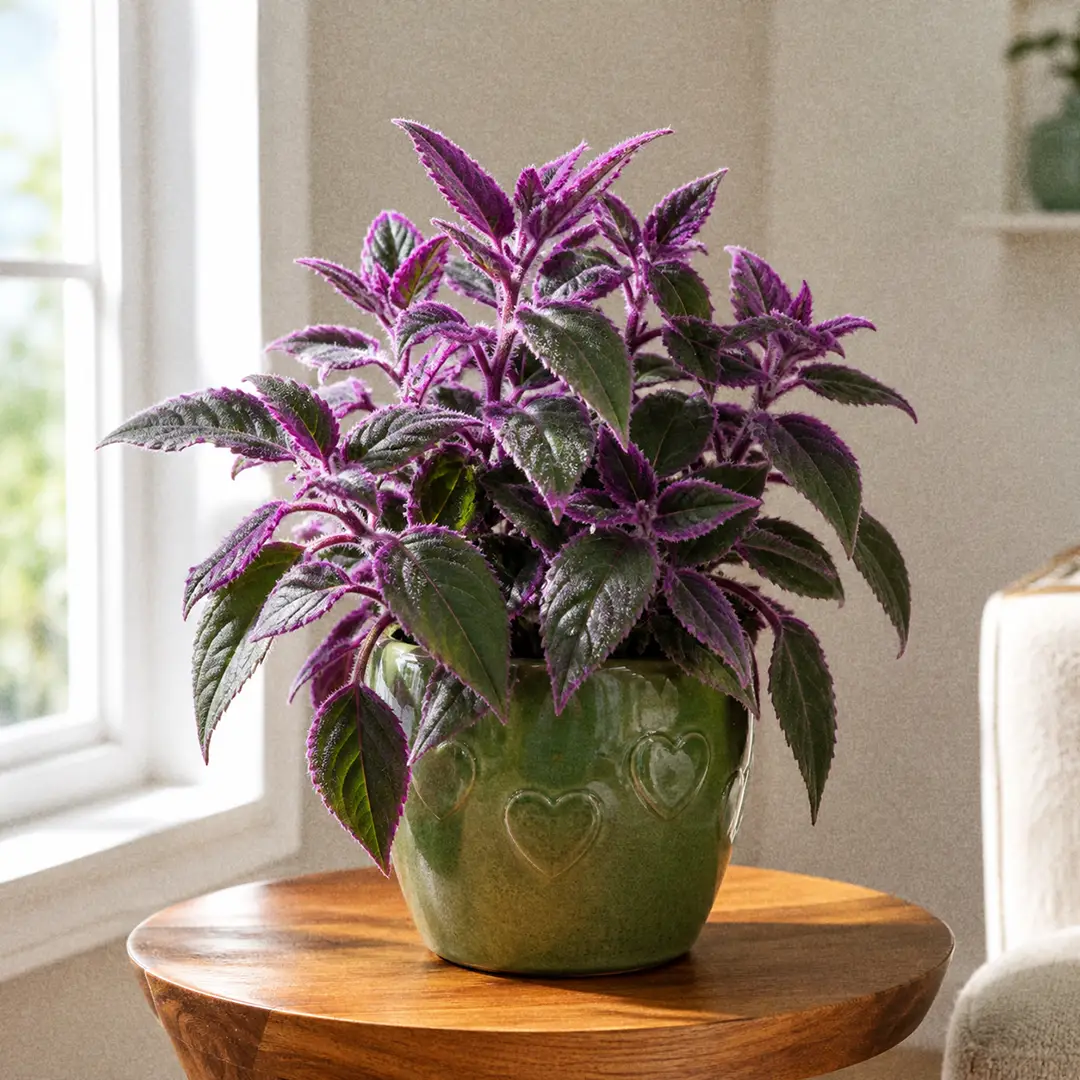
Purple Passion Plant (Gynura aurantiaca) is a fast-growing tropical with deep green leaves coated in fuzzy violet hairs that catch the light like velvet. Easy to grow indoors with bright light and steady watering, and generous with cuttings whenever you trim it back.
📝 Purple Passion Plant Care Notes
🌿 Care Instructions
⚠️ Common Pests
📊 Growth Information
🪴 In This Guide 🪴
We may earn a commission when you buy through these links. How we choose products →

☀️ Purple Passion Light Requirements
Best Light for Purple Passion
Bright indirect light is what brings the violet out. The purple comes from thousands of fine hairs (trichomes) on the leaf surface, and they only show up in real numbers under bright conditions. Move the plant to a dim spot and within a few weeks new growth comes in noticeably greener.
Best spot: within two or three feet of an east or west window, or behind a sheer curtain in a south window. A couple of hours of gentle morning sun deepens the purple beautifully.
What it does not like is harsh direct afternoon sun. The fuzzy hairs scorch and the leaf edges bleach. Filter strong sun with a sheer curtain or pull the pot back a foot or two.
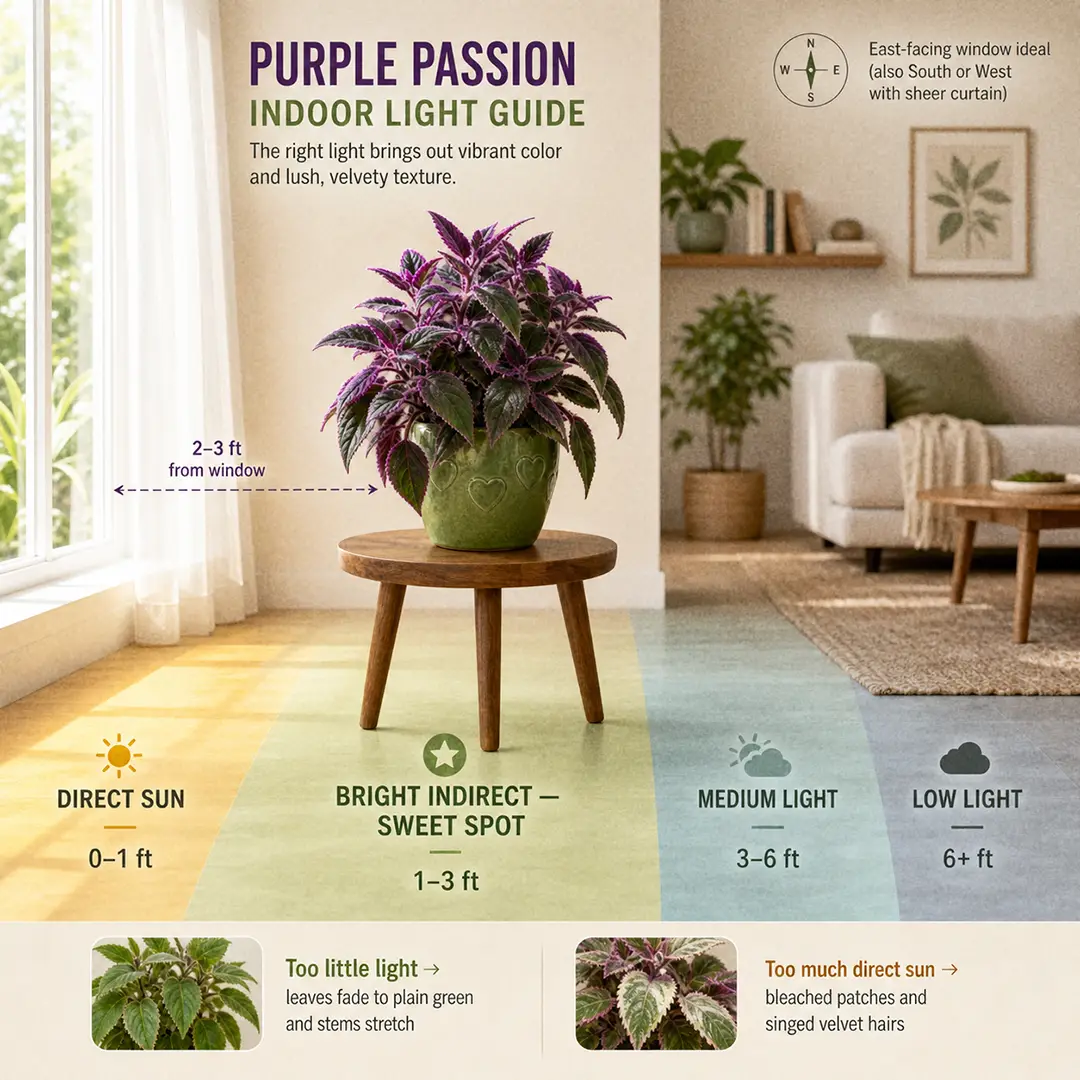
Quick test: hold your hand a foot above where the pot will sit. A soft, defined shadow means you have bright indirect light. A vague edgeless shadow means it is medium at best.
Signs of Incorrect Light
Too little light: New leaves come in mostly green with only a faint purple tint. Stems stretch and leaves space wider apart.
Too much direct sun: Bleached papery patches in the middle of leaves, hairs flatten or singe.
💧 Purple Passion Watering Guide
How Often to Water
Water when the top inch of the soil has dried out. In a warm bright room that is every five to seven days in spring and summer, stretching to every ten to fourteen in winter.
Use the finger test: push a finger an inch in. Dry, water. Cool and damp, wait. A fixed weekly schedule almost always overwaters at some point in the year.
How to Water Correctly
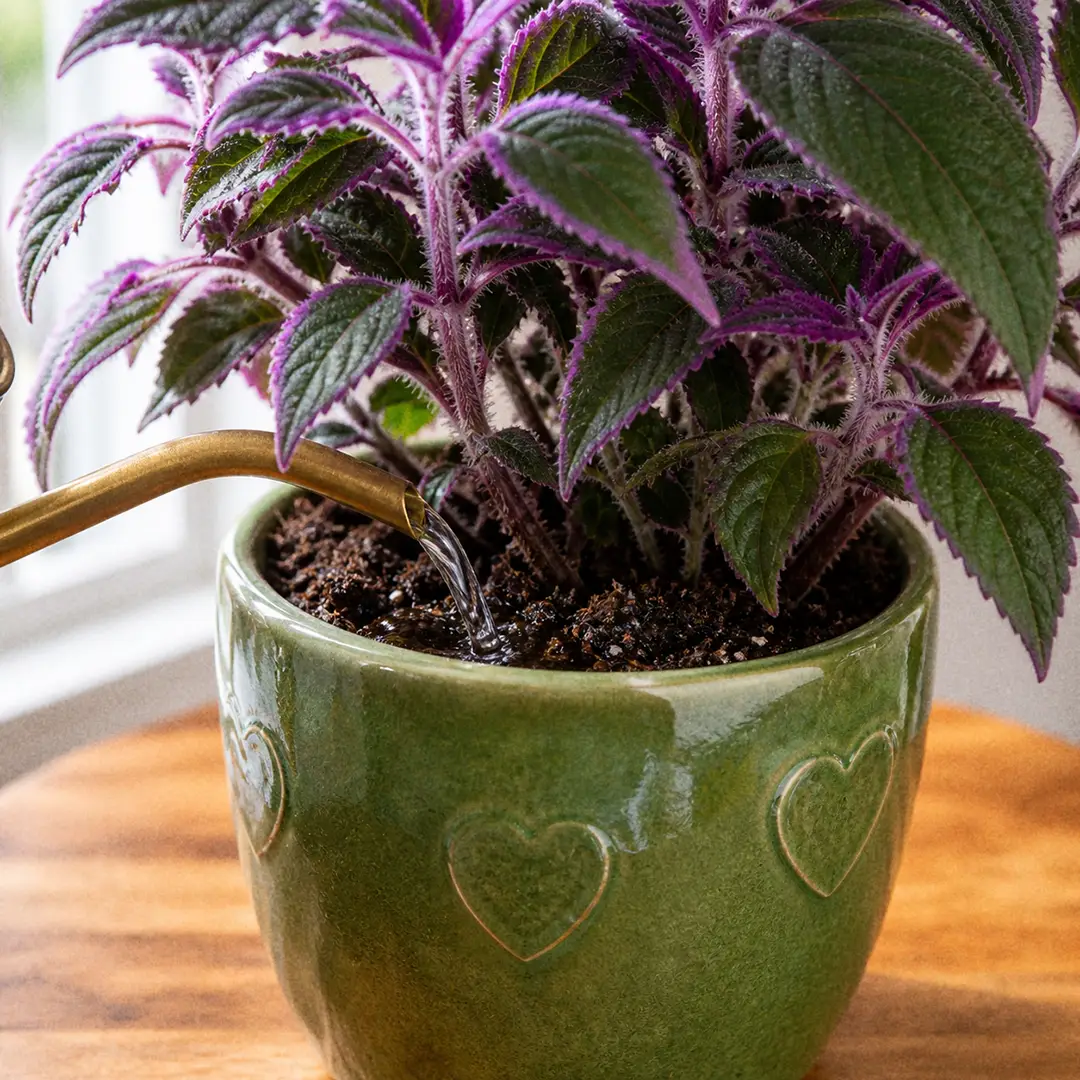
Water from the top until it flows from the drainage holes, then tip out the saucer.
The one rule unique to this plant: keep water off the leaves. The fuzzy hairs trap droplets, the surface stays wet for hours, and that is the setup for fungal spots, powdery mildew, and rotted patches. Pour at the soil. If a drop lands on a leaf, dab it off with dry paper towel.
Bottom watering works perfectly here because it skips the wet-leaves problem entirely. Sit the pot in a dish of water for twenty minutes, then drain.
Signs of Watering Problems
Overwatering: Lower leaves yellow and feel soft, stems darken at the base, soil smells sour. Early root rot.
Underwatering: The plant wilts dramatically and leaves go limp. A healthy plant bounces back within hours of watering.
🪴 Best Soil for Purple Passion
What the Soil Needs
A light, well-draining mix that holds moisture without staying waterlogged. A peat or coco-coir based houseplant potting soil with extra perlite is ideal.
DIY Soil Mix
Reliable home blend: 60% peat or coco-coir mix, 30% perlite, 10% worm castings. The perlite is non-negotiable. Out of the bag, most mixes are too dense and stay wet long enough to invite rot.
Mixes to Avoid
Avoid heavy garden soil and dense moisture-retaining mixes for ferns. Skip cactus mixes too, they dry too fast.
Always use a pot with at least one drainage hole. Decorative pots without holes work as a cachepot with a plastic nursery pot inside.
🍼 Fertilizing Purple Passion
Best Fertilizer
A balanced liquid fertilizer like 10-10-10 or 20-20-20. Anything labeled for foliage houseplants works well too. The point is steady, gentle feeding.
How Often
Every two to four weeks from March through September at half label strength. Half strength matters, this plant's roots are fine and salt-sensitive.
Stop completely October through February. Feeding during winter pushes weak pale growth and builds up salts.
Signs of Trouble
Crispy brown edges usually mean salt buildup. Flush the pot with plain water two or three times to clear residue, then ease back. Pale washed-out leaves with no other cause may mean the plant is overdue for a feed.
🌡️ Purple Passion Temperature Range
Ideal Range
Prefers 60-75°F (16-24°C). Most heated homes sit comfortably in this range year-round.
Hard limits are below 50°F (10°C) and above 85°F (29°C). Cold drafts from winter windows, AC vents, and exterior doors cause soft dark patches on the side closest to the cold.
Summer Outdoors
In summer, a sheltered outdoor spot works beautifully if nights stay above 60°F. Choose morning sun and afternoon shade. The natural air movement often produces more vivid purple than indoor conditions.
Winter Window Risk
In winter, keep the plant a few inches off cold window glass. Even a brief touch can leave a chilled patch that browns within days.
💦 Purple Passion Humidity Requirements
Ideal Humidity
Prefers humidity between 40-60%, which matches most homes. This plant tolerates average air better than most fuzzy tropicals. Below 30% (common with winter heating), you may see crispy tips and more pest pressure.
Easy Boosters
To raise humidity: use a pebble tray, group with other plants like Nerve Plant or Polka Dot Plant, or run a small humidifier nearby.
Why You Should Never Mist
The trichomes hold water on the leaf, the surface stays wet, and fungal spots follow. Raise humidity in the air around the plant, not on the leaves.
🌸 Purple Passion Flowers
Does It Flower?
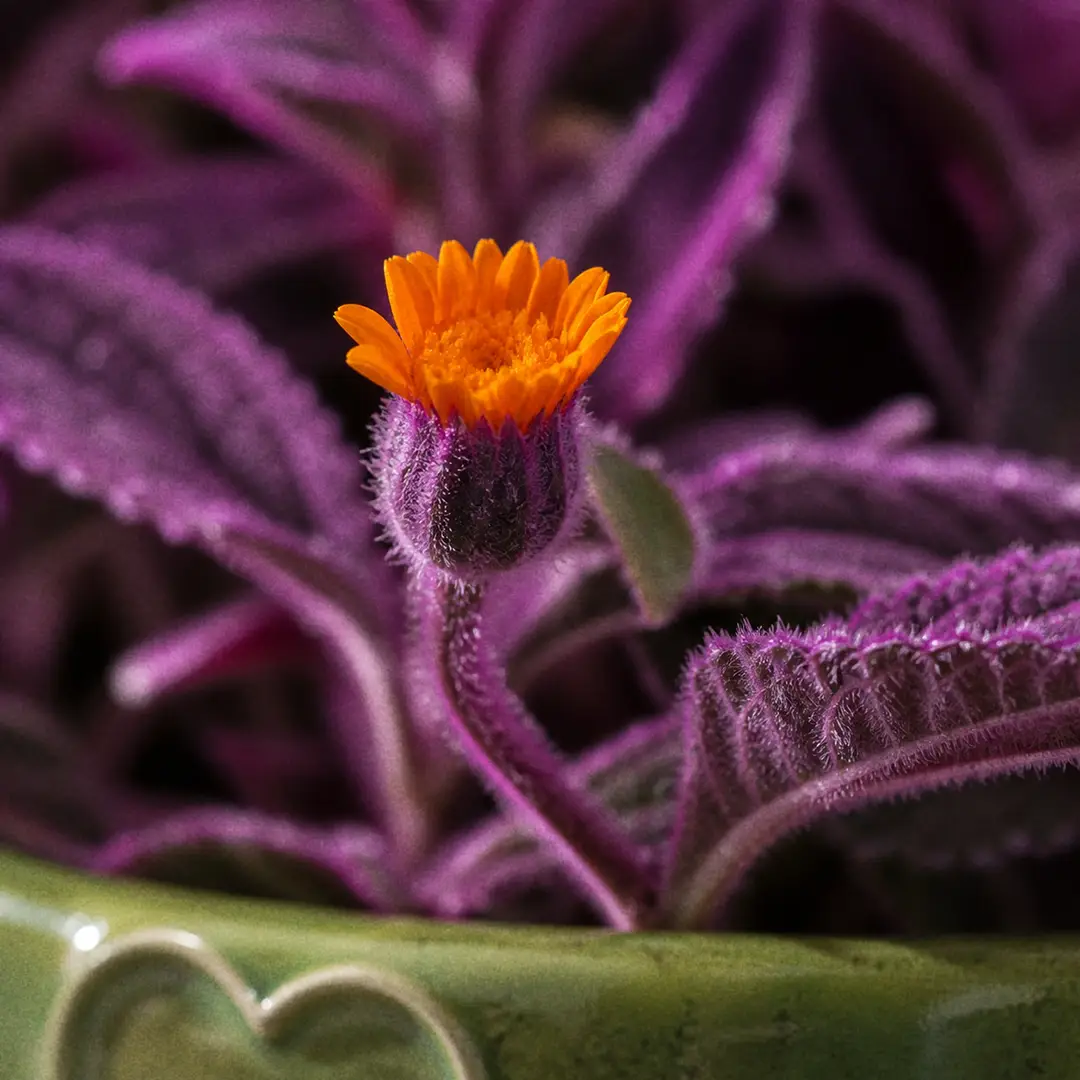
Yes, in late winter or early spring on a happy mature plant. The flowers are small bright orange daisy-like composites (the plant is in the Asteraceae family).
The catch: the blooms have a strong unpleasant smell, often described as somewhere between sweaty socks and mildew. Blooming also marks the start of a slow decline as the plant shifts energy into reproduction.
Should You Remove the Flowers?
For most growers, yes. Pinch off buds as soon as you spot them, before they open. This keeps energy going into the vivid foliage you grew the plant for. If you want to experience the bloom once, move the plant to a porch or sunroom for a few days.
🏷️ Purple Passion Types and Varieties
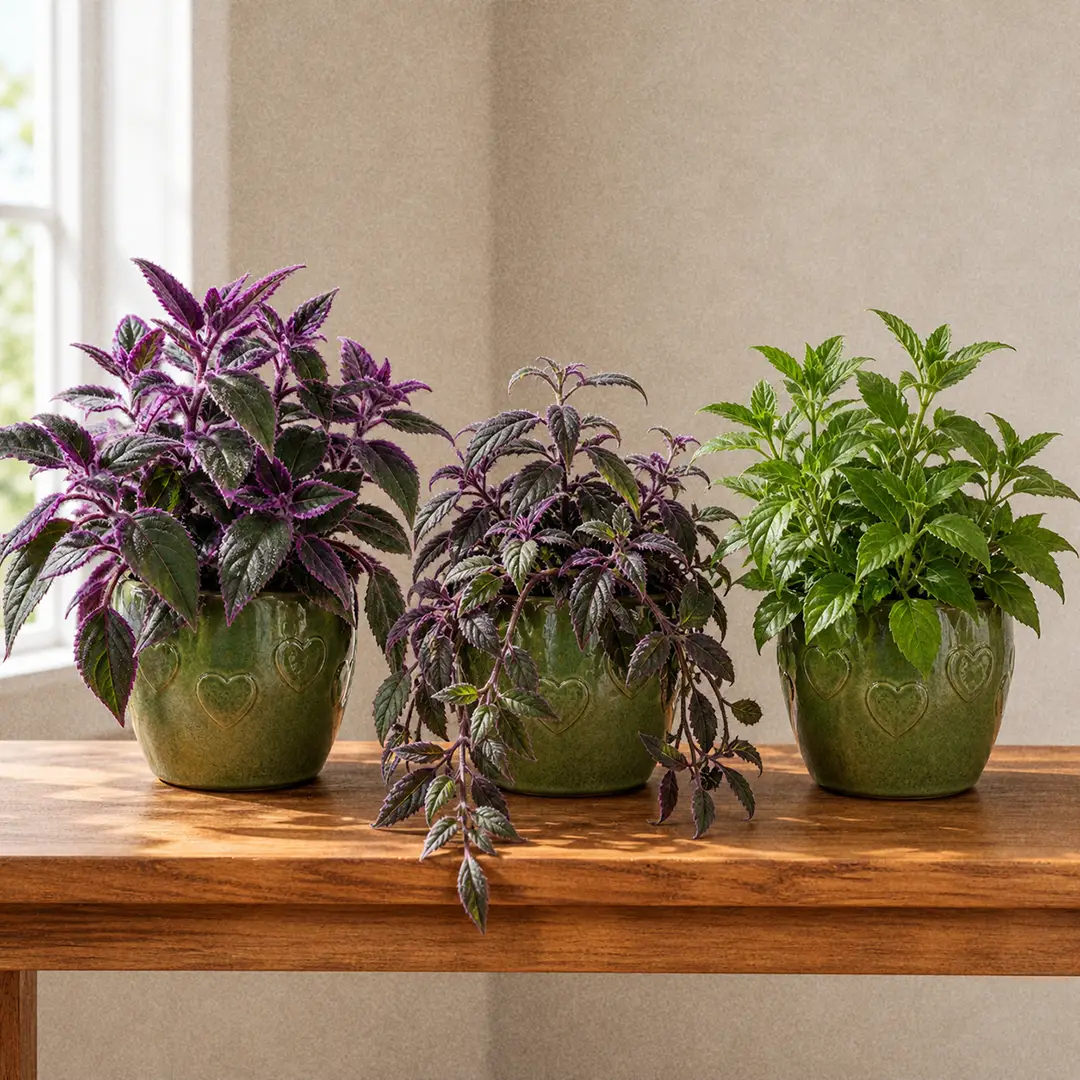
Gynura aurantiaca 'Purple Passion'
The classic. Upright to semi-trailing, dense violet hairs on deep green leaves, fast-growing. This is what almost every shop sells.
Gynura aurantiaca 'Sarmentosa'
Slightly narrower more pointed leaves, more trailing habit. Better for hanging baskets. Care is identical.
Gynura procumbens
A related species sometimes mistaken for Purple Passion. Plain green leaves with little or no purple, grown as an edible in parts of Southeast Asia. If your "Purple Passion" never colored up, this may be what you actually have.
Which One to Pick
For a shelf, the standard upright form bushes out best. For a hanging basket, go Sarmentosa.
🪴 Potting and Repotting
When to Repot
Every one to two years. Look for roots through the drainage holes, roots circling at the soil surface, soil drying within two or three days, or the plant tipping over. Spring is ideal. See the repotting guide for more.
How to Repot
- Water the plant well a day before.
- Choose a pot one or two inches wider, not more. A big pot holds wet unused soil that takes ages to dry.
- Lift the plant out, tease apart any tightly circling roots, set it in at the same depth as before.
- Backfill with fresh mix, water thoroughly, and return to its bright spot.
Pot Choice
Terracotta is a great match because it wicks moisture and stops the soil staying wet too long. Plastic and glazed ceramic work too with slightly more careful watering.
Hanging planters work beautifully for the Sarmentosa form. Make sure there is drainage and a saucer.
✂️ Pruning Purple Passion
Why It Matters
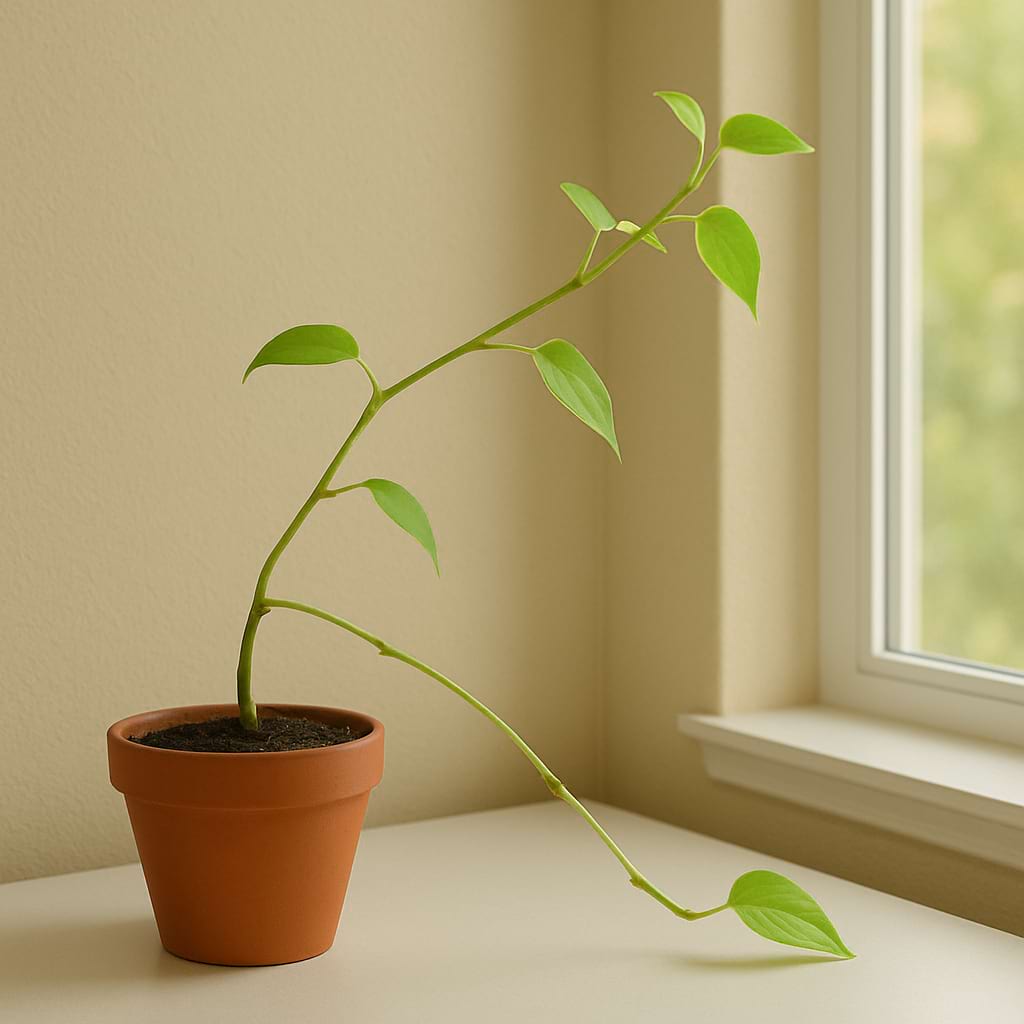
Left alone, this plant stretches into a long leggy form with bare lower stems and a thin tuft of leaves at each tip. Regular pinching keeps it compact and bushy. Pinching takes less than a minute.
How to Pinch
Pinch (or snip) the top inch or two off each stem, just above a leaf node. Removing the growing tip redirects energy into the lower buds, which sprout two new branches. Within a few weeks the plant looks visibly fuller.
Pinch every two to three weeks in spring and summer. Let it coast in winter.
For an already-leggy plant, do not be timid. Cut stems back by a third to a half. Purple Passion is one of the most forgiving plants for hard pruning, new growth pushes from the lower nodes within a week or two. A clean pair of bypass pruners makes for a tidier cut than scissors on thicker stems.
Every trimming is a free cutting. Drop them in water on the windowsill.
🌱 How to Propagate Purple Passion
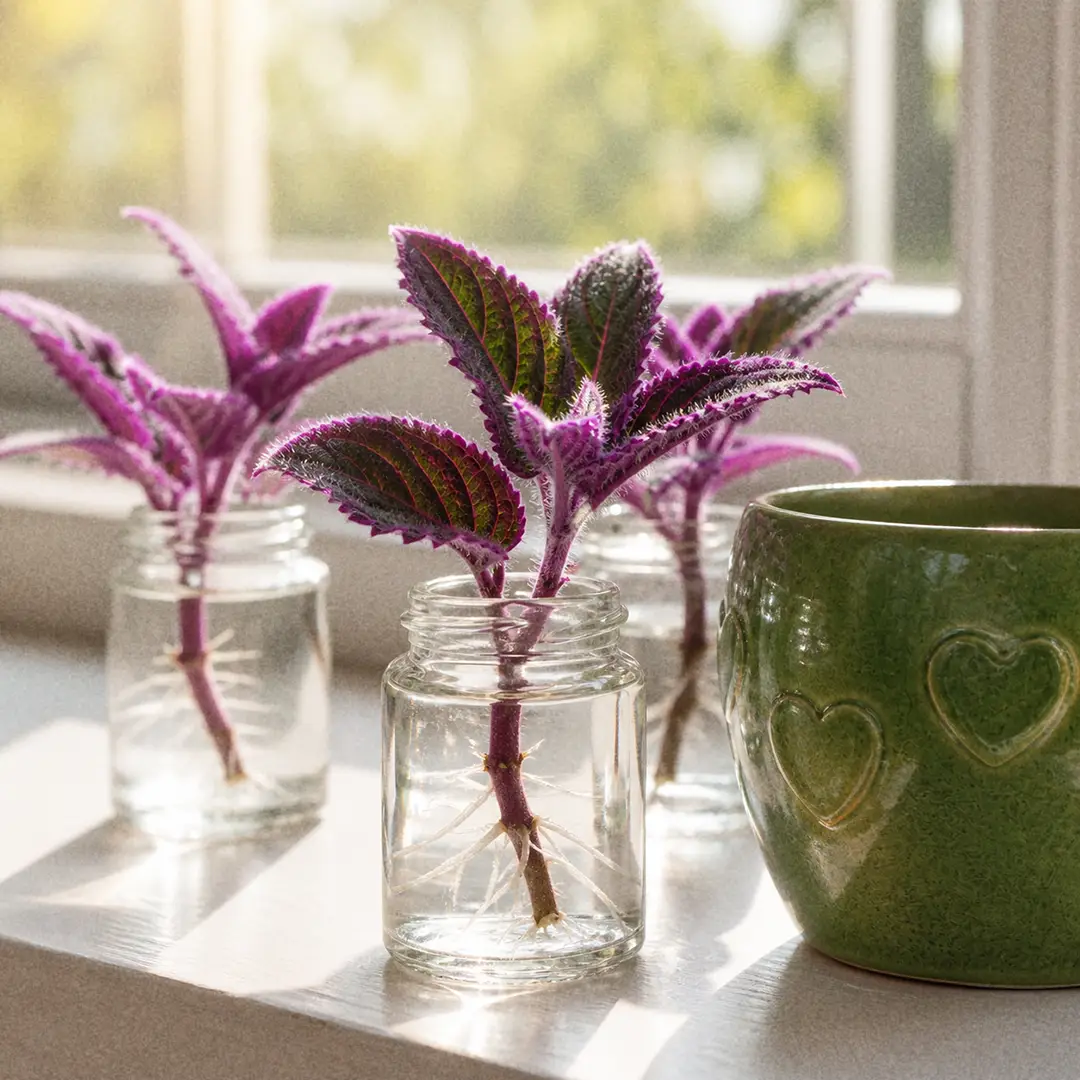
Water Propagation (Easiest)
Water propagation is the easiest method. Cuttings root quickly and you can see what is happening.
- Take a three to four inch cutting just below a leaf node. Strip the lower leaves so only bare stem sits underwater. Leave two or three leaves at the tip.
- Put it in a glass of room-temperature water with no leaves submerged (the fuzz traps water and rots fast).
- Bright windowsill, indirect light. Change the water every three or four days.
- Roots appear within seven to fourteen days. Wait until they are at least an inch long before potting.
- Pot in fresh lightly moist mix and keep evenly moist for the first week or two.
Soil Propagation
Dip the cut end in rooting hormone (optional), push into moist perlite or a 50/50 perlite-and-mix blend, cover loosely with a clear bag for humidity. Roots in two to four weeks.
Tips
Use soft new growth, not woody stems. Spring and summer cuttings root faster. Take three or four at once for near-certain success. Every time you pinch the parent, drop a cutting in water. Within months you have a steady rotation of young vivid plants.
🐛 Purple Passion Pests
Not pest-prone, but the dense fuzzy leaves hide small infestations until they build up. Inspect weekly.
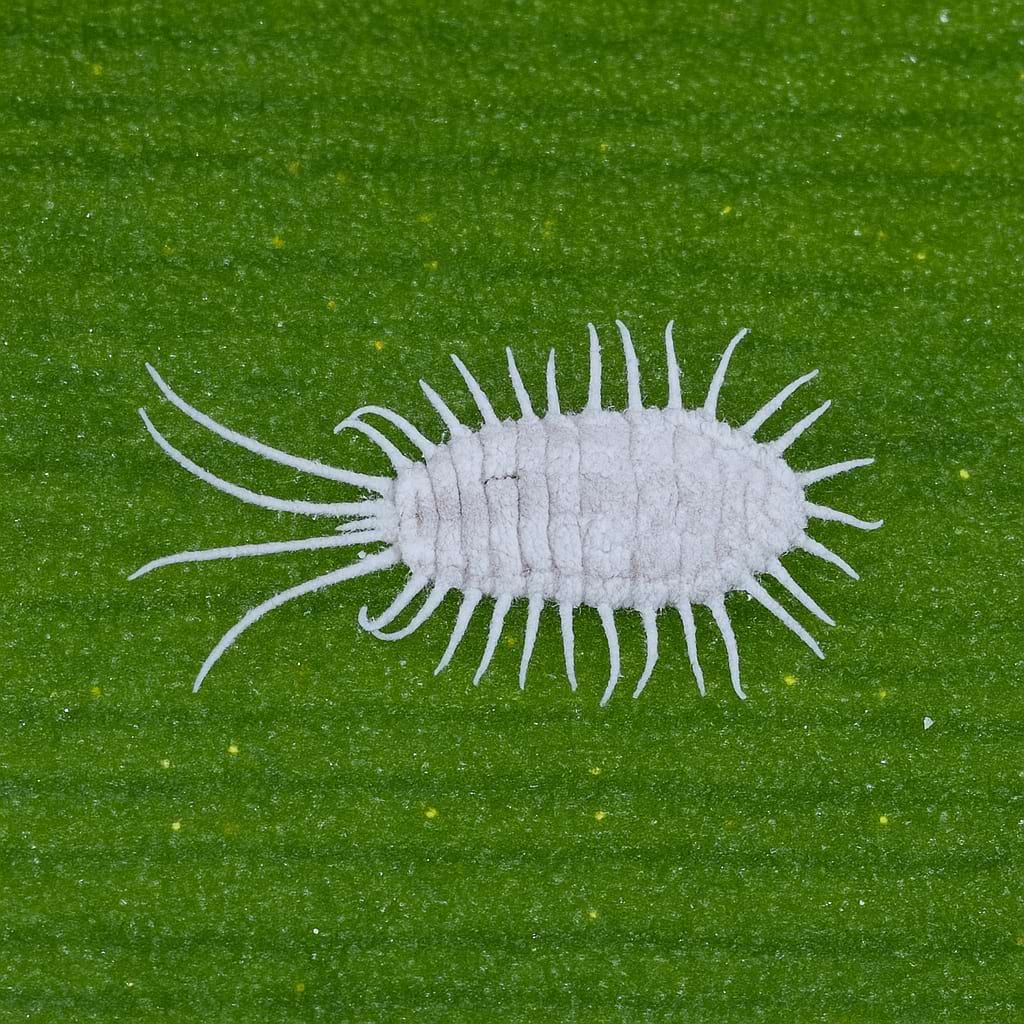
Mealybugs: white cottony clumps in leaf joints. Dab with alcohol-dipped cotton swab and follow with neem oil weekly for a few weeks.
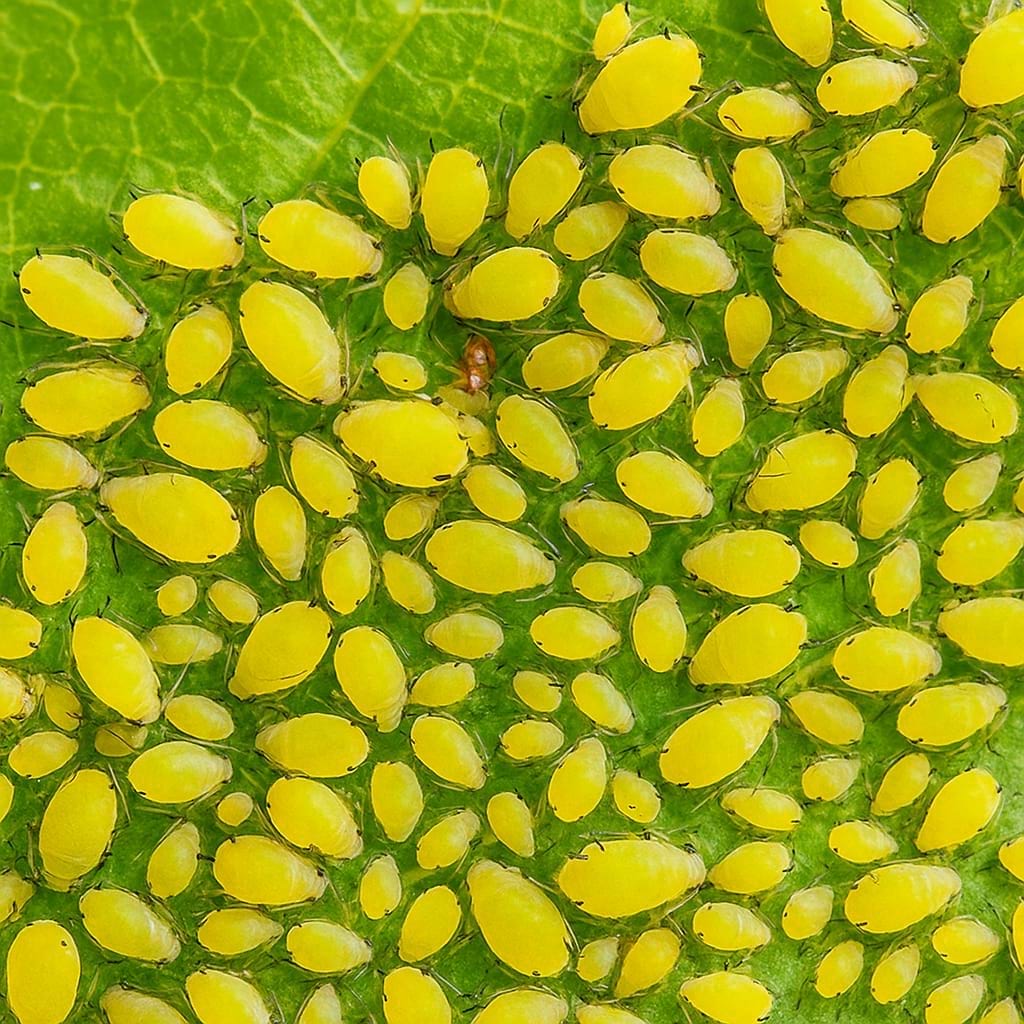
Aphids: small green or black clusters on new growth. Knock off with a strong stream of water, follow up with insecticidal soap if they return.
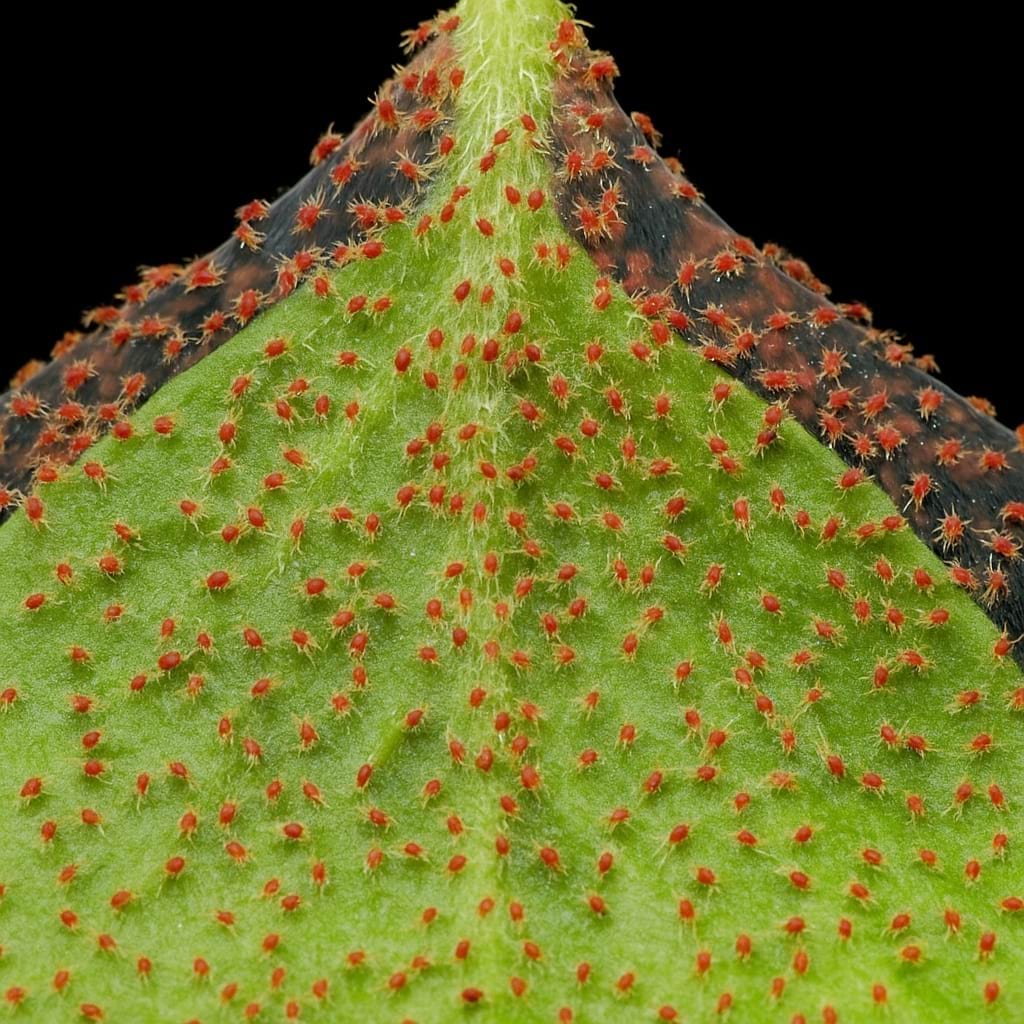
Spider mites: fine webbing and pale stippling, thrive in dry air. Rinse, raise humidity, apply insecticidal soap weekly.
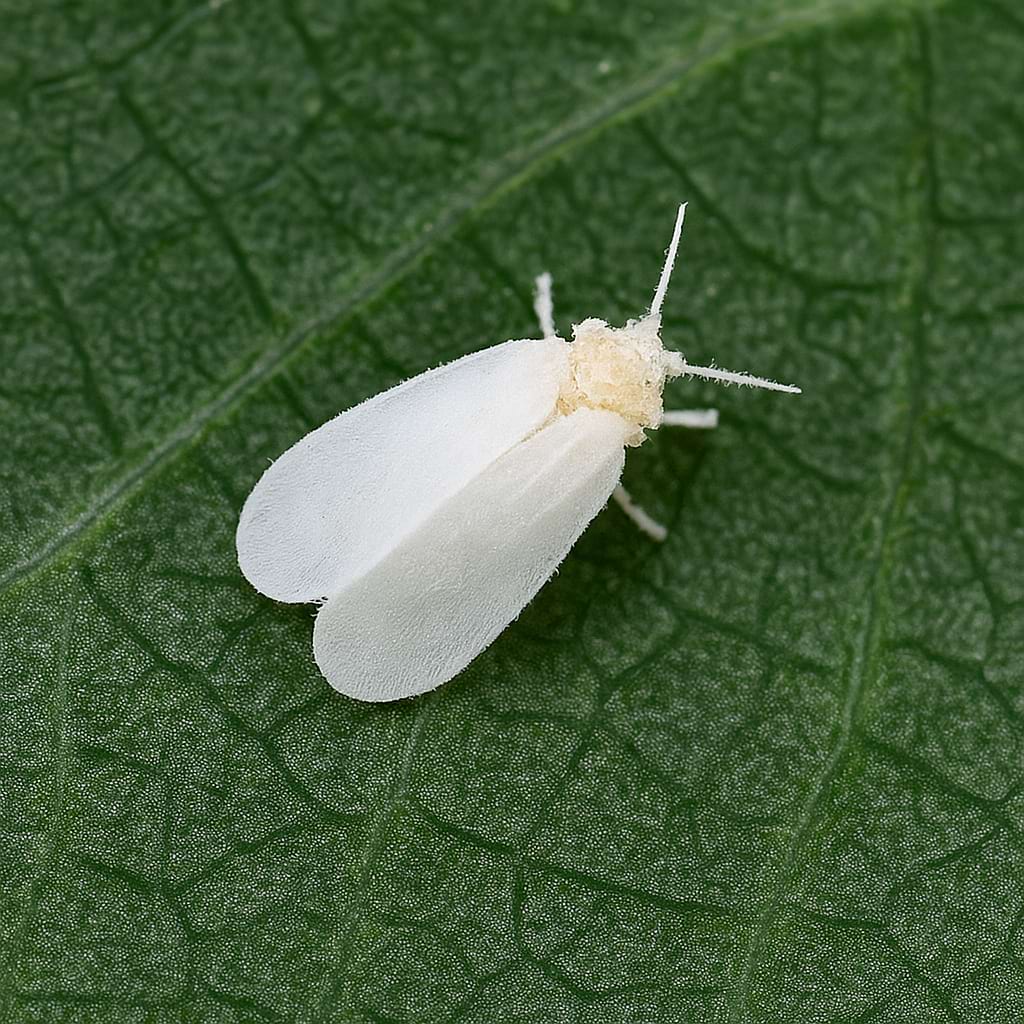
Whiteflies: small white insects that fly up when the plant is jostled. Yellow sticky traps and insecticidal soap.
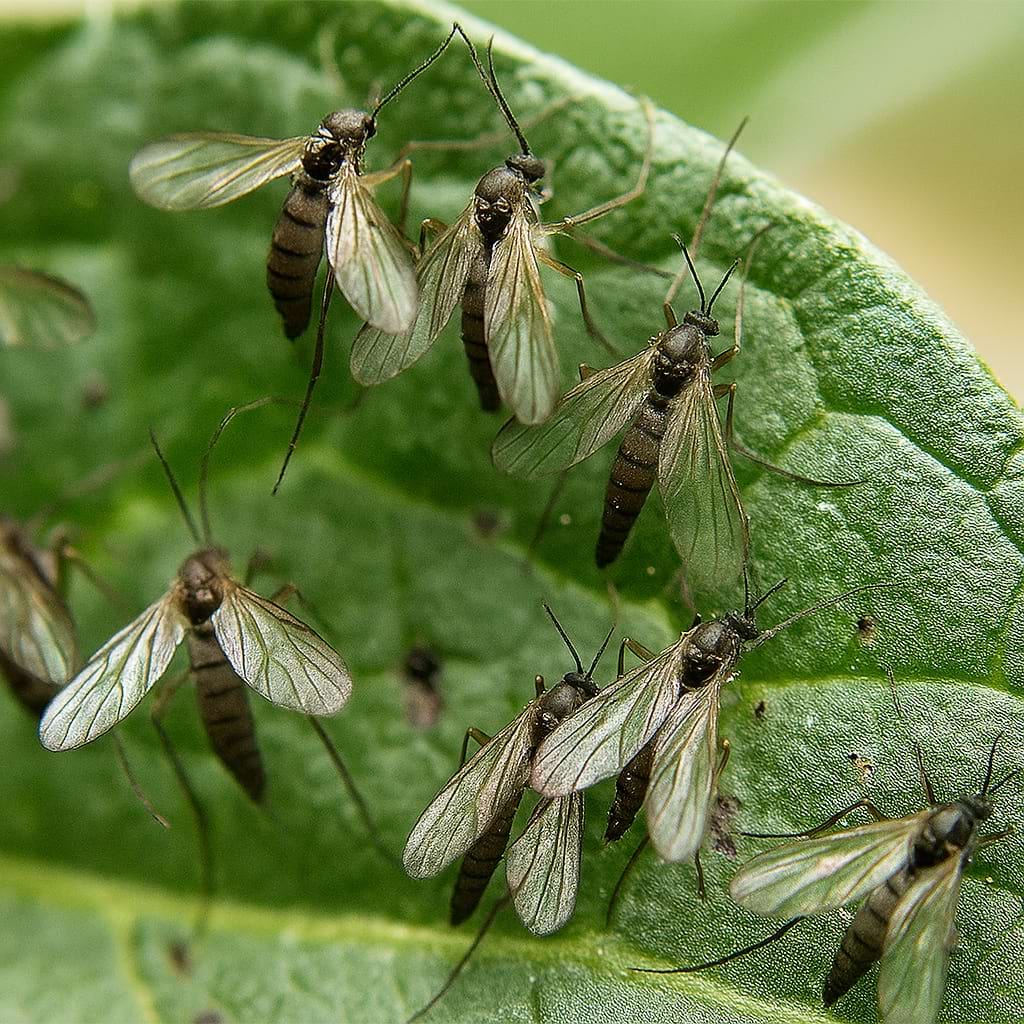
Fungus gnats: more annoying than dangerous, they breed in damp soil. Let the top inch dry between waterings and add yellow sticky traps.
Quarantine new plants for a week or two before placing them with your collection.
🩺 Common Purple Passion Problems
Leggy growth: the top complaint. Insufficient light plus no pinching. Brighten the spot and start pinching every two to three weeks. For badly leggy plants, cut back to a third and let it regrow. See leggy growth.
Fading purple, more green than violet: low light. New leaves come in greener because the hairs are light-dependent. Move brighter. Older faded leaves will not change color but will be replaced. Closely related to pale faded leaves.
Yellowing lower leaves: almost always watering. Wet soil and soft yellow leaves means overwatering. A few yellow leaves on a fast-growing plant is also just normal shedding.
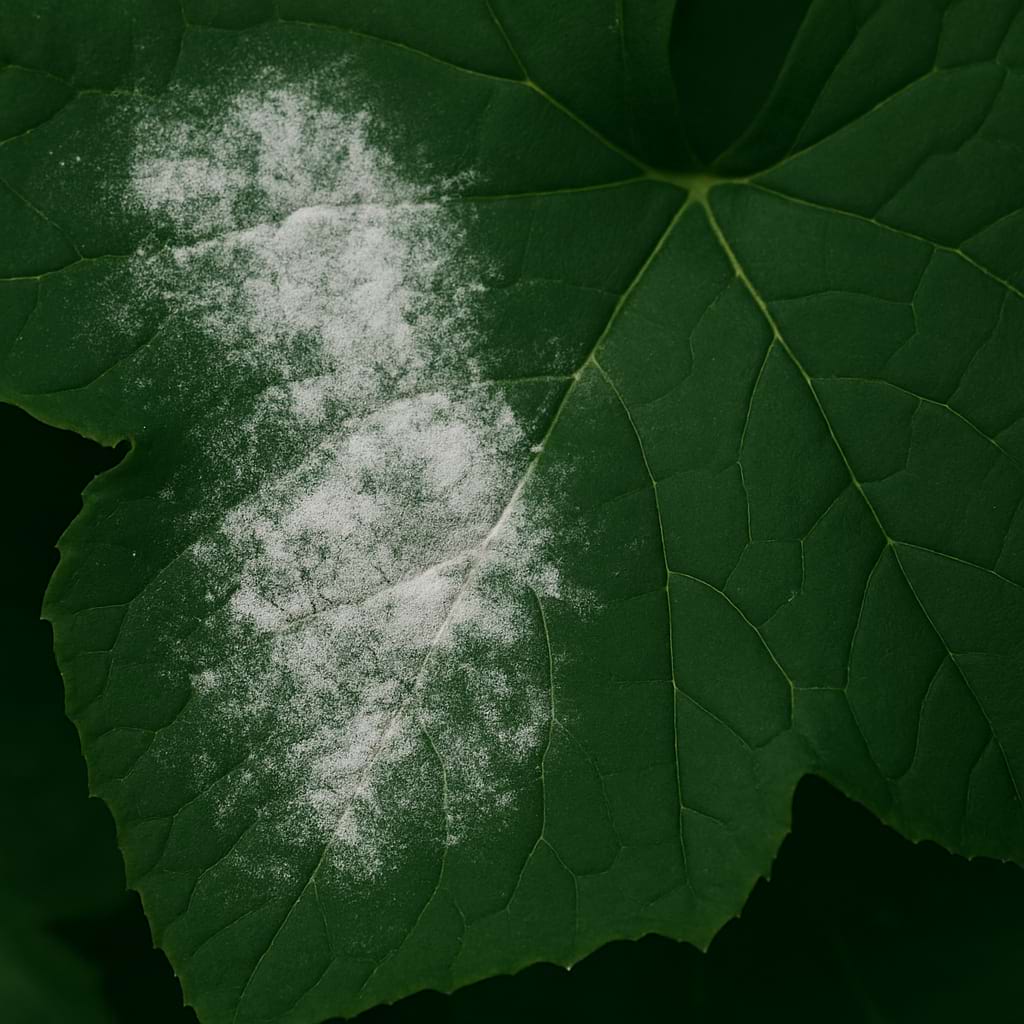
Leaf spots and fungal patches: water sitting on foliage. Stop misting, water at the soil, improve airflow, remove badly affected leaves. Powdery mildew shows as a white dusty coat, treat with diluted milk spray or a fungicide.
Root rot: soft mushy stems at the base, sour soil smell, rapid wilting that does not improve. Lift the plant out, trim blackened roots, dry the root ball for an hour, repot in fresh dry mix.
Wilting with moist soil: usually root rot has already damaged the roots. See wilting and drooping. Heat stress in a hot dry room can also wilt a healthy plant midday.

🖼️ Display and Styling Ideas
Where to Put It
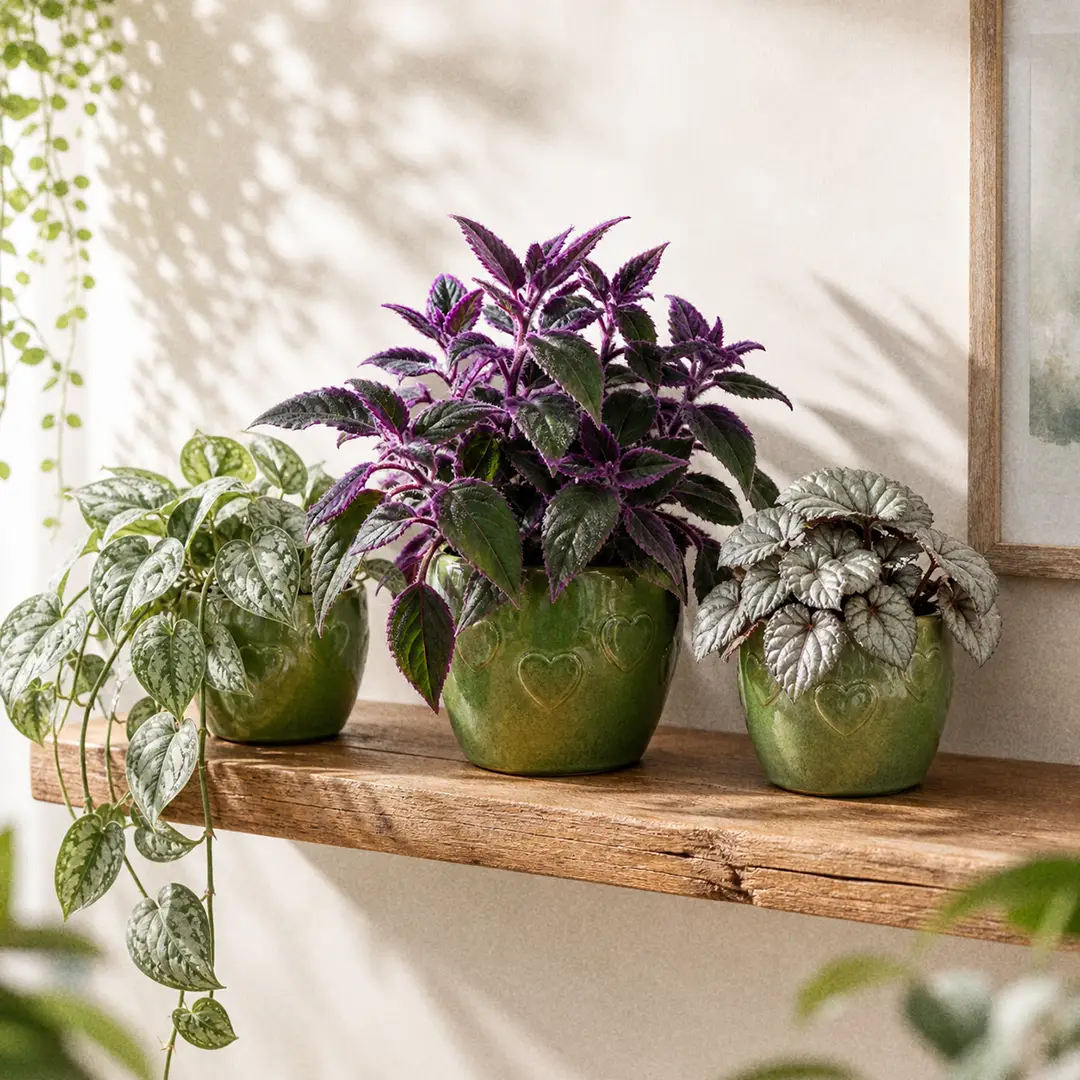
Purple Passion looks best where it gets bright light and where you can see it close up. A windowsill, a high shelf, or a hanging planter near a window all work. The semi-trailing habit makes it a strong hanging-basket choice, especially the Sarmentosa form. A sunny bathroom is a beautiful combination of light and humidity.
Color Pairings
The vivid violet rewards thoughtful pairings:
- Pair with the silvery foliage of an Aluminum Plant or a Satin Pothos Exotica for cool-toned contrast.
- Group with a Polka Dot Begonia for a moody jewel-toned shelf.
- Pair with a Polka Dot Plant or Wandering Dude for color-rich corners.
Pot Picks
Cream, white, or pale terracotta pots flatter the violet best. Avoid bright pots that fight the foliage.
🌟 Pro Care Tips
1. Pinch From Day One
Even on a young compact plant, start pinching the day you bring it home. Plants pinched early branch better and stay bushy far longer.
2. Water at the Soil, Never Over the Leaves
The single biggest difference from other foliage tropicals. The fuzz traps water and rots. Use a slender spout, skip the misting routine.
3. Treat It as a Renewable Plant
A single plant looks its best for two to three years. Keep a rotation of cuttings going so a young vivid replacement is always coming up.
4. Take Cuttings Before Hard Pruning
Root four or five cuttings in water on the windowsill before any major cutback. Insurance if the parent struggles, free plants if it bounces back.
5. Move It Brighter in Winter
Indoor light drops by half or more in winter. A spot that was bright in July may be marginal in January. Slide closer to the brightest window, or add a small grow light.
6. Pinch the Flower Buds
Unless you really want to smell them. The smell is unpleasant and blooming weakens the plant.
❓ Frequently Asked Questions
Is Purple Passion toxic to cats and dogs?
Generally considered non-toxic to cats and dogs and not on the ASPCA toxic list. Eating any plant can cause mild stomach upset, so keep it out of reach of curious mouths. The sap can lightly irritate sensitive human skin.
Why is my Purple Passion losing its purple color?
Almost always a light problem. The violet hairs are produced more abundantly in bright conditions. Move to a brighter spot (within two or three feet of a bright window) and new growth will come in with much stronger color within a few weeks. Older faded leaves will not regain color.
How often should I water?
When the top inch of soil dries out, usually every five to seven days in spring and summer and every ten to fourteen in winter. Use the finger test, not a calendar. Always water at the soil, never over the leaves.
Can I grow Purple Passion in a hanging basket?
Yes, especially the trailing Sarmentosa form. A hanging basket near a bright window shows off the violet hairs from below. Make sure the basket has drainage and that you can lift it down to water without soaking the leaves.
Should I let my Purple Passion bloom?
For most people, no. The flowers smell unpleasant and the bloom phase weakens the plant. Pinch buds off as soon as you see them.
How long does a Purple Passion live?
A single plant looks its best for two or three years before older stems get woody. Because cuttings root so easily, most growers keep a continuous rotation going. With ongoing propagation, you can keep the plant going indefinitely.
Can it grow in low light?
It will survive in medium light, but the violet color fades and the plant goes leggy. For the plant to look like the one you bought, bright indirect light is needed. A grow light eight to twelve inches above for ten to twelve hours daily works well as a substitute.
Why is there white powder on my leaves?
Most likely powdery mildew, a fungal infection that thrives on damp fuzzy leaves. Improve airflow, stop misting, water only at the soil, and treat with a diluted milk spray (one part milk to nine parts water) or a houseplant-safe fungicide.
ℹ️ Purple Passion Plant Info
Care and Maintenance
🪴 Soil Type and pH: Peat or coco-coir based, light and airy with added perlite for drainage.
💧 Humidity and Misting: Prefers 40-60% humidity; tolerates average household air better than most velvety-leaved plants.
✂️ Pruning: Pinch tips every 2-3 weeks to keep growth compact and prevent legginess.
🧼 Cleaning: Do not wipe the leaves with a wet cloth; the velvet hairs trap water and rot. Use a soft dry brush to dust.
🌱 Repotting: Every 1-2 years or when roots circle the pot, ideally in spring as growth picks up.
🔄 Repotting Frequency: Every 1-2 years
❄️ Seasonal Changes in Care: Pinch growing tips often in spring and summer to keep the plant bushy. Reduce watering and stop fertilizing in winter. Move closer to a bright window in the darker months to keep the purple hairs vivid.
Growing Characteristics
💥 Growth Speed: Fast
🔄 Life Cycle: Perennial
💥 Bloom Time: Late winter to spring; small orange or yellow daisy-like composite flowers with an unpleasant smell. Most growers pinch the buds off before they open.
🌡️ Hardiness Zones: 10-11 (outdoors)
🗺️ Native Area: Java, Indonesia
🚘 Hibernation: No
Propagation and Health
📍 Suitable Locations: Bright windowsills, hanging planters, plant shelves, sunrooms, well-lit bathrooms.
🪴 Propagation Methods: Very easy from stem cuttings rooted in water or moist soil within 1-2 weeks.
🐛 Common Pests: Mealybugs, Aphids, Spider Mites, Whiteflies, Fungus Gnats
🦠 Possible Diseases: Root rot, powdery mildew, botrytis on damp leaves.
Plant Details
🌿 Plant Type: Herbaceous Perennial
🍃 Foliage Type: Evergreen
🎨 Color of Leaves: Deep green with dense violet-purple velvety hairs covering the entire leaf surface and stems.
🌸 Flower Color: Bright orange to yellow composite flowers
🌼 Blooming: Late winter to spring; rarely the reason to grow this plant
🍽️ Edibility: Not edible
📏 Mature Size: 12-24 inches indoors (longer when trailing)
Additional Info
🌻 General Benefits: Striking color in a fast-growing, easy-care package, very generous with cuttings, and tolerant of average household humidity better than most fuzzy-leaved tropicals.
💊 Medical Properties: None known for Gynura aurantiaca specifically
🧿 Feng Shui: Said to bring warm, romantic energy to a space; the purple hue is linked to calming and creative chi when placed in a bedroom or workspace.
⭐ Zodiac Sign Compatibility: Pisces
🌈 Symbolism or Folklore: Passion, sensitivity, and the quiet beauty of texture.
📝 Interesting Facts: The famous violet color is not pigment in the leaf itself but thousands of fine purple hairs (called trichomes) standing up across the leaf surface. In bright light the trichomes turn an intense magenta; in low light they thin out and the leaf reads as plain green. The plant is essentially wearing the color rather than producing it inside the leaf.
Buying and Usage
🛒 What to Look for When Buying: Choose a compact plant with strong purple coloration on the newest leaves rather than mostly green specimens. Check that stems are firm and upright, not soft or leaning. A young, bushy plant ages much better than a leggy one with a head-start of stretched stems.
🪴 Other Uses: Often grown in mixed hanging baskets and as a trailing accent in larger container arrangements. The semi-trailing habit also works well draping from a high shelf or plant stand.
Decoration and Styling
🖼️ Display Ideas: Looks dramatic against a pale wall or in a white or cream pot where the purple hairs really stand out. Pairs well with silver-leaved plants like Pilea Glauca or Tradescantia Zebrina for a moody color study.
🧵 Styling Tips: Keep this one in a single pot rather than crowded into a mixed planter, its color is a feature that deserves room to breathe. White, cream, or pale terracotta containers all flatter the violet far better than competing colored pots.

Houseplant101 Forum
Questions & Comments
Ask a question, share your plant experience, or help other plant owners.
Comments are temporarily unavailable.
Open the Houseplant101 ForumNo comments yet
Be the first to ask a question or share your experience about this page.
Log in or create an account
Comments use your Houseplant101 Forum account, but you can stay on this page.
Create a new account