

Dumb Cane
Dieffenbachia
Leopard Lily, Tropic Snow


The Dumb Cane (Dieffenbachia) is a stunning tropical plant known for its large, lush leaves with beautiful variegation. Its bold foliage, often featuring patterns of cream, yellow, and green, makes it a popular choice for adding a touch of the tropics to any indoor space. While it's a relatively easy-going houseplant, its sap is toxic, so it's best to handle with care.
📝 Dumb Cane Care Notes
🌿 Care Instructions
⚠️ Common Pests
📊 Growth Information
🪴 In This Guide 🪴

📺 Dumb Cane Care Video Guide

☀️ Dumb Cane Light Requirements (Indoor Lighting Guide)
Best Light for Dumb Cane (Bright, Indirect)
Getting the lighting right is key to keeping your Dumb Cane's beautiful variegation.
Ideal Lighting: Dumb Canes do best in bright, indirect light. A spot near an east or west-facing window is perfect. They can also do well in a south-facing room, as long as they are protected from direct sun by a sheer curtain.
Avoid Direct Sun: Direct sunlight can be too intense for the Dumb Cane's leaves, causing them to burn and lose their vibrant colors.
Low Light Tolerance: While they prefer bright, indirect light, Dumb Canes can adapt to lower light conditions. However, in low light, they will grow slower, and the patterns on their leaves may become less pronounced.

💧 Dumb Cane Watering Guide (How to Water)
Watering Frequency for Dumb Cane
Finding the right watering schedule is important for a healthy Dumb Cane. They like consistently moist soil, but not soggy.
Watering Frequency: Water your Dumb Cane when the top 1-2 inches of soil are dry to the touch. This usually means watering about once a week during the spring and summer. In the fall and winter, you can reduce watering to every two weeks or so.
How to Water Dumb Cane (Technique)
Watering Method: When you do water, water thoroughly, allowing the water to run out of the drainage holes. This ensures that all the roots get a good drink. Be sure to empty any excess water from the saucer to prevent the plant from sitting in water, which can lead to root rot.
Signs of Overwatering vs Underwatering
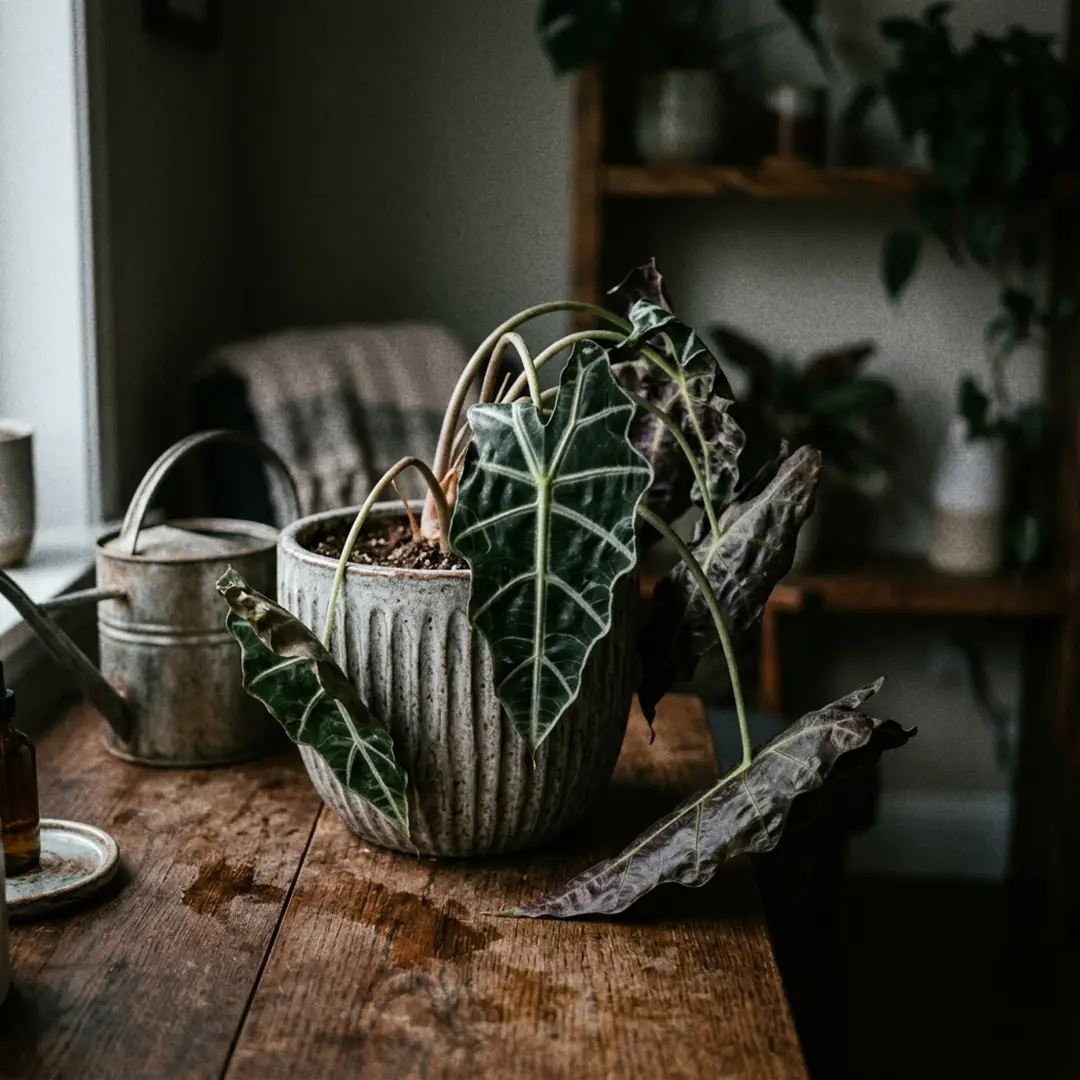
Know the Signs: Yellowing leaves are a common sign of overwatering, while drooping leaves can be a sign of both overwatering and underwatering. Always check the soil before you water to determine what your plant needs.
🪴 Best Soil for Dumb Cane (Potting Mix & Drainage)
Recommended Potting Mix for Dumb Cane
The right soil mix is the foundation for a healthy Dumb Cane.
Soil Composition: Dumb Canes prefer a well-draining, peat-based potting mix. You can use a standard houseplant potting mix with some added perlite or orchid bark to improve drainage.
DIY Mix: If you'd like to make your own mix, a good recipe is one part peat moss or coco coir, one part perlite, and one part pine bark. This mix will hold some moisture while still allowing for good airflow to the roots.
🍼 Fertilizing Dumb Cane (When and How)
Best Fertilizer Type for Dumb Cane
Feeding your Dumb Cane during the growing season will help it produce large, beautiful leaves.
Fertilizer Type: A balanced, water-soluble fertilizer is a good choice for Dumb Canes. Look for a fertilizer with an N-P-K ratio like 20-20-20.
Fertilizing Frequency (Spring, Summer, Winter)
Frequency: Fertilize your Dumb Cane every 2-4 weeks during the spring and summer. Stop fertilizing in the fall and winter when the plant's growth slows down.
How to Apply Fertilizer (Dilution & Safety)
Application: Always dilute the fertilizer to half the recommended strength to avoid burning the roots. Apply the fertilizer to moist soil, never to dry soil.
🌡️ Dumb Cane Temperature Range (Ideal Indoor Temps)
Ideal Temperature Range for Dumb Cane
As a tropical plant, the Dumb Cane prefers warm temperatures.
Ideal Temperature Range: Dumb Canes are happiest in temperatures between 65-85°F (18-29°C).
Avoid Cold Drafts
Avoid Cold Drafts: Keep your Dumb Cane away from cold drafts from windows, doors, and air conditioning vents. Sudden temperature drops can stress the plant and cause leaf drop.
💦 Dumb Cane Humidity Needs (Prevent Crispy Leaves)
Ideal Humidity for Dumb Cane
Consistent humidity is important for keeping your Dumb Cane's leaves looking their best.
Ideal Humidity Range: Dumb Canes thrive in moderate to high humidity, ideally between 60-70%.
How to Increase Humidity for Dumb Cane
Here are a few ways to increase the humidity for your Dumb Cane:
- Misting: Mist the leaves a few times a week with room temperature water.
- Pebble Tray: Place the pot on a tray filled with pebbles and water. The evaporating water will create a more humid environment for the plant.
- Humidifier: Using a room humidifier is a great way to maintain consistent humidity.
- Grouping Plants: Group your Dumb Cane with other plants that love humidity.

🌸 Dumb Cane Flowers and Blooming
Dumb Canes are grown for their beautiful foliage, and it's rare for them to flower indoors. When they do, they produce a greenish-white spathe, similar to a Peace Lily's flower. Don't be concerned if your plant never flowers; it's perfectly normal for indoor Dumb Canes.

🏷️ Dumb Cane Types and Varieties (Dieffenbachia Cultivars)
There are many beautiful Dieffenbachia varieties to choose from, each with its own unique leaf pattern. Some popular varieties include:
- 'Camille': One of the most common varieties, with creamy-white leaves edged in dark green.
- 'Tropic Snow': Features large, dark green leaves with heavy splashing of creamy white.
- 'Hilo': Has dark green leaves with lighter green variegation.
- 'Triumph': A stunning variety with light green leaves, dark green edges, and a white central vein.
- 'Star Bright': Known for its narrower leaves with a light, pastel yellow-green color and dark green splashes.
🪴 Potting and Repotting Dumb Cane (When and How)
Best Pot and Soil for Dumb Cane
Potting Mix: A well-draining, peat-based potting mix is ideal for Dumb Canes.
Pot Selection: Choose a pot with drainage holes that is 1-2 inches larger in diameter than the previous pot.
When to Repot Dumb Cane
Repotting Frequency: Repot your Dumb Cane every 1-2 years, or when it becomes root-bound. The best time to repot is in the spring.
How to Repot Dumb Cane (Step-by-Step)
Repotting Process:
- Water your plant a day or two before repotting.
- Gently remove the plant from its current pot.
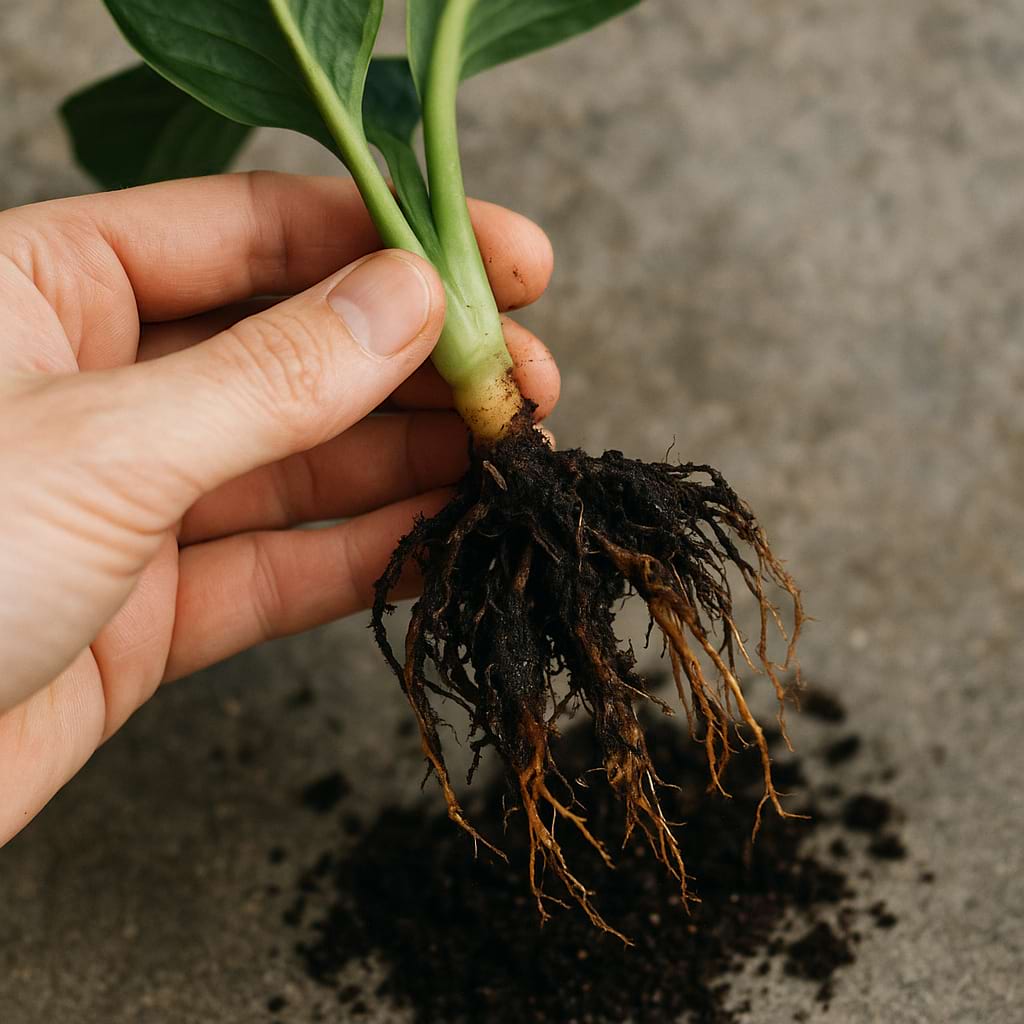
- Inspect the roots and trim away any that are brown or mushy.
- Place a layer of fresh potting mix in the new pot.
- Set the plant in the new pot and fill in around the roots with more potting mix.
- Water the plant thoroughly.
✂️ Pruning Dumb Cane for Bushy Growth
Pruning your Dumb Cane can help keep it looking full and healthy.
When and Why to Prune Dumb Cane
- Encourage Fullness: If your Dumb Cane is getting tall and leggy, you can prune the main stem to encourage it to branch out and become bushier.
- When to Prune: The best time to prune is in the spring or summer.
How to Prune Dumb Cane (Technique)
- How to Prune: Using clean, sharp pruning shears, cut the main stem to your desired height. You can also remove any yellow or damaged leaves at any time. Remember to wear gloves to protect your skin from the sap.
🌱 How to Propagate Dumb Cane (Cuttings)
Propagating Dumb Cane is a simple way to create new plants.
Water Propagation for Dumb Cane
Propagation in Water
- Take a 4-6 inch stem cutting from a healthy plant.
- Remove the lower leaves.
- Place the cutting in a glass of water, making sure at least one node is submerged.
- Change the water every few days.
- Once roots have formed, you can plant the cutting in soil.
Soil Propagation for Dumb Cane
Propagation in Soil
- Take a 4-6 inch stem cutting and let it dry for a day or two.
- Dip the cut end in rooting hormone (optional).
- Plant the cutting in a pot with moist, well-draining soil.
- Keep the soil consistently moist.
Air Layering for Dumb Cane
Propagation by Air Layering
- Make a small cut on the stem where you want roots to form.
- Wrap the cut area with moist sphagnum moss.
- Cover the moss with plastic wrap and secure it.
- Once roots have formed, you can cut the stem below the new roots and plant it in a new pot.
🐛 Dumb Cane Pests and Treatment
Pests That May Affect Dumb Cane
Keep an eye out for these common pests:
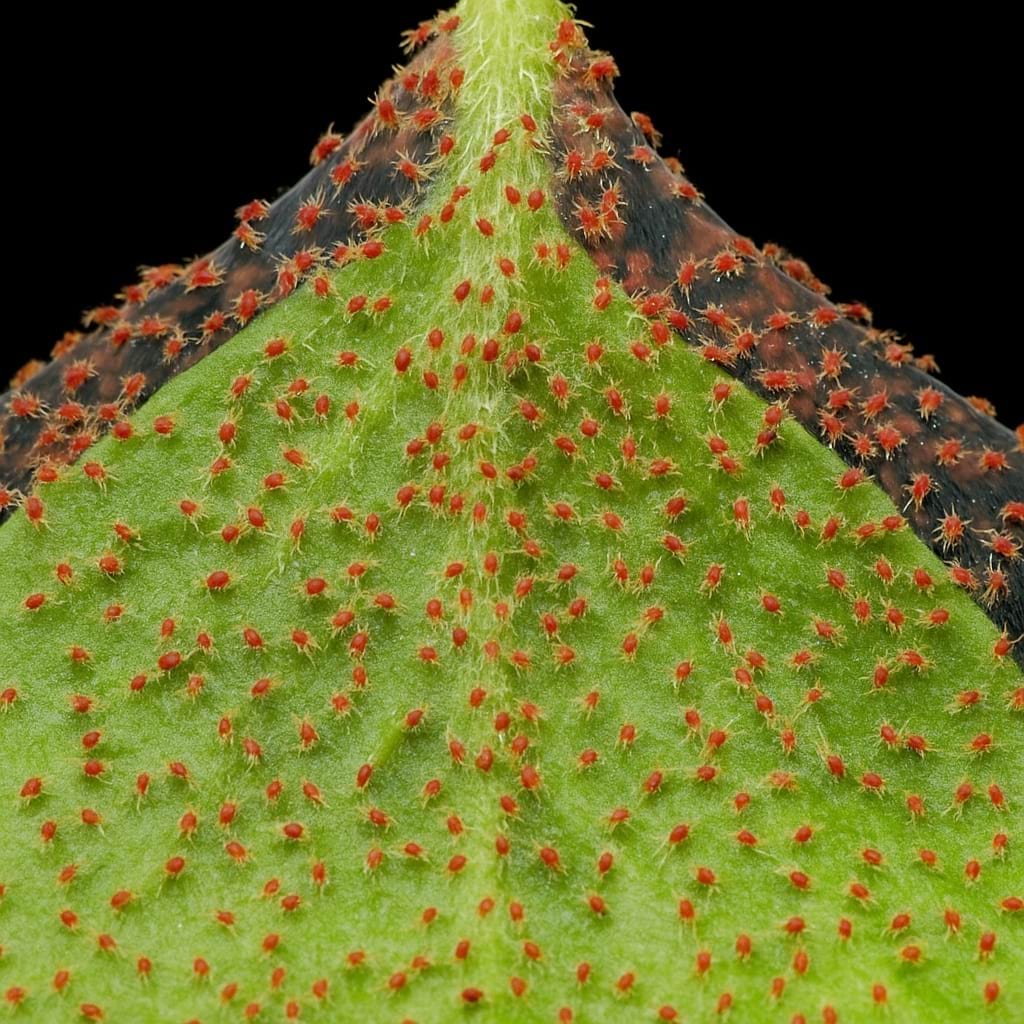
- Spider Mites: Look for fine webbing on the plant.
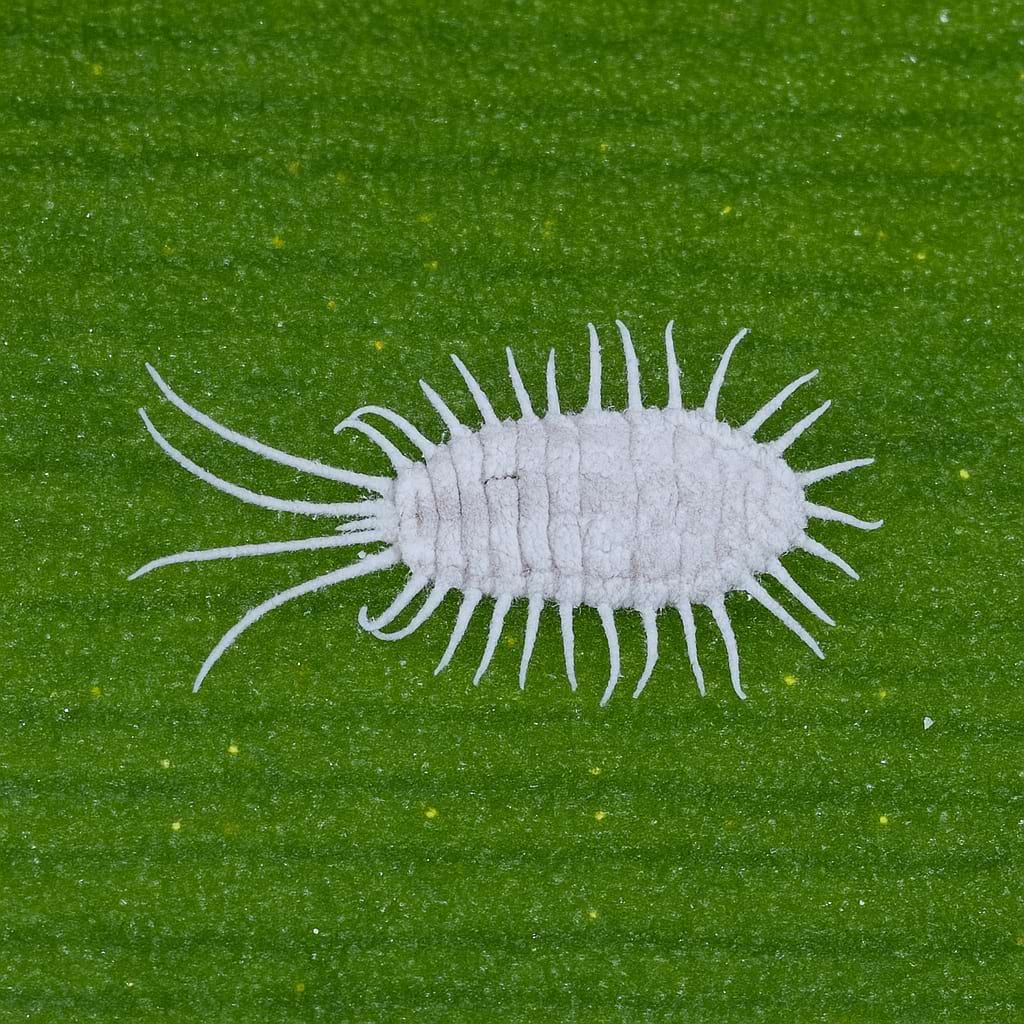
- Mealybugs: These look like small, white, cottony spots.
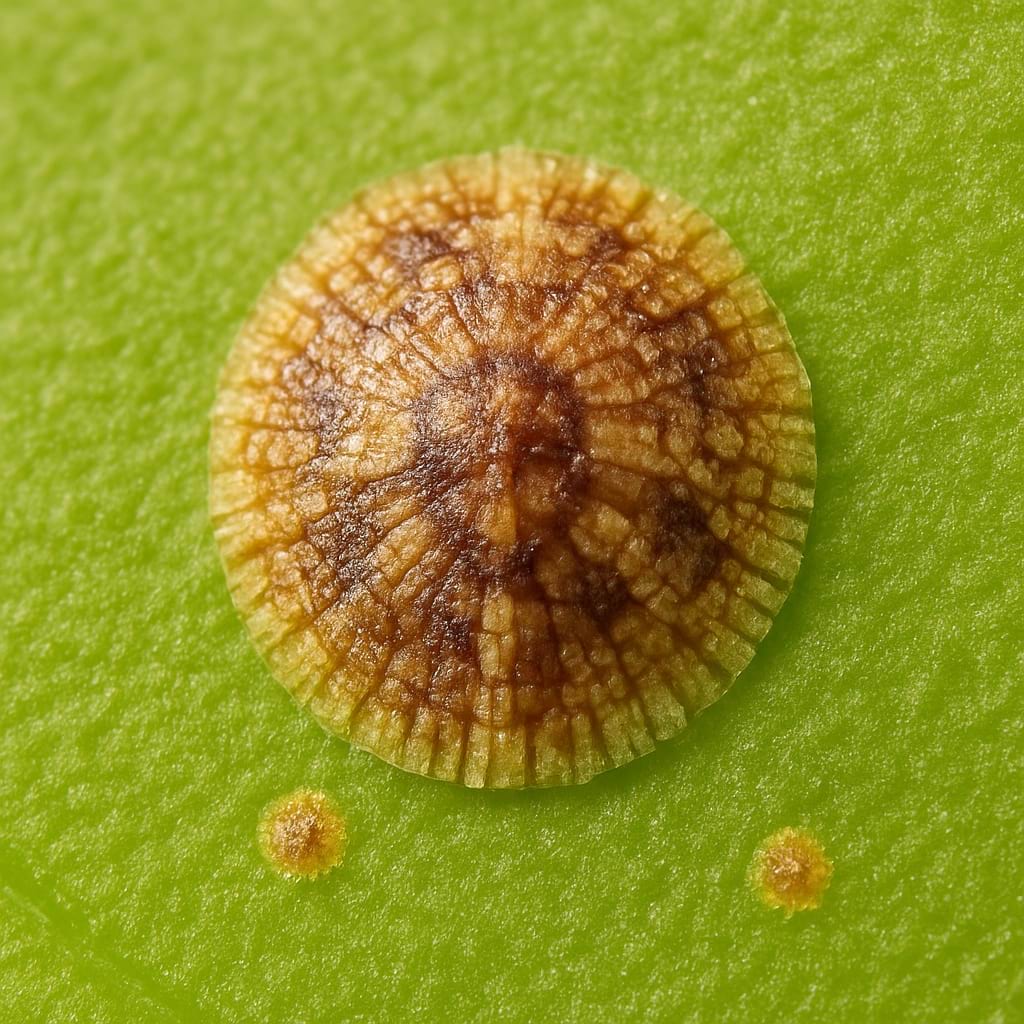
- Scale Insects: These appear as small, brown bumps on the stems and leaves.
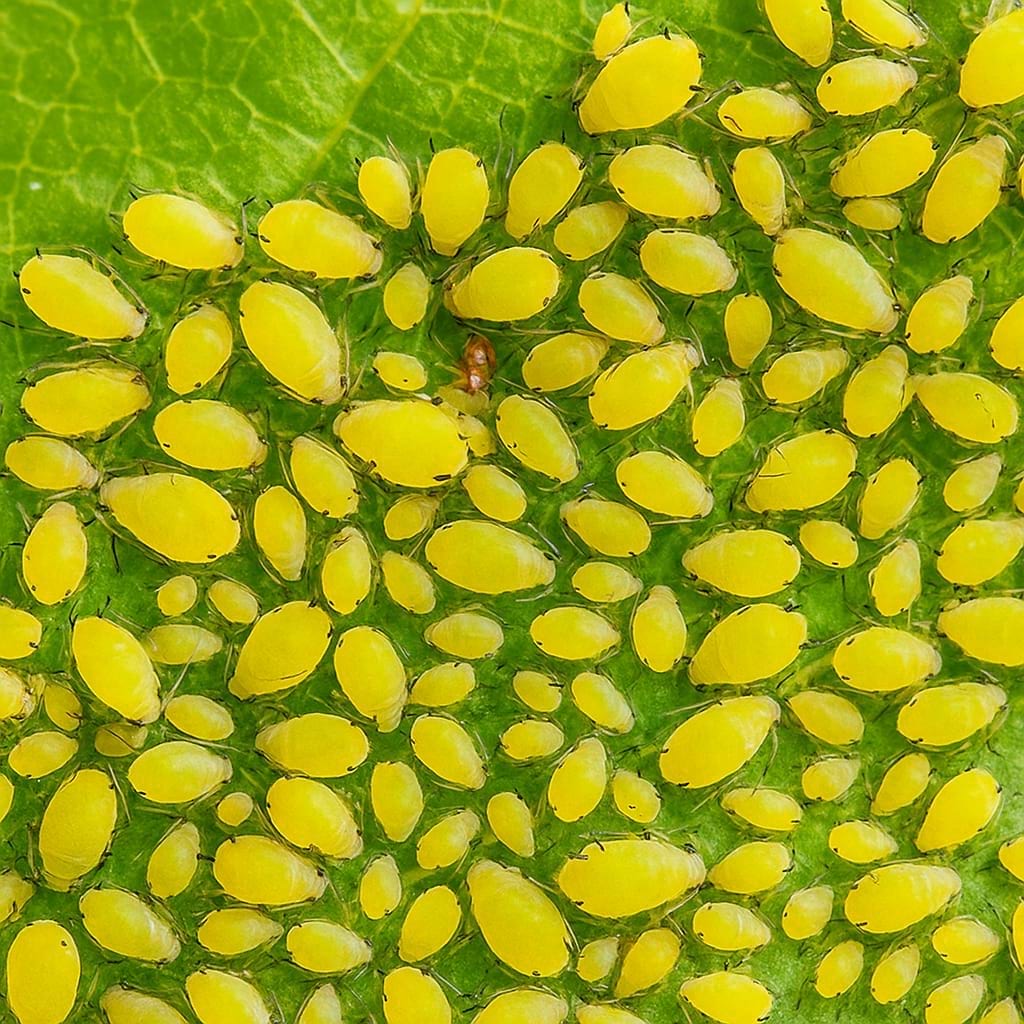
- Aphids: Small insects that cluster on new growth.
Pest Treatment
If you find pests on your Dumb Cane, isolate it from your other plants and treat it with insecticidal soap or neem oil.
🩺 Dumb Cane Problems and Diseases (Troubleshooting)
Here are some common problems you might encounter with your Dumb Cane:
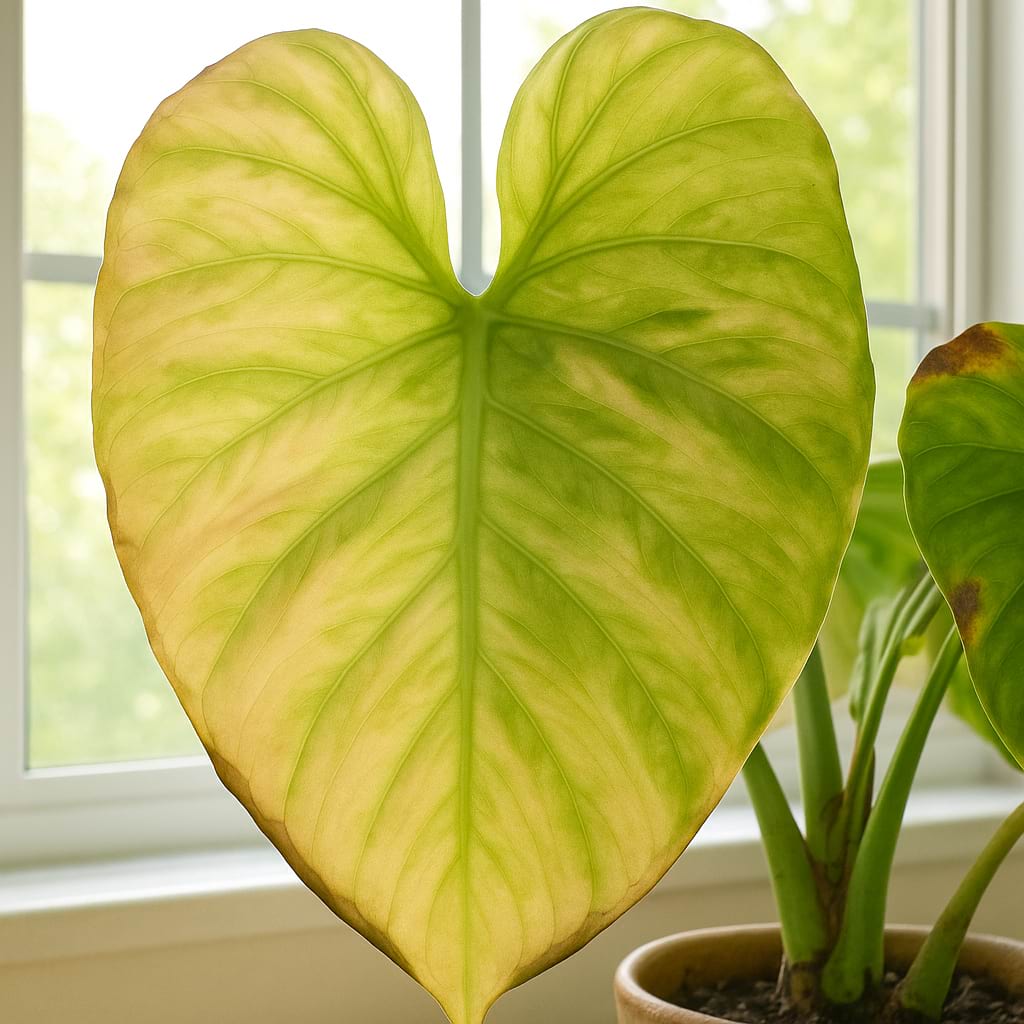
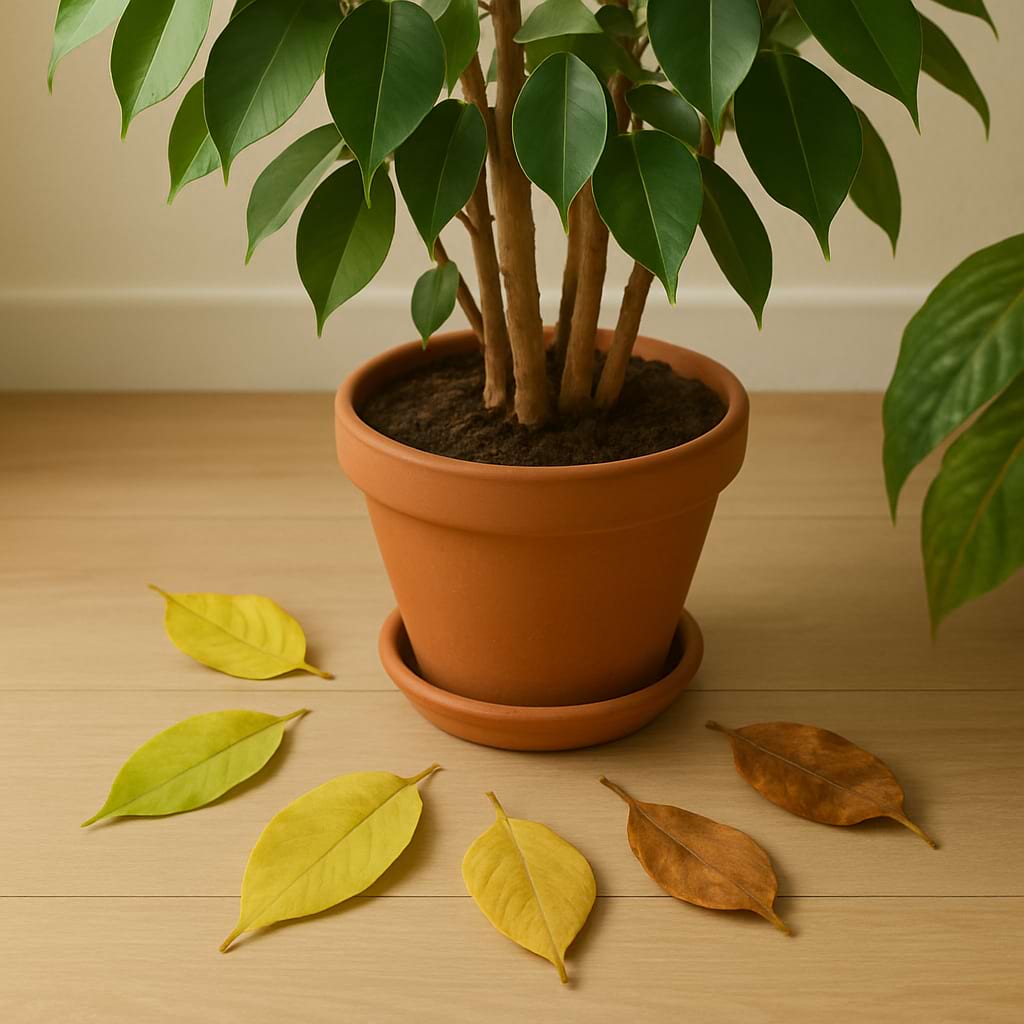
- Yellowing Leaves: Usually a sign of overwatering.
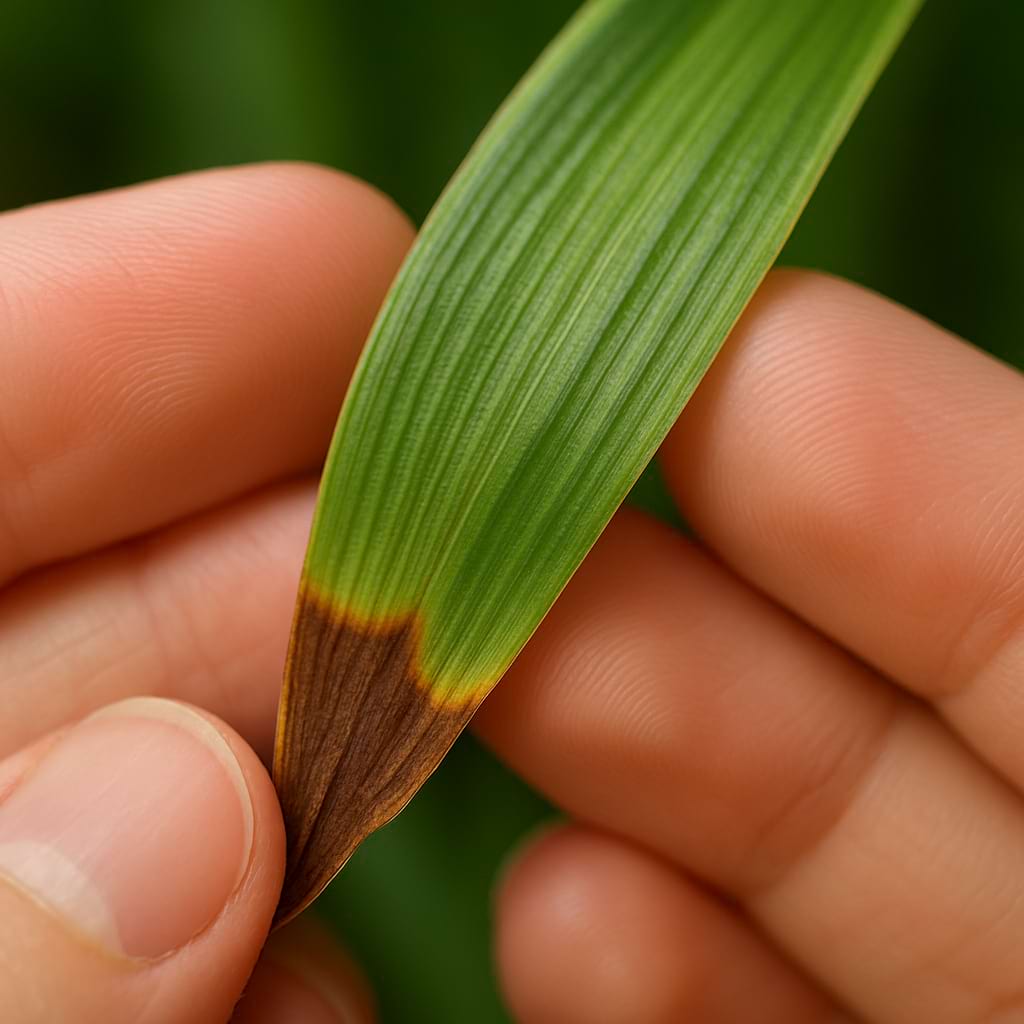
- Brown, Crispy Edges: This can be caused by low humidity or underwatering.
- Wilting or Drooping: Can be a sign of both overwatering and underwatering. Check the soil to be sure.
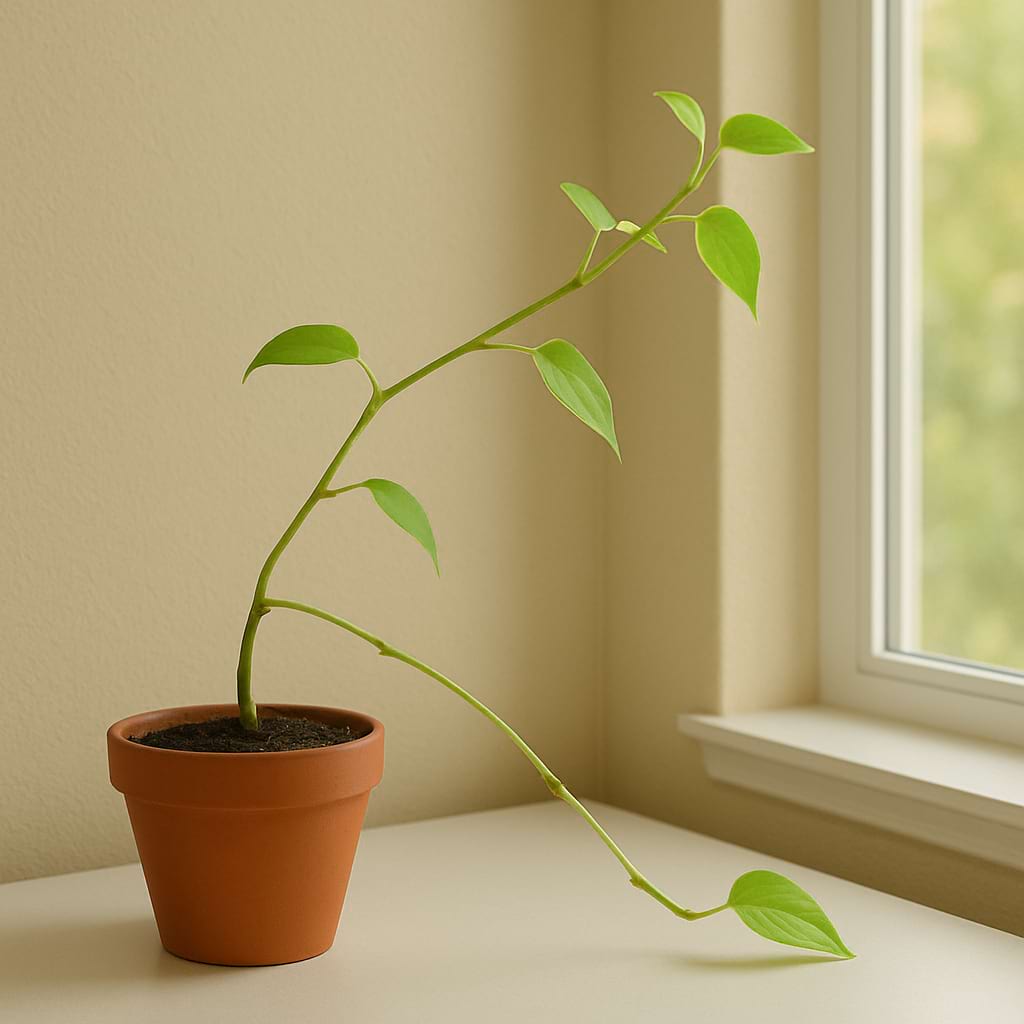
- Leggy Growth: Your plant is likely not getting enough light.
- Leaf Drop: Can be caused by sudden changes in temperature or light.
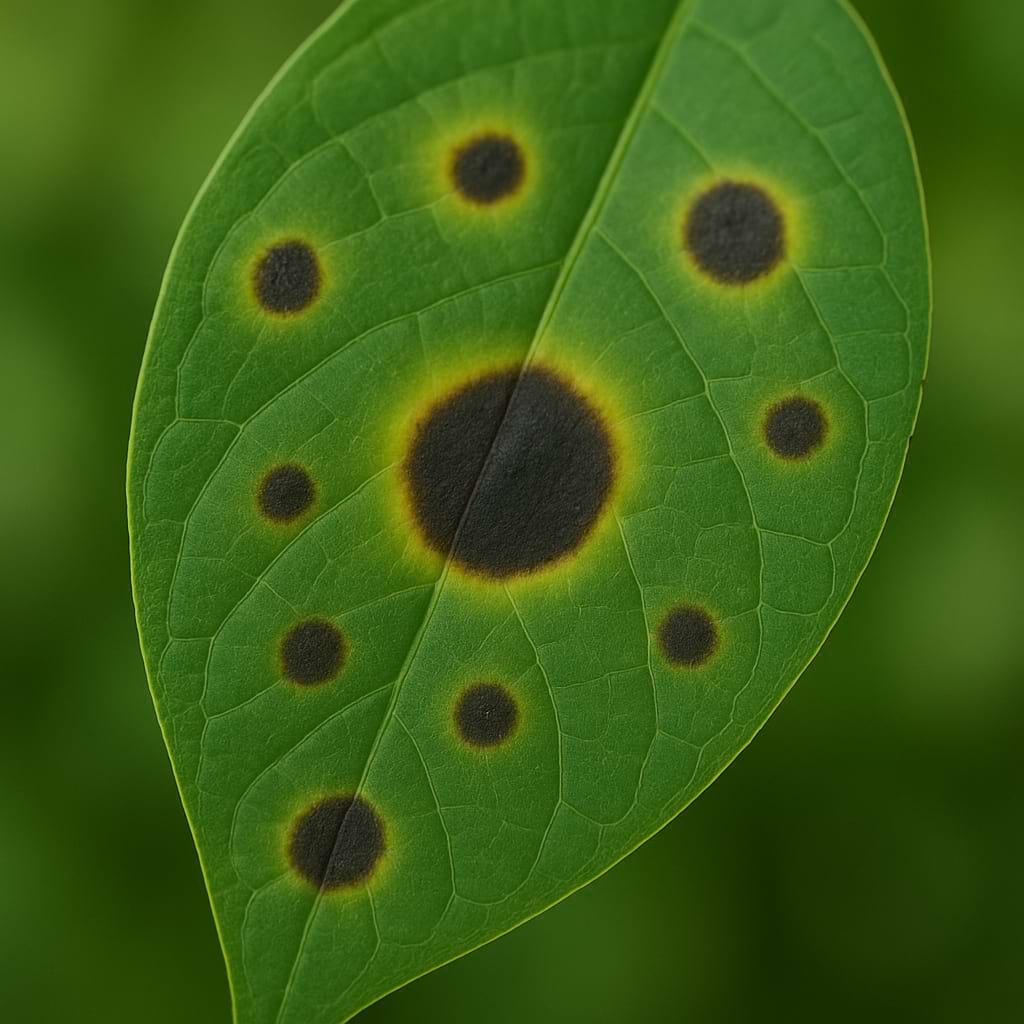
- Brown or Black Spots: This could be a sign of a fungal disease, often caused by overwatering.

🖼️ Dumb Cane Display Ideas (Styling & Decor)

The Dumb Cane's bold foliage makes it a great statement plant. Here are a few ideas for displaying it in your home:
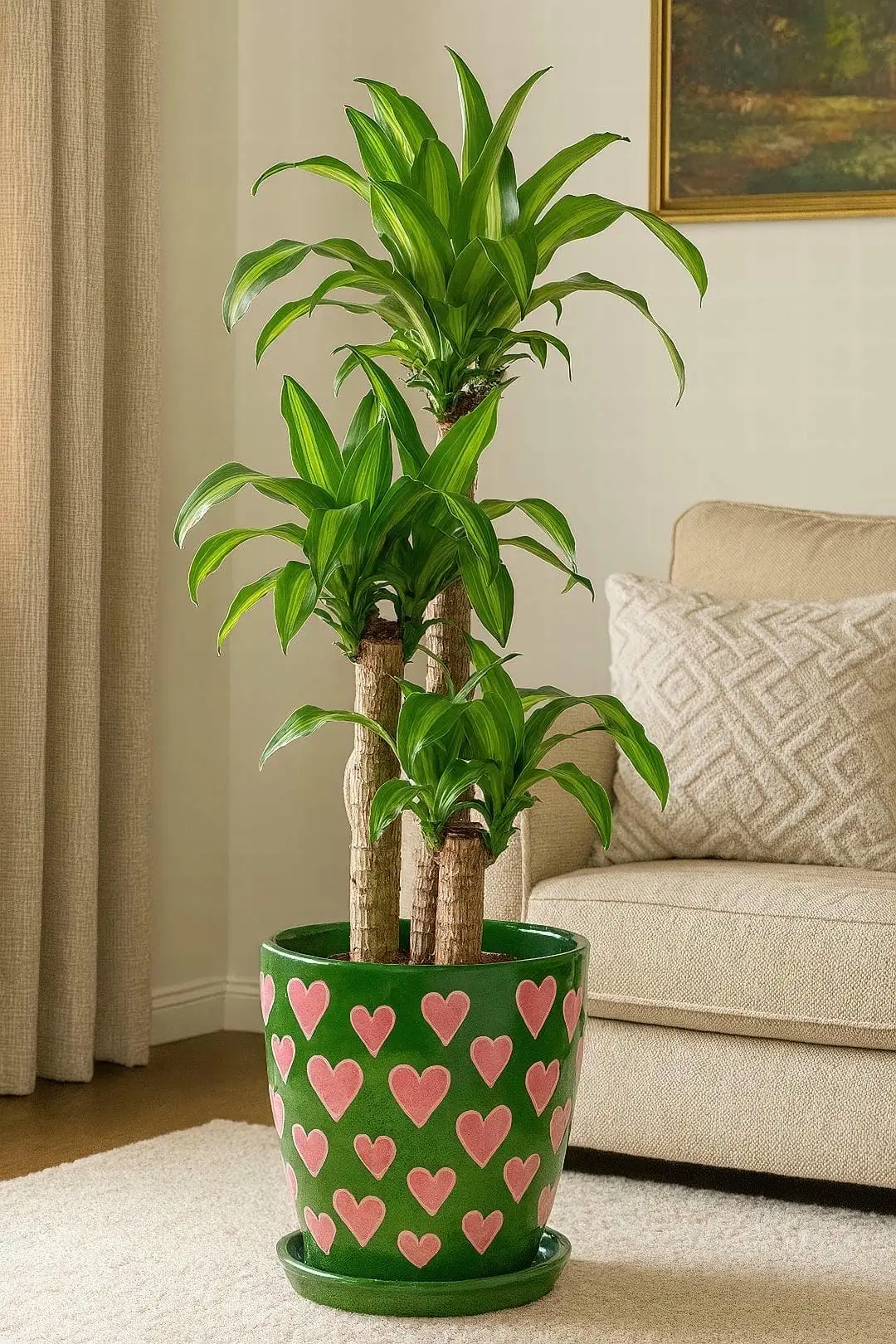
- Floor Plant: A large Dumb Cane in a decorative pot makes a great floor plant for a living room or bedroom.
- Plant Stand: Elevate your Dumb Cane on a plant stand to show off its beautiful leaves.
- Office Plant: A Dumb Cane can brighten up any office space.
🌟 Dumb Cane Care Tips (Pro Advice)

💧 Check the soil before you water. Dumb Canes don't like to be overwatered.
✂️ Prune your Dumb Cane to encourage a fuller, bushier plant.
💦 Keep the humidity up to prevent brown, crispy leaf tips.
🔄 Rotate your plant regularly to ensure all sides get even light.
🧼 Wipe the leaves with a damp cloth to keep them clean and help them breathe.
🧤 Wear gloves when handling your Dumb Cane to protect your skin from its toxic sap.
❓ Frequently Asked Questions
Why are my Dumb Cane's leaves turning yellow?
Yellowing leaves on a Dumb Cane are most often a sign of overwatering. Make sure the top 1-2 inches of soil are dry before watering again. It can also be a sign of underwatering, so it's always best to check the soil before watering.
Is the Dumb Cane plant really poisonous?
Yes, all parts of the Dumb Cane plant are toxic to humans and pets. The sap contains calcium oxalate crystals that can cause skin irritation and swelling of the mouth and throat if ingested. It's best to wear gloves when handling the plant and keep it out of reach of children and pets.
My Dumb Cane is getting too tall and leggy. What should I do?
If your Dumb Cane is getting leggy, it might not be getting enough light. Move it to a brighter location. You can also prune the main stem to encourage a bushier growth habit. The pruned sections can be used for propagation.
What kind of light does a Dumb Cane need?
Dumb Canes thrive in bright, indirect light. They can tolerate lower light conditions, but their growth will be slower and the variegation on their leaves may fade. Direct sunlight can scorch the leaves.
How do I propagate a Dumb Cane?
Dumb Canes are easy to propagate from stem cuttings. You can root them in water or directly in soil. You can also propagate them through air layering. Just be sure to wear gloves to protect your skin from the sap.
What are the brown, crispy tips on my Dumb Cane's leaves?
Brown, crispy leaf tips are usually a sign of low humidity. Try misting your plant, using a pebble tray, or placing a humidifier nearby to increase the humidity.
How often should I fertilize my Dumb Cane?
Fertilize your Dumb Cane every 2-4 weeks during the growing season (spring and summer) with a balanced liquid fertilizer diluted to half-strength. Do not fertilize in the fall and winter.
What pests are common to Dumb Canes?
Dumb Canes can be susceptible to common houseplant pests like spider mites, mealybugs, and scale insects. Regularly inspect your plant and treat any infestations with insecticidal soap or neem oil.
ℹ️ Dumb Cane Info
Care and Maintenance
🪴 Soil Type and pH: Well-draining, peat-based mix
💧 Humidity and Misting: Moderate to high, 60-70%
✂️ Pruning: Trim yellow or damaged leaves as needed. Can be cut back to encourage bushier growth.
🧼 Cleaning: Wipe leaves with a damp cloth to keep them dust-free and help with photosynthesis.
🌱 Repotting: Every 1-2 years or when root-bound.
🔄 Repotting Frequency: Every 1-2 years
❄️ Seasonal Changes in Care: Reduce watering in fall and winter. Stop fertilizing until spring.
Growing Characteristics
💥 Growth Speed: Fast
🔄 Life Cycle: Perennial
💥 Bloom Time: Rarely flowers indoors
🌡️ Hardiness Zones: 10-12 (outdoors)
🗺️ Native Area: Central and South America
🚘 Hibernation: No (growth slows in winter)
Propagation and Health
📍 Suitable Locations: Living rooms, bedrooms, offices, or any room with bright, indirect light.
🪴 Propagation Methods: Easy via stem cuttings in water or soil, and air layering.
🐛 Common Pests: Spider Mites, Mealybugs, Scale Insects, Aphids
🦠 Possible Diseases: Root rot, fungal leaf spot
Plant Details
🌿 Plant Type: Perennial
🍃 Foliage Type: Evergreen
🎨 Color of Leaves: Green, variegated with white, cream, or yellow
🌸 Flower Color: Greenish-white spathe (rare indoors)
🌼 Blooming: Rarely blooms indoors
🍽️ Edibility: Not edible; toxic if ingested.
📏 Mature Size: Can reach up to 10 feet, but typically 3-5 feet indoors
Additional Info
🌻 General Benefits: Excellent for air purification, removing toxins from the air.
💊 Medical Properties: None, toxic.
🧿 Feng Shui: Brings positive energy and purifies the surrounding air.
⭐ Zodiac Sign Compatibility: Leo
🌈 Symbolism or Folklore: Protection and good fortune.
📝 Interesting Facts: The common name 'Dumb Cane' comes from the fact that its sap contains calcium oxalate crystals, which can cause a temporary inability to speak if ingested.
Buying and Usage
🛒 What to Look for When Buying: Choose a plant with vibrant, healthy leaves and no signs of pests. Check the stems for firmness.
🪴 Other Uses: A great statement plant for any bright room.
Decoration and Styling
🖼️ Display Ideas: A floor plant in a decorative pot, or on a sturdy plant stand.
🧵 Styling Tips: Pairs well with other tropical plants like the Monstera Deliciosa or Snake Plant for a lush, jungle vibe.
🪴 See also 🪴

Houseplant101 Forum
Questions & Comments
Ask a question, share your plant experience, or help other plant owners.
Comments are temporarily unavailable.
Open the Houseplant101 ForumNo comments yet
Be the first to ask a question or share your experience about this page.
Log in or create an account
Comments use your Houseplant101 Forum account, but you can stay on this page.
Create a new account