
🪴 In This Guide 🪴

🔎 What Are Caterpillars? A Closer Look
Understanding the Pest
A caterpillar isn't a lifelong pest; it's just one stage in the life of a moth or butterfly. An adult lays eggs on a suitable "host plant," and when those eggs hatch, the caterpillars emerge with a voracious appetite. They will eat and grow, molting several times before eventually forming a chrysalis or cocoon to transform into an adult.
While they are a beautiful part of nature outdoors, a single caterpillar on a contained houseplant can be a disaster, defoliating it rapidly. They are far less common indoors than pests like spider mites or gnats, making their appearance quite surprising.

How to Identify Caterpillars: Signs & Symptoms
Fortunately, caterpillars are usually easy to diagnose.
- Visible Insects: This is the most obvious sign. You will see a worm-like creature on your plant. They come in all sizes, colors, and patterns, from smooth and green to hairy and striped.
- Large, Ragged Holes: Caterpillars are aggressive chewers. They eat from the edge of the leaf inwards or can chew holes right in the middle. The damage is significant and not subtle.
- Frass (Droppings): Look for small, dark green or black, barrel-shaped pellets on the leaves or the surface below the plant. This is caterpillar poop, known as frass, and it's a definitive sign.
- Rolled or Stitched Leaves: Some types of caterpillars, like leafrollers, will use silk to fold or stitch leaves together to create a protected shelter where they can hide and feed.
🤔 What Causes a Caterpillar Problem?
How Did They Get Inside?
Caterpillars don't just magically appear. They are almost always the result of an adult moth or butterfly getting into your home.
- An Open Window or Door: A moth can fly in during the evening and lay its eggs on a plant it identifies as a food source for its young.
- Hitchhiking on New Plants: Eggs or very small caterpillars can be present on a new plant you bring home, especially from an outdoor nursery or garden center.
- Bringing Plants Indoors: If you move potted plants from your patio indoors for the winter, they may already have eggs or caterpillars on them.
- Fresh Cut Herbs or Flowers: A bouquet from the garden can sometimes carry in an unseen egg or two.
🌿 How to Get Rid of Caterpillars: A Step-by-Step Treatment Plan
Step 1: Manual Removal (First and Best Defense)
This is the most effective and immediate treatment.
- Pick Them Off: Put on a pair of gloves (just in case it's a stinging variety) and carefully inspect your plant. When you find a caterpillar, gently pick it off. You can relocate it far away outside or drop it into a bucket of soapy water.
- Inspect Thoroughly: Caterpillars are masters of camouflage. Check everywhere: on the undersides of leaves, along the stems, and in any new, unfurling leaves.
Step 2: Rinse the Plant
After you've removed the visible culprits, take your plant to a sink or shower. Use a spray of lukewarm water to wash the leaves and stems. This will help dislodge any tiny, newly-hatched caterpillars or eggs you may have missed.
Step 3: Natural & Organic Treatments (If Needed)
For most indoor situations, manual removal is sufficient. If you have a larger infestation or are dealing with potted plants outdoors, you can use a targeted treatment.
- BTK Spray (Bacillus thuringiensis kurstaki): This is the best choice for severe caterpillar problems. BT is a naturally occurring bacterium that is toxic only to the larvae of moths and butterflies. It is completely safe for humans, pets, bees, and other beneficial insects.
- Application: Mix the concentrate with water according to the label and spray it on the plant's leaves. The caterpillars will stop eating within hours of ingesting it.
🛡️ How to Prevent Caterpillars from Coming Back
Proactive Plant Care
- Use Window Screens: Keep windows and doors screened to prevent adult moths and butterflies from flying inside.
- Inspect All New Plants: Carefully check any new plant purchases for signs of pests, including eggs on the leaves.
- Monitor Your Plants: A quick daily or weekly check of your plants allows you to catch any problems, like chew marks, before they become severe.
- Floating Row Covers: For edible plants in pots on a patio or balcony, you can use lightweight fabric row covers to create a physical barrier against egg-laying adults.
Which Plants are Most Susceptible?
Many moths and butterflies have very specific host plants for their young. Indoors, they may be less picky. They are often attracted to potted herbs (like parsley and dill), vegetables (like tomatoes or cabbage-family plants), and plants with tender, new foliage. Most tropical houseplants are not the preferred food for local North American or European moth species, making attacks on them less common but still possible.
❓ Frequently Asked Questions
Are caterpillars poisonous to touch or to pets?
Most common caterpillars found on plants are harmless. However, some species can be hairy or spiky and may cause skin irritation if handled. It's always best to use gloves. If a pet eats a caterpillar, it may cause an upset stomach, but most are not dangerously toxic.
How did a caterpillar get on my indoor plant?
The most common way is that an adult moth or butterfly flew into your home through an open door or window and laid eggs on a suitable plant. They can also hitchhike in as tiny eggs or small caterpillars on a new plant, especially one that was recently kept outdoors.
What is the difference between caterpillar and slug damage?
Both chew large holes in leaves, but caterpillars leave behind small, dark, pellet-like droppings called 'frass.' Slugs and snails do not leave frass; instead, they leave a telltale trail of silvery, dried slime.
🪴 See also 🪴
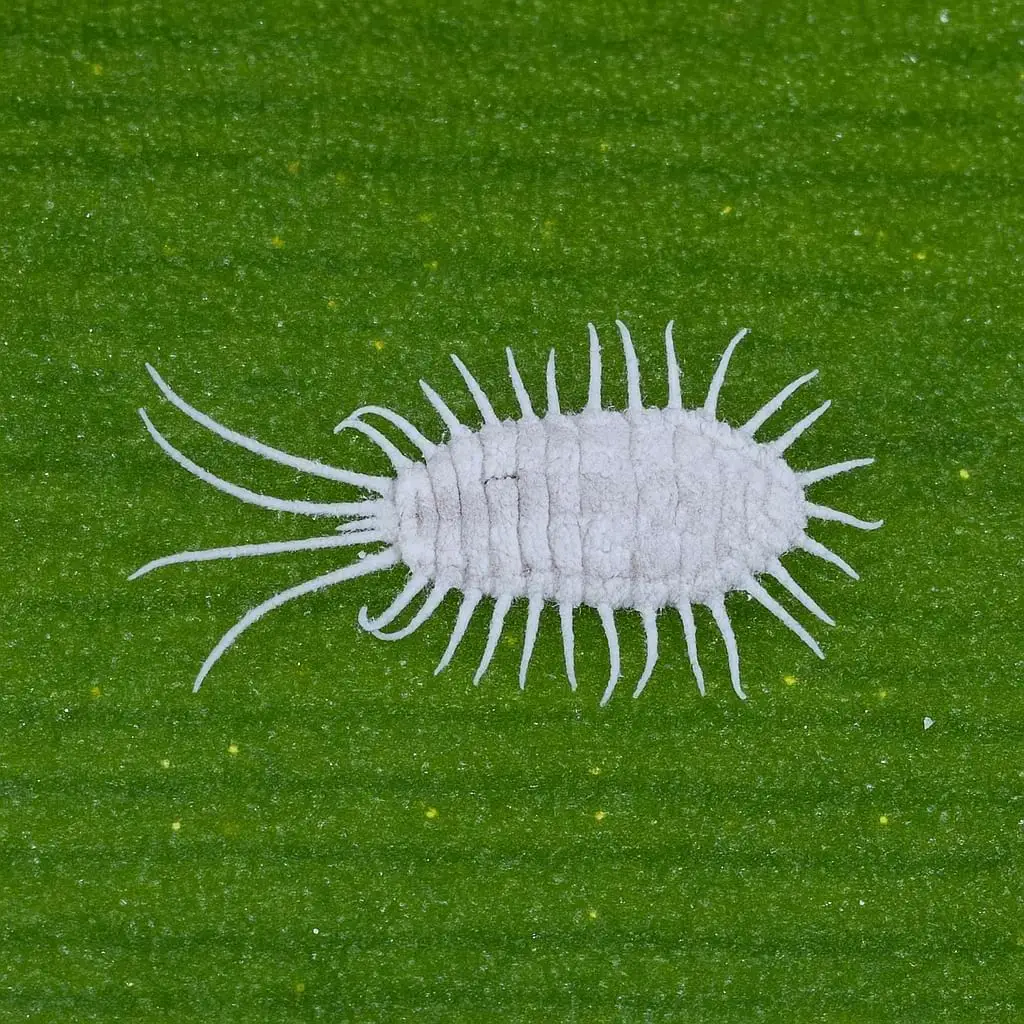
How to Identify and Get Rid of Mealybugs on Houseplants: A Complete Guide
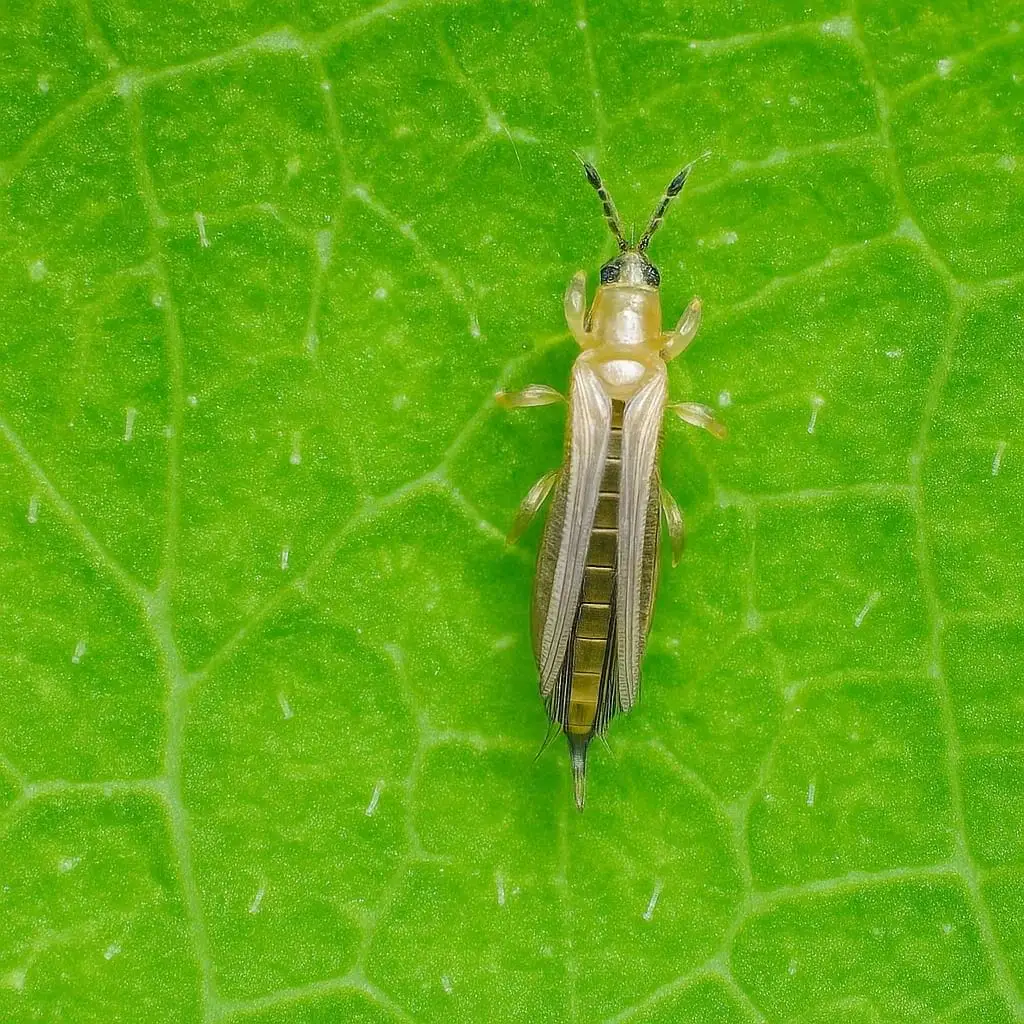
How to Identify and Get Rid of Thrips on Houseplants: A Complete Guide

How to Identify and Get Rid of Fungus Gnats on Houseplants: A Complete Guide
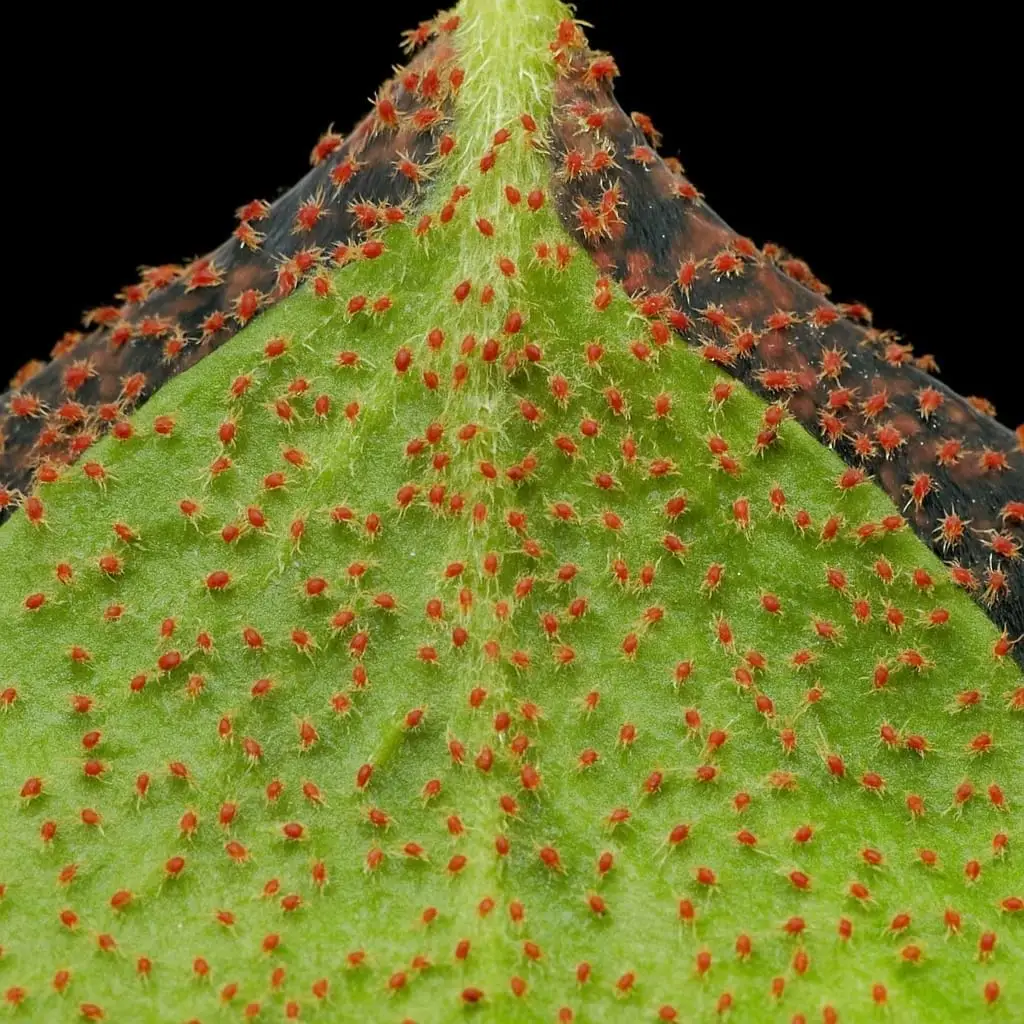
How to Identify and Get Rid of Spider Mites on Houseplants: A Complete Guide
Pest Prevention in Winter: Spider Mites and Fungus Gnats
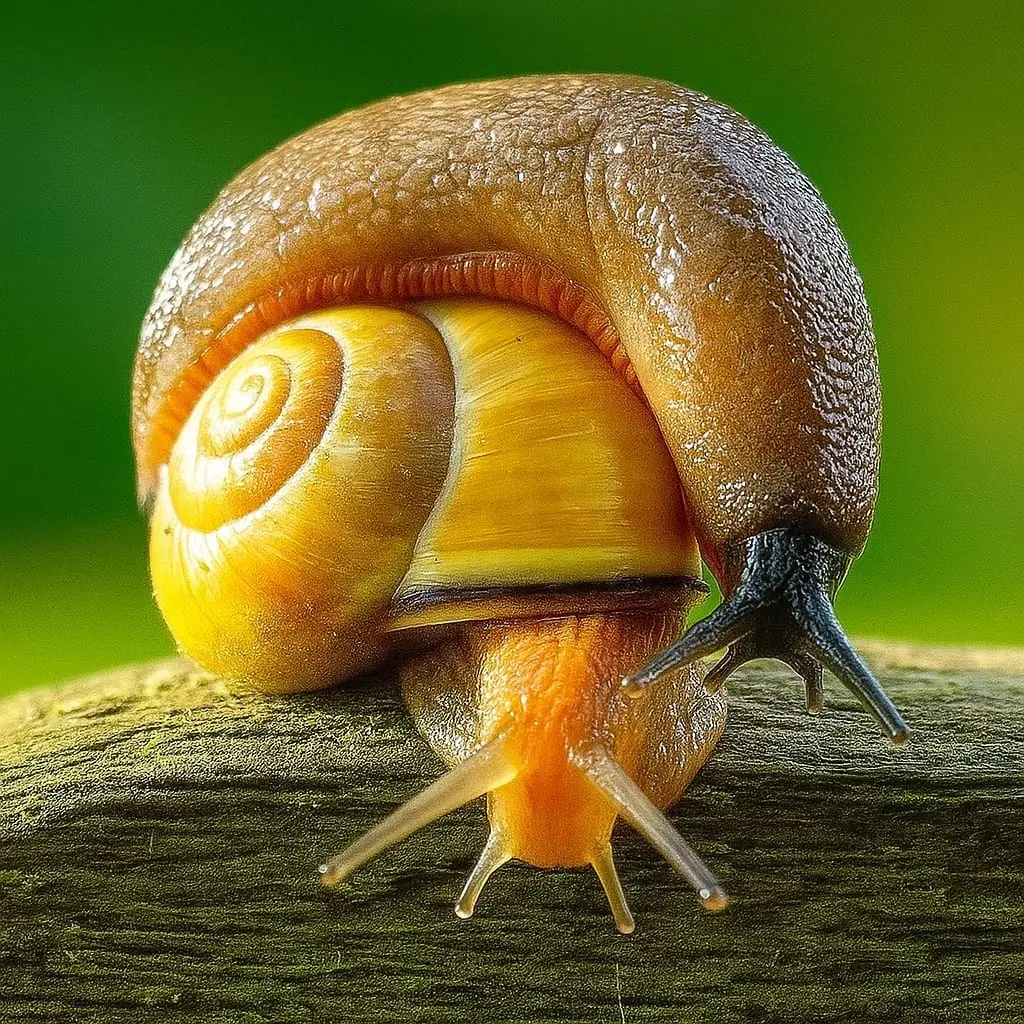
How to Identify and Get Rid of Slugs & Snails on Houseplants: A Complete Guide
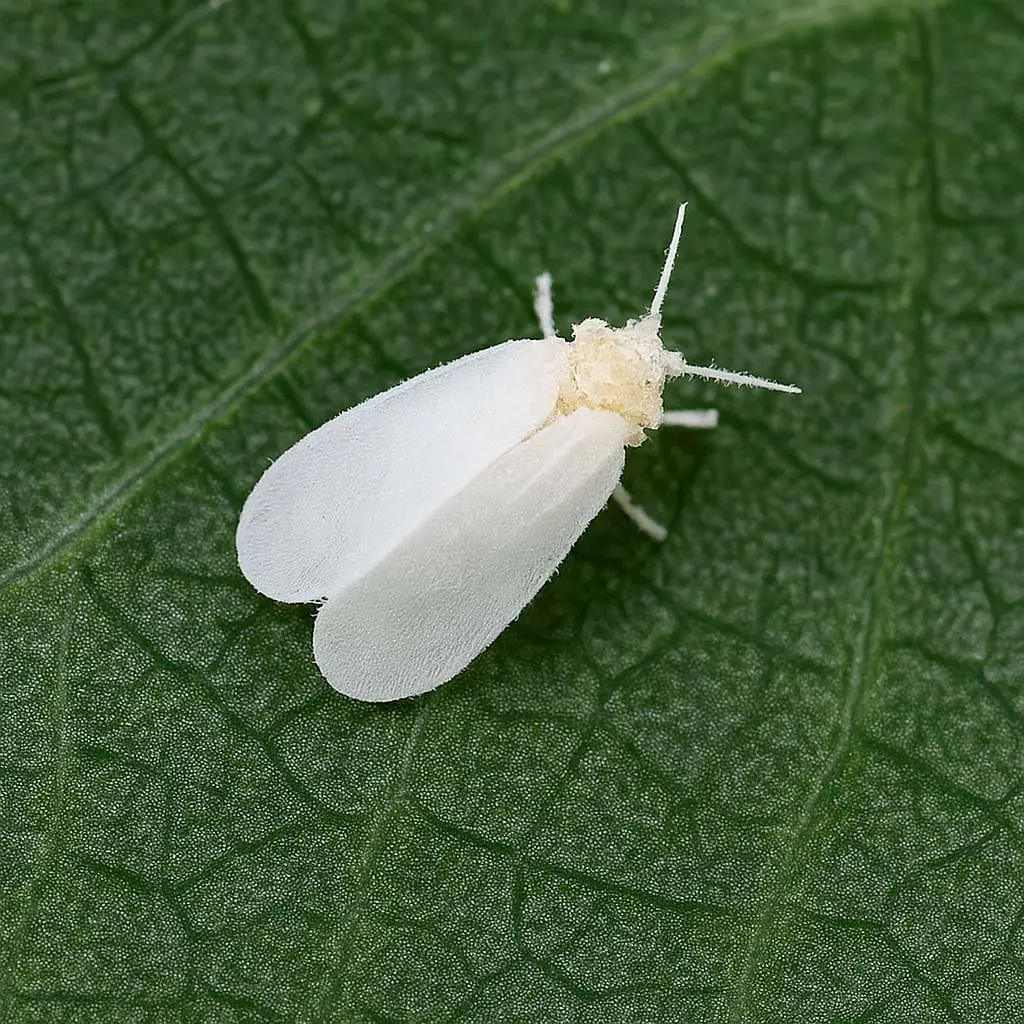
How to Identify and Get Rid of Whiteflies on Houseplants: A Complete Guide
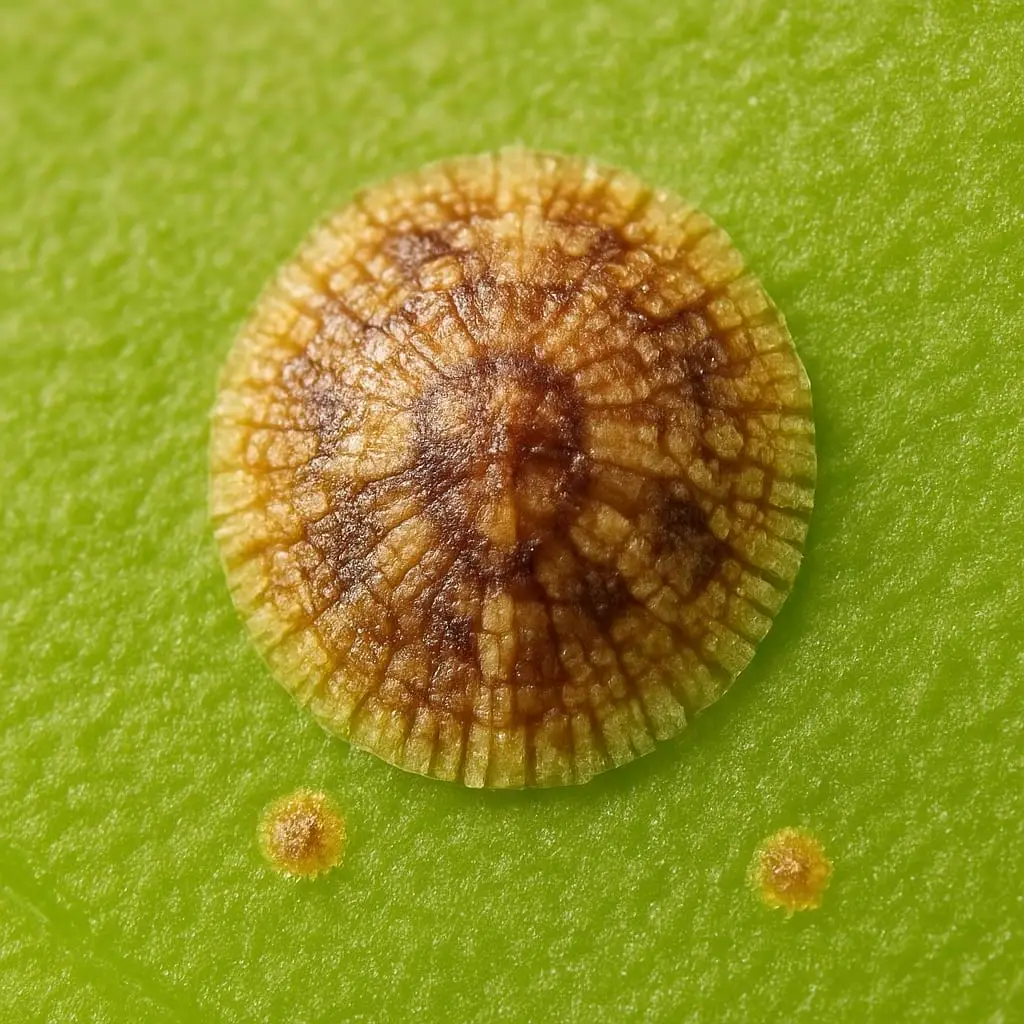
How to Identify and Get Rid of Scale on Houseplants: A Complete Guide
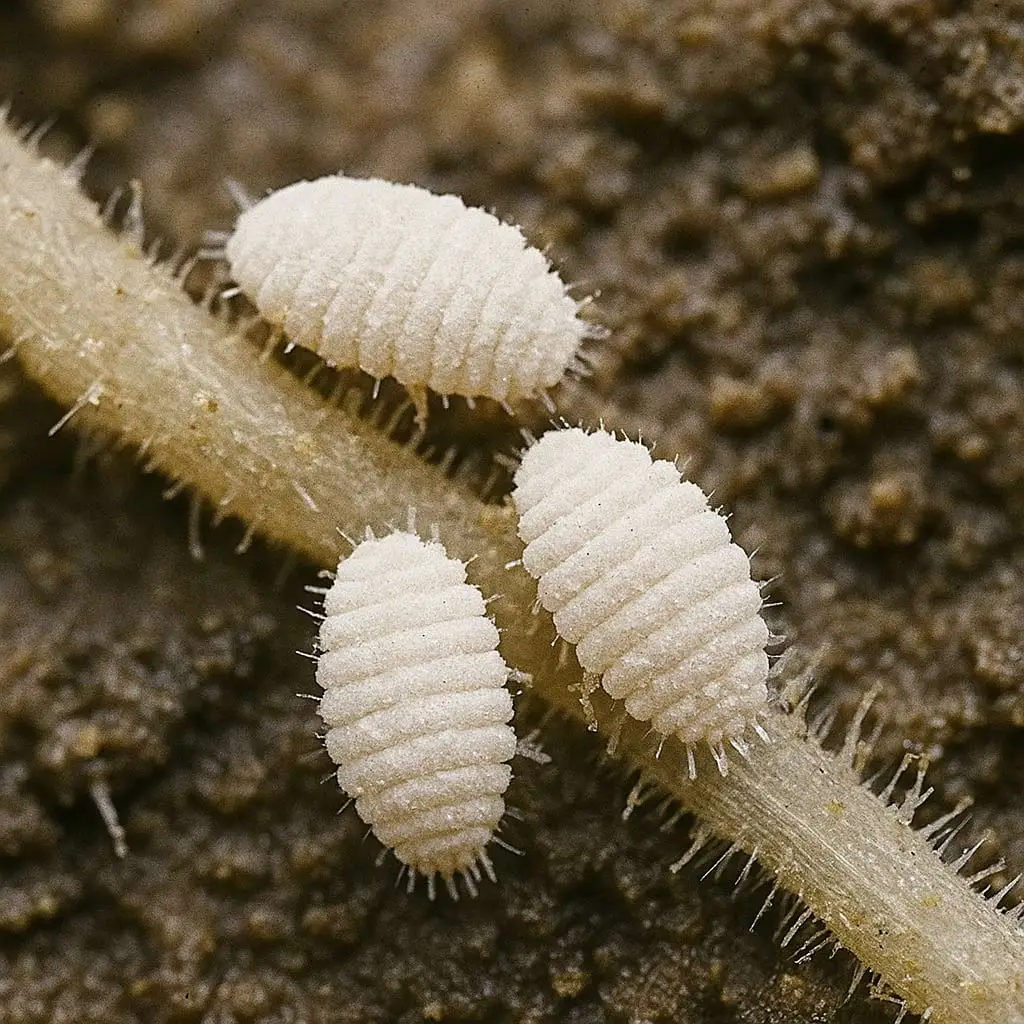
How to Identify and Get Rid of Root Mealybugs on Houseplants: A Complete Guide

Houseplant101 Forum
Questions & Comments
Ask a question, share your plant experience, or help other plant owners.
Comments are temporarily unavailable.
Open the Houseplant101 ForumNo comments yet
Be the first to ask a question or share your experience about this page.
Log in or create an account
Comments use your Houseplant101 Forum account, but you can stay on this page.
Create a new account