

Philodendron White Princess
Philodendron erubescens 'White Princess'
White Princess Philodendron


Learn everything you need to know about Philodendron White Princess care. This guide covers watering, humidity, fertilizer, and how to fix common problems.
📝 Philodendron White Princess Care Notes
🌿 Care Instructions
⚠️ Common Pests
📊 Growth Information
🪴 In This Guide 🪴
💚 Philodendron White Princess Care Guide
Quick Overview
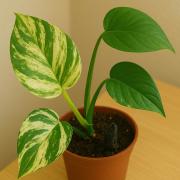
The Philodendron White Princess is a true royal in the houseplant world, celebrated for its stunning variegated leaves. Each deep green leaf is uniquely splashed, speckled, or blocked with pure white, creating a living piece of art. Unlike its cousin, the Pink Princess, its variegation is stable and naturally occurring.
This plant is a self-heading Philodendron, meaning it grows in a more upright, bushy habit rather than a long vine, although it will appreciate a support pole as it matures. With its striking contrast and relatively manageable care, the White Princess is a must-have for both new and experienced plant collectors looking to add a touch of elegance to their indoor jungle.
☀️ Light Requirements for Philodendron White Princess
Ideal Light for a White Princess
Light is the most critical factor for maintaining the beautiful white variegation of a Philodendron White Princess. It needs plenty of bright, indirect sunlight. Think of the dappled light of a rainforest floor.
Too little light will cause the plant to produce more green chlorophyll to compensate, leading to a loss of variegation (reverting). Too much direct sun, however, will scorch the delicate leaves, especially the white portions which lack chlorophyll and have no protection from the sun’s harsh rays.
- Best Spot: A few feet away from an east- or west-facing window is perfect. A south-facing window with a sheer curtain to diffuse the light also works well.
- Signs of Good Light: Consistent, balanced variegation and steady growth.
- Signs of Poor Light: All-green new leaves (too little light) or brown, crispy spots (too much light).

Best & Worst Light Conditions
- Best Light Conditions:
- Indoors: Near a bright window with filtered light (e.g., behind sheer curtains or just outside the main sunbeams).
- Avoid: Direct, intense afternoon sun and low-light corners.
Rotate your plant every week or two to ensure all sides get even light exposure, promoting a full, balanced shape.
💧 Watering Needs for Philodendron White Princess
Watering Needs
Proper watering is key to keeping your Philodendron White Princess healthy and preventing root rot. It prefers consistently moist soil but not a waterlogged one. The golden rule is to let the soil partially dry out before watering again.Watering Frequency
- Growing Season (Spring & Summer): Water thoroughly when the top 1-2 inches of soil feel dry to the touch. This is typically about once a week, but can vary depending on your home’s temperature, light, and humidity.
- Dormant Season (Fall & Winter): The plant’s growth will slow down. Reduce watering frequency, allowing the soil to dry out a bit more between waterings.
How to Water
When you water, do so thoroughly until water flows out of the pot’s drainage holes. This ensures all the roots get a drink. After a few minutes, discard any excess water from the saucer. Never let the plant sit in standing water, as this is the quickest way to cause root rot.Signs of Improper Watering
- Overwatering: Yellowing lower leaves, mushy stems, a musty soil smell. This is the most common issue.
- Underwatering: Drooping or wilting leaves, crispy brown edges, and soil pulling away from the sides of the pot.
🌱 Soil Requirements for Philodendron White Princess
As an aroid, the Philodendron White Princess thrives in a soil mix that is chunky, airy, and exceptionally well-draining. Standard potting soil is too dense and will hold too much water, leading to root suffocation and rot. The ideal mix mimics the forest floor, allowing for both moisture retention and excellent airflow to the roots.
What Kind of Soil Does White Princess Like?
The perfect soil for your White Princess should be:
- Well-aerated: To allow oxygen to reach the roots.
- Fast-draining: To prevent water from logging at the root level.
- Slightly moisture-retentive: To provide hydration between waterings.
- Rich in organic matter: To supply gentle nutrients.
DIY Soil Mix Recipe for Philodendron White Princess
Creating your own aroid mix is the best way to ensure your princess gets the royal treatment. Here’s a simple, effective recipe:
- 1 part Orchid Bark: Creates large air pockets for drainage and aeration.
- 1 part Perlite: Lightens the mix and improves drainage.
- 1 part Coco Coir or Peat Moss: Retains moisture without becoming compacted.
- ½ part Worm Castings: Provides gentle, organic nutrients.
- ½ part Horticultural Charcoal (Optional): “Sweetens” the soil and helps filter impurities.
Mix these components thoroughly. The final texture should be light, chunky, and loose.
Pre-Made Potting Mix Options
If you prefer a ready-made solution, look for specialized “Aroid Potting Mixes” or “Chunky Orchid Mixes.” Avoid generic “Indoor Plant” or “Moisture Control” soils, as they are typically too heavy and dense for a Philodendron’s needs.Soil Trouble Signs to Watch For
- Soil stays wet for over a week: The mix is too dense. Time to repot into a chunkier blend.
- Water runs straight through: The mix may be too dry or has become hydrophobic. Try bottom-watering to rehydrate it.
- Fungus gnats are present: Often a sign that the top layer of soil is staying too moist for too long.
A quality soil mix is the foundation of a healthy Philodendron White Princess. Get this right, and you’re halfway to a thriving, beautifully variegated plant.
🌿 Fertilizing Philodendron White Princess
To support its stunning foliage and steady growth, the Philodendron White Princess benefits from regular feeding during its active growing period. However, it’s sensitive to over-fertilization, which can burn its roots and damage the delicate white parts of its leaves.
Best Fertilizers for White Princess
A balanced liquid fertilizer is the best choice. Look for a formula where the N-P-K (Nitrogen-Phosphorus-Potassium) numbers are equal, such as 10-10-10 or 20-20-20.
- How to Apply: Always dilute the fertilizer to half the recommended strength on the label. This provides a gentle, steady supply of nutrients without the risk of burning the plant.
- When to Apply: Feed your plant once a month from spring through early fall.
- When to Stop: Do not fertilize in the late fall and winter, as the plant’s growth naturally slows down and it won’t be able to use the extra nutrients.
Signs of Fertilizing Issues
- Over-fertilization:
- Crispy, brown leaf edges or tips.
- A white, crusty buildup on the surface of the soil.
- Wilting leaves even when the soil is moist.
- Under-fertilization:
- Slow or stunted growth.
- Pale-looking leaves (both green and white parts).
- Lack of new growth during the spring and summer.
Pro Tip for Fertilizing
Always water your plant thoroughly before you apply fertilizer. Fertilizing dry soil can severely damage the roots. Watering first allows the roots to absorb the nutrients safely and effectively. Every few months, flush the soil by letting water run through the pot for several minutes to wash away any accumulated fertilizer salts.🌡️ Temperature Requirements for Philodendron White Princess
The Philodendron White Princess thrives in typical indoor temperatures, making it well-suited for home environments. It prefers warmth and stability, and does not tolerate cold or sudden temperature fluctuations.
Ideal Temperature Range
- Ideal Range: 65–80°F (18–27°C).
- Minimum Temperature: Do not let temperatures drop below 55°F (13°C), as cold can damage the leaves and stunt growth.
Temperature Stress Risks
- Cold Drafts: Keep your plant away from drafty windows, doors, and air conditioning vents. Sudden blasts of cold air can shock the plant.
- Heat Sources: Avoid placing it too close to radiators, fireplaces, or heating vents, which can dry out the foliage rapidly.
Consistent, warm temperatures will keep your White Princess happy and encourage lush, healthy growth.
💦 Humidity Needs for Philodendron White Princess
Originating from tropical regions, the Philodendron White Princess loves high humidity. The white parts of its leaves are especially prone to browning and crisping in dry air because they lack the protective qualities of chlorophyll.
Ideal Humidity
- Target: 60% or higher. While it can tolerate average household humidity (around 40-50%), it will truly thrive with a boost.
- Benefits of High Humidity: Lush, supple leaves; fewer brown, crispy edges; and healthier new growth.
How to Increase Humidity
- Use a Humidifier: This is the most effective way to provide consistent humidity.
- Create a Pebble Tray: Place the pot on a tray filled with pebbles and water. As the water evaporates, it will increase the ambient humidity. Ensure the bottom of the pot is not sitting in the water.
- Group Plants Together: Plants naturally release moisture through transpiration. Grouping them creates a humid microclimate.
- Locate in a Humid Room: Kitchens and bathrooms are often the most humid rooms in a home.
Regular misting is often suggested, but it only provides a temporary boost and can sometimes lead to fungal issues if the leaves stay wet for too long, especially without good air circulation.
🌸 Does Philodendron White Princess Bloom?
Yes, as a member of the Araceae family, the Philodendron White Princess can technically bloom. However, it is an extremely rare event for a plant grown indoors. The plant is prized for its spectacular foliage, not its flowers.
What the Flowers Look Like
If it does bloom, it will produce a typical aroid inflorescence, which consists of a spathe (a modified leaf) surrounding a spadix (a spike of tiny flowers). The spathe is usually a greenish-white color.
Flowering requires a very mature plant and perfectly optimized conditions, which are difficult to replicate in a home environment. Don’t be concerned if your plant never flowers; focus on enjoying its stunning leaves.
🐛 Common Pests
Pests That May Affect Philodendron White Princess
The White Princess is a desirable plant for collectors and pests alike. Its tender new growth and leaf axils provide ideal hiding spots.
- Mealybugs - These cottony pests are adept at hiding in the sheaths of new leaves and where the leaf stem meets the main stalk.
- Spider Mites - Check the undersides of leaves for fine webbing. Their feeding creates a stippled, dusty look that can ruin the clean white variegation.
- Thrips - A serious pest whose damage is especially visible on the white parts of the leaves, appearing as silvery or brownish scars and causing new growth to be deformed.
- Scale Insects - Look for hard, immobile brown bumps on the stems. They suck sap and can weaken the plant over time.
- Aphids - Often found clustered on the softest new leaves as they emerge from the cataphyll.
- Fungus Gnats - Their presence indicates that the soil is staying wet for too long, which is a risk factor for more serious root problems.
- Whiteflies – Tiny, moth-like insects that fly up in a cloud when the plant is disturbed. They cluster on the undersides of leaves to suck sap, leading to yellowing and sticky residue. Use yellow sticky traps and insecticidal soap to control them.
Isolate an infested plant immediately and treat it thoroughly. Check surrounding plants as well, as these pests spread easily.


🩺 Common Problems
Troubleshooting Philodendron White Princess Issues
The stunning white variegation of the Princess is also its greatest weakness. Most of its specific problems revolve around maintaining and protecting these delicate, chlorophyll-free patches.
- Browning Variegation - This is the most common issue. The pure white sections of the leaves lack chlorophyll and are extremely sensitive. They will quickly turn brown and mushy if they get too much direct sun, if water sits on them, or if the humidity is too low.
- Reversion - This plant’s variegation is unstable. It may begin to produce all-green leaves. Conversely, it can produce all-white leaves, which look beautiful but cannot sustain themselves and will eventually die. To encourage balanced variegation, prune the stem back to a node on a leaf that showed a good mix of green and white.
- Yellowing Leaves - This is a classic sign of overwatering. Typically, the oldest, lowest leaf on the stem will turn yellow first.
- Root Rot - The direct result of soil that is kept too wet. If yellowing leaves are accompanied by a mushy stem base, the roots are likely rotting.
- Brown, Crispy Edges - While browning can affect the white patches, crispiness along the entire leaf margin (including green parts) usually points to very low ambient humidity.
- Leggy Growth & Small Leaves - If the plant is producing long, bare stems with small leaves, it needs more bright, indirect light to fuel its growth and maintain a compact form.
- Stunted Growth - A lack of new leaves during the growing season can be caused by insufficient light, a need for fertilizer, or being severely root-bound.
- Curling Leaves - A sign of thirst, heat stress, or a pest issue. Check the soil moisture first, then inspect the leaves closely for pests.
- Leaf Drop - The plant may shed its lower leaves when experiencing stress from overwatering or a sudden environmental shift.
- Edema – These are not pests, but water-filled bumps or blisters on the leaves caused by inconsistent watering. The roots absorb water faster than the plant can transpire it, leading to ruptured cells that look like scars or spots.
- Sunburn or Leaf Scorch – Appears as large, bleached, white, or crispy brown patches on leaves exposed to too much direct sunlight. This is damage from intense light and heat, not a disease.
- Nutrient Deficiency – Can manifest as slow or stunted growth, pale or yellowing leaves, and a general lack of vigor. It indicates the plant has exhausted the available nutrients in its soil and requires feeding with a balanced fertilizer.



🌿 How to Propagate Philodendron White Princess
Propagating your White Princess is a rewarding way to create new plants or make your original one fuller. The most reliable method is through stem cuttings.
- Select a Stem: Choose a healthy stem with at least 2-3 leaves and at least one node. A node is the small bump on the stem where a leaf grows. For best results, choose a cutting with visible variegation in the stem and leaves.
- Make the Cut: Using a clean, sharp knife or shears, cut the stem about half an inch below a node. The new roots will grow from this node.
- Root in Water: Place the cutting in a glass of water, ensuring the node is submerged but the leaves are not. Place it in a spot with bright, indirect light. Change the water every few days. You should see roots develop in 2-4 weeks.
- Root in a Medium: Alternatively, you can dip the cut end in rooting hormone and plant it directly into a small pot with moist sphagnum moss or perlite. Keep it in a warm, humid environment (like under a plastic dome) until roots form.
- Plant the Cutting: Once the roots are 1-2 inches long, you can plant your new White Princess in a small pot with a chunky aroid mix. Keep the soil consistently moist for the first few weeks as it acclimates.
🌟 PRO Tips for a Thriving White Princess
✅ Prune for Variegation: Don’t be afraid to cut your plant back. Pruning stems that are reverting to all-green will signal the plant to push out new, more variegated growth.
🌿 Support for Size: As your plant matures, give it a moss pole or small trellis to climb. This mimics its natural growth habit and can encourage it to produce larger, more impressive leaves.
🧼 Keep Leaves Clean: Gently wipe the leaves with a damp cloth every few weeks. This removes dust, helps the plant photosynthesize efficiently, and allows you to inspect for pests.
🔄 Rotate Regularly: Turn your plant a quarter turn every time you water. This ensures all sides receive light, promoting even growth and preventing it from leaning in one direction.
💧 Water Quality Matters: If your tap water is very hard, consider using filtered or distilled water. This prevents mineral buildup in the soil that can harm the roots over time.
❓ Frequently Asked Questions
Why is my White Princess Philodendron losing its white variegation?
Loss of variegation, or reverting, is usually caused by insufficient light. Move your plant to a spot with brighter, indirect sunlight to encourage more white splashes. You can also prune off any all-green stems to promote new, variegated growth.How do I make my White Princess more variegated?
Provide optimal, bright indirect light. Pruning is also key. Cut the stem back to just above a leaf that shows good variegation. This encourages the plant to produce new growth from a well-variegated part of the stem.Why are the white parts of the leaves turning brown?
The white sections of the leaves lack chlorophyll, making them more delicate. Browning is often caused by low humidity, inconsistent watering, or too much direct sunlight (sunburn). Increase humidity and ensure the plant gets filtered light.Is Philodendron White Princess a climbing plant?
Yes, it is a self-heading but vining Philodendron. While it can grow upright when young, it will benefit from a moss pole or trellis to support its growth as it matures, which can also encourage larger leaf development.What's the difference between White Princess, White Knight, and White Wizard?
White Princess has green stems with pink/reddish edges. White Knight has dark red/purple stems. White Wizard has all-green stems. These stem colors are the most reliable way to tell them apart.Is the White Princess toxic to pets?
Yes. Like all Philodendrons, the White Princess contains calcium oxalate crystals, which are toxic to cats, dogs, and humans if ingested. It can cause irritation, swelling, and digestive upset.ℹ️ Philodendron White Princess Info
Care and Maintenance
🪴 Soil Type and pH: Chunky, well-draining, slightly acidic
💧 Humidity and Misting: High humidity, 60% or more is ideal.
✂️ Pruning: Prune to encourage variegation and remove all-green leaves.
🧼 Cleaning: Wipe leaves with a damp cloth to remove dust.
🌱 Repotting: When rootbound, typically every 1-2 years.
🔄 Repotting Frequency: Every 1-2 years
❄️ Seasonal Changes in Care: Reduce watering in winter. Keep away from drafts.
Growing Characteristics
💥 Growth Speed: Moderate
🔄 Life Cycle: Perennial
💥 Bloom Time: Rarely blooms indoors
🌡️ Hardiness Zones: 11+
🗺️ Native Area: Cultivar; species native to South America
🚘 Hibernation: No
Propagation and Health
📍 Suitable Locations: Indoor, bright rooms
🪴 Propagation Methods: Stem cuttings
🐛 Common Pests: spider-mites, mealybugs, thrips, scale-insects, aphids, fungus-gnats, and whiteflies
🦠 Possible Diseases: Root rot, fungal leaf spot
Plant Details
🌿 Plant Type: Evergreen vine
🍃 Foliage Type: Variegated Evergreen
🎨 Color of Leaves: Green and white
🌸 Flower Color: Greenish-white spathe
🌼 Blooming: Very rare indoors
🍽️ Edibility: Not edible
📏 Mature Size: Up to 3 feet
Additional Info
🌻 General Benefits: Air purification, ornamental beauty
💊 Medical Properties: None known
🧿 Feng Shui: Brings calming and cleansing energy.
⭐ Zodiac Sign Compatibility: Taurus
🌈 Symbolism or Folklore: Rarity, beauty, purity
📝 Interesting Facts: Unlike the Pink Princess, its variegation is stable and not chemically induced.
Buying and Usage
🛒 What to Look for When Buying: Look for a plant with balanced variegation on both leaves and stems.
🪴 Other Uses: Collector’s plant
Decoration and Styling
🖼️ Display Ideas: On a plant stand, bookshelf, or as a tabletop centerpiece.
🧵 Styling Tips: Pairs well with minimalist or modern decor to highlight its variegation.
🪴 See also 🪴

Complete Guide To Velvet Leaf Philodendron Care and Growth

Complete Guide To Heart-leaf Philodendron Care and Growth

Complete Guide to Philodendron Florida Beauty x Tortum Care and Growth

Complete Guide to Philodendron Mayoi Care and Growth

Complete Guide to Philodendron Polypodioides Care and Growth

Complete Guide To Lemon Lime Philodendron Care and Growth

Complete Guide to Philodendron Pink Princess Care and Growth

