

Philodendron Florida Beauty x Tortum
Philodendron 'Florida Beauty' x P. tortum
Skeleton Key Philodendron Hybrid


A highly sought-after collector’s hybrid, the Philodendron Florida Beauty x Tortum combines stunning variegation with a unique, deeply lobed leaf structure. Learn the expert care it needs.
📝 Philodendron Florida Beauty x Tortum Care Notes
🌿 Care Instructions
⚠️ Common Pests
📊 Growth Information
🪴 In This Guide 🪴

🎨 Understanding Its Variegation

The Key to Color
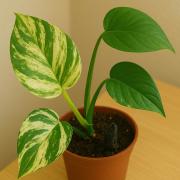
The main attraction of this hybrid is its stunning variegation, but it is unstable. This means the amount of yellow or cream on each leaf can vary wildly, and the plant can even produce all-green leaves.
- Light is Crucial: The single most important factor for maintaining good variegation is providing very bright, indirect light. In lower light, the plant will produce more chlorophyll to compensate, resulting in greener leaves.
- Reversion: If the plant starts putting out solid green leaves, it is “reverting.” This growth should be pruned back to the last variegated leaf to encourage the variegated growth pattern to resume.
- Browning: The variegated parts of the leaves are delicate as they lack chlorophyll. They are susceptible to browning if humidity is too low or if they get too much direct sun.
☀️ Light Requirements
Ideal Light Conditions
This plant needs plenty of bright, indirect light. This is non-negotiable for maintaining the health and variegation of the plant. An east-facing window with gentle morning sun is perfect. A spot a few feet back from a south or west-facing window also works well, as long as it’s shielded from harsh, direct afternoon sun.
Direct sun will scorch the delicate leaves, especially the variegated portions. Low light will lead to reversion, where the plant produces all-green leaves, and may result in smaller leaves and leggy growth.

💧 Watering Needs
Finding the Right Balance
Like most climbing Philodendrons, this hybrid prefers its soil to dry out partially between waterings. Water thoroughly when the top 2-3 inches of the growing medium feel dry to the touch. When you do water, saturate the pot completely until water flows freely from the drainage holes.
Overwatering is a serious risk and will lead to root rot. Ensure the pot has excellent drainage and never let the plant sit in a saucer of standing water. In winter, when growth slows, you will need to reduce your watering frequency.
🌱 Soil Requirements
An Airy Aroid Mix
This is an epiphytic plant, meaning in nature it grows on other trees, not in dense soil. It needs an extremely chunky, airy, and well-draining potting mix that allows for plenty of oxygen to reach the roots. A standard potting soil will be too dense and will cause root rot.DIY Aroid Mix Recipe
You can create the perfect substrate by mixing:
- 3 parts Orchid Bark
- 2 parts Perlite or Pumice
- 2 parts Coco Coir or Peat Moss
- 1 part Horticultural Charcoal
- 1 part Worm Castings (for nutrients)
This mix provides the structure, aeration, and slight moisture retention these plants love.
🌡️ Temperature Requirements
Warm and Stable
This tropical hybrid thrives in warm, stable household temperatures. It is not tolerant of cold and should be protected from drafts.
- Ideal Range: 65-85°F (18-29°C).
- Avoid: Keep it away from cold windows, drafty doors, and air conditioning vents. Temperatures below 60°F (15°C) will stunt growth.
💦 Humidity Needs
High Humidity is Best
High humidity is essential for this plant to produce large, healthy leaves and prevent the delicate variegated edges from becoming crispy. Aim for an ambient humidity level of 60-80%.
- How to Increase Humidity: The most effective method is using a humidifier. Grouping plants together or placing the plant in a greenhouse cabinet are also excellent ways to create a humid microclimate. While misting can provide a temporary boost, it is not a long-term solution.
🌿 Fertilizing
Feeding for Growth
During the growing season (spring and summer), feed your plant every 2-4 weeks with a balanced liquid fertilizer diluted to half the recommended strength. Fertilizing provides the nutrients needed for healthy growth and vibrant variegation. Avoid fertilizing in the fall and winter when growth naturally slows.📃 Types and Forms
A Unique Hybrid
As a specific man-made hybrid, there are no official cultivars or “types” of the Florida Beauty x Tortum. However, due to its genetic instability, individual plants can show a wide spectrum of appearances. Some may express more of the tortum parent’s thin, feathery leaves, while others might have wider lobes more reminiscent of the Florida Beauty. The amount and pattern of variegation will also differ from plant to plant.🌸 Blooming and Flowers
A Rare Event
Like other Philodendrons, this plant can produce an inflorescence (a spadix within a spathe), but it is exceptionally rare in a typical home environment. The plant is grown exclusively for its spectacular foliage.🪴 Potting and Repotting

The Importance of Climbing
Repot your Florida Beauty x Tortum every 1-2 years, or when it becomes root-bound. The most important potting consideration is providing a support structure from the beginning.
- Use a Moss Pole: At the time of potting, insert a moss pole or wooden plank into the center of the pot. This gives the plant’s aerial roots something to attach to, which is the signal it needs to produce larger, more mature leaves.
- Pot Size: Choose a pot that is only 1-2 inches larger in diameter than the previous one. A pot that is too large will hold excess moisture and increase the risk of root rot.
✂️ Pruning
Managing Growth and Variegation
Pruning is essential for two main reasons:
- Controlling Reversion: As mentioned, you must cut back any stems that have fully reverted to green. Make the cut just above the last leaf that showed good variegation.
- Propagation: Pruning is the first step to creating new plants from your cuttings.
Always use a clean, sharp pair of scissors or shears to make clean cuts.
🌿 How to Propagate

Creating New Plants
Propagation is best done via stem cuttings with at least one node.
- Take a Cutting: Using a sterile blade, take a cutting from a healthy, variegated stem. Your cutting should include at least one leaf and one node (the small bump on the stem where aerial roots emerge).
- Prepare the Cutting: You can cut the stem into single-node sections, often called “wet sticks,” or keep a few nodes on a longer stem.
- Rooting Medium: Place the cuttings in a propagation box with damp sphagnum moss. This creates a high-humidity environment perfect for rooting. You can also root them in water, but the transition to soil can be more difficult.
- Wait for Roots: Place the prop box in a warm, bright spot. Roots and a new growth point should emerge from the node within a few weeks to a month.
- Pot Up: Once the new plant has a few inches of roots and its first new leaf, you can transfer it to a small pot with a chunky aroid mix.
🐛 Common Pests
Pests to Watch For
While fairly resilient, it can be susceptible to common houseplant pests, especially when stressed.
- Spider Mites - Thrive in dry conditions. Look for fine webbing on the undersides of leaves.
- Thrips - These tiny insects can cause significant cosmetic damage to leaves.
- Mealybugs - Look for white, cottony masses in the nodes and crevices of the plant. Regularly inspect your plant and treat any infestations promptly with insecticidal soap or neem oil.


🩺 Common Problems

Troubleshooting Your Plant
- Reversion - The most common issue where new leaves come out all green. This is a sign of insufficient light. Prune the reverted growth and move the plant to a brighter location.
- Browning Variegation - The delicate variegated sections are turning brown and crispy. This is typically caused by low humidity, inconsistent watering, or sunburn from direct light.
- Root Rot - Caused by overwatering or dense soil. Symptoms include yellowing leaves, a wilted appearance, and a mushy base.
- Small Leaves - If the new leaves are getting progressively smaller, it is a sign that the plant needs a support to climb. It will not produce mature foliage without one.
- Pest Damage - Stippling, discoloration, or distorted new growth can be a sign of pests like spider mites or thrips.


🖼️ Display Ideas

Showcasing a Masterpiece
This is a statement plant that deserves to be a focal point.
- The Climber: The best way to display this plant is as a floor plant climbing a tall moss pole. This encourages the mature leaf form and shows off its natural growth habit.
- Greenhouse Cabinet: For collectors, placing a juvenile plant in a dedicated greenhouse cabinet allows you to provide the perfect high-humidity environment while showcasing it alongside other rare plants.
- Minimalist Backdrop: Position it against a simple, neutral-colored wall to let its complex leaf shape and variegation truly stand out.
🌟 PRO Tips for a Thriving Plant
✅ Prioritize Light for Variegation: Bright, indirect light is not just a suggestion-it’s the fuel for the plant’s beautiful colors. This is the most important factor in preventing reversion.
✅ Let It Climb: Give this plant a moss pole from day one. It is a crucial trigger for the plant to mature and produce the large, iconic leaves you want.
✅ Humidity is Key: Don’t let the air get dry. A humidifier is the best investment you can make for this plant to keep the delicate leaves, especially the variegated parts, looking perfect.
✅ Prune with Purpose: Don’t be afraid to snip off reverted (all-green) growth. This encourages the plant to push out new growth from variegated nodes and keeps your plant looking its best.
✅ Chunky Soil Only: Never use standard potting soil. An airy, chunky aroid mix is essential for healthy roots and preventing the dreaded root rot.
❓ Frequently Asked Questions
Why are my new leaves all green?
This is called reversion, and it’s common in variegated plants. It’s often caused by insufficient light. The plant will produce more green (chlorophyll) to photosynthesize more effectively. To prevent this, give it more bright, indirect light. You should also prune off the all-green growth to encourage the plant to produce variegated leaves from a node further down.Why are the variegated parts of the leaves turning brown?
The white or yellow parts of the leaves lack chlorophyll, making them very delicate. Browning is usually caused by too much direct sun (sunburn), low humidity, or inconsistent watering. The variegated tissue is the first to show stress.Does this plant need a moss pole?
Yes, absolutely. This is a natural climber. Providing a moss pole or other support is crucial for it to develop mature, larger, and more shapely leaves. Without a support, the leaves will remain small and the plant will not thrive.Is this a fast-growing plant?
It can be a moderately fast grower under ideal conditions: bright indirect light, high humidity, and a support to climb. Its growth will be much slower in lower light or without a climbing structure.ℹ️ Philodendron Florida Beauty x Tortum Info
Care and Maintenance
🪴 Soil Type and pH: Aroid Mix (Orchid Bark, Perlite, Coco Coir)
💧 Humidity and Misting: High humidity required, 60-80%.
✂️ Pruning: To manage size and cut away reverted (all-green) growth.
🧼 Cleaning: Wipe leaves with a damp cloth to remove dust.
🌱 Repotting: Every 1-2 years, or when root-bound.
🔄 Repotting Frequency: Every 1-2 years
❄️ Seasonal Changes in Care: Reduce watering in winter as growth slows.
Growing Characteristics
💥 Growth Speed: Moderate to Fast (when climbing)
🔄 Life Cycle: Perennial
💥 Bloom Time: Extremely rare in home cultivation.
🌡️ Hardiness Zones: 10-12
🗺️ Native Area: Hybrid (not naturally occurring)
🚘 Hibernation: No
Propagation and Health
📍 Suitable Locations: Indoors with a climbing support, greenhouse cabinet.
🪴 Propagation Methods: By node cuttings in moss or water.
🐛 Common Pests: spider-mites, mealybugs, and thrips
🦠 Possible Diseases: Root rot, fungal leaf spots.
Plant Details
🌿 Plant Type: Epiphytic Climber
🍃 Foliage Type: Evergreen
🎨 Color of Leaves: Green, Cream, Yellow (Variegated)
🌸 Flower Color: Creamy-white (spadix)
🌼 Blooming: Extremely Rare
🍽️ Edibility: Not edible; toxic.
📏 Mature Size: 5-10+ feet (climber)
Additional Info
🌻 General Benefits: Stunning collector’s plant, unique leaf shape.
💊 Medical Properties: None known. Toxic.
🧿 Feng Shui: Symbolizes unique growth and overcoming challenges.
⭐ Zodiac Sign Compatibility: Gemini
🌈 Symbolism or Folklore: Adaptation, rare beauty, complexity
📝 Interesting Facts: This plant is a hybrid of two hybrids. ‘Florida Beauty’ is P. pedatum x P. squamiferum, which is then crossed with P. tortum, making this a genetically complex and fascinating plant.
Buying and Usage
🛒 What to Look for When Buying: Buy from a reputable seller. Ask for photos of the actual plant you will receive and, if possible, the mother plant to verify the quality of variegation.
🪴 Other Uses: Botanical collections, interior design statement piece.
Decoration and Styling
🖼️ Display Ideas: As a floor plant climbing a tall moss pole to show off its mature leaf form.
🧵 Styling Tips: Let the plant be the star. Pair it with a simple, modern pot that complements its architectural leaves and doesn’t compete with its variegation.
🪴 See also 🪴

Complete Guide To Velvet Leaf Philodendron Care and Growth

Complete Guide To Heart-leaf Philodendron Care and Growth

Complete Guide to Philodendron Mayoi Care and Growth

Complete Guide to Philodendron White Princess Care and Growth

Complete Guide to Philodendron Polypodioides Care and Growth

Complete Guide To Lemon Lime Philodendron Care and Growth

Complete Guide to Philodendron Pink Princess Care and Growth

