

Philodendron Birkin
Philodendron 'Birkin'
Birkin Plant


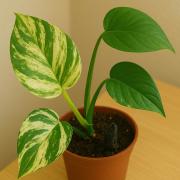
A stunning houseplant known for its glossy green leaves with creamy white pinstripes. The Philodendron Birkin is a unique, easy-care addition to any indoor plant collection.
📝 Philodendron Birkin Care Notes
🌿 Care Instructions
⚠️ Common Pests
📊 Growth Information
🪴 In This Guide 🪴
💚 Philodendron Birkin Care Guide
Quick Overview
The Philodendron Birkin is a trendy and eye-catching houseplant celebrated for its striking foliage. Each glossy, dark green leaf is adorned with a pattern of creamy-white to pale yellow pinstripes, making every leaf unique. This compact, upright grower is a relatively new addition to the plant world, originating as a spontaneous mutation of the Philodendron ‘Rojo Congo’.
Unlike its vining cousins, the Birkin has a self-heading growth habit, meaning it grows upwards and outwards from a central stem, creating a full, bushy appearance. It’s relatively easy to care for, making it a fantastic choice for both beginners and experienced plant enthusiasts. If you appreciate the diversity within the Philodendron genus, you might also enjoy exploring other unique hybrids like the stunning Philodendron Florida Beauty x Tortum.
☀️ Light Requirements for Philodendron Birkin
Ideal Light for Philodendron Birkin
Light is the most critical factor for maintaining the beautiful variegation of a Philodendron Birkin. It thrives in bright, indirect light. This means a spot near an east-facing window or a few feet back from a south or west-facing window is perfect. The bright, filtered light encourages the plant to produce its signature creamy pinstripes.
If the light is too low, the plant may revert, producing solid green leaves as it tries to maximize chlorophyll production. Conversely, direct, harsh sunlight can scorch the leaves, causing brown spots and faded color. Rotate your plant every week or so to ensure all sides receive even light, promoting a balanced, upright shape.

Best & Worst Light Conditions
Best Light Conditions:
- Indoors: Near an east-facing window, or several feet from a south or west-facing window. A spot that receives bright, ambient light for 6-8 hours a day is ideal.
Avoid:
- Direct Midday Sun: Will cause leaf burn and scorch marks.
- Deep Shade: Leads to leggy growth and loss of variegation (reversion to green).
💧 Watering Needs for Philodendron Birkin
Watering Needs
Proper watering is key to a healthy Philodendron Birkin. It prefers its soil to be consistently moist but never waterlogged. Overwatering is a common mistake and can quickly lead to root rot.Watering Frequency
Growing Season (Spring & Summer): Water thoroughly about once a week, or whenever the top 1-2 inches of the soil feel dry to the touch. Let water run through the drainage holes, then discard any excess from the saucer.
Dormant Season (Fall & Winter): The plant’s growth slows down, so it needs less water. Reduce watering to every 10-14 days, always checking the soil moisture first.
Pot and Soil Factors
- Pot Type: A pot with drainage holes is non-negotiable to prevent water from pooling at the bottom.
- Soil Mix: A chunky, well-draining aroid mix will help prevent the soil from becoming compacted and retaining too much water.
Signs of Improper Watering
- Overwatering: Yellowing lower leaves, mushy stems, a musty soil smell, and potential root rot.
- Underwatering: Drooping or wilting leaves, crispy brown edges, and slow growth.
Tips for Optimal Watering
- Check First: Always test the soil with your finger before watering.
- Water Thoroughly: When you do water, soak the entire root ball until water drains from the bottom.
- Use Room Temperature Water: Avoid shocking the roots with very cold or hot water. Filtered or distilled water is a great choice if your tap water is very hard.
🌱 Soil Requirements for Philodendron Birkin
Choosing the right soil is fundamental for a thriving Philodendron Birkin. As an aroid, it needs a potting medium that is airy, well-draining, and rich in organic matter, mimicking the forest floor environment of its ancestors.
What Kind of Soil Does Philodendron Birkin Like?
A Philodendron Birkin cannot tolerate dense, heavy potting soil that stays wet for long periods. This leads to compacted roots, a lack of oxygen, and eventually root rot. The perfect soil should be:
- Chunky and Airy: To allow oxygen to circulate around the roots.
- Well-Draining: To let excess water escape quickly.
- Moisture-Retentive: To hold enough water for the plant to absorb between waterings.
- Slightly Acidic: A pH between 6.0 and 7.0 is ideal.
DIY Soil Mix Recipe for Philodendron Birkin
Creating your own aroid mix is easy and gives you full control over the quality. Here is a simple, effective recipe:
- 1 part high-quality indoor potting mix – Provides a base and nutrients.
- 1 part perlite – Improves aeration and drainage.
- 1 part orchid bark – Creates chunky air pockets and retains some moisture.
- A handful of horticultural charcoal (optional) – Helps to “sweeten” the soil and absorb impurities.
Mix these ingredients thoroughly. The final blend should feel light and chunky, not dense or muddy.
Pre-Made Potting Mix Options
If you prefer a ready-to-use option, look for a high-quality “aroid mix” or “jungle mix”. Potting mixes designed for orchids or succulents can also work well if you amend them with a bit more potting soil or peat moss to increase moisture retention.
What to look for:
- A mix containing ingredients like orchid bark, perlite, coco coir, or pumice.
- Avoid standard “potting soil” or “garden soil,” as these are usually too dense on their own.
Soil Trouble Signs to Watch For
Your Birkin will show you if its soil isn’t right.
- Soil stays wet for days: The mix is too dense and lacks drainage. Risk of root rot.
- Water runs straight through: The mix is too chunky and not retaining any moisture. The plant may be underwatered.
- Fungus gnats or mold on the surface: The soil is staying too moist, creating a breeding ground for pests and fungi.
How to Fix Bad Soil: The best solution is to repot the plant into a fresh, appropriate mix. Gently remove as much of the old, soggy soil from the roots as possible before placing it in its new home.
🌿 Fertilizing Philodendron Birkin
To support its lush growth and vibrant variegation, a Philodendron Birkin benefits from regular feeding during its active growing season. Fertilizing provides the essential nutrients it needs to produce new, healthy leaves.
Best Fertilizers for Philodendron Birkin
A balanced liquid fertilizer is the best choice for a Philodendron Birkin. “Balanced” means it contains equal or near-equal amounts of Nitrogen (N), Phosphorus (P), and Potassium (K), often indicated by ratios like 10-10-10 or 20-20-20 on the label.
- Liquid Fertilizer: Easy to dilute and control, providing an immediate nutrient boost that the plant can absorb quickly.
- Slow-Release Granules: A good low-maintenance option. Sprinkle them on the soil surface at the beginning of the growing season, and they will release nutrients gradually every time you water.
Choose a fertilizer formulated for houseplants or aroids for the best results.
When to Fertilize
- Growing Season (Spring-Summer): Fertilize once a month. This is when the plant is actively producing new leaves and needs the most energy.
- Dormant Season (Fall-Winter): Stop fertilizing. The plant’s growth slows significantly, and feeding it can lead to fertilizer burn and salt buildup in the soil.
Resume your fertilizing schedule when you see signs of new growth in the spring.
How to Apply Fertilizer Safely
- Dilute, Dilute, Dilute: Always dilute liquid fertilizer to half the strength recommended on the package instructions. It’s better to under-fertilize than to over-fertilize.
- Water First: Never apply fertilizer to dry soil. Water your plant thoroughly a day or two before feeding to moisten the roots and prevent chemical burn.
- Apply to Soil, Not Leaves: Pour the diluted fertilizer directly onto the soil, avoiding contact with the foliage.
Signs of Over-Fertilization
Too much fertilizer can be harmful. Watch for these signs:
- Brown, crispy leaf edges or tips.
- A white, crusty salt buildup on the soil surface.
- Stunted growth or wilting, even when the soil is moist.
- Yellowing and dropping of lower leaves.
If you suspect you’ve over-fertilized, flush the soil by letting water run through the pot for several minutes to wash out the excess salts. Then, refrain from fertilizing for a month or two.
🌡️ Temperature Requirements for Philodendron Birkin
Hailing from a lineage of tropical plants, the Philodendron Birkin prefers warm and stable temperatures. Keeping it in its comfort zone is crucial for healthy, continuous growth.
Ideal Temperature Range
- Ideal: 65°F to 80°F (18°C to 27°C).
- Tolerates: Can handle temperatures down to 60°F (16°C), but growth will slow.
- Avoid: Temperatures below 55°F (13°C) can cause cold damage or shock the plant.
This range makes it perfectly suited for typical indoor environments.
Temperature Stress Risks
- Cold Drafts: Keep your Birkin away from drafty windows, doors, and air conditioning vents. Sudden drops in temperature can stress the plant, leading to leaf drop.
- Heat Sources: Avoid placing it too close to radiators, heaters, or fireplaces, as the dry, intense heat can dehydrate the leaves and cause browning.
- Frost: It is not frost-tolerant. If you move your plant outdoors for the summer, be sure to bring it back inside well before the first frost.
💦 Humidity Needs for Philodendron Birkin
Like most tropical plants, the Philodendron Birkin appreciates higher humidity levels. While it is quite adaptable to average household humidity, providing some extra moisture in the air will result in larger, more lustrous leaves.
Ideal Humidity
- Target: 50% to 70%.
- Tolerates: Adapts well to average indoor humidity around 40%.
- Signs of Low Humidity: Brown, crispy leaf tips or edges.
How to Boost Humidity Indoors
- Group Plants Together: Plants naturally release moisture through transpiration, creating a humid microclimate when grouped.
- Use a Humidifier: A small room humidifier is the most effective way to maintain consistent humidity.
- Pebble Tray: Place the pot on a tray filled with pebbles and water. As the water evaporates, it will increase humidity around the plant. Ensure the bottom of the pot is not sitting in the water.
- Location: Place it in a naturally humid room, like a bathroom or kitchen, provided there is enough light.
🌸 Does Philodendron Birkin Bloom?
Yes, a Philodendron Birkin can technically bloom, but it is an extremely rare event for an indoor houseplant. Like other aroids, its “flower” is not a traditional petal-filled bloom but an inflorescence consisting of a spathe (a modified leaf) and a spadix (a spike of tiny flowers).
What the Flowers Look Like
- Appearance: The inflorescence is typically a small, greenish-white spathe that encloses the spadix.
- Rarity: Blooming requires a great deal of energy and very specific, ideal conditions (high humidity, perfect light, and maturity) that are difficult to replicate indoors.
- Focus on Foliage: The Birkin is grown almost exclusively for its stunning, variegated leaves, not its flowers. If your plant does happen to bloom, consider it a sign that it is extremely happy, but don’t be disappointed if it never does.
🐛 Common Pests
Pests That May Affect Philodendron 'Birkin'
The Philodendron ‘Birkin’ is fairly resilient, but like most houseplants, it can be susceptible to sap-sucking pests. The crevices where the leaf stalk (petiole) meets the main stem are common hiding spots.
- Mealybugs - These cottony pests love to hide in the tight new growth and leaf axils, making them hard to spot initially.
- Spider Mites - Check the undersides of the leaves for fine webbing. They cause a stippled, faded appearance on the leaves by sucking out cell content.
- Thrips - A serious pest for Philodendrons, thrips cause silvery patches and distorted, scarred new growth. They are very difficult to control once established.
- Scale Insects - These look like hard, immobile bumps on the stems and leaves. They can be scraped off or treated with horticultural oil.
- Aphids - Often found clustering on the newest, most tender leaves as they emerge.
- Fungus Gnats - If the soil is kept too consistently moist, these flying insects may appear. Their larvae can damage the plant’s root system.
- Whiteflies – Tiny, moth-like insects that fly up in a cloud when the plant is disturbed. They cluster on the undersides of leaves to suck sap, leading to yellowing and sticky residue. Use yellow sticky traps and insecticidal soap to control them.
Isolate an infested ‘Birkin’ immediately and treat with insecticidal soap or neem oil.


🩺 Common Problems
Troubleshooting Philodendron 'Birkin' Issues
Most issues with the ‘Birkin’ are related to its unique (and unstable) variegation, or common care mistakes like watering and light.
- Reversion - This is the most unique issue for a ‘Birkin’. The plant may produce leaves with no variegation, or leaves that are solid green, red, or bronze, reverting to its parent plant, ‘Rojo Congo’. To encourage variegation, prune the stem back to the last leaf that showed the desired pattern.
- Browning Variegation - The creamy white pinstripes lack chlorophyll and are very delicate. They can easily turn brown if the plant gets too much direct sun, if water sits on the leaves, or from low humidity.
- Yellowing Leaves - This is almost always a sign of overwatering. The lower leaves will typically turn yellow first. Allow the top couple of inches of soil to dry out completely before watering again.
- Root Rot - The direct consequence of chronic overwatering. If yellowing leaves are accompanied by a foul smell from the soil, root rot is likely.
- Brown, Crispy Edges - Usually indicates the air is too dry. Increase humidity with a pebble tray or humidifier. It can also be caused by mineral buildup from tap water.
- Leggy Growth & Small Leaves - If the plant is stretching with long spaces between leaves, and new leaves are smaller than old ones, it needs more light. Bright, indirect light is key for a compact, healthy ‘Birkin’.
- Stunted Growth - A lack of new growth can be due to insufficient light, a need for fertilizer during the growing season, or the plant being root-bound.
- Curling Leaves - Can be a sign of severe thirst, heat stress, or a pest infestation. Check the soil moisture and inspect the plant for pests.
- Leaf Drop - The plant may drop its lowest leaves when stressed from overwatering, underwatering, or a sudden environmental change.
- Edema – These are not pests, but water-filled bumps or blisters on the leaves caused by inconsistent watering. The roots absorb water faster than the plant can transpire it, leading to ruptured cells that look like scars or spots.
- Sunburn or Leaf Scorch – Appears as large, bleached, white, or crispy brown patches on leaves exposed to too much direct sunlight. This is damage from intense light and heat, not a disease.
- Nutrient Deficiency – Can manifest as slow or stunted growth, pale or yellowing leaves, and a general lack of vigor. It indicates the plant has exhausted the available nutrients in its soil and requires feeding with a balanced fertilizer.
- Powdery Mildew – A common fungal disease that appears as a distinct white, dusty coating on the surface of leaves and stems. It thrives in conditions of high humidity and poor air circulation and should be treated with a fungicide.




🌿 How to Propagate Philodendron Birkin
Overview
Propagating a Philodendron Birkin is a simple and effective way to multiply your plants. The process involves taking a stem cutting from a healthy parent plant and encouraging it to grow its own roots. This not only gives you new plants for free but can also help make the parent plant fuller by encouraging new growth from the cut site.When to Propagate
The best time to propagate is during the spring and summer, when the plant is in its active growing phase. Cuttings taken during this period will root faster and have a higher success rate due to the plant’s natural growth momentum.What You'll Need
- A healthy parent plant with several stems.
- Sharp, sterile scissors or pruning shears. Wiping the blades with rubbing alcohol prevents the spread of disease.
- A glass jar or vase for water propagation.
- A small pot with drainage holes and fresh potting mix for soil propagation.
- Rooting hormone (optional) to speed up the process.
Step-by-Step Guide: Taking a Cutting
- Identify a Cutting: Choose a healthy stem that has at least 2-3 leaves and, most importantly, at least one node. The node is the small, slightly swollen bump on the stem where leaves emerge. New roots will grow from this point, so a cutting without a node will not be successful.
- Make the Cut: Using your sterile shears, cut the stem about 1 inch below the node.
- Prepare the Cutting: If there is a leaf attached to the lowest node on your cutting, carefully remove it. This prevents the leaf from rotting in the water or soil. You should have a bare stem with a node at the bottom and 1-2 leaves at the top.
Method 1: Rooting in Water
This is the most common and visually satisfying method.
- Place the prepared cutting in your glass jar.
- Fill the jar with room-temperature water, ensuring the node is completely submerged but the leaves are not touching the water.
- Place the jar in a spot with bright, indirect light.
- Change the water every 3-5 days. This is crucial to prevent bacterial growth and replenish oxygen for the developing roots.
- In 2-4 weeks, you should see white roots emerge from the node.
- Once the roots are 1-2 inches long, the cutting is ready to be transferred to soil.
For a step-by-step walkthrough with photos, timelines, and troubleshooting tips, see our complete water propagation guide.
Method 2: Rooting Directly in Soil
This method skips the water-to-soil transition, reducing the risk of shock to the new plant.
- Fill a small pot with moist, well-draining aroid mix.
- (Optional) Dip the cut end of the stem into rooting hormone powder to encourage faster root growth.
- Make a hole in the soil with a pencil or your finger and insert the cutting, making sure the node is buried about an inch deep.
- Gently firm the soil around the stem to support it.
- Place the pot in bright, indirect light and keep the soil consistently moist but not waterlogged.
- You can check for rooting after 4-6 weeks by giving the stem a very gentle tug. If you feel resistance, roots have formed.
🌟 PRO Tips for Thriving Philodendron Birkins
✅ Rotate for Symmetry: Give your plant a quarter turn every time you water to ensure all sides get light, preventing it from leaning and encouraging a full, even shape.
🧼 Keep Leaves Clean: Dust can block light and hinder photosynthesis. Gently wipe the leaves with a soft, damp cloth every few weeks to keep them glossy and healthy.
✂️ Don’t Be Afraid to Prune: If your Birkin produces a fully reverted green or red leaf, you can prune it off. This can sometimes encourage the plant to redirect energy into producing more variegated growth.
🌱 Encourage Bushiness: To get a fuller plant, you can prune the main stem. This will encourage the plant to branch out from the base or lower nodes.
💧 Water Quality Matters: If you notice consistent brown tips despite good humidity, try switching to filtered, distilled, or rainwater to avoid mineral buildup from hard tap water.
🪴 A Snug Pot is a Happy Pot: Philodendrons often prefer to be slightly root-bound. Don’t rush to repot into a much larger container; a pot that is 1-2 inches wider in diameter is sufficient.
❓ Frequently Asked Questions
Why is my Philodendron Birkin losing its stripes?
Loss of variegation, or reverting, is usually caused by insufficient light. Move your plant to a spot with brighter, indirect sunlight to encourage the creamy pinstripes to return on new growth.Is the Philodendron Birkin toxic to cats and dogs?
Yes, like other Philodendrons, the Birkin is toxic to pets. It contains calcium oxalate crystals, which can cause oral irritation, swelling, and vomiting if ingested.How can I make my Philodendron Birkin more variegated?
The key to strong variegation is bright, indirect light. Low light causes the plant to produce more chlorophyll, leading to solid green leaves. Provide consistent, bright, filtered sunlight for the best results.Should I mist my Philodendron Birkin?
While it enjoys humidity, misting is not essential. It can sometimes lead to fungal issues if airflow is poor. A better way to increase humidity is to use a pebble tray, a humidifier, or group it with other plants.Why are the leaves on my Birkin turning yellow?
Yellowing leaves are most often a sign of overwatering. Ensure the top 1-2 inches of soil are dry before watering again and check that your pot has good drainage. It can also be a sign of nutrient deficiency.Can I propagate a Philodendron Birkin in water?
Yes, stem cuttings from a Birkin root very well in water. Take a cutting with at least one node and a few leaves, place it in a jar of water, and change the water weekly. Roots should appear in a few weeks.ℹ️ Philodendron Birkin Info
Care and Maintenance
🪴 Soil Type and pH: Well-draining, chunky, slightly acidic
💧 Humidity and Misting: Prefers high humidity but tolerates average levels.
✂️ Pruning: Prune yellow leaves or to maintain shape. Cut below a node.
🧼 Cleaning: Wipe leaves with a damp cloth to keep them glossy and dust-free.
🌱 Repotting: Every 1-2 years or when root-bound.
🔄 Repotting Frequency: Every 1-2 years
❄️ Seasonal Changes in Care: Reduce watering in winter. Protect from cold drafts.
Growing Characteristics
💥 Growth Speed: Moderate
🔄 Life Cycle: Perennial
💥 Bloom Time: Rarely flowers indoors
🌡️ Hardiness Zones: 10-12
🗺️ Native Area: Cultivar (originated from a mutation)
🚘 Hibernation: No
Propagation and Health
📍 Suitable Locations: Indoor, tabletop, shelves
🪴 Propagation Methods: Stem cuttings
🐛 Common Pests: spider-mites, mealybugs, thrips, scale-insects, aphids, fungus-gnats, and whiteflies
🦠 Possible Diseases: Root rot, bacterial leaf spot
Plant Details
🌿 Plant Type: Evergreen perennial
🍃 Foliage Type: Evergreen
🎨 Color of Leaves: Green with white or cream variegation
🌸 Flower Color: Greenish-white spathe
🌼 Blooming: Very rare indoors
🍽️ Edibility: Not edible, toxic
📏 Mature Size: Up to 3 feet
Additional Info
🌻 General Benefits: Air purification
💊 Medical Properties: None known
🧿 Feng Shui: Brings calming, growth-oriented energy
⭐ Zodiac Sign Compatibility: Taurus
🌈 Symbolism or Folklore: Abundance, creativity, new beginnings
📝 Interesting Facts: Originated as a spontaneous mutation of the Philodendron ‘Rojo Congo’.
Buying and Usage
🛒 What to Look for When Buying: Look for strong variegation and healthy, pest-free leaves.
🪴 Other Uses: Decorative houseplant
Decoration and Styling
🖼️ Display Ideas: Perfect as a desk plant, on shelves, or in a bright corner.
🧵 Styling Tips: Complements modern, minimalist, and boho decor styles.
🪴 See also 🪴

Complete Guide To Velvet Leaf Philodendron Care and Growth

Complete Guide To Heart-leaf Philodendron Care and Growth

Complete Guide to Philodendron Florida Beauty x Tortum Care and Growth

Complete Guide to Philodendron Mayoi Care and Growth

Complete Guide to Philodendron White Princess Care and Growth

Complete Guide to Philodendron Polypodioides Care and Growth

Complete Guide To Lemon Lime Philodendron Care and Growth

