

Hoya Wayetii
Hoya wayetii
Wayetii Hoya, Narrow-Leaf Wax Plant


Hoya wayetii is a compact Philippine wax plant with narrow, elongated leaves edged in dark red to purple margins that intensify with brighter light. Easy to care for, capable of reliable blooming, and one of the most visually distinctive hoyas available to beginners and collectors alike.
📝 Hoya Wayetii Care Notes
🌿 Care Instructions
⚠️ Common Pests
📊 Growth Information
🪴 In This Guide 🪴

☀️ Hoya Wayetii Light Requirements
Hoya wayetii is one of those plants where light is not just about survival but about appearance. The plant will grow and stay green in moderate indirect light, but the red and purple margins it is famous for only develop fully in brighter conditions. Understanding this relationship is the most useful thing you can know about this plant.
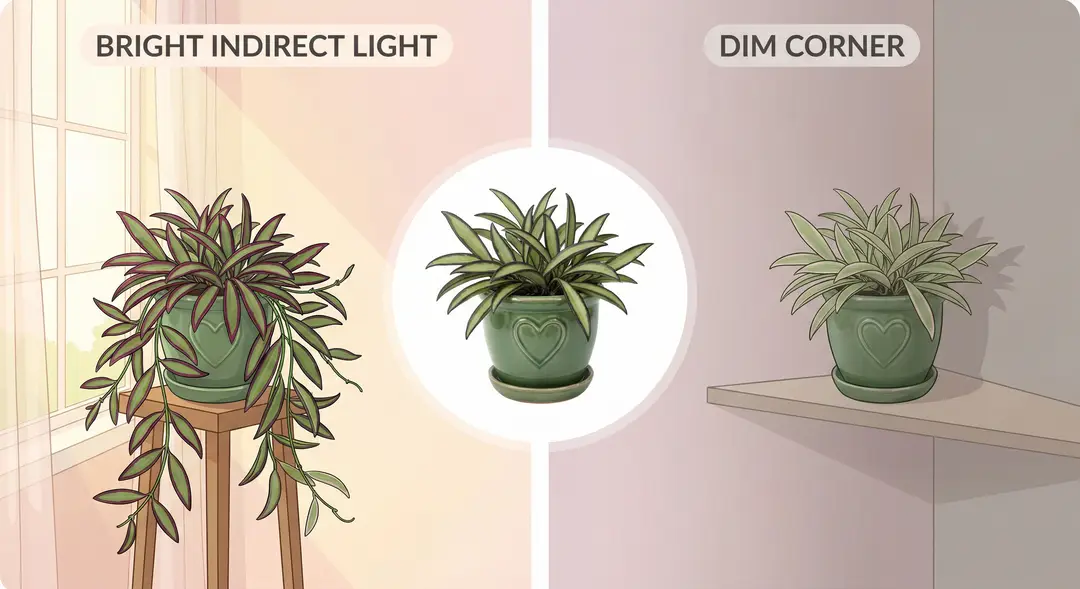
The Light-Margin Connection
The dark margins on Hoya wayetii leaves are the result of anthocyanin pigments produced as a response to light intensity. In the plant world, anthocyanins act partly as a natural sunscreen, protecting the leaf from excess light energy. When light levels are high, the plant ramps up anthocyanin production and the margins deepen to a rich red or brownish-purple. When light drops, anthocyanin production slows and the margins lighten or disappear almost entirely.
This is not damage or a health problem. It is the plant accurately reflecting its environment. If you want vivid margins, place Hoya wayetii in bright indirect light for most of the day, or near a window that delivers a few hours of gentle morning or late-afternoon sun. If the plant sits in lower light, the leaves stay completely healthy but will be almost entirely green with little margin definition.
Ideal Indoor Placement
An east or west-facing window is the sweet spot for Hoya wayetii indoors. East windows deliver gentle morning light that brightens margins without scorching leaves. West windows deliver warmer afternoon sun, which is equally effective for margin color but can be more intense during summer, so a light sheer curtain or a few feet of distance is useful in midsummer. South-facing windows work well in rooms where direct sun does not hit the plant for more than a couple of hours at midday.
North-facing windows typically do not provide enough light for strong margin development, and they slow growth considerably. If a north window is your only option, supplement with a grow light positioned a foot or two above the plant and running for 12-14 hours daily.
Transitioning Plants from Low Light
If you bring home a Hoya wayetii that has nearly no margin color, it has been growing in low light at the nursery. Give it a few weeks in bright indirect light, and new growth will emerge with full margin development. Already-formed pale leaves will not retroactively color up, but they will not drop either. The plant will simply transition as it pushes new growth, and within a season you will have a mix of old pale leaves and new richly bordered ones, with the old growth eventually cycling out naturally.Using Grow Lights
A full-spectrum LED grow light is a reliable solution for rooms that lack a bright window. Position the light 12-18 inches above the plant and run it for 12-14 hours per day using an outlet timer. LED grow lights do not produce significant heat at moderate distances, so scorching is not a concern. Modern full-spectrum LEDs that include the red and blue wavelengths needed for both vegetative growth and flower production are inexpensive and available from most online plant suppliers.
With a good grow light, Hoya wayetii can develop strong margin color and bloom reliably even in a windowless interior. The key is keeping the light close enough and running it long enough. Many growers underestimate the output of their grow lights and keep them too far away or run them for too few hours. If the plant is directly under a grow light but still producing pale margins and slow growth, move the light closer before assuming more light hours are needed.
💧 Watering Hoya Wayetii
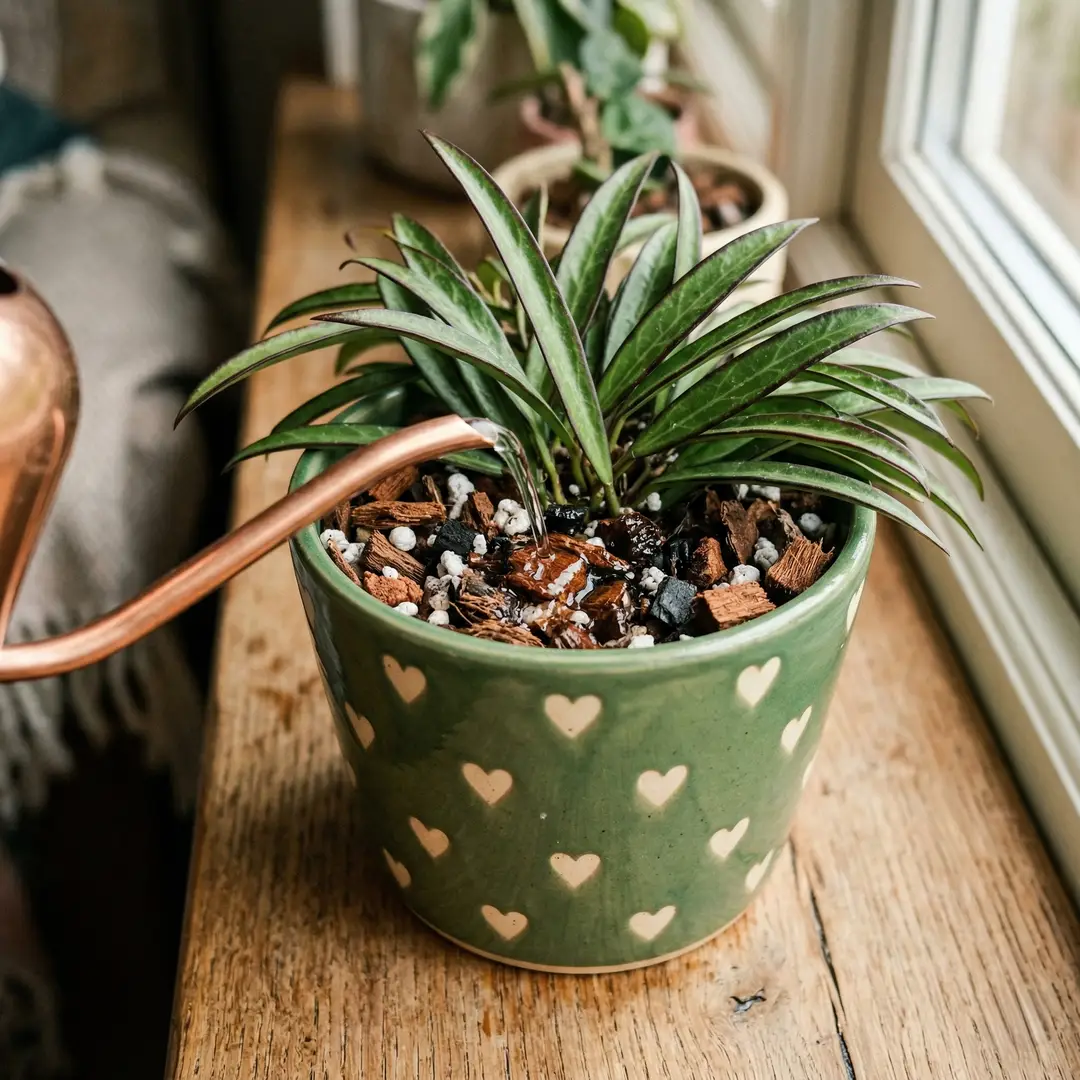
Hoya wayetii has semi-succulent leaves that store water. This makes it highly tolerant of short dry spells and very intolerant of prolonged wet soil. Overwatering is by far the most common way to damage or kill this plant.
The correct watering approach is simple: wait until the potting mix is completely dry before watering again. Not slightly dry at the top. Not dry down an inch. Dry all the way through. Press your finger 2-3 inches into the mix, or lift the pot and notice whether it feels light. Only water when you can confirm the mix is dry throughout.
How to Water Properly
When it is time to water, water thoroughly. Take the plant to a sink and pour water evenly over the surface of the soil until it flows freely from the drainage holes. This ensures the entire root zone gets moisture and flushes out any salt buildup from fertilizer. Let the pot drain completely before returning it to its saucer. Never let Hoya wayetii sit in a saucer of standing water.
In summer with active growth, a dry pot may need watering every 10-14 days depending on your home’s temperature and humidity. In a cool winter or low-light condition, the same pot may take three to four weeks to dry out. Do not water on a fixed schedule. Water based on the actual state of the mix.
Signs of Overwatering and Underwatering
The semi-succulent leaves give you visual feedback on watering. Leaves that feel slightly soft or rubbery and show a slight deflation are dehydrated and need water. This happens more slowly than in non-succulent plants. Give the plant a thorough watering and the leaves will firm up within a day or two.
Overwatered Hoya wayetii shows yellowing leaves, often starting at the lower or inner portions of the plant. If multiple leaves yellow at once and the soil has been consistently moist, check the roots. Rotten roots are brown, mushy, and may smell. Trim them off cleanly, let the remaining roots air-dry for an hour or two, and repot into fresh, dry mix.
Water Quality
Hoya wayetii is not particularly sensitive to water quality, but tap water that is heavily chlorinated or treated with fluoride can cause minor tip browning on the narrow leaves over time. If you notice consistent browning at leaf tips despite adequate humidity, try switching to filtered water or leaving tap water to sit uncovered overnight before using it. The chlorine and chloramines partially off-gas with time and exposure to air.
Rainwater, if collected cleanly, is excellent for all hoyas and often produces noticeably brighter leaf color and more vigorous growth. Hard water with high mineral content can leave white deposits on leaves over time, but this is cosmetic and wipes off easily with a damp cloth.
🪴 Best Soil for Hoya Wayetii
A chunky, fast-draining epiphytic mix is the foundation of healthy Hoya wayetii growing. In its Philippine habitat, Hoya wayetii grows as an epiphyte, anchoring to tree bark or rock crevices where its roots are exposed to air between rain events. In a pot, you want to replicate that same airy, fast-drying environment.
The most reliable mix is equal parts orchid bark, perlite, and standard potting mix. The orchid bark and perlite open up the structure so water drains through quickly and air reaches the roots between waterings. Standard potting mix provides a small amount of moisture retention and slow-release nutrients. This combination dries out fast enough to protect the roots and wet enough to deliver a proper drink when you do water.
Mixes to Avoid
Avoid any mix labeled “moisture-retaining,” “moisture-control,” or enriched with water-retaining crystals or gels. These are designed for plants that need consistent moisture and will hold water far too long around hoya roots. Standard peat-heavy potting soils used straight from the bag without amendment are also too dense and poorly aerated for this plant.
If you have no orchid bark available, a mix of 60% standard potting mix and 40% perlite is a decent alternative. It is slightly heavier than the preferred mix but will still drain fast enough to keep the roots safe if you water correctly.
Drainage is Non-Negotiable
Always plant Hoya wayetii in a pot with at least one drainage hole. Decorative cachepots and containers without drainage make it nearly impossible to water correctly without risking root rot. If you want to use a decorative container, plant the hoya in a smaller nursery pot with drainage and place that inside the outer pot. Remove the inner pot to the sink when you water and return it only after it has fully drained.When Mix Breaks Down
Orchid bark and perlite break down slowly over time. After two to three years, the bark begins to decompose into finer particles, and the mix loses its chunky, open structure. At that point the mix holds more moisture and less air, which increases root rot risk even with careful watering. This is one of the main reasons to repot every two to three years regardless of whether the plant appears root-bound. A fresh mix restores the airy structure the roots need.🌱 Fertilizing Hoya Wayetii
Hoya wayetii is a moderate feeder during its active growing season from spring through summer. Regular fertilizing during this window supports vigorous vine extension, larger leaves, and stronger margin color. Feeding outside the growing season is unnecessary and can push weak, soft growth that is more susceptible to pests and cold stress.
Growing Season Fertilizing
From March or April through August or September, fertilize once a month with a balanced, water-soluble fertilizer diluted to half strength. Formulas such as 10-10-10 or 20-20-20 are both suitable. Apply after watering, never to dry soil, to avoid fertilizer burn at the roots.
In late spring, when the plant enters its most active growth phase, consider switching from a balanced formula to one with higher phosphorus, such as a 5-10-5 or a dedicated bloom-booster formula. Phosphorus supports root development and flower production. Hoyas that receive a few weeks of bloom-booster before their natural spring blooming window often produce more umbels and more consistent flowering than those fed only a balanced formula year-round.
Winter Feeding Pause
Stop fertilizing entirely from October through February. During this rest period the plant’s metabolism slows, roots take up less water and nutrients, and unused fertilizer salts accumulate in the mix rather than getting absorbed. A complete feeding pause in winter also prepares the plant for a more enthusiastic flush of growth when feeding resumes in spring.
If you accidentally over-fertilize or notice a white crust of salt buildup on the soil surface or pot rim, flush the mix thoroughly with plain water two or three times in succession, letting it drain fully each time. This washes excess salts out through the drainage holes.
🌡️ Hoya Wayetii Temperature and Seasonal Care
Hoya wayetii thrives in the warm, stable temperatures typical of an indoor environment: 65-85°F (18-29°C) is the ideal year-round range. As a tropical Philippine native, it has no tolerance for frost and should never be exposed to temperatures below 50°F (10°C). Even brief cold snaps can cause leaf yellowing or drop, and prolonged chilling will damage roots.
Winter Rest for Better Blooming
A cool but not cold winter is one of the best things you can give Hoya wayetii to promote spring blooming. Temperatures in the 60-65°F range from November through February, combined with reduced watering and no fertilizer, help the plant build the energy reserves that later get channeled into flower development. You do not need to move the plant to a specific room unless your home is unusually warm year-round. Simply letting it experience the natural seasonal temperature drop near a non-heated window is often enough.
Do not let the plant drop below 55°F even during a winter rest. At that point the benefits of the rest begin to be outweighed by cold stress, and root activity slows enough that even dry soil can lead to problems.
Drafts and Heat Sources
Position Hoya wayetii away from cold drafts from windows and doors in winter. The plant does not need a cold rest from air exposure, only a mild ambient temperature reduction. Equally important: keep it away from heating vents and radiators, which blast dry, hot air that can dehydrate the semi-succulent leaves faster than normal and stress the plant unnecessarily.Outdoor Growing in Warm Climates
In USDA zones 10-12, Hoya wayetii can be grown outdoors year-round as a trailing or climbing vine. It does best in a position with bright, filtered light rather than direct midday sun, which can bleach the leaves in outdoor conditions that are more intense than indoor bright light. A sheltered porch, lanai, or spot under a high tree canopy provides ideal outdoor conditions.
Outdoor growing generally produces faster growth, more vigorous vines, and more reliable blooming than indoor growing, because natural light intensity is typically higher and humidity is often greater in warm climates. The reddish margins can develop to their deepest possible color outdoors under bright filtered sun. Bring the plant indoors or to a frost-free shelter whenever overnight temperatures approach 55°F, which is well before any frost risk.
Seasonal Care Calendar
Spring (March through May): Resume watering to normal frequency as days lengthen and the plant starts pushing new growth. Restart monthly fertilizing. Watch for new vine extension, which is the best sign the plant has successfully come out of its winter rest.
Summer (June through August): Most active growth phase. Water when the mix is fully dry, fertilize monthly, and consider moving the plant slightly closer to the window if margin color has faded over winter. This is also the most likely blooming window.
Fall (September through November): Begin tapering fertilizer. Allow watering intervals to lengthen naturally. Do not force extra growth with heat or artificial light extension.
Winter (December through February): Water only when the mix is completely dry, which may mean watering once every three to four weeks. Stop fertilizing. Keep temperatures above 55°F.
💦 Humidity for Hoya Wayetii
Hoya wayetii is more tolerant of average household humidity than many tropical plants. As long as the ambient humidity stays above roughly 40%, the plant will grow and look healthy without any special treatment. Standard indoor conditions in a heated home typically run 40-55% relative humidity, which falls well within the comfortable range for this species.
Low Humidity Environments
In very dry climates or during winter heating season when indoor humidity drops below 35-40%, Hoya wayetii may show minor browning at the tips of its narrow leaves. This is cosmetic rather than a serious health issue. Positioning the plant near other plants helps raise local humidity through collective transpiration. A pebble tray with water placed below the pot adds a small amount of localized humidity as the water evaporates.
Avoid misting Hoya wayetii directly. Misting wets the leaf surfaces but does not meaningfully raise ambient humidity, and standing water in the leaf axils or at stem nodes can encourage fungal issues or attract pests. If you want to raise humidity, a humidifier nearby is far more effective than misting.
Humidity and Blooming
Moderately higher humidity during the active growing season, around 50-60%, can support larger, more vigorous flower umbels. If you have a group of hoyas together on a shelf or in a plant corner, the collective humidity they generate is often enough to push into that range naturally without intervention. This is one of the simplest reasons to grow multiple hoyas together rather than as isolated plants.
During winter when indoor heating drops humidity significantly, a small digital hygrometer near the plant shelf lets you monitor conditions precisely and respond before the plant shows stress. These devices are inexpensive and far more reliable than guessing from how dry the air feels.
🌸 Getting Hoya Wayetii to Bloom
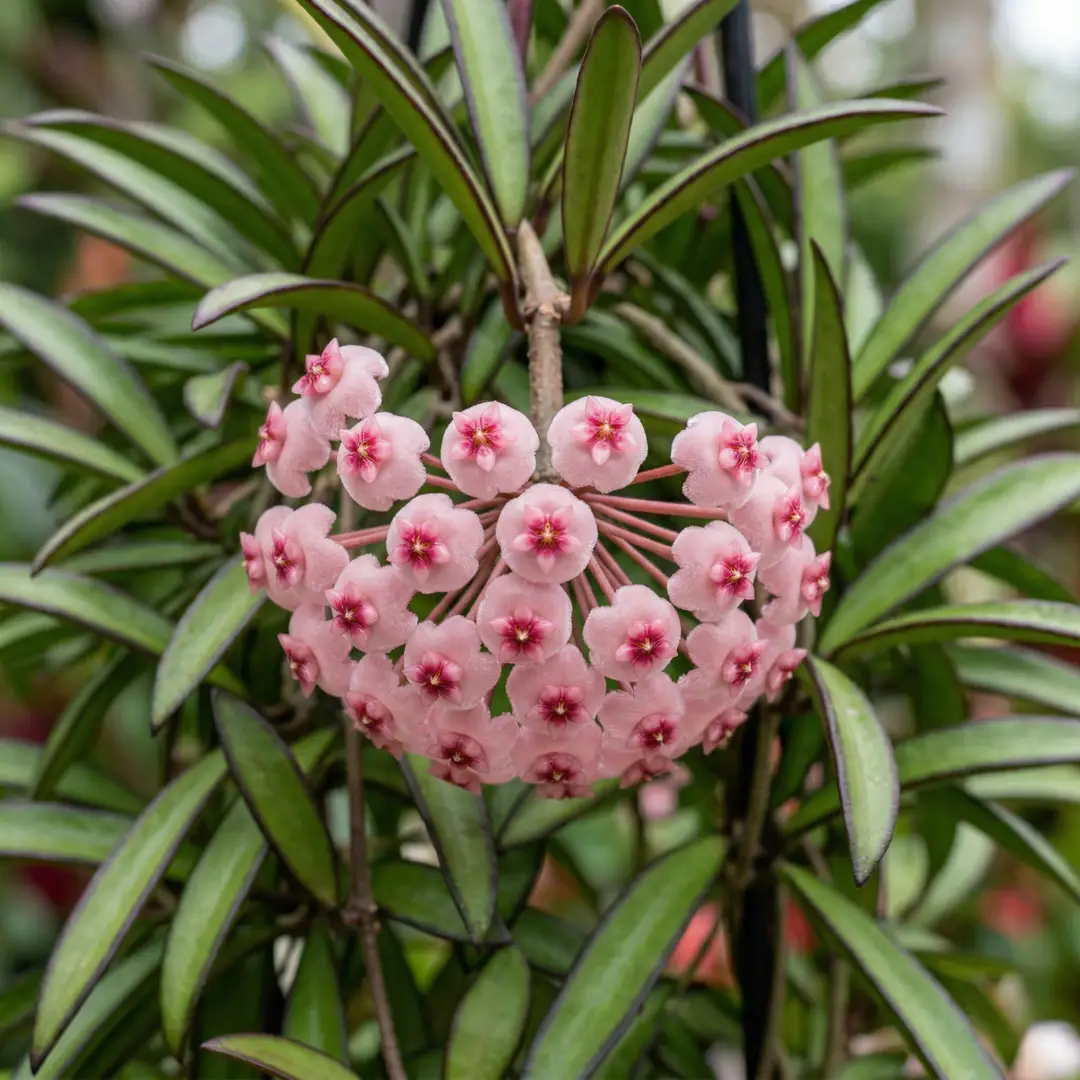
Hoya wayetii produces small, tightly packed umbels of pale pink to rose-pink star-shaped flowers, each with a slightly darker center corona. The flowers are waxy and carry a light, sweet fragrance. Each umbel contains 15-25 individual florets and forms on a short peduncle spur along the stem. Like all hoyas, these spurs rebloom from the same point every season, which is why removing them is a reliable way to never see flowers on an otherwise healthy plant.
Conditions for Blooming
Hoya wayetii needs three things to bloom consistently: maturity, light, and a winter rest. Young plants and recent cuttings rarely bloom in the first year. Once a plant has developed three or more substantial vines and has been growing for one to two full seasons, it has the energy reserves to allocate to flower production.
Bright indirect light, with some morning or late-afternoon direct sun, is the single most effective driver of bloom production after maturity. Plants sitting in low or medium light will grow but rarely flower. If your plant is healthy and producing new growth but not blooming after two or three years, insufficient light is the most likely cause.
The winter rest period, with reduced watering and slightly cooler temperatures from November through February, appears to reset the plant’s flowering calendar. Plants that receive this rest consistently bloom more reliably in subsequent years than those kept in stable warm conditions year-round.
Caring for Flower Spurs
When Hoya wayetii is ready to bloom, small nub-like bumps appear along the vines at the nodes where leaves attach. These are peduncle spurs, and they will elongate slightly before buds form. Do not mistake them for dead stubs or cut them off. Once a spur has flowered, leave it in place. It will produce buds from the same point in subsequent seasons. Removing a spur means losing one potential bloom location every year going forward.Bud Drop Prevention
If Hoya wayetii drops buds before they open, the most likely cause is a sudden environmental change. Moving the plant, changing its orientation, switching its exposure to a different window, or allowing the soil to become bone dry during bud development are the most common triggers. Once buds have formed, maintain stable conditions until they open. Do not rotate the pot or relocate the plant until after flowering has finished.
If bud drop happens despite stable conditions, check for sudden temperature shifts from cold drafts or nearby heat vents and make sure the plant is not bone dry. For a deeper diagnosis, see our failure to bloom guide.
🌿 Hoya Wayetii Types and Related Hoyas
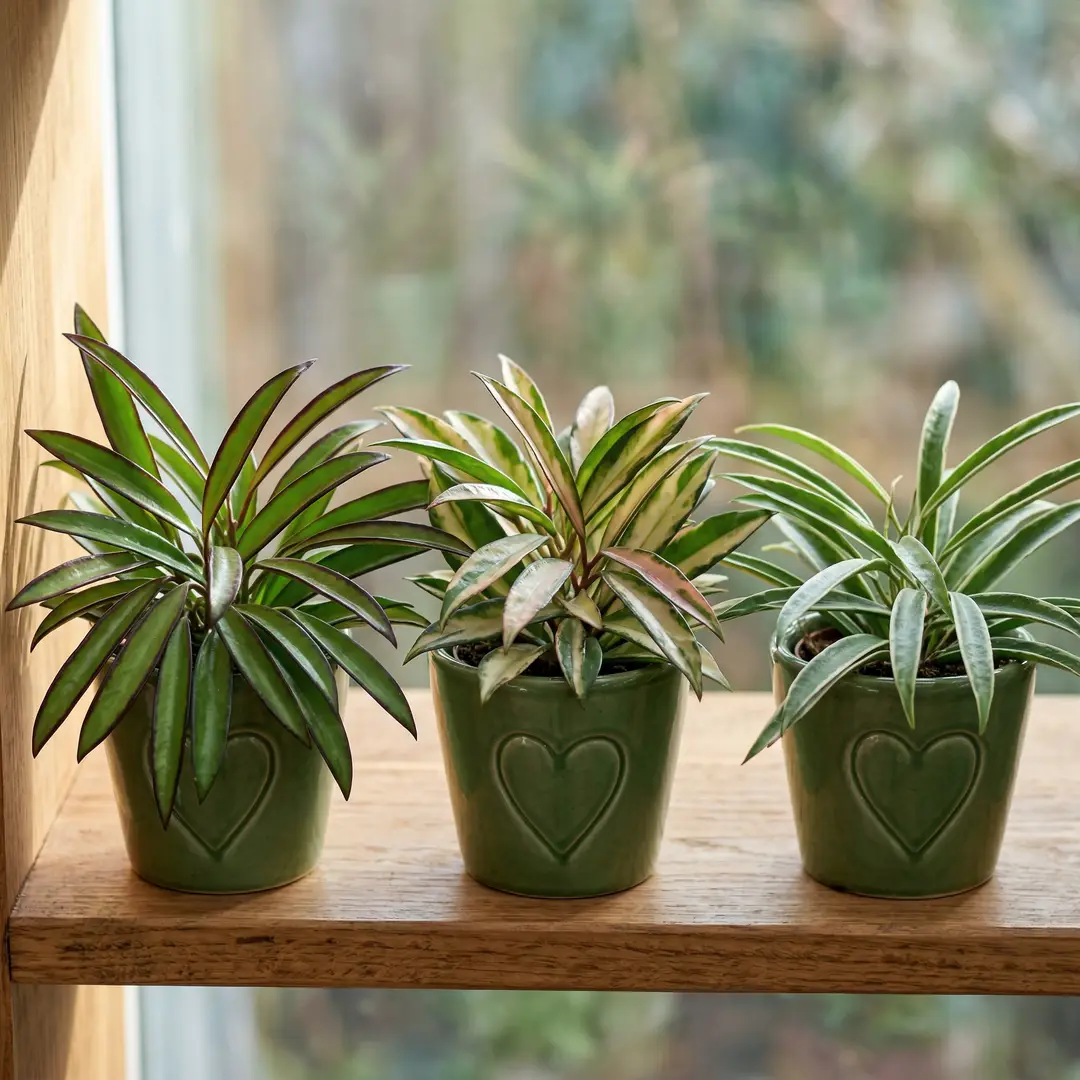
Standard Hoya Wayetii
The standard form is the most widely available and most commonly grown. It features long, narrow, lance-shaped leaves that are deep glossy green with dark red to brownish-purple margins. The intensity of the margin color depends directly on light levels and anthocyanin production, ranging from near-absent in low light to vivid and dramatic in bright indirect to some direct sun.
Leaf size is typically 3-5 inches long and about half an inch to one inch wide, which is notably narrower than most other commonly grown hoyas. Mature plants trail or climb willingly and can produce vines 4-8 feet long indoors with support.
Hoya Wayetii 'Tricolor'
The ‘Tricolor’ cultivar is a variegated form with leaves that show a mix of green, cream, and pink tones. The cream and light green areas lack full chlorophyll coverage, which slows growth somewhat compared to the standard form. The pink tones on the variegated portions are especially striking in bright light where anthocyanin production in those areas creates a three-way color effect of green, cream, and pink or red.
Care for ‘Tricolor’ is essentially the same as the standard form, with two adjustments: it needs slightly more light to compensate for reduced photosynthetic capacity in the variegated areas, and it is slightly more sensitive to overwatering. Avoid direct midday sun on the variegated patches, which can scorch the pale areas more easily than fully green sections.
Hoya Wayetii vs. Hoya Kentiana
Hoya wayetii and Hoya kentiana are the most frequently confused hoya pairing in the nursery trade. Both have narrow, elongated leaves with reddish or purplish margins, and both are Philippine natives with similar care needs. The practical differences are subtle.
Hoya wayetii tends to have slightly wider, more paddle-shaped leaves, typically 0.75-1 inch across at the widest point. The margins are usually more distinct and darker, creating a higher-contrast border against the green center. Hoya kentiana leaves are typically narrower, sometimes closer to half an inch wide, with a slightly more diffuse or lighter-colored margin.
In practice, the two are nearly interchangeable as houseplants. Their care is identical, their flowers are similar, and their growing habit is the same. If your plant is labeled as either species, care for it exactly as described in this guide regardless of which it actually is. Many plants sold as Hoya wayetii are Hoya kentiana, and the reverse is equally common at point of sale.
Related Hoyas to Consider
- Hoya Carnosa (Hoya carnosa): The classic wax plant with oval, silver-speckled leaves. Slower-growing but incredibly long-lived and widely available. A great companion plant on the same shelf as wayetii.
- Hoya Australis (Hoya australis): Larger, rounder leaves with an intensely sweet flower fragrance. One of the most reliably blooming hoyas in the genus and more cold-tolerant than most relatives.
- Hoya Pubicalyx (Hoya pubicalyx): Fast-growing hoya with silver-splashed narrow leaves and dramatic dark flowers. If you enjoy the narrow-leaf silhouette of Hoya wayetii, Hoya pubicalyx is a natural next step with more cultivar variety.
- Sweetheart Hoya (Hoya kerrii): Heart-shaped leaves on a very slow-growing vine. Shares the same care needs and the same rule about never cutting flower spurs.
- Hoya Obovata (Hoya obovata): Large, rounded leaves with silver flecks, the opposite of wayetii’s narrow profile. The ‘Splash’ form with heavy silver coverage is a striking visual contrast on the same shelf.
- Hoya Linearis (Hoya linearis): Soft, needle-like, fuzzy pendant cascades. Shares the narrow-leaf theme with wayetii but in a completely different texture and growth direction. From the Himalayan foothills with lemon-scented white flowers.
🪴 Potting and Repotting Hoya Wayetii
Hoya wayetii prefers to be slightly pot-bound. A root-bound plant blooms more reliably than one with excess soil volume, because the smaller root-to-soil ratio means the mix dries out faster and the plant experiences a mild stress that tends to trigger flowering. Resist the urge to repot into a much larger container when the plant looks healthy.
When and How to Repot
Repot every two to three years, or when roots are visibly emerging from drainage holes in significant numbers or circling heavily at the bottom of the pot when you unpot. Choose a new container no more than one size larger than the current pot, which typically means 1-2 inches wider in diameter.
Spring is the best time to repot. The plant is entering active growth and will recover quickly, filling out the new root space within a few weeks. Avoid repotting in fall or winter when growth is slow and the plant has fewer reserves to draw on for recovery.
When repotting, gently loosen the root ball and remove as much of the old mix as is easy without damaging roots. Inspect the roots while the plant is unpotted. Trim any brown, mushy, or dead roots cleanly with sterilized scissors. Fill the new pot with fresh chunky epiphytic mix and settle the plant in at the same depth it was growing before. Water lightly at first, then return to normal watering once you see new growth resume.
Pot Material Comparison
Terracotta pots are an excellent choice for Hoya wayetii because they are porous and allow the mix to dry faster through the pot walls. This makes overwatering less likely and gives the roots more air exposure between waterings. The trade-off is that terracotta dries out more quickly in very warm or sunny conditions, so you may need to water slightly more frequently than with a plastic pot.
Plastic and glazed ceramic pots retain moisture longer. This is acceptable as long as you water less frequently and always allow the mix to fully dry before watering again. The advantage of plastic is that it is lightweight and easy to move, which is useful for hanging planters.
Hanging baskets suit Hoya wayetii particularly well. The trailing growth habit looks most natural in a hanging position, and the elevated location often means better light access than a shelf position close to the floor.
✨ Cleaning Hoya Wayetii
Hoya wayetii’s narrow leaves accumulate less dust than the large, flat leaves of wider-leaved hoyas, but they still benefit from occasional cleaning. Dust on the leaf surface reduces photosynthetic efficiency over time and can obscure the early signs of pest activity.
Wipe each leaf gently with a soft, damp cloth. Support the leaf from below with one hand while wiping the top surface with the other to avoid bending or snapping the somewhat slender petioles. Wipe both the top and the underside of each leaf, since the underside is where spider mites and mealybug crawlers often establish first.
Pay special attention to stem nodes, the points where leaves attach to the vine, and any flower spurs. These are the preferred hiding spots for mealybugs, which shelter in the slightly protected concave surfaces at these junctions. A cotton swab lightly moistened with isopropyl alcohol can dislodge and kill early-stage mealybugs at nodes without harming the plant.
Cleaning every four to six weeks during the growing season keeps the foliage looking its best and provides a natural inspection rhythm that catches pest problems early. If you notice the leaves looking noticeably duller or the margin color appearing muted, give the plant a gentle wipe before assuming the issue is a lighting or watering problem. Dust accumulation is a surprisingly common cause of reduced color saturation on narrow-leaved plants where the dust layer covers more of the total leaf surface area proportionally than it would on a large-leaved plant.
✂️ Pruning Hoya Wayetii
Hoya wayetii does not require heavy pruning and grows most naturally when allowed to trail or climb according to its own habit. Strategic trimming can improve the shape of the plant, encourage denser branching, and prevent individual vines from becoming overly long and leggy.
When and How to Prune
The best time to prune is in spring or early summer, just as the plant is entering active growth. Pruning during this period allows cut stems to push new side shoots quickly. Avoid heavy pruning in fall and winter when growth is slow and the plant is less able to recover.
Cut just above a leaf node using clean, sharp scissors or pruning shears. Each cut typically prompts the vine to push two new shoots from the node below the cut, gradually filling out the plant. If a specific vine has become very long and sparse at the base, cutting it back by a third to a half will often revitalize it and encourage a fuller, more compact form.
Never Cut Flower Spurs
This is the most important pruning rule for all hoyas, including Hoya wayetii. The short, woody-looking peduncle spurs that form along the stems are permanent bloom sites. Each one will produce flowers again from the same point next season. Cutting off a spur eliminates one bloom location permanently. When tidying the plant, look carefully before cutting anything near nodes and stem junctions. Dead-looking stubs at nodes are often dormant spurs waiting for the next bloom cycle.🌱 Propagating Hoya Wayetii
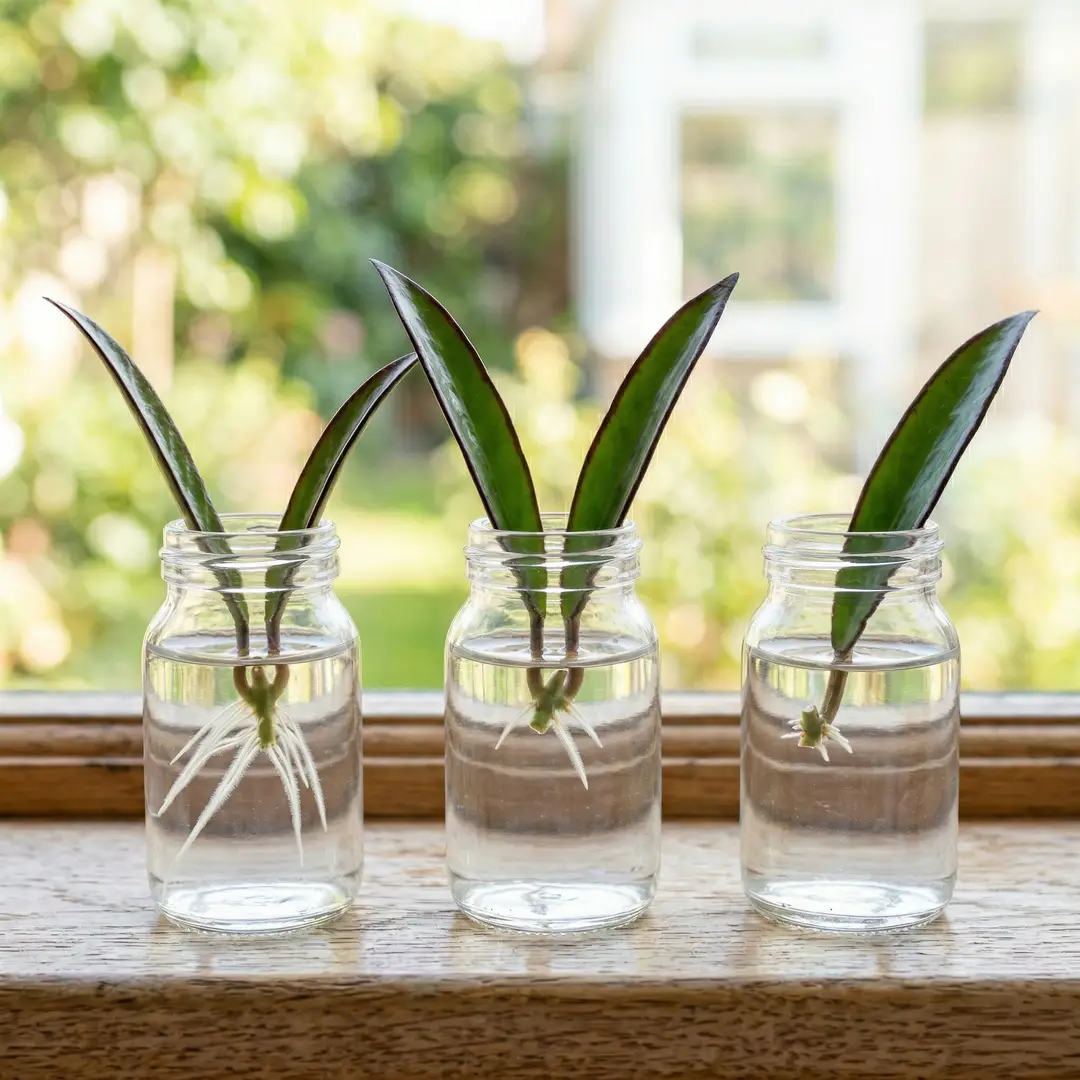
Hoya wayetii is easy to propagate from stem cuttings, and the process is the same as for other hoyas. The key requirement is that each cutting includes at least one node, the junction where a leaf attaches to the stem. Nodes are where roots emerge. A cutting with only leaves and no node will never develop roots or grow into a new plant.
Taking a Cutting
Use clean, sharp scissors or pruning shears. Cut a stem section that includes at least one node and one or two pairs of leaves. Remove the lowest set of leaves to expose the node cleanly for rooting. A cutting with 2-4 leaves and one or two nodes is the ideal size. Larger cuttings root fine but can be harder to manage in a small rooting vessel.
The best time to take cuttings is in spring or early summer when the plant is actively growing and healing is fastest. Cuttings taken in fall or winter will root eventually, but the process is noticeably slower and the risk of the cutting failing before it roots is higher.
Rooting in Water
Water rooting is reliable and easy to monitor. Place the cutting in a small glass or jar with the node submerged and the leaves above the waterline. Set the jar in a warm, bright location out of direct sun. Roots typically emerge within 3-6 weeks. Change the water every week or two to prevent stagnation.
Once roots are 1-2 inches long, the cutting can be potted into the standard chunky epiphytic mix. Water lightly for the first few weeks as the roots adjust to soil, then transition to the normal dry-out watering cycle.
Rooting in Perlite or Sphagnum Moss
Perlite and sphagnum moss are both excellent alternative rooting media. They produce roots that are already adapted to a solid growing environment, which can make the transition to potting mix smoother than with water-rooted cuttings. Keep the rooting medium consistently moist but not waterlogged. Clear propagation vessels are helpful for monitoring root development without disturbing the cutting.
Once roots are established and the cutting begins pushing new leaf growth, it is ready to pot up into a standard mix.
Label Your Cuttings
If you are propagating multiple hoya cuttings at the same time, label each one immediately after taking it. Hoya wayetii cuttings look similar to Hoya kentiana and Hoya pubicalyx cuttings before they develop their characteristic leaf shape and margin color. A small plant label or piece of masking tape with the species name on the jar prevents mixing up plants during the weeks-long rooting process.🐛 Hoya Wayetii Pests


Hoya wayetii shares the same pest vulnerabilities as other wax plants. The waxy leaves repel some surface-feeding insects, but the plant is still susceptible to pests that target protected areas around nodes and leaf undersides. Regular inspection during your cleaning routine is the most effective prevention.
Mealybugs are the most common pest on hoyas. They appear as small white cottony clusters at nodes, leaf axils, and along stems. A light infestation can be treated by dabbing each cluster with a cotton swab moistened with 70% isopropyl alcohol. For a heavier infestation, spray the entire plant with neem oil or insecticidal soap, paying close attention to the stem nodes and underside of leaves.
Spider mites thrive in hot, dry conditions. Look for tiny moving dots on the underside of leaves, or fine webbing between stems and leaves. Increase humidity around the plant and treat with neem oil or insecticidal soap, making sure to cover both sides of every leaf.
Scale insects appear as small brown or tan bumps along the stems, often at nodes. They are immobile at the adult stage and easy to confuse with natural stem features. Scrape them off gently with a soft brush or cotton swab and follow up with neem oil.
Aphids occasionally appear on new growth, feeding on soft stem tips and emerging leaf pairs. They can be removed with a strong stream of water and followed up with insecticidal soap if the infestation persists.
🩺 Common Hoya Wayetii Problems


Yellowing leaves are almost always caused by overwatering or a combination of low light and slow drying. Check whether the potting mix is staying moist for longer than two weeks at a time. If so, water less frequently and consider moving the plant to brighter light. See our yellowing leaves guide for detailed diagnosis.
Leaf drop typically follows cold stress, sudden environmental changes, or overwatering. If the plant drops several leaves at once after being moved or after a cold snap, give it stable conditions and withhold watering slightly to let it settle. See our leaf drop guide for more context.
Leggy growth with long stems and widely spaced leaves indicates insufficient light. Move the plant to a brighter position. Once the new growth conditions are corrected, new leaves will emerge at shorter intervals and with stronger margin color. See our leggy growth guide for more on this.
Wilting or drooping in a plant with dry soil means it needs water. Wilting in a plant with moist or wet soil is a warning sign of root rot. Check the roots immediately if the plant looks limp but the soil is wet. See our wilting and drooping guide for diagnostic steps.
Failure to bloom after multiple seasons is usually a light or winter-rest problem. Move the plant to a brighter spot and allow it a cooler, drier winter from November through February. See our failure to bloom guide if the problem persists.
Root rot results from soil that stays wet for too long. Prevention through fast-draining mix and correct watering timing is far easier than treating established rot. If you catch it early, removing the rotten roots and repotting into fresh dry mix can save the plant. See our root rot guide for treatment steps.
🏡 Displaying Hoya Wayetii
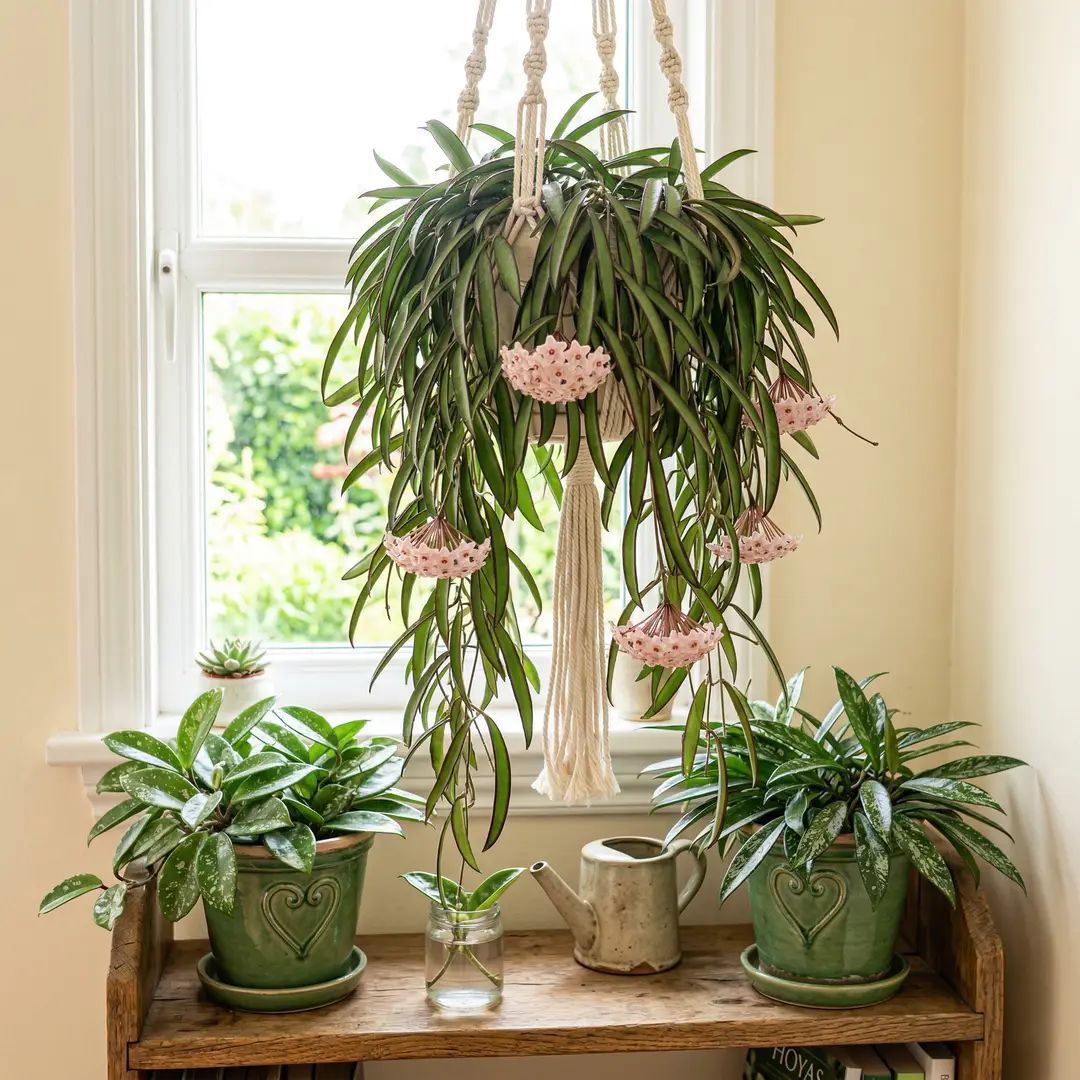
Hoya wayetii is one of the best hoyas for hanging display. The narrow, trailing vines look natural cascading from a hanging basket or shelf edge, and the elevated position puts the plant closer to window light, which is exactly where it needs to be for vivid margin color and reliable blooming.
Best Display Positions
An east-facing window is the ideal location for a displayed Hoya wayetii. The gentle morning light provides enough intensity for margin development and blooming without the risk of afternoon scorch. A west window works equally well, and the afternoon warmth can be beneficial in cooler months.
Hanging the plant in a macrame hanger or from a ceiling hook allows it to trail freely without crowding on a shelf. Vines at 3-4 feet long look impressive hanging from a ceiling hook near a window. The trailing silhouette shows off the narrow leaf shape and contrasting margins much more effectively than a plant sitting on a low shelf.
Companion Plants
Hoya wayetii looks excellent grouped with other hoyas. The narrow, dark-margined leaves contrast beautifully with the wider, rounder leaves of Hoya Carnosa and the large, bold foliage of Hoya Australis. A grouping of hoyas with different leaf textures and sizes on a bright shelf or in a plant corner creates a lush, layered display while sharing the same basic care requirements, making the whole group easy to maintain together.
The narrow-leaved silhouette of wayetii also works well alongside Dischidia, another epiphytic trailing plant from the same family with similar care needs and a contrasting compact leaf shape.
💡 Top Tips for Growing Hoya Wayetii
- Chase the margins. The red and purple margins are the plant’s most striking feature, and they are entirely under your control. More bright indirect light, or a couple of hours of gentle morning sun, intensifies the color. Dimmer conditions fade it. Position the plant where you want the best color and the margins will reward you.
- Let it dry. The semi-succulent leaves forgive short dry spells far better than they forgive wet soil. When in doubt, wait another few days before watering. A slightly thirsty Hoya wayetii is far safer than a slightly overwatered one.
- Never cut the spurs. The short nub-like protrusions along the stem at nodes are permanent bloom sites. Removing them means losing that bloom location every year going forward. Learn to recognize spurs and protect them during every pruning session.
- Give it a winter rest. Cooler temperatures and reduced watering from November through February prepare the plant for a more enthusiastic spring bloom. Plants that skip the winter rest are often reluctant bloomers.
- Do not upsize too aggressively. A slightly root-bound plant in a well-draining mix blooms more consistently than a plant with excess soil volume. When you repot, choose a container only 1-2 inches larger than the current one.
- Label your cuttings. Hoya wayetii and Hoya kentiana cuttings look almost identical before they develop full leaf size. If you propagate both, label the jars immediately to avoid confusion.
- Watch the nodes. Mealybugs prefer the sheltered junctions at nodes and leaf axils. Make it a habit to glance at the stem nodes every time you water, and catch infestations before they spread.
- Group with other hoyas. Hoyas grouped together raise the local humidity slightly through transpiration, which benefits the whole group. They also create a display context that shows off each plant’s distinct leaf shape more effectively than a single specimen on a bare shelf.
- Inspect when you water. The moment you pick up the pot to check dryness is the perfect time to glance at the stem nodes and leaf undersides. Building in a 10-second visual check every watering session costs nothing and reliably catches pest problems before they spread.
- Refresh the mix every two to three years. Orchid bark breaks down over time and the mix gradually loses its open, airy structure. A fresh mix at repotting time restores the drainage the roots depend on, even if the plant has not yet outgrown the pot.
- Enjoy the wait. Hoya wayetii is not a fast-gratification plant. The margin color deepens gradually, the vines lengthen over seasons, and the first flower umbel arrives on its own schedule. Patience is what separates thriving hoya collections from frustrated ones.
❓ Frequently Asked Questions
Why are my Hoya wayetii leaves losing their red margins?
The red and purple margins of Hoya wayetii are a light-response. When the plant does not receive enough bright indirect light, it stops producing the anthocyanin pigments that create the border color. Move the plant closer to a bright east or west window. With several weeks of better light, new growth should resume the darker margins. Already-formed pale leaves will not retroactively color up, but they will not drop either.Is Hoya wayetii the same plant as Hoya kentiana?
They are separate species but are very frequently confused and mislabeled, even at nurseries. Both have narrow, elongated leaves with reddish margins. Wayetii tends to have slightly wider, more paddle-shaped leaves and a more distinct, darker margin. Kentiana leaves are often narrower with a lighter or more diffuse border. In practice, care is identical for both and either makes an equally good houseplant.When will my Hoya wayetii bloom?
Hoya wayetii typically begins blooming after it has established multiple vines and has been through at least one winter rest period with reduced watering and cooler temperatures. Plants in bright indirect light with some morning sun are most likely to bloom in spring. Do not remove the short flower spurs that form along the stems, as these rebloom from the same point each year.Is Hoya wayetii toxic to pets?
No. Hoya wayetii is non-toxic to cats, dogs, and people. The milky sap can irritate sensitive skin if handled excessively, but it is not a poisoning risk.How fast does Hoya wayetii grow?
Hoya wayetii grows at a moderate pace, producing several new stems and leaf pairs through the spring and summer growing season. It is not as fast as Hoya pubicalyx but is noticeably quicker than Sweetheart Hoya or Hoya callistophylla. With good light and regular fertilizing, you can expect vines to lengthen by 1-2 feet per season.Can I grow Hoya wayetii outdoors?
Yes, in USDA zones 10-12 where winter temperatures stay above 55°F. It thrives on a shaded porch, lanai, or under a tree canopy with filtered light and some outdoor humidity. Bring the plant indoors well before any frost risk.Why are my Hoya wayetii leaves turning yellow?
Yellowing is almost always caused by overwatering. Let the potting mix dry out completely before watering again. If multiple leaves are yellowing and the soil has been wet for more than two weeks, unpot the plant and check the roots. Healthy roots are white or tan; rotten roots are brown, mushy, and may smell. Trim damaged roots and repot into fresh, dry mix.ℹ️ Hoya Wayetii Info
Care and Maintenance
🪴 Soil Type and pH: Chunky Epiphytic Mix
💧 Humidity and Misting: Average household humidity of 40-60% is fine. No misting required.
✂️ Pruning: Trim for shape and to encourage bushy new growth. Never cut flower spurs, which rebloom from the same point each season.
🧼 Cleaning: Wipe leaves with a damp cloth to remove dust. Check stem nodes and undersides for early signs of mealybugs or scale.
🌱 Repotting: Every 2-3 years or when roots emerge from drainage holes. Slightly pot-bound plants bloom more reliably.
🔄 Repotting Frequency: Every 2-3 years
❄️ Seasonal Changes in Care: Reduce watering in fall and winter. Stop fertilizing from October through February. A cooler winter rest encourages more flower development in spring.
Growing Characteristics
💥 Growth Speed: Moderate
🔄 Life Cycle: Perennial Epiphyte
💥 Bloom Time: Spring through summer on established plants in bright light
🌡️ Hardiness Zones: 10-12 (tender; bring indoors when temperatures drop below 55°F)
🗺️ Native Area: Philippines (Luzon)
🚘 Hibernation: Semi-dormant in winter
Propagation and Health
📍 Suitable Locations: Hanging baskets, high shelves, macrame hangers, window shelves with bright indirect light
🪴 Propagation Methods: Stem cuttings with at least one node, rooted in water, perlite, or sphagnum moss.
🐛 Common Pests: mealybugs, spider-mites, scale-insects, and aphids
🦠 Possible Diseases: Root rot is the main risk from overwatering.
Plant Details
🌿 Plant Type: Vine / Epiphyte
🍃 Foliage Type: Evergreen
🎨 Color of Leaves: Deep green with dark red to purple margins; margins deepen in intensity with more light
🌸 Flower Color: Pale pink to rose-pink petals with a darker pink to red center corona
🌼 Blooming: Yes, on established plants with good light and a winter rest period
🍽️ Edibility: Not edible.
📏 Mature Size: 4-8 feet as a trailing or climbing vine indoors
Additional Info
🌻 General Benefits: Non-toxic to pets and people. One of the most visually distinctive hoyas due to the color-changing leaf margins. Compact enough for small spaces while still producing attractive trailing stems.
💊 Medical Properties: None known.
🧿 Feng Shui: Trailing vines in Apocynaceae are associated with flowing energy and connection. The deep reddish margins add warmth and vitality to a space.
⭐ Zodiac Sign Compatibility: Scorpio
🌈 Symbolism or Folklore: Depth, transformation, subtle strength
📝 Interesting Facts: The intensity of the red to purple leaf margins on Hoya wayetii is directly controlled by light exposure. Plants in bright indirect light or with a few hours of gentle morning sun develop deep, dramatic borders. Plants in lower light produce the same narrow leaves but with much lighter or nearly absent margins. The plant is essentially using the margins as a sunscreen response, producing more anthocyanin pigments under UV stress.
Buying and Usage
🛒 What to Look for When Buying: Look for plants with at least two or three established vines and firm, glossy leaves. Healthy margins should already show some reddish tint even on new growth. Hoya wayetii is frequently confused with Hoya kentiana at point of sale, and many sellers use the names interchangeably. For everyday growing purposes this distinction barely matters, as care is identical for both.
🪴 Other Uses: Can be grown outdoors as a hanging or climbing plant in USDA zones 10-12. Suited to sheltered lanais, screened porches, and tropical or subtropical gardens.
Decoration and Styling
🖼️ Display Ideas: Hanging basket near a bright east or west window, draped along the top of a bookshelf, trained on a small trellis or bamboo hoop, or grouped with other hoyas for a textural layered display.
🧵 Styling Tips: The narrow leaves and red margins make Hoya wayetii stand out from wider-leaved hoyas. It looks excellent in a white or cream-colored hanging pot where the color contrast with the margins is most visible. The trailing stems can reach 3-4 feet easily and create a soft, cascading effect.
📚 References ▼
- 📘 Kloppenburg, D. (2016). A Checklist of Hoya Species. Hoya Forum.
- 📘 Lamb, A. (2017). Hoyas of Borneo and the Philippines. Natural History Publications.
🪴 See also 🪴

Complete Guide to Hoya Crimson Queen Care and Growth

Complete Guide to Hoya Obovata Care and Growth

Complete Guide to Hoya Pubicalyx Care and Growth

Complete Guide to Hoya Linearis Care and Growth

Complete Guide to Hoya Crimson Princess Care and Growth

