
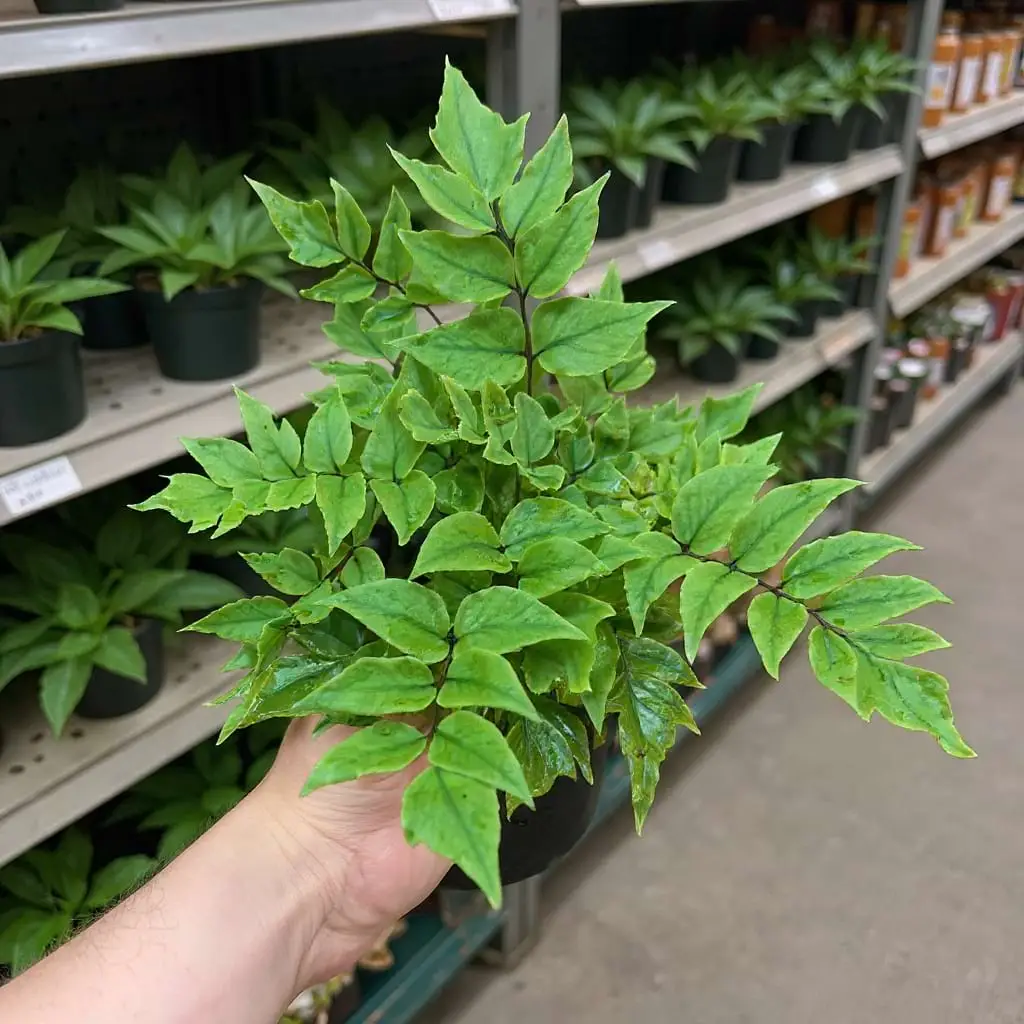
Holly Fern
Cyrtomium falcatum
Japanese Holly Fern, Fishtail Fern, House Holly Fern, Horned Holly Fern


The Holly Fern (Cyrtomium falcatum) is a distinctive evergreen fern known for its glossy, dark green, leathery pinnae (leaflets) that resemble holly leaves. It's a robust and relatively easy-to-care-for fern, suitable for both indoor cultivation and shaded outdoor gardens in appropriate climates.
📝 Holly Fern Care Notes
🌿 Care Instructions
⚠️ Common Pests
📊 Growth Information
🪴 In This Guide 🪴
💚 Holly Fern Care Guide
Quick Overview
The Holly Fern (Cyrtomium falcatum), also known as Japanese Holly Fern or Fishtail Fern, is a strikingly handsome evergreen fern. It earns its common name from its unique pinnae (leaflets), which are glossy, dark green, leathery, and shaped somewhat like holly leaves – though without the sharp spines. The fronds are pinnately compound and can create a bold, textural statement.
Native to East Asia, India, and Polynesia, this fern is relatively robust and adaptable compared to many other fern species. It typically grows in a clumping habit, reaching heights of 1.5 to 2.5 feet and a similar spread. Holly Ferns are valued for their shade tolerance and resilience, making them suitable for both indoor cultivation and outdoor landscaping in appropriate climates.
📺 Holly Fern Video Guide

☀️ Holly Fern Light Requirements

How much light does a Holly Fern need?
Holly Ferns thrive in partial to full shade. They are well-adapted to lower light conditions, making them excellent choices for shaded garden spots or as houseplants in rooms with less intense light. While they can tolerate some morning sun, direct, harsh afternoon sun should be avoided as it can scorch their leathery fronds.
Indoors, bright, indirect light is ideal. They can also manage in medium to low light conditions, though growth might be slower.
Indoor Lighting
For indoor cultivation, place your Holly Fern near a north-facing window, or in a spot that receives indirect light from an east, west, or south-facing window (e.g., a few feet away, or with light filtered by sheer curtains). They are more tolerant of low indoor light than many other ferns.
Outdoor Lighting
Outdoors, Holly Ferns are perfect for shaded borders, woodland gardens, or as foundation plantings on the north or east side of a house. They do best with protection from the intense midday and afternoon sun. Dappled shade under trees is also an excellent environment.
Signs of Lighting Issues
- Insufficient Light (though tolerant): Very slow growth, sparse fronds (less common for this fern as it adapts well).
- Excessive Light: Scorched, brown, or bleached patches on fronds; yellowing of foliage; crispy leaf edges.
💧 Watering Your Holly Fern
How to Water a Holly Fern
Holly Ferns prefer consistently moist, but well-drained soil. Once established, they are more drought-tolerant than many other fern species, but perform best with regular watering.
Watering Frequency
- During the active growing season (spring and summer), water when the top inch of soil feels slightly dry to the touch. This could be weekly or more often in hot, dry conditions.
- In fall and winter, or during cooler weather, reduce watering frequency. Allow the soil to dry out a bit more between waterings, but do not let it dry out completely for extended periods.
Always check the soil moisture with your finger before watering.
Watering Technique
- Use lukewarm or room-temperature water.
- Water the soil thoroughly at the base of the plant until water drains from the bottom of the pot (if container-grown) or until the root zone is well-moistened (if in-ground).
- If in a pot, discard any excess water from the saucer after about 15-30 minutes. Avoid letting the plant sit in standing water.
- Try to water the soil directly and avoid prolonged wetting of the foliage, especially if air circulation is poor, to minimize the risk of fungal diseases.
Signs of Improper Watering
- Overwatering: Yellowing fronds, wilting (even if soil is wet), mushy crown or roots, root rot (a foul smell from the soil).
- Underwatering: Fronds may droop, turn brown and crispy at the edges or tips, or entire fronds may yellow and die, especially older ones. Slow growth.
🪴 Best Soil for Holly Ferns
Ideal Soil Characteristics
Holly Ferns thrive in rich, well-draining soil with plenty of organic matter. The soil should be able to retain moisture but not become waterlogged, as this can lead to root rot. A slightly acidic to neutral pH (around 6.0-7.0) is generally preferred.
Good aeration is also important for healthy root development.
Recommended Soil Mix
- For Outdoor Planting: Amend native soil with generous amounts of compost, well-rotted leaf mold, or other organic materials to improve structure, fertility, and drainage.
- For Indoor Containers: A high-quality, peat-based potting mix is a good start. You can improve it by adding:
- Perlite or coarse sand (for enhanced drainage and aeration)
- Compost or worm castings (for added nutrients and organic content)
A mix could be something like 2 parts potting soil, 1 part peat moss or coco coir, and 1 part perlite or compost.
Importance of Drainage
Whether planted in the ground or in a container, good drainage is crucial. For potted Holly Ferns, ensure the container has adequate drainage holes. For outdoor plantings, avoid areas where water tends to collect and stand.
🍼 Fertilizing Your Holly Fern
Do Holly Ferns Need Fertilizer?
Holly Ferns are relatively light feeders, especially when planted in soil rich in organic matter. However, occasional fertilization can promote lush growth and vibrant foliage, particularly for container-grown plants.
Type and Frequency
- Use a balanced, water-soluble liquid houseplant fertilizer (e.g., with an NPK ratio like 10-10-10 or 20-20-20) or a slow-release granular fertilizer formulated for foliage plants or ferns.
- If using liquid fertilizer, dilute it to half or even quarter the strength recommended on the product label. Ferns can be sensitive to strong fertilizers.
- Apply fertilizer 2-3 times during the active growing season (spring through summer).
- Avoid fertilizing during the fall and winter when the plant's growth slows down or it becomes dormant in colder climates.
- For outdoor ferns in rich soil, an annual top-dressing of compost in spring may be sufficient.
Application Tips
- Always water the plant thoroughly before applying liquid fertilizer to avoid burning the roots.
- Apply fertilizer to the soil around the plant, not directly on the crown or fronds.
- If using slow-release granules, incorporate them lightly into the top layer of soil according to product instructions.
🌡️ Holly Fern Temperature Requirements
Ideal Temperature Range
Holly Ferns prefer cooler to moderate temperatures compared to many tropical ferns. The ideal temperature range for optimal growth is typically between 50-75°F (10-24°C).
They are quite hardy and can tolerate brief periods of light frost. Outdoors, they are generally hardy in USDA zones 6-10, though fronds may die back in the colder end of this range and regrow in spring.
Indoor Temperature Considerations
Indoors, average room temperatures are usually suitable. They appreciate cooler conditions, especially at night. Avoid placing them near direct heat sources like radiators or heating vents, which can cause stress and dry out the air excessively.
Outdoor Temperature Considerations
In their outdoor hardiness zones, Holly Ferns are quite resilient. In areas with cold winters (e.g., zone 6 or colder parts of zone 7), providing a layer of mulch around the base of the plant in late fall can help protect the crown and rhizomes from extreme cold. Fronds may turn brown and die back after a hard frost but the plant often survives and sends up new growth in spring.
Signs of Temperature Stress
- Too cold (prolonged freeze): Fronds may turn brown or black, become mushy, and die.
- Too hot (especially with dry air): Frond edges may brown, growth may slow, and the plant may show signs of wilting even if watered.
💦 Holly Fern Humidity Needs
Importance of Humidity
Holly Ferns appreciate moderate to high humidity levels (ideally 40-60% or more). However, they are notably more tolerant of average household humidity than many other fern species, especially those with more delicate fronds. This adaptability makes them a good choice for indoor growing where humidity might not always be optimal.
Nonetheless, providing some extra humidity will result in healthier, lusher foliage, particularly in very dry indoor environments (e.g., during winter with heating systems).
How to Increase Humidity Indoors
If your home air is particularly dry:
- Misting: Lightly mist the fronds with room-temperature water every few days.
- Pebble Tray: Place the fern's pot on a tray filled with pebbles and water. Ensure the pot sits on the pebbles above the waterline.
- Humidifier: Using a room humidifier nearby is an effective way to maintain consistent humidity.
- Grouping Plants: Grouping your Holly Fern with other plants can create a more humid microclimate.
- Location: Placing the fern in naturally more humid areas like a well-lit bathroom (if light is sufficient) or kitchen can be beneficial.
Signs of Low Humidity Stress
- Brown, crispy edges or tips on the pinnae (leaflets), though this is less common with Holly Ferns than with more sensitive ferns.
- Fronds may appear less glossy or slightly dull.
- In severe or prolonged dry conditions, older fronds might yellow or drop prematurely.
🌸 Blooming and Spores on Holly Ferns
Do Holly Ferns Flower?
Holly Ferns (Cyrtomium falcatum), like all true ferns, do not produce flowers or seeds. They are non-flowering plants that are primarily grown for their attractive and unique foliage. Ferns reproduce by means of spores.
Spore Production
Mature Holly Ferns will develop sori (singular: sorus) on the undersides of their pinnae (leaflets). Sori are clusters of sporangia, which are tiny structures that produce and contain the fern's microscopic spores. In Cyrtomium falcatum, the sori are typically round, large, and arranged in somewhat irregular rows. They may appear brownish or rust-colored when mature.
The presence of sori is a natural part of the fern's reproductive cycle and is a sign of a healthy, mature plant. It should not be mistaken for a pest infestation or a disease. When the spores are ripe, the sori will dehisce (split open) to release them into the air. If these spores land in a suitably moist, shaded, and hospitable environment, they can germinate and begin the complex fern life cycle, eventually developing into new fern plants.
📃 Types of Holly Ferns
Cyrtomium falcatum and its Cultivars
The primary Holly Fern species cultivated is Cyrtomium falcatum. There are a few cultivars and related species that may sometimes be encountered:
- Cyrtomium falcatum (Species Type): This is the classic Holly Fern, known for its glossy, dark green, leathery pinnae that are somewhat sickle-shaped (falcate) and resemble holly leaves. It forms an upright, arching clump.
- Cyrtomium falcatum 'Rochfordianum': Perhaps the most common cultivar, 'Rochfordianum' is distinguished by its frond tips and pinnae tips often being crested or tasseled, giving it a more frilly and decorative appearance than the species type. It is sometimes called the Tassel Fern or Crested Holly Fern.
- Cyrtomium fortunei (Fortune's Holly Fern): A related species that is also hardy. It tends to have duller, lighter green, and softer-textured fronds compared to C. falcatum. It is also a good garden fern for shade.
- Cyrtomium caryotideum (Fishtail Holly Fern): This species has pinnae with more deeply incised or lobed margins, sometimes resembling a fishtail.
When purchasing a "Holly Fern," you are most likely acquiring Cyrtomium falcatum or its cultivar 'Rochfordianum'. Care requirements for these are generally very similar.
One label to watch for: the Korean Rock Fern (Polystichum tsus-simense) is sometimes sold as "Tsusima Holly Fern" even though it belongs to a different genus. It is a much smaller plant with finely divided, lacy fronds on dark stems, better suited to a windowsill or terrarium than the bold, glossy Holly Fern.
The other name to untangle is the East Indian Holly Fern (Arachniodes simplicior 'Variegata'), which is neither a Cyrtomium nor from the East Indies. Its fronds are broadly triangular with many small toothed leaflets, each carrying a bright chartreuse stripe down the middle, so it is easy to tell from the large sickle-shaped pinnae of a true Holly Fern once you see the two side by side. Pick it when you want color in a shady spot; pick the Holly Fern when you want the bolder, glossier foliage.
For the same leathery gloss in a much finer, twice-divided frond, look at the Mahogany Fern (Didymochlaena truncatula). Its leaflets are small oblong segments rather than large sickle-shaped pinnae, and new fronds arrive coppery bronze before hardening to dark green. It wants more warmth and moisture than a Holly Fern, so treat it as the tropical counterpart rather than a swap.
🪴 Potting and Repotting Holly Ferns
When to Repot
Holly Ferns are slow to moderate growers and do not require frequent repotting. Repotting is typically needed every 2-3 years, or when the plant shows clear signs of being root-bound:
- Roots are visibly growing out of the pot's drainage holes or circling densely within the pot.
- The plant dries out much more quickly than usual, requiring very frequent watering.
- Growth has significantly slowed or stalled, despite good care.
- The plant appears too large for its current container, or the soil has become depleted and compacted.
The best time to repot is in the spring, just as new growth is beginning.
Choosing a New Pot and Soil
- Select a new pot that is only one size larger (about 1-2 inches wider in diameter) than the current one. Using a pot that is too large can hold excess moisture and increase the risk of root rot.
- Ensure the new pot has adequate drainage holes.
- Use a fresh batch of well-draining, rich potting mix suitable for ferns (as described in the Soil section).
The Repotting Process
- Water the fern thoroughly a day or two before repotting. This helps to loosen the root ball and reduce stress on the plant.
- Gently remove the Holly Fern from its current pot. You may need to tip the pot on its side and carefully slide or wiggle the plant out.
- Inspect the root ball. Gently loosen any tightly coiled or circling roots with your fingers. If there are any dead, mushy, or damaged roots, trim them off with clean, sharp scissors or pruners.
- Add a layer of fresh potting mix to the bottom of the new pot.
- Place the fern in the center of the new pot, ensuring the crown of the plant (where the fronds emerge from the rhizome) is at or slightly above the soil line, similar to how it was growing in its previous pot. Avoid planting it deeper than it was originally.
- Fill in around the root ball with fresh potting mix, gently firming it down to eliminate large air pockets, but do not pack it too tightly.
- Water the plant lightly to settle the soil.
- Place the repotted fern back in its usual location. Avoid fertilizing for at least a month to allow the roots to recover and establish in the new soil.
✂️ Pruning Your Holly Fern
Why and When to Prune
Pruning a Holly Fern is mainly for grooming, maintaining plant health, and improving its appearance. It involves removing any fronds that are dead, damaged, yellowing, significantly browned, or otherwise unsightly.
- Pruning can be done at any time of year as needed. However, a more thorough cleanup is often done in late winter or early spring before new fronds emerge, especially for outdoor plants whose foliage may have been damaged by winter weather.
- Regular removal of old or unhealthy fronds helps the plant look tidy, directs its energy towards new growth, and can improve air circulation around the base of the plant.
How to Prune
- Tools: Use clean, sharp scissors, pruning shears, or a knife. Sterilizing your tools with rubbing alcohol before and after each cut helps prevent the spread of potential diseases.
- Removing Fronds: Cut the unwanted fronds off at their base, as close to the soil line or the main crown/rhizome as possible, without damaging the crown or emerging fiddleheads (new, coiled fronds).
- Shaping: Holly Ferns generally have a pleasing, clumping shape. Pruning is not typically required for shaping, but you can remove outer fronds if you need to manage its size or spread slightly.
- Avoid: Do not remove a large number of healthy fronds at once, as this can weaken the plant. For outdoor ferns that die back in winter, you can cut all old fronds back to the ground in late winter/early spring.
After Pruning
After pruning, continue to provide optimal care for your Holly Fern, including appropriate light, water, and humidity, to support its recovery and encourage the growth of new, healthy fronds.
🌱 How to Propagate Holly Ferns
Methods of Propagation
Holly Ferns (Cyrtomium falcatum) can be propagated primarily by dividing the rhizomes or by growing from spores. Division is the more common and straightforward method for home gardeners.
Propagating by Rhizome Division
This method is best performed in the spring when the plant is actively growing and can recover quickly, often done during repotting.
- Preparation: Carefully unpot the parent Holly Fern. Gently remove excess soil from the root ball to better see the rhizome structure (the short, stout, often scaly underground stem from which fronds and roots grow). Holly Ferns form clumps.
- Identify Divisions: Look for natural points where the clump can be separated. You may see distinct crowns or sections of rhizome that have their own set of fronds and roots.
- Divide the Clump/Rhizome: Using a clean, sharp knife, spade, or by carefully pulling apart with your hands, divide the clump into smaller sections. Ensure that each new division has a healthy portion of the rhizome, several healthy fronds (or developing buds/fiddleheads), and a good mass of roots attached.
- Potting the Divisions: Pot each new division into its own appropriately sized container filled with fresh, well-draining fern potting mix (as described in the Soil section). Plant them at the same depth they were previously growing, with the crown at or just slightly above the soil line.
- Aftercare: Water the newly potted divisions lightly. Place them in a shaded, warm location with moderate to high humidity. You can cover the pots loosely with a clear plastic bag or place them in a propagator to help maintain humidity while they establish, ensuring some ventilation. Keep the soil consistently moist but not waterlogged.
New growth should appear within several weeks to a couple of months, indicating the divisions have successfully rooted and established.
Propagating from Spores (Advanced)
Growing ferns from spores is a more complex and lengthy process:
- Collect Spores: Wait until the sori (spore clusters on the underside of fronds) turn dark brown and look powdery. Place a frond piece, sori-side down, on clean paper in a dry, still place for a few days for spores to drop.
- Sow Spores: Prepare a sterile, shallow container with a fine, moist, sterile seed-starting mix. Sprinkle the spores thinly over the surface. Do not cover them.
- Maintain Conditions: Cover the container with clear plastic or a lid. Keep in a warm (70-75°F / 21-24°C), brightly lit (indirect light) spot. Keep the medium consistently moist.
- Germination & Growth: Germination can take weeks to months, first forming a green film (prothalli). Tiny fern plantlets will eventually emerge. This process requires patience and sterile conditions.
🐛 Common Pests
Pests That May Affect Holly Ferns
Holly Ferns are quite robust and generally resistant to many pests, especially when healthy and grown in good conditions. However, they can occasionally be susceptible to certain common houseplant and garden pests.
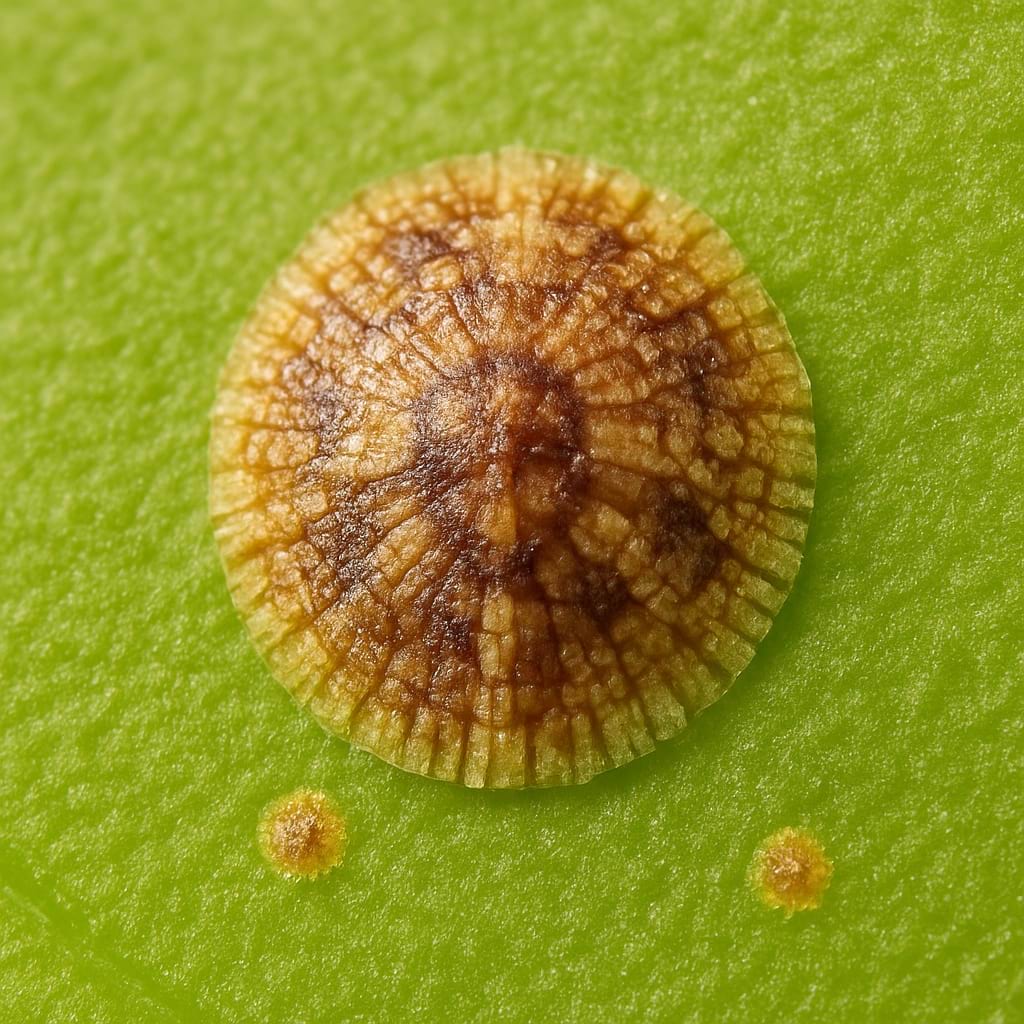
- Scale Insects: These are one of the more common pests on Holly Ferns. They appear as small, immobile, hard or waxy bumps, often brown or tan, typically found on the stems (rachis), undersides of fronds, and sometimes on the rhizome. They suck plant sap and can weaken the plant, causing yellowing or stunted growth.
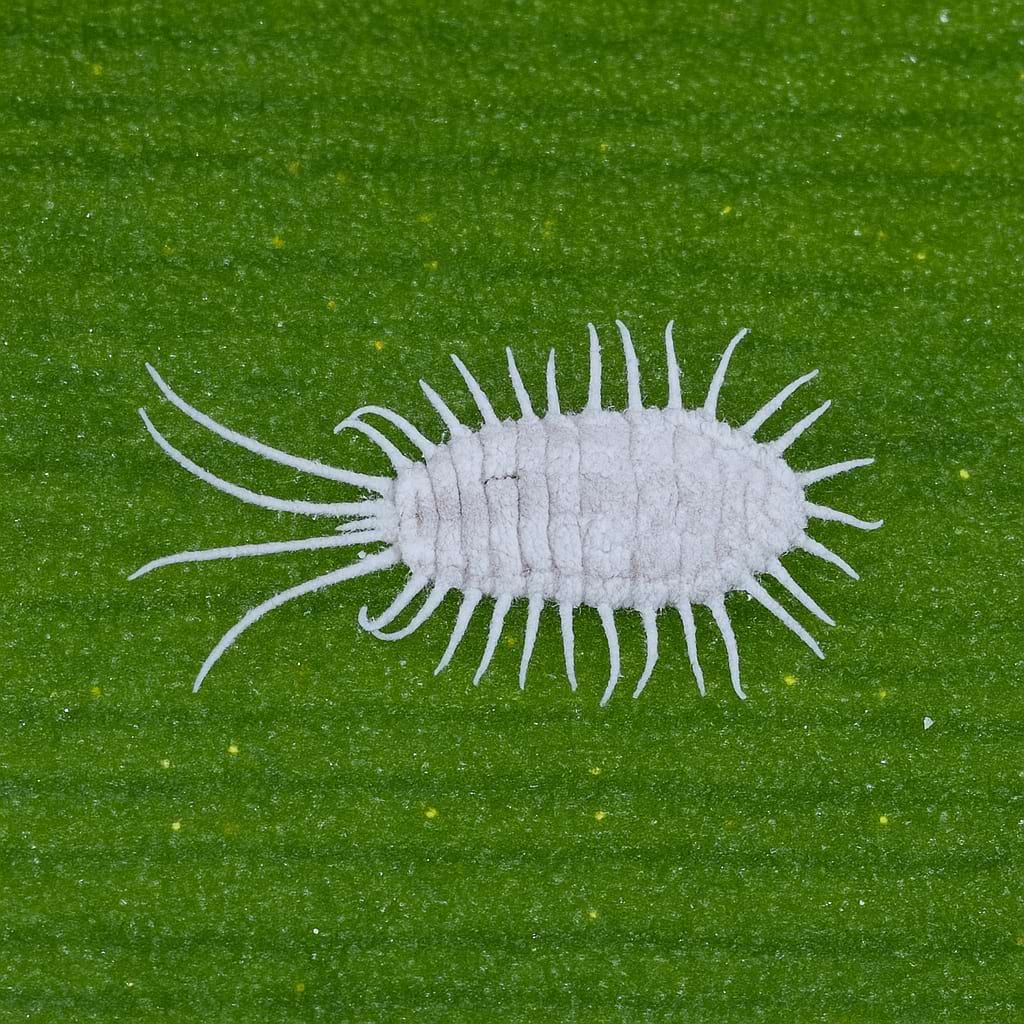
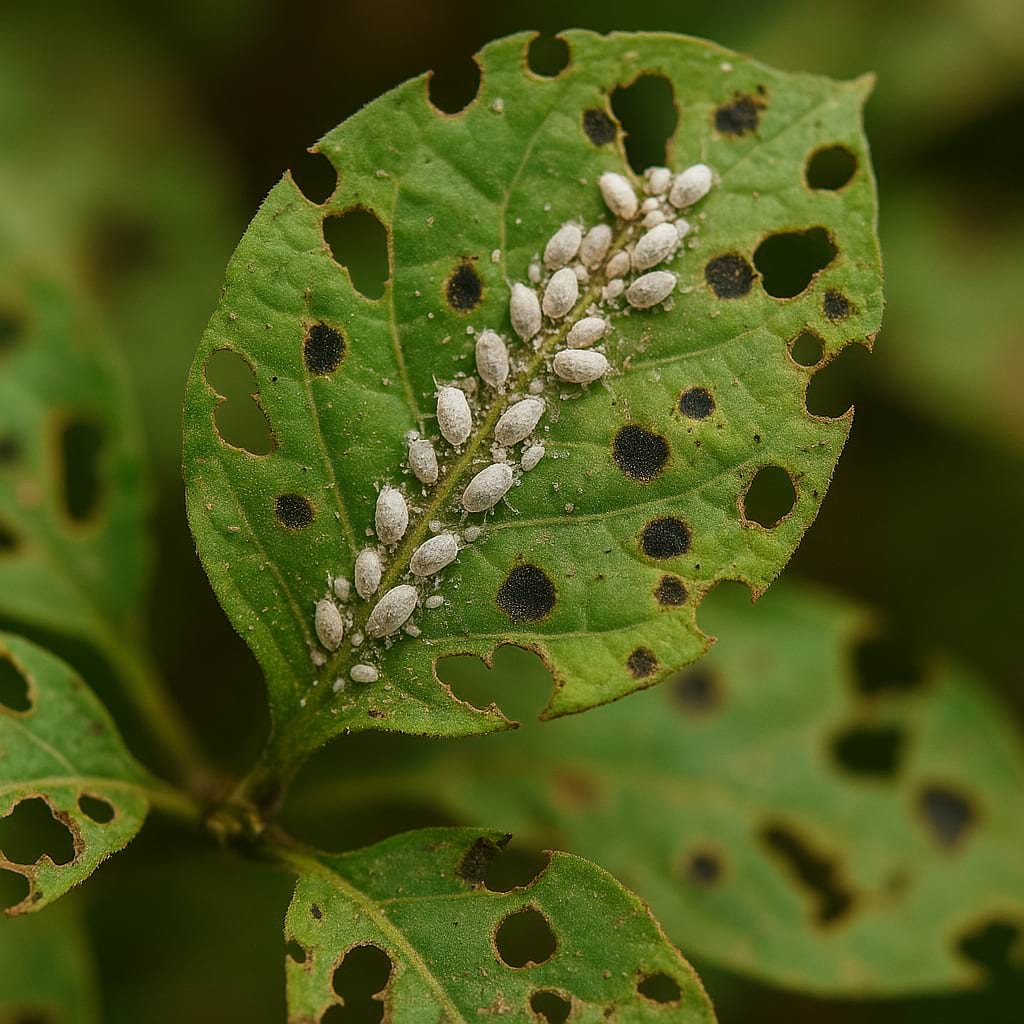
- Mealybugs: Small, white, cottony insects that tend to hide in protected areas, such as where fronds emerge from the crown or in dense parts of the foliage. They also feed on sap and can excrete sticky honeydew.
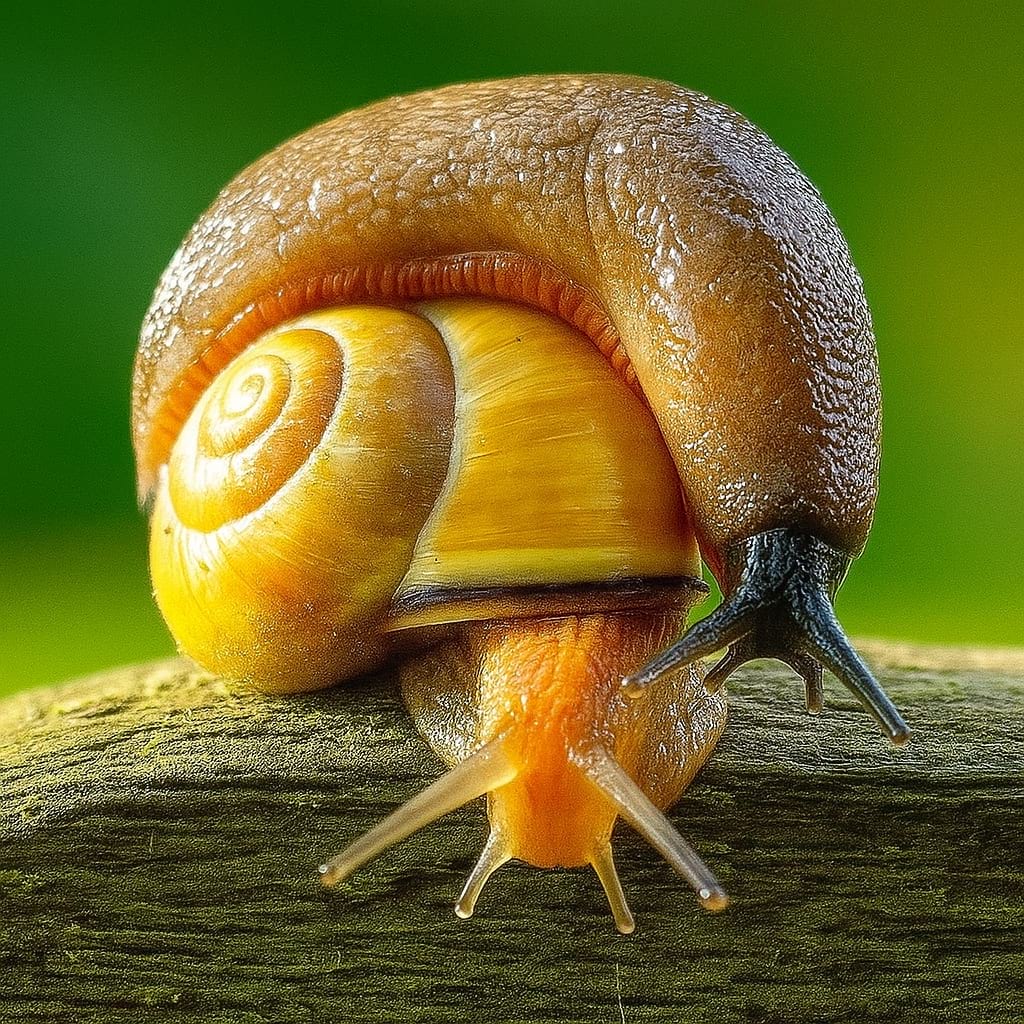
- Slugs & Snails: If grown outdoors, particularly in damp, shaded areas, slugs and snails can feed on the fronds, leaving ragged edges or holes.
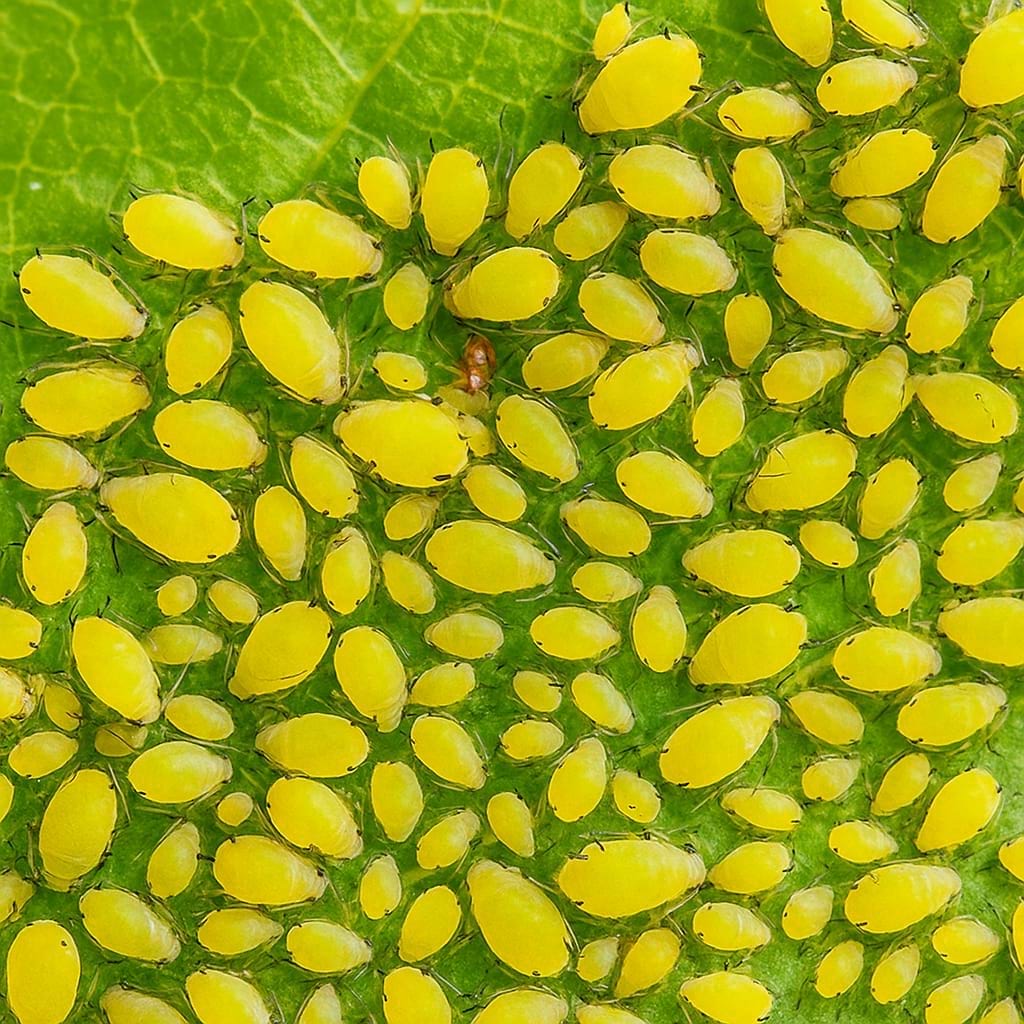
- Aphids: Less common on ferns, but aphids can sometimes infest new, tender growth, sucking sap and causing distortion.
Regularly inspect your fern, including the undersides of fronds and around the crown, for any early signs of pest activity. If an infestation is detected, isolate the plant if possible and treat it with an appropriate method, such as insecticidal soap, neem oil, horticultural oil (for scale), or manual removal (e.g., using a cotton swab dipped in rubbing alcohol for mealybugs or scale). For slugs and snails outdoors, use appropriate baits or traps.
🩺 Common Problems
Troubleshooting Holly Fern Issues
While Holly Ferns are known for their toughness, they can still encounter some common problems, usually related to cultural conditions like watering, light, or soil.
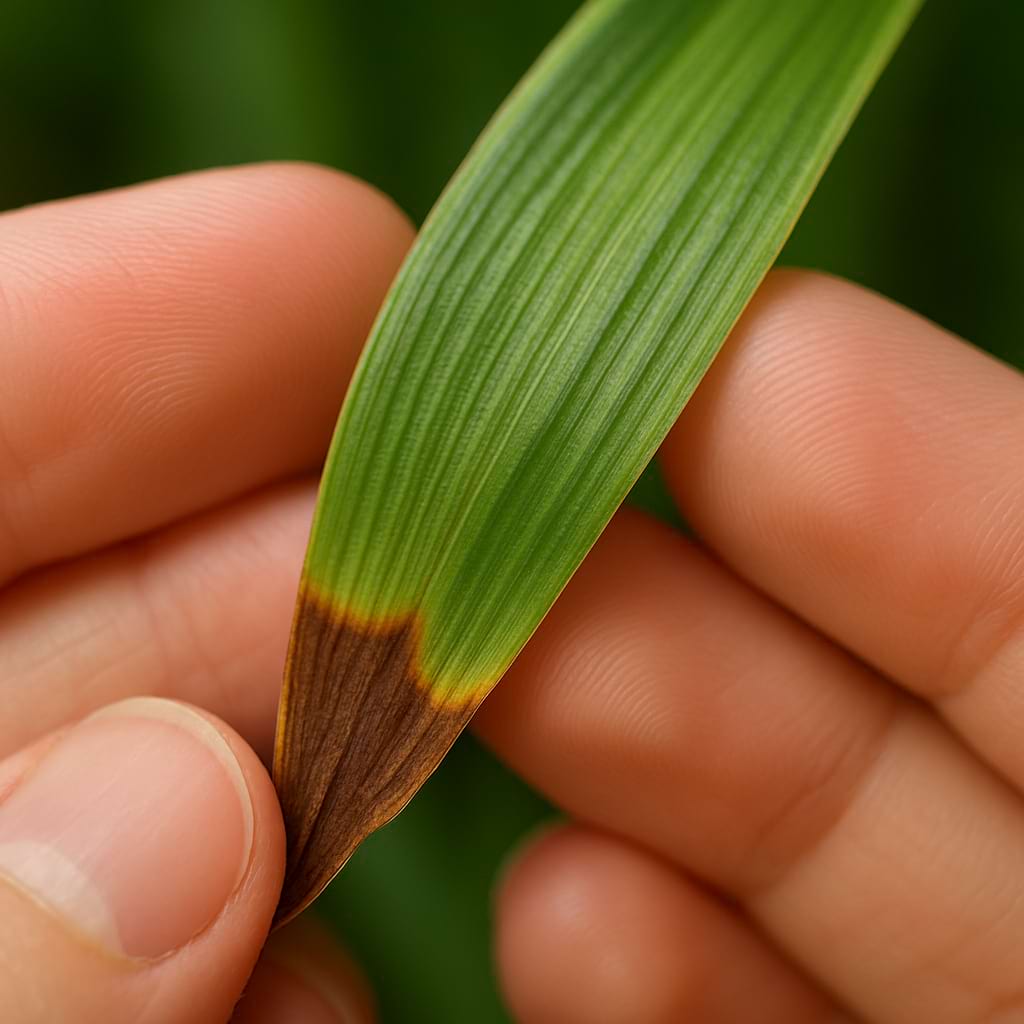
- Brown, Crispy Edges or Tips: This can be a sign of underwatering, allowing the soil to dry out too much between waterings. While more tolerant of dry air than other ferns, extremely low humidity can also contribute. Direct sun exposure can also cause frond tips to burn.
- Yellowing Leaves (Fronds): This is often an indication of overwatering or poorly draining soil, leading to root suffocation. It can also occur due to severe underwatering, significant nutrient deficiencies (though they are light feeders), or it might be the natural aging process of the oldest fronds.
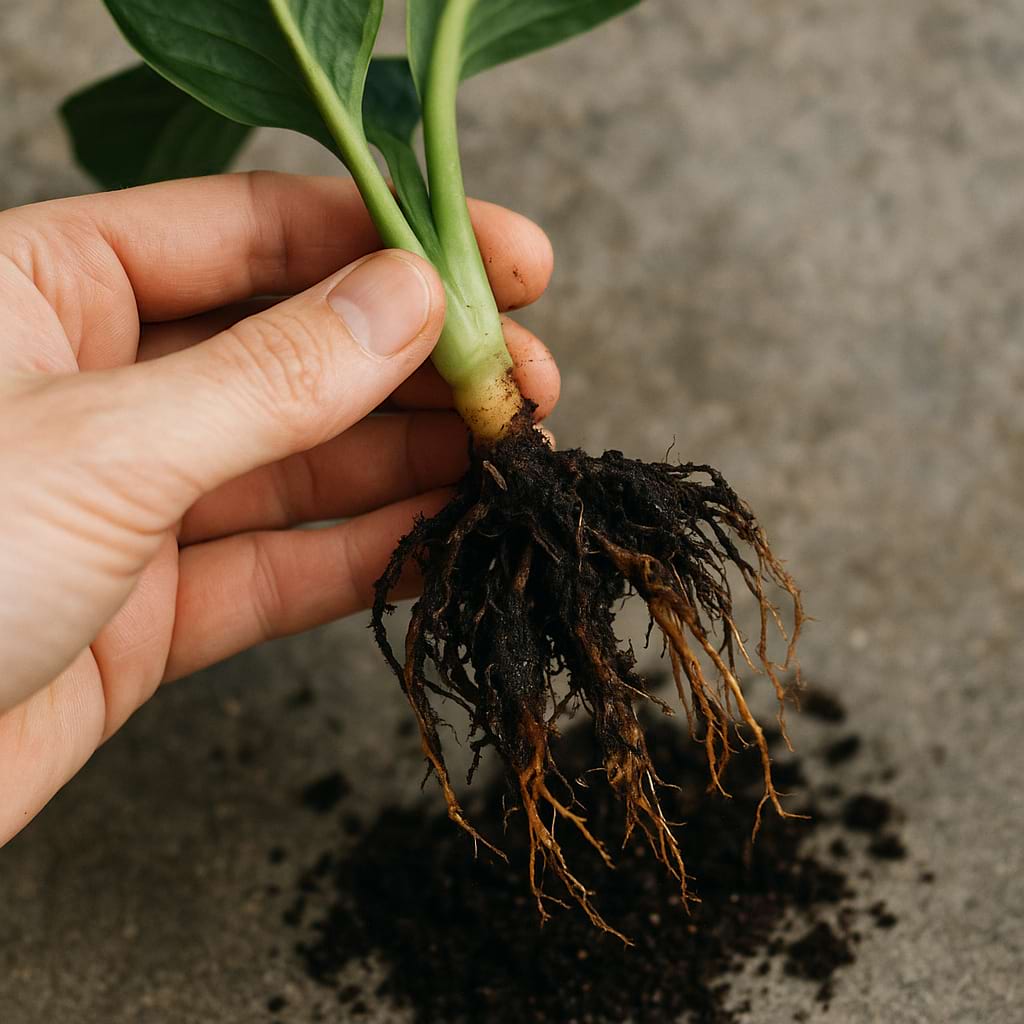
- Root Rot: A serious condition caused by prolonged overwatering, soil that stays waterlogged, or planting the crown too deeply. Symptoms include wilting fronds despite moist soil, a foul odor from the soil, and mushy, dark roots and crown. Prevention through proper watering and well-draining soil is crucial.
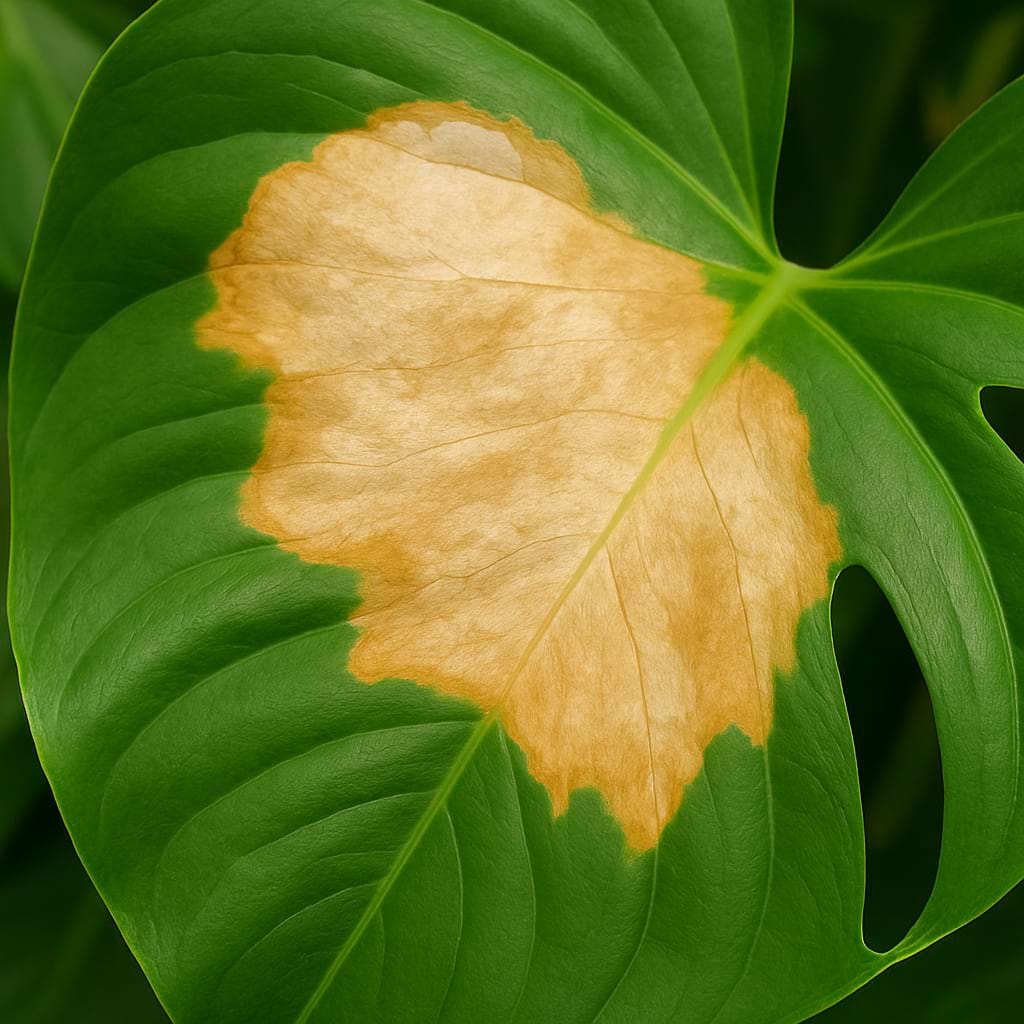
- Sunburn or Leaf Scorch: Appears as bleached, white, or crispy brown patches on fronds that have been exposed to too much direct, intense sunlight. Holly Ferns prefer shade.
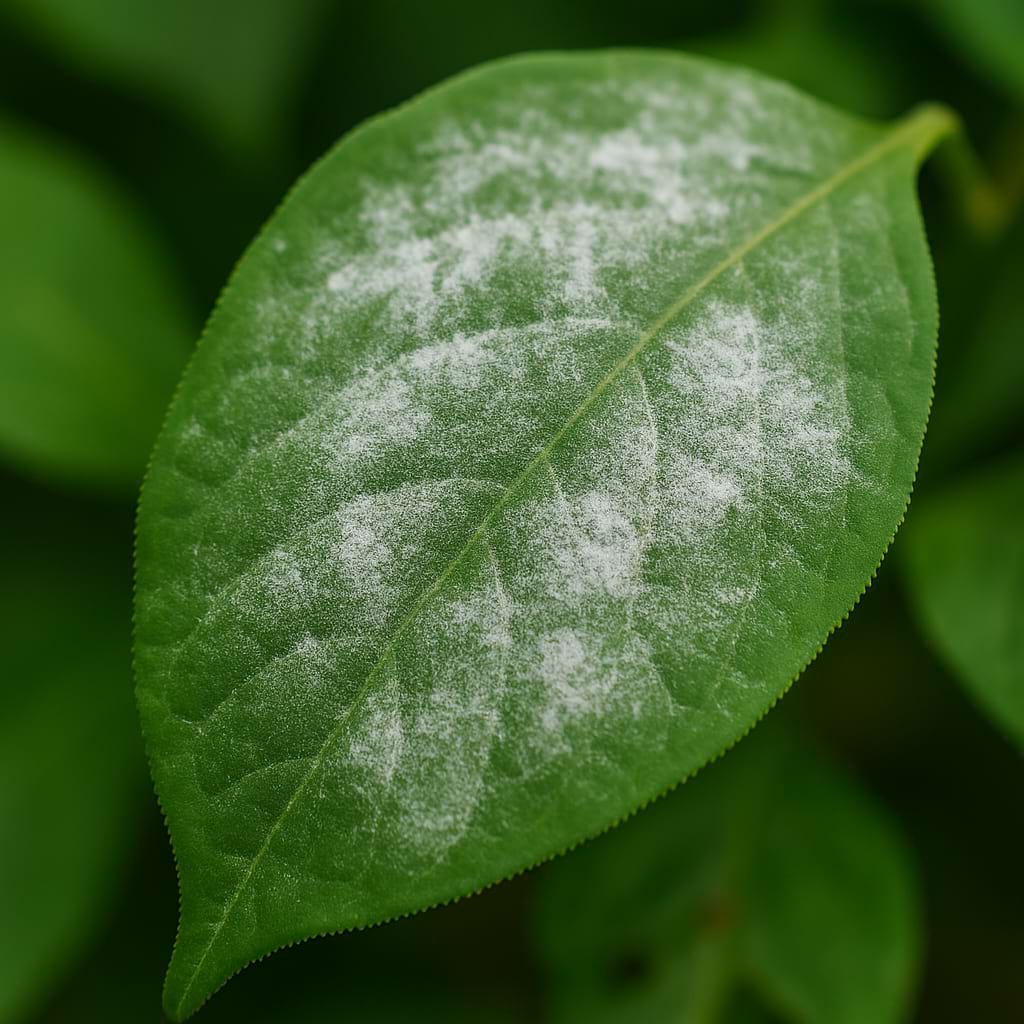
- Fungal or Bacterial Disease (Leaf Spots, Rust): Dark spots, lesions, or rust-colored pustules on the fronds can sometimes be caused by fungal or bacterial infections. These are often exacerbated by overly wet foliage, poor air circulation, or high humidity combined with cool temperatures. Ensure good air movement and water the soil, not the foliage.
- Pest Damage: Stippling, sticky residue (honeydew), distorted growth, or visible insects can indicate an infestation that needs addressing (see Pests section).

🖼️ Creative Display Ideas for Holly Ferns
Showcasing Your Fern's Bold Texture
The Holly Fern's robust, glossy fronds and distinctive holly-like leaflets make it a versatile plant for adding texture and year-round greenery to various settings:
- Shaded Garden Borders: Outdoors, they make excellent border plants along shaded pathways or at the front of a woodland garden bed.
- Woodland Gardens: Their naturalistic look fits perfectly into woodland garden schemes, grouped with other shade-loving perennials like hostas, astilbes, and heucheras. The leathery, holly-like pinnae also pair beautifully with the undivided strap fronds of a Hart's Tongue Fern, since both are cold-hardy evergreens that hold their structure through winter. For a glossier, finely-divided contrast in the same shaded bed, slot in a Tassel Fern (Polystichum polyblepharum); its twice-pinnate, almost lacquered fronds and golden-bronze spring fiddleheads play off the Holly Fern's bold sickle-shaped pinnae beautifully.
- Foundation Plantings: Use them on the north or east side of buildings where they receive protection from harsh sun.
- Container Gardening: In pots on shaded patios, balconies, or porches, they provide a durable and attractive foliage accent.
- Indoor Statement Plant: A well-grown Holly Fern in an attractive container can be a striking indoor plant, especially in rooms with lower light where other plants might struggle.
- Underplanting for Trees or Shrubs: Their shade tolerance makes them ideal for filling in spaces beneath larger plants.
- Mass Planting: For a lush, textured groundcover effect in larger shaded areas, plant Holly Ferns in groups.
When displaying your Holly Fern, consider its mature size and its preference for shade and moist, well-drained soil. Its bold texture contrasts beautifully with finer-textured plants.
👍 Pro Tips for Healthy Holly Fern Growth
Expert Advice for Thriving Ferns
To ensure your Holly Fern thrives and maintains its handsome appearance, keep these expert tips in mind:
- Shade is Key: While adaptable, Holly Ferns truly prefer and look their best in partial to full shade. Protect them from direct, intense sun, especially afternoon sun.
- Consistent Moisture, Good Drainage: Aim for soil that is consistently moist but never waterlogged. Good drainage is crucial to prevent root rot.
- More Tolerant Than You Think: Holly Ferns are generally tougher and more tolerant of less-than-ideal conditions (like lower humidity or occasional dryness once established) than many other fern species.
- Enrich the Soil: They appreciate soil rich in organic matter. Amend garden soil with compost or use a good quality, peat-based potting mix for containers.
- Don't Bury the Crown: When planting or repotting, ensure the crown of the plant (where fronds emerge) is at or slightly above the soil line to prevent rot.
- Protect in Coldest Zones: If growing outdoors in the colder end of its hardiness range (e.g., zone 6), provide winter mulch to protect the crown.
- Divide for More Plants: Propagation by division is easy in spring if your clump becomes too large or you want to share.
- Watch for Scale: Scale insects can sometimes be an issue. Inspect periodically and treat early if found.
📝 Final Thoughts
Enjoying Your Hardy Holly Fern
The Holly Fern (Cyrtomium falcatum) is a remarkably resilient and attractive fern that offers year-round interest with its glossy, dark green, holly-like foliage. Its adaptability to shade, tolerance of a wider range of conditions than many other ferns, and general ease of care make it an excellent choice for both beginner and experienced gardeners.
Whether used as a stately indoor plant, a textural groundcover in a shaded garden, or a handsome container specimen, the Holly Fern brings a touch of enduring, classic beauty. By providing it with the right conditions-primarily shade, consistent moisture in well-drained, rich soil-you can enjoy this distinctive fern for many years, appreciating its robust nature and unique, protective symbolism.
❓ Frequently Asked Questions
Why are my Holly Fern leaves turning brown?
Brown leaves or tips on Holly Ferns can be caused by underwatering, low humidity (less common for this fern), or direct sun exposure. Ensure consistent moisture and protect from harsh sun.
Is Holly Fern an indoor or outdoor plant?
Holly Ferns can be grown both indoors as a houseplant and outdoors in shaded areas in USDA hardiness zones 6-10. They are quite adaptable.
How much sun does a Holly Fern need?
Holly Ferns prefer partial to full shade. Indoors, provide bright, indirect light. They can tolerate low light but thrive with more. Avoid direct, intense sunlight.
How often should I water my Holly Fern?
Water when the top inch of soil feels slightly dry. Aim to keep the soil consistently moist but not waterlogged. Reduce frequency in winter or cooler conditions.
Is Holly Fern safe for pets?
Yes, Cyrtomium falcatum is generally considered non-toxic to cats and dogs, making it a pet-safe choice for your home or garden.
ℹ️ Holly Fern Info
Care and Maintenance
🪴 Soil Type and pH: Well-draining, rich in organic matter, slightly acidic to neutral (pH 6.0-7.0)
💧 Humidity and Misting: Moderate to High (40-60%); tolerates average household humidity better than many ferns.
✂️ Pruning: Remove dead, damaged, or unsightly fronds at the base.
🧼 Cleaning: Gently wipe fronds with a damp cloth or mist to remove dust.
🌱 Repotting: Every 2-3 years or when root-bound, typically in spring.
🔄 Repotting Frequency: Every 2-3 years
❄️ Seasonal Changes in Care: Reduce watering slightly in winter; provide winter protection if outdoors in marginal zones.
Growing Characteristics
💥 Growth Speed: Slow to Moderate
🔄 Life Cycle: Perennial
💥 Bloom Time: Does not bloom (produces spores)
🌡️ Hardiness Zones: 6-10 (Outdoor); Indoors in all zones
🗺️ Native Area: East Asia (China, Japan, Korea, Taiwan, Vietnam), India, Polynesia
🚘 Hibernation: No, but slows growth in cooler weather; fronds may die back in colder parts of its range.
Propagation and Health
📍 Suitable Locations: Indoor, shaded outdoor gardens, woodland gardens, foundation plantings.
🪴 Propagation Methods: Rhizome division or spores.
🐛 Common Pests: Scale Insects, Mealybugs, Slugs Snails, Aphids
🦠 Possible Diseases: Root rot (if overwatered), fungal leaf spots, rust
Plant Details
🌿 Plant Type: Fern (Terrestrial)
🍃 Foliage Type: Evergreen (in milder climates; may be semi-evergreen or die back in cold winters)
🎨 Color of Leaves: Dark green, glossy
🌸 Flower Color: N/A
🌼 Blooming: Does not bloom (produces spores)
🍽️ Edibility: Not edible
📏 Mature Size: Up to 1.5-2.5 feet (45-75 cm)
Additional Info
🌻 General Benefits: Textural interest, shade tolerance, air purification (moderate)
💊 Medical Properties: Some traditional uses in native regions.
🧿 Feng Shui: Promotes protection and resilience due to its holly-like appearance
⭐ Zodiac Sign Compatibility: Scorpio
🌈 Symbolism or Folklore: Protection, endurance, truth
📝 Interesting Facts: Its pinnae (leaflets) are falcate (sickle-shaped) and resemble holly leaves, giving it its common name. It's more drought-tolerant than many other ferns once established.
Buying and Usage
🛒 What to Look for When Buying: Choose plants with vibrant, glossy green fronds, no significant browning, spotting, or pests. Ensure the crown looks healthy.
🪴 Other Uses: Groundcover in shade, container plant, cut foliage (though not as common as Leatherleaf).
Decoration and Styling
🖼️ Display Ideas: Shaded borders, woodland gardens, foundation plantings, pots on shaded patios, indoor statement plant.
🧵 Styling Tips: Its bold, holly-like texture contrasts well with finer-textured plants. Good for adding structure to shade gardens or a touch of robust greenery indoors.

Houseplant101 Forum
Questions & Comments
Ask a question, share your plant experience, or help other plant owners.
Comments are temporarily unavailable.
Open the Houseplant101 ForumNo comments yet
Be the first to ask a question or share your experience about this page.
Log in or create an account
Comments use your Houseplant101 Forum account, but you can stay on this page.
Create a new account